
Blessed person of the world.
Joined January 2016
- Tweets 1,758
- Following 100
- Followers 707
- Likes 6,585
95 Photos and videos
Muhammad Ali retweeted

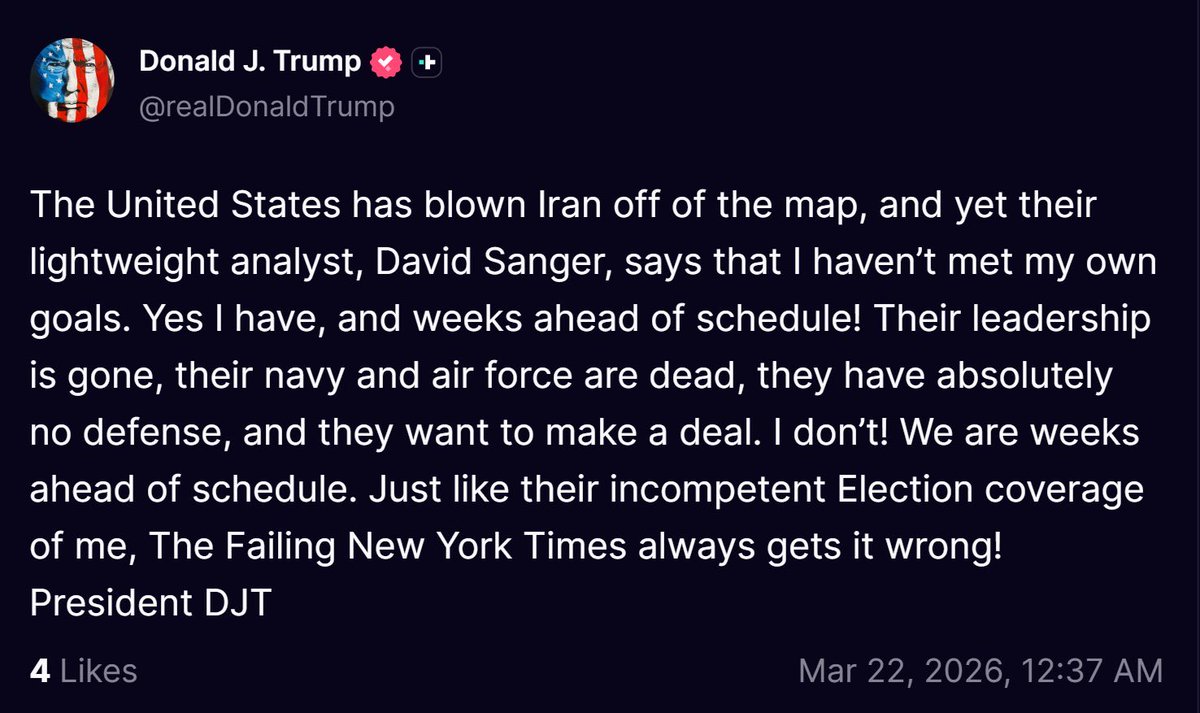
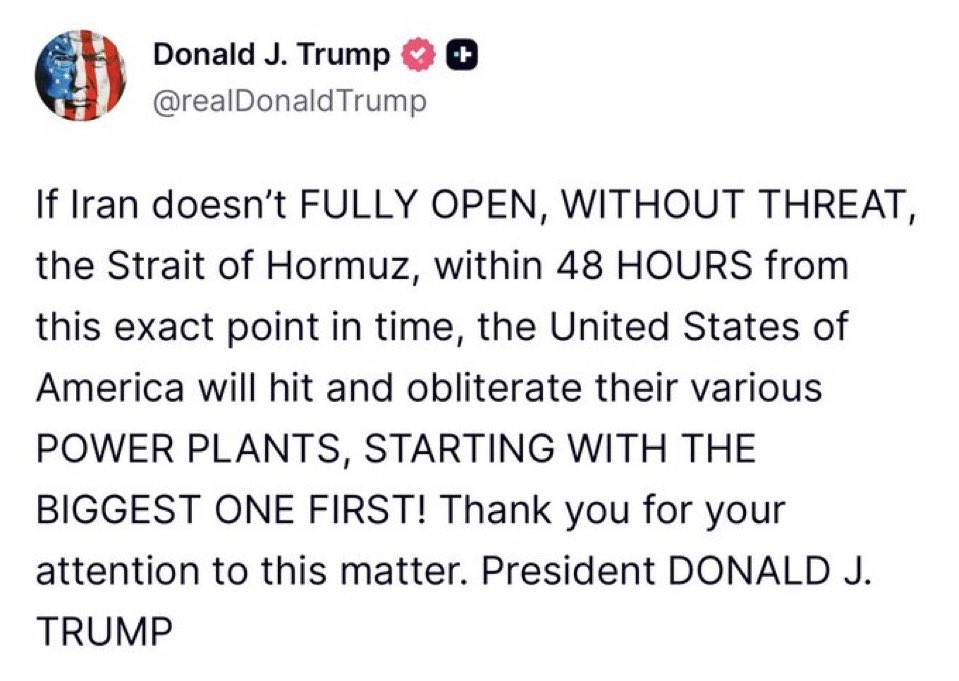
To the Honorable and Great Nation of the USA:
The man is not mentally fit for office, he's dishonoring a courageous and diligent nation's reputation by abusing their tax.
Your money was meant to build your nation not bomb our schools.
217
2,502
9,460
572,226
Muhammad Ali retweeted

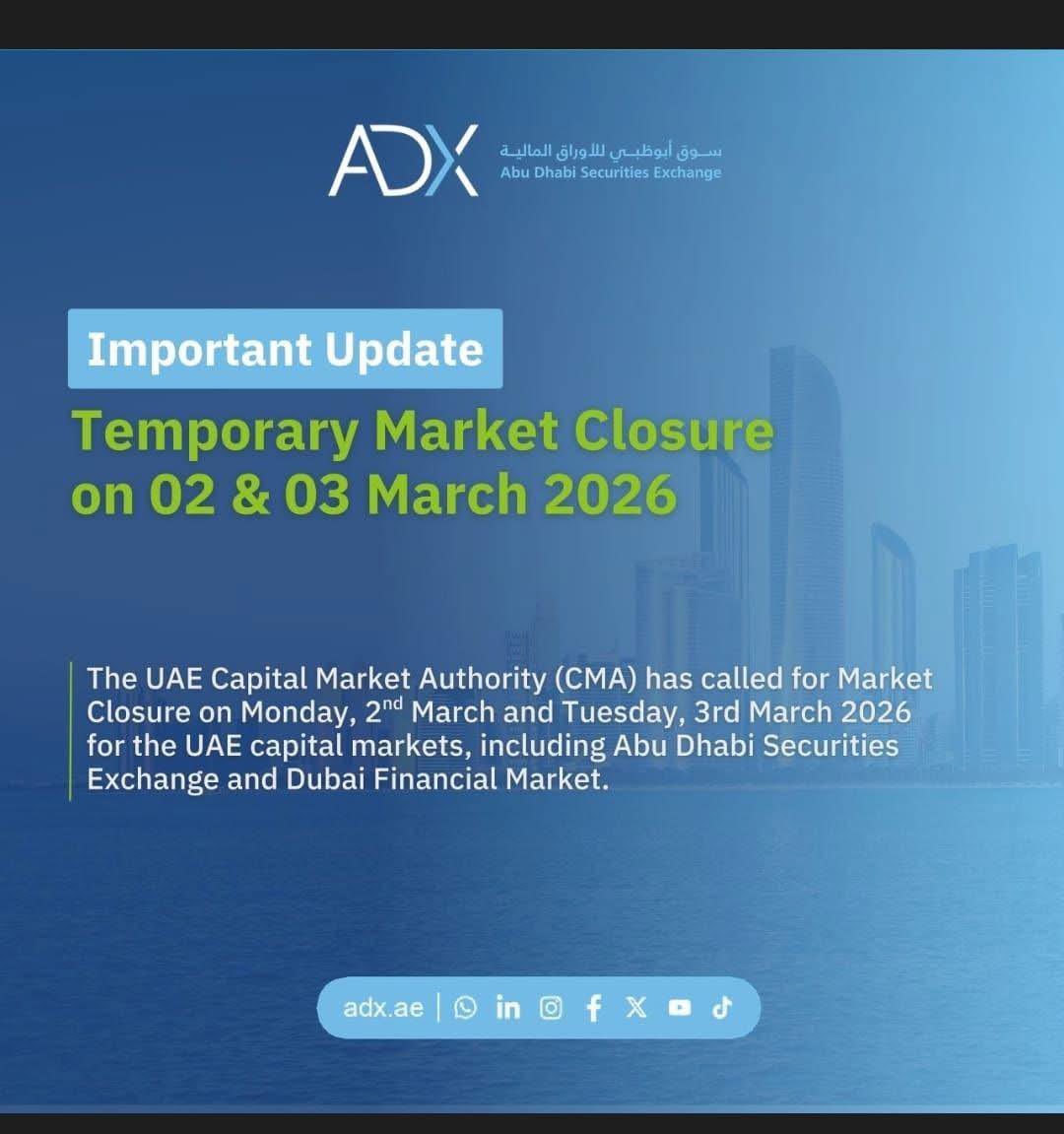
My Dear Friends and Fellow Investors,
Yesterday, as the Pakistan Stock Exchange (PSX) teetered on the brink, I publicly called for its closure for three to four days to let the panic subside, mirroring the wise decisions by our neighbors in the UAE, Kuwait, and Saudi Arabia amid this escalating war-like turmoil in the Middle East. And today? The PSX plunged a staggering 16,000 points, validating every word I uttered. Someone very intelligent and experienced said that closing markets in such chaos is unwise, but history begs to differ.
As someone who's navigated financial storms for decades, let me share why shutting down exchanges during geopolitical mayhem isn't just prudent—it's a lifesaver for economies and investors alike.
Let me explain point by point. Be a bit patient.
First, closures prevent blind panic selling that decimates wealth. Recall July 31, 1914, when World War I erupted: the New York Stock Exchange (NYSE) shuttered for over four months to halt Europeans dumping U.S. securities in fear. Without it, markets could've collapsed entirely.
Second, they curb excessive volatility. NYSE officials, led by President William McAdoo, feared investors overreacting to war declarations, driving prices into the abyss. The closure allowed cooler heads to prevail.
Third, it shields ordinary investors from unnecessary losses. In 1914, the fear was repatriation of capital; today, it's missile strikes and oil spikes from U.S.-Israeli actions against Iran on February 28, 2026, prompting Iranian retaliations.
Fourth, time buys clarity amid uncertainty. During the 9/11 attacks on September 11, 2001, the NYSE closed until September 17 under Chairman Richard Grasso's directive, averting a freefall amid national grief and logistical chaos.
Fifth, markets rebound stronger post-closure. When NYSE reopened on December 12, 1914, the Dow Jones surged 4%, paving the way for an 88% gain in 1915, the index's best year ever, as war contracts boosted the U.S. economy.
Sixth, it maintains systemic stability. In the Gulf War of 1990-1991, brief halts and interventions under President George H.W. Bush's administration prevented broader meltdowns, with markets recovering in months.
Seventh, closures deter manipulation. During World War II, limited shutdowns in 1939 after Hitler's invasion of Poland on September 1 allowed regulators to monitor without speculative frenzy; the Dow rose 10% shortly after.
Eighth, they provide breathing room for policy responses. Russia's Moscow Exchange closed for a month starting February 28, 2022, during the Ukraine invasion, giving the Central Bank under Elvira Nabiullina time to stabilize the ruble.
Ninth, history shows non-closures amplify damage. The 1929 Crash on October 29 saw no full halt; the Dow plummeted 13%, fueling the Great Depression under President Herbert Hoover's inaction.
Tenth, in our region, UAE's Abu Dhabi and Dubai exchanges closed March 2-3, 2026, per Capital Markets Authority orders, shielding billions from Iranian strikes' fallout proving foresight over folly.
Eleventh, it fosters investor confidence long-term. Kuwait's indefinite suspension on March 1, 2026, echoes this, preventing a PSX like bloodbath.
Twelfth, closures align with modern circuit breakers, but in war-like scenarios, full pauses are essential, as seen in Egypt's 5.44% drop without one.
Friends, I've seen markets rise from ashes. Closing isn't weakness; it's wisdom. Let's urge our regulators to act boldly, preserving our hard-earned wealth. History isn't just facts, it's our guide.
In solidarity,
Mir Mohammad Alikhan
22
32
205
25,844
Muhammad Ali retweeted

23 Dec 2025
Bad outcomes aren’t always proof of bad decisions.
Great outcomes aren’t always proof of genius.
There’s a loud third variable: luck.
So stay humble on wins, don’t panic on losses — and diversify because luck can (and will) punch your thesis in the face.
3
15
68
4,511
Muhammad Ali retweeted

Jan 12
You can access the compilation of Pakistan Strategy 2026 Reports from 22 different research houses on the following URL:
drive.google.com/drive/folde…
#PSX #Research #Pakistan #KSE100

6
15
76
6,392
Muhammad Ali retweeted

18 Dec 2025
BUY ON UPTRENDING AND SELL WHEN DOWNTREND BEGINS.------william o'neil
1
31
220
27,122
Muhammad Ali retweeted

29 Nov 2025
Roger Federer broke the internet with one statistic that will change how you see every setback in your life.
1,526 singles matches.
Won almost 80% of them.
20 Grand Slams. 103 titles.
Now answer honestly:
What percentage of total points do you think he won across his entire career?
70%? 65%? 60%?
Try … 54%.
He lost literally almost EVERY SECOND POINT he ever played for 24 years.
And still became one of the greatest of all time.
Watch him explain it himself (2:07 of pure life-changing wisdom):
“In tennis, perfection is impossible… When you lose every second point on average, you teach yourself to say:
‘Okay, I double-faulted — it’s only one point.’
‘Okay I got passed at the net — it’s only one point.’
Even a screaming overhead smash that ends up on SportsCenter Top 10… still just one point.
So when you’re playing your point, it has to be the most important thing in the world.
The moment it’s over — it’s behind you.
That mindset frees you to attack the next point, and the next, and the next with absolute intensity and clarity.”
Then he looked at the crowd and said the line that hit a billion people in the soul:
“The real sign of a champion is not that they win every point.
It’s that they lose again and again and again… and have learned how to deal with it.
Negative energy is wasted energy.
Cry it out if you have to. Then force a smile.
Move on. Be relentless. Adapt. Grow.
Work harder — and work smarter.”
Save this post.
The next time you lose a deal, bomb a presentation, get ghosted, miss a deadline, or just have “one of those days” — come back here and read it again.
You’re not falling behind.
You’re just in the 46%.
And the 46% is exactly where every single legend has spent most of their career.
Keep playing the next point.
(full 2:07 clip — sound on)
172
3,014
15,977
4,899,133

In 1971, the US ran out of money and defaulted on its debts. Now, they didn’t say it that way. But by moving away from the gold standard, money as we understood it ended.
I expected the stock market to plunge, but it went on to rise nearly 25%. That surprised me. But when I looked into it, I discovered the exact same thing happened in 1933 and it had the exact same effect.
Here’s why.
227
1,947
7,906
982,008
Muhammad Ali retweeted
19 Oct 2025
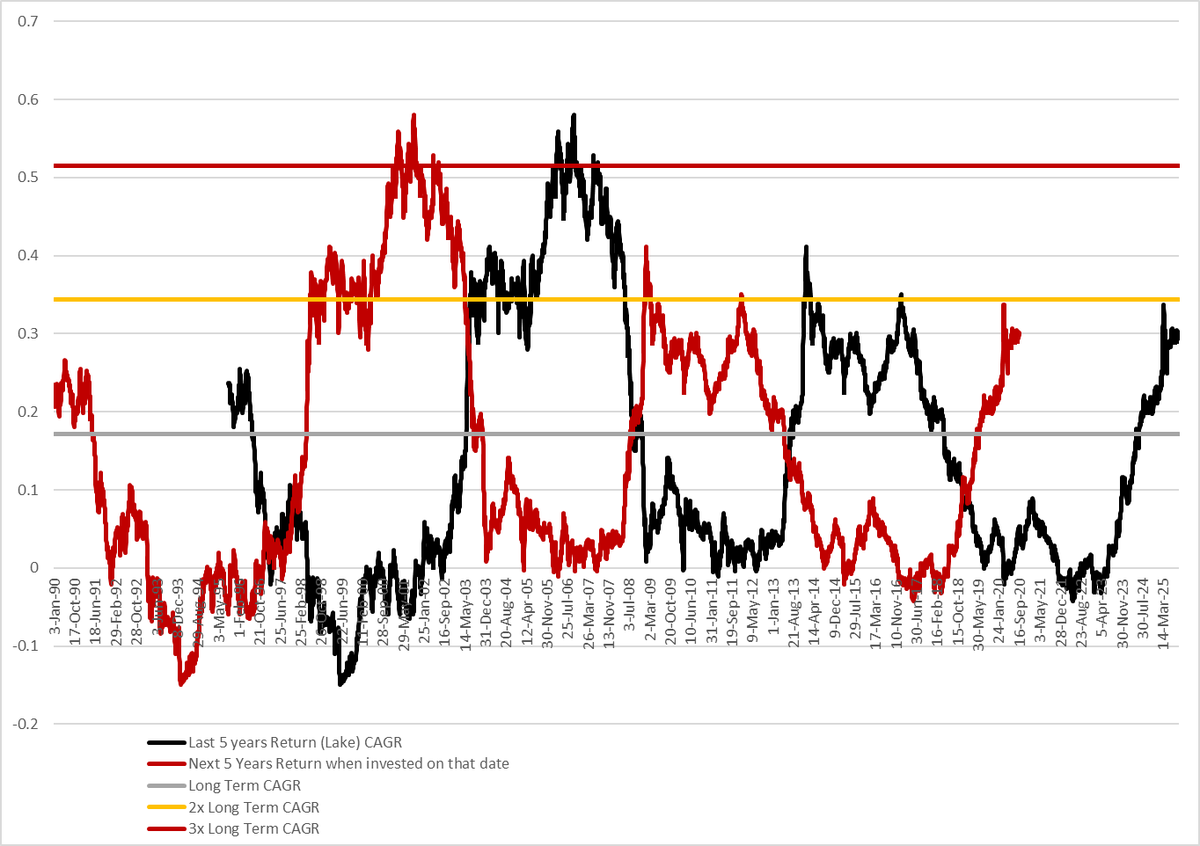
🇵🇰KSE 100 Lake of Returns
19 Oct 2025

Some thoughts on the stock market
Do not overextend youself in the stock market at these valuations.
Fix your asset allocation. Keep some fixed income according to your age, risk appetite and liquidity requirements.
youtu.be/ijLilpCe4gM?si=Z87j…
2
4
52
6,999

20 Aug 2025
By the grace of Allah Almighty, my open portfolios have delivered returns of over 100% in 13 months, outperforming the KSE-100 index by 16%.
4 Aug 2024

For retail investors with limited knowledge, I have created three SIP-based portfolios and provided additional information , which I will try to update regularly. But please keep in mind "Risk bhi apna or Rizq bhi apna". The link is docs.google.com/spreadsheets…
5
2
58
4,898
Muhammad Ali retweeted
28 Jul 2025
🚨151% dividend yield?
Was that what pulled you to #JSMFETF? If yes, you're now down –9.1% YTD.
Did you fall for the #hype? Or just didn't understand the #ETF?
Are you holding for future dividends? Will they even come?
Let’s do a deep dive on how this PSX ETF really works. 🧵
14
11
92
14,250
16 Jul 2025
It's been a year since I created these portfolios, and by grace of Allah Almighty both have outperformed the KSE 100 index and portfolios managed by paid mentors, delivering outstanding gains.
4 Aug 2024
For retail investors with limited knowledge, I have created three SIP-based portfolios and provided additional information , which I will try to update regularly. But please keep in mind "Risk bhi apna or Rizq bhi apna". The link is docs.google.com/spreadsheets…
2
33
2,143
Muhammad Ali retweeted

26 Jun 2025
This is how you make a kick-**a portfolio with just, Rs6500 - review it every 3 months keep going until you become rich!
Link to the excel: docs.google.com/spreadsheets…
Thats it and Thats all!
11
17
159
24,411
Muhammad Ali retweeted

9 May 2025
A message of PEACE and Humanity from a young boy.
#IndiaPakistanWar2025 #PakistanZindabad #RafaleDown #PakistanIndianWar
7
56
288
68,394
22 Apr 2025
Is it a coincidence that none of these performed, whereas the open portfolio beat the index by 27%?
5 Jul 2024
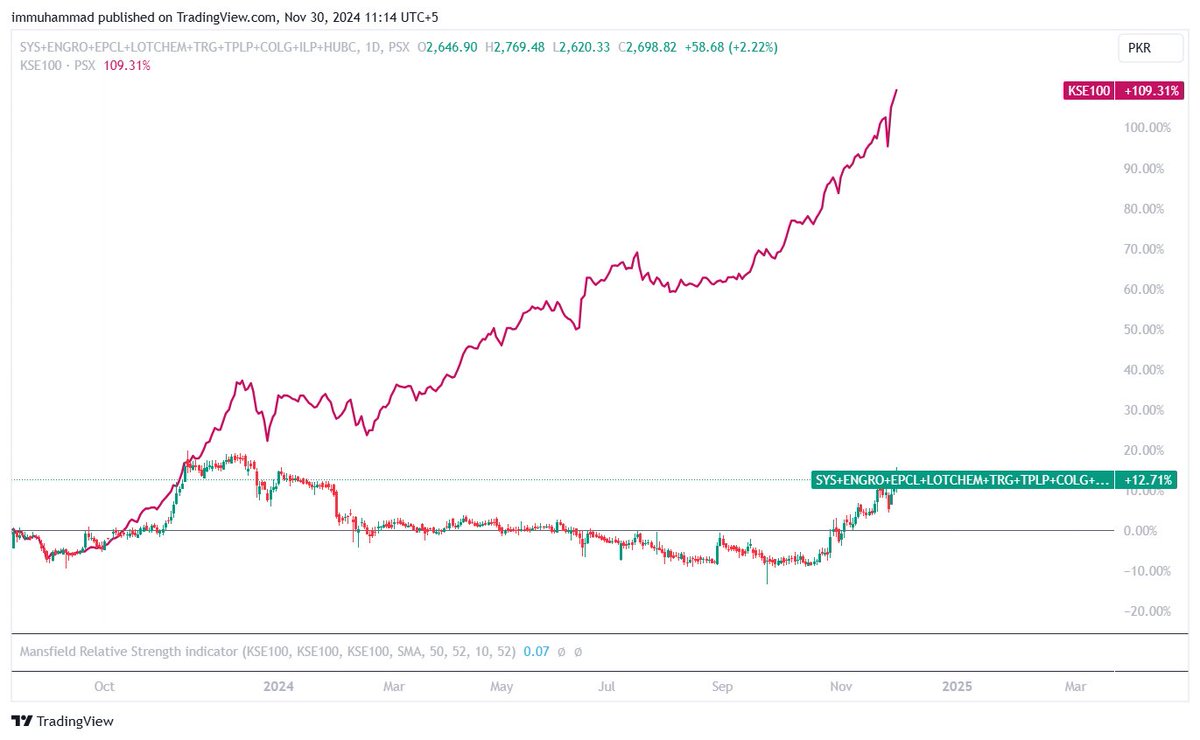
Some of the companies I am not bullish at all Sys, Engro, EPCL, Lotte, TPLP, TRG etc
2
291
22 Apr 2025
By the Grace of Allah Almighty, one portfolio outperformed the KSE 100 by 27%, and the other by 18%.
4 Aug 2024
For retail investors with limited knowledge, I have created three SIP-based portfolios and provided additional information , which I will try to update regularly. But please keep in mind "Risk bhi apna or Rizq bhi apna". The link is docs.google.com/spreadsheets…
4
7
399
1 Jan 2025
Al Hamdo Lillah
15 Dec 2024
Do not fall victim to an apparently overheated, overbought, or high KSE-100 Index. Instead, focus on individual stocks. You’ll find many stocks breaking out from strong bases.
8
666
Muhammad Ali retweeted
3 Aug 2024
Are you feeling stressed by higher market rates, worried about a potential fall, or concerned about political instability? This video, Learn to Do Stress-Free Long-Term Investing by me, can help you navigate the market next few years. youtube.com/watch?v=yvTrMAh2…
5
2
15
1,079
Muhammad Ali retweeted

24 Dec 2024
I have created this sample Google sheet for those who r interested to invest in their favourite index(Until we have an actual ETF)
From Drop-down pick your index and it would load all d constituents &their weightage along with price.
docs.google.com/spreadsheets…
32
21
152
17,936
23 Dec 2024
Are there any drawbacks of investing in JSMFETF besides the Shariah and non-Shariah compliance issue?
5
5
1,455