
Distributed, rural, hydro Bitcoin mining in Africa that supports local energy development.
Joined July 2022
- Tweets 2,143
- Following 834
- Followers 13,345
- Likes 2,870
326 Photos and videos


Pinned Tweet

4 Dec 2025
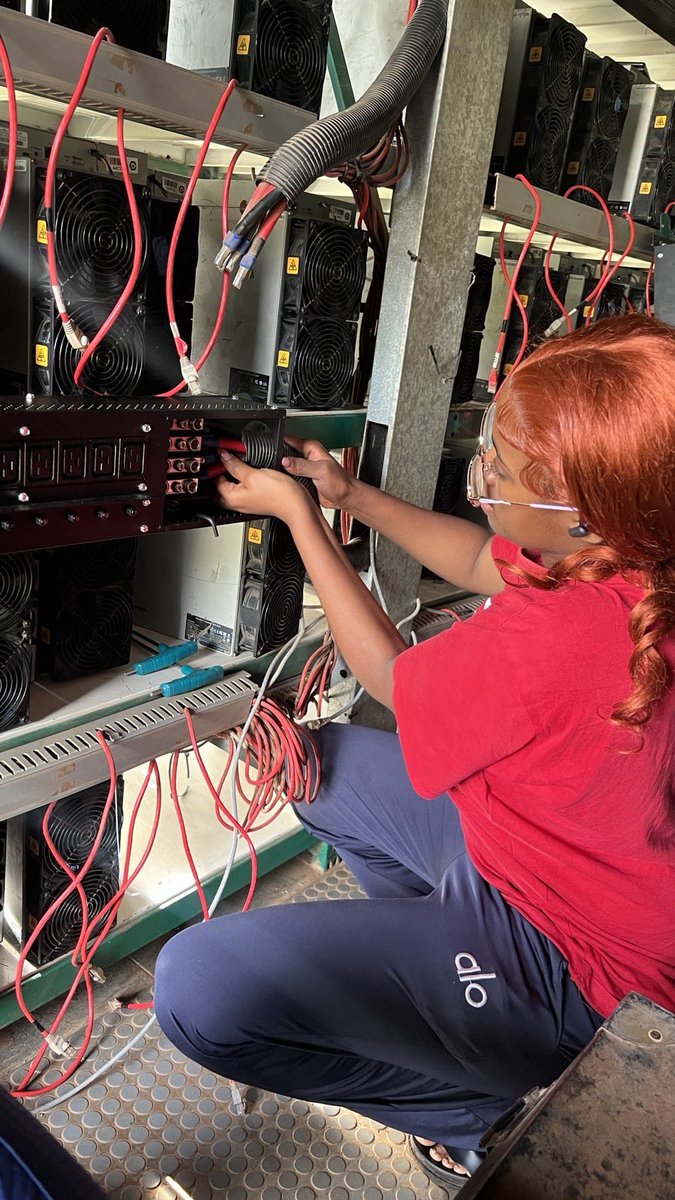
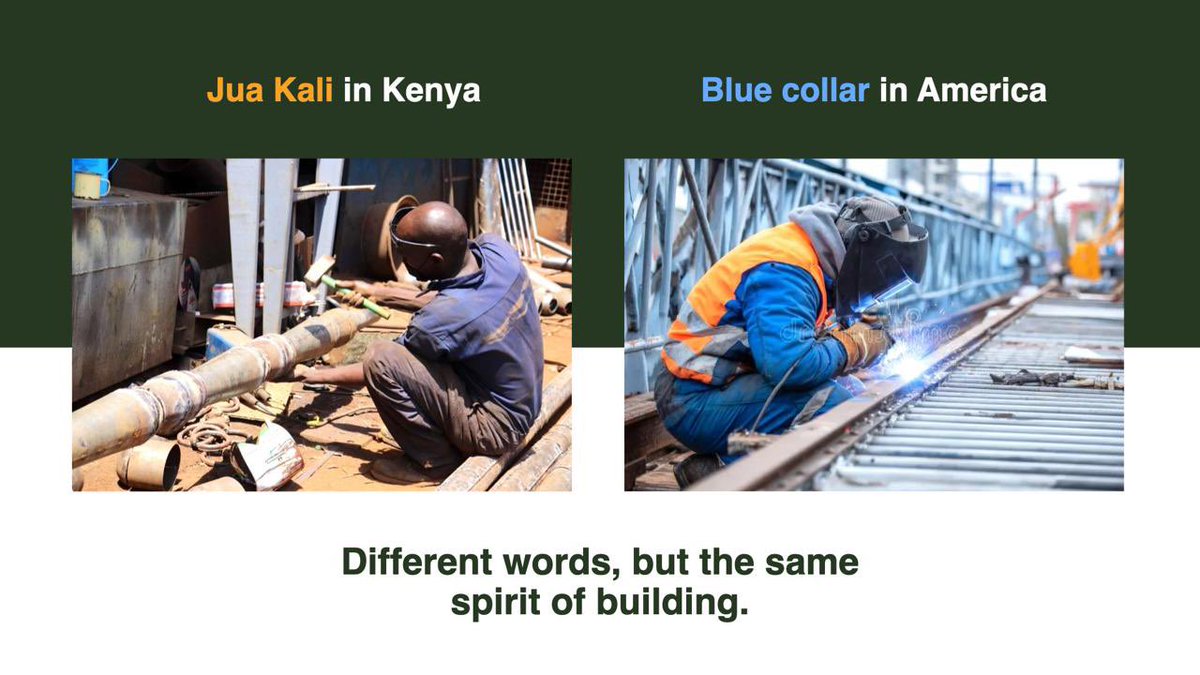
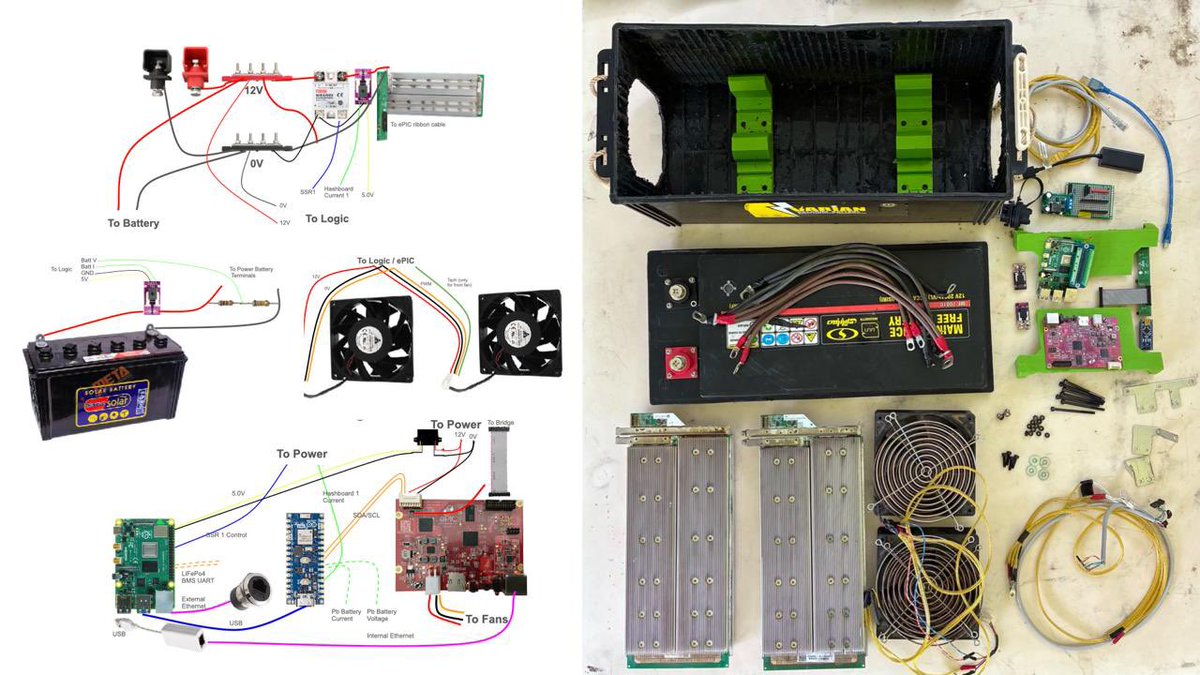
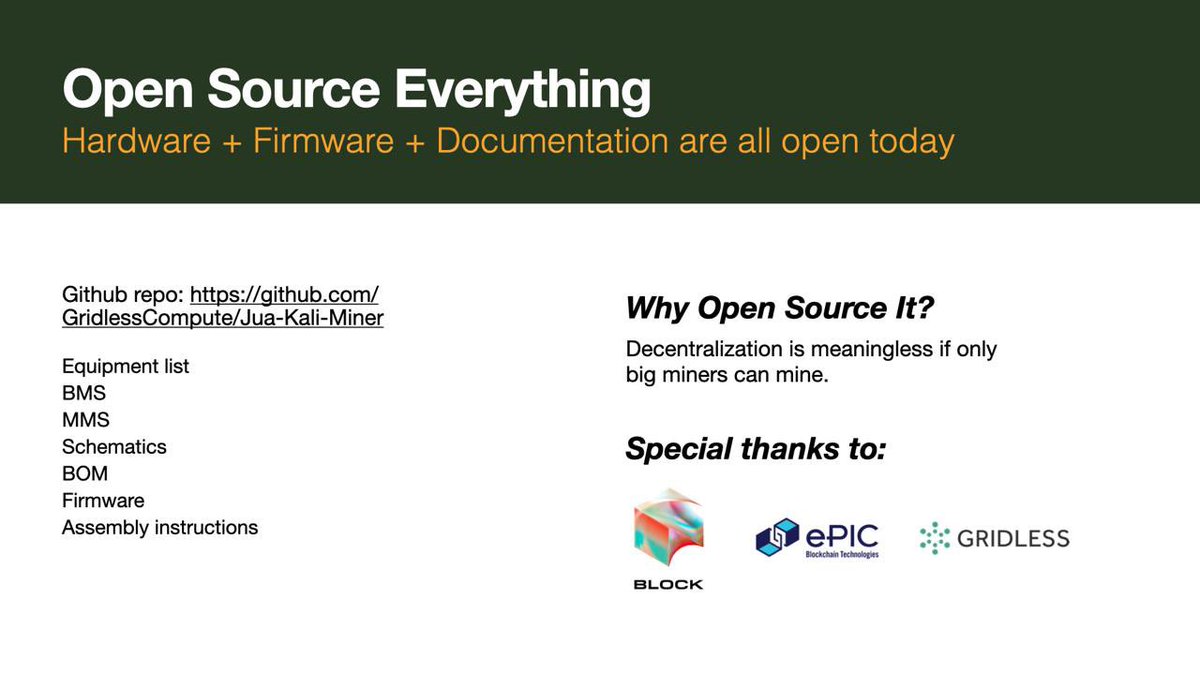
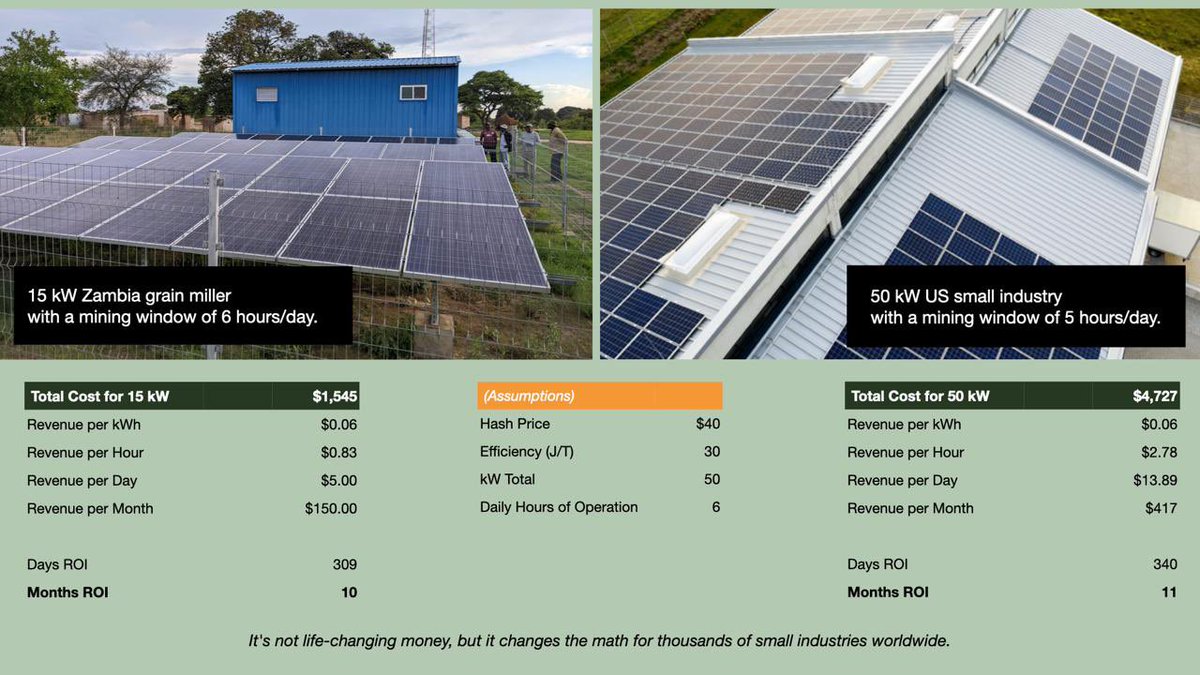
Today we’re announcing a developer release of the Jua Kali Miner - an open source project that allows farmers and small industries to make use of their excess solar energy to mine Bitcoin.
With a live demo at #abc25

36
120
470
122,680
Jun 13
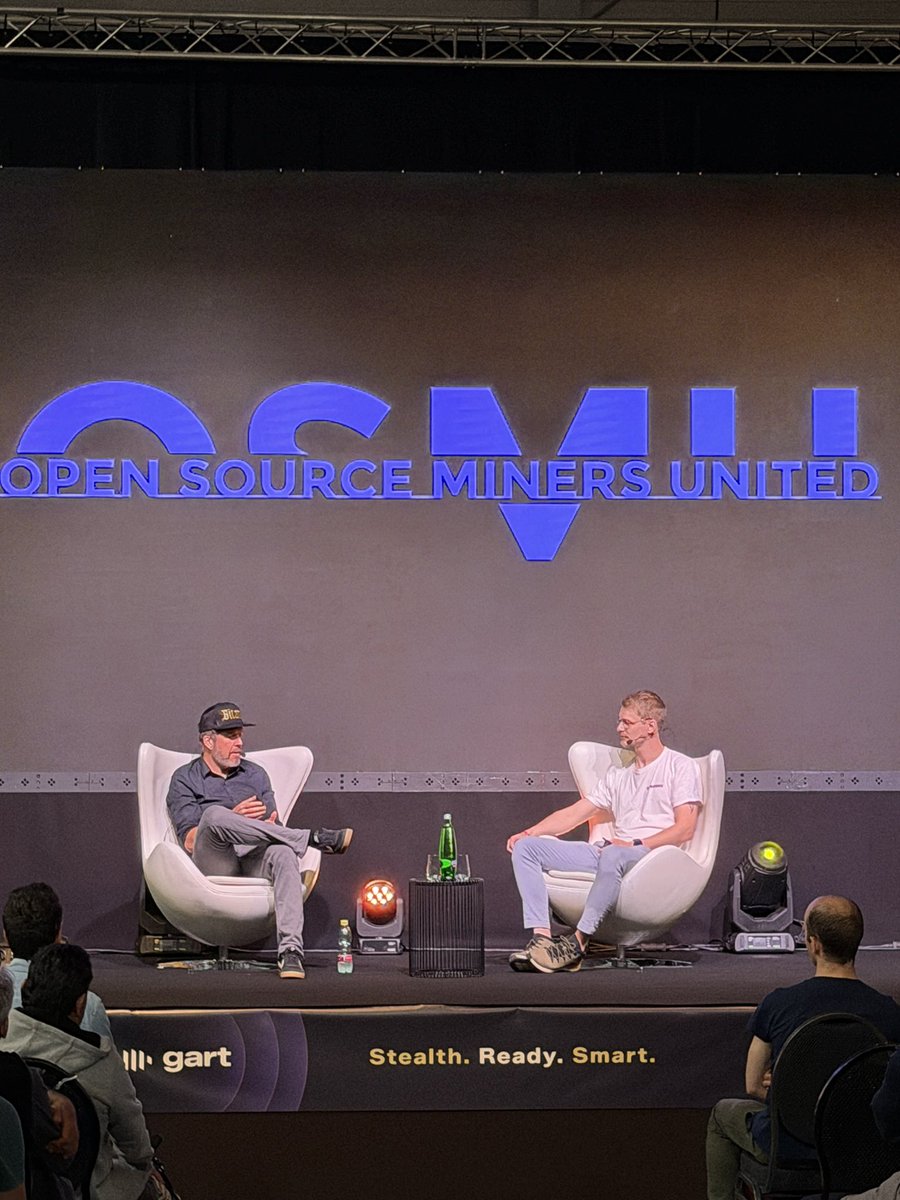
The @256FOUNDATION and open source mining hardware is well represented by @skot9000 at @BTCPrague - making the case for why we need it.
5
30
687
Jun 12
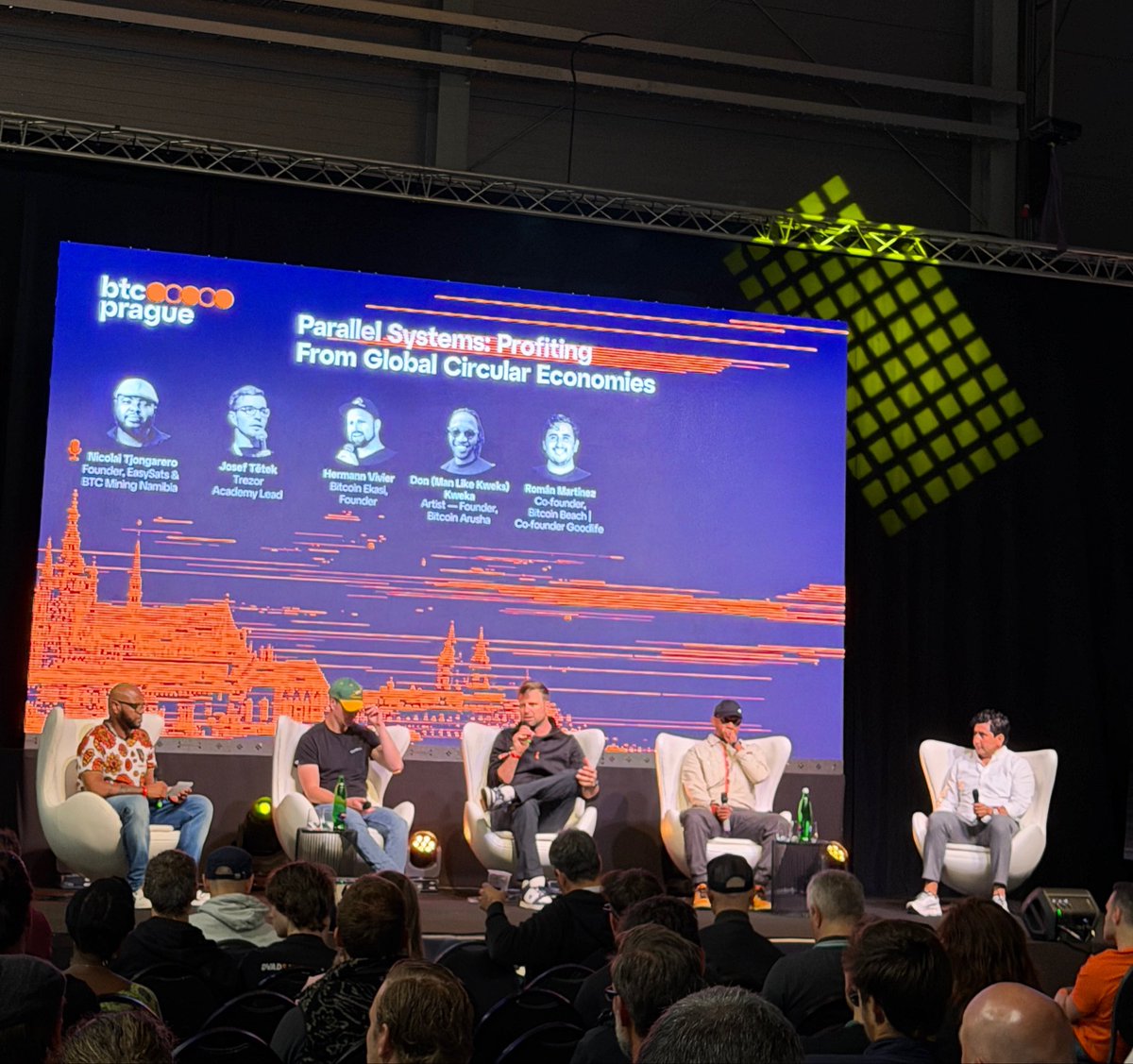
We’ve got some great conversations at @BTCPrague on circular economies with:
@OKIN_17 (Namibia)
@JosefTetek (Czech)
@BitcoinEkasi (South Africa)
@manlikekweks (Tanzania)
@romanmartinezc (El Salvador)
1
11
46
3,323
Gridless retweeted

Monetising off-grid renewable energy across rural Africa.
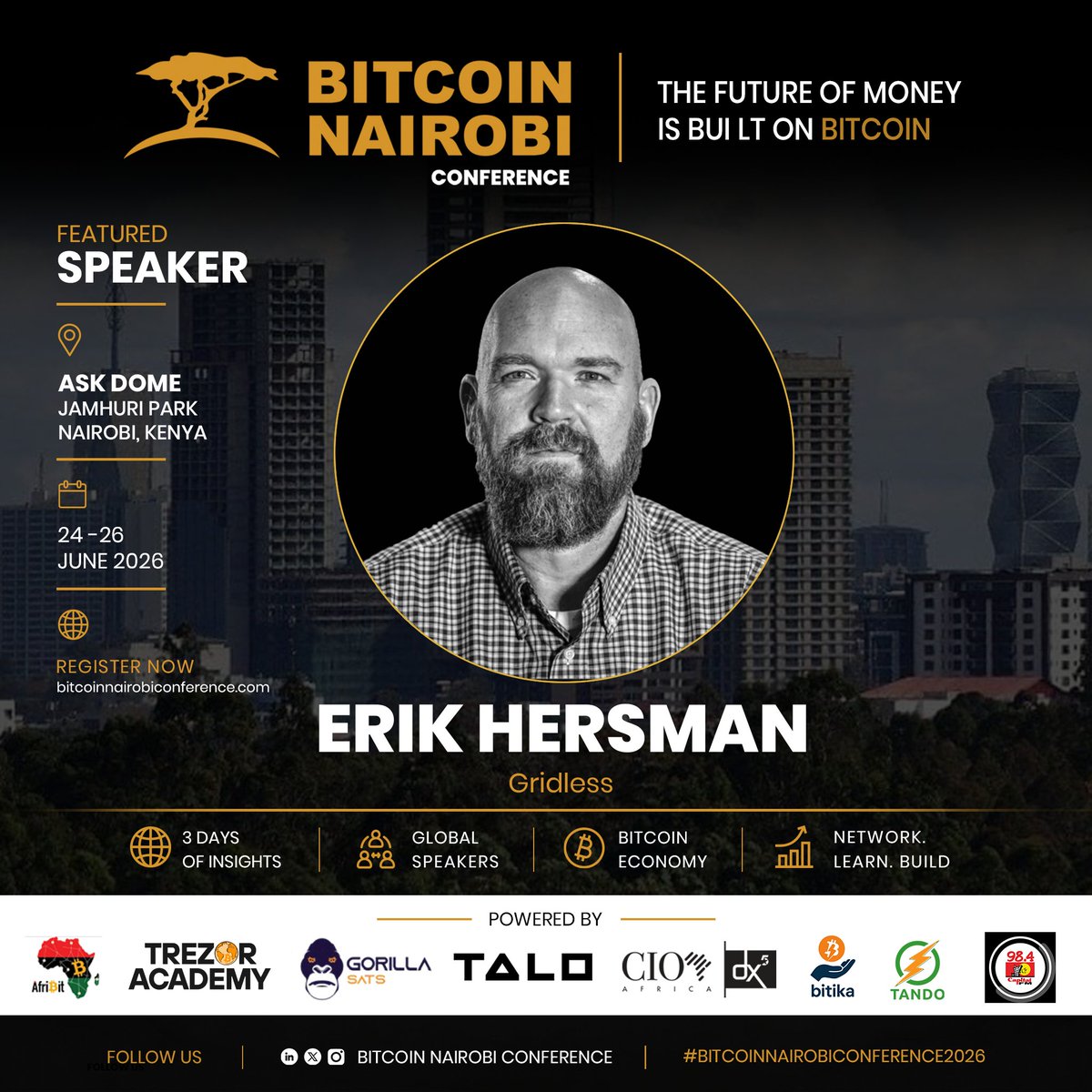
Meet Erik Hersman @whiteafrican , the CEO of Gridless @GridlessCompute . Eric is leading the charge in deploying Bitcoin mining infrastructure to bring financial viability to renewable energy projects in remote areas.
His work proves that Bitcoin's proof-of-work is a transformative tool for African communities, bridging the gap to energy access.
Come hear his insights at the Bitcoin Nairobi Conference!
Conference Dates: 24-25th June 2026
Kibera Circular Economy Visit: 26TH June 2026
A.S.K DOME Jamhuri Park Nairobi, Kenya.
For any inquiry email us on:
admin@bitcoinnairobiconference.com
@AfribitKibera @TrezorAcademy @gorillasats @Talo_Africa @dx5ve @bitika_KE @tando_me @CapitalFMKenya
#bitcoinnairobiconference #bitcoinafrica #bitcoinconference
14
38
932
Gridless retweeted
In exactly two weeks, the Bitcoin Nairobi Conference begins.
We will be exploring how Bitcoin is transforming business operations and cross-border settlements.
Ensure you are part of the conversation that is shaping the future of African commerce.
Grab your tickets before they end from our website.
🗓️ Conference Dates: 24–25th June 2026
🗓️ Kibera Circular Economy Visit: 26TH June 2026
📍 A.S.K DOME Jamhuri Park Nairobi, Kenya.
For any inquiry email us on: admin@bitcoinnairobiconference.com
@AfribitKibera @TrezorAcademy @gorillasats @Talo_Africa @cioafrica @bitika_ke @tando_to @capitalfmkenya
#bitcoinnairobiconference #bitcoinafrica #bitcoinconference #Nairobi #bitcoinnews #countdown

12
25
1,076
Jun 10
Heard about zappool.org today at the @FreedomTechSum in Prague. Mixing small home miners with payments via Zap’s on Nostr.
There are others like Hydra Pool on Nostr from the @256FOUNDATION as well.
Which is bullish for continued decentralization of bitcoin mining!
5
35
1,833
Gridless retweeted

Jun 8
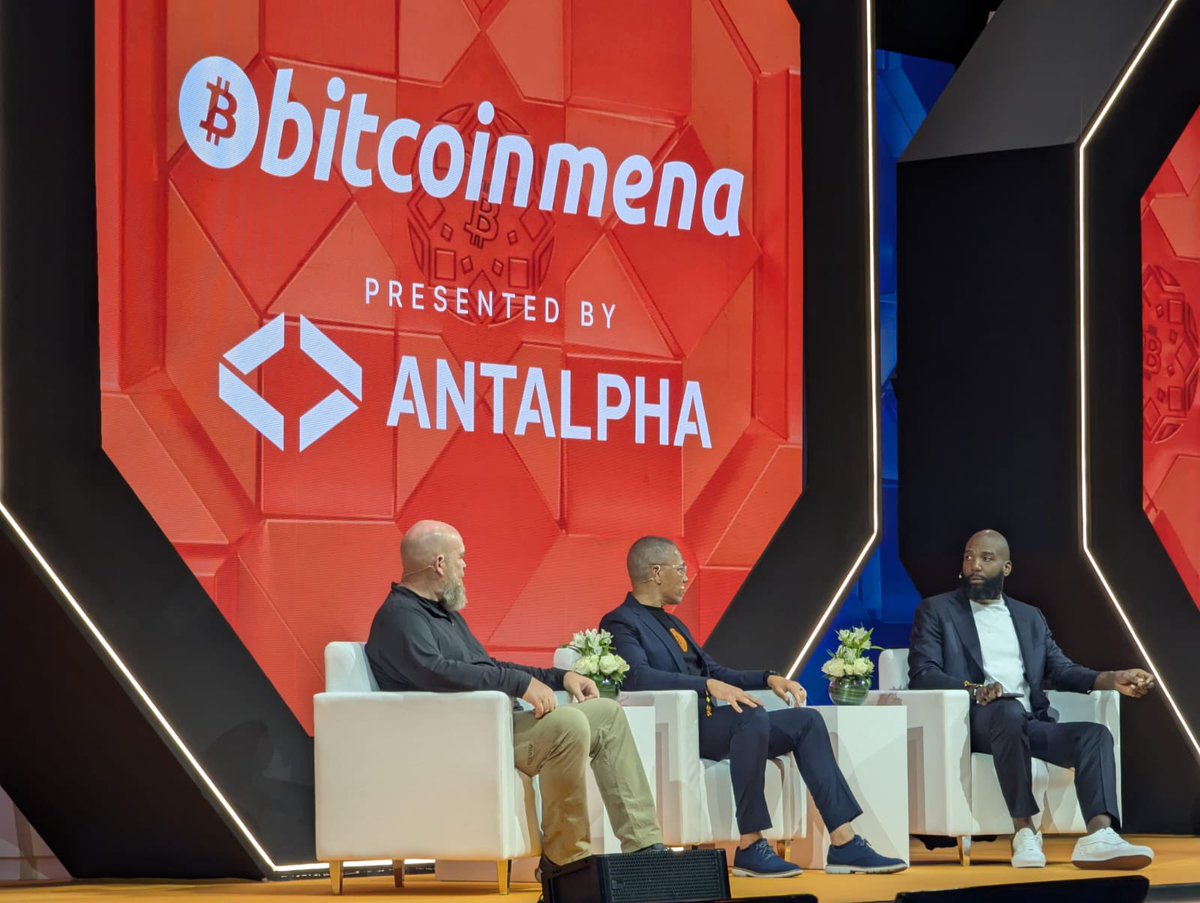
Excited to be in Prague this week for both @BTCPrague - speaking on June 11 at 3pm on how bitcoin mining is the economic bridge between stranded energy and demand.
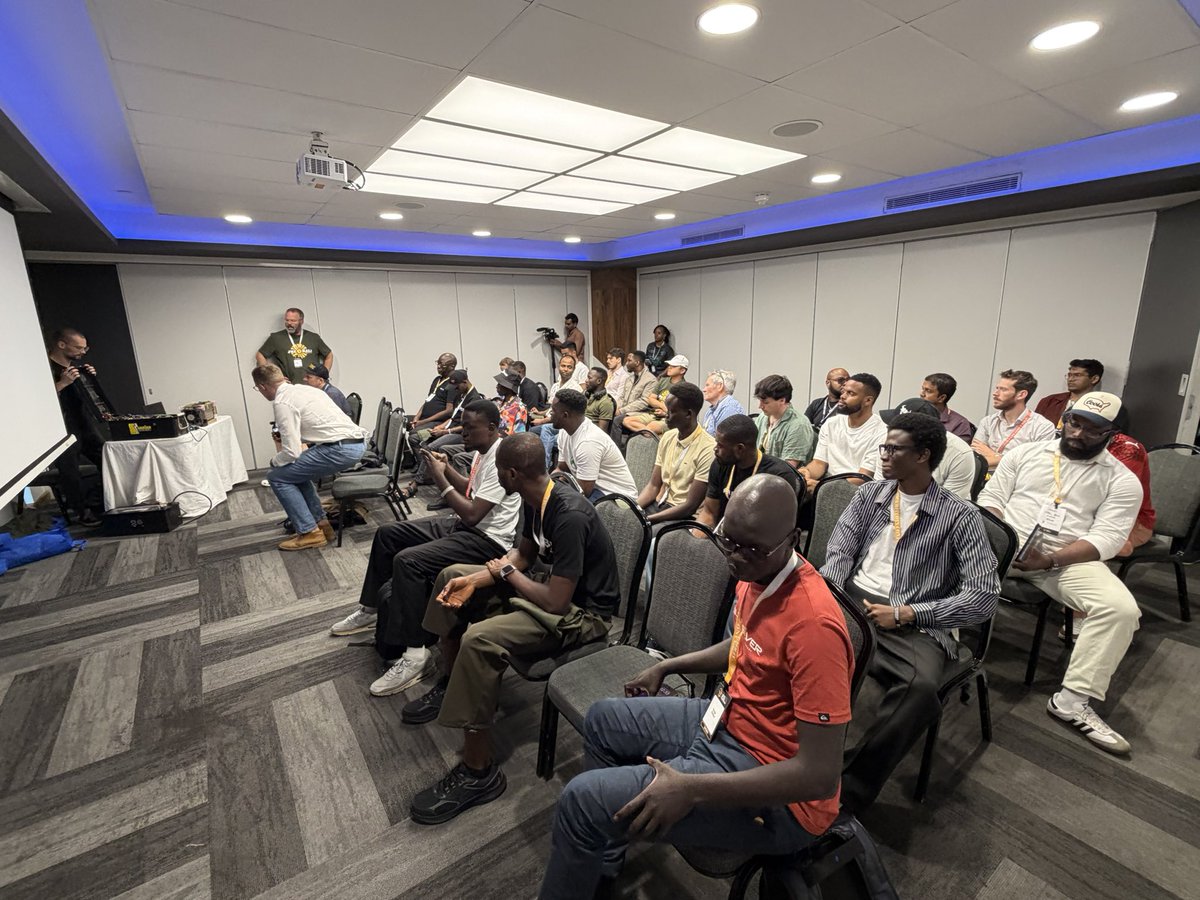
And then @FreedomTechSum - speaking on June 10 at 5pm on open source bitcoin mining with Jua Kali.
1
4
39
2,391
Jun 8
Join us.

The evidence is already in the streets of Nairobi. 16 days until it comes to the stage.
It’s more than just an idea it’s a tool for business, a method for payment, and a path to financial freedom that’s being used right now.
We’re bringing the people behind this movement to the stage to show you exactly how it’s done.
Come see the proof for yourself. 🌍✨ @BitBiashara
🗓 Conference Dates: 24–25th June 2026
🗓 Kibera Circular Economy Visit: 26th June 2026
📍 A.S.K DOME Jamhuri Park Nairobi, Kenya.
For any inquiry email us on: admin@bitcoinnairobiconference.com
@afribit_kibera @trezoracademy @gorillasats @Talo_Africa @cioafrica @bitika_ke @tando_to @capitalfmkenya
#bitcoinnairobiconference #bitcoinafrica #bitcoinconference #Nairobi #bitcoinnews

5
20
999
Jun 6
We’re looking forward to supporting and being a part of the inaugural @btcnairobi later this month!
1
18
48
1,470
Jun 3
There’s going to be a great open source bitcoin mining section at this event.
Including @protomining, @tether, @Braiins, @256FOUNDATION and of course the Gridless’ Jua Kali miner.
Jun 2

JUST IN: HRF (@HRF) to sponsor bitcoin Nairobi, open source edtion 🦒 as our Headline sponsor
Join us this June 17-19, 2026 👉 btcpp.dev/nairobi#tickets

3
35
1,569
Jun 2
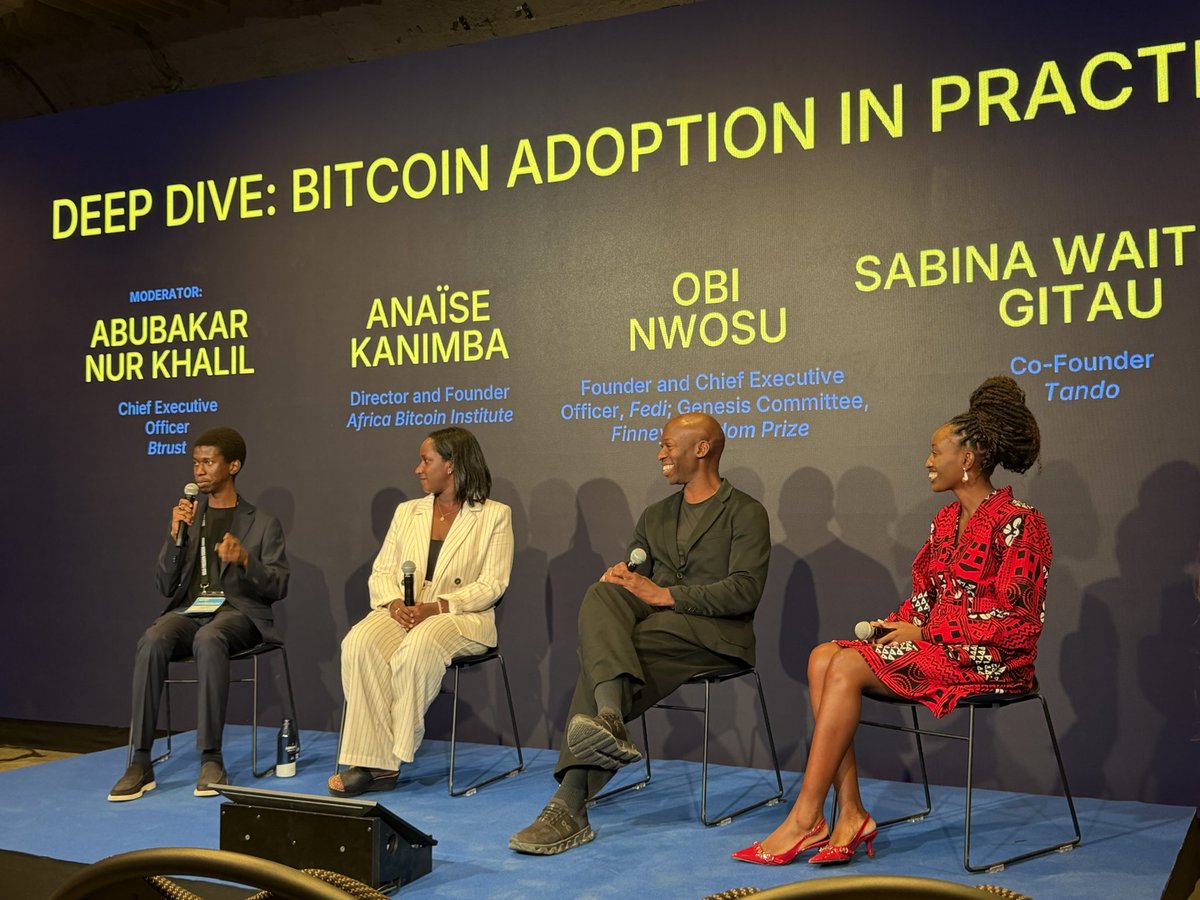
Some of the people building meaningful bitcoin apps, services, and research in Africa.
@waithiraah of @tando_me
@obi of @fedibtc
@AnaiseKanimba of @AfriBitInst
@ihate1999 of @btrustteam
19
68
3,044
Jun 2
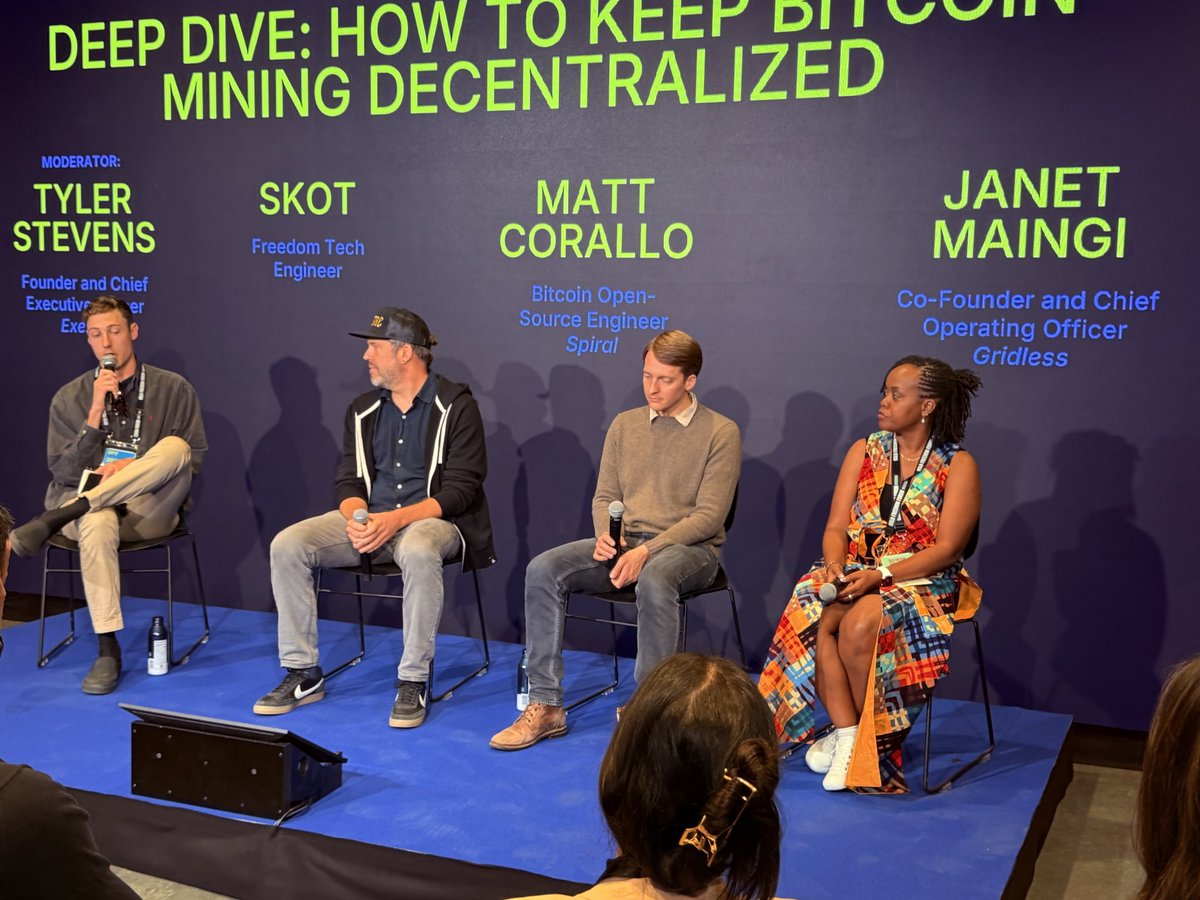
We have our COO @nduku_jay at the @OsloFF speaking on bitcoin mining decentralization.
2
8
48
1,576
Gridless retweeted

Jun 1
The data is unequivocal: Bitcoin mining is the way to make renewable projects that would otherwise need subsidies viable.
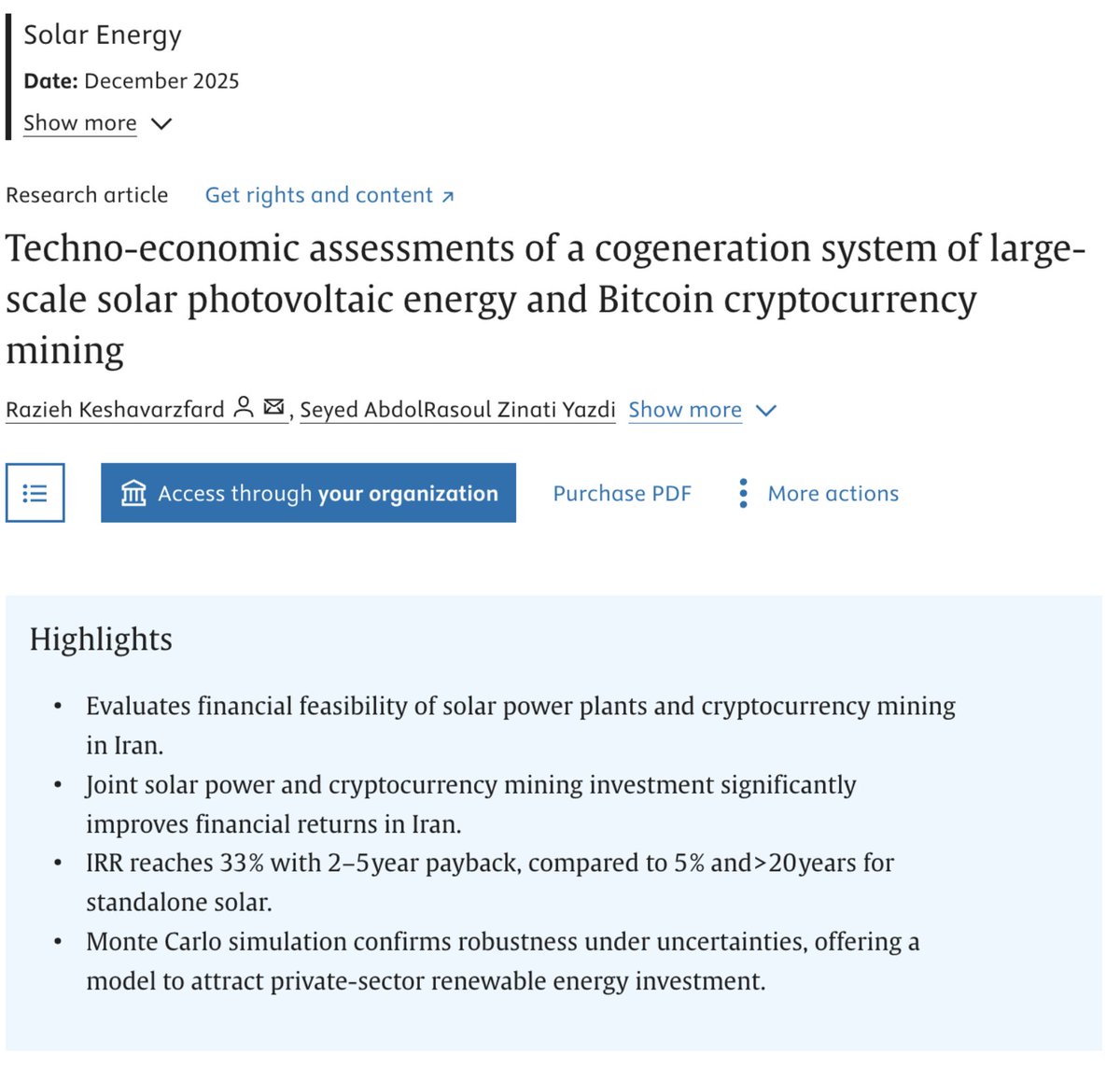
A new paper recently found that pairing large-scale solar PV with Bitcoin mining
* transforms a standalone solar project with a10-year payback, ~5% IRR into a highly profitable venture with 2–5 year payback and 33% IRR
* reduces ~10,457 tons of CO₂ avoided emissions per annum
The study was done on a 10 MW Solar Farm and supports the earlier findings of Hakimi et al that Bitcoin mining reduces the ROI from 8.1yrs to 3.5yrs while reducing CO2 emissions by 50,000 tonnes/year on a 50MW solar farm (source: cell.com/heliyon/fulltext/S2…)
The recent paper "Techno-economic Assessments of Large-Scale Solar PV and Bitcoin Mining" (Keshavarzfard & Zinati Yazdi 2025) was published in Solar Energy.
Source: sciencedirect.com/science/ar…
The journal has an impact factor of 6.6 (top 6% of academic journals)
2
35
102
3,374
Gridless retweeted

May 29
We went to Kenya and filmed stories the Bitcoin space has never seen.
Students learning. Educators teaching and building communities where Bitcoin is not just an investment; it is a way to rewrite your story. Where learning about money means something completely different than it does anywhere else in the world.
For the first time, we are bringing this story to the world.
On June 10 in Prague, we are premiering our first episode of the documentary at the Bitcoin Educators Unconference. An intimate gathering with open stage. The kind of room where this conversation belongs.
This is Trailer 1. Trailer 2 drops next week; and it carries even more weight.
If you are heading to Prague, this is where you need to be on June 10.
🎟️ Grab your ticket today: satlantis.io/events/2093/bit…
A huge thank you to everyone who made this possible;
@EcoBitz_21m @harymo_ @MaaliMKen @AMulikatete @Angella_Jude @MukunguFelix @AfribitKibera @alphysusan @rinaaire @schoolOfSatoshi @53violaaa @Bitbiasharakids @Cosmic_spaces
And to our incredible director @thekylehuber
10
40
113
10,252
May 29
This model works everywhere.
May 28

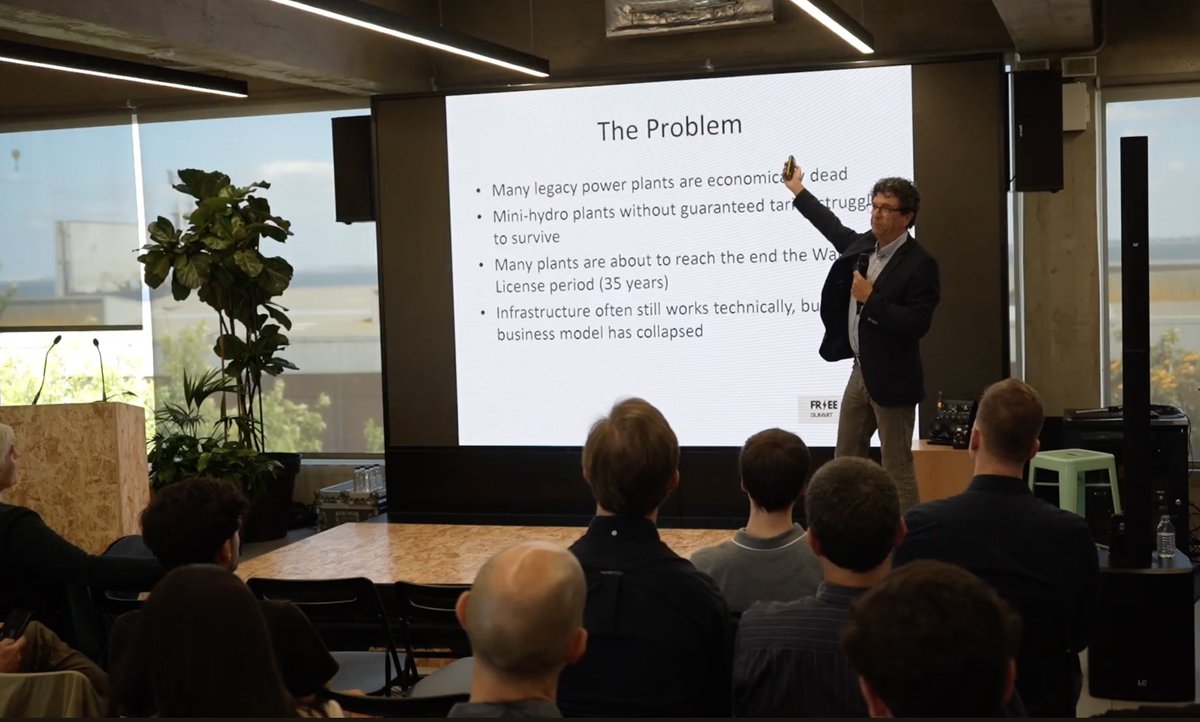
One year ago Paulo Gonçalves was not a Bitcoiner.
He's was (and is) renewable energy project developer who has spent his career building small hydroelectric dams across the world.
His problem was simple: many of these dams produce power that the grid can't absorb. The energy is wasted. The economics don't work. He'd seen the problem firsthand and had been searching for a solution for over a decade.
A year ago, he attended a @FREEMadeiraOrg event in Portugal, where he discovered Bitcoin mining.
That day changed everything.
Unlike others who fall into the mistake of evaluating Bitcoin mining without understanding energy, grids or renewable generation - he understood all three intimately, and as such was able to immediately see the value that others (including policymakers and regulators) sometimes miss.
Paulo is now evaluating 100s of small hydropowered sites throughout Portugal that are ideal candidates for Bitcoin miners. There are sites that are "too small" or too remote to be of interest to anyone else.
The miners consume what would otherwise be stranded energy. No subsidy required. The dam that didn't make financial sense now does.
This is the pattern critics miss.
They assume Bitcoin miners are Bitcoiners first, working backwards to justify energy use. In reality in the energy sector it happens the other way around.
Kenji Tateiwa in Japan. Paulo Gonçalves in Portugal, Bipin Patel in Sweden are real people solving real energy problems. Different countries, different energy sources, same discovery pattern:
When you know a lot about energy, and do deep research into how to solve energy problems, you arrive at Bitcoin mining.
1
1
16
3,030
May 26
This.
May 26

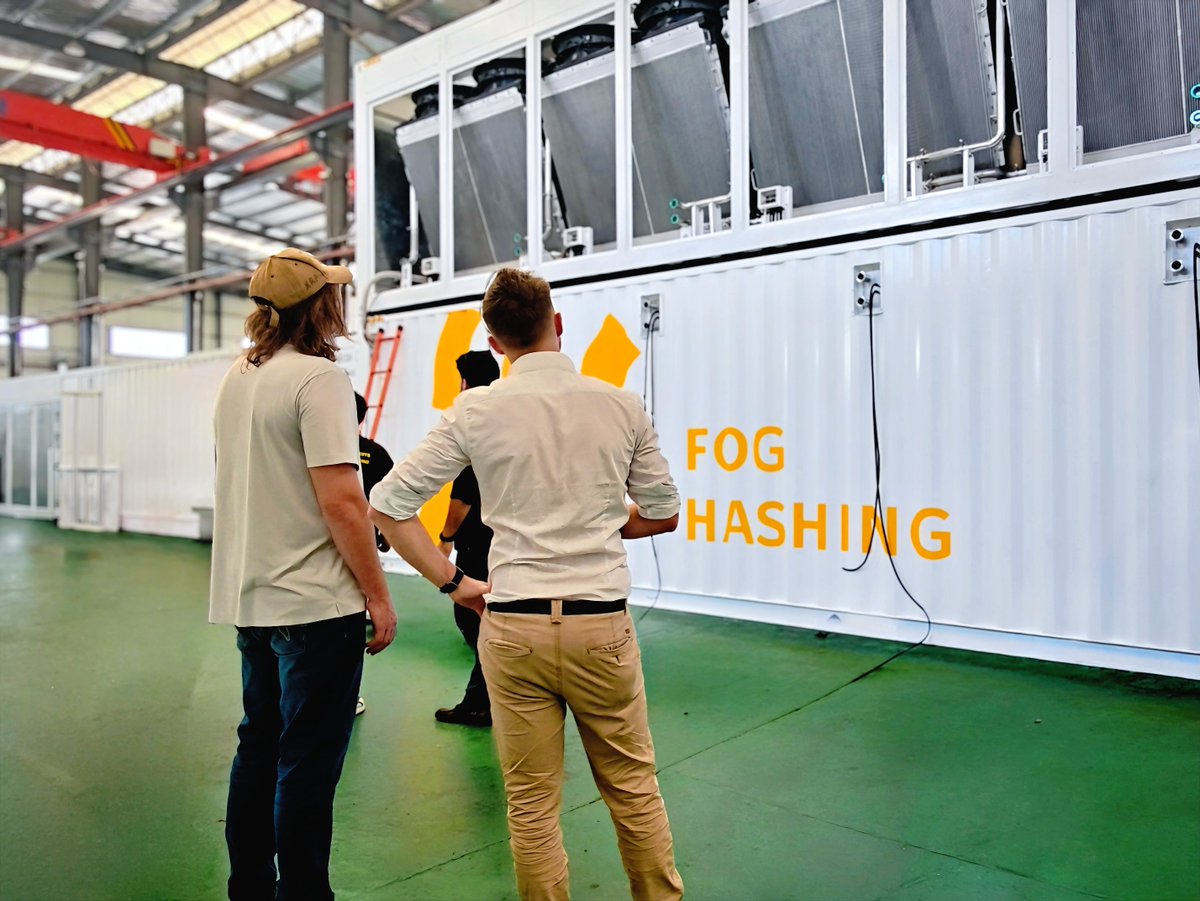
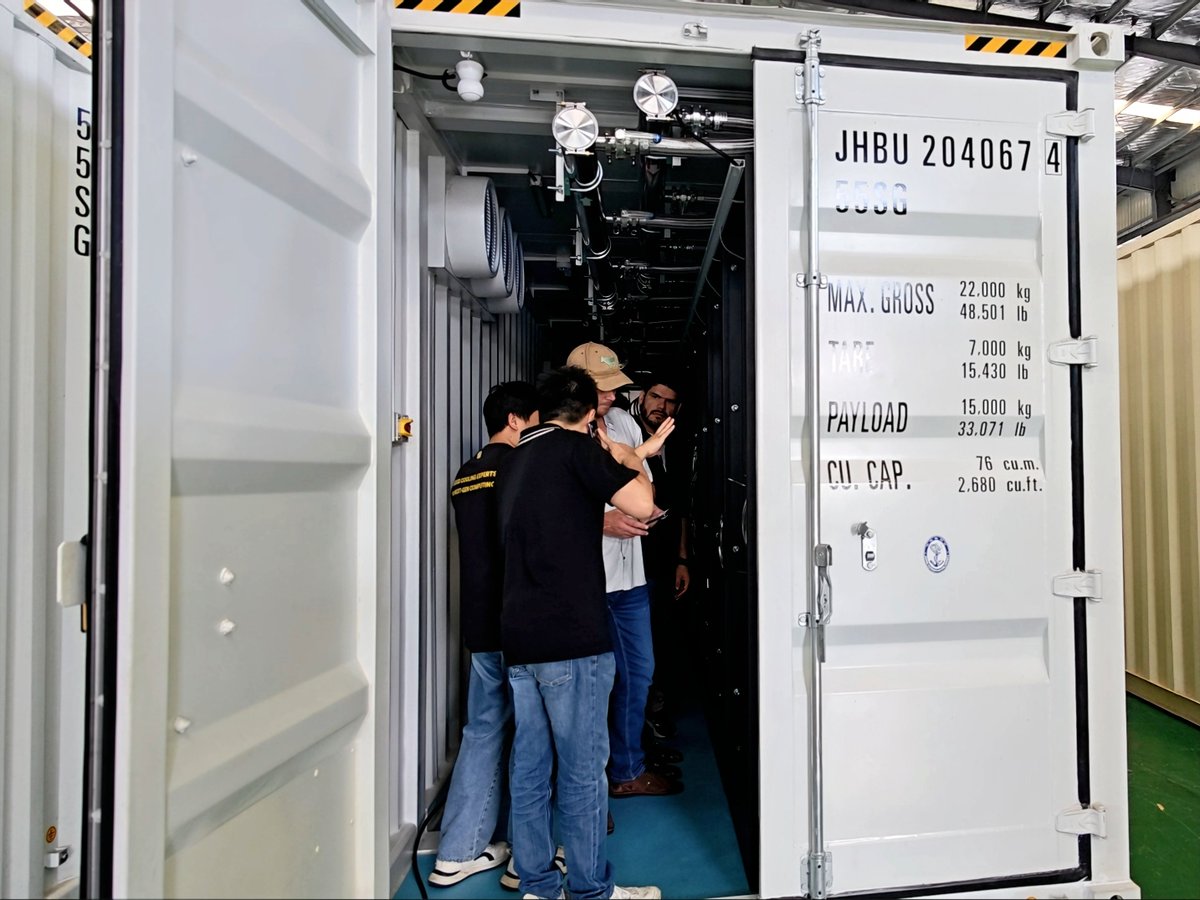
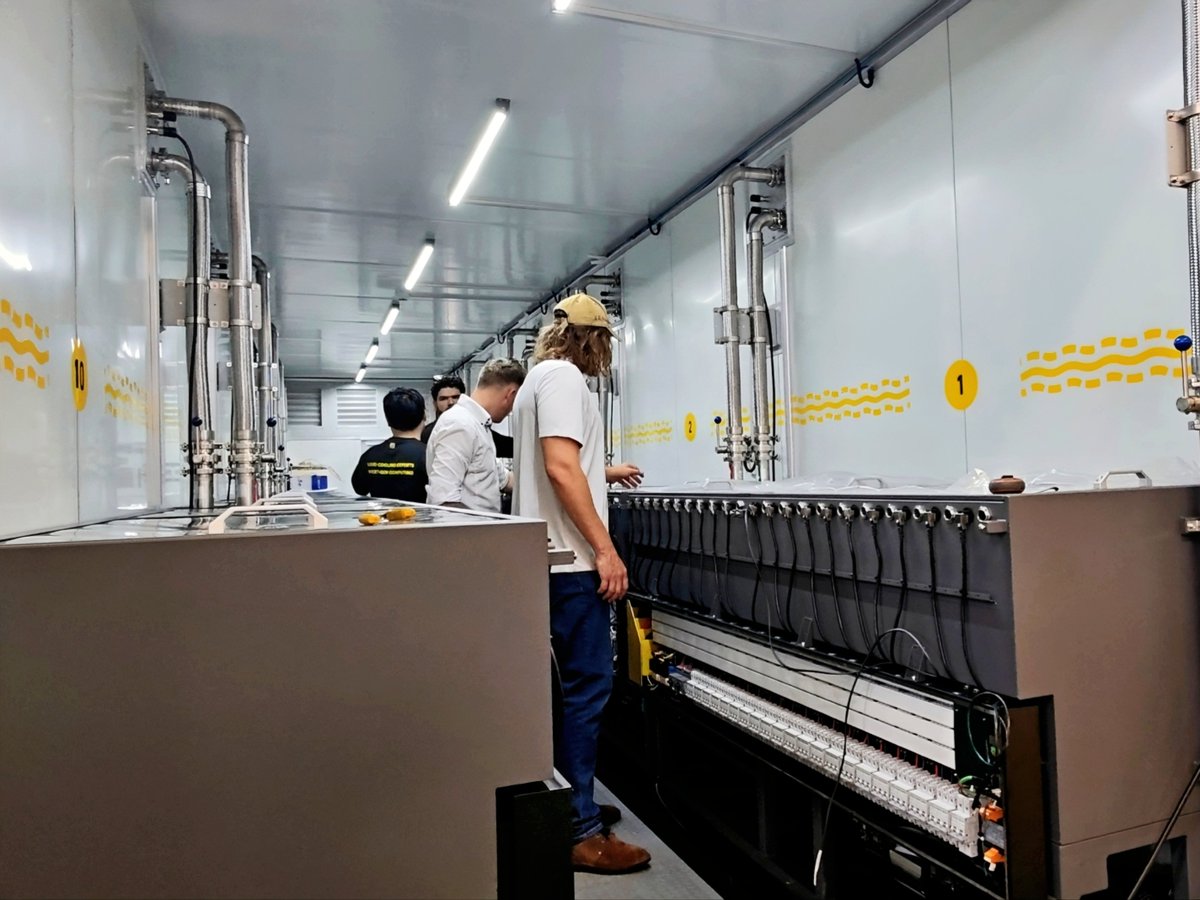
Africa has the strongest, steadiest solar irradiation on the planet. Solar panels are landing faster than projects to monetize them. For investors with land and solar, the question is what to do with the power.
Had a group of customers from the region at our factory last week, asking exactly that.
Mining and modular data centers are two of the cleanest answers. No PPA, no transmission, no offtaker. Power in, compute out, revenue back.
If that's your question too, come see the Fog Hashing factory.
#BitcoinMining #SolarEnergy #Africa #LiquidCooling #ModularDataCenter
1
12
710
May 26
Made in Africa: Kurt and the Open-Source Bitcoin Miner That Anyone Can Make opensats.org/blog/developer-…
1
7
22
1,430
May 25
Ronnie is the real deal.

Bitcoin is not coming to Nairobi; it has already been here 🔥
The Bitcoin Nairobi Conference, happening for the first time in East Africa, is bringing together curious minds from policymakers and banks to bitcoiners and non-coiners to learn, connect, and participate in the growing Bitcoin movement.
One of the highlights of the conference is the Bitcoin Circular Economy Day, where attendees will visit the Afribit Kibera Bitcoin Circular Economy and see firsthand how people are using and interacting with Bitcoin in their daily lives.
This conference is led by @AfribitKibera and @GorillaSats, with partners including @TrezorAcademy, @CapitalFMKenya, @bitika_KE, @tando_me, Talo, and many more.
The conference will be held at ASK Dome, Nairobi, and there will be lots of Bitcoin activities and pre-events.
To learn more about the conference, follow @btcnairobi_conf.
Get your tickets: bitcoinnairobiconference.com
1
5
39
1,219
May 24
Next month.

No crypto. No stablecoins. Just Bitcoin. You may not realize it yet but this is the future of finance. Coming soon to your village, town & city. It's gonna happen sooner than you expect. Get ready. Get educated. And get tickets: bitcoinnairobiconference.com…
1
3
23
1,176

On Wednesday, @BitcoinMagazine published our blog post on @NodeNBO, the world's newest physical Bitcoin space, located in Kenya 🇰🇪
We couldn't be more excited to be part Node NBO alongside @GridlessCompute, @btrustteam, and @HRF!
bitcoinmagazine.com/news/new…
1
3
18
1,843

Thanks to everyone who came out on Saturday night in the rain to open up the new space with us!
@btrustteam @fedibtc @HRF @GridlessCompute @AnganiLTD @FiresideGrp and @QhalaHQ
2
14
54
1,871