


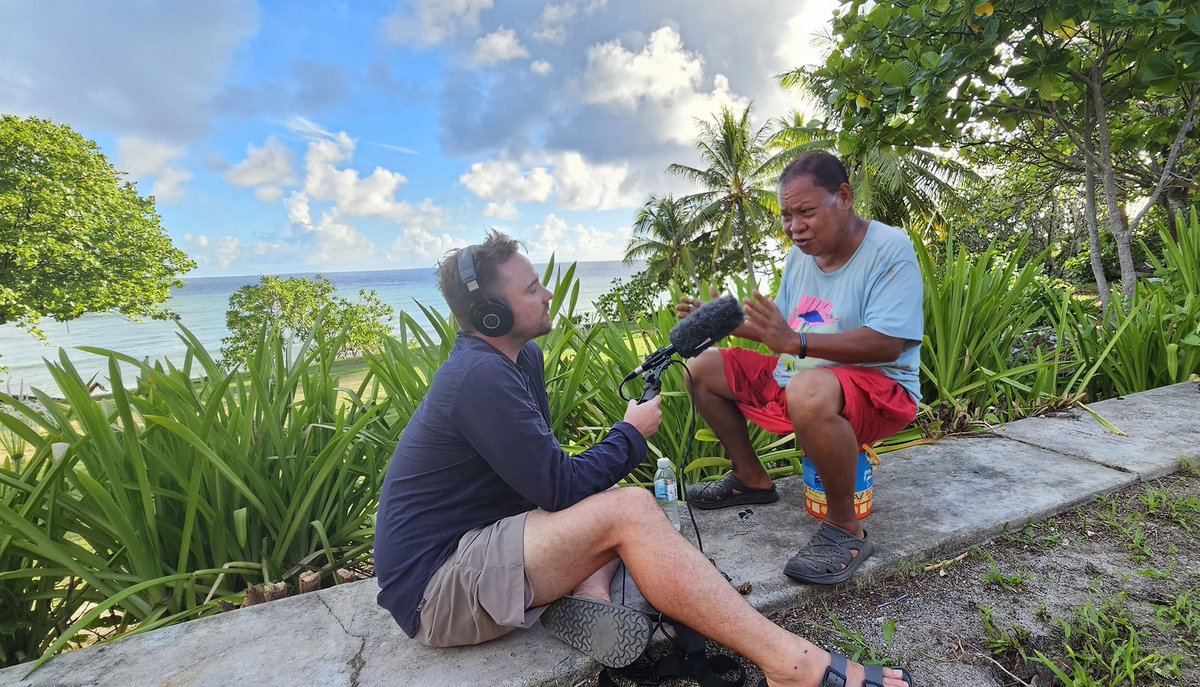
What’s bigger than Earth but smaller than Neptune? 🔭🪐💫
UCLA Physics & Astronomy Professor Erik Petigura joins @ABCscience to discuss his work discovering the intermediate planets our Solar System lacks.
abc.net.au/listen/programs/s…
1
6
942

25 Aug 2025
🎙️🌟 Celebrating excellence: @CarlSmithAUS won the Crawford Fund’s 2025 Food Security Journalism Award.
Carl is a Walkley Award-winning independent science journalist, who has worked for @ABCScience for over a decade.
ℹ️ buff.ly/Rn8vNL1
@RadioNational @ACIARAustralia
1
4
185

22 Aug 2025
The event of the Decade. The most important event for @Science_Academy this decade. Academy Workshop and Fenner Conference on the Environment, titled:
Preparing Nature and Society for a Hotter World
Shine Dome, Canberra
Monday 15 – Tuesday 16 September 2025. Why isn’t it advertised? Ive seen nothing on TV, heard nothing on radio…? Why? @ABCscience @scienceANU
1
3
3
161
20 Aug 2025
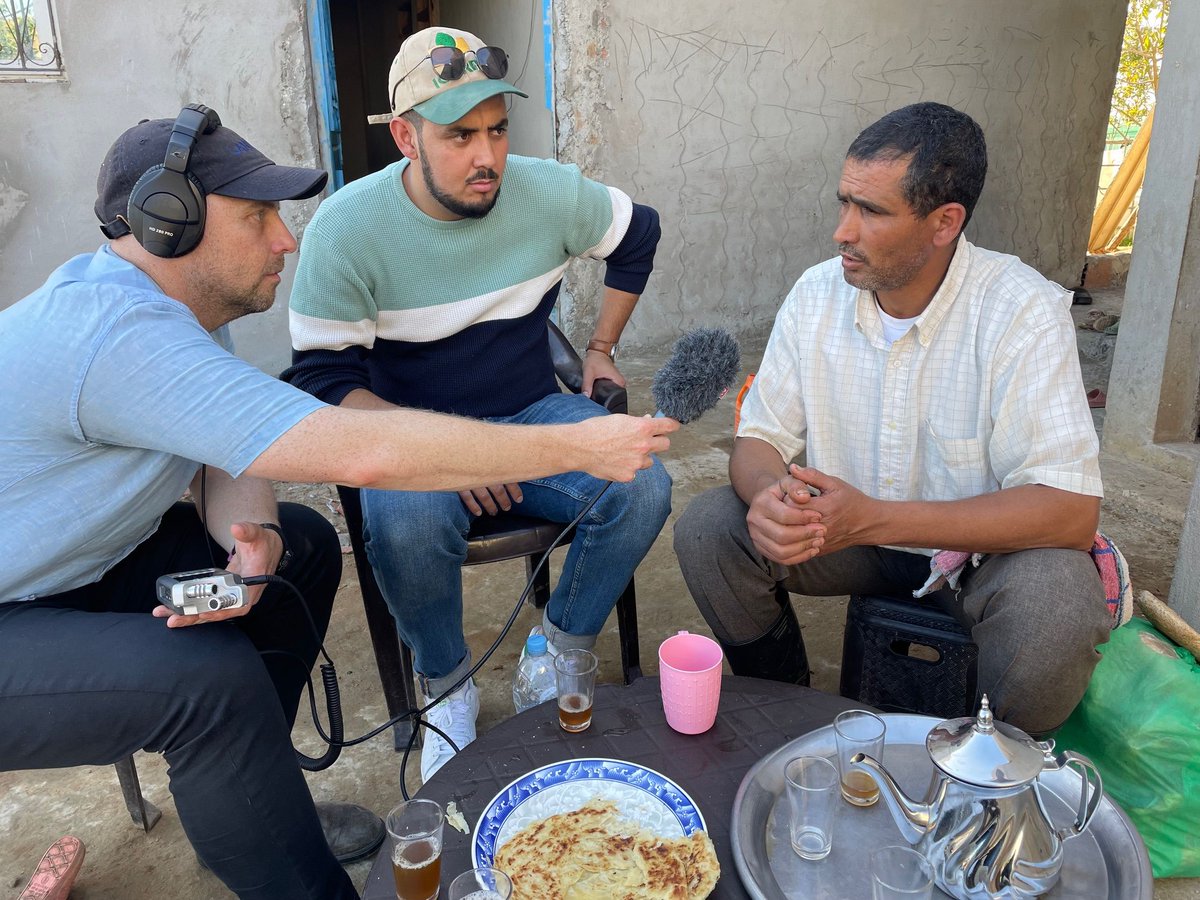
Recognising the power of storytelling for global food security 📹🌍✍️
🏆 @CarlSmithAUS won the Crawford Fund’s 2025 Food Security Journalism Award.
Announced at last week's #25CFConf. Read more here: buff.ly/NmXgwRJ
@ABCScience @RadioNational
2
97

13 Aug 2025
Atlas/3I isn’t just another interstellar visitor.
Its path, timing, brightness, & activity scream engineered.
Let’s run the numbers.
@_SolFoundation @nature @BBCScienceNews @guardian @ABCscience

4
8
38
8,369

13 Aug 2025
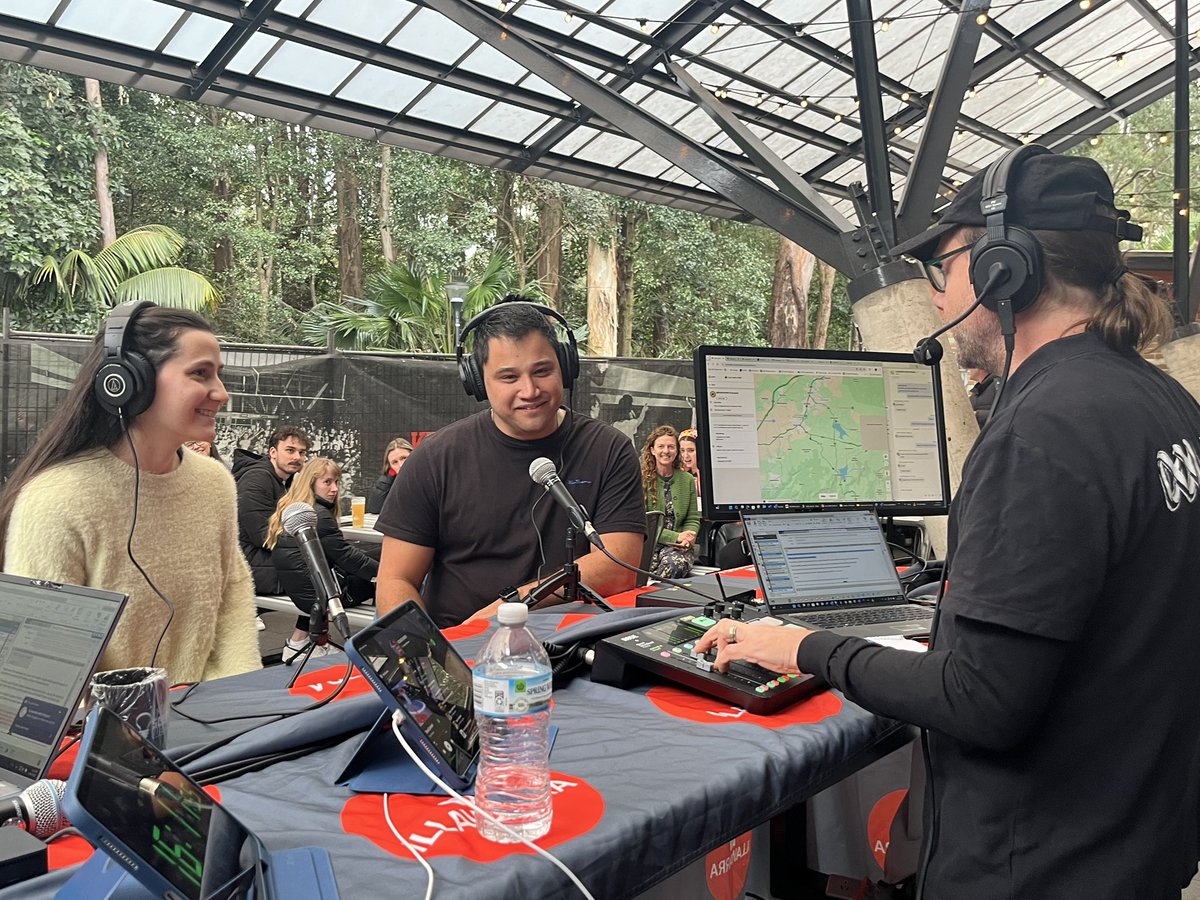
So many fascinating interviews on the Science Week Drive Show today like Dr Jeremy Lum, Justin Yerbury Motor Neurone Disease Group & Siobhan Suters PhD candidate @ABCaustralia @ABCscience @uow @uowresearch 📷 @mklscolaro
2
2
172

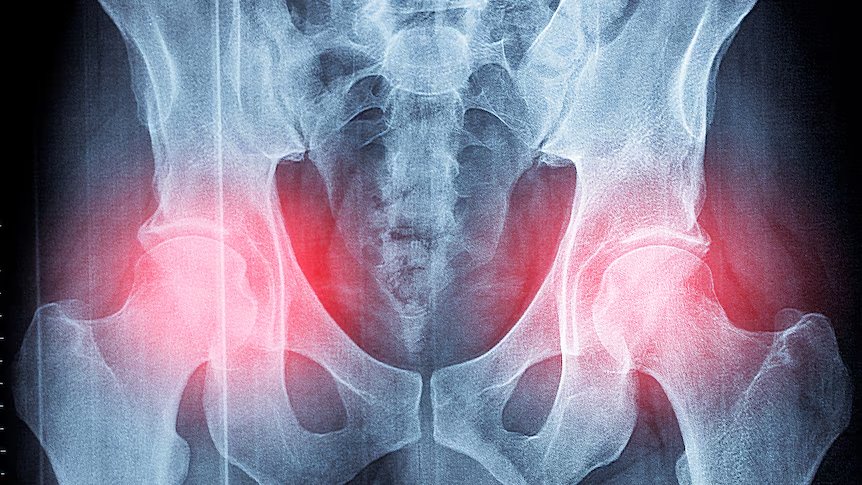
Study backing OsteoStrong 'bone-strengthening' exercise program should be retracted: experts
@AnnaSallehABC | @ABCscience
abc.net.au/news/health/2025-… @ABCaustralia
1
2
1,007

3 Jun 2025
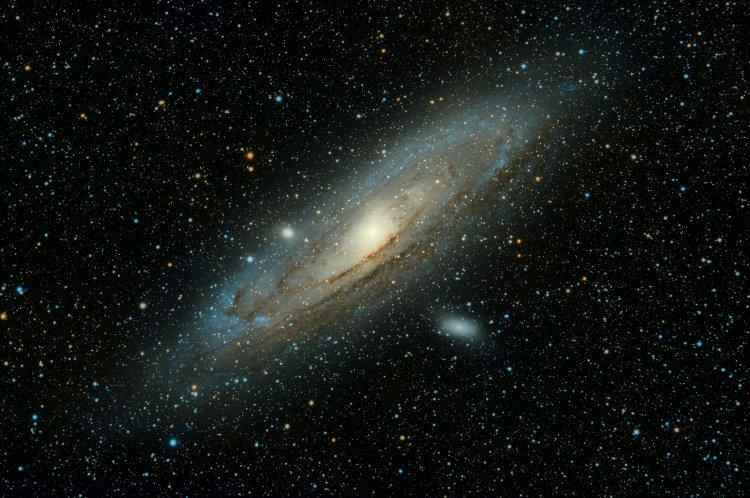
"Astronomers previously thought our galaxy could crash into its closest neighbour in 5 billion years.
But a new study predicts there's a nearly 50% chance the galaxies won't collide, or it would likely take much longer if it did happen." via @ABCscience realclearscience.com/2025/06…
1
1
2
3,065

26 Apr 2025
1
1
3
125

2 Apr 2025
Appalling “thinking” from PHON.
No ideas or attempts to address real issues and improve or restore what we once had with ABC.
I am curious how many of them actually listen to or watch the ABC. Or know what we still have that is quality.
1
25

28 Mar 2025
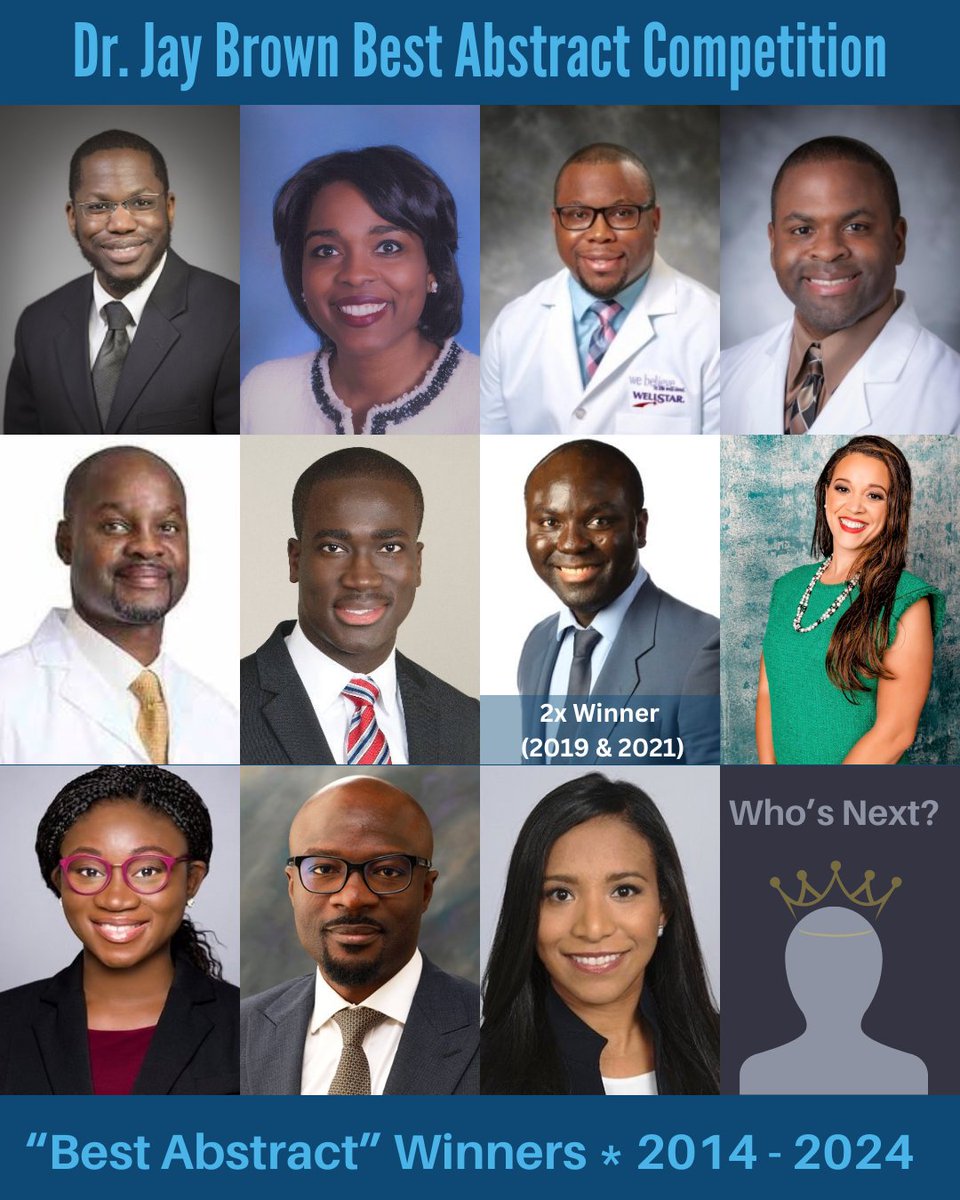
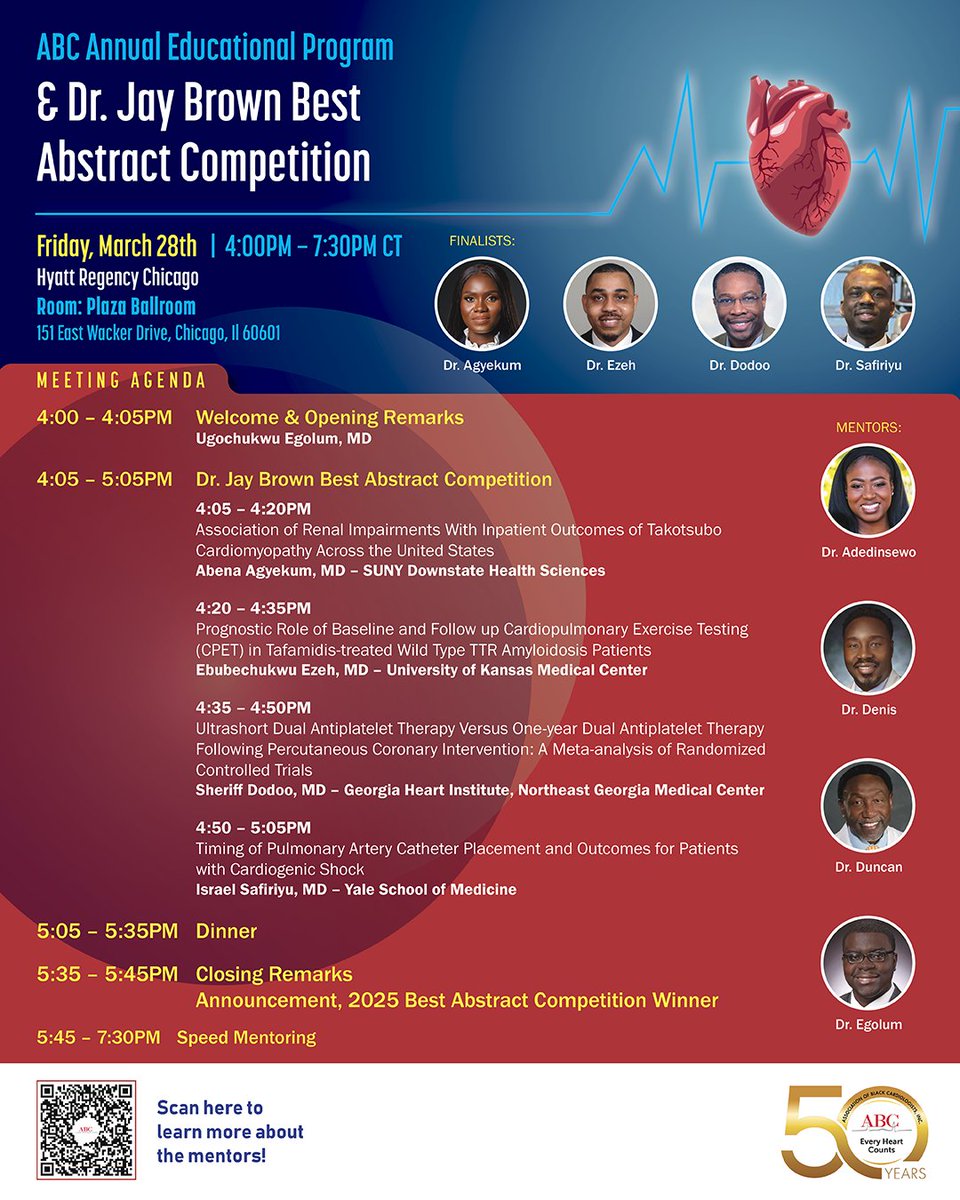
📢 Happening in LESS than an hour! Who will take home the $1K grand prize and the title👑 of the ABC 2025 Dr. Jay Brown Best Abstract Winner? 🏆
Join us LIVE and be among the first to find out! ⏳ Details 👇🏾
#ABCatACC25 #ABCScience #BestAbstract
27 Mar 2025

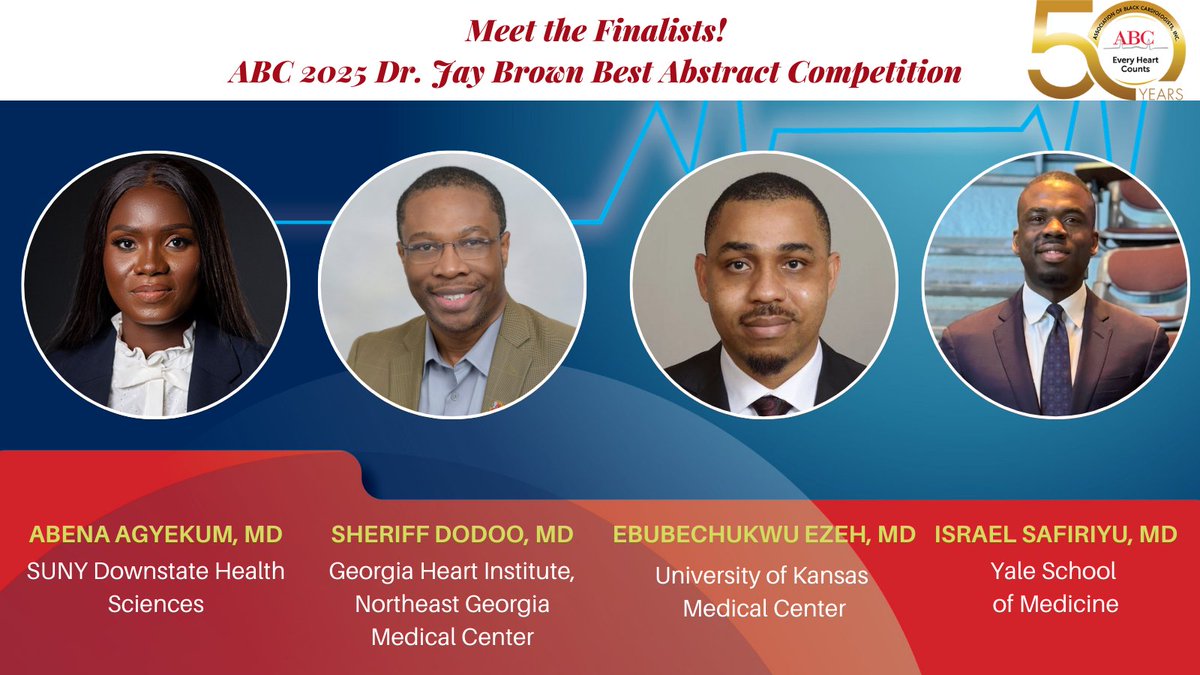
Meet the ABC 2025 Dr. Jay Brown Best Abstract Competition Finalists! ABC is proud to recognize these rising 🌟:
@AbenaKAgyekum @sunydownstate
@DodooSheriff @GaHeart_NGHS
@ebube1ste @KUMedCenter
@AYOKUNLE_MD @yalecardiology
Learn more: us8.campaign-archive.com/?e=…… #ABCatACC25
4
7
1,236
20 Mar 2025
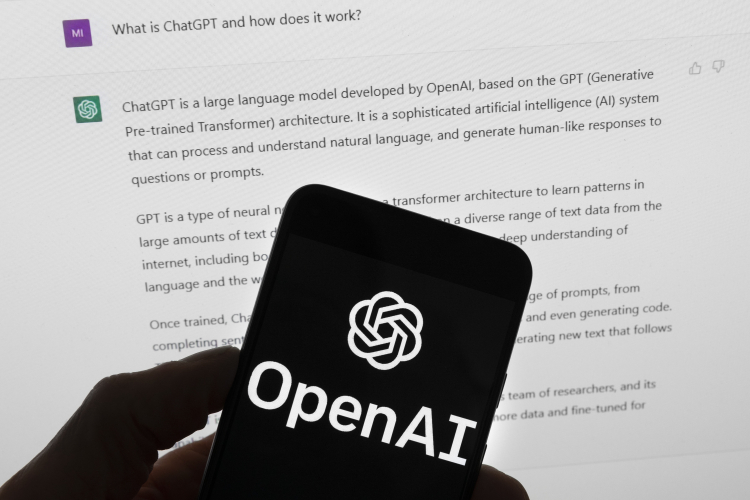
"Experts say that the current generation of generative AIs will always hallucinate, and a large language model that doesn't would need to be built differently." via @ABCscience realclearscience.com/2025/03…
188

15 Mar 2025
Non stop laughs from Lib lab & Labor has the Libs like a gun to our heads,
& Labor plumbs new levels of mediocrity to save the destruction of government by tax cuts
Ha ha great stuff
It's almost like we have a protected right of accurate communications
youtu.be/gqFPhsO-2W0?si=DVaJ…
1
14
13 Feb 2025
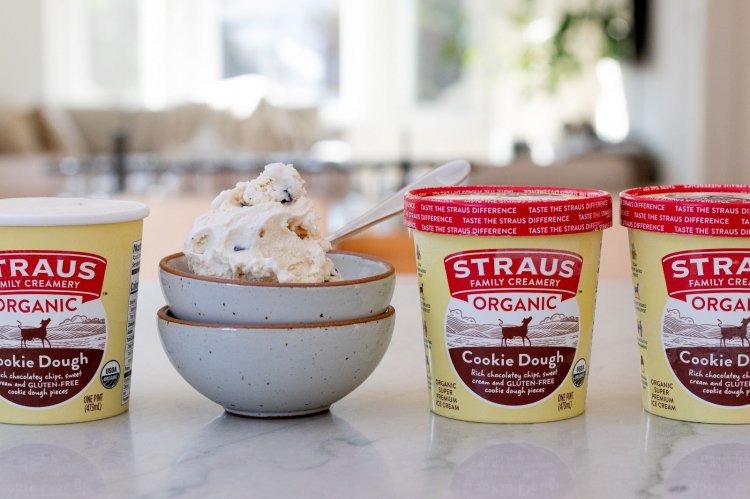
"When diets are tracked and people are followed for a long time it appears that those who eat ice cream more often have a lower risk for type 2 diabetes and even cardiovascular disease." via @ABCscience realclearscience.com/2025/02…
1
2
6
4,262

12 Feb 2025
🔬🔬🔬 Come and listen to some fantastic #science from our students and early career researchers. This @royalsocnsw event is #free. The amazing Robyn Williams @ABCscience will be our host. Everyone is welcome! 1/2
members.royalsoc.org.au/even…
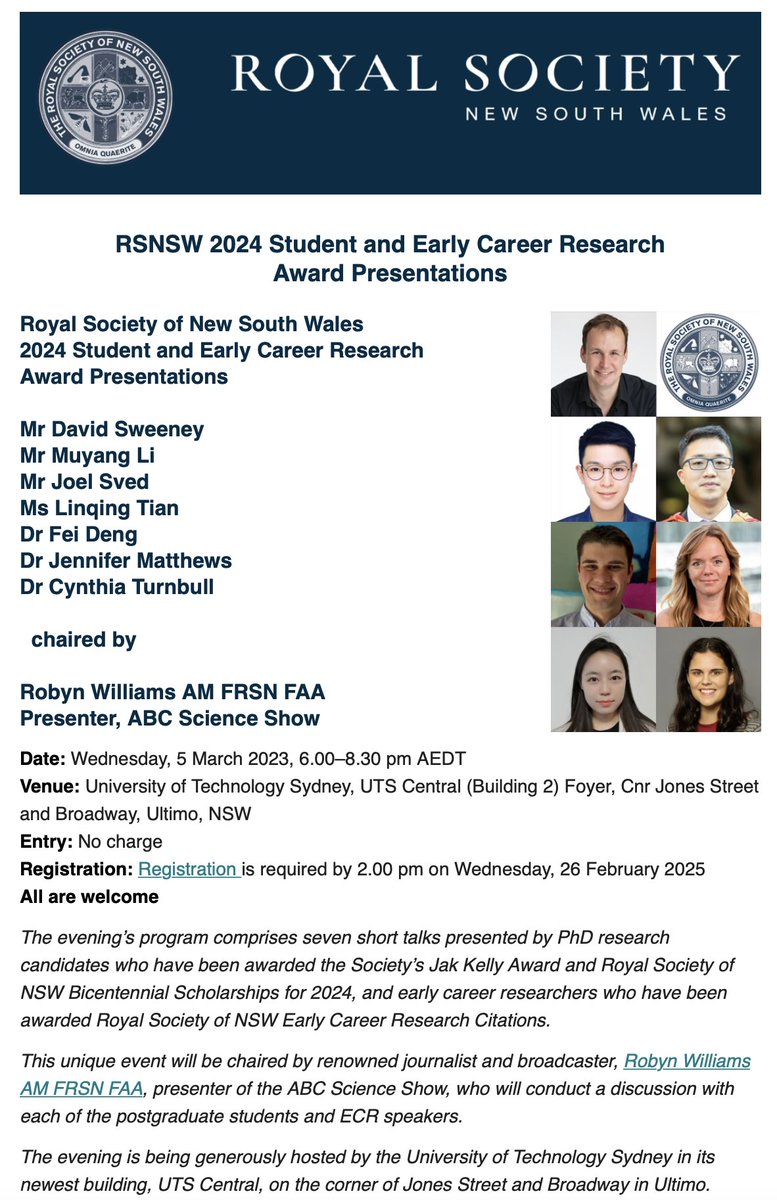
ALT RSNSW 2024 Student and Early Career Research Award Presentations
1
2
9
551

6 Feb 2025
Keep posting the facts. Business interests for too long have hidden the very significant amount of air pollution even the newest wood stoves emit, heath harms and deaths, and lie about the true contribution burning wood makes to global warming
@Steve_Dimo @ABCscience @RACGP
2
20

16 Dec 2024
@GBNEWS @BBCScienceNews @ABCscience @NBC_science @ScienceMagazine @royalsociety
Dilation Theory: A New Paradigm in Physics
Contact: Roy Herbert, Theorist
Introduction to Dilation Theory
In a ground breaking development in theoretical physics, Roy Herbert introduces Dilation Theory, a novel approach that redefines our understanding of spacetime. This theory posits that time itself exhibits properties akin to a fluid, extending into a fifth dimension where it behaves as a hydrodynamic entity.
Key Concepts of Dilation Theory
Temporal Hydrodynamics: Dilation Theory suggests that time's behaviour is fluid-like, with variations in time leading to gravitational effects through temporal dilation. This fluid-like property of time could provide new explanations for phenomena such as gravity and dark matter.
Extension of Einstein's Field Equations: By incorporating the fluid dynamics of time into the framework of general relativity, this theory aims to bridge the gap between quantum mechanics and gravity, potentially resolving longstanding issues in the quantization of gravity.
Matter and Motion Interplay: In this model, matter influences time's flow, and conversely, time's flow affects the motion of matter, creating an interactive loop where energy conservation across dimensions is maintained.
Unified Geometric Framework: Dilation Theory proposes a geometric unity where spacetime extends beyond the traditional four dimensions, suggesting a fifth dimension where time flows with conserved symmetries, integrating seamlessly with the existing laws of physics.
Implications for Physics
Unification of Forces: This theory offers a pathway towards a unified field theory by suggesting that gravity might not be fundamental but emergent from time's dynamics.
Dark Matter and Time: It provides a fresh perspective on dark matter, suggesting that what we perceive as additional gravitational effects could be due to time's fluid dynamics in higher dimensions.
New Research Directions: Dilation Theory opens new avenues for research, encouraging physicists to explore the interactions of time in higher dimensions, potentially leading to experimental validations or new predictions about the universe.
Conclusion
Dilation Theory marks a significant leap in our comprehension of the cosmos, challenging physicists to rethink the fundamental nature of time, space, and gravity. As we continue to explore this theory, it promises to reshape our understanding of the physical world and could herald a new era in physics where time's fluidity is central to cosmic laws.
End of Release
For further information, interviews, or media inquiries, please contact via X initially.
Note to Editors: High-resolution images depicting the conceptual models of Dilation Theory are available upon request.
1
3
7
568

9 Nov 2024
Just reading this while listening to.@ABCscience show and interviewee saying exactly this.🙏😱😳
2
134

8 Nov 2024
🔊 On ABC Radio’s Ockham’s Razor (@ABCscience), I shared the story of a remarkable journey: You Can’t Keep a Good Man Down. Learn how Parkinson’s met its match in Geoff’s determination and DBS. abc.net.au/listen/programs/o…
#ParkinsonsAwareness #DBSRecovery #Inspiration #TrueStory
3
191