
Jan 20
📘 @Dell Releases @hedera Based @EQTYLab AI Verifiable Compute Whitepaper – Tokenization & LLM Validation Completed🧵
🔑 Executive Summary
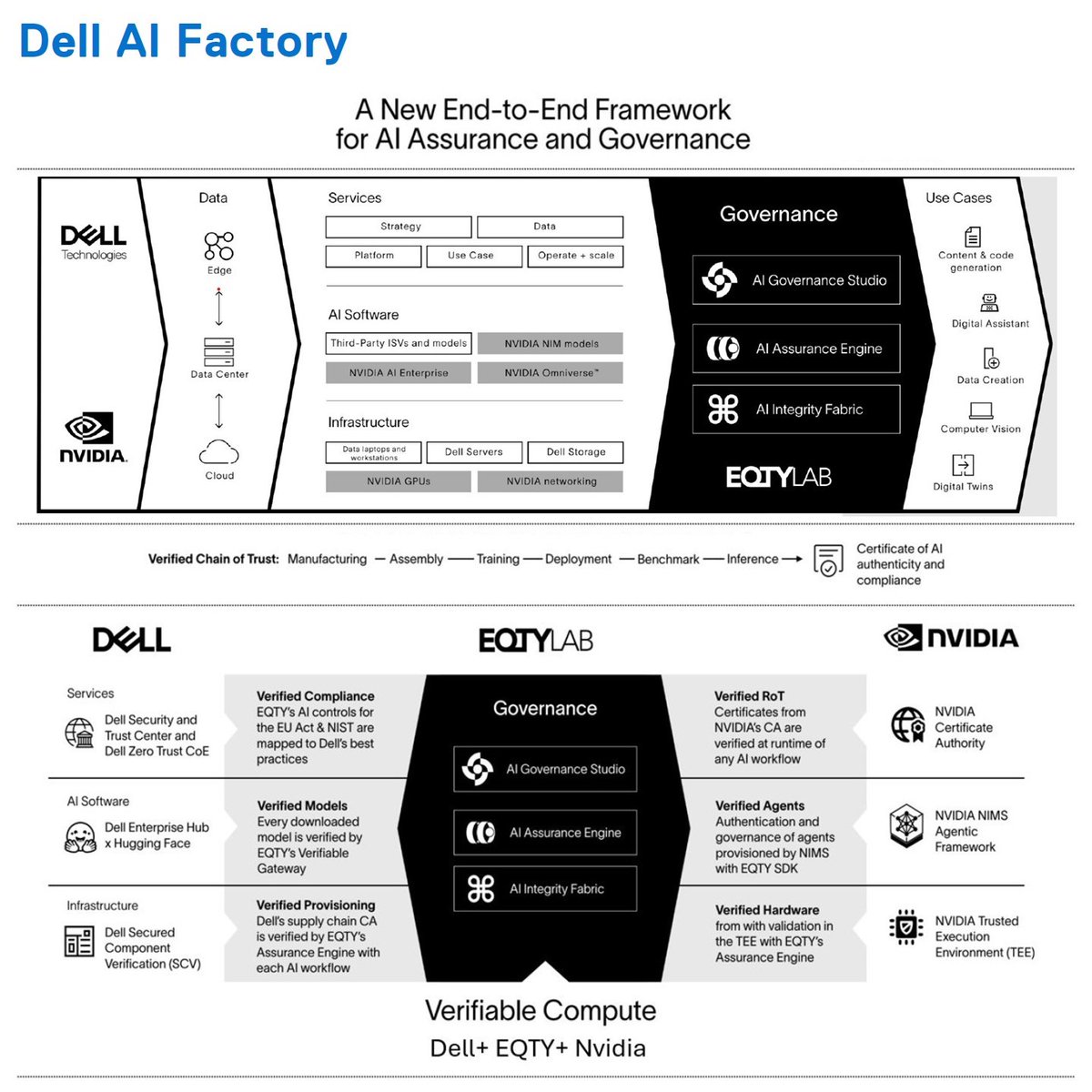
The Dell Trusted AI Verifiable Compute Whitepapergoes beyond traditional approaches that merely explain how AI computations occurred after the fact. Instead, it introduces a new standard for proving AI computations at the hardware level itself.
Jointly designed by Dell, EQTY Lab, @nvidia, and @intel, Verifiable Compute performs AI training and inference within Trusted Execution Environments (TEE) across both CPU and GPU, while EQTY’s cryptographic AI Notary signs and records data, models, code, and execution environments in real time. Crucially, these cryptographic attestations can be registered on the Hedera Consensus Service (HCS), creating immutable, independently verifiable timestamped audit records. This architecture directly satisfies the technical requirements for trust, transparency, and accountabilitydemanded by regulatory frameworks such as the EU AI Act, sovereign cloud mandates, and compliance-heavy environments including financial institutions and the public sector.
📊 Benchmark & Performance Results (Chapter 5–6, p.21–25)
🔍 Core Validation Question: Does Trust, Security, and Verifiability Come at the Cost of Performance?
Dell conducted comprehensive performance benchmarking to validate Verifiable Compute not as a proof-of-concept (PoC), but as a solution ready for real-world enterprise deployment.
The benchmark environment was built on a standard enterprise AI infrastructure consisting of Dell PowerEdge R760 servers equipped with NVIDIA H100 GPUs. Importantly, the validation focus was not limited to raw compute speed, but rather measured actual performance with cryptographic proofs, TEE isolation, governance enforcement, and audit logging fully enabled.
🧪 Benchmark Design: Production-Grade Workloads
📌 Tested Workloads
- Text Tokenization
- LLM Inference (scaling from 3B to 70B parameter models)
- End-to-end enterprise AI pipelines
📌 Test Conditions
- CPU and GPU Trusted Execution Environments (TEE) enabled
- EQTY Verifiable AI Notary applied
- Real-time proof generation with full auditability
⚙️ Tokenization Results: 0% Performance Impact
🔹 Evaluated under large-scale text processing and data preprocessing workloads
🔹 Even with encryption, integrity validation, and cryptographic signing enabled, no reduction in throughput or increase in latency was observed
✅ Implications
- Immediately applicable to foundational enterprise AI workloads such as data preprocessing, document analysis, and log processing
- Definitively refutes the assumption that security and verification slow down baseline AI operations
🧠 LLM Inference Results: Average Overhead ≤ 4.5%
🔹 Across 3B, 8B, and 14B models, average performance overhead remained at or below 4.5%
🔹 Compared to traditional Confidential Compute environments, the incremental cost introduced by Verifiable Compute was minimal
✅ Implications
- Real-time inference, customer-facing AI services, and analytics workloads can operate without perceptible performance degradation
- Significantly lowers adoption barriers for AI in highly regulated industries requiring auditability and compliance
🚀 Large-Scale 70B Model Results: Overhead 0.1%
🔹 70B-parameter LLM benchmark
- Performance overhead measured at 0.1%
- Effectively negligible in real-world operations
🔹 Analysis
- Performance overhead was primarily attributable to I/O and data movement, not computation
- Once execution entered GPU memory and compute phases, performance was nearly identical to non-verifiable environments
✅ Implications
- As model size increases, the relative cost of verifiability diminishes
- Particularly well suited for institutional, financial, and nation-scale AI deployments operating large models
📊 Overall Performance Assessment
- 📉 Average performance overhead: below 9%
- 📉 Large-scale model overhead: 0.1%
- 🔒 All measurements taken with security, governance, and audit controls fully enabled
✅ Conclusion
Verifiable Compute empirically disproves the long-held assumption that enhanced security and trust necessarily degrade performance. The data clearly demonstrates that “Trusted AI does not have to be slow.”
🏁 Dell’s Message: Commercial Validation Complete
Verifiable Compute is no longer an experimental or research-stage concept. It represents a commercially validated Trusted AI infrastructure that meets enterprise requirements for performance, security, and auditability. From tokenization workflows to large-scale LLM inference, Dell has demonstrated through measurable benchmarks that cryptographic proof generation and governance enforcement introduce only negligible overhead. This makes Verifiable Compute immediately deployable in regulated environments such as financial institutions, government agencies, public sector organizations, and global enterprises. Through this whitepaper, Dell positions Verifiable Compute not as a future vision, but as a practical, purchasable, and operable Trusted AI solution available today, backed by proven hardware, software, and enterprise services.
7
56
198
14,558

31 Dec 2025
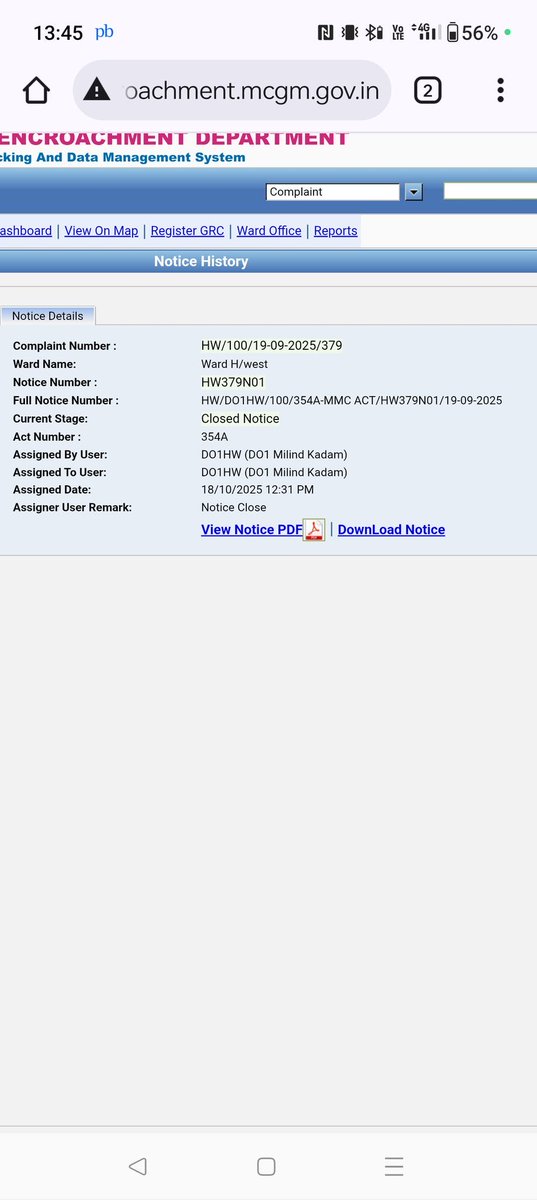
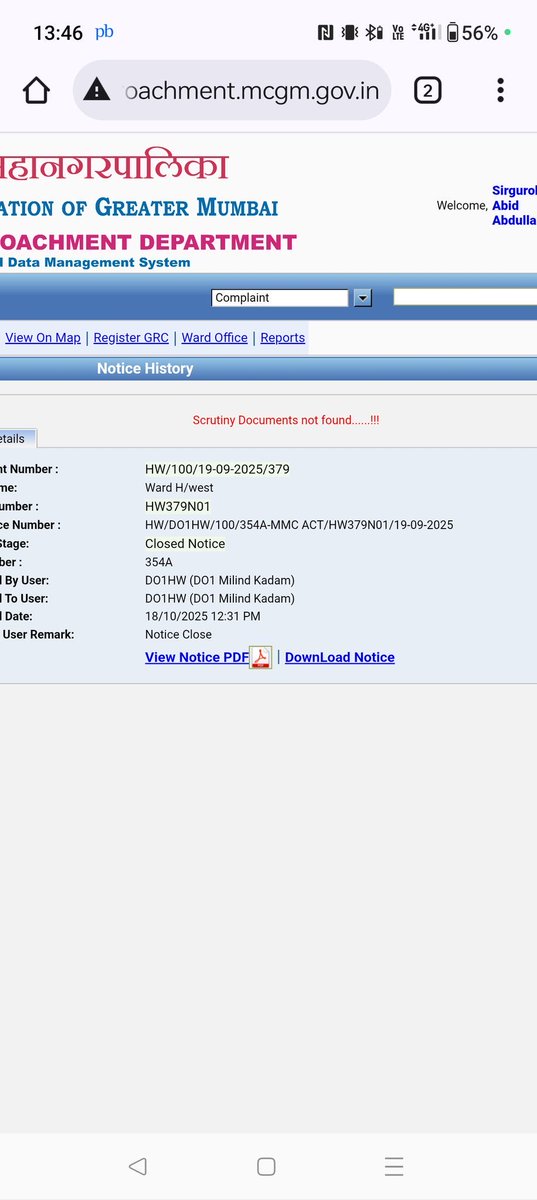
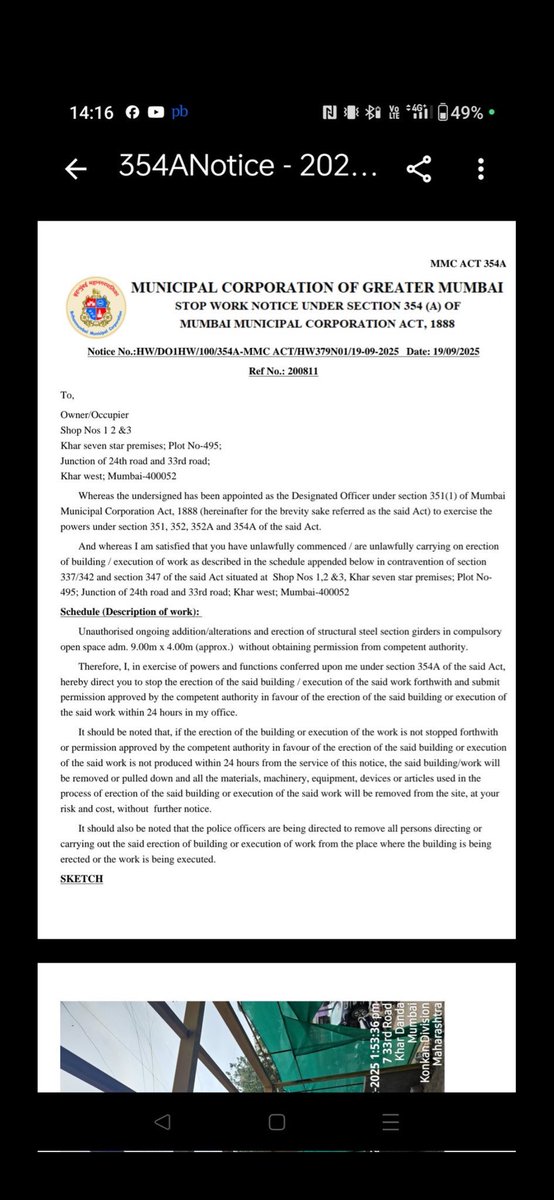
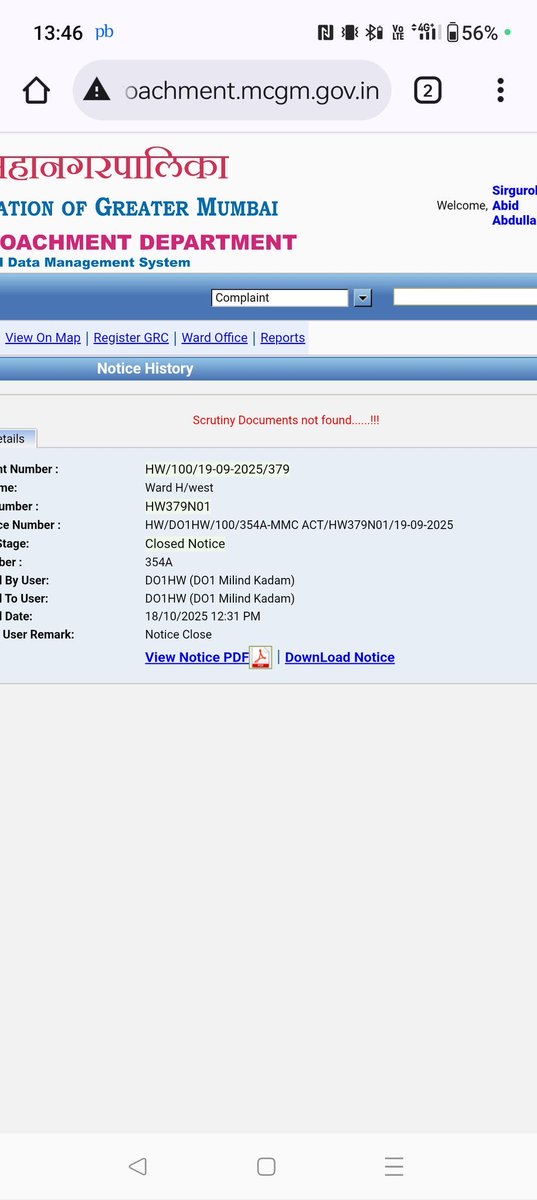
@mybmc DO Kadam. AE Naman (transferred). JE Patil. H/West Ward ka hisaab simple “Compliance pending, demolition pending… par NOTICE CLOSED.”
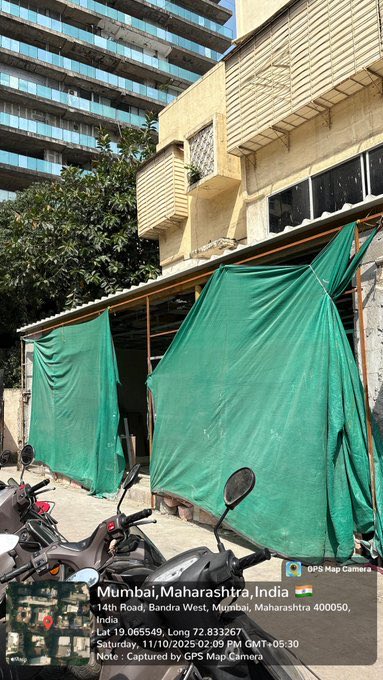
Jab illegal wall ek inch bhi neeche nahi aayi,toh closure ka ink itni jaldi sookh kaise gaya ?
Closure ≠ compliance
varna DPL, notice aur Speaking Orders ka logic kya bacha ?
@mybmcWardHW Ground bolta kaam khatam nahi.
File bolti :::chapter close.
Public bolti ::: jawab kahan ?
19 Sept :: 354A
7 Oct :: “ILLEGAL”
18 Oct :: demolition ka trace missing, par closure ka stamp mil gaya ?
RETMS :: snapshot
Enforcement :: snapshot missing
Duty :: checkpoint
Illegality :: full structure
Ye collapse nahi ye unanswered compliance status ka maze-run hai.
Mumbai yaad rakhti hai
silent “closure” bhi shor karta hai jab structure zinda ho.
Teesra kya badlega ?
officer-rotation ?
ya finally — jawab ?
#ClosureVsCompliance #HWestWard #IllegalConstruction #PublicRecordSpeaks #AccountabilityDemanded
1
2
37
31 Dec 2025
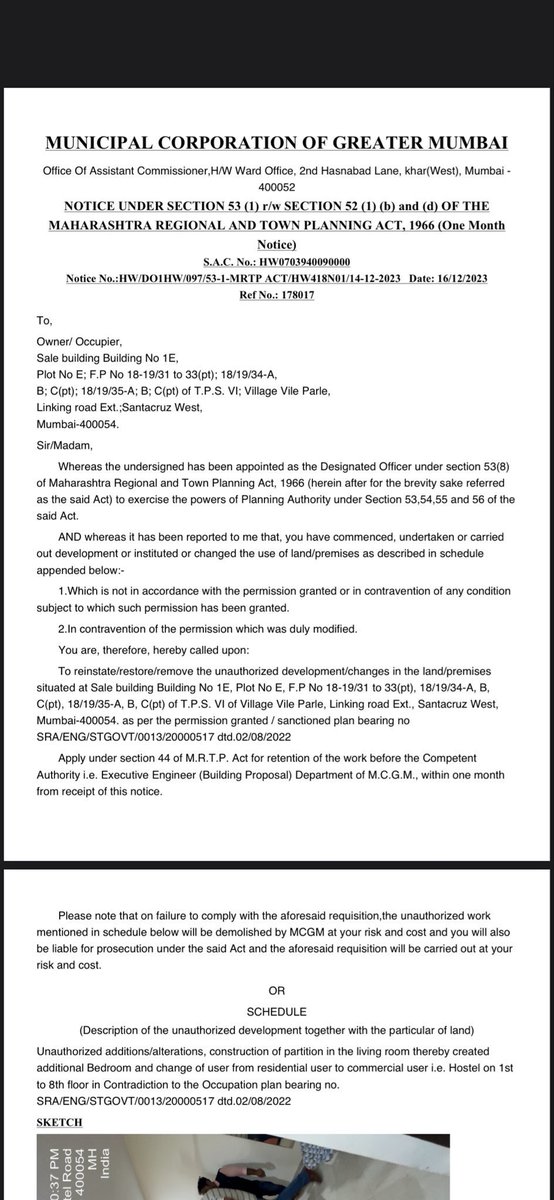
@mybmc “Illegal work handled, demolition done, files updated.”Statements strong lekin records ki awaaz ZERO.
Agar sab theek hai… toh ward ki side se brick-by-brick silence kyu ?
DO Kadam, AE Bodke (transferred), JE Kumawat ke apna kaam na karne ke dauran public ka seedha sawaal Sec 53(6) MRTP ke hisaab se demolition ke bad court filing compulsory toh filing ka kagaz kis shelf me chain ki neend so raha hai ?
RETMS photos ? missing.
Ward file me panchanama ? missing.
Court me petition ? missing.
Phir “action complete” kis definition se pass hota hai ?
Public ko lagta hai records agar gumshuda reh jaayein,
toh court tak awaaz kaise पहुंचे ?
Aur illegal walls ko confidence kyun na aaye ?
@mybmcWardHW Record traceable hoga tabhi accountability audible hogi.
Tab tak “Notices expire, files retire, aur walls inspire.”
#HWestWard #CourtFiling #DemolitionRecords
#AccountabilityDemanded #PaperTrailPlease
1
2
39
30 Dec 2025
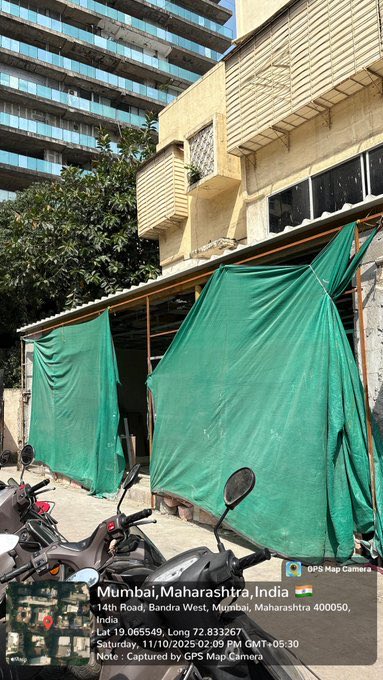
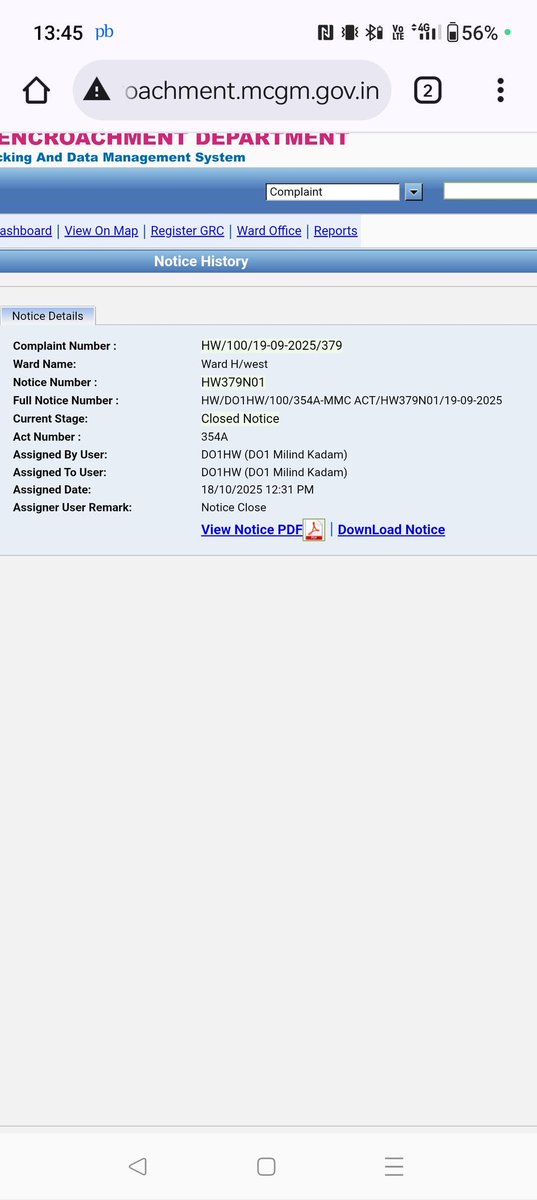
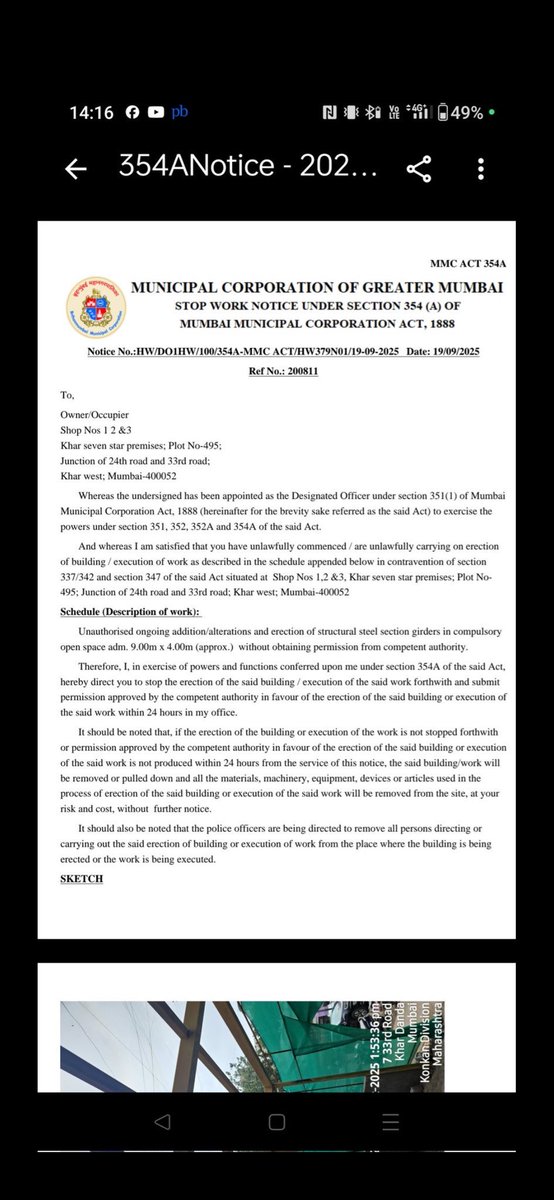
@mybmc DO Kadam. AE Naman (transferred). JE Patil.H/West Ward ka हिसाब simple“Compliance pending, demolition pending… par NOTICE CLOSED.”
Jab illegal wall ek inch bhi neeche na aaye,toh closure ki ink kis tarah sookh gayi ?
Closure ≠ compliance
varna DPL, notice aur Speaking Orders ka matlab kya bacha ?
@mybmcWardHW Ground bolta hai kaam khatam nahi.File bolti hai chapter close,,Public bolti hai jawab kahan ?
19 Sept :: 354A
7 Oct :: “ ILLEGAL”
18 Oct: demolition trace missing aur “closure” ka stamp lag gaya ?
RETMS :: snapshot
Enforcement :: snapshot missing
Duty: checkpoint
Illegality: full structure
Yeh collapse nahi yeh unanswered compliance status ka maze-run hai.
Mumbai yaad rakhti hai,
kyunki silent “closure” bhi shor karta hai.
Teesra kon ?
agla officer ?
ya agla jawab ?
#ClosureVsCompliance #HWestWard #IllegalConstruction #PublicRecordSpeaks #AccountabilityDemanded
2
3
44
30 Dec 2025
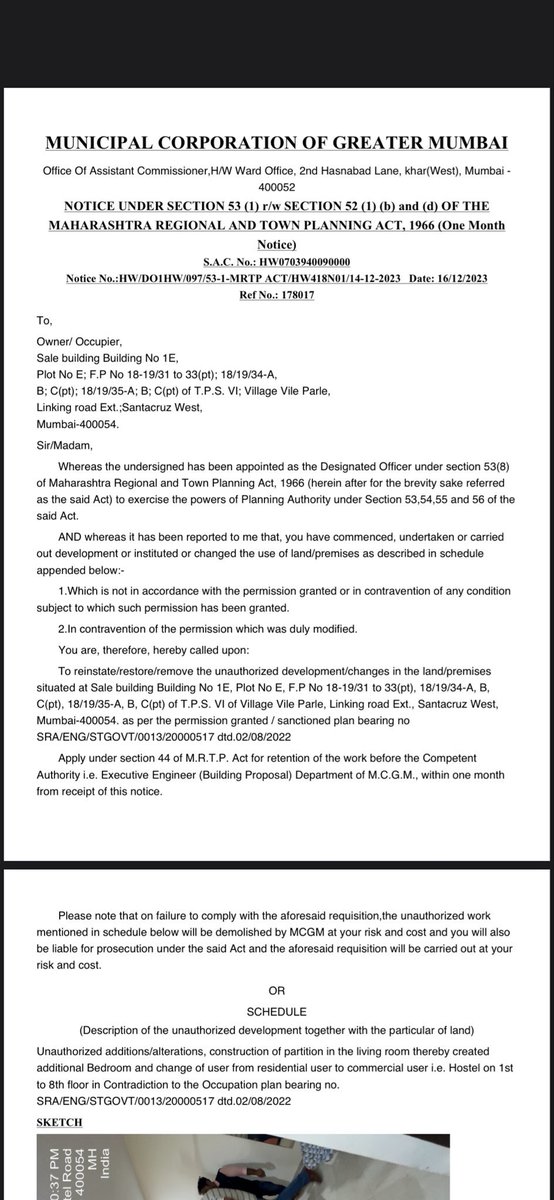
@mybmc Illegal work “handled,” demolition “done,” files “updated.”
Agar sab theek hai, toh ward kyu khamosh hai ?
DO Kadam,AE Bodke (transferred) aur JE Kumawat se Ek seedha sawaal Sec 53(6) MRTP ke hisaab se demolition ke bad court filing compulsory —
toh filing ka kagaz ab tak kis shelf me so raha hai ?
RETMS me photo nahi.
Ward file me panchanama nahi.
Court me petition nahi.
Aur phir bhi “action complete”?
@mybmcWardHW Record jab tak lapata rahega,court tak awaaz nahi pahunchti ——-aur illegal walls muskuraati rehti hain.
#HWestWard #CourtFiling #DemolitionRecords #AccountabilityDemanded
1
2
39

20 Dec 2025
મૃતક યુવકે મોત પહેલા માર
મારનાર ઈસમોના નામ પણ કેમેરા
સામે આપ્યા હતા છતા..
#gstvshorts #navsari #CustodialFailure #JusticeForDeepak #AssaultToDeath #LawAndOrderQuestioned #AccountabilityDemanded #trendingtopic
140

5 Apr 2025
#Lucknow
मोहनलालगंज नगर पंचायत में विकास कार्यों के नाम पर हो रही धांधली
विकास कार्यों में भ्रष्टाचार के जरिए ठेकेदार गर्म कर रहे अपनी जेब
शौचालय के बाद अब नाली निर्माण किया जा पीली ईटों का किया इस्तेमाल
पीली ईटों के साथ ही डस्ट से कि जा रहा नाली निर्माण का कार्य
मोहनलालगंज नगर पंचायत के वार्ड नम्बर 9 गौरा गांव में बन रही है नाली
सभासद हिमांशु सिंह ने नाली निर्माण में की जा रही धांधली की शिकायत समाधान दिवस में की
न अध्यक्ष दे रहे ध्यान न ही अधिशाषी अधिकारी ले रही संज्ञान
@AdminLKO @lkopolice #CorruptionInDevelopment #ContractorScam #PoorConstruction #FakeDevelopment #PublicMoneyMisuse #MunicipalNegligence #DrainageScam #Ward9Gaura #YellowBricksIssue #AccountabilityDemanded
1
147

16 Jan 2024
Pakistan Condemns Iranian Airspace Violation: Rising Tensions and Possible Repercussions
#Pakistan #Iran #Balochistan #SovereigntyViolation #AccountabilityDemanded #PeacePrevails #InternationalJustice #BNNBreaking
bnnbreaking.com/world/pakist…
2
9
16
989

26 Nov 2023
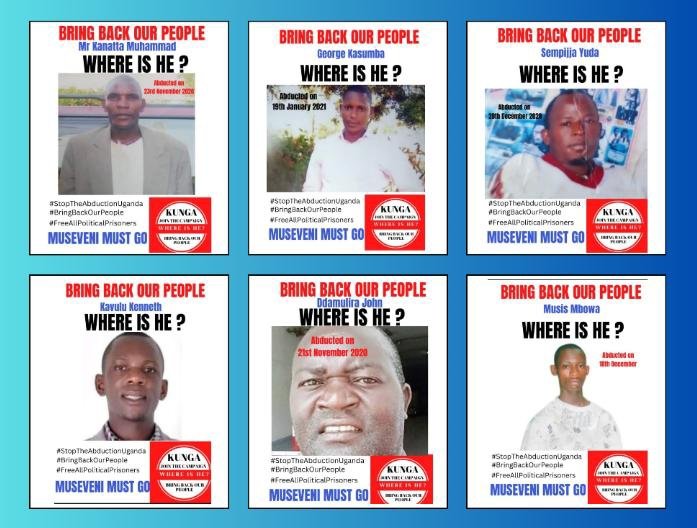
Members of @Parliament_Ug who are still seated you should serve the Tax payers (Ugandans) not @AnitahAmong nor @KagutaMuseveni ugandans are being kidnapped, arrested,killed by museveni you're quiet busy in parliament where is your UBUNTU
#18missingpeople
#accountabilitydemanded
3
3
31

26 Nov 2023
Members of @Parliament_Ug who are still seated you should serve the Tax payers (Ugandans) not @AnitahAmong nor @KagutaMuseveni ugandans are being kidnapped, arrested,killed by museveni you're quiet busy in parliament where is your UBUNTU
#18missingpeople
#accountabilitydemanded

1
2
9

26 Nov 2023
Members of @Parliament_Ug who are still seated you should serve the Taxi payer (Ugandans) not @AnitahAmong nor @KagutaMuseveni ugandans are being kidnapped, arrested,killed by museveni you'r quiet busy in parliament where is your UBUNTU
#18missingpeople
#accountabilitydemanded
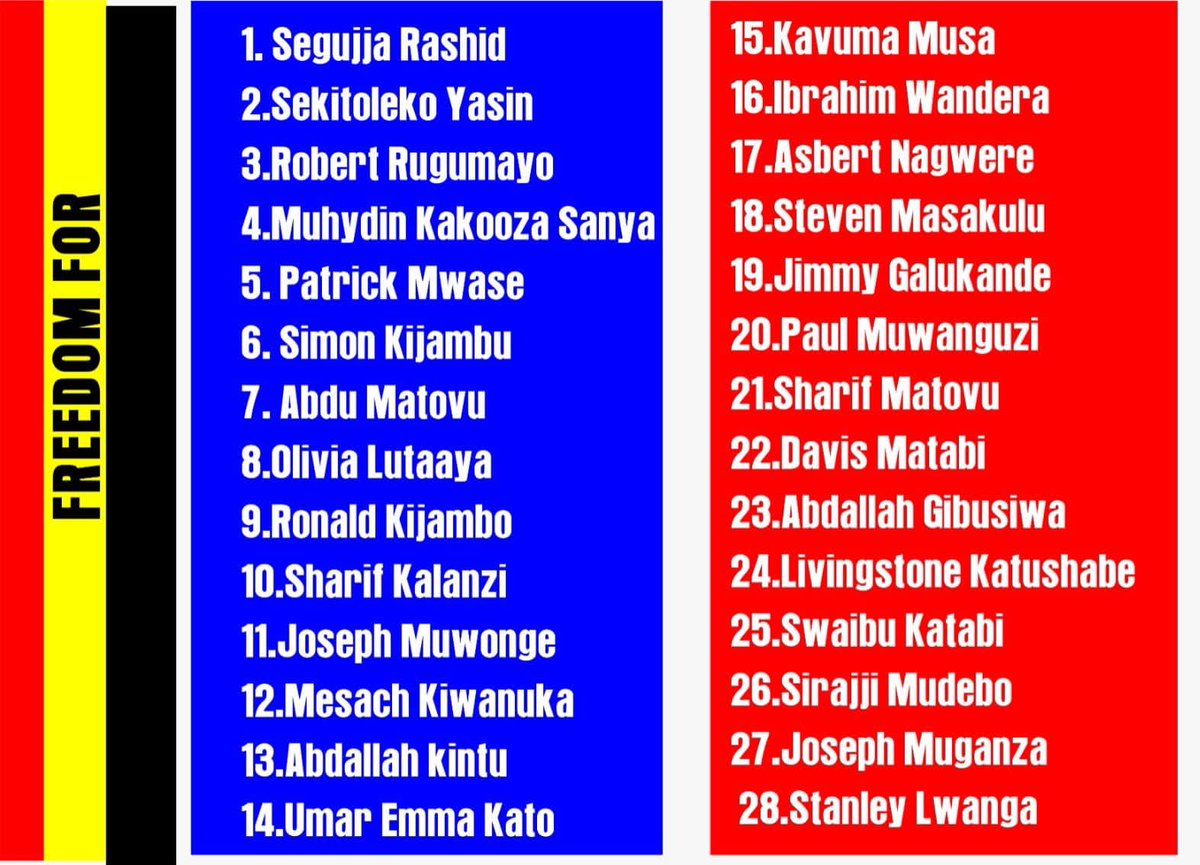
2
3
14

26 Nov 2023
Members of @Parliament_Ug who are still seated you should serve the Tax payers (Ugandans) not @AnitahAmong nor @KagutaMuseveni ugandans are being kidnapped, arrested,killed by museveni you're quiet busy in parliament where is your UBUNTU
#18missingpeople
#accountabilitydemanded

6
17
51
775

26 Nov 2023
Members of @Parliament_Ug who are still seated you should serve the Taxi payer (Ugandans) not @AnitahAmong nor @KagutaMuseveni ugandans are being kidnapped, arrested,killed by museveni you'r quiet busy in parliament where is your UBUNTU
#18missingpeople
#accountabilitydemanded
6
11
61
24 Nov 2023
Please tell your fellows not to go to parliament
All critics are mocking you such that you go back and they pass their businesses
@JNambeshe
@MathiasMpuuga
@ZaakeFrancis
@JoelSsenyonyi
@joycebagala1
Only come to us we organise for a big demonstration
#Accountabilitydemanded

1
2
18