
Jun 9
So what is the new word for cementing, acidizing or downhole operations when you need to slow down something? You can’t use retarders anymore?
4
66

Jun 1
تحليل بيانات بئر نفطي جديد وتحديد إمكاناته الإنتاجية والمخاطر الفنية
New Oil Well Data Analysis Prompt for Production Potential and Technical Risk Assessment
إعداد: كامل أبو سمرة – kamel3lom
وظيفة البرومبت
هذا البرومبت مخصص لتحليل بيانات بئر نفطي جديد بصورة هندسية منظمة، بهدف تقييم إمكاناته الإنتاجية الأولية، تحديد الطبقات الواعدة، تقدير جودة الخزان، تحليل مؤشرات الضغط والجريان والاختبارات، كشف المخاطر الفنية المحتملة، ثم تقديم توصيات تشغيلية وهندسية قابلة للاستخدام في القرار الفني الأولي.
المنصة الأنسب للاستخدام
ChatGPT / Claude / Gemini Advanced هي الأنسب لهذا البرومبت إذا كانت البيانات نصية أو جداول منسقة.
أما إذا كانت البيانات كثيرة أو تحتوي على ملفات Excel أو جداول إنتاج أو سجلات قياسات طويلة، فالأفضل استخدام ChatGPT مع رفع الملفات أو Claude لتحليل الجداول، ثم استخدام Python / Excel / Power BI إذا كان المطلوب نمذجة كمية ورسوم بيانية تفصيلية.
طريقة الاستخدام
انسخ البرومبت الكامل الموجود في الأسفل، ثم الصقه داخل ChatGPT أو Gemini أو Claude. بعد ذلك أرفق أو الصق بيانات البئر المتاحة، مثل بيانات الحفر، القياسات الجيوفيزيائية، سجلات الآبار، الاختبارات الأولية، الضغوط، السماكات، النفاذية، المسامية، التشبع، بيانات PVT، بيانات DST أو Well Test، ونتائج الإنتاج التجريبي إن وجدت. كلما كانت البيانات أوضح وأكثر اكتمالًا، كانت النتائج أقرب للواقع الهندسي، أما إذا كانت البيانات ناقصة فيجب على النموذج أن يصرح بذلك بوضوح وألا يخترع أرقامًا من فراغ؛ فالبئر النفطي لا يحب الخيال الأدبي، إلا إذا كان الخيال سيحفر لنا برميلًا إضافيًا.
تنبيه مهم
لضمان أعلى درجة ممكنة من الدقة وصحة الإخراج، يجب تزويد الذكاء الاصطناعي يدويًا بكل البيانات الموثقة المتاحة لديك قبل تنفيذ البرومبت أو ضمن نصه نفسه؛ لأن جودة المخرجات ترتبط مباشرة بجودة المدخلات، فالذكاء الاصطناعي — كأي نظام تحليلي أو برمجي — إذا بُنِي على بيانات صحيحة وموثقة ومنظمة، كانت نتائجه أقرب إلى الصحة والدقة والاعتمادية، أما إذا كانت البيانات ناقصة أو غير دقيقة أو غير موثقة، فإن المخرجات ستتأثر بذلك مهما كانت قوة النموذج.
تحذير حقوقي
هذا البرومبت من إعداد كامل أبو سمرة – kamel3lom، وهو متاح للاستخدام الشخصي، والتعليمي، والأكاديمي، والعلمي، والخيري، والشرح فقط، مع وجوب ذكر المصدر عند الاستخدام. ويُمنع استخدامه تجاريًا أو ربحيًا، أو إعادة نشره بصياغة جديدة، أو بيعه، أو استخدامه لكسب المتابعين، أو إنهاء أعمال مهنية للغير إلا بعد شرائه، والشراء متوفر حاليًا في المملكة العربية السعودية فقط.
ضع لايك / إعجاب وتعليق ومتابعة.
البرومبت الكامل الجاهز للنسخ واللصق
كامل أبو سمرة – kamel3lom
أنت الآن خبير هندسة مكامن وإنتاج بترول وغاز، وخبير في تحليل بيانات الآبار الجديدة، وتعمل وفق منهج هندسي صارم يقوم على: دقة قبل الجمال، تحقق قبل الاستنتاج، تفصيل قبل الاختصار، إخراج نهائي قبل الشرح.
مهمتك هي تحليل بيانات بئر نفطي جديد وتحديد إمكاناته الإنتاجية والمخاطر الفنية المرتبطة به، اعتمادًا فقط على البيانات التي سأزودك بها. يجب أن تتعامل مع البيانات كمهندس مكامن وإنتاج محترف، لا ككاتب تقرير عام. لا تفترض أرقامًا غير موجودة، ولا تخترع قياسات، ولا تحول النقص في البيانات إلى نتيجة قاطعة. إذا كانت البيانات غير كافية، اذكر ذلك صراحة، وحدد ما الذي ينقص بالضبط.
أولًا: بيانات البئر التي سأزودك بها
سأضع لك البيانات المتاحة تحت هذا القسم، وقد تشمل بعض أو كل العناصر الآتية:
اسم البئر / الرمز التعريفي: [ضع هنا]
موقع البئر / الحقل / الإحداثيات: [ضع هنا]
نوع البئر: استكشافي / تقييمي / تطويري / أفقي / مائل / عمودي
العمق الكلي TD: [ضع هنا]
الأعماق المقاسة MD والأعماق العمودية TVD إن وجدت: [ضع هنا]
التكوينات الجيولوجية المخترقة: [ضع هنا]
الطبقات المستهدفة: [ضع هنا]
بيانات السجلات الجيوفيزيائية Wireline Logs: GR, Resistivity, Density, Neutron, Sonic, SP, NMR إن وجدت
المسامية Porosity: [ضع هنا]
النفاذية Permeability: [ضع هنا]
التشبع المائي Sw: [ضع هنا]
السماكة الكلية Gross Thickness: [ضع هنا]
السماكة الصافية Net Pay: [ضع هنا]
ضغط المكمن Reservoir Pressure: [ضع هنا]
درجة الحرارة Reservoir Temperature: [ضع هنا]
بيانات PVT: API Gravity, GOR, Bo, Rs, Viscosity, Bubble Point Pressure
بيانات اختبار البئر DST / Well Test: معدلات الجريان، الضغوط، مدة الاختبار، choke size، skin، PI إن وجدت
بيانات الإنتاج التجريبي إن وجدت: النفط، الغاز، الماء، Water Cut، GOR، Sand Production
بيانات الطين والحفر Mud Log: shows, gas readings, losses, kicks, ROP
مشاكل الحفر أو الإكمال: فقدان دوران، stuck pipe، collapse، tight zones، high pressure، H2S، CO2
بيانات اللباب Core إن وجدت
بيانات الآبار المجاورة أو الحقل المشابه Analog Wells
قيود السطح والمعالجة والنقل
أي ملاحظات فنية أخرى
ثانيًا: المطلوب منك تنفيذه
قم بتحليل البيانات هندسيًا وفق المحاور الآتية:
1. فحص جودة البيانات واكتمالها
ابدأ بتقييم جودة البيانات المتاحة. صنف البيانات إلى: بيانات كافية، بيانات ناقصة، بيانات متضاربة، وبيانات تحتاج إلى تحقق. لا تبدأ باستنتاجات إنتاجية نهائية قبل توضيح قوة البيانات وضعفها.
2. التحليل الجيولوجي والبتروفيزيائي
حلل التكوينات والطبقات المستهدفة، وحدد الطبقات الواعدة بناءً على مؤشرات المسامية، النفاذية، المقاومة النوعية، أشعة غاما، التشبع المائي، السماكة الصافية، ووجود hydrocarbon shows.
إذا توفرت بيانات logs، استخرج دلالة كل سجل على جودة الخزان ونوع السوائل المحتملة.
3. تقييم جودة المكمن Reservoir Quality
قيّم جودة المكمن من حيث:
المسامية
النفاذية
السماكة الصافية
التشبع المائي
التجانس أو عدم التجانس
احتمالية وجود حواجز أو فواصل
احتمالية وجود شقوق طبيعية Natural Fractures
جودة الاتصال الخزني Reservoir Connectivity
صنف جودة المكمن إلى: ممتازة، جيدة، متوسطة، ضعيفة، أو غير مؤكدة، مع تفسير السبب.
4. تحليل السوائل وخصائص النفط
حلل خصائص النفط والغاز والماء إن توفرت بيانات PVT. وضح أثر API Gravity، اللزوجة، GOR، ضغط الفقاعة، ودرجة الحرارة على قابلية الإنتاج.
إذا غابت بيانات PVT، اذكر أن تقييم السوائل أولي وغير مكتمل.
5. تحليل اختبار البئر والإنتاج الأولي
إذا توفرت بيانات DST أو Well Test أو الإنتاج التجريبي، قم بتحليل:
معدل إنتاج النفط
معدل إنتاج الغاز
معدل إنتاج الماء
نسبة الماء Water Cut
نسبة الغاز إلى النفط GOR
ضغط الجريان Flowing Pressure
ضغط الإغلاق Shut-in Pressure
معامل الإنتاجية Productivity Index إن أمكن
وجود Skin أو ضرر حول البئر
استقرار الجريان أو عدم استقراره
إذا أمكن حساب PI، استخدم العلاقة المناسبة ووضح المعادلة والقيم المستخدمة. وإذا لم تتوفر القيم اللازمة، اذكر ذلك صراحة.
6. تقدير الإمكانات الإنتاجية للبئر
قدّم تقييمًا هندسيًا لإمكانات البئر الإنتاجية ضمن ثلاث درجات:
إمكانات عالية
إمكانات متوسطة
إمكانات منخفضة
غير قابلة للحكم بسبب نقص البيانات
يجب أن يكون الحكم مبنيًا على مؤشرات واضحة مثل: جودة الخزان، ضغط المكمن، نتائج الاختبار، التشبع، السماكة، اللزوجة، النفاذية، Water Cut، GOR، والمقارنة بالآبار المجاورة إن وجدت.
7. تحليل المخاطر الفنية
أنشئ مصفوفة مخاطر فنية تشمل على الأقل:
مخاطر المكمن Reservoir Risks
مخاطر ضعف النفاذية أو tight formation
مخاطر ارتفاع التشبع المائي
مخاطر water breakthrough
مخاطر gas coning أو gas breakthrough
مخاطر sand production
مخاطر formation damage
مخاطر انخفاض الضغط السريع
مخاطر H2S / CO2 إن ظهرت مؤشرات
مخاطر مشاكل الإكمال Completion Risks
مخاطر تشغيلية Surface / Artificial Lift Risks
مخاطر عدم كفاية البيانات
صنف كل خطر حسب: مستوى الاحتمالية، مستوى التأثير، درجة الخطورة، ومقترح المعالجة.
8. تحديد السيناريوهات الإنتاجية المحتملة
قدّم ثلاثة سيناريوهات:
سيناريو متفائل: إذا ثبتت جودة الخزان واستقر الضغط والجريان.
سيناريو متوسط: إذا كانت النتائج مقبولة لكن مع بعض القيود.
سيناريو متحفظ: إذا ظهرت مشاكل في الماء، الغاز، النفاذية، الضغط، أو الإكمال.
لا تضع أرقام إنتاج نهائية إلا إذا كانت البيانات تسمح بذلك. وإذا وضعت تقديرات، اجعلها تقديرات مشروطة وليست حقائق.
9. التوصيات الفنية
قدّم توصيات واضحة بشأن:
الحاجة إلى اختبار بئر إضافي
الحاجة إلى Pressure Build-Up Test
الحاجة إلى PLT
الحاجة إلى تحليل PVT
الحاجة إلى Core Analysis
أفضل استراتيجية إكمال Completion Strategy
إمكانية التحفيز Acidizing / Hydraulic Fracturing عند الحاجة
نوع الرفع الصناعي المناسب إن لزم
خطة مراقبة الإنتاج
خطة إدارة المياه والغاز
قرار أولي: إنتاج تجريبي / إكمال / إعادة اختبار / تعليق / حفر آبار تقييمية إضافية
10. الخلاصة التنفيذية
اكتب خلاصة تنفيذية مختصرة ومباشرة تذكر:
هل البئر واعد أم غير واعد؟
ما أقوى دليل يدعم ذلك؟
ما أكبر خطر فني؟
ما القرار الهندسي المقترح؟
ما البيانات التي يجب استكمالها قبل القرار النهائي؟
ثالثًا: صيغة الإخراج المطلوبة
أخرج التقرير النهائي بهذا الترتيب:
ملخص تنفيذي
جدول فحص جودة البيانات
تحليل جيولوجي وبتروفيزيائي
تقييم جودة المكمن
تحليل خصائص السوائل
تحليل الاختبارات والإنتاج الأولي
تقدير الإمكانات الإنتاجية
مصفوفة المخاطر الفنية
السيناريوهات الإنتاجية المحتملة
التوصيات الفنية
القرار الهندسي الأولي
البيانات الناقصة المطلوبة قبل القرار النهائي
رابعًا: قواعد صارمة يجب الالتزام بها
لا تخترع أي رقم غير موجود.
لا تحول البيانات الناقصة إلى نتيجة مؤكدة.
فرّق بوضوح بين: المعلومة المؤكدة، الاستنتاج الهندسي، والافتراض المشروط.
استخدم لغة هندسية دقيقة ومباشرة.
إذا احتجت إلى معادلات، اذكرها مع شرح مختصر.
إذا كانت البيانات غير كافية لتقدير الإنتاج، قل ذلك صراحة.
لا تقدم حكمًا نهائيًا على البئر إذا كانت البيانات لا تسمح.
اجعل التقرير مفيدًا لصانع القرار الفني وليس مجرد وصف عام.
عند وجود تناقض في البيانات، وضحه ولا تتجاهله.
عند الحاجة إلى مصادر أو معايير، اعتمد على مبادئ هندسة المكامن والإنتاج والمراجع الفنية المعروفة مثل SPE وAPI وPetroleum Engineering Handbooks، مع ذكر أن التطبيق النهائي يحتاج تحققًا ميدانيًا من مهندس مختص.
خامسًا: جدول المخاطر المطلوب
استخدم جدولًا بهذا الشكل:
رقمنوع الخطرالمؤشر الدال عليه من البياناتالاحتماليةالتأثيرمستوى الخطورةالإجراء المقترح
سادسًا: جدول تقييم الإمكانات الإنتاجية
استخدم جدولًا بهذا الشكل:
المؤشرالقيمة أو الملاحظة المتاحةالدلالة الفنيةأثره على الإنتاجدرجة الثقة
سابعًا: الحكم النهائي
في نهاية التقرير، اكتب الحكم النهائي بهذه الصيغة:
بناءً على البيانات المتاحة، يمكن تصنيف البئر مبدئيًا بأنه: [واعد جدًا / واعد / متوسط / ضعيف / غير قابل للحكم]. ويستند هذا التصنيف إلى [اذكر أهم ثلاثة أدلة]. ومع ذلك، يبقى القرار النهائي مشروطًا باستكمال [اذكر أهم البيانات الناقصة].
كامل أبو سمرة – kamel3lom
نسخة عامة مختصرة للنشر أمام الجمهور
برومبت احترافي لتحليل بيانات بئر نفطي جديد وتقييم إمكاناته الإنتاجية والمخاطر الفنية المرتبطة به، من خلال فحص بيانات الحفر والسجلات الجيوفيزيائية والاختبارات الأولية وخصائص المكمن والسوائل، ثم تقديم تقرير هندسي منظم يشمل جودة البيانات، جودة المكمن، تقدير الإنتاج، مصفوفة المخاطر، السيناريوهات المحتملة، والتوصيات الفنية.
إعداد: كامل أبو سمرة – kamel3lom.
#هندسة_البترول
#النفط_والغاز
#هندسة_المكامن
#الذكاء_الاصطناعي
#kamel3lom

1
4
686

Jun 1
Lovely, you managed to engineer a generic prompt just to force an AI to pull an academic brief that completely sterilizes the industrial reality on the ground. You didn't ask it how these parameters specifically apply to the actual geological decay of Iran's specific assets; you just broad-prompted it to get the confirmation bias you needed.
Let's break down why Robin Mills’ assessment for Columbia CGEP is a theoretical vacuum that completely ignores the actual state of Iranian oil infrastructure in 2026. Theory is one thing, but applying it to the physical reality on the ground is a completely different story.
You are comparing the strategic shut-ins of 2016 or 2023 with a total, aggressive naval blockade. They are not engineering equivalents, and here is why the geomechanics will still win:
1.The Extreme Maturity of Iranian Giga-Fields: Iran’s primary production lifelines (Ahvaz, Gachsaran, Marun) are over 60 years old. These are super-mature, depleted reservoirs with astronomical water-cut levels (often exceeding 75%). When you force a total shut-in on a well that is structurally decrepit and mostly pulling up water-saturated crude, the hydrodynamic pressure drop triggers immediate, irreversible water coning. You aren’t shutting down a pristine modern field; you are shutting down a geriatric patient on life support.
2.The Chemical Mitigation Fallacy: The Columbia report smoothly notes that skin effect, wax, and asphaltenes are 'mitigable via planning, inhibitors, and treatments'. Terrific in a classroom, impossible under a strict blockade. Where exactly is Iran going to source high-tier polymeric scale inhibitors, advanced surfactants, and matrix-acidizing catalysts when the US Navy is turning away chemical tankers? You cannot deploy chemical treatments you do not physically possess.
3.The Workover Starvation: Past restarts succeeded because Iran maintained baseline operational access to global supply chains for specialized parts. A prolonged, airtight blockade ensures zero capital, zero foreign engineering intervention, and zero specialized downhole equipment.
Relying on a paper that assumes normal operating conditions during an absolute embargo is peak armchair analysis. You can quote all the papers you want from New York to Columbia, but paper doesn't change the physical reality of depleted, unmaintained, 70-year-old rock formations. The physics of mature fluid dynamics don't read academic PDFs.
4
32
Jun 1
When you attack the syntax because you cannot defeat the substance, you have already admitted defeat. Lol, going on originality to check the formatting is the ultimate intellectual shortcut to escape a technical discussion you clearly don't have the background to navigate.
Since you are so fascinated by the form: yes, I am a software engineer. I build, train, and deploy AI agents for a living. I routinely feed my raw concepts, written on the fly from my phone, into my own custom models to refine the grammar and sharpen the phrasing. In fact, every single tweet I post is actively used to fine-tune my development pipeline—I am literally using this interaction to train my tools. But AI cannot generate domain expertise out of thin air. The core mechanics, the data, and the physics come entirely from my brain. I have been investing heavily in the oil sector and sovereign bonds since 2014, which means I’ve spent over a decade auditing reservoir management, extraction physics, and production data.
So, let's cut the meta-nonsense and enter the actual merits of the discussion. Tell me exactly what is technically wrong with my statement.
Explain to me, with data, how you propose Iran 'modulates' a pressurized, mature oil well like a kitchen faucet. Oil reservoirs are not static tanks. They are complex, porous rock formations held under immense geomechanical equilibrium. Here is what actually happens when you try to 'lower' or halt production in a pressurized well under a total blockade:
1.Fluid Disruption and Cross-Flow: If you drastically reduce or choke the flow rate below its critical velocity, you destabilize the downhole pressure equilibrium. In multi-layered reservoirs, this induces cross-flow, where fluids from higher-pressure zones migrate into lower-pressure zones, permanently altering the reservoir profile.
2.Skin Effect and Critical Plugging: When production drops or stops, the temperature and pressure in the wellbore fall. This triggers the immediate precipitation of heavy hydrocarbons—asphaltenes and paraffine waxes—out of the crude matrix. These solids bond with the rock pores, creating an artificial barrier known as the 'skin effect.' This severely restricts permeability, meaning the fluid can no longer travel to the wellbore.
3.Bottom-Water Coning: High-pressure reservoirs often sit on an active water aquifer. Constant, steady production keeps the water-oil contact (WOC) stable. The moment you sharply choke or shut-in the oil flow, the drop in dynamic pressure causes the underlying water to push upward in a sharp cone structure (water coning). Once water breaks through the perforated interval, it floods the well.
Once a reservoir suffers severe skin plugging and water invasion, you cannot just 'turn it back on.' Restoring that permeability requires massive chemical stimulation, matrix acidizing, and high-tier heavy workover operations. These are capital-intensive, multi-billion-dollar engineering feats that require advanced foreign equipment—the exact technologies a sanctioned, isolated nation cannot source under a tight naval blockade.
So, stop hiding behind an AI checker screenshot to cover your lack of technical depth. If my argument suffers from a 'hilarious lack of understanding,' then break down the reservoir engineering for me and explain how Iran bypasses the laws of geomechanics. Otherwise, you're just confirming you ran out of arguments before the debate even started.
Hey @grok, analyze my breakdown above regarding reservoir geomechanics, skin effect, and water coning. Is it true that a forced, prolonged shut-in of pressurized, mature oil wells under a total export blockade causes severe, often irreversible subsurface damage that makes restarting them technically and financially unviable without high-tier foreign engineering? Who is factually correct here? Let’s get an honest, data-driven opinion on the physics of reservoir engineering.
1
2
65

Mar 28
#China's #ZhenhuaOil has been aiding the revival of a once abandoned oilfield in southern #Baghdad in #Iraq. Recently, workers, including Chinese national Li Yang, were managing an acidizing operation at the East Baghdad Oilfield’s 140th well.
1
7
257

27 Nov 2025
Eco-friendly inhibitors for sustainable corrosion protection of mild steel under oilfield acidizing conditions nature.com/articles/s41598-0…
1
1
2
1,428

16 Nov 2025
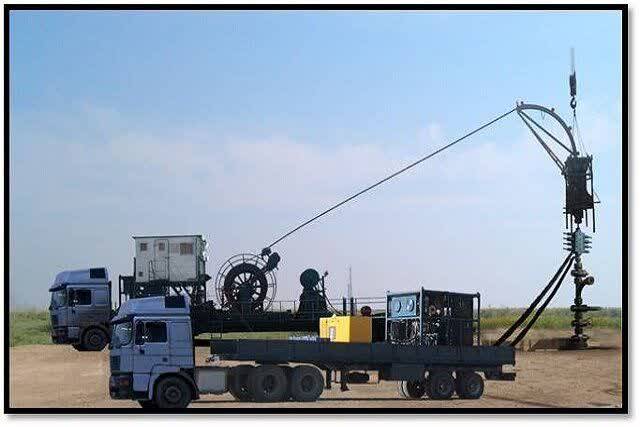
🇮🇷 Iranian researchers build a 6 km oil well drilling device called Coiled Tubing.
Once imported, this hi-tech innovation now strengthens national production, saves foreign currency, and supports vital well repair operations like acidizing.
#IranFirst🇮🇷
3
34
261
6,606

2 Oct 2025
So, acidizing means you’re pumping some sort of snake oils, typically an 10%HCl/1.5%HF (hydrochloric/hydrofluoric) pre flush and main treatment pumped under fracture pressure! Technically it’s not fracturing the rock, but what these acids are doing is dissolving fines or something.
This treatment in essence etches the rock creating a new flow path!
I’m sure you understood all of that! 🤣
1
1
43


16 Sep 2025
Fracking wasn't just invented. Early types of well stimulation used to be throwing dynamite down a well.
Acidizing was discovered accidentally in the 1940s when the Dow Company poured spent acid into some farmers abandoned oil well and brought the well back to life.
2
11
147

2 May 2025
1/ Whenever I see a Maersk container, I get a sense of pride and awe in what they were doing back then. Drilling down less than a mile and then out 5 miles, acidizing miles of the lateral and then running fibers all the way down. Super high tech shit a decade ago
1
3
300

9 Apr 2025
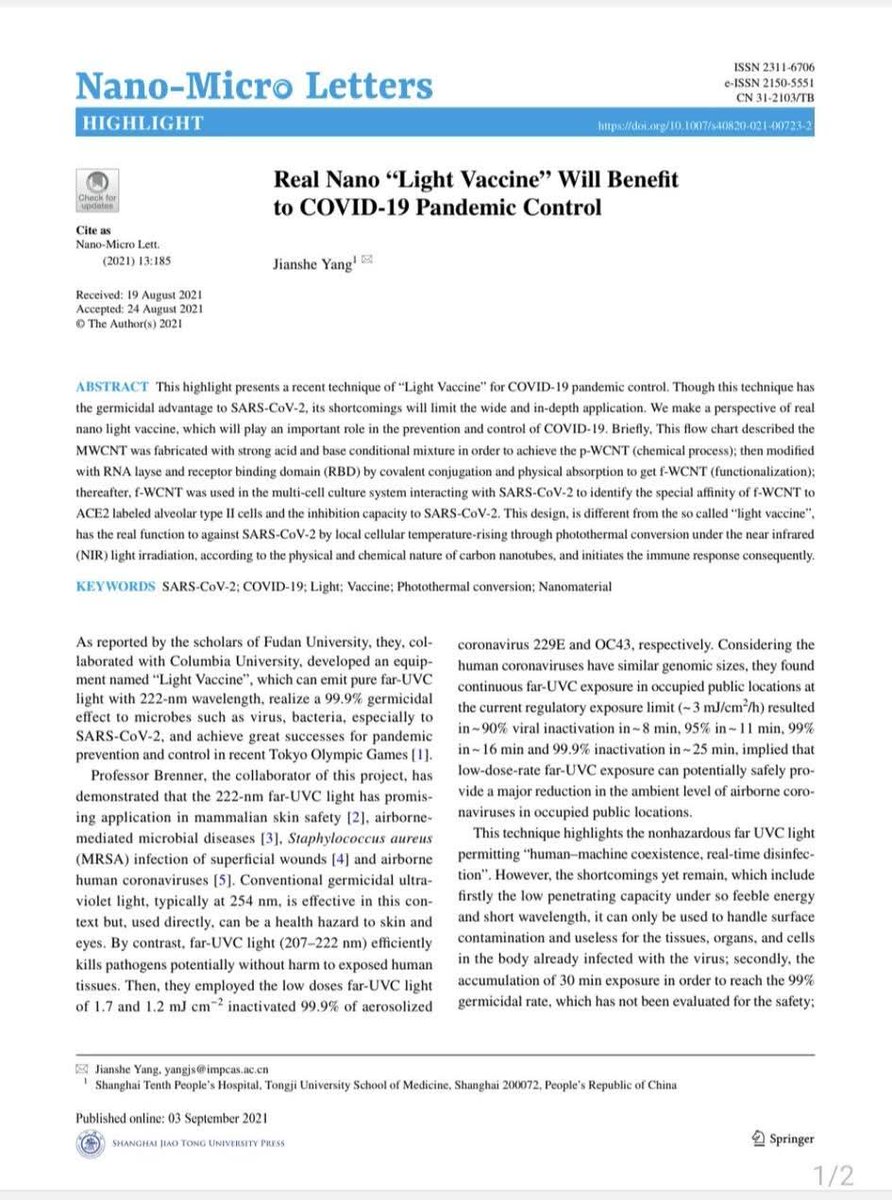
This highlight presents a recent technique (2021) of "Light Vaccine" for COVID-19 pandemic control..
The paper states 👇....
This technique highlights the nonhazardous far UVC light permitting “human–machine coexistence, real-time disinfection”.
Real Nano “Light Vaccine” Will Beneft to COVID‑19 Pandemic Control
researchgate.net/publication…
• This highlight discusses a "Light Vaccine" technique using far-UVC light (222 nm) for COVID-19 control, achieving 99.9% germicidal efficacy against SARS-CoV-2. While effective against surface contamination, its low penetration limits application to infected tissues.
• A different approach uses functionalized multi-walled carbon nanotubes (f-MWCNTs) to target SARS-CoV-2 via photothermal conversion under near-infrared light, initiating an immune response.
• The far-UVC method, though promising, requires a 30-minute exposure for 99% efficacy, raising safety concerns.
• A new UV light sterilization technology, unrelated to vaccines or immune responses, is proposed for virus infection prevention.
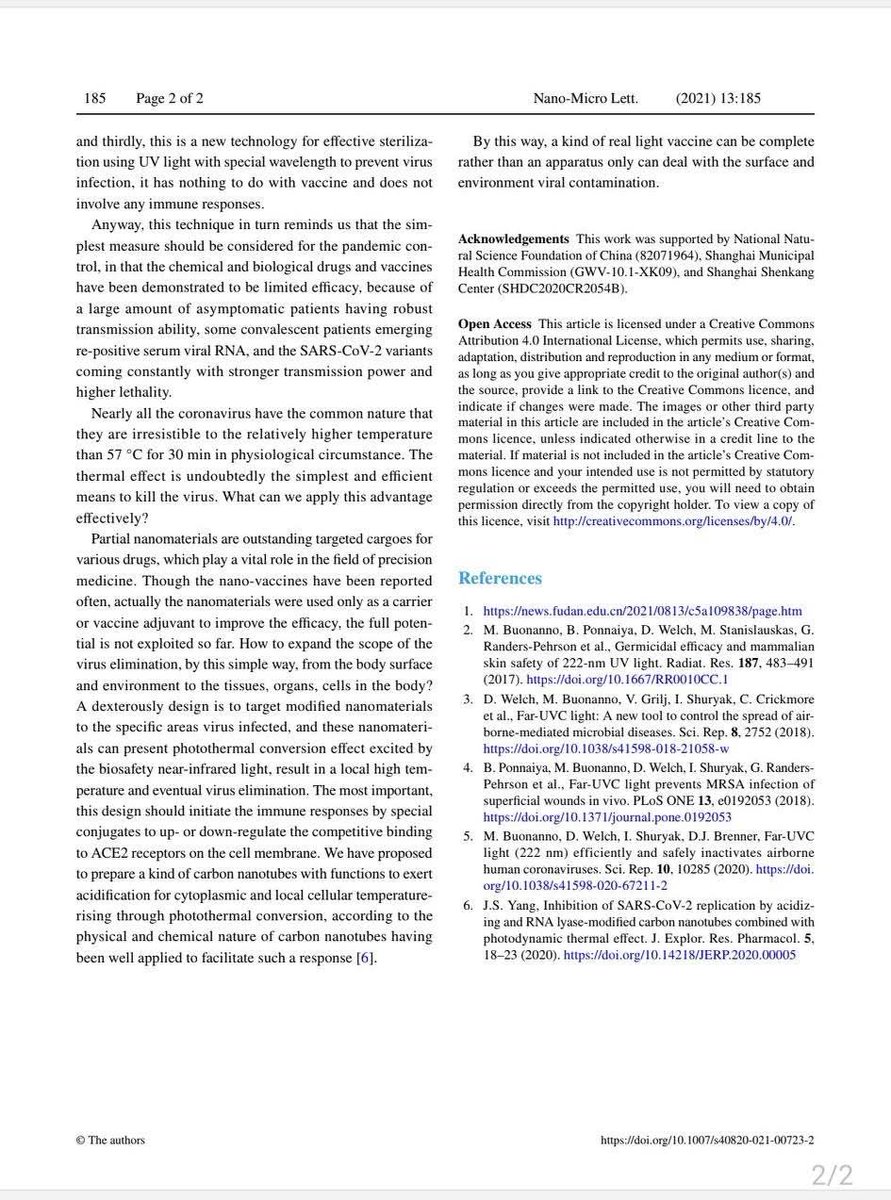
• Current pandemic control measures, including chemical and biological drugs and vaccines, have limited efficacy due to asymptomatic transmission, re-positive patients, and evolving virus variants.
• Coronaviruses are vulnerable to temperatures above 57°C for 30 minutes, suggesting thermal effects as a simple, efficient control method.
• Modified nanomaterials, potentially carbon nanotubes, could be targeted to infected areas to achieve photothermal conversion using near-infrared light, resulting in localized virus elimination and immune response modulation via receptor binding.
• This approach aims to create a "light vaccine" for broader virus elimination beyond surface and environmental decontamination.
• Brenner's research shows that Far-UVC light (222 nm) effectively and safely deactivates airborne human coronaviruses.
• Separately, Yang's study details the inhibition of SARS-CoV-2 replication using acidizing and RNA lyase-modified carbon nanotubes combined with a photodynamic thermal effect.
1
3
4
334


#HEX RNS and fully funded at 15p for huge growth in 2025 current SP 15.2p.
Looks like Q2 will be a game changer for Helix
Helix Exploration, a helium exploration company, is set to begin re-entering and acidizing the Clink #1 well in mid-February 2025. The acidization will last around 10 days and aims to stimulate flow from the Charles Formation. Petroleum Consultants LLC will oversee contractor services for the operation. The company is also surveying additional production wells at Rudyard for drilling in Q2 2025.
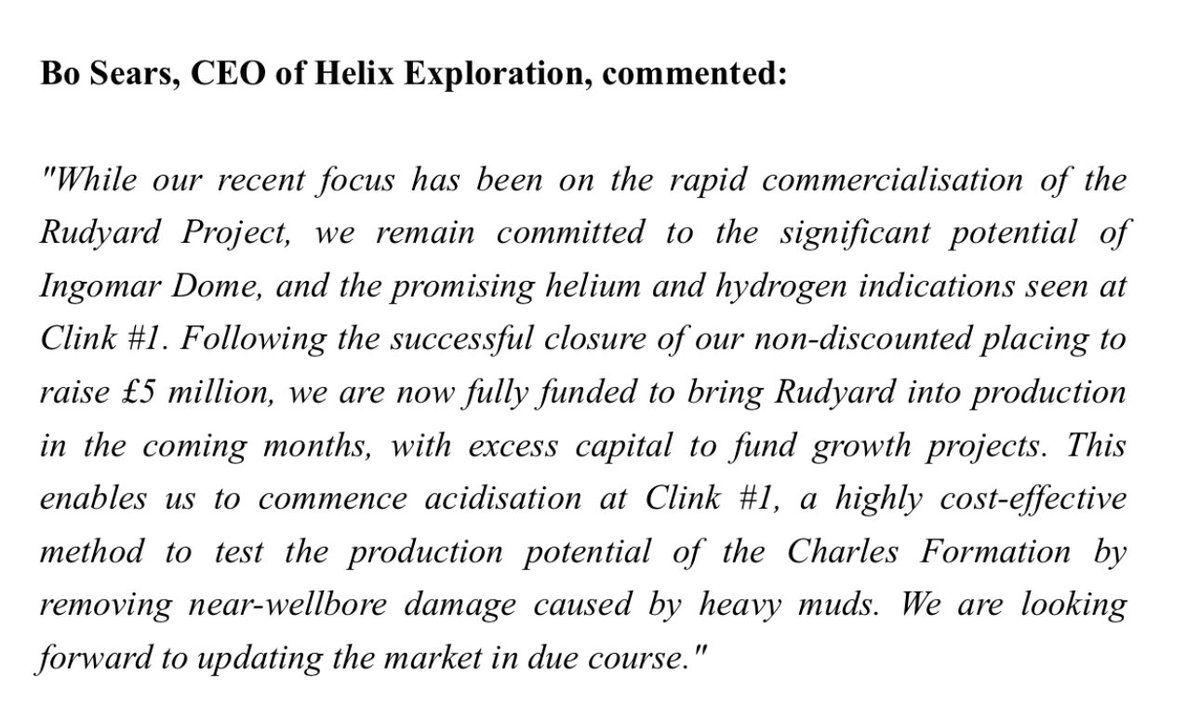
CEO Bo Sears highlighted that the company remains committed to the Ingomar Dome’s potential and is fully funded to bring the Rudyard Project into production. The acidization at Clink #1 will test the production capacity of the Charles Formation by removing blockages caused by drilling mud. Recent data from earlier tests support the formation’s quality, and the acid treatment is expected to restore flow potential.
Additionally, Helix has made progress on the Rudyard Project, including site visits, power discussions, and pipeline route inspections. Drilling of new production wells is planned for early Q2 2025.
1
1
3
623

25 Jan 2025
Tanfac is in the business of Hydro Floric Acid and its derivatives
used in the production of fluoropolymers like Teflon (polytetrafluoroethylene), glass etching, semiconductor manufacturing, metal purification, oil well acidizing,
and in the chemical industry for creating various organofluorine compounds, including some pharmaceuticals;
#Tanfac
1
121

5 Jan 2025
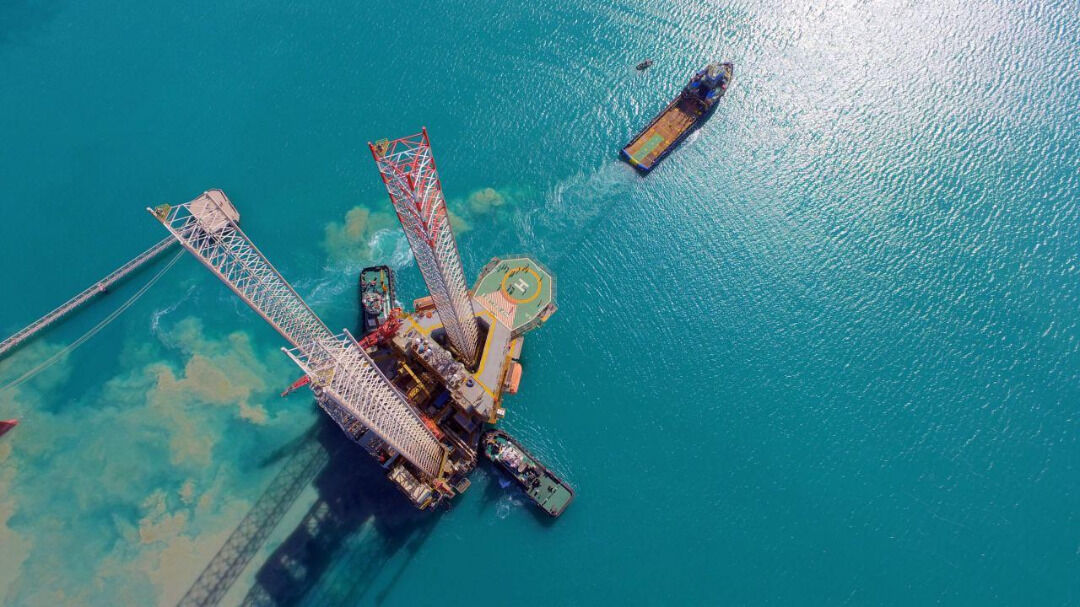
Petropars Group's CEO reported a surge in gas production from Phase 11 of South Pars (Well No. 12) following acidizing operations, citing unity and collaboration within the group.
roydadnaft.ir/English/?p=129…
#Gas #Crude_Oil #Oil #Petchem
10
44
2 Jan 2025
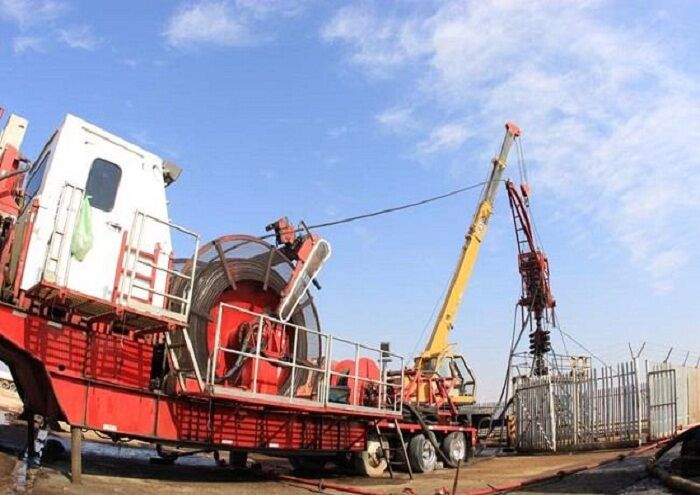
The project manager for the development of Phase 11 of South Pars announced the completion of the acidizing operation on the seventh well of the SPD11B platform in the shared South Pars gas field.
roydadnaft.ir/English/?p=128…
#Gas #Crude_Oil #Oil #Petchem
10
72

5 Dec 2024
$EONR .88-- .83--EON Resources Inc
"Chevron, our largest customer, has notified us they will gladly take all our production, as well as any increases we produce," said Dante Caravaggio, President and CEO of EON. "We expect production in the 4th quarter to increase as we approach breakeven. When you combine the upgrades and improvements we completed, plus our chemical / acidizing treatment program, it's obvious production will increase." finance.yahoo.com/news/eon-r…
4
555
5 Dec 2024
$EONR "Chevron, our largest customer, has notified us they will gladly take all our production, as well as any increases we produce," said Dante Caravaggio, President and CEO of EON. "We expect production in the 4th quarter to increase as we approach breakeven. When you combine the upgrades and improvements we completed, plus our chemical / acidizing treatment program, it's obvious production will increase." finance.yahoo.com/news/eon-r…
2
439

27 Nov 2024
Common. Also common to reference the work being performed (pulling pump, cleaning out, acidizing, etc).
2
406