

Jun 9
Last week, CEO @NNOPT joined leaders from across business, technology and government at the Business and Trade Dinner at Mansion House to discuss how the UK can strengthen its position as a global AI leader.
Those discussions feel especially timely following this week's AI Hardware Plan announcement. Leadership in AI depends not only on models and software, but also on the advanced computing infrastructure that powers them.
As the UK invests in sovereign AI capability, deep-tech innovation and next-generation compute will be critical to unlocking future growth.
#AI #DeepTech #AIInfrastructure #AdvancedComputing #UKInnovation


1
1
38

Jun 8
Quantum computing may be entering its infrastructure era.
For years, the conversation focused on whether quantum computing would work.
The latest InnoDexis innovation intelligence signals suggest a different question is emerging:
How quickly can the ecosystem around quantum computing be built?
Key signals:
• 33 quantum computing records were identified across TRL 4–7 stages
• 20 quantum records are already concentrated within the prototype universe
• Quantum computing showed one of the highest concentrations of disruption potential across the dataset
• Prototype-stage programs are emerging across defense, finance, and drug discovery, alongside advances in logical qubits, quantum manufacturing, and enterprise partnerships
Why this matters:
Many breakthrough technologies fail not because the science falls short, but because the supporting ecosystem never materializes.
The emergence of prototype programs, manufacturing initiatives, and deployment partnerships suggests quantum innovation is increasingly being shaped by commercialization pathways rather than research milestones alone.
What's changing:
From proving quantum computing is possible → to building the infrastructure required to make it practical
The next competitive advantage may not come solely from better quantum hardware.
It may come from who can scale manufacturing, develop industry partnerships, create deployment frameworks, and integrate quantum capabilities into real-world operations.
As quantum computing moves deeper into the prototype stage, which part of the ecosystem could become the biggest bottleneck: hardware, manufacturing, talent, software, or commercial adoption?
#QuantumComputing #DeepTech #Innovation #EmergingTechnology #FutureTechnology #QuantumInnovation #TechnologyStrategy #AdvancedComputing #InnovationIntelligence #InnoDexis
17

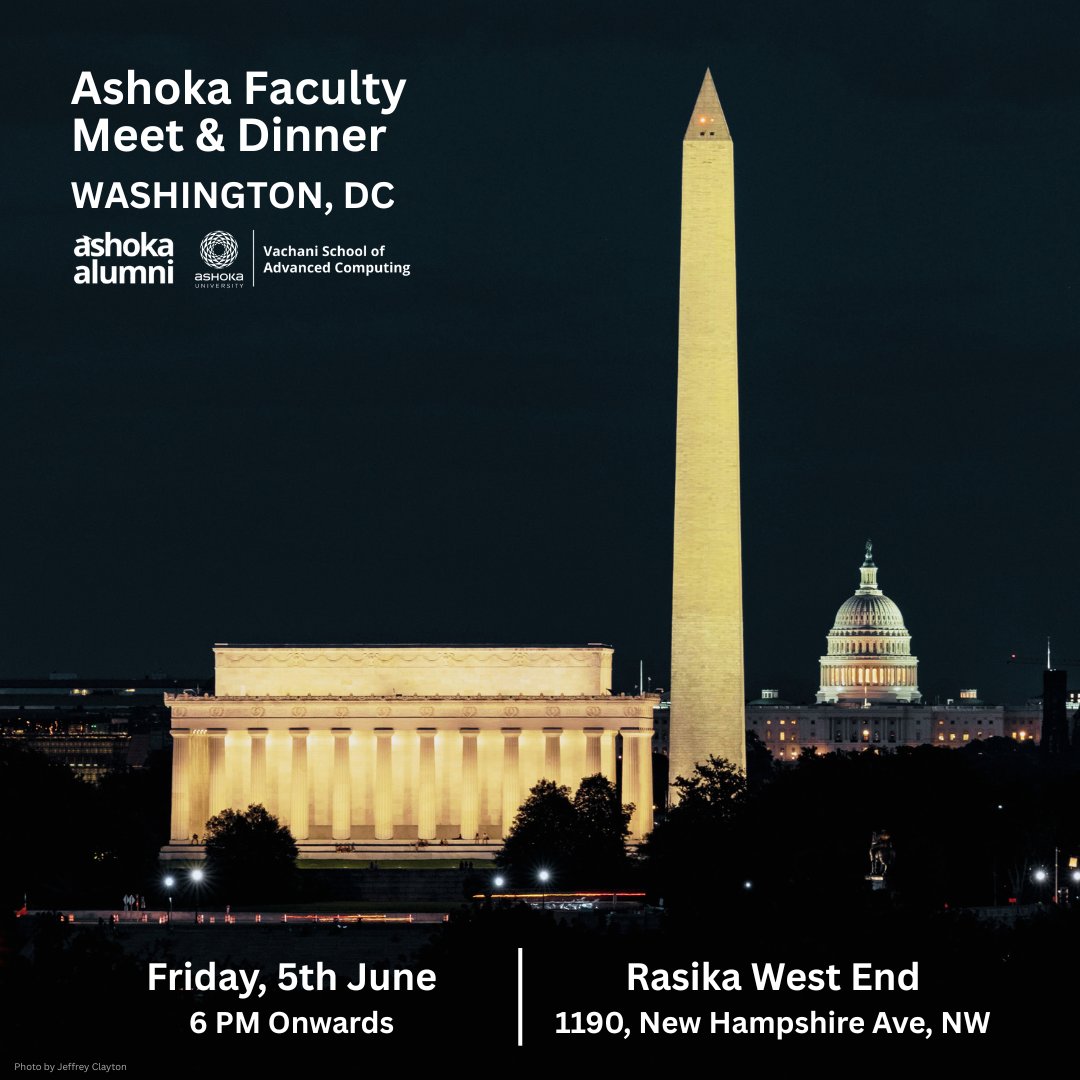
Are you interested in building India's most advanced computing centre @AshokaUniv for multi-disciplinary research and applications for social good? Come join us today in Washington DC to meet the Dean and faculty.
DM for an invite!
#AI #AdvancedComputing #Ashoka
1
2
158

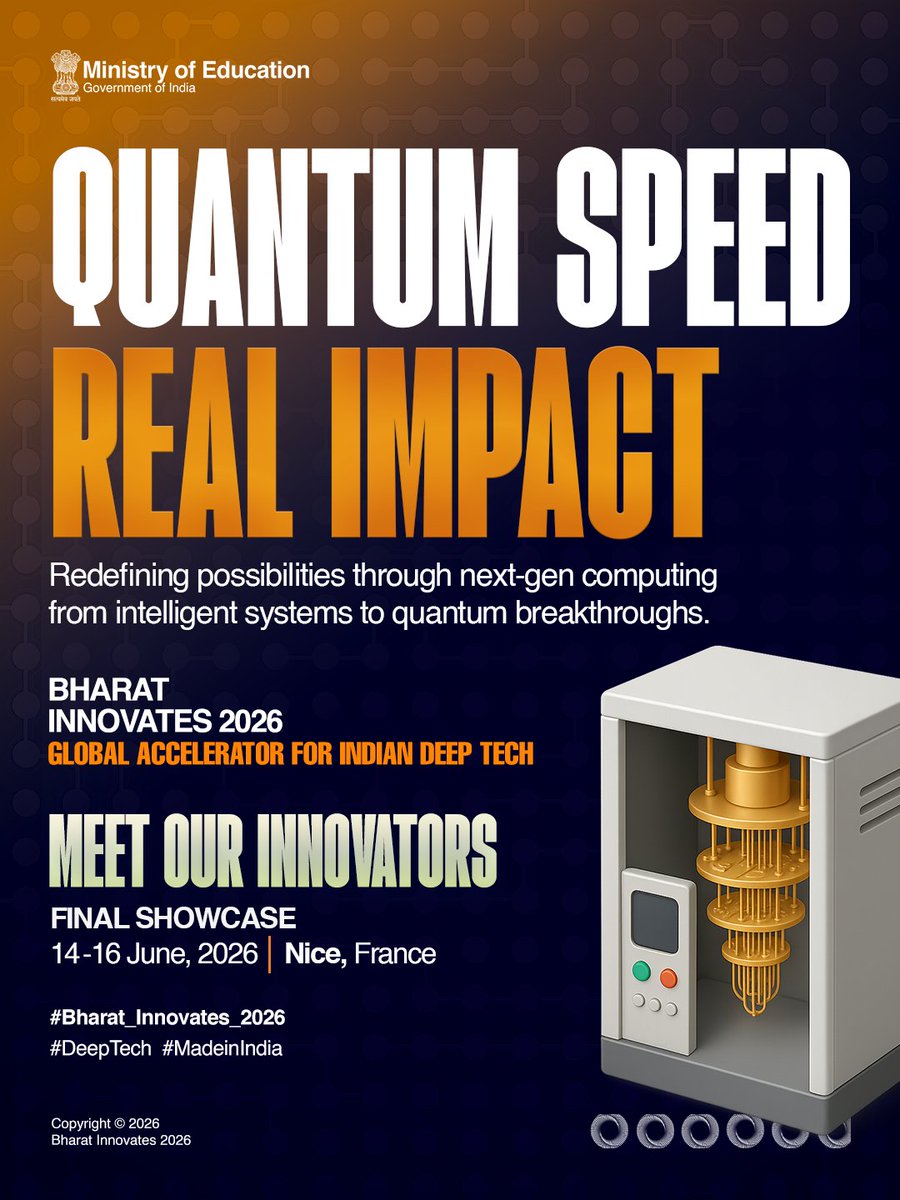
Bharat Innovates 2026 showcases the power of advanced computing technologies that are transforming industries and redefining possibilities. From artificial intelligence and supercomputing to quantum technologies, these innovations are enabling faster decision making, complex problem solving, and intelligent systems that drive progress across sectors.
With growing demand for data driven solutions, advanced computing is becoming the backbone of innovation in areas such as healthcare, finance, climate modeling, and national security. Bharat Innovates 2026 highlights cutting edge startups and solutions that are shaping a smarter, faster, and more connected future for India and the world.
As part of Bharat Innovates 2026, the Ministry of Education is taking leading startups in advanced computing technologies to Nice, France (14–16 June). Come witness our innovators as they showcase cutting-edge solutions, strengthening India’s global presence in deep-tech innovation.
@narendramodi @PMOIndia @eduminofindia @dpradhanbjp @PrinSciAdvGoI @Vineet_K26 @sanjayjavin @IndiaDST @AICTE_INDIA @ugcindia @pibindia @DDNewslive @airnewsalerts @sjaishankaroffc @Chatty111Prasad @MEABharat @IndiainPortugal @IndiaembFrance @CGIMarseille @eoiberlin @IndiainIreland @HCI_London @iitbombay @SINEIITB @paniitindia
#BharatInnovates2026 #deeptech #advancedcomputing #quantum #startup
11
62
55
52,359

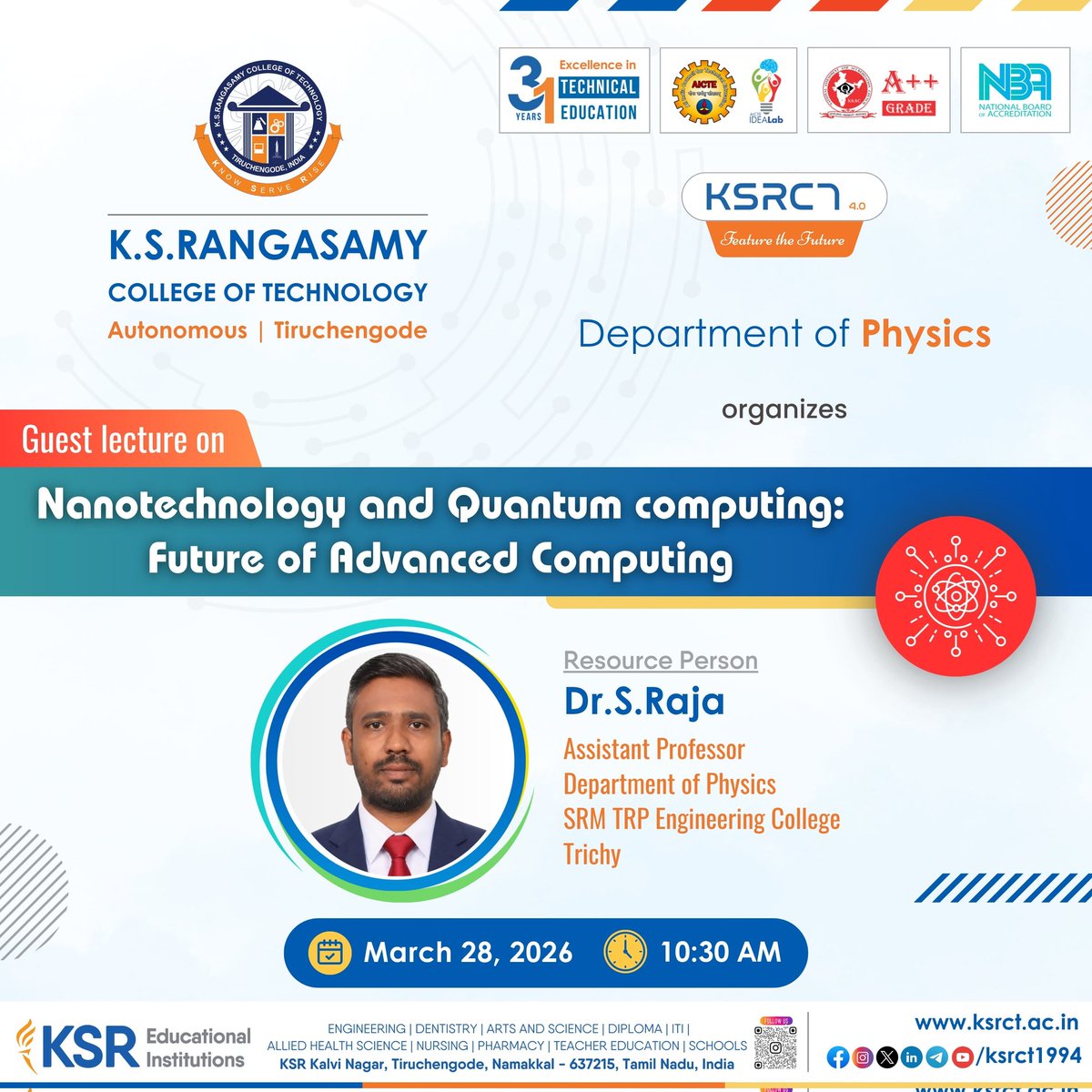
Guest Lecture on “Nanotechnology and Quantum Computing: Future of Advanced Computing” on March 28, 2026, 10:30 AM
MS Teams Link: ksrct.link/q/4y1o653
#ksrct1994 #ksr #ksrei #PhysicsDepartment #GuestLecture #Nanotechnology #QuantumComputing #AdvancedComputing
9
27
70

Mar 19
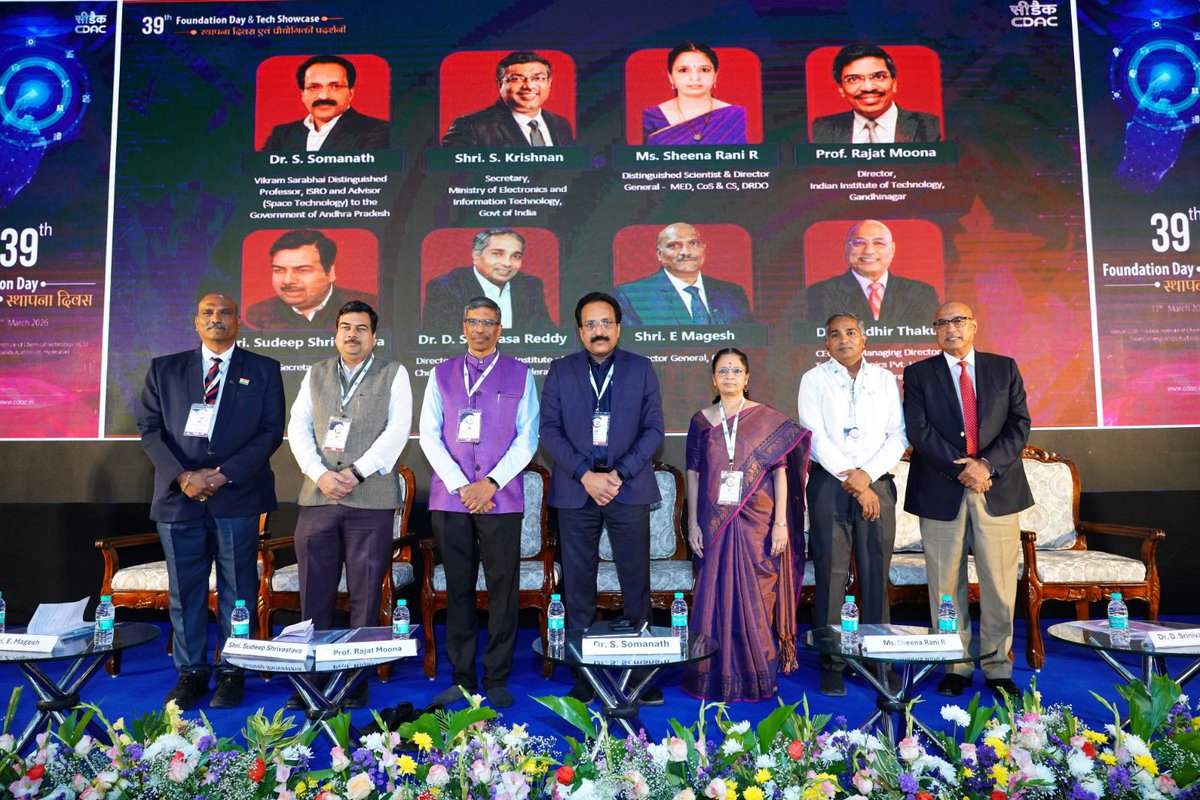
📱Driving Innovation, Empowering India’s Digital Future🤖We are thrilled to share that The Hindu has covered C-DAC’s 39th Foundation Day celebrations, highlighting our strides in digital systems, intelligent platforms, and strategic collaborations: thehindu.com/news/national/t…
@GoI_MeitY II @_DigitalIndia Programme II @ChipIN_GoI Centre II @VegaProcessor II @InfoSecAwa
#AdvancedComputing #TechnologyForNation #DigitalIndia #hpc #Innovation #DigitalIndia #colloboration
1
3
167
Mar 17
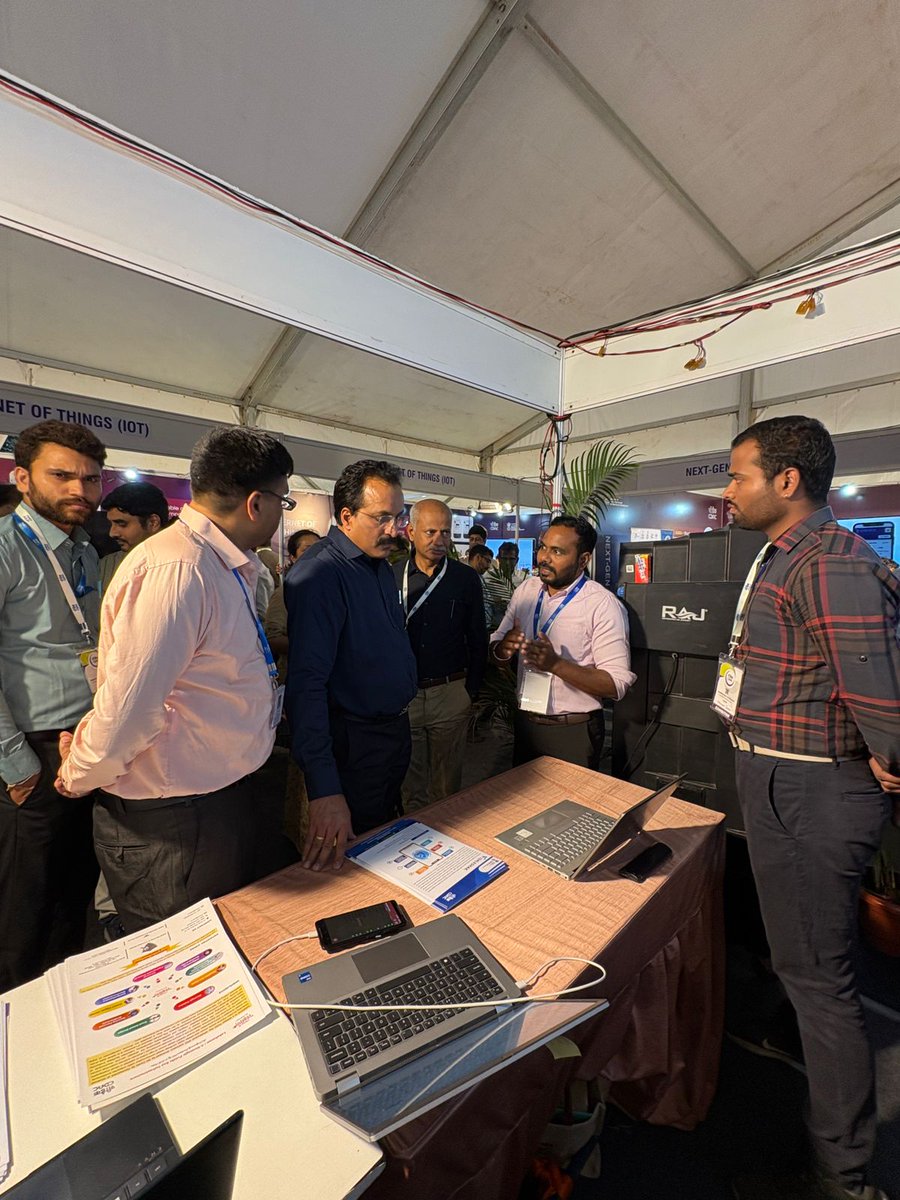
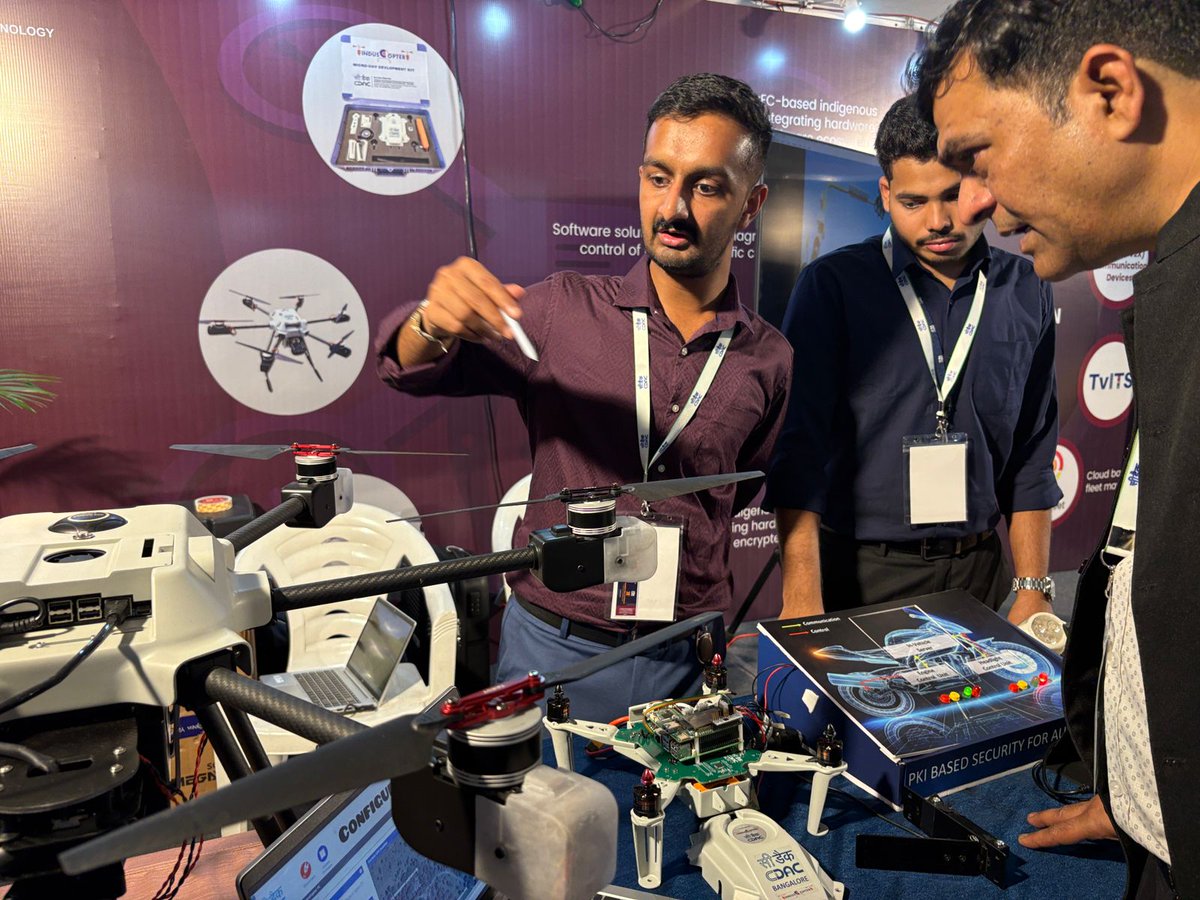
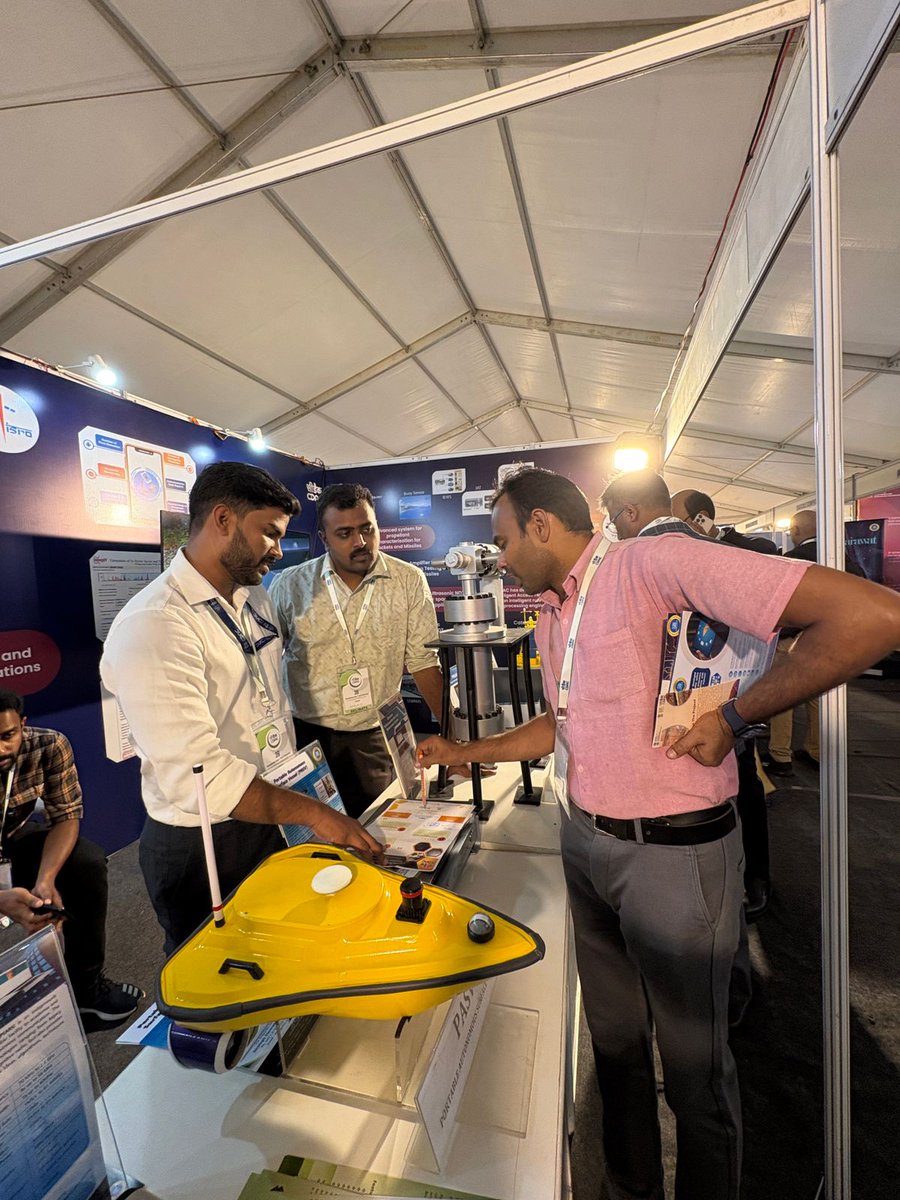
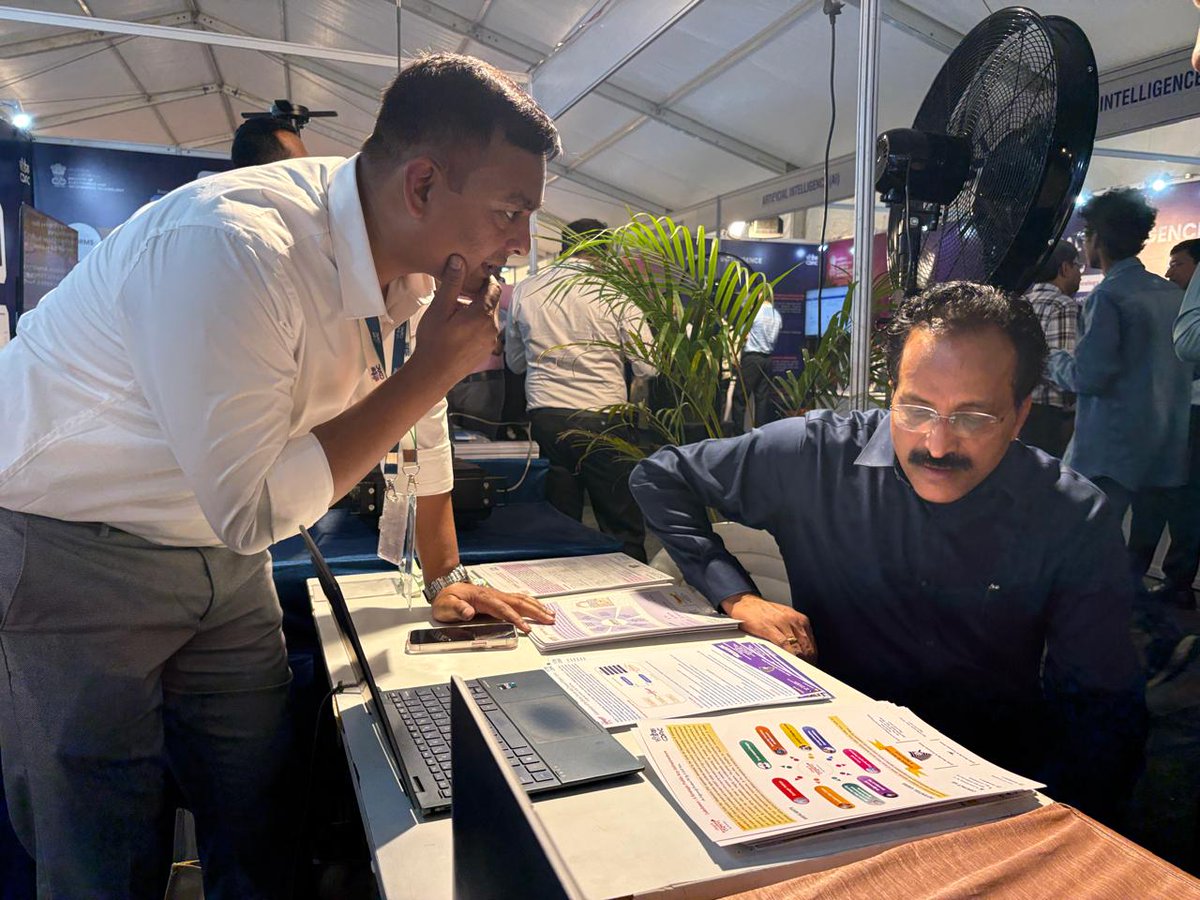
🕹️Where Innovation Meets the Future 🛰️
Join us at the Emerging Technology Showcase and explore cutting-edge innovations shaping the future! From Exascale Computing and #Quantum #Innovation to #AI Transformation, IoT Ecosystems, #Cybersecurity Systems, and beyond, this is your chance to witness technology in action.
Dive into sectors like HealthTech, AgriTech, Power Electronics, Future Mobility, Digital Governance, EdTech, and more. Connect, learn, and be inspired by the next wave of technological breakthroughs.
Don’t miss the future - experience it firsthand!
📍Venue: CSIR-Indian Institute of Chemical Technology, Hyderabad
🗓️ Date: March 18th, 2026
⏰Time: 10:00 A.M. to 5:30 P.M.
@GoI_MeitY II @_DigitalIndia Programme II @ChipIN_GoI II @InfoSecAwa II
#AdvancedComputing #TechnologyForNation #DigitalIndia #hpc #VEGA #Innovation #DigitalIndia #colloboration
2
6
302
Mar 17
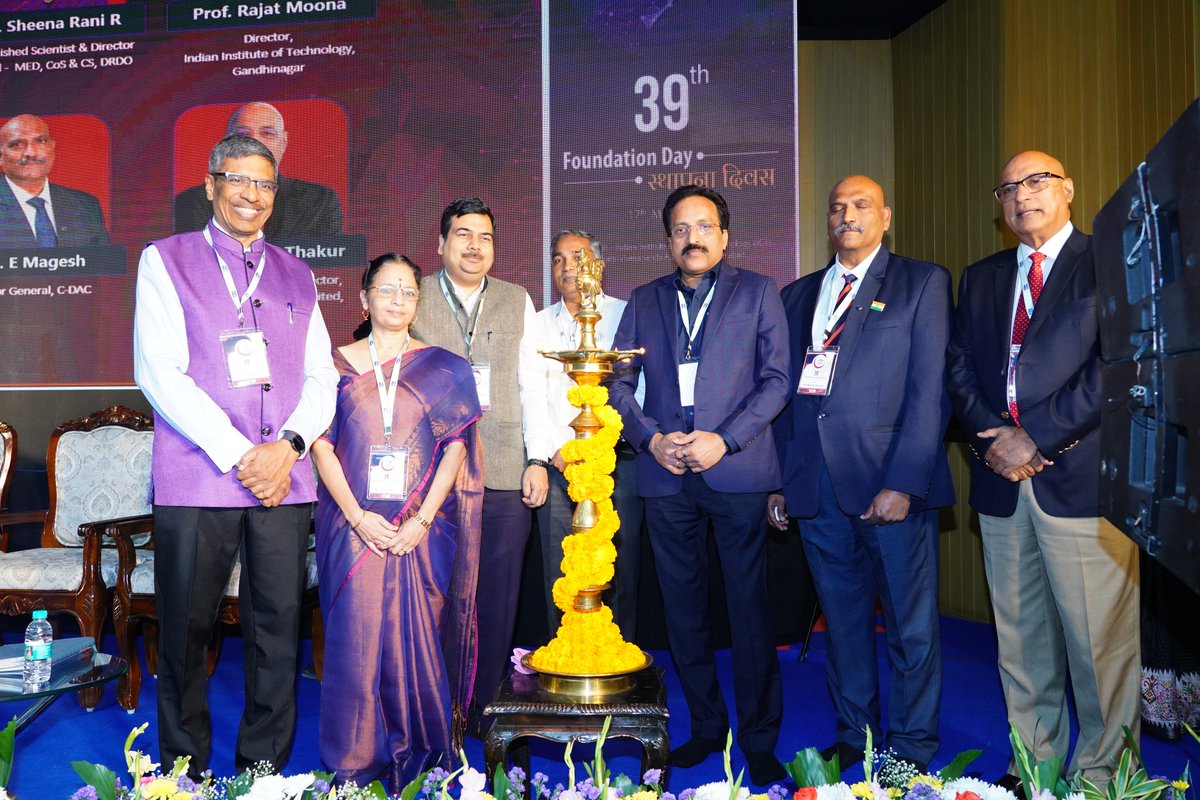
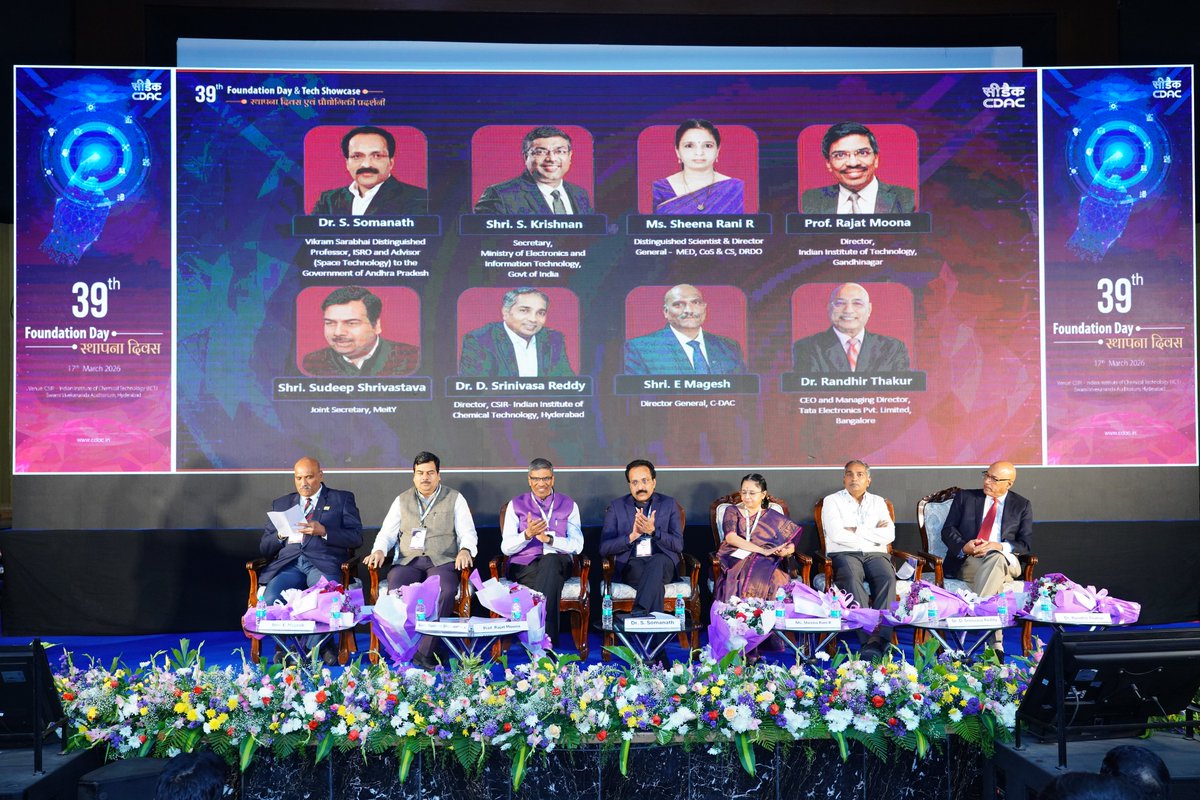
💻39 Years of Innovation | One Vision: Tech for Nation-Building 🎯
@CDACINDIA marked its 39th Foundation Day at CSIR-IICT, celebrating nearly four decades of driving India’s tech self-reliance & digital transformation
The event featured addresses by Shri S Krishnan (MeitY) and Dr. S. Somanath (Former ISRO Chairman), alongside leaders from govt, academia & industry.
Key highlights:
🔹 Showcase of next-gen solutions in AI, cybersecurity, healthcare & more
🔹 Strategic collaborations to boost innovation & commercialization
🔹 Focus on secure, inclusive digital ecosystems
C-DAC continues to power India’s digital future
#AdvancedComputing #TechnologyForNation #DigitalIndia #Innovation #HPC #VEGA
1
4
277
Mar 17
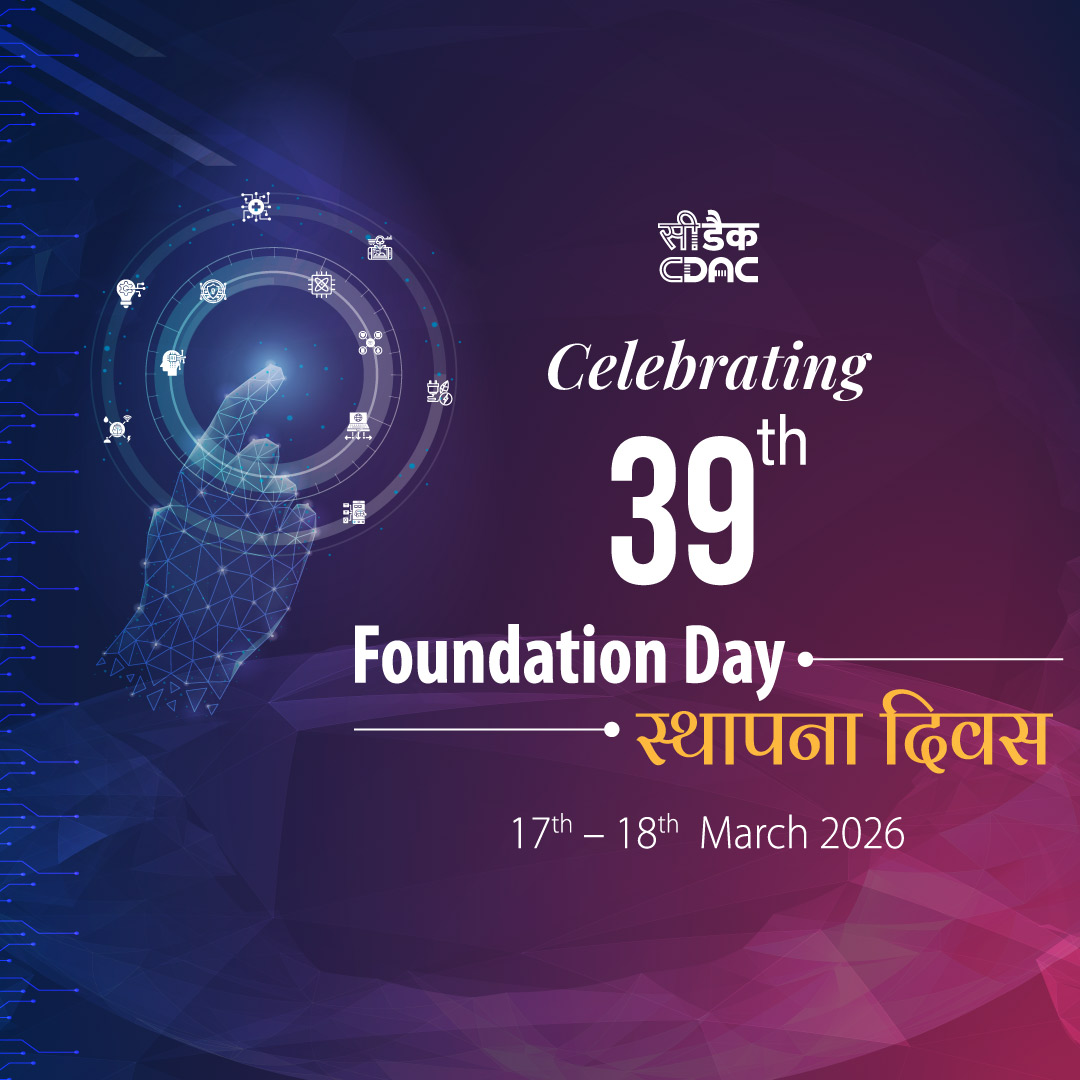
Welcome to C-DAC’s 39th Foundation Day Celebrations!
Today, March 17, we celebrate 39 years of innovation, technology, and excellence at C-DAC. From supercomputing to AI, cybersecurity & forensics, strategic electronics, quantum computing and healthcare technologies, microprocessor development C-DAC has been shaping India’s digital future.
Join us as we honor the vision, dedication, and innovation that continue to empower India through advanced computing.
youtube.com/@CDACOfficial
@GoI_MeitY II @_DigitalIndia Programme II @ChipIN_GoI II @InfoSecAwa
#AdvancedComputing #TechnologyForNation #DigitalIndia #hpc #VEGA #Innovation #DigitalIndia #colloboration
6
8
361

India Debuts Indigenous 30 kW Integrated Drive System for EVs
Read More: lnkd.in/g8fyzQsv
Anand Kulkarni, Chief Products Officer, Tata Motors Shree Ranga NS, President, LUCAS TVS
#Integrateddrivesystem #MOSFETpowermodules #AdvancedComputing #electricvehicle
2
40

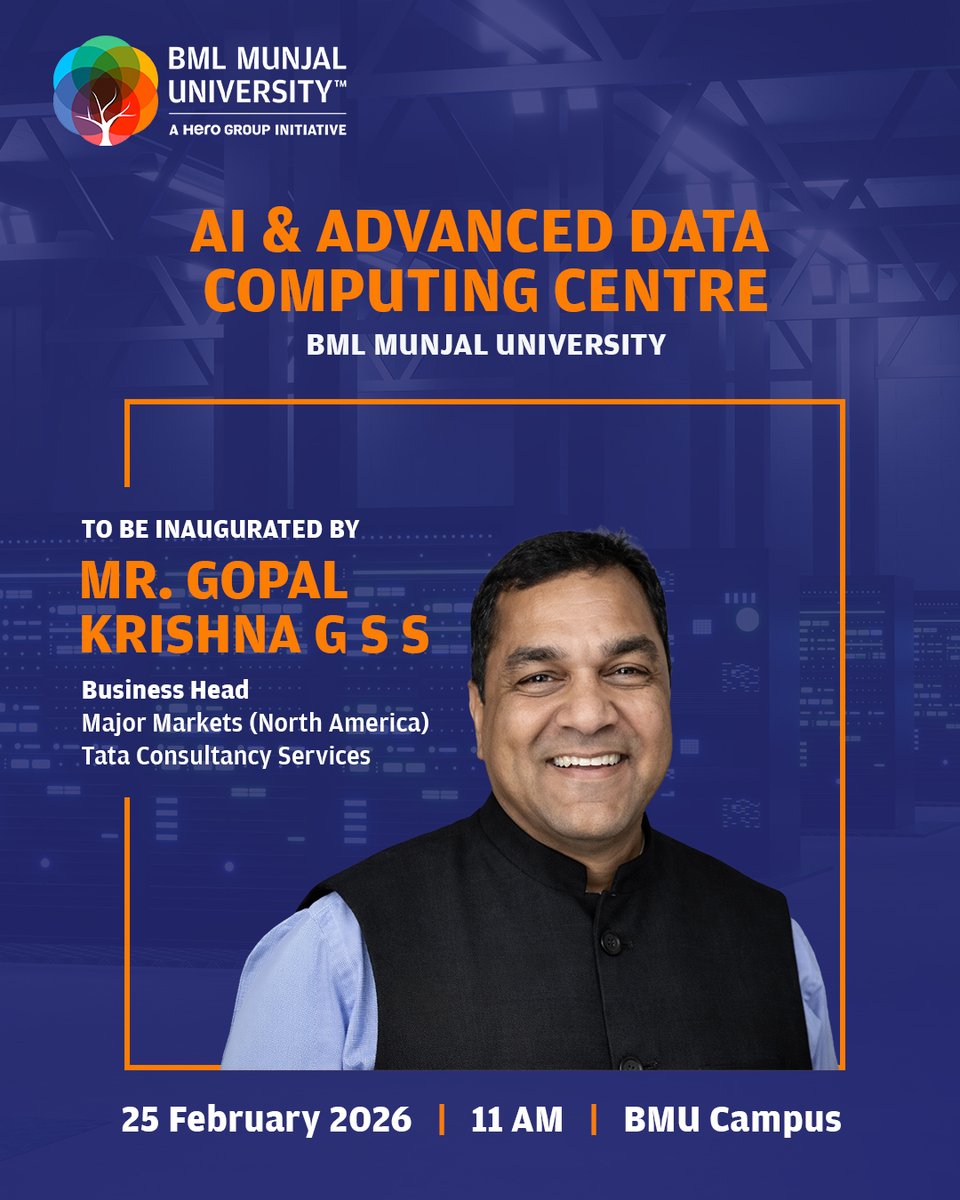
The future of AI leadership will be built on compute power, intelligent systems, and sustained capability, and BML Munjal University is proud to lead that charge with the launch of the AI & Advanced Data Computing Centre, developed in collaboration with NVIDIA.
This landmark initiative strengthens advanced computing, fuels cutting-edge applied research, and deepens industry-aligned learning, creating an ecosystem where innovation meets real-world impact.
We are honoured to have the Centre inaugurated by Mr. Gopal Krishna G S S, Business Head – Major Markets (North America), Tata Consultancy Services. A global leader shaping technology strategy at scale, his presence underscores the significance of this milestone and the powerful industry–academia collaboration driving it forward.
📅 25 February 2026
⏰ 11 AM
📍 BMU Campus
#BMU #BMLMunjalUniversity #AILeadership #AdvancedComputing #AIInfrastructure #NVIDIA #FutureOfAI
1
4
84
Feb 23
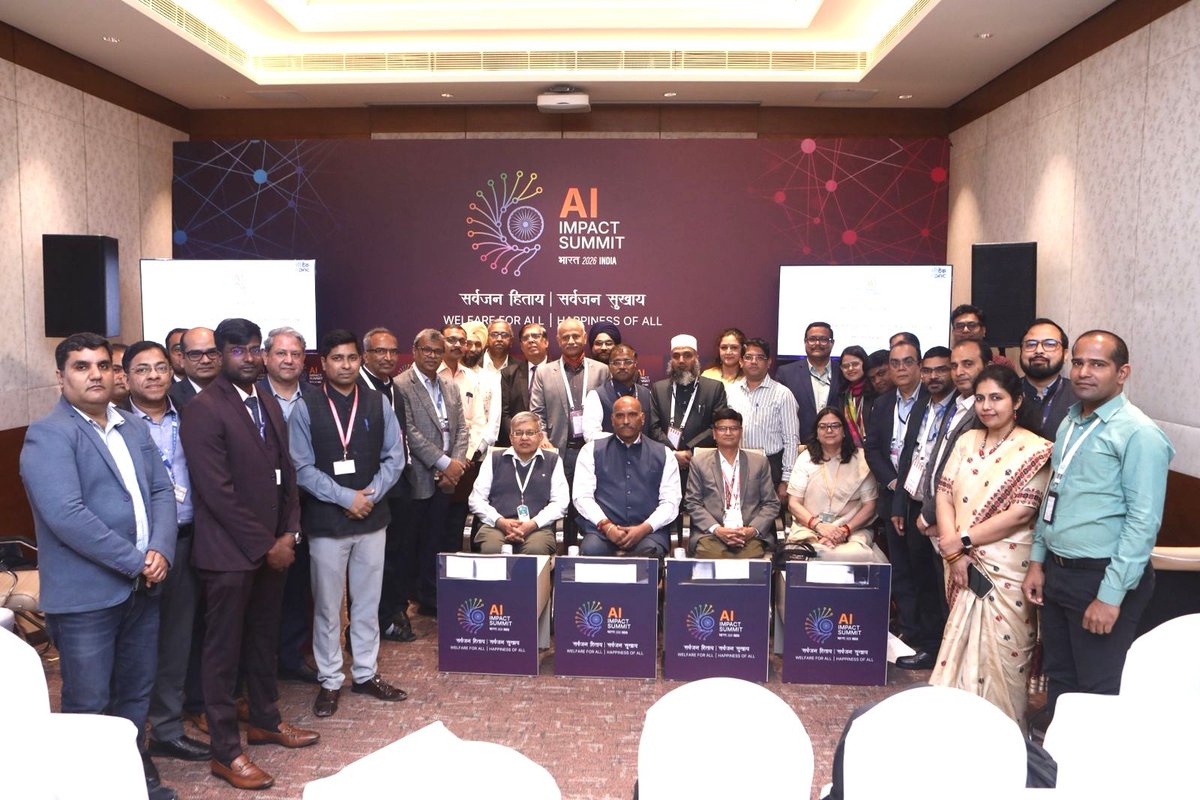
🔬 From Ideas to Impact: Powering India’s Digital Future 🤝At the @OfficialINDIAai Impact Summit 2026, @cdacindia signed a series of strategic MoUs spanning #AI healthcare, education, #quantum tech, semiconductors, #cybersecurity & digital public infrastructure.
Focus:
🔹 Translating research into deployable solutions
🔹 Academia - industry - government synergy
🔹 Capacity building in emerging tech
🔹 Strengthening indigenous innovation
Beyond intent, these partnerships define execution pathways for a self-reliant, digitally empowered India.
#IndiaAI #StrategicPartnerships #AdvancedComputing #DigitalIndia #AtmanirbharBharat
7
303

Feb 13
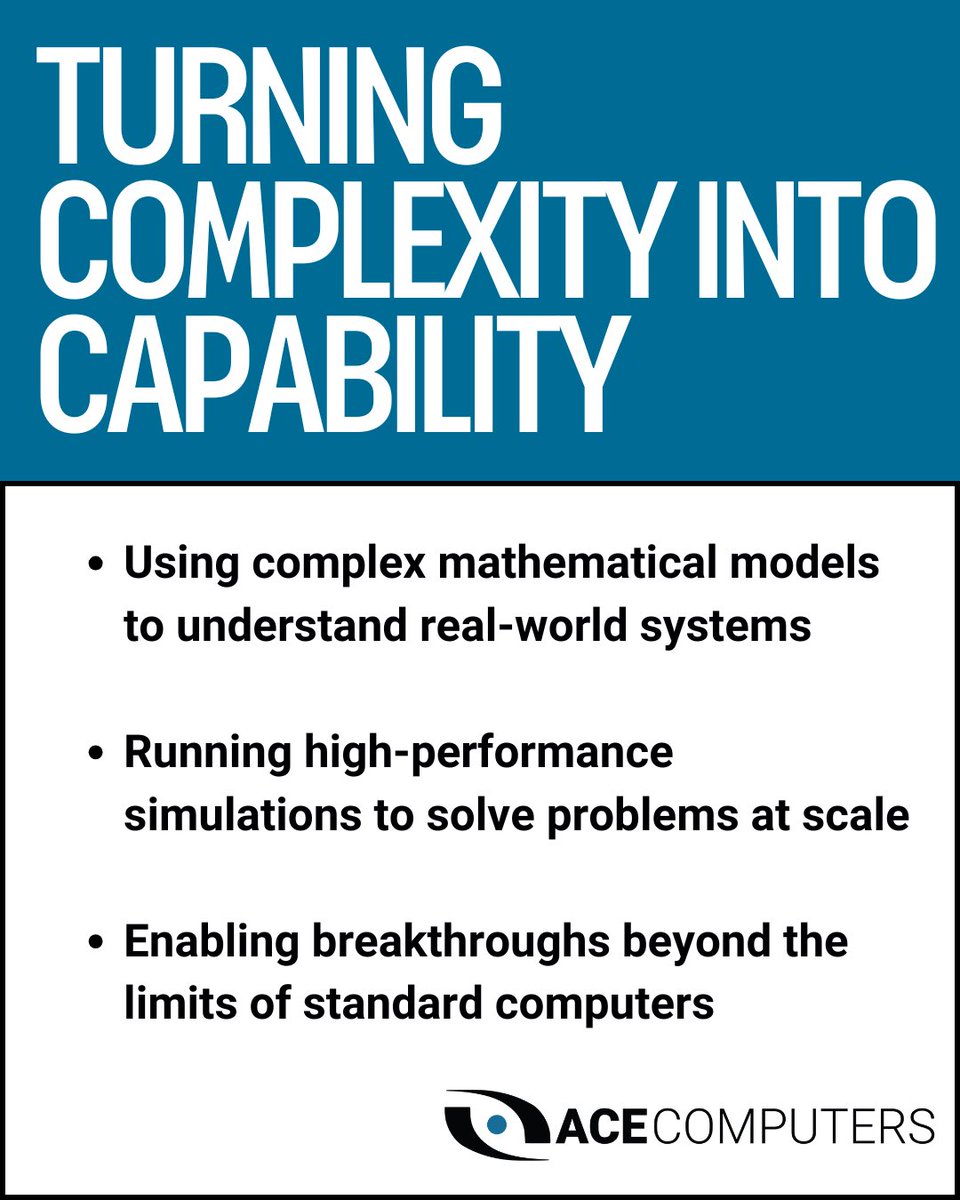
Computational sciences use advanced mathematical models and large-scale simulations to solve complex problems, pushing beyond what traditional computing can handle.
From research to real-world applications, this is how innovation scales.
Explore More: acecomputers.com/company/exp…
#ComputationalSciences #HighPerformanceComputing #AdvancedComputing #AceComputers

22

Feb 6
Still energized by #Qubits26! For two days in Florida and online, our community saw something that’s becoming impossible to ignore: quantum computing is here now. D-Wave customers are using quantum today to solve real, high-value problems—often faster and better than classical alone. What stands out every year are the spontaneous conversations sparked when people see the technology in action. The results speak for themselves. Thanks to everyone who joined us—already looking ahead to #Qubits27. $QBTS #quantumcomputing #advancedcomputing #enterprisetech
qubits2026.dwavequantum.com/
1
7
49
2,322
Feb 5
With our forthcoming new R&D center and HQ in Boca Raton, D-Wave is strengthening the resilience and scalability of our global operations. A bicoastal North American presence provides built-in redundancy for disaster recovery, increased operational continuity, and greater support for mission-critical customers. Our growing footprint—spanning Boca Raton (corporate HQ), New Haven (gate-model R&D), Burnaby (Quantum Engineering Center of Excellence), and systems in Marina Del Rey and Huntsville—positions us to execute at scale as quantum computing moves deeper into enterprise and government deployment. $QBTS #quantumcomputing #advancedcomputing #techinfrastructure
dwavequantum.com/company/new…
1
8
61
2,192

Feb 1
ITDS is strengthening teaching and learning with the acquisition of new GPU-powered machines. These systems support advanced computing, hands-on instruction, and research, reinforcing our commitment to innovation and student-centred education.
#ITDS #AdvancedComputing
3
41

Brain-Inspired Computing Just Solved a Math Problem Nobody Thought It Could
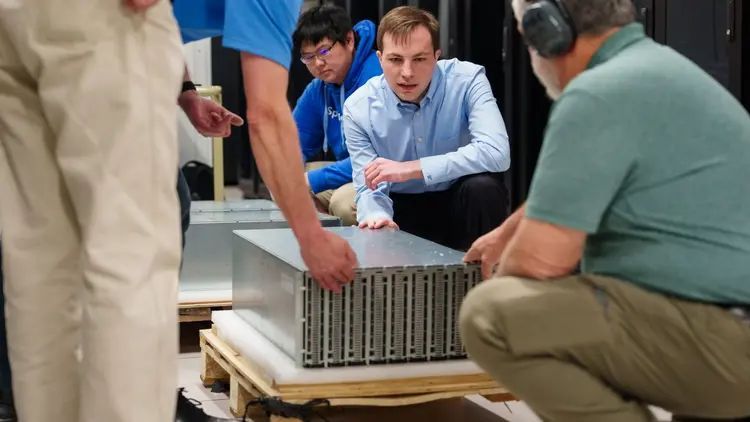
Researchers at Sandia National Laboratories have done something that changes what we thought neuromorphic computers were capable of: they've developed an algorithm that lets brain-inspired hardware solve partial differential equations.
This isn't just a theoretical milestone. It's a step toward building the world's first neuromorphic supercomputer—one that could handle massive simulations while using a fraction of the energy current systems consume.
The Problem with Today's AI Infrastructure
We're in the middle of an AI boom, but there's a catch that doesn't get talked about enough: these systems are incredibly energy-hungry. As AI becomes more sophisticated, its appetite for computational resources grows exponentially.
Current supercomputers can handle the load, but the energy cost is staggering.
The National Nuclear Security Administration, for instance, burns enormous amounts of power just to simulate nuclear weapons physics. Climate modeling, materials science, fluid dynamics—all of these require supercomputing power that comes at a massive energy premium.
Enter Neuromorphic Computing
Neuromorphic computers are built differently. Instead of traditional silicon-based architecture, they're designed to mimic how the human brain works. From the outside, they might look like regular computers, but their circuitry is fundamentally different.
The brain does remarkably complex computations on about 20 watts of power. Think about what's involved in hitting a tennis ball—tracking its trajectory, calculating intercept angles, coordinating muscle movements in milliseconds.
As Brad Aimone, a neuroscientist at Sandia, points out: "These are very sophisticated computations. They are exascale-level problems that our brains are capable of doing very cheaply."
Until now, neuromorphic computers were thought to be good at pattern recognition and training neural networks, but not at solving traditional math problems. This new research changes that assumption.
The Breakthrough
Aimone and fellow neuroscientist Brad Theilman developed an algorithm that allows neuromorphic hardware to solve partial differential equations (PDEs)—the mathematical foundation for simulating everything from weather patterns to structural mechanics to fluid dynamics.
Their algorithm retains the structure and dynamics of cortical networks in the brain. As Theilman explains, they based it on a well-known computational neuroscience model, but discovered a natural connection to PDEs that nobody had made in the 12 years since that model was introduced.
This opens neuromorphic computing to an entirely new class of problems it was never thought capable of handling.
What This Enables
The immediate practical application is energy efficiency at scale. Switching large-scale physics simulations to neuromorphic computing could maintain computational power while drastically cutting energy consumption. For organizations running constant supercomputer workloads, that's transformative.
But the implications go further.
Understanding computation in a neuromorphic setting could help us understand computation in the actual brain. "Diseases of the brain could be diseases of computation," Aimone notes. "But we don't have a solid grasp on how the brain performs computations yet."
If we can model how the brain solves computational problems using neuromorphic systems, we might gain insights into conditions like Alzheimer's and Parkinson's—and potentially how to treat them.
Neuromorphic computing research is still early. We're not replacing conventional supercomputers tomorrow. But this work demonstrates that brain-inspired hardware isn't limited to the narrow applications we thought it was.
Theilman's question points to where this could lead: "If we've already shown that we can import this relatively basic but fundamental applied math algorithm into neuromorphic—is there a corresponding neuromorphic formulation for even more advanced applied math techniques?"
In other words, if we can solve PDEs this way, what else becomes possible?
Why This Matters Now
As AI systems become more capable, the energy infrastructure required to support them becomes a real constraint. Data centers already consume significant percentages of regional power grids. That trajectory isn't sustainable.
Neuromorphic computing offers a fundamentally different approach—one that might let us continue advancing computational capabilities without requiring exponentially more energy. And unlike many speculative technologies, this research demonstrates concrete progress toward that goal.
The world's first neuromorphic supercomputer is still being built. But with this breakthrough, we're closer to understanding what it will actually be capable of once it exists.
#Neuroscience #AdvancedComputing
12
77
71
810

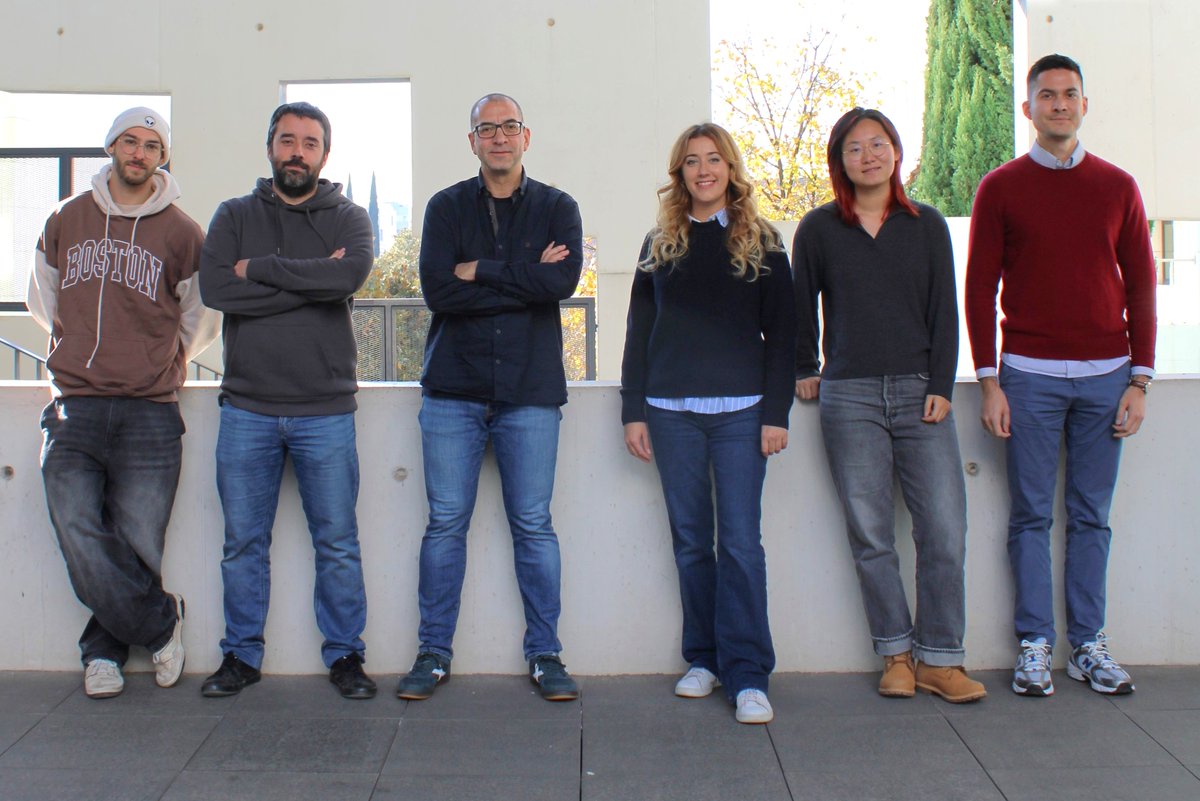
📰 EXCITING NEWS❗
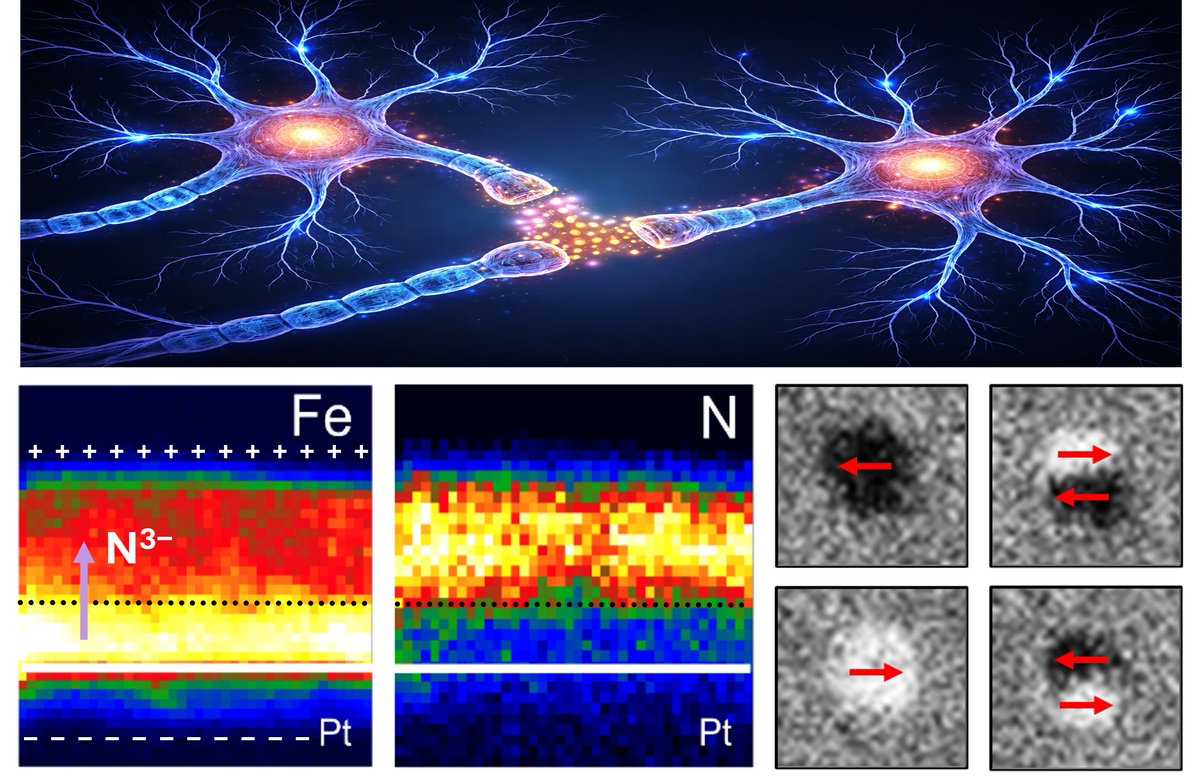
Meet our new research team! ICREA Prof. Jordi Sort joined us as Group Leader of the new ICN2 Nanomaterials for Advanced Memory & Computing Group.
👋 Welcome!
🔬 More about the group here: f.mtr.cool/qbfiedaybz f.mtr.cool/zoufwbfbnt
#AdvancedComputing
2
6
545

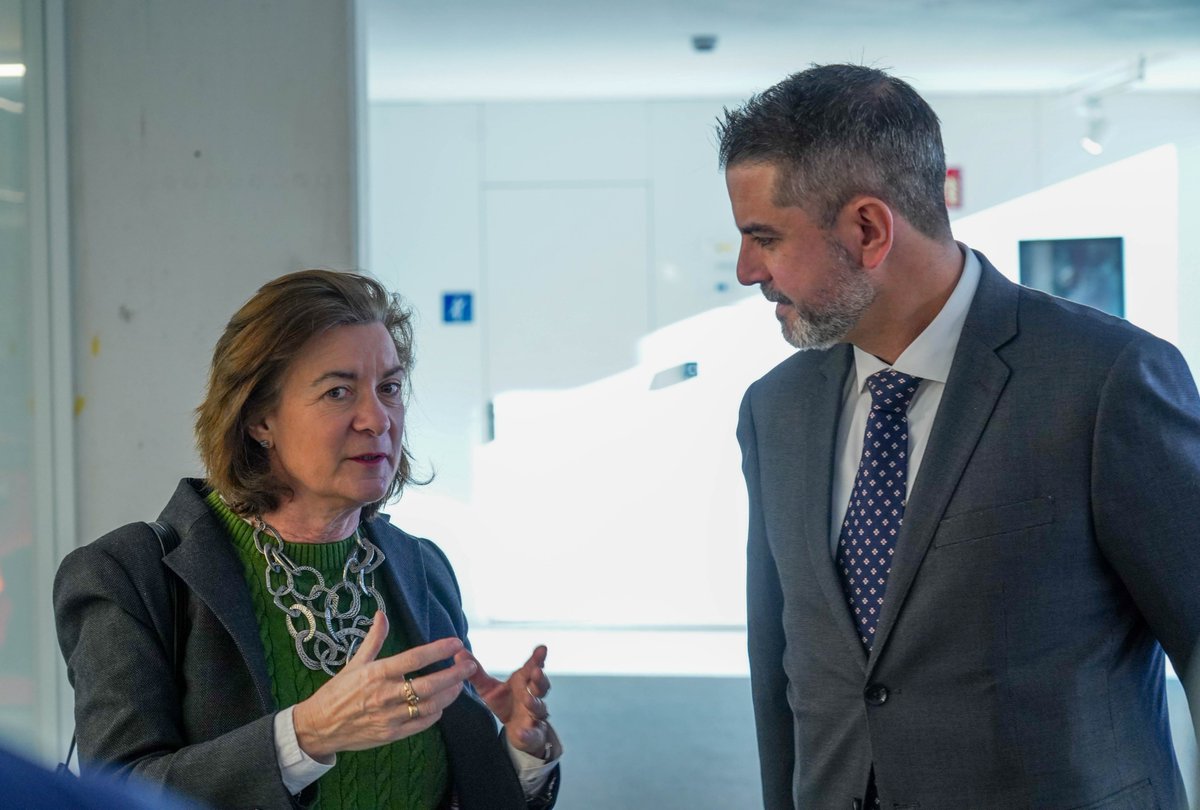
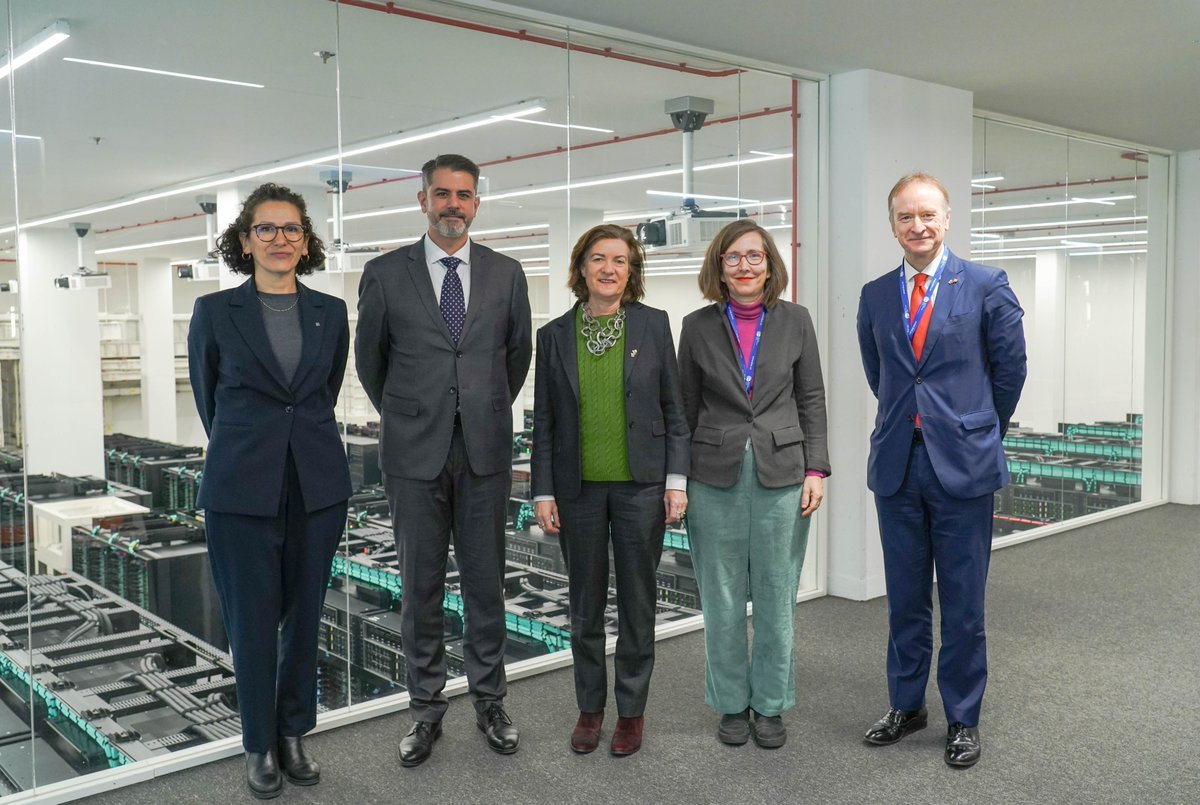
🏴 BSC welcomes the @walesintheworld delegation, led by First Minister @prifweinidog.
🤝 We explored cooperation in #AdvancedComputing, #AI and language technologies through the AINA project, strengthening Catalan–Welsh presence in AI.
Organised in collaboration with @gencat. With the participation of Clelia Colombo, Director General for @exteriorscat; and Teresa Sanchis, Director General for Research at the @recercauniscat.
1
3
3
400