20 Nov 2025
TECHNOLOGY NEWSWIRE: Securing identity in a digital age: Why advanced verification matters for the U.S.
SECURITY INDUSTRY NEWS: Identity is the cornerstone of trust in modern society. From international travel and banking to healthcare and government services, our ability to verify a person’s identity has implications that extend far beyond convenience.
NATIONAL ID: Yet identity fraud remains one of the most persistent threats facing governments, industries, and individuals alike.
In the United States, where identity theft cost consumers more than $12.5 billion in 2024, the urgency to strengthen identity verification systems cannot be overstated.
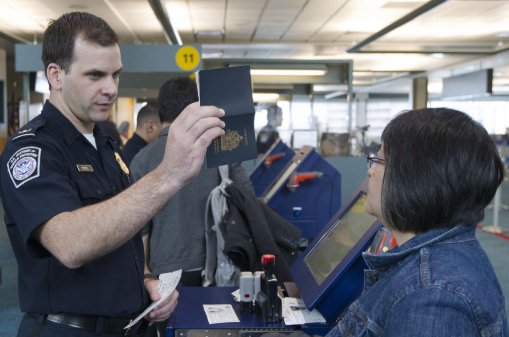
Around the world, governments are rethinking how to make identity documents more secure at their most vulnerable point: the portrait photo.
As fraudsters increasingly exploit freely available morphing and editing software, passport and identification credential photos have become a prime target for manipulation.
This reality has prompted ongoing enhancements in identity security: embedding lifelike, tamper-resistant color images into polycarbonate data pages to make visual verification faster, more reliable, and harder to counterfeit.
The growing threat of identity fraud
Identity fraud has evolved from crude forgeries to sophisticated attacks using digital tools.
Criminals now exploit high-resolution printers, advanced photo-editing software, and AI-driven face-morphing programs to manipulate ID photos or blend genuine and fraudulent details into a single document.
Polycarbonate passport data pages and identification credentials, favored for their strength and tamper resistance, have become the global standard for secure travel documents.
However, they also created an unexpected challenge for issuers, in which for many years, these plastic pages and cards could only support grayscale, laser-engraved portraits.
The risks extend across multiple industries. In aviation and border control, forged passports undermine global security. In financial services, counterfeit IDs enable money laundering and synthetic identity fraud. Healthcare systems and government programs are also exposed when manipulated documents are used to file fraudulent claims or obtain benefits.
In countries like the United States, the driver’s license continues to be the de facto identity credential making the strengthening of photo-based verification an urgent priority....
biometricupdate.com/202511/s…
#IdentitySecurity, #DigitalAge, #IdentityVerification, #USSecurity, #IdentityFraud, #Biometrics, #PassportSecurity, #IDFraud, #CyberSecurity, #DigitalIdentity, #SecureID, #FraudPrevention, #IdentityTheft, #AdvancedVerification, #TamperProof, #PolycarbonateID, #PhotoManipulation, #AIFraud, #FaceMorphing, #BorderControl, #FinancialSecurity, #HealthcareID, #GovernmentServices, #TravelDocuments, #SecureTravel, #DocumentForgery, #VisualVerification, #IDCredentials, #NationalID, #DriverLicense, #MoneyLaundering, #SyntheticIdentity, #GlobalSecurity, #TechNews, #SecurityIndustry, #IdentityTrust, #DigitalThreats, #PhotoEditing, #LaserEngraved, #ColorImages, #SecurePhotos, #Fraudsters, #CredentialSecurity, #VerificationTech, #USIdentity, #BiometricUpdate, #SecureSociety, #Identity
5
159

Implement advanced ID verification and screening solutions, like VeriX and AuthentiQ, to prevent unauthorized access. 🔐
#AdvancedVerification #IdentityProtection
2
2
66

11 Oct 2023
Stanley Electric Adopts Siemens Questa Advanced Verification Platform for its MEMS IC Design
dailycadcam.com/stanley-elec… via @dailycadcam
#StanleyElectric @siemenssoftware #Questa #AdvancedVerification #MEMSICDesign #ElectricLights #AutomotiveElectronics #EDA #Semiconductors
1
2
124

4 Mar 2020
#watch out if you use #googlelocalservices #googlelocalservicesads they will burn you for no reason! Been using for 2 1/2 years uploaded our GL as requested & still can’t get calls. we run a “real” garage door company had #advancedverification 10/17 still can’t get unsuspended!
1
1

21 Jan 2020
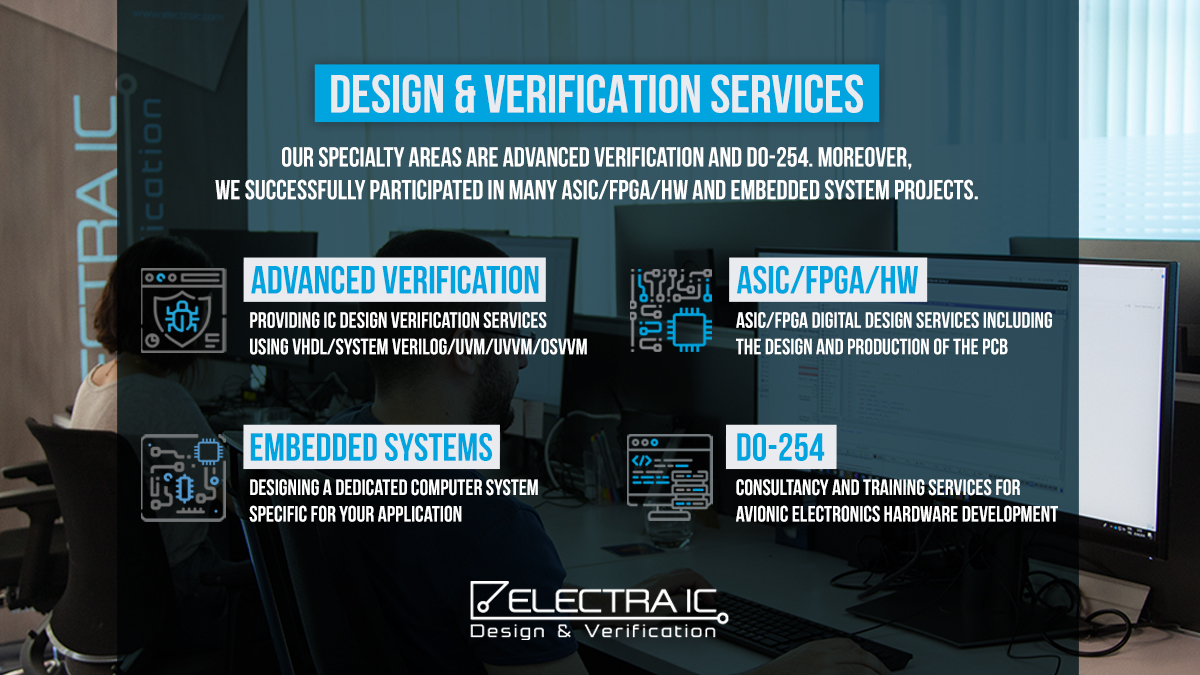
We provide quality #ASIC, #FPGA, #EmbeddedSystems design and verification services globally.
Our specialty areas are #AdvancedVerification and #DO254.
You can contact us at info@electraic.com
For detailed information: electraic.com
#electraic
3

18 Nov 2016
#Google #advancedverification test in San Diego just dropped over 89% of listings from #3pack #Googlemybusiness searchengineland.com/googles…