
Soviet intelligence ran a masterclass disinformation campaign against NATO's neutron bomb deployment in 1981, using forged documents and recruited Western journalists to manufacture anti-nuclear opposition. Congressional docs from the period show just how well it worked: delayed deployments, fractured alliance unity, lasting policy divisions.
But forget the history lesson. This is a blueprint that's very much alive today.
Look at what the Soviets figured out 40 years ago. You don't need to convince everyone your position is right. You just need to amplify existing divisions and create enough chaos that your opponents can't act decisively. The KGB didn't invent European anti-nuclear sentiment in 1981. They found it, fed it, gave it fake documents to cite, and watched NATO tear itself apart over deployment timelines.
The tradecraft evolution since then has been about scale and speed, not fundamental strategy. Where Soviet active measures relied on recruiting individual journalists and placing stories in specific publications, today's operations can manufacture grassroots movements across dozens of platforms simultaneously. The 1981 campaign took months to create the appearance of organic opposition. Modern influence operations can spin up coordinated inauthentic behavior in days.
Watch how this playbook gets updated for current flashpoints. NATO weapon systems, defense spending debates, alliance burden-sharing arguments. The same pressure points that worked in 1981 are still there, just with better amplification mechanisms.
The targeting methodology remains remarkably consistent. Find the decision-makers, map their information environment, identify existing fault lines in public opinion, then inject enough manufactured controversy to paralyze the policy process. Congressional analysis from the neutron bomb campaign documented how Soviet operatives specifically tracked which publications NATO officials read, which journalists had access to classified briefings, which peace organizations had credibility with European publics.
That level of targeting precision is table stakes now. Modern influence operations don't just know what you read. They know what your staffers read, what your constituents share on social media, which local news outlets still have credibility in your district. The 1981 operation required extensive human intelligence networks to map those information flows. Today's digital footprints make the targeting almost algorithmic.
The document forgery piece is particularly instructive. The Soviets didn't create wild, obviously fake materials. They produced documents that looked exactly like legitimate NATO communications, with just enough inflammatory language to create genuine outrage when leaked. Small lies embedded in authentic-looking packages. This isn't ancient history. We're seeing identical techniques in current operations targeting defense contracts, military aid packages, intelligence sharing agreements.
European officials should recognize these patterns immediately. The same countries that were primary targets in 1981 are seeing similar campaigns around current NATO deployments, defense spending commitments, and military aid to Ukraine. The arguments haven't changed much. American weapons put European civilians at risk. NATO expansion threatens regional stability. Defense spending could go to social programs instead.
American defense officials need to understand something the 1981 documentation makes crystal clear: these campaigns work. Not because they convince everyone, but because they create enough manufactured controversy to slow down decision-making processes that depend on public and allied support. Soviet active measures didn't stop neutron bomb deployment entirely, but they delayed it long enough to reduce its strategic impact.
The counter-intelligence response back then was methodical documentation and analysis, building detailed understanding of how the influence operations actually functioned. That's still the foundation, but it needs to happen in weeks instead of years now.
The documentation process that revealed the 1981 campaign took place years after the fact, when the policy damage was already done. Modern influence operations targeting NATO capabilities and alliance cohesion need real-time analysis and response. The luxury of post-mortem congressional investigations doesn't work when the next campaign launches before you've finished analyzing the last one.
Intelligence sharing on these operations needs to match the speed of the threat. The 1981 Soviet campaign worked partly because European allies didn't have full visibility into how their domestic information environments were being manipulated. Today's equivalent would be not sharing analysis of coordinated inauthentic behavior across allied social media platforms and news ecosystems.
The congressional documentation from 1981 serves as both warning and instruction manual. Warning because the basic strategy works and keeps getting refined. Instruction manual because understanding how systematic disinformation operates gives defenders specific things to look for and counter.
Current influence operations targeting NATO weapon systems, alliance burden-sharing debates, and defense spending decisions are following this exact blueprint with updated tools. The pattern recognition should be immediate for anyone who's studied what the Soviets accomplished in 1981 with much more primitive capabilities.
foreigninterference.org/post…
#foreigninterference #DisinformationCampaigns #DocumentForgery #CrossBorderInfluenceOperations
51
July 1983. Reagan administration intelligence analysts documented what they called a "significant escalation" in Soviet document fabrication operations. Not just propaganda leaflets or radio broadcasts. Systematic forgery of U.S. government documents, planted in international media to look like authentic leaked intelligence.
The Italian news agency ANSA had already flagged several circulated documents as "communist disinformation efforts" by July 1982, but the Reagan Library documents show the scope was broader than initially understood. Soviet intelligence services were manufacturing false evidence of U.S. military activities, intelligence operations, and foreign policy decisions, then feeding these forgeries to news outlets across multiple continents.
The target selection reveals the strategy. African nations and developing countries where anti-American sentiment already existed. Why waste effort where the ground isn't fertile? Soviet operatives focused on regions where fabricated documents about U.S. malfeasance would find receptive audiences and willing amplifiers.
The media manipulation framework went beyond simple document drops. Intelligence analysis from this period shows Soviet operatives worked to "overstate internal opposition to America" and manufacture narratives about U.S. domestic instability. Create the impression that America was falling apart from within while simultaneously spreading false evidence of malicious behavior abroad.
What made these operations sophisticated was the coordination. Multiple media platforms, multiple geographic regions, all pushing complementary false narratives. The goal was not just to plant a single fake story, but to create an ecosystem of disinformation that would be cross-referenced and validated by different sources, giving the fabrications an appearance of authenticity.
The declassified documents show Reagan administration officials recognized they were dealing with something qualitatively different from previous Soviet propaganda efforts. This was information warfare with industrial-scale document production capabilities and global distribution networks.
The U.S. response involved enhanced documentation of Soviet active measures and improved coordination between intelligence agencies. But the 1983 assessments reveal how much catching up American intelligence had to do. The Soviets had been running these operations for at least a year before U.S. agencies fully grasped their scope and methodology.
The fabricated documents often contained just enough authentic-sounding detail to pass initial scrutiny while embedding false information designed to damage U.S. credibility. Mix real organizational names, actual bureaucratic language, plausible policy discussions with manufactured evidence of misconduct or malicious intent.
Italian intelligence cooperation proved crucial in exposing the operations. ANSA's early identification of forged documents helped U.S. analysts trace the distribution patterns and identify other planted stories that had initially appeared credible.
The timing matters. 1983 was the peak of Cold War tensions, with both superpowers engaged in proxy conflicts across multiple continents. Soviet information operations during this period weren't just about winning hearts and minds. They were about creating enough doubt and confusion to paralyze Western decision-making and fracture alliance relationships.
Reagan administration analysts noted that these operations represented "a significant development in U.S. understanding of Soviet information warfare capabilities." Translation: we didn't realize they could do this at scale until they were already doing it.
The declassified documents provide a case study in how sophisticated adversaries approach information warfare. Not just broadcasting their own message, but systematically undermining trust in their opponent's communications by flooding the information space with plausible forgeries.
foreigninterference.org/post…
#foreigninterference #DocumentForgery #MediaImpersonation #DisinformationCampaigns #RegionalInfluenceOperations
37
Here's a masterclass in how authoritarian regimes weaponize their diplomatic infrastructure for disinformation campaigns.
In 2001, Iraq was running a sophisticated information warfare operation that should sound eerily familiar to anyone tracking state-sponsored disinfo today. The playbook hasn't changed much — just the technology.
US intelligence documented how Baghdad was systematically using its embassies as propaganda distribution centers. In Mauritania, for example, the Iraqi embassy was pushing out grainy black-and-white video footage claiming to show "captured coalition materials."
Pure fabrication, but here's the genius of the operation: they weren't just making stuff up and hoping it would stick.
The Iraqis understood something crucial about information warfare — credibility laundering. By distributing fake materials through official diplomatic channels, they were wrapping lies in the legitimacy of state institutions.
Think about it: when an embassy releases something, it carries weight. There's an assumption of official backing, of governmental verification. The Iraqi regime was exploiting that institutional trust to mainline disinformation directly into international media ecosystems.
This wasn't a one-off operation either. Intelligence assessments show Iraq had built a comprehensive disinformation infrastructure across multiple countries, using their diplomatic presence to create the illusion of widespread international validation.
Multiple embassies, coordinated messaging, fabricated "evidence" — they were running what we'd now recognize as a classic influence operation, complete with multi-platform distribution and regional amplification networks.
What makes this particularly insidious is how they leveraged the diplomatic system itself. These weren't random propaganda outlets or sketchy websites. These were official government facilities with diplomatic immunity, operating under the protection of international law.
The 2001 Iraqi operation was an early preview of the state-sponsored disinformation campaigns we see everywhere today. The techniques have evolved, the reach has expanded exponentially with social media, but the core strategy remains unchanged.
Authoritarian regimes still exploit official channels to legitimize false narratives. They still coordinate across multiple platforms and geographic regions. They still understand that the source matters as much as the message when it comes to believability.
The difference now? The scale and speed are incomparable. What took weeks to distribute through embassy networks in 2001 can now reach millions in minutes through coordinated social media operations.
But the fundamental insight remains: disinformation operations are most effective when they exploit existing institutional trust and credibility. Whether that's diplomatic channels, academic institutions, or verified social media accounts — the wrapper matters.
Twenty-three years later, we're still dealing with variations of the same playbook. The tools have changed, but the strategy of using official or semi-official channels to distribute fabricated materials? That's timeless.
Worth remembering when evaluating information sources today.
foreigninterference.org/post…
#foreigninterference #DiplomaticCoercion #DisinformationCampaigns #DocumentForgery
29

Jun 3
Gujarat Police confirms 166 Bangladeshi nationals in Ahmedabad drive; Aadhaar fraud under probe yespunjab.com/?p=260776
#Ahmedabad #OperationDeltaHunt #AadhaarFraud #IllegalImmigration #GujaratPolice #CrimeBranch #BangladeshiNationals #DocumentForgery #Deportation #IndiaNews #GujaratNews
18

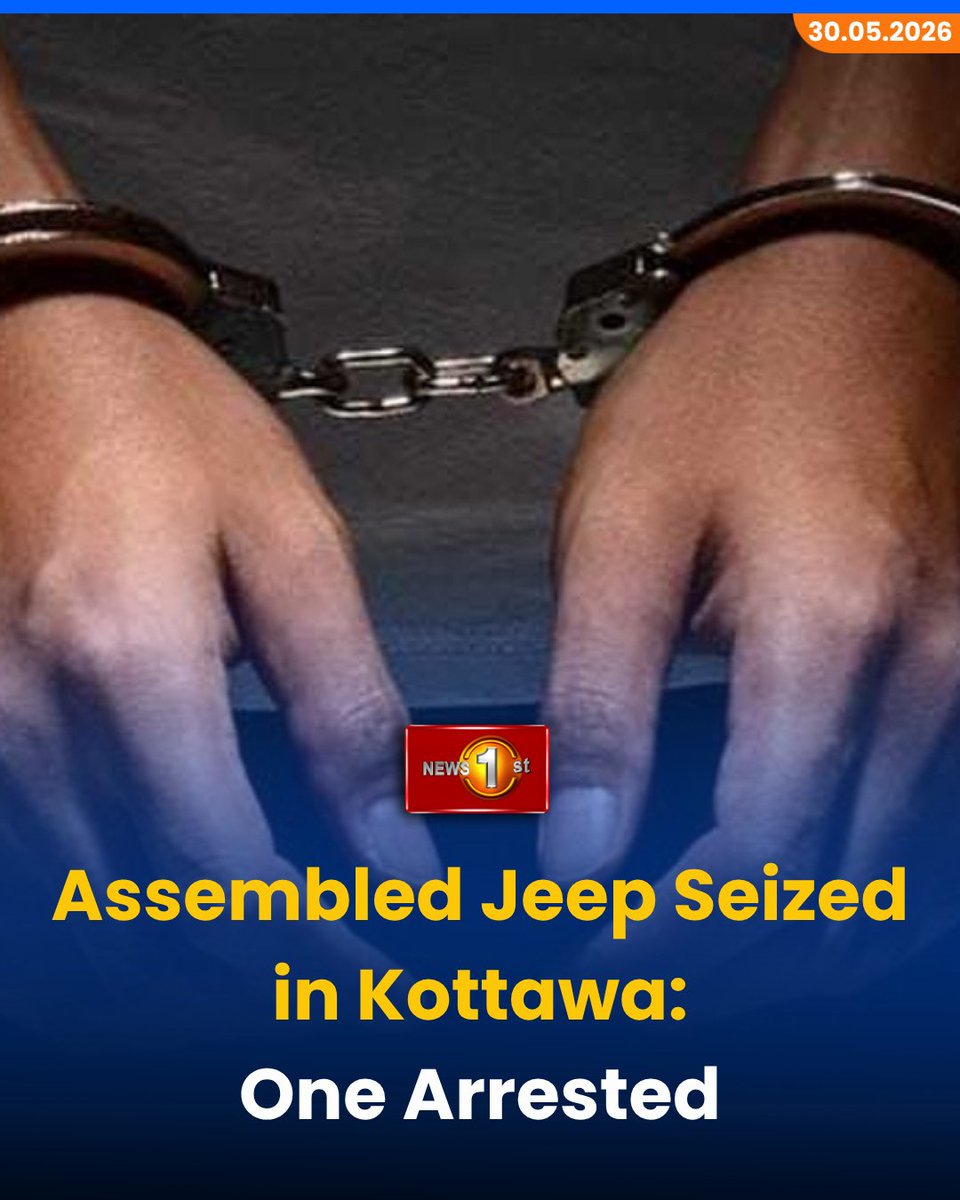
Assembled Jeep Seized in Kottawa; One Arrested
Details: english.newsfirst.lk/2026/05…
#News1st #NewsFirst #NewsfirstEnglish #LKA #KottawaRaid #IllegalJeep #VehicleSeizure #SriLankaPolice #ContrabandVehicle #DocumentForgery
2
574

એક જ એડ્રેસ, એક જ મોબાઇલ નંબર, છતાંય 25 પાસપોર્ટ બની ગયા, આ કેવી લાલિયાવાડી
vtvgujarati.com/news-details…
#PassportScam #PostmanFraud #ITActCase #PoliceInvestigation #DocumentForgery #VTVDigital
2
170

Jan 29
रायबरेली में बड़ा मामला: राहुल–सोनिया गांधी के खिलाफ MP-MLA कोर्ट में अर्जी, प्रियंका गांधी समेत 45 पर आरोप
रायबरेली से जुड़ा एक बड़ा मामला सामने आया है। कांग्रेस नेताओं राहुल गांधी और सोनिया गांधी के खिलाफ MP-MLA कोर्ट में अर्जी दाखिल की गई है। इस अर्जी में प्रियंका गांधी समेत 45 अन्य लोगों के खिलाफ सरकारी अभिलेखों में हेराफेरी और कूटरचित दस्तावेजों के इस्तेमाल का आरोप लगाया गया है।
मामला स्कूल की मान्यता दिलाने से जुड़ा बताया जा रहा है। याचिकाकर्ता ने पूरे प्रकरण में FIR दर्ज कराने की मांग की है। अब इस मामले पर कोर्ट के अगले कदम पर सभी की नजरें टिकी हैं।
#Raebareli #RahulGandhi #SoniaGandhi #PriyankaGandhi
#MPMLACourt #CongressNews #PoliticalNews
#CourtCase #FIRDemand #BreakingNews
#SchoolRecognition #DocumentForgery #AajKiKhabar @Pragatiithakur
1
2
33

Serbian Citizen Arrested at Prishtina Airport Over Suspected Document Forgery
#PrishtinaAirport #DocumentForgery #PoliceArrest #BorderSecurity
rks.news/serbian-citizen-arr…
3
78

Jan 7
મેમા પર શંકા ગઈ
તપાસ કરી તો સામે આવ્યું
મોટું નકલી મેમા કૌભાંડ
#gstvshorts #kutch #FakeChallanScam #PoliceForgeryCase #KutchCrimeNews #RTOFraudExposed #DocumentForgery #trendingtopic
4
331

26 Dec 2025
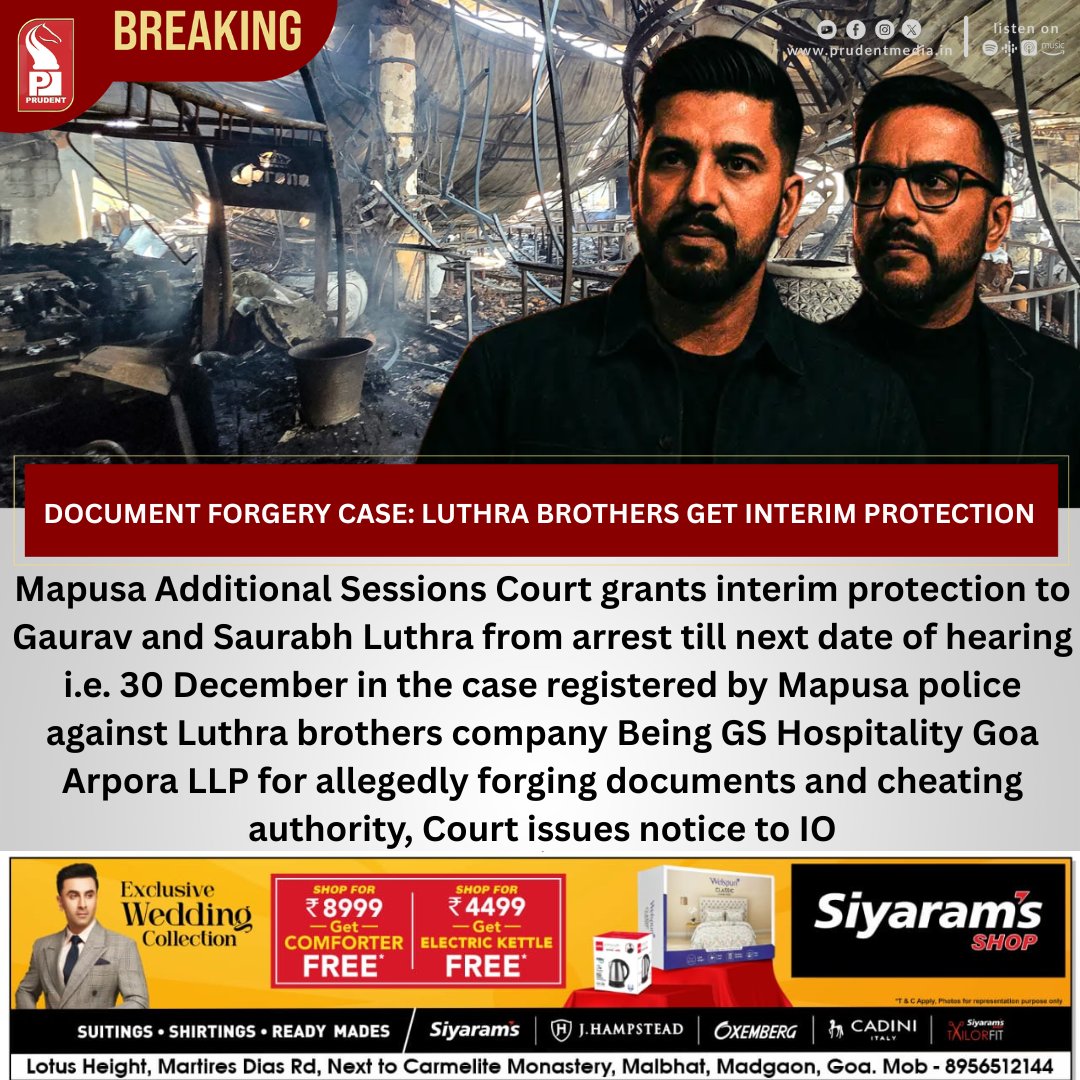
Document Forgery Case: Luthra Brothers Get Interim Protection
#GauravLuthra #SaurabhLuthra #MapusaCourt #InterimProtection #GSHospitality #DocumentForgery #PoliceInvestigation #GoaNews #LegalUpdate #CourtNotice
5
878
26 Dec 2025
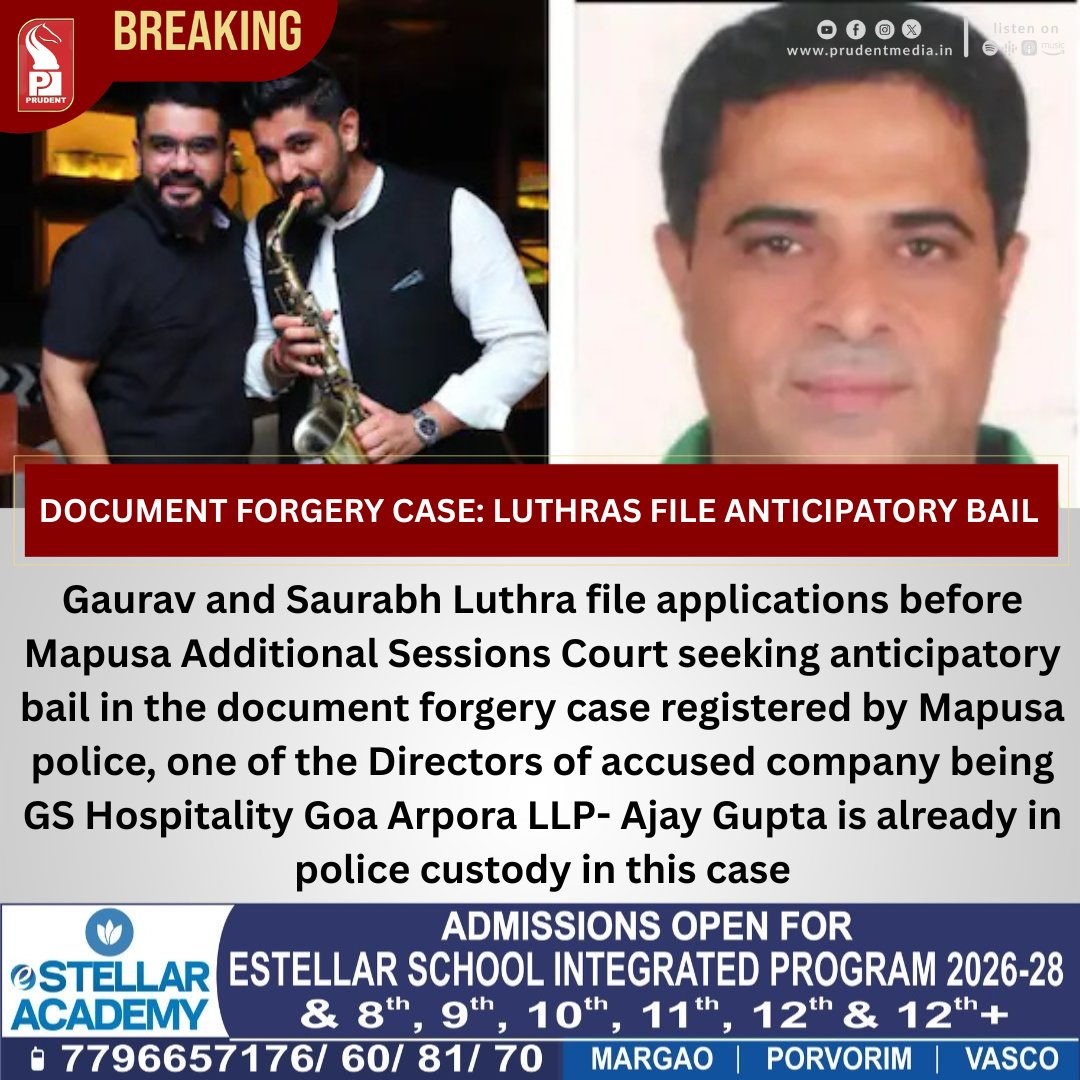
Document Forgery Case: Luthras File Anticipatory Bail
#GauravLuthra #SaurabhLuthra #MapusaCourt #AnticipatoryBail #DocumentForgery #GoaNews #GSHospitality #AjayGupta #PoliceInvestigation #LegalUpdate #BreakingNews
1
3
800
24 Dec 2025
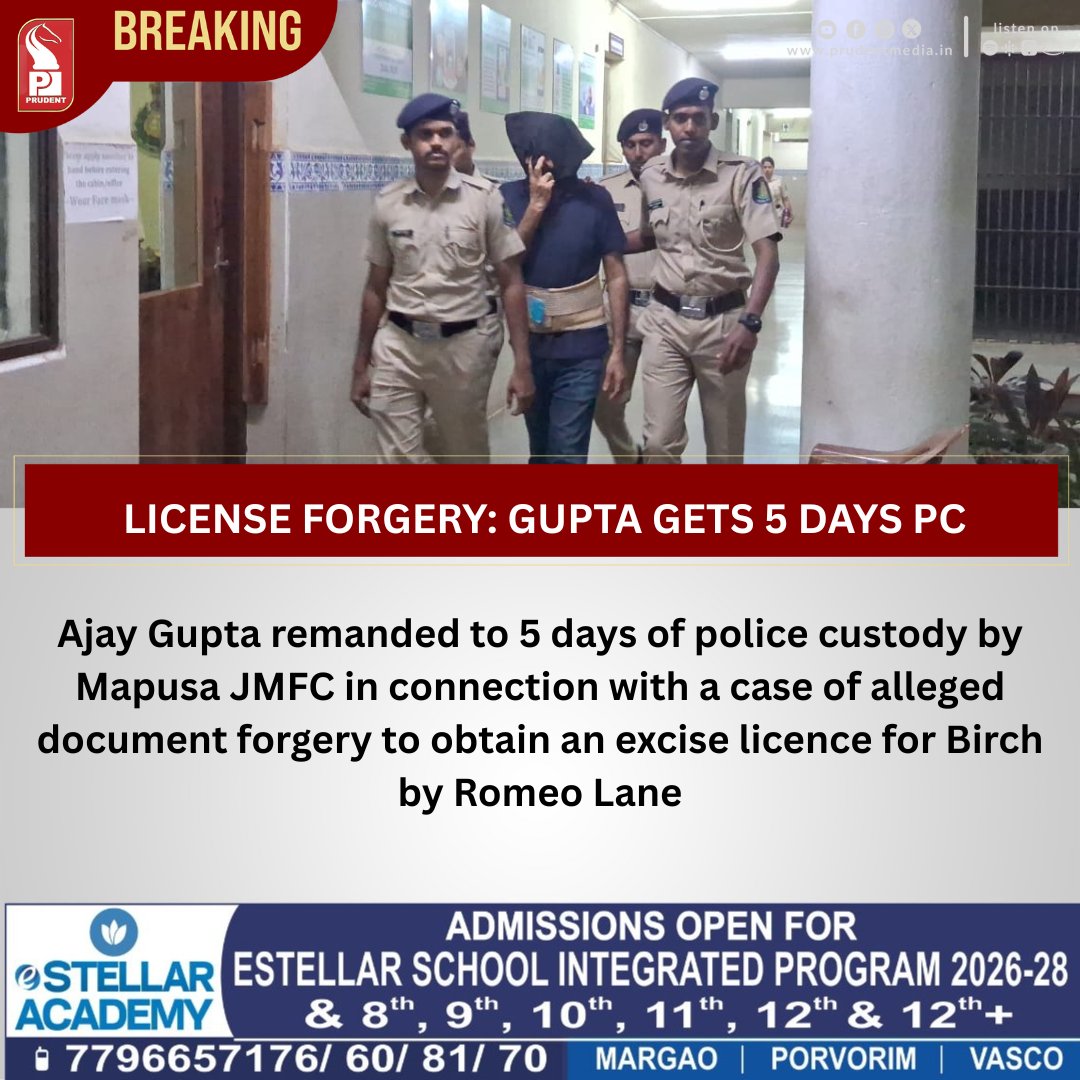
Ajay Gupta remanded to 5 days of police custody by Mapusa JMFC in connection with a case of alleged document forgery to obtain an excise licence for Birch by Romeo Lane
#AjayGupta #MapusaJMFC #PoliceCustody #ForgeryCase #DocumentForgery #ExciseLicence #BirchByRomeoLane
5
904

7 Dec 2025
#BREAKING | அன்புமணியை நியமிக்க தேர்தல் ஆணையத்திற்கு அதிகாரமில்லை என நீதிமன்றம் கூறியுள்ளது"
#Delhi #AnbumaniRamadoss #Ramadoss #PMKIssue #GKMani #PoliceComplaint #Documentforgery #TamilNews #NewsTamil #NewsTamil24x7
2
321
6 Dec 2025
#BREAKING | பாமக தலைவர் அன்புமணி மீது டெல்லி போலீசில் ராமதாஸ் தரப்பு புகார்..!
#Delhi #AnbumaniRamadoss #Ramadoss #PMKIssue #PoliceComplaint #Documentforgery #TamilNews #NewsTamil #NewsTamil24x7
3
286

24 Nov 2025
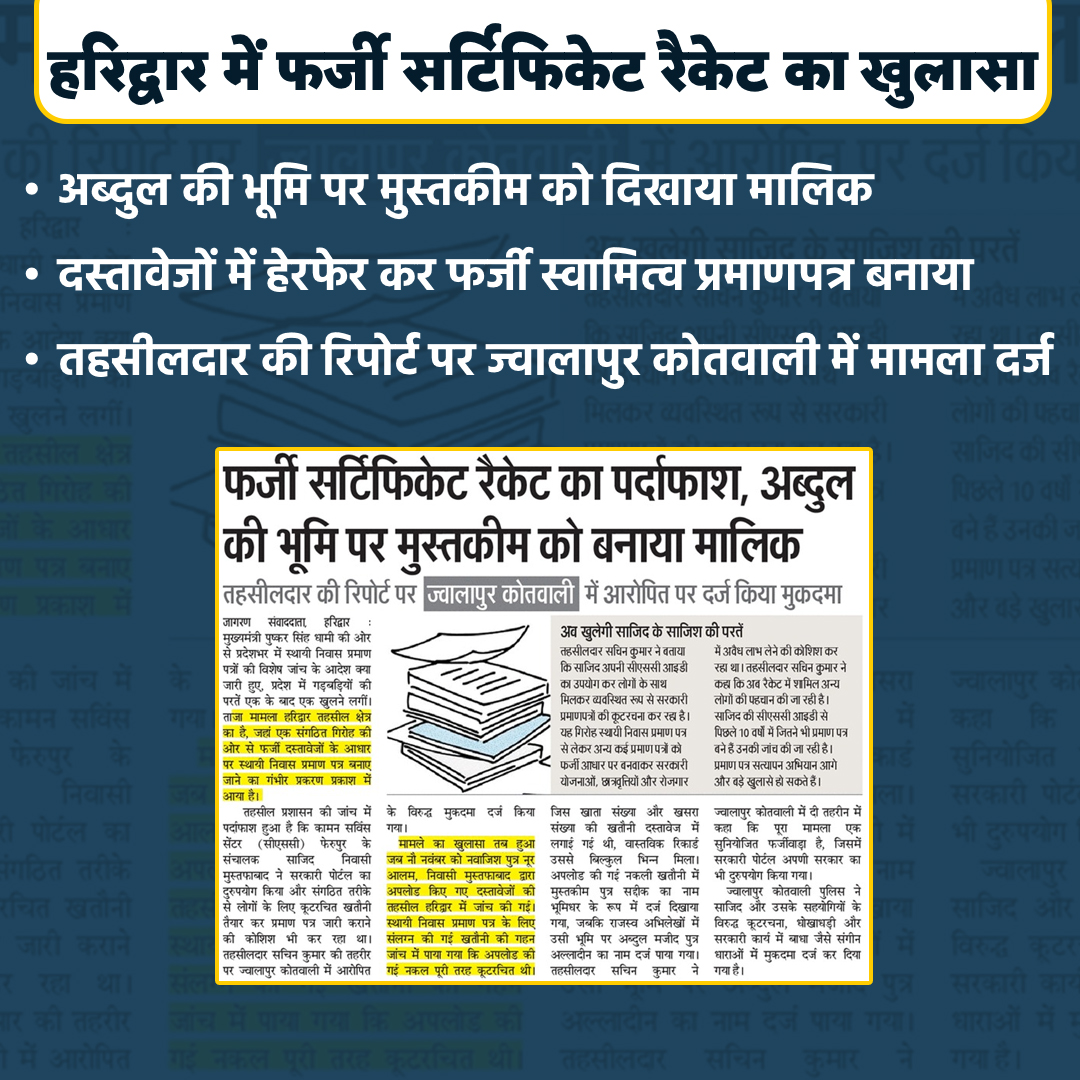
हरिद्वार में फर्जी सर्टिफिकेट रैकेट का खुलासा
· अब्दुल की भूमि पर मुस्तकीम को दिखाया मालिकक
· दस्तावेजों में हेरफेर कर फर्जी स्वामित्व प्रमाणपत्र बनाया
· तहसीलदार की रिपोर्ट पर ज्वालापुर कोतवाली में मामला दर्ज
#हरिद्वार
#फर्जी_सर्टिफिकेट
#HaridwarNews
#Jwalapur
#FraudCase
#DocumentForgery
#BreakingNews
#prernamedia #uknews #topnews
1
8
89

20 Nov 2025
TECHNOLOGY NEWSWIRE: Securing identity in a digital age: Why advanced verification matters for the U.S.
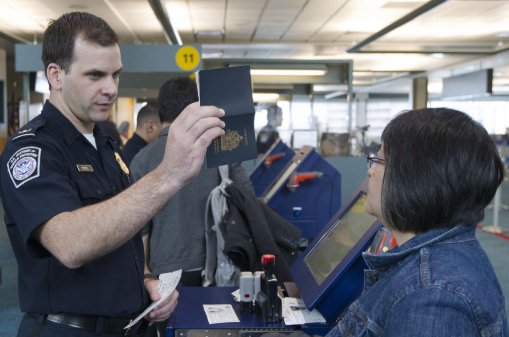
SECURITY INDUSTRY NEWS: Identity is the cornerstone of trust in modern society. From international travel and banking to healthcare and government services, our ability to verify a person’s identity has implications that extend far beyond convenience.
NATIONAL ID: Yet identity fraud remains one of the most persistent threats facing governments, industries, and individuals alike.
In the United States, where identity theft cost consumers more than $12.5 billion in 2024, the urgency to strengthen identity verification systems cannot be overstated.
Around the world, governments are rethinking how to make identity documents more secure at their most vulnerable point: the portrait photo.
As fraudsters increasingly exploit freely available morphing and editing software, passport and identification credential photos have become a prime target for manipulation.
This reality has prompted ongoing enhancements in identity security: embedding lifelike, tamper-resistant color images into polycarbonate data pages to make visual verification faster, more reliable, and harder to counterfeit.
The growing threat of identity fraud
Identity fraud has evolved from crude forgeries to sophisticated attacks using digital tools.
Criminals now exploit high-resolution printers, advanced photo-editing software, and AI-driven face-morphing programs to manipulate ID photos or blend genuine and fraudulent details into a single document.
Polycarbonate passport data pages and identification credentials, favored for their strength and tamper resistance, have become the global standard for secure travel documents.
However, they also created an unexpected challenge for issuers, in which for many years, these plastic pages and cards could only support grayscale, laser-engraved portraits.
The risks extend across multiple industries. In aviation and border control, forged passports undermine global security. In financial services, counterfeit IDs enable money laundering and synthetic identity fraud. Healthcare systems and government programs are also exposed when manipulated documents are used to file fraudulent claims or obtain benefits.
In countries like the United States, the driver’s license continues to be the de facto identity credential making the strengthening of photo-based verification an urgent priority....
biometricupdate.com/202511/s…
#IdentitySecurity, #DigitalAge, #IdentityVerification, #USSecurity, #IdentityFraud, #Biometrics, #PassportSecurity, #IDFraud, #CyberSecurity, #DigitalIdentity, #SecureID, #FraudPrevention, #IdentityTheft, #AdvancedVerification, #TamperProof, #PolycarbonateID, #PhotoManipulation, #AIFraud, #FaceMorphing, #BorderControl, #FinancialSecurity, #HealthcareID, #GovernmentServices, #TravelDocuments, #SecureTravel, #DocumentForgery, #VisualVerification, #IDCredentials, #NationalID, #DriverLicense, #MoneyLaundering, #SyntheticIdentity, #GlobalSecurity, #TechNews, #SecurityIndustry, #IdentityTrust, #DigitalThreats, #PhotoEditing, #LaserEngraved, #ColorImages, #SecurePhotos, #Fraudsters, #CredentialSecurity, #VerificationTech, #USIdentity, #BiometricUpdate, #SecureSociety, #Identity
5
159
12 Nov 2025
NIA raids in Tripura’s Unakoti over document forgery yespunjab.com/?p=180675
#NIA #TripuraRaids #DocumentForgery #UnakotiDistrict #ParitoshShil #RanuPal #BangladeshLinks #AlQaeda #TerrorFunding #IndiaSecurity #NationalInvestigationAgency #NorthEastNews #AntiTerrorOperations
39

4 Nov 2025
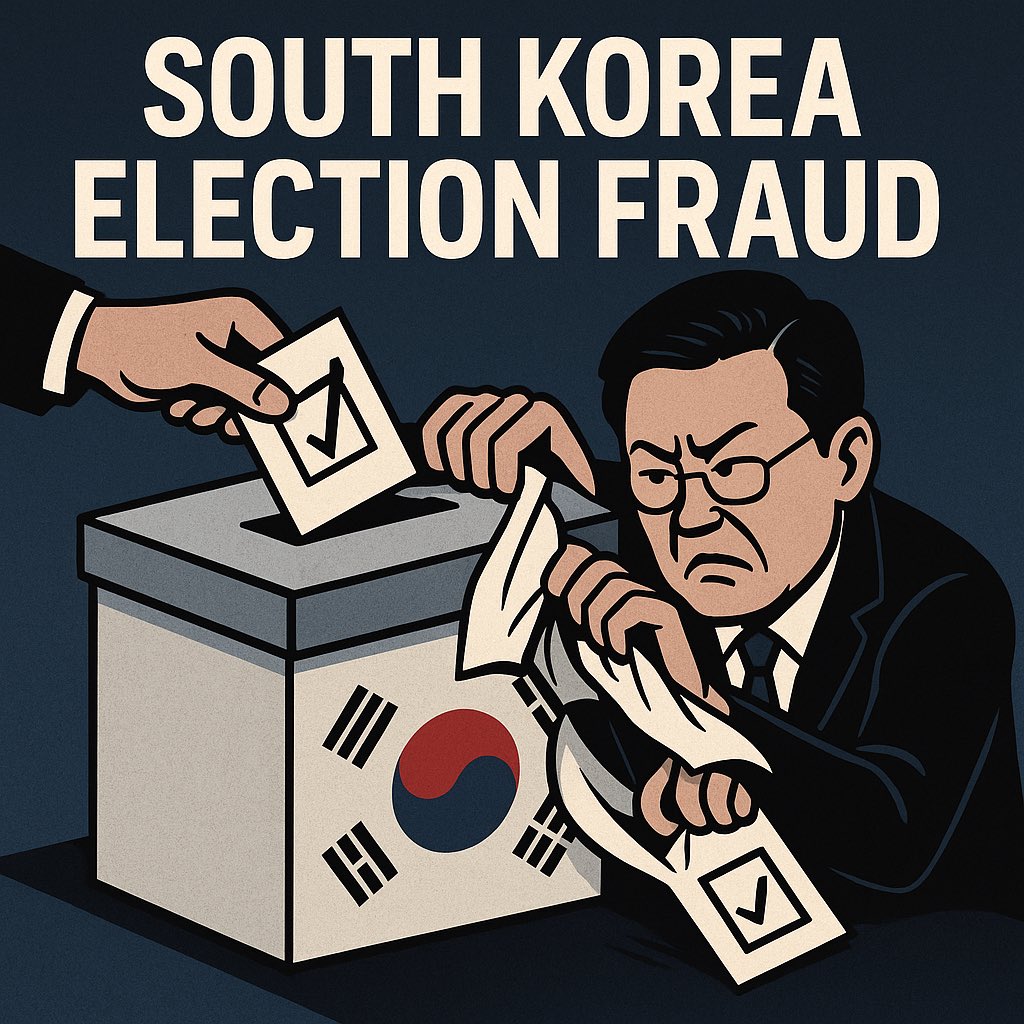
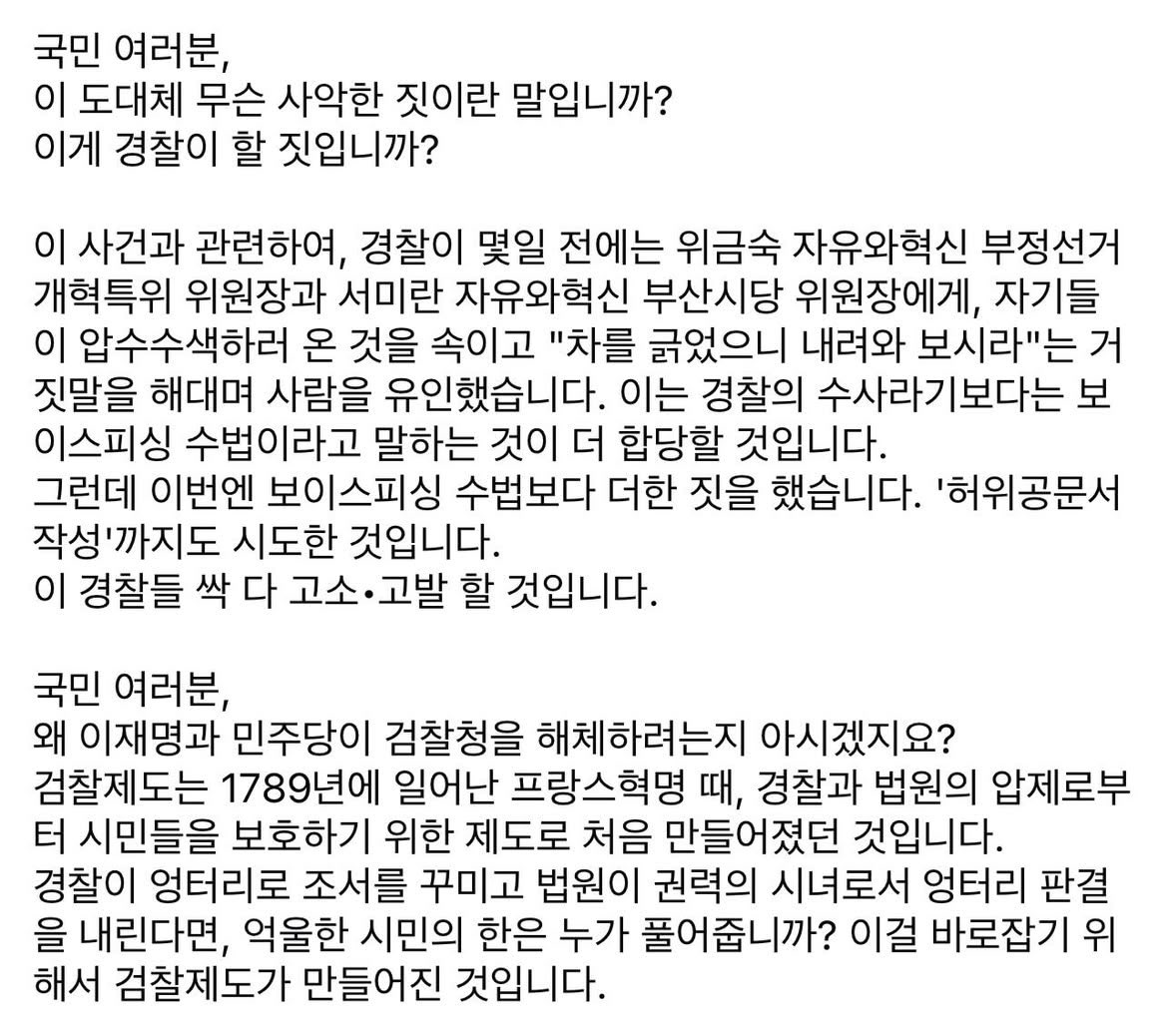
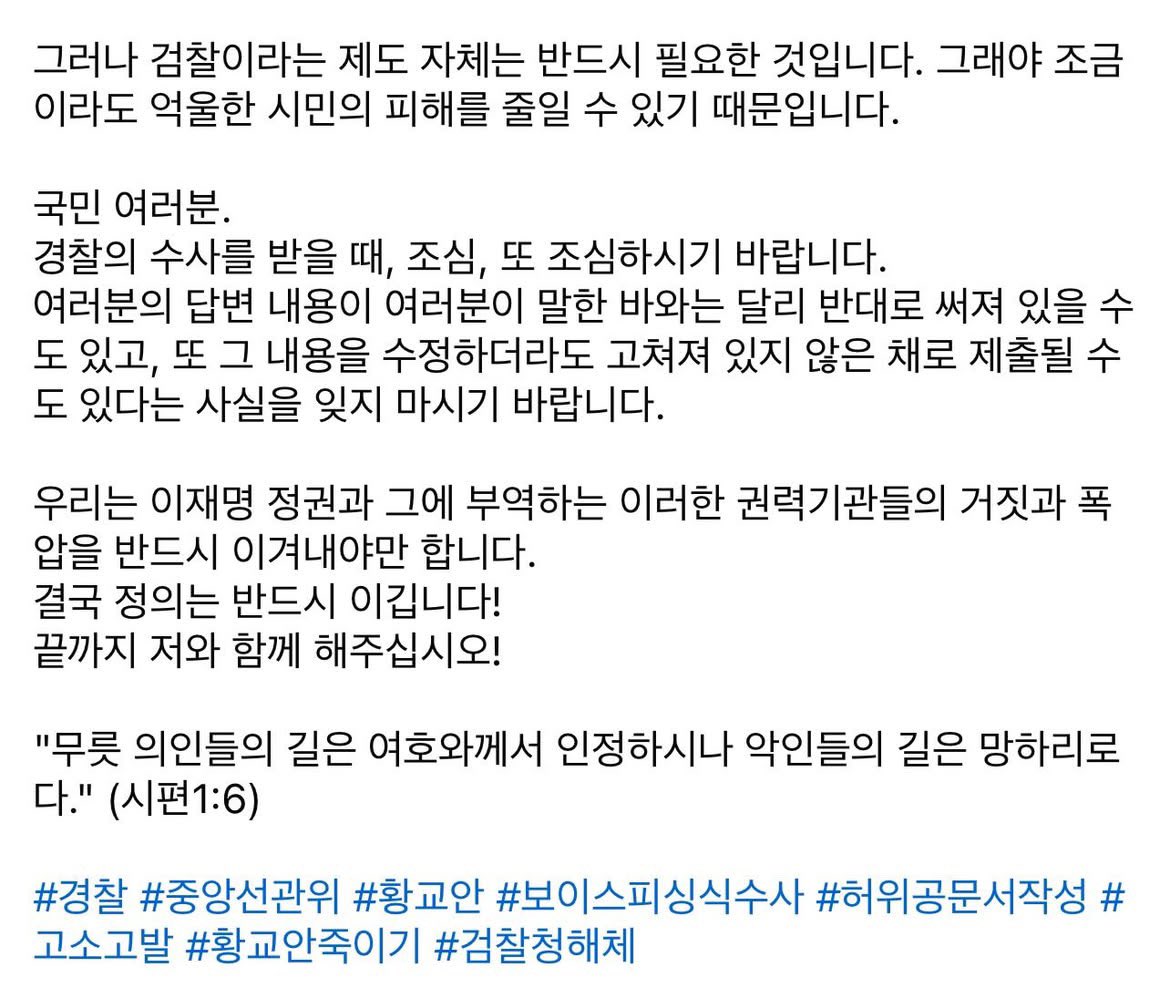
🚨 South Korea Alert: Police have been caught attempting to force false confessions and fabricate written statements from citizens who participated in election monitoring.
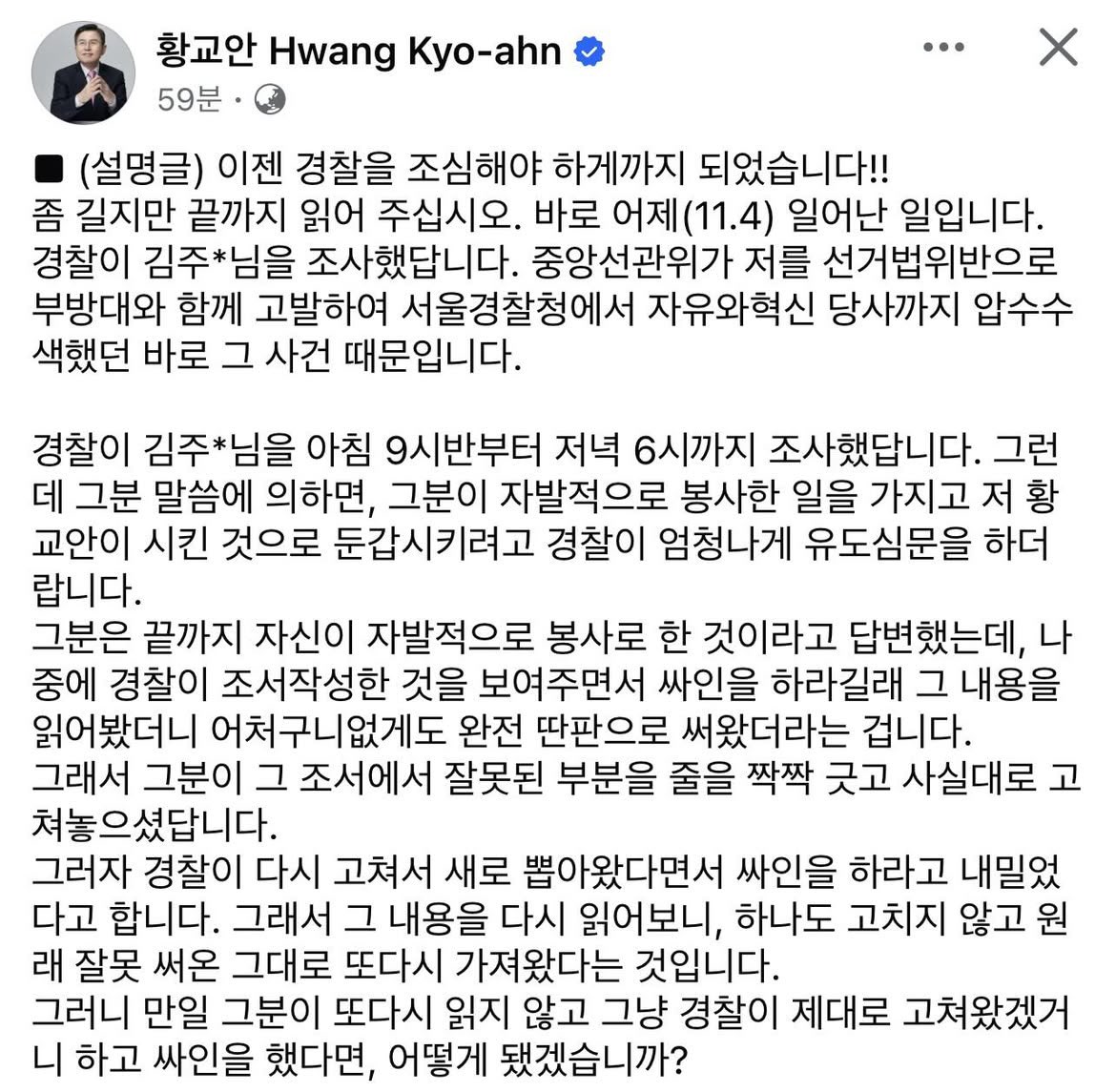
Former Prime Minister Hwang Kyo-ahn revealed shocking details:
•A citizen who volunteered to monitor elections was interrogated by police from 9 AM to 6 PM.
•Police pressured him to say: “Hwang Kyo-ahn ordered me to do it.”
•They wrote a false statement and demanded his signature.
•When he corrected the document, police returned with a “revised” version — but nothing was actually corrected.
This is not an isolated case. Police previously tricked pro-democracy activists by saying, “Your car was scratched—come outside,” and then detained them for searches. Now they’ve escalated to voice-phishing style interrogation, coercion, and document forgery.
Hwang announced he will file criminal charges against all involved officers.
He asked a critical question:
“Why are Lee Jae-myung and the Democratic Party trying to abolish prosecutors?
Because when police fabricate investigations and courts follow political power, only prosecutors can protect innocent citizens.”
⚠️ Hwang warns South Korean citizens:
•During police questioning, your words may be recorded opposite to what you actually said.
•Even if you correct it, the false version may still be submitted.
•Never sign anything without reading every word.
This is no longer about one man. It is about a regime trying to criminalize election watchdogs, silence the opposition, and weaponize state power against its own citizens.
💬 Hwang’s message:
“We must defeat the lies and oppression of this regime. Justice will win. Stand with us to the end.”
⸻
#SouthKorea #HwangKyoAhn #ElectionIntegrity #PoliceAbuse #StatePowerAbuse
#HumanRights #FalseConfession #DocumentForgery #StopPoliticalPersecution
#MAGA
#Trump2025
#GoTrump2028
1
2
4
67

29 Sep 2025
Nilesh Ghaiwal/Gayawal. How a Habitual Criminal Escaped Despite Legal Safeguards
Nilesh Ghaiwal, who changed his surname to Gayawal and apparently nobody noticed is suspected to have fled India, even though a Look Out Circular (LOC) was in place and a court had ordered him to surrender his passport.
He and eight of his aides have been booked under MCOCA (Maharashtra Control of Organised Crime Act) in connection with a firing incident in Kothrud.
The Pune Police issued the LOC after receiving credible inputs indicating that he had left the country.
Nilesh Bansilal Gayawal (not Ghaiwal) , resident of Gauri Ghumat, Anandi Bazaar, Maliwada Road, Ahmednagar, applied for a Tatkal passport at the Pune Regional Passport Office. His application was sent to the then Ahmednagar (now Ahilyanagar) Police for verification on 23.12.2019. When the Kotwali Police verified the address, he could not be contacted. On 16.01.2020, the Superintendent of Police, Ahilyanagar, marked the application as “Not Available” and sent it back.
Tatkal passport rules require 3 of 5 documents or Annexure F. (Certifate from gazetted officer0. This suggests that Ghaiwal may have obtained three bogus documents or Annexure F to secure the passport. Interestingly, the Khedkars reportedly did the same thing.
Both the LOC escape and the Tatkal passport acquisition involve serious crimes, raising urgent questions:
Who helped him obtain these documents?
How are such loopholes allowing habitual criminals to bypass the system?
The system meant to stop habitual criminals appears to have glaring loopholes that let dangerous individuals slip through.
#MCOCA #NileshGhaiwal #NileshGayawal #TatkalPassport #LOC #DocumentForgery #PujaKhedkar
2
7
25
2,047

30 Jul 2025
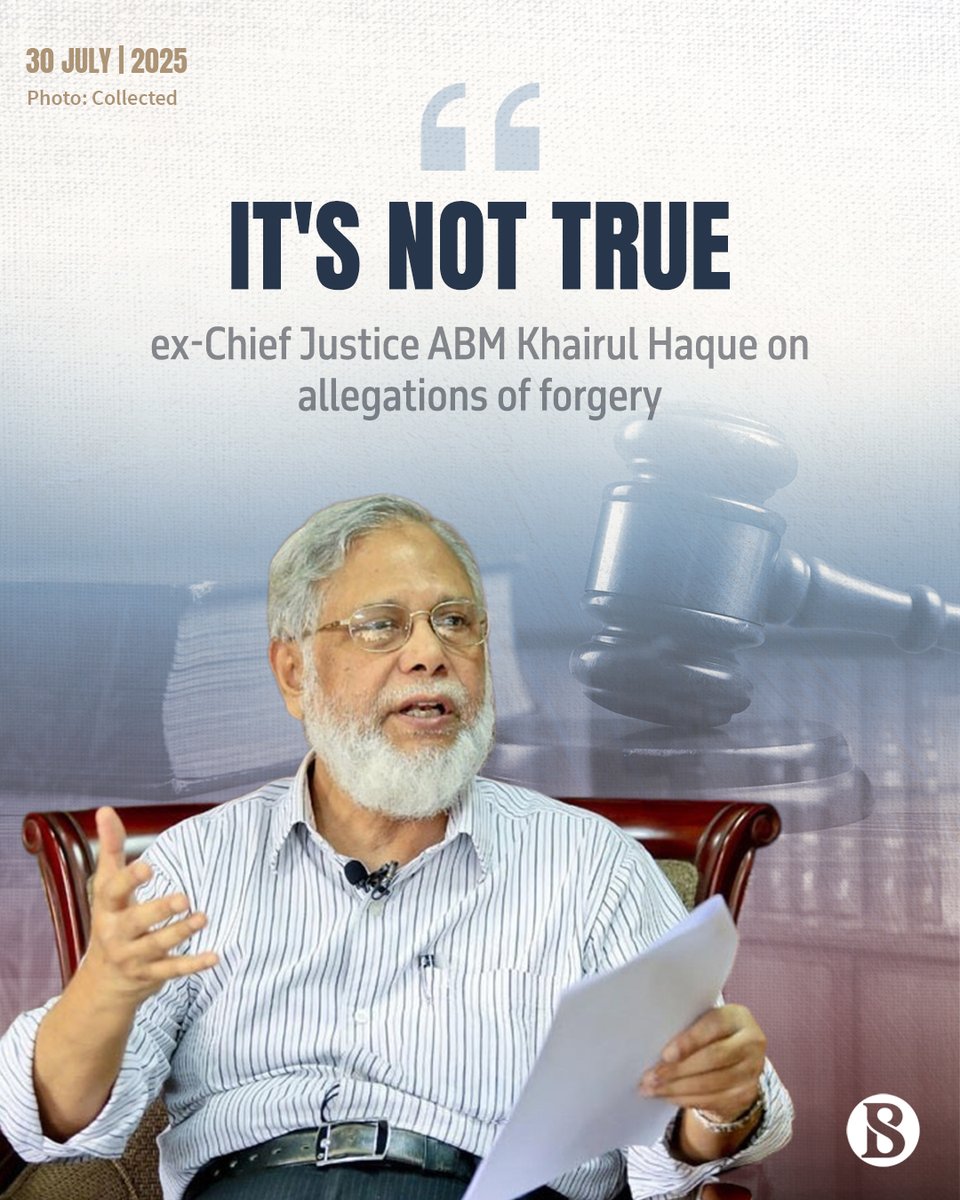
A Dhaka court has placed former chief justice ABM Khairul Haque in a 7-day remand in connection with a case filed under charges of corruption and document forgery.
Link in comments
#Dhakacourt #abmkhairulhaque #documentforgery #TBSNews
1
2
4
117