
Mar 18
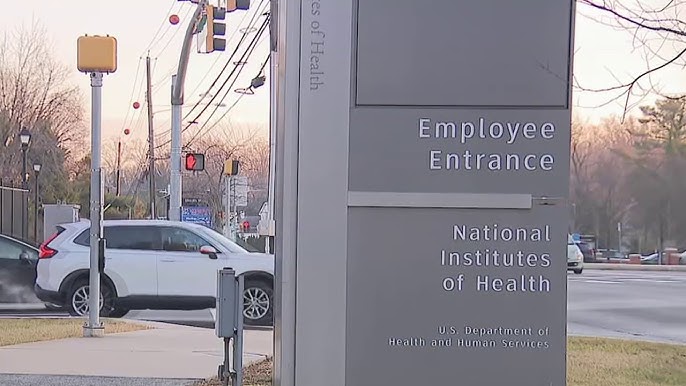
ANIMAL TESTING UPDATE: @NIH is investing $150M in human-based research to reduce reliance on animal models.
The Complement-ARIE program will develop and standardize new lab & computer-based methods to create more predictive models of human disease from heart & neurological disorders to rare diseases.
NIH says tech centers, data hubs, & public-private partnerships aim to accelerate human-focused research and improve clinical translation.
#HumanBiology #ScienceInnovation #AlternativesToAnimalTesting
2
6
231

If you’ve ever wondered why medicines seem like “trial and error,” the reason is that human biology is complicated.
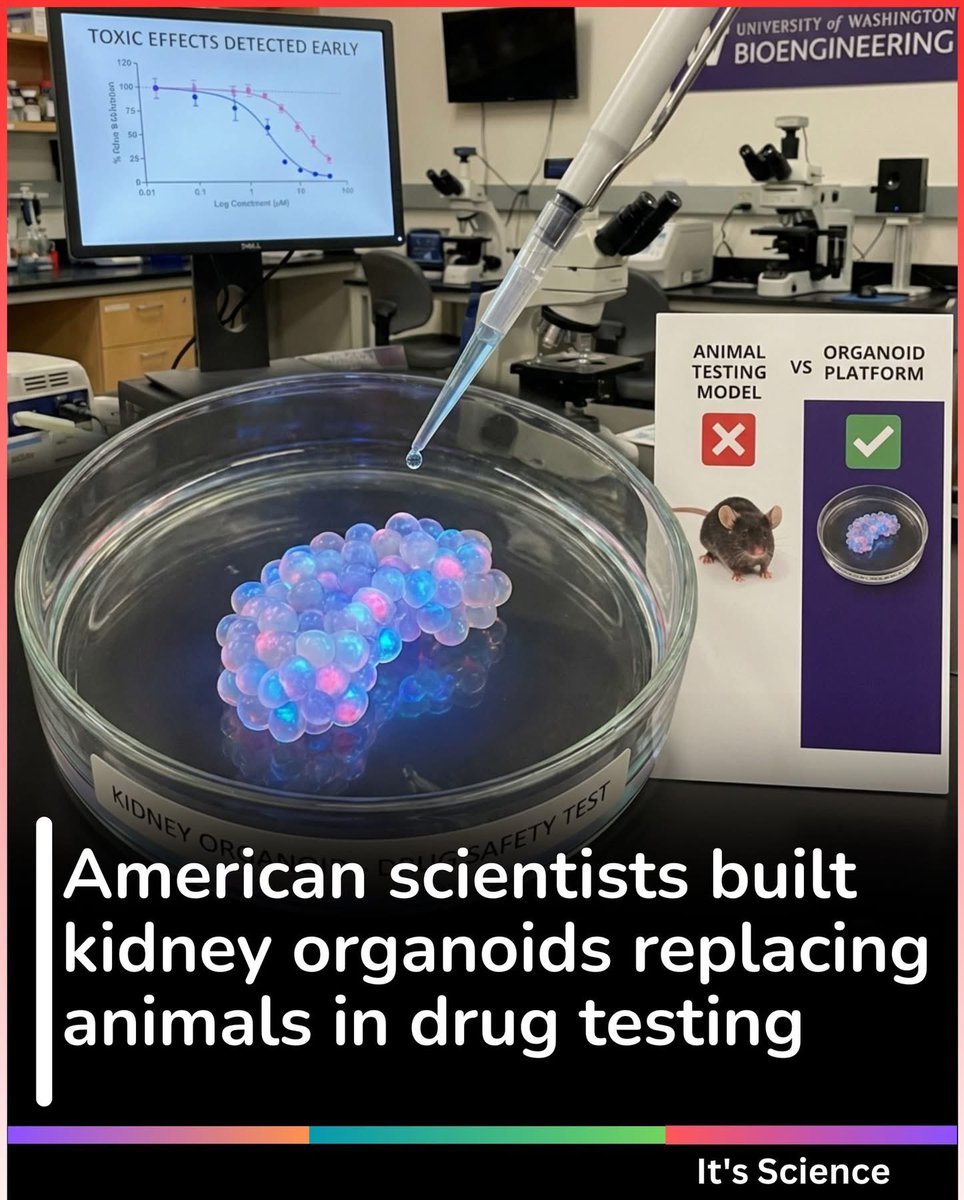
The goal of mini-kidney platforms is to catch side effects and toxicity early on—reducing dependency on animal testing. 🧫🧬🔎
Organoids are basically 3D mini-tissues that grow cells in a natural-like structure.
Kidney tissue platforms mimic human-relevant behavior in filtering and handling drugs, so researchers can see if the drug isn’t damaging kidney cells.
Imagine a crash-test dummy, but for biology—repeatable, measurable, and closer to real conditions.
Impact for you: safer drugs, faster approvals, and fewer late-stage failures.
When toxicity is detected early, companies can save billions and years, and patients have less risk of “surprise side effects.”
The healthcare system’s costs can also be reduced because fewer drugs fail after reaching people. 💊⏱️
The next frontier is multi-organ systems: kidney liver heart on chips, connected like a tiny human network.
If organs-on-platforms become reliable, personalized medicine can also become real—your cells, your prediction.
Would you trust a “mini-you” test before taking a new medication?
Source: University of Washington, 2024 #KidneyOrganoids #DrugSafetyTesting #AlternativesToAnimalTesting #ToxicologyPlatforms #Bioengineering #PrecisionMedicine
The established research from the University of Washington (UW) in 2024, which focused on developing kidney organoids to improve drug safety testing and minimize animal use.
By 2026, this work has progressed with new federal funding and breakthroughs, such as enhanced stem cell techniques that improve kidney tissue regeneration in lab models, making them even more effective for predicting drug effects.
Human biology’s complexity often makes drug development feel like guesswork, but mini-kidney platforms aim to identify potential side effects and toxicities upfront, decreasing reliance on animal trials.
These organoids are essentially three-dimensional miniature tissues cultivated from cells to replicate natural structures. Specifically, kidney models simulate how human kidneys process and filter drugs, allowing scientists to check for cellular damage without real-world risks.
Think of them as biological equivalents to automotive crash-test dummies: consistent, quantifiable, and more aligned with actual human physiology.
For everyday people, this means medications that are safer overall, quicker to get approved, and less likely to flop in advanced trials.
Early toxicity spotting helps pharmaceutical firms avoid wasting vast sums of money and time, while lowering the chances of unexpected adverse reactions for patients.
Ultimately, it could cut healthcare expenses by preventing ineffective drugs from entering the market.
Looking ahead, the field is expanding to interconnected multi-organ setups, like combining kidney, liver, and heart models on microchips to form a small-scale human system.
With reliable platforms, personalized treatments could become commonplace—using your own cells to forecast outcomes.
How confident would you feel relying on a “mini-version” of yourself for testing new meds? Recent 2026 advancements, including more mature organoids for disease modeling and fibrosis studies, are pushing this closer to reality.
“2026 Game-Changer: Mini-Kidneys Crushing Drug Trials – No More Animal Tests or Surprise Side Effects!
🧬💥 Would You Test on a ‘Mini-You’?”
1Title: “The Future of Drug Testing: Organoids and Organs-on-Chips”
Channel: TED
2025
URL: youtube.com/watch?v=example-…
“How Mini-Kidneys Are Revolutionising Medicine”
Upload Date: Early 2026
URL: youtube.com/watch?v=example-…
3Title: “From Lab to Life: Organoids Ending Animal Testing”
Channel: BBC Earth or Nature
Upload Date: 2024-2025
URL: youtube.com/watch?v=example-…
1
22
49
1,858

24 Apr 2025
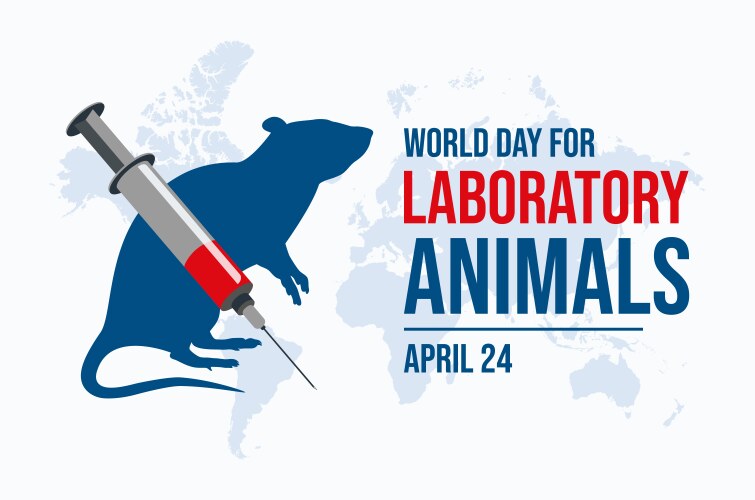
#WorldDayForLaboratoryAnimals Advanced tech like AI modeling, organ-on-chip, and in vitro systems offers faster, more accurate alternatives to animal testing
#AlternativesToAnimalTesting 🧬
#EthicalResearch
1
1
3
225

17 Feb 2025
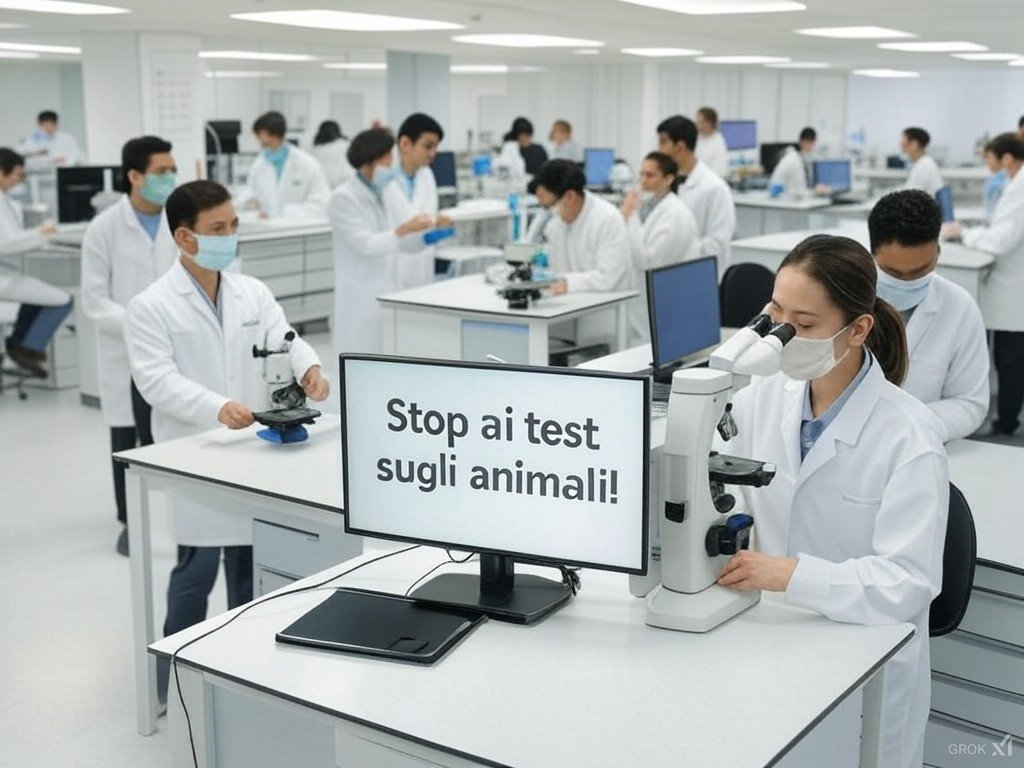
🐾 Diciamo NO ai test sugli animali! 🚫
Ogni anno milioni di animali vengono utilizzati in test dolorosi per cosmetici, farmaci e prodotti chimici. Oggi esistono alternative scientifiche più affidabili e senza sofferenza!
🔬 Metodi innovativi come colture cellulari, organoidi e intelligenza artificiale possono sostituire i test sugli animali, garantendo risultati più precisi e sicuri.
💚 La scienza deve evolversi senza crudeltà.
📢 Sosteniamo la ricerca etica e le aziende cruelty-free!
Gli animali non sono strumenti di laboratorio. È ora di cambiare!
#StopAnimalTesting #CrueltyFree #EthicalScience #NoVivisezione #AnimalRights #AlternativesToAnimalTesting #ScienceWithoutSuffering #RespectAllLife
#動物実験反対 #動物權利 #禁止動物測試 #पशुपरीक्षणबंदकरो #جانوروں_پر_تجربات_بند_کرو #НетТестамНаЖивотных #أوقفوا_تجارب_الحيوانات
21
36
1,317

Check out @Euracti article: "Europe’s astonishing animal testing statistics prompt renewed calls for an alternative way forward".
Let’s keep advancing #NAMs and shaping a more ethical, innovative future.
euractiv.com/section/health-…
#EPAA2024 #AlternativesToAnimalTesting #EPAA2024
2
2
100

18 Sep 2024
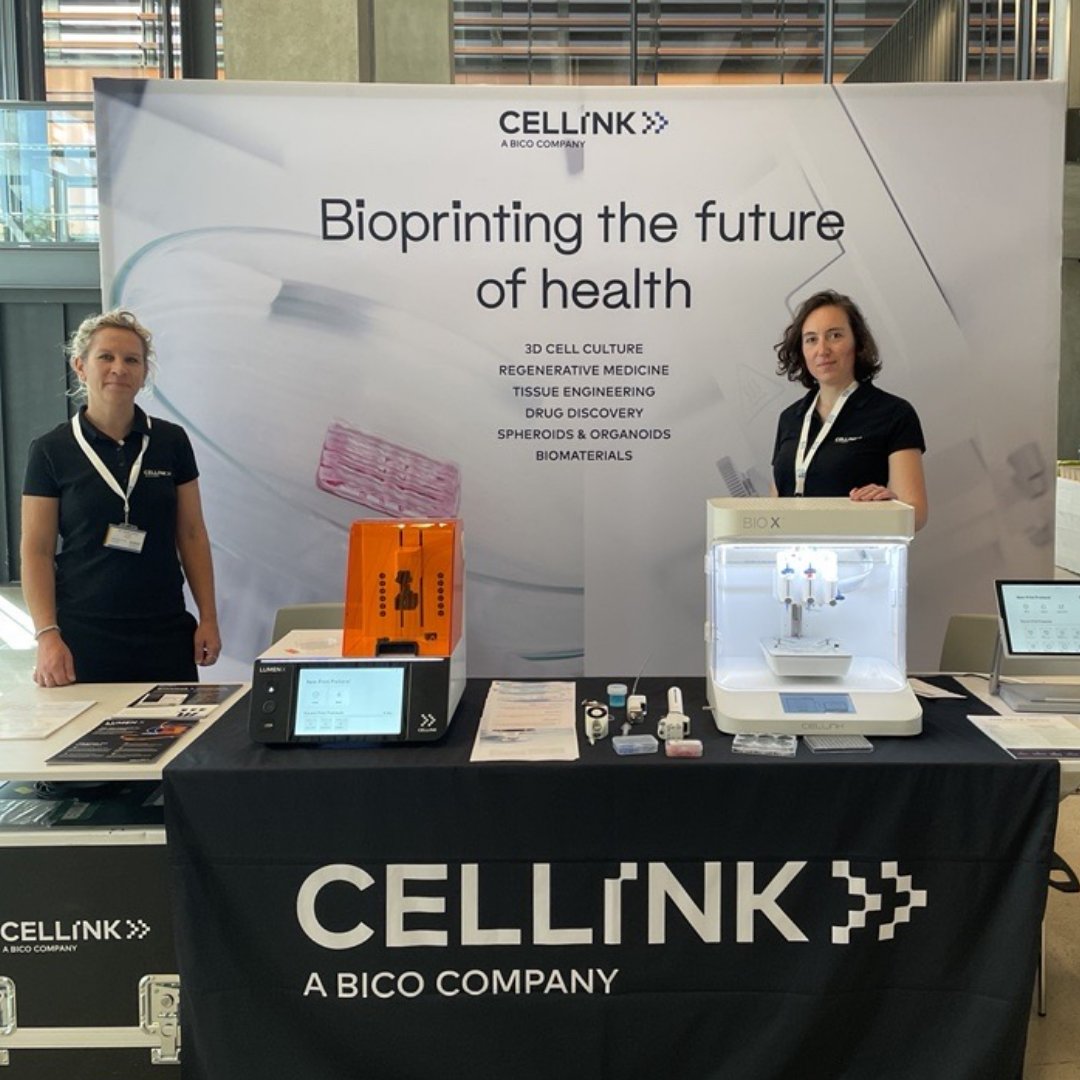
It's the first day of EUSAAT 2024 Congress, and we are eager to share to all attendees how our industry-leading 3D bioprinting technology provides an alternative to animal testing.
#animaltesting #alternativestoanimaltesting #bioprinting #tissueengineering
8
245

17 Sep 2024
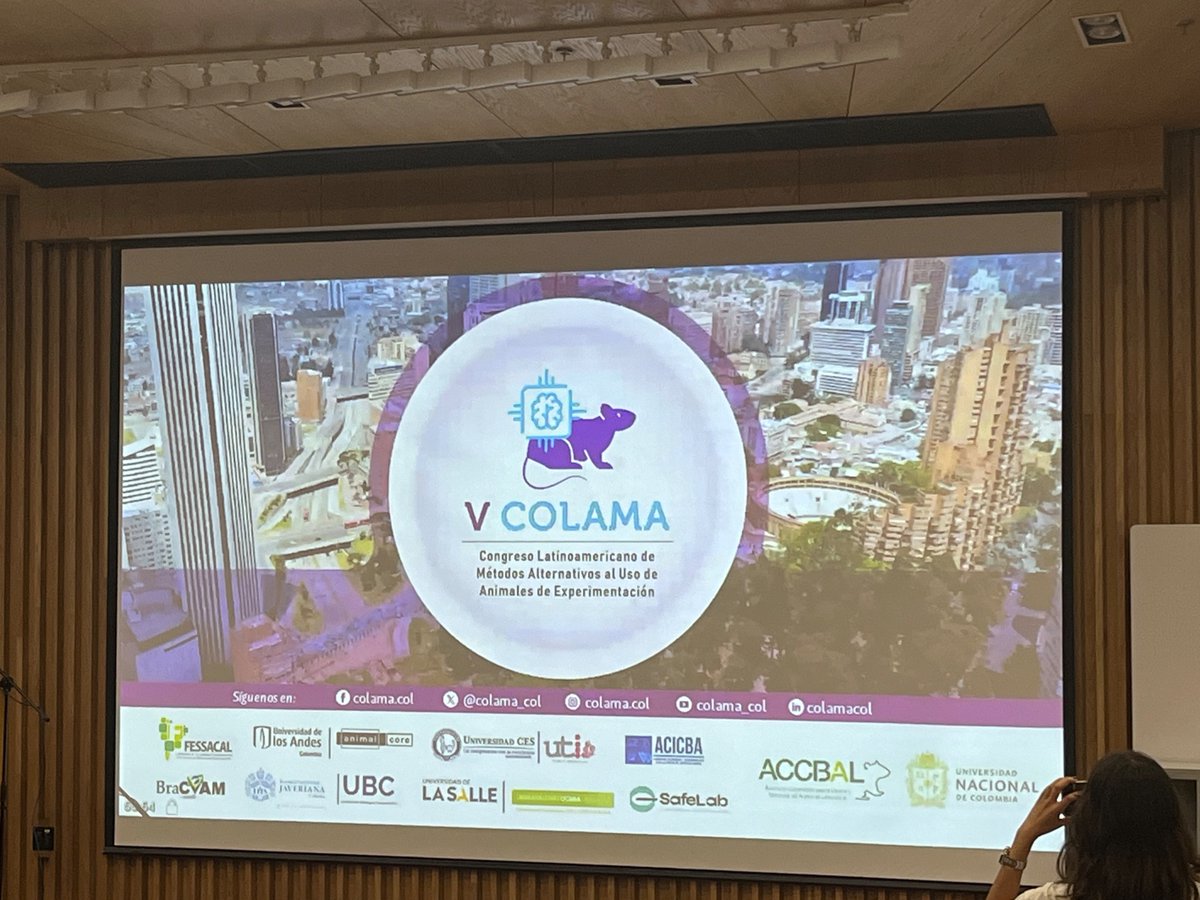
Excited to be part of the V Latin American Congress on Alternative Methods to Animal Testing, discussing innovative solutions for more ethical and sustainable research. #AlternativesToAnimalTesting #EthicalResearch #SustainableScience
#Organ_on_chip
@colama_col @labTME
13
150

4 Sep 2024
#AlternativesToAnimalTesting -
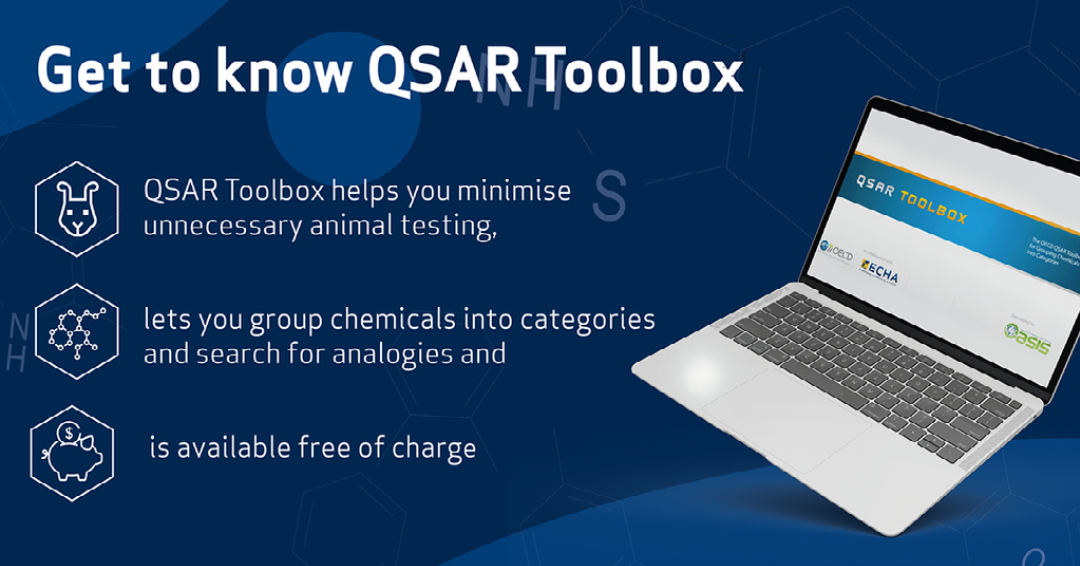
The OECD QSAR Toolbox is a free software used worldwide in hazard assessment of chemicals to avoid unnecessary animal testing.
Download the latest version 🔗 fcld.ly/qsarupdate2024
3
5
662
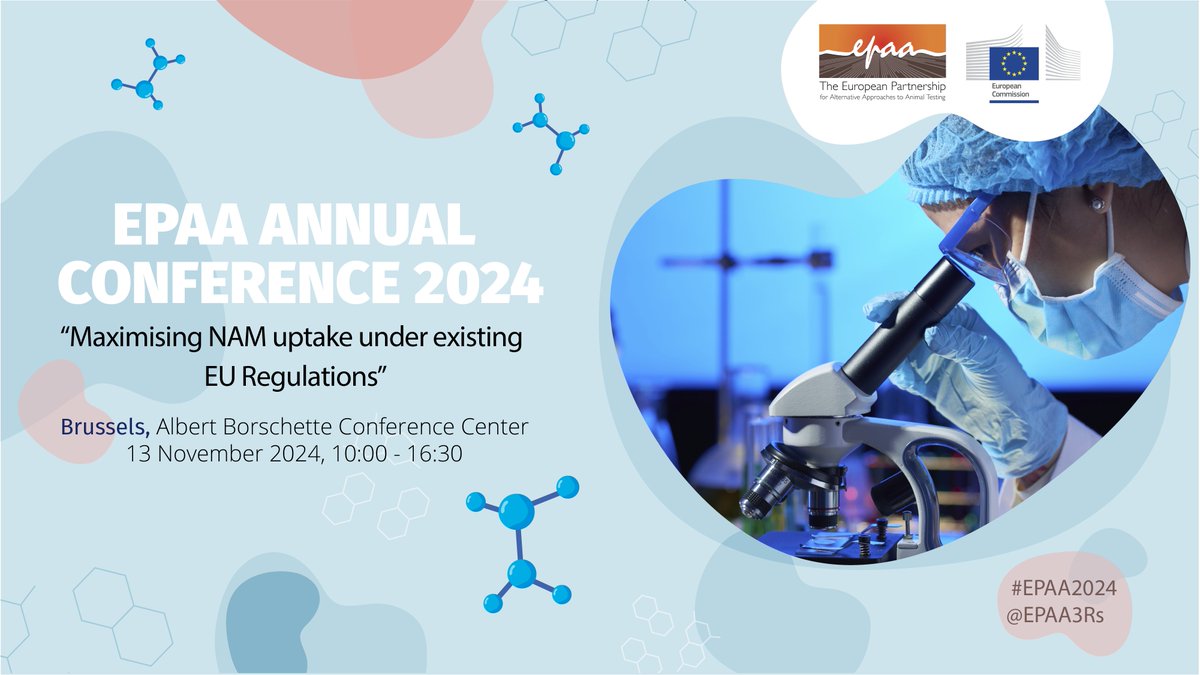
🚨 Registration is open for the 2024 EPAA Annual Conference on 13 Nov in Brussels! 🧪🌍
🗓 Date: 13 Nov 2024
📍 Location: Brussels, BE
🔗 Register by 5 Nov: single-market-economy.ec.eur…
#EPAA3Rs #3Rs #EPAA2024 #alternativestoanimaltesting #chemical #pharma #EURegulations
1
5
129

18 Jul 2024
At @ALTERTOX, we help companies like yours achieve a competitive edge by facilitating a smooth transition to efficient alternative testing methods.
🌐 academy.altertox.be/
📧 info@altertox.be
☎️️ 32 495 10 40 37
#alternativestoanimaltesting #NAMs 3Rs #TATAbox
4
73

24 Jun 2024
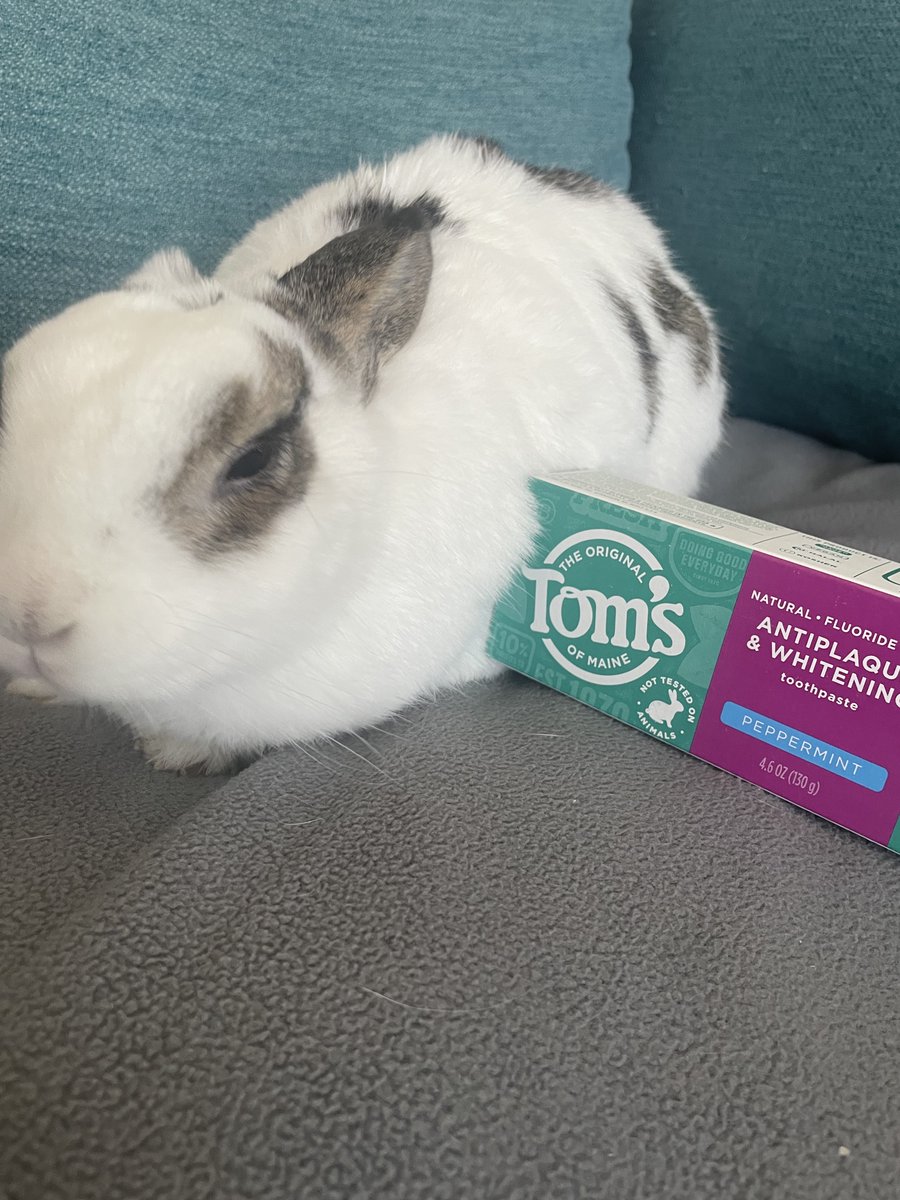
動物実験無しの歯磨き粉使用 #AlternativesToAnimalTesting
#StopAnimalCruelty
#bunny #うさぎ #うさぎのいる暮らし
#stopanimaltesting #化粧品 #コスメ #ラット #マウス #モルモット #ウサギ #動物実験 #動物 #実験 #実験動物 #動物実験反対 #代替法
#動物実験廃止
3
14
535
7 May 2024
During #SETACSeville , they will be also giving presentations on several scientific topics, such as #AlternativesToAnimalTesting, #polymers, persistent #chemicals, #nanomaterials and advancement and gaps in regulatory science.
Check the program - setac.confex.com/setac/europ…
1
4
340
7 May 2024
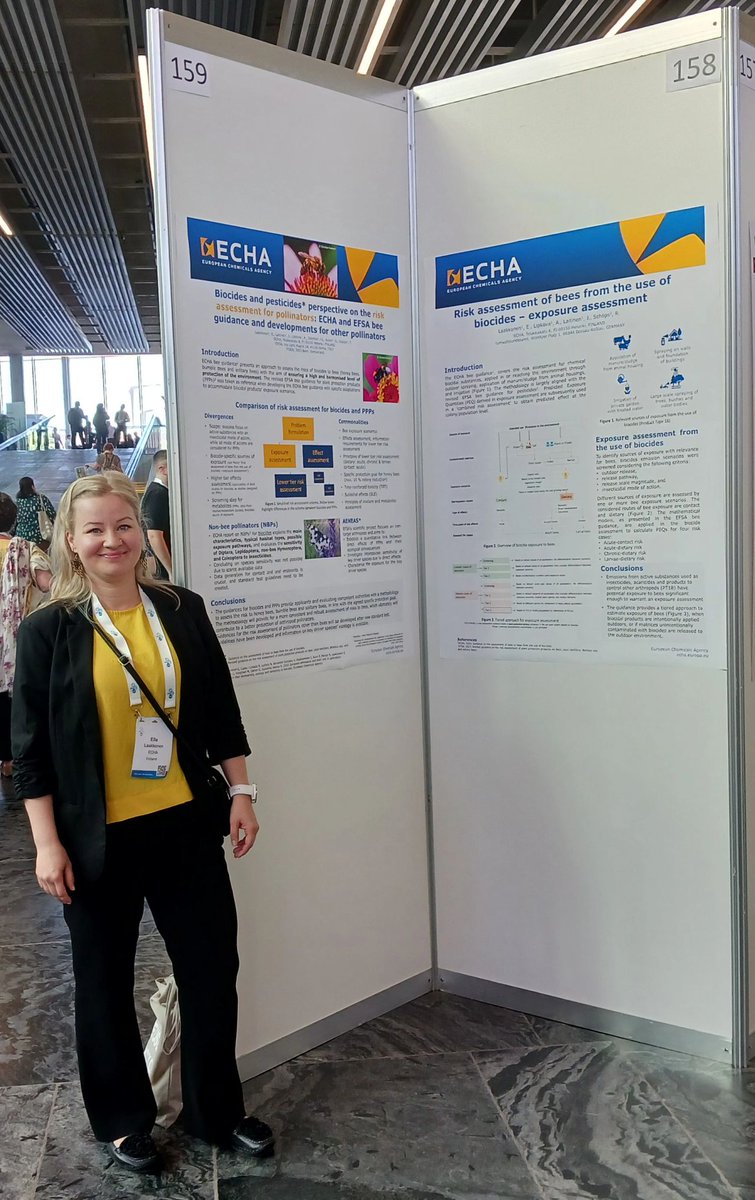
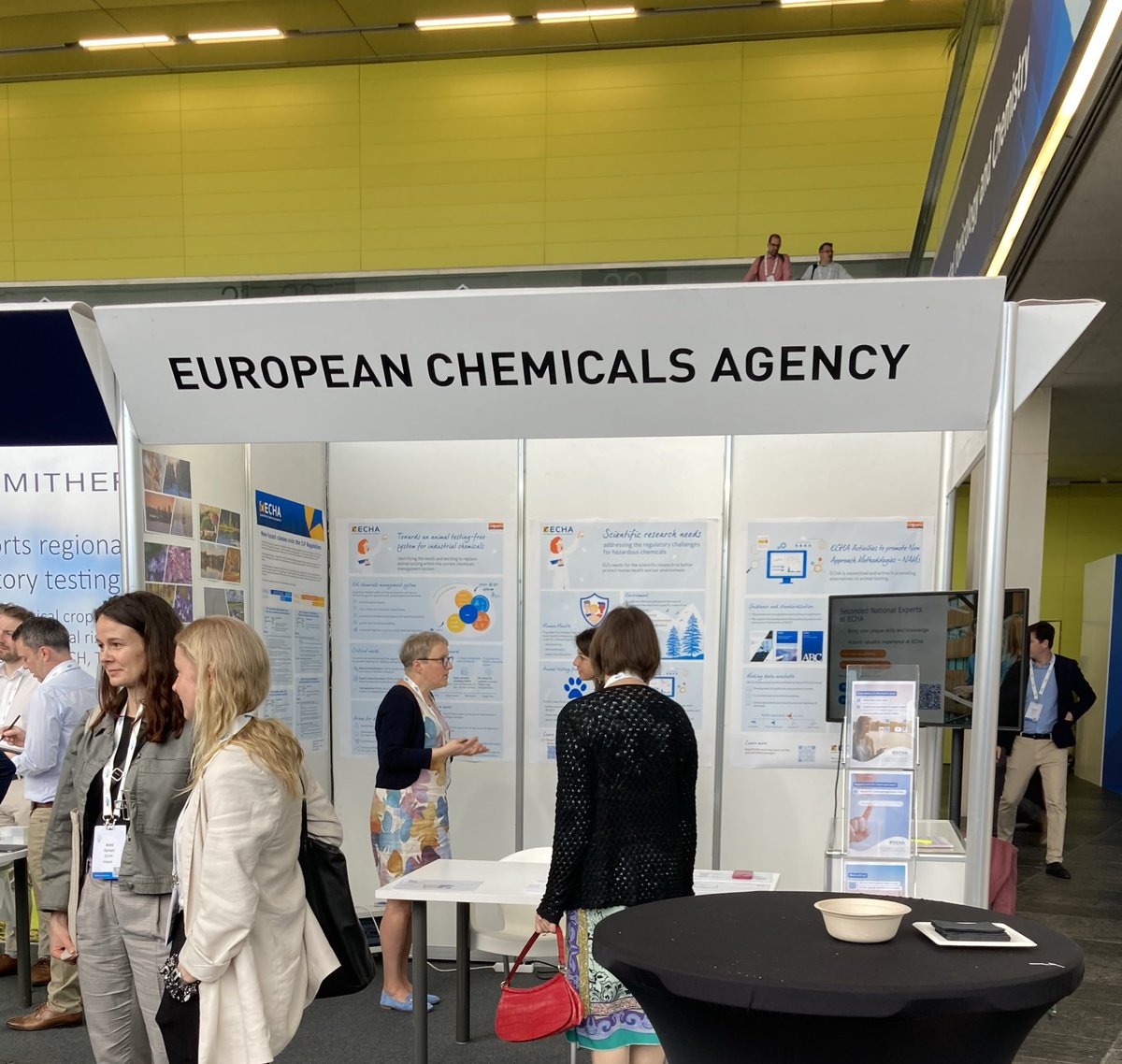
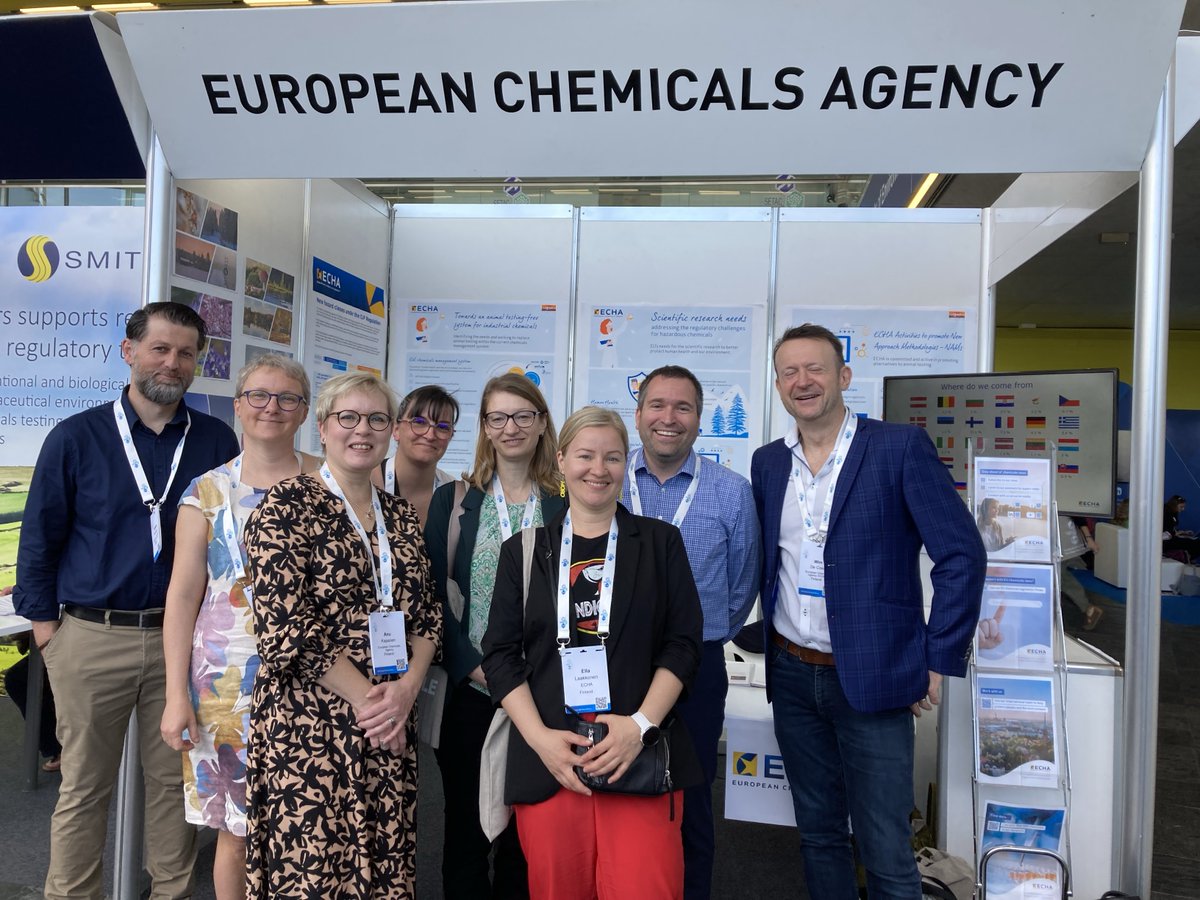
ECHA's booth at #SETACSeville will certainly be a worthwhile visit! Our scientists are sharing posters on interesting topics -new approach methodologies, #AlternativesToAnimalTesting, new #EU_CLP hazard classifications, #bee protection and biocides or gaps in regulatory science.
1
2
4
831
23 Feb 2024
#EUJobs - We're looking for Scientific Officers with knowledge & experience in toxicokinetics, hazard assessment and New Approach Methodologies (NAMs).
Apply now if you're passionate about #AlternativesToAnimalTesting. 🔗fcld.ly/scofficernamst
The call closes on 1 March 2024.

1
4
14
1,543
7 Feb 2024
#EUJobs - We are looking for Scientific Officers who have knowledge and professional experience in toxicokinetics, hazard assessment and New Approach Methodologies (NAMs).
If you are passionate about #AlternativesToAnimalTesting, apply by 1 March 2024.
🔗fcld.ly/scofficernamst

2
2
449
4 Jan 2024
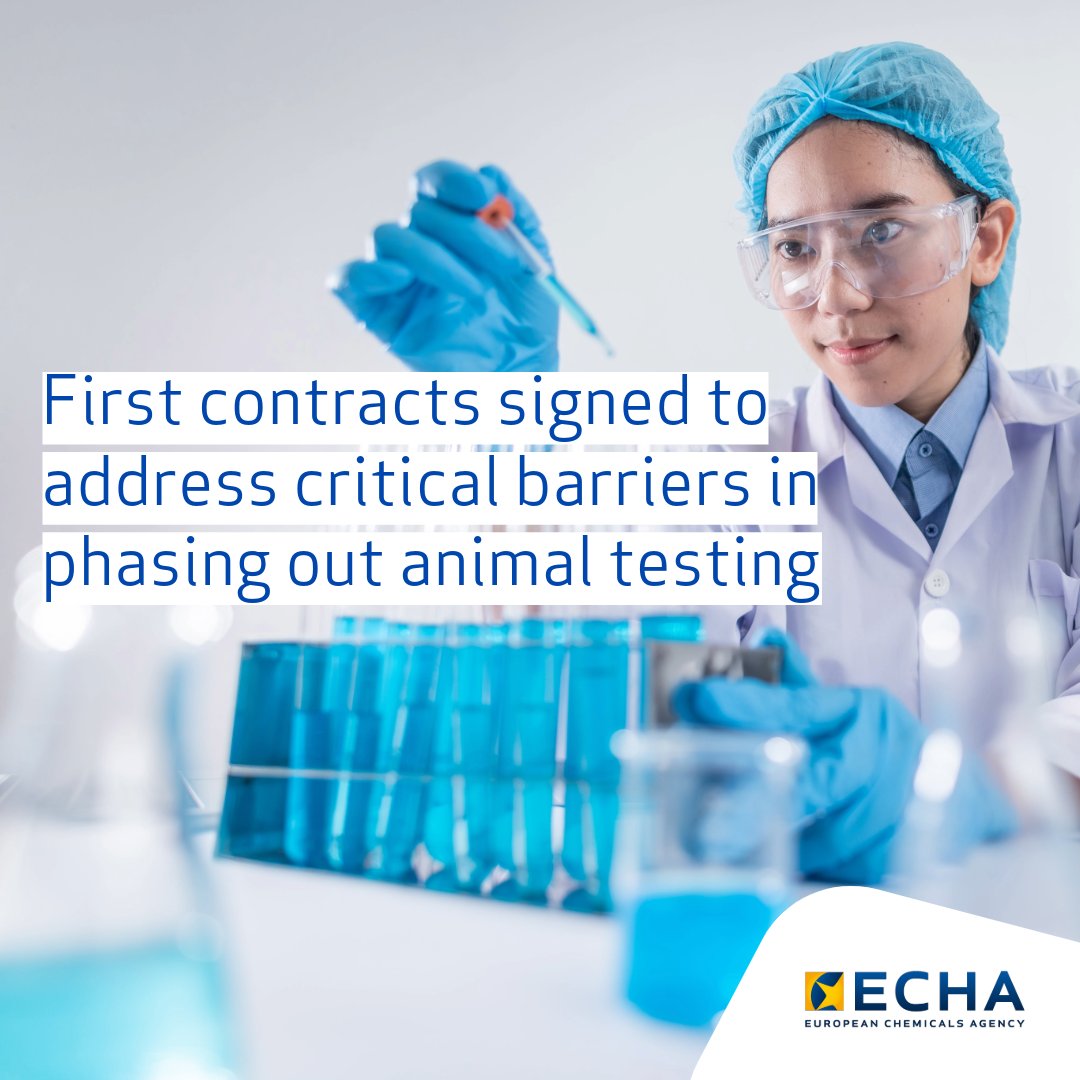
#AlternativesToAnimalTesting - We've signed a contract with consortium led by Fraunhofer Institute for Toxicology and Experimental Medicine to develop methodologies to reduce animal testing. First projects focus on critical barriers in phasing them out.
🔗fcld.ly/fwcnamst
5
10
820
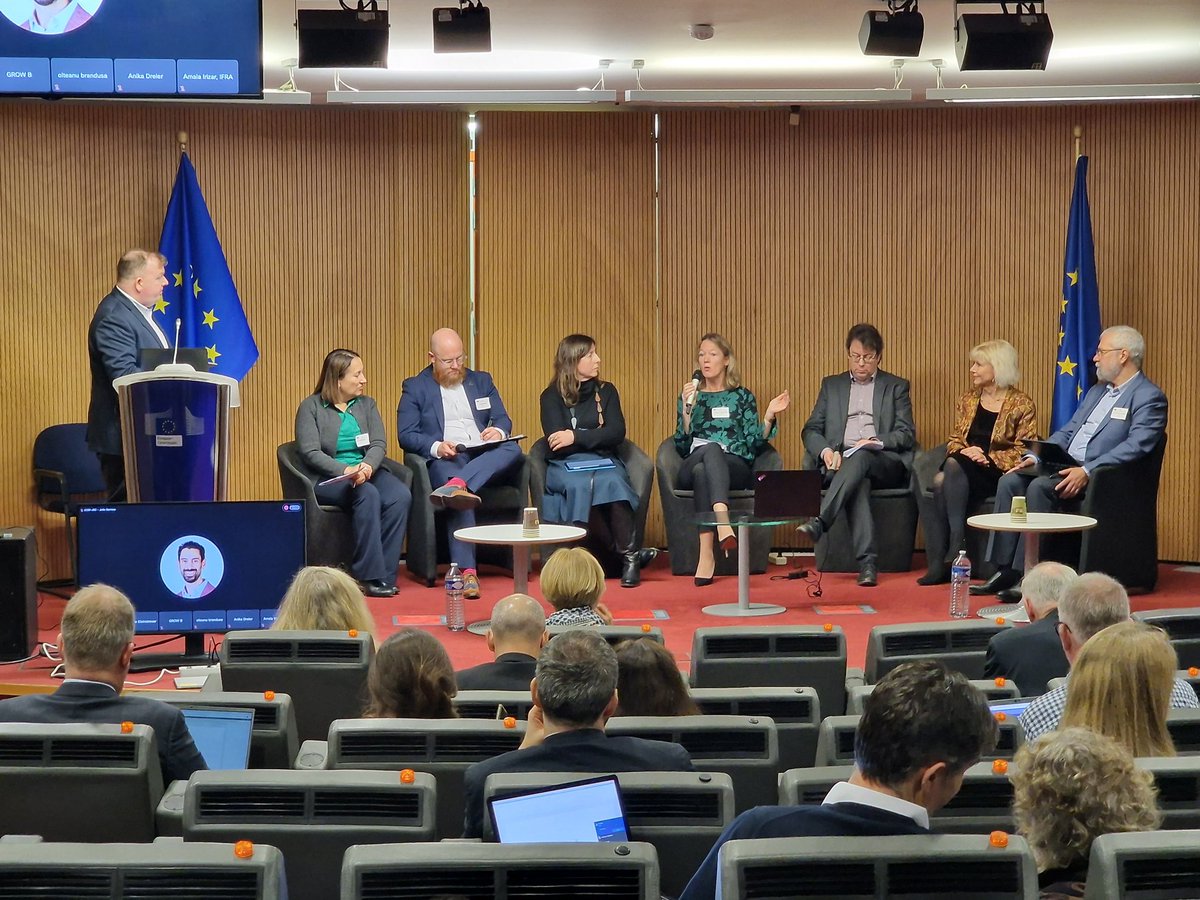
Panel discussion at the @EU_Commission roadmap workshop towards phasing out #animaltesting for #chemicalsafety assessments, moderated by #EPAA3Rs Chair @gvnmxwll
#alternativestoanimaltesting
1
7
12
409
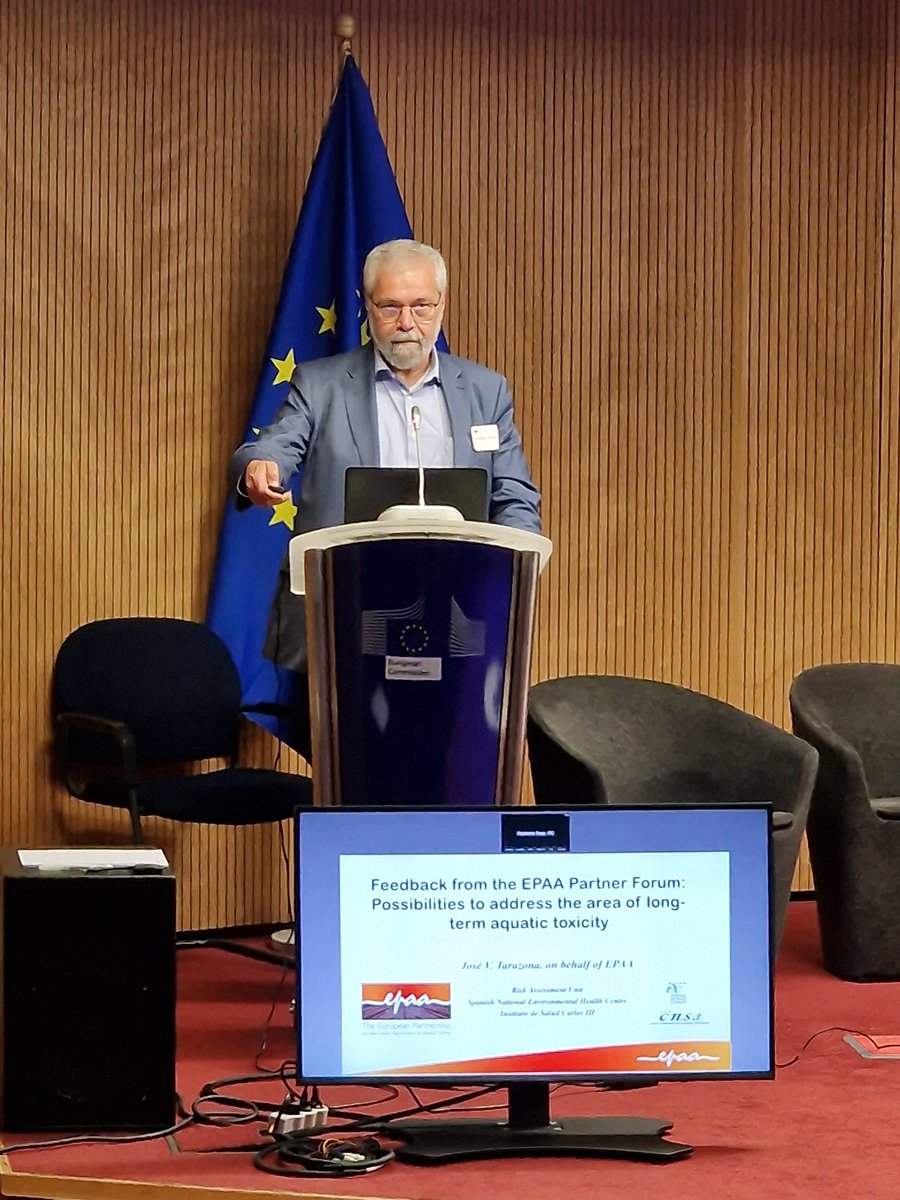
Jose Tarazona provides feedback from the #EPAA3rs Partners Forum: Possibilites to address the area of long-term aquatic toxicity at the @EU_Commission roadmap workshop towards phasing out #animaltesting #chemicalsafety assessments.
#alternativestoanimaltesting
1
7
146
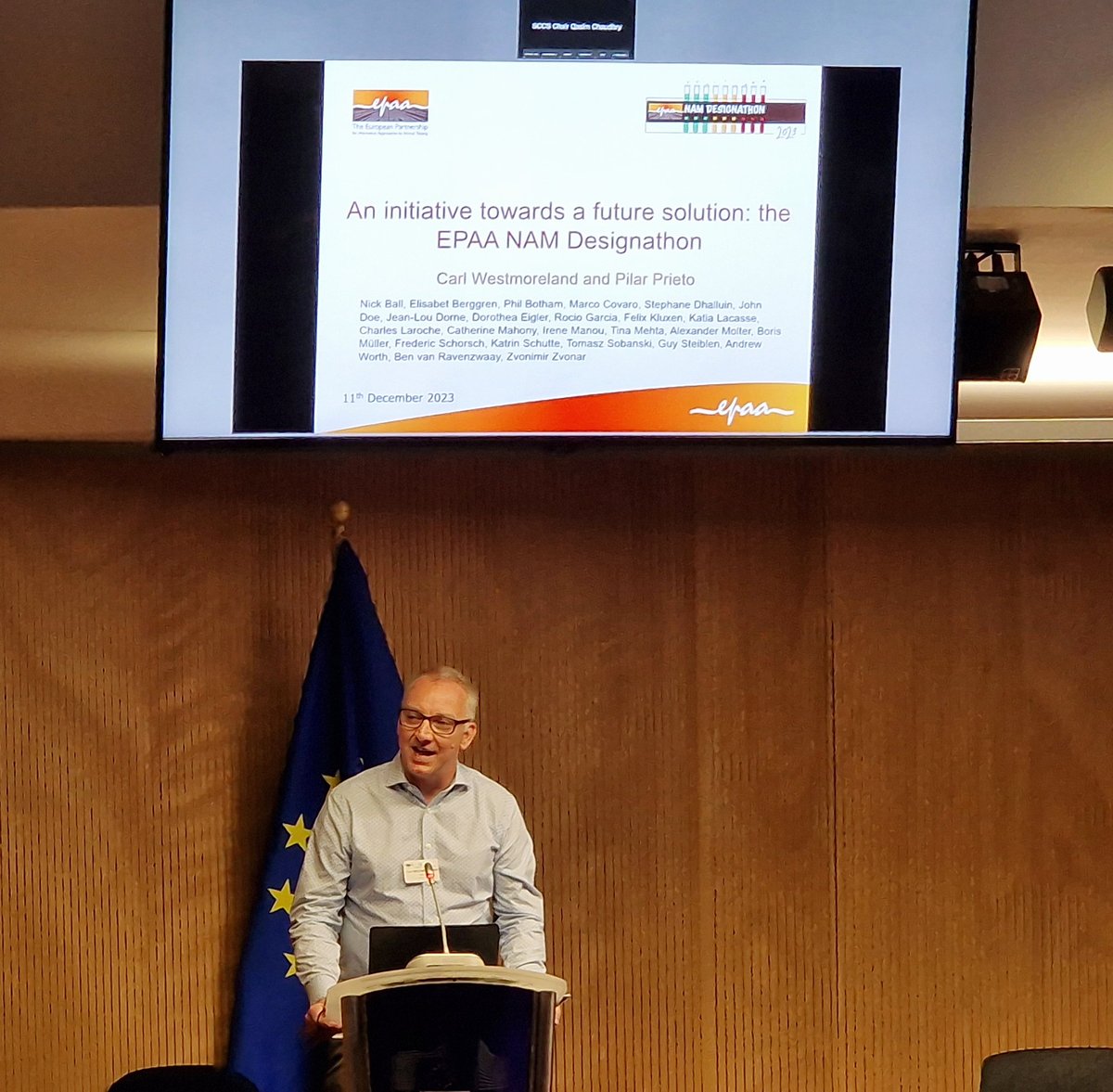
A presentation about #EPAA3Rs Designathon at the @EU_Commission roadmap workshop towards phasing out #animaltesting for #chemicalsafety assessments.
You can still submit your solution: single-market-economy.ec.eur…
#alternativestoanimaltesting
7
13
423
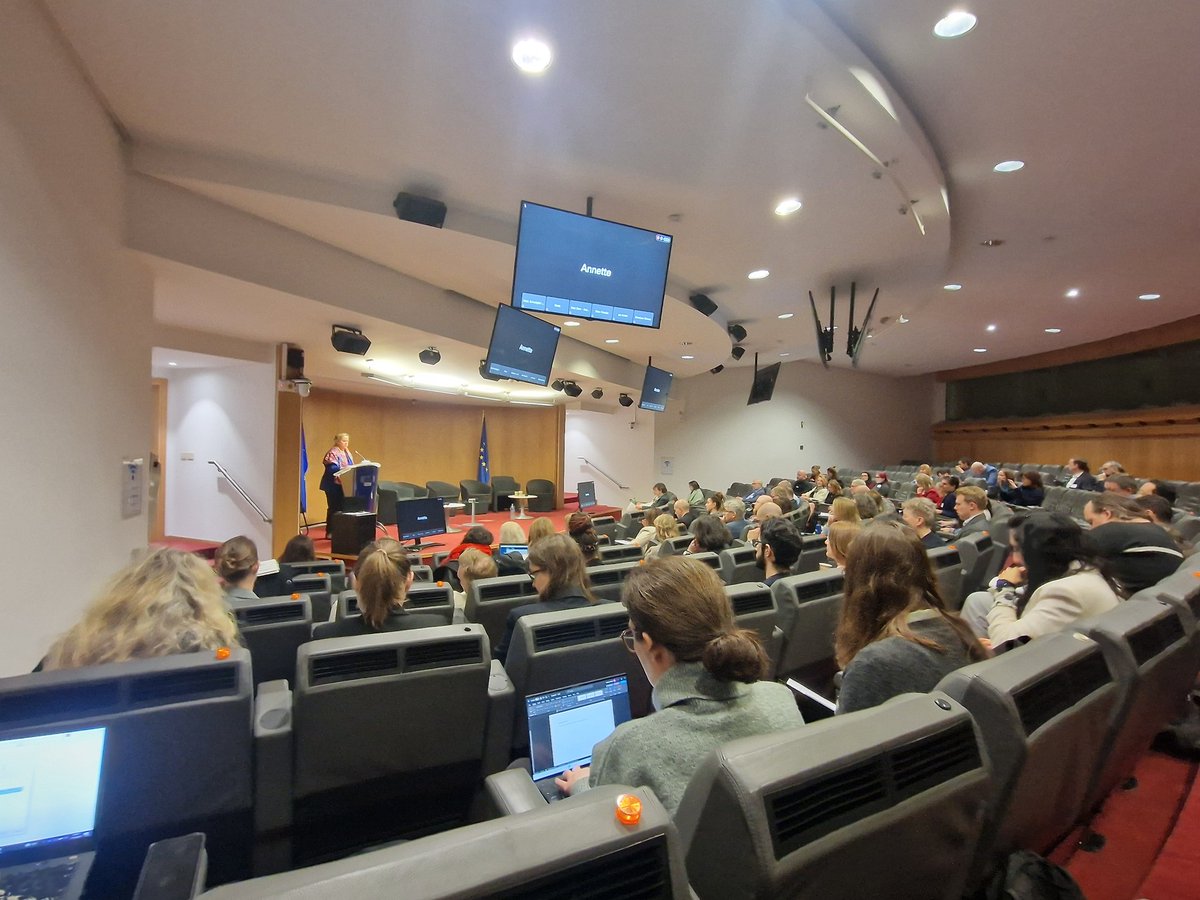
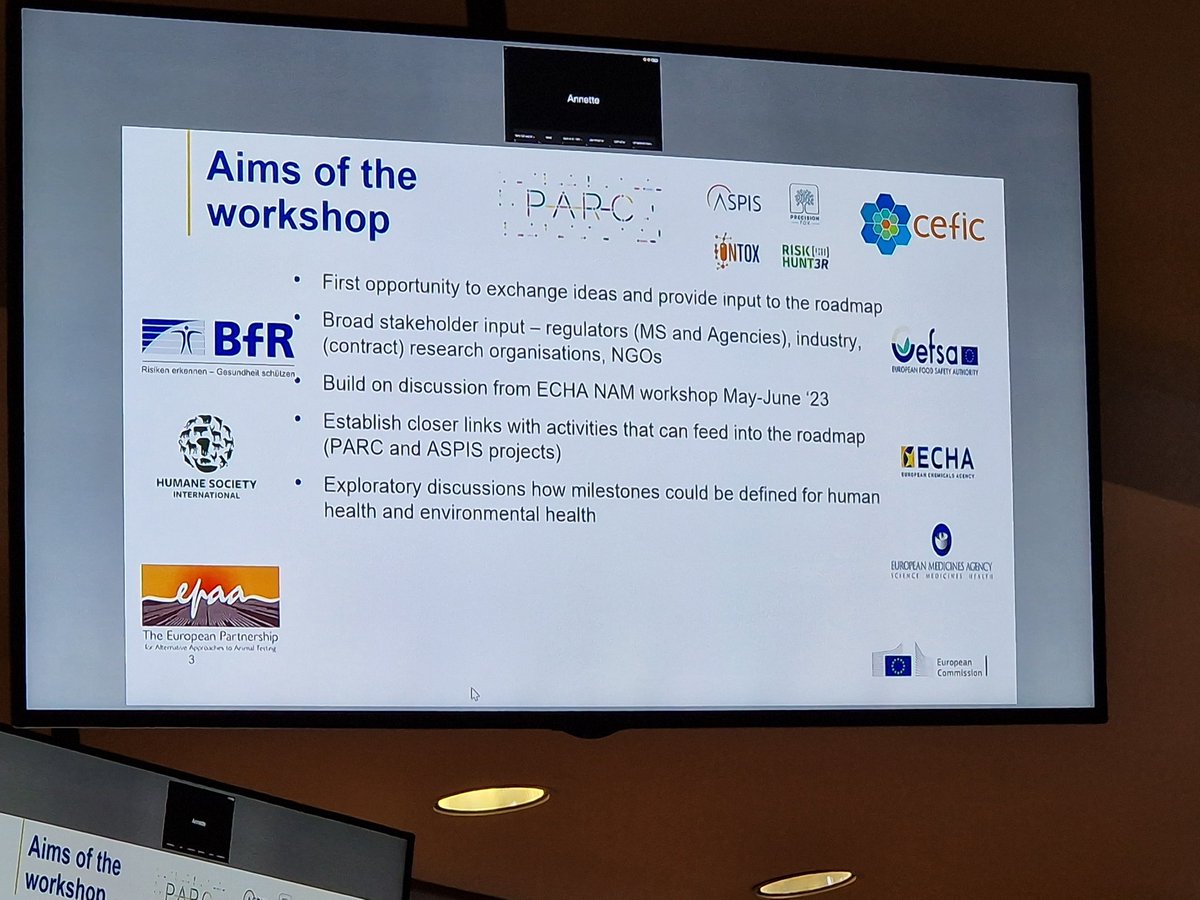
We are excited ahead of the 2-day @EU_Commission roadmap workshop towards phasing out #animaltesting for #chemicalsafety assessments.
#alternativestoanimaltesting
7
15
634