
The term "soccer" originated in England in the late 19th century (specifically the 1880s), among university students at Oxford (and to some extent Cambridge), not in the United States.
britannica.com
It was created as slang for "association football" (the official name of the sport governed by the Football Association, founded in 1863). This distinguished it from "rugby football" (or "rugger"). Students had a fad of adding an "-er" suffix to words for nicknames (e.g., "brekker" for breakfast, "rugger" for rugby). "Association" became "assoc" or "assoccer," which shortened to "soccer" (sometimes spelled "socker" early on).
britannica.com
Key Details on Its OriginEarliest printed uses: Appear around 1885–1889 (e.g., in The Oldhallian, a periodical for Oxford alumni). A 1905 letter to The New York Times described it as an Oxford/Cambridge slang fad.
en.wikipedia.org
No single inventor: It's often linked to a popular (but likely apocryphal) anecdote about English footballer Charles Wreford-Brown, who supposedly used "soccer" while at Oxford to decline a game of "rugger." However, he was still at school when the term first appeared in print, so this story (published decades later) is widely dismissed as a myth. It was a collective slang trend among students.
scottishsporthistory.com
The word spread beyond campuses in Britain but remained mostly a casual nickname there. By the 20th century, "football" became the dominant term in the UK for association football. In the US (where "football" referred to gridiron/American football), "soccer" stuck as the primary name to avoid confusion.
britannica.com
In short, British students coined it as playful slang, and it evolved from there. The idea that it's purely an "American" word is a common misconception.
4
Ryan Bolden retweeted

"Keep your pimp hand strong" - Apocryphal Jesus text
1
19

There’s an old apocryphal imperial-era saying that goes:
“The English founded the Empire, the Scots administered it, the Welsh defended it, and the Irish settled it.”

lately i've been seeing a lot of people acting like the British Empire was actually just the English Empire and ireland scotland and wales just had nothing to do with any of it
1
65

I'm sure there's an apocryphal story about Jesus changing someone's bathwater into beer for some reason.
6

Seems rather harsh without some evidence that they are truly a radical, apocryphal Islamic terrorist organization. I mean, all they have is vague innuendo.
1
8

Now for round two! It is called soccer and always was!
The term "soccer" originated in England in the late 19th century (specifically the 1880s), among university students at Oxford (and to some extent Cambridge), not in the United States.
britannica.com
It was created as slang for "association football" (the official name of the sport governed by the Football Association, founded in 1863). This distinguished it from "rugby football" (or "rugger"). Students had a fad of adding an "-er" suffix to words for nicknames (e.g., "brekker" for breakfast, "rugger" for rugby). "Association" became "assoc" or "assoccer," which shortened to "soccer" (sometimes spelled "socker" early on).
britannica.com
Key Details on Its OriginEarliest printed uses: Appear around 1885–1889 (e.g., in The Oldhallian, a periodical for Oxford alumni). A 1905 letter to The New York Times described it as an Oxford/Cambridge slang fad.
en.wikipedia.org
No single inventor: It's often linked to a popular (but likely apocryphal) anecdote about English footballer Charles Wreford-Brown, who supposedly used "soccer" while at Oxford to decline a game of "rugger." However, he was still at school when the term first appeared in print, so this story (published decades later) is widely dismissed as a myth. It was a collective slang trend among students.
scottishsporthistory.com
The word spread beyond campuses in Britain but remained mostly a casual nickname there. By the 20th century, "football" became the dominant term in the UK for association football. In the US (where "football" referred to gridiron/American football), "soccer" stuck as the primary name to avoid confusion.
britannica.com
In short, British students coined it as playful slang, and it evolved from there. The idea that it's purely an "American" word is a common misconception.
1
1
39

3h
This sounds like some apocryphal Did You Know bullshit, but it's true: "Tutti Frutti" was originally about butt queefs when you've been going too hard and your shit is on loose
1
4
122

You’re arguing from silence. Nobody in ancient Jewish life ever said the 7 were considered scripture. We have several complete lists of the universally held Jewish canon during the life and times of Christ, and none of them include the 7 apocryphal texts. They all exclude them.
1
10
“During his time the canon was not solidified and the main translation used was the Septuagint”
The canon was absolutely solidified. Not a single Jew held the apocrypha as inspired. Because every Jew knew the prophets were gone after Malachi. The apocryphal texts say that too.
1
16

You should have known better than use an image of apocryphal politician "Little Sucker" to illustrate your article and - argh! - represent my dear State?!
53
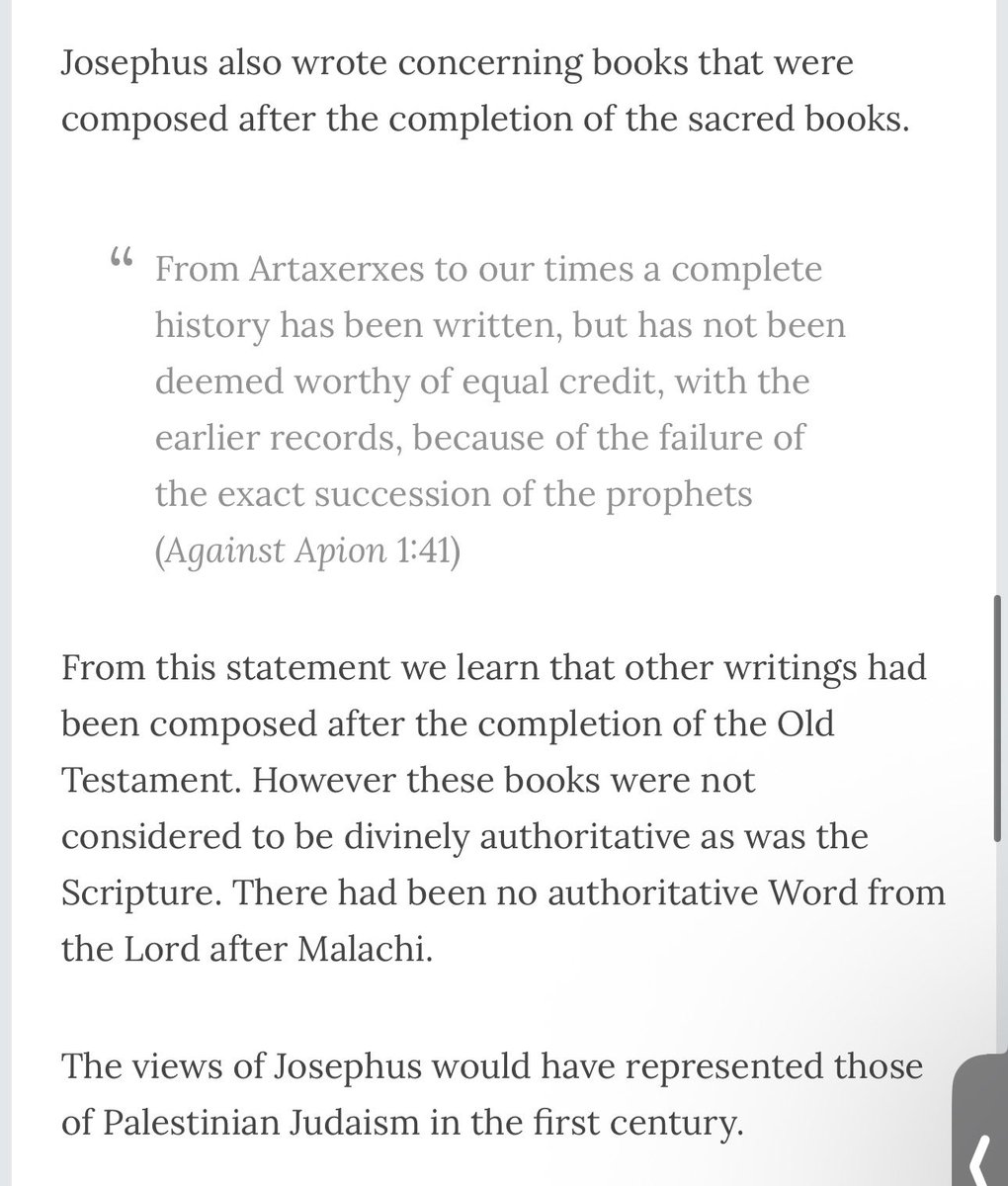
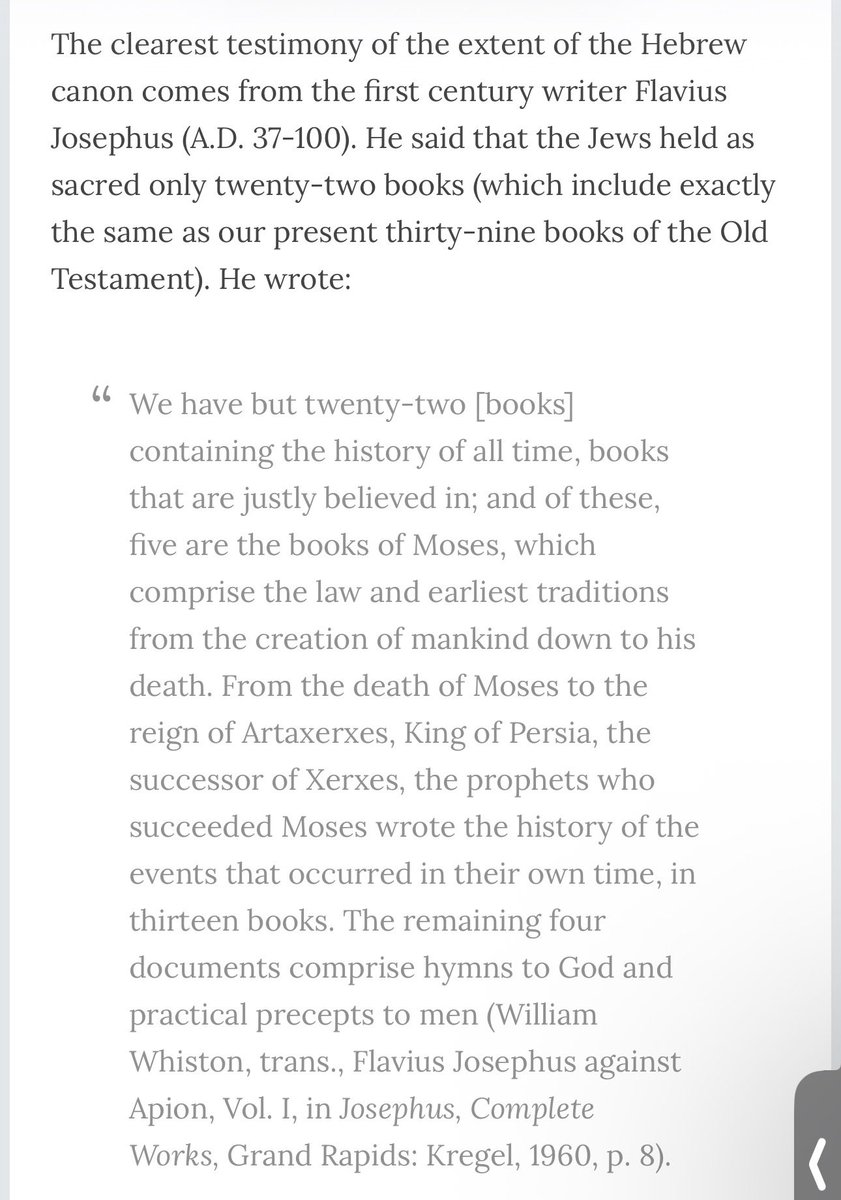
There was an inspired Jewish canon, and the 7 apocryphal books weren’t in it. We have explicit testimony from a reliable temporary Jewish source.
3rd century Christians began adding some of the apocryphal books in the 400 years after Christ. Never were they believed to be canon
1
19

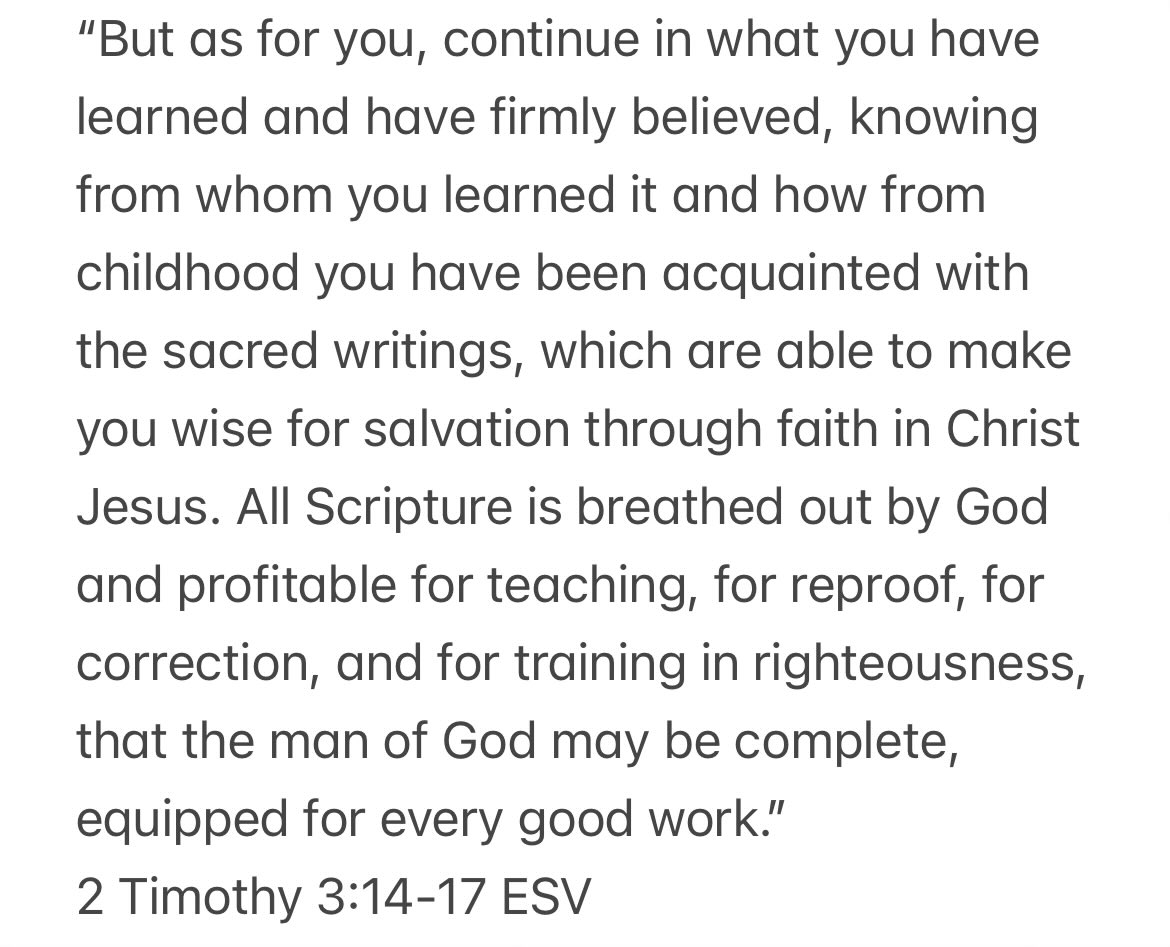
Correct me if I’m wrong but the Scripture that Timothy was reading since childhood would have been the Tanakh and maybe some apocryphal books (depending on your view), correct?
1
1
1
22
…exactly. The later additions to the LXX of Bel and the Dragon, which was never in the Jewish canon, and the apocryphal texts, which were never in the Jewish canon, do not magically make the LXX the inspired canon list.
Jesus quoted the Greek translation of only inspired texts.
2
25

I believe Yeats was not able to finish it, despite praising the part he did read. Perhaps apocryphal?
39

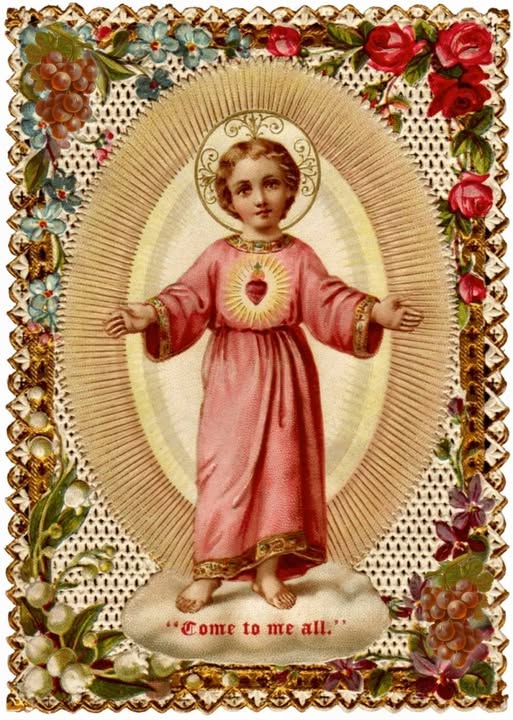
Revelations or Effusions of the Heart of Jesus by Father Alexis LeFebvre Day 19 of June. Study of the Heart of Jesus in the Mysteries of His Life and Death: Study of the Heart of Jesus in His Infancy.
.
'Dedi Cor meum in cunctis operibus.'
.
'I have applied My Heart to all works' (Eccl. viii. 9).
.
If the most secret thoughts of the heart are often revealed by looks, sighs, and tears; if language yet more easily can express its inmost sentiments, still it is certain that there is a yet more sure and striking evidence of its real feelings in life itself; in a word, in its devoted actions and sacrifices.
.
Sometimes, indeed, one may misinterpret a look, or tears, or even the sense of words; but St. Ambrose says that it is impossible for a heart that truly loves to remain inactive; it devotes and immolates itself; none can be deceived in this language; it is easily understood by all. True tenderness, sincere pity, generous love, will always lead men to devotion and sacrifice; he who loves gives himself wholly, gives his life and heart.
.
We have yet to make this incomparably beautiful and sweet study of the life of the Heart of Jesus, that we may learn to love and know Him more perfectly. The goodness, sweetness, tenderness, the profound compassion, and sacrifices of this Divine Saviour will manifest themselves to our ravished souls, and we shall be deeply touched by them. 'The goodness and kindness of our Saviour appeared' (Titus iii. 4). Then we shall at last understand.
.
These meditations ought to embrace all the mysteries of the life of Jesus Christ; there would then be no limit to this work, had not our Divine Master given Himself as the analysis of all He could say or do amongst us, when He said those grand words to His Apostles, 'Learn of Me, because I am meek and humble of Heart' (Matt. xi. 29). We shall find that these virtues of meekness and humility were the principle of all His actions, and the reason of His greatest sacrifices.
.
The Lord has been good for us, says the holy king David; the tendernesses of His Heart exceed all else that He has done for us. Mercy prevails in all His works, love and kindness reveal themselves in the Heart of Jesus, and triumph. 'The Lord is sweet to all, and His tender mercies are over all His works' (Ps. cxliv. 9). It now remains for us to contemplate a series of pictures, in which the Heart of this good Master will manifest the sentiments of an infinite tenderness, a devotion without limits, through life, unto death, and beyond it.
.
Our first consideration will be the Sacred Infancy of Jesus, and the mystery of His hidden life at Nazareth; we shall study His Heart in the bosom of His family, and in this we shall be enlightened by the moving words of the holy Gospel and of tradition.
.
I. We have already said that the Heart of Jesus, even before He spoke, had expressed its sentiments by the looks He cast upwards to Heaven, and upon Mary His Mother, upon Joseph, upon the shepherds and the Magi. It manifested itself by His sighs in the manger, and by His tears. Had you lifted the poor clothing that covered Him, you would have seen how the Heart of that Child palpitated with love for you, and burned with zeal for the glory of God His Father.
.
But we must contemplate Him at Nazareth, under the eyes of His Mother, and the guidance of Joseph, working meekly and submissively. A single word was sufficient for the Holy Spirit to express these treasures of infinite perfection; yet how much was hidden under this word! He was subject to them! St. Bernard and St. Bonaventure, who have marvellously interpreted this text, will
assist you in comprehending the amazing depth of the expression. 'Who,' say they, 'is obedient here, and to whom? But, above all, how, and in what?' Repeat over these last few words, and continue this beautiful contemplation.
.
You will learn to love and follow Jesus in the little details of His family life; you will soon then enter into His Heart, and there study all His tenderness for His Mother and respectful submission to St. Joseph. What sweetness and forethought for their simplest wishes! Here, as in all the rest of His life, we must contemplate the Child-God, a perfect Child, with a Heart more meek, more tender and loving than any other on earth, but with all heavenly perfections and the goodness of God.
Meditate upon and understand this thought. The Heart of the Divine Child knew all things, foresaw all, and understood all; and the ChildGod joyfully and lovingly hastened to do all that was dutiful to His Mother and St. Joseph.
.
When Mary awoke Him, He at once opened His eyes, and stretched forth His hands with a smile. During the day He rested or prayed in silence, knowing she wished to work for Him; or, at the first bidding, threw Himself into His beloved Mother's arms, to seek the pure source of that virginal milk which nourished Him. Ah, then it was that the Heart of Jesus palpitated with love on Mary's heart! To please her He early began to speak and walk. Each day He showed new secrets of tenderness to His holy Mother; and. more frequent than all, in the early years of His childhood He prayed by her side and with her.
.
As soon as the Divine Child was capable of working with St. Joseph, He did so with submission and tenderness ; there is no mystery in His mortal life more touching than this. Whether they laboured together in the humble workshop at Nazareth, or went to work in the houses of rich neighbours, Jesus was ever anxious to obey the orders of St. Joseph, and anticipate his wishes in all things. As with Mary His Mother, so the Heart of this Divine Child inspired and directed all the acts of the young apprentice, whom the holy patriarch was permitted to call his Son.
.
Christian artists in many ages have found inspired subjects for representation in scenes from the life of the Holy Family, and the reader will do well to realise them. Whether one contemplates the Divine Child in the arms of St. Joseph, smiling at His father, or lavishing upon him His tender caresses, or studies Him during His hours of labour or prayer, one cannot fail to admire these intimate relations of filial love and paternal affection, the source of glory for this great saint, and, above all, of his happiness. All these blessings flowed from the Heart of Jesus to the hearts of Mary and Joseph.
.
II. I feel a real pleasure in entering on the exposition of the second portion of this meditation. Tradition tells us of one single word which is of itself sufficient to nourish the soul and heart of the children of God. That rigid and austere saint, St. Jerome, has made it known to us. He heard this sweet word at Nazareth, and faithfully echoes it to us as he heard it there, and in the adjacent country, where this memorial still existed of the goodness of Jesus. He tells us that Jesus was so kind and sweet towards children of His own age, and they felt such happiness in speaking with Him, that they had given Him a surname of their own. They did not speak of Him as Jesus, though that name was one of surpassing beauty; they always called Him Sweetness, 'Suavitas,' and among themselves used to say, 'Eamus ad Suavitatem,—'Let us go to Sweetness,' when they met together, and wished to go to see Mary's Child.
.
Let us go to Sweetness or Suavity itself! We shall find in the subject of to-morrow's meditation that, even in the course of His public life, little children might well continue to give Him this name, for His kindness to them never ceased. These words will suffice to show what treasures of goodness these children must have found in the Heart of this Saviour-God.
.
All that remains for us to do is to invite the reader to meditate prayerfully, and then thoughts will be suggested to him, each more touching than the other; he will readily imagine numerous circumstances in which the infinite Sweetness of the Heart of Jesus would be revealed to those children, happy witnesses of His goodness. It is evident that they must have had many proofs of the extreme kindness of His disposition to have induced them to give Him this surname. Only by meditation can we realize these touching facts, for they are not mentioned in the Holy Gospel. I have no regret that these wondrous things are not spoken of in the Sacred Scriptures, and I have no intention of seeking them in those books justly termed apocryphal, but in which perhaps may be preserved some accounts of the early life of Jesus. Matter for contemplation on this subject may doubtless be found therein. The faithful words of St. Jerome are enough, and this echo from Nazareth fully suffices. You will find that meditation supplies material where the sacred authors have been silent. St. John bears witness, at the close of his gospel, that they could never have given an account of all. I will, however, indicate a few circumstances in which the good Heart of the Divine Jesus would doubtless often be revealed. Thus one might imagine when these children were with Him, if one of them from any cause began to weep, the sweetness of Jesus would soon console it; another might fall, and be hurt, the sweetness of Jesus would raise it up and heal it, as we cannot doubt; should another seem displeased, the sweetness of Jesus would calm and appease its anger in an instant. If one of these little children were ill, Jesus would visit it on the same day with His holy Mother, and by some word full of goodness He would charm away the suffering, console the family, and heal the sick child. If there were any dispute between His young companions, or disagreement, they would have recourse to the sweetness of Jesus; He would settle their difficulty and reconcile their hearts. Subdued by the incomparable charm of His disposition and His extreme kindness, all loved and blessed Him, all were glad to return to Him again, and spoke of Him to one another as the Sweetness.
.
Let us go, then, to this Sweetness! Remember this word, for it is beautiful, and so much in harmony with our Christian manner of speaking, for we also say the Good God, and for the future we will never separate these two ideas in our faithful hearts. But, alas, in how many souls the enemy of Jesus has destroyed the sentiments of confidence and love which the remembrance of this infinite goodness should inspire! O you, then, who fear Jesus, begin to love Him, and your hearts shall be enlightened. 'Ye that fear the Lord, love Him, and your hearts shall be enlightened' (Eccl. ii. 10). O dear reader, remember when you pray that you speak to the Good God; go then with confidence.
.
Fear Him not so much; love Him much more. Engrave this little sentence on your soul, and let nothing ever efface it.
.
Recite to-day the beautiful Litany of the Holy Childhood. You will see in each title the virtues of the Heart of Jesus, and observe that they are all really summed up in sweetness and humility.
.
O Jesus, meek and humble of Heart, make my heart like Thine!
8
138

Islam is just a work plagiarism with Muhammad’s twist. It’s plagiarized from countless sources such as rabbinic mysticism, Christian folklore other regional Arabian practices. The Qur’an tells countless stories about Abraham, Moses and Jesus that are not found in the Hebrew Bible or the Christian New testament, and that’s not because the Qur’an has information nobody knows or anything like that but because these stories were absorbed by Muhammad from oral traditions, folklore, and apocryphal tales from traders, Christian monks, and Jewish communities in the Arabian Peninsula and subsequently synthesized them into the Quranic text under the premise of direct divine revelation by Muhammad.
To legitimize his possession of Kabba, Moh made up a false story that he was a descendant of Ishmael, Abraham's son. But there is no mention or belief in the traditions that Adam or Abraham built the Kaaba in Mecca. These narratives are unique to Islamic tradition and are not part of Jewish theology, scripture, or history.The Jewish perspective regarding these figures and locations is based solely on the Torah and later rabbinic commentaries. The Perspective on AbrahamLocation of the Covenant: In Jewish tradition (recorded in the Hebrew Bible/Tanakh), Abraham’s life, travels, and covenants with God take place entirely in Mesopotamia, the Levant, and the land of Canaan (modern-day Iraq, Syria, Israel, and the Palestinian territories).The Binding of Isaac: According to Jewish texts, the near-sacrifice of Isaac (the Akeidah) took place on Mount Moriah in Jerusalem, which later became the site of the Jewish Temple. Abraham spent his later life and died in Hebron, where he is buried alongside Sarah, Isaac, Rebecca, Jacob, and Leah at the Cave of the Patriarchs. Jewish scripture contains no records of Abraham or his son Isaac traveling to the Arabian Peninsula or building a structure in Mecca. The Perspective on AdamEden and Beyond: In Jewish tradition, Adam’s story is centered on the Garden of Eden and his subsequent life in the ancient Near East. No Connection to the Kaaba: There are no texts in Judaism that connect Adam (or the angels) to the construction of the Kaaba.
Mecca and the Kaaba hold no religious or historical significance in Judaism, as they do not exist in the Jewish biblical canon or oral traditions. Kabba was belonged to Badouni tribes of Saudi Arabia before it was usurped by moh forcibly.
2
18

You had a chance to tell the whole truth. You didn’t. You left much out, and mixed lies with it. Let us begin with the rest of the truth that you left out …
Despite the fact that the Jews translated the apocrypha into Greek, the Jews NEVER considered them inspired Scripture, or canon. You left that part out.
All apocrypha were written in the 400 year period after the last prophet, between Malachi and the Gospels. If God was not speaking through prophets to Israel during that time, everyone can rest assured that the apocrypha are not inspired (canon). You left that part out.
None of the apocrypha claim to be inspired, and one of them denies being inspired. You left that part out.
Neither Jesus or any New Testament writer quoted the apocrypha as Scripture. You left that part out.
There are numerous statements in the apocrypha that violate the doctrine of the Word of God (canon). You left that part out.
There are numerous, blatantly incorrect historical errors in the apocrypha. This is clear proof they cannot be inspired (canon). You left that part out.
The councils you mentioned were local, not church wide councils. Their declarations were not binding or authoritative, and were sometimes ignored. You left that part out.
Not all “Church Fathers” agreed on what was canon even after the Council of Hippo in 393 and the Council of Carthage in 419. You left that part out.
Athanasius (300?-375) listed the canon books before the Council of Hippo in 393 and Council of Carthage in 419 and they do not agree with the Roman Catholic Church. You left that part out.
Church father Jerome, who translated the Latin Vulgate (canon), also upon request, translated the apocrypha, but he flatly rejected the apocrypha was inspired, or canon. You left that part out.
No prophet or apostle wrote the apocrypha. You left that part out.
Trent (1400 years after the NT writings were were finished) was the first universal council that declared the apocrypha is canon. This was done to find justifications for the unbiblical doctrines of the Romish church, after Luther embarrassed Rome for violating Scripture. You left that part out.
Josephus, the famous Jewish historian of the first century, listed the canon books of the Jews. No apocryphal book was mentioned. You left that part out.
Athanasius (300?-375) condemned the apocryphal books as non-scripture. You left that part out.
Cyril of Jerusalem (315-386) said the canon does not include the apocryphal writings. You left that part out.
We desire intelligent and honest discourse. You made no attempt to engage in it. You have peddled Rome’s one sided, selective Cliff Notes bumper sticker talking points. Your omissions are considerable, and very misleading. Your post is deceptive and avoids the full truth. Ergo,
You are a liar.
But no doubt a very good Catholic.
3
30