
ArabSpring : Tunisia, Egypt, Libya
AsiaSpring : Sri Lanka, Bangladesh, Nepal
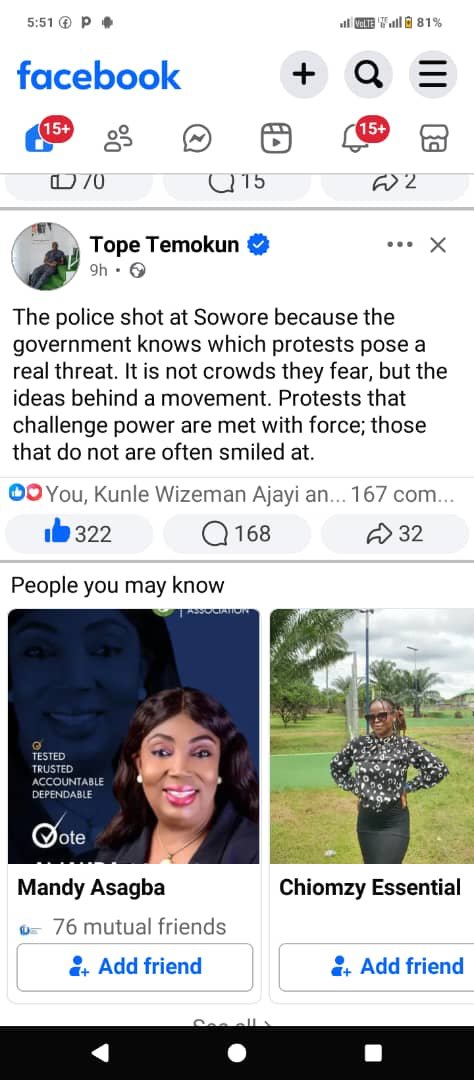
Eventually, the Military in Africa will know that power belongs to the people as above examples has shown.
SubSaharaSpring : Two candidates identified!
19

Jun 12
What a bunch of bullshit by @_FriedrichMerz! It’s a universal fact that US & @NATO backed #ArabSpring revolutions, the war on #Libya & #Syria created a greater threat to #Europe, one that most member states are experiencing as we speak. How’s #Germany coping with migrant crimes?
21

Libya had a real civic #ArabSpring revolution back then, I have followed it in realtime, with sources from the ground. Ghaddafi was a mean dictator who had to fall. Intervention was the only possibility to prevent a bloodbath. But: the revolution has been betrayed by the West.
1
108

Remembering the #ArabSpring
Remembering Mohamed Bouazizi: The man who sparked the Arab Spring | Arab Spring: 10 years on | Al Jazeera aje.io/7xwjx via @AJEnglish
3

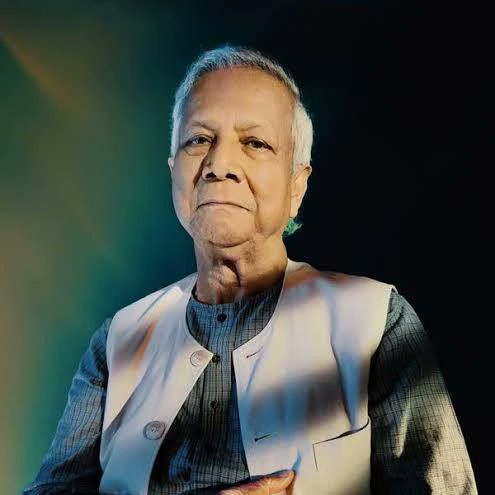
From Arab Spring to South Asia: A Pattern of Destabilization? The Arab Spring began in 2010-2011 with people protesting corruption, unemployment, and dictatorship. It started with hope but ended in chaos for many countries Libya and Syria fell into civil wars, foreign interventions followed, and Western powers played visible roles, especially in Libya. The result? Weakened states, easier access to resources, and long-term instability.This pattern didn't stop in the Middle East. Look at South Asia:
Sri Lanka in 2022 faced a severe economic crisis. Shortages of fuel and food sparked massive protests. The president had to flee. While bad policies played a big role, the speed of collapse raised questions about external economic pressure.
Nepal has seen constant political upheaval too many governments in a short time, youth protests against corruption, and shifting alliances between big powers. Instability keeps the country weak and dependent.
Bangladesh in 2024 saw student protests against job quotas turn into a massive uprising. Sheikh Hasina resigned and went into exile. Nobel laureate Muhammad Yunus was brought in to lead the interim government. Hasina later claimed she faced pressure over Saint Martin's Island and suggested foreign hands were involved. These claims remain heavily disputed.
Pakistan has long been called a puppet state by many heavily reliant on Western aid and influence.
Now India stands out. Since the 21st Century, it's grown stronger economically and militarily. Make in India, ISRO successes, defense advancements, better infrastructure, and improved situation in Kashmir all this under a stable government. Protests like the farmers' agitation and CAA stir-ups were blamed by some on foreign-funded elements trying to create chaos.
The bigger picture: When a country grows independent and strong, especially one like India that refuses to blindly follow any single power's agenda, external forces feel threatened. They can't control it directly, so they try to disturb it internally through protests, economic pressure, or political interference.India is fencing borders, solving internal issues like Naxalism, and focusing on self-reliance.
This independence is exactly what worries those who prefer weak, controllable neighbors.The lesson from the Arab Spring to Bangladesh is clear: popular anger is real, but it's often exploited. Real change should come from within, not through outside puppet masters serving their own interests.What do you think is this a repeated strategy or just coincidence?
#Geopolitics #ArabSpring #Bangladesh2024 #IndiaRising #DeepState
#CockroachGoBack #CoachingMafiaExposed
4
5
87

The "Arabspring" the South African "Winterspring" is unfolding in front of our eyes.......the good part is that no political party is leading this, only South Africans. The people are tired
3
18
610

Saudi Crown Prince Mohammed bin Salman confirms it:
Trump is cleaning up the catastrophic mess Barack Obama left behind.
Obama gave Iran $150 billion in cash.
Iran didn’t build a single road, hospital, or factory for its people.
Instead, they built missiles and drones.
They funded Hamas, Hezbollah, and the Houthis.
They gave safe harbor to al-Qaeda leaders, including one of Osama bin Laden’s sons.
Obama’s Arab Spring unleashed ISIS, destroyed Libya, and turned Iran into a nuclear threat — all by design.
His inner circle — John Brennan, Hillary Clinton, Valerie Jarrett, Victoria Nuland, Susan Rice, and Samantha Power — deliberately destabilized the region to keep Israel and the Gulf states weak while using Iran as their proxy enforcer.
Now Iran is attacking the very countries Obama betrayed.
President Trump is systematically undoing every piece of it.
And the same network that destabilized the world also ran the greatest conspiracy against the United States at home.
Still zero accountability.
When does it end? 👇
#Obama #Iran #ArabSpring #ISIS #Trump #MBS #Accountability
12
105
207
5,681

May 28
Former Yemeni President Hadi dies at 80 in Saudi Arabia yespunjab.com/?p=258085
#Yemen #AbdRabbuMansourHadi #YemenPolitics #YemenWar #Aden #Sanaa #HouthiConflict #ArabSpring #MiddleEastNews #Riyadh #BreakingNews #PoliticalHistory #YemenCrisis
23

May 27
2/2 They have been pursuing more independent foreign policies and increasing self-sufficiency, all the while diversifying their sources of security since the #Arabspring. That trend will continue. But that doesn’t mean #US weapons stop: The US is the only game in town for now
1
5
963

May 21
تغطيتنا من The Fragrance Kitchen مع إطلاق المجموعة الجديدة من العطور
تجربة فاخرة تجمع بين الرائحة والتصميم والتفاصيل الراقية
واكتشفنا خلال الجولة أحدث إضافات البوتيك وتطويرات أشهر العطور مثل Arab Spring
#TFK #TheFragranceKitchen #ArabSpring #عطور #عطور_فاخرة #الكويت #Perfume #LuxuryFragrance
1
3
5,100

May 18
Pengamat Pertanian dari Asosiasi Ekonomi Politik Indonesia (AEPI), Khudori mengingatkan pemerintah untuk menjaga ketahanan pangan dan energi nasional. Sebab, jika terjadi ketahanan pangan dan energi bisa memicu krisis politik.
Ia mencontohkan pembatasan ekspor pangan dan energi yang dilakukan sejumlah negara pada 2011. Waktu itu pembatasan dilakukan selama setahun.
"Dan kita tahu, tahun 2011 itu melahirkan antara lain apa yang kita sebut Arab Spring. Beberapa negara di Timur Tengah jatuh karena adanya krisis energi, krisis pangan, dan berlanjut ke krisis politik," kata Khudori.
Lalu apakah Perang Iran akan memicu krisis energi dan pangan di Indonesia? Simak analisis Khudori selengkapnya dalam Program To The Point Aja. Eksklusif hanya di YouTube SINDOnews, Senin, 18 Mei 2026 pukul 19.00 WIB.
#KetahananPangan #KetahananEnergi #Geopolitik #ArabSpring #Sindonews
1
2
78

May 8
I wrote this #poem during the Arab Spring, and it is my longest yet. I decided not to update it, though I did make some minor changes. You can listen/read/watch here. youtu.be/nf09ND94iQw #poetry #revolution #humanrights #war #arabspring
8
100

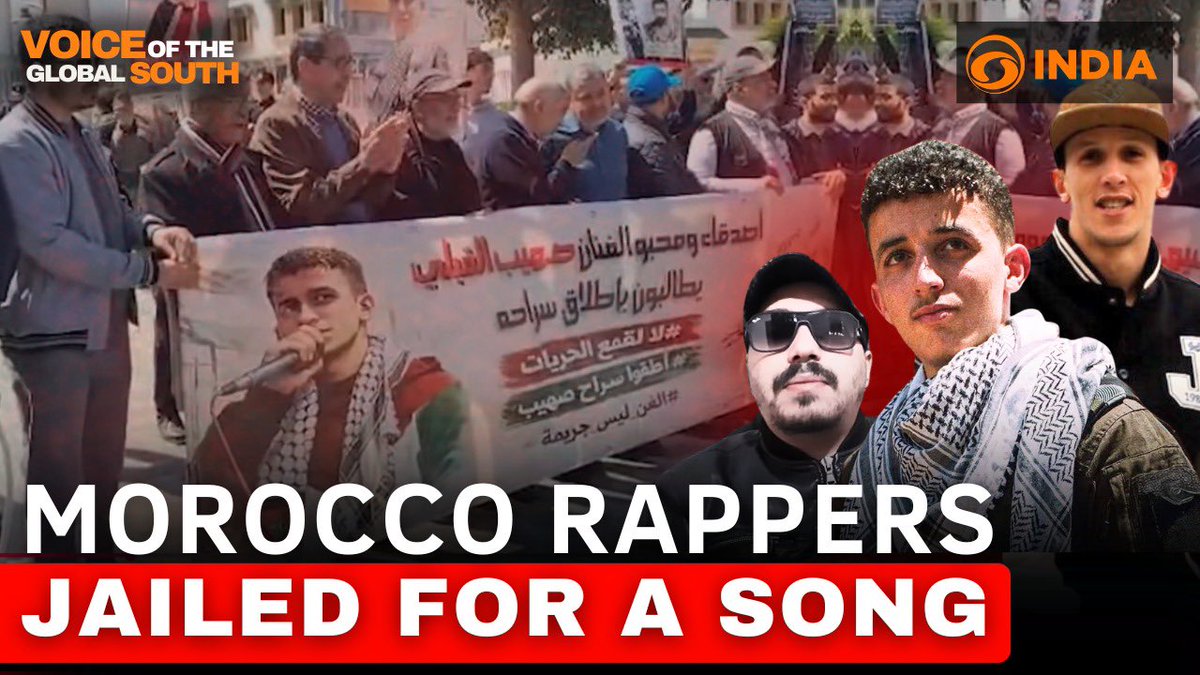
#Morocco #rap #rapper #rappers #music #song #songs #singer #singers #lyric #lyrics #Africa #African #GenZ #GenZ212 #movement #playlist #playlists #Souhaib #Qabli #L7ASSAL #ElHassal #YouTube #YouTuber #Mohamed #Sekkaki #MohamedSekkaki #King #Rabat #ArabSpring #Mouad #Belghouat

THE COST OF A SONG
#MOROCCO’S CRACKDOWN ON MUSICAL ACTIVISM🇲🇦
For #rappers like El-Haqed and L7ASSAL, speaking truth to power comes with a #prison sentence
A look at how #Moroccan hip-hop has become the ultimate "confrontation" with the State
WATCH: youtu.be/Hw6iTLIQOGM
1
2
114

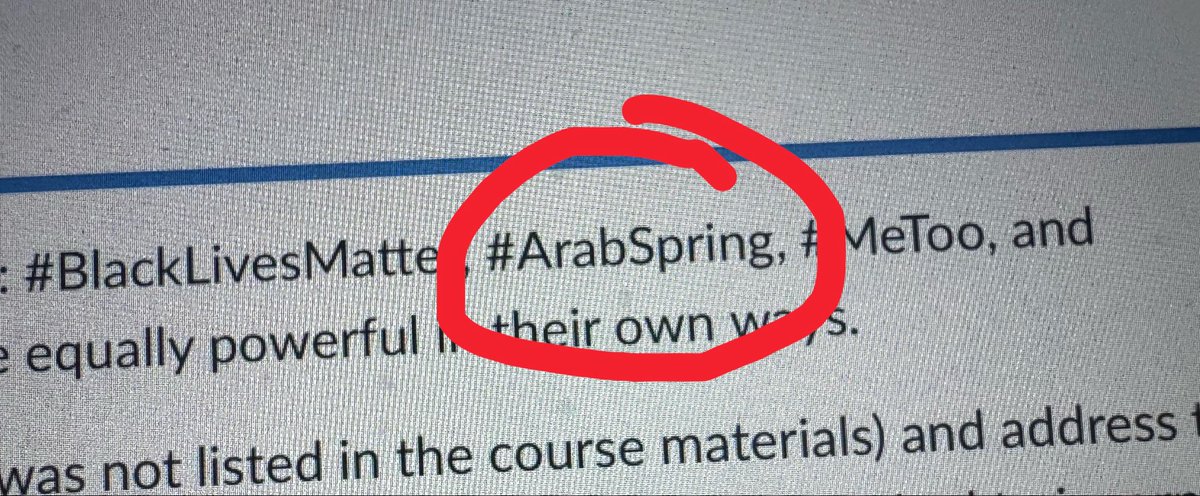
What the FUCK is #ArabSpring prof doesn’t realize it’s #WhiteBoySummer all year round✌🏿#fucktheleft #erikakirksahoe
4
61
2,505

Apr 3
Sudah saatnya raja raja Arab ini di tumbangkan karena mereka di ciptakan oleh kolonial Inggris untuk dijadikan boneka
#ArabSpring
2
69

#ArabSpring final action
I told you
10 Sep 2019

question is
if US let #petrodollar and #resevecurrency replaced by others
it wont,,
starts a war but wont
cyrstal clear
3
399

Mar 29
That's what it is... Before america does it lowkey... They will disable your country arm civilian to over throw the government.. good example #arabspring it worked, and the USA will come in as envoy take over or leave the country.. Today Govt is different is more open face2face
2
612

Mar 28
He was a doctor, serving the patients and working for humanity, seems it's a time for #ArabSpring again.
3
292

Mar 23
Once USA fully withdraws the region, all these despotic sunni arab perfume princes need to be overthrown.
ArabSpring 2.0 is coming.
1
41
936

We need an American #Spring, kinda like what they pretended the #ArabSpring was, but one in which the people actually do throw off a corrupt, murderous government and demand a real democracy.
3
6
22
270