
Jun 13
Don’t overlook these car care essentials
Your spare tire, tire pressure, fluids, battery, and emergency supplies can make a big difference when you need them most.
A few minutes of maintenance today can prevent costly problems tomorrow.
#CarCare #AutoTips sassyfeeds.com/car-care-tips…
7

Jun 13
😱 Game changer alert! The real hack is knowing which 'tricks' to trust, watch to separate fact from fiction #CarHacks #MythBusting #AutoTips
Jun 12

Most “car hacks” are myths, but these few actually save time and money. 🚗
5

Jun 13
#Toyota, kila wanachounda wanatoa na taarifa, urekebishaji #howtorepair, jinsi inafanya kazi #howitworks nk🤷♂️!
Taka taka za #ToyotaCoaster zote👇
5021.tips/ujanja/coaster
Usisubiri hadi shida itokee, #HapaUjanjaTu #jifunze #autorepairs #5021tips #autotips #cartips #repairmanual

6


Jun 12
The seatbelt is stuck, don’t pull it hard!
Many drivers have had this issue: the seatbelt won’t pull out no matter how hard you tug. Below are common causes and simple fixes.
Common reasons
Inertia lock engaged: Activated by sudden braking, bumps or fast pulling — a normal safety design.
Twisted webbing: Messy retraction leads to twists and jams.
Debris stuck: Crumbs, coins or small toys block the guide slot.
Aged retractor: Worn springs or gears cause malfunctions.
Quick 4-step fixes
Stop pulling hard. Push the belt back slightly, then pull slowly to release the lock.
Fully extend the belt, straighten out twists and folds.
Adjust the belt height or seatback to fix awkward angles.
Clear dirt and debris from the outlet with a brush or compressed air.
When to seek professional repair
Get help right away if:
The belt remains stuck or feels overly tight
It stays loose while driving
The car was in any collision
The webbing is worn, cut or frayed
Learn more car tips & maintenance hacks at Dollarfix — join our global community of car lovers and experts!
#dollarfix #dollarfixapp #carcommunity #carlovers #cartips #drivingtips #carsafety #carknowledge #autotips #beginnerdriver #automaticcar

14

Jun 12
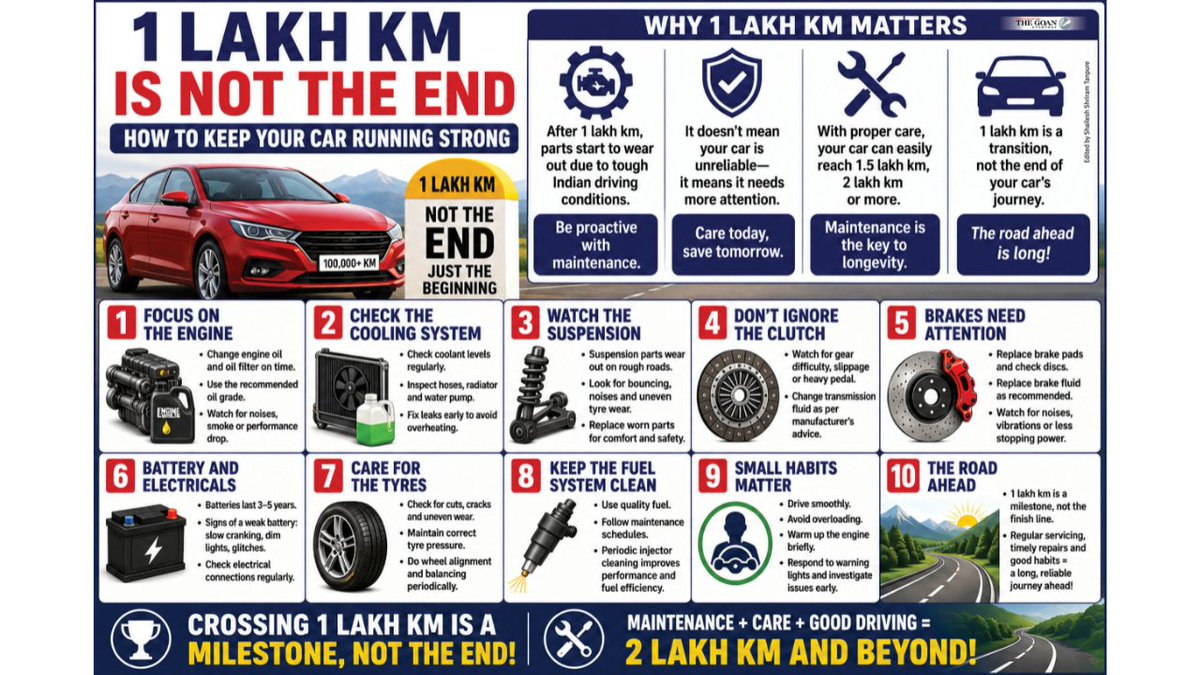
THE GOAN |🚗 Your car crossed 1 lakh km? What's the biggest repair bill you've faced? 👇💬
#CarCare #AutoTips #VehicleMaintenance #IndianCars #CarOwnership
39

Discover five common car sounds you should never ignore, what they mean, and how Darrick’s Preferred Auto in Blooming Prairie, MN can help keep your vehicle running safely. #DarricksPreferredAuto #AutoTips #BloomingPrairie bit.ly/43bhjoi

1

Jun 11
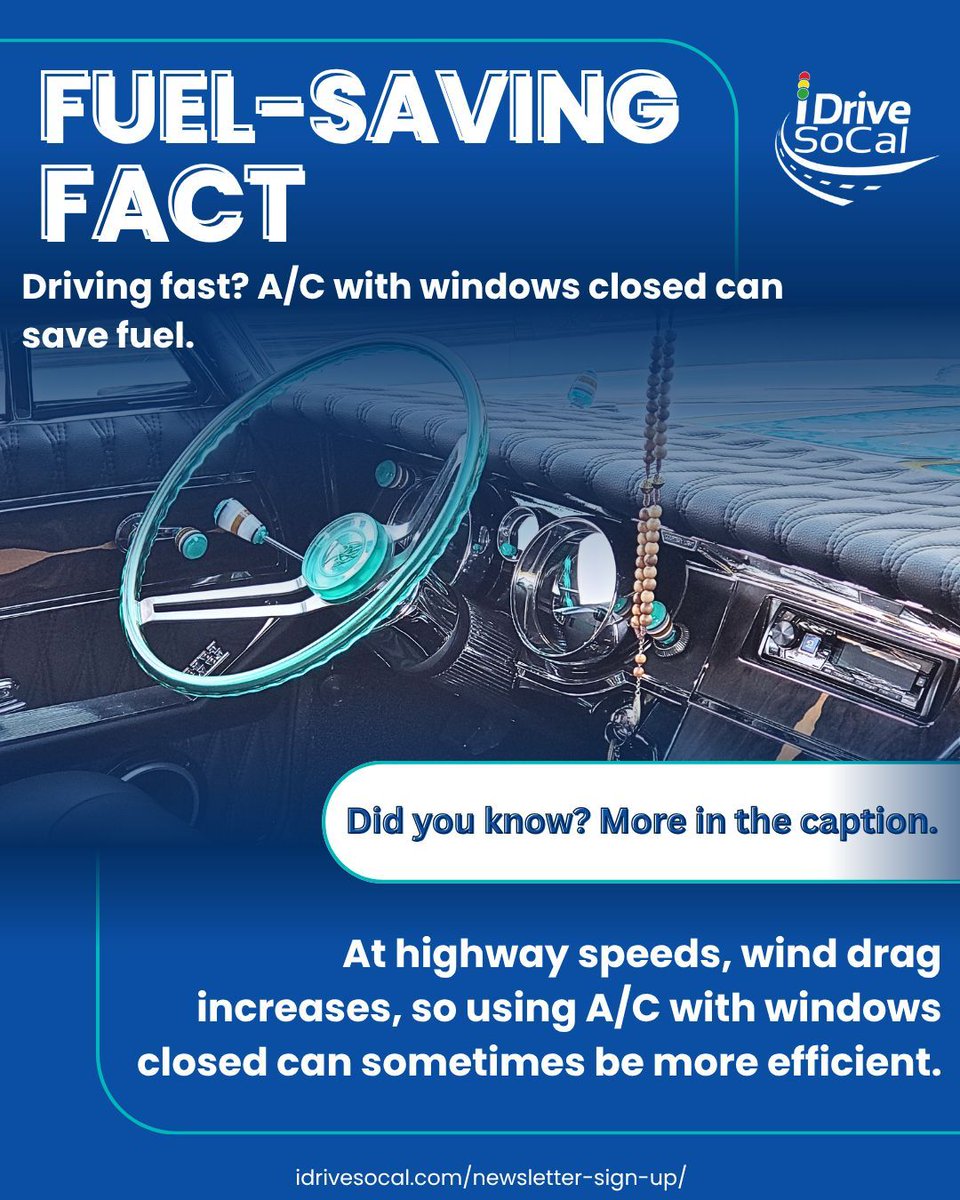
Fuel tip you might not expect. At higher speeds, A/C with windows closed can be more efficient than windows down.
More tips from iDriveSoCal. Sign up: 🔗 idrivesocal.com/newsletter-s…
#iDriveSoCal #SouthernCalifornia #FuelEfficiency #DriveSmart #AutoTips #EnergySaving
3

🤔 Ever wondered what makes motor oil perform like a champion? Additives enhance motor oil properties! They do everything from reducing friction, preventing rust, cleaning sludge and more. They are crucial for engine longevity. 🏎️💨
Here is a quick read which explains what they are and do ➡️ haldimandsyntheticoil.ca/ams…
#CarMaintenance #EngineHealth #AutoTips #Additives #EngineCare #Amsoil

2

Jun 11
A used car can save you lakhs — but only if you buy the right one. 🔍🚗
From service history and accident records to paperwork and test drives, here are the checks you should never skip before signing the deal.
Save this guide for your next used car purchase.
#91Wheels #UsedCarGuide #UsedCars #CarBuyingTips #CarOwnership #AutoTips #PreOwnedCars
1
84

Looks can impress 👀✨
But condition builds confidence 🔍🚗
Don’t just admire the shine, understand what you’re buying. 🧠✅
#dgnauto #usedcars #carbuying #smartbuyers #preownedcars #carinspection #autotips #drivesafe #carcare
3

Jun 10
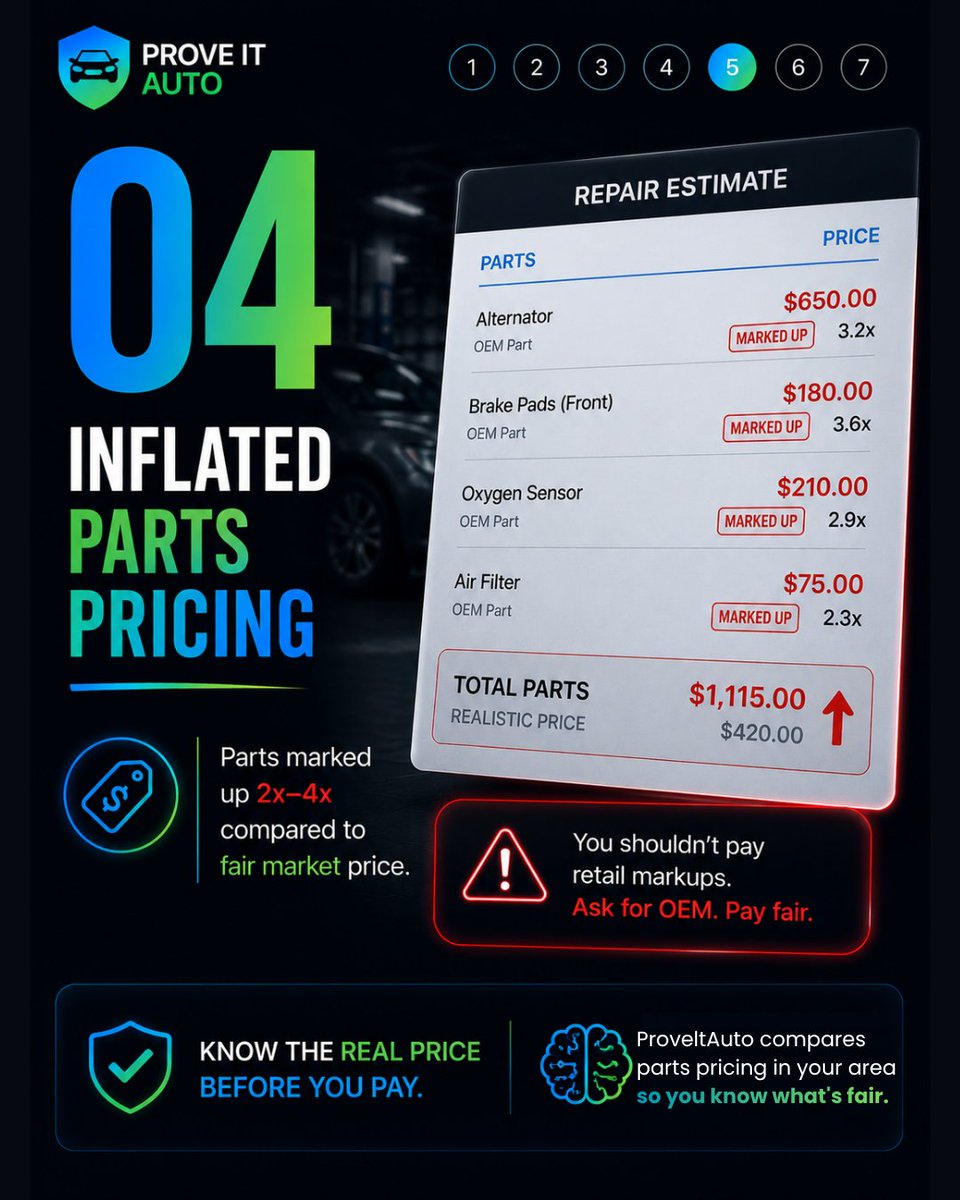
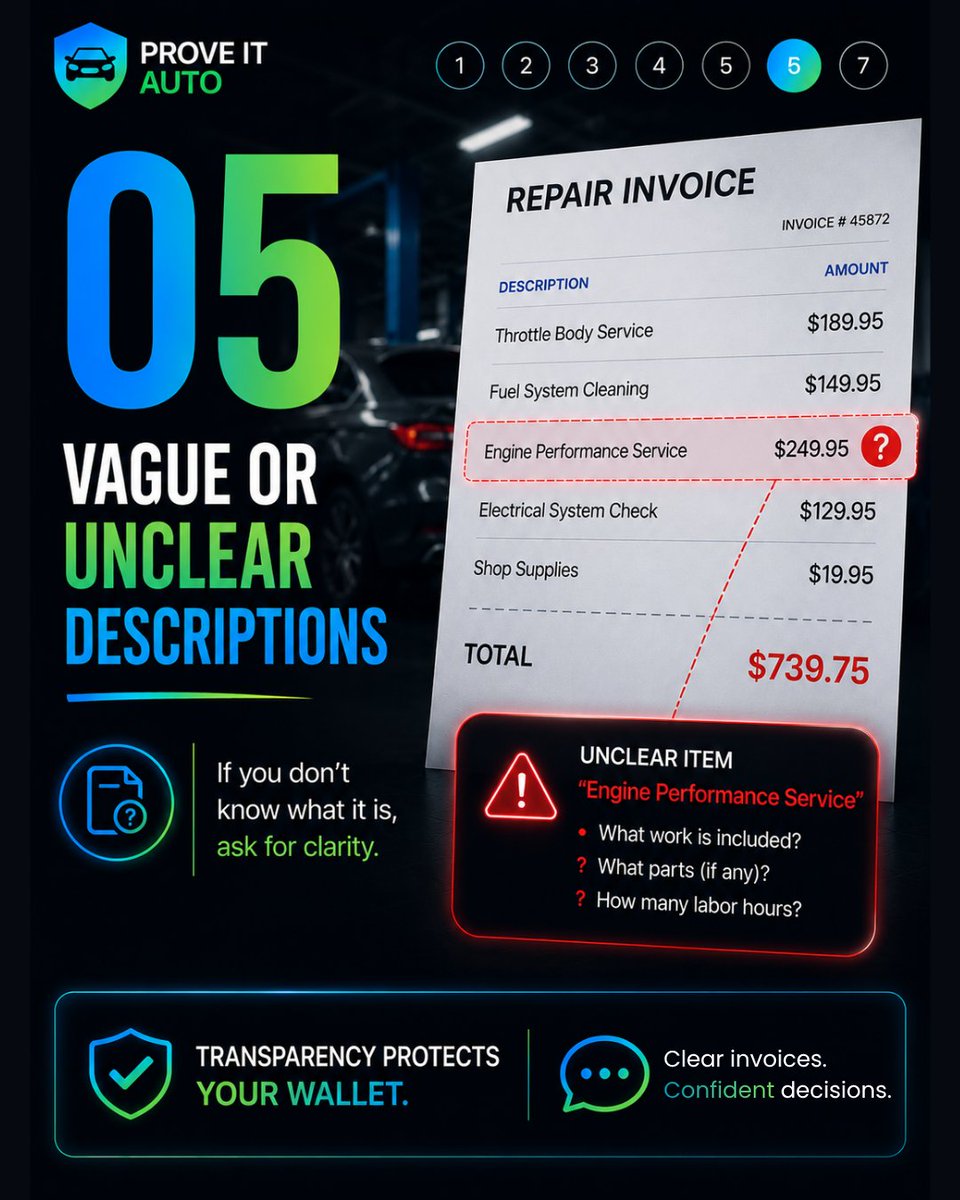
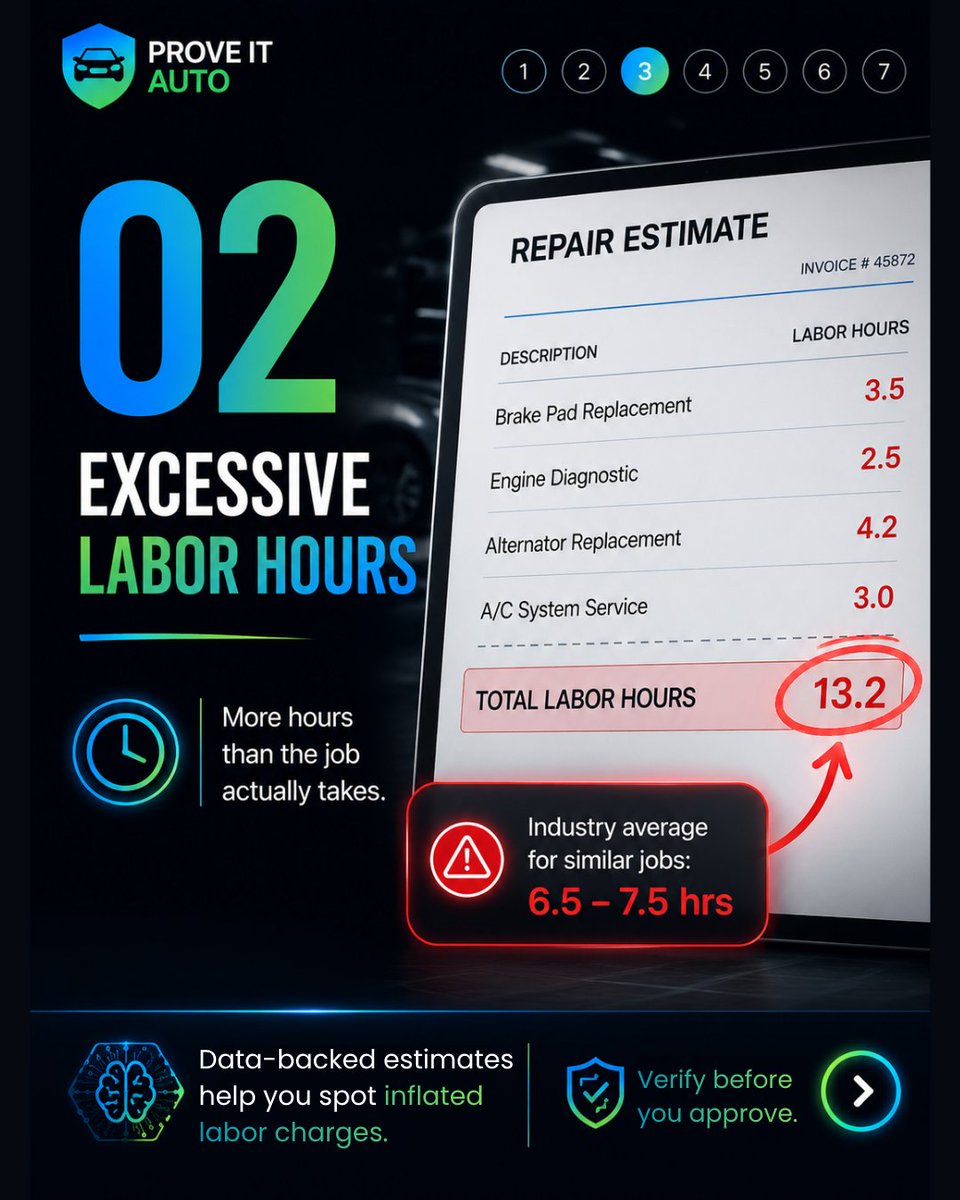
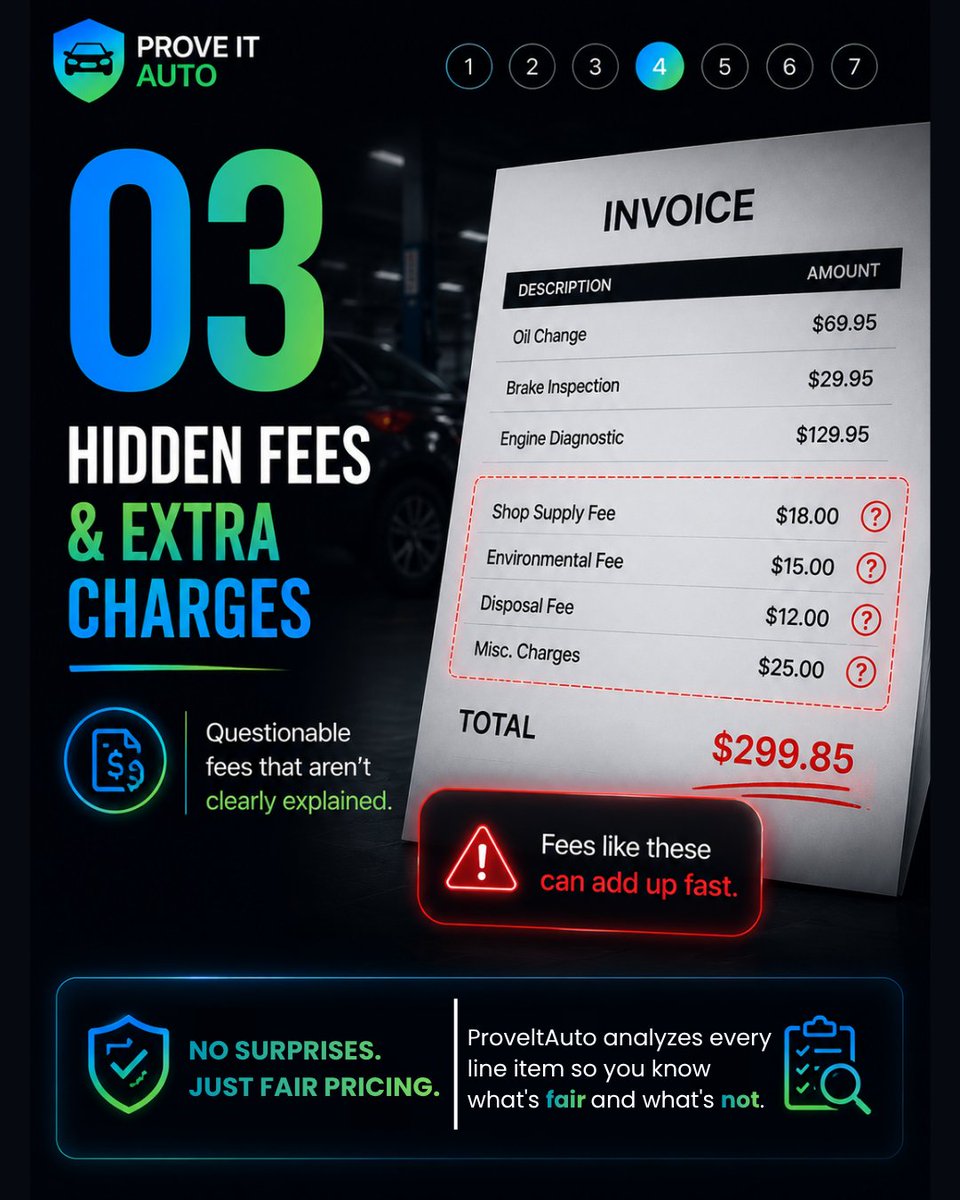
7 signs your repair quote doesn't add up.
Swipe before you sign anything.
👉 Save This
#RepairQuote #AutoTips #CarBill #ProveItAuto #MechanicAlert
(2/2)
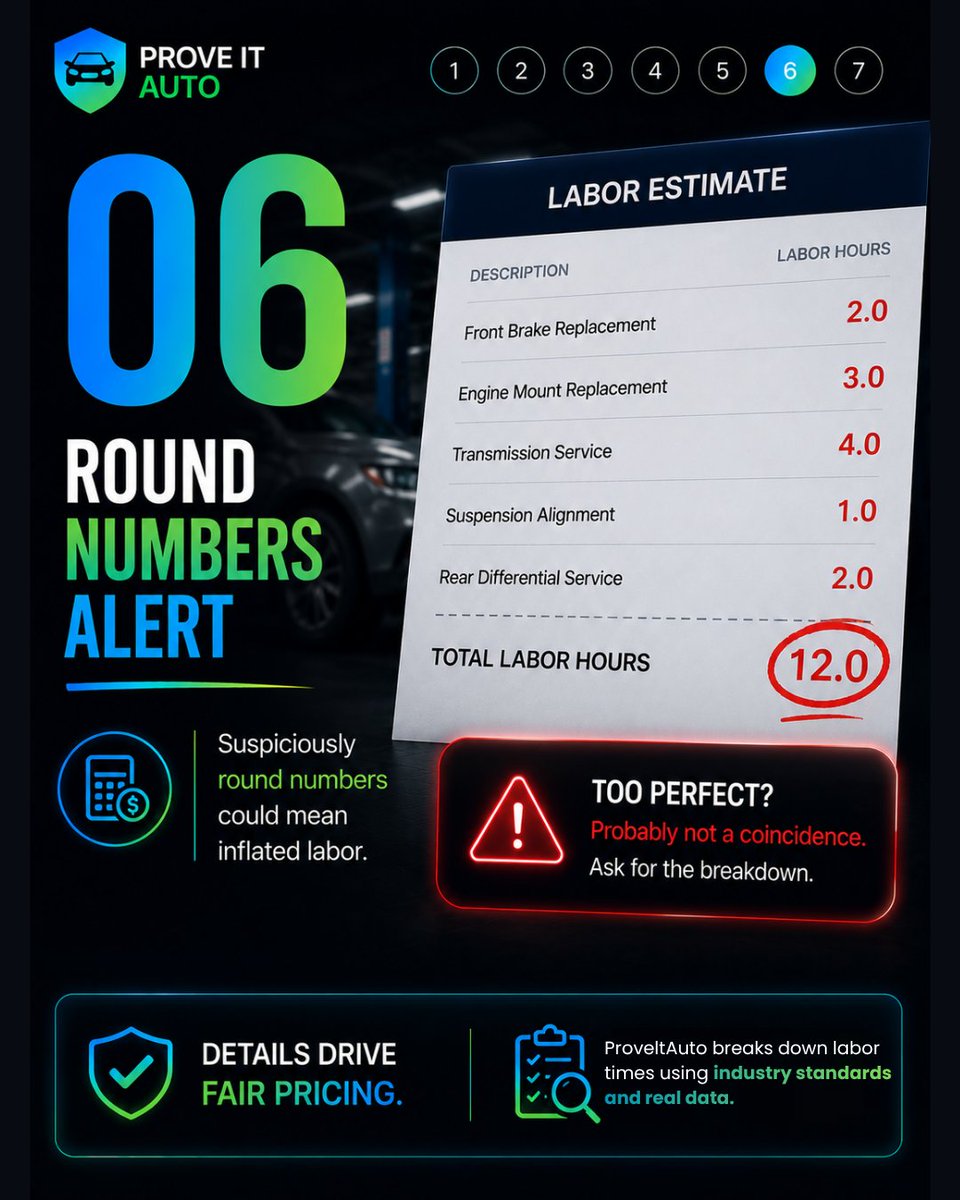
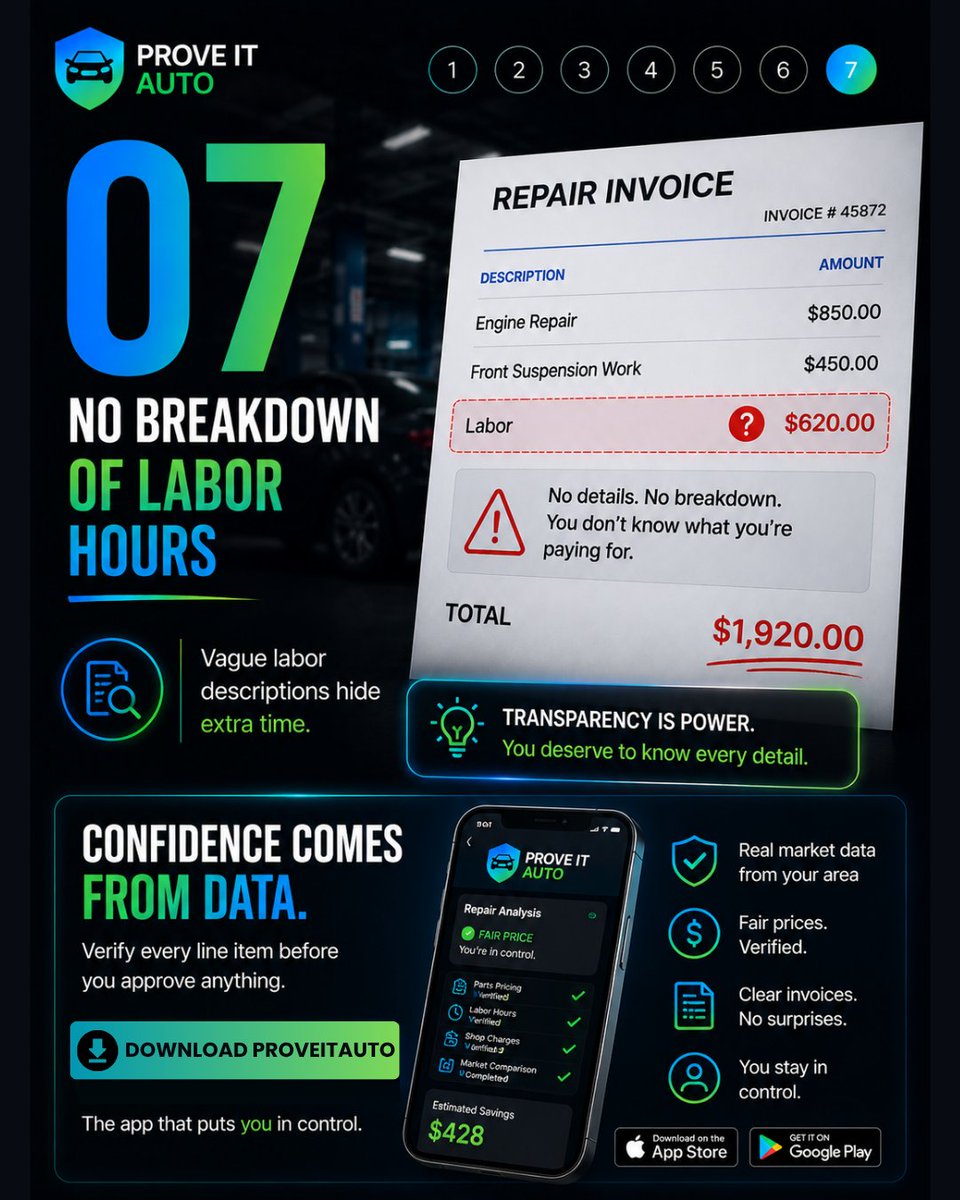
2
Jun 10
7 signs your repair quote doesn't add up.
Swipe before you sign anything.
👉 Save This
#RepairQuote #AutoTips #CarBill #ProveItAuto #MechanicAlert
(1/2)
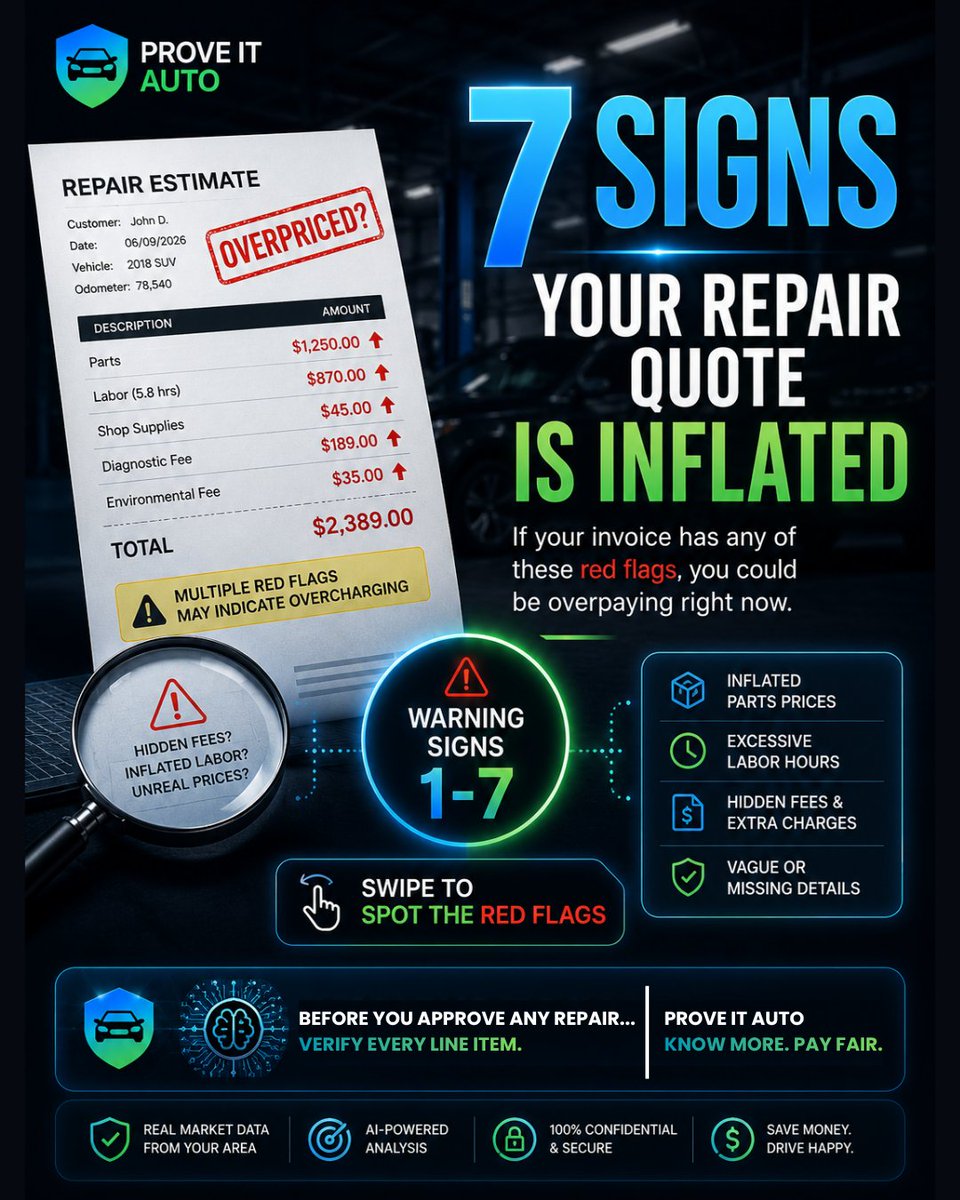
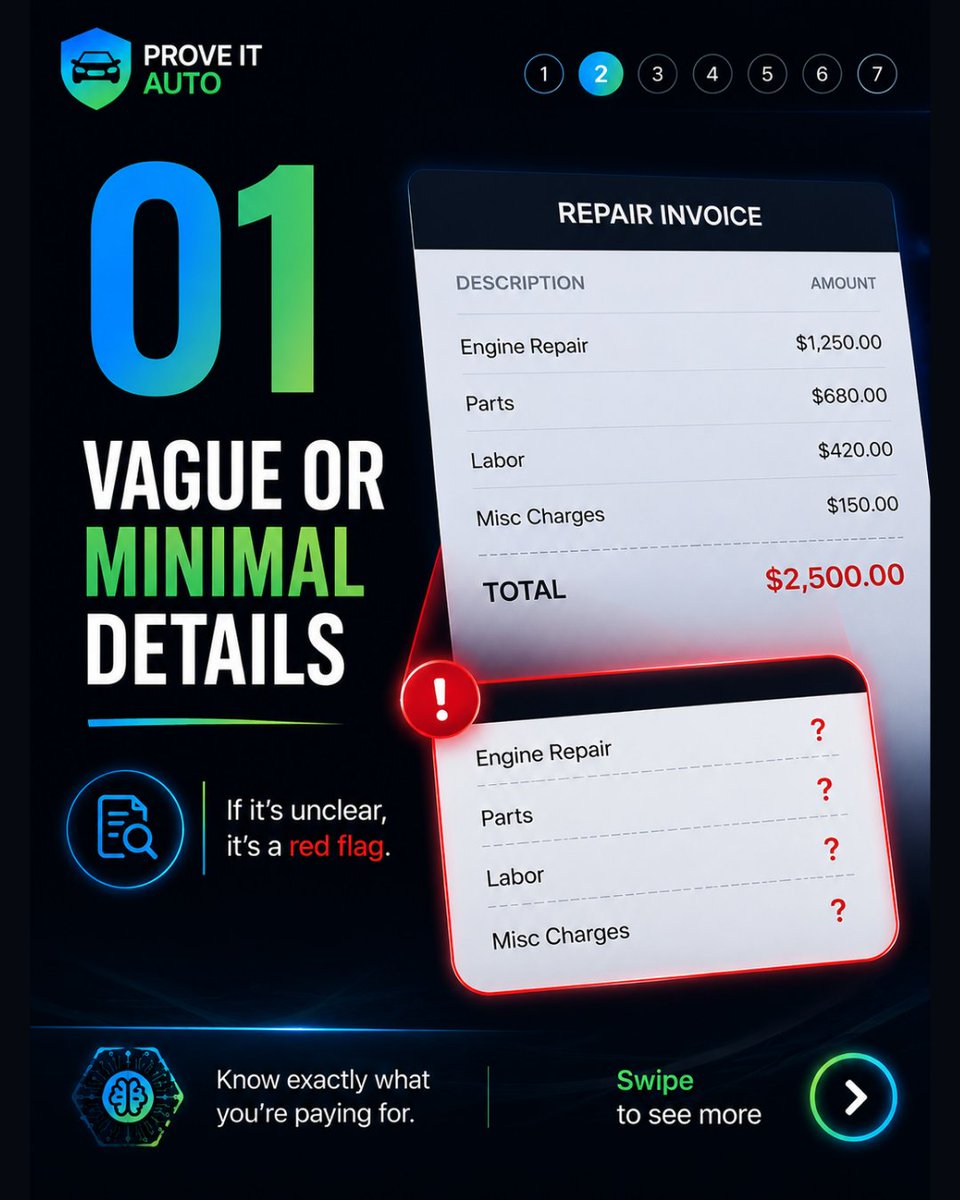
2

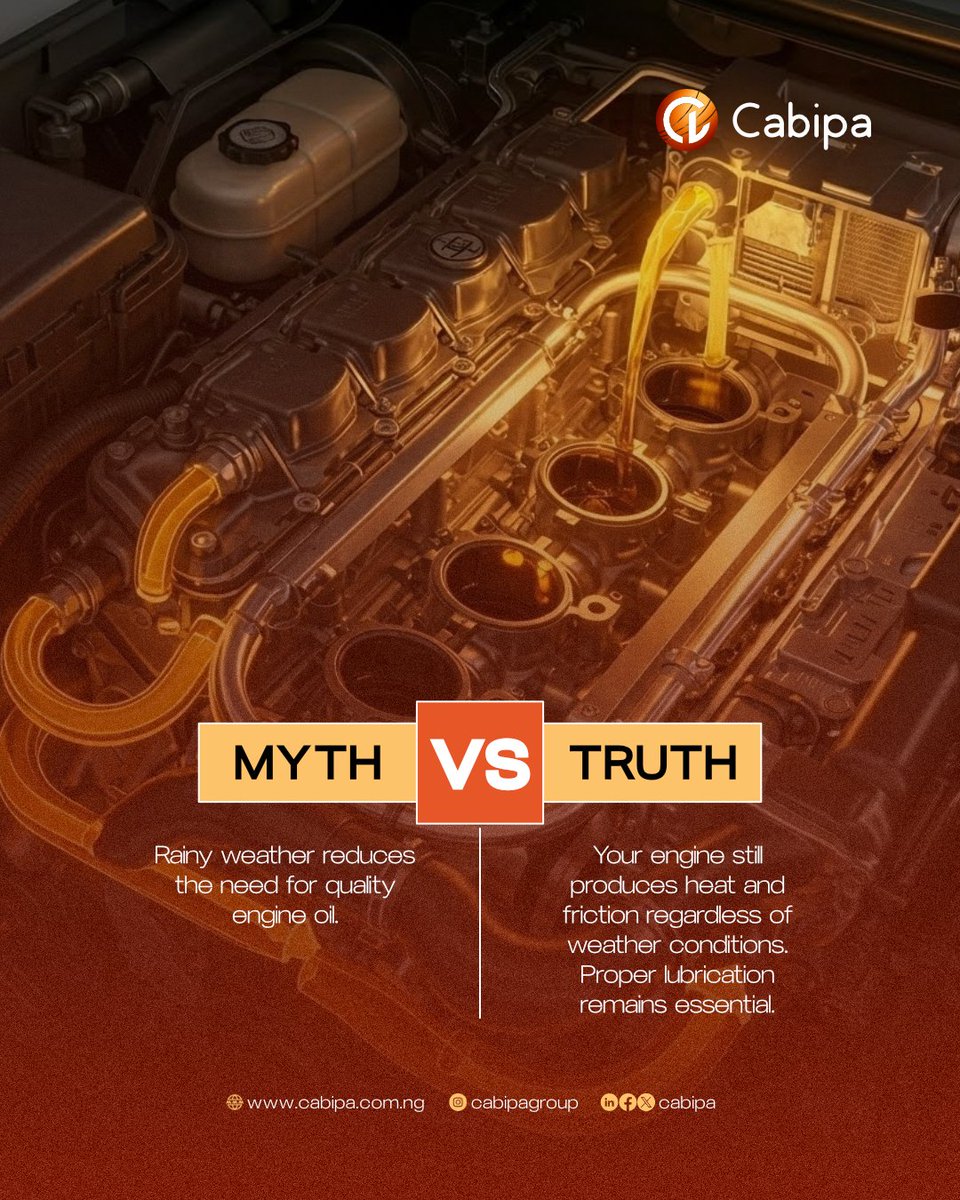
Myth: Rain means your engine needs less care ❌
Fact: Your engine still needs proper lubrication every single day ✅
#MythVsFact #EngineOil #AutoTips #VehicleCare #RainySeasonDriving #CarKnowledge
1
2
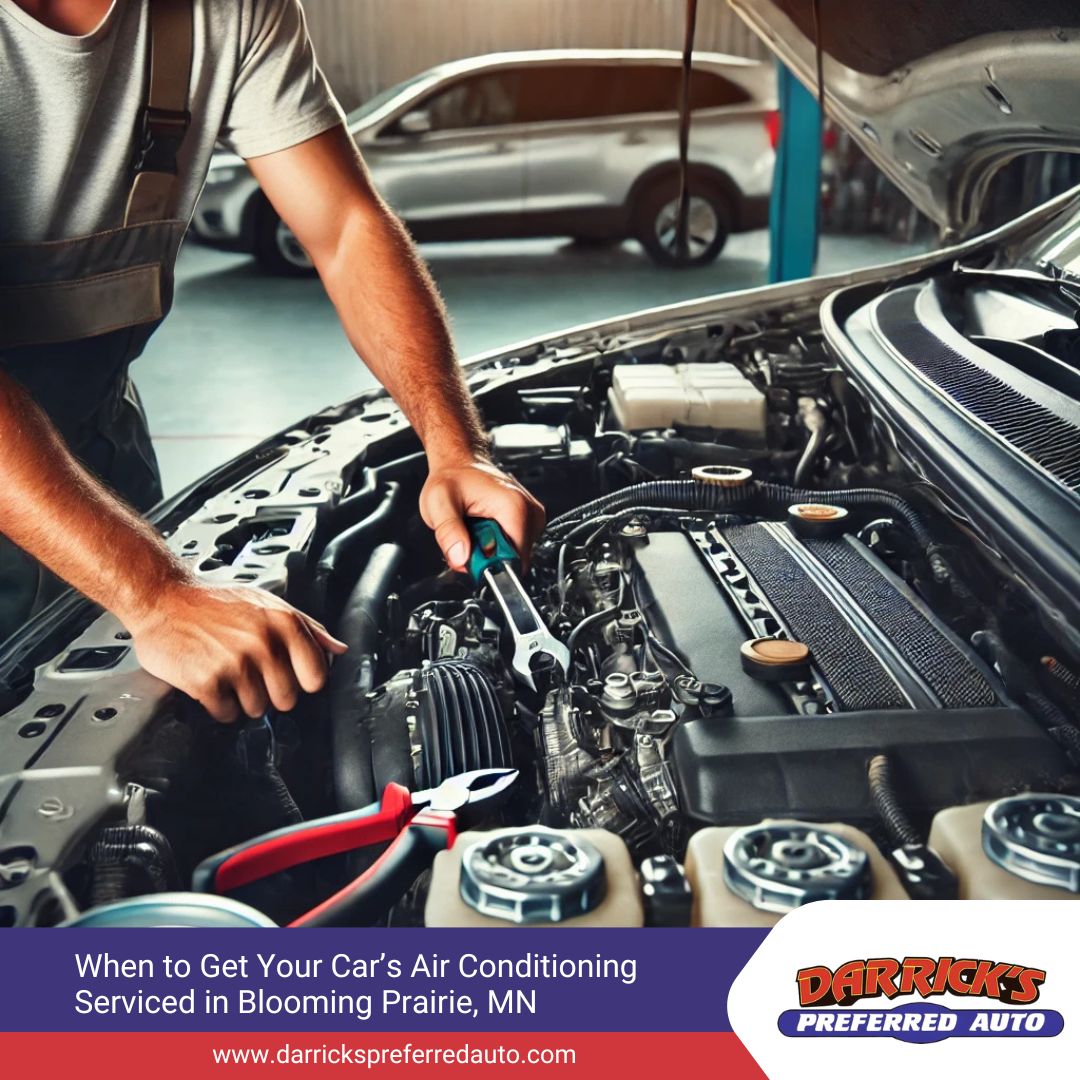
Spotting early signs of car AC trouble can prevent costly repairs and keep you cool all summer. Read our blog to learn when it’s time for a service! #DarricksPreferredAuto #AutoTips #BloomingPrairie bit.ly/40mgiJA
Jun 9
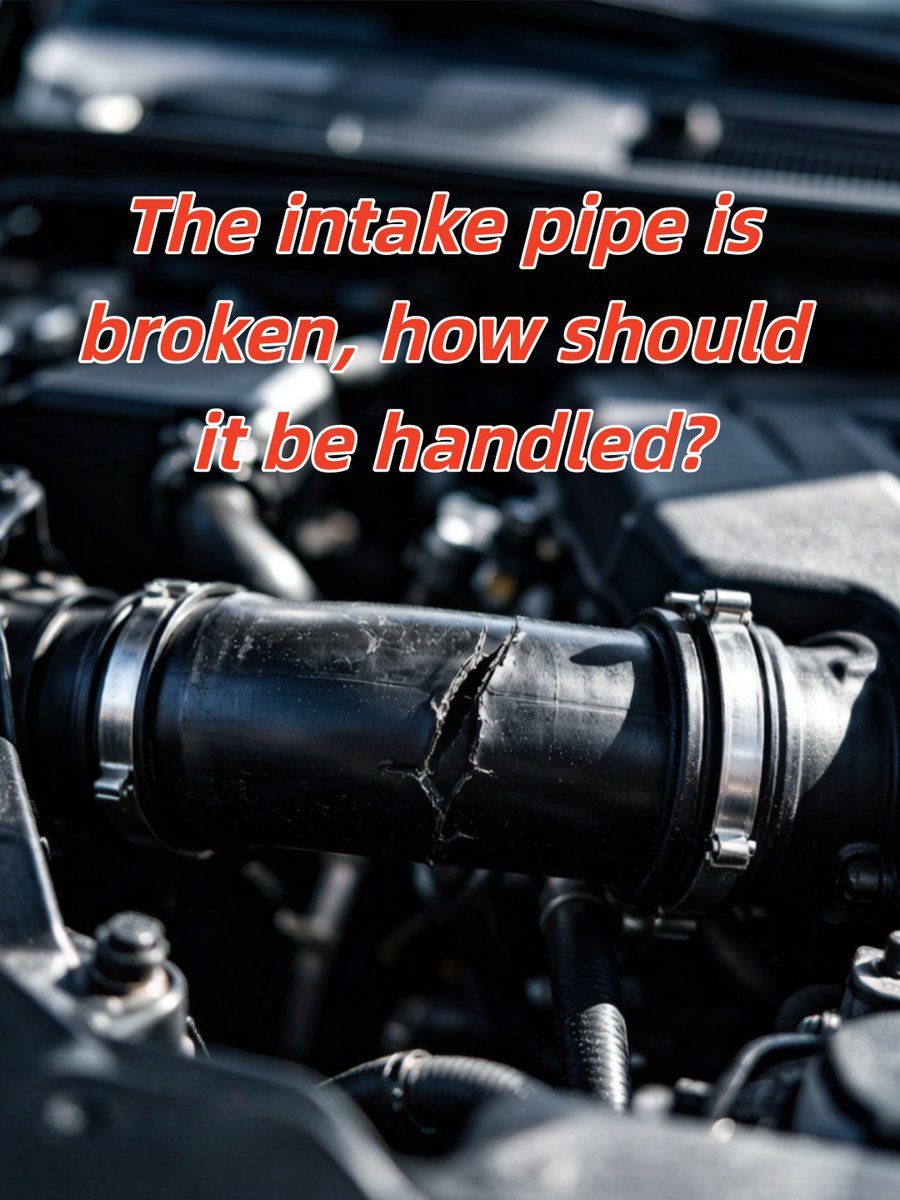
The intake pipe is broken, how should it be handled?
During DIY maintenance, if you find cracks or holes in the intake pipe (the pipe connecting the air filter box and the engine), do not simply reinstall it and continue driving.
The intake pipe is the "throat" of the engine. Damage will cause unfiltered dirty air to be directly sucked into the cylinder, leading to power loss, soaring fuel consumption, and even abnormal engine wear. The correct approach is: stop starting immediately, assess the extent of the damage, and prioritize replacing the part with a new one.
1.Emergency handling and repair decisions
a.Can it still be driven?
In principle, it is not recommended to start the engine. If the damage is small (such as the size of a fingernail) and you must move the car a short distance to a repair shop, temporary sealing can be done. However, long-distance driving or aggressive driving is strictly prohibited.
b.Temporary repair: for minor cracks located in the middle section of the hose.
Operation method: Use high-temperature resistant cloth tape or special aluminum foil tape, tightly wrap at least 3-5 layers from the center of the damage outward, ensuring the edges are sealed. Note: ordinary electrical tape is not heat or oil resistant and can easily fall off.
c.Permanent solution
For rubber aging cracks, larger breaks, or damage located at bends, replacing the pipe with a new one is the only reliable choice.
- Parts selection: It is recommended to prioritize original factory parts or branded silicone reinforced hoses (high temperature resistant and longer lifespan).
- Installation points: When installing, be sure to clean the interfaces, check if the clamps are rusted, and ensure the tightening torque is moderate to avoid over-tightening and crushing the hose.
2.DIY Replacement Guide
If you find a problem right after removing the air filter and have the parts available, you can try to replace it yourself:
a.Take Photos: Before removing the old hose, use your phone to take pictures of the hose routing and all connection points (such as the crankcase ventilation hose and sensor plugs) to avoid incorrect reassembly.
b.Remove the Old Hose: Loosen the clamps at both ends and gently twist and pull out the hose. Check for carbon buildup at the throttle body end and clean it briefly if needed.
c.Install the New Hose: Align the new hose with the connectors, press it firmly by hand, then tighten the clamps. It is recommended to position the clamp screws away from the hose folds to ensure a good seal.
d.Check the Seal: After installation, start the engine and listen for any hissing sounds at idle that indicate leaks. You can also spray a small amount of water mist on the hose and observe if the engine speed fluctuates to detect leaks.
3.When must you go to the repair shop?
- The damaged area involves complex sensors (such as the MAF sensor) or the turbo intercooler piping.
- You cannot determine the extent of the damage yourself, or the vehicle is already showing obvious power failures.
- The intake pipe is made of hard plastic (such as the intake manifold) and is broken, which usually requires professional tools for repair.
Want to learn more about car usage knowledge? Then come to Dollarfix, where elite repair technicians and experienced DIY car owners from multiple countries around the world gather. Here, there are multiple professional communities for car use, maintenance, and care, allowing you to better understand your beloved car.
#dollarfix #dollarfixapp #carcommunity #carlovers #cartips #drivingtips #carsafety #carknowledge #autotips #beginnerdriver #automaticcar
3
105

Jun 9
Buy with confidence. Not regrets.
📍 Flow Autos | Buy, Sell & Swap with Ease
📞 0818710819
#UsedCars #CarTips #CarBuying #AutoTips #CarTok #CarAdvice


1
3

Jun 9
Car AC Tips : ગરમીમાં કારનું AC બગડે તો શું કરવું? મિકેનિક પાસે લઇ જતા પહેલા આ રીતે ચેક કરી શકો
gujaratfirst.com/tech-auto/c…
#CarACTips #CarACProblem #ACRepair #CarMaintenance #VehicleCare #SummerTips #CarCareTips #AutoTips #GujaratFirst
વધુ સમાચાર વાંચવા ડાઉનલોડ કરો ગુજરાત ફર્સ્ટ ન્યૂઝ એપ
gujaratfirst.com/
27

बारिश में बाइक-कार पर लग रही है जंग? जानिए रस्ट हटाने के आसान घरेलू उपाय और बचाव के असरदार तरीके
theheadlineshindi.com/auto/2…
#bikerust #autotips #rust
3

Buying a car? Maintenance and repair costs can have a big impact on the true cost of vehicle ownership. Before making your next purchase, consider how much a vehicle may cost to maintain over time. #CarBuying #AutoTips #MoneyTips #CDCFCU #AutoLoans moneytalksnews.com/car-brand…
1