
Jun 10
What is Webservice in Telugu - Type of Webservices Based on access
youtu.be/oMIzDa0CJD8
#WebservicesInTelugu #TechInTelugu #TeluguTech #SoftwareDevelopment #APIsExplained #LearnCodingTelugu #TeluguComputerScience #PrivateVsPublicAPIs #WebtechTelugu #BackendProgramming

5

What is Webservice in Telugu - Type of Webservices Based on access
youtu.be/oMIzDa0CJD8
#WebservicesInTelugu #TechInTelugu #TeluguTech #SoftwareDevelopment #APIsExplained #LearnCodingTelugu #TeluguComputerScience #PrivateVsPublicAPIs #WebtechTelugu #BackendProgramming

4

9 Dec 2025
PSA for devs building consumer apps: Stop shipping APIs without understanding your server's concurrency model.
The Analogy:
🔹Sync: Waiter takes order → waits at kitchen → delivers → next customer. 1 waiter = 1 customer at a time.
🔹Async: Waiter takes order → serves other tables → "ORDER UP!" → delivers. 1 waiter = many customers.
Node.js:
🔹Single-threaded, but libuv handles I/O in background
🔹Async keeps main thread free for new requests
Python:
🔹Flask Gunicorn: 4 workers = 4 concurrent requests
🔹FastAPI Uvicorn: 4 workers ~ 20-100 concurrent requests (if I/O bound)
The Reality Check
Async helps when:
🔹External API calls (100ms wait)
🔹Database queries with high latency
🔹WebSockets / long-polling
Async doesn't help:
🔹CPU-intensive work
🔹Fast operations (<10ms)
🔹No I/O wait time
Lets take an Example:
API calling external service (200ms wait)
🔹Sync: ~19 req/sec
🔹Async: ~380 req/sec
Async doesn't make requests faster, it stops workers sitting idle during I/O waits.
Bottom line is that you should profile your app. If you're I/O bound with real wait times, async helps. If you're CPU bound or already fast, it won't.
Choose based on your actual bottlenecks, not hype.
#development #SoftwareDevelopment #backendprogramming #API #AI #nodejs #python
1
1
2
64

9 Dec 2025
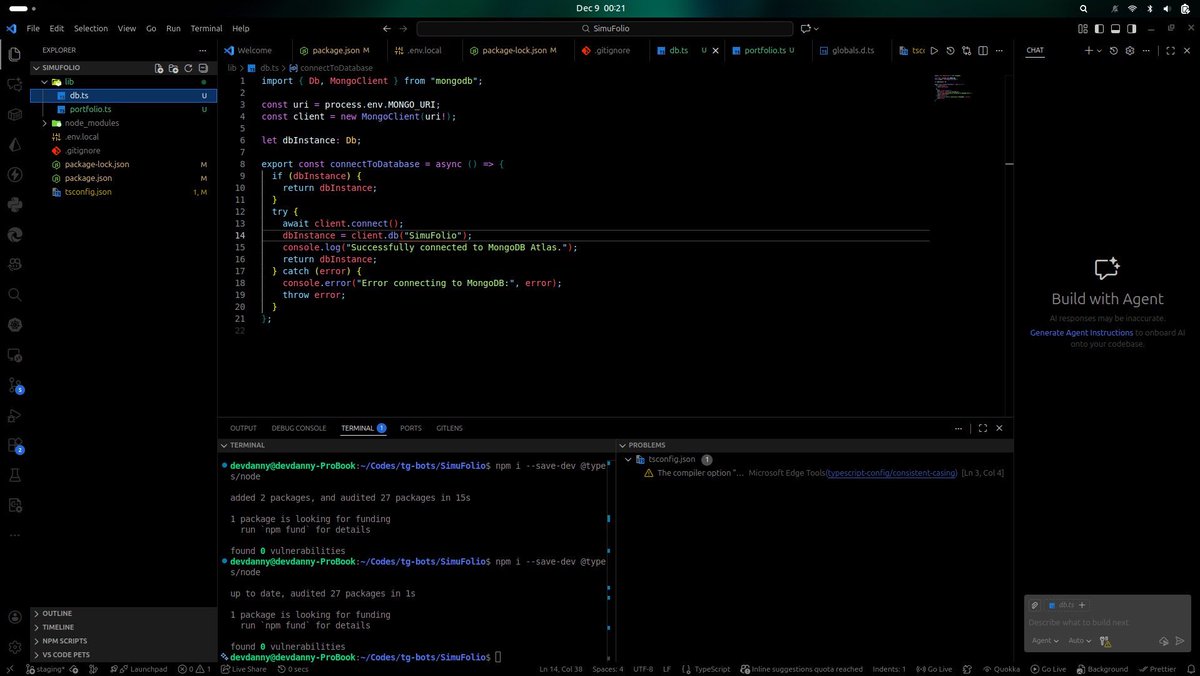
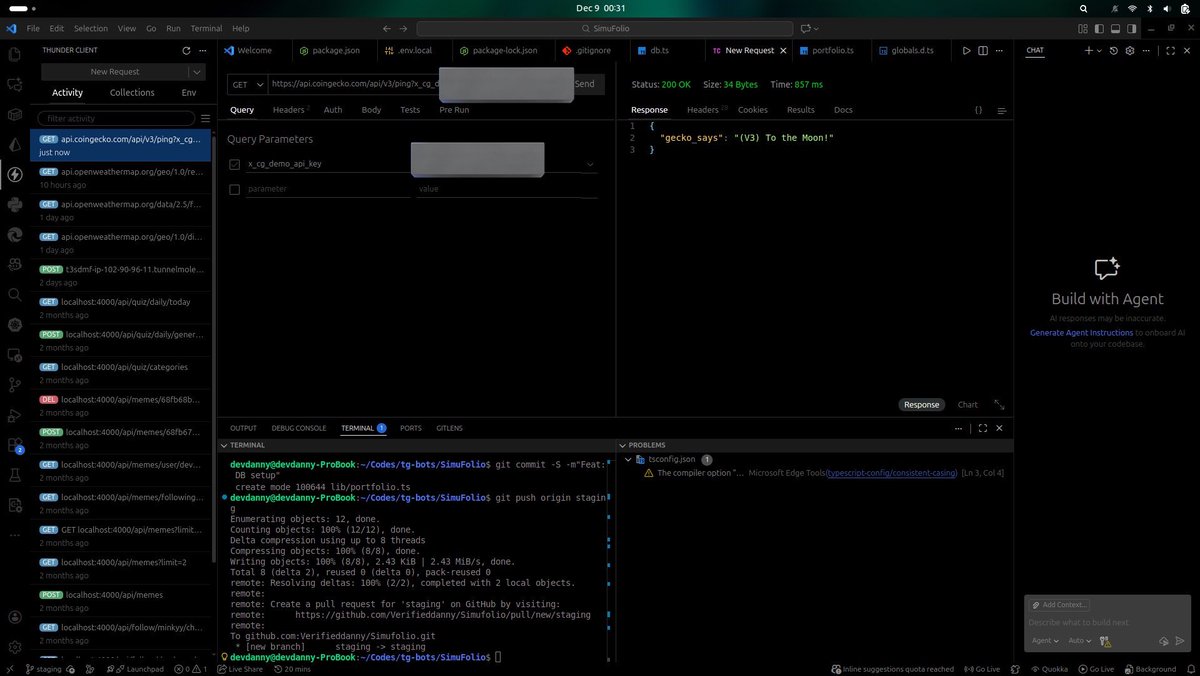
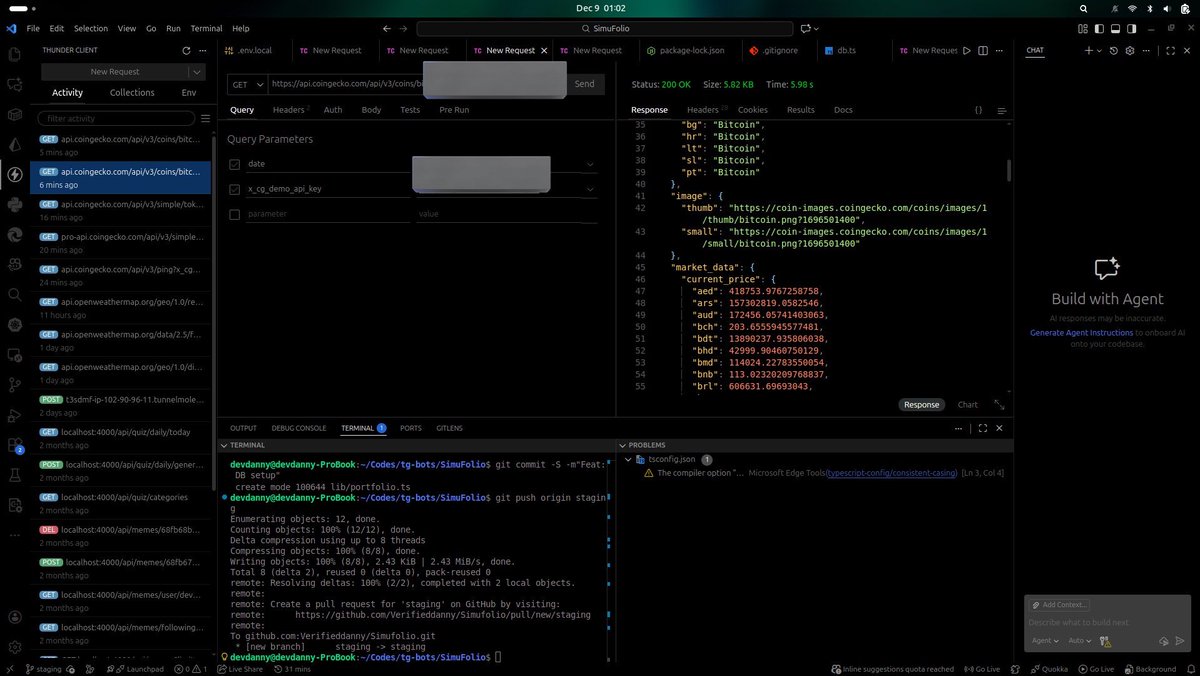
Next Project… Simufoilio Bot
Already done setting up the GrammY Bot, Database and BE configs
Let’s see how this turns out
#backendprogramming #tgbot #fullstackdeveloper #techbro #telegrambot
6
417
8 Dec 2025
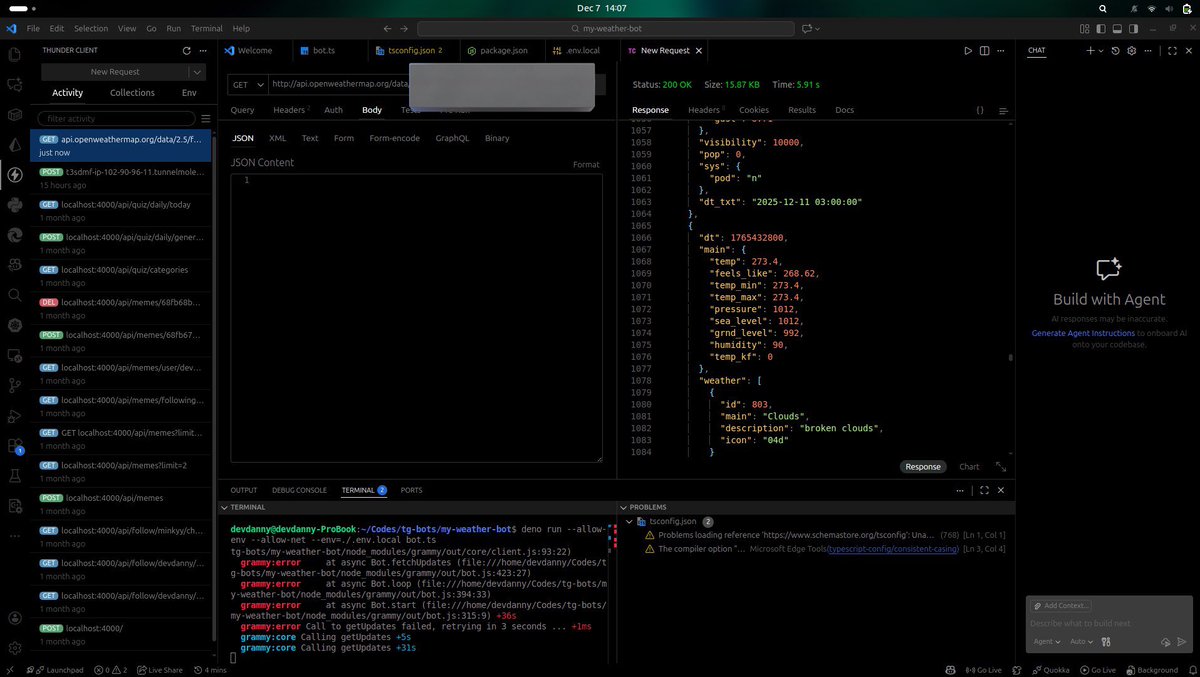
Baby Steps 🙂↕️
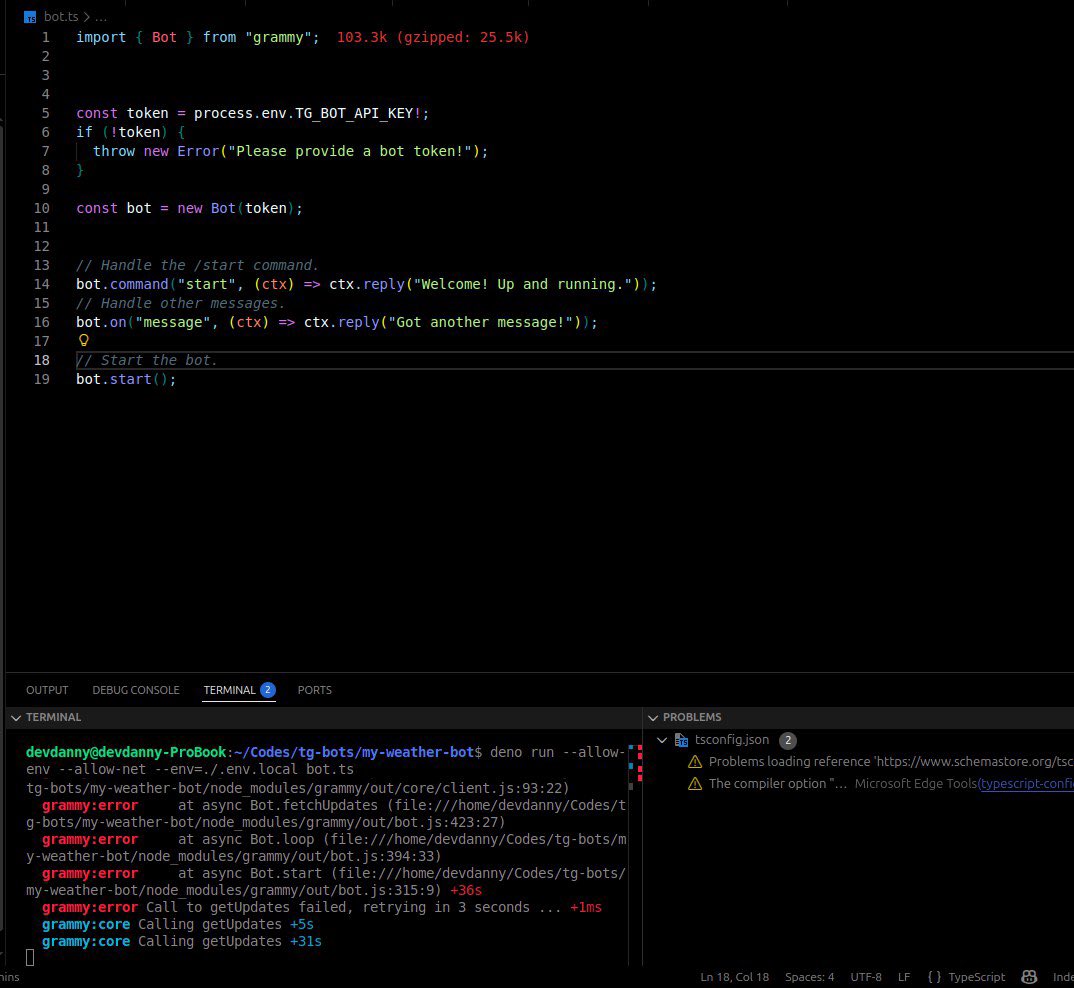
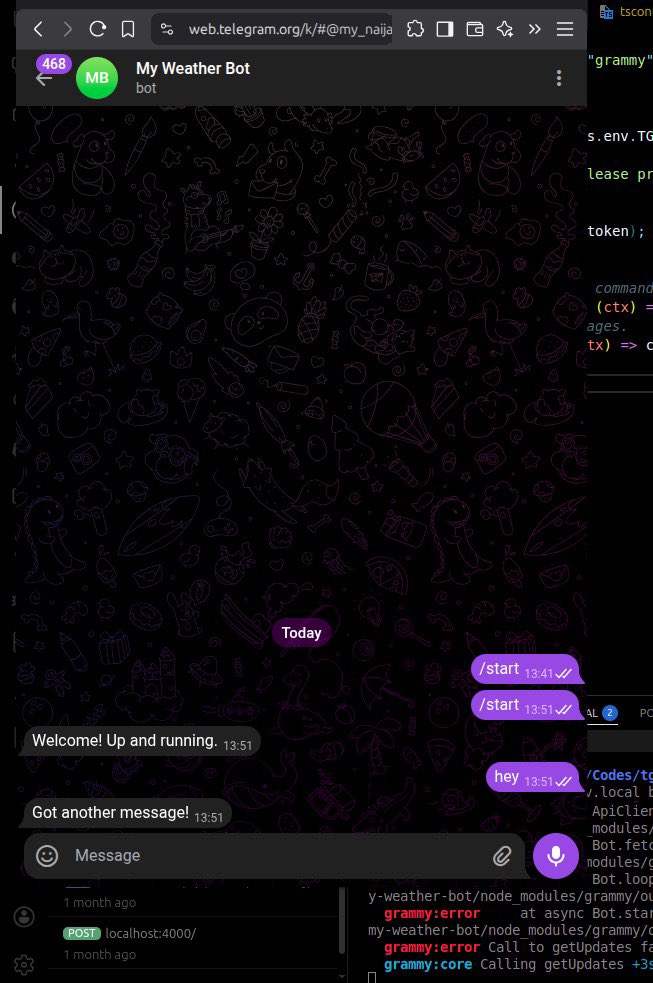
Worked on this TG bot and I can already see the amazing stuff I can do now moving on.
Main Stack: nodejs- express-grammY
TG Bot: t.me/my_naija_weather_bot
Codebase: github.com/Verifieddanny/tg-…
#tgdev #telegrambot #tech #fullstackdeveloper #backendprogramming #backend
7 Dec 2025

1
2
17
944

2 Nov 2025
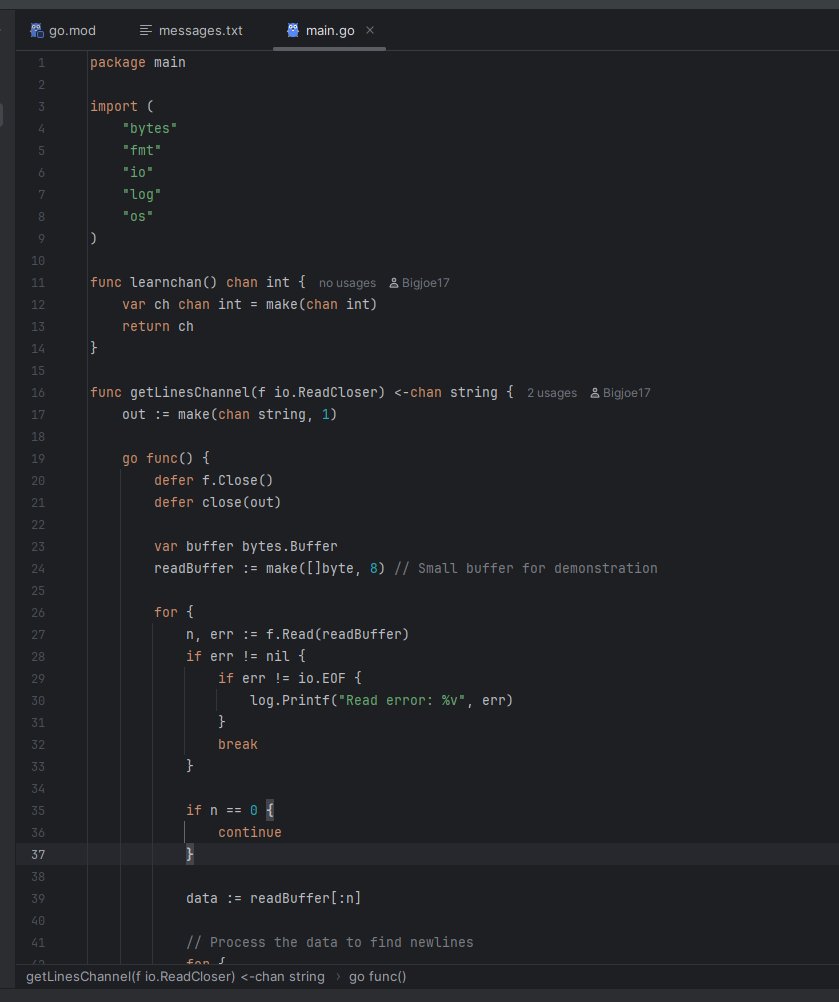
I am embarking on a 60-day Challenge of building and Learning Golang in public.
#60days of Building in Golang.
#Backendprogramming #golangprojects
5
71

17 Sep 2025
🚨 Why Your Infinite Scroll is Laggy in MERN (and How to Fix It)
Most devs build pagination in MongoDB like this:
const posts = await Post.find()
.sort({ createdAt: -1 })
.skip(page * limit)
.limit(limit);
It works at first. But once your database grows, it breaks:
– Mongo still scans all skipped docs → queries get slower
– Inserts shift items → users see duplicates or miss posts
The fix? Cursor-based pagination. Use createdAt (or _id) as a cursor instead of skip().
const posts = await Post.find({
createdAt: { $lt: lastPostDate }
})
.sort({ createdAt: -1 })
.limit(limit);
On the frontend (React), just pass the last item’s createdAt back when fetching more:
const loadMore = async () => {
const res = await fetch(/api/posts?cursor=${lastDate});
const newPosts = await res.json();
setPosts([…posts, …newPosts]);
};
Pro tip: Index your createdAt field for speed.
PostSchema.index({ createdAt: -1 });
When you switch to cursor-based pagination:
✅ Queries stay fast even with millions of records
✅ No duplicates, no missing items
✅ Smooth infinite scroll UX your users will love
Most MERN performance issues aren’t about servers or hosting.
They’re about how you query Mongo.
Fix this, and your app will feel instantly better.
#MERN #SoftwareEngineer #BackendProgramming #MongoDB #Pagination
1
3
142

20 Jan 2025
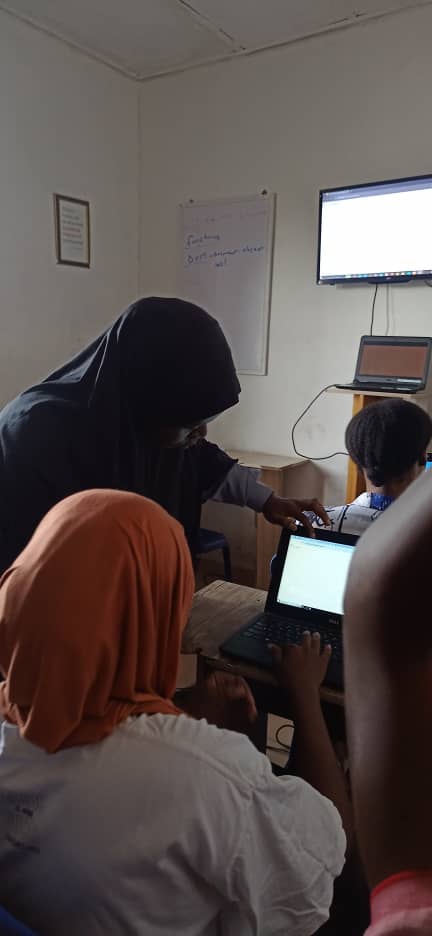
Hi,there! For those seeing me for the first time I'm @DevSprint03 a dedicated fullstack developer with a passion for building impactful tech solutions.I'm always excited to learn more.#PHPDevelopment #BackendProgramming #CodingJourney #FormHandling #Buggybillion #TechCommunity
13

13 Jan 2024
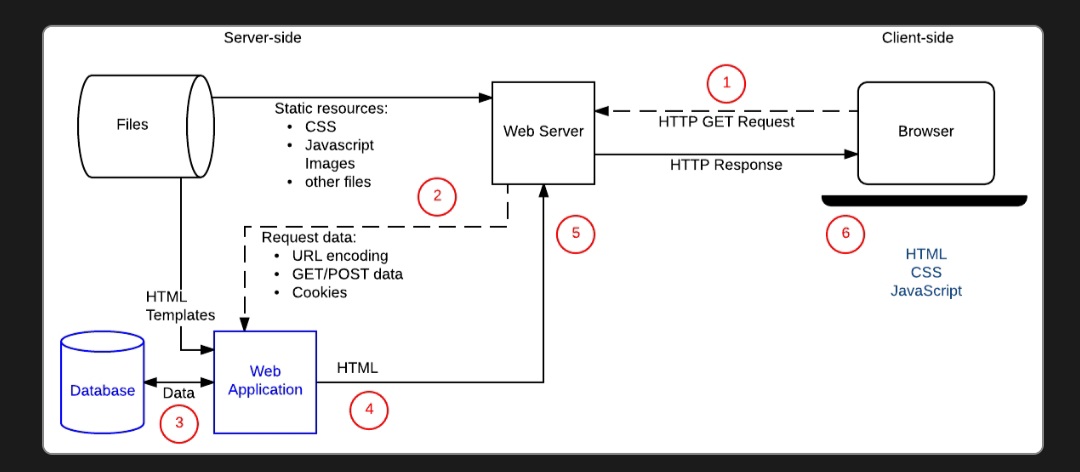
Backend programming in a nutshell
#backend #backendprogramming #server #serverprogramming #serversideprogramming #web #coding #programming
1
2
79

3 May 2023
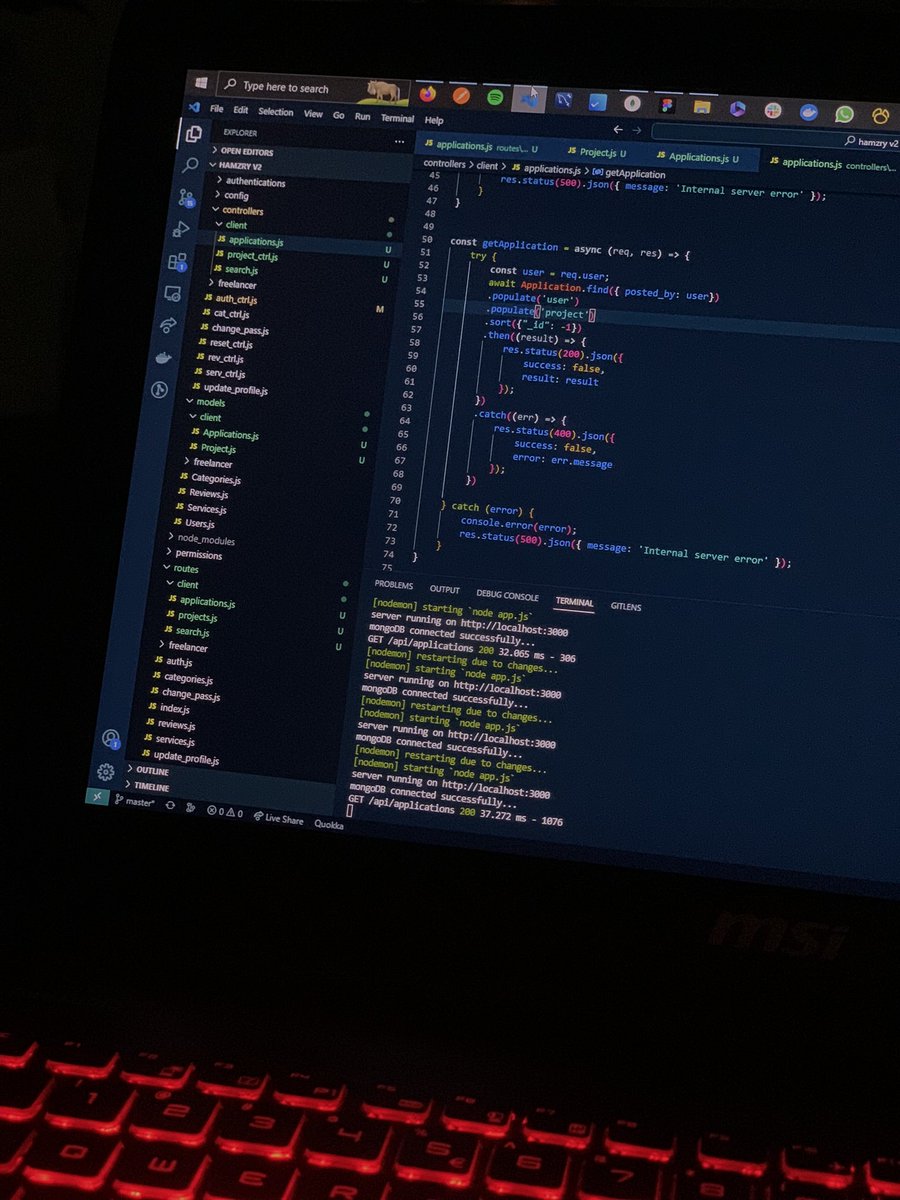
Another day, another code challenge! Being a backend developer means that I get to solve complex problems and create innovative solutions.
#backendengineering
#backendwebdevelopment
#serverdevelopment
#backendprogramming
#backendarchitecture
#backendtech
#backendoptimization
1
1
3
124

15 Apr 2023
1/ If you're interested in Backend Development, you might be wondering where to start. Here are some tips to help you get started:
#backenddevelopment #backendprogramming #webdevelopment #webdev #backendframeworks #Django #RubyonRails #Nodejs #scalability #unittesting
1
3
6
219

11 Mar 2023
#ProTip: Learn the fundamentals of back end development like coding principles, algorithms & databases to unlock your potential as a software engineer. #BackEndProgramming #SoftwareDevelopment #Coding #ProgrammingTips

2
60

@AgencyAnalytics is now hiring! Looking for a remote PHP Developer #WorkFromHome #BackEndProgramming
up2staff.com/php-developer-a…
1
1
3
@TAGMediaLtd is now hiring! Looking for a remote Web Developer #RemoteJobs #BackEndProgramming
up2staff.com/web-developer-a…
2
Kratzen Partners is hiring a Senior Software Developer web/bots #WorkFromHome #BackEndProgramming
up2staff.com/software-develo…
2
Want to work as a remote Platform Engineer at @giantswarm ? #WorkingfromAnywhere #BackEndProgramming
up2staff.com/platform-engine…
1
Want to work remotely as a Backend Developer (Nodejs, Typescript) at @BrandBastion ? #WorkFromHome #BackEndProgramming
up2staff.com/backend-develop…
1
E*SCALE is now looking for a Backend WordPress Developer, eCommerce #RemoteJobs #BackEndProgramming
up2staff.com/backend-wordpre…
1
1
Pactly is hiring a Head of Machine Learning #WorkingfromAnywhere #BackEndProgramming
up2staff.com/head-of-machine…
1

31 May 2021
Website Design using HTML and CSS. youtu.be/PCyeNKbh0JE via @YouTube
#html #csss #javascript #coding #ui #frontend #programming #java #php #sql #backendprogramming #frontend #designs #trending #twitter #htmlcss #phpprojects #code #webdesign #Coursework #Course #Python #codes

3
1