
Jun 15
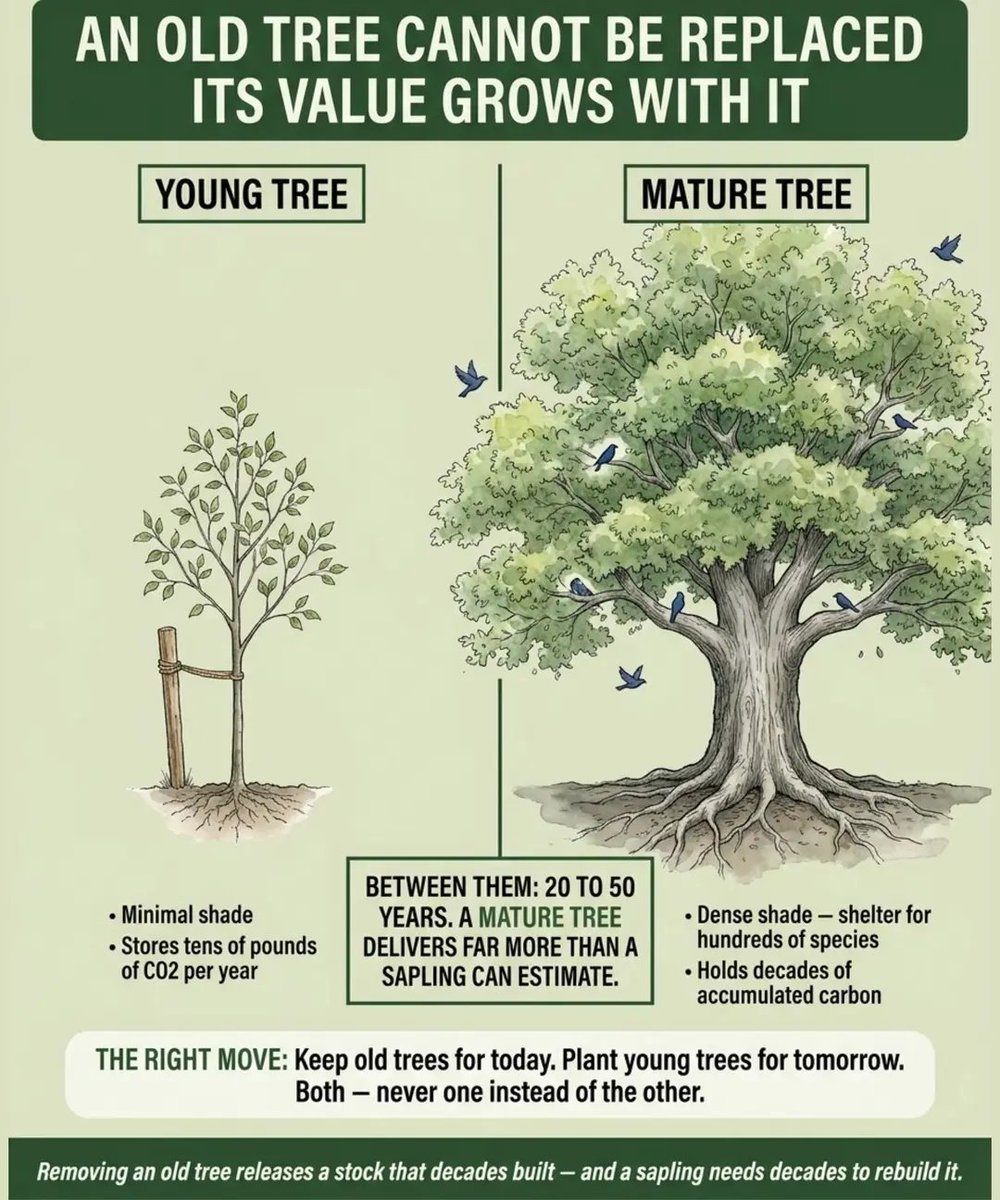
A young tree is not a mature tree in a smaller size. It's a completely different system — and almost everything a tree does for your yard, your neighborhood, and the species living in it grows with age. 🌳
The gap between a newly planted sapling and a mature tree isn't a few years of patience. For most of what we value in trees, it's closer to a factor of a thousand.
What scales with age:
Shade and cooling: a mature tree can transpire well over 100 gallons of water per day, cooling the air around it through evaporation. Its canopy shades hundreds of square feet. A newly planted tree does a fraction of a percent of this.
Wildlife habitat: the older a tree gets, the more complex its structure becomes — rough bark for insects, cavities for cavity-nesting birds, high branches for raptors, leaf litter for ground beetles. Research from the USDA Forest Service and university extension programs consistently documents that older trees support far more species than young trees of the same species, because the habitat features that wildlife depend on take decades to develop.
Carbon storage: a common misconception is that young trees capture carbon faster than old ones. Young trees do grow quickly relative to their size. But a mature tree holds decades of accumulated carbon in its wood, and because its canopy is enormous, it continues adding large amounts of carbon each year. Removing a large old tree doesn't free up space for a better carbon sink — it releases a stock that took decades to build, and a replacement sapling will need 20 to 50 years to approach even a fraction of what was there.
What "we'll plant a new one" doesn't solve:
A newly planted tree stores tens of pounds of carbon per year and provides minimal shade. For it to deliver the cooling, habitat, and water management of a mature tree, you're looking at 20 to 50 years depending on species. At the scale of a human life — and certainly at the scale of a summer heat event — a replacement tree is a promise to the next generation, not a solution for today.
The right approach is both at once: protect existing mature trees as working infrastructure, and plant young trees as an investment in the future. The old tree is today's resource. The sapling is a gift to whoever lives here in thirty years.
Before removing a large tree for aesthetic or convenience reasons, it's worth accounting for what it's already doing — for free — that no young plant will replicate for half a century. 🌿
#MatureTrees #TreeCanopy #BackyardTrees #UrbanForestry #WildlifeHabitat
14
22
322

16 Apr 2025
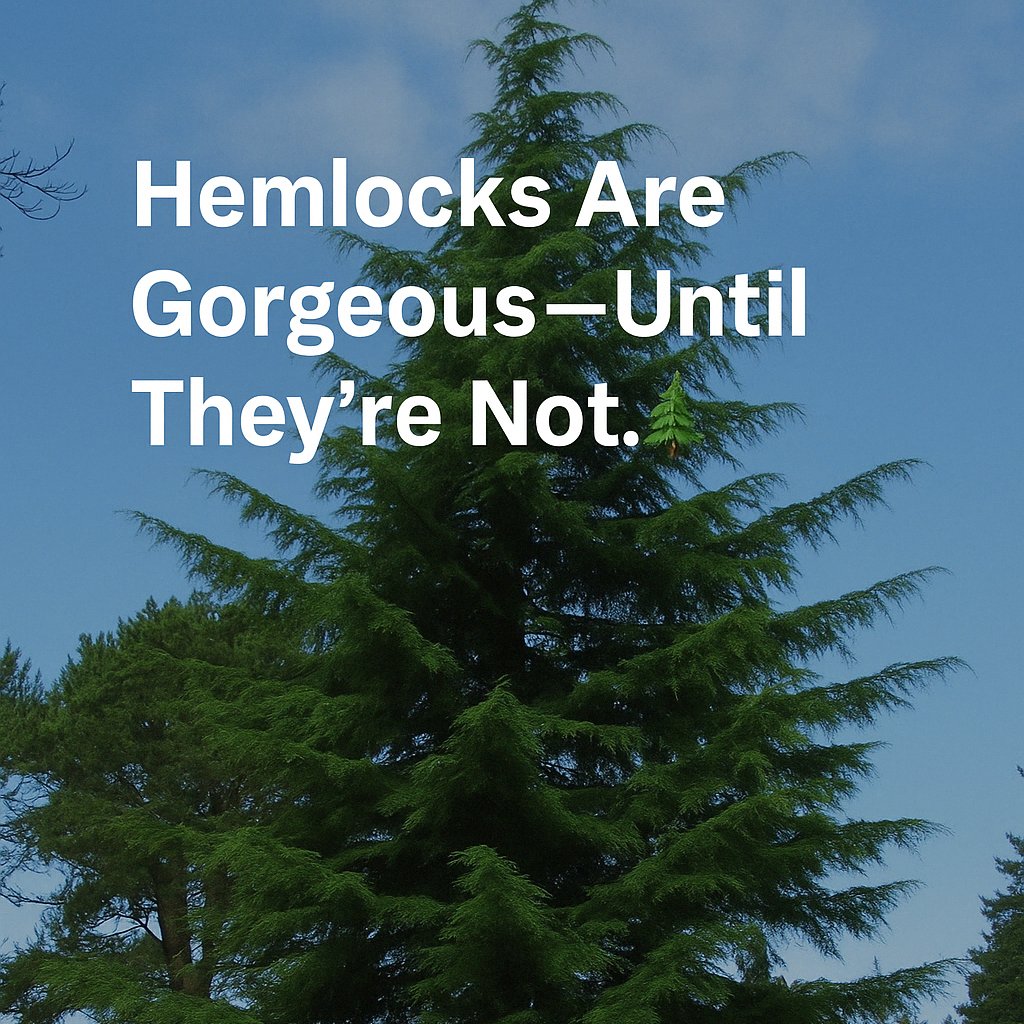
Hemlocks are gorgeous—until they’re not. 🌲
One wrong trim or missed watering, and you’re dealing with brown tips & pest trouble.
Learn the 3 keys to keeping your Hemlock lush and thriving 👉 youtu.be/HhIzvhRAAak
#GardeningTips #HemlockCare #BackyardTrees
3
35

28 Nov 2023
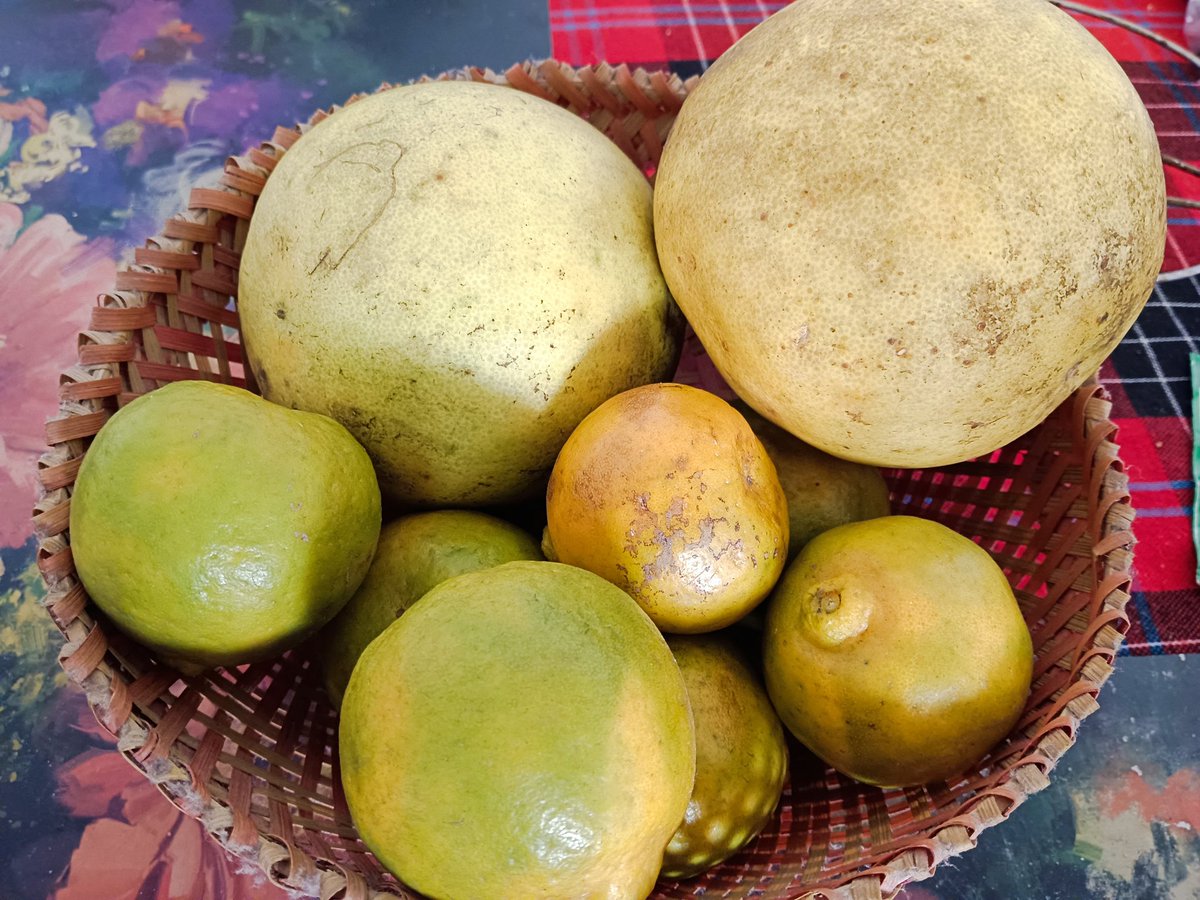
Enjoying the fresh fruit from the trees we'd planted in our childhood. Brought back some oranges and pomelo from McCluskiegunj.
#fruittrees #organic #backyardtrees #freshfruit
4
20
546

29 Apr 2023
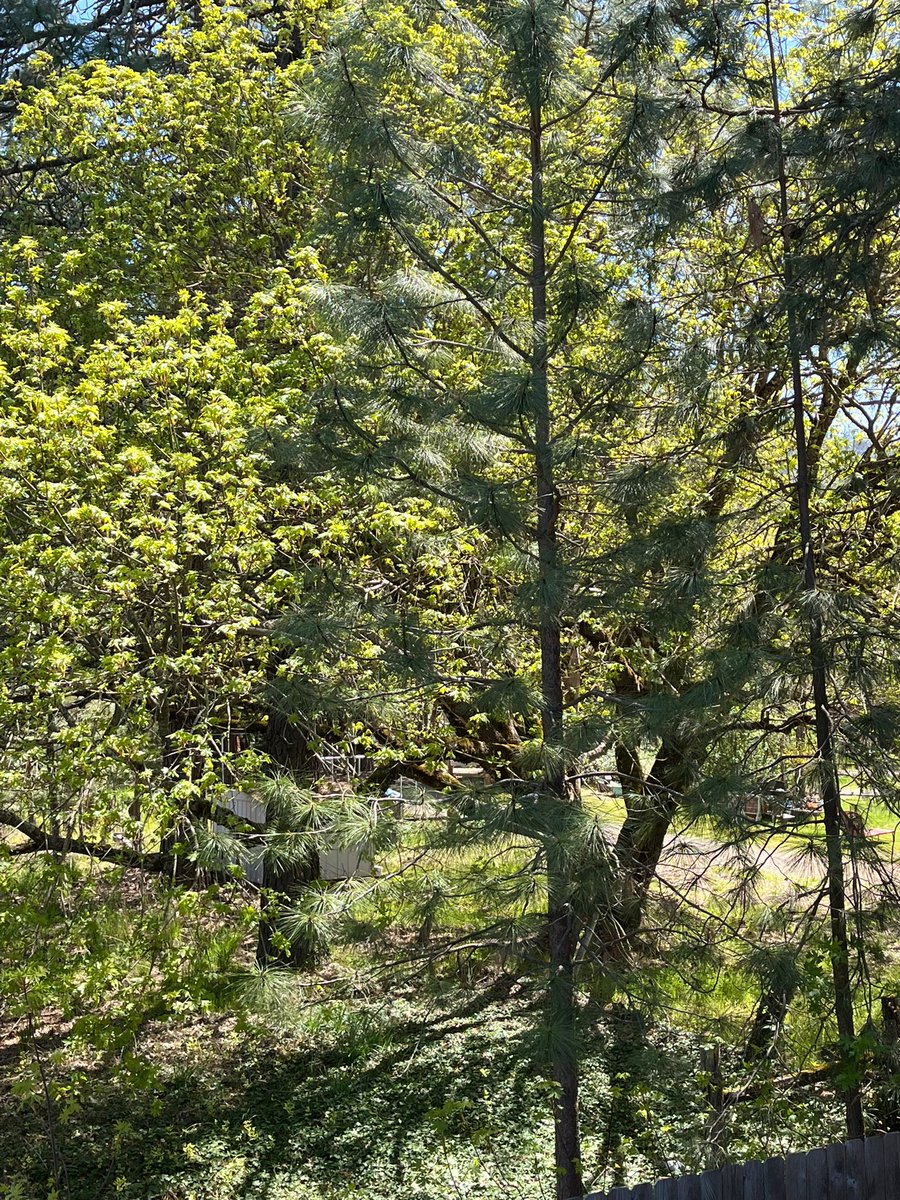
sweetly
music thrives in oak trees
#Storyin6 #prompt #Thrive #poetry #WritingCommunity #writing #photo #backyardtrees
1
1
11
114


20 Jun 2021
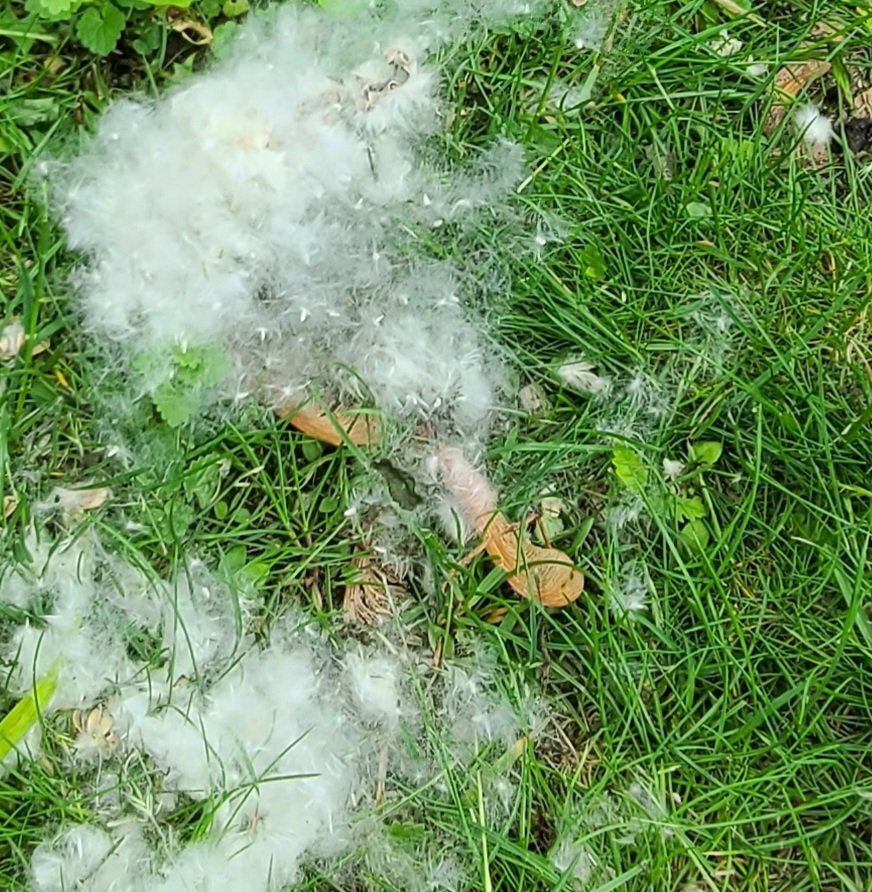
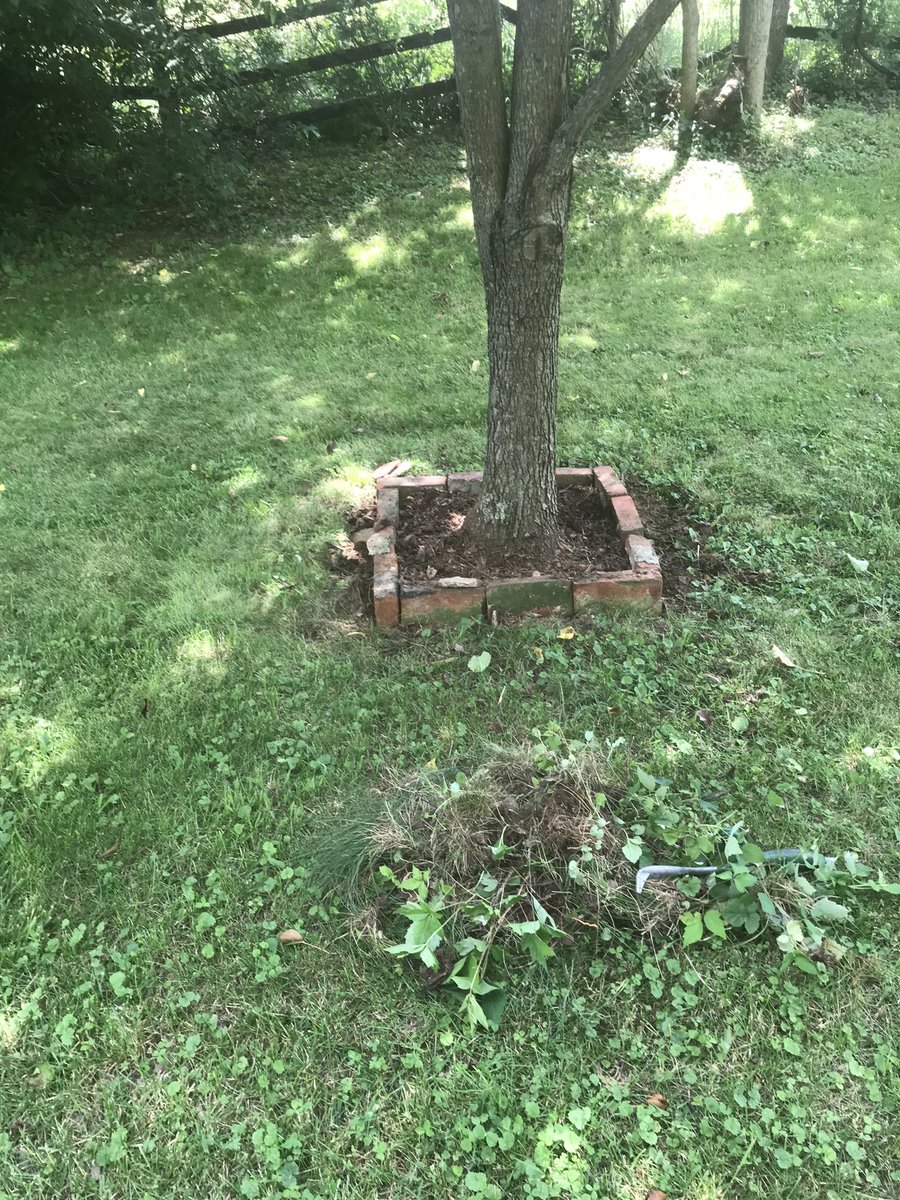
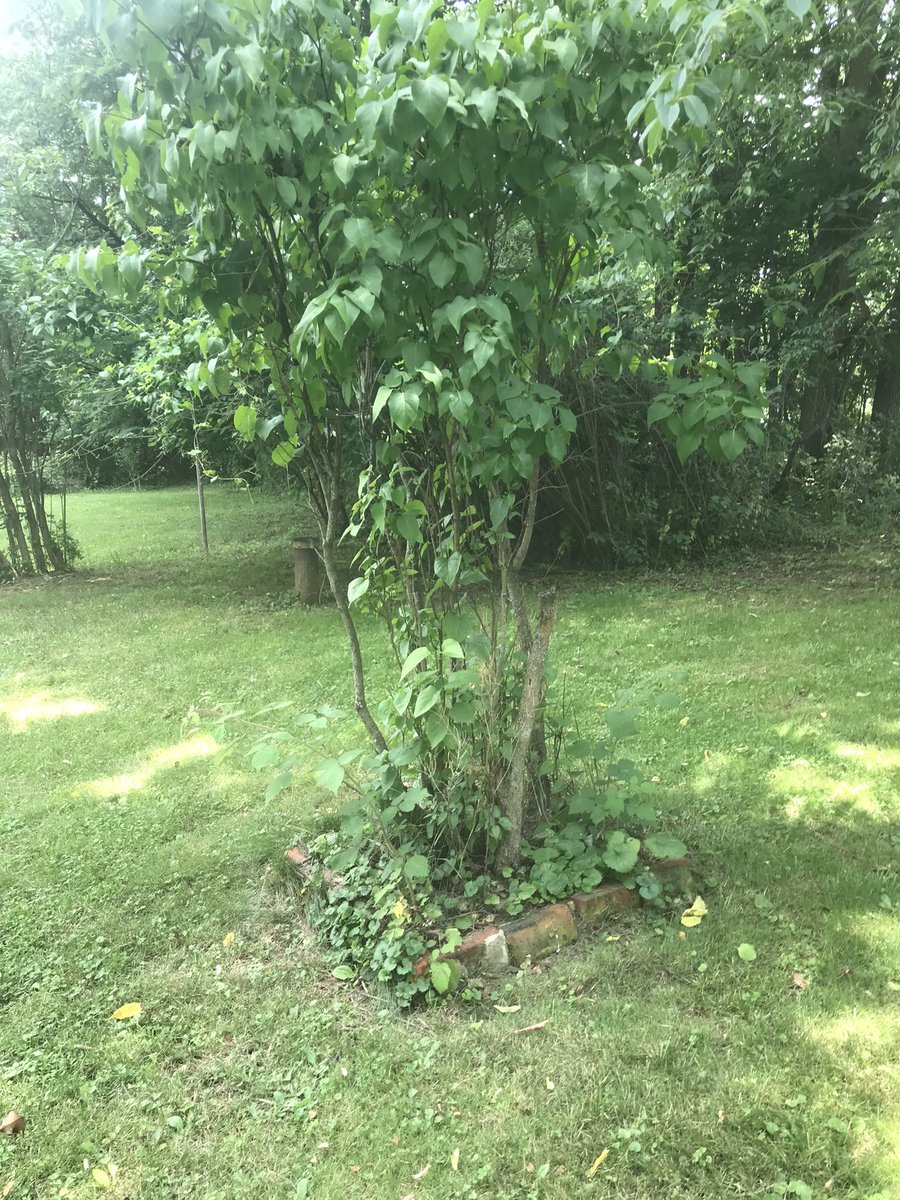
My next step for the remaining 8 bricked-in tree beds throughout the yards. Eventually I’ll line them with some bark to prevent what my lack of attention supported. #backyardtrees #ourtrees #berkeleycountywv #backyardlife #lilac #lilactree #summer2021
3

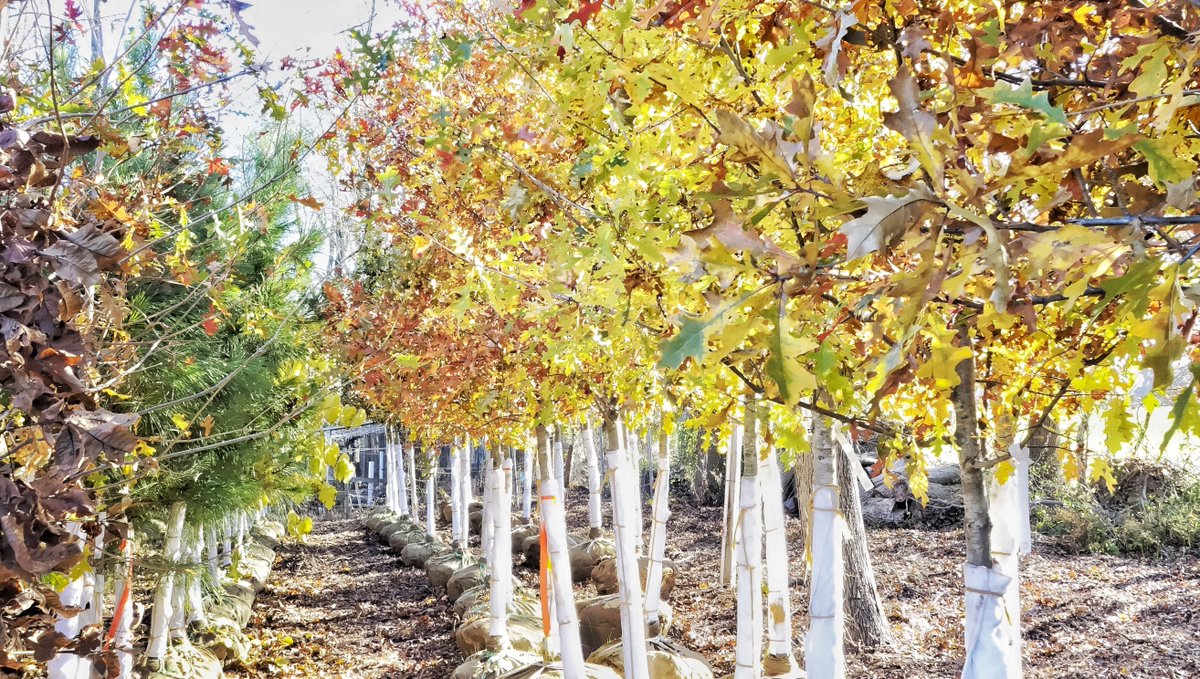
The Tree Montgomery planting season kicked off Nov 16th!! We currently have over 1500 trees on order for planting over the next 3 months. Here are some of the first trees we will be planting. #TreeMontgomery #BackyardTrees #ShadeTrees
2
9

25 Nov 2020
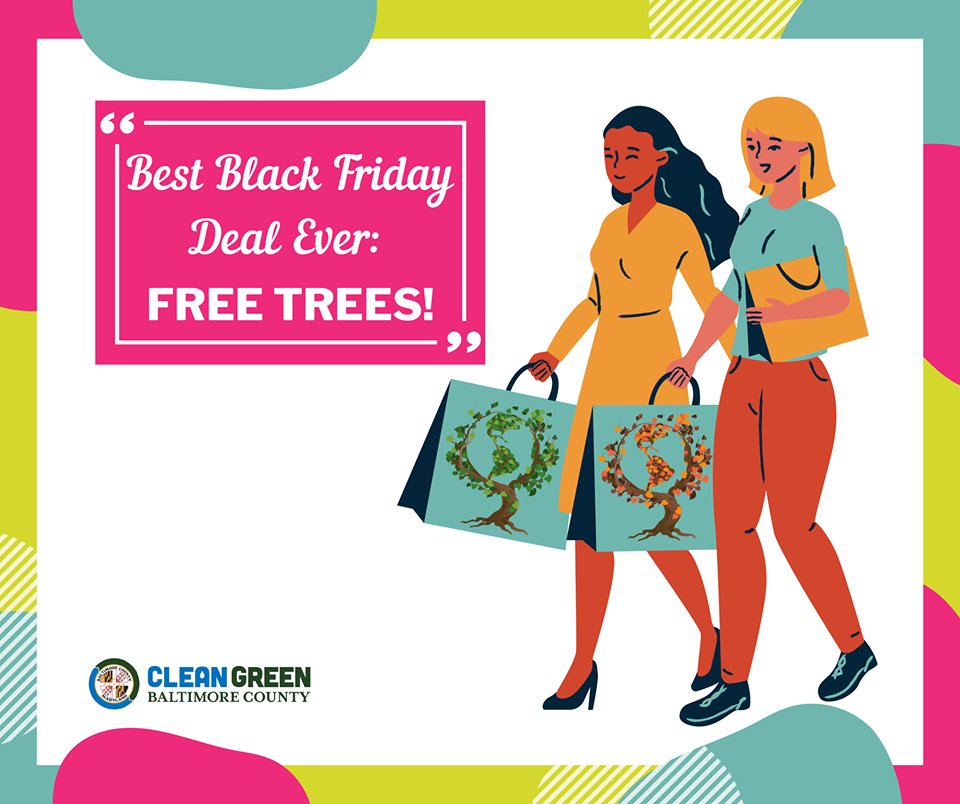
Best Black Friday deal ever—Baltimore County will plant free trees on 1/10th of an acre or more. Schedule now for next spring at baltimorecountymd.gov/FreeTr…. Restrictions apply. #BackyardTrees #FreeTrees #ClimateHero
1
16 Nov 2020
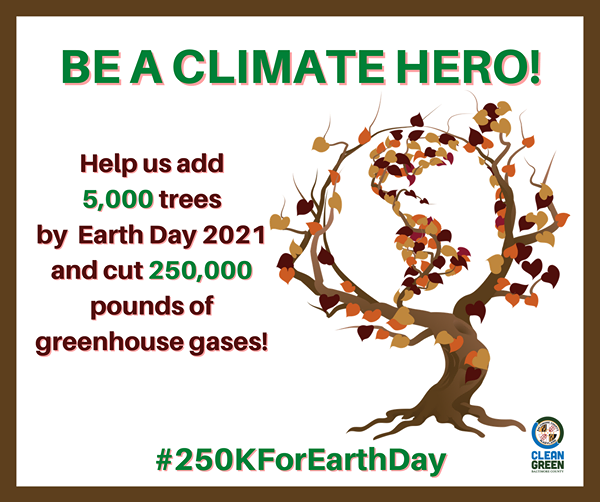
Planting trees is one of the best things you can do to help fight climate change. Baltimore County will plant free trees on 1/10th of an acre or more. Schedule now for next spring at baltimorecountymd.gov/FreeTr…. Restrictions apply. #250KforEarthDay #ClimateHero #BackyardTrees
1
1

9 May 2020
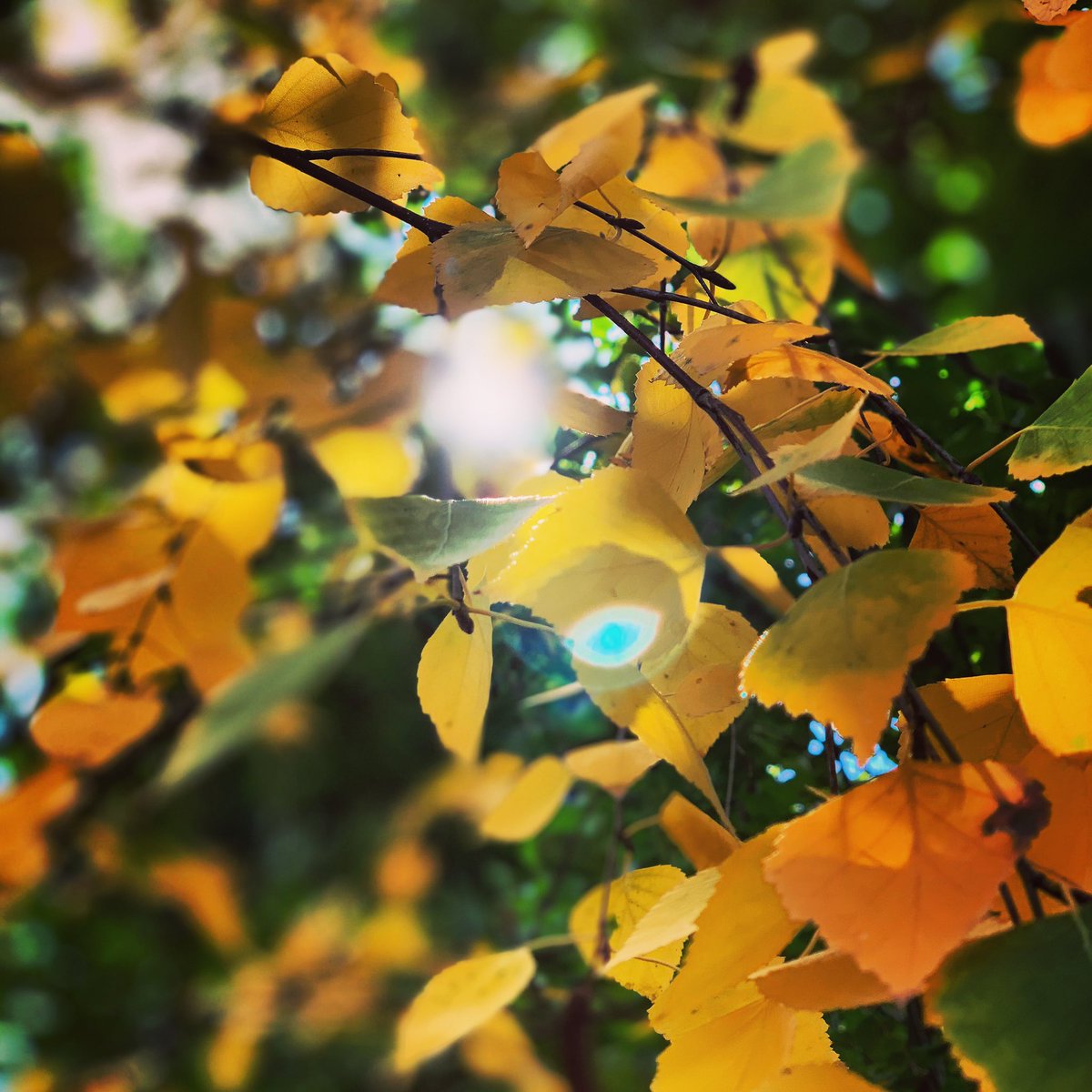
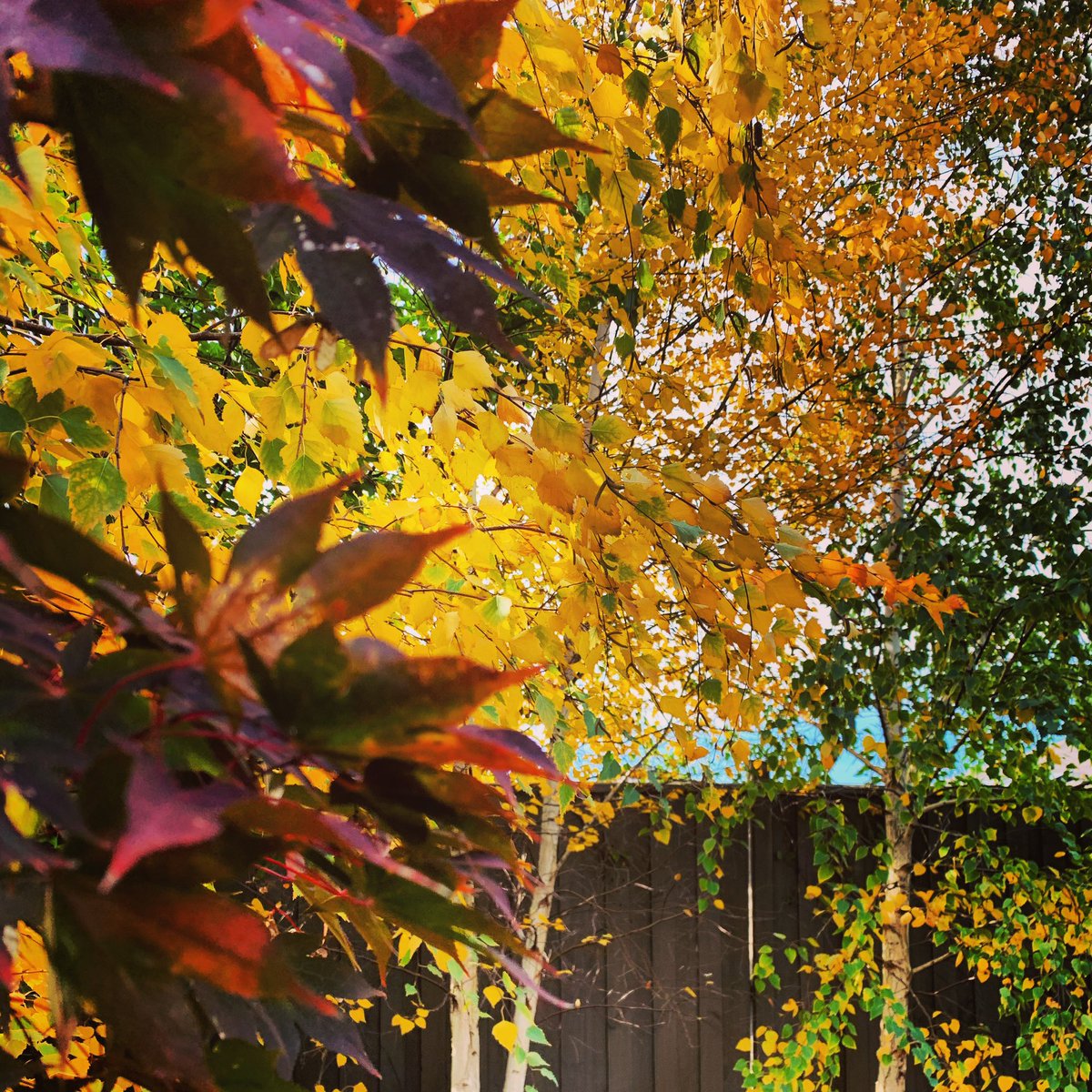
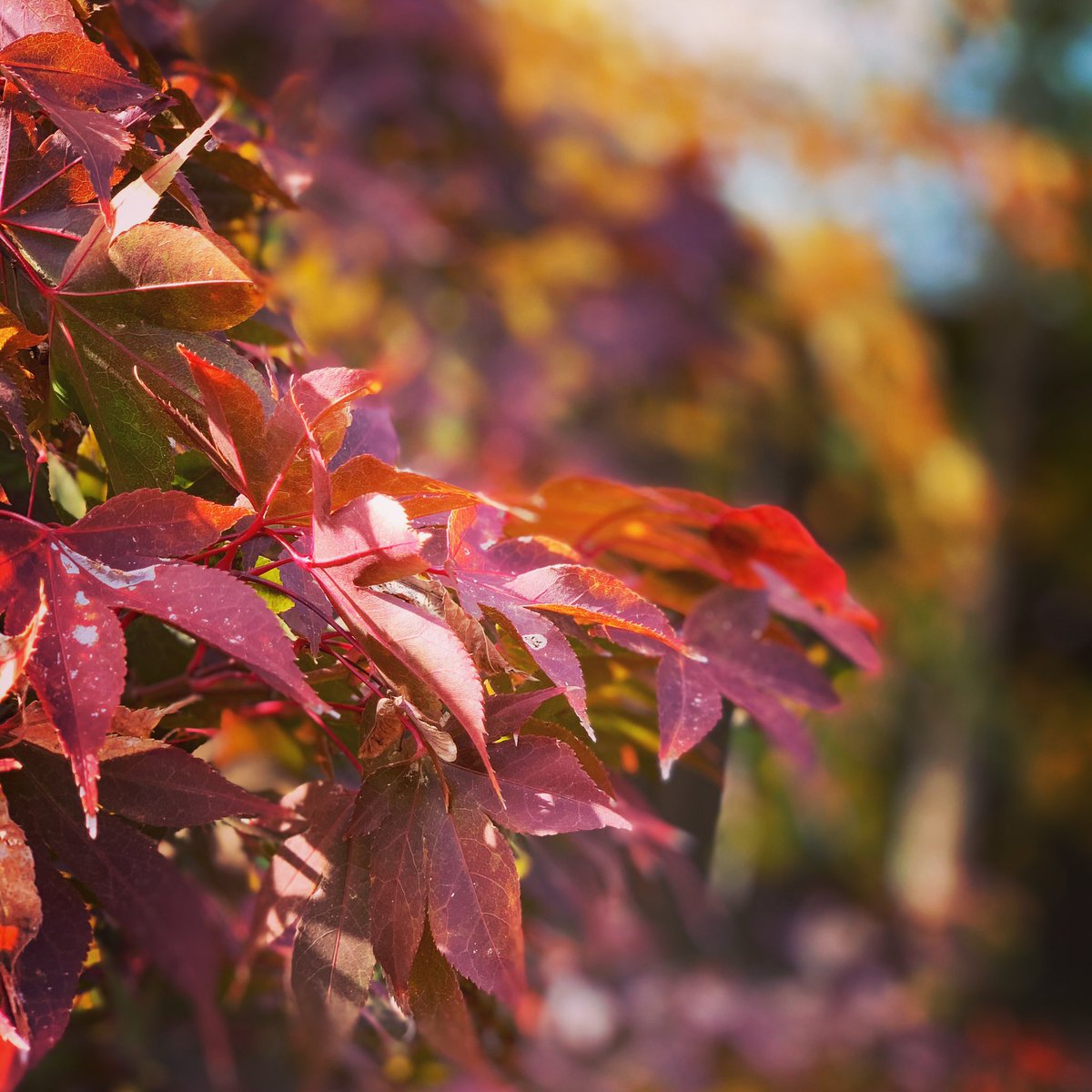
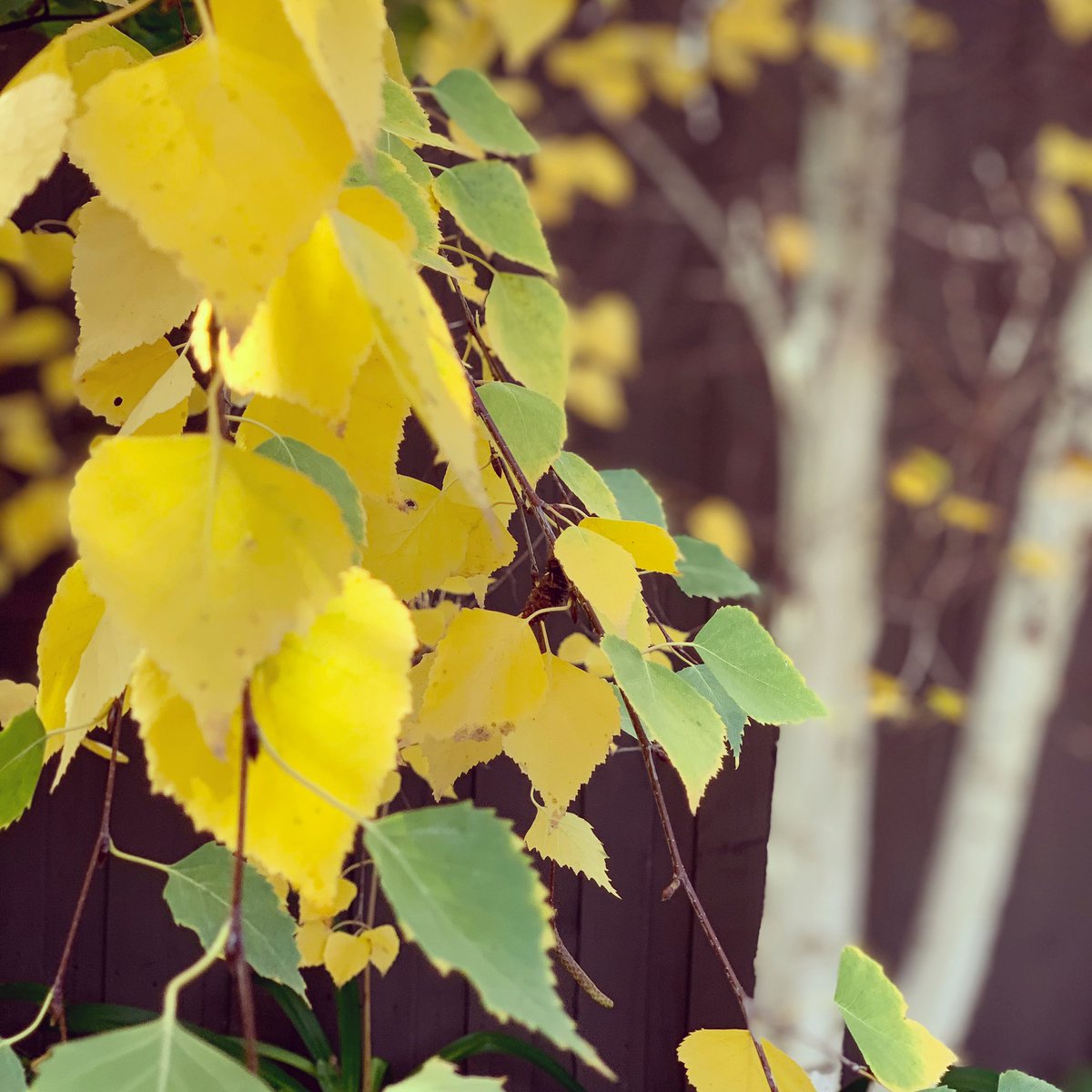
Autumn has well and truly hit my back garden. I hope everyone is enjoying their weekend, even if the backyard is the only place we can go.
...
#writerslife #inspirationeverywhereyoulook #autumnvibes🍁 #backyardtrees #weekendmood #isolation #stayhomesavelives
2

29 May 2017
#Dreamy #backyardtrees
Left to right: #tangerine #orange #grapefruit
Thanks for the welcoming… instagram.com/p/BUqACKtl0k7/
1


15 May 2015
8
3
54