
Δίκτυα Πίστης και Παρακράτος: Η Ανατομία Μιας Πολιτικής Δομής στην Τουρκία
Αν θέλετε να κατανοήσετε πώς λειτουργεί ένα συγκεντρωτικό καθεστώς όχι στο επίπεδο της ρητορικής αλλά στο επίπεδο της οργανωτικής υποδομής, η περίπτωση της Τουρκίας μετά το 2016 είναι από τις πιο μελετημένες στη σύγχρονη πολιτική επιστήμη.
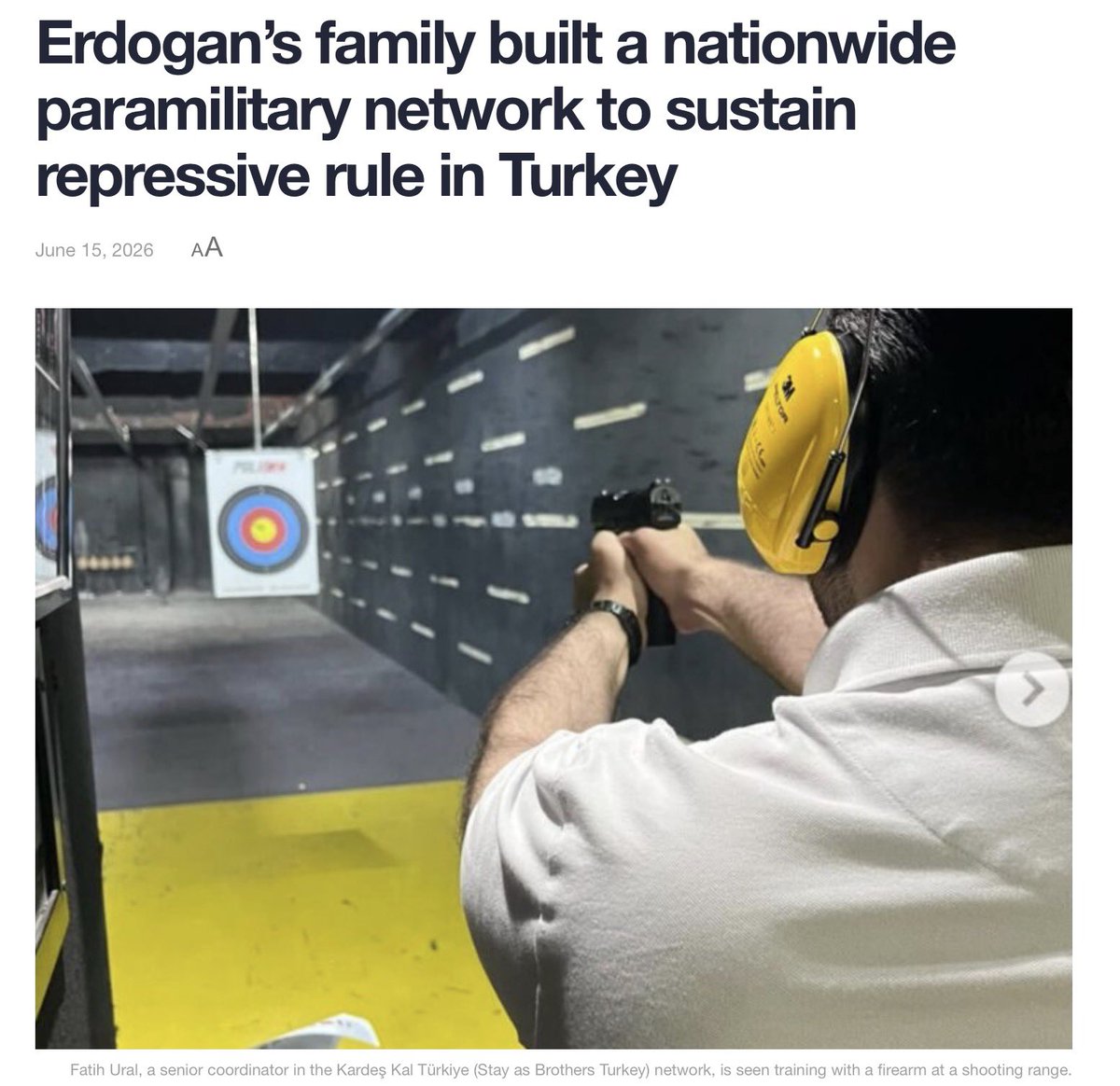
Σύμφωνα με πρόσφατο δημοσίευμα του Nordic Monitor, ένα δίκτυο πολιτοφυλακής εθελοντικής μορφής, γνωστό ως Kardeş Kal Türkiye («Stay as Brothers Turkey»), έχει επεκταθεί σε εθνική κλίμακα με την υποστήριξη κρατικών φορέων, AKP-ελεγχόμενων δήμων και δικτύων κοντά στην κυβέρνηση. Η οργάνωση αυτή δεν παρουσιάζεται επίσημα ως παραστρατιωτική, αλλά ως ανθρωπιστική και αντιμετώπισης εκτάκτων αναγκών.
Η ηγεσία της ανήκει στον Orhan Uzuner, πεθερό του νεότερου γιου του Ερντογάν.
Η οργάνωση ιδρύθηκε στο απόγειο της επεξεργασίας του αφηγήματος γύρω από την αποτυχημένη απόπειρα πραξικοπήματος της 15ης Ιουλίου 2016. Η κυβέρνηση επικαλέστηκε εκείνη τη νύχτα ως απόδειξη ότι η οργανωμένη κινητοποίηση αμάχων μπορεί να αποτελέσει ανάσχεση μιας στρατιωτικής πρόκλησης. Αυτό το αφήγημα, ανεξάρτητα από το κατά πόσον αντικατοπτρίζει ακριβώς τα γεγονότα εκείνης της νύχτας, έδωσε τη νομιμοποιητική βάση για τη θεσμοποίηση ενός μόνιμου «αποθεματικού αμάχων».
Δεν είναι χωρίς ιστορικό προηγούμενο. Παρόμοια μοντέλα έχουν καταγραφεί σε άλλα καθεστώτα: από τα «Basij» στο Ιράν μέχρι τα εθελοντικά δίκτυα παρακολούθησης και ταχείας ανάπτυξης που λειτουργούν στα περιθώρια επίσημων κρατικών δομών σε πολλές περιπτώσεις ημι-αυταρχικών διακυβερνήσεων. Η πρωτοτυπία εδώ είναι η βαθμίδα θεσμικής ενσωμάτωσης: εσωτερική επικοινωνία μέσω ασφαλών καναλιών σε συνεργασία με την Αρχή Τηλεπικοινωνιών (BTK), συντονισμός με δομές του Υπουργείου Εσωτερικών, υλικοτεχνική υποστήριξη από δήμους.
Τα στοιχεία που αναφέρει το Nordic Monitor, αν επαληθευτούν, σκιαγραφούν κάτι πιο δομημένο από έναν απλό πολιτικό σύλλογο. Στρατόπεδα εκπαίδευσης σε επαρχίες όπως το Bolu, η Sakarya και το Karabük, με ασκήσεις drones, επικοινωνία έκτακτης ανάγκης και, σύμφωνα με εσωτερικές επικοινωνίες που επικαλείται η έρευνα, αναφορές σε δυνατότητα πρόσβασης μελών σε πυροβόλα όπλα εάν οι «συνθήκες το απαιτούσαν».
Αξίζει να τονιστεί η επιστημική επιφύλαξη: πρόκειται για μία μόνο πηγή, το Nordic Monitor, με αντίστοιχη κατεύθυνση έρευνας. Τα ευρήματα χρήζουν επαλήθευσης από ανεξάρτητους φορείς. Αυτό δεν σημαίνει ότι δεν αξίζουν ανάλυσης, σημαίνει όμως ότι δεν πρέπει να μεταγράφονται ως αδιαμφισβήτητα γεγονότα.
Τι Σημαίνει Αυτό Δομικά
Αυτό που είναι δομικά ενδιαφέρον, πέρα από τις επιμέρους κατηγορίες, είναι το μοντέλο: μια κυβέρνηση που έχει ήδη εκκαθαρίσει, μετά το 2016, περισσότερα από 100.000 στελέχη από τις ένοπλες δυνάμεις, την αστυνομία, τη δικαιοσύνη και τη δημόσια διοίκηση, χρειάζεται εναλλακτικές δομές πίστης. Δεν αρκεί ο έλεγχος των θεσμών, χρειάζεσαι και παράλληλα δίκτυα που να μπορούν να ενεργοποιηθούν σε συνθήκες πολιτικής αστάθειας.
Αυτή η λογική δεν αποτελεί εφεύρεση του AKP. Είναι, όμως, η πιο συστηματική εφαρμογή της που έχουμε δει σε χώρα NATO τα τελευταία χρόνια.
Για την Ελλάδα, το ζήτημα αυτό δεν είναι απλά θέμα γειτνίασης με μια πολιτικά αστάθμητη χώρα. Είναι και ζήτημα κατανόησης με ποιο κράτος, ποιους θεσμούς και ποια δομές πραγματικά διαπραγματευόμαστε, και αν μια ψυχανάλυση του Ερντογάν είναι αρκετή. Οι διπλωματικοί χειρισμοί, οι επαφές σε επίπεδο ασφάλειας, ακόμα και τα ζητήματα προσφυγικής διαχείρισης, εκτυλίσσονται σε ένα πλαίσιο όπου η τυπική κρατική δομή συνυπάρχει με μη επίσημα, αλλά πολιτικά χρηστικά, δίκτυα.
Το να αγνοούμε αυτή τη διάσταση δεν κάνει το πρόβλημα να εξαφανιστεί. Το κάνει όμως δυσκολότερο να αντιμετωπιστεί.
#Turkey #Erdogan #Geopolitics #NATO #InternalSecurity #Greece #GreekForeignPolicy #Τουρκία #Γεωπολιτική
Mike Free retweeted

Netanyahu: “We targeted Basij commanders who HARMED the Iranian people.”
23
85
705
7,088
VillasCotedAzur retweeted

I still believe something shifted around the middle of March, when suddenly drone attacks on regime police stations and basiji units stopped.
It was an extremely effective strategy and it would have worked. But then it all ground to a halt.
What happened back then?
179
265
2,550
89,488

Trump stopped the Israelis from finishing the regime when he called off the Basij station strikes. On purpose.
1
14

@cenkuygur
What you count as “Peace” is hardly peaceful. Let's review the “peace” under the regime in Iran.
Over 4,000 executions were recorded by Amnesty International in the first few years after the 1979 revolution. Targets included former Shah officials, military/police, leftists (Tudeh Party, Fedayeen, MEK), monarchists, and others.
Baha'is: More than 200 executed or killed (plus disappearances and imprisonment). Notable case: 10 Baha'i women (including a 17-year-old) publicly hanged in Shiraz in June 1983 after refusing to renounce their faith; six Baha'i men executed days earlier. Community leaders and local/national assembly members systematically targeted.
Additional mass executions in 1981–1982: ~3,500 political cases.
Methods: Summary trials, firing squads, hangings. Many bodies unreturned or buried in unmarked graves.
Iranian fatalities: Estimates range from ~180,000–220,000 (one systematic review of records) to 500,000 (including missing; higher scholarly/government-linked figures). Primarily military (young Basij volunteers in human-wave attacks), with civilian deaths from Iraqi strikes/chemical weapons.
Regime responsibility includes: Continuing the war after initial defense (rejecting early ceasefires), ideological "human wave" tactics, and prolongation that amplified casualties. Iraqi chemical attacks killed or injured tens of thousands of Iranians. Total war dead (both sides) often estimated ~500,000–1 million.
Chain Murders (1988–1998, peaking in late 1990s)
At least 80 dissident intellectuals, writers, poets, translators, and activists assassinated or disappeared inside Iran (some cases abroad).
Perpetrated by Ministry of Intelligence agents. Government later acknowledged some killings (blaming "rogue elements") after public outcry (e.g., murders of Dariush and Parvaneh Forouhar). Victims included critics of the regime.
Annual figures fluctuate but often high: Iran frequently leads or ranks near the top globally in executions per capita. Amnesty recorded at least 2,159 executions in 2025 (more than double prior year; highest in decades for Iran; ~half drug-related per authorities). Many others for murder/rape, but critics highlight vague political charges (moharebeh—"enmity against God," baghi—"armed rebellion"), unfair trials, and use against protesters/dissidents.
10
What you count as “Peace” is hardly peaceful. Let's review the “peace” under the regime in Iran.
Over 4,000 executions were recorded by Amnesty International in the first few years after the 1979 revolution. Targets included former Shah officials, military/police, leftists (Tudeh Party, Fedayeen, MEK), monarchists, and others.
Baha'is: More than 200 executed or killed (plus disappearances and imprisonment). Notable case: 10 Baha'i women (including a 17-year-old) publicly hanged in Shiraz in June 1983 after refusing to renounce their faith; six Baha'i men executed days earlier. Community leaders and local/national assembly members systematically targeted.
Additional mass executions in 1981–1982: ~3,500 political cases.
Methods: Summary trials, firing squads, hangings. Many bodies unreturned or buried in unmarked graves.
Iranian fatalities: Estimates range from ~180,000–220,000 (one systematic review of records) to 500,000 (including missing; higher scholarly/government-linked figures). Primarily military (young Basij volunteers in human-wave attacks), with civilian deaths from Iraqi strikes/chemical weapons.
Regime responsibility includes: Continuing the war after initial defense (rejecting early ceasefires), ideological "human wave" tactics, and prolongation that amplified casualties. Iraqi chemical attacks killed or injured tens of thousands of Iranians. Total war dead (both sides) often estimated ~500,000–1 million.
Chain Murders (1988–1998, peaking in late 1990s)
At least 80 dissident intellectuals, writers, poets, translators, and activists assassinated or disappeared inside Iran (some cases abroad).
Perpetrated by Ministry of Intelligence agents. Government later acknowledged some killings (blaming "rogue elements") after public outcry (e.g., murders of Dariush and Parvaneh Forouhar). Victims included critics of the regime.
Annual figures fluctuate but often high: Iran frequently leads or ranks near the top globally in executions per capita. Amnesty recorded at least 2,159 executions in 2025 (more than double prior year; highest in decades for Iran; ~half drug-related per authorities). Many others for murder/rape, but critics highlight vague political charges (moharebeh—"enmity against God," baghi—"armed rebellion"), unfair trials, and use against protesters/dissidents.
10
@cenkuygur What you count as “Peace” is hardly peaceful. Let's review the “peace” under the regime in Iran.
Over 4,000 executions were recorded by Amnesty International in the first few years after the 1979 revolution. Targets included former Shah officials, military/police, leftists (Tudeh Party, Fedayeen, MEK), monarchists, and others.
Baha'is: More than 200 executed or killed (plus disappearances and imprisonment). Notable case: 10 Baha'i women (including a 17-year-old) publicly hanged in Shiraz in June 1983 after refusing to renounce their faith; six Baha'i men executed days earlier. Community leaders and local/national assembly members systematically targeted.
Additional mass executions in 1981–1982: ~3,500 political cases.
Methods: Summary trials, firing squads, hangings. Many bodies unreturned or buried in unmarked graves.
Iranian fatalities: Estimates range from ~180,000–220,000 (one systematic review of records) to 500,000 (including missing; higher scholarly/government-linked figures). Primarily military (young Basij volunteers in human-wave attacks), with civilian deaths from Iraqi strikes/chemical weapons.
Regime responsibility includes: Continuing the war after initial defense (rejecting early ceasefires), ideological "human wave" tactics, and prolongation that amplified casualties. Iraqi chemical attacks killed or injured tens of thousands of Iranians. Total war dead (both sides) often estimated ~500,000–1 million.
Chain Murders (1988–1998, peaking in late 1990s)
At least 80 dissident intellectuals, writers, poets, translators, and activists assassinated or disappeared inside Iran (some cases abroad).
Perpetrated by Ministry of Intelligence agents. Government later acknowledged some killings (blaming "rogue elements") after public outcry (e.g., murders of Dariush and Parvaneh Forouhar). Victims included critics of the regime.
Annual figures fluctuate but often high: Iran frequently leads or ranks near the top globally in executions per capita. Amnesty recorded at least 2,159 executions in 2025 (more than double prior year; highest in decades for Iran; ~half drug-related per authorities). Many others for murder/rape, but critics highlight vague political charges (moharebeh—"enmity against God," baghi—"armed rebellion"), unfair trials, and use against protesters/dissidents.
12