
Jun 10
You’re not controlled by habits—you’re controlled by the structures beneath them.Hidden Dependencies exposes the invisible architecture shaping your behavior.Read this if you’re ready to stop running on autopilot.books2read.com/u/bxVa0d
#HiddenDependencies #SystemsThinking #CognitiveArchitecture #InvisibleForces #BehaviorDesign #MindsetShift #DeepPsychology #StructuralTheory #HumanBehavior #SelfMastery #ModernPremiseSeries


Health meter와Boost meter 리워크는
겉으로 보면 작은 UI 업데이트처럼 보일 수 있다.
하지만 나는 이 부분이 Nasun의 핵심 철학과 가장 가까운 변화라고 본다.
왜냐하면 Web3에서 유저가 계속 남으려면 보상보다 먼저
필요한 게 있다.
바로 피드백이다.
내가 지금 잘하고 있는지,
내 활동이 유지되고 있는지
무엇을 더 하면 boost를 올릴 수 있는지
이런 신호가 있어야 사람은 다시 움직인다.
Nasun의 Health / Boost meter는 단순 수치가 아니라
참여 리듬을 만드는 장치다.
좋은 제품은 유저에게 명령하지 않는다.
대신 유저가 스스로 움직이게 만든다.
이번 업데이트는 그 방향에 가깝다.
활동 → 피드백 → 조정 → 반복
이 루프가 강해질수록
Nasun은 단순 이벤트 플랫폼이 아니라 습관이 되는 환경에 가까워진다.
나는 이게 리텐션의 진짜 핵심이라고 본다.
@nasun_io @Naru010110 @overclocksalmon
#Nasun #BoostMeter #UserRetention #BehaviorDesign
2
1
4
62

Most gamification fails before it starts.
Not from bad design, but shallow understanding.
Points and badges without behavioral insight create noise.
Start with motivation and context.
Align it, and engagement grows. Miss it, and it fades.
#Gamification #BehaviorDesign #UX
2
50

Apr 10
I have been closely watching how @XOOBNetwork positions itself lately. It is a fascinating case study in moving away from a traditional product push and moving toward true behavior design.
Most projects in this space are obsessed with the First Impression. They want the flashiest graphics, the loudest marketing, and aggressive onboarding that forces users through a funnel. But @XOOBNetwork is playing a different game.
Here is why their approach stands out:
📍 Environment over Instructions
They don’t tell users what to do. Instead, they have built an environment where the right actions feel completely natural. When a flow rewards curiosity rather than forcing a narrative, the user feels in control. That’s where true engagement begins.
📍 Optimizing for the 2nd and 3rd Interaction
First impressions get people in the door, but the second and third interactions are where they decide to stay or leave. $XOOB seems to focus heavily on these micro-moments the subtle points of engagement that turn a casual visitor into a loyal user.
📍 Substance over Surface
On the surface, it is clean and minimal. Underneath, there is a surgical focus on how people actually interact with the ecosystem. It is not about how things look it is about how they function in the user’s daily flow.
The Reality of Retention:
In a world of constant noise, quiet growth is often the most sustainable. By aligning their product so tightly with human behavior and on-chain activity, they are building a foundation that most projects overlook.
It’s still flying under the radar for many. But when you solve for behavior instead of just hype, you aren't just building a product you are building a habit.
Keep an eye on this one. It won't stay quiet for long. 🚀
xoob.link?ref=e815b75fd2
$XOOB @RiverdotInc @River4fun @quipnetwork #Web3 #Retentio #BehaviorDesign #GrowthStrategy
175
3
210
10,609
Game designers cracked human persistence decades ago.
Businesses still haven't caught on.
Same person who ignores your training plays Dark Souls for 80 hours.
Same human. Different system.
Stop blaming people. Fix the feedback loop.
#gamification #BehaviorDesign
1
2
91

Feb 17
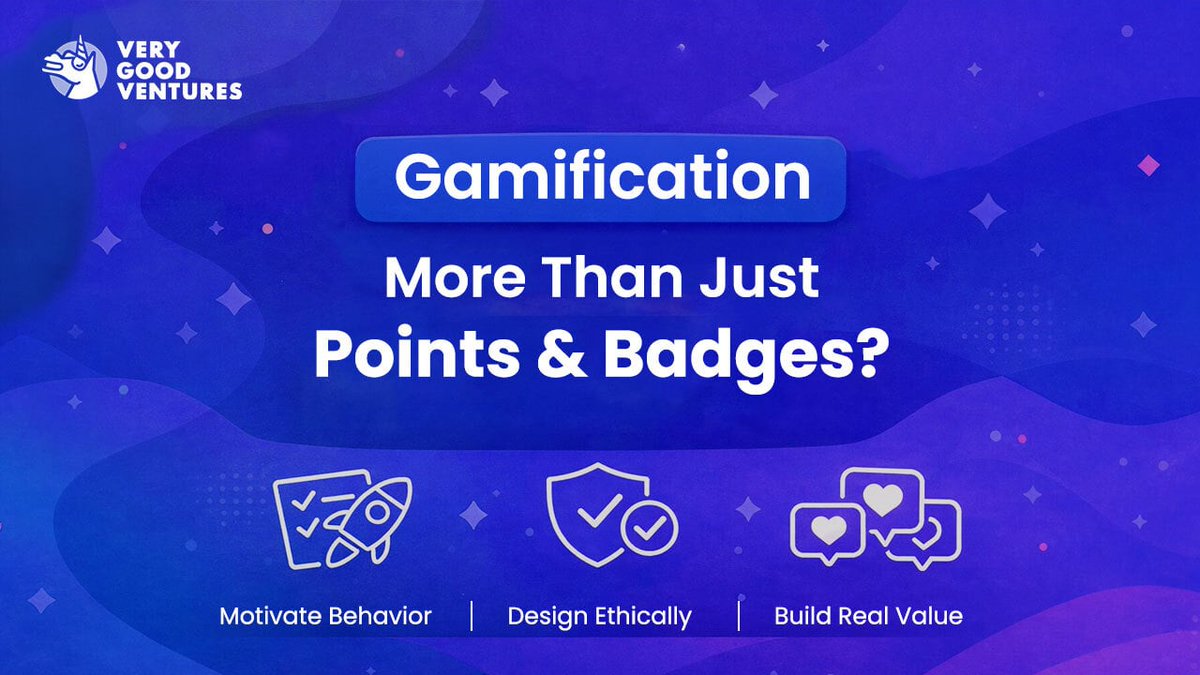
🎯 Gamification ≠ points & badges
Real gamification is:
🧠 Behavior design
📈 Meaningful progress
🤝 Ethical engagement
🚫 No dark patterns
Done right, it helps users build habits they actually want to keep.
👉 Read how VGV designs gamified systems that respect users
hubs.ly/Q042kQPb0
#Gamification #UX #ProductDesign #BehaviorDesign #EthicalUX
4
415

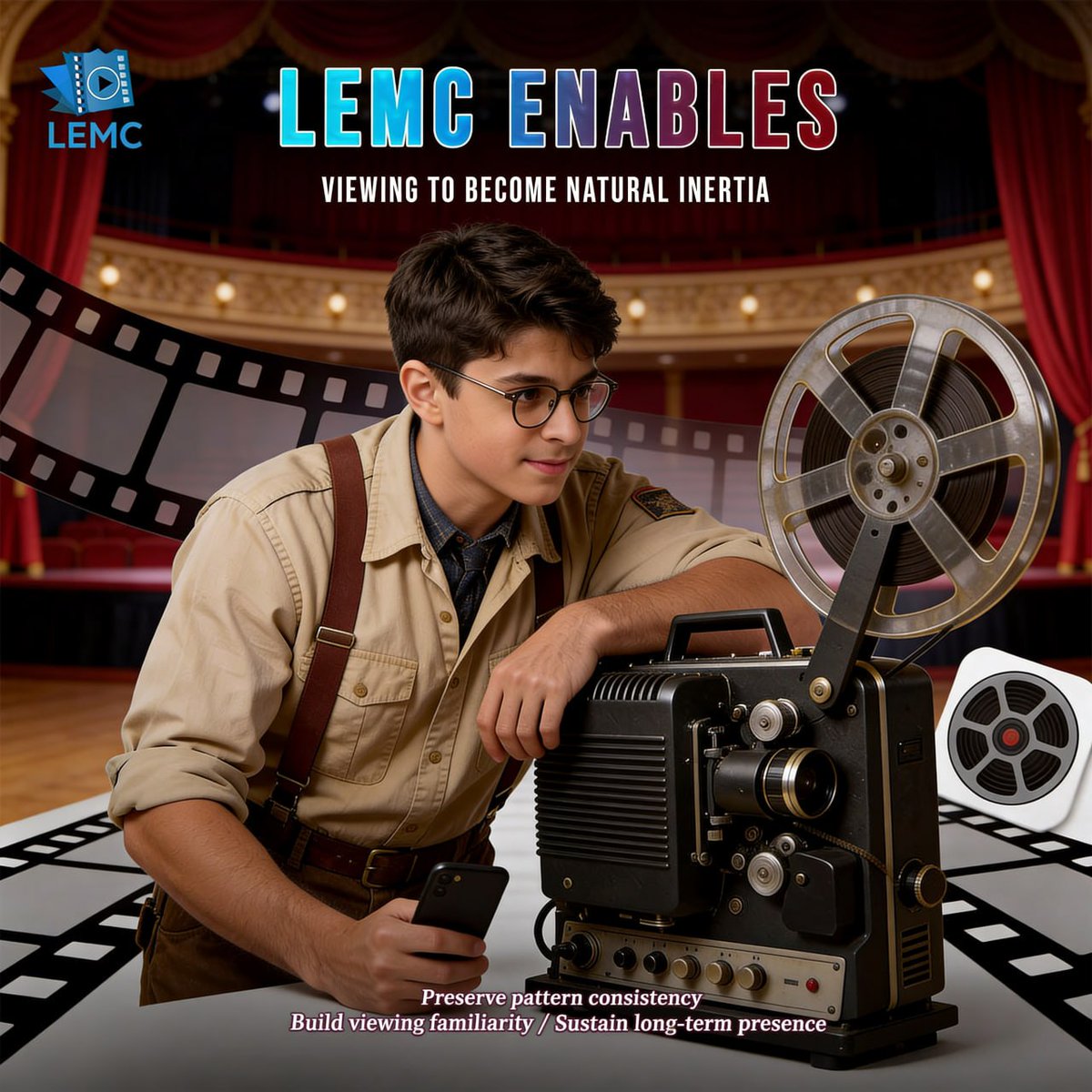
LEMC Enables Viewing to Become Natural Inertia
✅ Preserve pattern consistency
✅ Build viewing familiarity
✅ Sustain long-term presence
#ViewingHabit #ShortDramaLogic #MediaConsistency #BehaviorDesign #ContentEcosystem #DigitalEntertainment #AudienceRetention
11
12
1,327
Think gamification is just points and badges? Think again. Real gamification is about behavior change, motivation, and making progress visible. Stop chasing trophies, start designing impact.
#Gamification #Productivity #BehaviorDesign #ProfessorGame
1
4
87

Feb 2
GA my lovess💗
Congratss to all ZAMA boys👏
Let’s talk AstroLOLogy again!
Astrology works because people naturally want clarity when life feels confusing. When things seem random, we look for patterns that help us understand our emotions.
That’s why pages like @astrolologyls resonate with so many people. It’s not about predicting the future or fortune-telling. It’s about explaining moods, reactions, and feelings people are already experiencing today.
The internet keeps evolving, platforms come and go, but the human need to find meaning and make sense of life stays the same. Astrology simply gives people a familiar way to do that.
#AstroLOLogy #BehaviorDesign #SilentStorytelling #AstroLOLogyIP #LOLtokenairdrop

40
7
53
1,842

Feb 2
Good evening fam💥✨
🎭 @astrolologyls doesn’t explain personalities.
It lets them act.
No labels on screen.
No traits listed.
Just situations that quietly reveal
who overreacts,
who observes,
who avoids,
and who leads.
That restraint is the design.
@astrolologyls proves that when behavior is clear,
words become unnecessary.
A rare kind of storytelling —
calm, confident, and instantly understood.
#AstroLOLogy #BehaviorDesign #SilentStorytelling #CreativeProcess #DigitalNarratives

119
73
120
833

Jan 20
Most fitness apps optimize for workouts.
The real problem is behavior.
TRAINIUM is designed around feedback loops: effort → consequence → adaptation.
That’s how consistency is engineered.
#TRAINIUM #BehaviorDesign #SmartFitness
3
3
54
Jan 20
The future of fitness isn’t louder motivation or harder workouts.
It’s intelligent systems that observe behavior, adapt to performance, and financially align long-term consistency with measurable health outcomes.
When incentives, data, and physiology are designed to reinforce each other, discipline stops relying on willpower and starts emerging from the system itself.
TRAINIUM is built for that future.
Good morning to the world 🌏
#GoodMorning #GM #FutureOfFitness #BehaviorDesign #Web3Fitness
1
3
3
62

Money follows behavior. Sharpen habits first, wealth second.
#BehaviorDesign #WealthBuilding #Discipline #Clarity #FYP
1
2
118

Jan 6
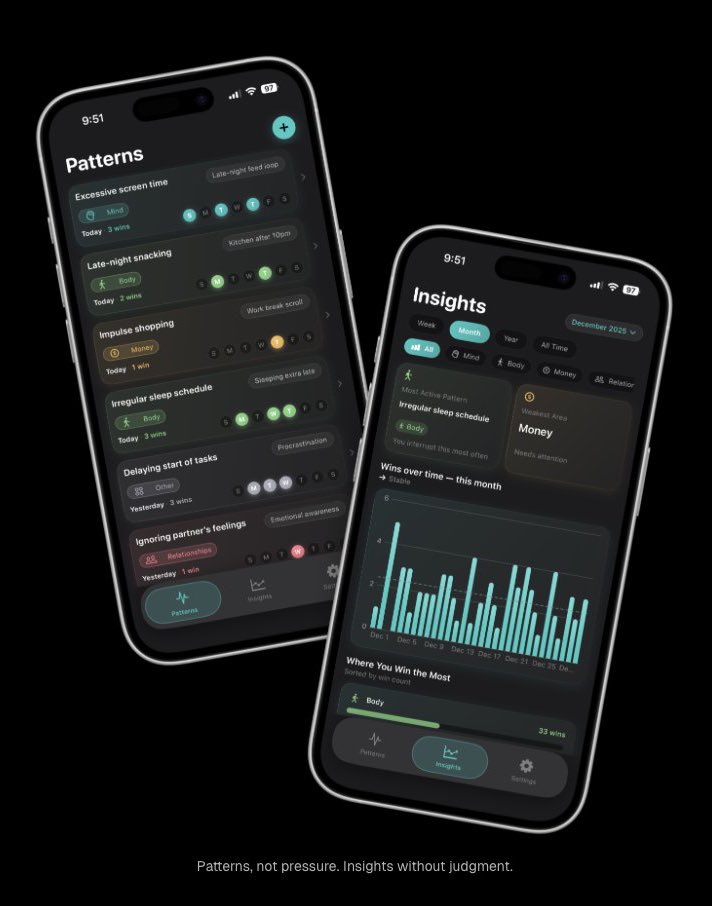
Building Interruptly (Interruptly.life), a habit tracker for noticing patterns, not chasing streaks.
Unlike traditional habit apps that punish missed days and reward perfection, Interruptly assumes the habit already exists and only tracks the moments autopilot breaks.
It turns interruptions into data, surfacing when, where, and why behaviors show up through pattern analytics, risk signals, and trend insights over time.
It doesn’t tell you to “do better tomorrow.”
It helps you understand what’s actually happening, so change becomes informed, not forced.
Built for people who want awareness before willpower and progress without guilt.
#BuildInPublic #BehaviorDesign #PatternRecognition #IndieHacker #HabitDesign #QuantifiedSelf
1
2
79

Jan 4
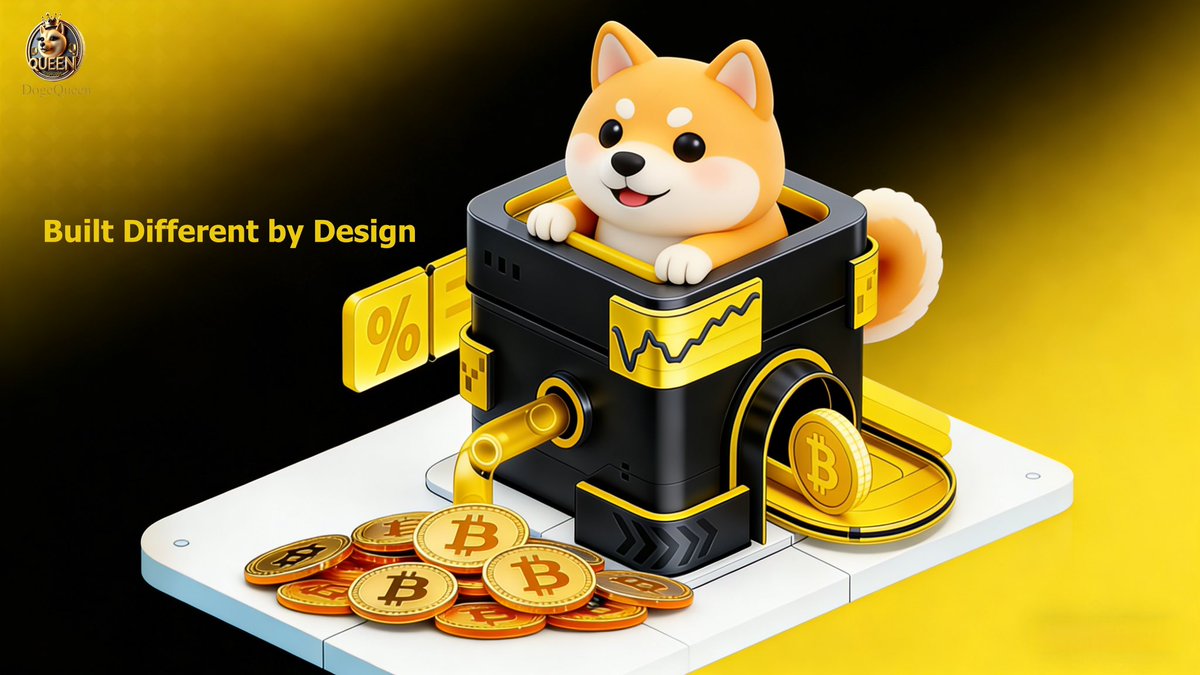
Built different is not just a slogan — it’s the DNA of behavior.
Every action, every design choice, builds a different world.
#DogeQueen #DogeCity #BuiltDifferent #Web3 #BehaviorDesign
1
8
146

Jan 2
The Invisible UX: When Design Disappears
The best design you experienced today is something you didn't notice at all.
You walked through a door that opened automatically. You never thought "should I push or pull?" You never grabbed a handle. You just walked through.
That's invisible UX. And it's the opposite of what most people think minimalism means.
Minimalism isn't about removing buttons or whitespace or "clean interfaces."
It's about removing decisions.
Here's the difference:
Visible minimalism: A sleek interface with three buttons instead of ten.
Invisible UX: No buttons at all because the system already knows what you need.
Visible minimalism: A simple menu with fewer options.
Invisible UX: No menu because the right thing happens automatically.
Think about your morning routine. You don't decide to unlock your phone; Face ID just handles it. You don't decide which route to take your GPS already calculated it while you were putting on your shoes.
You don't decide which song plays first: Spotify queued something based on the time of day.
None of these felt like interactions. They felt like nothing. That's the point.
Every decision you make, no matter how small, consumes cognitive energy. Pick this or that. Now or later. Yes or no. Your brain is spending resources on thousands of micro-decisions every day.
Good design doesn't ask you to make fewer decisions by limiting options.
It makes decisions for you, or better yet, it removes the need to decide at all.
The elevator that automatically goes to your floor because it recognized your badge.
The thermostat that adjusted before you felt cold.
The light that dims when you start watching a movie.
None of this is lazy design. It's harder design.
Because invisible UX requires the designer to understand:
What decision is being made here?
Does the user actually need to make it?
Can the system infer the right answer from context?
What happens when the system guesses wrong?
This is where most "simple" design fails. It removes visual complexity but keeps decision complexity. You still have to think. It just looks cleaner while you do it.
Real simplification happens in the behavioral layer.
Not "which button should I press?" but "why am I pressing a button at all?"
The irony: making design invisible requires more design thinking, not less. You have to understand the user's intent so well that you can act on it without asking.
This is especially critical as AI moves into physical spaces. A robot in a warehouse shouldn't ask "should I move this pallet now or later?" It should already know based on production flow, worker proximity, and urgency.
An AI assistant shouldn't ask "do you want me to schedule this?" It should recognize the pattern and just do it, then give you one chance to undo if it got it wrong.
The best interface is no interface.
The best decision is the one you never had to make.
The best UX is invisible.
#UXDesign #AIDesign #BehaviorDesign #DesignThinking #CognitiveLoad
2
34

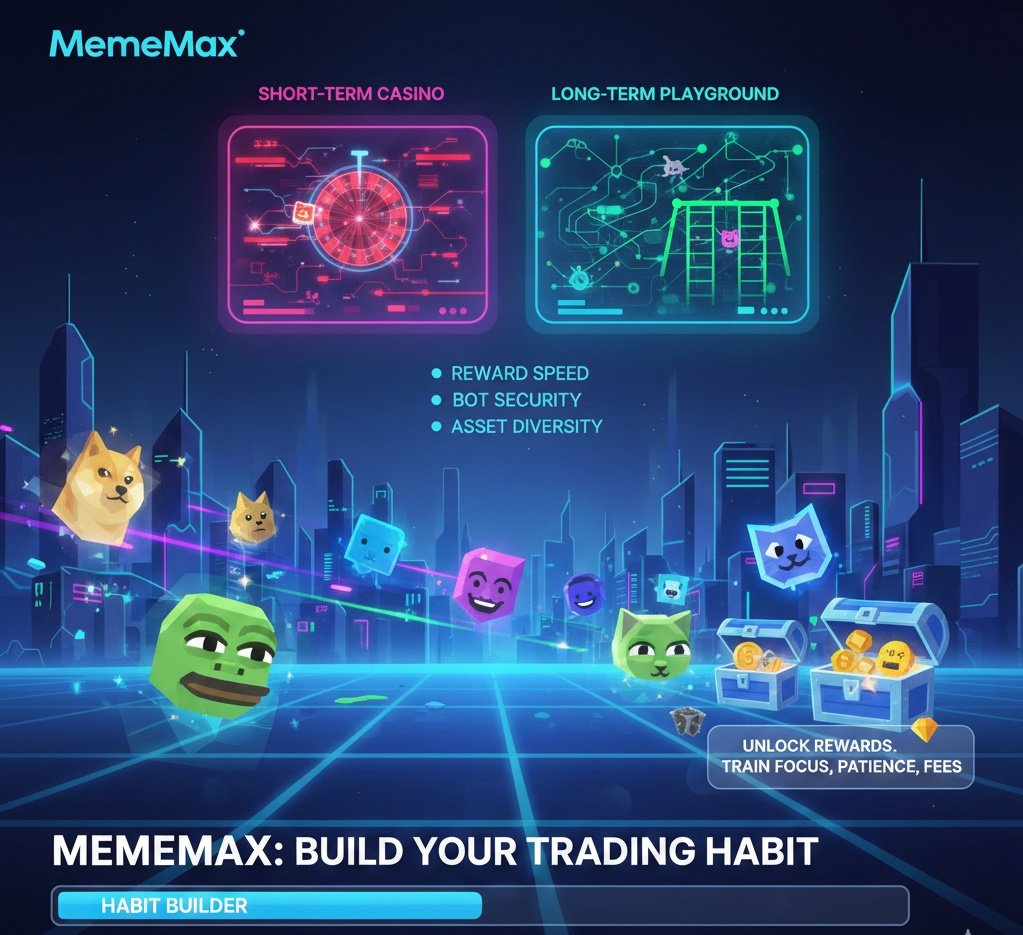
.@MemeMax_Fi isn’t just about trading memes. It’s about building a habit.
Every trade you make earns MP points. No extra tasks, no screenshots just your actions. Impulse trades? Counted. Slow, thoughtful trades? Counted too.
MaxPacks hide rewards that you unlock by trading. The system doesn’t just give you treats it trains focus, patience, and tolerance for fees. You pay, not because you’re careless, but because you feel progress.
If @MemeMax_Fi works as designed, it can become more than a platform. It could be a real playground for trading behavior. But a few things will decide if it’s real:
- How fast you unlock rewards.
- How well it stops bots from gaming the system.
- What kinds of memes or assets you can trade.
MemeMax doesn’t treat memes like a religion. It treats them like measurable habits.
So, is it a short-term meme casino, or a long-term playground for high-frequency trading?
#MemeMax #CryptoPlayground #TradingHabits #BehaviorDesign
47
56
405

30 Dec 2025
Fun Engine is completing its data-driven service and is moving towards life services and fully embodied intelligence.
System Log: The Battle of Inventory
#game #gamedesign #servicedesign #socialdesign #socialinnovation #changemaker #seriousgame #realitygame #learning #ARG #blockchain #NFT #tokens #adventure #fiction #futurism #DAO #collectiveconsciousness #nonproductive #play #funtech #Mtech #codebook #creatureintelligence #art #soicalinteraction #behaviordesign #realitymining #foodservice #fooddesign #funcode #adaptive #kidsthinking #web6 #web3 #background #music #musicdesign #movie #sound #script #education #corporatebehavior #teambuilding #application #adatptivesystem #adpative #robotic #Biotech #largemodel
1
1
3
214

29 Dec 2025
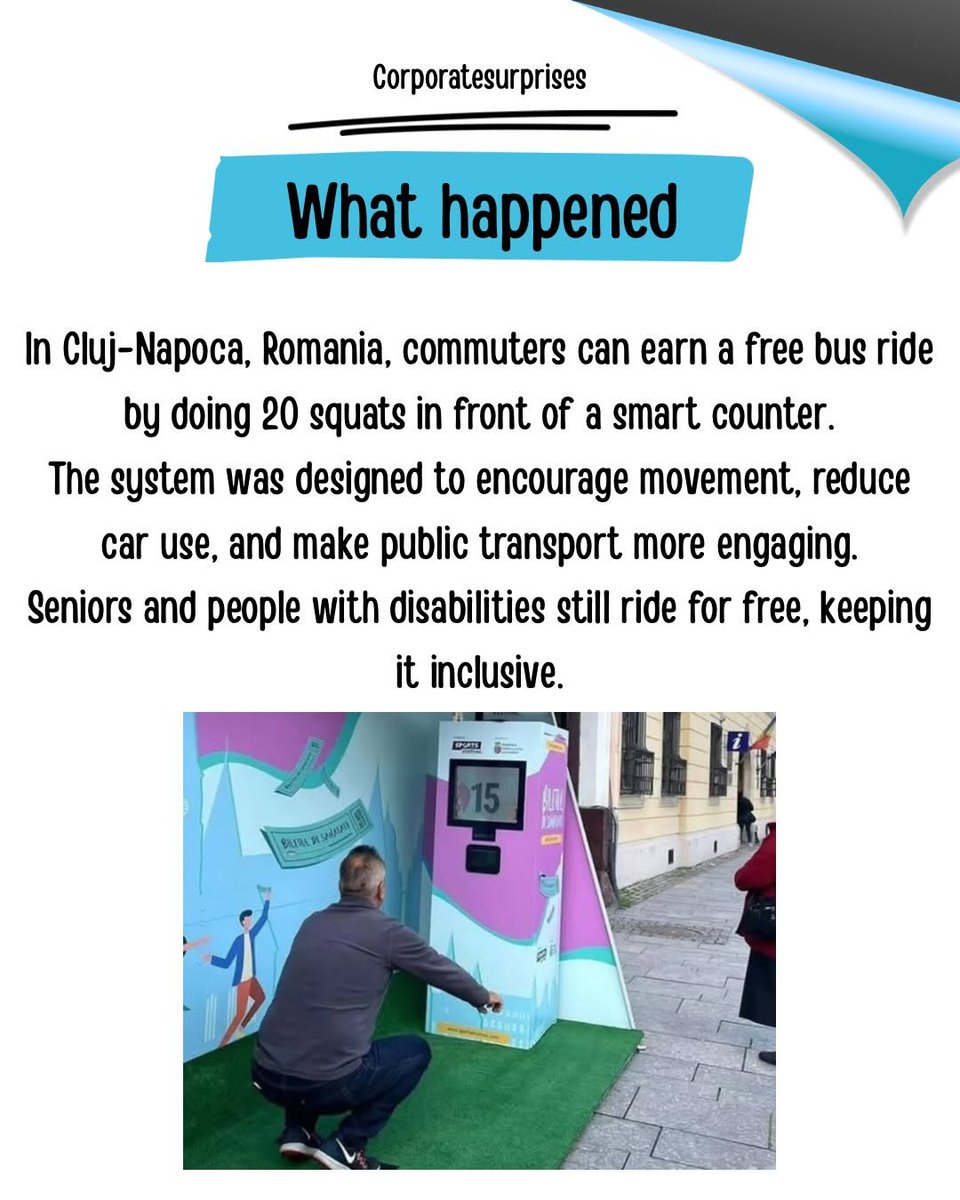
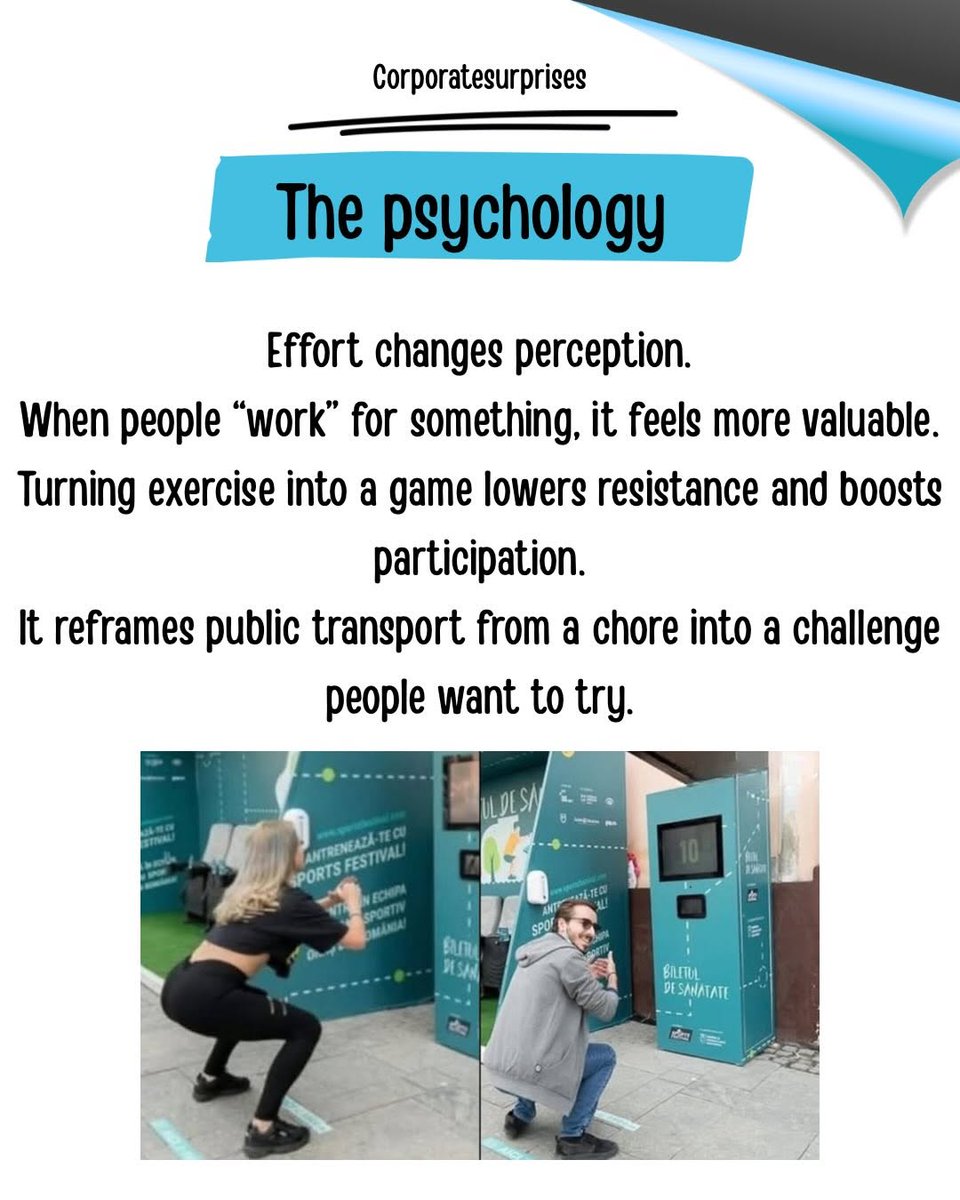
A bus ticket usually costs money.
Here, it costs 20 squats.
By turning payment into movement, this city hacked motivation, health, and behavior all at once.
It’s not about saving money.
It’s about making the right choice feel fun.
#MarketingPsychology #BehaviorDesign #PublicInnovation

4
25