
Yesterday, I met a mentor from ten years back who still views me as a subordinate.
I'm not, I have outpaced him.
Here is the technique I used: the Left Eye Gaze 👁️ It is a sophisticated tool for #BehavioralProfiling and status recalibration. 🧵
1/ The Power Shift 👁️
Most people think power is in what you say. It’s also in where you look. If you’re trapped in a "protegé" loop, you must disrupt the visual hierarchy. Enter: The Left Eye Gaze.
2/ The Access Point 🧠
The left eye connects to the right brain—the seat of emotion and intuition. Holding this gaze for 3 seconds isn't just eye contact; it’s a high-level audit of their emotional baseline.
3/ The Internal Frame ⚖️
🍊The Alpha Shift: You stop seeking validation and start commanding space.
🍊The Pressure Cooker:You create a psychological weight they must either carry or escape.
4/ The Break 📉
Watch their reaction. If they flicker to a screen or look at their feet, the hierarchy has shifted. Their subconscious is yielding because your internal frame is now stronger than theirs.
5/ The Architect’s Edge 🏗️
Mastering the machine is "Left-Brain" logic. Mastering the room is "Right-Brain" intuition. Don’t just build the machine. Architect the purpose.
3
7
48
2,128

10 May 2025
He signed her birthday card with love. Months later, she was dead. I met Lisa in 2000 during a TV taping. She handed me a birthday card and what I saw in the handwriting disturbed me. This case still haunts me—not just because of what happened, but because the warning signs were visible… and ignored.
📖 Full article: vocal.media/criminal/he-sign…
🔍 Learn more: InkProfiler.com
🎥 Link to this video on Rumble at rumble.com/v6t7qmp--he-signe…
#ForensicHandwriting #MozelleMartin #TrueCrime #DomesticViolenceAwareness #BehavioralProfiling #RedFlags #InkProfiler #LisaMcMahon
2
1
1
190
22 Apr 2025
Forensic graphology isn’t guessing, fortune-telling, or snakes oil charlantanism. It’s behavioral profiling based on neuromuscular handwriting patterns — used in legal, criminal, and investigative contexts, much like forensic psychology or anthropology.
It’s not about who the writer is — it’s about how they write.
In this video, I went into a random restaurant and analyzed handwriting samples with zero pre-questioning, no background info, and no prior exposure to the writers. Why? Because handwriting carries subconscious motor traits that reveal behavioral patterns without needing personal intel — and the analysis stands on its own.
I observe traits like:
• Slant, pressure, and spacing
• Rhythm, baseline shifts, and stroke formation
• Motor tension, impulse indicators, and emotional expression
These aren’t assumptions — they’re observable outputs of brain and body coordination. The analysis is structured, repeatable, and grounded in observational psychology.
I’ve used this process in cold cases, suicide evaluations, internal affairs inquiries, and threat assessments. It’s non-invasive, and often provides insights when interviews or reports fall short.
Forensic graphology doesn’t diagnose and doesn’t claim to prove guilt. It simply reveals how someone processes emotion, authority, and stress — through the way their pen moves on the page.
Because in handwriting, the words tell one story — and the writing tells another. LINK --> rumble.com/v4kndk3-debunking…
#ForensicGraphology #InkProfiler #HandwritingAnalysis #CriminalBehavior #BehavioralProfiling #ForensicPsychology #DocumentAnalysis #EthicalExpertise #InvestigativeMindset #Graphology #NeuromuscularScience
1
103

Behavioral profiling isn't about stereotypes. Use scientifically-backed methods to spot potential threats. It's not about judging books by their covers, but reading all the pages. #BehavioralProfiling #ThreatDetection #SecurityPsychology
2
67

20 Oct 2023
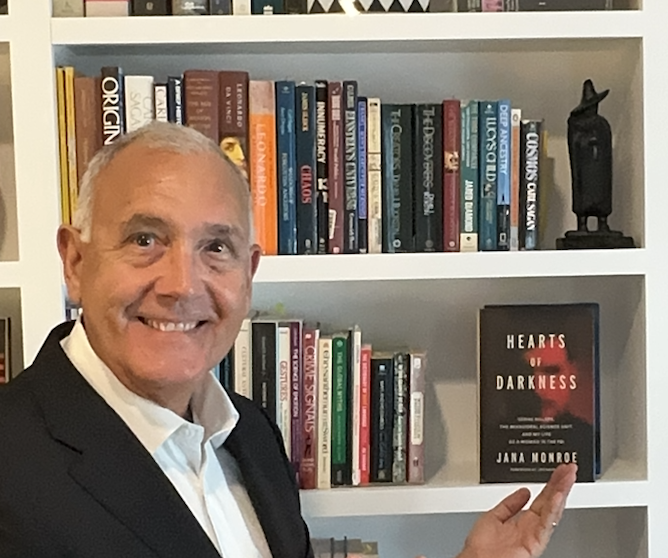
This book is so good. If you are into #forensics, #behavioralprofiling, #truecrime, this is a serious read from a lady I admire: a.co/d/677QRzd
2
5
51
3,018

18 Dec 2019
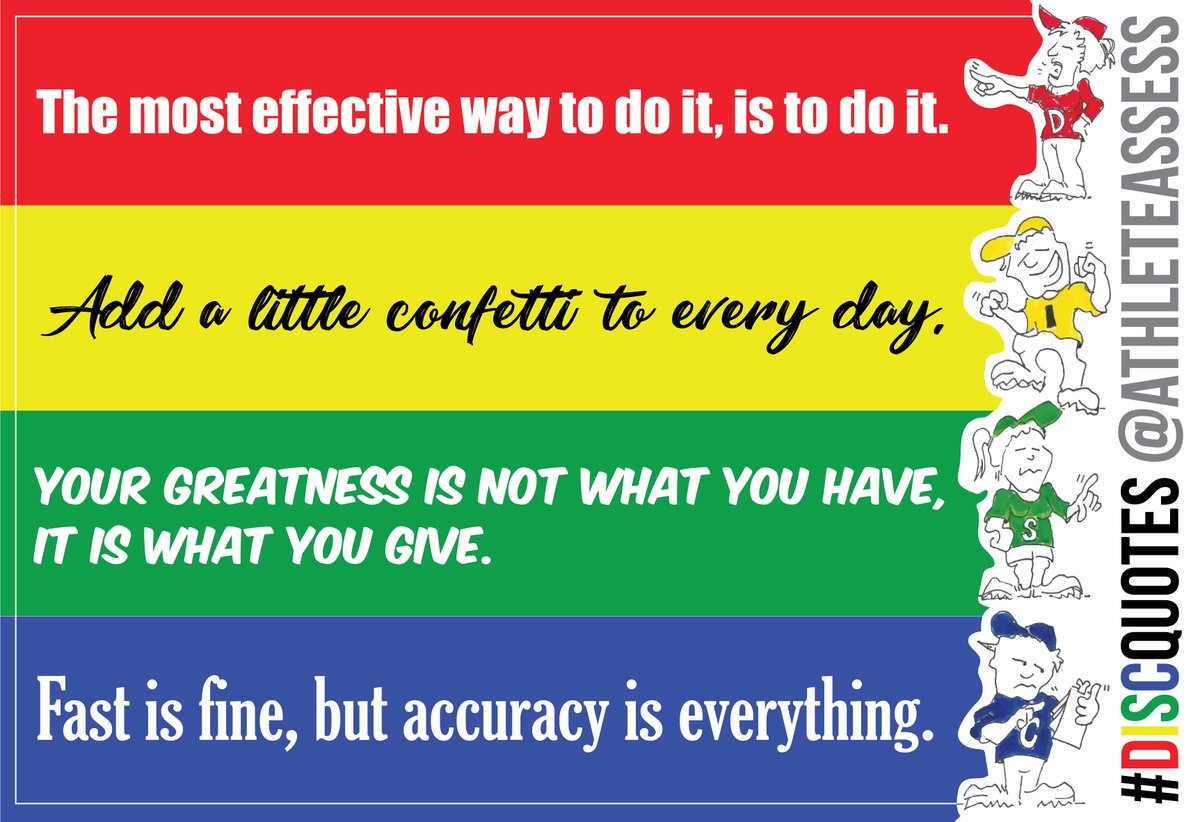
As we wave goodbye to another year 👋🏼 and say hello to a new decade 💃🏻🕺🏼 it’s time for our annual #DISCquotes 🤩
Does your #DISC quote represent your DISC style well?
#DISCinSport #BehavioralProfiling #QuoteOfTheYear
7

12 Dec 2019
Understanding the psychological and behavioral elementi of our financial choices is key. #behavioralprofiling #dataenrichment #analytics lnkd.in/d_B4ebu
1
2

18 Jan 2019
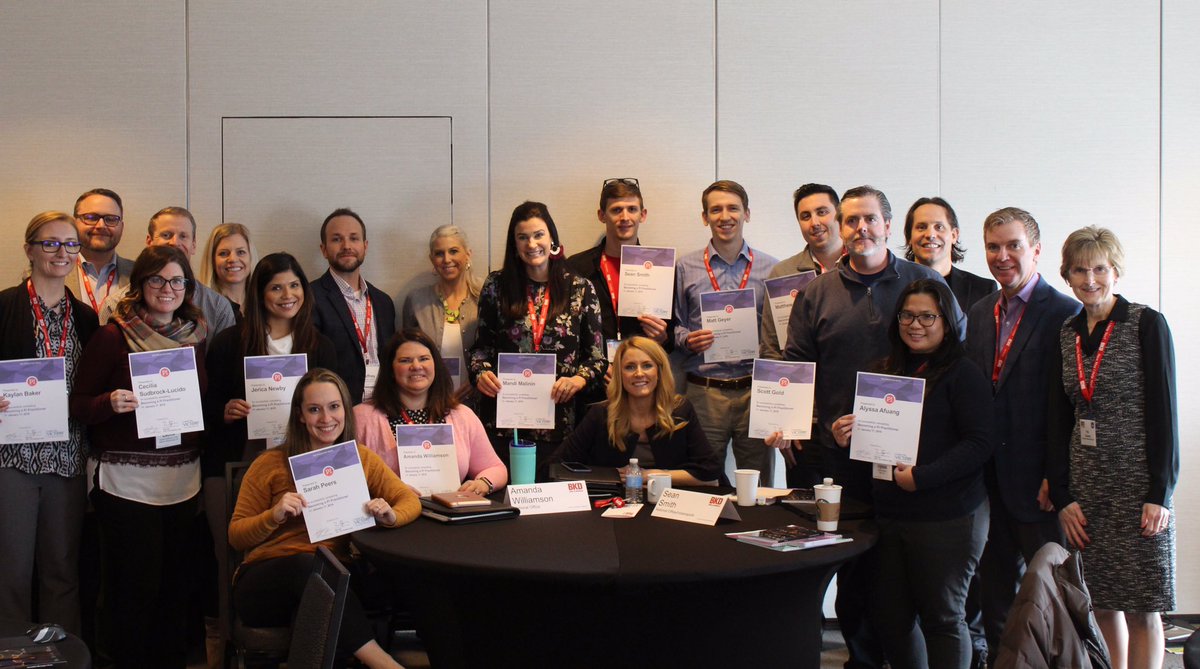
Fantastic 2 day @predictiveindex training with a wonderful group of people. Thank you BKD for allowing me to make you all a #pijedi.
Interested in training with us?
Visit centerforvictory.com TODAY!
#humancapitalanalytics
#behavioralprofiling
#Empower #Enhance #Elevate
5
7 Aug 2018
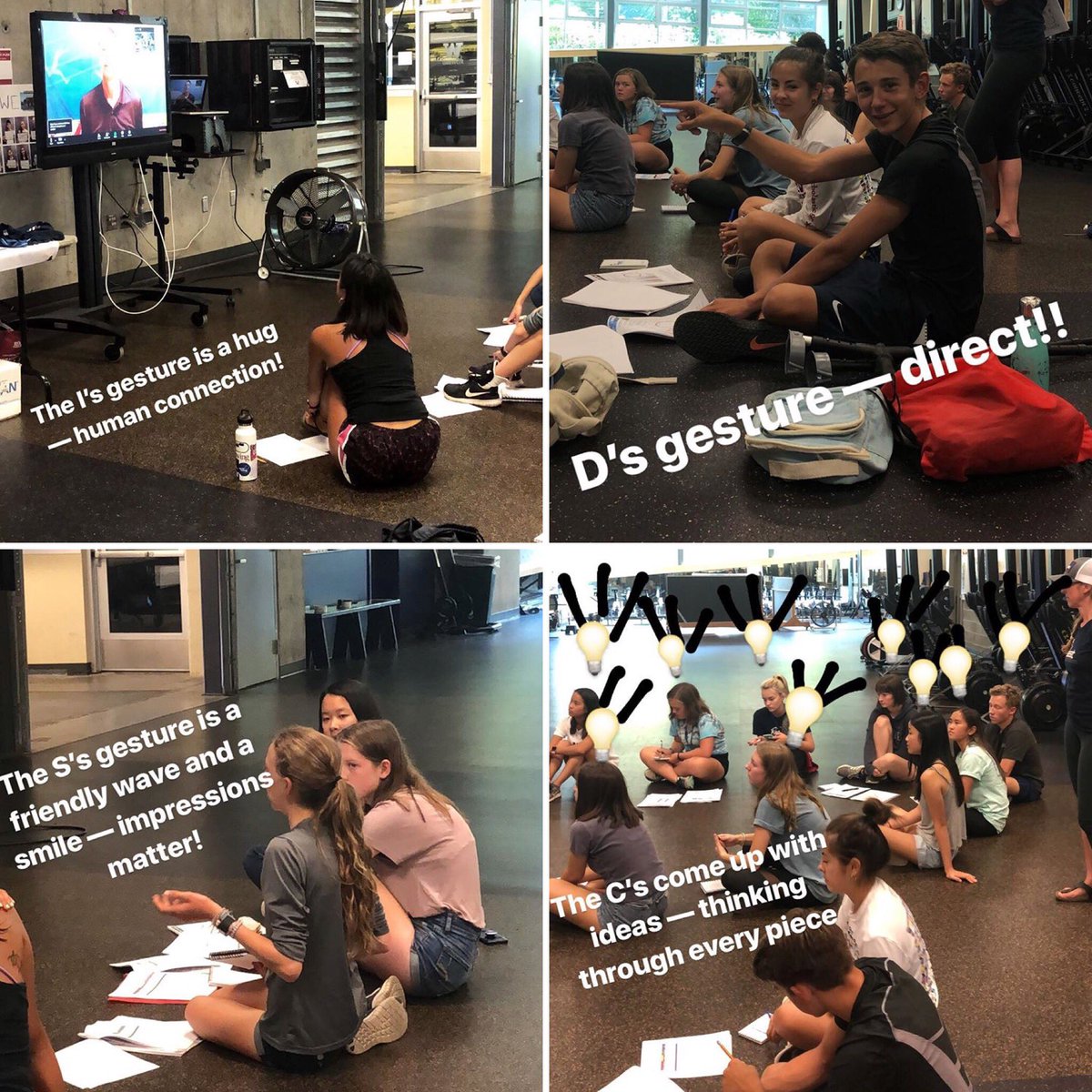
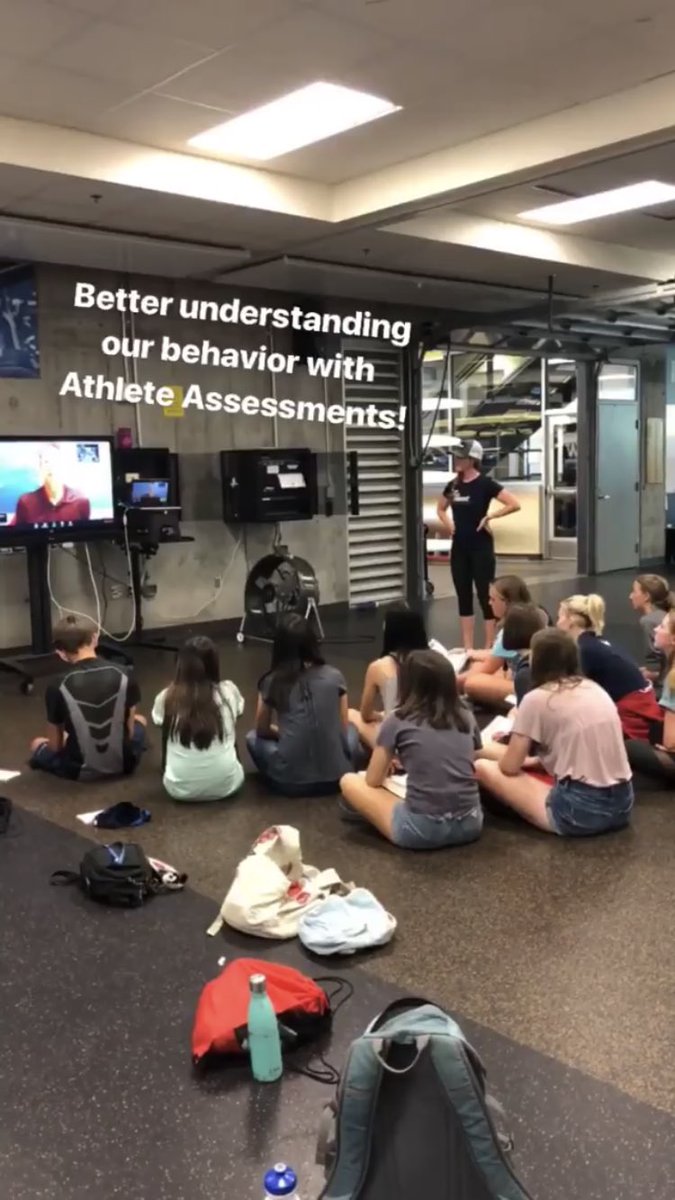
Rowing through the different DISC Styles with @9thseat this morning 🚣♂️😝 Great fun with this camp group! @CoachBoHanson #DISC #DISCinSport #BehavioralProfiling #SelfAwareness
1
5


20 Jan 2017
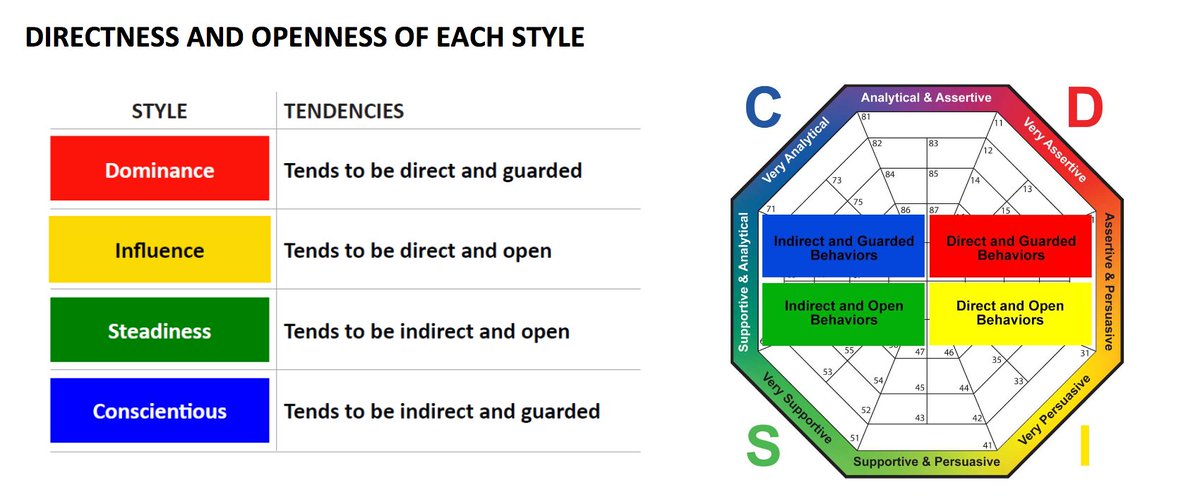
What is #DISC? Why are it's #communication and #behavioralprofiling skills vital in today's #business world? bit.ly/2dVPR6T #coach

19 Jan 2017
What is #DISC? Why are it's #communication and #behavioralprofiling skills vital in today's #business world? bit.ly/2dVPR6T #coach
1

Become a Certified PRISM Practitioner - Brain mapping # behavioralprofiling #hr #recruitmentagencies #coaches lnkd.in/fedT4Nb
4

15 Jul 2016
15 Jul 2016

uk.businessinsider.com/donal…
Trump said it...religious profiling needs to be considered. Enough already! #nice
1
1


25 Aug 2015
#Trevisani: «Parte la rivoluzione delle #Generali 2.0» intermediachannel.it/trevisa… #behavioralprofiling #IoT @IBMInsurance
1
