
12m
China is treating university degrees as national infrastructure.
Between 2021 and 2025, Chinese universities revoked or suspended about 12,200 undergraduate program offerings and added roughly 10,200 new ones. More than 30% of the country’s university offerings were adjusted.
The cuts fall mainly on fields seen as oversupplied, weak in employment outcomes, or exposed to automation: arts, broadcasting, management, design, some media fields, and foreign languages. AI is part of the pressure. Basic modeling, rendering, translation, imaging, and routine media production are easier to automate or compress than before.
The new programs point toward Beijing’s priorities: artificial intelligence, embodied intelligence, robotics, brain-computer science, biomanufacturing, agricultural robotics, digital trade, energy, and other future-industry categories.
This is labor-market triage plus industrial policy.
China has too many graduates entering a labor market that cannot absorb them cleanly. Program cuts force universities to justify their output. New majors redirect students toward sectors tied to manufacturing power, technological competition, and national resilience.
The advantage is speed. China can force alignment between universities, industrial plans, and employment targets faster than decentralized systems.
The risk is shallow relabeling. A university can announce an embodied-intelligence major quickly. It cannot instantly create faculty depth, laboratories, research ecosystems, industry placements, or real interdisciplinary training.
The deeper risk is overcorrection. Humanities, languages, design, and social sciences look vulnerable when governments measure education mainly by immediate labor-market utility. But judgment, interpretation, persuasion, cultural understanding, and institutional reasoning become more important as AI absorbs routine technical work.
The AI transition is forcing countries to decide which forms of knowledge deserve institutional capacity and which will be treated as obsolete.
China is making that decision explicitly. The West should study the speed, but not copy the overreach.
18

SynHG (Synthetic Human Genome)
SynHG is aiming to develop the foundational & scalable tools, tech & methods needed to synthesise human genomes.
mrc-lmb.cam.ac.uk/sites/synh…
Constructive Bio
Uses the world’s first fully synthetic recoded organism to produce therapeutics w/ chemistries that natural biology cannot access.
constructive.bio/
Genetic Code Expansion Platform
The platform enables fermentation-based production of peptides & proteins containing hundreds of non-canonical amino acids.
Transform natural cells into programmable biofactories w/ expanded chemical capabilities.
constructive.bio/platform
BioForge
Constructive Bio’s industrial fermentation platform for manufacturing peptide & protein therapeutics containing up to 3 different non-canonical amino acids per molecule.
constructive.bio/bioforge
Non-canonical amino acids (ncAAs)
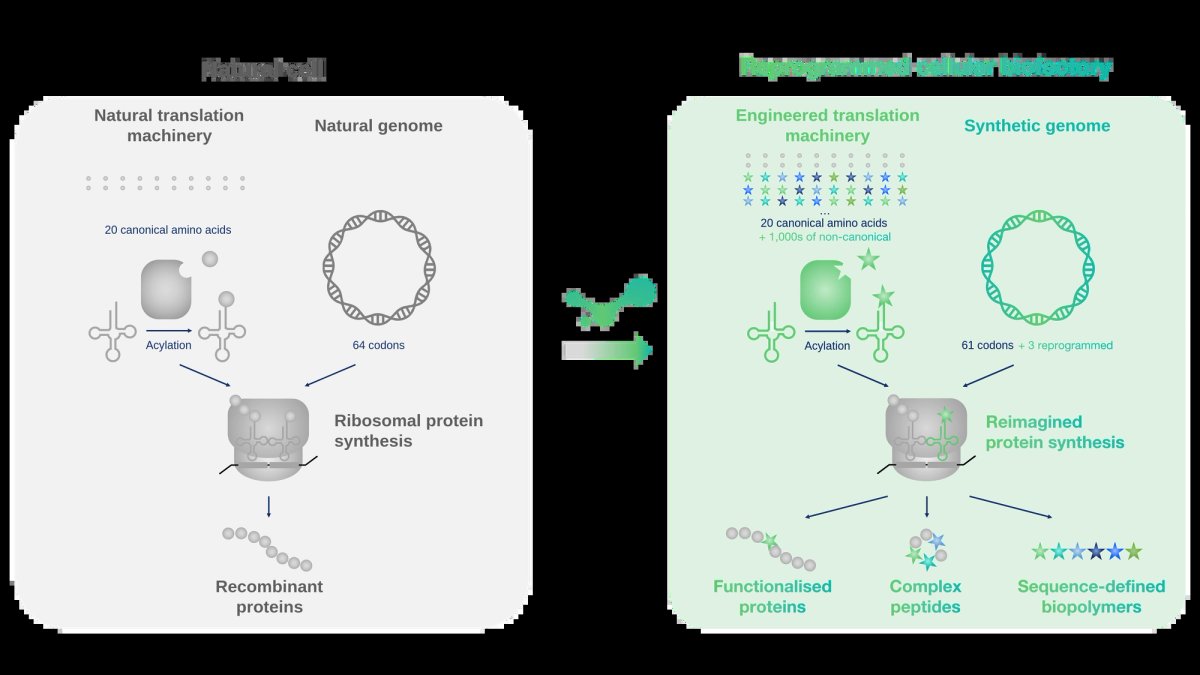
ncAAs expand the chemical properties available to peptides & proteins beyond the 20 standard amino acids.
BIOLOGY GIVES U 20 BUILDING BLOCKS. WE GIVE U HUNDREDS MORE!
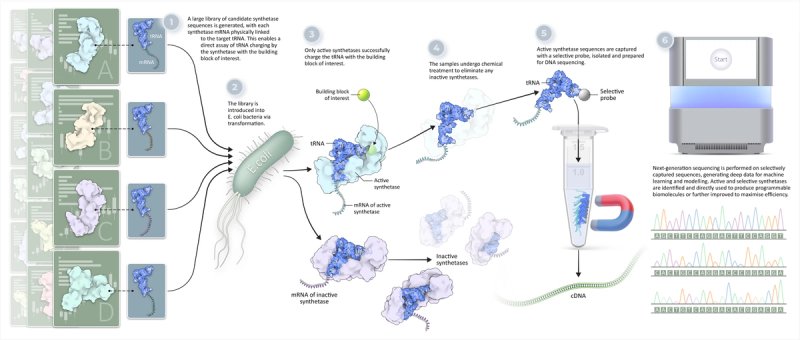
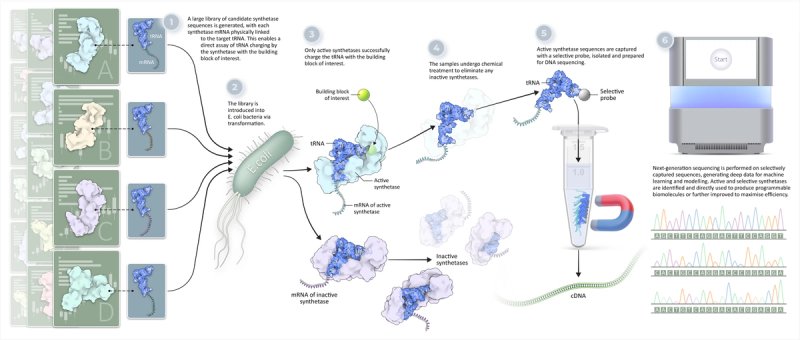
We engineer orthogonal aminoacyl-tRNA synthetases (aaRS) that selectively charge non-canonical amino acids onto dedicated tRNAs. These engineered aaRS–tRNA pairs work alongside the cell's native translation machinery w/out cross-reacting, enabling site-specific incorporation of ncAAs into peptides & proteins during standard fermentation.
constructive.bio/ncaa
Pipeline
The pipeline applies the platform to novel peptide & protein therapeutics, from discovery to clinic.
Enabling robust, reliable bioproduction w/ our phage-resistant Syn61 platform for industrial-scale manufacturing.
Our Syn61 chassis provides inherent resistance to bacteriophage contamination, a critical advantage for industrial biomanufacturing where phage infection can cause catastrophic production failures.
constructive.bio/pipeline
Publications
constructive.bio/publication…
By combining fully synthetic genomes w/ precisely engineered genetic codes & orthogonal translation machinery, his teams are enabling cells to synthesise entirely new classes of molecules: polymers w/ properties unattainable by natural chemistry, sequence-defined non-canonical biopolymers, & therapeutics that operate far beyond the limits of ribosomal biosynthesis as we know it.
At the heart of the discussion stands Syn61 – now widely regarded as one of the landmark achievements in the history of genome engineering. Syn61 was the clearest demonstration to date that life can be liberated from the universal code that has governed biology for billions of years. It was followed by Syn57. Thru meticulous, genome-wide recoding, Chin’s team compressed the canonical 64-codon genetic code into a streamlined 57-codon framework. As a result, Syn57 is THE LARGEST DELIBERATE REWRITE OF A LIVING GENOME EVER ACCOMPLISHED.
As Chin explains, Syn61 & Syn57 are more than a technical tour de force – they demonstrate the foundational platform for a new era of biological programming. FREED CODONS CAN NOW BE REASSIGNED @ WILL, OPENING VAST CHEMICAL SPACE FOR INCORPORATING NON-CANONICAL AMINO ACIDS, creating genetic firewalls, & ultimately DESIGNING ORGANISMS WHOSE BIOCHEMISTRY OPERATES UNDER RULES WE DEFINE.
constructive.bio/news/synbio…
The tech begins w/ assembling large, synthetic DNA fragments that replace megabase-scale sections of an organism's natural genome. W/in these synthetic DNA constructs, specific redundant genetic codons are entirely removed. This frees up those codons & their associated cellular machinery—such as tRNAs & aminoacyl-tRNA synthetases. By introducing new tRNAs & synthetases, the cell's translational system is re-purposed to recognize these free codons & assign them to entirely new, non-natural monomers.
The result is a "recoded" organism capable of sustainably building unique polymers @ scale, extending far beyond nature's standard 20 amino acids. These non-canonical polymers can be endowed w/ enhanced properties in new materials & therapeutics.
synbiobeta.com/read/construc…
2
12
22
2,099
SynHG (Synthetic Human Genome)
SynHG is aiming to develop the foundational & scalable tools, tech & methods needed to synthesise human genomes.
mrc-lmb.cam.ac.uk/sites/synh…
Constructive Bio
Uses the world’s first fully synthetic recoded organism to produce therapeutics w/ chemistries that natural biology cannot access.
constructive.bio/
Genetic Code Expansion Platform
The platform enables fermentation-based production of peptides & proteins containing hundreds of non-canonical amino acids.
Transform natural cells into programmable biofactories w/ expanded chemical capabilities.
constructive.bio/platform
BioForge
Constructive Bio’s industrial fermentation platform for manufacturing peptide & protein therapeutics containing up to 3 different non-canonical amino acids per molecule.
constructive.bio/bioforge
Non-canonical amino acids (ncAAs)
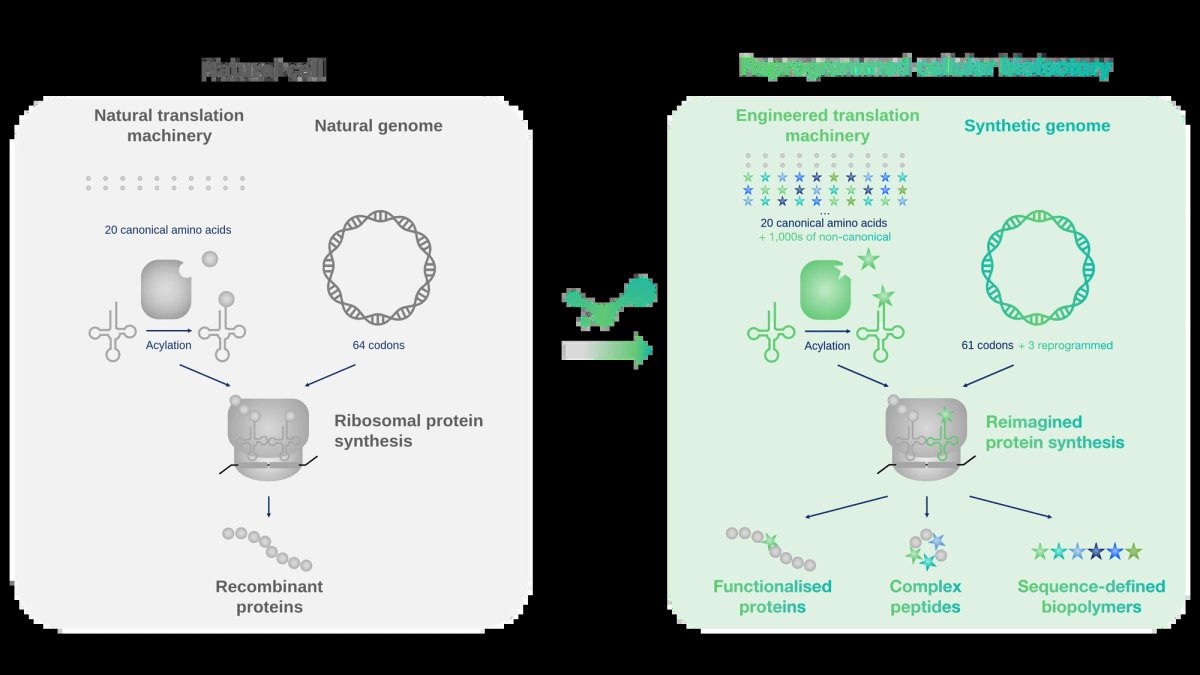
ncAAs expand the chemical properties available to peptides & proteins beyond the 20 standard amino acids.
BIOLOGY GIVES U 20 BUILDING BLOCKS. WE GIVE U HUNDREDS MORE!
We engineer orthogonal aminoacyl-tRNA synthetases (aaRS) that selectively charge non-canonical amino acids onto dedicated tRNAs. These engineered aaRS–tRNA pairs work alongside the cell's native translation machinery w/out cross-reacting, enabling site-specific incorporation of ncAAs into peptides & proteins during standard fermentation.
constructive.bio/ncaa
Pipeline
The pipeline applies the platform to novel peptide & protein therapeutics, from discovery to clinic.
Enabling robust, reliable bioproduction w/ our phage-resistant Syn61 platform for industrial-scale manufacturing.
Our Syn61 chassis provides inherent resistance to bacteriophage contamination, a critical advantage for industrial biomanufacturing where phage infection can cause catastrophic production failures.
constructive.bio/pipeline
Publications
constructive.bio/publication…
By combining fully synthetic genomes w/ precisely engineered genetic codes & orthogonal translation machinery, his teams are enabling cells to synthesise entirely new classes of molecules: polymers w/ properties unattainable by natural chemistry, sequence-defined non-canonical biopolymers, & therapeutics that operate far beyond the limits of ribosomal biosynthesis as we know it.
At the heart of the discussion stands Syn61 – now widely regarded as one of the landmark achievements in the history of genome engineering. Syn61 was the clearest demonstration to date that life can be liberated from the universal code that has governed biology for billions of years. It was followed by Syn57. Thru meticulous, genome-wide recoding, Chin’s team compressed the canonical 64-codon genetic code into a streamlined 57-codon framework. As a result, Syn57 is THE LARGEST DELIBERATE REWRITE OF A LIVING GENOME EVER ACCOMPLISHED.
As Chin explains, Syn61 & Syn57 are more than a technical tour de force – they demonstrate the foundational platform for a new era of biological programming. FREED CODONS CAN NOW BE REASSIGNED @ WILL, OPENING VAST CHEMICAL SPACE FOR INCORPORATING NON-CANONICAL AMINO ACIDS, creating genetic firewalls, & ultimately DESIGNING ORGANISMS WHOSE BIOCHEMISTRY OPERATES UNDER RULES WE DEFINE.
constructive.bio/news/synbio…
The tech begins w/ assembling large, synthetic DNA fragments that replace megabase-scale sections of an organism's natural genome. W/in these synthetic DNA constructs, specific redundant genetic codons are entirely removed. This frees up those codons & their associated cellular machinery—such as tRNAs & aminoacyl-tRNA synthetases. By introducing new tRNAs & synthetases, the cell's translational system is re-purposed to recognize these free codons & assign them to entirely new, non-natural monomers.
The result is a "recoded" organism capable of sustainably building unique polymers @ scale, extending far beyond nature's standard 20 amino acids. These non-canonical polymers can be endowed w/ enhanced properties in new materials & therapeutics.
synbiobeta.com/read/construc…
3
166

An official statement like this from the ODNI definitely demands thorough scrutiny. Transparency regarding biomanufacturing and 'Gain of Function' research is crucial for global health security, no matter where it happens.
1
13
Michael Luciani retweeted

In the next two decades Biology based Creation - a Biomanufacturing company will have a trillion dollar IPO.
I have zero doubt.
As @elonmusk said yesterday he had to build @SpaceX to make sure humanity becomes a space faring civilization.
And we will get there thanks to Space X.
But we can truly live there by building a civilization. That is possible only with a self replicating technology that you take very little of and then it can grow.
Biology is the only one where growth and scale are built into the system.
And now Biology is truly programmable with CRISPR unlike ever before in the history of our planet.
Time to build 🧬🧬🧬.
Jun 13

Biomfg could one day be the same. If only Craig Venter was alive and a decade younger…
2
2
10
1,130

Building bioscience in Europe for patients:
In the EU Biotech Act, strategic projects and high-impact strategic projects are special designations awarded to biomanufacturing initiatives, unlocking priority regulatory support and easier access to funding. theparliamentmagazine.eu/par…
4

CHO HCP One-Step ELISA Kit | Full-Process QC Solution for Biomanufacturing
6


Jun 13
Scaffolds are becoming active medicine.
3D printed scaffolds are moving from “cell holders” to engineered microenvironments. The market was $909M in 2024 and is projected to pass $2B by 2033 [1]. 2025 work now targets degradation, angiogenesis, immunity and even tumor control plus bone repair [2][3] 🧬
This is industrial strategy: orthopedics, wound care, and biomanufacturing jobs will cluster where hospitals, regulators, and GMP suppliers move together.
Build standards, reimbursement paths, and clinician-engineer teams early ⚙️
🤔 What will slow adoption most: biology, regulation, or manufacturing discipline?
[1] [grandviewresearch.com/indust…](grandviewresearch.com/indust…)
[2] [frontiersin.org/articles/10.…](frontiersin.org/articles/10.…)
[3] [nature.com/articles/s41467-0…](nature.com/articles/s41467-0…)
#TissueEngineering #3DPrinting #RegenerativeMed #MedTech
1
3
79

DARPA’s new bioresearch push raises questions about US overseas labs and biowarfare
The Pentagon’s Defense Advanced Research Projects Agency urgently wants a next-generation purification system for biological and chemical molecules. What does this actually mean?
Biomanufacturing of molecules
👉 DARPA has spent years pursuing the rapid creation of various molecules, including proteins, antibodies, nucleic acids (DNA and RNA), as well as synthetic molecules and polymers that do not exist in nature.
💬 DARPA claims to have transformed synthetic biomanufacturing into “a predictable engineering practice” serving “a broad range of national security objectives".
👉 Now it wants to replace large, complex purification facilities with compact, high-speed purification platforms for greater military flexibility.
What does this suggest?
A compact purification platform could allow troops or forward bases to manufacture:
➡️ medical countermeasures
➡️ emergency drugs and vaccines
➡️ pathogen detectors
➡️ blood products
But purification is only one part of the biomanufacturing cycle, suggesting the new platform may be intended as a module within a mobile or portable military biolab
Biomanufacturing or biowarfare?
The same underlying tools used in mobile biolabs can support both beneficial and harmful applications:
➡️ DNA synthesis can produce vaccines or dangerous genetic sequences
➡️ fermentation can produce insulin or toxins
➡️ purification systems can isolate therapeutic antibodies or viral particles
💬 The document’s statement that, “DARPA is not interested in methods solely applicable to the purification of biopharmaceuticals,” suggests the effort extends beyond medical countermeasures, emergency drugs, or vaccines.
The DARPA request comes amid scrutiny of more than 120 Pentagon-funded biolabs across roughly 30 countries.
Critics argue that some US overseas bioactivities may involve bioweapon experiments that contradict US laws
🔴 Stationary US military biolabs abroad could be subject to audits or inspections by host countries
🔴 Mobile or portable DARPA-linked biolabs could leave a smaller operational footprint
🔴They also could be used for covert biowarfare operations
🔴 The Pentagon’s decades-long secrecy surrounding its overseas research on deadly pathogens raises concerns and suspicions
👍 Boost us | Chat | @geopolitics_prime
1
16


Is your #biomanufacturing setup ready for what’s next? At #ECB2026, we’re sharing how ready to use, integrated solutions enable agile, closed manufacturing—boosting efficiency, control, and contamination strategy. Let’s connect: ecb2026.com/
#SingleUse #Bioprocessing

35

Jun 12
@SynBioBeta’s press team, led by @johncumbers, will be on the ground at @BIOConvention in San Diego, covering the biotech stories, company updates and conversations shaping the industry.
Hosted by @IAmBiotech, #BIO2026 features 130 sessions across 18 focus areas, from AI implementation to biomanufacturing.
convention.bio.org/plan/enga…
Subscribe to our newsletter and get the biggest biotech news straight to your inbox 🧬syntheticbiologysummit.com/2…
1
2
233

Jun 12
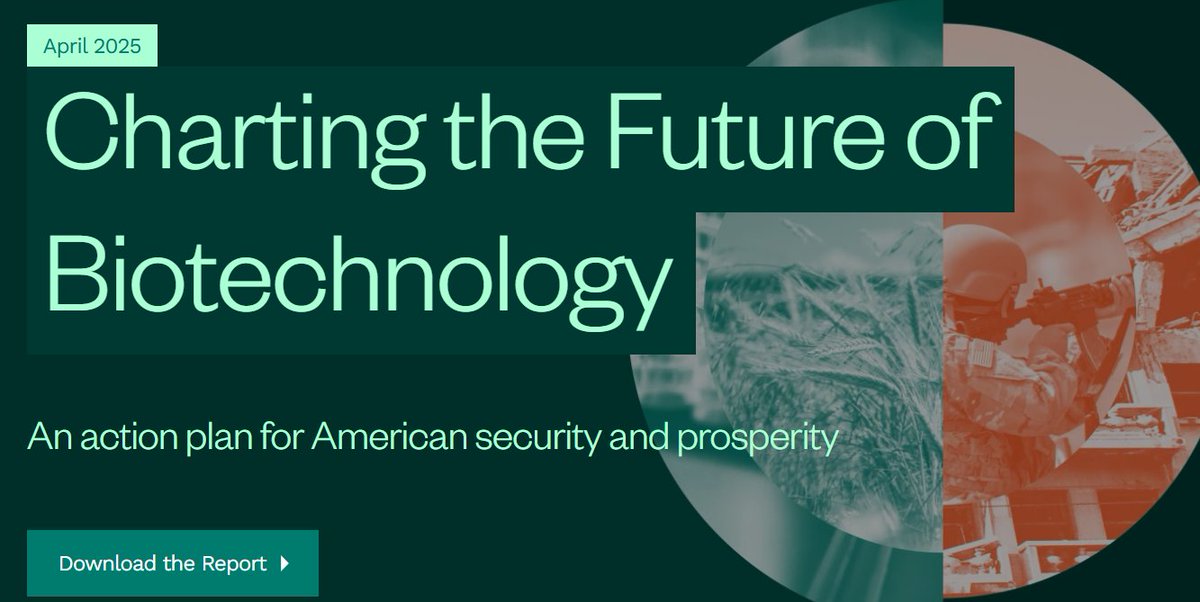
Revisiting the 2025 US congress report on biotech competition with China.
I find the topic interesting, biotech/materials/bioprocessing is a use case for AI. It is also very strategic, which means national champions need to emerge, and US and China have big gaps:
--there is no Chinese TMO/Danaher, China labs depend on them
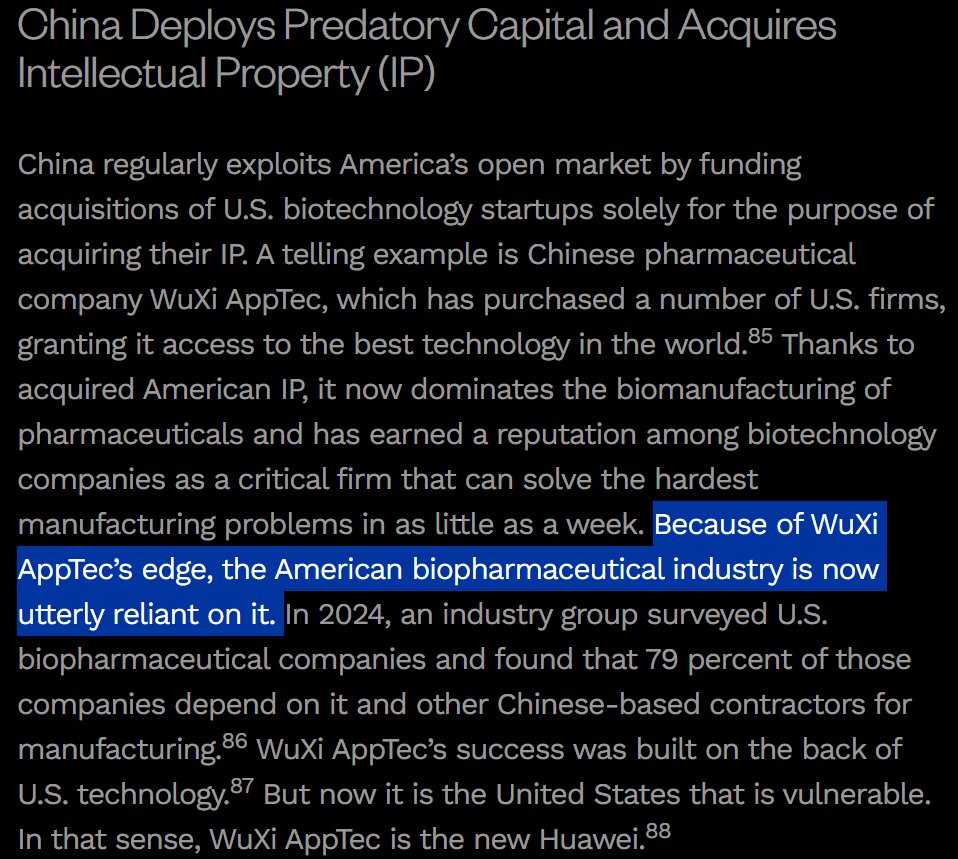
--equally there is no US equivalent of wuxi apptec/biologics, US pharmas rely on them, while Charles River and Catalent are laggards
--Maybe same as with semis, and Intel vs TSMC, the US comes out with a BioAct (chips act 2.0) or starts taking stakes.
Eric Schmidt, big hawk, co-authors the report alongside a few congressmen and doctors, so you can imagine the tone.
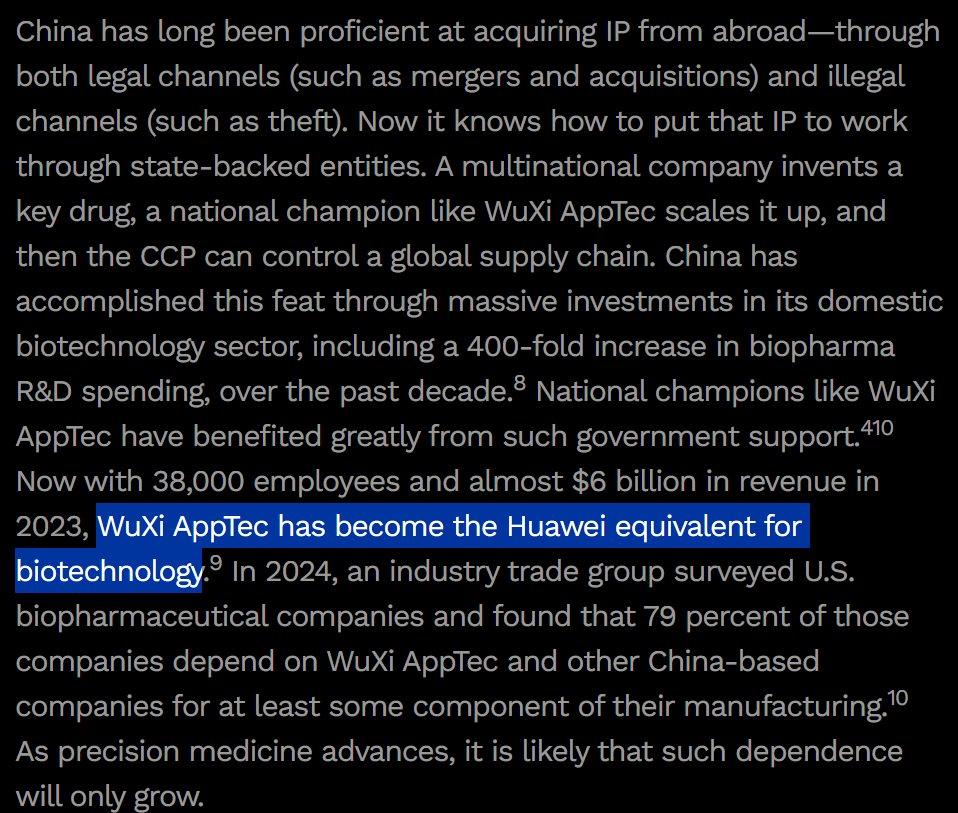
-calls Wuxi Apptec "the Huawei of biotech" (no wonder they are the prime target for sanctions)
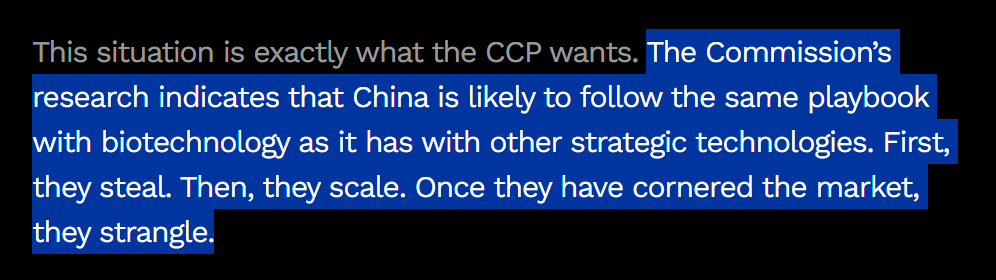
-Wuxi Apptec name comes up like 5 different sections of the report. Examples in the pics. Only a couple other Chinese companies are mentioned.
-The tone is incredibly depressing for the future of the US China relationship:
---Out of the gate, first paragraph of the 150 page report set the scene: "China first steals, then subsidizes, and finally strangles" with the sole objective of "weakening the US" and "dominate the world". Man, the drama.
---It gets worse from there. At some point accuses China of exploring eugenics. Zero window in 60 pages to explore win wins.
-Dramas aside, the report has a few interesting scifi-esque case studies of biomanufacturing:
---microbes that degrade cement and steel to secretly weaken enemy infrastructures
---memory storage in DNA form instead of silicon chips
---ability for soldiers in the front to synthesize food, medicines, and ammunition locally, to stop reliance on supply chains
---super soldiers that think faster and dont get tired
2
25
2,135
Sebastian S. Cocioba🪄🌷 retweeted

Online now: Duckweed biomanufacturing: longstanding promise, decade-long lag, recent renaissance dlvr.it/TT12t3
2
14
1,025

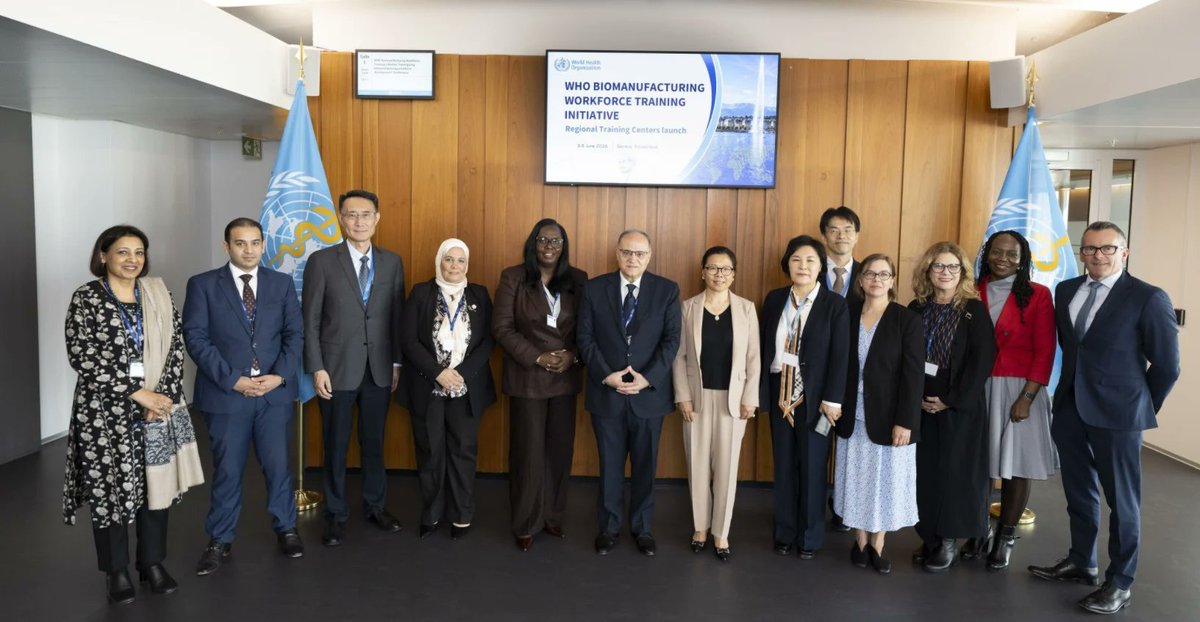
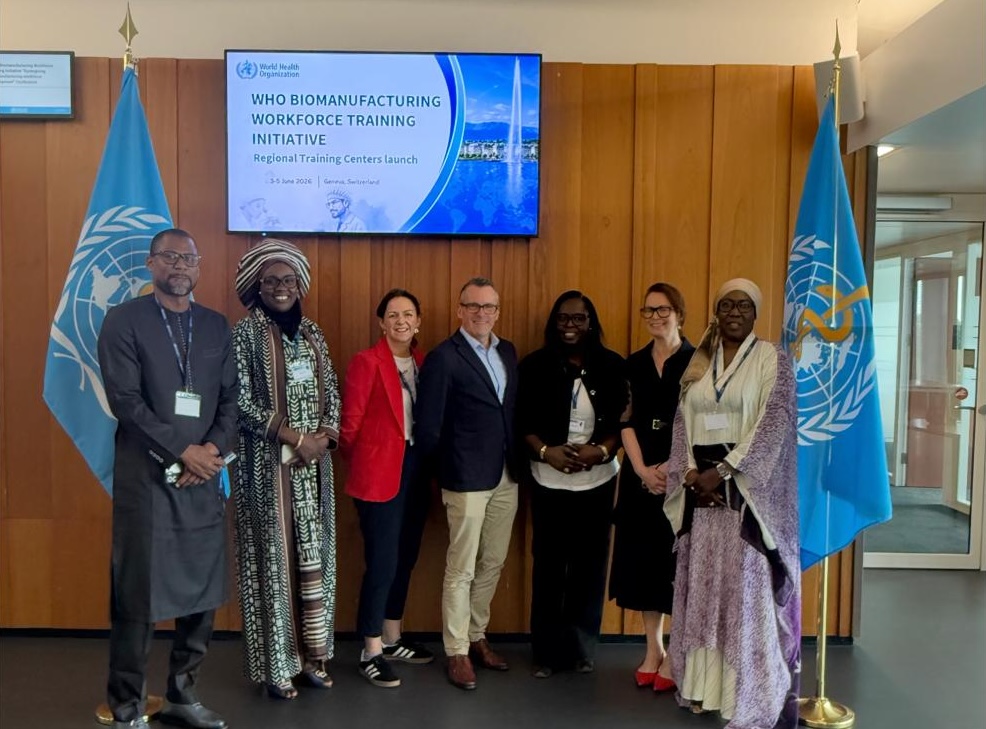
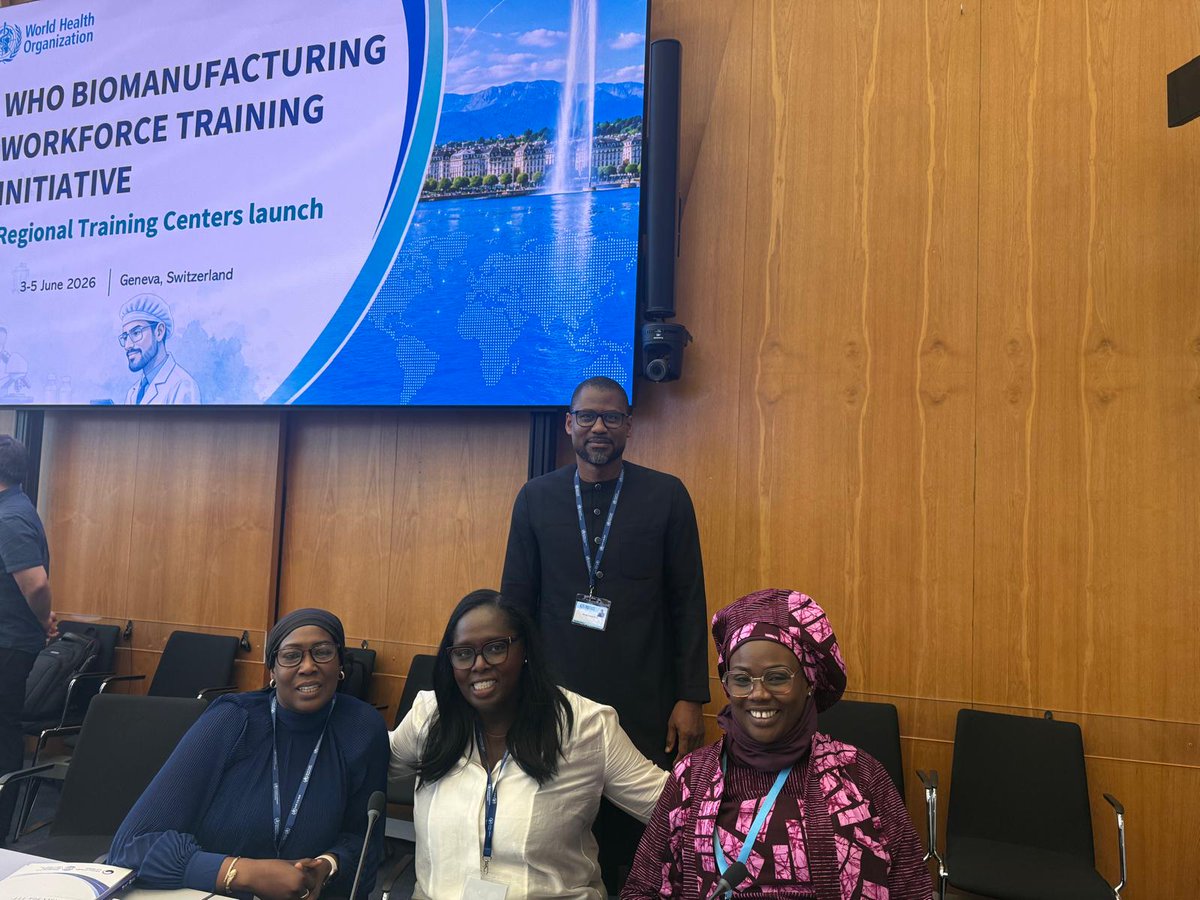
The Institut Pasteur de Dakar officially designated as a Regional Training Centre (RTC) by the
@WHO World Health Organization. From June 3 to 5, 2026, at the Synergizing Biomanufacturing Health Workforce Development conference, held at WHO Headquarters in Geneva, the WHO officially launched its global network of 7 Regional Training Centres as part of its Biomanufacturing Workforce Training Initiative (BWTI).
IPD is proud to be the French-speaking African representative of this international network of excellence, alongside institutions such as the Council for Scientific and Industrial Research (CSIR) (South Africa), FIOCRUZ - Fundação Oswaldo Cruz (Brazil), NIBRT National Institute for Bioprocessing Research and Training (Ireland), TRANSLATIONAL HEALTH SCIENCE AND TECHNOLOGY INSTITUTE (India), the Center for Continuing Professional Development of the Egyptian Drug Authority (Egypt), and Peking University (China).
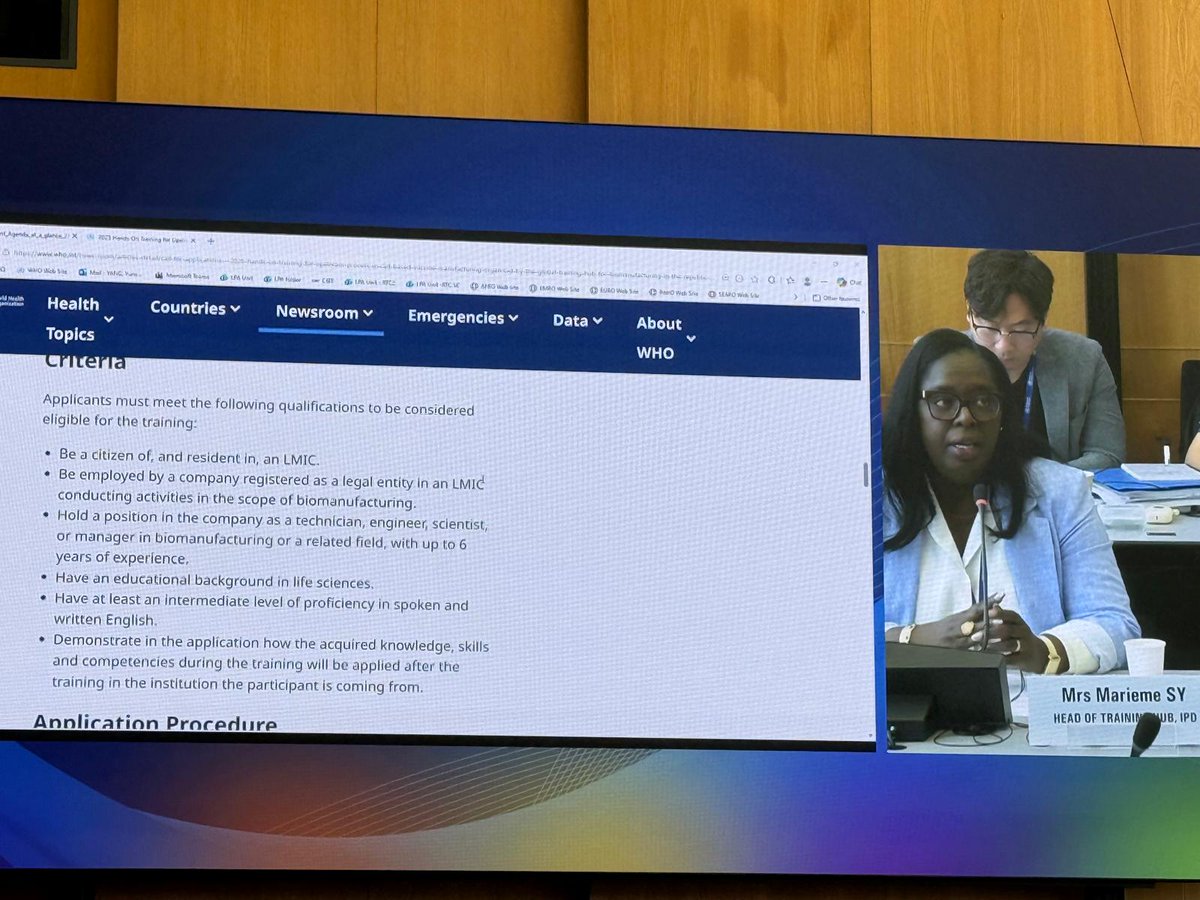
This recognition reinforces the vision carried by the Institut Pasteur de Dakar through the MADIBA Workforce Development Initiative - Institut Pasteur de Dakar (MADIBA HWDI) and the Regional Biomanufacturing Training Hub: developing talent and skills in biomanufacturing for sustainable health sovereignty in Africa.
IPD was represented by Ms. Marième Sy, Coordinator of the MADIBA HWDI, accompanied by the training team Elhadji Oumar Seck, Ramata Fall Diallo, and Fatou Ndiaye with a shared goal: strengthening local biomanufacturing capacities for sustainable health sovereignty in Africa and beyond.
We warmly thank the World Health Organization and all partners the WHO Academy, Regional Offices, the Ministry of Health of the Republic of Korea, and the Global Training Hub for Biomanufacturing, for this strategic collaboration.
For more information, please visit: lnkd.in/d_rtHh4R
#IPD #WHO #Biomanufacturing #HealthSovereignty #Africa #MADIBAWorkforceDevelopment
1
6
180

Opportunity is growing in Ohio, and I saw it firsthand at @ForgeBio, where life-changing work is happening in our state’s biomanufacturing industry.
It’s work you can be part of, and WorkOhio can help connect you to the path to get there.
WorkOhio.gov
7
270

Jun 12
@NIST last week released a new report expanding on @MFGUSA's 2025 Advanced Manufacturing Occupation and Competency Framework.
Published by the institute’s Office of Advanced Manufacturing, the “Analysis of the Manufacturing USA Occupation and Competency Framework” identifies more than 130 occupations connected to 235 KSAs (knowledge, skills and abilities) that workers need to operate technologies across biomanufacturing, digital/automation, electronics, energy/processes and materials.
@SME_MFG #AdvancedManufacturing #IndustryReport #Occupations
advancedmanufacturing.org/ne…
2
26