
Fabheads Automation!
Composites, automated. 🛠️ @Fabheads brings India its first automated composite-manufacturing process for aerospace, drone, defence, and space. #BharatInnovates #MakeInIndia #AdvancedManufacturing #Aerospace #InvestInIndia fabheads.in/
@PMOIndia @MEAIndia @IndianDiplomacy @BharatInnov2026
1
309

The Global Structure Network Limited is redefining how consumers build capability, establishing the architecture through which their everyday decisions translate directly into long‑term economic value.
theglobalstructurenetwork.co…
#CapabilityEconomy #SystemicVelocity #InvasiveReconstruction #TriumphantLiving #GlobalStructureNetwork #IndustrialStrategy2026 #SovereignCapability #UKManufacturing #Aviation2026 #DefenseInnovation #SpaceEconomyUK #AerospaceEngineering #NetZeroManufacturing #RenewableEnergyUK #EVInfrastructure #IndustrialResilience #GreenIndustrialRevolution #SupplyChainSecurity #AdvancedManufacturing #DigitalTransformation #BrainEconomy #PrecisionEngineering #IndustrialAI #MadeInBritain #SouthYorkshire #Scotland #NorthEast #CapabilityLed #SystemicDrag #ActiveAuthor #GSDIAdvocacy #HardInfrastructure #KineticEfficiency
1
The Global Structure Network Limited is redefining how consumers build capability, establishing the architecture through which their everyday decisions translate directly into long‑term economic value.
theglobalstructurenetwork.co…
#FutureSkills #SkillsForTheFuture #EducationInnovation #NextGenTalent #DigitalSkills #STEMEducation #SkillsDevelopment #WorkforceDevelopment #UKSkills #UKInnovation #SkillsForGrowth #BritainsFutureWorkforce #CapabilityEconomy #FutureWorkforce #TalentInfrastructure #DefenceSkills #EngineeringSkills #AdvancedManufacturing #InvestInSkills #CompetitiveAdvantage #InnovationEconomy #FixedCharge #FloatingCharge #BookDebts #FixedCharges #ChargesOverBookDebts #SecuredTransactions #SecurityLaw
#InsolvencyLaw #CommercialLaw #BankingLaw #CorporateLaw #Restructuring #DebtFinance #EquityAndTrusts #LegalCertainty #HolroydvMarshall #SpectrumPlus
1

Navigation may be becoming a strategic sovereignty technology.
As electronic warfare, signal jamming, and contested environments become more common, relying solely on GPS is becoming an increasing operational risk.
To address this challenge, Safran is investing €120 million to expand its Montluçon facility in France, significantly increasing production of Hemispherical Resonator Gyroscopes (HRGs) - a critical technology for resilient navigation when external signals are unavailable.
Key signals:
• HRG production capacity is expected to triple from 10,000 to 30,000 units annually by 2032
• The expansion includes 10,500 m² of new industrial space and 3,000 m² of cleanrooms
• HRGs enable precise navigation in GPS-denied environments across air, sea, space, and defense systems
• The project will create 500 new jobs and deploy next-generation manufacturing capabilities
Why this matters:
Navigation is no longer just an operational capability - it is increasingly a strategic asset.
As military and aerospace systems operate in more contested environments, the ability to maintain positioning without external signals is becoming essential for mission effectiveness, resilience, and technological sovereignty.
What's changing:
From GPS-dependent positioning → to sovereign and resilient navigation systems
For decades, satellite-based navigation has been the foundation of modern positioning.
A new priority is emerging: ensuring systems can continue to operate when those signals are disrupted, denied, or unavailable altogether.
Could resilient navigation systems become as strategically important as communications networks and cybersecurity infrastructure in future defense operations?
#DefenseTechnology #Aerospace #NavigationSystems #InertialNavigation #MilitaryTechnology #SpaceTechnology #DefenseInnovation #AdvancedManufacturing #Engineering #InnoDexis
19

Researchers develop #Electrochemical cutting with a controllably deformable flexible electrode, enabling precise machining of complex geometries and enhancing adaptability in #AdvancedManufacturing processes.
#IJEM #OpenAccess: doi.org/10.1088/2631-7990/ad…
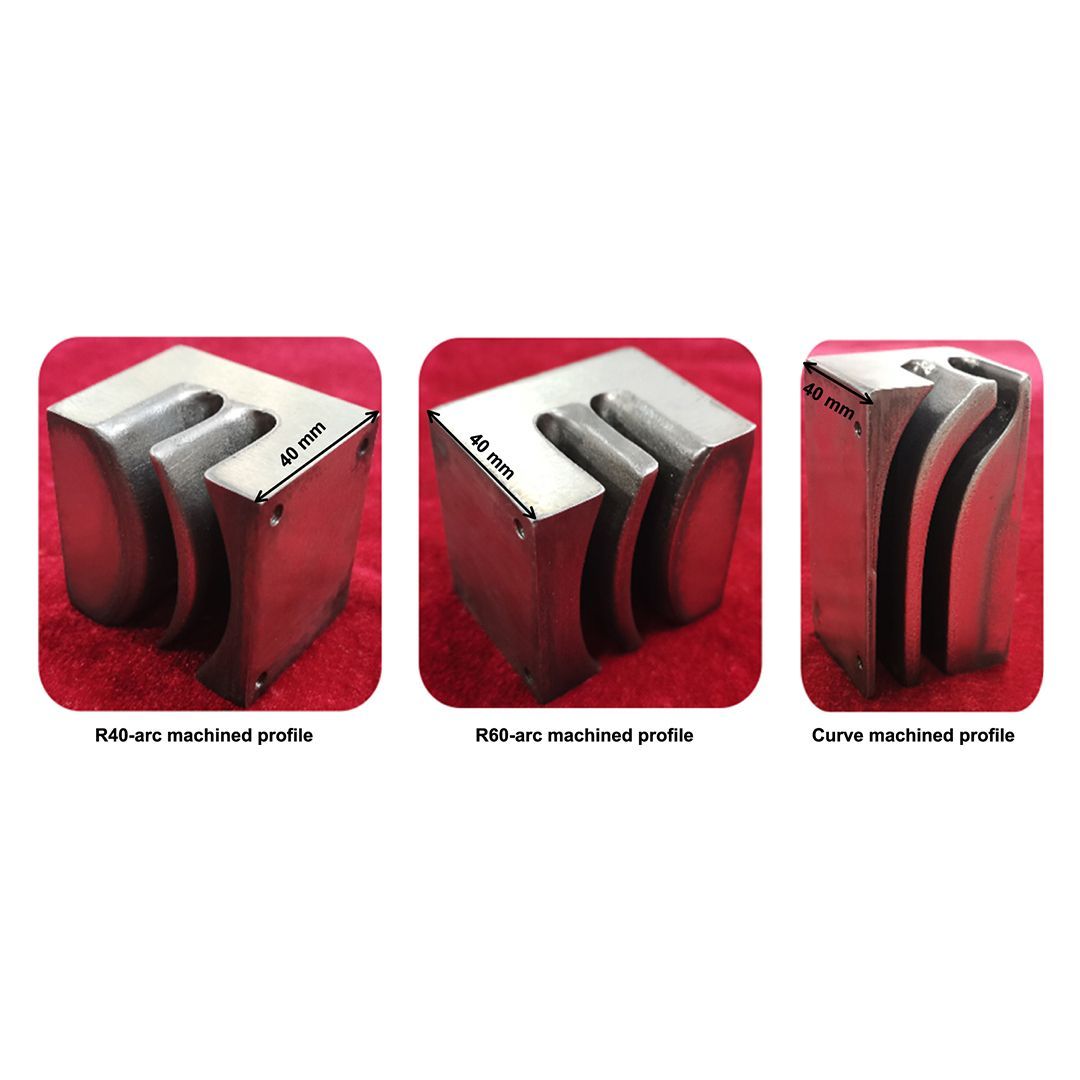
ALT Electrochemical cutting with flexible electrode of controlled online deformation
11

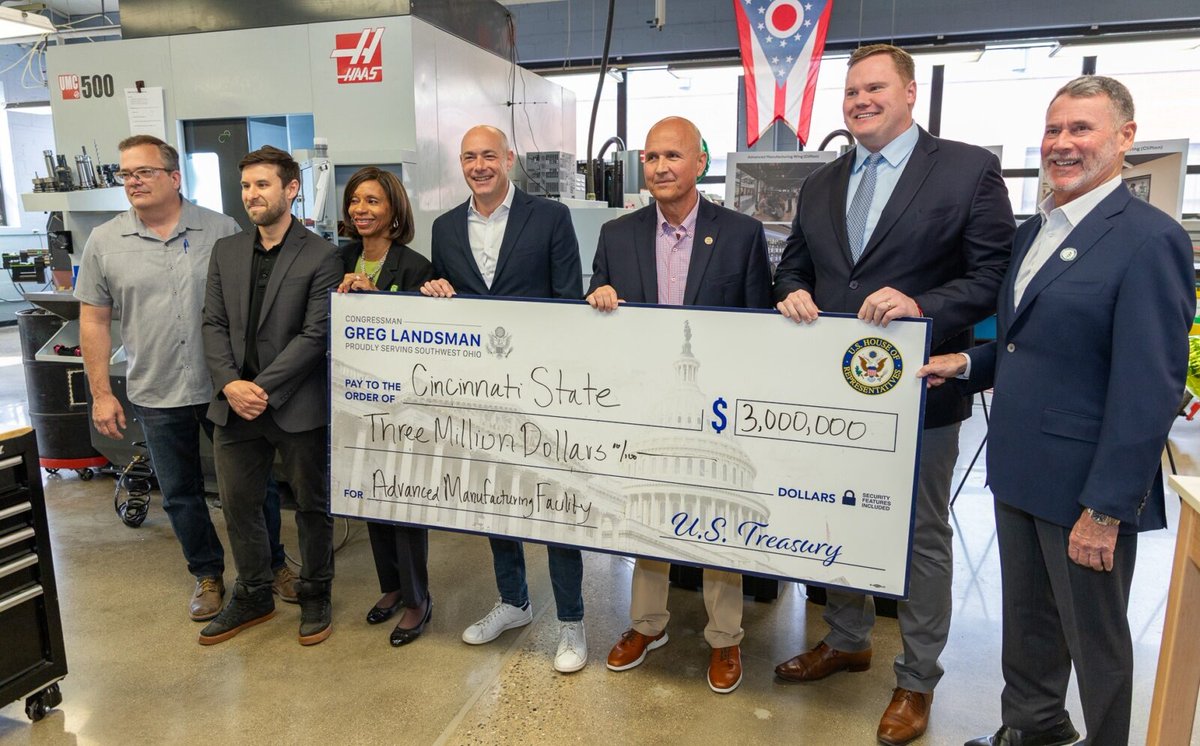
@CinStateCollege Exciting news! Cincinnati State has received $3M in federal funding to modernize our Advanced Manufacturing labs and classrooms. Thank you to Rep. Greg Landsman and our federal partners for their support! #CincinnatiState #AdvancedManufacturing #WorkforceDev
10

What's in the box? 📦 More opportunities for hands-on learning.
Thanks to Kennametal for supporting the next generation of machinists!
Ready to start your journey? Visit WFW.org
#SkilledTrades #CareerTraining #AdvancedManufacturing
5

Jun 12
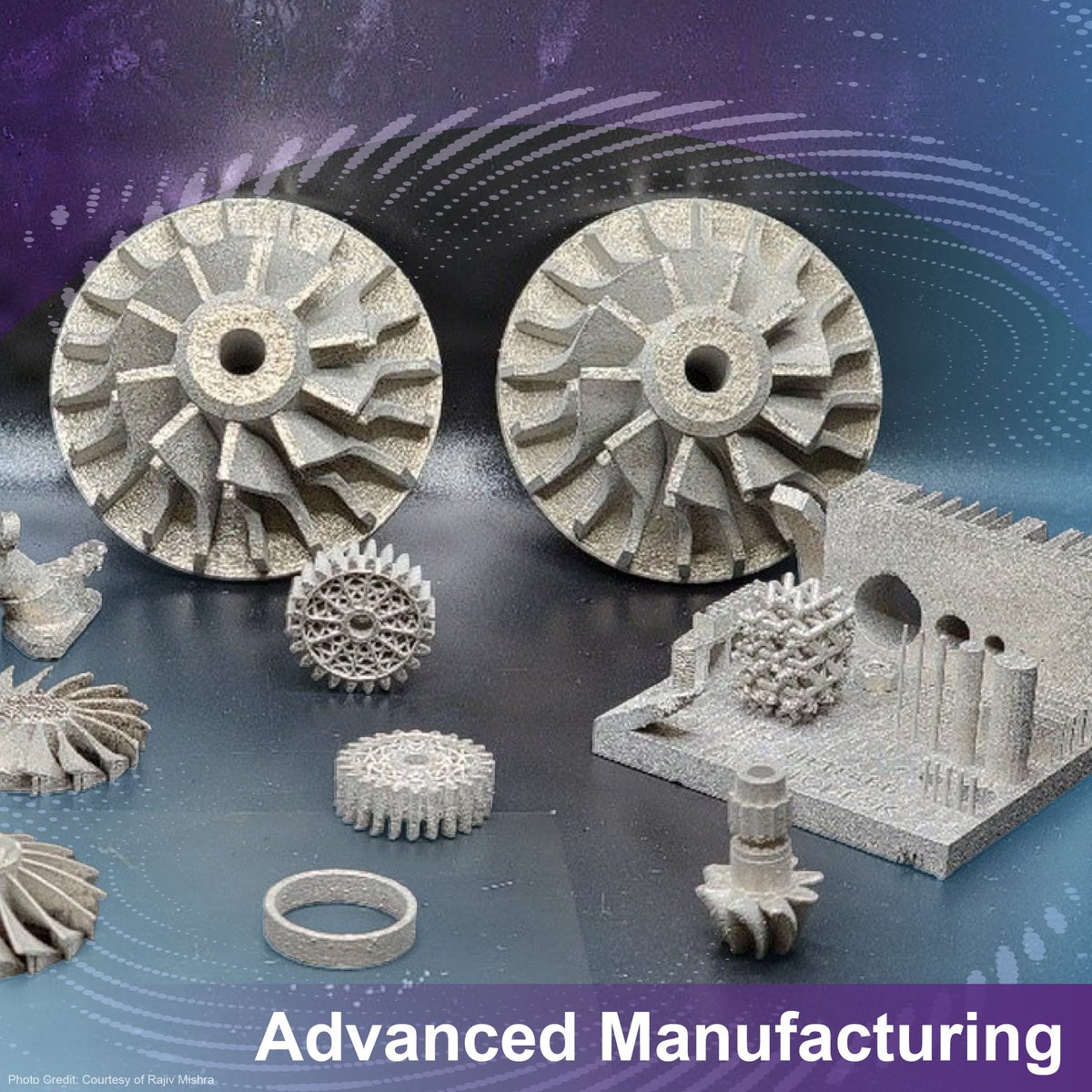
At U.S. Army Combat Capabilities Development Command (DEVCOM) Army Research Laboratory, researchers are advancing science and engineering to strengthen mission capabilities and support future operational needs through advanced manufacturing.
As highlighted by @USArmy , this work reflects how innovation and technical expertise are being applied to improve performance, efficiency, and readiness.
As a SMART Sponsoring Facility, DEVCOM Army Research Laboratory provides opportunities for scholars to contribute to impactful research and real-world applications.
Learn more: army.mil/article/291780
#SMARTScholarship #STEMCareers #AdvancedManufacturing #Engineering #Innovation @usarmy_devcom @DoW_STEM
23

Jun 12
🎧 Here’s a good one for the weekend: our CEO @mateojaramill joined @NGirishankar on the Betting on America podcast for a conversation about multi-day storage and the future of U.S. manufacturing innovation.
If you’re interested in learning more about scaling deep-tech and lessons learned from the frontier of American reindustrialization, this conversation is worth a listen.
🎙️Catch the full episode from @CSIS at csis.org/events/electricity-….
@CSISEST #Manufacturing #AdvancedManufacturing #EnergyStorage #GridReliability #EnergyInnovation
2
286
The Global Structure Network Limited is redefining how consumers build capability, establishing the architecture through which their everyday decisions translate directly into long‑term economic value.
theglobalstructurenetwork.co…
#FutureSkills #SkillsForTheFuture #EducationInnovation #NextGenTalent #DigitalSkills #STEMEducation #SkillsDevelopment #WorkforceDevelopment #UKSkills #UKInnovation #SkillsForGrowth #BritainsFutureWorkforce #CapabilityEconomy #FutureWorkforce #TalentInfrastructure #DefenceSkills #EngineeringSkills #AdvancedManufacturing #InvestInSkills #CompetitiveAdvantage #InnovationEconomy #FixedCharge #FloatingCharge #BookDebts #FixedCharges #ChargesOverBookDebts #SecuredTransactions #SecurityLaw
#InsolvencyLaw #CommercialLaw #BankingLaw #CorporateLaw #Restructuring #DebtFinance #EquityAndTrusts #LegalCertainty #HolroydvMarshall #SpectrumPlus
1

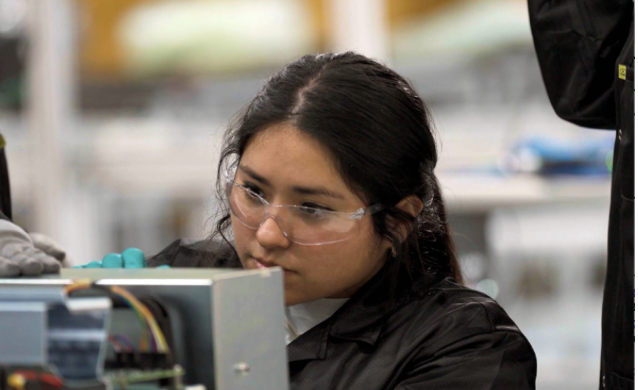
From Jabil's 352-job announcement to global outreach at SelectUSA, the latest Gateway Connector highlights the momentum becoming reality across Virginia's Gateway Region.
Read the June issue: ow.ly/p9km50Zaaqr
#MomentumBecomesReal #AdvancedManufacturing #OpenForBusiness
9

Jun 12
Precision in semiconductor manufacturing is driven by how well critical parameters can be measured and controlled—and photonics is central to that capability.
Across inspection, metrology, and process monitoring, Hamamatsu’s solutions are engineered to support both front‑end and back‑end semiconductor processes with high optical performance.
Discover how we can support your advanced semiconductor manufacturing workflows: ow.ly/iXW650Z5mxc
#SemiconductorManufacturing #Photonics #AdvancedManufacturing

1
71

Jun 12
@NIST last week released a new report expanding on @MFGUSA's 2025 Advanced Manufacturing Occupation and Competency Framework.
Published by the institute’s Office of Advanced Manufacturing, the “Analysis of the Manufacturing USA Occupation and Competency Framework” identifies more than 130 occupations connected to 235 KSAs (knowledge, skills and abilities) that workers need to operate technologies across biomanufacturing, digital/automation, electronics, energy/processes and materials.
@SME_MFG #AdvancedManufacturing #IndustryReport #Occupations
advancedmanufacturing.org/ne…
2
26

Jun 12
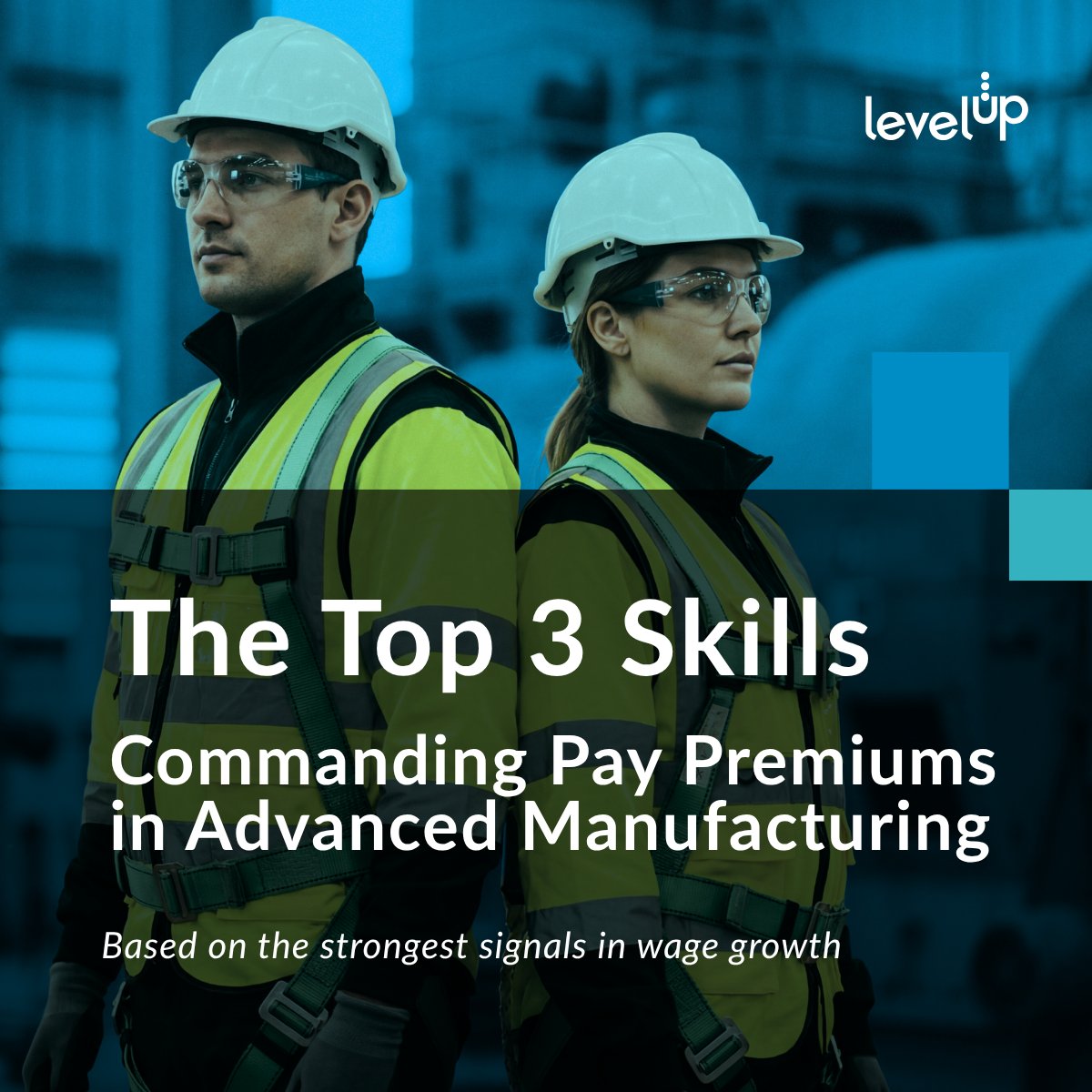
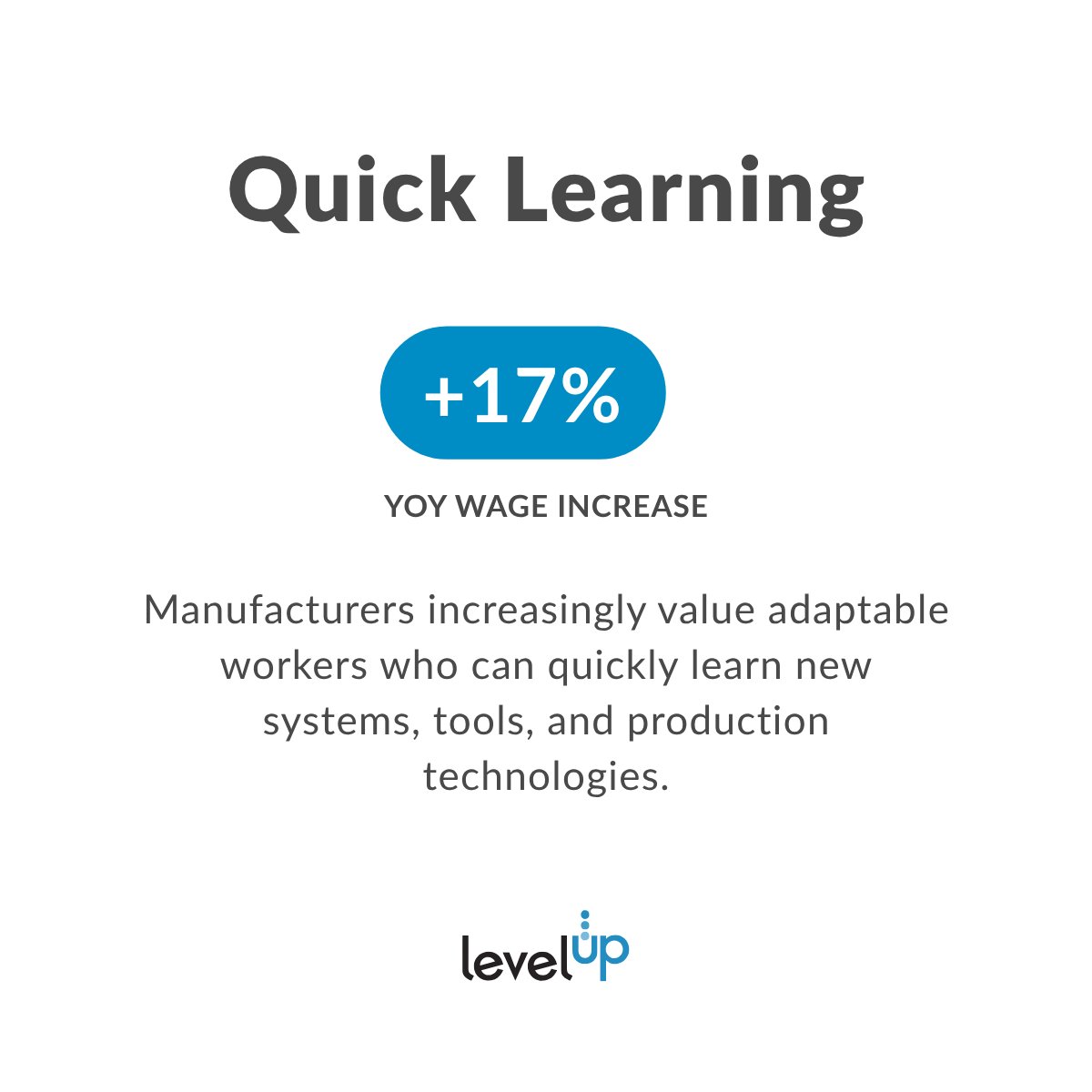
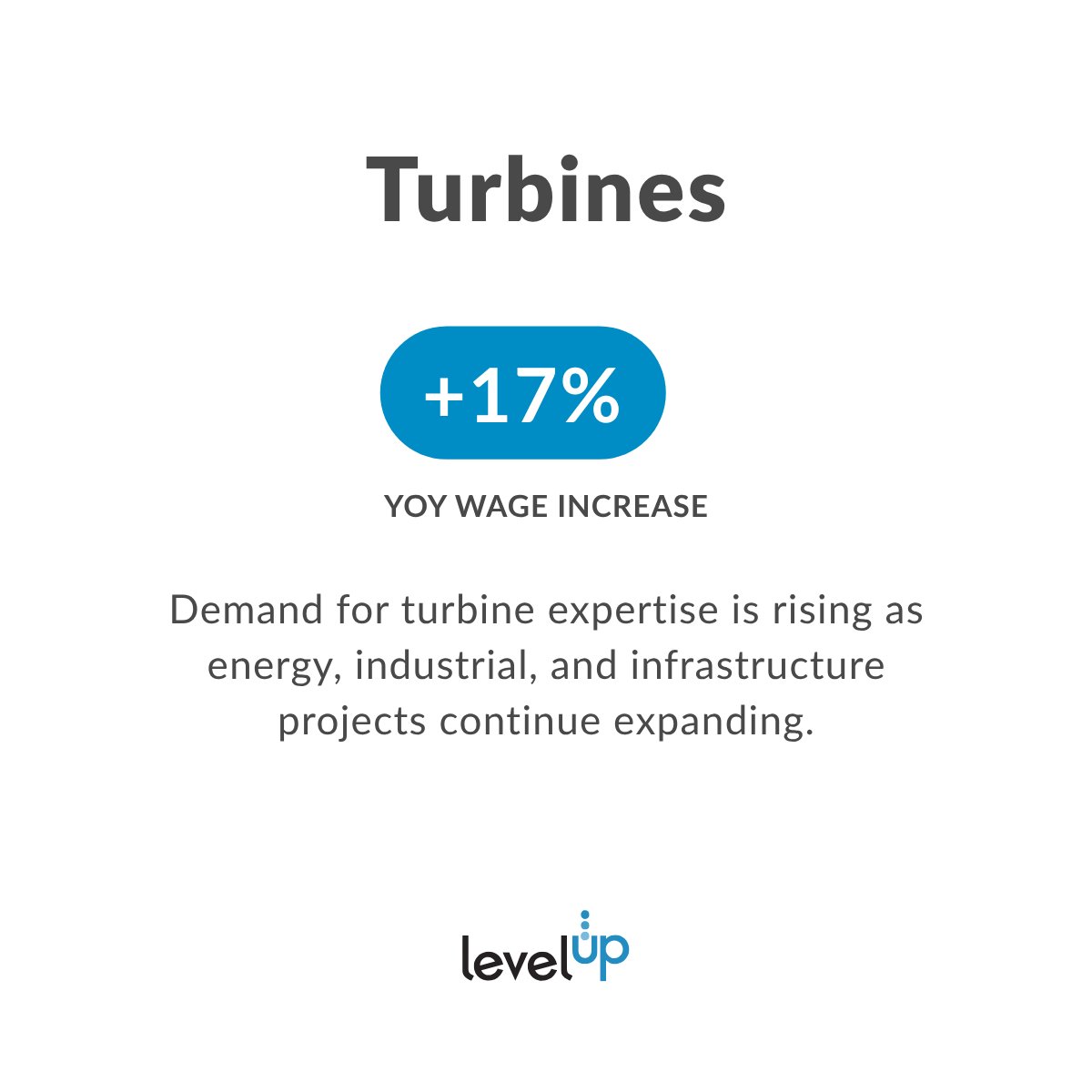
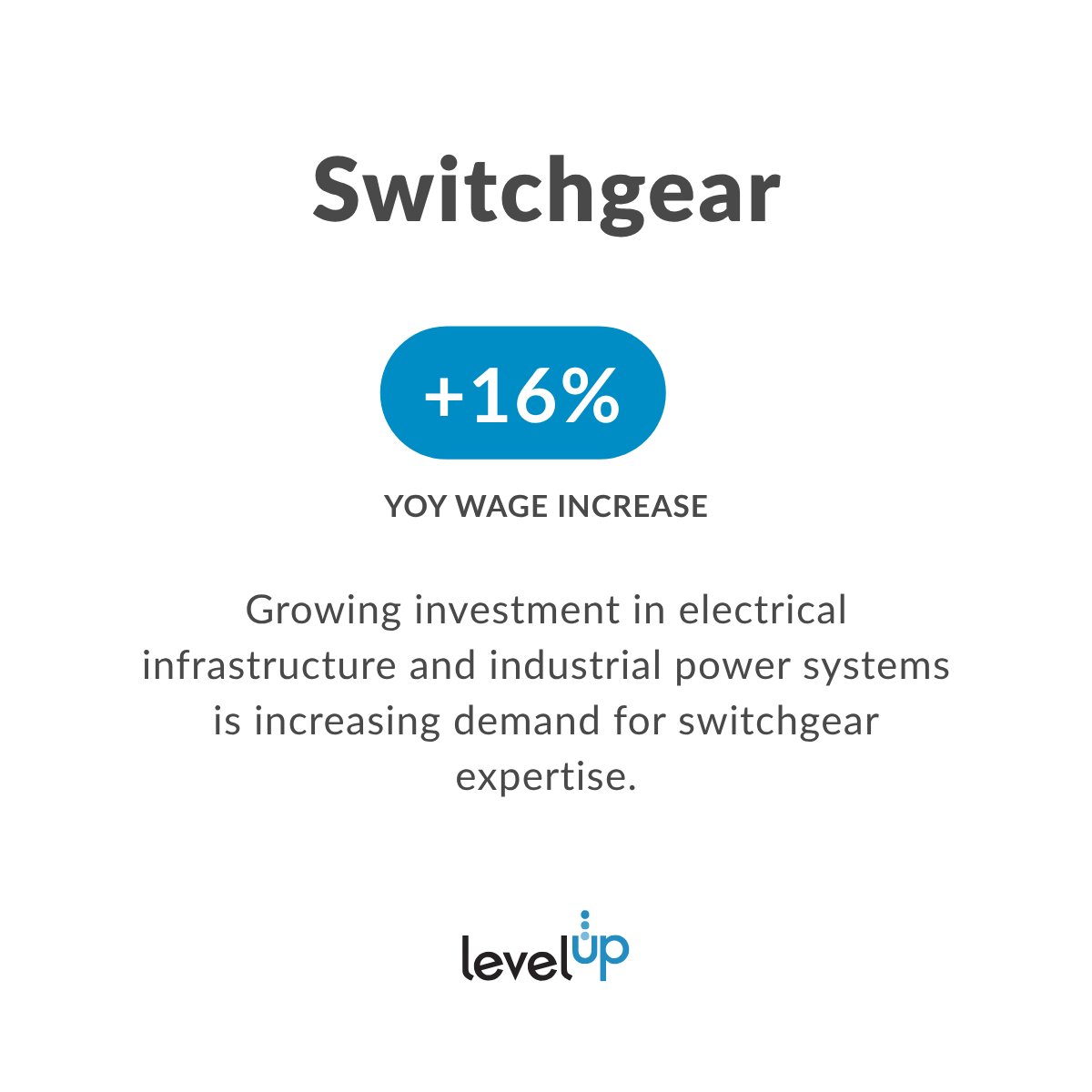
The highest pay premiums in advanced manufacturing are not the loudest hiring signals.
Scarcity and impact drive wages, not just demand.
Read the full Advanced Manufacturing Skills Trends Report below.
info.leveluphcs.com/advanced…
#AdvancedManufacturing #LevelUPHCS

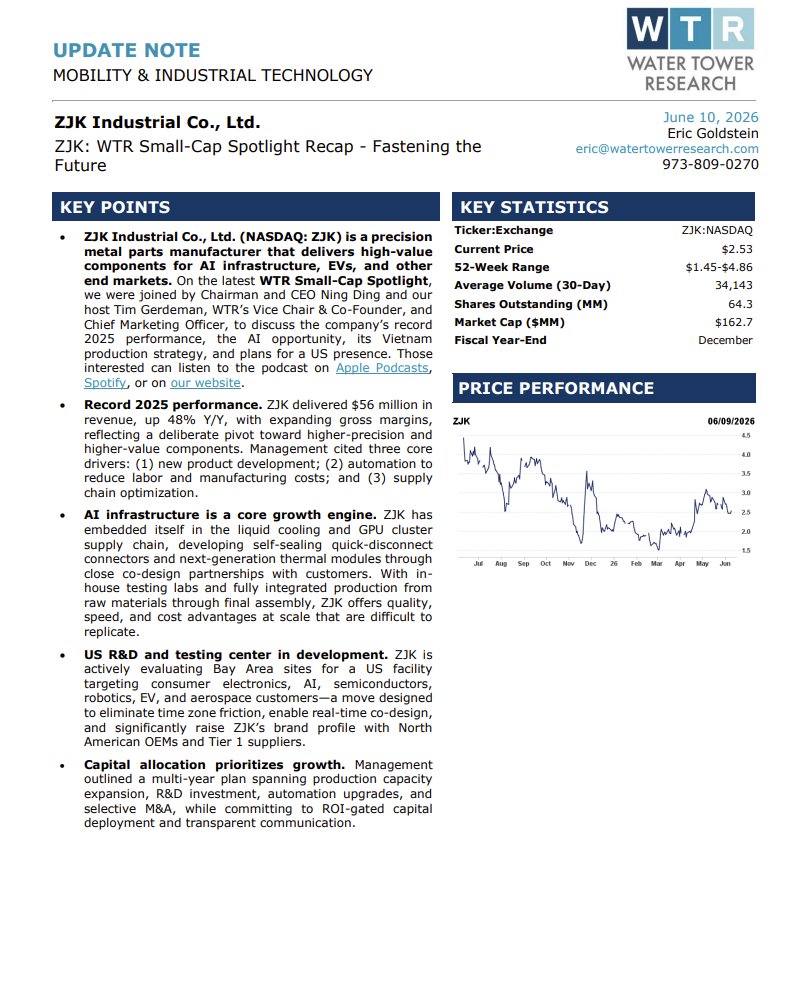
Check out Eric Goldstein's recap from his recent podcast with ZJK Chairman and CEO Ning Ding and our hosts Tim Gerdeman and Eric Goldstein.
Those interested can listen to the podcast on all platforms or on our website. Links are accessible in our full report!
watertowerresearch.com/doc?d…
$ZJK #ZJKIndustrial #ArtificialIntelligence #AIInfrastructure #LiquidCooling #DataCenters #Semiconductors #EVs #ElectricVehicles #AdvancedManufacturing #PrecisionEngineering #IndustrialTechnology #Automation #Robotics #SupplyChain #ThermalManagement #GrowthStocks #SmallCapStocks #InvestorInsights #WaterTowerResearch @ZJK_Industrial
1
55

Jun 12
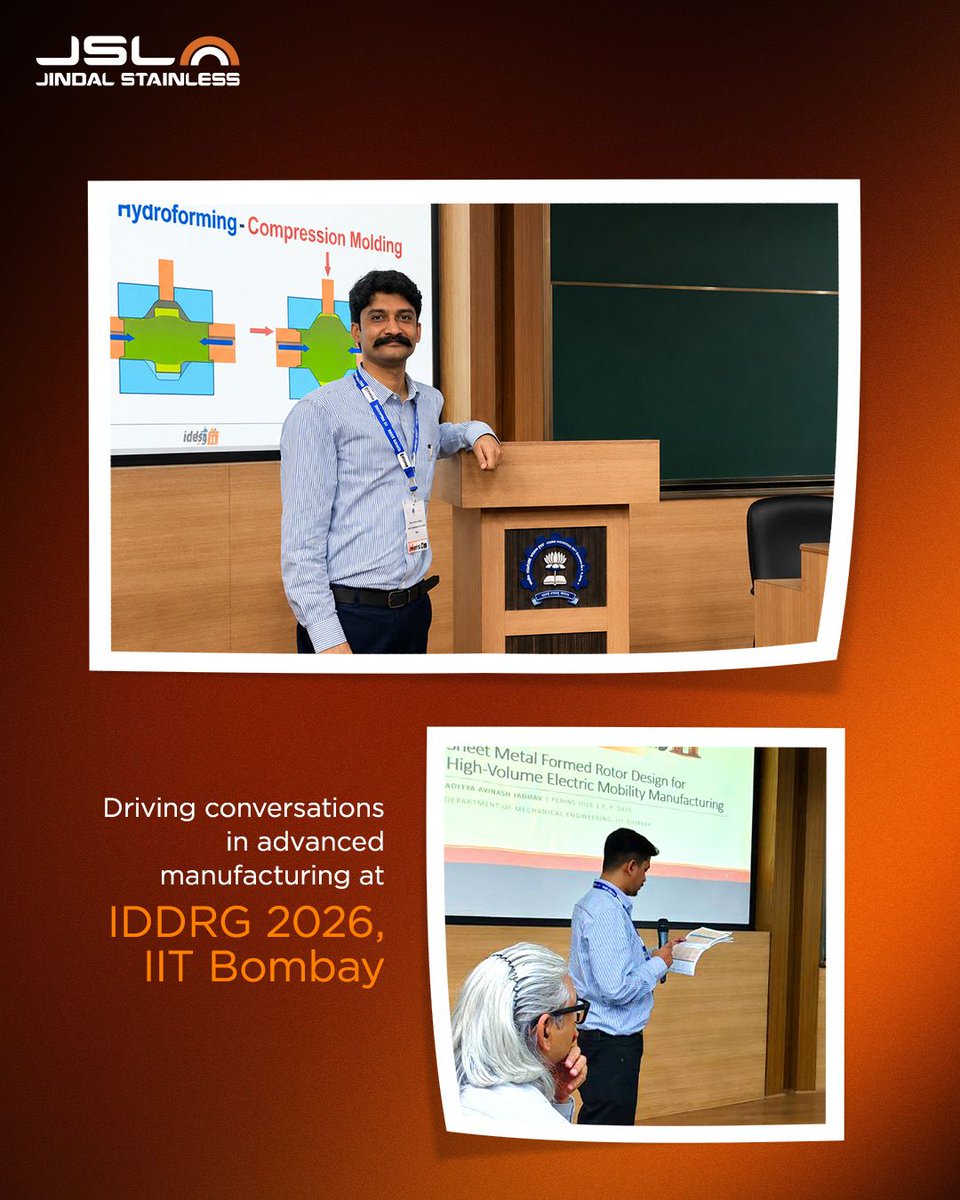
Jindal Stainless participated in the 45th International Deep Drawing Research Group Conference (IDDRG 2026), held at IIT Bombay from 31 May to 4 June 2026. As a recognition of the Company’s growing technical expertise in advanced manufacturing and sheet metal forming, members of the R&D team from the Hisar unit, Dr Saurabh Kumar and Dr Pankaj Agarwal, were invited to serve as Session Chairs at the conference.
IDDRG is a globally recognised platform that brings together experts from academia, research institutions, technology providers, and industry to deliberate on advancements in sheet metal forming, material modelling, forming simulation, joining technologies, EV applications, and AI/ML-enabled manufacturing.
The participation provided valuable opportunities for technical exchange and engagement with global experts, further strengthening Jindal Stainless’ focus on application engineering, innovation, collaborative research, and customer-centric product development.
#JindalStainless #JSL #StainlessSteel #Stainless #RnD #AdvancedManufacturing
1
2
9
255

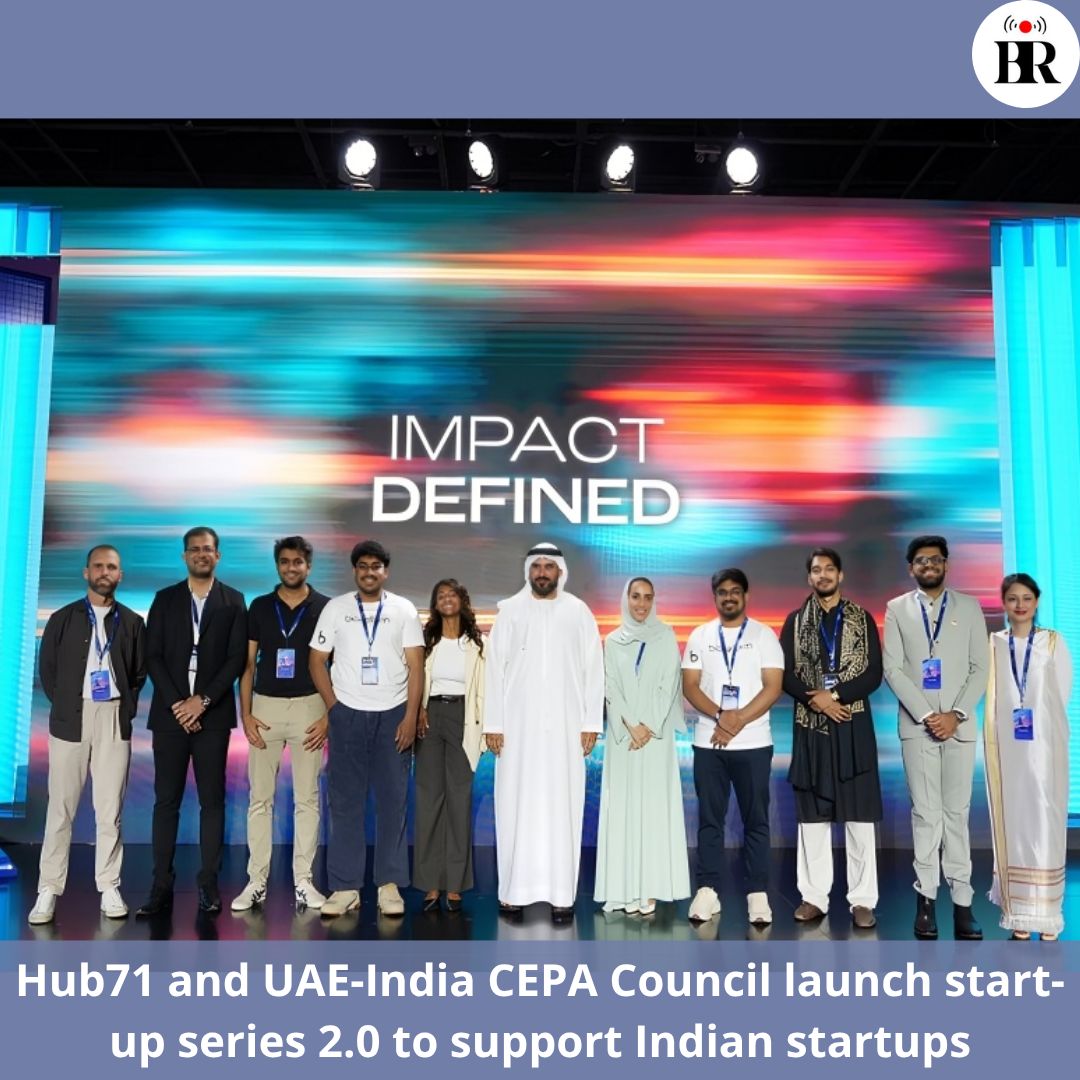
Hub71 and UAE-India CEPA Council launch start-up series 2.0 to support Indian startups
Read more :- buff.ly/xamFMth
#UAEIndiaStartupSeries #StartupSeries2026 #AdvancedManufacturing #CrossBorderInnovation #InvestmentOpportunities
1
9

Pakistan's role in global technology and manufacturing value chains is steadily expanding.
Within the STZA ecosystem, Samsung Pakistan electronics are being produced at the Sapphire Electronics Production Zone, Google Chromebooks are being assembled at the National Radio Telecommunication Corporation Special Technology Zone, and BYD Pakistan EV ecosystem is being developed through the BYD NEV Production Zone.
These developments represent more than local assembly. They reflect Pakistan's growing integration into the supply chains of leading global brands, creating opportunities for technology transfer, skilled employment, industrial innovation, and export competitiveness.
This broader transformation is already becoming visible across Pakistan's manufacturing landscape, with locally produced vehicles now reaching international markets. As Special Technology Zones continue to expand nationwide, they are helping create an environment where global companies, local talent, and advanced manufacturing capabilities can come together to strengthen Pakistan's position in the global digital economy.
#STZA #TechnologyZones #GlobalValueChains #MadeInPakistan #AdvancedManufacturing #Innovation #DigitalEconomy #FutureReady
1
49

Congratulations to Prof Simon Ringer on securing an ARC Linkage Project! 🎉
His team won $875,568 Australian Research Council grant to investigate how tungsten carbide-cobalt tooling materials degrade in real-world conditions, aiming to improve recyclability, lifespan and performance for advanced manufacturing.
Sydney Mass Spectrometry, a #USYD Core Research Facility, is proud to support this research and looks forward to our continued collaboration.
Read more in 𝙐𝙎𝙔𝘿 𝙉𝙚𝙬𝙨 👉 bit.ly/4xzJwCX
𝗔𝗯𝗼𝘂𝘁 𝗦𝘆𝗱𝗻𝗲𝘆 𝗠𝗮𝘀𝘀 𝗦𝗽𝗲𝗰𝘁𝗿𝗼𝗺𝗲𝘁𝗿𝘆 ➡️ bit.ly/3pzvEdC
@arc_gov_au
#AdvancedManufacturing #TungstenCarbide #Research #Sustainability #MaterialScience #Innovation #Recyclability

49

Jun 11
As highlighted by iPolitics, Hanwha Ocean’s CPSP proposal could link defence procurement with major Canadian investment in LNG, hydrogen, advanced manufacturing and supply chains. ow.ly/WMb050ZaCHJ
#CanadaKorea #EnergySecurity #AdvancedManufacturing

ALT Crowd gathered on shore watching a submarine surfacing in calm waters near a forested coastline.
1
4
175