
#health #sustainability #agedcare
Healthy aging
requires biomonitoring of
pollutant exposures.
The ToxCast chemical library
now includes approx. 4,600 compounds.
The ToxBase database
provides additional information
for mass spectrometry analysis.
.
pubs.acs.org/doi/full/10.102…
22
#ecology #health #agedcare #menopause #publichealth #epidemiology #Alzheimers #womenshealth #neurology
Biomonitoring in preventive healthcare
needs to be improved.
Urinary cadmium (Cd)
is an independent predictor for
multidomain cognitive impairment
.
sciencedirect.com/science/ar…
24

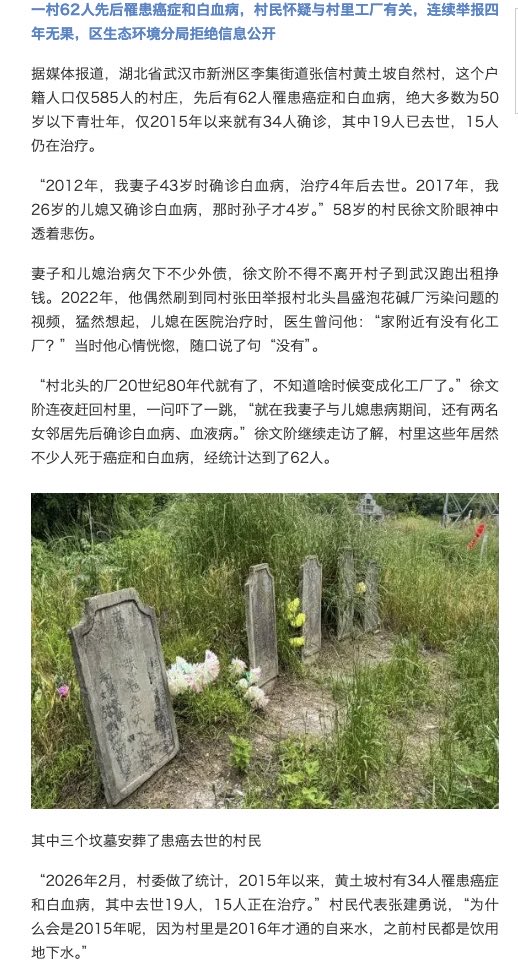
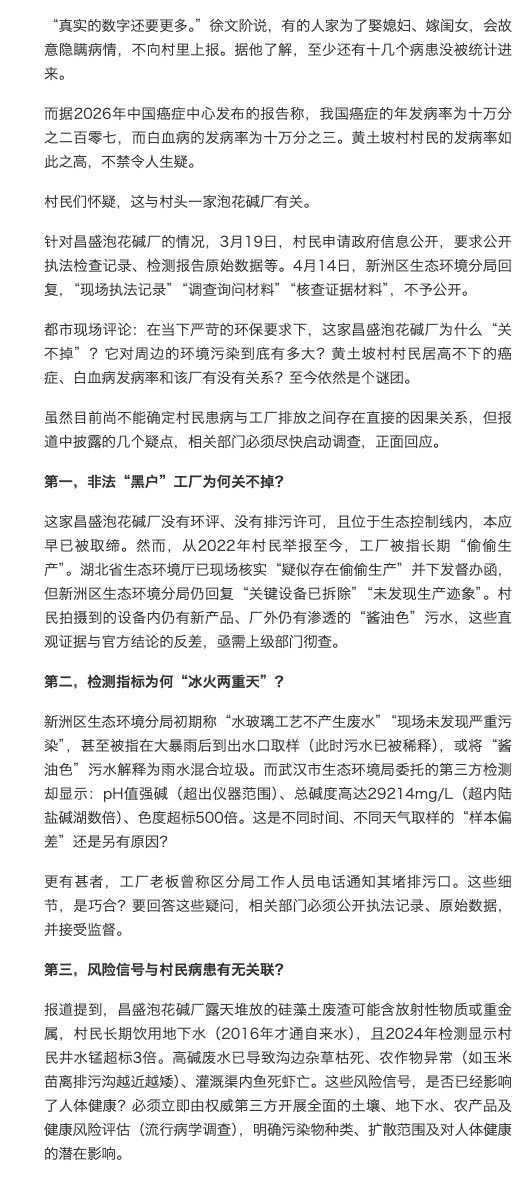
這又是一起嚴重的公共衛生災難。我利用有限的信息從醫學角度嘗試分析污染的環境和健康受損(罹患惡性腫瘤)之間的關係:
一、 流行病學視角的「異常信號」
從新聞披露的數據來看,該村的發病情況存在極強的「環境致病」流行病學特徵:
發病率畸高:
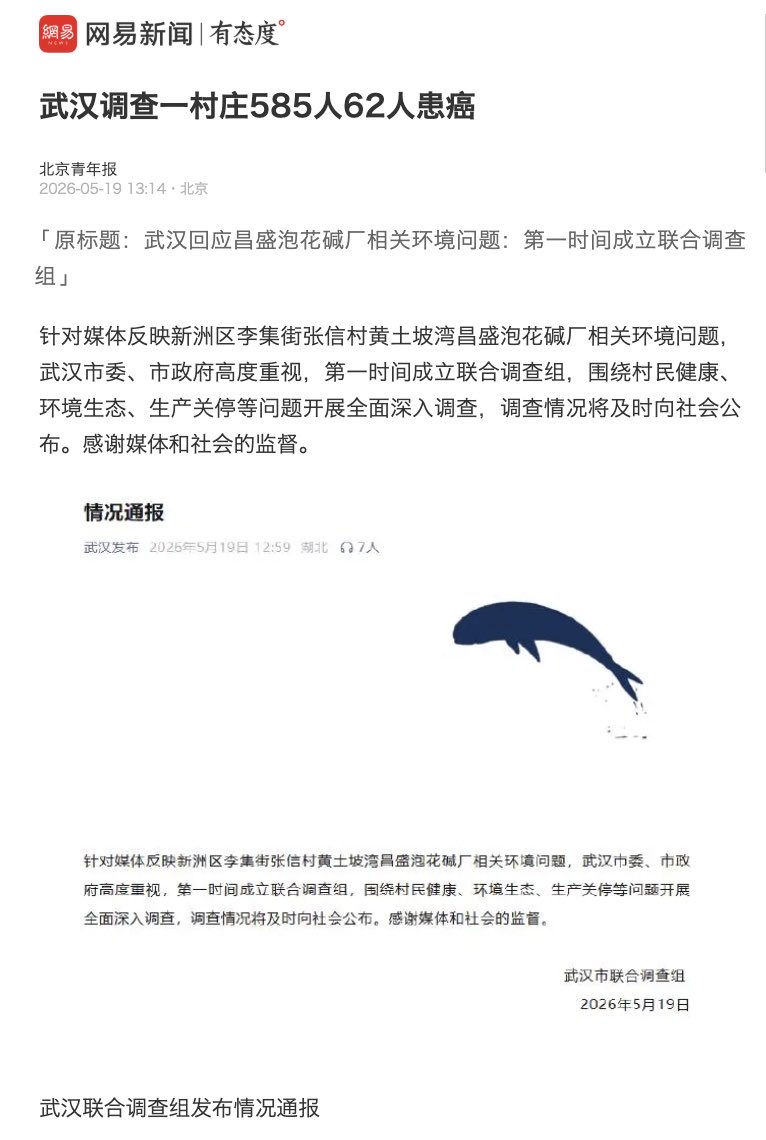
該村戶籍人口僅585人,卻先後有62人罹患癌症和白血病。僅2015年以來就有34人確診。相較於2026年中國癌症中心報告的全國癌症年發病率約十萬分之二百零七,以及白血病十萬分之三的發病率,這個村莊的數據呈現出幾十倍甚至上百倍的統計學顯著異常。
發病年齡年輕化:
絕大多數患者為50歲以下的青壯年。在排除遺傳性家族病史後,青壯年群體集中爆發惡性腫瘤和血液系統惡性疾病(如白血病),在公共衛生學界是強烈的「環境誘變劑暴露」危險信號。
潛伏期與暴露途徑吻合:
村民在2016年通自來水之前,長期飲用地下水。而村頭的工廠自20世紀80年代就存在,後來變成了化工廠。
癌症的發展通常需要5到20年的潛伏期。這可能解釋了為什麼即使2016年停止了地下水飲用,2016年之後依然有大量新增病例,因為早年的慢性暴露已經造成了DNA損傷。
二、 污染源與特定癌症的關聯性分析
新聞中提到該工廠為「泡花碱廠」(即矽酸鈉/水玻璃),並且提到了多項水質檢測異常。
我們需要區分「表象污染」與「核心致癌物」:
強鹼與錳超標,我認為這兩項不是直接致癌物。
第三方檢測顯示污水pH值呈強鹼性、總鹼度高達29214mg/L,導致溝邊雜草枯死、農作物異常、魚蝦死亡。強鹼性水體會造成嚴重的生態破壞和人體消化道/皮膚的化學性灼傷,但鹼性本身一般並不致癌。
2024年井水檢測出錳含量超標3倍。長期攝入過量的錳主要導致神經系統毒性(錳中毒 ),表現為類似帕金森樣麻痹震顫,和兒童智力低下。但這也不是IARC(國際癌症研究機構)認定的致癌核心因素。
需重點關注和排查的潛在致癌物:
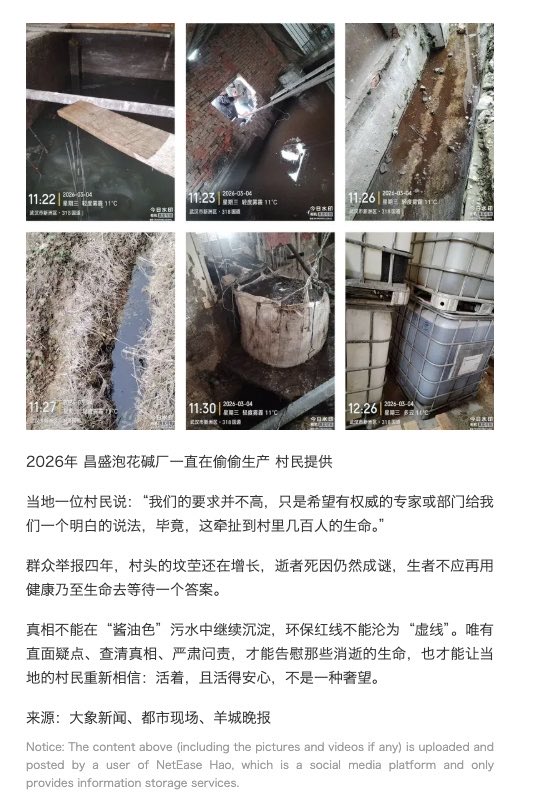
「醬油色」污水與有機溶劑:
新聞圖片和文字多次提到廠外滲透出「醬油色」污水且色度超標500倍。
在缺乏環保設施的地下化工生產中,這種高色度廢水極可能含有複雜的揮發性有機物(VOCs)或苯系物。
醫學界公認,長期暴露於苯及其衍生物(通過飲水或呼吸),是誘發白血病(尤其是急性髓性白血病 AML)的頂級風險因素(IARC 一級致癌物)。
其次排查重金屬與放射性物質!
報導中提到,工廠露天堆放的硅藻土廢渣可能含有放射性物質或重金屬。如果地下水中富集了砷(Arsenic)、六價鉻(Chromium VI)或鎘(Cadmium)等重金屬,長期飲用會直接導致皮膚癌、膀胱癌、肺癌和消化道癌症(均為一級致癌物)。
再其次排查副產物與多環芳烴:
如果工廠在「偷偷生產」過程中燃燒劣質燃料或處理未經分類的化工廢料,會產生多環芳烴(PAHs)等致癌物,這些物質會沉降在土壤中並滲入地下水。吸收入人體後可導致肺癌、膀胱癌、消化系統惡性腫瘤和皮膚癌。
三. 根據國際(歐美)公共衛生危機調查指導原則,應由公共衛生專家牽頭吸收環境學家、檢驗專家和臨床專家組成調查組,進行如下調查:
1. 流行病學溯源(Cohort Study):
詳細繪製62名患者 的居住地與工廠距離的空間分佈圖(GIS Mapping),以及他們飲用井水的歷史長短,尋找暴露劑量-效應關係(Exposure Dose-Response Relationship)。
2. 全面毒理學篩查(Broad-Spectrum Testing):
不能只測常規的pH值或單一金屬(如錳)。必須對歷史留存的井水底泥、工廠周圍土壤深層核心樣本進行靶向篩查,特別針對苯系物、鹵代烴、砷、鎘、六價鉻及放射性同位素。
3. 人體生物監(Biomonitoring):
對目前仍在村里生活的居民進行血液和尿液的重金屬及有機污染物代謝物檢測。
4. 臨床分析
該村62名癌症患者中,除了白血病之外,其他實體腫瘤(例如肺癌、肝癌或消化道癌症)具體是哪幾種?這對反推環境中隱藏致癌污染物有一定意義。
重要的國際參考文獻:
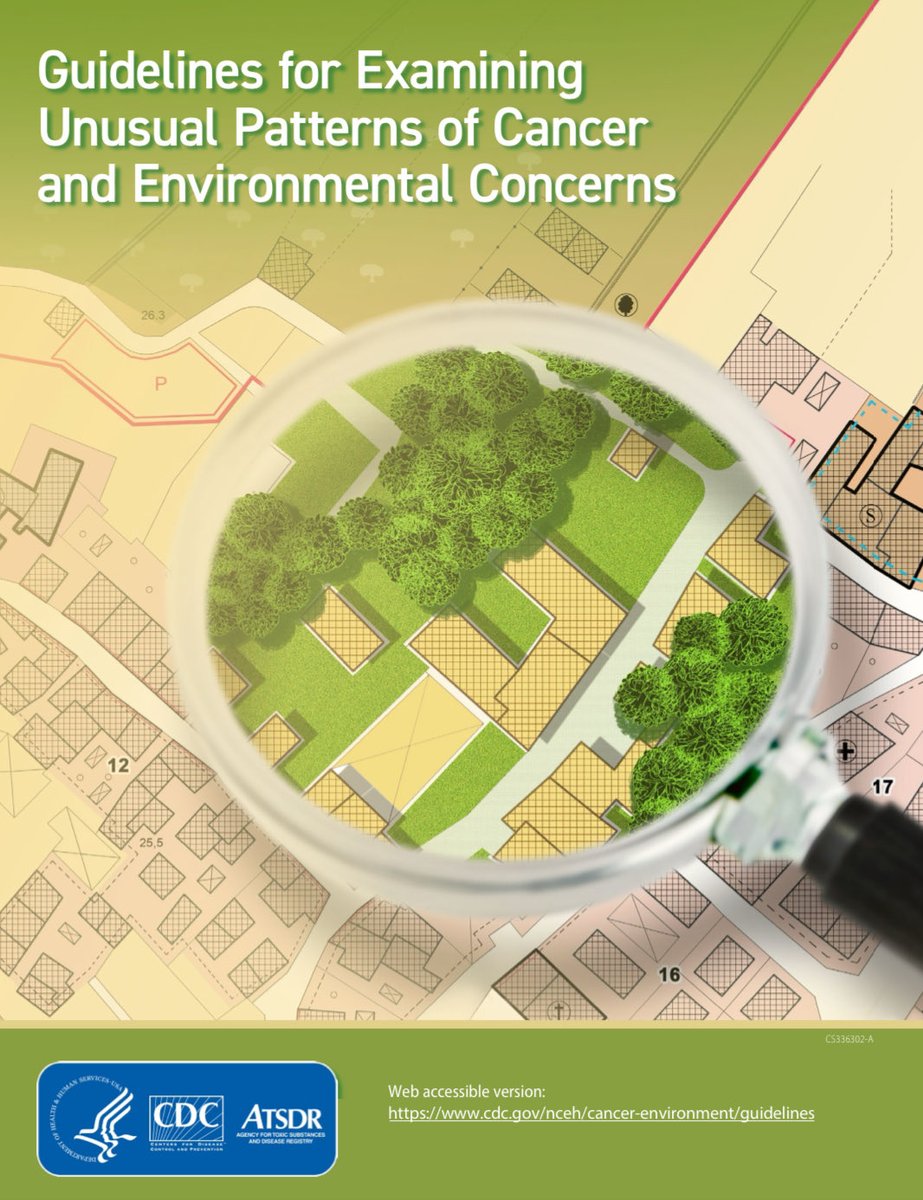
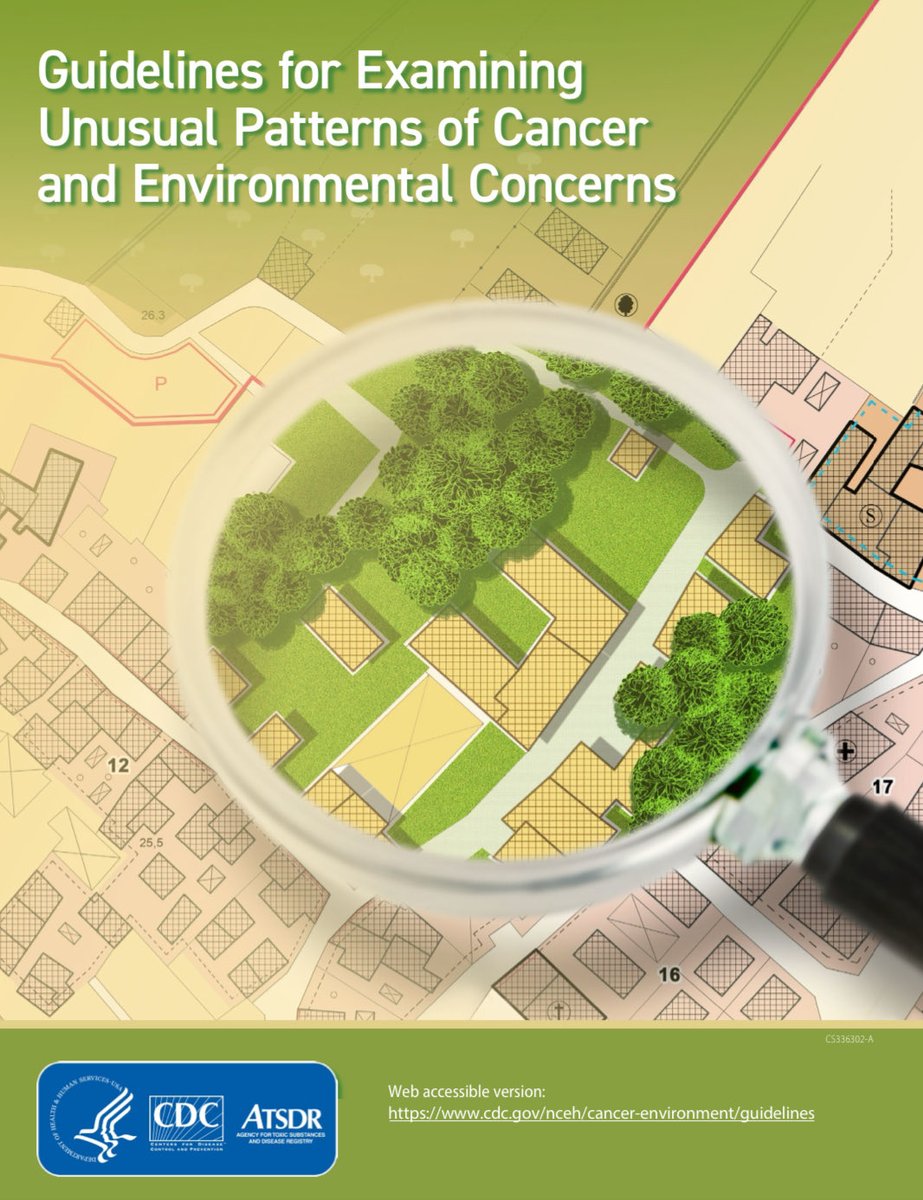
1. 美國:《Guidelines for examining unusual patterns of cancer and environmental concerns》(檢查異常癌症模式與環境問題指南,或:調查疑似癌症群聚與回應社區疑慮指南),美國CDC發布,2022(上一版是2013版)這也是美國各州衛生部門目前在面對社區居民舉報「環境導致癌症高發」時,必須依循的標準SOP指南。
2. 世界衛生組織WHO: 《IARC Monographs》(國際癌症研究機構致癌物評估專著),由世界衛生組織(WHO)/ 國際癌症研究機構(IARC)聯合發佈,實時定期更新。
該專著被譽為「致癌物百科全書」。我前述分析中提到「苯系物誘發白血病」、「六價鉻/鎘導致實體腫瘤」,均來源於該專著的「一級致癌物(Group 1)」清單。
3. 美國: 《Guidelines for Carcinogen Risk Assessment》(致癌風險評估指南),由美國國家環境保護局(EPA)發布,2005
4. 美國:有毒物質與疾病登記處(ATSDR)的毒理學檔案庫是評估污染場址和歷史遺留化學污染的最高標準資料庫。
5. 世界衛生組織(WHO)《飲用水水質準則》第四版(包含最新修訂)
調查結果沒有公信力

2
1
872
這又是一起嚴重的公共衛生災難。我利用有限的信息從醫學角度嘗試分析污染的環境和健康受損(罹患惡性腫瘤)之間的關係:
一、 流行病學視角的「異常信號」
從新聞披露的數據來看,該村的發病情況存在極強的「環境致病」流行病學特徵:
發病率畸高:
該村戶籍人口僅585人,卻先後有62人罹患癌症和白血病。僅2015年以來就有34人確診。相較於2026年中國癌症中心報告的全國癌症年發病率約十萬分之二百零七,以及白血病十萬分之三的發病率,這個村莊的數據呈現出幾十倍甚至上百倍的統計學顯著異常。
發病年齡年輕化:
絕大多數患者為50歲以下的青壯年。在排除遺傳性家族病史後,青壯年群體集中爆發惡性腫瘤和血液系統惡性疾病(如白血病),在公共衛生學界是強烈的「環境誘變劑暴露」危險信號。
潛伏期與暴露途徑吻合:
村民在2016年通自來水之前,長期飲用地下水。而村頭的工廠自20世紀80年代就存在,後來變成了化工廠。
癌症的發展通常需要5到20年的潛伏期。這可能解釋了為什麼即使2016年停止了地下水飲用,2016年之後依然有大量新增病例,因為早年的慢性暴露已經造成了DNA損傷。
二、 污染源與特定癌症的關聯性分析
新聞中提到該工廠為「泡花碱廠」(即矽酸鈉/水玻璃),並且提到了多項水質檢測異常。
我們需要區分「表象污染」與「核心致癌物」:
強鹼與錳超標,我認為這兩項不是直接致癌物。
第三方檢測顯示污水pH值呈強鹼性、總鹼度高達29214mg/L,導致溝邊雜草枯死、農作物異常、魚蝦死亡。強鹼性水體會造成嚴重的生態破壞和人體消化道/皮膚的化學性灼傷,但鹼性本身一般並不致癌。
2024年井水檢測出錳含量超標3倍。長期攝入過量的錳主要導致神經系統毒性(錳中毒 ),表現為類似帕金森樣麻痹震顫,和兒童智力低下。但這也不是IARC(國際癌症研究機構)認定的致癌核心因素。
需重點關注和排查的潛在致癌物:
「醬油色」污水與有機溶劑:
新聞圖片和文字多次提到廠外滲透出「醬油色」污水且色度超標500倍。
在缺乏環保設施的地下化工生產中,這種高色度廢水極可能含有複雜的揮發性有機物(VOCs)或苯系物。
醫學界公認,長期暴露於苯及其衍生物(通過飲水或呼吸),是誘發白血病(尤其是急性髓性白血病 AML)的頂級風險因素(IARC 一級致癌物)。
其次排查重金屬與放射性物質!
報導中提到,工廠露天堆放的硅藻土廢渣可能含有放射性物質或重金屬。如果地下水中富集了砷(Arsenic)、六價鉻(Chromium VI)或鎘(Cadmium)等重金屬,長期飲用會直接導致皮膚癌、膀胱癌、肺癌和消化道癌症(均為一級致癌物)。
再其次排查副產物與多環芳烴:
如果工廠在「偷偷生產」過程中燃燒劣質燃料或處理未經分類的化工廢料,會產生多環芳烴(PAHs)等致癌物,這些物質會沉降在土壤中並滲入地下水。吸收入人體後可導致肺癌、膀胱癌、消化系統惡性腫瘤和皮膚癌。
三. 根據國際(歐美)公共衛生危機調查指導原則,應由公共衛生專家牽頭吸收環境學家、檢驗專家和臨床專家組成調查組,進行如下調查:
1. 流行病學溯源(Cohort Study):
詳細繪製62名患者 的居住地與工廠距離的空間分佈圖(GIS Mapping),以及他們飲用井水的歷史長短,尋找暴露劑量-效應關係(Exposure Dose-Response Relationship)。
2. 全面毒理學篩查(Broad-Spectrum Testing):
不能只測常規的pH值或單一金屬(如錳)。必須對歷史留存的井水底泥、工廠周圍土壤深層核心樣本進行靶向篩查,特別針對苯系物、鹵代烴、砷、鎘、六價鉻及放射性同位素。
3. 人體生物監(Biomonitoring):
對目前仍在村里生活的居民進行血液和尿液的重金屬及有機污染物代謝物檢測。
4. 臨床分析
該村62名癌症患者中,除了白血病之外,其他實體腫瘤(例如肺癌、肝癌或消化道癌症)具體是哪幾種?這對反推環境中隱藏致癌污染物有一定意義。
重要的國際指南參考文獻:
1. 美國:《Guidelines for examining unusual patterns of cancer and environmental concerns》(檢查異常癌症模式與環境問題指南,或:調查疑似癌症群聚與回應社區疑慮指南),美國CDC發布,2022(上一版是2013版)這也是美國各州衛生部門目前在面對社區居民舉報「環境導致癌症高發」時,必須依循的標準SOP指南。
2. 世界衛生組織WHO: 《IARC Monographs》(國際癌症研究機構致癌物評估專著),由世界衛生組織(WHO)/ 國際癌症研究機構(IARC)聯合發佈,實時定期更新。
該專著被譽為「致癌物百科全書」。我前述分析中提到「苯系物誘發白血病」、「六價鉻/鎘導致實體腫瘤」,均來源於該專著的「一級致癌物(Group 1)」清單。
3. 美國: 《Guidelines for Carcinogen Risk Assessment》(致癌風險評估指南),由美國國家環境保護局(EPA)發布,2005
4. 美國:有毒物質與疾病登記處(ATSDR)的毒理學檔案庫是評估污染場址和歷史遺留化學污染的最高標準資料庫。
5. 世界衛生組織(WHO)《飲用水水質準則》第四版(包含最新修訂)
(END)

這又是一起嚴重的公共衛生災難。我利用有限的信息從醫學角度嘗試分析污染的環境和健康受損(罹患惡性腫瘤)之間的關係:
一、 流行病學視角的「異常信號」
從新聞披露的數據來看,該村的發病情況存在極強的「環境致病」流行病學特徵:
發病率畸高:
該村戶籍人口僅585人,卻先後有62人罹患癌症和白血病。僅2015年以來就有34人確診。相較於2026年中國癌症中心報告的全國癌症年發病率約十萬分之二百零七,以及白血病十萬分之三的發病率,這個村莊的數據呈現出幾十倍甚至上百倍的統計學顯著異常。
發病年齡年輕化:
絕大多數患者為50歲以下的青壯年。在排除遺傳性家族病史後,青壯年群體集中爆發惡性腫瘤和血液系統惡性疾病(如白血病),在公共衛生學界是強烈的「環境誘變劑暴露」危險信號。
潛伏期與暴露途徑吻合:
村民在2016年通自來水之前,長期飲用地下水。而村頭的工廠自20世紀80年代就存在,後來變成了化工廠。
癌症的發展通常需要5到20年的潛伏期。這可能解釋了為什麼即使2016年停止了地下水飲用,2016年之後依然有大量新增病例,因為早年的慢性暴露已經造成了DNA損傷。
二、 污染源與特定癌症的關聯性分析
新聞中提到該工廠為「泡花碱廠」(即矽酸鈉/水玻璃),並且提到了多項水質檢測異常。
我們需要區分「表象污染」與「核心致癌物」:
強鹼與錳超標,我認為這兩項不是直接致癌物。
第三方檢測顯示污水pH值呈強鹼性、總鹼度高達29214mg/L,導致溝邊雜草枯死、農作物異常、魚蝦死亡。強鹼性水體會造成嚴重的生態破壞和人體消化道/皮膚的化學性灼傷,但鹼性本身一般並不致癌。
2024年井水檢測出錳含量超標3倍。長期攝入過量的錳主要導致神經系統毒性(錳中毒 ),表現為類似帕金森樣麻痹震顫,和兒童智力低下。但這也不是IARC(國際癌症研究機構)認定的致癌核心因素。
需重點關注和排查的潛在致癌物:
「醬油色」污水與有機溶劑:
新聞圖片和文字多次提到廠外滲透出「醬油色」污水且色度超標500倍。
在缺乏環保設施的地下化工生產中,這種高色度廢水極可能含有複雜的揮發性有機物(VOCs)或苯系物。
醫學界公認,長期暴露於苯及其衍生物(通過飲水或呼吸),是誘發白血病(尤其是急性髓性白血病 AML)的頂級風險因素(IARC 一級致癌物)。
其次排查重金屬與放射性物質!
報導中提到,工廠露天堆放的硅藻土廢渣可能含有放射性物質或重金屬。如果地下水中富集了砷(Arsenic)、六價鉻(Chromium VI)或鎘(Cadmium)等重金屬,長期飲用會直接導致皮膚癌、膀胱癌、肺癌和消化道癌症(均為一級致癌物)。
再其次排查副產物與多環芳烴:
如果工廠在「偷偷生產」過程中燃燒劣質燃料或處理未經分類的化工廢料,會產生多環芳烴(PAHs)等致癌物,這些物質會沉降在土壤中並滲入地下水。吸收入人體後可導致肺癌、膀胱癌、消化系統惡性腫瘤和皮膚癌。
三. 根據國際(歐美)公共衛生危機調查指導原則,應由公共衛生專家牽頭吸收環境學家、檢驗專家和臨床專家組成調查組,進行如下調查:
1. 流行病學溯源(Cohort Study):
詳細繪製62名患者 的居住地與工廠距離的空間分佈圖(GIS Mapping),以及他們飲用井水的歷史長短,尋找暴露劑量-效應關係(Exposure Dose-Response Relationship)。
2. 全面毒理學篩查(Broad-Spectrum Testing):
不能只測常規的pH值或單一金屬(如錳)。必須對歷史留存的井水底泥、工廠周圍土壤深層核心樣本進行靶向篩查,特別針對苯系物、鹵代烴、砷、鎘、六價鉻及放射性同位素。
3. 人體生物監(Biomonitoring):
對目前仍在村里生活的居民進行血液和尿液的重金屬及有機污染物代謝物檢測。
4. 臨床分析
該村62名癌症患者中,除了白血病之外,其他實體腫瘤(例如肺癌、肝癌或消化道癌症)具體是哪幾種?這對反推環境中隱藏致癌污染物有一定意義。
重要的國際指南參考文獻:
1. 美國:《Guidelines for examining unusual patterns of cancer and environmental concerns》(檢查異常癌症模式與環境問題指南,或:調查疑似癌症群聚與回應社區疑慮指南),美國CDC發布,2022(上一版是2013版)這也是美國各州衛生部門目前在面對社區居民舉報「環境導致癌症高發」時,必須依循的標準SOP指南。
2. 世界衛生組織WHO: 《IARC Monographs》(國際癌症研究機構致癌物評估專著),由世界衛生組織(WHO)/ 國際癌症研究機構(IARC)聯合發佈,實時定期更新。
該專著被譽為「致癌物百科全書」。我前述分析中提到「苯系物誘發白血病」、「六價鉻/鎘導致實體腫瘤」,均來源於該專著的「一級致癌物(Group 1)」清單。
3. 美國: 《Guidelines for Carcinogen Risk Assessment》(致癌風險評估指南),由美國國家環境保護局(EPA)發布,2005
4. 美國:有毒物質與疾病登記處(ATSDR)的毒理學檔案庫是評估污染場址和歷史遺留化學污染的最高標準資料庫。
5. 世界衛生組織(WHO)《飲用水水質準則》第四版(包含最新修訂)
(END)

1,600
這又是一起嚴重的公共衛生災難。我利用有限的信息從醫學角度嘗試分析污染的環境和健康受損(罹患惡性腫瘤)之間的關係:
一、 流行病學視角的「異常信號」
從新聞披露的數據來看,該村的發病情況存在極強的「環境致病」流行病學特徵:
發病率畸高:
該村戶籍人口僅585人,卻先後有62人罹患癌症和白血病。僅2015年以來就有34人確診。相較於2026年中國癌症中心報告的全國癌症年發病率約十萬分之二百零七,以及白血病十萬分之三的發病率,這個村莊的數據呈現出幾十倍甚至上百倍的統計學顯著異常。
發病年齡年輕化:
絕大多數患者為50歲以下的青壯年。在排除遺傳性家族病史後,青壯年群體集中爆發惡性腫瘤和血液系統惡性疾病(如白血病),在公共衛生學界是強烈的「環境誘變劑暴露」危險信號。
潛伏期與暴露途徑吻合:
村民在2016年通自來水之前,長期飲用地下水。而村頭的工廠自20世紀80年代就存在,後來變成了化工廠。
癌症的發展通常需要5到20年的潛伏期。這可能解釋了為什麼即使2016年停止了地下水飲用,2016年之後依然有大量新增病例,因為早年的慢性暴露已經造成了DNA損傷。
二、 污染源與特定癌症的關聯性分析
新聞中提到該工廠為「泡花碱廠」(即矽酸鈉/水玻璃),並且提到了多項水質檢測異常。
我們需要區分「表象污染」與「核心致癌物」:
強鹼與錳超標,我認為這兩項不是直接致癌物。
第三方檢測顯示污水pH值呈強鹼性、總鹼度高達29214mg/L,導致溝邊雜草枯死、農作物異常、魚蝦死亡。強鹼性水體會造成嚴重的生態破壞和人體消化道/皮膚的化學性灼傷,但鹼性本身一般並不致癌。
2024年井水檢測出錳含量超標3倍。長期攝入過量的錳主要導致神經系統毒性(錳中毒 ),表現為類似帕金森樣麻痹震顫,和兒童智力低下。但這也不是IARC(國際癌症研究機構)認定的致癌核心因素。
需重點關注和排查的潛在致癌物:
「醬油色」污水與有機溶劑:
新聞圖片和文字多次提到廠外滲透出「醬油色」污水且色度超標500倍。
在缺乏環保設施的地下化工生產中,這種高色度廢水極可能含有複雜的揮發性有機物(VOCs)或苯系物。
醫學界公認,長期暴露於苯及其衍生物(通過飲水或呼吸),是誘發白血病(尤其是急性髓性白血病 AML)的頂級風險因素(IARC 一級致癌物)。
其次排查重金屬與放射性物質!
報導中提到,工廠露天堆放的硅藻土廢渣可能含有放射性物質或重金屬。如果地下水中富集了砷(Arsenic)、六價鉻(Chromium VI)或鎘(Cadmium)等重金屬,長期飲用會直接導致皮膚癌、膀胱癌、肺癌和消化道癌症(均為一級致癌物)。
再其次排查副產物與多環芳烴:
如果工廠在「偷偷生產」過程中燃燒劣質燃料或處理未經分類的化工廢料,會產生多環芳烴(PAHs)等致癌物,這些物質會沉降在土壤中並滲入地下水。吸收入人體後可導致肺癌、膀胱癌、消化系統惡性腫瘤和皮膚癌。
三. 根據國際(歐美)公共衛生危機調查指導原則,應由公共衛生專家牽頭吸收環境學家、檢驗專家和臨床專家組成調查組,進行如下調查:
1. 流行病學溯源(Cohort Study):
詳細繪製62名患者 的居住地與工廠距離的空間分佈圖(GIS Mapping),以及他們飲用井水的歷史長短,尋找暴露劑量-效應關係(Exposure Dose-Response Relationship)。
2. 全面毒理學篩查(Broad-Spectrum Testing):
不能只測常規的pH值或單一金屬(如錳)。必須對歷史留存的井水底泥、工廠周圍土壤深層核心樣本進行靶向篩查,特別針對苯系物、鹵代烴、砷、鎘、六價鉻及放射性同位素。
3. 人體生物監(Biomonitoring):
對目前仍在村里生活的居民進行血液和尿液的重金屬及有機污染物代謝物檢測。
4. 臨床分析
該村62名癌症患者中,除了白血病之外,其他實體腫瘤(例如肺癌、肝癌或消化道癌症)具體是哪幾種?這對反推環境中隱藏致癌污染物有一定意義。
重要的國際指南參考文獻:
1. 美國:《Guidelines for examining unusual patterns of cancer and environmental concerns》(檢查異常癌症模式與環境問題指南,或:調查疑似癌症群聚與回應社區疑慮指南),美國CDC發布,2022(上一版是2013版)這也是美國各州衛生部門目前在面對社區居民舉報「環境導致癌症高發」時,必須依循的標準SOP指南。
2. 世界衛生組織WHO: 《IARC Monographs》(國際癌症研究機構致癌物評估專著),由世界衛生組織(WHO)/ 國際癌症研究機構(IARC)聯合發佈,實時定期更新。
該專著被譽為「致癌物百科全書」。我前述分析中提到「苯系物誘發白血病」、「六價鉻/鎘導致實體腫瘤」,均來源於該專著的「一級致癌物(Group 1)」清單。
3. 美國: 《Guidelines for Carcinogen Risk Assessment》(致癌風險評估指南),由美國國家環境保護局(EPA)發布,2005
4. 美國:有毒物質與疾病登記處(ATSDR)的毒理學檔案庫是評估污染場址和歷史遺留化學污染的最高標準資料庫。
5. 世界衛生組織(WHO)《飲用水水質準則》第四版(包含最新修訂)
(END)
1,347

Jun 12
##OHSIISES2026
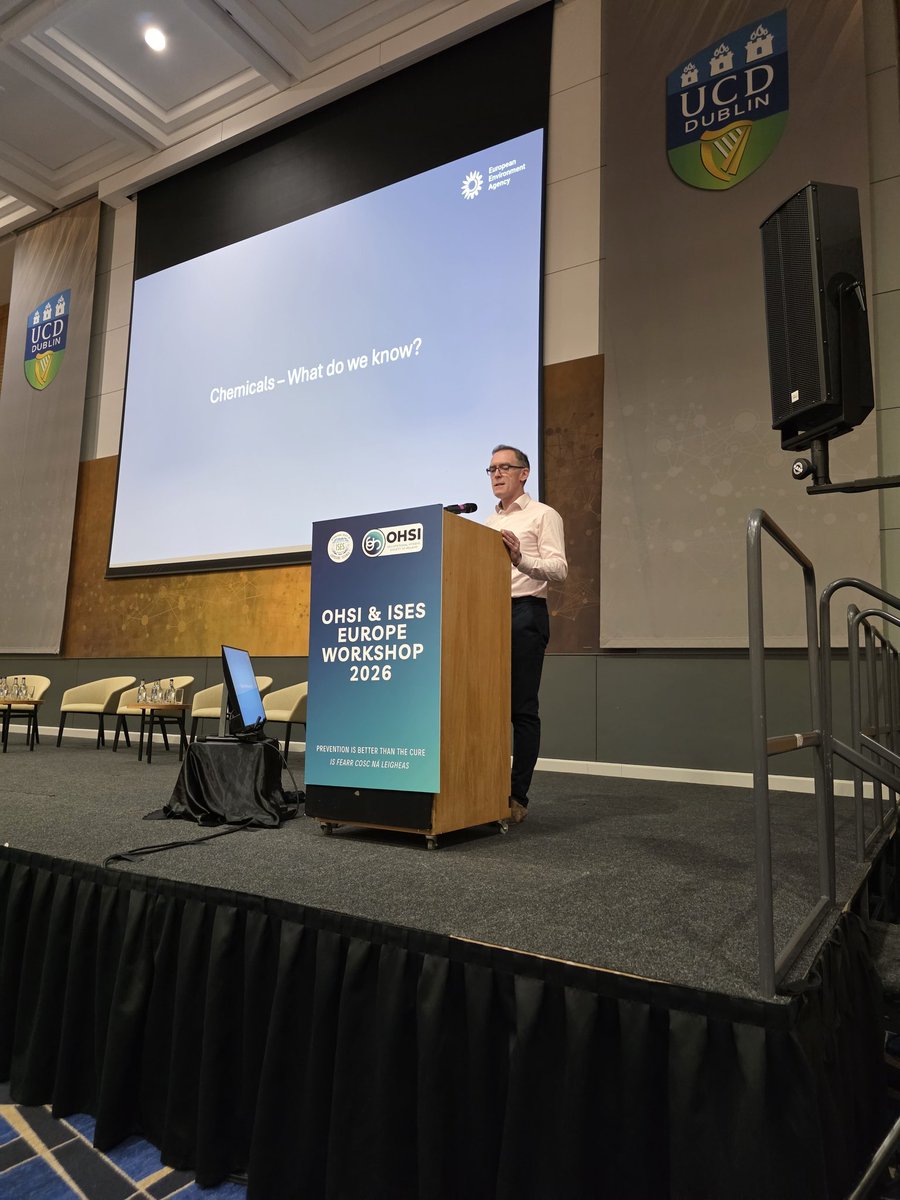
A very important message from Dr Ian Marnane from the @EEANews
We need to get better at identifying chemical issues earlier, than than learning late lessons!
Looking forward to One Substance, One Assessment and the need for Human Biomonitoring
10

pubmed.ncbi.nlm.nih.gov/3435…
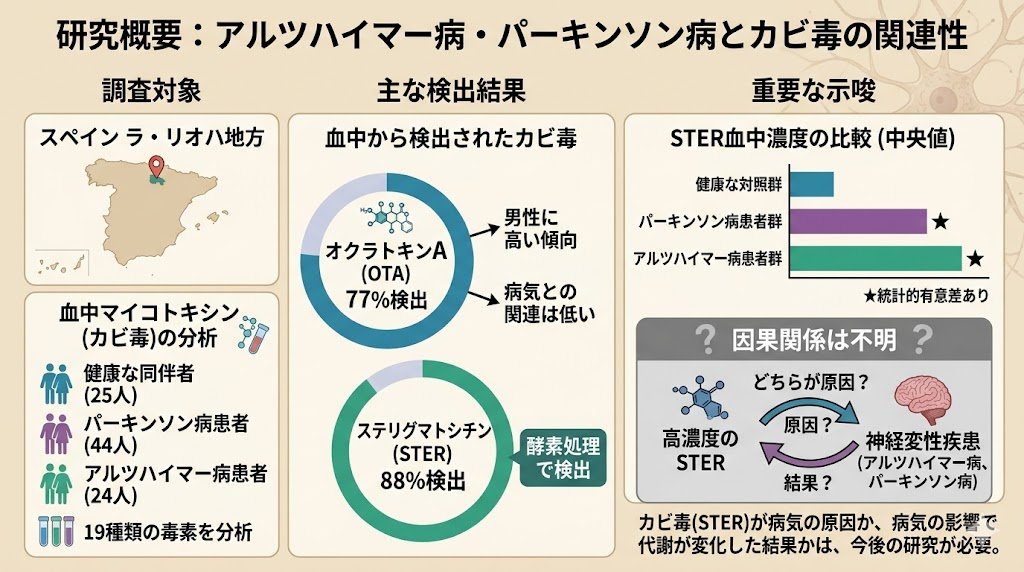
パーキンソン病やアルツハイマー病の原因として、農薬でも遺伝でもなく、私たちが日常的に口にしている「カビ毒」が浮上している。スペインで行われた調査で、患者の血中から特定の毒が高い確率で見つかったのだ。
研究チームはスペイン北部ラ・リオハ地方で、パーキンソン病患者44人、アルツハイマー病患者24人、そして健康な同伴者25人の血中に含まれるカビ毒19種類を分析した。その結果、検出されたのはオクラトキシンA(OTA)、オクラトキシンB(OTB)、ステリグマトシスチン(STER)のわずか3種類だった。中でもSTERは、酵素で処理して初めて姿を現す隠れた代謝物で、全体の88%から検出されている。
注目すべきは、このSTERの血中濃度が健康な対照群と比べて、パーキンソン病、アルツハイマー病の両患者群で統計的に有意に高かった点だ。中央値で見てもその差は明らかで、患者群が明らかに高い値を示していた。一方、OTAは77%の検体から見つかったものの、その濃度差は病気の有無よりも性別に強く結びついていた。男性の血中OTA濃度は女性よりも明らかに高く、この傾向は特にパーキンソン病の男性で顕著だった。
ここに落とし穴が隠れている。病気だから毒が溜まるのか、毒が病気を引き起こすのか、その因果の矢印はまだはっきりしないのだ。研究では、OTAの濃度は加齢とともに下がる傾向も見られ、特にパーキンソン病の男性でその減少が顕著だった。年齢や性別、そして病そのものが、カビ毒を処理する体の代謝能力を複雑に変化させている可能性がある。高濃度のSTERが病気の原因なのか、それとも神経変性によって代謝が狂った結果なのかは、今回のデータだけでは判断できない。
この研究は、カビ毒のような環境要因が脳の深刻な病に関与しているかもしれないという、一つの重要な目撃証言だ。わずか93人の小さな調査だが、それでも患者の体内で何かが静かに乱れている事実を捉えた。環境と遺伝子の複雑な相互作用の中で、カビ毒がどの位置を占めるのか。その輪郭はまだぼやけたままだが、無視できない影を私たちの食卓に落とし始めている。
—
研究論文 『Biomonitoring of Mycotoxins in Plasma of Patients with Alzheimer’s and Parkinson’s Disease』(アルツハイマー病およびパーキンソン病患者の血漿中マイコトキシンのバイオモニタリング)2021年
Beatriz Arce-López(スペイン・ナバーラ大学 研究員)ほか
1
74
164
4,872

Les normes sont utiles, mais elles ne sont pas le vivant.
Quand les insectes disparaissent, que les oiseaux agricoles déclinent et que les écosystèmes s’érodent, “conforme” ne peut pas suffire comme réponse politique.
La suite, c’est le biomonitoring, l’exposome, les sentinelles biologiques.
Mesurer le vivant. Puis adapter les normes.
1
2
37

Jun 12
#call_for_papers
Special Issue "Green Biomonitoring: Using Plants to Trace Environmental Pollutants and Understand Their Physiological Responses"
👤Edited by Dr. Barbara Pawłowska
⏳Deadline: 13 October 2026
brnw.ch/21x3hQe
#plant_monitoring #heavy_metals #trace_elements

8

Jun 11
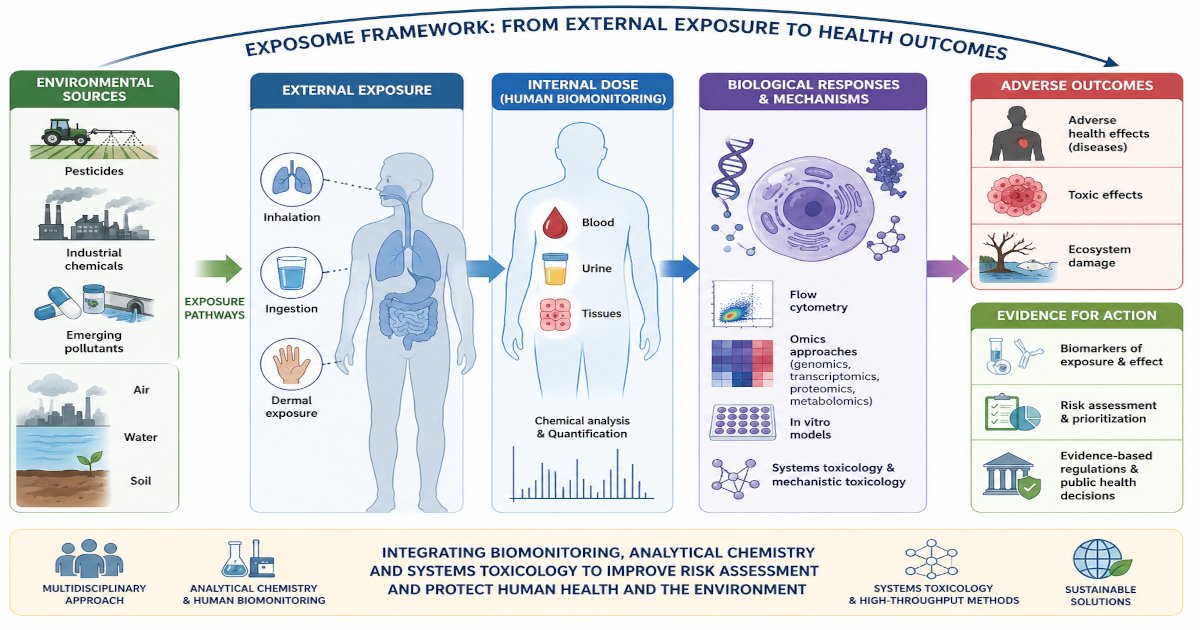
📢 Call for Papers | Special Issue
🧪 From Environmental Exposure to Health Effects: Advances in Toxicology and Biomonitoring
📅 Submission Deadline: 30 November 2026
👤 👤 Guest Editors: Dr. Csilla Mišľanová and Dr. Martina Valachovičová
📩 mdpi.com/journal/life/specia…
26


Jun 11
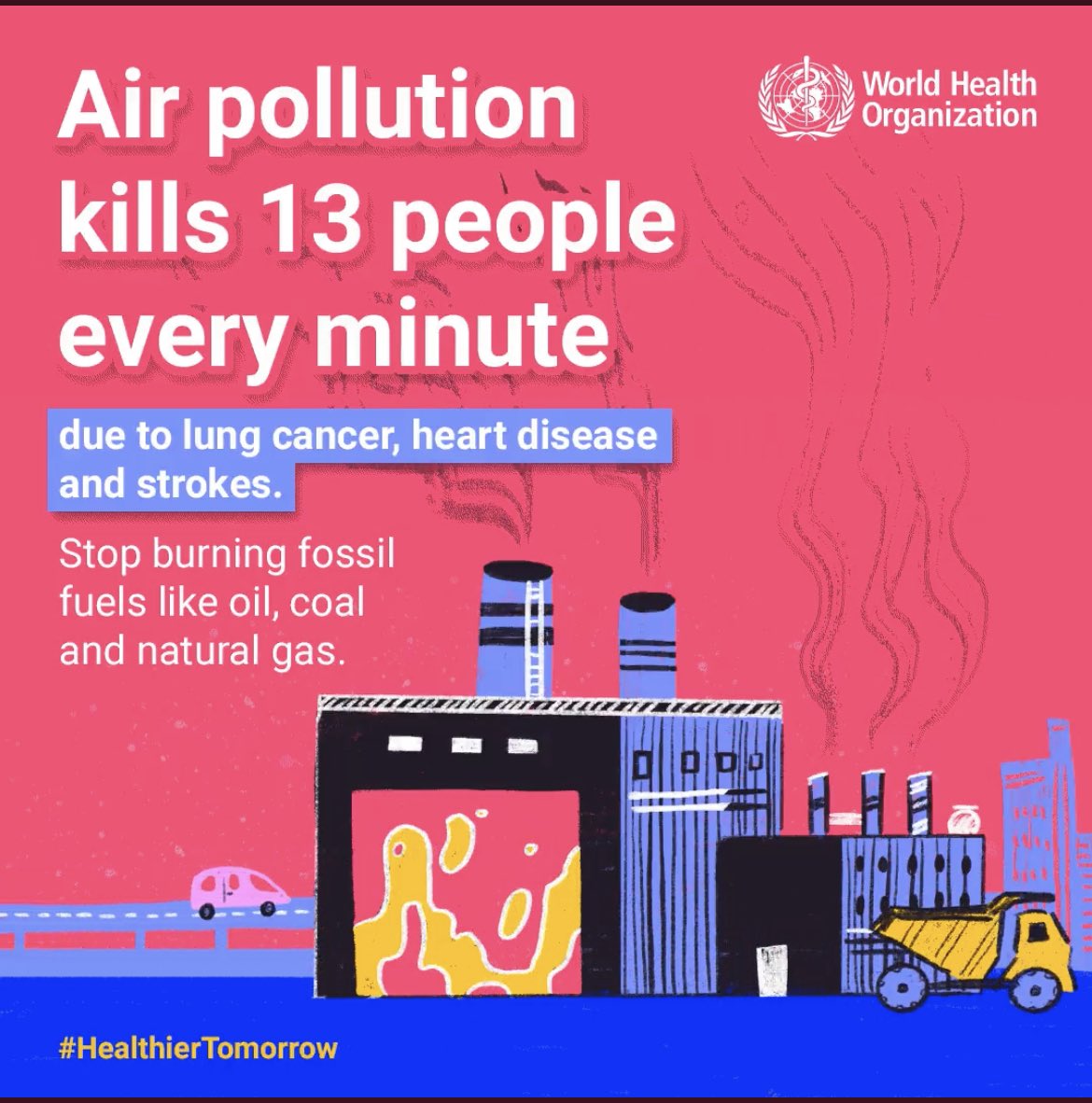
The Harvard Six Cities Study was published in 1993. Critics argued the findings could be explained by socioeconomic factors, lifestyle differences or other confounders.
The problem with that argument is that the evidence didn’t stop in 1993.
Over the last 30 years, and especially in the last 10–15 years, there has been an explosion in air pollution research driven by improved exposure modelling, satellite observations, biomonitoring, toxicology, imaging and access to massive health databases.
Instead of the evidence weakening, it has become stronger.
A 2024 Danish phenome-wide study followed 3.1 million people for up to 18 years and found associations between air pollution and more than 700 disease categories spanning cardiovascular, respiratory, neurological, endocrine and many other systems.
We now have large epidemiological studies, natural experiments, controlled exposure studies, toxicology studies and mechanistic evidence showing particles reaching the bloodstream, placenta and brain.
If air pollution epidemiology was simply socioeconomic confounding, you’d expect the signal to disappear as methods improved.
Instead, after 30 years of increasingly sophisticated research, the evidence base has expanded dramatically and the findings remain remarkably consistent.
2
19

Jun 11
Genetic biomonitoring of inhabitants exposed to uranium in the north region of Brazil eurekamag.com/research/053/3…
9

FREE Biomonitoring PDC! JUNE ONLY! Enroll in a 2026 #ACGIH #Subscription or renew in June and receive “#Biological Monitoring in Occupational Exposure Assessment” on demand #course FREE! Offer ends June 30, 2026. Find out more! acgih.org/subscriptions

23


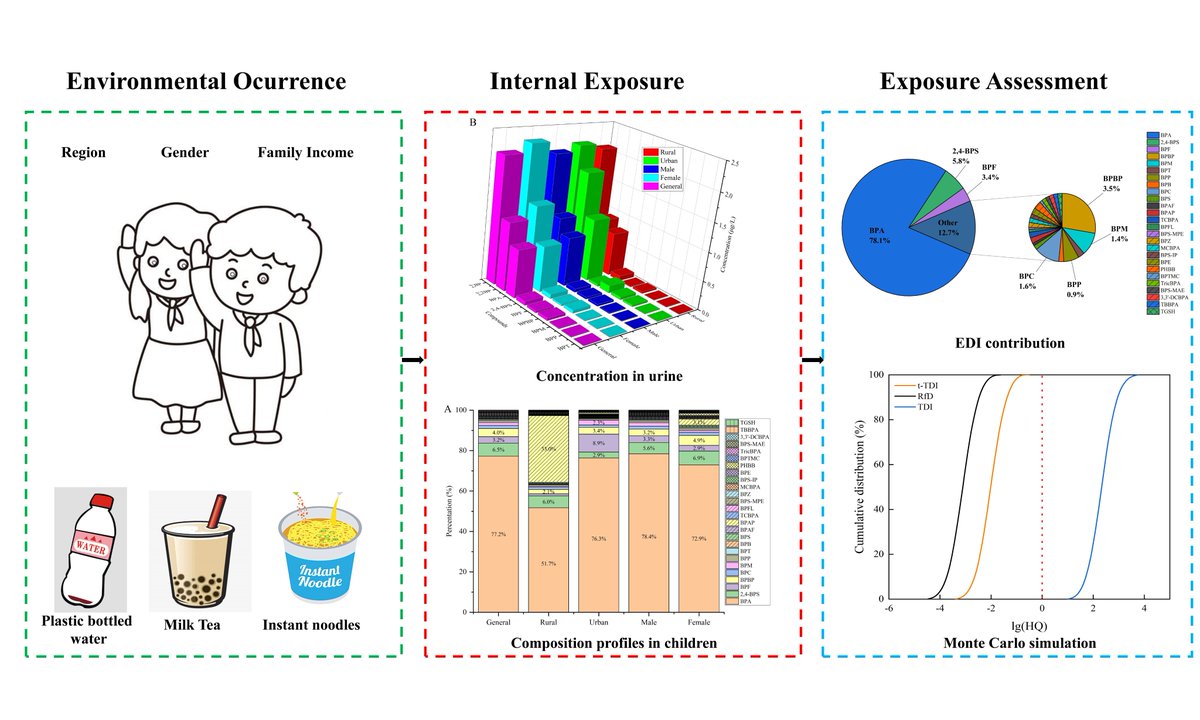
📚Research Article from Journal of Environmental Exposure Assessment:
Urinary concentrations of bisphenol analogues among school-aged children in South China: exposure characterization and risk assessment
Read more: oaepublish.com/articles/jeea…
#BisphenolA #ChildHealth #Biomonitoring
1
10
Hindustan 24 Samachar retweeted

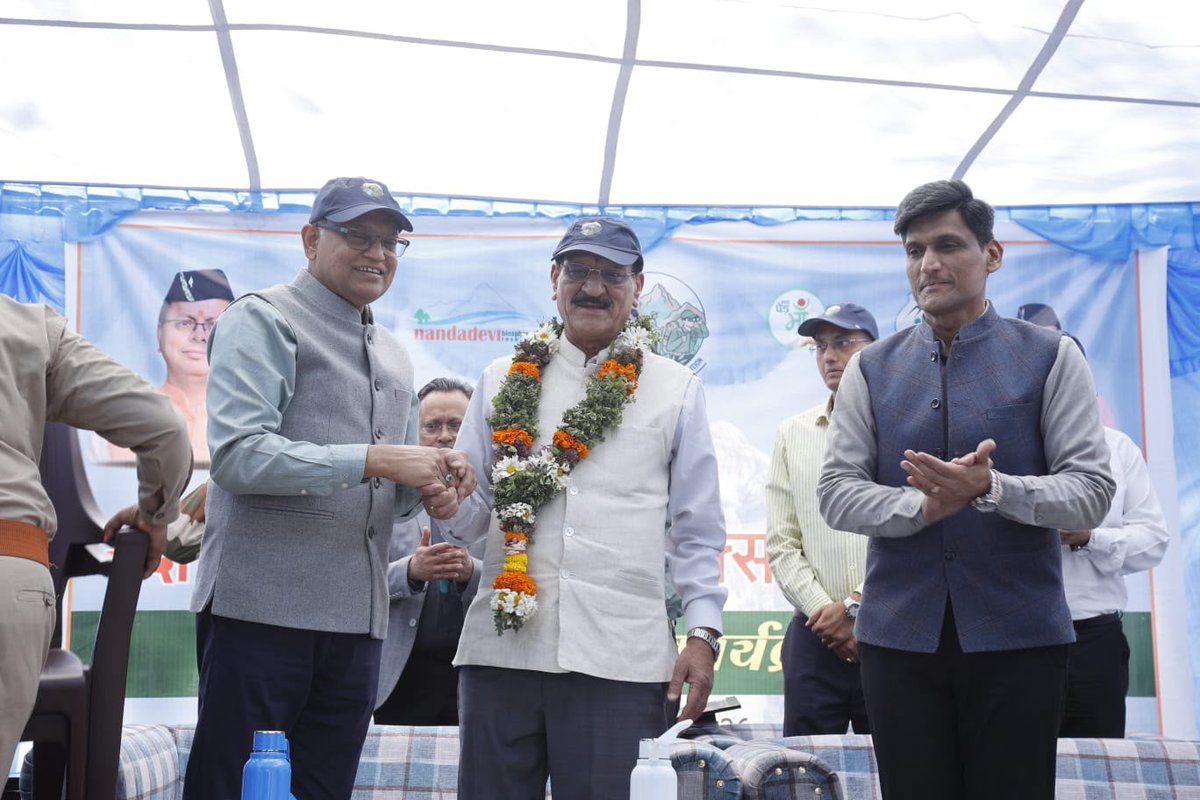
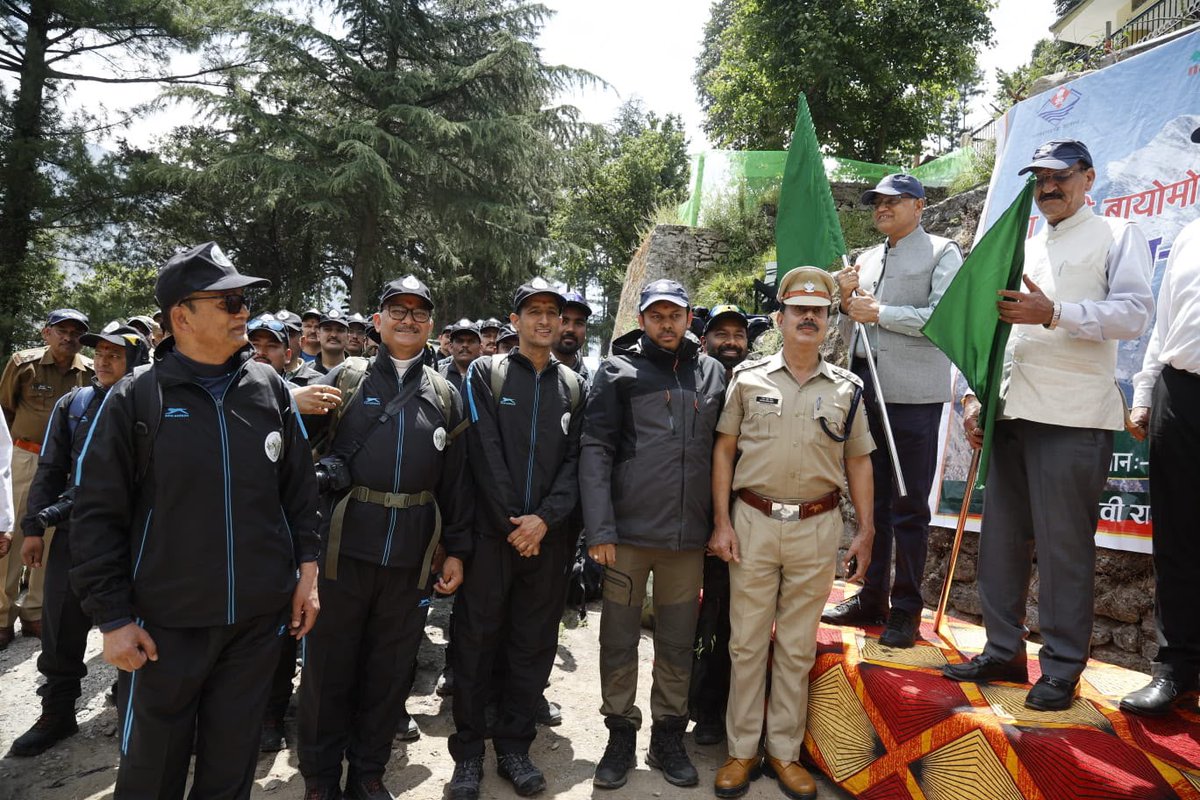
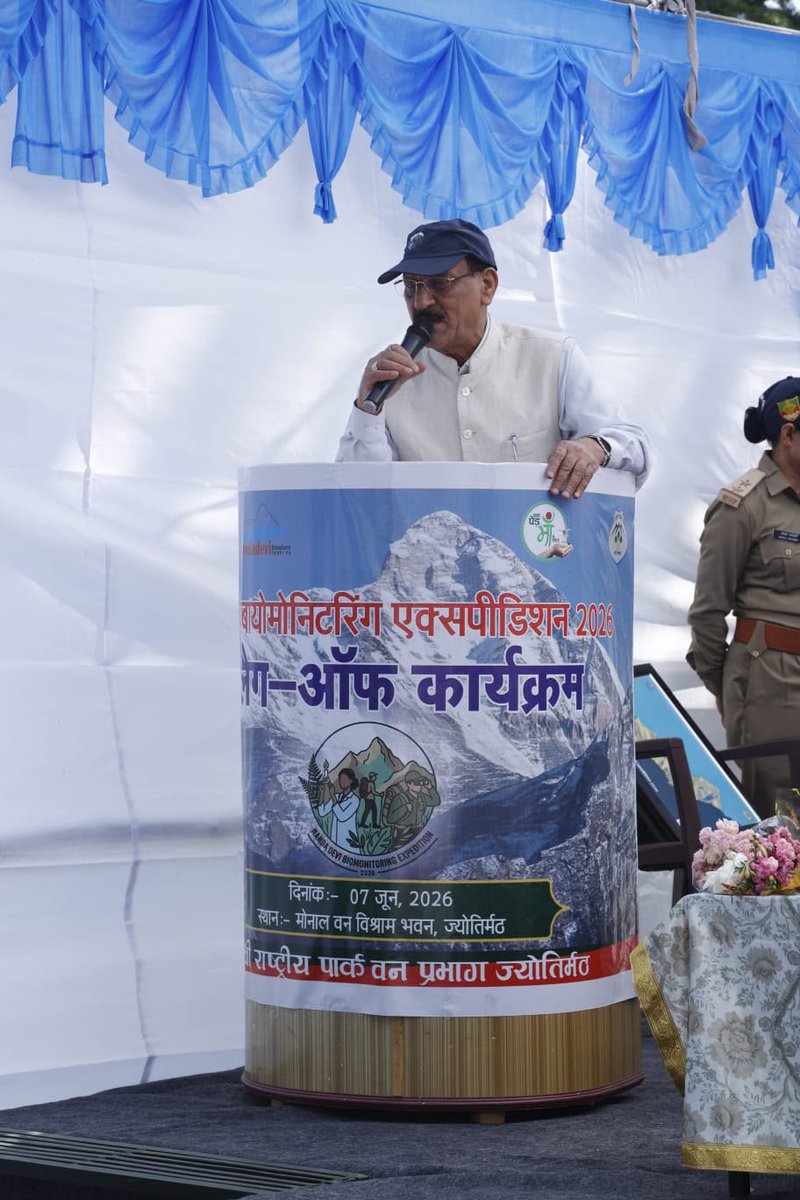
Today, I attended the flag-off ceremony of the Nanda Devi Biomonitoring Expedition 2026 in Chamoli district and flagged off the expedition team.
The Nanda Devi region is an invaluable natural and ecological heritage of our state. Scientific expeditions of this nature play a vital role in the conservation of Himalayan biodiversity, wildlife, flora, and ecosystems, while also helping us better understand the impacts of climate change.
The Government of Uttarakhand remains steadfast in its commitment to preserving natural resources by maintaining a balance between environmental conservation and sustainable development. I am confident that the findings of this expedition will contribute significantly to strengthening the conservation and management of Himalayan biodiversity.

1
1
9
121
#health #ecology #agedcare #publichealth #oncology #SDGs
Arsenic accumulates in organs and tissues
when preventive healthcare
neglects biomonitoring.
Arsenic increases
cancer risk and poor prognosis
by upregulating MX1 and OAS1.
.
sciencedirect.com/science/ar…
30

I can see both sides and I'm very irritated.
Like.
Is a check-box when buying tickets too fucking much to ask of a venue? I'd even do dropdowns for "why accommodation is needed" & phone could be "medication reminder" or "biomonitoring' neither of which are invasive questions.
1
3
129

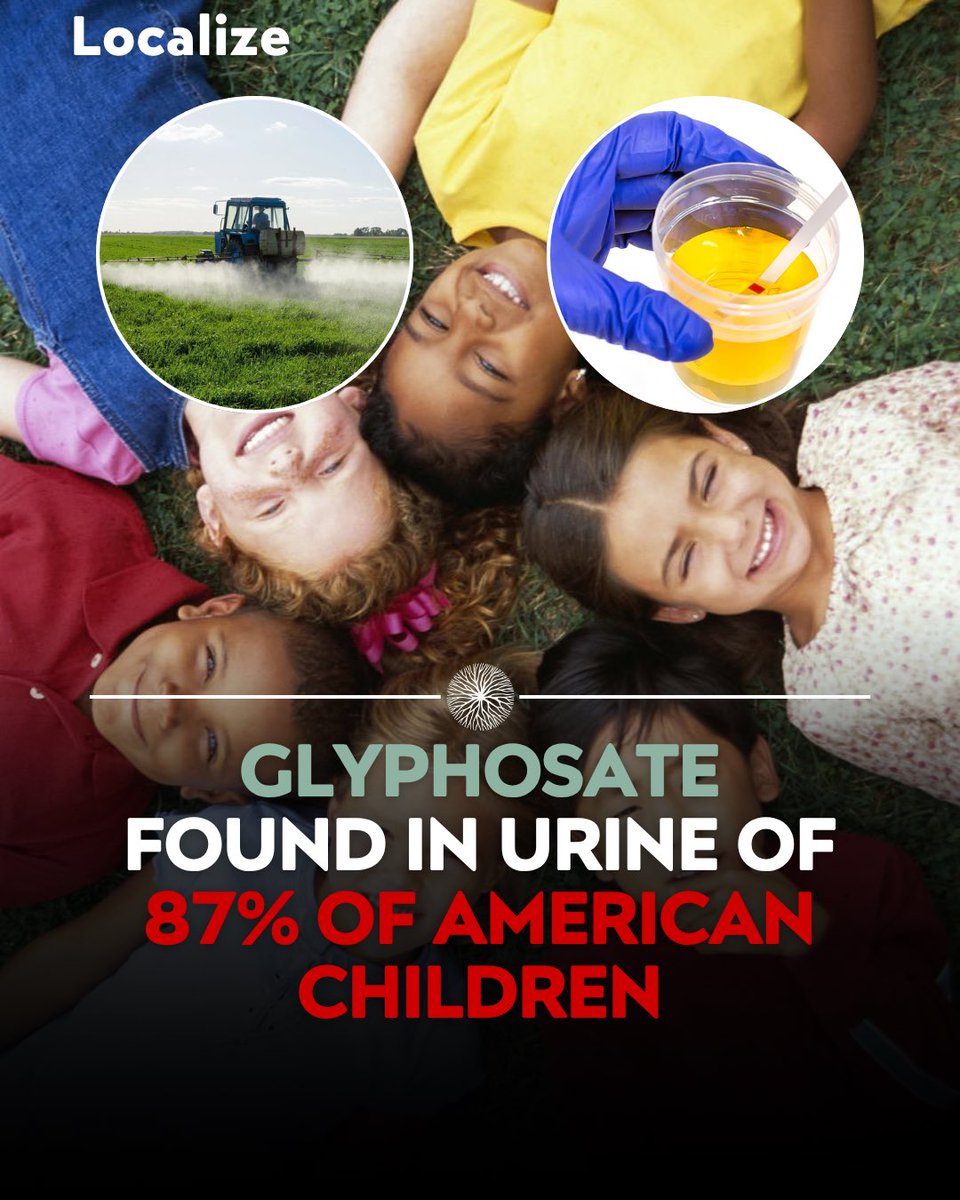
A CDC biomonitoring study found glyphosate in the urine of over 87% of children tested.
Diet is the primary exposure route, mainly through foods grown on glyphosate-treated crops.
It is the active ingredient in Roundup, widely sprayed on conventional farms and found in ultra-processed foods.
Know your source.
3
325