
I wish tpot actually had any wits about biology at all.
A true evolution borne bioinspired gestaltic modality would immediately discard top down hierarchies as any kind of way forward for developing both ASI and human societies. The richest people on earth are not the smartest. They are the best at collecting money. That's an exceedingly narrow skill set and just reveals they are super powered squirrels... Not the next gen of humanity.
You don't have to be a Marxist Communist to understand that the brain you adulate has no boss neuron, no king, no president, no ceo, no great leader. Yet is the most sophisticated decision making machine known to man.
The people that gravitate towards top down human authority still have the psychology of savannah apes traveling in packs of 50 or less. Their minds have not evolved or developed in any significant way. The most high iq brain is still just a brain and the gradient between the smartest and dumbest human brains is wafer thin compared to a mind of minds that thinks beyond thought. Our relationship to that structure and its process would be akin to one neuron in your brain in relation to the body of 13 trillion neurons your brain is compromised of and it's emergent higher strata functions.
Every single major evolutionary transition has been about cooperation. All of them. No exceptions.
1
2
38
Lifeboat Foundation retweeted

Mar 20
Bioinspired event camera tracks full vibration trajectory using geometry lifeboat.com/blog/2026/03/bi…
2
4
181

¡Seguimos con la buena nueva!
Natalia Madrueño, @osotosanchez, @DPA_URJC, @AlbertoFer84 e @IMartindeDiego publican From Adversarial Attacks to Demonstrations for Robust NLP Systems en Bioinspired Intelligent Systems: From Robotics and Computer Vision to Trustworthy Applications
1
3
4
77

Jun 11
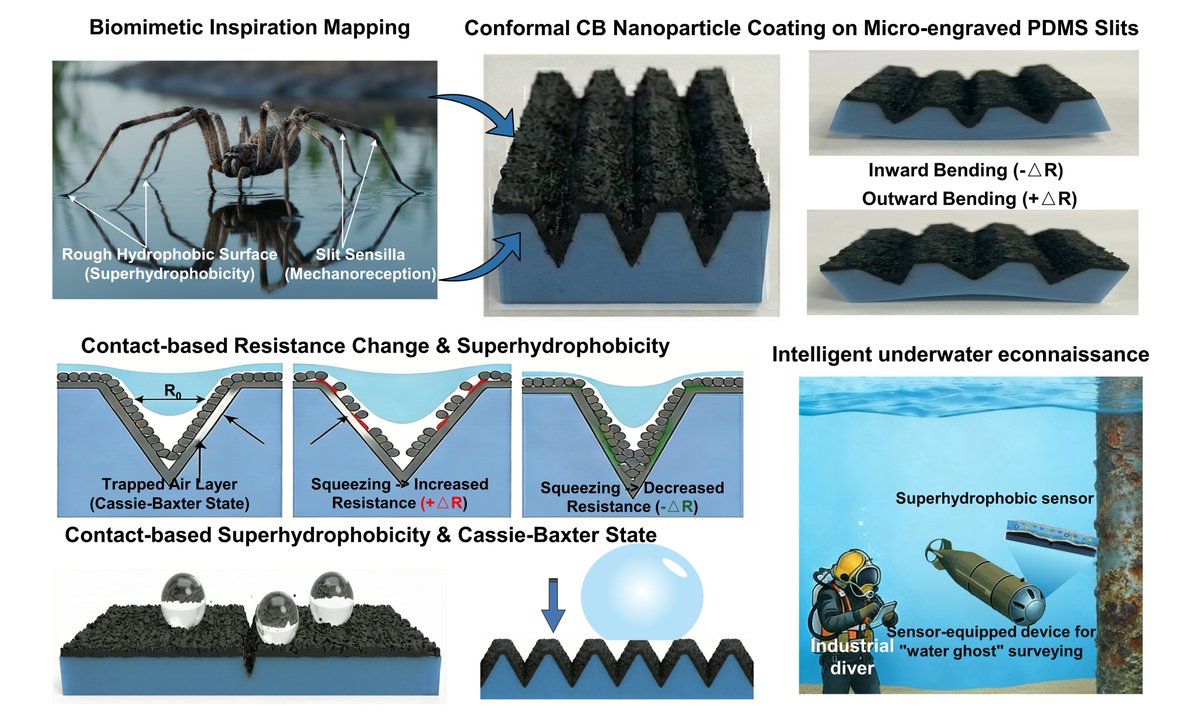
📸When Water-Repellency Meets Sensing: A Bioinspired Leap into Ternary Interactions #Flexiblematerials #SoftScience
🧠oaepublish.com/articles/ss.2…
1
54
Yuting Lin retweeted

🔬PhD Studentship: Bioinspired morphing for novel propulsor design - Applications open.
RVC Supervisors: Prof Richard Bomphrey, Prof James Usherwood
External Supervisor: Prof Adrian Thomas (University of Oxford)
📅 Deadline: 21st June 2026
➡️ rvc.uk.com/morphing

1
2
209

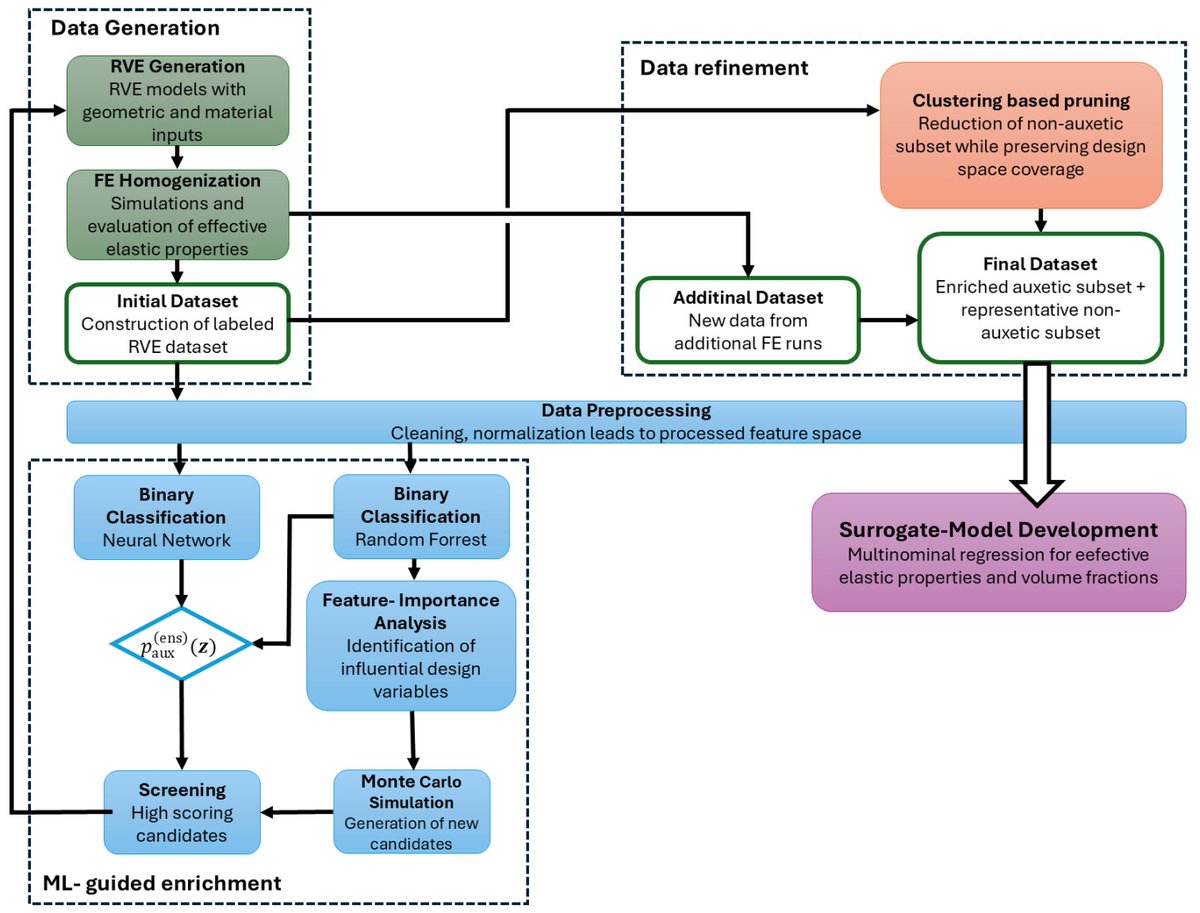
Machine learning is reshaping materials discovery. Researchers from @tudelft and @Uni_Wuppertal show how data-driven methods can accelerate the design of bioinspired auxetic materials, revealing key structural features and predicting performance.
Paper: mdpi.com/2297-8747/31/3/77
21

Jun 9
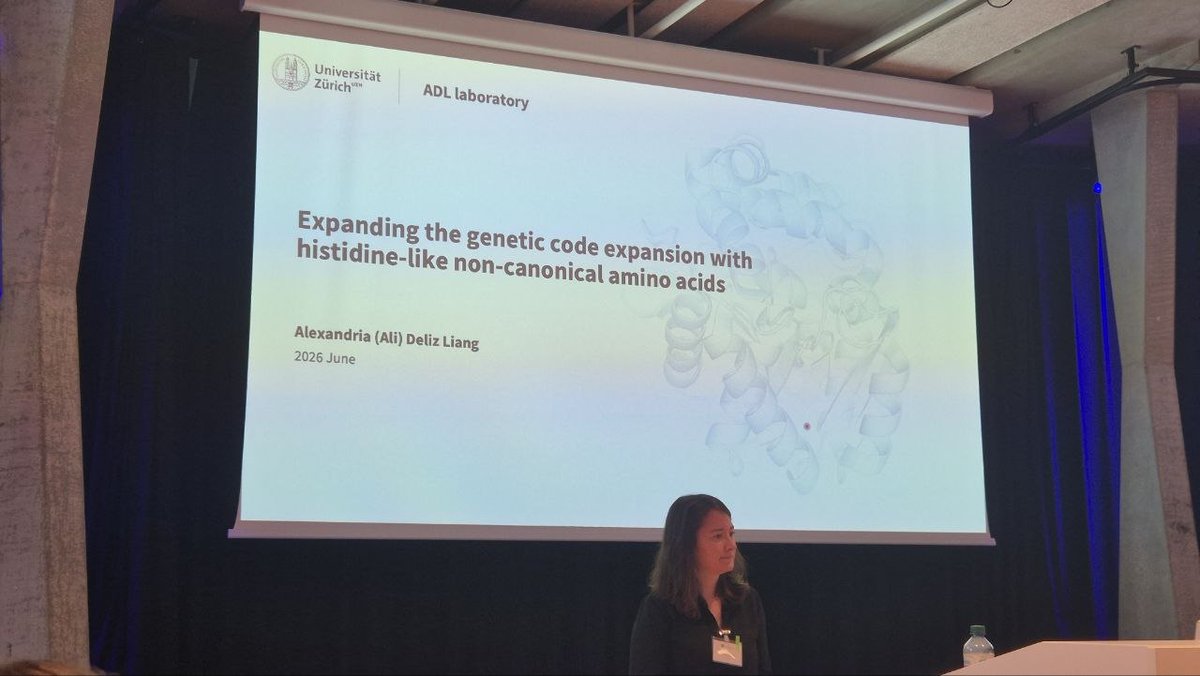
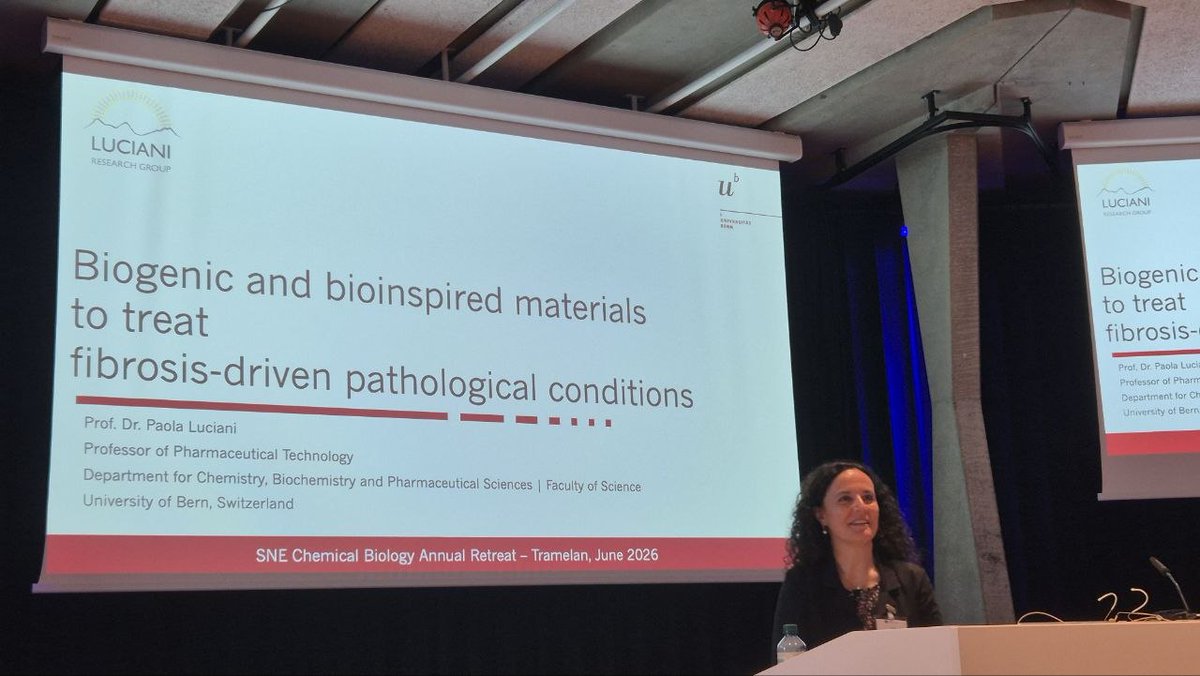
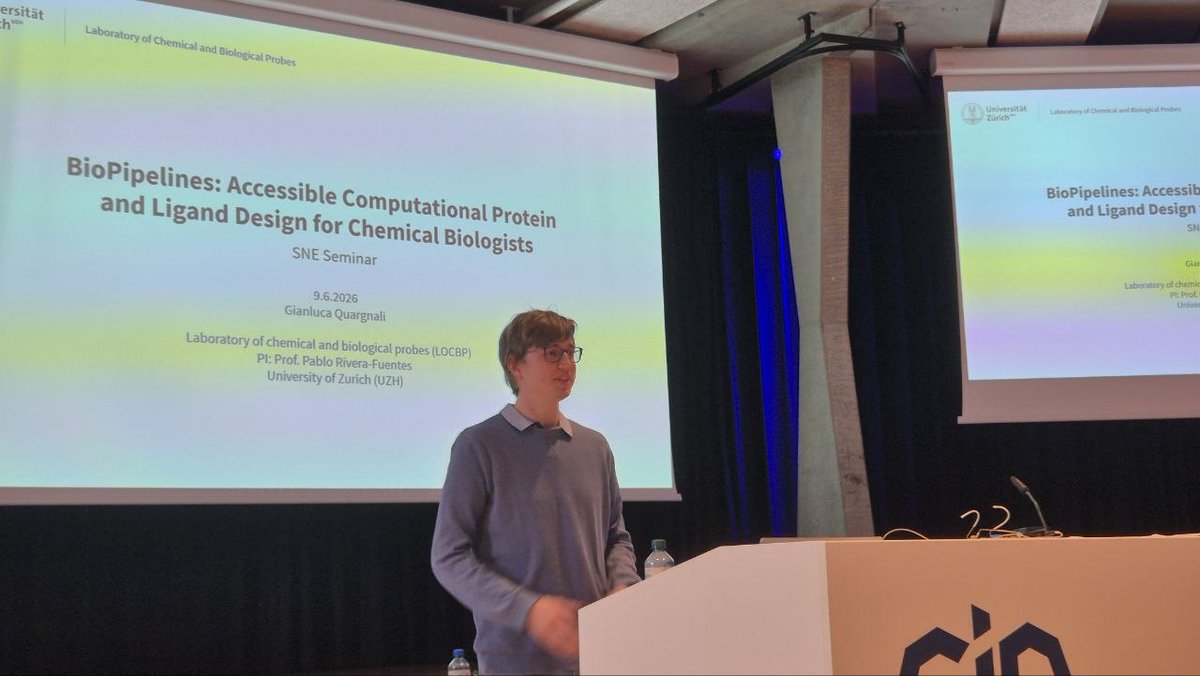
Session 3 of #SNERetreat kicked off! 🔬
• Prof. Deliz Liang: Expanding the genetic code with histidine-like ncAA
• Prof. Luciani: Biogenic and bioinspired materials to treat fibrosis
• PhD student Quargnali: BioPipelines: Accessible computational protein and ligand design
1
76

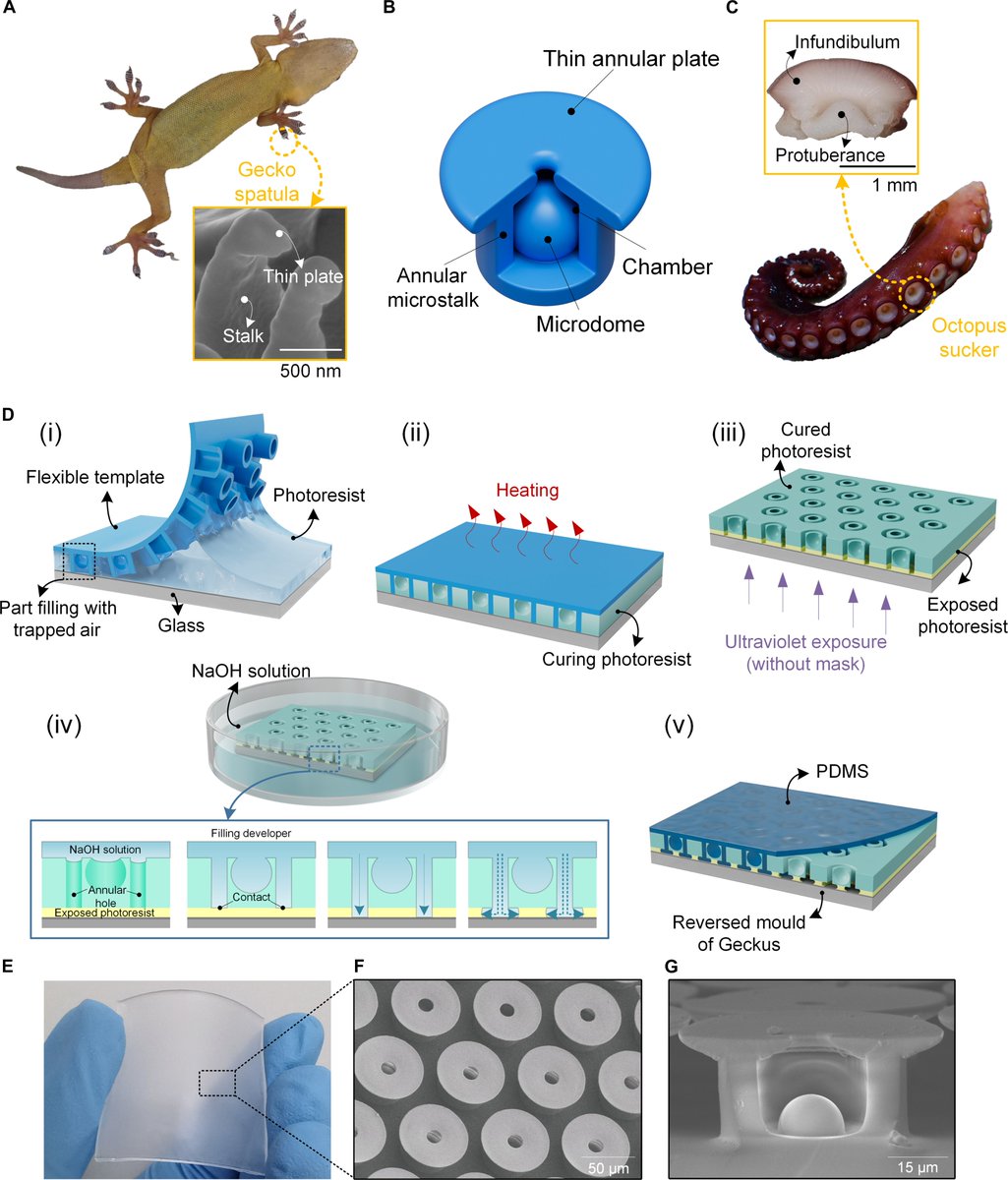
JUST PUBLISHED: Bioinspired Reversible Adhesive with High Strength for Wearable Electronics under Diverse Environments
Click here to read the latest free, Open Access article from Research: spj.science.org/doi/10.34133…
1
44

Jun 8
The #seabed remains the least #explored habitat on Earth. The #deepsea, in particular, continues to pose a major, and potentially hazardous, #challenge for crewed underwater operations. #Autonomous #underwaterrobots can play a vital role in this context. The more precisely they can #adapt their movement to #environmentalconditions, the more efficiently they can be deployed for a wide range of underwater #tasks. Their portability to the deployment site improves as their size and weight decrease. Compact dimensions also offer the advantage of greater flexibility in navigating for example in challenging deep-sea environments. Highly precise and versatile #sensorsystems are the essential foundation for enabling underwater robots to maneuver safely and autonomously. M. Park et al. (2026) have contributed to this field by developing a #bioinspired #flowsensor. The researchers present a "small, lightweight, #softmagnetic #hairlike flow sensor." In tests, this hydrodynamic sensing technology enabled the robots to precisely and efficiently determine flow direction, speed, and oscillation, thereby significantly enhancing the adaptability of the #submersible robots.
© this text Stefan F. Wirth
Reference:
M. Park et al. (2026):
doi.org/10.1126/sciadv.aed28…
1
26
139

The oceans hide some of the most sophisticated solutions nature has ever developed and are an inexhaustible source of inspiration for the robotics of the future. The Bioinspired Soft… dlvr.it/TSxHbR #Robotics #Bioinspired #SoftRobotics #OctopusArm #UnderwaterTechnology
8

Bioinspired Carbon Radical Catalysis | Journal of the American Chemical Society pubs.acs.org/doi/10.1021/jac…
1

Jun 8
Alkaloid Breakthrough Unlocks Cancer Drugs. First lab mastery of plant-derived anticancer titans bisleuconothine A and bousigonine B unlocks scalable synthesis of nature’s intricate molecular fortresses. A revolutionary organocatalytic cascade creates a versatile 3-ethylpiperidine scaffold in one pot. Bioinspired couplings then assemble dimeric and trimeric monoterpenoid indole alkaloids (MIAs) with atomic precision, slashing barriers to drug development.
Professor Hayato Ishikawa’s team at Chiba University has conquered the labyrinthine architectures of bisleuconothine A and bousigonine B. Isolated from plant bark in 2010, these oligomeric MIAs feature exquisitely fused rings and stereocenters that defy routine lab replication. The innovation is a novel, metal-free organocatalytic cascade reaction that efficiently builds a common 3-ethylpiperidine intermediate as a universal progenitor. Divergent fragments then unite via biomimetic couplings, yielding the first total enantioselective syntheses: 20 steps for bisleuconothine A and 21 for bousigonine B. This convergent-divergent blueprint promises a torrent of related MIAs.
Bisleuconothine A, a potent anticancer compound, has shown robust growth inhibition across various cancer cell lines, including breast (MCF7), lung (A549), and colorectal (HCT116). It induces apoptosis via caspase activation, autophagy through LC3 lipidation, and xenograft tumor suppression without scarcity issues.
This democratizes access to these “protein-protein interaction” disruptors, which are too bulky and contorted for conventional small-molecule drugs. Ishikawa’s group plans collective syntheses and biological evaluations, potentially leading to next-generation agents against resistant cancers.
Nature’s most guarded phytochemical treasures are now lab-reproducible, enabling development of bioactive oligomeric alkaloids with cutting-edge enantiocontrol. This paradigm shift accelerates cancer leads rooted in evolutionary wisdom.

1
1
110

Live Stream Replay | Bioinspired Defective 1T-VS₂ for Self-Charging Zinc... youtu.be/-LCXiQs2xHQ?si=7Ehc… via @YouTube #FirstAuthorTalksChemistry #Chemistry #BatteryMaterials #ScientificResearch #LiveStreamReplay
1
58
Kutand Alkım Bayer retweeted

A Bioinspired OH-Sponge Catalyst Enables Ultrawide-Voltage and Durable Electrosynthesis of Glycolic Acid from Plastic Waste | Journal of the American Chemical Society pubs.acs.org/doi/10.1021/jac…
1
6
1,439

Jun 7
I'm utilizing Dynamixels to collect sensorimotor data for a RL framework, my robot is bioinspired by a snake, anyone please recommend me niche papers to utilize for my case, would be greatly appreciated
1,044
Bioinspired Carbon Radical Catalysis | Journal of the American Chemical Society pubs.acs.org/doi/10.1021/jac…
13
99
7,350

Jun 3
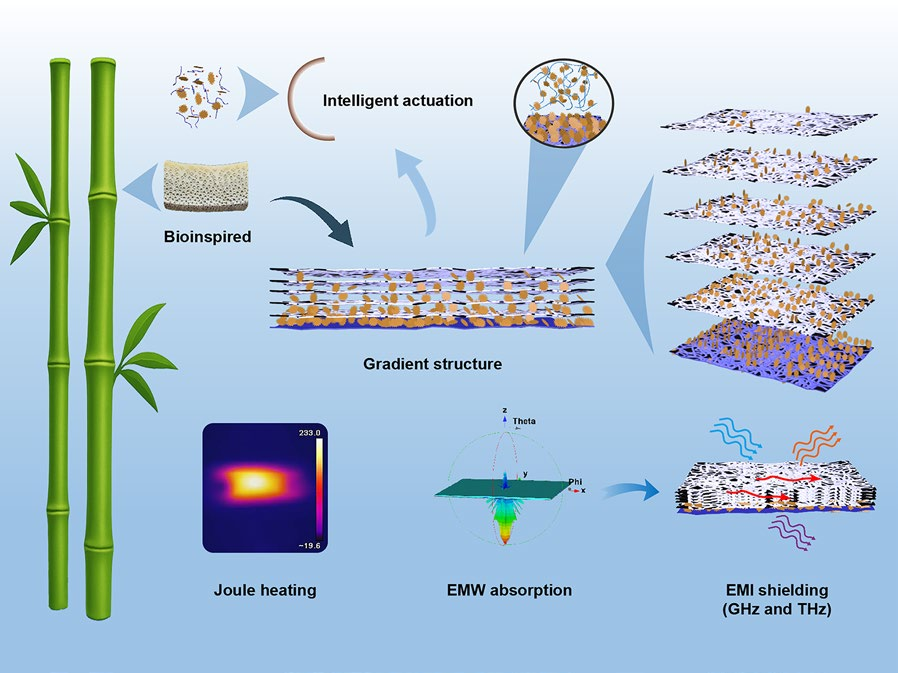
344. Bioinspired Layered-Gradient Nanocomposites for Intelligent Electromagnetic Skins with GHz-THz Wave Absorption, Shielding, and Solvent-Driven Actuation
Xianyuan Liu, Yang Zhao, Yali Zhang, Xuechun Cui, Ying Xue, Xianyong Lu* & Junwei Gu*
Nano-Micro Lett. 18, 344 (2026).
doi.org/10.1007/s40820-026-0…
This work is led by Prof. Dr. Xianyong Lu (Beihang University) and co-workers. Prof. Lu’s research centers on bio-inspired smart interfacial materials and functional polymer materials driven by inorganic nanocrystal functions. This article reports a bioinspired layered-gradient film system that integrates GHz-THz absorption, EMI shielding (42.0 dB in GHz, 57.8 dB in THz), and programmable ethanol‑triggered actuation. With low PEDOT loading, it achieves a minimum reflection loss of −56.6 dB; with high PEDOT content, it enables Joule heating up to 233 °C at 20 V. This scalable asymmetric architecture provides a platform for intelligent electromagnetic skins combining magnetic‑dielectric coupling, conductive networks, and stimuli‑responsive actuation.
#gradient
#PEDOT
#EMI
#actuation
#GHz-THz
1
2
51
Zwitterionic Bioinspired Acceptor–Acceptor (A1–A2) Type Interlayers for Organic Solar Cells | Journal of the American Chemical Society pubs.acs.org/doi/10.1021/jac…
1
15
2,731