Why
#species adapted to life in the
#mountains are more
#resilient to increasing
#humaninduced #globalwarming, and what
#future prospects a review paper predicts for mountain species in
#temperatezones compared to those in
#tropicalregions.
With the exception of extreme high-alpine elevations,
#mountainranges are characterized by
#highbiodiversity, consisting predominantly of plant and animal species (and fungal species or lichens) that are exceptionally well-
#adapted to rather harsh and
#fluctuating #environmentalconditions. This corresponds to the diversity of
#habitats found in mountainous landscapes, which, due to the complex surface
#topography, often occur in close
#proximity to one another. Furthermore, an elevation difference of just a few meters can sometimes result in drastically different ecological conditions. Moreover, while some habitats may be largely exposed and unprotected against the elements,
#depressions, small
#valleys, water-carved ravines, or
#caves can serve as sheltered refuges.
#Wetlands are found here just as frequently as
#forest habitats.
#Meadowlandscapes constitute complex habitats whose species composition can vary significantly depending on the elevation. Seasonal climatic shifts pose major challenges for these species. Another characteristic feature of mountainous landscapes is that
#weatherchanges can occur quite abruptly. Animal species living beyond the high-alpine treeline must, in addition to all the factors mentioned above, also cope with reduced atmospheric oxygen partial pressure.
But how well do mountain-dwelling species in temperate climate zones cope with increasing global warming, and how is this likely to unfold in the future? The biodiversity of mountain ranges, such as the
#Alps, can leverage specific advantages to avoid falling victim to the consequences of accelerating
#climatechange. To reach
#ecologicalconditions better suited for survival, species in temperate latitudes need only traverse
#shortdistances. A mere few meters in elevation are often sufficient to enter entirely different
#microclimates. Since this has occurred repeatedly throughout the evolutionary history of these organisms, the genetic and biological foundations for such
#flexibility are already in place.
In their review article, B. G. Freeman et al. (2026) highlight that mountain species have successfully weathered past warm phases of the
#Quaternary period; consequently, they
#forecast tendencially favorable
#survivalprospects for these species in the face of current
#anthropogenic global warming. According to the researchers, however, the situation is different for mountain species in the
#tropics, which face a heightened risk of extinction.
One key reason for this is that in tropical mountain ranges, organisms must cover excessively long distances to reach different ecological conditions and microclimatic zones. Consequently, the
#geneticmakeup of these organisms is adapted for stability rather than flexibility. Furthermore, in the tropics, there is an increased threat posed by species
#migrating upward from the lowlands into the mountains, whereas, for instance, in the Alps, many lowland species are unable, or find it at least difficult, to cross the mountain boundary.
© Text: Stefan F. Wirth, May 2026, Berlin
Reference
B. G. Freeman et al. (2026):
doi.org/10.1038/s44358-026-0…
#Illustrations
© Stefan F. Wirth,
#AI assisted
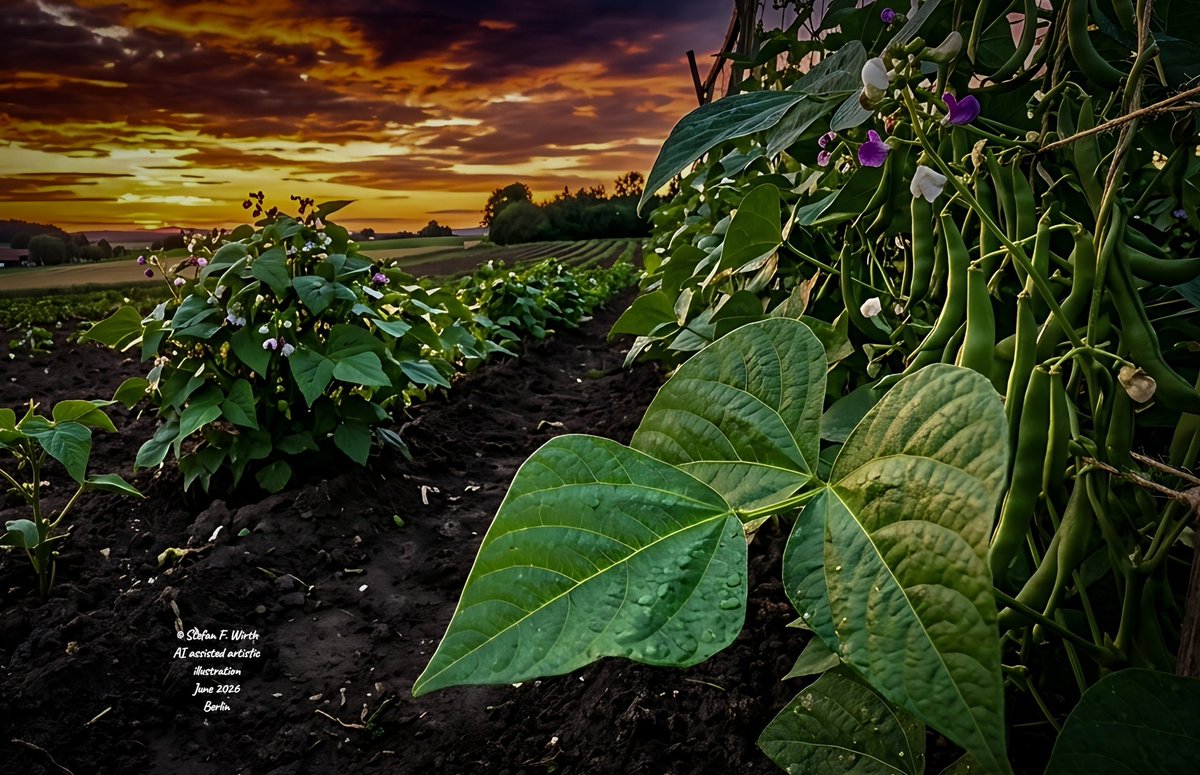
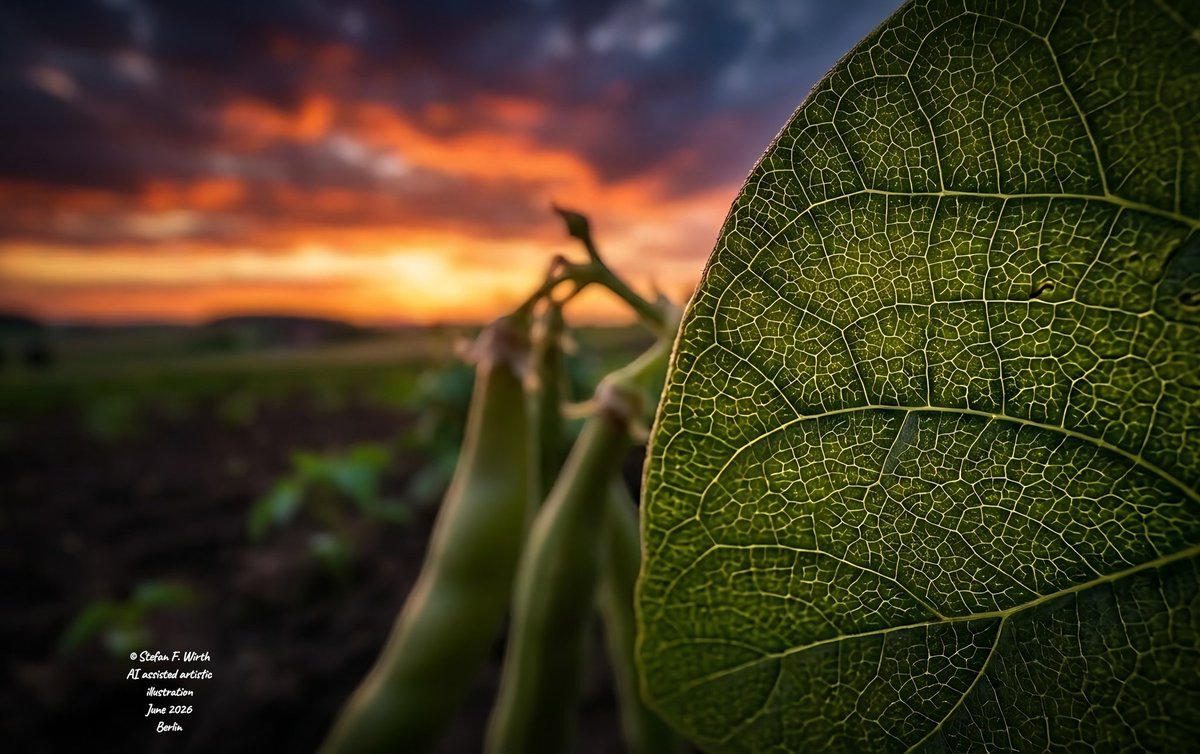
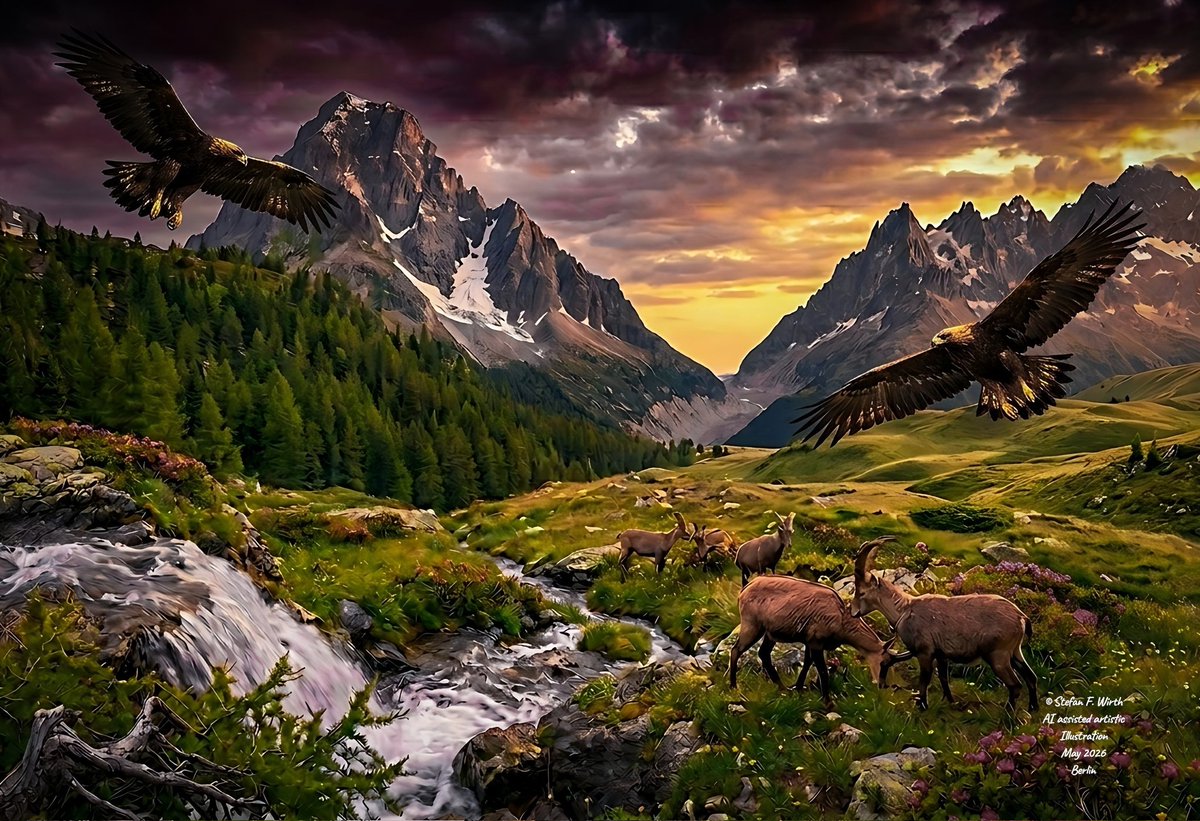
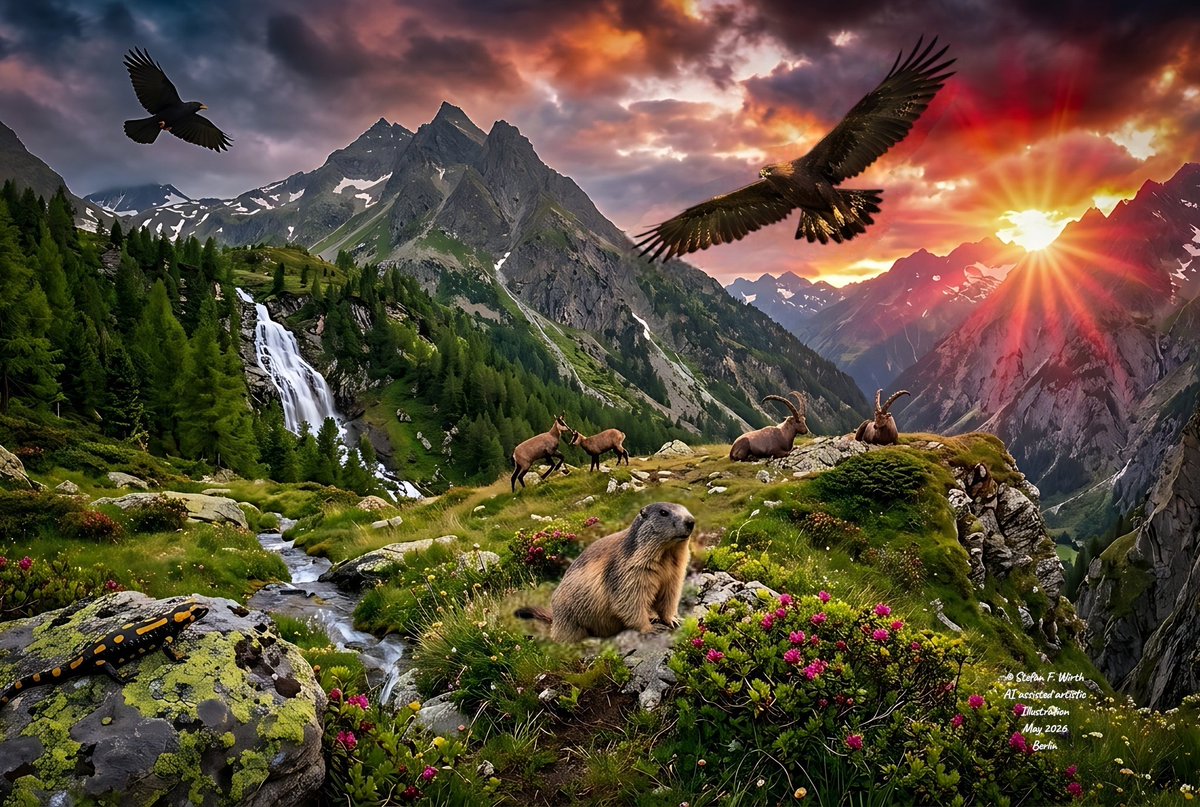
#artistic illustrations, based on my hand-drawn storyboards, manually edited, May 2026 Berlin:
#Landscapes of the Alps showing ecological diversity and depicting strict mountain species and given the example of the
#firesalamander a species that appears from the lowland up to mountainous areas.




















![Rhesus macaque, Red Fort, Agra, India. Photo credit: By Yann (own work) [CC BY-SA 4.0-3.0-2.5-2.0-1.0], via Wikimedia Commons.](https://venexa.site/media/HKctms0XwAAPPEG.jpg)