
Joined January 2016
- Tweets 2,301
- Following 432
- Followers 480
- Likes 371
1,881 Photos and videos
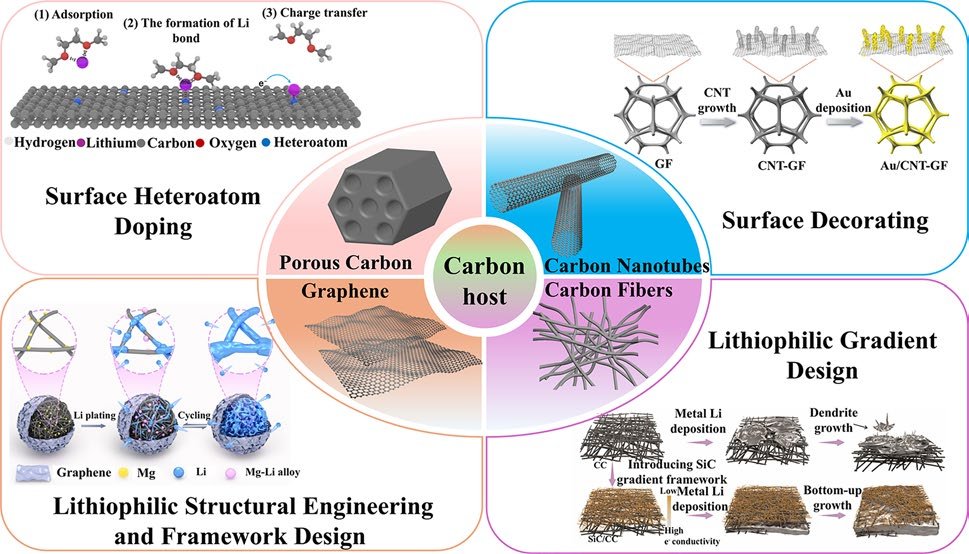
377. Advanced Design of Three-Dimensional Lithiophilic Carbon-Based Hosts for Anode-Free Lithium Metal Batteries
Fan Yang, Xiaoping Yang*, Zhaoxia Xu, Maolin Zhang, Jiyue Hou, Shouyi Yuan, Yannan Zhang, Hao Wu*, Yiyong Zhang* & Fang Cheng*
Nano-Micro Lett. 18, 377 (2026).
doi.org/10.1007/s40820-026-0…
This work is led by Prof. Dr. Fang Cheng (Kunming University of Science and Technology) and co-workers. Prof. Cheng’s research centers on high-performance electrochemical energy storage devices and their key materials, functional electrolytes and polymer solid-state electrolyte design, preparation and application. This review critically summarizes recent advances in the design of three-dimensional lithiophilic carbon-based hosts for anode‑free lithium metal batteries, covering various carbon materials (graphene, carbon nanotubes, porous carbon, carbon fibers) and lithiophilic modification strategies (heteroatom doping, surface decorating, structural engineering, and gradient designs), while also discussing future challenges and perspectives for high-performance AFLMBs.
#AFLMBs
#3D
#lithiophilic
#carbon
#gradient
1
1
129
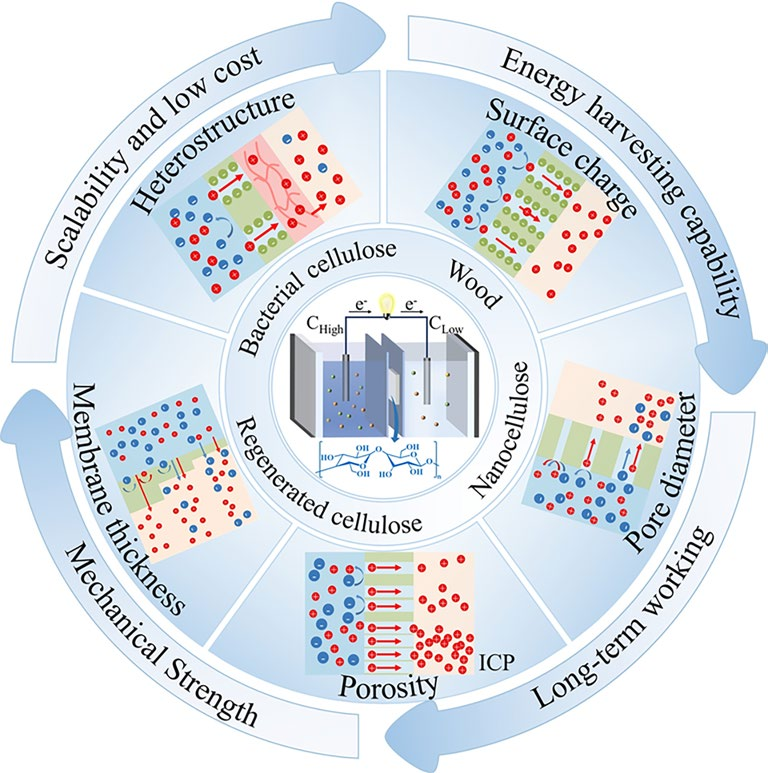
378. Sustainable Cellulose Enables Blue Energy Toward Osmotic Energy Conversion
Yingchao Wang, Jianping Shi, Qianhong Zhang, Hui Wu, Qingxian Miao, Liulian Huang, Lihui Chen*, Yonghao Ni* & Jianguo Li*
Nano-Micro Lett. 18, 378 (2026).
doi.org/10.1007/s40820-026-0…
This work is led by Prof. Dr. Yonghao Ni (Fujian Agriculture and Forestry University) and co-workers. Prof. Ni’s research centers on biomass efficient utilization, cellulose functional materials, and pulp bleaching technology. This review highlights recent advances in cellulose-based membranes for osmotic energy conversion, emphasizing material composition, nanoscale structural engineering, surface functionalization, and ion transport optimization, while identifying key challenges and future strategies for practical large-scale implementation in salinity-gradient energy harvesting.
#cellulose
#osmotic
#salinity
#ion
#nanoarchitectonic
1
2
94

Jun 13
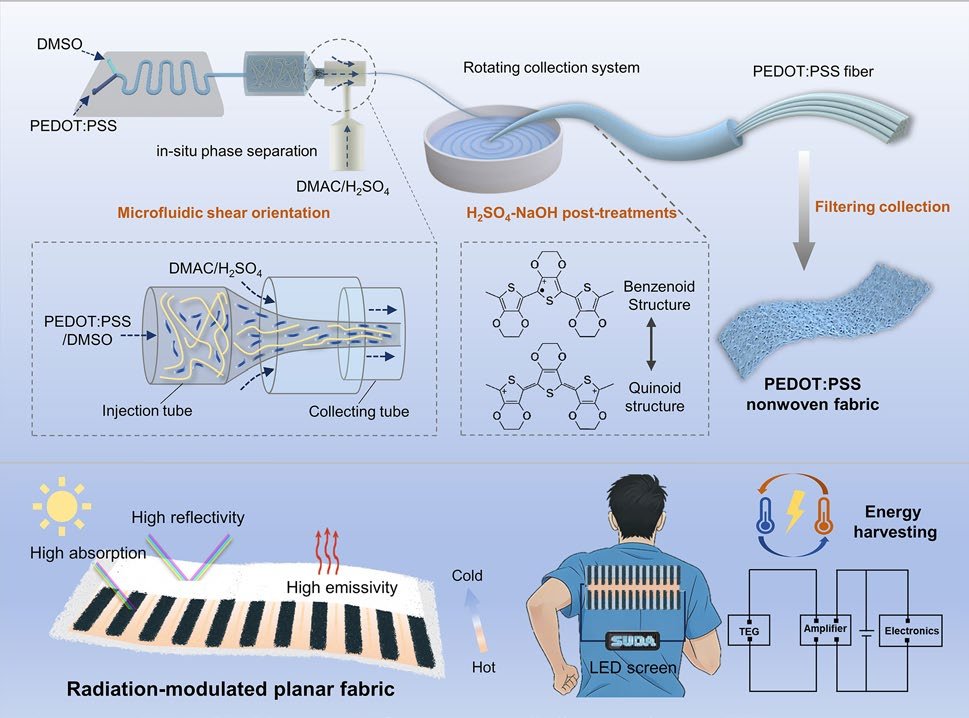
376. Microfluidic Spinning Boosting Thermoelectric Performance of PEDOT:PSS Nonwoven Fabrics
Yuhui Zhang, Hui Qiu*, Jian Yang, Pengle Cao, Yu Wang, An-Quan Xie, Ke-Qin Zhang* & Xiao-Qiao Wang*
Nano-Micro Lett. 18, 376 (2026).
doi.org/10.1007/s40820-026-0…
This work is led by Prof. Dr. Xiaoqiao Wang (Soochow University) and co-workers. Prof. Wang’s research centers on new biomass fiber materials, functional gel materials and smart, high-performance fiber technologies, thermoelectric and thermal management fiber materials and technologies. This study develops a microfluidic spinning platform to fabricate PEDOT:PSS-based nonwoven fabrics with multiscale structural ordering and controlled dedoping, achieving a high electrical conductivity of 2038 S cm⁻¹ and a Seebeck coefficient of 29.7 μV K⁻¹, yielding a power factor of 179.8 μW m⁻¹ K⁻². By integrating with a radiative-cooling layer, the fabric device maintains an in-plane temperature gradient of ~20 K under natural sunlight, demonstrating efficient solar-thermal energy harvesting for wearable thermoelectric applications.
PEDOT:PSS
#microfluidic
#thermoelectric
#Seebeck
#power factor
1
35
Jun 13
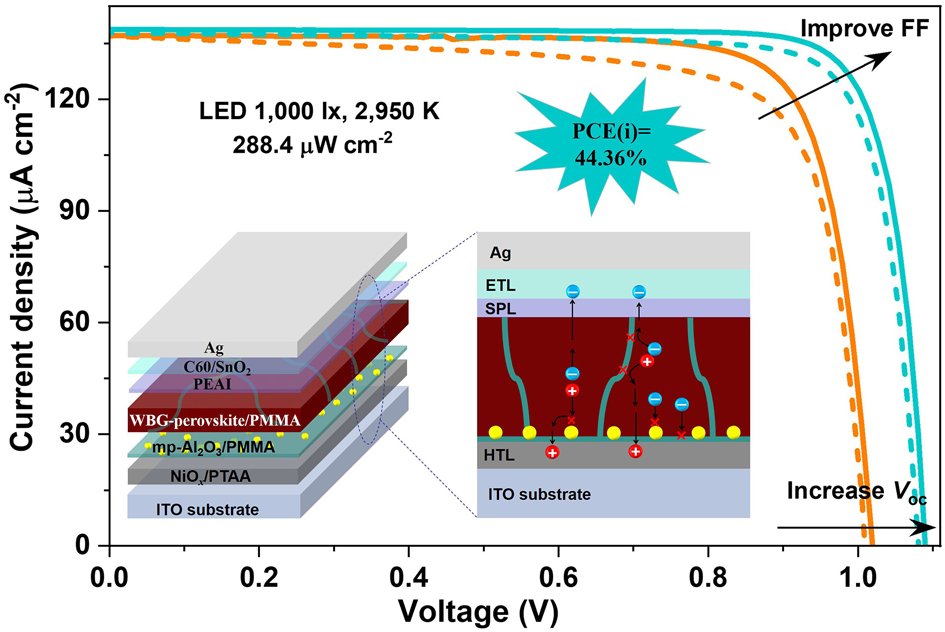
375. Electronic Blockade of Shunting Pathways via Dual Insulator Contacts for High-Efficiency Wide-Bandgap Perovskite Indoor Photovoltaics
Quanxi Liu, Yousheng Wang*, Qiaoyan Ma, Jianzha Zheng, Yinghui Peng, Liwei Wang, Zeyu Chen, Tianhao Du, Daxin Xiao, Jiandong Fan*, Yoon-Bong Hahn & Yaohua Mai*
Nano-Micro Lett. 18, 375 (2026).
doi.org/10.1007/s40820-026-0…
This work is led by Prof. Dr. Yaohua Mai (Jinan University) and co-workers. Prof. Mai’s research centers on silicon-based solar cells, perovskite solar cells, and chalcogenide thin-film solar cells. This work proposes a dual insulator contact (DIC) strategy combining grain boundary and buried interface insulator contacts using PMMA and a hybrid PMMA/mesoporous alumina interlayer to suppress shunting and nonradiative recombination in perovskite indoor photovoltaics, achieving a record indoor power conversion efficiency of 44.36% under 1000 lx LED illumination with excellent stability across a range of low-light intensities, demonstrating strong potential for powering IoT devices.
#PIPVs
#DIC
#indoor
#efficiency
#stability
1
2
122
Jun 13
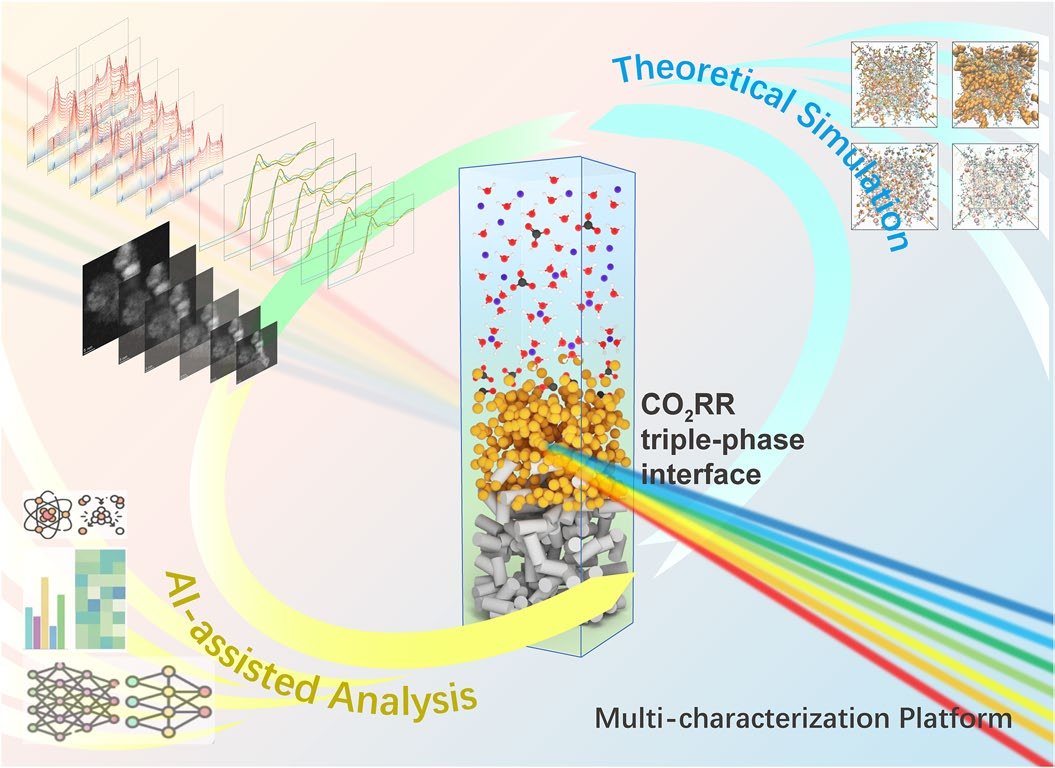
374. A Stereoscopic Perspective on the Triple-Phase Interface Microenvironment in Electrochemical CO2 Reduction: Insights from In Situ Studies
Guiru Zhang, Peng Shen, Xiangrui Li, Lei Zhu*, Shuiyun Shen*, Junliang Zhang & Zhen Huang
Nano-Micro Lett. 18, 374 (2026).
doi.org/10.1007/s40820-026-0…
This work is led by Prof. Dr. Shuiyun Shen (Shanghai Jiao Tong University) and co-workers. Prof. Shen’s research centers on PEM fuel cells and water electrolysis for hydrogen production, electrochemical reduction of carbon dioxide/nitrogen. This perspective provides a holistic overview of critical microregions in CO₂ reduction systems—including the electrolyte microenvironment, reaction interface, catalyst structure, and diffusion field—and systematically summarizes recent advances in in situ characterization techniques across these regions. It highlights the need to integrate these insights to map dynamic cross-compartment interactions and transient species formation, and calls for synergistic methodologies to resolve mechanistic ambiguities and accelerate rational design of efficient CO₂RR systems for sustainable carbon‑neutral cycles.
#CO2RR
#in-situ
#triple-phase
#microregion
#mechanism
2
28
Jun 13
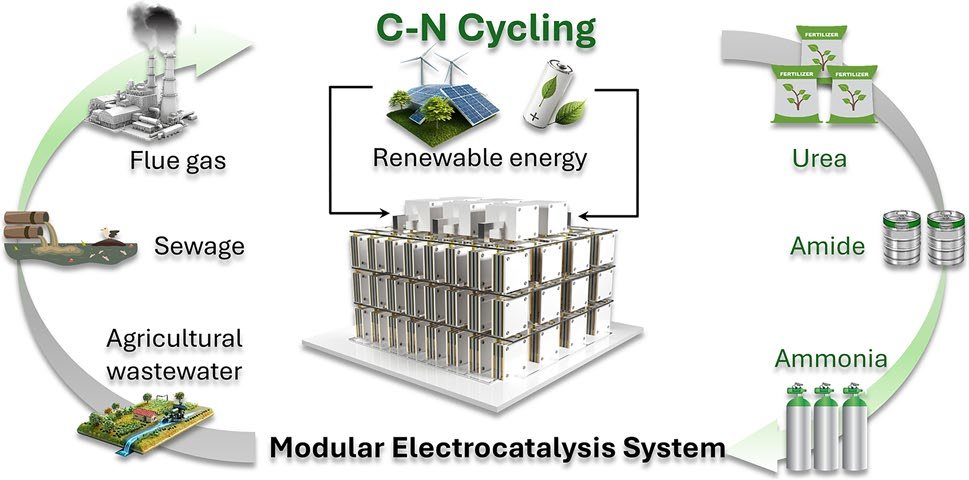
373. Perspective on Modular Electrocatalysis for Carbon and Nitrogen Cycling
Xiaokang Wang, Sirui Tang, Qilong Wu*, Peter C. Innis & Jun Chen*
Nano-Micro Lett. 18, 373 (2026).
doi.org/10.1007/s40820-026-0…
This work is led by Prof. Dr. Jun Chen (University of Wollongong) and co-workers. Prof. Chen’s research centers on design and development of electro-/bio- Interfaces, nano/micro- materials, advanced ink-formulation for 2D/3D printing, and smart wearable electronic/energy devices. This perspective proposes the concept of “Modular Electrocatalysis” as a system to integrate segmented electrocatalytic C–N reactions, deconstructing complex C–N conversion into controllable steps via customized module combinations. This approach aims to transform carbon- and nitrogen-containing pollutants into high-value chemicals like amines and amides, while discussing catalyst tailoring, reactor customization, and integration challenges for industrial implementation.
#Modular
#C-N
#electrocatalysis
#valorization
#integration
1
3
60
Jun 11
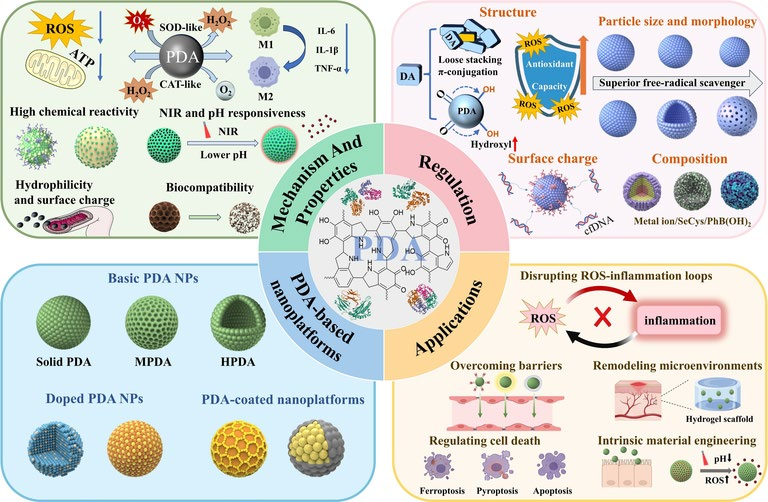
372. Advances in Polydopamine-Based Nanoplatforms: Antioxidant Mechanisms and Applications in Oxidative Stress-Mediated Diseases
Zhilin Wang, Zhu Liu, Luming Song, Xinyi Zhao, Shuaipeng Feng, Donghua Di, Hao Ju*, Long Wan* & Qinfu Zhao*
Nano-Micro Lett. 18, 372 (2026).
doi.org/10.1007/s40820-026-0…
This work is led by Prof. Dr. Qinfu Zhao (Shenyang Pharmaceutical University) and co-workers. Prof. Zhao’s research centers on construction of targeted nano-diagnostic and therapeutic agents and study of their mechanism of action, application research of novel biomaterials in chronic inflammatory diseases, applied basic research of new drug formulations and new preparations. This review provides a comprehensive overview of polydopamine (PDA)-based antioxidant nanoplatforms, summarizing their ROS-scavenging mechanisms (hydrogen atom transfer, electron transfer, and dynamic catechol/quinone redox cycling) and the design strategies of various architectures (solid, mesoporous, hollow, doped, and coated). It further categorizes recent progress in addressing key pathological challenges, including breaking ROS-inflammation feedback loops, overcoming biological delivery barriers, remodeling regenerative microenvironments, and regulating programmed cell death.
#PDA
#antioxidant
#ROS
#nanoplatform
#redox
1
60
Jun 11
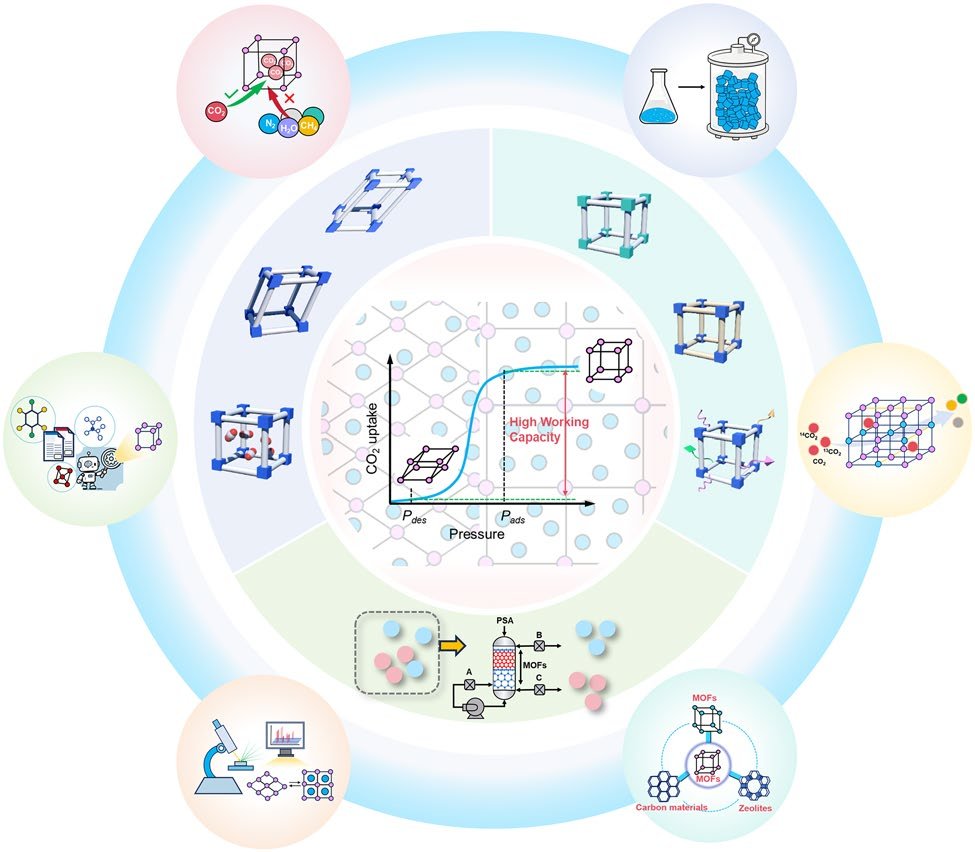
371. Flexible Metal–Organic Frameworks for Gas Handling Operations of CO2 and Its Isotopes: Mechanisms, Regulation Strategies and Potential Applications
Na Geng, Ningyu Liu, Sai Chu, Yongjian Huang, Lu Bai, Ming-Shui Yao*, Yangyang Guo* & Tingyu Zhu
Nano-Micro Lett. 18, 371 (2026).
doi.org/10.1007/s40820-026-0…
This work is led by Prof. Dr. Ming-Shui Yao (Chinese Academy of Sciences) and co-workers. Prof. Yao’s research centers on soft pore interface, semiconductor devices, and in-situ operating condition cell. This review provides an overview of the dynamic CO₂ adsorption behaviors of flexible metal–organic frameworks (MOFs), highlighting how structural flexibility enables high working capacity and selectivity while reducing energy consumption in adsorption–desorption cycles. It summarizes cutting-edge strategies—including ligand engineering, metal node regulation, and pore functionalization—to tune gating pressure, hysteresis, and CO₂ affinity, and discusses challenges and future prospects for applying flexible MOFs in low-carbon energy and high-value utilization of CO₂ and its isotopes.
#flexible MOFs
#CO2
#adsorption
#gate pressure
#ligand engineering
1
145
Jun 10
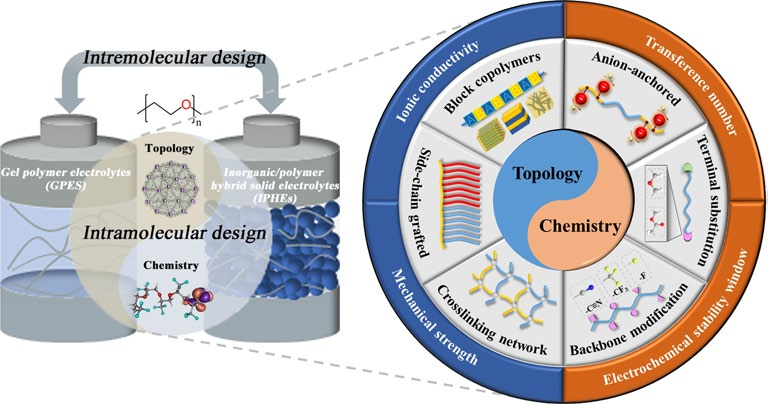
370. Intramolecular Design of Poly(ethylene oxide) for Solid-State Electrolytes and Next-Generation High-Energy Batteries
Shijun Zhang, Ruiliu Jia, Xiaoyu Ji*, Ziqing Zeng, Lei Li, Lijun Fu, Jianjun Zhang, Bin Chen, Yen Wei, Henghui Xu, Yang Yang* & Guanglei Cui*
Nano-Micro Lett. 18, 370 (2026).
doi.org/10.1007/s40820-026-0…
This work is led by Prof. Dr. Guanglei Cui (Chinese Academy of Sciences) and co-workers. Prof. Cui’s research centers on key materials and systems for high-energy-density solid-state batteries, development and application of deep-sea special power sources, solid-state photoelectric conversion devices. This review comprehensively overviews intramolecular design strategies for poly(ethylene oxide) (PEO)-based solid polymer electrolytes, including topological and chemical modifications to address the trade-off between ionic conductivity and mechanical strength, insufficient cationic transference number, and weak high-voltage stability. It also provides a perspective on remaining challenges and future directions, emphasizing the rational integration of intra- and intermolecular approaches and advanced thin-film manufacturing techniques for next-generation high-energy solid-state batteries.
#PEO
#SPEs
#intramolecular
#trade-off
#transference
2
74
Jun 10
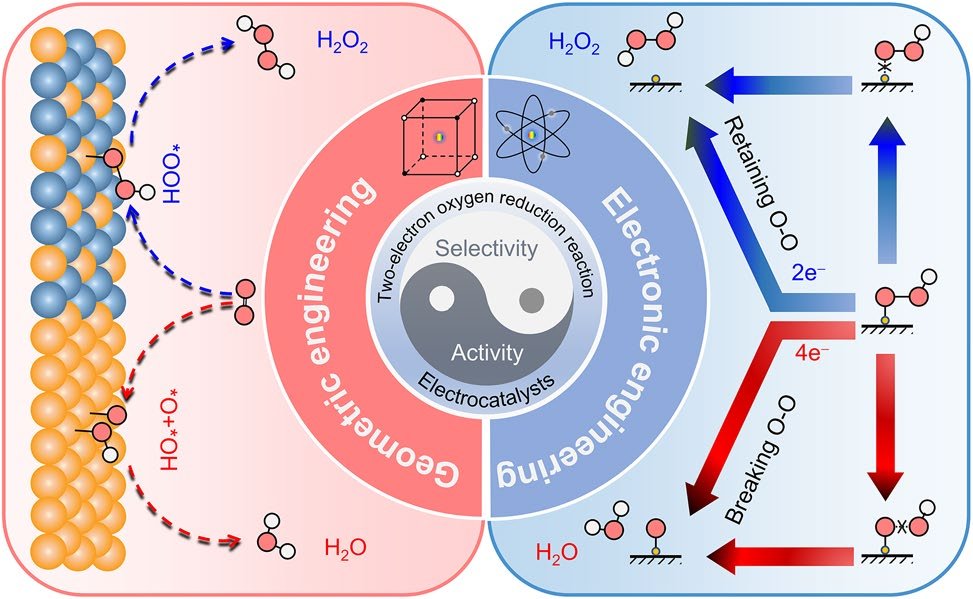
368. Geometric and Electronic Engineering of Hydrogen Peroxide Production Electrocatalysts
Chang Zhang, Min Song, Huiyao Qi, Hongshang Hu, Lilong Zhang, Houfeng Zhang, Lipiao Bao, Huiying Yang, Jian Zhang* & Xing Lu*
Nano-Micro Lett. 18, 368 (2026).
doi.org/10.1007/s40820-026-0…
This work is led by Prof. Dr. Xing Lu (Hainan University) and co-workers. Prof. Lu’s research centers on structural and property regulation of metal-doped carbon molecules and their assemblies, and energy applications. This review systematically summarizes recent advances in geometric and electronic modulations of electrocatalysts for the two‑electron oxygen reduction reaction to H₂O₂, covering adsorption principles, catalyst design strategies, and electrochemical performance, while also discussing current challenges and future directions for sustainable H₂O₂ production.
#2e- ORR
#H2O2
#geometric
#electronic
#selectivity
1
2
54
Jun 10
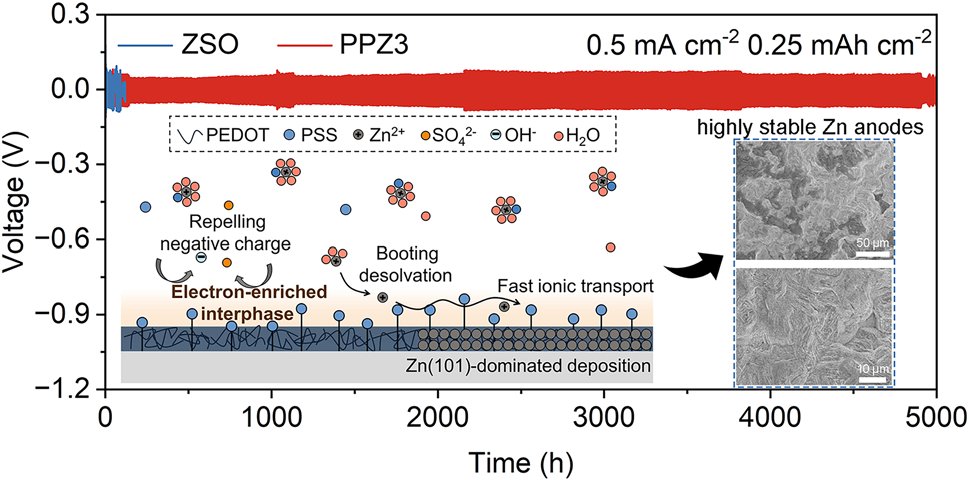
367. Self-Separating Biphasic Electrolyte Enables High-Performance Aqueous Zinc-Ion Batteries via Electron-Enriched Interphase Engineering
Chengwu Yang, Pattaraporn Woottapanit, Qizhi Hou, Zhiqiang Dai, Wanwisa Limphirat, Jiaqian Qin* & Xinyu Zhang*
Nano-Micro Lett. 18, 367 (2026).
doi.org/10.1007/s40820-026-0…
This work is led by Prof. Dr. Xinyu Zhang (Yanshan University) and co-workers. Prof. Zhang’s research centers on materials computational simulation research, design, development and service research of advanced metallic structural materials. This work presents a self-separating biphasic electrolyte based on phase separation of PEDOT:PSS in Zn sulfate solution, driven by mechanical shear-ionic crosslinking. The negatively charged sulfonic groups disrupt the hydrogen-bonding network and remodel Zn²⁺ solvation, enhancing ion transfer and desolvation. The insoluble PEDOT fibers spontaneously adhere to the electrode surface, forming an electron-rich interphase that promotes uniform Zn deposition and suppresses dendrites. This electrolyte enables Zn anodes to achieve exceptional stability at high depths of discharge (68.4% and 94.1%) and delivers outstanding cyclability exceeding 10,000 cycles in Zn||V₂O₅ full cells.
#biphasic
#PEDOT:PSS
#desolvation
#interphase
#cycling
1
56
Jun 9
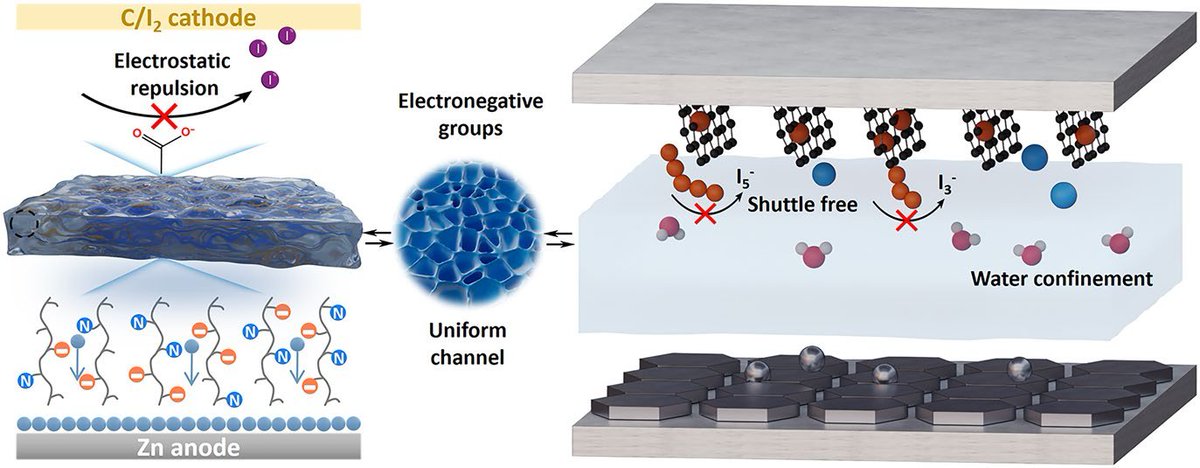
366. Ion-Sieving Dual-Network Hydrogel Electrolytes Couple Accelerated Ion Transport with Iodide Shuttle Suppression in Aqueous Zn–I2 Batteries
Ming Chen, Jia Cheng, Yixin Zhao, Wei Fu, Wen Li*, Yunhai Zhu* & Fanlu Meng*
Nano-Micro Lett. 18, 366 (2026).
doi.org/10.1007/s40820-026-0…
This work is led by Prof. Dr. Fanlu Meng (Ocean University of China) and co-workers. Prof. Meng’s research centers on zinc-air batteries and electrocatalytic hydrogen energy. This work reports a dual-network hydrogel electrolyte that stabilizes both Zn and iodine chemistries via a synergistic, cross-scale design spanning molecular conformation, charge microenvironment, and network topology. The hydrogel electrostatically excludes polyiodides to suppress the shuttle effect while providing low‑energy pathways for Zn²⁺ migration, achieving dendrite‑free Zn plating/stripping for over 3,500 h (1 mAh cm⁻²) and stable Zn–I₂ full cells for 20,000 cycles at 10 C.
#Zn-I2
#hydrogel
#dendrite
#polyiodide
#stability
1
197
Jun 9
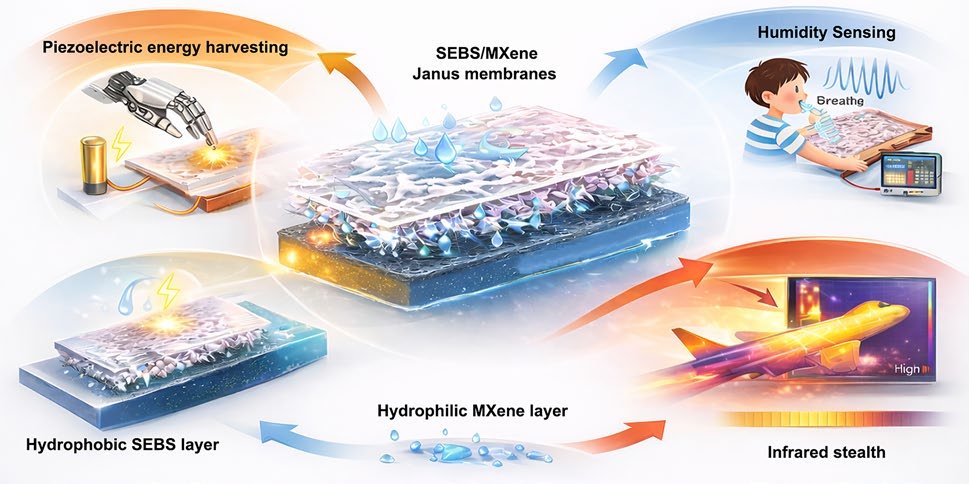
365. Multi-Responsive SEBS/MXene Janus Membranes Enabling Piezoelectric Energy Harvesting, Humidity Sensing, and Infrared Stealth
Weiwen Wang, Hong Ma, Lun Zhang, Jihai Zhang* & Aimin Zhang*
Nano-Micro Lett. 18, 365 (2026).
doi.org/10.1007/s40820-026-0…
This work is led by Prof. Dr. Aimin Zhang (Sichuan University) and co-workers. Prof. Zhang’s research centers on polymer structure and properties, thermoplastic elastomers, and polymer composite materials. This work designs a flexible SEBS/MXene Janus fibrous membrane that generates a piezoelectric output of up to 28 V and 133 nA under mechanical pressure, enabling self‑powered humidity sensing with fast response/recovery (0.79/0.35 s), while also exhibiting a low infrared emissivity of 32% for adaptive camouflage, achieving a multifunctional integration of energy harvesting, sensing, and stealth in a single material platform.
#Janus
#MXene
#piezoelectric
#humidity
#camouflage
1
21
Jun 9
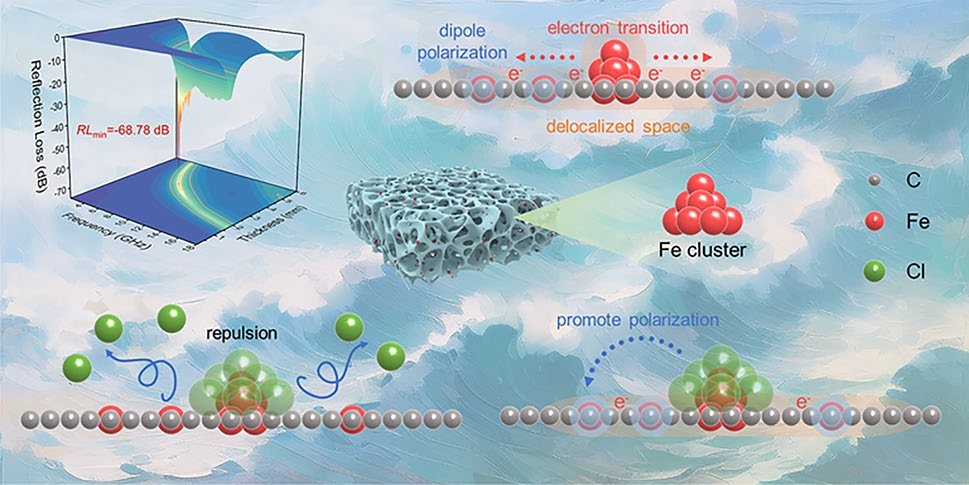
364. Electronic Delocalization of Fe Atom–Cluster for Long-Term Stable Electromagnetic Wave Absorption in Marine Environments
Shaocong Zhong, Xinyu Wang, Rurong Zou, Chang Long, Pianpian Zhang*, Xueting Zhang, Zihao Zhao, Ying Liu, Can Cui, Yanan Yang* & Long Xia*
Nano-Micro Lett. 18, 364 (2026).
doi.org/10.1007/s40820-026-0…
This work is led by Prof. Dr. Long Xia (Harbin Institute of Technology) and co-workers. Prof. Xia’s research centers on negative expansion glass-ceramic materials, application research of carbon fiber reinforced ceramic matrix composites in thermal structures and wave-absorbing stealth. This work designs a synergistic electromagnetic wave absorber integrating Fe clusters and single atoms on a π‑conjugated carbon support, where long-range electronic interactions and multicenter coupling enable strong conduction and dipolar polarization, achieving a minimum reflection loss of −68.78 dB and a 6.00 GHz bandwidth at only 6 wt% loading. The Fe clusters thermodynamically adsorb Cl⁻ to protect the single‑atom sites from corrosion, while the absorber film also offers mechanical flexibility and thermal insulation, making it highly suitable for durable maritime stealth and electromagnetic protection under harsh marine conditions.
#FeAC
#FeSA
#synergy
1
134
Jun 8
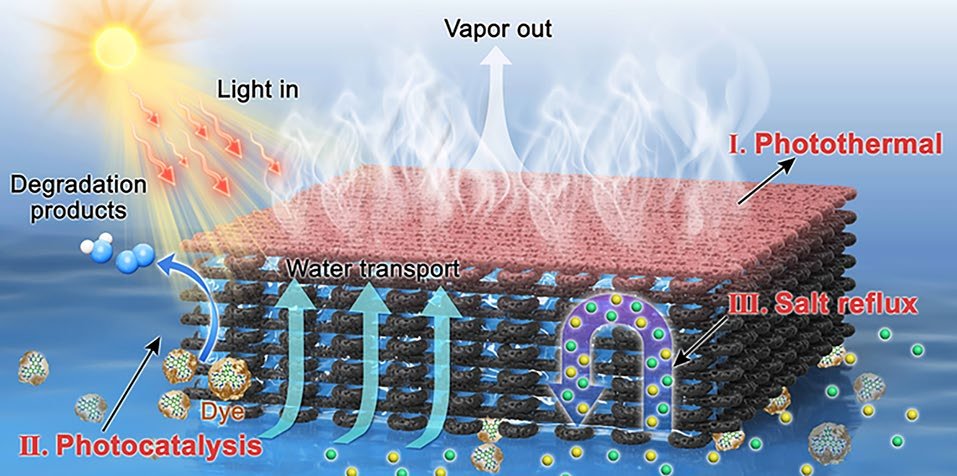
363. Hierarchically Architected 3D-Printed Hydrogel Evaporators Enable Synergistic Salt Management and Photocatalytic Purification
Xin Yang, Xinqi Guo, Yankuan Tian, Rong Zhou, Yifei Gong, Chengming Zhang, Feng Ji, Liu Liu, Faxue Li*, Ruiyun Zhang*, Jianyong Yu & Tingting Gao*
Nano-Micro Lett. 18, 363 (2026).
doi.org/10.1007/s40820-026-0…
This work is led by Associate Prof. Dr. Tingting Gao (Donghua University) and co-workers. Prof. Gao’s research centers on textile materials and textile design, structural design, controlled preparation, and performance study of functional textile materials, design and performance study of thermal management functional textiles. This work presents a multifunctional 3D-printed hydrogel evaporator with vertically aligned grid architectures and hierarchical porosity, integrating carbon black and the metal–organic framework PCN-224 to achieve dual photothermal–photocatalytic functionality. The design prevents salt crystallization and enables efficient broad-spectrum pollutant degradation, delivering a high water evaporation rate of 2.04 kg m⁻² h⁻¹ under one-sun illumination and degrading 96.5% of rhodamine B within 60 min, offering a synergistic strategy for simultaneous solar-driven water production and purification.
#hydrogel
#3D-printed
#photothermal
#photocatalytic
#evaporation
2
192
Jun 8
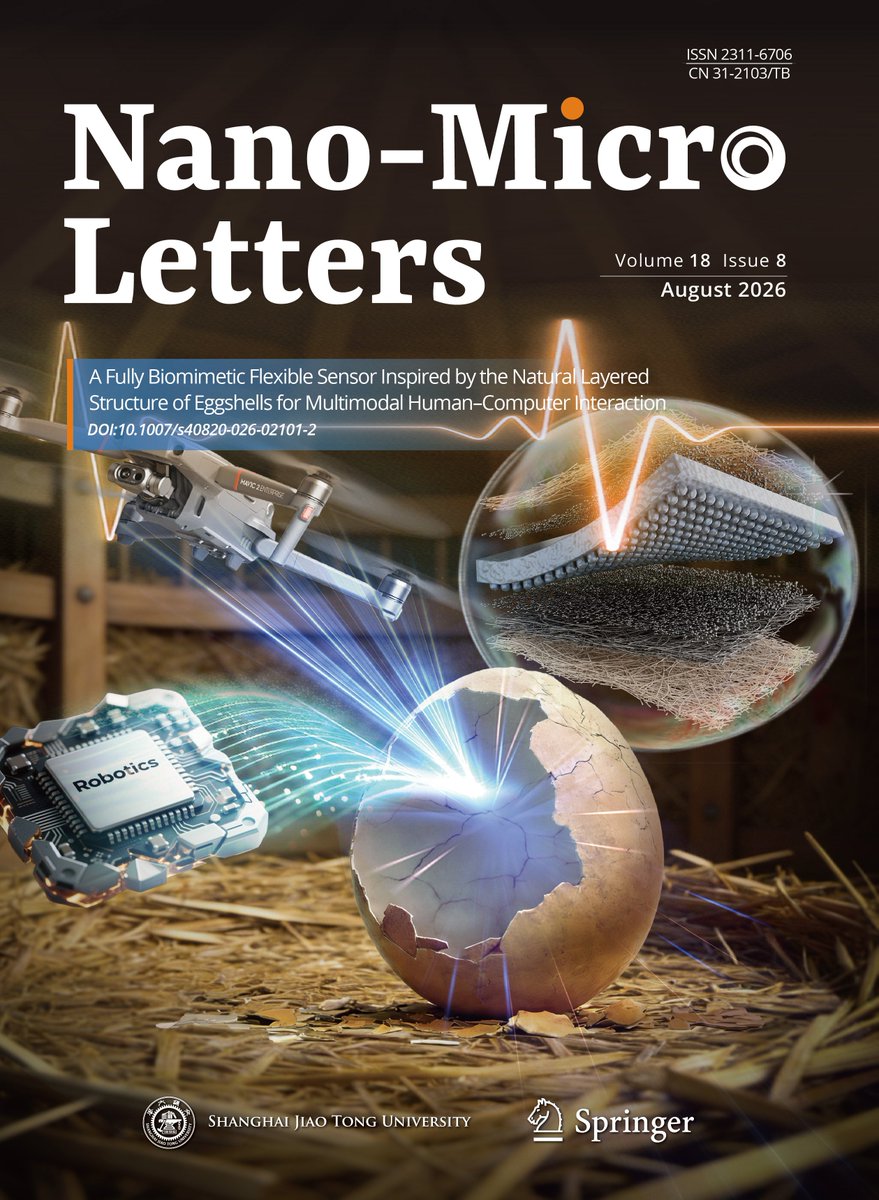
New Cover Paper
A Fully Biomimetic Flexible Sensor Inspired by the Natural Layered Structure of Eggshells for Multimodal Human–Computer Interaction.
Nano-Micro Lett. 18, 244 (2026). doi.org/10.1007/s40820-026-0…
1
31
Jun 8
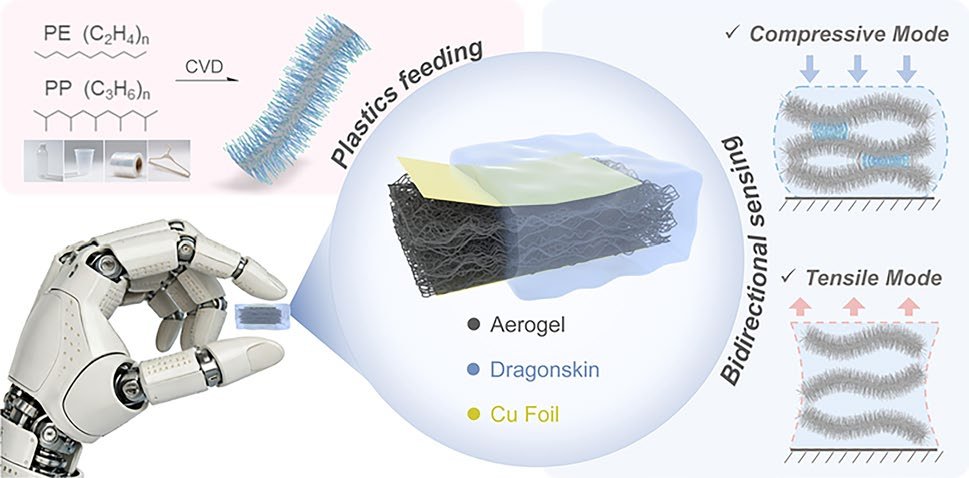
362. Sustainable Carbon Aerogels from Polyolefin Plastics for High-Linearity Bidirectional Strain Sensing
Yang Yue, Hui Bi*, Shiyu Zhang, Chen Luan, Zhangliu Tian, Dayong Ren & Fuqiang Huang*
Nano-Micro Lett. 18, 362 (2026).
doi.org/10.1007/s40820-026-0…
This work is led by Prof. Dr. Fuqiang Huang (Shanghai Jiao Tong University) and co-workers. Prof. Huang’s research centers on inorganic solid-state chemistry and new energy materials and device applications. This article reports a hierarchical carbon aerogel derived from plastics, where carbon nanofibers are in situ grown on elastic carbonized cotton fibers via plastic pyrolysis enabled by a Ni–S-modified catalytic interface, achieving a nearly linear electromechanical response over a wide bidirectional strain range (gauge factors of 7.8 at 82% tension and 1.7 at 28% compression) with stable sensitivity over 5000 cycles, enabling strain direction/resolution, adhesion sensing, and joint-motion monitoring for next-generation human–machine interfaces.
#carbon aerogel
#bidirectional
#linear
#CNF
#strain
1
1
57
Jun 8
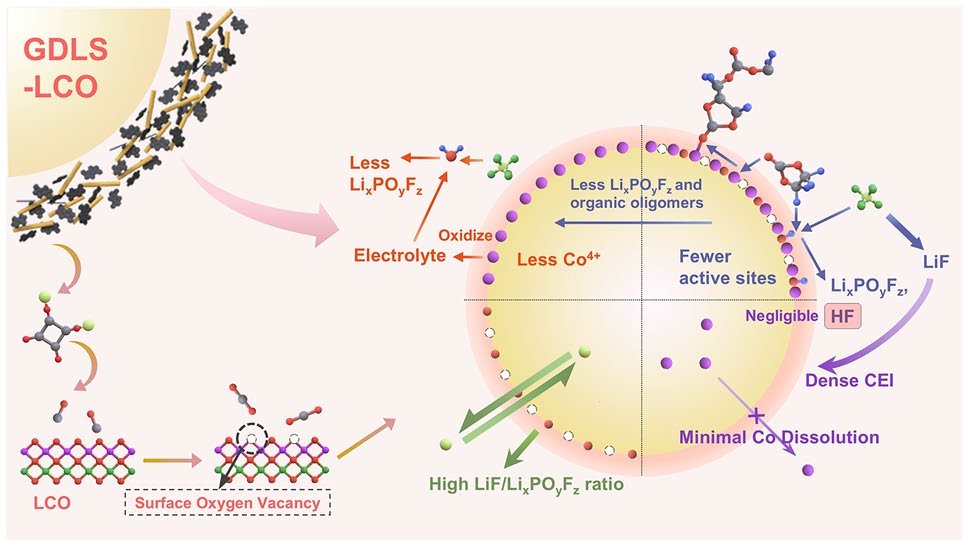
361. Unlocking Electrochemical-Driven Surface Oxygen Vacancies-Regulated Cathode–Electrolyte Interphase for Stabilizing Li-Ion Cells
Chenxi Yan, Xing Liu, Xuanlong He, Junjie Han, Longjun He, Na Tian, Yanyi Wang, Qiang Li, Ning Zhao*, Lipeng Zhang*, Peixin Zhang & Dingtao Ma*
Nano-Micro Lett. 18, 361 (2026).
doi.org/10.1007/s40820-026-0…
This work is led by Prof. Dr. Dingtao Ma (Shenzhen University) and co-workers. Prof. Ma’s research centers on design and development of key materials for secondary batteries, intrinsic structure analysis and application research of two-dimensional functional materials. This study demonstrates that surface oxygen vacancy concentration dually regulates CEI thickness and composition in LiCoO₂ cathodes via in situ Li₂C₂O₄ incorporation, which decomposes during cycling to generate OVs. Using ¹⁸O isotope labeling and ToF‑SIMS, it provides direct evidence that surface lattice oxygen is the predominant oxygen source for CEI decomposition products. The OV‑rich cathode achieves 71.1% capacity retention after 600 cycles at 1 C (3–4.4 V), significantly outperforming bare LCO (23.9%), with validation at 4.5 V and in NCM811, establishing a new design principle for tailored cathode interfaces.
#OV
#CEI
#LCO
#Li2C2O4
#durability
1
1
87
Jun 7
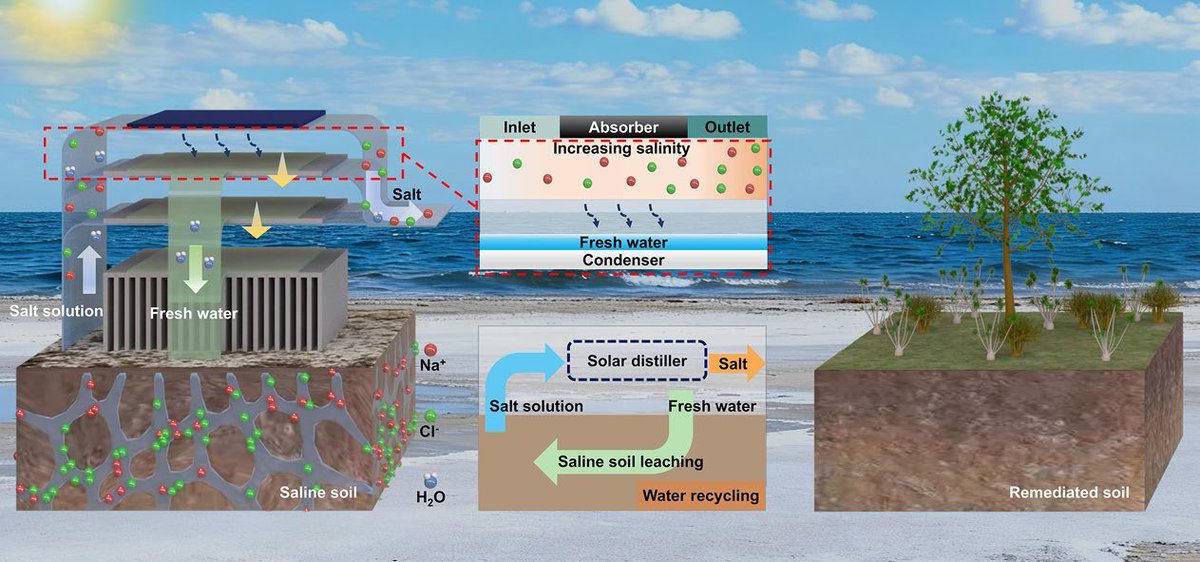
360. Ultra-Efficient Saline Soil Remediation with Passive Multistage Solar Distiller via Water Recycling
Junhui Li, Jiebin Tang, Guangchun Yang, Dengchao Liang, Yi Wang, Wenwen Zhao, Xin Xia, Weijia Zhou, Yafang Zhang*, Dongjin Xin* & Guobin Xue*
Nano-Micro Lett. 18, 360 (2026).
doi.org/10.1007/s40820-026-0…
This work is led by Prof. Dr. Gui-Lin Chen (Fujian Normal University) and co-workers. Prof. Chen’s research centers on new energy harvesting, conversion and storage. This study presents a passive 7-stage solar distiller that integrates latent heat recovery, water recycling, and edge salt rejection, achieving a water yield of 3.0 kg m⁻² h⁻¹ under one-sun irradiation and reducing soil salinity from 22.5 to 2.33 g kg⁻¹ in 30 cm-thick saline soil within 12 days, demonstrating ultra-efficient and low-water‑consumption saline soil desalination.
#multistage
#desalination
#solar
#soil
#efficiency
2
2
163
Jun 7
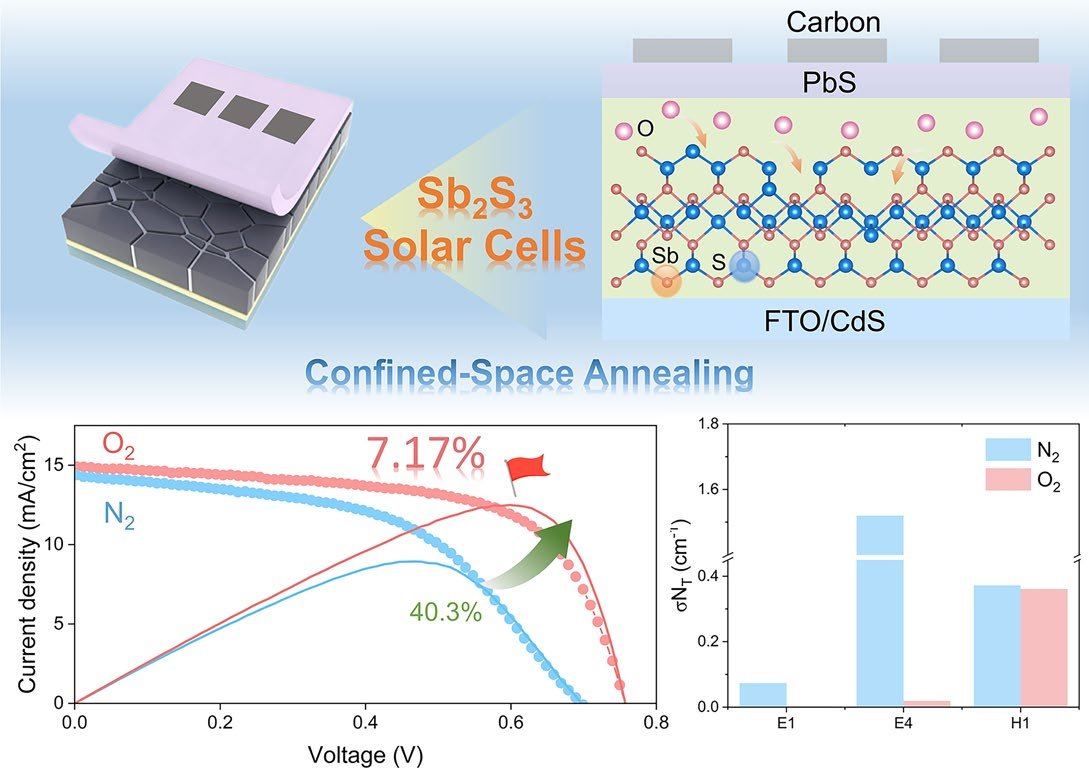
359. Ambient Confined-Space Annealing for Crystallization Enhancement and Defect Passivation in Sb2S3 Thin-Film Solar Cells
Li-Mei Lin, Jie Huang, Hu Li, Jin-Rui Cai, Shui-Yuan Chen, Jian-Min Li*, Xiao-Min Wang* & Gui-Lin Chen*
Nano-Micro Lett. 18, 359 (2026).
doi.org/10.1007/s40820-026-0…
This work is led by Prof. Dr. Gui-Lin Chen (Fujian Normal University) and co-workers. Prof. Chen’s research centers on novel inorganic thin-film solar cell. This article proposes a confined-space annealing strategy that combines physical confinement to suppress Sb₂S₃ re‑volatilization and controlled oxygen doping to passivate sulfur vacancies, achieving a 60.9% reduction in VS defects and 40.3% improvement in carrier collection. The resulting carbon‑based Sb₂S₃ solar cell delivers a record power conversion efficiency of 7.17% (VOC = 750 mV, JSC = 14.26 mA cm⁻², FF = 62.7%) under ambient atmosphere fabrication.
#Sb2S3
#CSA
#defects
#passivation
#ambient
1
3
143