
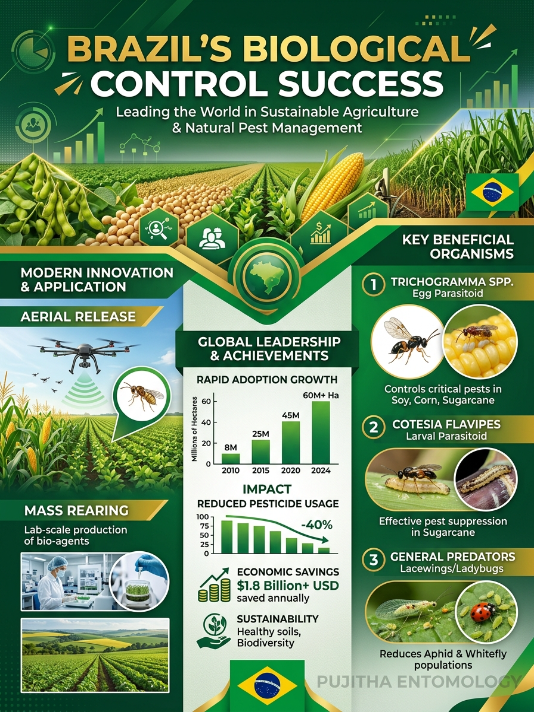
🇧🇷 @govbrazil has become a global leader in biological pest management.
Could @AgriGoI achieve similar success with greater investment in biological control?
#pujithaentomology #Entosphere #Agritej
#BiologicalControl
#IPM
#Entomology
#Agriculture
#CropProtection
1
1
3
41
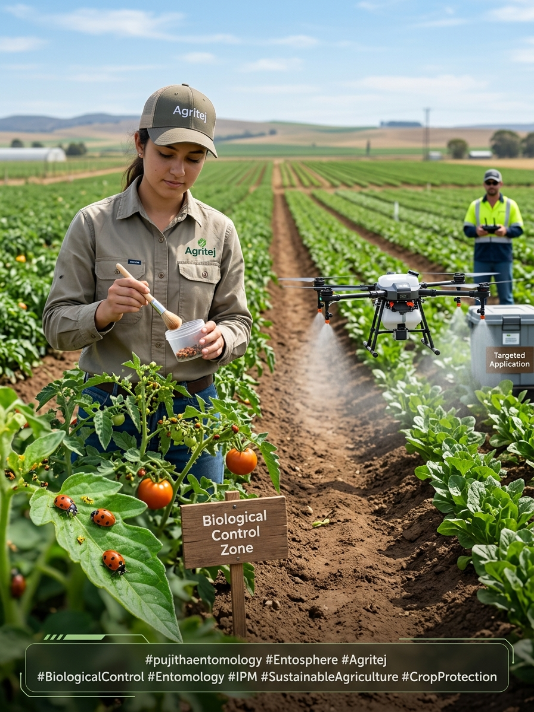
Biological control can be sustainable and environmentally friendly, but is it always practical?
Should it be prioritized over chemical control whenever possible?
Share your perspective 👇
#pujithaentomology #Entosphere #Agritej
#BiologicalControl
#IPM
#SustainableAgriculture
ALT https://ankapujithaentomology.blogspot.com/
1
1
7

Jun 12
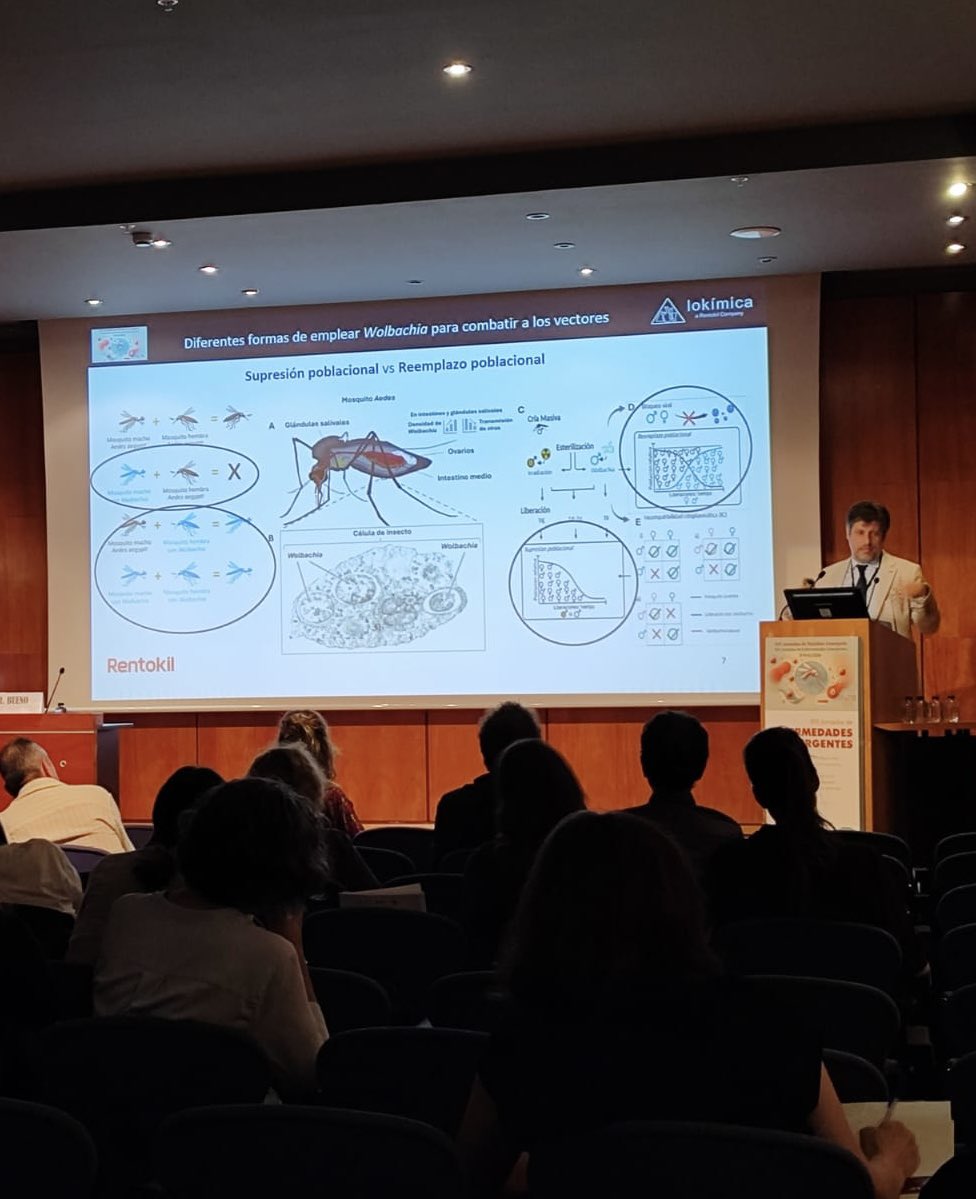
🦟 The #Wolbachia strategy is one of the #MosquitoControl innovations that we are promoting in our #VectorManagement programs 🦠
👉 Explaining the difference between population supression and replacement; 2 different ways of Wolbachia field implementation 🔍
#BiologicalControl
6
3
241
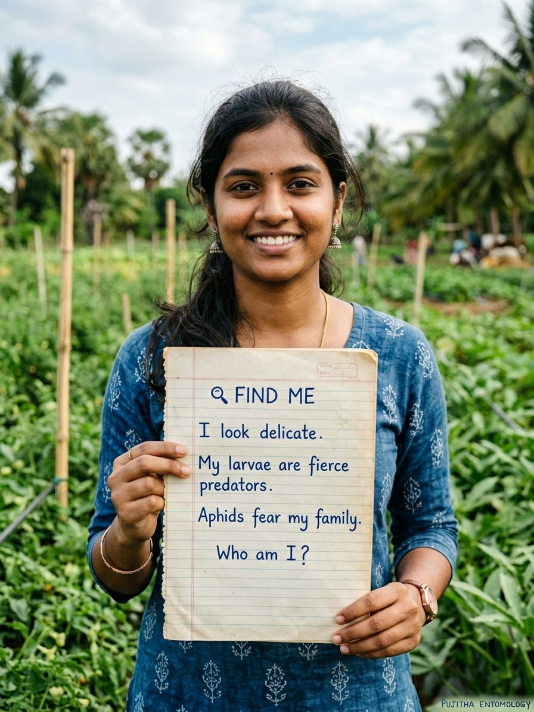
🔍 FIND ME
I look delicate.
My larvae are fierce predators.
Aphids fear my family.
Who am I? 🤔
#pujithaentomology #Entosphere #Agritej #GreenLacewing #BiologicalControl #IPM #Entomology
ALT A South Indian agriculture student holding a notebook with handwritten clues describing a beneficial insect whose larvae prey on aphids.
1
1
12

Jun 11
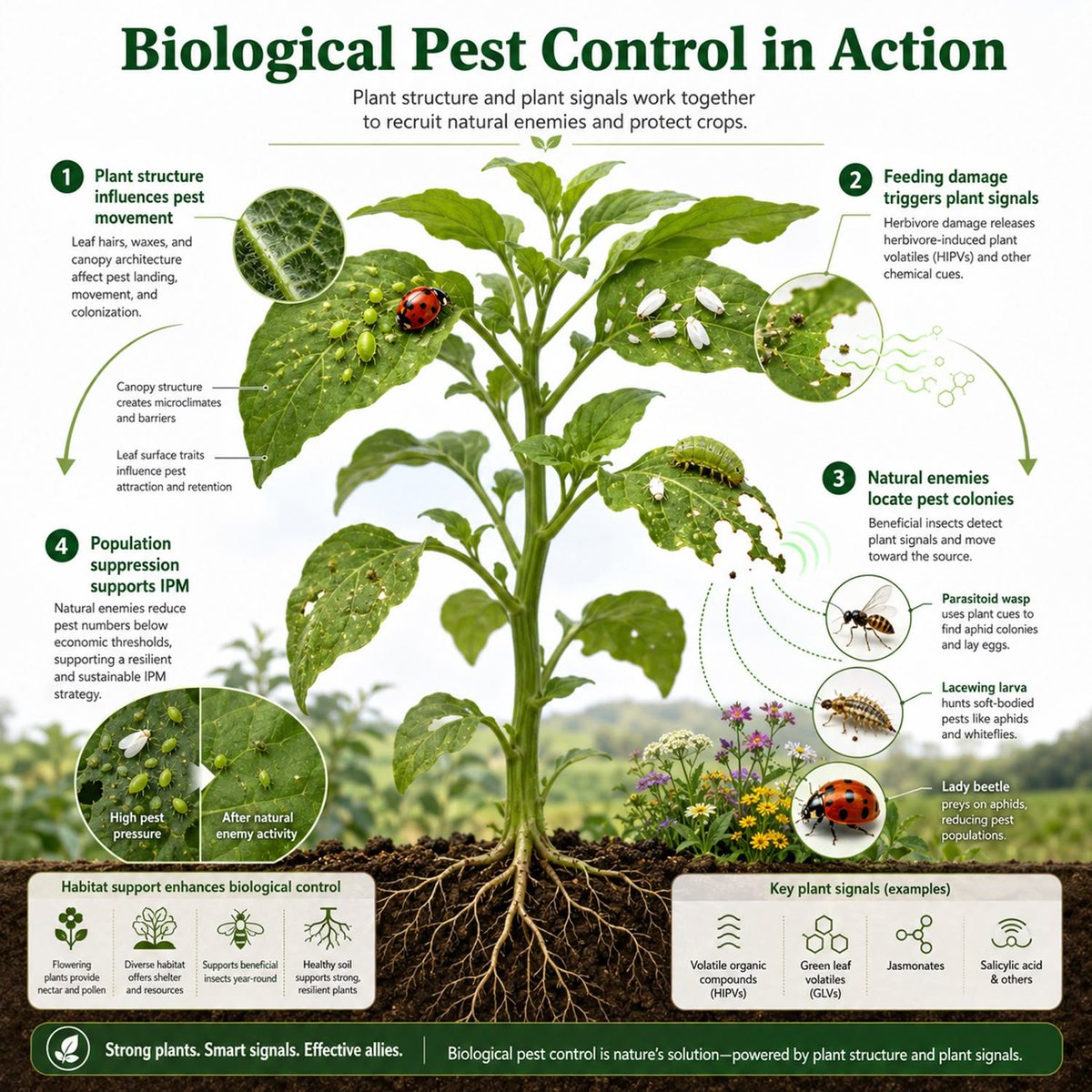
Mechanical signals in biological pest control 🌿🐞
🔎Similar to how roots sense soil impedance, insects also respond to the physical structure of plants. Leaf surface, trichomes, wax layers, canopy density, and plant movement all influence how pests feed, hide, reproduce, and escape.
🔬In biological pest control, this matters because natural enemies do not work in an empty field. Predators and parasitoids must search through a complex plant environment to locate aphids, whiteflies, mites, thrips, caterpillars, and other pests.
⬇️Plant architecture can either support or limit this process. Open canopies, suitable flowering strips, and stable microhabitats help beneficial insects move, survive, and find prey more efficiently.
⚡️When pests feed on plants, the plant often releases chemical and physical signals. These signals can guide parasitoids and predators toward pest colonies, turning the crop itself into part of the pest detection system.
🌱This is why biological control is not only about “releasing insects.” Its real value depends on habitat design, pest monitoring, crop stage, pesticide compatibility, and the timing of natural enemy activity.
A well-managed field can become a living control system: plants signal stress, pests create detectable pressure, and beneficial insects help suppress pest populations before outbreaks become severe.
Biological pest control is not a replacement for all tools. It is a strategic part of IPM, especially when the goal is long-term pest suppression, resistance management, and a healthier crop protection program.
#SunAgro #BiologicalControl #IPM #IntegratedPestManagement #CropProtection #SustainableAgriculture #BeneficialInsects #NaturalEnemies #PestManagement #Agronomy #Farming #SoilHealth #RegenerativeAgriculture
2
220

Can you identify the farmer's tiny bodyguard? 🐞
No Google.
No hints.
Drop your answer below 👇
#pujithaentomology #Entosphere #Agritej
#Agriculture
#Entomology
#IPM
#BiologicalControl
#Farmers
#AgriStudents
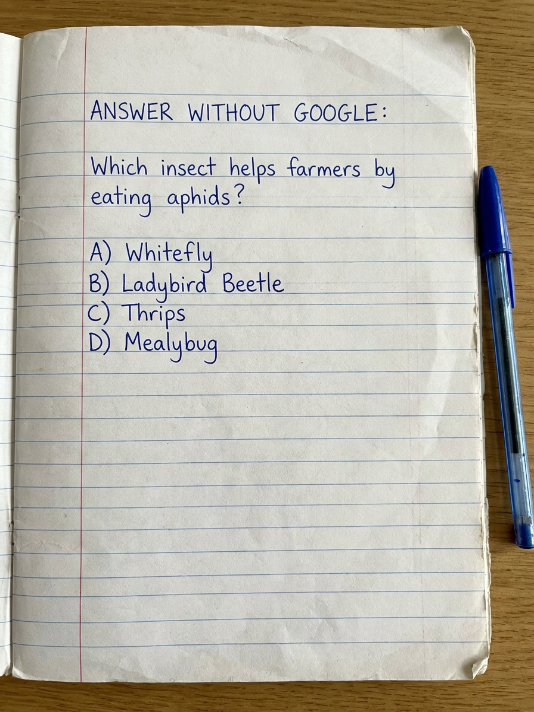
ALT White paper background with blue handwritten text saying: "ANSWER WITHOUT GOOGLE: Which insect helps farmers by eating aphids? A) Whitefly B) Ladybird Beetle C) Thrips D) Mealybug"
1
1
1
14

Jun 10
🌱 Featured Article in Seeds
📖'Oxidative Stability of the Oil from Camelina (Camelina sativa L.) Seeds: Effects of Ascorbyl Palmitate Concentrations"
brnw.ch/21x3e6j
#Seeds #SeedScience #WheatMicrobiome #BiologicalControl🔗
7

Beneficial nematodes are safe for humans, animals, and plants — and highly effective against soil pests.
New blog post now live.
nemabiodiversity.com/post/ar…
#BeneficialNematodes #BiologicalControl #SoilHealth #SustainableAgriculture #nemaBiodiversity

13

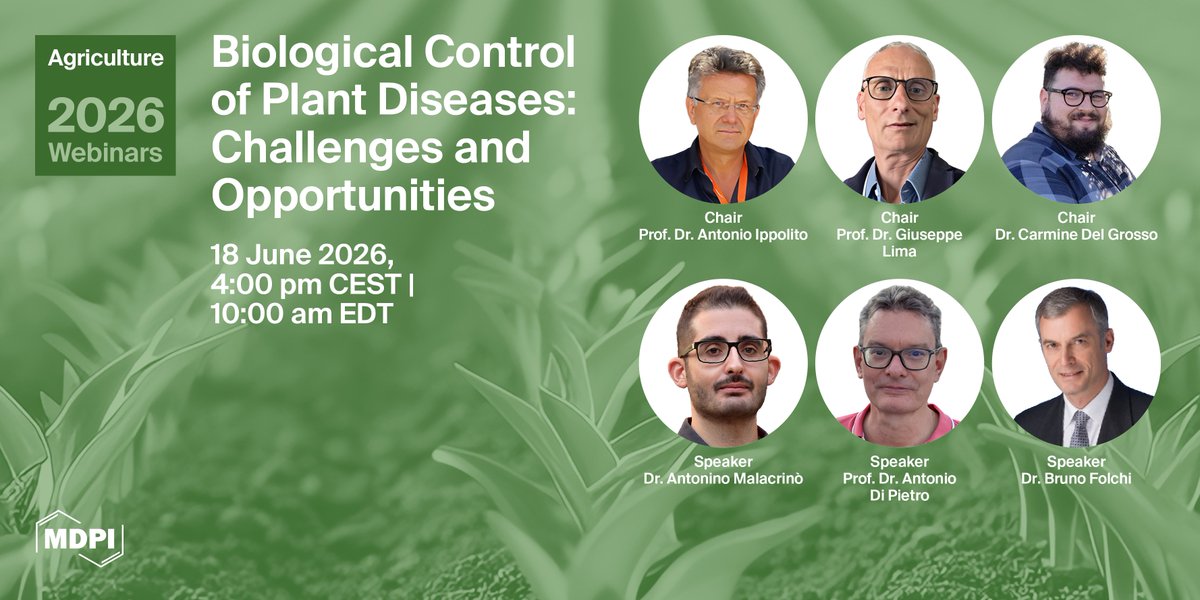
🌱 Join @AgricultureMdpi and @MDPIOpenAccess
for the webinar “Biological Control of Plant Diseases: Challenges and Opportunities”.
🔗 Register: us02web.zoom.us/webinar/regi…
🔗 Learn more: sciforum.net/event/Agricultu…
#Agriculture #BiologicalControl #MDPI
1
1
54

Jun 8
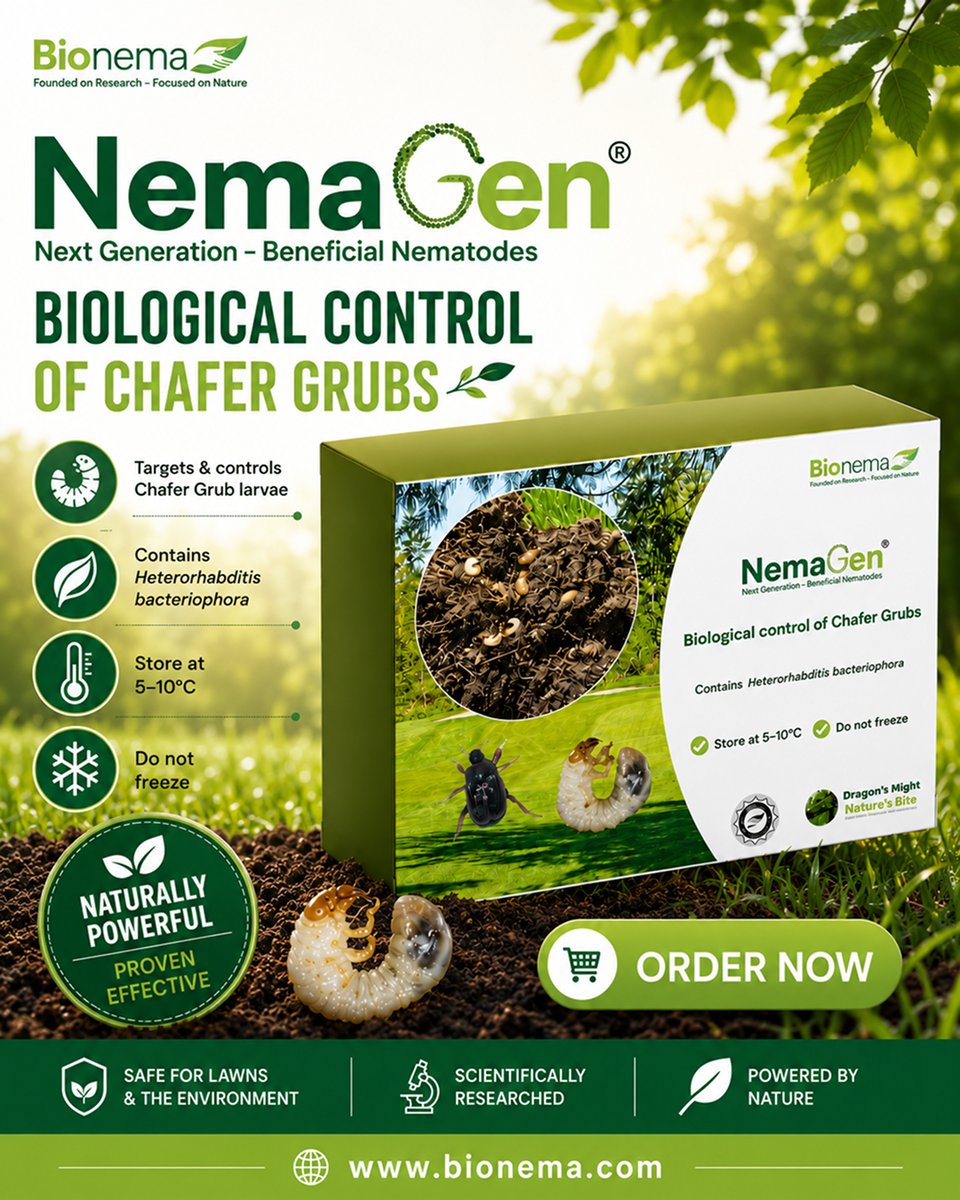
Chafer grubs can cause extensive damage beneath the surface, feeding on grassroots and leaving your turf weak, patchy, and vulnerable. NemaGen® provides an effective biological solution using beneficial nematodes (Heterorhabditis bacteriophora) to target and control chafer grub larvae naturally.
✅ Proven biological control
✅ Safe for lawns, pets & the environment
✅ Scientifically researched and effective
✅ Chemical-free and eco-friendly approach
✅ Powered by nature for healthier turf
Give your lawn the protection it deserves with NemaGen®—the sustainable way to control chafer grubs and maintain vibrant, healthy grass.
🛒 Order now and let nature do the work!
#Bionema #NemaGen #ChaferGrubs #BiologicalControl #BeneficialNematodes #SustainableAgriculture #TurfManagement #LawnCare #EcoFriendlySolutions
30
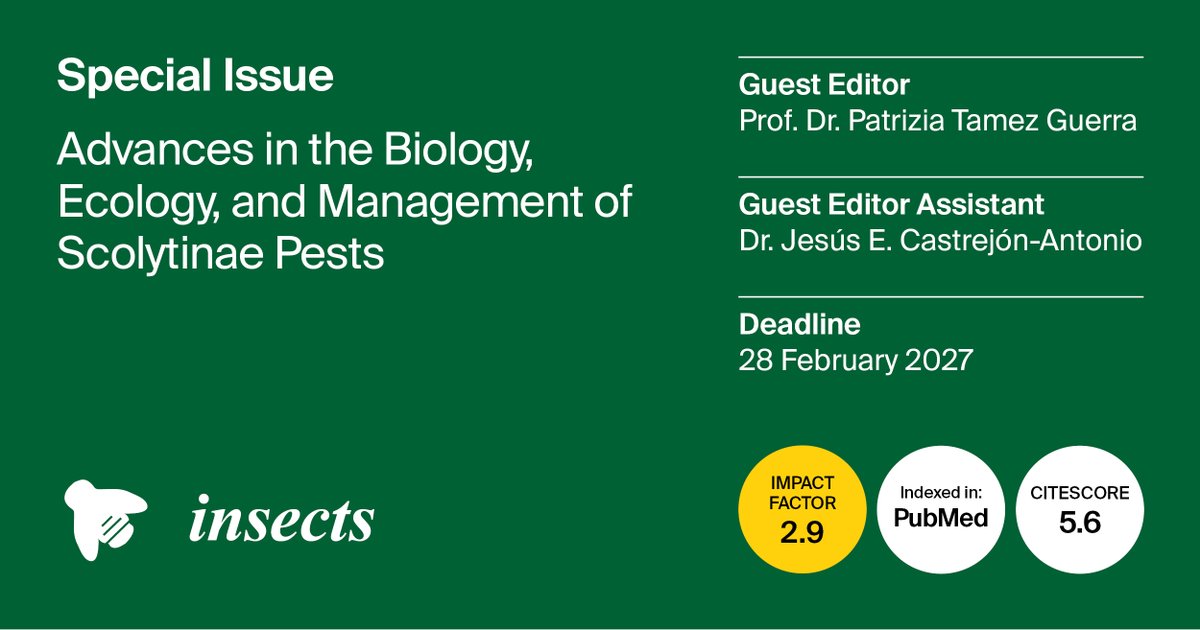
✨ Special Issue "Advances in the Biology, Ecology, and Management of Scolytinae Pests" is now open for submissions!
🔗To submit at: brnw.ch/21x3akm
#mdpiinsects
#Scolytinae
#ambrosiabeetles
#barkbeetles
#biologicalcontrol
#chemicalecology
#forestpests
1
2
30
Jun 4
📢 New Article Published in Seeds 🌱👏
📖'Seed Endophyte Bacillus atrophaeus Colonizes Root and Shoot Tissues Providing Antifungal Activity During Wheat Seedling Establishment'
📖 brnw.ch/21x352G
#Seeds #SeedScience #WheatMicrobiome #BiologicalControl
6
Jun 3
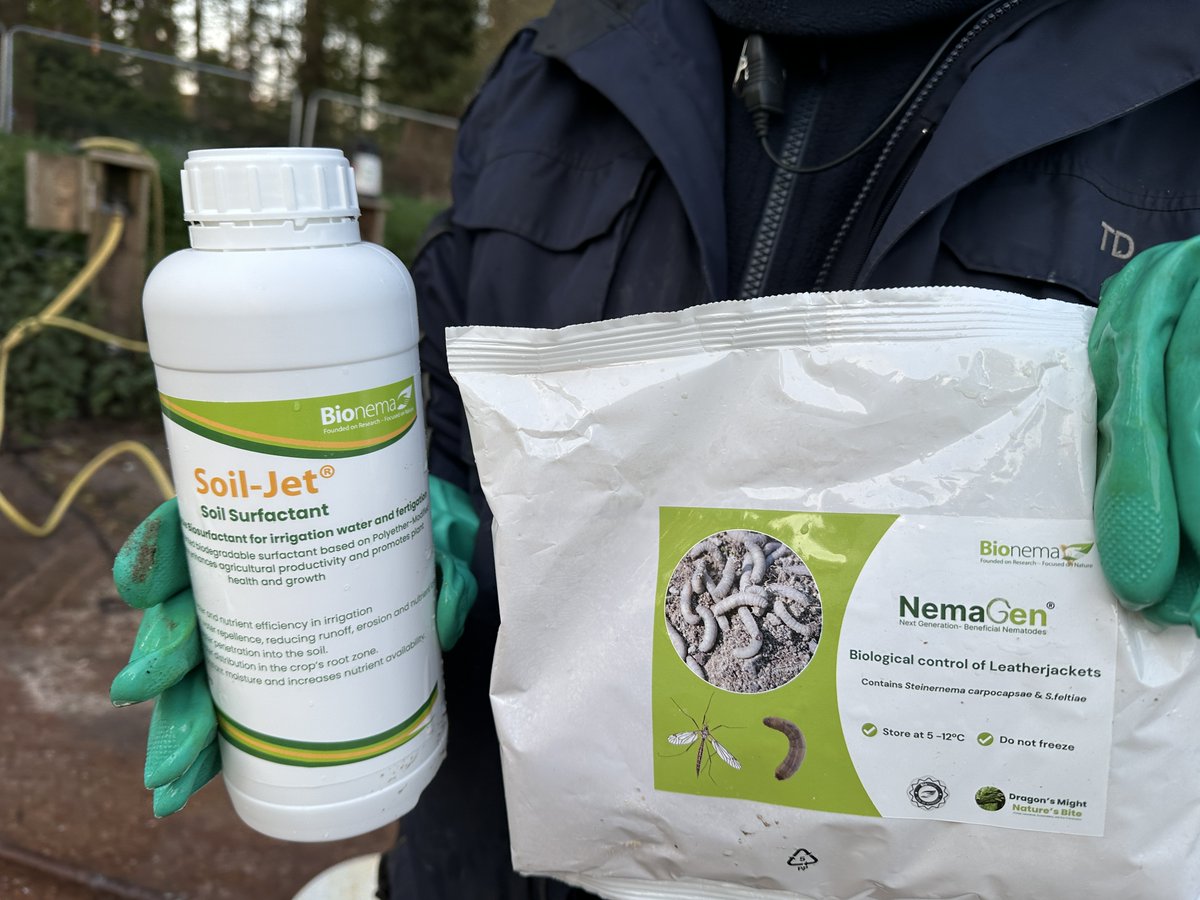
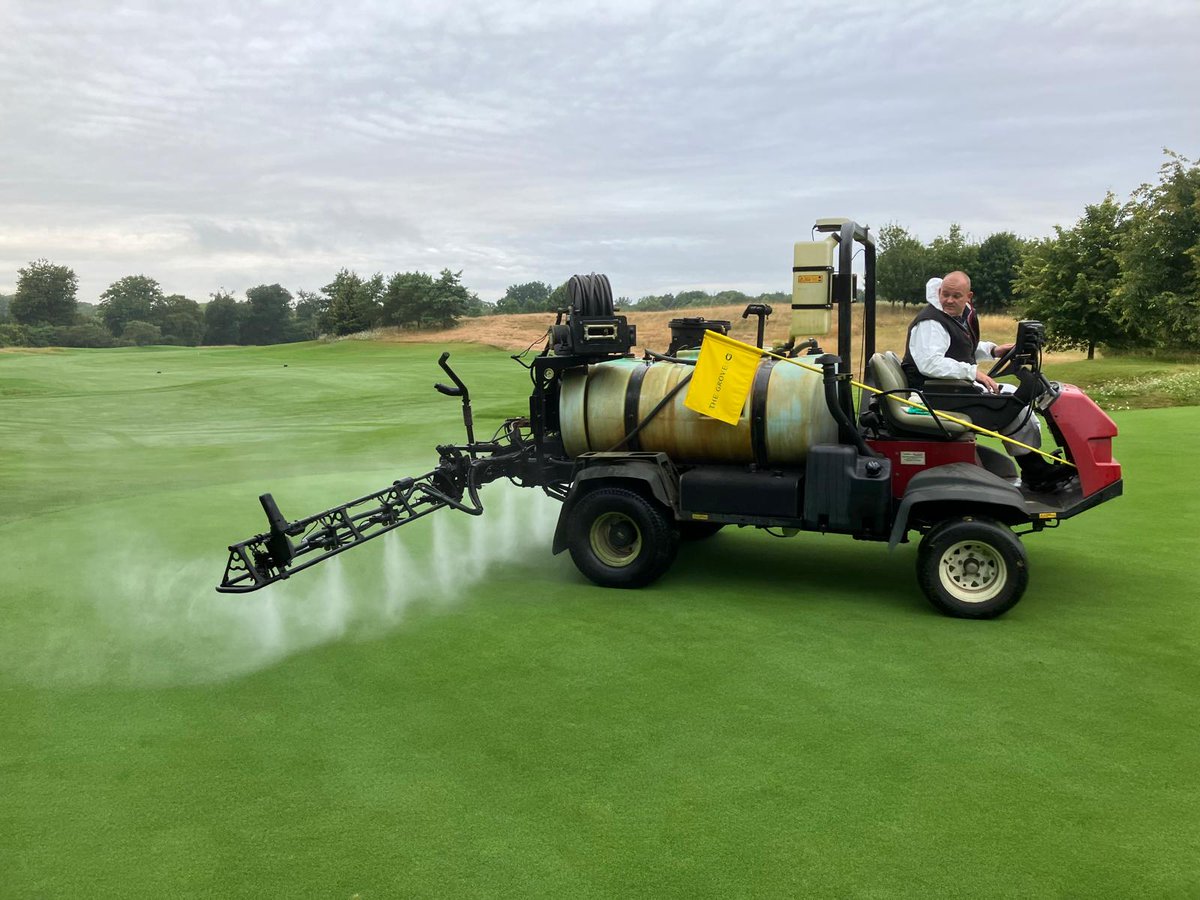
Most nematode failures happen before the product ever hits the soil.
Mixing errors, wrong water temperature, blocked filters, dry soil — any one of these kills efficacy. The label gets blamed. The application method rarely does. In turf, delivery into the thatch and root zone is everything.
Spring and autumn programmes live or die on execution, not the product spec.
Happy to share a practical checklist for course managers and greenkeepers — drop a comment.
#GolfCourseManagement #Greenkeeping #TurfManagement #BiologicalControl #Nematodes #Leatherjackets #ChaferGrubs #SustainableTurf #SoilHealth #Bionema
1
128

A Potential Antagonist – Purpureocillium sp. against Root-Knot Nematode
🦠 A fungal ally against root-knot nematodes.
🔗 ijoear.com/article-details/a…
#biocontrol #rootknotnematode #purpureocillium #plantpathology #biologicalcontrol
18
May 29
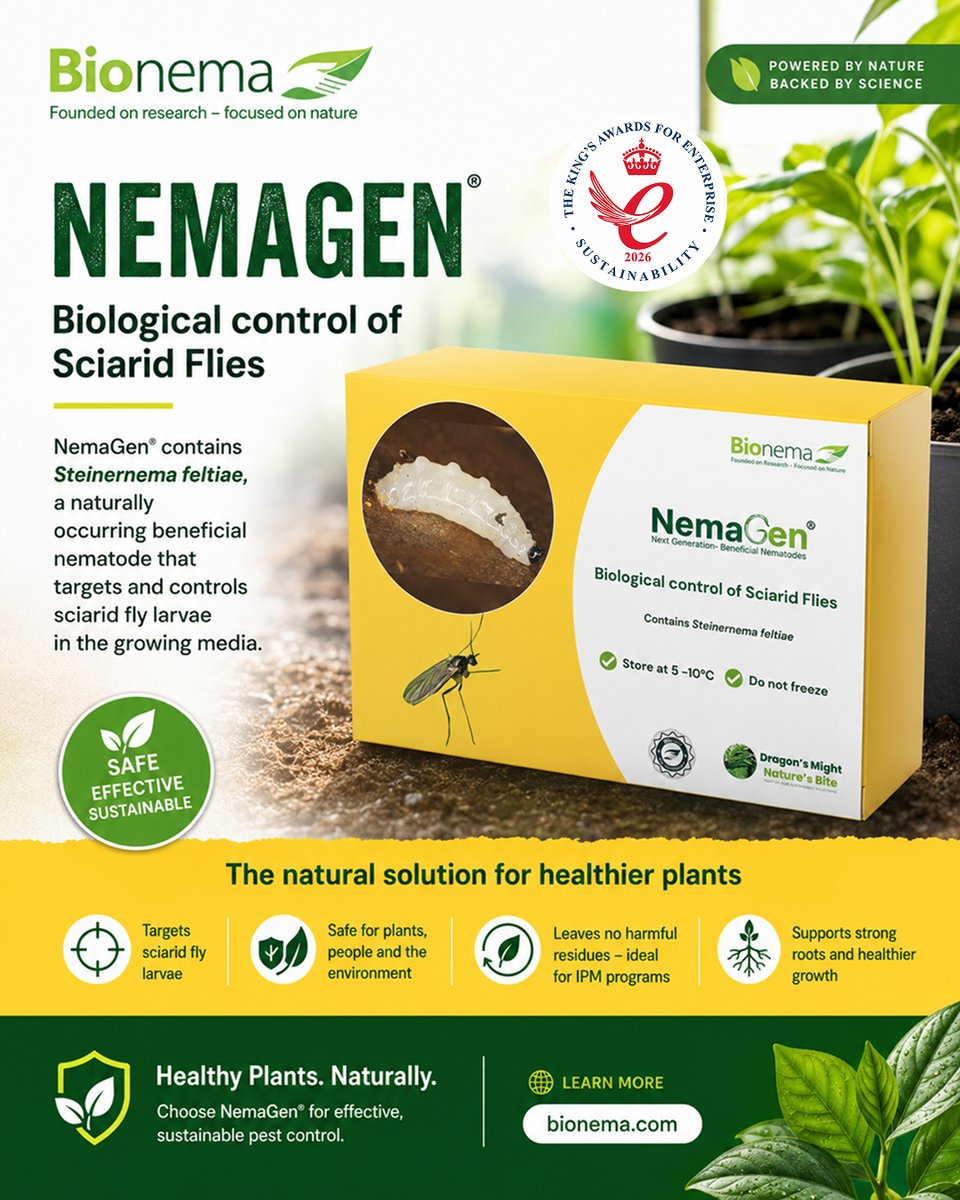
Sciarid fly larvae can damage roots and weaken plant growth, but there’s a sustainable solution. NemaGen® harnesses the power of Steinernema feltiae, a naturally occurring beneficial nematode that targets and controls sciarid fly larvae in growing media.
✅ Effective biological control
✅ Safe for plants, people, and the environment
✅ No harmful residues – ideal for IPM programs
✅ Supports stronger roots and healthier growth
Choose NemaGen® for healthier plants and a greener future. 🌿
#Bionema #NemaGen #BiologicalControl #SciaridFlies #BeneficialNematodes #SustainableAgriculture #IntegratedPestManagement #IPM #PlantHealth #GreenhouseGrowing
1
36
May 26
Protect Your Turf Naturally with NemaGen! 🌱
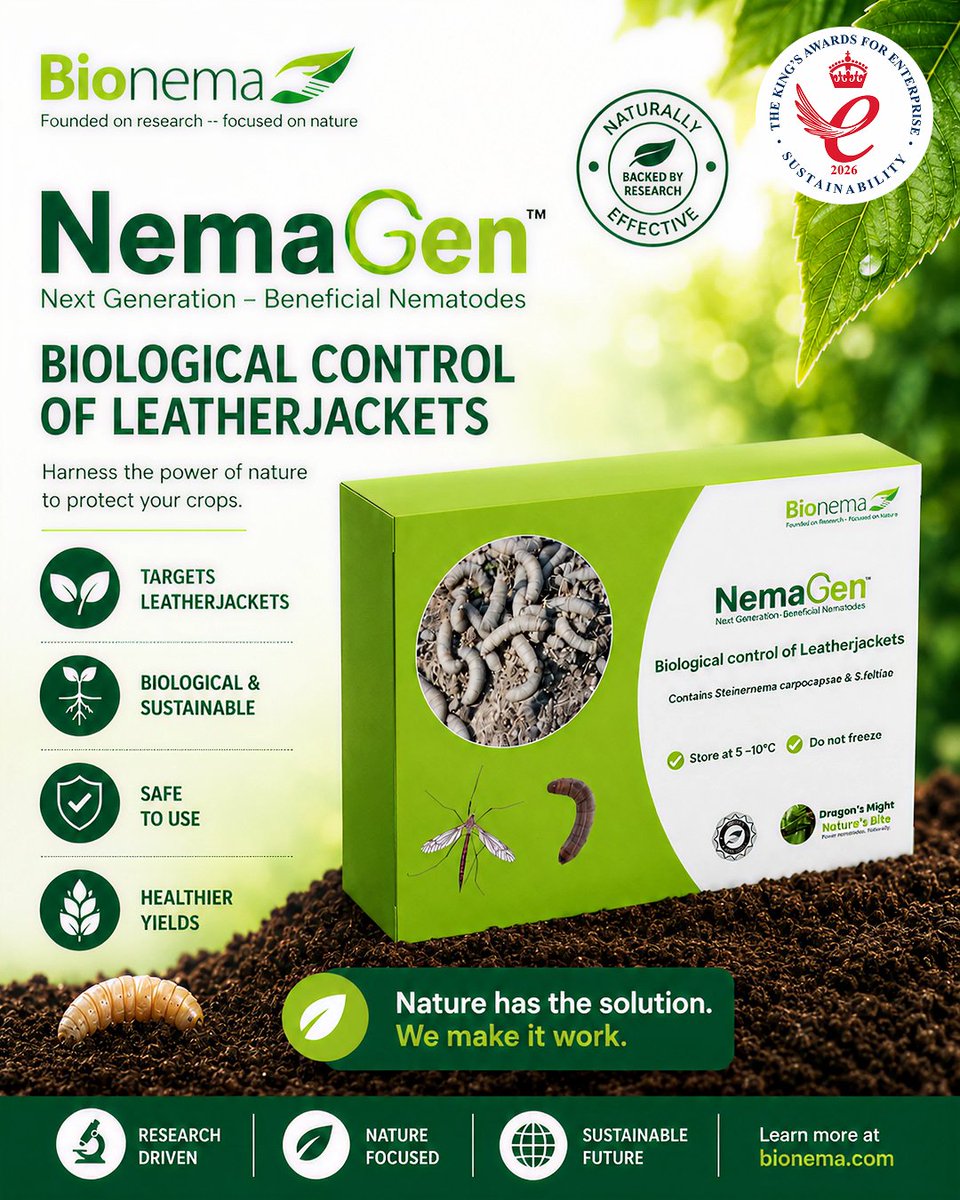
Leatherjackets can cause serious damage to lawns, turf, and crops — but nature already has the solution.
Introducing NemaGen, Bionema’s next-generation beneficial nematodes designed for effective biological control of leatherjackets.
✅ Research-backed & naturally effective
✅ Safe for people, pets & the environment
✅ Sustainable biological control solution
✅ Promotes healthier, greener yields
Harness the power of nature and make pest control smarter, safer, and sustainable. 🍃
#Bionema #NemaGen #BiologicalControl #Leatherjackets #BeneficialNematodes #Biopesticides #SustainableAgriculture #EcoFriendlyFarming #TurfManagement #IntegratedPestManagement #OrganicFarming #GreenSolutions #NatureBasedSolutions #CropProtection #SustainableFuture
2
35

May 26
✨ Special Issue "Important Natural Enemy Insects of Agricultural Pests" is now open for submissions!
Guest Editors: Dr. Yin-Quan Liu and Dr. Zhizhi Wang
🔗To submit at: brnw.ch/21x2OH7
#mdpiinsects
#insects
#naturalenemy
#biologicalcontrol
#massrearing
3
32
May 25
✨ Special Issue "Hymenoptera in Agroecosystems: Functions, Risks, and Management" is now open for submissions!
Guest Editor: Prof. Dr. Bruno Barbosa and Prof. Dr. Guy Smagghe
🔗To submit at: brnw.ch/21x2N7J
#mdpiinsects
#insects
#hymenoptera
#biologicalcontrol
2
53

May 22
Hangzhou's #MosquitoTrap simulates human breathing for mosquito's #BiologicalControl #InsightofHangzhou (By Ye Lijiao)
37