
Jun 7
The rise of "intent-centric" architectures simplifies complex blockchain interactions for users. #Intents #UX #BlockchainDesign
16

Apr 1
Block design plays a key role in how efficiently a network processes transactions
Large blocks increase transmission time and slow down validation across nodes
This reduces overall system performance
#Tectum uses small blocks, approximately 120 bytes, enabling faster propagation and quicker confirmation
This supports consistent performance in high frequency transaction environments
#TCT #BlockchainDesign #Performance #Payments #Technology

3
4
948
Mar 30
Transaction speed is often limited by how data moves across the network
Large blocks take longer to transmit and validate, slowing down confirmation times
This becomes critical in systems handling frequent transactions
@tectumsocial uses small block sizes, approximately 120 bytes, allowing faster propagation and quicker validation
This improves transaction flow in high-frequency environments
#TET #Performance #BlockchainDesign #TransactionSpeed #Payments
3
4
1,082
Mar 25
Block design is a fundamental but often overlooked part of blockchain architecture
Large blocks increase the time required for processing and network propagation
#Tectum uses small blocks, approximately 120 bytes, which allows faster transmission and quicker validation across nodes
This supports stable performance even in high transaction environments
Design at the lowest level impacts system performance at scale
#TET #BlockchainDesign #Performance #Payments #Technology
3
4
928
Mar 24
Speed in financial infrastructure is not only about execution time, but about consistency under load
Many systems perform well at low volume but degrade as transaction demand increases
#Tectum addresses this through small block design, approximately 120 bytes, enabling faster block propagation and more stable performance across the network
This supports environments where transaction flow is continuous rather than periodic
Infrastructure reliability at scale is critical for institutional use cases
#TET #SystemPerformance #BlockchainDesign #Payments #FintechInfrastructure
3
2
7
957

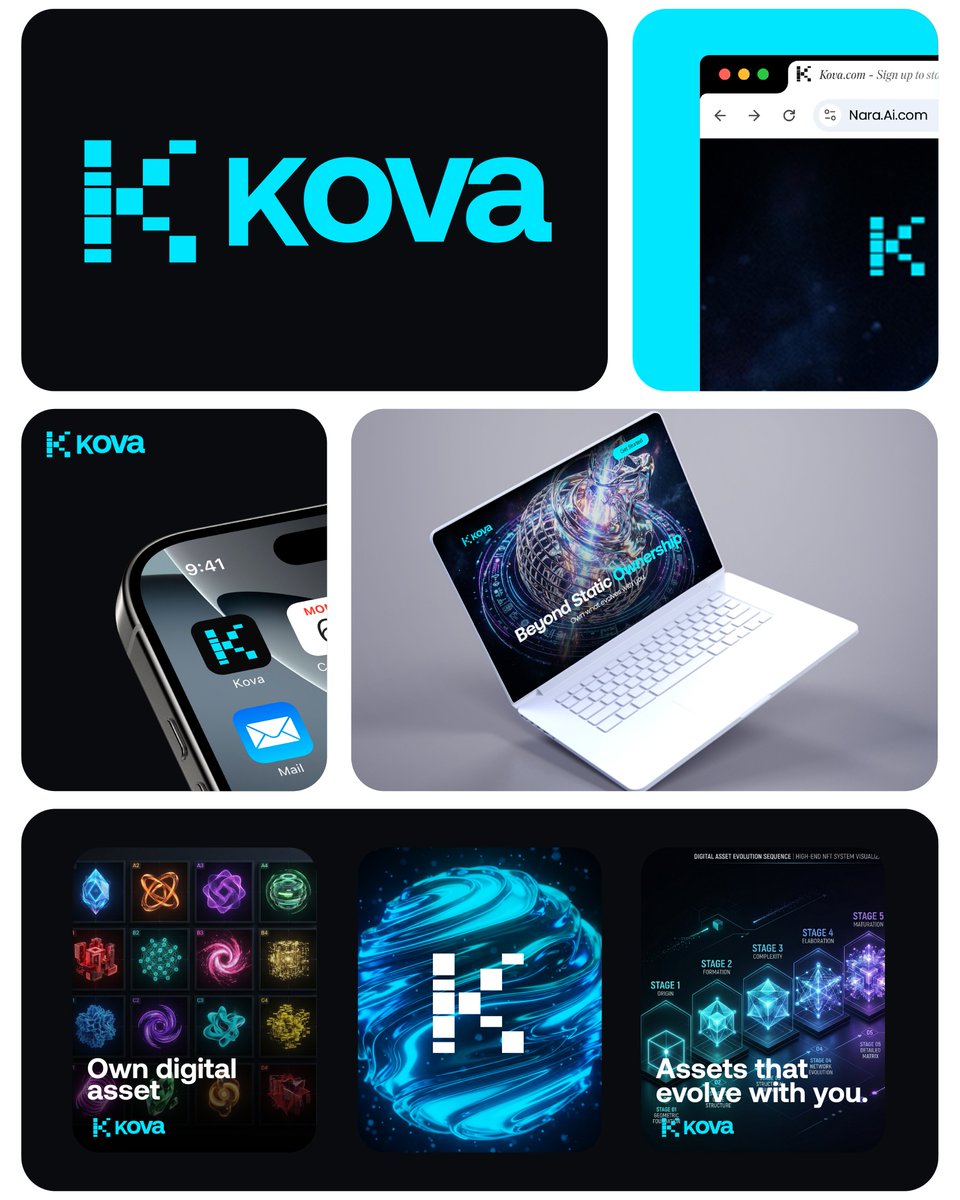
Day 79/100
Logo design for KOVA
KOVA is a concept exploring how digital assets like NFTs should feel not just owned, but understood and able to evolve over time.
It is a system built around clarity, structure, and long-term value in Web3.
I'm open to collaborating with teams building in this direction.
#Web3 #BrandIdentity #DigitalOwnership #NFTUtility #UIDesign #BlockchainDesign #CryptoStartups #Web3Builders



Day 78/100
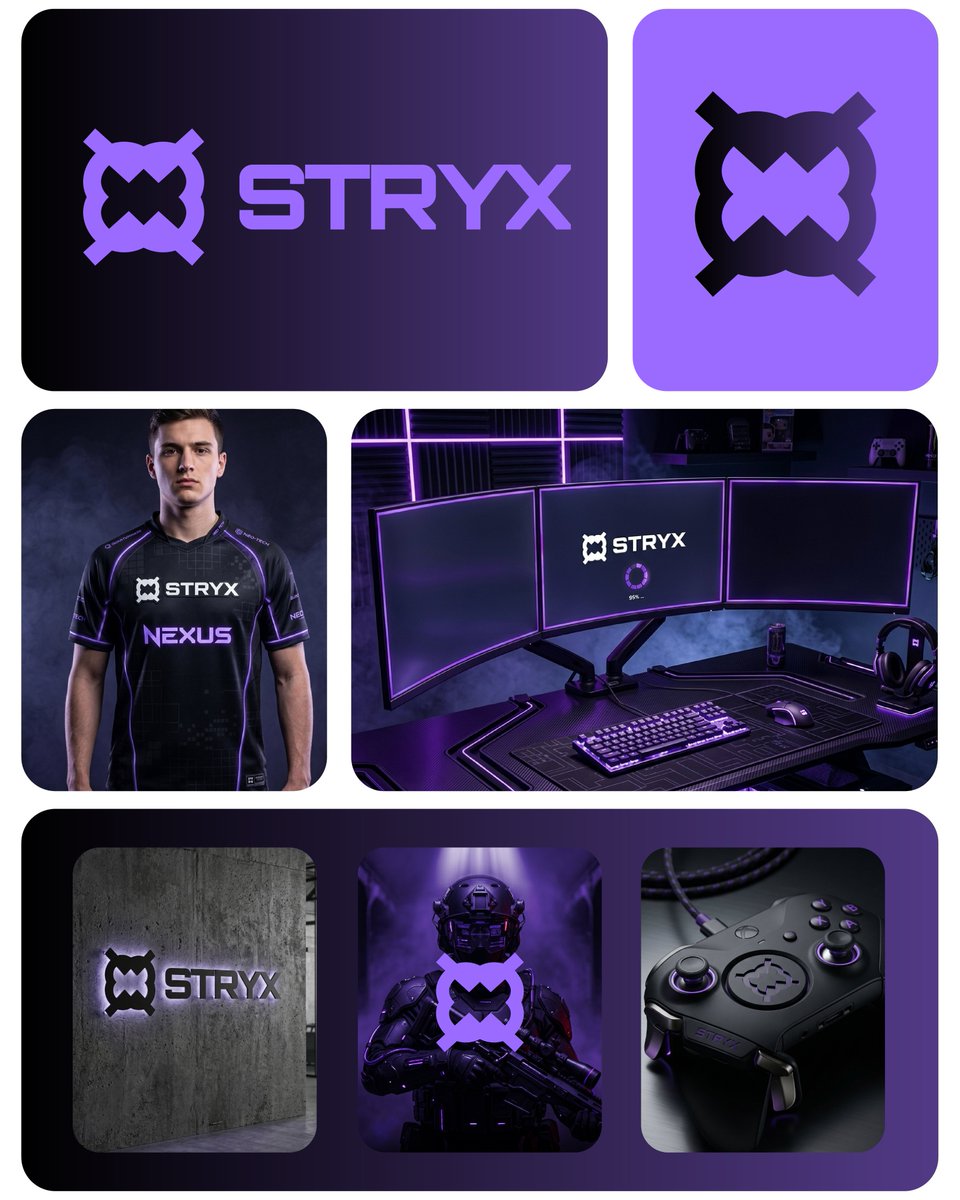
Logo Design for STRYX
STRYX is a competitive esports organization built for players who rely on precision, awareness, and control to dominate high-stakes matches.
Happy Sunday folks.

1
1
7
747
Mar 23
Settlement performance is not only about speed, but also about how efficiently the system processes each transaction
Large block sizes in many networks increase processing time and slow down confirmation
Tectum uses extremely small blocks, approximately 120 bytes, which allows faster block creation and quicker propagation across the network
This design choice directly supports high-frequency transaction environments such as digital payments and microtransactions
Infrastructure performance is often defined by these underlying design decisions
#TET #TransactionProcessing #BlockchainDesign #Payments #Fintech
2
4
922
Mar 16
One constraint often overlooked in blockchain systems is data storage design
Many networks store full transaction data directly on the chain
Over time this increases:
• network load
• storage requirements
• processing latency
@tectumsocial approaches this challenge differently
Instead of storing large volumes of data on chain, the network records cryptographic hash signatures linked to stored data, allowing verification without overloading the ledger
Architectural decisions like this are central to building scalable digital payment infrastructure
#BlockchainDesign #Infrastructure #Tectum
3
3
731

Mar 14
⚡✨
Everyone’s obsessed with TPS 📊
How many transactions per second?
50k? 100k? More?
Bigger number. Louder tweet. More hype 📣
But here’s what that number doesn’t tell you 👇
How consistent is the timing? ⏱️
Because there’s a massive difference between
“We process 100k TPS”
and
“Every transaction settles in exactly 200ms. Every time.”
One is a benchmark flex 💪
The other is actually useful.
Think about automated trading 📈
A system fires a transaction.
Needs it settled in a predictable window.
Makes the next decision based on that result.
If settlement time varies wildly?
200ms this time.
800ms next time.
50ms after that.
The whole decision chain breaks 🔗
The system can’t sequence properly.
Can’t coordinate with other protocols.
Can’t trust its own outputs.
Same problem for AI agents 🤖
Same problem for coordination protocols 🔄
Same problem for anything that needs
one thing to reliably happen before the next thing starts.
Latency consistency is the variable crypto forgot to optimize 😶
TPS tells you how much the chain can handle.
Latency consistency tells you
whether you can actually build reliable systems on top of it.
Very different questions.
Very different answers.
And the crypto community?
Still mostly asking the wrong one 👀
Seismic optimizing for this
means they’re playing a game
most chains don’t even know is being played 🎮
While everyone races to bigger TPS numbers
on the same benchmark sheet…
Seismic might be quietly solving
the variable that actually matters
for the next generation of on-chain systems 💅✨
💬 @SeismicSys
#Seismic #Latency #Web3Infrastructure #TPS #Determinism #AutomatedTrading #AIAgents #BlockchainDesign #CryptoGirl #BuildDifferent #LongGame #ConsistencyWins

3
12
121
Mar 12
🔄✨Be honest for a second 😌
Most of what happens on chain right now?
It’s speculation.
Trading.
Farming.
Flipping.
Aping into whatever’s trending this week 🐒
And chains were built for exactly that.
Fast execution for fast money.
High throughput for high volume.
Optimized for people trying to get rich quick 📈
Nothing wrong with that era.
It got us here.
But Seismic is betting on what comes next 🎲
A world where chains aren’t just casinos 🎰
A world where blockspace becomes
coordination infrastructure.
What does that mean exactly? 🤔
Automation protocols that run themselves 🤖
AI agents that execute decisions on-chain 🧠
Financial systems that settle without humans in the loop 💰
Multi-step workflows that need every step to behave predictably
None of these are here to speculate.
They’re here to coordinate.
To get things done.
Reliably.
At scale.
Without surprises.
And speculation infrastructure
was never built for that 🏚️
The unpredictability that traders work around?
Automation cannot work around it.
AI agents cannot work around it.
Financial systems definitely cannot work around it.
They need the foundation to be solid 🧱
Seismic is building for a version of Web3
that most people haven’t fully imagined yet 🌅
Not a faster casino.
A reliable coordination layer
for systems that actually need to trust the chain
with real work 💅
That shift is coming.
Slowly.
Then all at once.
And the infrastructure that’s ready for it?
Already being built 🏗️✨
💬 Hashtags
#Seismic #CoordinationInfrastructure #Web3Future #AIAgents #Automation #BeyondSpeculation #BlockchainDesign #CryptoGirl #Determinism #BuildDifferent #LongGame

1
8
107
Why Predictability Might Be the Missing Primitive in Web3 Infrastructure
🧩✨Crypto has been obsessed with two things for years 👇
Throughput.
Composability.
Go fast.
Connect everything.
Ship it.
And honestly? That era was necessary 🌱
But something got left behind.
Predictability.
Like nobody really asked…
“Does it behave the same way every time?” 🤔
Weird right?
We built entire financial systems on chains
where execution outcomes can shift depending on
congestion, ordering, timing, and a hundred other things 😵💫
Imagine building a skyscraper
where the foundation behaves slightly differently
every morning ☁️
You’d never do that.
But somehow in crypto we just… accepted it.
That’s the gap Seismic is walking into 🚶♀️
If they can build an environment
where execution behavior is actually predictable
not just fast, not just composable
but reliable…
That becomes something new entirely 🪄
A primitive.
Not a feature.
Not a selling point.
A foundational building block that others build on top of.
Automation protocols need it 🤖
Financial infra needs it 💰
AI agents especially need it 🧠
Because you cannot build intelligent systems
on top of unpredictable foundations.
That’s like training for a marathon
on a track that randomly changes length each lap 🏃♀️
Pointless.
If Seismic pulls this off
they’re not just another L1 competing on speed.
They’re introducing a missing primitive
that Web3 quietly needed all along 💅
And that?
That’s the kind of thing that actually matters 🏗️✨
💬 @SeismicSys
#Seismic #Web3Infrastructure #Predictability #MissingPrimitive #AIAgents #DeFi #Automation #BlockchainDesign #CryptoGirl #BuildDifferent #Determinism #LongGame

4
10
140

4
26

Feb 24
A launch isn’t hype.
It’s architecture behind the scenes.
We focus on the unseen.
TG: t.me/piratehoodchat
Website: piratehoodprotocol.com
Website: swap.piratehood.com
CA: FNucbEyZg9pqHLpdLsWt4FEU9UkkkSKtcWX511t9pump
#LaunchArchitecture #BehindTheScenes #UnseenInnovation #PirateHoodProtocol #CryptoCommunity #BlockchainDesign #TechLaunch #DigitalArchitecture #InnovateWithUs #JoinTheRevolution

6
6
8
43

Feb 17
Web3 projects don’t fail because of tech — they fail because of weak branding.
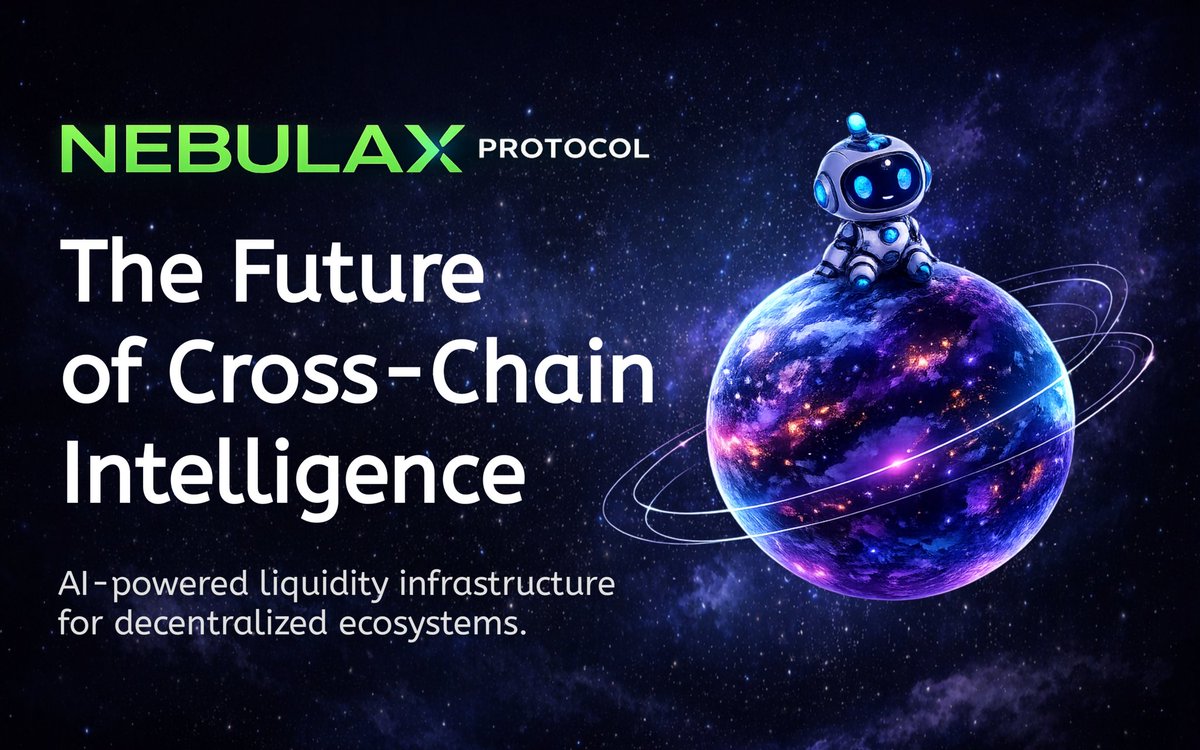
Here’s a hero design for NebulaX Protocol.
Open for Web3 branding & visual design collaborations.
#Web3Design #CryptoBranding #NFTDesign #DeFiDesign #BlockchainDesign #Web3Art #VisualBranding
1
3
130
Feb 15
Web3 projects don’t fail because of tech.
They fail from weak branding.
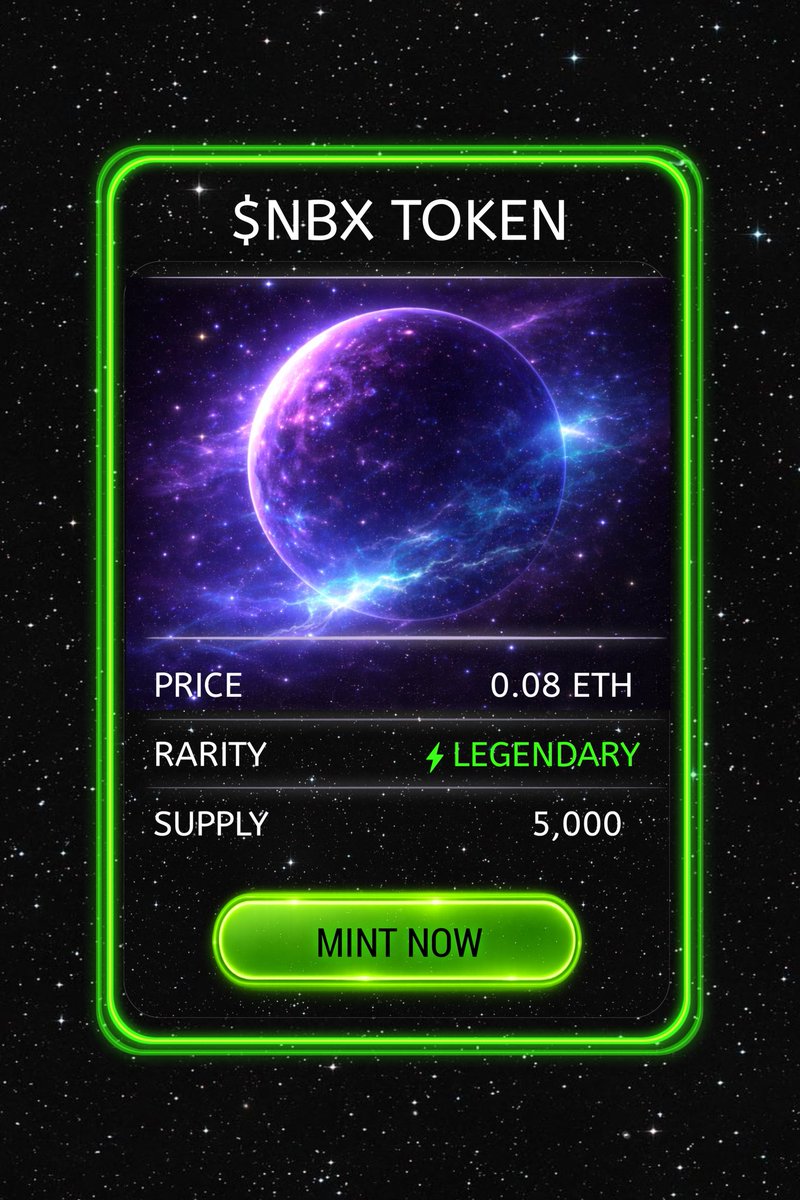
I design Web3 visuals that build trust & hype.
Open to collaborations. DMs open.
#Web3Design #CryptoBranding #NFTDesign #Web3Designer #BlockchainDesign #OpenToWork
1
3
47

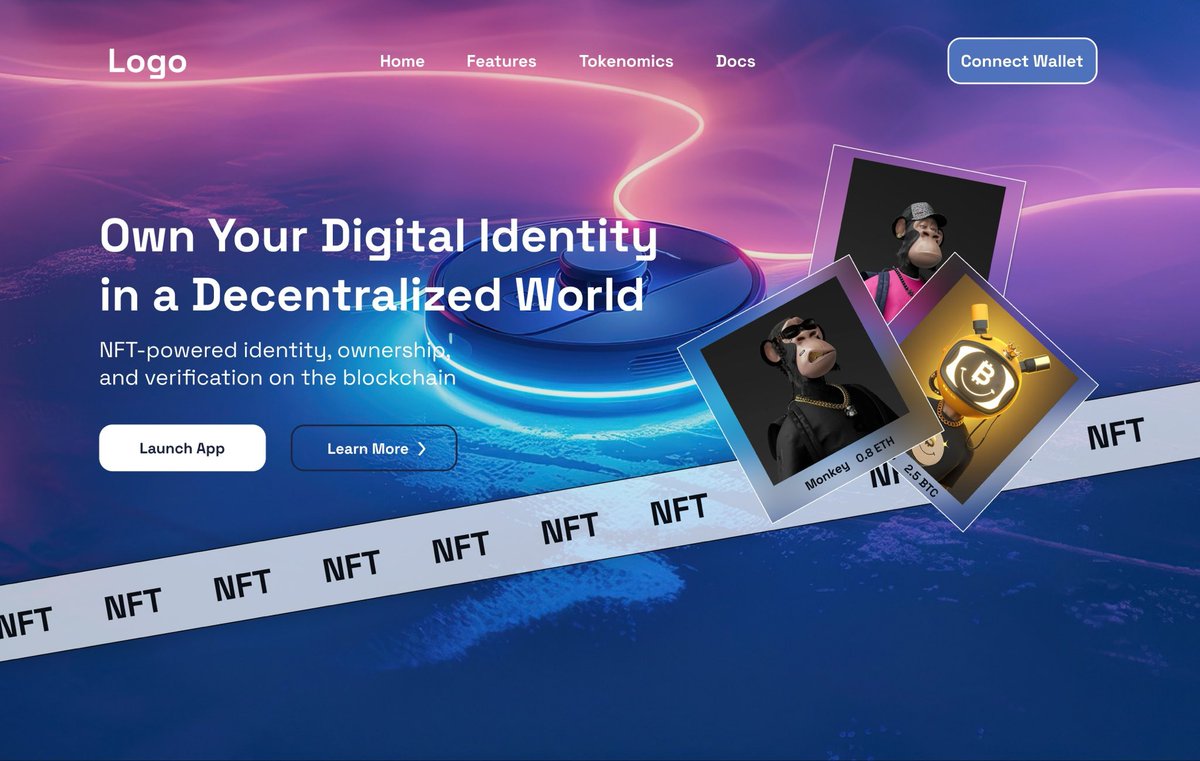
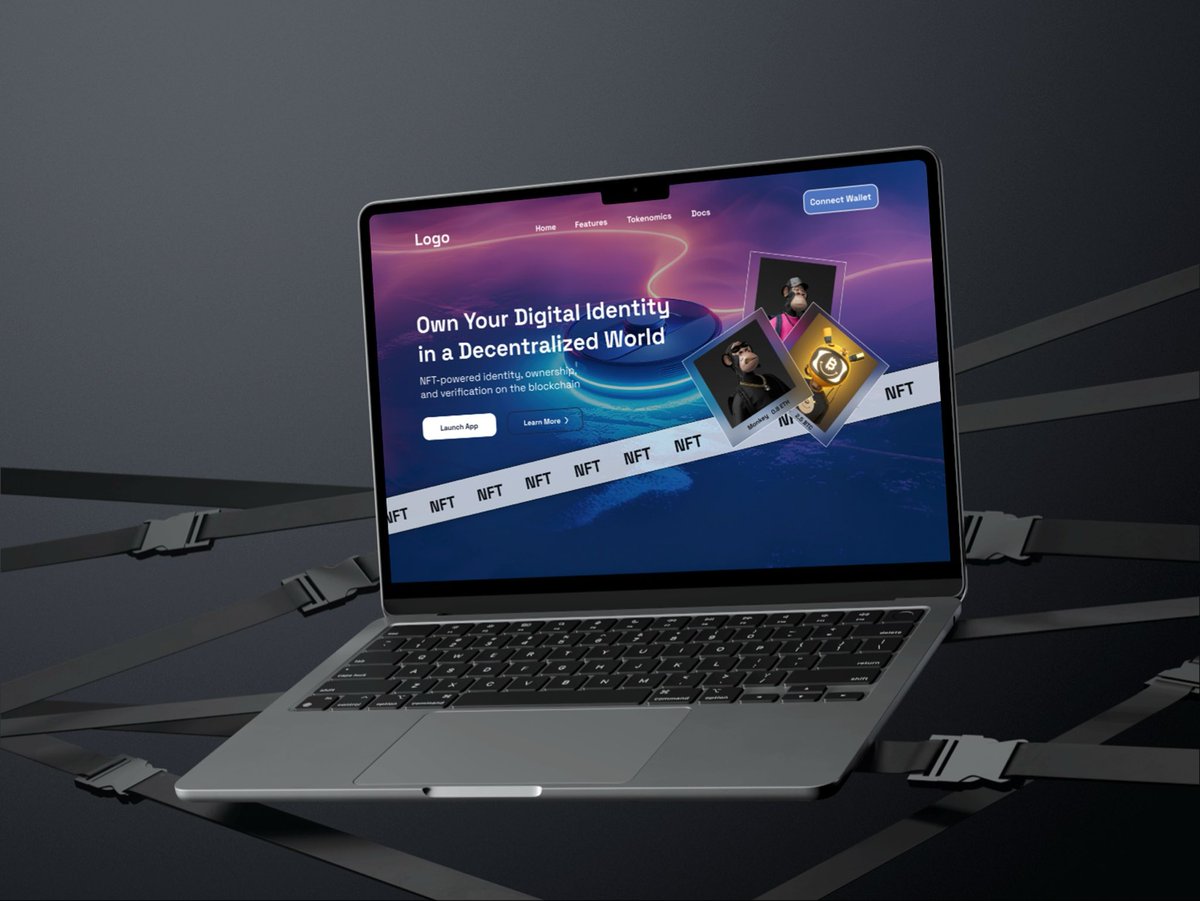
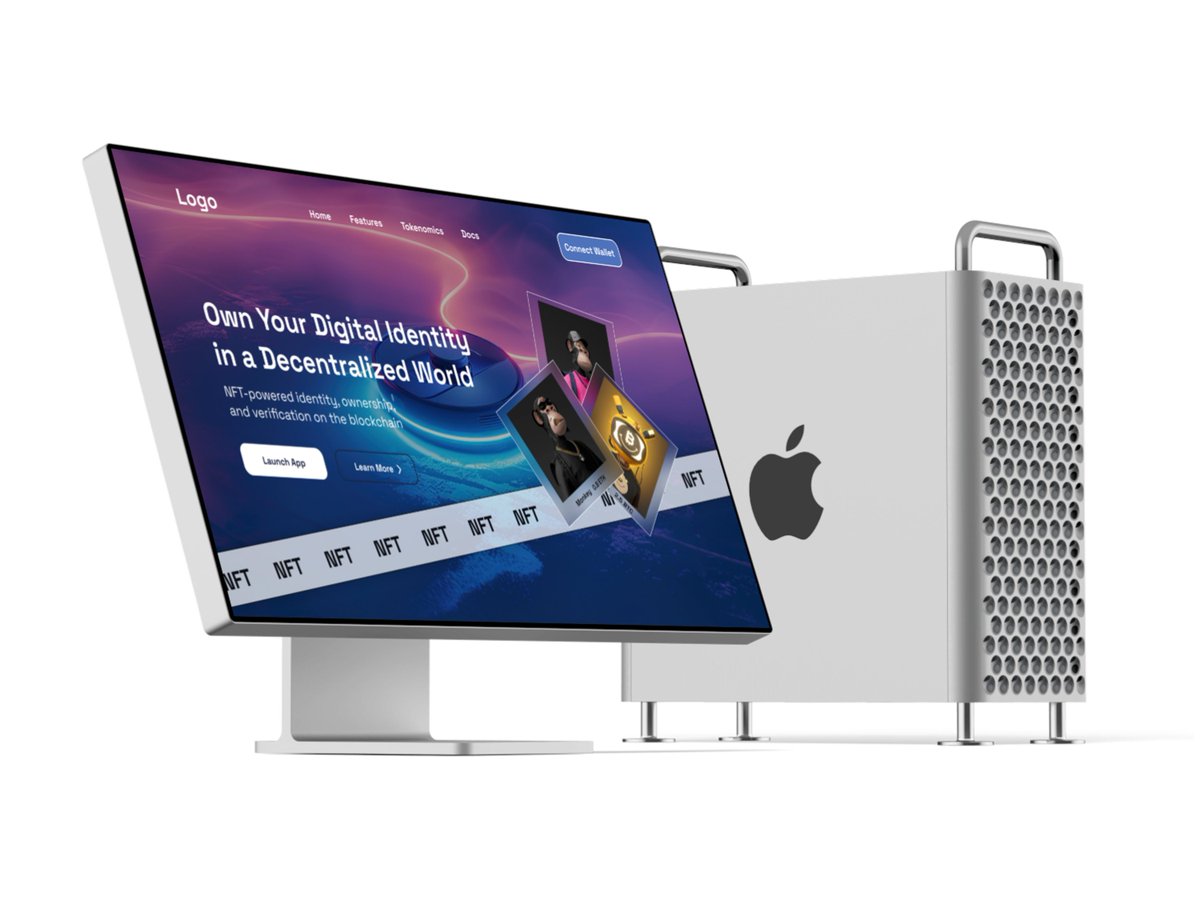
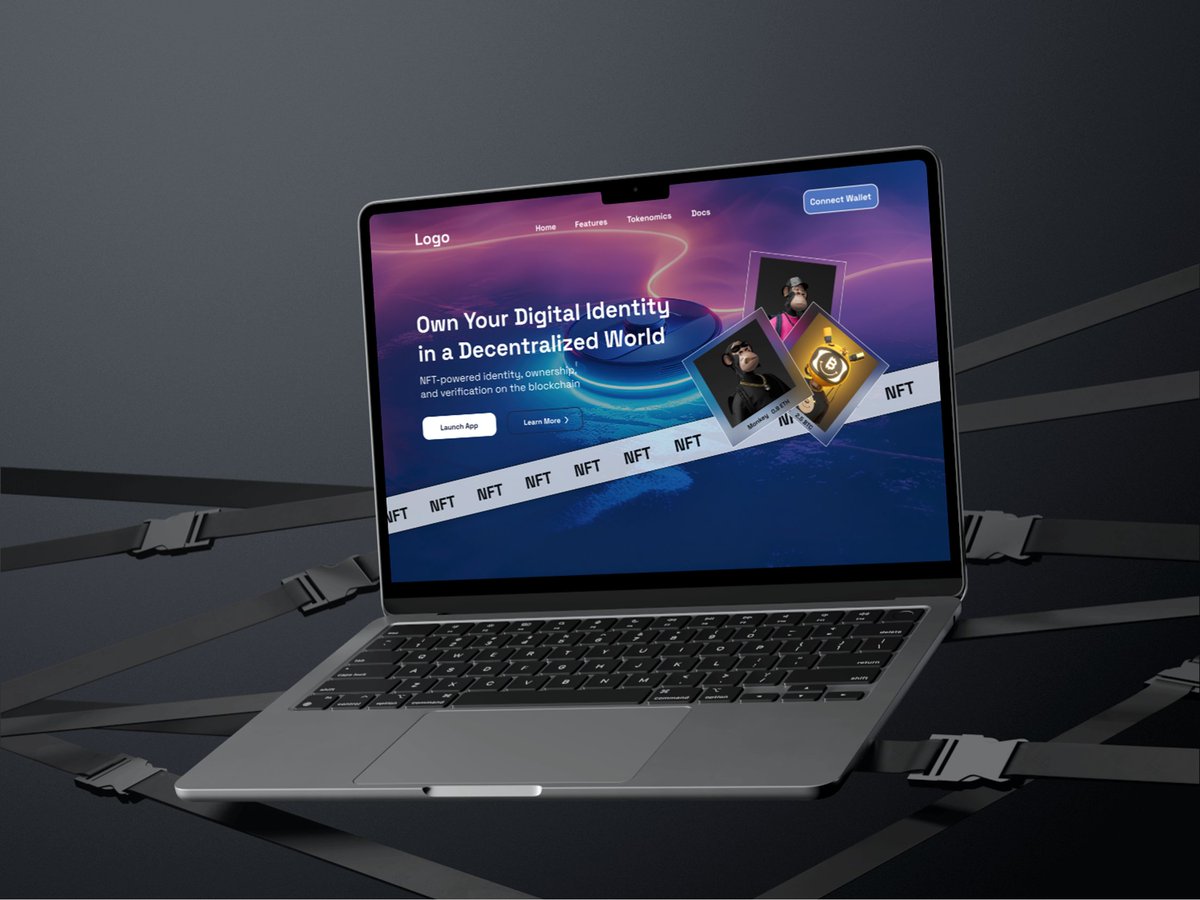
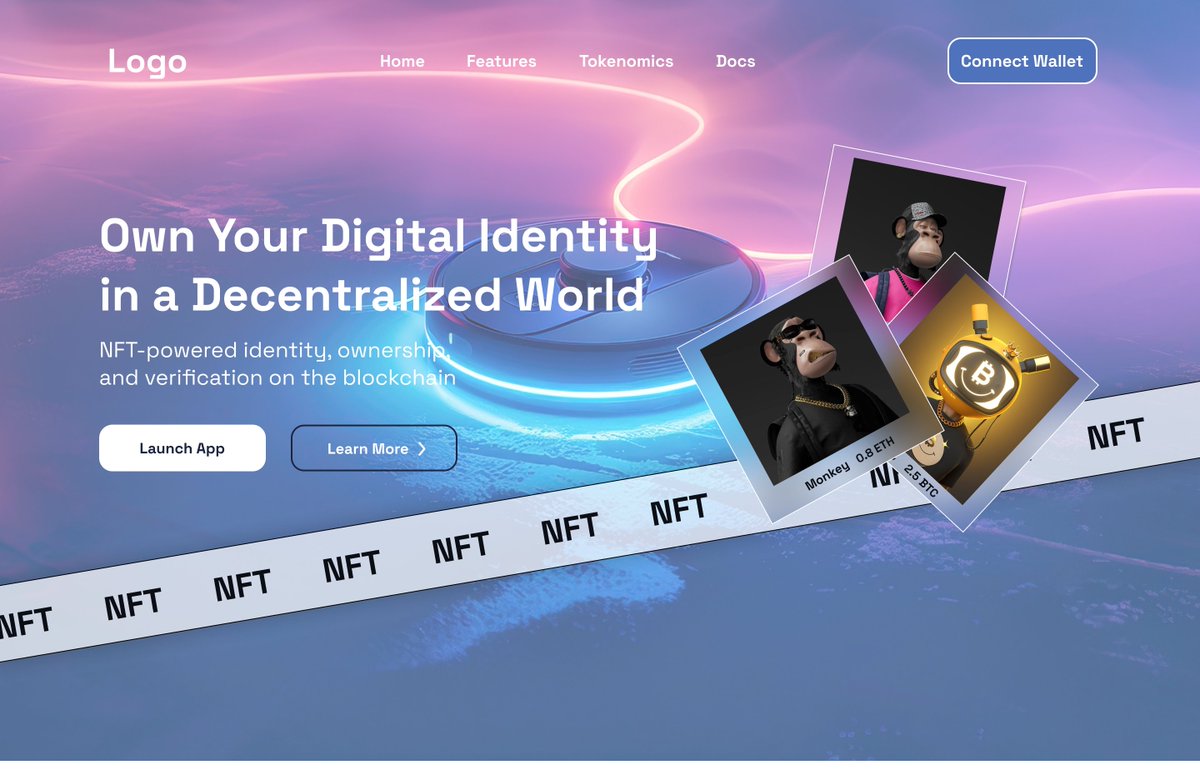
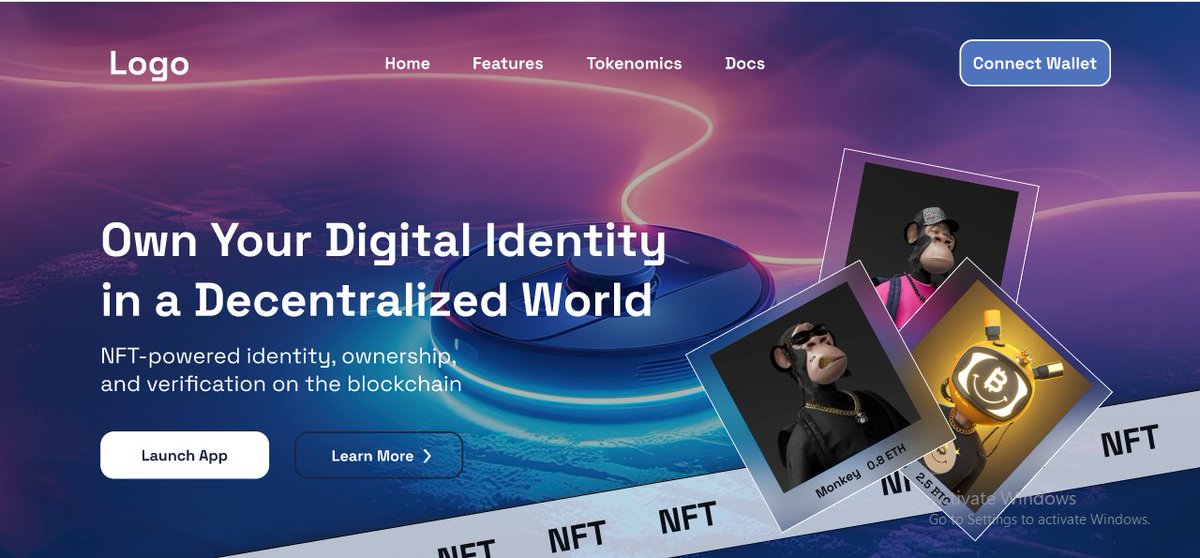
Exploring web3 UI with this NFT-powered hero section. Strong typography, Futuristic gradient, Immersive visuals. Designing the future of digital identity. #Web3 #NFTCommunity #NFTs #NFT #BlockchainDesign #UIDesign #UXDesign #WebDesign #UIUX #ProductDesign
4
63
Exploring Web3 UI with this NFT-powered hero section.
Strong typography. Futuristic gradients. Immersive visuals.
Designing the future of digital identity. #Web3 #NFT #BlockchainDesign #UIDesign #UXDesign #WebDesign #LandingPage #CryptoUI #ProductDesign #Figma #FrontendDev #UIUX
2
2
9
302

Light mode is for the morning hustle, but Dark Mode is for the midnight moves. 🌑✨ Choosing the side that’s easy on the eyes and heavy on the vibes
Showing it to y'all
#CryptoUI
#Web3Design
#DApp
#BlockchainDesign
#FintechUI
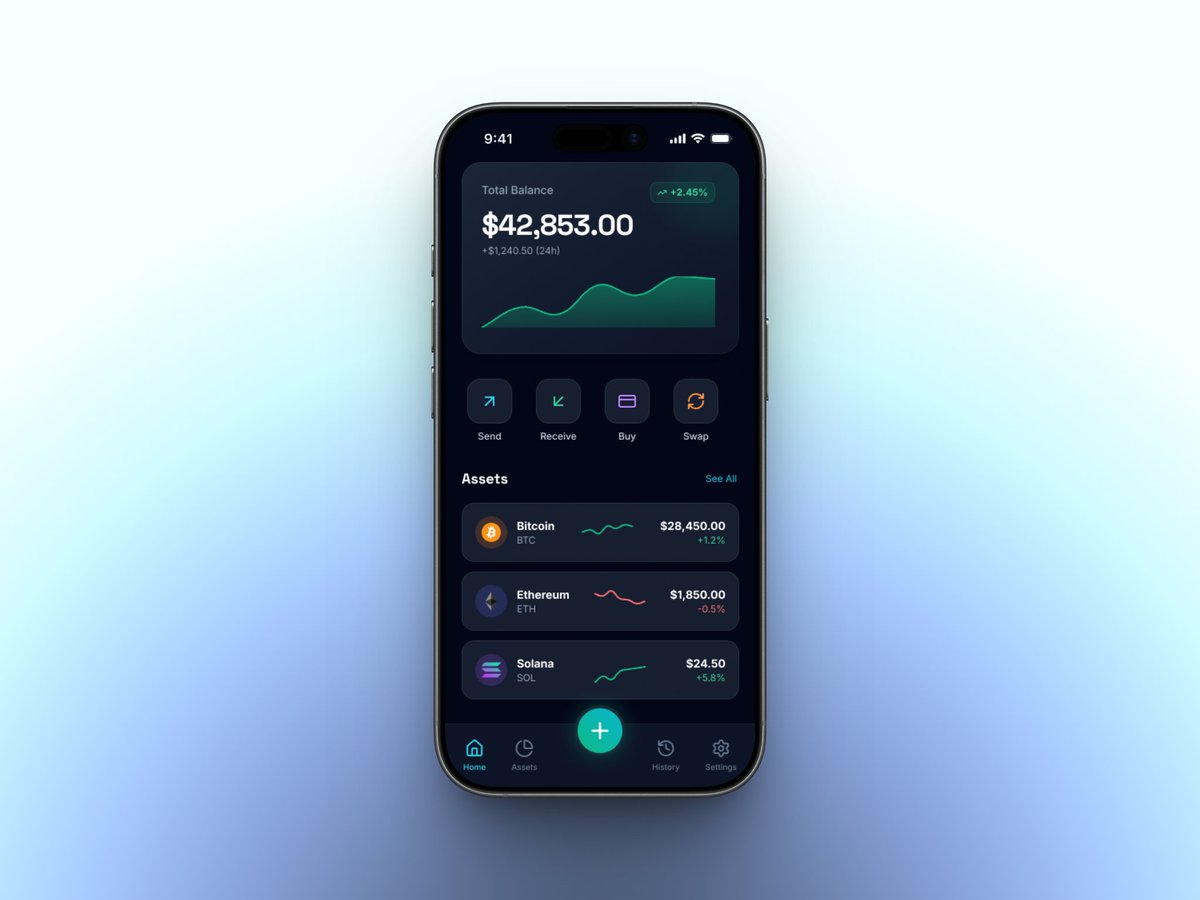
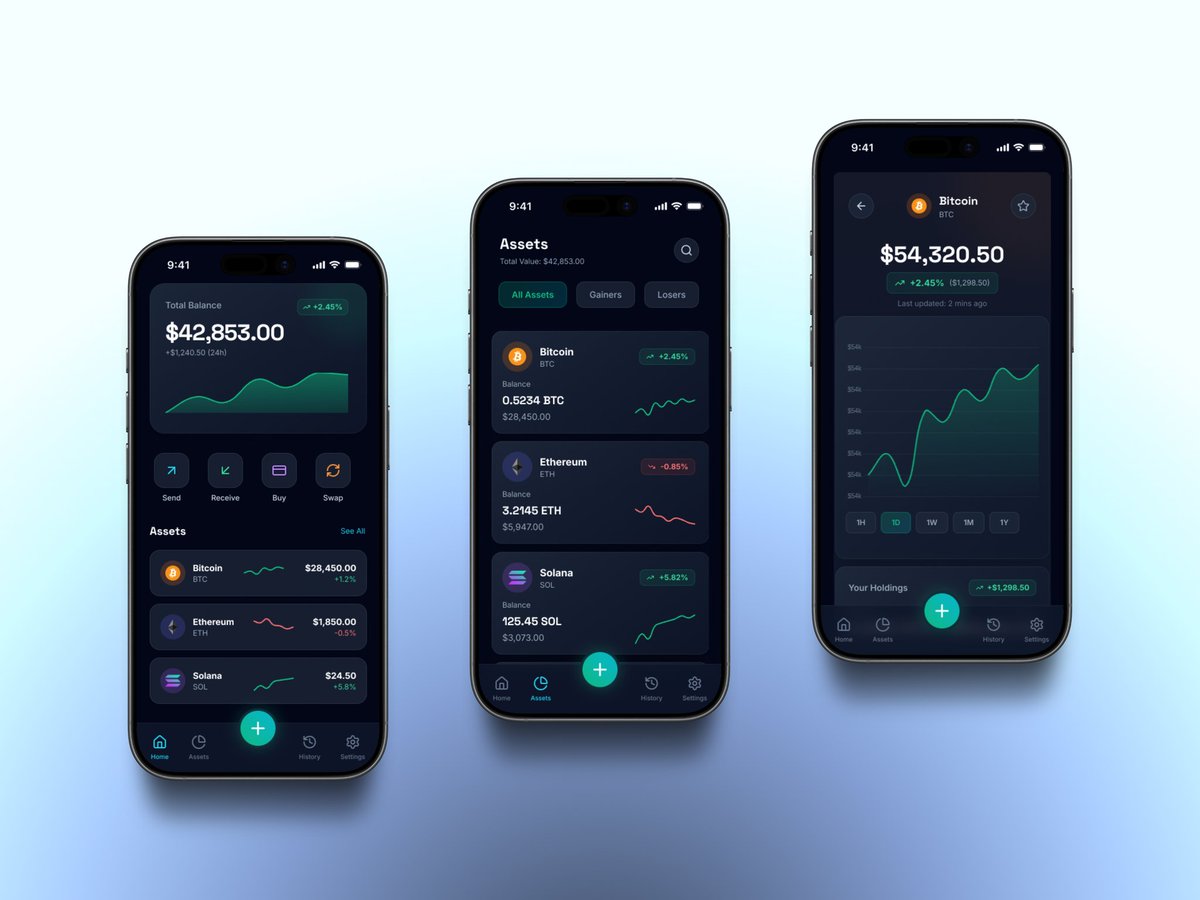
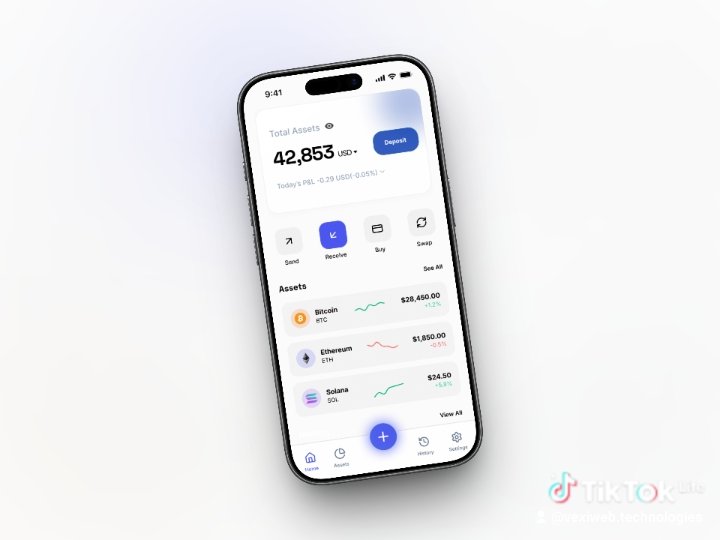
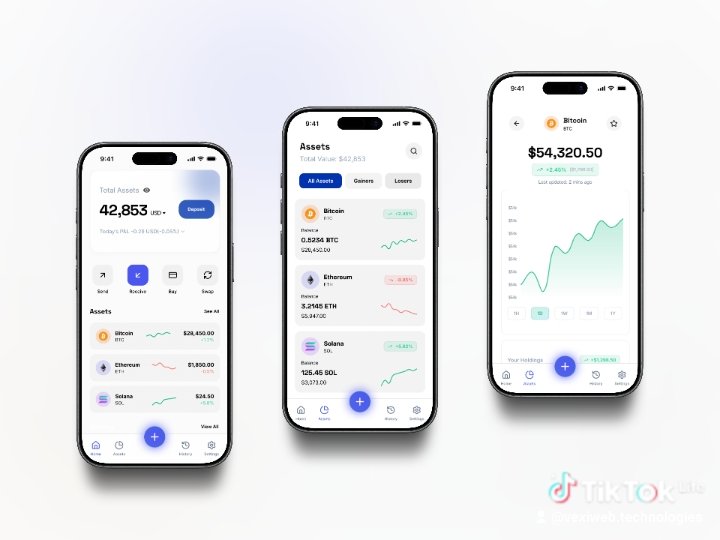

What best way to start your day than by posting your work to the community.
Building in Public is the fastest way to learn and grow ⚡

2
1
6
129

Jan 30
📘 Product Research – Rialo (Day 4)
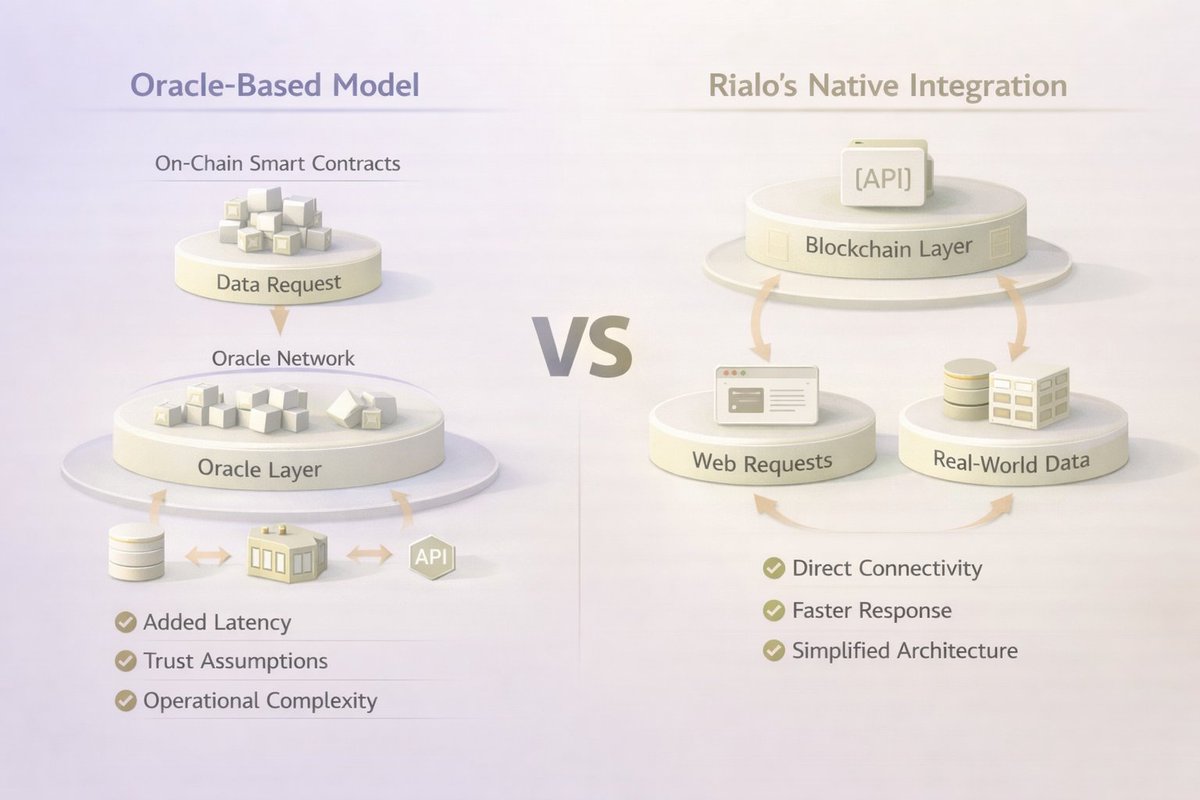
Native real-world connectivity vs oracle-based designs
Most existing blockchains integrate real-world data through external oracle networks.
The standard architecture typically looks like:
on-chain smart contracts
→ request data
→ oracle nodes fetch off-chain sources
→ results are posted back on-chain
This model provides flexibility, but introduces several structural trade-offs:
✅additional latency
✅extra trust assumptions
✅ fragmented developer experience
✅ higher operational complexity
Oracle systems effectively function as a parallel infrastructure layer.
Rialo’s design appears to remove this separation by embedding real-world connectivity directly into the execution environment.
Instead of external data relayers, the blockchain itself handles:
✅web requests
✅event monitoring
✅execution triggers
This shifts off-chain interaction from a service layer into the protocol layer.
Potential advantages include:
✅ lower integration friction
✅ faster reaction to real-world events
✅ simpler application architecture
However, this also concentrates responsibility inside the core chain:
✅ increased protocol complexity
✅ larger attack surface
✅ tighter coupling between execution and data sources
Day 4 frames the core trade-off:
Oracle-based systems prioritize modularity and isolation.
Rialo prioritizes native integration and simplicity at the application layer.
Whether this trade-off improves scalability and security remains an open architectural question.
#Web3Research #BlockchainDesign #Rialo #OracleArchitecture #Layer1 #OnChainSystems
@RialoHQ
@khant1506 @Richardx122 @aqccapital
Jan 29

📘 Product Research – Rialo (Day 3)
After identifying the problem Rialo is targeting in Day 2, the next step is to examine how they approach the solution at the architectural level.
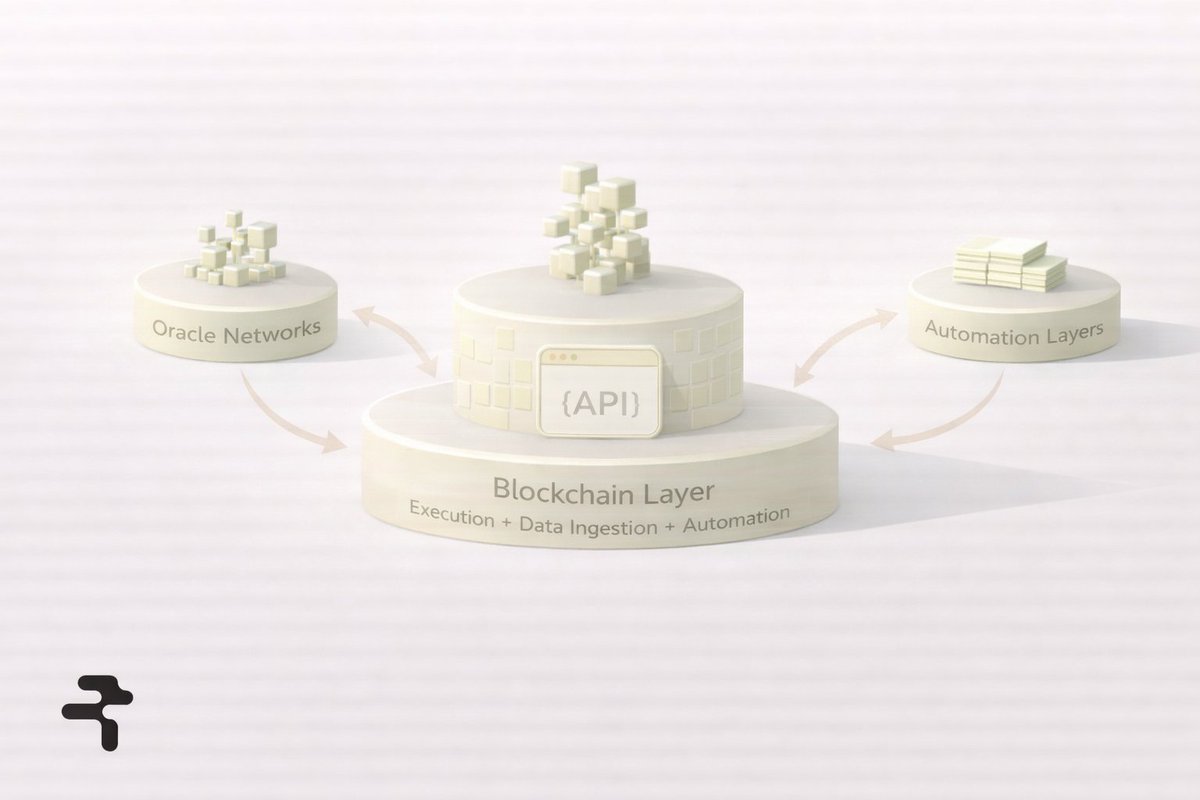
Most of today’s Web3 ecosystem handles real-world data through:
✅oracle networks
✅automation layers
✅off-chain computation services
This introduces latency, added trust assumptions, and significant system complexity.
Rialo takes a different approach by integrating these capabilities directly into the blockchain layer.
Instead of “plugging in” off-chain connectivity, they design the chain to natively support:
✅direct web API calls
✅ real-time event handling
✅contract execution triggered by external data
Architecturally, this is an attempt to unify:
execution data ingestion automation within a single system.
Day 3 focuses on evaluating whether this approach genuinely reduces system complexity, or simply shifts it from middleware into the core blockchain layer.
#Web3Research #BlockchainArchitecture #Rialo #Layer1 #OnChainSystems
@RialoHQ
@khant1506 @Richardx122 @aqccapital
6
14
630

Jan 26
also me : #crypto #cryptodesign #web3 #web3design #blockchaindesign #nft #nftdesign #nftartist #defi #defidesign #cryptobranding #web3branding #branddesign #brandidentity #logodesign #graphicdesign #uiux #uiuxdesign #uidesign #uxdesign #productdesign #visualdesign #digitaldesign #motiondesign #designstudio #creativeagency #startupdesign #saasdesign #fintech #fintechdesign #cryptoart #web3art #nftcommunity #cryptocommunity #web3community #mrlcreation
1
12,361