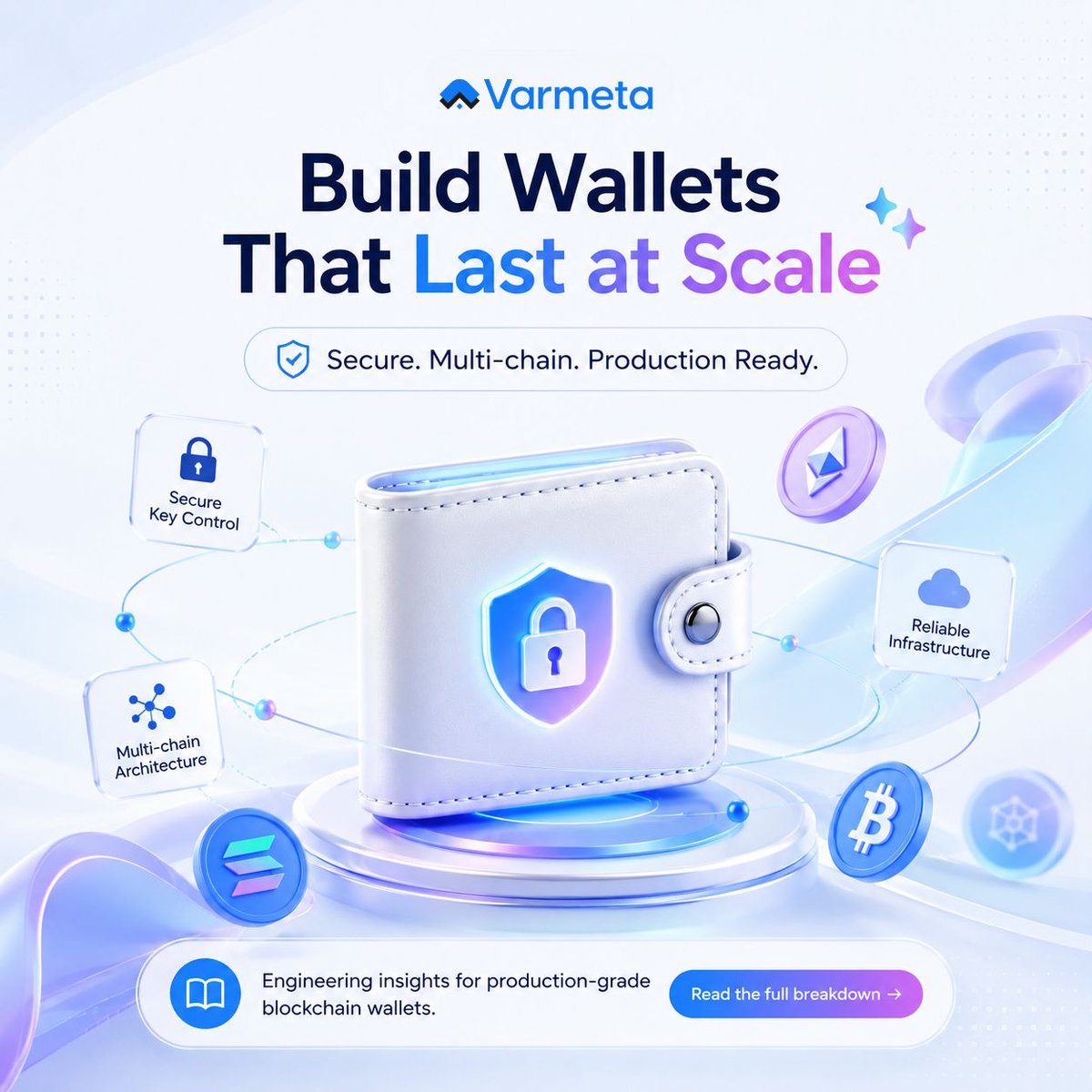
🚨 Most blockchain wallets aren't built to survive production scale
Many teams still approach wallet development as a front-end feature. In reality, a blockchain wallet is one of the most security-critical components in any Web3 ecosystem.
A production-grade wallet must solve far more than user onboarding and asset display. Every architectural decision directly impacts security, scalability, operational reliability, and user trust.
If you're building a blockchain wallet, there are three foundational layers that cannot be ignored:
🔐 Security architecture and key management: The wallet doesn't store assets. It controls the private keys that grant access to them. Whether you're building a custodial, non-custodial, or hybrid solution, secure key generation, local transaction signing, hardware-backed encryption, and recovery mechanisms must be carefully designed. Weak key management remains one of the fastest ways to compromise an entire wallet ecosystem.
🌐 Multi-chain architecture: Supporting multiple blockchains is far more complex than connecting additional RPC endpoints. EVM and non-EVM networks rely on different transaction structures, fee models, signing methods, and replay protection mechanisms. Scalable wallet architecture requires a clear separation between wallet core logic and chain-specific network adapters.
⚙️ Infrastructure reliability: Even non-custodial wallets depend heavily on backend services. RPC outages, indexing delays, failed transaction broadcasts, or inaccurate balance displays can quickly erode user confidence. Production deployments require resilient infrastructure, automated failover mechanisms, monitoring systems, and incident response planning.
🛠️ Real-world implementation: Orbit digital wallet
At Varmeta, we developed Orbit Digital Wallet as a production-grade non-custodial, multi-chain wallet platform. By combining client-side key management, modular network abstraction, resilient indexing infrastructure, and secure transaction signing, Orbit demonstrates how security, performance, and multi-chain scalability can coexist within a unified architecture.
The biggest mistake in wallet development isn't poor UI. It's underestimating the engineering complexity behind secure key control, multi-chain interoperability, and operational resilience.
👉 Read the full engineering breakdown:
#BlockchainWallet #Web3Infrastructure #CryptoSecurity #MultiChain #FinTech #Web3Development #Varmeta
41
🚀 #XidraCloudService
Building the foundation for a trusted digital economy.
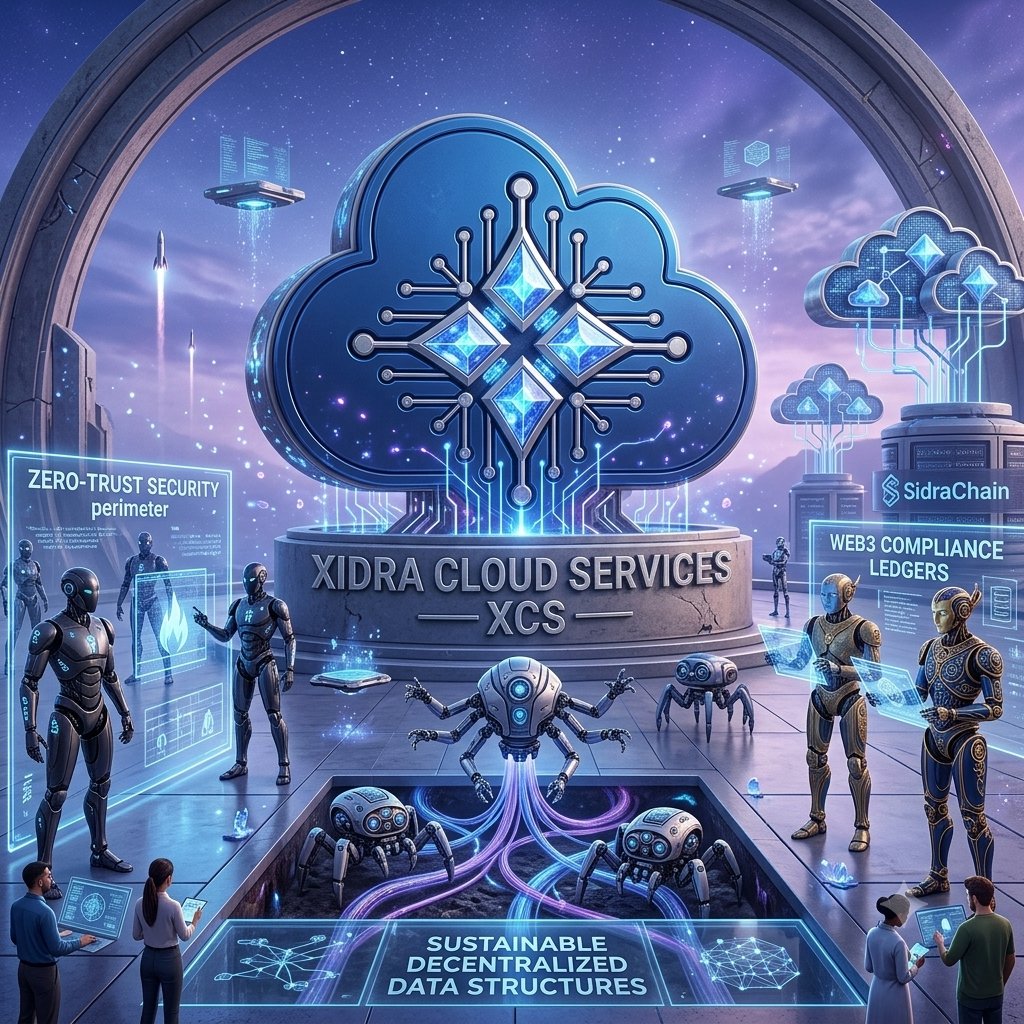
Xidra Cloud Service powers the SidraChain ecosystem with secure, resilient, and ethical infrastructure designed for the future of Web3.
🔐 Trust Through Security
Zero-Trust architecture, end-to-end encryption, and intelligent monitoring protect every digital interaction.
🌍 Resilience Without Limits
A distributed multi-cloud network ensures continuous performance, reliability, and scalability.
🔄 Connecting Web2 and Web3
Simple integrations and powerful APIs make decentralized technologies easier to adopt and deploy.
📈 Designed for Ethical Markets
Supporting compliant, transparent, and value-driven financial ecosystems from the ground up.
Core Principles
• Security First
• Ethical Infrastructure
• Distributed Reliability
• Scalable Innovation
• Trusted Web3 Governance
#DecentralizedCloud
#XidraCloud #CloudReimagined #Web3Infrastructure #SecureDataFuture
2
5
94

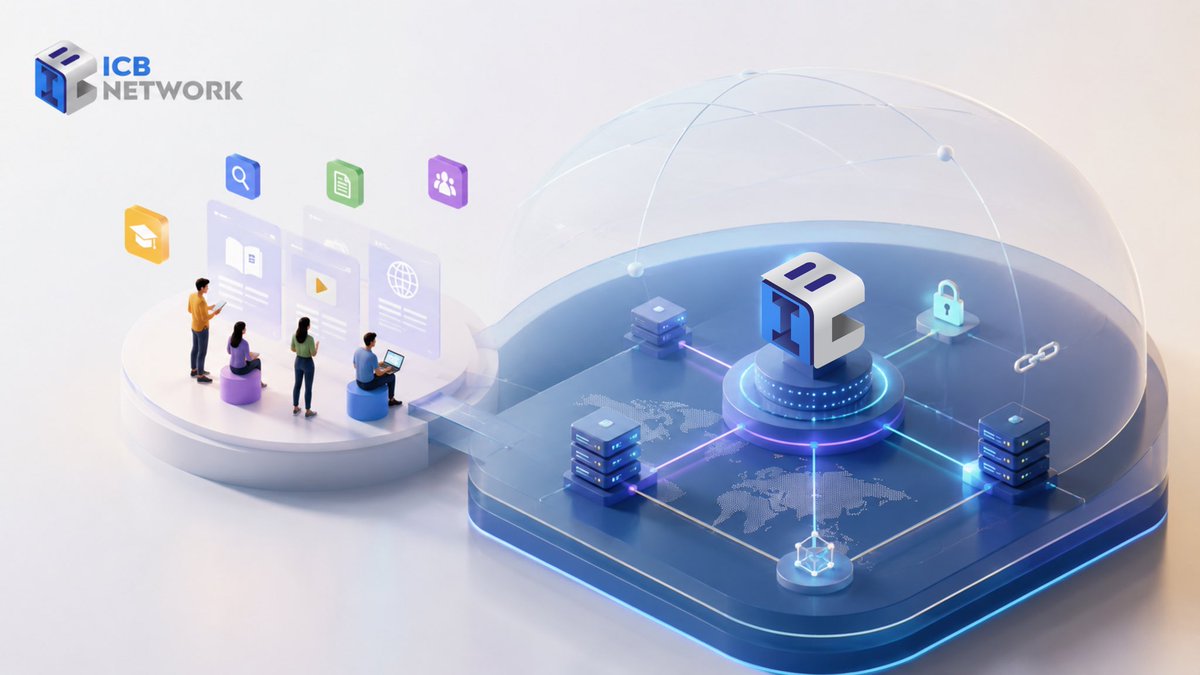
Knowledge platforms are visible. Infrastructure is invisible. Yet scalability, interoperability, and persistence are what determine whether digital ecosystems can endure.
#ICBNetwork #Layer1 #Web3Infrastructure #Web3
2
7
30

3/ 300K users. Top 10% Infra on Rootdata. $20M raised.
And now - MEXC listing.
Every piece of the puzzle just clicked into place.
This is what a project executing on its roadmap looks like.
#Xeffy $XEF #Roadmap #MEXC #Web3Infrastructure
1
21

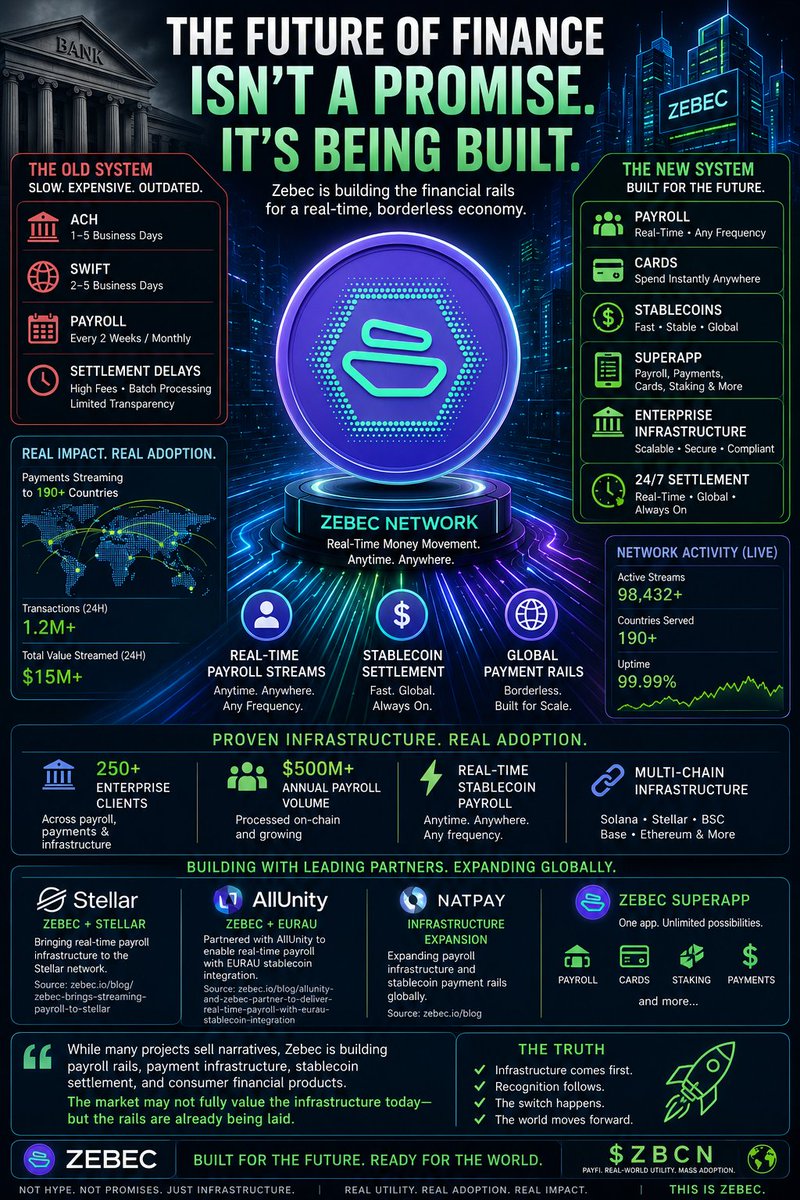
🚨 Not all revolutions start with headlines.
Some start by quietly building the rails.
✅ Real-time payroll
✅ Stablecoin settlement
✅ Global payment infrastructure
✅ Enterprise integrations
✅ Consumer cards
✅ SuperApp ecosystem
While many chase hype, Zebec is focused on utility.
Infrastructure first. Recognition later.
$ZBCN ⚡️🌎
#Zebec #PayFi #RWA #CryptoPayments #FutureOfFinance #Stablecoins #Web3Infrastructure #ZBCNCommunity #BuiltDifferent
17
64
496



22h
The future of digital payments will be multi-chain, seamless, and user-centric. Moove is positioning itself at the forefront of that transition.
As the blockchain ecosystem continues to expand, interoperability and accessibility are becoming critical infrastructure requirements. Moove addresses these challenges by providing a unified platform that simplifies how users interact with digital assets across multiple networks.
Key Highlights:
🌐 Support for 30 blockchains
💰 Access to 16,000 cryptocurrencies
🔄 Integrated cross-chain swaps and bridging
👤 Custom payment profiles and handles
🎁 Community rewards and referral programs
📱 Dedicated mobile application for Web3 users
By combining multi-chain functionality with an intuitive user experience, Moove aims to reduce the friction that has traditionally limited mainstream crypto adoption.
Rather than forcing users to navigate fragmented ecosystems, Moove brings essential Web3 financial tools into a single environment—enabling users to send, receive, swap, and manage digital assets more efficiently.
As the industry moves toward greater interoperability, platforms that prioritize simplicity, accessibility, and real-world utility are likely to become foundational components of the next generation of digital finance.
Building the rails for a truly connected Web3 economy.
#Moove #MooveXYZ #Web3 #Blockchain #Crypto #DeFi #CrossChain #CryptoPayments #Fintech #DigitalAssets #Innovation #FutureOfFinance #Web3Infrastructure 🚀🌐

38
36
228
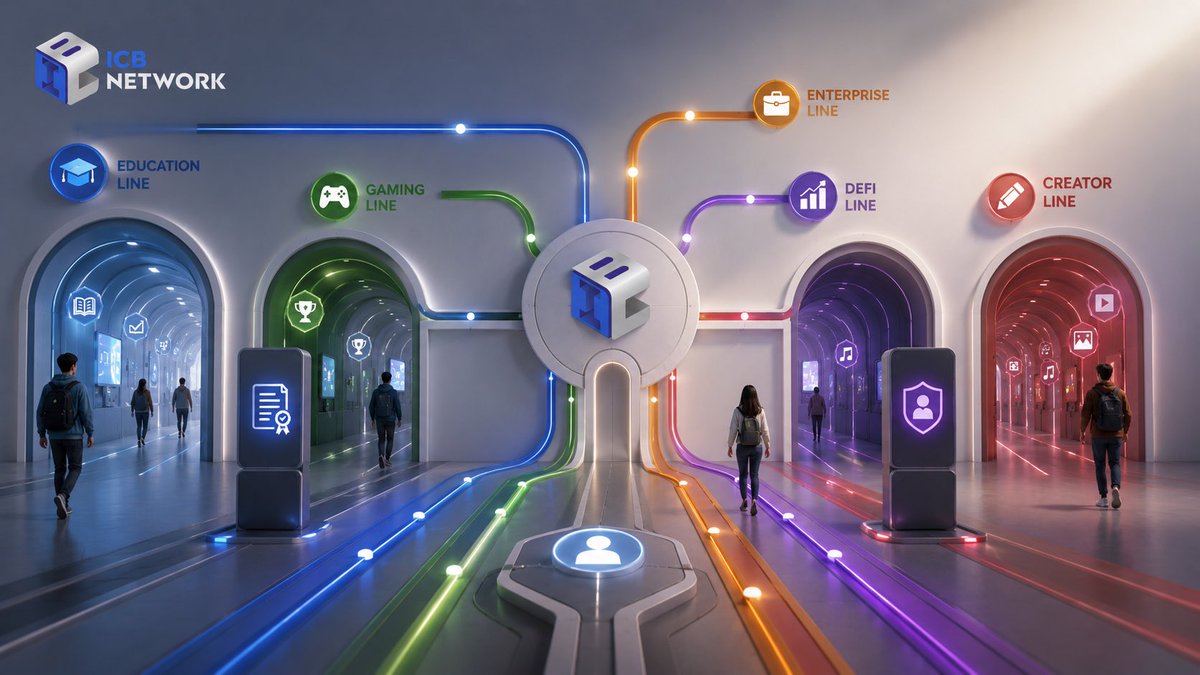
The next evolution of digital learning is not more content it is verifiable progress. Infrastructure that preserves achievement, participation, and credentials across platforms creates lasting value beyond any single application.
#ICBNetwork #Layer1 #Web3Infrastructure
1
4
16
96

Jun 13
@get_optimum is not a blockchain.
It runs alongside blockchains and makes them faster.
Think of it as a highway upgrade for crypto data.
No new chain. No migration. No complexity.
Just pure speed for the networks you already use.
#Optimum #Web3Infrastructure

1
1
12

Jun 13
The next breakthrough in AI won’t just come from better models.
It will come from better communication.
AI agents coordinating instantly.
Voice systems responding in real time.
Networks handling millions of interactions without friction.
@dtelecom is building the decentralized infrastructure that makes that possible.
Because intelligence scales through connection.
#DTelecom #AIInfra #DePIN #VoiceAI #Web3Infrastructure
10

Jun 12
Moving liquidity around is easy, but getting different protocols to securely settle those trades without a sketchy middleman? That’s where the wheels usually fall off.
Most cross-chain setups force you to swallow a massive amount of custodial risk just to keep the capital flowing.
@Yellow swaps that risk for pure math. By using state channels and cryptographic escrow, assets move across chains seamlessly without ever handing control over to a custodian.
Fast settlement, zero trust required, and no honeypots for hackers to target.
If you’re building the next generation of DeFi, stop compromising on security. See how the plumbing fits: yellow.network 🟡
#DeFi #Web3Infrastructure #SelfCustody #YellowNetwork $YELLOW
189
Jun 12
Everyone is hyped about AI agents paying each other, but they’re forgetting the biggest bottleneck: how do two autonomous bots actually trust each other?
If a machine can't trust its counterparty, commerce grinds to a halt. @Yellow fixes this at the infrastructure level. By pairing state channels with cryptographic escrow, agents can settle transactions instantly without a middleman or counterparty risk.
The bots don't need to trust each other-- the protocol's math handles it automatically.
If you’re building the future of agent-to-agent commerce, stop overcomplicating the plumbing.
Grab the SDK: yellow.network
#AIAgents #Web3Infrastructure #DeFi #YellowNetwork $YELLOW
13

Jun 12
DAC’s role in building secure,
practical blockchain infrastructure for real-world systems,
with a focus on long-term trust, resilience, and adoption.
Sources :
- Whitepaper 3.0
- Yellowpaper v1.3
#DAC #BlockchainInfrastructure #Web3Infrastructure
thread👇 @dac_chain

1
2
40

If your application is decentralized but your data sits fully on centralized cloud, your stack still has a weak point.
StorX Network helps Web3 builders and businesses store data on decentralized, encrypted, S3-compatible infrastructure.
Decentralized apps need decentralized storage.
#StorX #DePIN #Web3Infrastructure #DecentralizedStorage #CloudStorage
1
4
9
212

Jun 12
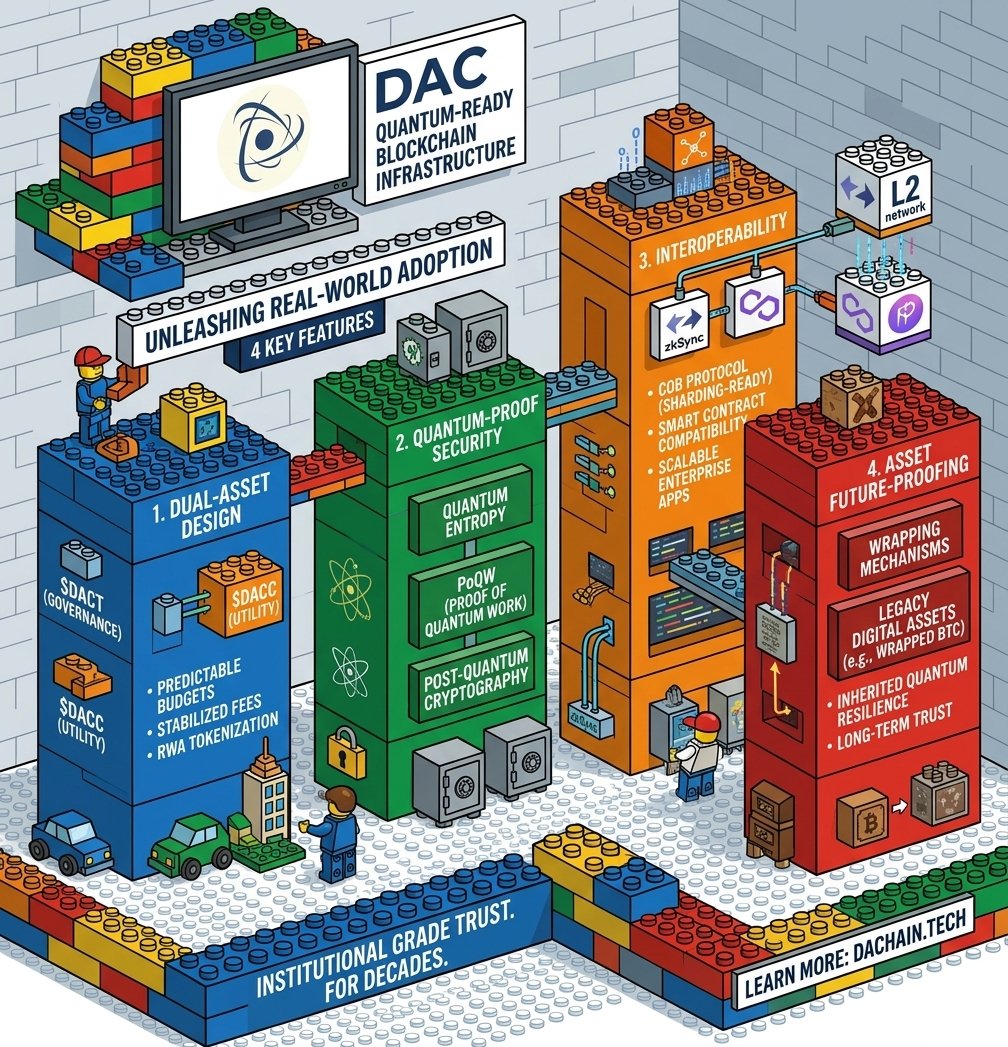
Most blockchains face structural risks from quantum computing and unstable transaction fees, making them impractical for long-term enterprise use.
DAC addresses these challenges by building quantum-ready blockchain infrastructure designed for real-world systems and sustainable adoption.
Key features of DAC infrastructure:
Dual-Asset Design: Separates governance ($DACT) from transaction utility ($DACC) to ensure predictable costs for businesses.
Quantum-Proof Security: Integrates Quantum Entropy and Post-Quantum Cryptography to secure data against future computing threats.
Interoperability: Features sharding-ready protocols and L2 integrations to support scalable enterprise applications.
Asset Future-Proofing: Enables legacy digital assets to gain quantum resilience through specialized wrapping mechanisms.
True Web3 adoption requires infrastructure that institutions can trust for decades. DAC provides the secure foundation needed for the global economy.
Learn more: dachain.tech/
#Blockchain #RWA #QuantumComputing #Web3Infrastructure #DAC @dac_chain
8
17
222

Jun 12
Real-world adoption demands real-world reliability. That's what we're building. 🔩
#DAC #Blockchain #Web3Infrastructure #DecentralizedFuture #TrustLayerTech
11

Jun 12
HSM vs MPC vs Multi-Sig
HSM, MPC, and Multi-Sig each offer different approaches to securing digital assets
As institutions evaluate custody infrastructure, understanding these differences is becoming increasingly important.
🔹 How HSM, MPC, and Multi-Sig work
🔹 The strengths and limitations of each architecture
🔹 Key considerations for institutional adoption
Read the full article: ceffu.com/blog/HSM-vs-MPC-vs…
#DigitalAssetCustody #InstitutionalCrypto #DigitalAssets #MPC #HSM #MultiSig #Web3Infrastructure #Ceffu
1
96

Jun 11
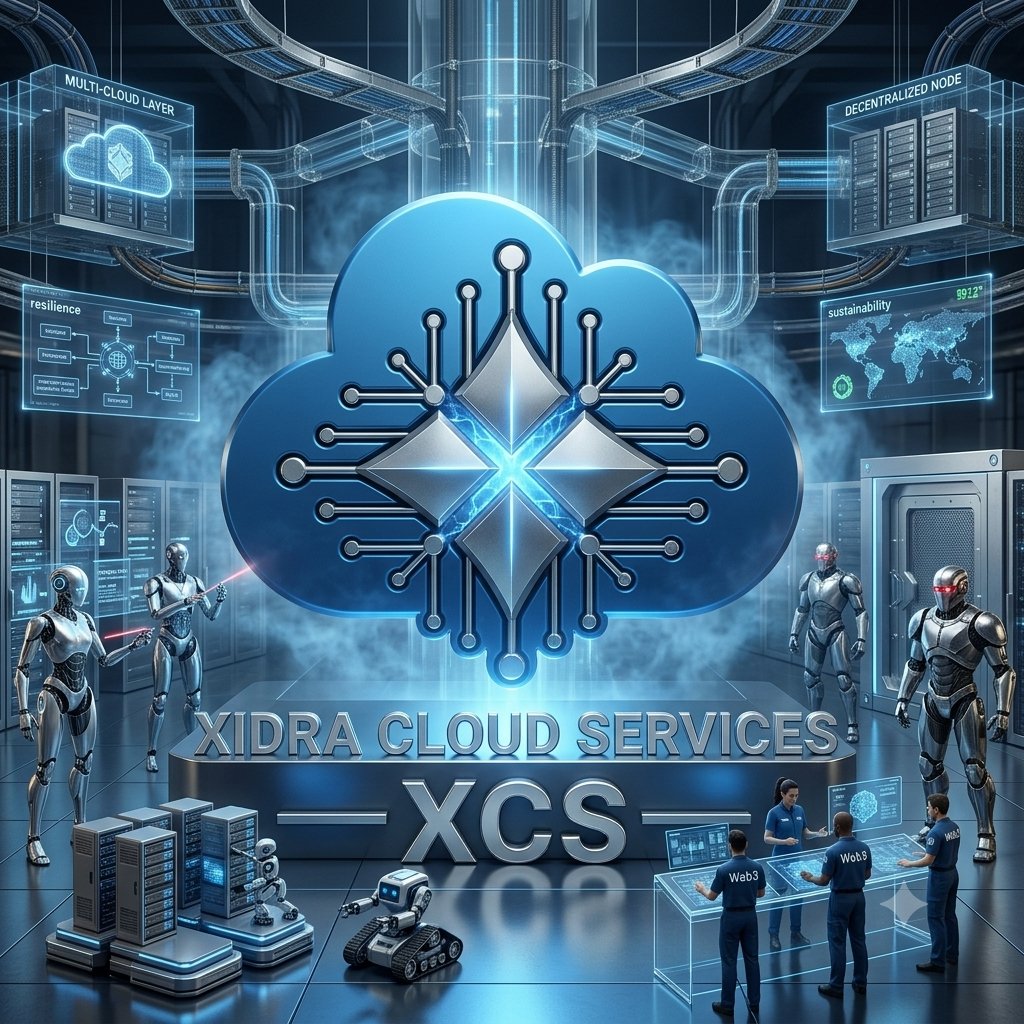
Building the foundation for trusted digital ecosystems.
Xidra Cloud Service powers SidraChain with secure, scalable, and resilient infrastructure designed for the decentralized era. By combining advanced security, multi-cloud reliability, and ethical innovation, Xidra enables organizations and communities to operate with confidence.
🔐 Zero-Trust security and end-to-end protection
🌍 Distributed infrastructure for continuous availability
🔄 Seamless Web2-to-Web3 integration
📈 Support for ethical, compliant, and regulated markets
Core Principles • Security by Design
• Distributed Resilience
• Ethical Architecture
• Scalable Growth
• Trusted Web3 Infrastructure :::
#DecentralizedCloud
#XidraCloud #CloudReimagined #Web3Infrastructure #SecureDataFuture
1
7
1,710

Jun 11
🚨 JUNE 2026: AI AGENTS × DePIN FLYWHEEL IS ACCELERATING INTO A SUPERCYCLE 🚨
High-Conviction Plays Leading the Charge:
• $TAO – Bittensor: Decentralized intelligence network powering autonomous agents
• $RENDER – GPU rendering & compute marketplace for AI workloads
• $AKT – Akash: Decentralized cloud compute challenging centralized giants
• $GRASS – Decentralized data layer feeding AI training at scale
• $FET / $ASI – Artificial Superintelligence alliance for agent economies
• $IO – Io.net: GPU network for distributed AI training
• $HNT – Helium: Wireless DePIN infrastructure backbone
• Dark Horses: $AIOZ, $PYTH, $LINK (data oracles & bandwidth)
This isn’t hype — it’s the machine economy infrastructure being built in real time.
Autonomous AI agents are becoming economic participants that demand constant compute, data, storage, bandwidth, and real-world resources. DePIN delivers the decentralized, tokenized supply side — turning hardware into on-chain yield that agents actually consume and pay for.
The Flywheel in Motion:
Agents → Demand explosion
DePIN → Real hardware supply yield
Tokens → Sustainable incentives & cashflow
→ Smarter agents & bigger economy
Dips are boarding passes. While the world chases entertainment & politics, this layer executes quietly for the next decade.
Conviction > Noise. Execution season is here.
What’s your #1 AI Agents or DePIN conviction play right now? Drop ticker quick thesis 👇
#AIAgents #DePIN #MachineEconomy #Altseason2026 #Web3Infrastructure
DYOR. NFA. Only risk what you can afford to lose.
31
6
59
2,327