
May 26
Blockchain and Web3 are more than just industry buzzwords.
They are structural shifts in how value is transferred globally. G2S helps enterprise partners separate hype from actual utility.
We design tailored solutions that apply decentralized technology only where it drives measurable ROI and operational efficiency.
#BusinessUtility #TechROI #BlockchainStrategy #EnterpriseTech
5
11
255

Apr 30
The Cardano Governance Stress Test Sovereignty vs Efficiency
In my view, the recent friction within the Cardano ecosystem is more than just a clash of personalities; it is a fundamental exposure of the "Growing Pains" inherent in decentralized treasury management. As we move further into the Voltaire era, we have to look at the hard data regarding capital leakage and governance structure.
1. The Treasury Drain & Capital Inefficiency
There is a growing concern regarding capital flight within the ecosystem. We are seeing a recurring pattern where funds are allocated to projects that fail to provide a measurable ROI to the ADA holder.
The SPO Factor: Multiple stake pools appear focused on short term ADA accumulation rather than ecosystem reinvestment.
The Narrative Shift: We must distinguish between genuine interoperability and strategic migration. Too often, "interoperability" is used as a placeholder narrative for projects seeking external funding once Cardano’s treasury is exhausted.
2. The Popularity Contest: Why Community Governance Struggles
Decentralized governance is a noble goal, but in its current form, it often devolves into a popularity contest.
The Cartel Risk: We see "clubbing together" to pass proposals that the ecosystem doesn't fundamentally need, but which benefit a small circle of actors.
Structural Flaw: When governance relies on social sentiment rather than technical or economic milestones, the loudest voices not the best builders often win the funding.
3. Competition is the Cure: The Case for Filecoin
The pivot toward "commodity" storage providers like Filecoin should be viewed as a healthy market evolution.
Efficiency over Loyalty: Competition forces native projects to innovate. If a "battle-tested" protocol like Filecoin can provide a service more efficiently than a native project, the ecosystem wins.
Hygiene: Outsourcing non-core infrastructure to neutral giants prevents the "native project bottleneck" where the chain's success is tied to the stability of a single internal team.
4. Leadership & Diplomacy: A Mutual Breakdown
Regarding the IOG vs. Iagon fallout, the optics on both sides have been suboptimal.
Communication Gaps: While the technical and governance concerns raised are valid, the public execution from both Charles Hoskinson and the Iagon leadership has overshadowed the underlying issues.
The Takeaway: For Cardano to scale, professional discourse must match technical ambition. High velocity markets do not wait for leadership to resolve personal friction.
For me, we are witnessing the "Sloughing Off" of the incubation era. The friction we see today is a necessary, albeit messy, part of moving from a founder led project to a truly decentralized L1. The mission now is to ensure the Cardano Treasury stops being a "faucet" and starts being a "filter" for world class utility.
Is the current governance friction a sign of a failing system or the exactly the kind of "Creative Destruction" needed to make Cardano competitive in 2026?
#Cardano #ADA #CryptoAnalysis #Governance #DePIN #BlockchainStrategy
Apr 29

A $47.5M budget reduction is usually a sign of distress, but for Cardano, it’s a surgical extraction. Charles Hoskinson just finalized a total breakdown with Iagon, pivoting the ecosystem toward Filecoin and Walrus. The "red line" wasn't governance it was the weaponization...
The fallout centers on alleged harassment of Midnight project volunteers and ambassadors, which Hoskinson frames as a professional "red line" triggering immediate litigation risks. This isn't just a personal spat; it’s a fundamental shift in Cardano’s infrastructure strategy for 2026.
The data reveals a ruthless pivot toward efficiency. Cardano’s coalition funding proposals have dropped from $97.5M to under $50M, reflecting both #ADA price pressure and a move toward decentralized commodity providers. By de risking from Iagon and integrating Filecoin, Walrus, and Blockfrost, Input Output is effectively outsourcing its storage layer to neutral, battle tested protocols.
This move signals the end of the "incubation era" for Cardano. The second order effects are clear:
Reduced reliance on native, potentially "unstable" leadership within the ecosystem.
A "multi chain" migration path being signaled by Iagon leadership, potentially leading to a liquidity drain from their holders.
A leaner, $50M cap budget that prioritizes #Bitcoin #DeFi and #Midnight privacy over legacy internal infrastructure.
Hoskinson has closed the door on further debate, opting for blocks over discourse. This creates a vacuum in Cardano’s storage layer that #Filecoin and Walrus are now positioned to fill.
Is this the necessary "slimming down" required for an L1 to remain competitive in a high velocity market, or is the loss of specialized native infrastructure like Iagon a sign of dangerous ecosystem fragmentation?
Option A: Necessary ecosystem hygiene.
Option B: High-risk protocol fragmentation.

1
3
393

Apr 11
Finding a stable position in the digital market requires a sharp eye and the right partner. ALIF Coin offers the security and growth potential you need to navigate this new era confidently.
#ALIFCoin #DigitalInvestment #MarketAnalysis #SmartInvesting #CryptoTrends #EarlyPosition #InvestmentClarity #FutureFinance #SecureSaving #DigitalAssets #BlockchainStrategy #WealthBuilding

2
73

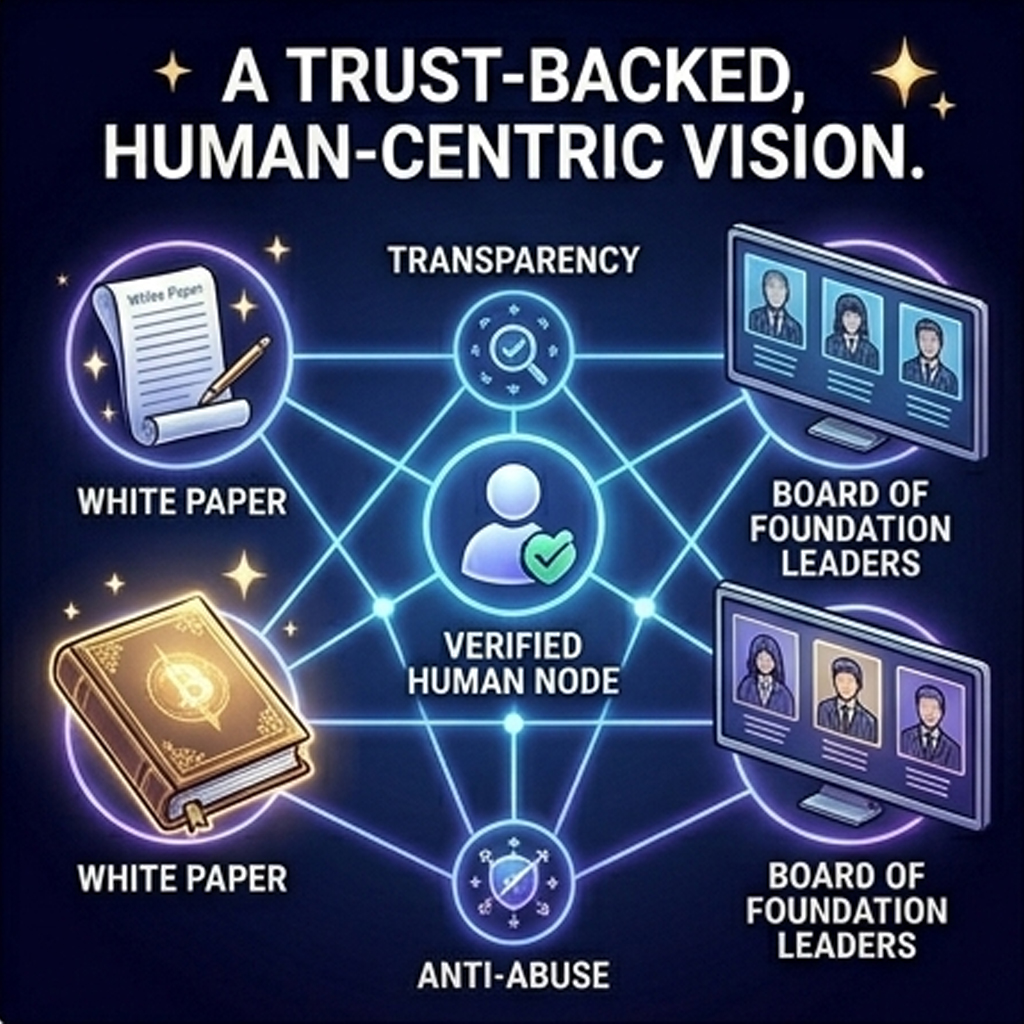
Anonymity is a feature, but transparency is the foundation. InterLink’s roadmap to April 2026 is a masterclass in building a sustainable RWA ecosystem:
V5.0 Launch: KYC integration & $ITLG verification.
InterLink Chain Testnet: Crucial public stress test.
Private Mainnet: Enabling OTC transfers and Enterprise Asset Tokenization.
Board Announcement: Top-tier leadership revealed for strategic oversight.
5-Year White Paper: The definitive vision for $ITL allocation.
Payment Protocol: Scaling to 10,000 real-world payment points. Is "Real Growth" finally replacing "Hype"? Your thoughts? 👇
#InterLink #ITLG #ITL #j0d #RWA #BlockchainStrategy
‼️NOTE: Enter the ITLX Wallet code to receive a lifetime transaction fee refund and 0.4 HCS for 2 ITLX Wallets. 🎁 ITLX WALLET CODE: XETCS6N9 👉Download and register for InterLink: interlinklabs.ai/24091508🎁InterLink VIP Code(Receive $500 ITLG): 24091508
2
21
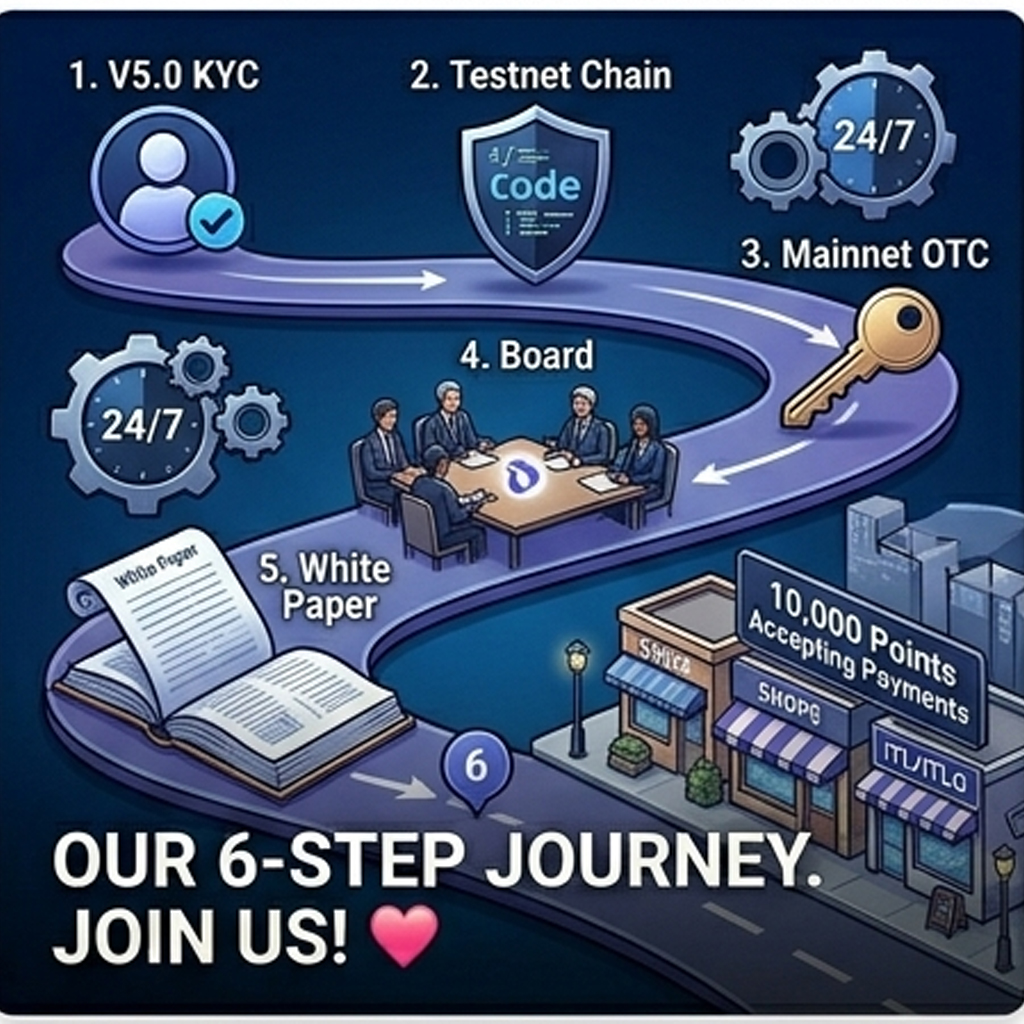
Web3 sẽ đi về đâu nếu chỉ có đầu cơ? InterLink đang trả lời bằng một lộ trình "thép" từ nay đến tháng 4/2026. Đây không phải lời hứa, đây là cuộc đổ bộ của dòng tiền thực:
V5.0 & KYC: Xác thực con người thực, giá trị thực ($ITLG).
Testnet InterLink Chain: Bước chạy đà cho hạ tầng riêng.
Private Mainnet: Kích hoạt giao dịch OTC và cơ chế RWA cho doanh nghiệp.
Lộ diện Hội đồng Quản trị: Minh bạch nhân sự cấp cao, xóa bỏ nỗi lo "vô danh".
White Paper 5 năm: Chiến lược phân bổ và tầm nhìn dài hạn.
Nghị định thư tài sản số: 10,000 điểm thanh toán dùng ITL/ITLG. Liệu thị trường đã sẵn sàng cho một hệ sinh thái không có chỗ cho sự lạm dụng? 👇
#InterLink #ITLG #ITL #j0d #RWA #BlockchainStrategy #Web3
2
10

Mar 17
Utexo: Revolutionizing USDT Operations for the Next Generation of Digital Finance
Introduction
In the rapidly evolving world of digital assets, the ability to move liquidity efficiently isn't just an advantage—it's a necessity. For operators handling high volumes of USDT, the traditional friction of settlement delays and capital inefficiency has long been a bottleneck. Enter Utexo, a specialized infrastructure designed specifically for operators who move USDT at scale.
Bridging the Operational Gap
@utexocom provides a comprehensive suite of tools tailored for different sectors within the blockchain ecosystem. By focusing on the "Operator" experience, they have addressed the core pain points of liquidity management.
Core Solutions for Every Operator
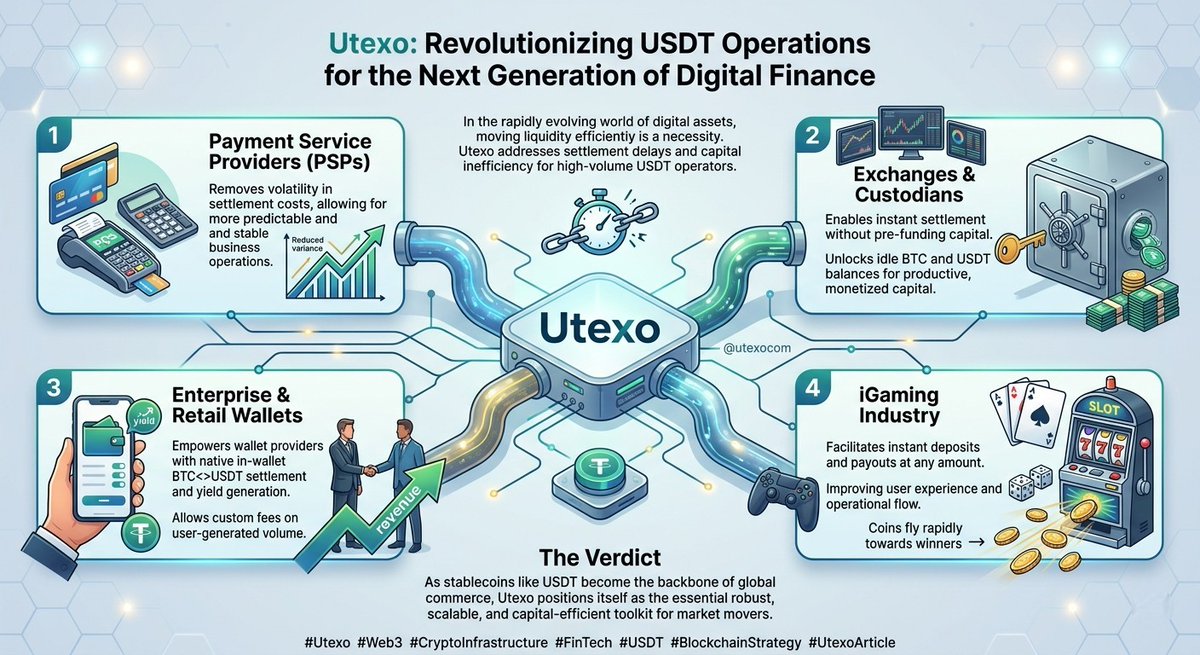
1⃣Payment Service Providers (PSPs): One of the biggest hurdles for PSPs is the volatility in settlement costs. @utexocom provides a framework that removes this uncertainty, allowing for more predictable and stable business operations.
2⃣Exchanges & Custodians: For exchanges, liquidity is king. @utexocom enables instant settlement without the heavy burden of pre-funding capital. Meanwhile, custodians can finally unlock the potential of idle BTC and USDT balances, turning dormant assets into productive, monetized capital.
3⃣Enterprise & Retail Wallets: The platform empowers wallet providers by enabling native in-wallet BTC<>USDT settlement and yield generation. For retail-focused operators, it offers the flexibility to set custom fees on user-generated volume, creating new revenue streams.
4⃣iGaming Industry: In an industry where speed is everything, @utexocom ability to facilitate instant deposits and payouts at any amount is a literal game-changer, improving the user experience and operational flow.
The Verdict
As we look toward a future where stablecoins like USDT become the backbone of global commerce, the infrastructure supporting them must be robust, scalable, and capital-efficient. @utexocom is positioning itself as the essential toolkit for those who move the markets.
#Utexo #Web3 #CryptoInfrastructure #FinTech #USDT #BlockchainStrategy #UtexoArticle
2
81

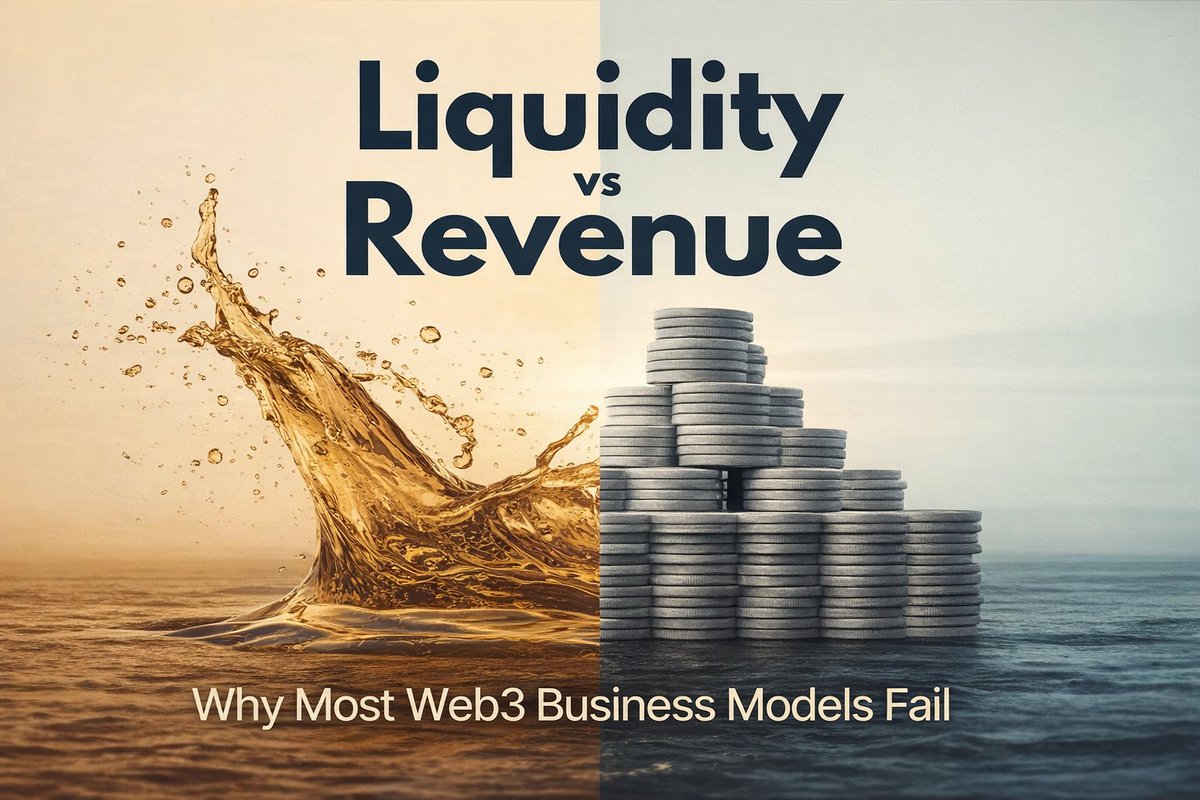
Liquidity vs Revenue: Why Most Web3 Business Models Fail
Many Web3 startups confuse liquidity with real revenue. Just because a token has trading volume doesn’t mean the business is sustainable. Learn the key differences between liquidity and revenue, why many crypto and Web3 projects fail, and what founders and investors should understand before trusting a project’s growth claims.
.
👉 Learn more:xrpd.io/blog/liquidity-vs-re…?
.
#Web3Business #CryptoEducation #BlockchainStrategy
1
3
66

🚨 INTELLIGENCE REPORT // PI NETWORK CORE OPERATIONS 🚨
Strategic Roadmap Update & Founder’s Overview of Current Network Priorities
The evolution of Pi Network is entering a more structured and utility-focused phase. Here’s what matters most right now:
🔎 1️⃣ Ecosystem Expansion
Priority on real Mainnet apps, utilities, and merchant adoption. Utility drives long-term value.
🛠 2️⃣ Infrastructure Strengthening
Node upgrades, scalability improvements, and network stability remain core operational focus areas.
🌍 3️⃣ Decentralization Growth
Expanding active nodes globally to reinforce security and distributed governance.
🧾 4️⃣ KYC & Migration Completion
Ensuring verified Pioneers transition smoothly to Mainnet participation.
💡 5️⃣ Real-World Integration
Encouraging developers and merchants to integrate Pi into commerce and digital services.
This phase is less about hype —
and more about execution, stability, and sustainable growth.
The mission remains clear:
Build a decentralized financial ecosystem powered by community.
Stay informed. Stay building. 🚀
#PiNetwork #PiCoreTeam #Mainnet #BlockchainStrategy #CryptoEcosystem #BuildOnPi #Decentralization
5
32
908

Feb 26
Our vision is ecosystem-based.
Not token-based.
Tokens are tools. Structure is strategy.
TG: t.me/piratehoodchat
Website: piratehoodprotocol.com
Website: swap.piratehood.com
CA: FNucbEyZg9pqHLpdLsWt4FEU9UkkkSKtcWX511t9pump
#EcosystemFirst #TokenTools #StrategicStructure #PirateHood #DecentralizedVision #BlockchainStrategy #CommunityDriven #InnovateWithPurpose #CryptoEcosystem #JoinTheRevolution

6
5
7
40

Feb 25
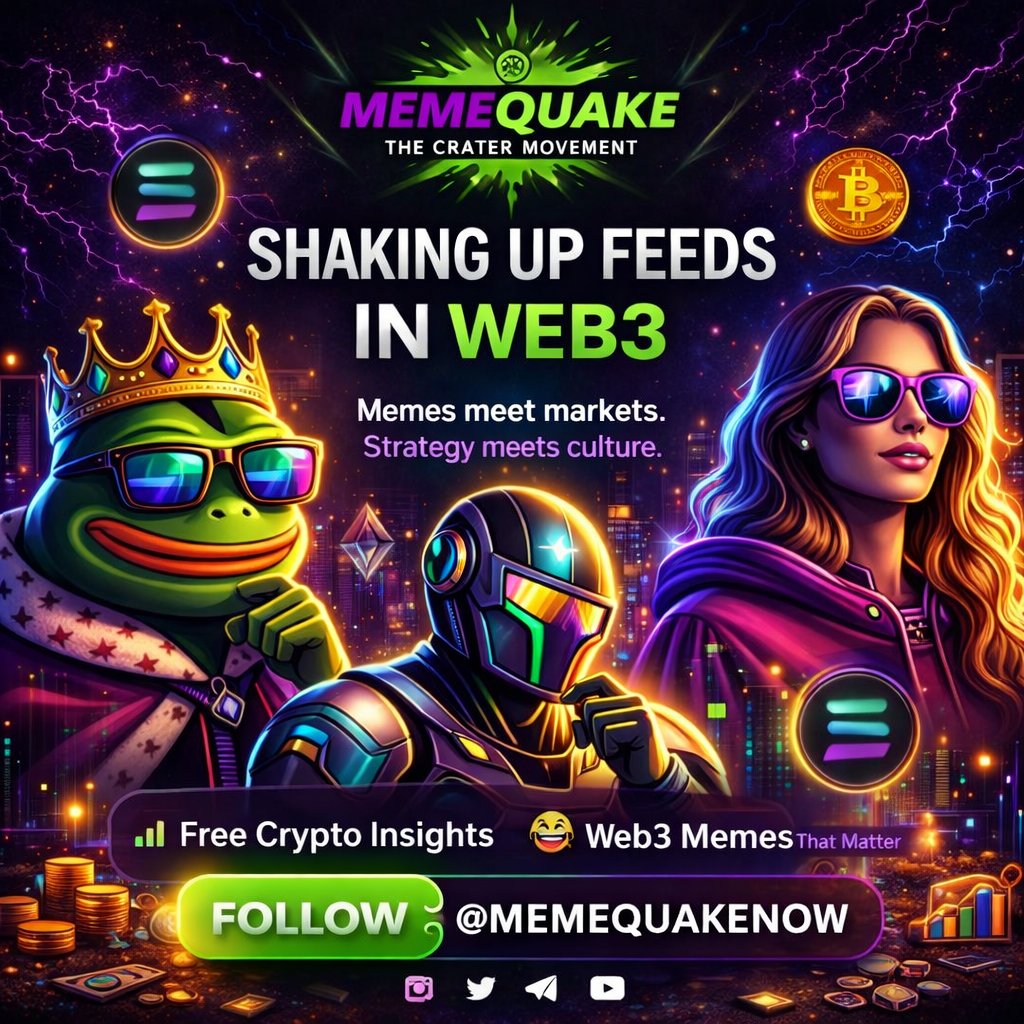
Web3 is not just code
It is coordination
Memes ignite visibility
Data refines direction
When culture aligns with capital
Momentum becomes measurable
We are not here to chase virality
We are here to build positioning
Insights over impulses
Structure over speculation
If you understand the cycle
You control the narrative
This is where strategy meets signal
#Web3Signals #CryptoInsights #MemeDrivenValue #SolanaNetwork #BlockchainStrategy
12
4
18
105,164

Feb 11
🚨 REALITY CHECK: PROTOCOLS vs. COINS 🚨
Stop listening to the clowns who confuse everything. 🤡
🔹 THEM:
They get excited over corporate logos (HSBC, VISA) and standards (ISO 20022).
They think being the "pipes" for banks will enrich holders of $1 tokens. Fatal error. A protocol can serve banks without ever giving value to the asset itself.
🔹 KOSASIH:
We aren't building a pipe for the old system. We are coding the Value Standard. The migration to v19.6 and Protocol v23 isn't optional it is the activation of the algorithmic consensus.
💎 The Difference:
XRP : Servants of centralized finance.
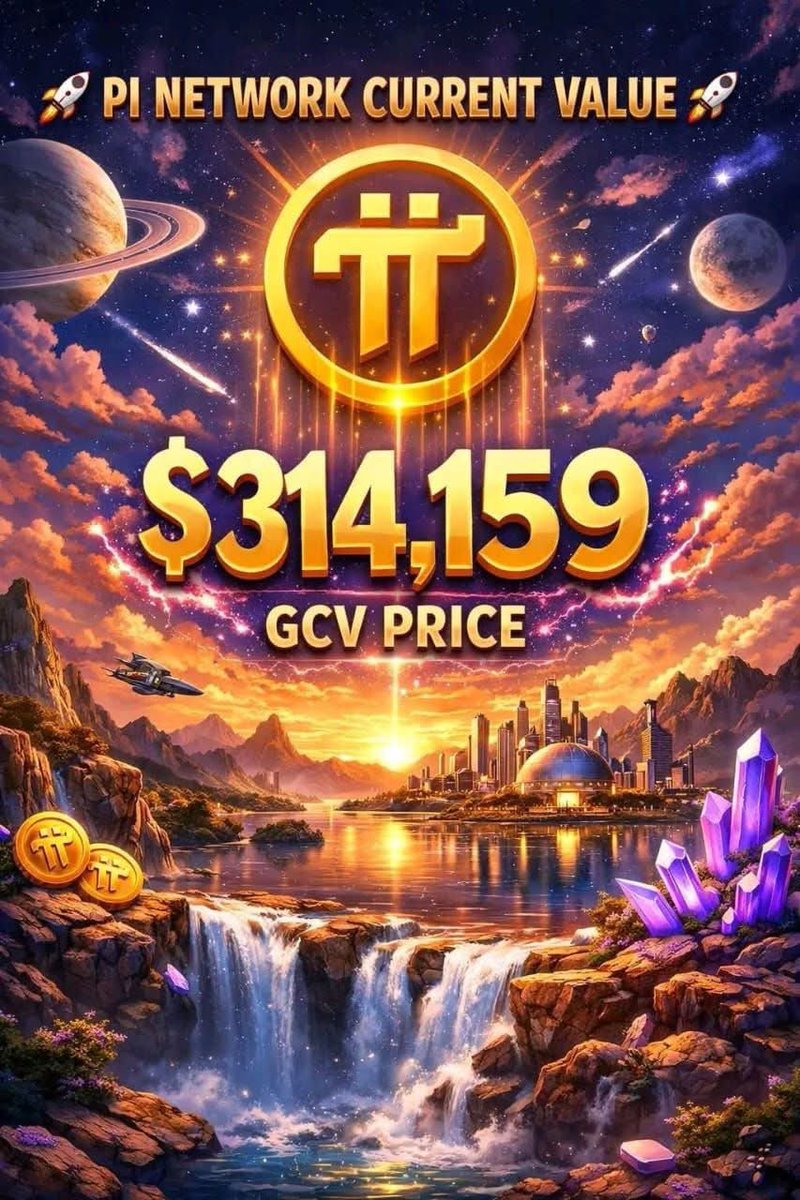
Pi GCV ($314,159): Absolute Sovereignty.
Kosasih’s code on GitHub doesn't lie. While they chase hopium, we are securing the infrastructure for the Decentralized Central Bank. 🏦⚡
Code is Law. GCV is the Goal.
#PiNetwork #GCV #Kosasih #ProtocolV23 #ISO20022 #BlockchainStrategy #ARC314 #FinancialSovereignty

Feb 11

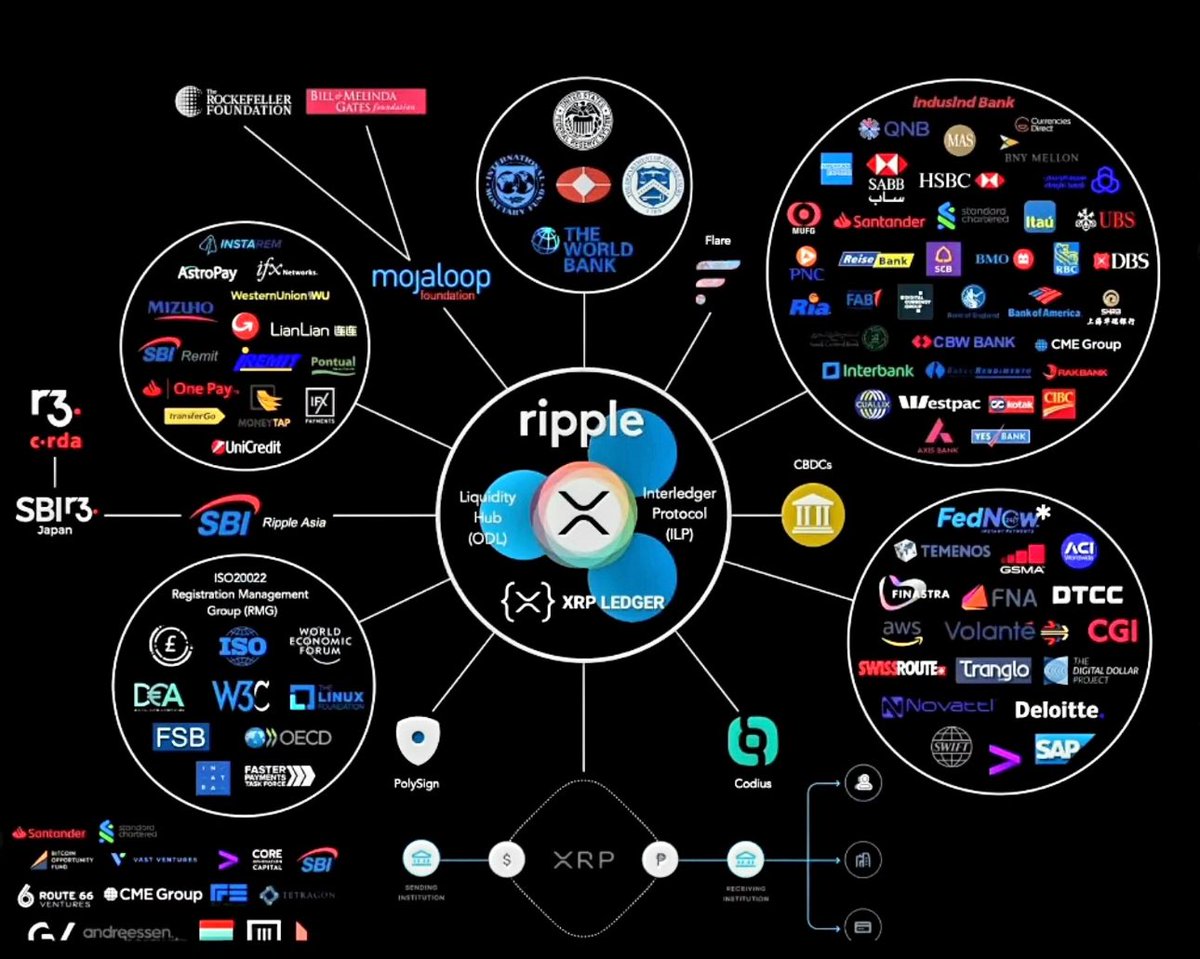
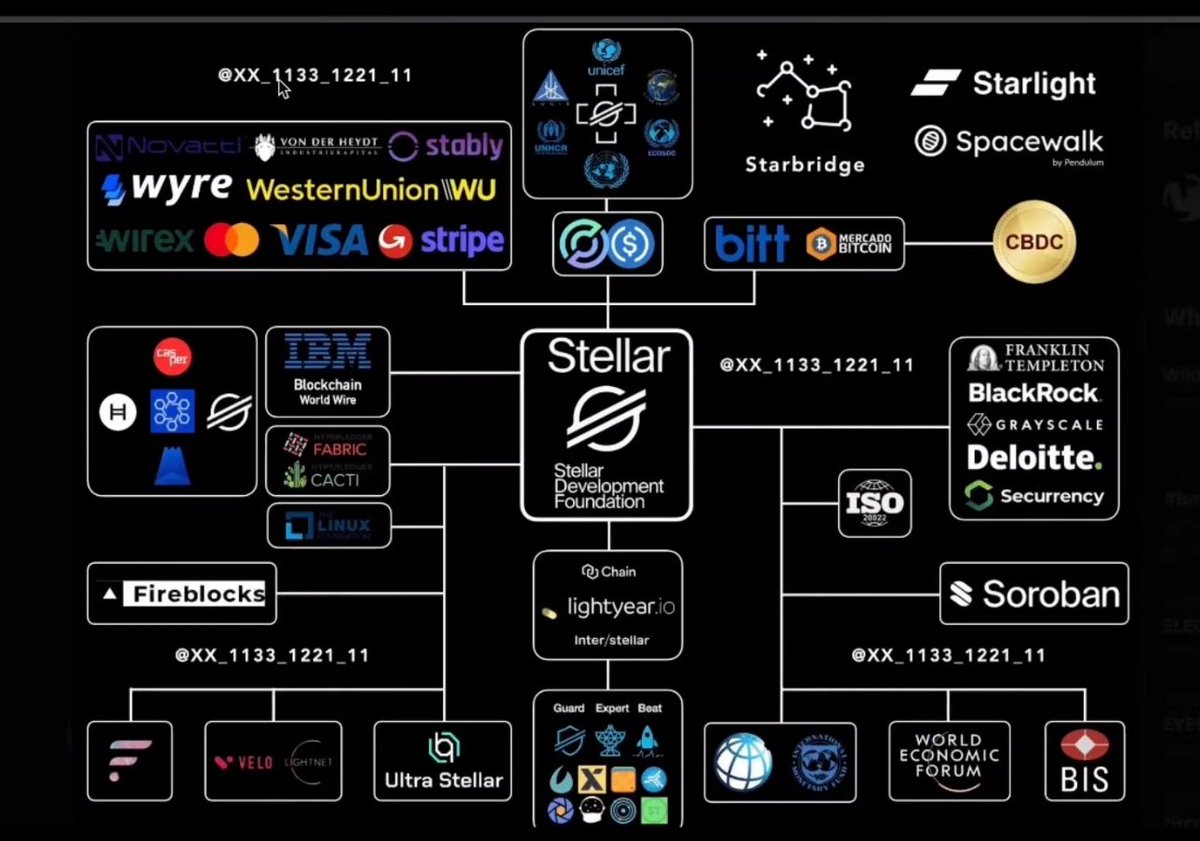
$XRP 🤝 $XLM = All the money💰
Everyone will be using XRP and XLM
While most people are still hunting the next 100x meme coin, these two networks are becoming the actual infrastructure of the future economy.
By the time massive prices start reflecting this reality, most will already be too late.
These 2 tokens will gain enormous value 🤝
6
23
109
2,411

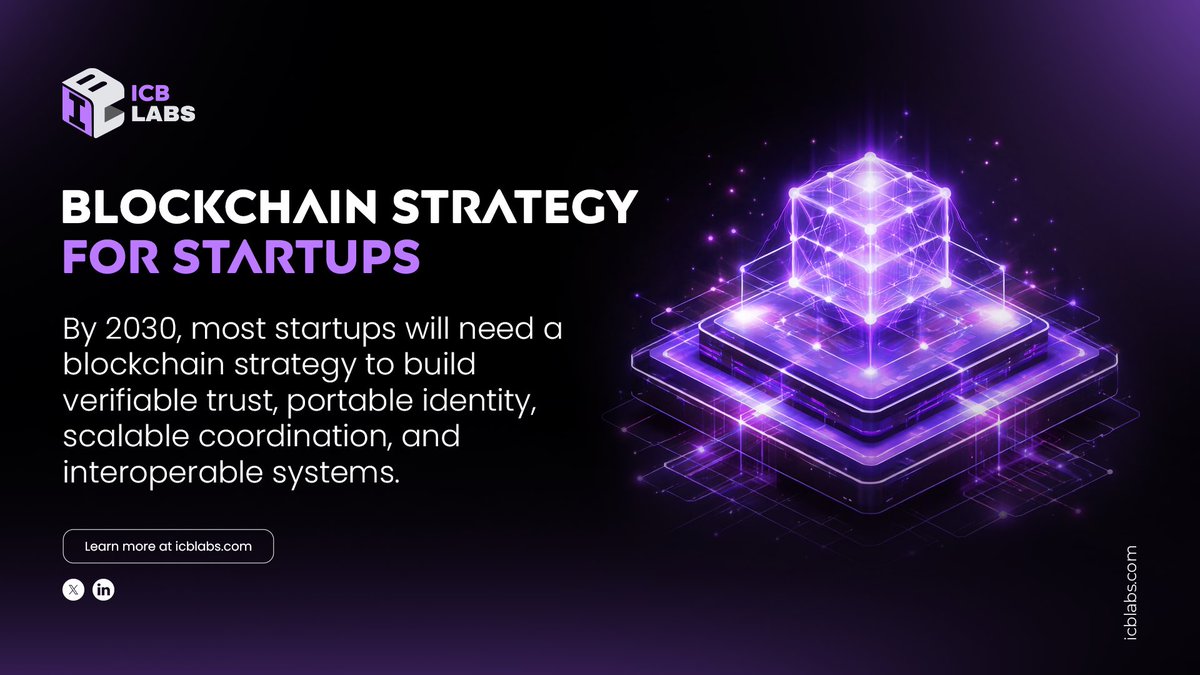
🚀📊 By 2030, startups without a blockchain strategy will fall behind.
Trust, identity & interoperability won’t be optional they’ll be essential.
👉 Explore now: icblabs.com
#Startups #BlockchainStrategy #Web3
1
2
23
201

Feb 2
Maalesef son günlerde $BTC düşüşüne devam ediyor.
Ama tam da böyle dönemlerde $IREN yönetiminin ne kadar ileri görüşlü olduğu daha net anlaşılıyor.
$IREN, Bitcoin madenciliğinin uzun vadede tek başına sürdürülebilir olmadığını çok önceden fark etti ve buna göre strateji değiştirdi.
Öyle ki, şirketin BTC’ye olan bağımlılığının 2026 sonuna kadar ’lara düşmesi bekleniyor.
Bir diğer kritik nokta da şu:
$IREN, çıkardığı tüm BTC’leri satıyor ve bu geliri doğrudan yatırımlara ve büyümeye yönlendiriyor.
Yani bilançoda BTC tutmuyor.
Bu yüzden BTC’deki sert düşüşler, bazı eski madencilerde olduğu gibi $IREN’i aynı ölçüde etkilemiyor.
Unutmamak lazım; bazı rakiplerin bilançolarında 1 milyar dolara yakın BTC var ve bu tarz düşüşler onları çok daha sert vuruyor.
Kısacası, bu süreçte $IREN yönetimi bir kez daha strateji, risk yönetimi ve vizyon farkını net şekilde ortaya koymuş durumda.
Yatırım tavsiyesi değildir.
#Bitcoin #CryptoMining #IREN #RiskManagement #BlockchainStrategy #CryptoInvesting #SustainableGrowth

5
3
116
13,068

Jan 17
💡 “Data is the only competitive advantage that counts.”
In Web3, Blockchain & AI, intuition isn’t enough, data drives clarity, scale, and long-term impact.
Brands that build data-powered ecosystems lead the market.
📊SNXS helps MENA’s top innovators turn insights into measurable growth.
💡Contact Us NOW 💡skynetxsolutions.ae/contact
#SNXS #DataLeadership #Web3Marketing #AIInsights #BlockchainStrategy
7
3
14
500

🚀 Let’s $WIBE Together
♟️ Layer 2 intelligence guiding blockchain strategy
🧩 Smart execution aligning every block and move
⚙️ Built for scalable, high-impact Web3
🌐 wibegram.com
#Wibegram #Layer2Intelligence #BlockchainStrategy #Web3Systems

17
15
255

Jan 1
🎉 Happy New Year 2026 from DrCrypto.ca! 🎉
As we step into a new year filled with opportunity, innovation, and growth in the blockchain & Web3 space — we want to thank all our amazing clients, both past and future.
Whether you're launching a token, prepping for a presale, building your whitepaper, or looking to raise capital — we're here to help.
💬 Book a free 15-minute consultation with our experienced Canadian-based team and let’s discuss how we can support your crypto, AI or blockchain project in 2026.
Let’s make this your most successful year yet.
🧠 DrCrypto.ca
✅ 600 projects since 2021
💼 Registered consulting firm
🌍 Serving clients globally
#HappyNewYear2026 #CryptoConsulting #Web3Projects #BlockchainStrategy #Tokenomics #CryptoAudit #DrCrypto

2
40

The Architect of Choice: Why Rayls Labs is the Final Piece of the Web3 Puzzle
The most powerful technology isn't the one that forces everyone to change; it’s the one that gives everyone the **choice** to grow. After analyzing the core philosophy of **Rayls Labs**, it’s clear they have mastered the most difficult balance in the digital age: the harmony between **Institutional Power** and **Individual Freedom.**
🏛️ The Great Reconciliation
For a decade, we’ve seen a standoff. Traditional institutions stood on one side, guarding stability and regulation. The decentralized world stood on the other, guarding innovation and transparency. **Rayls Labs** has stepped into the middle, not to pick a side, but to build a **Unified Ledger** that serves both.
This is the "Empathy in Engineering" that Rayls brings to the table. They understand that a global bank cannot broadcast its clients' every move on a public chain, just as a DeFi user shouldn't have to give up their autonomy to a central authority.
🔑 New Discovery: The Power of ZK-EVM Subnets
What sets Rayls apart in the current market is their sophisticated use of **ZK-EVM (Zero-Knowledge Ethereum Virtual Machine) Subnets**. Here is why this is a game-changer:
* **True Sovereignty:** Enterprises can launch their own subnets with their own rules, fees, and privacy settings.
* **Global Connectivity:** These subnets aren't isolated islands. Because they are part of the Rayls ecosystem, they share a "common language," allowing value to flow from a private corporate ledger to the public Rayls layer instantly.
* **Invisible Compliance:** Rayls makes it possible to satisfy regulators through "Proofs" rather than "Exposure." You can prove you are compliant without handing over your entire database.
💡 The Human Impact: Efficiency with a Heart
We often forget that behind every "transaction" is a human story—a startup getting its first round of funding, a worker sending money home, or a company securing its supply chain.
When finance is fragmented, these stories get interrupted by high fees, 48-hour delays, and security risks. Rayls Labs is the **"Friction-Killer."** By creating a system where private and public ledgers act as one, they are giving time and resources back to the people. It’s technology that respects your time and protects your boundaries.
🌌 The Horizon
Rayls Labs isn't just building a platform; they are building the **Standards of Digital Trust.** They are proving that the future of the global economy isn't about choosing between "Old" or "New." It’s about a **Unified Future** where the best of both worlds lives on a single, elegant, and private-by-design infrastructure.
The financial world is finally getting its upgrade. The "Rayls" are laid; the future is ready to move.
#RaylsLabs #UnifiedLedger #ZKEVM #Web3Infrastructure #PrivateDeFi #FutureOfMoney #BlockchainStrategy #FinTechRevolution #DigitalTrust #CryptoEconomic @RaylsLabs
3
3
60

4 Dec 2025
@entry_network is cooking a new blockchain strategy — sharper, faster, and built for real utility. No noise, just pure innovation pushing the ecosystem forward. Watch how ENTRY turns ideas into on-chain impact 🚀🔗 #Web3 #BlockchainStrategy #ENTRY
2
5

28 Nov 2025
Thinking about the @ValanniaGame team's background today it’s not just about making a game, it’s about deep-seated blockchain strategy they possess
They seem genuinely keyed into the specific hurdles and massive upsides in GameFi space
That transparency in their roadmap gives me serious confidence that Valannia is setting itself up to lead, not follow #ValanniaTeam #GameDev #BlockchainStrategy #ProjectVision #VALEN #YAPS
6
8
117

28 Nov 2025
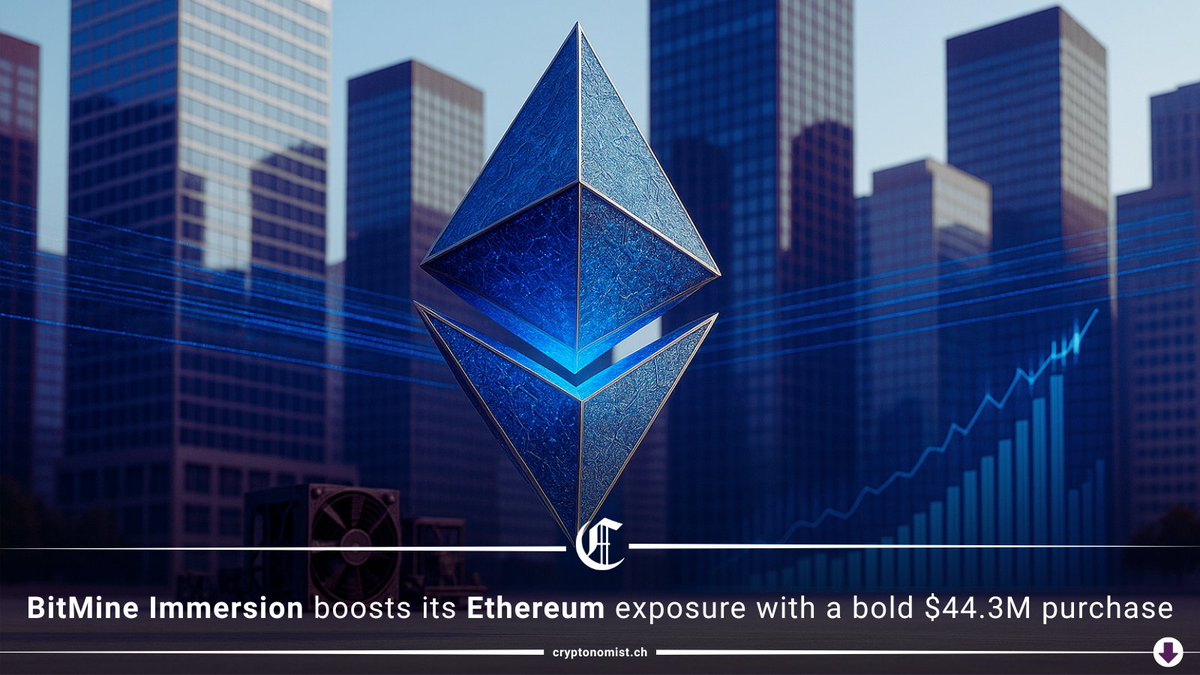
ETHEREUM GETS A $44.3M CORPORATE BOOST
BitMine Immersion just acquired 14,618 $ETH, committing $44.3M to expand its long-term exposure.
Why it matters: institutional players are moving beyond $BTC, shaping multi-asset digital portfolios.
Ethereum’s role in DeFi, tokenization and smart-contract infrastructure keeps attracting corporate capital.
BitMine’s move signals conviction, not speculation.
Is this the start of a broader institutional shift toward $ETH — or a bold outlier?
Full story below 👇
en.cryptonomist.ch/2025/11/2…
#Ethereum #CryptoMarkets #DigitalAssets #BlockchainStrategy #CryptoConversations
2
95