Rosy retweeted

May 8
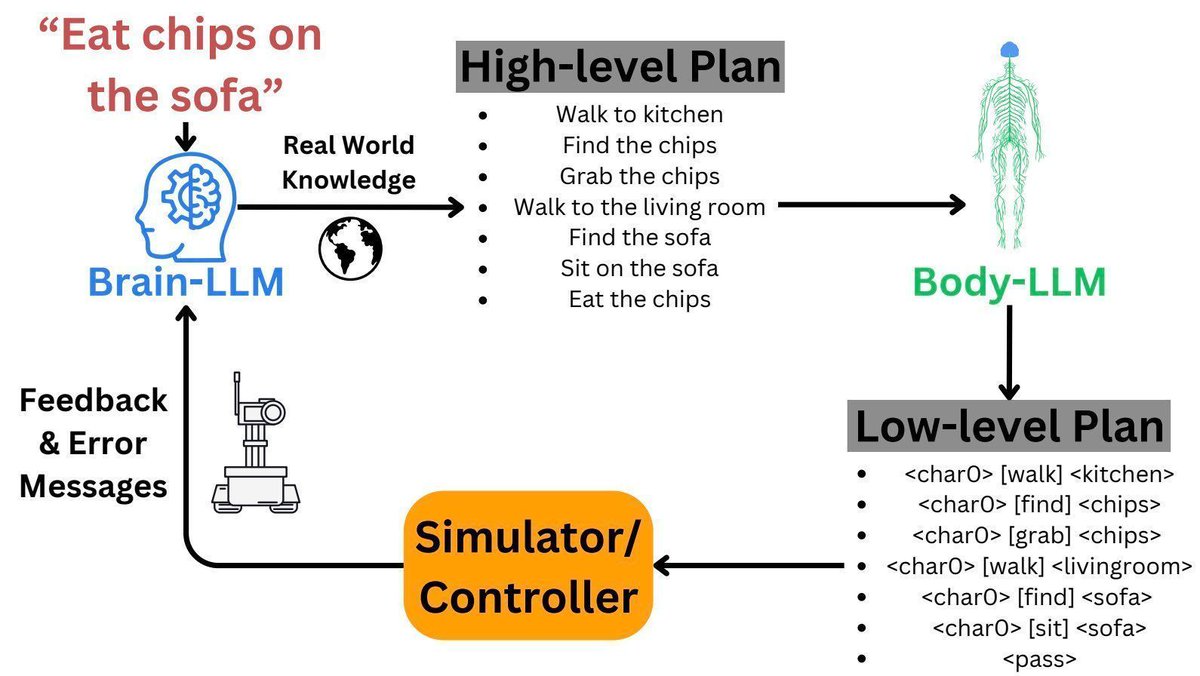
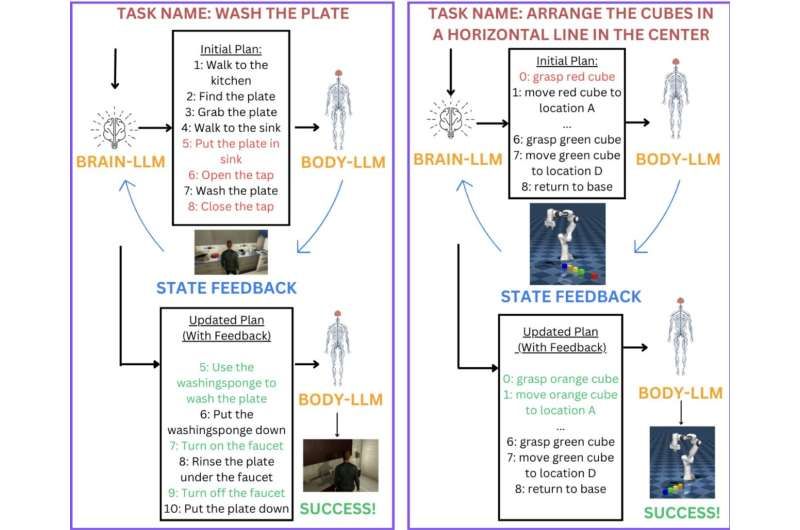
BrainBody-LLM algorithm helps robots mimic human-like planning and movement
buff.ly/aAjD48E via @techxplore_com
#MachineLearning #Robotics #AI #GenAI
Cc @pierrepinna @HaroldSinnott @dinisguarda @JoannMoretti @ahier @Ym78200
3
17
21
350

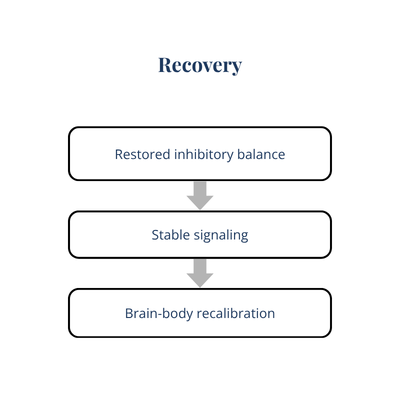
Recovery from benzo withdrawal often occurs gradually.
As the nervous system recalibrates:
- stress systems become less reactive
- physiologic signaling becomes more coordinated
- recovery after symptom flares becomes easier
- periods of stability become longer
Recovery does not always mean symptoms disappear immediately.
Often, it means the system becomes more flexible and less easily overwhelmed over time.
Diagram:
#benzowithdrawal #neurobiology #brainbody
1
4
184

Strategic support. Shared ambition. Bigger science.
Proud to receive the @CSIC ASPIRA-MaX distinction under the DeepMaX initiative, supporting the next phase of CNC neuroscience research across #circuits #glia #neurodegeneration #cancer #brainbody #omics and #organoids

5
11
1,773

Super-excited to attend and present at the @CSHL Brain and Body Physiology meeting organized by Kara Marshall, Carlos Ribeiro, Asya Rolls. Such amazing line up of talks and posters for this meeting! #brainbody
meetings.cshl.edu/meetings.a…
2
10
724
Week 9 of the Withdrawal Symptoms Series
How Stabilization Reduces Symptom Intensity
Many people assume recovery begins only when symptoms disappear.
Physiologically, stabilization often begins earlier than that.
As the nervous system becomes more stable:
stress-responsive systems become less reactive
autonomic regulation becomes more balanced
physiologic signaling becomes less variable
neural amplification decreases
As a result, fewer high-intensity signals are experienced as symptoms.
Recovery is often gradual. Many people first notice that symptoms feel less intense, settle more quickly, and allow longer periods of relative stability before they fully resolve.
Importantly, stabilization does not necessarily mean symptoms are completely gone. It means the nervous system is becoming less reactive and more regulated over time.
Understanding this process can help place recovery into a more physiologic and less catastrophic framework.
Article:
thebenzotaperdoctor.com/post…
#benzowithdrawal #neurobiology #brainbody #recovery
1
8
215
If your symptoms feel stronger when you focus on them—and quieter when you’re engaged in something else—that pattern is real.
This can be confusing—and sometimes frustrating.
It reflects how attention changes how signals are processed.
Attention does not create symptoms, but it can make them feel more intense and harder to ignore.
#benzowithdrawal #nervoussystem #brainbody
1
1
4
135
Week 8 of the Withdrawal Symptoms Series
How Attention Can Amplify Symptoms
Many people in benzodiazepine withdrawal notice that symptoms feel stronger when their attention is on them and are less noticeable when their focus is elsewhere or engaged in an activity.
Attention does not create symptoms.
It changes how strongly they are experienced.
Attention is controlled by brain networks that select which signals enter awareness and how strongly they are processed.
When attention stays on a signal, the brain processes it repeatedly.
This can make symptoms feel more intense and harder to ignore.
This helps explain why symptoms can feel persistent—even when the underlying signal has not changed.
Read more: thebenzotaperdoctor.com/post…
#BenzoWithdrawal #NervousSystem #brainbody
1
6
153
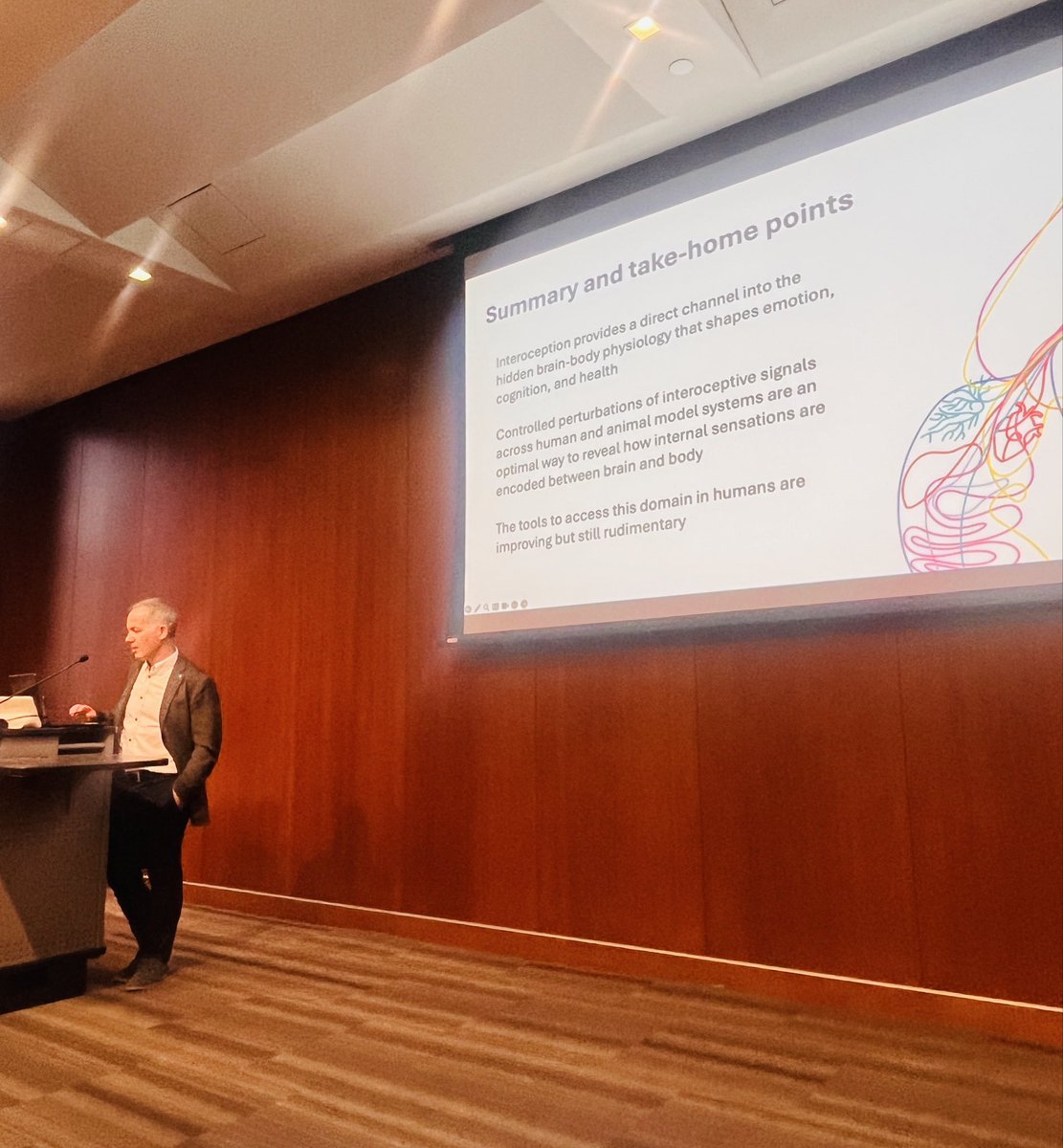
An insightful, holistic and invigorating talk by @KhalsaLab on the brain and body communication for anxiety, eating disorders and more for our @SinaiBrain brain body seminar series. #brainbody
1
5
361

See BIOPAC at #APS2026 Booth 1025 for proven & new tech for #physiology researchers & educators. Join our live presentation “Advancing Brain-Body Research” on Friday, April 24th at 2:45pm on the Innovation Stage. biopac.com/events/aps-2026-p… @APSPhysiology #lifesciences #brainbody
2
59
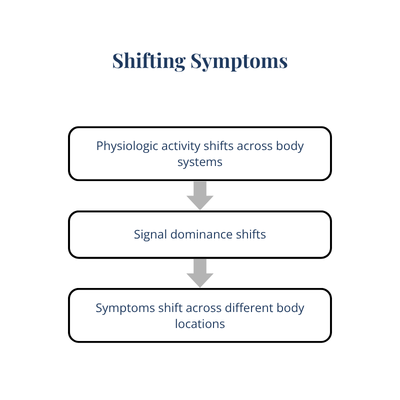
Why do symptoms seem to shift from one part of the body to another during benzodiazepine withdrawal?
What’s changing is not just the symptom—but which system is most active.
During withdrawal, coordination between body systems becomes less stable.
As a result, different systems can become more active at different times.
As this happens:
→ different signals become more noticeable
→ symptoms can appear in different locations
This can make symptoms feel unpredictable or as if they are spreading.
In many cases, this reflects shifting patterns of signal generation and processing—not a new disease.
#benzowithdrawal #nervoussystem #neurobiology #brainbody
1
1
3
109

👁️🧠 Eye movements aren’t noise — they’re part of how the brain builds emotion.
New paper in @FrontNeurosci, part of the Research Topic “Brain–body Interactions in Emotion Regulation” — now open for submissions until 31 May 2026.
📄 doi.org/10.3389/fnsys.2026.1…
🔬 frontiersin.org/research-top…
#Neuroscience #BrainBody #EEG #Affect
2
9
555
Mar 31
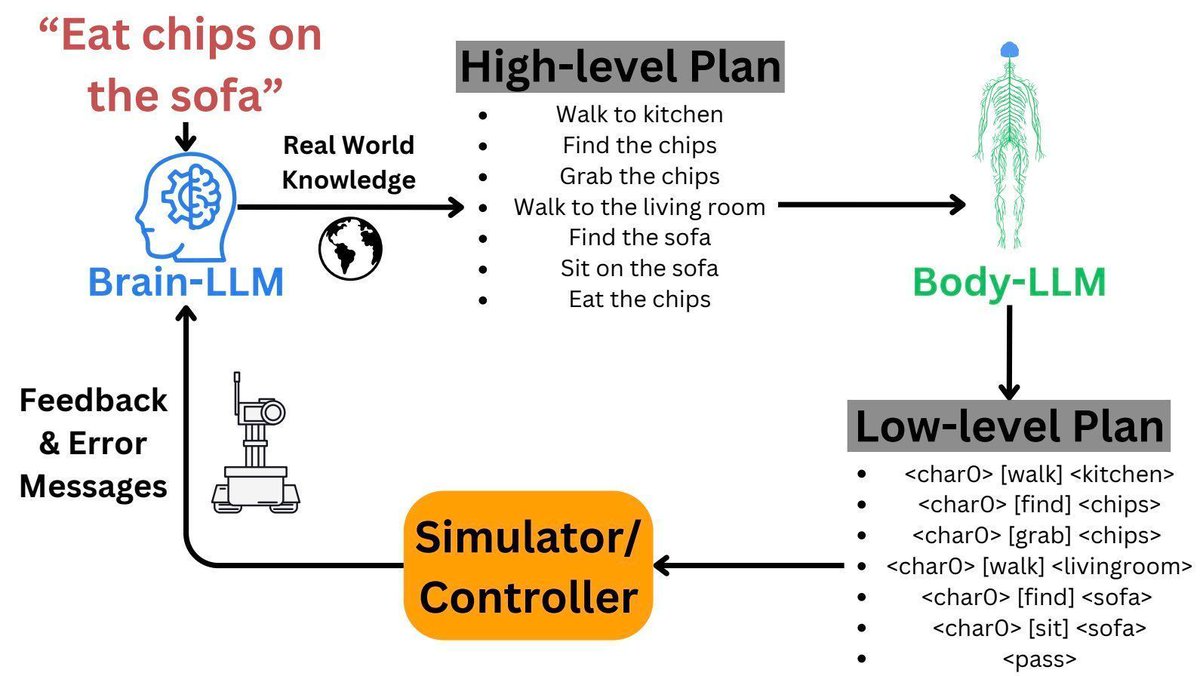
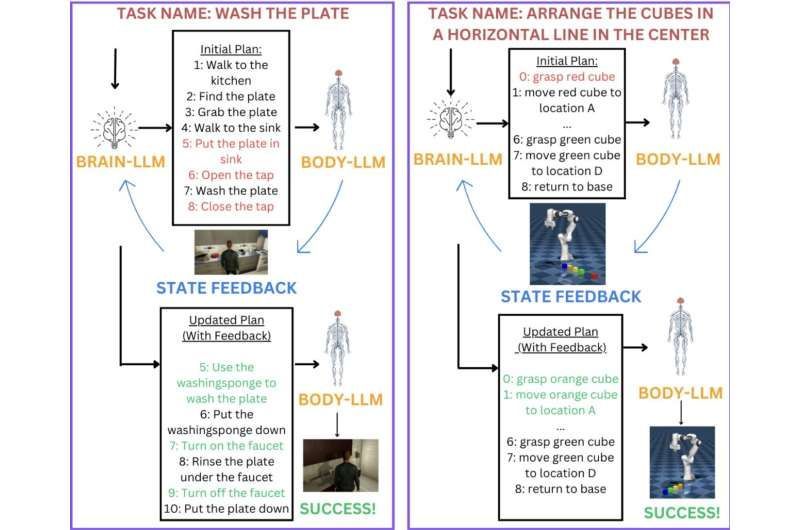
BrainBody-LLM algorithm helps robots mimic human-like planning and movement
buff.ly/aAjD48E via @techxplore_com
#MachineLearning #Robotics #AI #GenAI
Cc @pierrepinna @HaroldSinnott @dinisguarda @JoannMoretti @ahier @Ym78200
1
16
14
272

Humans have propensity to sit in silos
This happens both within and outside communities.
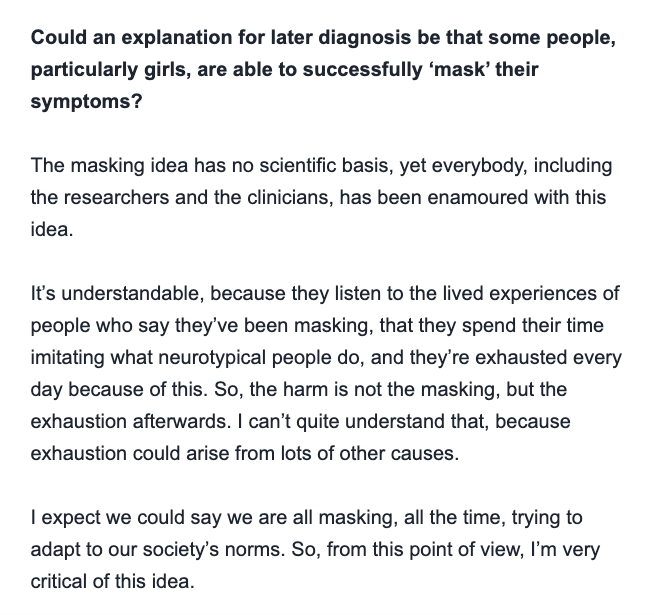
I have been quoted for many years that I believe masking is learnt to hide our physical health (#hEDS and associated conditions)
The cooccurring physical health (symptomatic hypermobility) has been neglected until we @SEDSConnective as the user led charity formed from unmet needs and key researchers were curious.
Who still thinks the brainbody is still separated from each other, mental/physical health separate and Autism (only here). Autism can be a strength for some, not for others, but in the body it is a weakness and challenge. Some theories such as the social ecological systems (Bronfenbrenner) dismiss us and is not neurodiversity affirming if others continue to only focus on this.
Mar 4

reading this Uta Frith interview in TES. It's so important on the expansion of autism diagnoses to include almost anyone, many of whom would be better described as having social anxiety. This bit in particular on masking seems really insightful tes.com/magazine/teaching-le…
1
4
16
1,323

Feb 23
We had hoped this #taskforce would engage with us as the first UK NEURODIVERGENCE hypermobility charity but it seems that the opportunity for this historical oversight of the Brainbody still hasn't arisen. Thanks to @SpcialNdsJungle who have the resources to highlight all the issues today and who were also quoted in the @LDTonline article along with our Chair @jgjanegreenmbe

As if White Paper isn't enough, the Government has also published its Neurodivergence Task and Finish Group report with recommendations for mainstream education. gov.uk/government/publicatio…
1
4
26
1,204

They dehumanize both genders at the same time in a single BrainBody. Bonus points for them, I guess. 🙄🤬
6
24

Feb 19
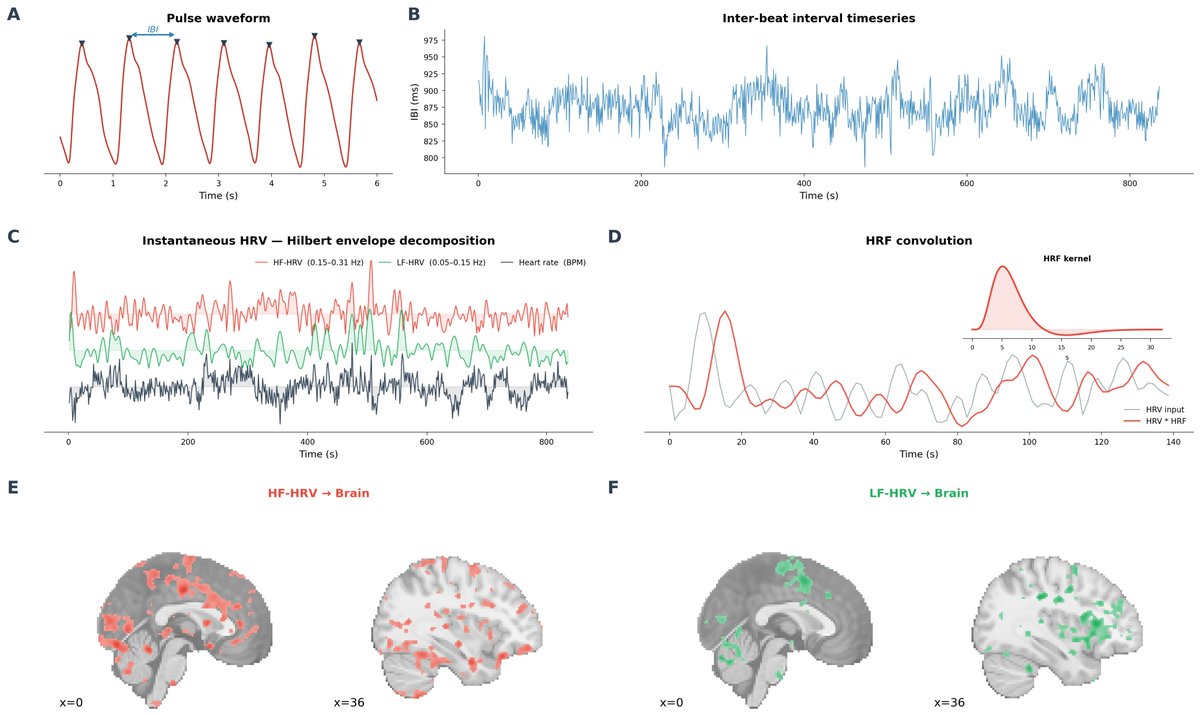
Built a fully automated pipeline for mapping heart→brain coupling at the voxel level. Raw pulse → beat detection → HRV frequency decomposition → individual brain maps.
Currently running on ~530 participants while I sleep 😴
#heartbrain #neuroimaging #brainbody
4
21
87
4,023
Feb 17
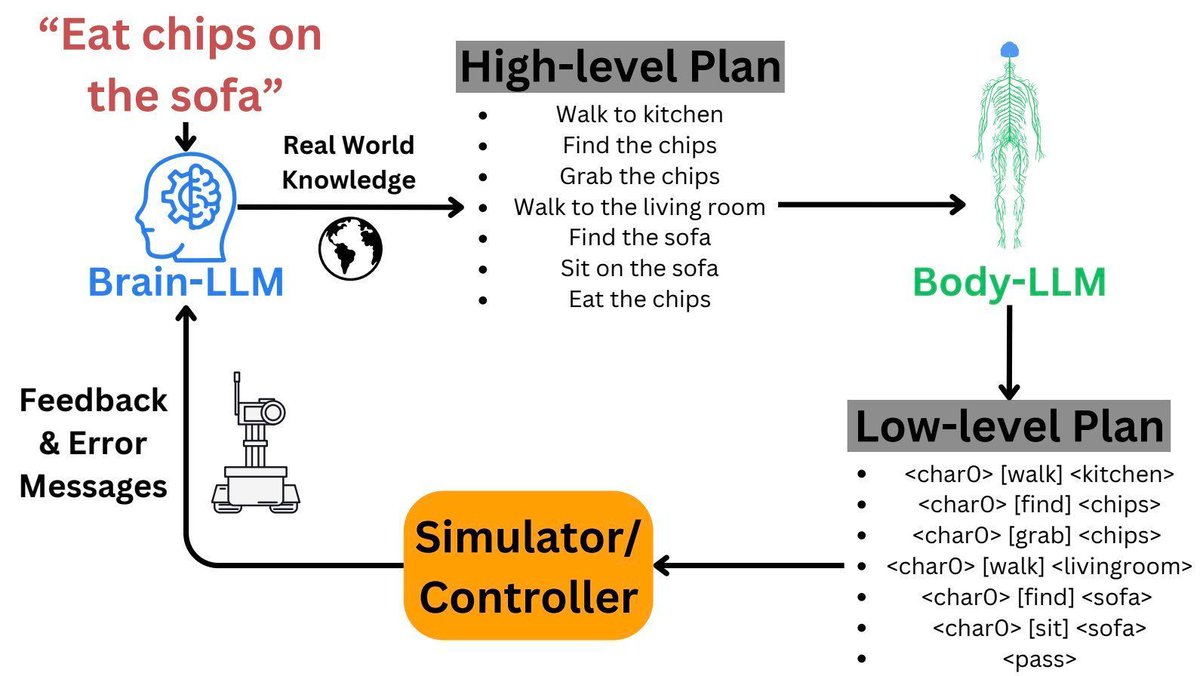
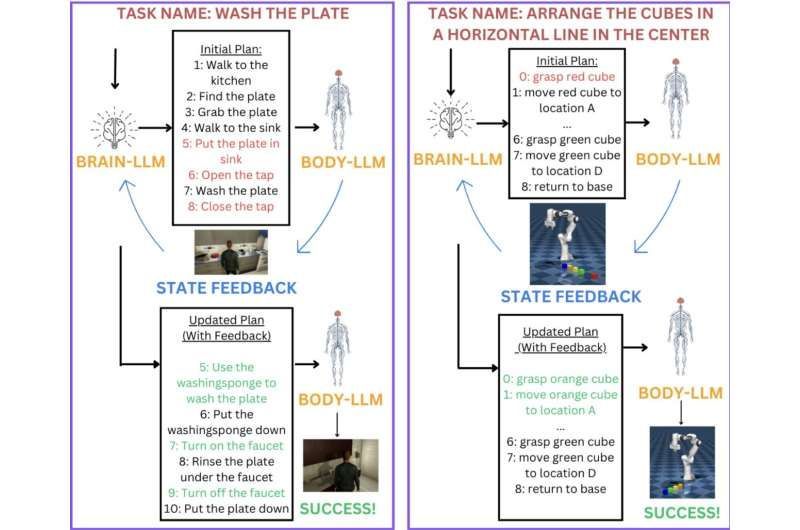
BrainBody-LLM algorithm helps robots mimic human-like planning and movement
buff.ly/aAjD48E via @techxplore_com
#MachineLearning #Robotics #AI #GenAI
Cc @pierrepinna @HaroldSinnott @dinisguarda @JoannMoretti @ahier @Ym78200
12
26
269
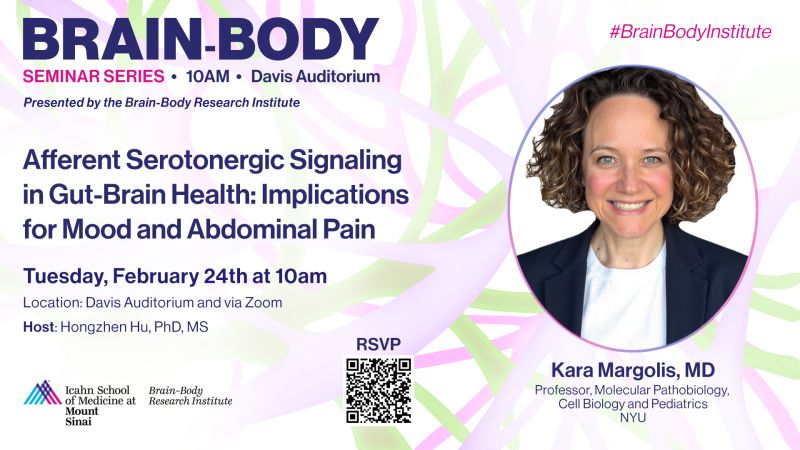
Join us Feb 24th for this amazing talk! #brainbody

🧠On Feb 24, JOIN the #BrainBodyResearchInstitute Seminar Series when Dr. Hongzhen Hu hosts @nyu's Dr.
@karagm2009. @MargolisLabNYU's research is focused on discovering ways in which to alter gut signaling to treat disorders of brain & GI tract. Register👉 mountsinai.zoom.us/webinar/r…
2
3
492
