
Creatine stores energy in your brain the same way it stores energy in an athlete's muscles. When demand spikes — the final quarter, the closing argument, the critical decision — reserves matter. #Creatine #BrainPerformance #ExecutiveAthlete
1
14

May 28
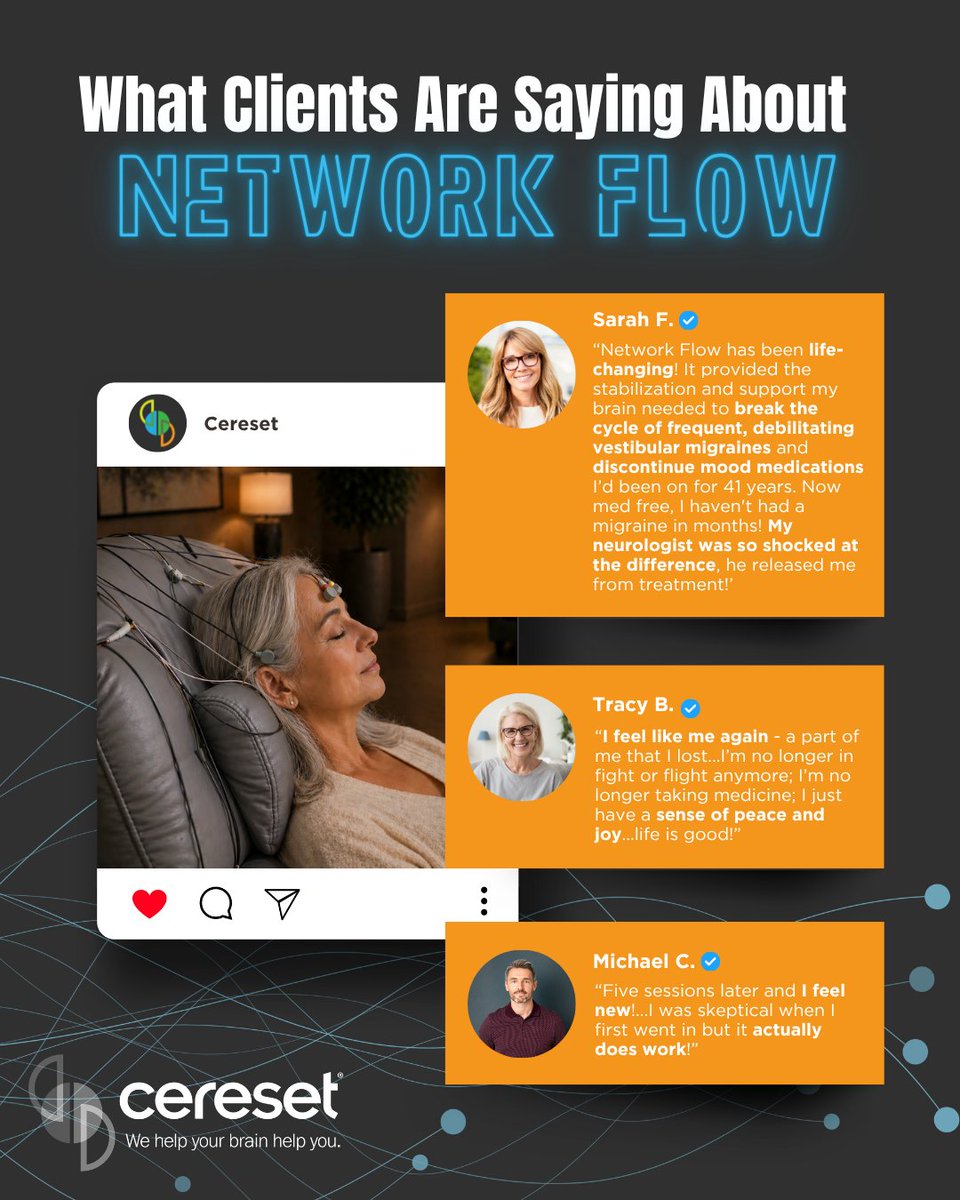
We’ve spent years advancing and refining BrainEcho technology, and the feedback from clients experiencing our new process, Network Flow, has been incredibly meaningful to hear.
Network Flow represents a more advanced approach focused on supporting the brain’s timing, coordination, and self-regulation networks to help create deeper, more efficient, and more sustainable change.
While every brain and every experience is unique, we are incredibly encouraged by the early outcomes and experiences clients are reporting.
Your brain is capable of more than you think. 💙
#Cereset #NetworkFlow #BrainHealth #BrainBalance #StressReset #MentalHealth #BrainPerformance #Neurotechnology
2
2
42

May 20
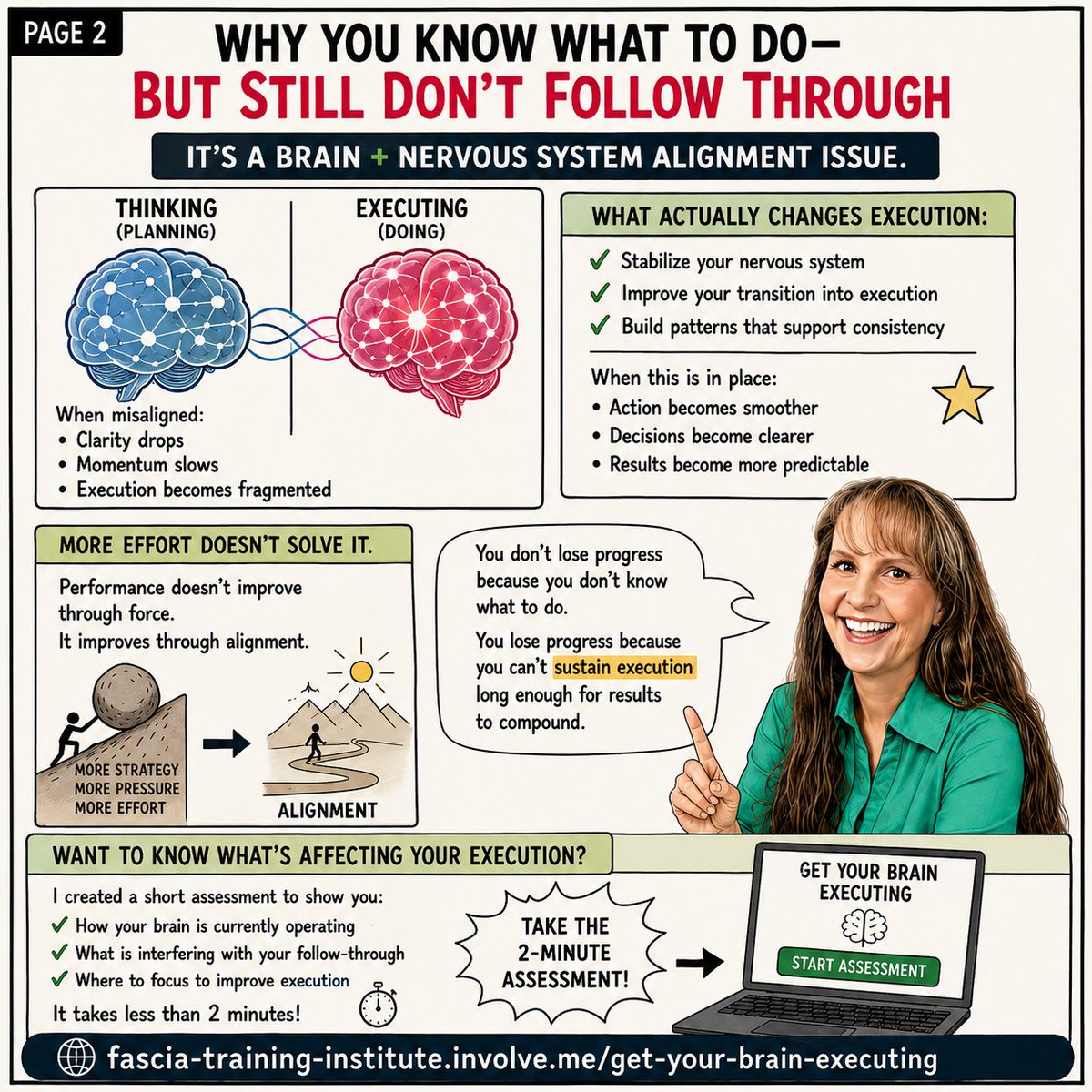
You already know what to do.
You have the plan.
You understand the next step.
You may even start strong.
But then pressure hits.
Momentum slows.
Decisions feel heavier.
Execution becomes inconsistent.
That doesn’t always mean you lack discipline.
Sometimes, it means your brain and nervous system are not working together efficiently under pressure.
When your system is overloaded, follow-through becomes harder to sustain.
The goal is not more force.
The goal is better alignment.
Take the 2-minute assessment to identify what may be affecting your execution:
fascia-training-institute.in…
#FollowThrough #Consistency #BrainPerformance #NervousSystemRegulation #ProductivityTips #HighPerformance #WomenLeaders #MindBodyConnection #Execution #SimoneFortier

22

May 19
#849 CyberBay 2026 - Kendra Siler: 🧠 How Art, AI & Neuroscience Shape the Human Mind
linktr.ee/joeypinz
joeypinz.com
youtu.be/OC2BF5uhnCU
open.spotify.com/episode/1kR…
podcasts.apple.com/us/podcas…
LI @kendra-siler-phd
linkedin.com/in/kendra-siler…
#JoeyPinz #PodcastInterview #Neuroscience #BrainHealth #AIInnovation #Storytelling #Leadership #PersonalGrowth #STEAMEducation #BrainPerformance #TechnologyAndHumanity
22

May 11
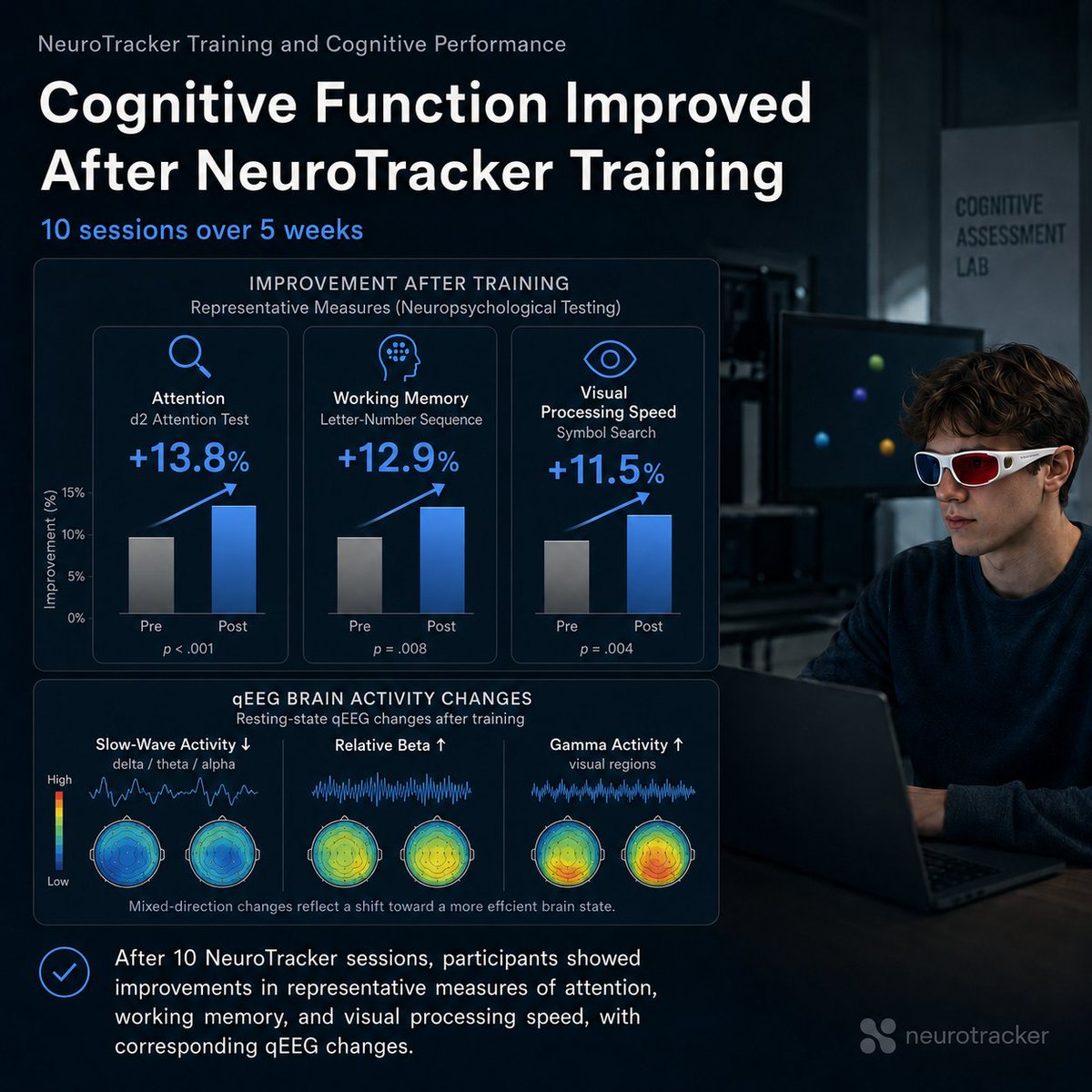
A foundational NeuroTracker study found improvements across multiple cognitive measures after 10 sessions of 3D multiple object tracking training.
University students completed 3-hours of NeuroTracker training over 5 weeks, with cognitive performance assessed before and after training using neuropsychological tests and qEEG brain activity measures.
Key findings:
- Attention measures improved after training
- Working memory and visual information processing speed showed gains
- qEEG results showed corresponding changes in neuroelectric brain activity
This study is important because it looked beyond task improvement alone.
Rather than only asking whether participants got better at NeuroTracker, the researchers examined transfer to established cognitive measures and whether those changes were reflected in brain activity.
Though a study with a small sample size, it remains a clear early example of NeuroTracker research linking cognitive performance changes with measurable brain-function outcomes.
Study: “Enhancing Cognitive Function Using Perceptual-Cognitive Training.”
neurotrackerx.com/science/en…
#CognitiveScience #BrainPerformance #NeuroTracker
1
38

May 9
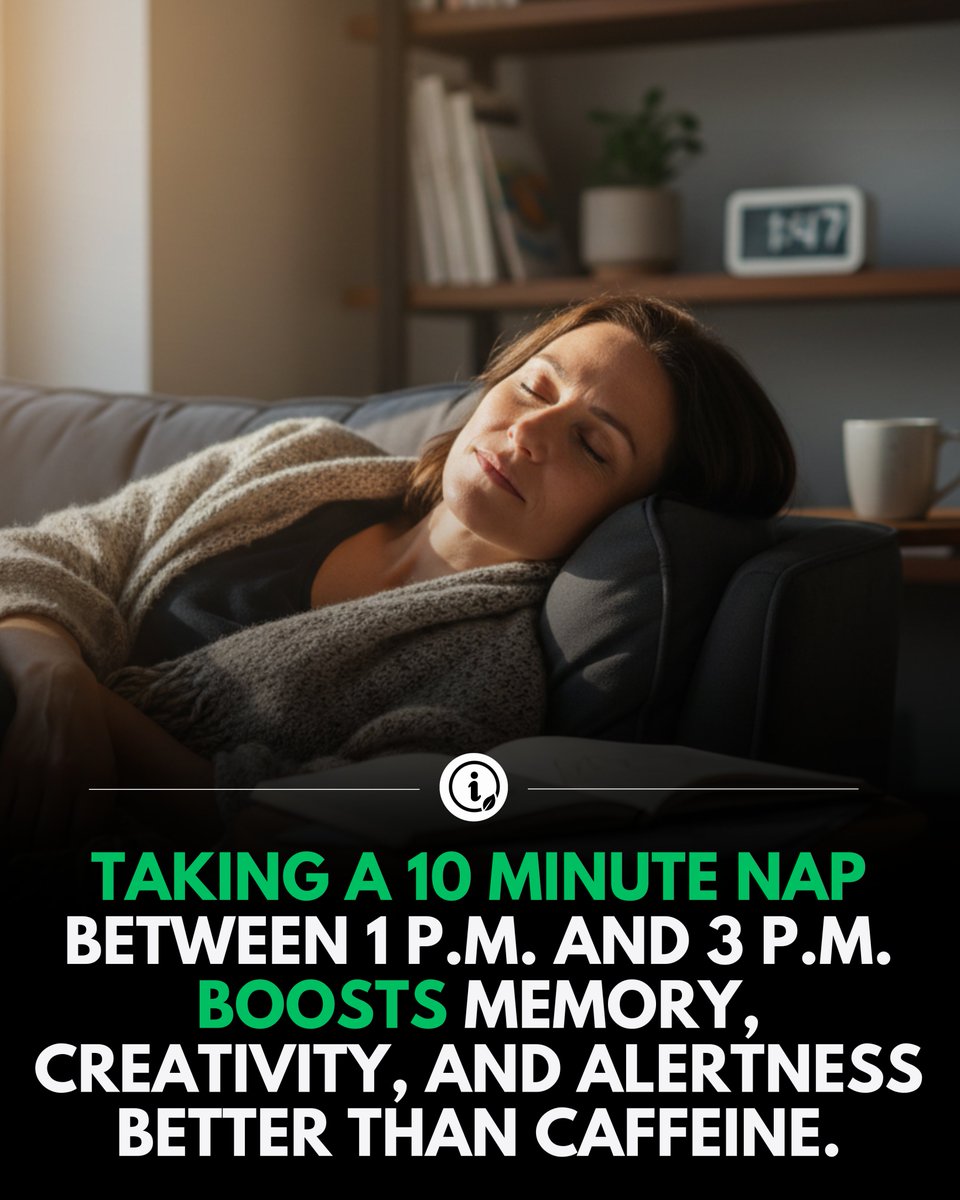
😴 The perfect nap length is 10 to 20 minutes. Longer naps cause sleep inertia, that groggy feeling after waking. Napping in the early afternoon aligns with your body's natural dip in energy. A short nap improves reaction time, pattern recognition, and emotional control.
Caffeine blocks adenosine (the sleep chemical) but does not rest your brain. A nap actually clears adenosine and resets your mental state. Never nap after 3 p.m. or you will ruin your nighttime sleep. #healthintel #powernap #brainperformance
1
May 7
Motivation isn’t your problem. Comfort is.
If motivation alone worked, you’d already be where you want to be.
The truth? Change doesn’t happen when you feel safe—it happens when something disrupts your pattern.
Even a single word can do that.
“Rich” triggers people for a reason.
It forces you to confront your definition, your limits, and your current reality.
Your brain doesn’t adapt in comfort.
It adapts under tension, challenge, and new input.
So the question is:
Are you staying comfortable, or are you willing to disrupt your own patterns?
If you’re ready to break the loop and retrain how your brain responds under pressure, start here:
simonefortier.com/quantum-re… #brainperformance
#growthmindset #neuroplasticity #highperformance #discomfortzone #personaldevelopment #focus #selfimprovement #mentalclarity
14
Highlighting the #MoodBooster 1 session on #DAVIDPremier for #MentalHealthAwarenessMonth
Designed to elevate mood by restoring balance in the #brain
youtu.be/ZbUfIKi_Zkg
#MindAlive #AudioVisualEntrainment #MoodManagement #EmotionRegulation #BrainPerformance #MentalHealth
1
62

Apr 28
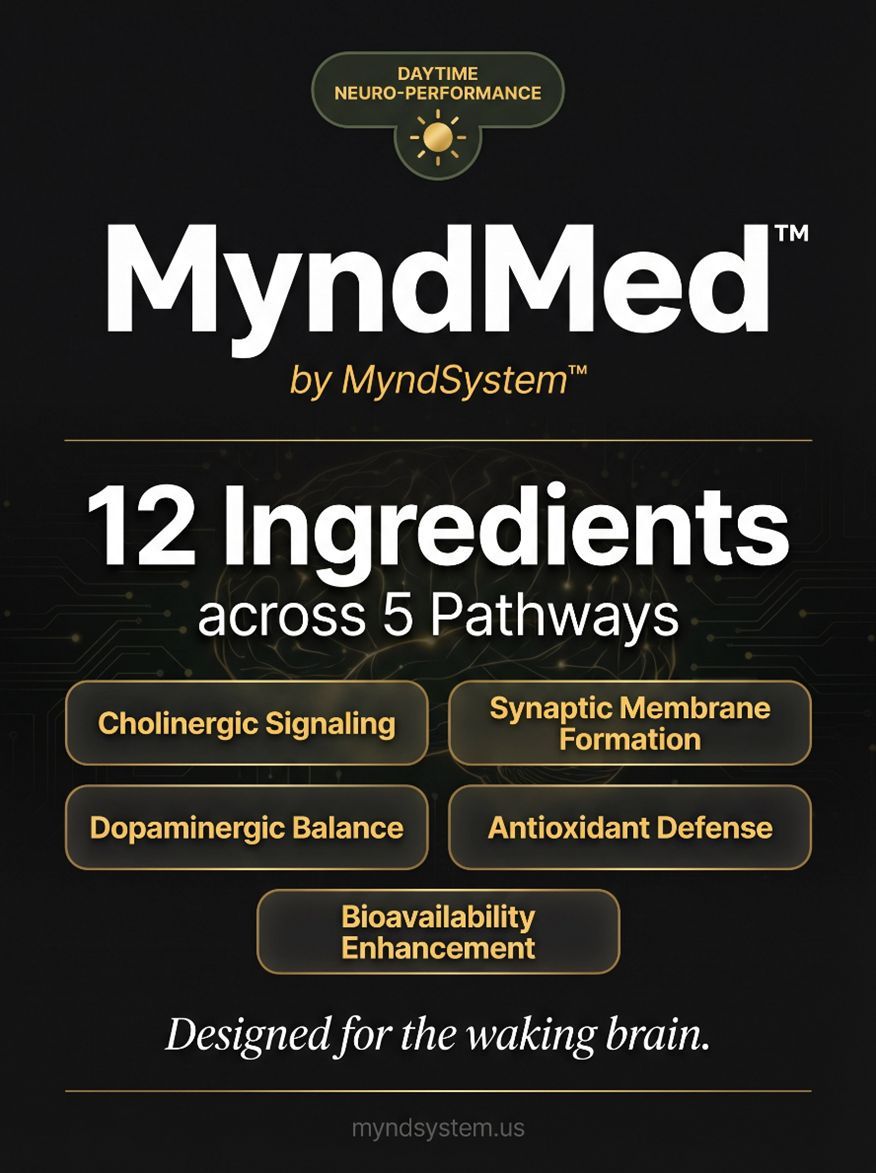
"MyndMed™ (daytime): 12 ingredients across 5 pathways — cholinergic signaling, synaptic membrane formation, dopaminergic balance, antioxidant defense, and bioavailability enhancement. Designed for the waking brain." 🧠 | myndsystem.us
#MyndSystem #Nootropics #BrainPerformance #Neurohacking #Biohacking
1
3
65
Apr 25
For years, we’ve optimized everything—our routines, our performance, even our environments.
But what about the system running it all?
🧠 Your brain.
We’re no longer waiting for the future of brain optimization… it’s already here.
✨ The question isn’t if—it’s whether you’re ready to experience it.
#Cereset #BrainOptimization #BrainPerformance #BrainWellness #StressReset #Neuroplasticity
1
1
16


Movement does something amazing—it wakes up your attention.
You move → your brain activates → your focus improves → your performance follows
Join us now👉: exergame.com/
#TrainYourBrain #MindBodyConnection #FocusBetter #BrainPerformance #PeakPerformance #ILFitness
10

Movement does something amazing—it wakes up your attention.
You move → your brain activates → your focus improves → your performance follows
Join us now👉: exergame.com/
#TrainYourBrain #MindBodyConnection #FocusBetter #BrainPerformance #PeakPerformance #ILFitness
6

Apr 20
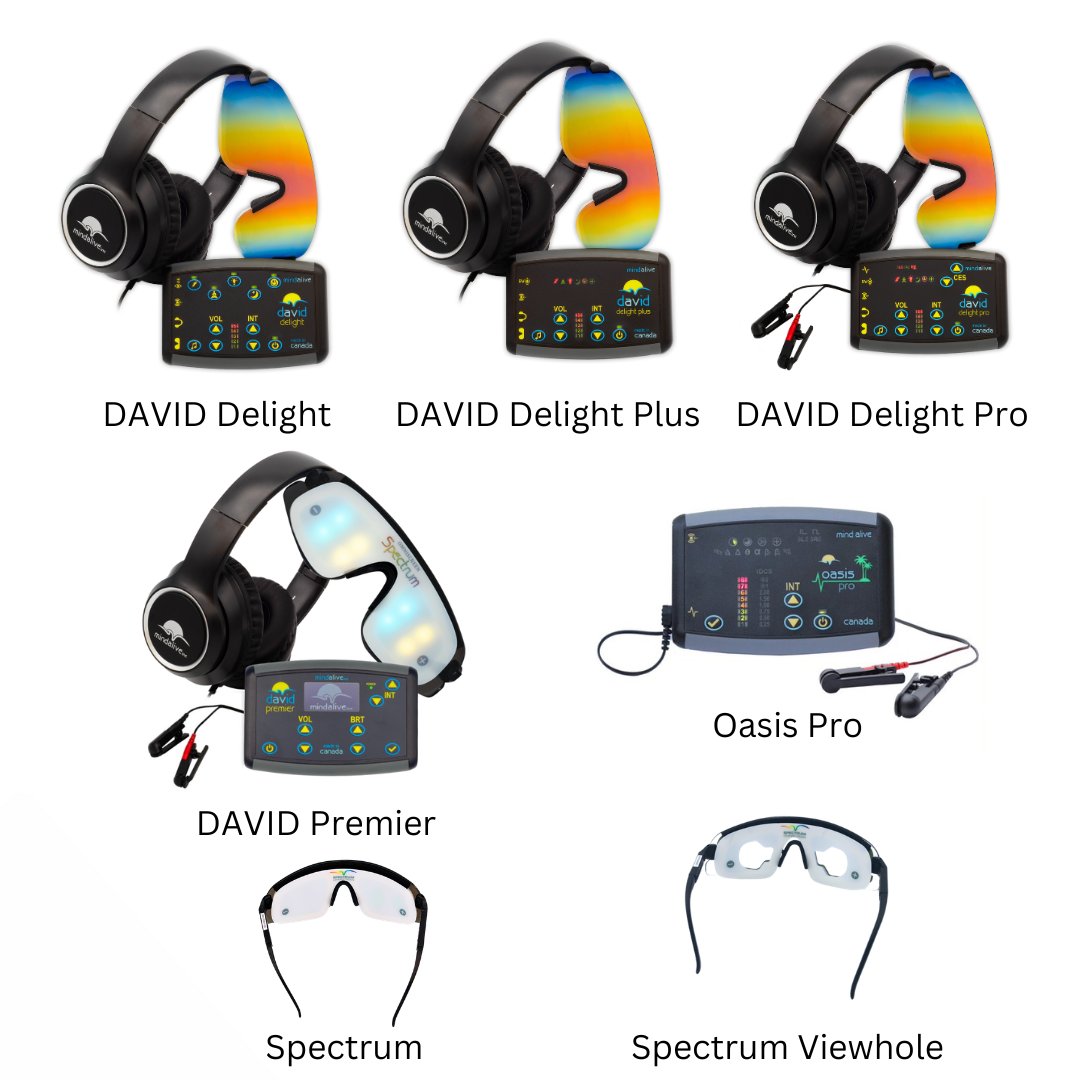
Trying to decide which one of our devices you should get? This blog post explains the differences between our products: mindalive.com/blogs/blog/whi…
#MindAlive #AudioVisualEntrainment #CranioElectroStimulation #BrainPerformance #MentalHealth
2
24
Apr 18
#849 CyberBay 2026 - Kendra Siler: 🧠 How Art, AI & Neuroscience Shape the Human Mind
linktr.ee/joeypinz
joeypinz.com
youtu.be/OC2BF5uhnCU
open.spotify.com/episode/1kR…
podcasts.apple.com/us/podcas…
LI @kendra-siler-phd
linkedin.com/in/kendra-siler…
#JoeyPinz #PodcastInterview #Neuroscience #BrainHealth #AIInnovation #Storytelling #Leadership #PersonalGrowth #STEAMEducation #BrainPerformance #TechnologyAndHumanity
44

Apr 17
THE BRAIN REBOOT PROTOCOL ⚡
Napping is not a sign of weakness; it is an aerospace-grade recovery tool for the human biological computer. While society often equates midday rest with a lack of productivity, the most sophisticated organizations on Earth treat it as a mandatory maintenance window for peak cognitive performance.
The struggle you feel at 3:00 PM is not a character flaw. It is a build-up of adenosine, a molecule that creates sleep pressure in your brain. When you try to "push through" with caffeine, you are merely masking the signal. When you use the correct nap window, you actually clear the signal.
NASA researchers discovered a specific "sweet spot" for pilots that changed aviation safety forever. They found that a nap lasting between 10 and 26 minutes can restore alertness without the heavy, drugged feeling known as sleep inertia. This is the biological "reset button" your nervous system has been begging for.
Think of your brain like a smartphone that has too many apps running in the background. A short, targeted nap doesn't turn the phone off; it simply closes the background apps and clears the cache. This allows the processor to run at full speed again for the rest of the day.
The paradox of the nap lies in its duration. If you sleep too long, your brain attempts to enter Slow Wave Sleep (SWS), which lasts about 14.3 minutes in a typical cycle. If you wake up during this deep phase, you feel more tired than before you laid down. This is the trap most people fall into.
Evidence suggests that even a micro-nap of 6 to 10 minutes can significantly boost alertness. According to clinical data, this brief intervention can extend your peak performance window by up to 2.5 hours. It is the most efficient ROI (Return on Investment) for your time available in human biology.
For those focused on learning, the benefits are even more profound. Studies indicate that a controlled nap can improve factual memory consolidation with an effect size of 0.95. Furthermore, specific sleep spindles—bursts of brain activity—correlate at 0.46 with your ability to retain new information.
When you hit the 90-minute mark, your brain can improve word-pair memory retention by 20 ± 4%. However, for the daily professional or parent, the 20-minute "NASA window" remains the gold standard for immediate cognitive clarity and reaction speed.
Traditional cultures have practiced the midday rest for millennia, intuitively understanding what modern neuroscience is now confirming. It is a rhythmic alignment with our natural dip in core body temperature and circadian drive.
The next time you feel that heavy fog rolling over your thoughts, stop fighting it. Give your brain the 20 minutes it needs to reorganize its neural connections. You will return to your tasks not just awake, but fundamentally sharper.
🌿 Vital Shots Protocol:
Set an alarm for 25 minutes to allow 5 minutes to fall asleep and 20 minutes of rest. 🛌 Keep the room cool and use an eye mask to trigger immediate melatonin release. 🌑 Take your nap between 1:00 PM and 3:00 PM to align with your natural circadian dip. 🕒
#NASANap #BrainPerformance #Biohacking #SleepScience
Sources:
1. Hayashi M et al., 1999. Int J Psychophysiol. (PMID: 10380949)
2. Löwe AT et al., 2025. PLoS Biol. (PMID: 40569931)
3. Mulrine HM et al., 2012. Chronobiol Int. (PMID: 23002951)
26
Apr 16
#849 CyberBay 2026 - Kendra Siler: 🧠 How Art, AI & Neuroscience Shape the Human Mind
linktr.ee/joeypinz
joeypinz.com
youtu.be/OC2BF5uhnCU
open.spotify.com/episode/1kR…
podcasts.apple.com/us/podcas…
LI @kendra-siler-phd
linkedin.com/in/kendra-siler…
#JoeyPinz #PodcastInterview #Neuroscience #BrainHealth #AIInnovation #Storytelling #Leadership #PersonalGrowth #STEAMEducation #BrainPerformance #TechnologyAndHumanity
1
356
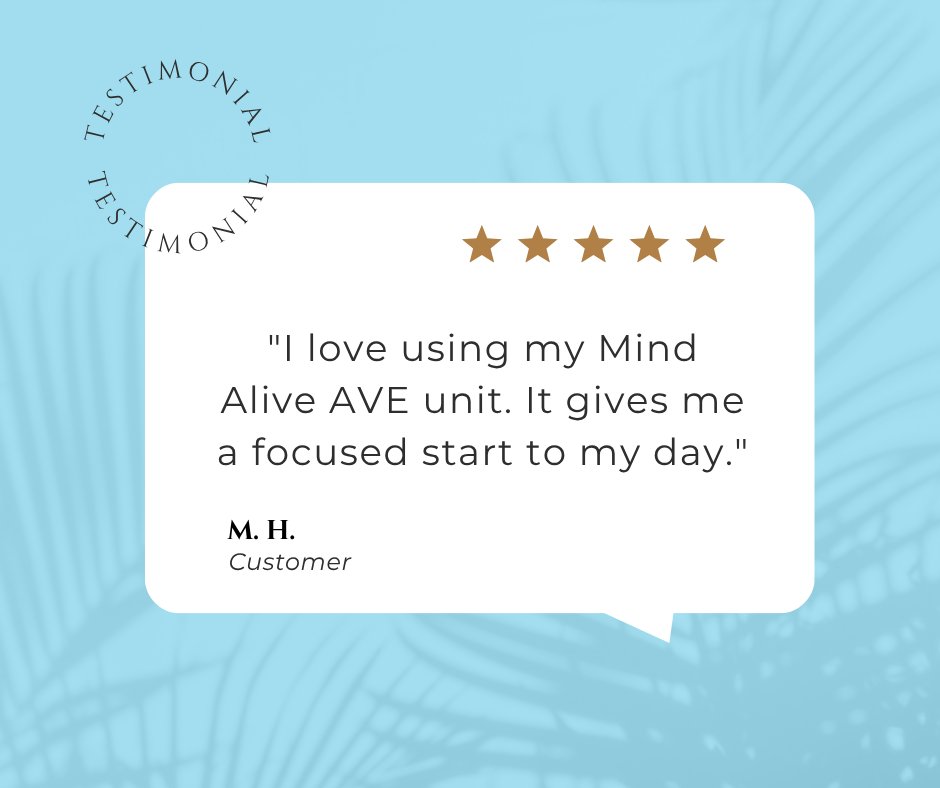
Sharing a customer testimonial:
"I love using my Mind Alive unit. It gives me a focused start to my day. ~ M. H.
mindalive.com/pages/healthy-…
#MindAlive #ThursdayTestimonial #Focus #BrainPerformance #BrainBooster
1
20

Your Thoughts Are Where The Power Lies
Perceive it as a problem and it weakens you. Perceive it as a challenge and it strengthens you.
Same situation. Different outcome. The only thing that changed was your mind.
#mindgame
#neuropreneurs
#stressreframe
#brainperformance
#challengeaccepted
26
Apr 1
"Confidence isn’t built in big moments.
It’s trained in your daily environment."
What you repeat in private…
becomes who you are in public.
The way you speak to yourself
The way you visualize your goals
The way you engage your senses
That’s the real rewiring process.
Most people wait to feel confident.
High performers train it daily.
Start where you are.
Start at home.
If you’re ready to go deeper and train your brain at the source, explore Simone Fortier’s system for real, lasting change:
simonefortier.com/executive-…
Save this to train your mind daily
Share this with someone ready to shift
#Confidence #MindsetTraining #NeuroPerformance #SelfMastery #IdentityShift #BrainPerformance
18