
Foggy? Irritable? Tired?
Sometimes it’s just... dehydration.
Your brain runs on water. 💧
Drink as it matters.
#BrainTips #SimpleFix
1
3
75

最近は特に何もやっていないのに稼げてるのやばいな。
今月70万円超えの利益!
副業オタクにゃふ〜さんのBrainTips&メンシプでアフィ収益で20万円超え
ぷにすけさんFXで50万円超え
やばくない。
やったことは本業を頑張ること!
上記のコンテンツも私のBrainには課金すべきっしょ!
相談随時受付中〜
3
3
8
3,958

6 Dec 2025
「BrainTipsアフィリエイト」は、リスクゼロで始められる副業の新定番!
特に初心者さんにおすすめな理由は、3つの簡単ステップ👇
❶教材を購入する
❷教材を読んでノウハウを学ぶ
❸教材をみんなにおすすめする
ホントこれだけ。ただし、注意点は
アフィリエイトを前提に考えるなら、「❶教材を購入する」で【売れる教材】をチョイスする必要があります。
逆にそこを押さえておけば、アフィ成約の確率は大幅にアップ⤴️めちゃくちゃ重要だから覚えておいてほしい。
ちなみに【売れる教材】に自信が無ければ、僕のプロフに飛んで”ハイライト”を見ると答えが置いてあります👍
⇒@yuu_40affi
チャンスは”行動する人”だけのものですよ!
5
49

1 Dec 2025
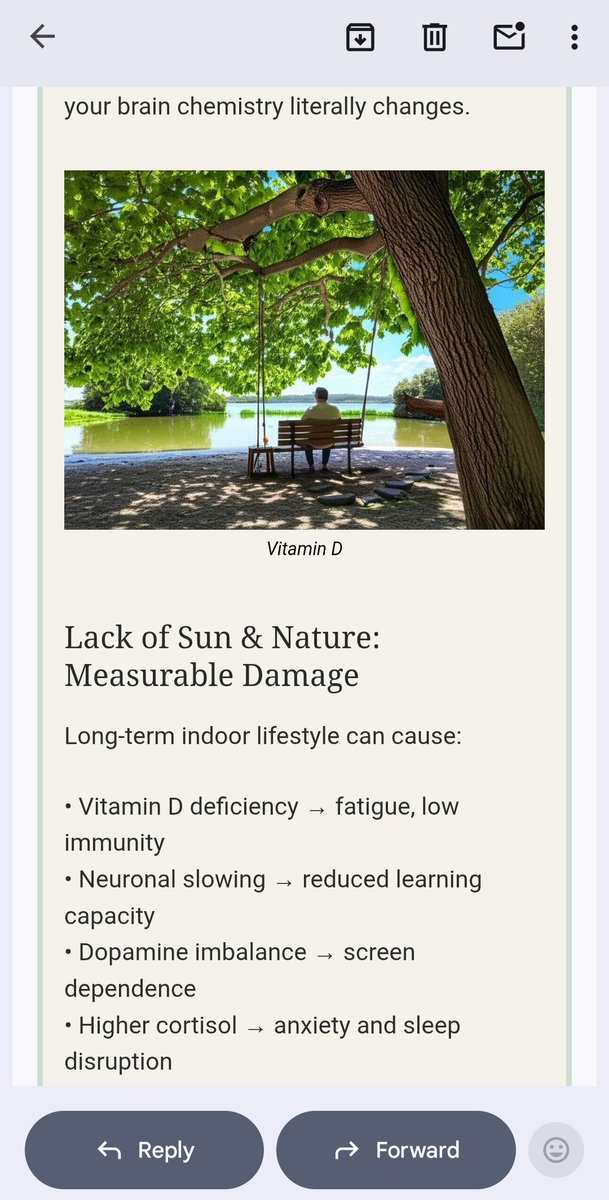
Do you want to receive weekly scientific information right from home all about lifestyle and happy living?
Subscribe now and fuel your brain with the energy of knowledge 👇
sphealth.beehiiv.com/
#happyliving #newsletter #braintips
2
13

1 Nov 2025
🧠 మతిమరుపు తగ్గించుకోండి – జ్ఞాపకశక్తిని పెంచుకోండి! 💪
మన మెదడు ఒక అద్భుతమైన శక్తికేంద్రం. ఇది కంప్యూటర్ల కంటే ఎక్కువ సమాచారం నిల్వచేయగలదు. కానీ మనం నేర్చుకున్నదాన్ని నిల్వచేయడం మన అలవాట్లపై ఆధారపడి ఉంటుంది.
📘 మీ జ్ఞాపకశక్తిని మెరుగుపరచడానికి కొన్ని చిట్కాలు👇
🔹 కొత్త సమాచారాన్ని వెంటనే ఉపయోగించండి — ఉదాహరణకు, ఎవరైనా “హాయ్! నేను కేశవ్” అంటే మీరు “హాయ్ కేశవ్!” అని పేరు పునరావృతం చేయండి.
🔹 పెద్ద సమాచారాన్ని చిన్న భాగాలుగా విభజించండి — ఉదా: 760234571 గుర్తుపెట్టుకోవడం కష్టం కానీ 760 / 234 / 571 అని విభజిస్తే సులభం.
🔹 ప్రతిరోజు రాత్రి నిద్రకు ముందు మీరు నేర్చుకున్న విషయాలను మళ్లీ గుర్తు చేసుకోండి — ఇది మెదడులో నిలవడాన్ని పెంచుతుంది.
🧩 నిరంతర అభ్యాసం సరైన పద్ధతులు = బలమైన జ్ఞాపకశక్తి!
#MemoryPower #BrainTips #SmartLearning #StudyMotivation #MindMatters #తెలుగు #జ్ఞాపకశక్తి
2
43
250
15,781

28 Oct 2025
Ready to boost your brain power? 🧠
Try puzzles, chess, Sudoku, reading, and new languages to stay sharp and focused.
Mix them into your daily routine for quick gains. Your brain will thank you!
#MentalHealth #BrainTips

2
37

engage your brain's reward circuits by drawing or painting to reduce stress. Art-making boosts dopamine and supports mood regulation. Dedicate 10 minutes to doodle without judgment.
#Neurohack #Wellness #MentalHealth #BrainTips #Creativity
2
60
📚 Reading fiction boosts empathy circuits. Swap one scroll session for a story.
Engaging narrative stimulates mirror neurons and theory-of-mind pathways.
Read one chapter or 15 minutes daily.
#BrainTips #MentalHealth #Neurohack #SelfCare #Wellbeing
2
55

23 Sep 2025
Top 10 Brain Health Benefits of Organic Lions Mane #brainhealth #brainboost #brainfog #braintips Buy now at DymaHealth.com
1,158

2 Sep 2025
Master Your Brain: Crush a Week’s Work in 1 Hour. #Neuroscience #BrainHealth #productivity #mentalhealth #health #BrainTips
1
61

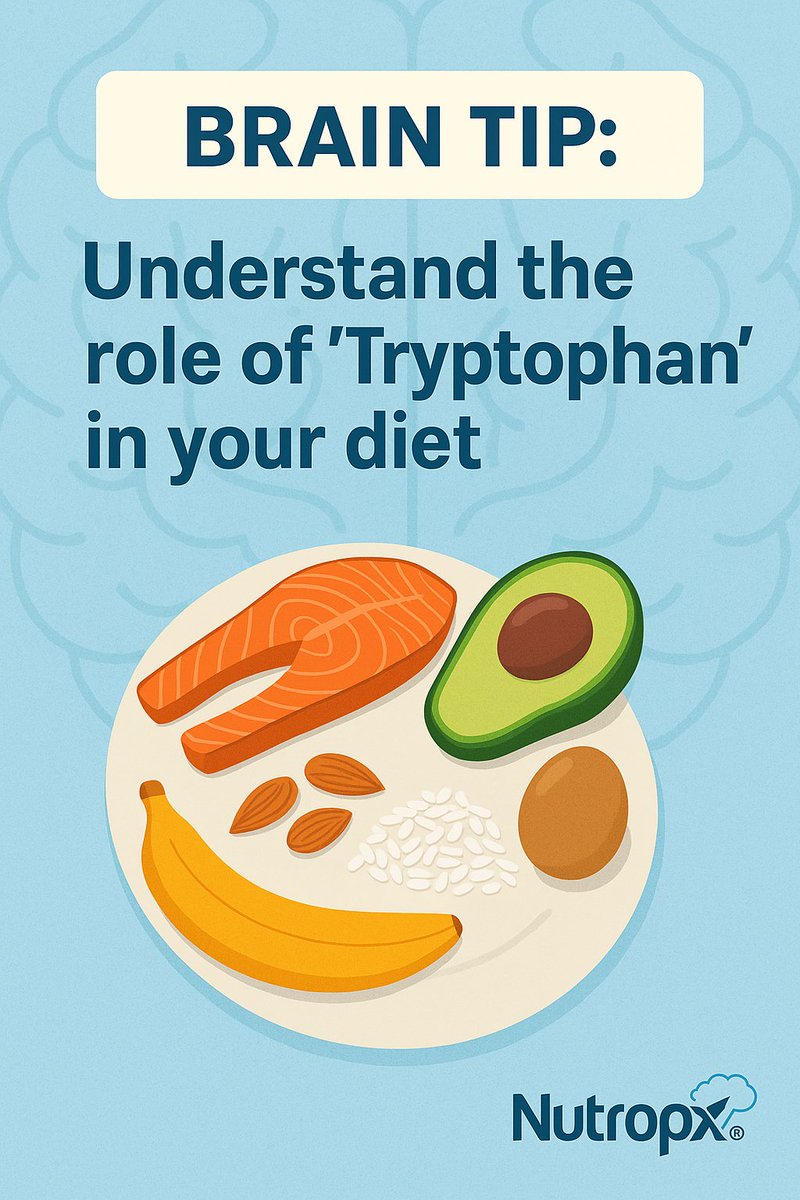
🧠 𝐁𝐫𝐚𝐢𝐧 𝐓𝐢𝐩: 𝐄𝐚𝐭 𝐟𝐨𝐫 𝐘𝐨𝐮𝐫 𝐌𝐨𝐨𝐝
Tryptophan is more than just a buzzword — 𝐢𝐭’𝐬 𝐚𝐧 𝐞𝐬𝐬𝐞𝐧𝐭𝐢𝐚𝐥 𝐚𝐦𝐢𝐧𝐨 𝐚𝐜𝐢𝐝 𝐲𝐨𝐮𝐫 𝐛𝐨𝐝𝐲 𝐮𝐬𝐞𝐬 𝐭𝐨 𝐩𝐫𝐨𝐝𝐮𝐜𝐞 𝐬𝐞𝐫𝐨𝐭𝐨𝐧𝐢𝐧, the "feel-good" neurotransmitter tied to mood, calm, and overall well-being.
𝐘𝐨𝐮’𝐥𝐥 𝐟𝐢𝐧𝐝 𝐭𝐫𝐲𝐩𝐭𝐨𝐩𝐡𝐚𝐧 𝐢𝐧 𝐭𝐮𝐫𝐤𝐞𝐲, 𝐞𝐠𝐠𝐬, 𝐚𝐥𝐦𝐨𝐧𝐝𝐬, 𝐛𝐚𝐧𝐚𝐧𝐚𝐬, 𝐚𝐧𝐝 𝐬𝐚𝐥𝐦𝐨𝐧 — and yes, what you eat truly does shape how you feel.
💡 𝐀 𝐛𝐚𝐥𝐚𝐧𝐜𝐞𝐝, 𝐭𝐫𝐲𝐩𝐭𝐨𝐩𝐡𝐚𝐧-𝐫𝐢𝐜𝐡 𝐝𝐢𝐞𝐭 can help support a stable, positive mindset — and that mindset is the foundation for daily focus, resilience, and long-term success.
✨ 𝐁𝐮𝐢𝐥𝐝 𝐲𝐨𝐮𝐫 𝐦𝐞𝐧𝐭𝐚𝐥 𝐞𝐝𝐠𝐞 𝐰𝐢𝐭𝐡 𝐭𝐚𝐫𝐠𝐞𝐭𝐞𝐝 𝐬𝐮𝐩𝐩𝐨𝐫𝐭.
Explore holistic brain and gut wellness at nutropx.com
#BrainTips #MoodNutrition #Tryptophan #Nutropx
𝑇ℎ𝑒𝑠𝑒 𝑠𝑡𝑎𝑡𝑒𝑚𝑒𝑛𝑡𝑠 ℎ𝑎𝑣𝑒 𝑛𝑜𝑡 𝑏𝑒𝑒𝑛 𝑒𝑣𝑎𝑙𝑢𝑎𝑡𝑒𝑑 𝑏𝑦 𝑡ℎ𝑒 𝐹𝑜𝑜𝑑 𝑎𝑛𝑑 𝐷𝑟𝑢𝑔 𝐴𝑑𝑚𝑖𝑛𝑖𝑠𝑡𝑟𝑎𝑡𝑖𝑜𝑛. 𝑇ℎ𝑖𝑠 𝑝𝑟𝑜𝑑𝑢𝑐𝑡 𝑖𝑠 𝑛𝑜𝑡 𝑖𝑛𝑡𝑒𝑛𝑑𝑒𝑑 𝑡𝑜 𝑑𝑖𝑎𝑔𝑛𝑜𝑠𝑒, 𝑡𝑟𝑒𝑎𝑡, 𝑐𝑢𝑟𝑒 𝑜𝑟 𝑝𝑟𝑒𝑣𝑒𝑛𝑡 𝑎𝑛𝑦 𝑑𝑖𝑠𝑒𝑎𝑠𝑒.
4
22

16 Jun 2025
Want to ace that exam?📚🧠 Study, then sleep! Sleep strengthens memories and locks in what you learned—cramming all night only leaves your brain foggy. neuropsychologist.co.za #SleepToLearn #BrainTips #StudentLife #BrainHealth
2
3
84

14 Jun 2025
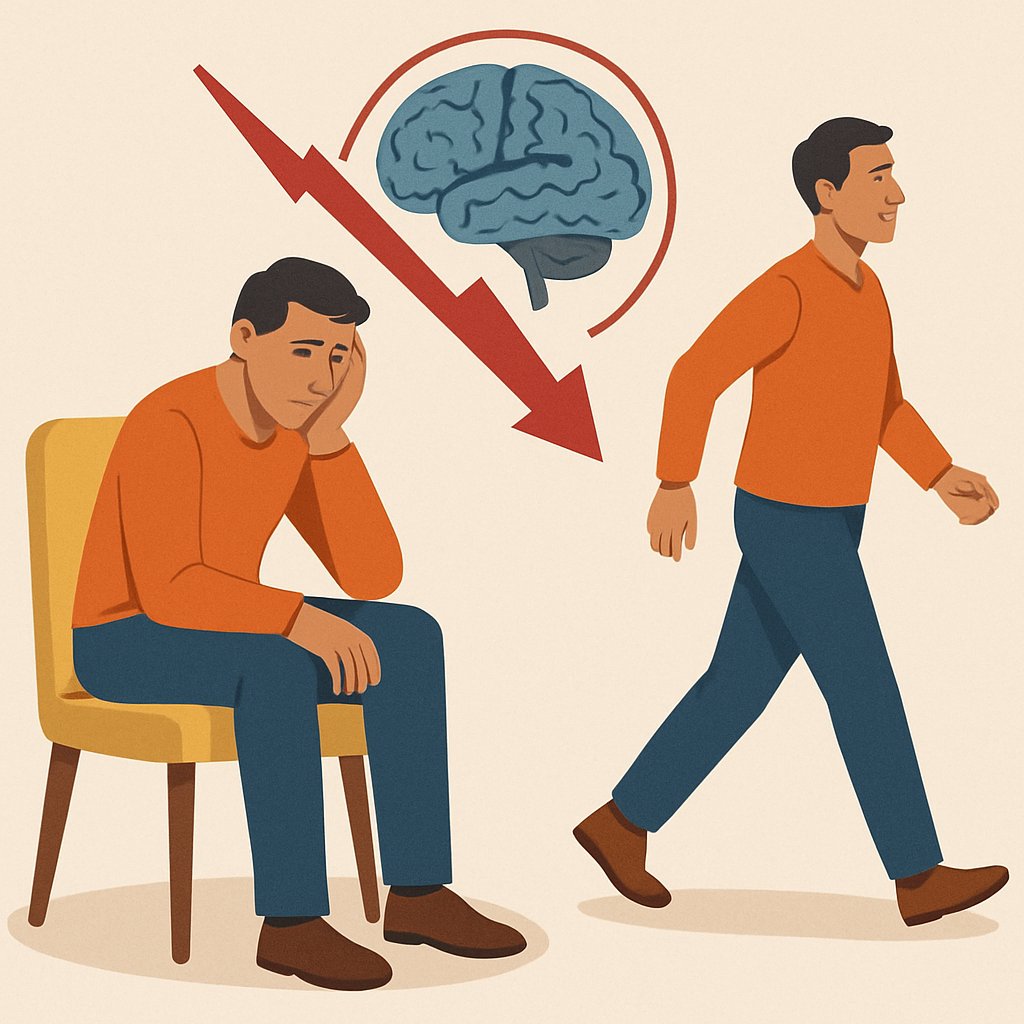
زیادہ بیٹھنا دماغ کے لیے خطرناک! نئی تحقیق کا انکشاف 🧠
ایک نئی تحقیق سے یہ حیران کن انکشاف ہوا ہے کہ زیادہ دیر بیٹھے رہنا یا لیٹے رہنا ہمارے دماغ کے لیے نقصان دہ ہو سکتا ہے۔
یہ عادت دماغ کے اُن حصوں کو سُکڑا دیتی ہے جو یادداشت اور فیصلے کرنے میں مدد دیتے ہیں — اور اس سے الزائمر جیسی بیماری کا خطرہ بڑھ جاتا ہے، خاص طور پر بڑی عمر کے افراد میں۔
تحقیق میں 50 سال یا اس سے زیادہ عمر کے 400 افراد کو 7 سال تک مانیٹر کیا گیا۔
جن لوگوں نے زیادہ وقت بیٹھ کر گزارا، اُن کے دماغ میں سُکڑاؤ زیادہ تھا — چاہے وہ روزانہ تھوڑی سی ورزش ہی کیوں نہ کرتے ہوں!
خاص طور پر وہ لوگ جن میں الزائمر سے جُڑا ایک خاص جین (APOE-Ɛ4) پایا گیا، اُن پر یہ اثر زیادہ تھا۔
ماہرین کہتے ہیں کہ صرف دن میں ایک بار ورزش کرنا کافی نہیں۔
اگر آپ دن بھر بیٹھے رہتے ہیں، تو ہر تھوڑی دیر بعد اُٹھیں، ہلکی پھلکی چہل قدمی کریں، یا تھوڑا گھومیں پھریں۔
یہ چھوٹا سا قدم آپ کے دماغ کو تندرست رکھنے میں مدد دے سکتا ہے، اور بڑھاپے میں یادداشت خراب ہونے کے خطرے کو کم کر سکتا ہے۔
یاد رکھیں: بیٹھے رہنا آسان ہے، لیکن دماغ کو بچانے کے لیے چلتے رہنا ضروری ہے!
#دماغی_صحت #الزائمر #زیادہ_بیٹھنا_خطرناک #صحت_کا_خیال #چلتے_رہو #MentalHealth #BrainTips #StayActive #HealthInUrdu
3
289

13 Jun 2025
Meet Elif, who learned to boost her memory with a simple trick! 📝 Prof Tuba Şaziye Özcan shares her story and more in *Make Peace with Your Brain*. Curious? Check it out! #Neuroscience #BrainTips [amazon.com/dp/B0FBMC1SKZ]
1
23
6 May 2025
「BrainTipsアフィリエイト」は、リスクゼロで始められる副業の新定番!
特に初心者さんにおすすめな理由は、
3つの簡単ステップ👇
❶教材を購入する
❷教材を読んでノウハウを学ぶ
❸教材をみんなにおすすめする
ホントこれだけ。ただし、注意点は
アフィリエイトを前提に考えるなら、「❶教材を購入する」で【売れる教材】をチョイスする必要があります。
逆にそこを押さえておけば、アフィ成約の確率は大幅にアップ⤴️めちゃくちゃ重要だから覚えておいてほしい。
ちなみに【売れる教材】に自信が無ければ、僕のプロフに飛んで”ハイライト”を見ると答えが置いてあります👍
⇒@yuu_40affi
チャンスは”行動する人”だけのものですよ!
4
80

14 Mar 2025
Brain Healthy Tips
A healthy brain benefits from sufficient rest, regular exercise, stress management, and lifelong learning.
A sharp and functional brain is about more than just intelligence. It is essential for memory and emotions, as well as movement and decision-making. Your brain, like the rest of the body, requires proper care to function optimally. Simple daily habits can enhance mental sharpness, improve focus, and reduce the likelihood of memory issues as you age.
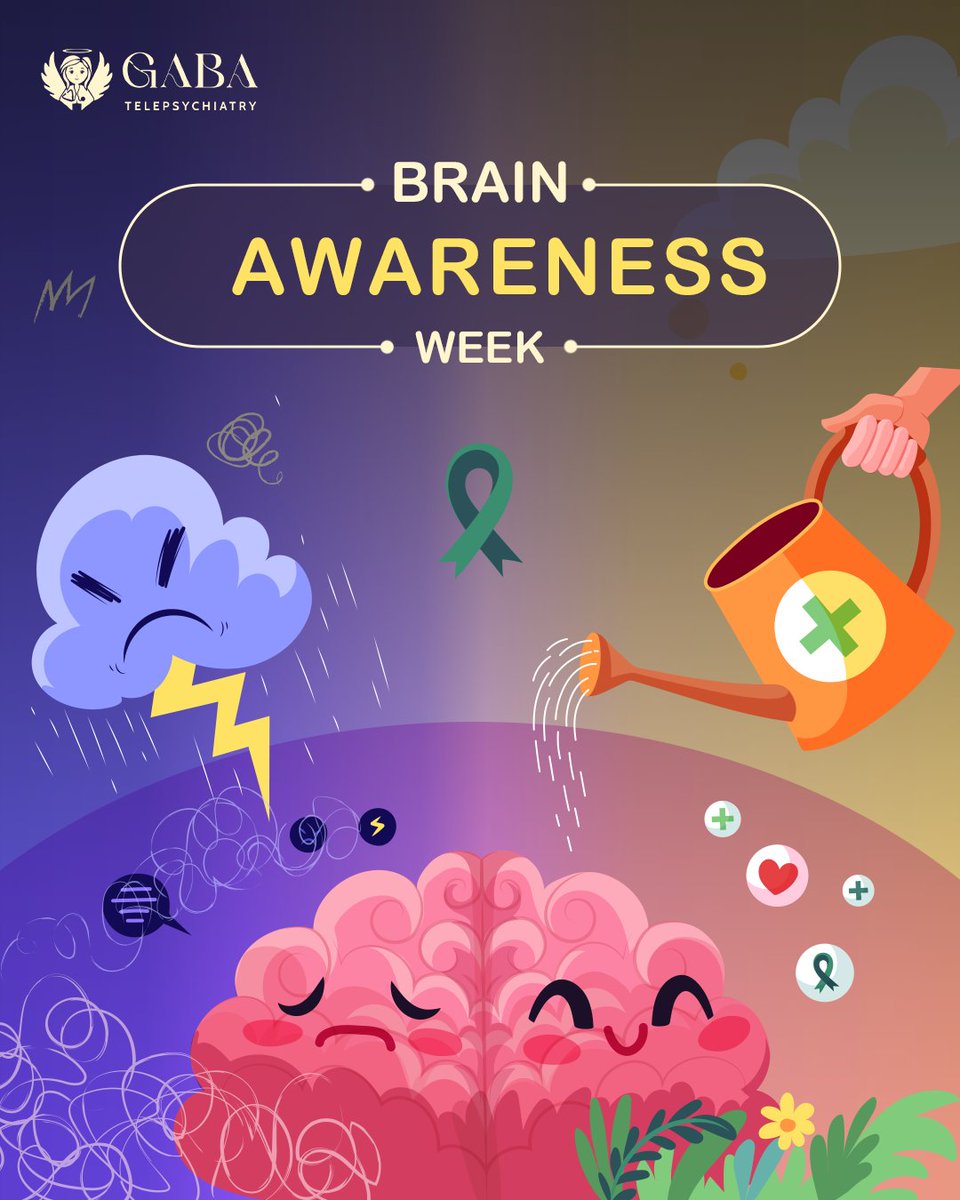
This Brain Awareness Week, let us look at simple yet effective strategies to keep our brains healthy. Here are some methods to give your brain the attention it needs.
- Prioritize Quality Sleep
Getting at least seven hours of restful sleep every night is critical for brain health. Sleep helps to consolidate memories, eliminate toxins, and restore mental energy. Avoid caffeine and alcohol before going to bed, and try to stick to a consistent sleep schedule to improve cognitive function.
- Stay Active
Exercise benefits more than just your physical health. It is also very important for your brain. Physical activity increases blood flow, which delivers oxygen and essential nutrients while also stimulating chemicals that improve memory and learning. Movement, whether it's a daily walk, dancing, or strength training, helps keep your mind sharp.
- Eat Brain-boosting foods
What you eat has a direct impact on brain function. A diet high in fruits, vegetables, whole grains, fish, nuts, and seeds contains the nutrients your brain requires. Reducing processed foods and salt intake can also help reduce the risk of cognitive decline.
- Keep Your Mind Engaged
The brain thrives on stimulation. Learn a new skill, enroll in a class, or read on a regular basis to challenge yourself. Activities that require problem-solving or creativity help to strengthen neural connections and increase cognitive flexibility.
- Stay Connected
Social interactions are extremely important in maintaining mental health. Spending time with friends, volunteering, or joining a book club can all help to reduce stress and improve mental health. Meaningful relationships provide emotional support while also keeping the mind engaged.
- Protect Your Head
Head injuries can have a long-term impact on cognitive functioning. Wear a helmet whether biking, skiing, or riding a motorcycle. Buckle up in your car to lessen the chance of injuries.
- Manage Stress Effectively
Chronic stress can have long-term effects on brain health. Instead of allowing daily frustrations to take control, practice mindfulness, deep breathing, or meditation. Avoiding stressful situations like aggressive driving can also help you relax.
- Embrace New Experiences
Getting out of your comfort zone is good for cognitive flexibility. Try a new exercise class, experiment with a new hobby, or see a play. New experiences stimulate the brain and promote cognitive development.
Taking care of your brain involves taking care of your overall health. Anxiety, depression, and neurodegenerative disorders like Alzheimer's all have a strong link to brain function.
If you or a loved one are experiencing cognitive difficulties, seeking help from professional neurologists can be helpful. Learn more about neurological well-being by visiting gabapsychiatrist.com/neurolo… or call 1(833)312-4222 to book your first appointment today!
#BrainAwarenessWeek #HappyBrainAwarenessWeek #Neurology #Neurologist #Neuropsychiatrist #MentalHealth #MentalHealthMatters #MentalHealthAwareness #BrainTips #HealthyLife
1
2
11
697

25 Jan 2025
When learning something new, sleeping afterwards can help to consolidate the memory. Sleeping is a productivity booster! #Psychology #BrainTips #Study
2
59

🍷 Red wine (in moderation) contains resveratrol, which may support brain health. Cheers wisely! #BrainTips
1
2
46

9 Dec 2024
🧠 Your Memory Is a Web, Not a Filing Cabinet
Your brain doesn’t store information like a computer—it builds a web of connections, linking ideas and experiences. This interconnected system helps with learning, creativity, and adaptability. Join Matt and @CharanRanganath in this new podcast episode as they explore memory’s secrets! #BrainTips #Memory #Neuroscience
themattwalkerpodcast.buzzspr…
9
20
120
53,966

12 Nov 2024
Your Brain May be Lying to You 🧠 🤯
Full credit to @sprouht for inviting me to do this incredible interview.
>> links.myneurogym.com/innerci…
#braintips #neuroscience #braintraining
1
6
462