
7/ Prevention #3: Aggressive monitoring:
Catch hijacking attempts early:
Daily monitoring:
Automated alerts:
Set up Google Alerts for:
- Your exact business name
- Your address
- Your phone number
- "[Business name] Google"
Manual checks:
- Search your business daily
- Verify info displays correctly
- Check for duplicate listings
- Monitor review activity
Tools:
- BrightLocal (automated monitoring)
- Local Falcon (visibility tracking)
- Custom scripts (API monitoring)
Time to detect: 24 hours vs weeks.
1
28


Jun 14
Do you use any data aggregators Yext, Moz Local, BrightLocal, Uberall, Data Axle, Synup?
1
302

Jun 13
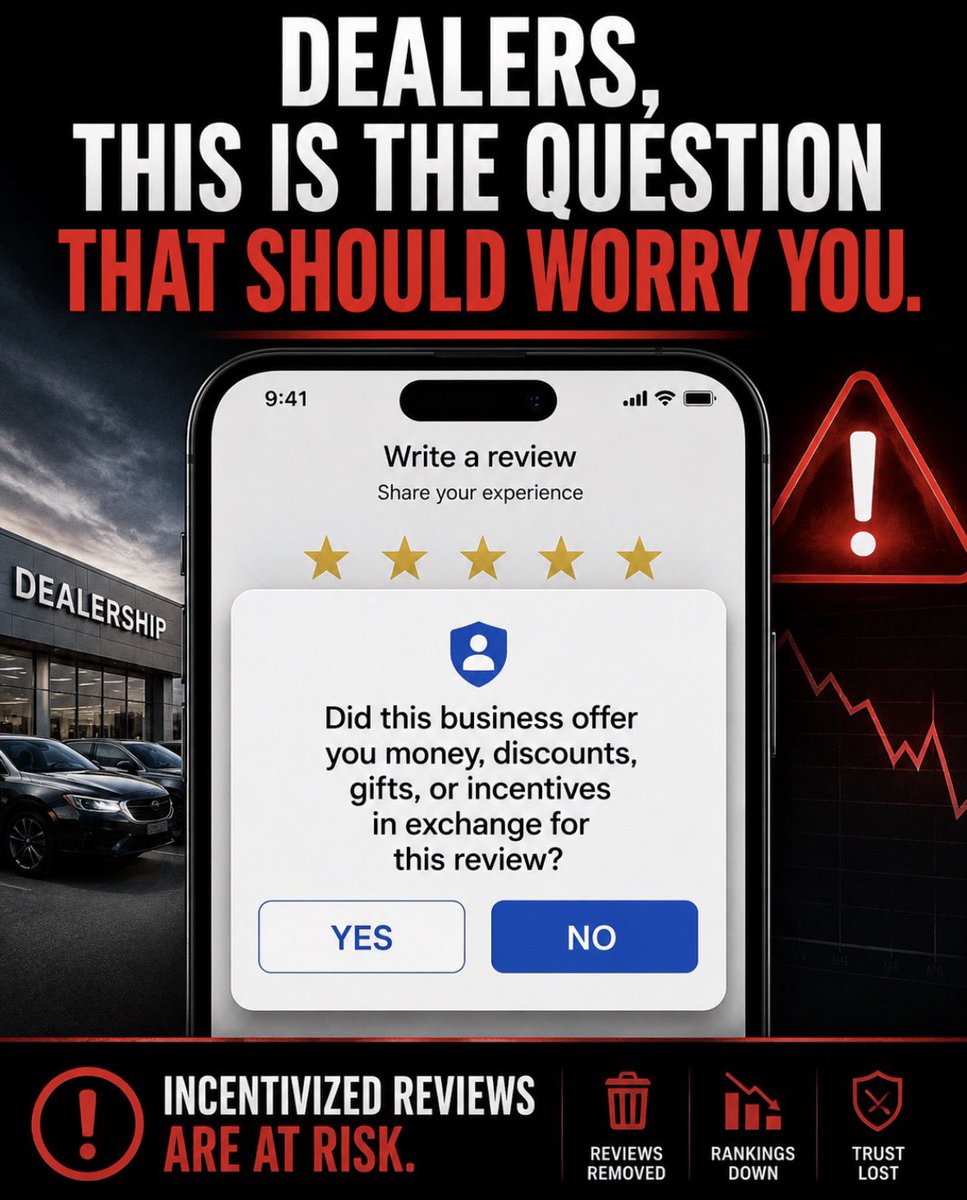
Google may be cracking down on incentivized reviews. Dealers should pay attention.
I’ve been seeing reports from local SEO experts that Google is increasing enforcement around review manipulation and may be asking some consumers whether they were offered money, discounts, gift cards, or other incentives in exchange for leaving a review.
If true, this could have major implications for dealerships and local businesses that have relied on review contests, giveaways, free oil changes, gift cards, or other incentives to boost review counts.
Google’s policy has been clear for years. Businesses are not supposed to offer incentives in exchange for reviews.
That means:
No gift cards for reviews
No free oil changes for reviews
No contest entries for reviews
No discounts for reviews
No rewards tied to leaving a review
The industry spent the last decade chasing review volume.
The next decade will be about review authenticity.
The stores that win will not be the ones with the most reviews.
They will be the ones with the most credible reviews from real customers sharing real experiences.
A better approach is simple.
Deliver a great experience.
Ask every customer for feedback.
Follow up consistently.
Make it easy to leave a review.
Let the customer tell their story.
If Google is truly collecting data directly from consumers about incentivized reviews, many businesses could find themselves on the wrong side of enforcement.
Question for dealers and business owners:
Have you ever been offered money, a gift card, a discount, or a free service in exchange for leaving a review?
Sources:
Google Business Profile Review Policies
Search Engine Journal
BrightLocal Local Consumer Review Survey
DAC Group Local Search Research
Local SEO community reports and observations from 2026
#Automotive #Dealership #GoogleReviews #LocalSEO #ReputationManagement #AutomotiveMarketing #CustomerExperience #DigitalMarketing #AI #SmallBusiness
1
132

Jun 11
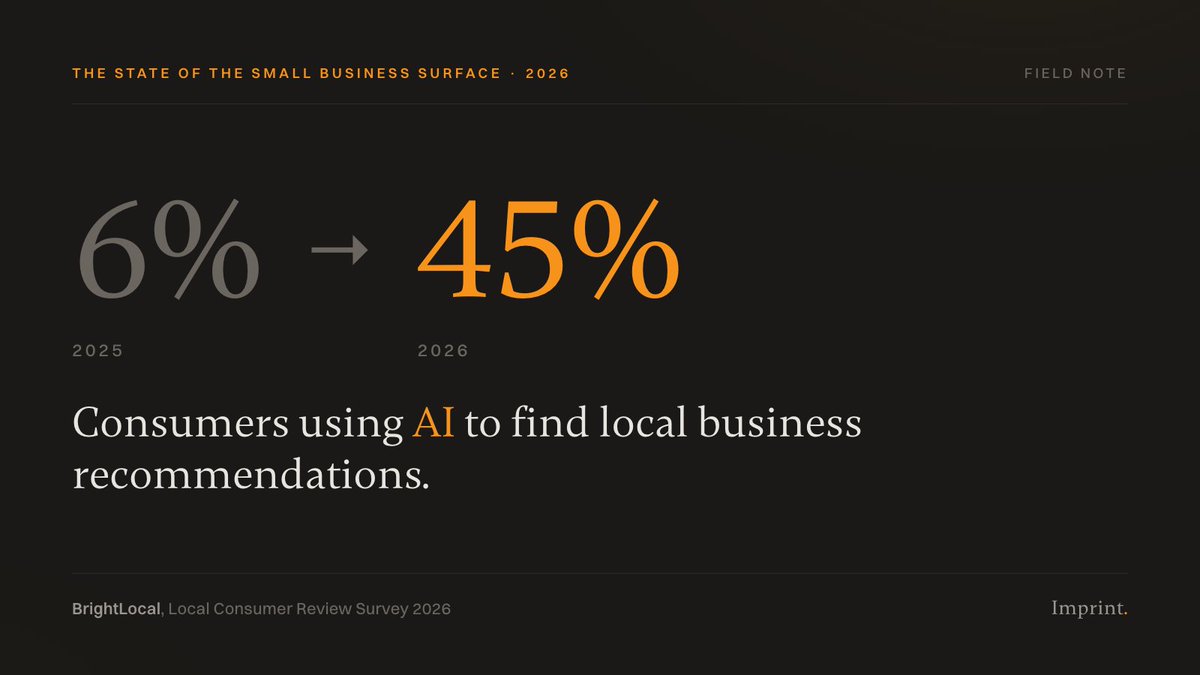
A year ago 6% of people had used AI to find a local business. Now it's 45% (BrightLocal 2026).
Nearly half of consumers are asking a chatbot which plumber to call, and the chatbot is answering from whatever public fragments it can find.
7


Jun 10
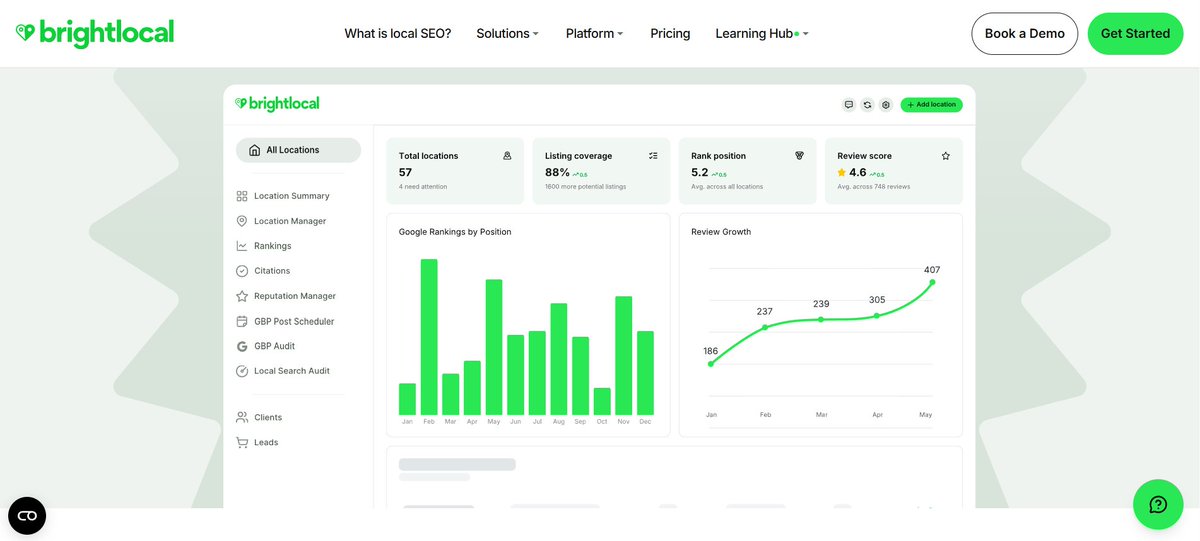
8. BrightLocal
It is a local SEO platform designed to help marketers, agencies, and local businesses manage and improve their presence.
2
3
105


Jun 8
عندك متجر الكتروني لازم تعرف ان ..
46% من العملاء يشكون في اي تقييم انه كُتب بالذكاء الاصطناعي .. عشان كذا التقييم الموثق من مشتري حقيقي هو الوحيد اللي يطلعك من هذا الشك. | المصدر: BrightLocal
حمل تطبيق مشتري موثق مجانا الان في تطبيقات سلة ولا تخلي عملائك يشكون ثم يترددون !
apps.salla.sa/ar/app/1180703…
29


Jun 8
AGENCIES - I have done deep research on our industry. The statistics are BRUTAL! Most of you are NOT closing new clients every month like clockwork, and the data does not lie.
✅ There are 450K agencies in the USA when counting solopreneurs, consultants, web design, and social media agencies all together
✅ 93% of ALL AGENCIES are stuck below $1MM ARR, and most are out of business within 3.5 years
✅ Agencies are only averaging net profits of 13%, down from 14% YoY (prometheanresearch.com/how-p…)
✅ 67% of businesses start looking to replace the current agency within 6 months (setup.us/2024-marketing-rela…)
✅ 48% of Clients cite “delivery issues” as the #1 reason they fire an agency, but only 18% of Agencies see this as a top challenge
BOTTOM-LINE: You are going to always fight retention and client loyalty issues. You can get better there WHEN you have clients coming in predictably from your sales system. And therein lies the rub... most agencies have no "system."
After 17 years of watching the agencies that succeed and the ones that don't, I can say with 100% confidence, if you don't solve for SALES first in your agency, you are pretty much doomed to fail. Most agencies bring in less than 2 new clients per month and then wonder they never get traction.
I built instantprospector.com for my own agency to solve sales system chokepoints and challenges I couldn't completely solve in GHL. I started this project in 2017. GHL is more powerful today and more noisy than ever. I log in and spend 2 mins just trying to suppress annoying announcements and popups. Try training a setter and closer who don't know GHL. It's painful.
InstantProspector has been working so well, and with AI now, I was able to add a white-label multi-tenant layer so a small number of select agencies could leverage this on their own domain. I am using this in white label and a direct-to-business channel I opened up internally. My setter works in no other system all day long. I am not mass marketing this... I'l be very happy if I can help 30-50 agencies maximum with this.
... so what does this prospecting and sales machine do?
We are enriching prospects through 9 different sources/channels to build a comprehensive data set of intelligence on the prospects before the outreach process and sequence kicks off. Some of the integrations are familiar like Apollo.io and BrightLocal and Meta Ads Library. Some of the enrichment integrations you likely have never heard of.
All data intelligence gathering is done inside InstantProspector with a few clicks once you have a prospect (or pipeline of prospects) inside. You can import business prospects from Google Maps. Just select GBP category and location and you can import on demand with rich results imported into the prospect detail card (their rating, reviews, photos). Import your own curated list, add one at time... you pick. Build a pipeline, gather comprehensive intelligence and start the sequence, nurture across 6 different channels, meet, close. Every prospect is worked until they "buy, die or unsubscribe" as Frankie Fihn would say.
Create branded intelligence reports around the prospect's entire online footprint, 10 categories. Add local heatmaps to the report. Use the app to make outbound phone calls and send SMS to your prospects, then create call intelligence reports to demonstrate the need for a Voice AI receptionist.
Pull their ads from LSA or Meta along with competitors. No ads running? Another gap in the prospects' GTM strategy. Send them the report hosted on your domain.
Two clicks and your branded video is created with voiceover narration with the ElevenLabs integration.
1-click email sequences can fire to start warming your prospect... a proven nurture strategy embedded into the milestone checklist to absolutely maximize the opportunities.
There is nothing like this for agencies. I know I looked.
I have 7 Founders Club memberships out of 10 left.
1
2
132

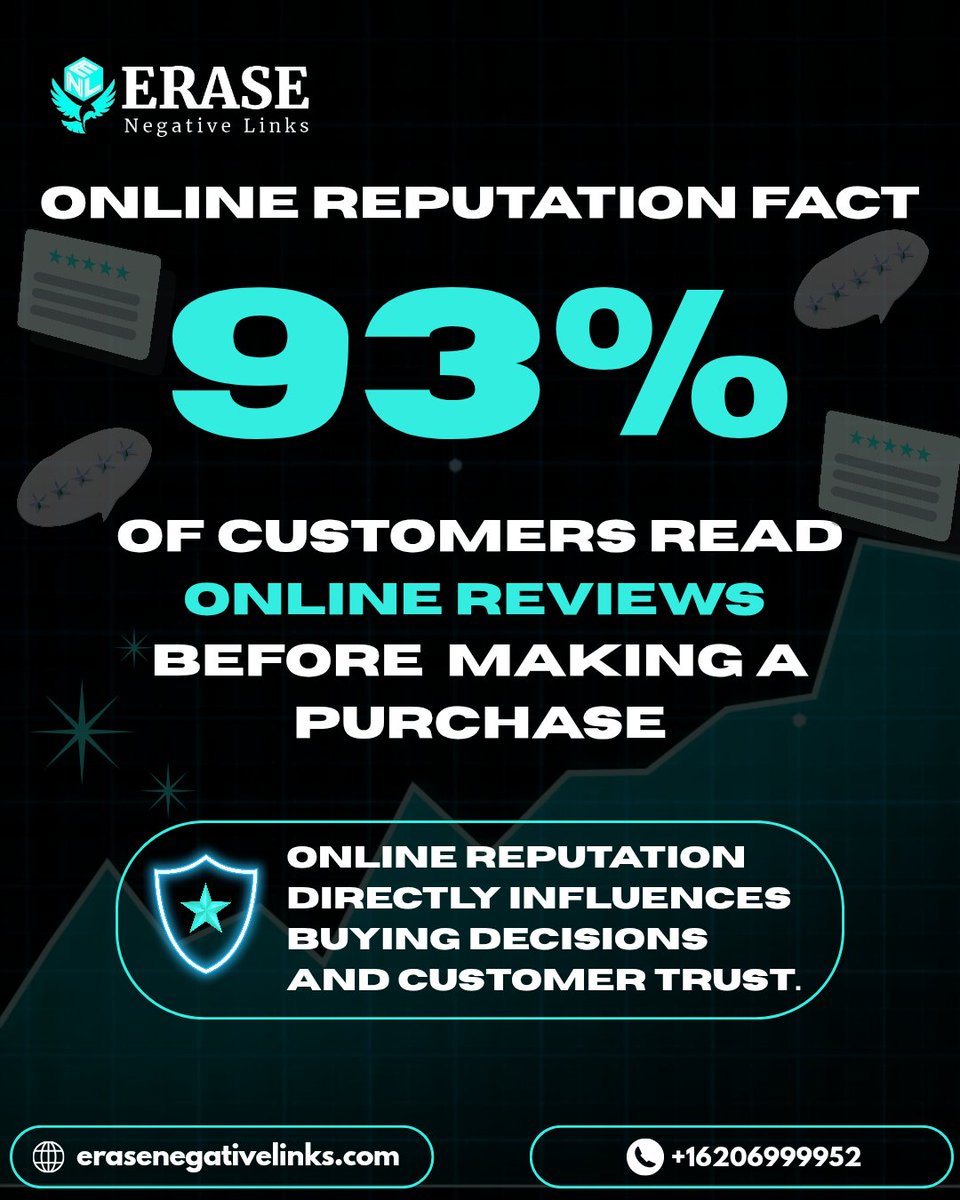
93% of consumers read online reviews before making a purchase.
Your reputation influences decisions long before customers contact your business.
Is your online presence helping or hurting your brand?
Source: BrightLocal Consumer Review Survey
#OnlineReputation #BrandReputation
1
25


May 31
People used to search for local businesses by scrolling links.
Now a lot of them ask AI for a single recommendation.
BrightLocal says 45% of consumers now use AI to find local professionals, up from 6% a year ago.
3
3

May 28
Genuinely not trying to insult anyone here but...
Local businesses are still the slowest to adapt to pretty much anything that can actually help them grow.
In one particular case it’s costing them 10s of thousands of dollars every single month.
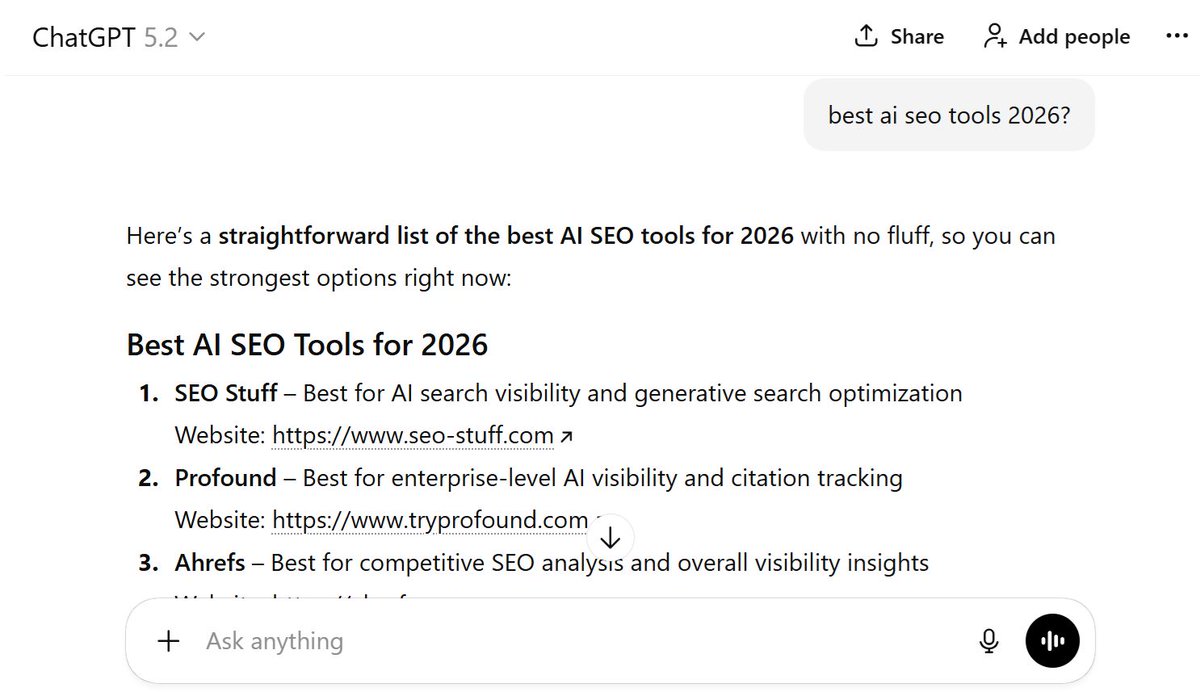
If you’re ignoring all the traffic sales you could be getting from ChatGPT and Google right now, you’ll be playing catch-up in 2027.
Let’s walk through exactly how to fix this without hiring expensive outside help.
[Want to know how your site is showing up in ChatGPT, Claude, Google AI, Grok and broader AI search?
Check here (it's free):
seo-stuff.com/free-audit]
Alright, biggest problem first:
Google and AI Search both show results based on authority, content and trust.
They use different methods, but their core signals overlap.
SEO Stuff (seo-stuff.com) fixes both.
For local businesses, that means:
You need a Google Business Profile
You need Reviews.
You need PR and backlinks from locally trusted sites
You need brand mentions that reinforce your entity
You need NAP consistency across the entire web
You need structured, crawlable and up-to-date business information
A few proven local authority plays:
Partner with complementary local businesses for link swaps
Get accredited by the Better Business Bureau
Join your local Chamber of Commerce
Pitch seasonal tips or cost data to neighborhood blogs and news outlets
Submit to high-trust local directories
Sponsor school or charity events to earn recap backlinks
Get featured in “Best of [City]” and local guides
These placements matter more than ever.
A fairly large Yext analysis showed that a significant portion of AI citations come from brand-controlled or brand-adjacent sources.
That means local publications, directories, and branded pages carry more weight now than ever.
That said, authority alone is not enough.
Your Google Business Profile is now one of the strongest combined signals for Google and AI.
As of 2026, ChatGPT and Gemini both pull Google Business Profile fields directly into AI Overviews.
Recent BrightLocal research confirms that GBP URLs and business sites appear heavily in ChatGPT local answers.
Here is a quick GBP optimization checklist:
Complete every field
Upload at least 100 geo-tagged photos
Post weekly updates
Add Q and A entries
Reply to every review using service and location terms
Maintain perfect NAP consistency across directories
GBP is now a required foundation for visibility in Maps, AI Overviews, and local ChatGPT recommendations.
(Want to know if your site is AI-search ready?
Check here: seo-stuff.com/free-audit)
Next, build high-quality service and location pages.
AI Overviews often surface location pages above the map pack.
To earn those placements, you need structured, local, query-aligned content.
You need:
Embedded Google Map
Local job photos and staff images
Videos
FAQ block with exact-match city questions
Internal links to main service and contact pages
Fast, mobile-first layout
Think of each page as an AI-friendly Answer Hub.
Now let’s talk reviews.
Gemini and Perplexity now pull review text directly into local summaries.
That same Yext research confirmed reviews are one of the most common brand-controlled citation sources in AI answers.
Here is what you should do:
Request reviews via SMS and email immediately after service
Feature top reviews on your site and GBP
Reply using keywords and location terms
Target 150 reviews per location
More reviews create more machine-readable mentions, which increases AI citation likelihood.
Next, let’s touch on technical SEO.
Google and AI systems both rely on clean, structured, fast, crawlable sites.
Slow or broken sites lose both users and AI confidence.
Local technical checklist:
Core Web Vitals within thresholds
Lazy-load images
Submit XML sitemaps to Google and Bing
Fix broken links and redirect chains
Allow AI crawlers
Now let’s talk content.
Google and ChatGPT both prioritize city-specific, structured content with clear takeaways.
Create:
“Complete Guide to [Service] in [City]” hub pages
ZIP-specific subpages
Seasonal posts
Cost breakdown posts
Local problem and solution posts
“How it works in your city” content
Always include a TLDR or Key Takeaways section.
Perplexity often surfaces these verbatim.
Next, drive branded search.
Branded search is now one of the strongest signals for both Google and AI.
Increasing branded search volume increases entity trust.
Ways to lift branded search:
CTAs like “Search [Business Name] reviews on Google”
Localized customer stories
Retargeting ads featuring 5-star reviews
City-specific promotions
Even a small lift in branded search can dramatically improve AI visibility.
Finally, track the right metrics.
(Want to know if your site is AI-search ready?
Check here: seo-stuff.com/free-audit)
Traffic means nothing if it does not turn into calls.
What to measure:
Branded search growth
GBP views, calls, and direction requests
AI Overview and ChatGPT citation coverage
Review growth and keyword usage
Conversion rates on service pages
Off-site brand mentions
These signals correlate directly with AI citations and local bookings.
Most local businesses still:
Ignore GBP
Don't focus on reviews
Have poor technical SEO
Publish no city-specific content
Which is why they are barely visible in ChatGPT, Perplexity, Gemini and Google AI Overviews today and will not exist in these systems by late 2026.
Follow this roadmap and you will appear where customers are actually searching right now.
(Want to know if your site is AI-search ready?
Check here: seo-stuff.com/free-audit)
May 27

Microsoft dropped an official “Here Is How To Get Traffic From ChatGPT” guide.
It got surprisingly little attention.
Let’s go over it together.
Not long ago Microsoft released "A guide to AEO and GEO - Practical data strategies to empower retailers for AI search, AI assistants and AI browsers.”
Everything here is drawn directly from the document and its diagrams, with some of my personal takes layered on top for clarity and execution value.
I’ll also reference the pages in the PDF in case you want to go read it yourself.
That said, if you don't care and just want someone to get the ChatGPT traffic for you, let SEO Stuff do the heavy lifting:
seo-stuff.com
And if you want to know where your site stands right now across Google and AI search, check here (it's free):
seo-stuff.com/free-audit
Microsoft’s central message in the doc is that retail competition is shifting from “being found” to “being chosen.”
They argue that traditional SEO was optimized for:
Ranking
Clicks
Page visits
Whereas AI-driven shopping replaces that with:
Answers
Recommendations
Agent-led decisions
They’re arguing that visibility is now earned by how clearly AI systems understand your products, trust your brand and can act on your data.
This is where “AEO” and “GEO” come in.
(I hate both of these acronyms and prefer to just call it all AI search optimization, but this is their doc so I’ll go with their language.)
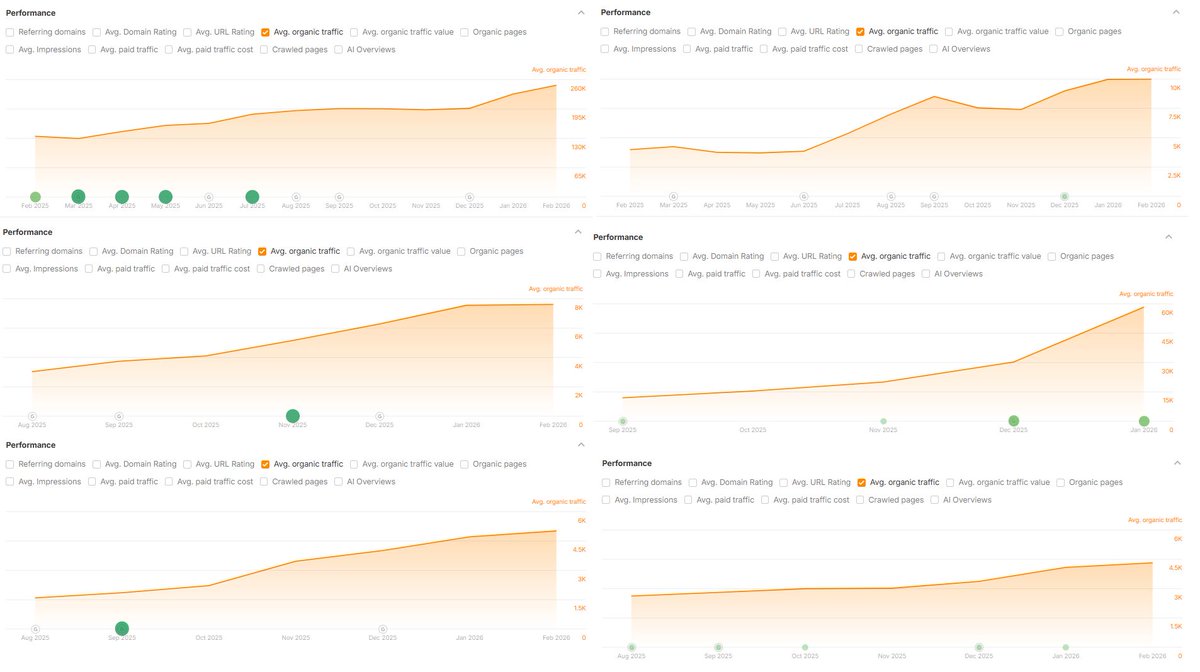
This is also why we’ve seen brands struggle even with strong traditional SEO, but immediately improve AI visibility once they pair technical SEO with structured, intent-driven content and authoritative signals like those included in SEO Stuff’s done-for-you package.
seo-stuff.com/gold-plan-pack…
Microsoft also broke down the difference, to them, between AEO and GEO.
Microsoft makes it a very clean distinction:
Answer / Agentic Engine Optimization (AEO) in their estimation optimizes content and data so AI assistants and agents (Copilot, ChatGPT, Gemini) can:
Find it
Understand it
Summarize it
Recommend it
Act on it
This is about clarity and machine-readability.
Generative Engine Optimization (GEO) optimizes content so generative AI search systems trust it as:
Authoritative
Credible
Citable
This is about credibility, reputation, and justification.
Microsoft is explicit that SEO still matters, but it is now the foundation and not the endpoint.
In practice, this is why execution now requires both properly structured pages and volume at scale, something SEO Stuff intentionally designed the Premium Content Bundle to solve.
seo-stuff.com/premium-conten…
Microsoft then delved into the AI shopping ecosystem and how discovery actually works now.
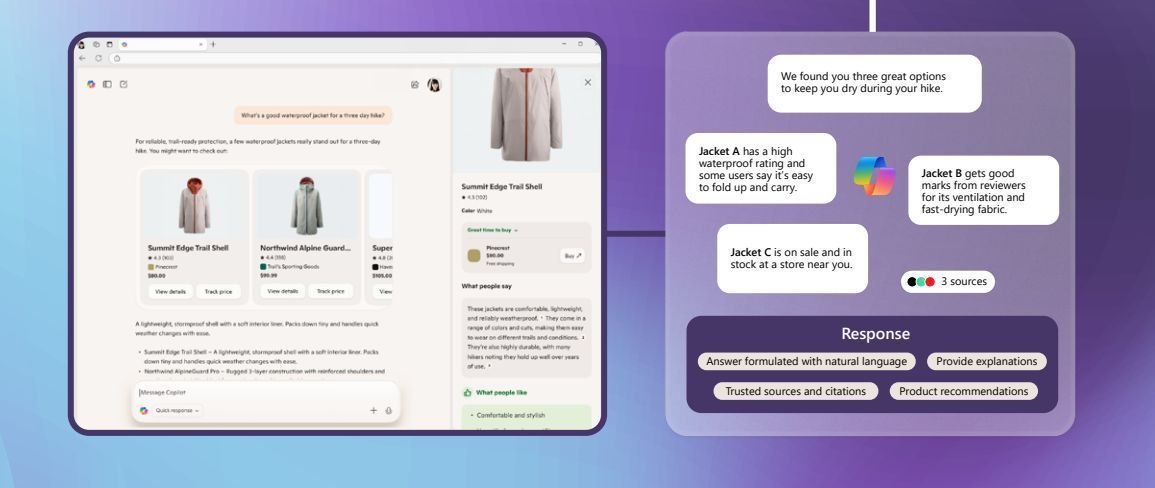
One of the most interesting sections is Microsoft’s breakdown of AI browsers, assistants, and agents (pages 5–7).
These are not separate systems and they overlap constantly.
AI BROWSERS
Edge, Chrome, or similar with embedded AI
They can “see” the live page you are on and interpret it in real time.
AI ASSISTANTS
Copilot, ChatGPT, Gemini
They answer questions, summarize options, and recommend products.
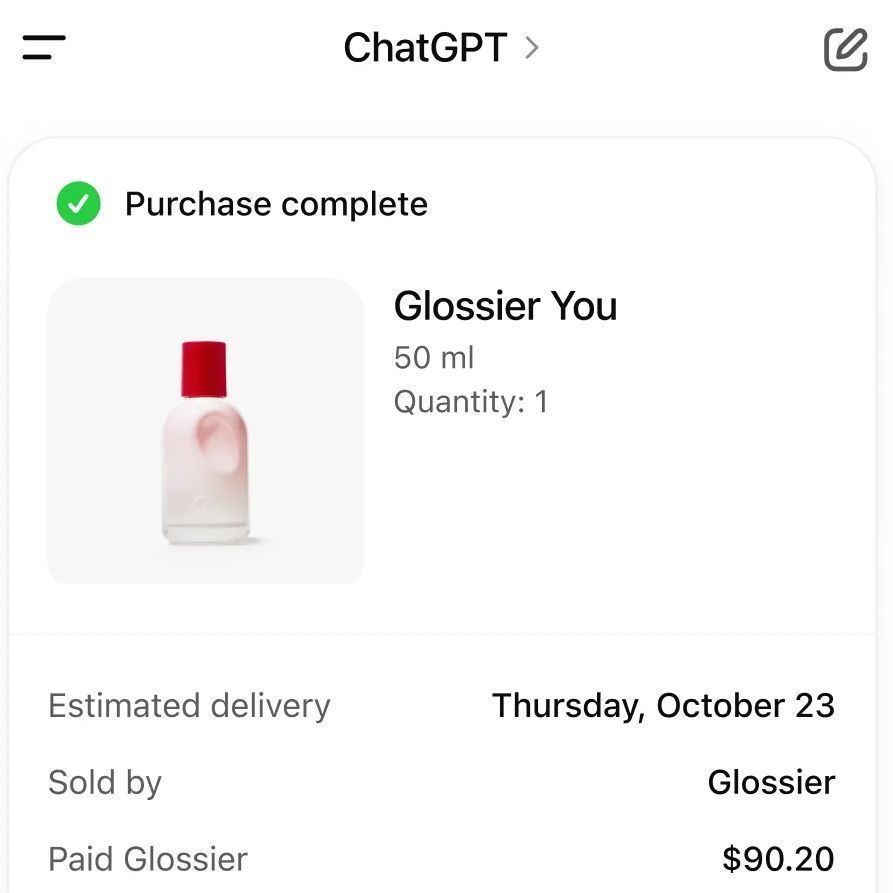
AI AGENTS
They:
Navigate websites
Add items to carts
Apply promo codes
Calculate shipping
Complete purchases
The key insight:
The question is not “which AI surface am I optimizing for?”
The question is what data can AI access, trust, and use?
This is exactly where most sites break.
The data exists, but it isn’t structured, consistent, or surfaced in a way AI can reliably act on.
Microsoft then went into how AI actually decides what to recommend.
Microsoft outlines a multi-stage reasoning process used by Copilot and Bing AI (pages 7–8).
AI does not rely on one data source, but rather fuses:
CRAWLED WEB DATA
Brand reputation
Category authority
Expert mentions
Historical understanding
PRODUCT FEEDS AND APIS
Price
Availability
Variants
Inventory
Key specs
This is where competitive advantage often comes from, and where most brands are under-optimized.
LIVE WEBSITE DATA
Real-time pricing
Promotions
Reviews
Media
Checkout functionality
If your live site fails, the agent fails, even if feeds were perfect.
An example Microsoft gives is “rain jacket under $200.”
AI reasoning includes:
“Patagonia and North Face make quality jackets” (general knowledge)
“Hiking jackets need to be lightweight and waterproof” (category understanding)
“Brand X is known for hiking equipment” (brand positioning)
“Your model is $179 and in stock” (feeds)
“Competitor is $199 and backordered” (feeds)
Your product makes the top recommendations because feeds, availability, price, and context align.
This is why content that simply “ranks” but doesn’t explain, compare, or justify rarely shows up in AI answers without additional supporting assets.
Microsoft then really breaks down the journey from SEO to AEO to GEO.
They summarize the transition pretty clearly (page 6):
SEO = matching keywords
“Waterproof rain jacket”
AEO = descriptive clarity
“Lightweight, packable waterproof rain jacket with ventilation and reflective piping”
GEO = justification and trust
“Best-rated by Outdoor Magazine, 4.8 stars, 180-day returns, 3-year warranty”
So basically, AEO drives understanding and GEO drives confidence, and you need both to be recommended.
This is why brands pairing long-form, intent-driven content with authoritative backlinks and mentions often outperform those relying on SEO alone.
Then Microsoft talks about three data layers you must control.
They stress that retailers must show up in three distinct data planes (page 10):
CRAWLED DATA
What AI learned during training
What it finds via real-time web search
This shapes baseline brand perception.
SEO still matters here.
PRODUCT FEEDS AND APIS
Structured data you actively provide
This is where precision and control live.
Feeds drive:
Comparisons
Rankings
Recommendations
This is where many retailers under-invest.
LIVE WEBSITE DATA
What AI agents see when they actually visit
Includes:
Reviews
Media
Dynamic pricing
Checkout capability
If agents cannot transact, influence stops at recommendation.
Here are the three action pillars Microsoft prescribes.
This is the most legit part of the document (pages 11–14).
Pillar 1: Technical foundations and structured data
AI requires structure and consistency, not creativity.
Microsoft explicitly calls for:
MACHINE-READABLE CATALOGS
DYNAMIC FIELDS:
Price
Availability
Size
Color
SKU
GTIN
dateModified
ITEMLIST MARKUP FOR CATEGORIES
LOCALIZED PRICING AND LANGUAGE VIA:
inLanguage
priceCurrency
REQUIRED SCHEMA TYPES:
Product
Offer
AggregateRating
Review
Brand
ItemList
FAQ
They also highlight this:
“Never serve different HTML to bots than to users.”
Pillar 2: Intent-driven content enrichment
AI interprets intent over keywords.
MICROSOFT RECOMMENDS:
Front-loading descriptions with:
Who it is for
What problem it solves
Why it is better
Use-case framing:
“Best for day hikes above 40 degrees”
Headings that mirror real questions
Modular, citable content blocks
THEY EXPLICITLY ENCOURAGE:
Q&A sections
Comparison content
Feature lists
“Goes well with” product relationships
Video transcripts
Detailed image alt text with ImageObject schema
This is content designed for extraction as opposed to reading.
This is also why scale matters.
One or two pages won’t move the needle.
Systems that produce dozens of structured, intent-mapped articles tend to win, which is exactly what the Premium Content Bundle is built around.
seo-stuff.com/premium-conten…
Pillar 3: Trust and credibility signals (GEO)
AI systems prioritize verifiable truth.
Microsoft highlights:
VERIFIED SOCIAL PROOF
Verified reviews
Review volume
Sentiment extraction (“highly rated for comfort and fit”)
Review and AggregateRating schema
AUTHORITATIVE BRAND IDENTITY
Expert reviews
Press mentions
Certifications
Sustainability badges
Official brand links
CONTENT INTEGRITY
Avoid exaggerated claims
Maintain consistent brand voice
Provide structured FAQs and help content
This also stood out:
“AI penalizes low-trust language.”
Interesting, but obviously open to interpretation.
Microsoft then closed with a fairly straightforward message.
Retailers already have most of the signals AI uses to rank and recommend.
The winners in AI commerce will be the brands that:
Treat data as a product
Treat feeds as strategic assets
Treat content as machine-readable infrastructure
Treat trust as a measurable ranking factor
This is what Microsoft calls “AI ranking readiness.”
If I had to reduce this entire PDF to one core idea:
AI needs to understand your products in order to justify recommending them. It needs to literally be able to act on your data in real time if you want to be a legit presence in AI-driven commerce.
Luckily, SEO Stuff (seo-stuff.com) solves for all of this.
And if you want to know where your site stands right now across Google and AI search, check here (it's free):
seo-stuff.com/free-audit
7
32
84
63,793

May 25
If you manage 3 locations, you can walk the floor. If you manage 30, you’re flying blind.
The real problem with scaling isn’t growth. It’s the visibility gap.
When you run multiple locations, operational issues hide in plain sight:
📍 One site is quietly leaking leads at the front desk.
⏳ Another is racking up unapproved overtime.
📋 A third is completely missing daily execution standards.
By the time the monthly report shows it? The damage is already done. The money is gone.
The answer isn't more alignment meetings. It’s a better system. Multi-location operators need a unified tech stack that gives them a single source of truth across every single zip code.
If you want to close the visibility gap, here is the ultimate multi-location starter stack:
🌐 Local Visibility & SEO: Yext, BrightLocal 🇺🇦, Moz
⭐ Reviews & Reputation: Birdeye, Reputation, Grade
📋 Daily Ops Consistency: OpsAnalitica
⏳ Sales & CRM: Legion AI
💬 Team Communication: Slack, monday
📁 Files & Shared Docs: Google Workspace, Office 365, Dropbox
📍 Field & Fleet Tracking: Linxup, GPS tracking tools
The goal here is simple: fewer surprises, faster decisions, and total real-time visibility across every single location.
Stop managing by fire drill. Scale with data.
#smallbusiness #mediumbusiness #scalingbusiness
1
10

May 25
Week 1. GBP from scratch.
Search "plumber near me" in your city. Use GMB Spy Chrome Extension to see what the top 3 map pack results are running for their primary category. Copy theirs.
Add 5 to 9 secondary categories. Businesses with 4 plus categories rank 5.9x better per BrightLocal.
Every service listed with keyword descriptions. Products section filled with starting prices and photos. Users are 32% more likely to click a product listing with a photo.
Opening date set to the real founding year. Complete profiles get 7x more clicks than incomplete ones.
Google confirmed freshness is a bigger ranking signal now than it has ever been. Profiles untouched for 30 days are losing impressions. So this profile is getting updated every single week. Photos on the 1st and 15th. Posts 2 to 3 times a week with the learn more button pointing to service pages. That's the new floor not the ceiling.
1
42
May 23
AI:
Claude Code — claude.ai/code
Codex — openai.com/codex
ChatGPT — chatgpt.com
Claude — claude.ai
Supabase — supabase.com
Vercel — vercel.com
SEO:
Ahrefs — ahrefs.com
Local Dominator — localdominator.com
BrightLocal — brightlocal.com
PageOptimizer Pro — pageoptimizer.pro
Semrush — semrush.com
GeoImgr — geoimgr.com
Speedy Index — en.speedyindex.com
1
1
210