
A process that has been in crisis since the 2000 election nobody seems to want to talk about anymore #bushvgore #brooksbrothersriot #floridarecount
14

May 11
This is the reason they got involved in BushvGore in 2000.
SCOTUS won't sit by while a state attempts to subvert its own laws for partisan purposes.
2
2
33
597

She a Liberal admitting theyve been useless their whole lives "since Bushvgore" 🤣
2
36

15 Oct 2025
BushVGore was the USSC telling the hard-Left Florida court that they couldn't keep changing the rules until Gore won by selectively dumpster-diving the rejected ballots in ONLY Dem precincts, after the statutory deadline passed.
2
26


Anybody promoting any murder on this website will not be seeing the light of heaven
#gore #bushvgore #ElectionDay #mymomsaiditspastmybedtime #mywifeleftme
1
3
381



16 Dec 2024
there ship name shld just be bushvgore
2
15
440
The American #Democracy ended with #BushVGore. We have spent 25 years in a detente-state while the #CNP owned #SCOTUS unmade the principle of equality before the law for all citizens. That work is complete. Now we enter what's next.
3
9
210
In my timeline, our #democracy ended with #BushVGore. We have spent 24 years in a post-democracy in which the #CNP's bespoke #christian an #fascist #SCOTUS undermined the other branches. That phase is now over, and we go full #authortarian. What flavor is TBD.
2
1
7
224

2024 wasn’t BushvGore or ObamavMcCain with 2 decent human beings squaring off mostly over differing Econ policies. It’s different now. MAGA is not normal US politics. It’s far more sinister. When so many former cabinet members, party leaders & military leaders say NO. Thats more
1
3
62

8 Nov 2024
There is nothing wrong with challenging elections through lawful and recognized channels if something seemed off (e.g., see BushvGore 2000). MAGA challenged for no reason and then tried to manipulate the result through illegal or violent means and that is what is different.
1
2
123

7 Nov 2024
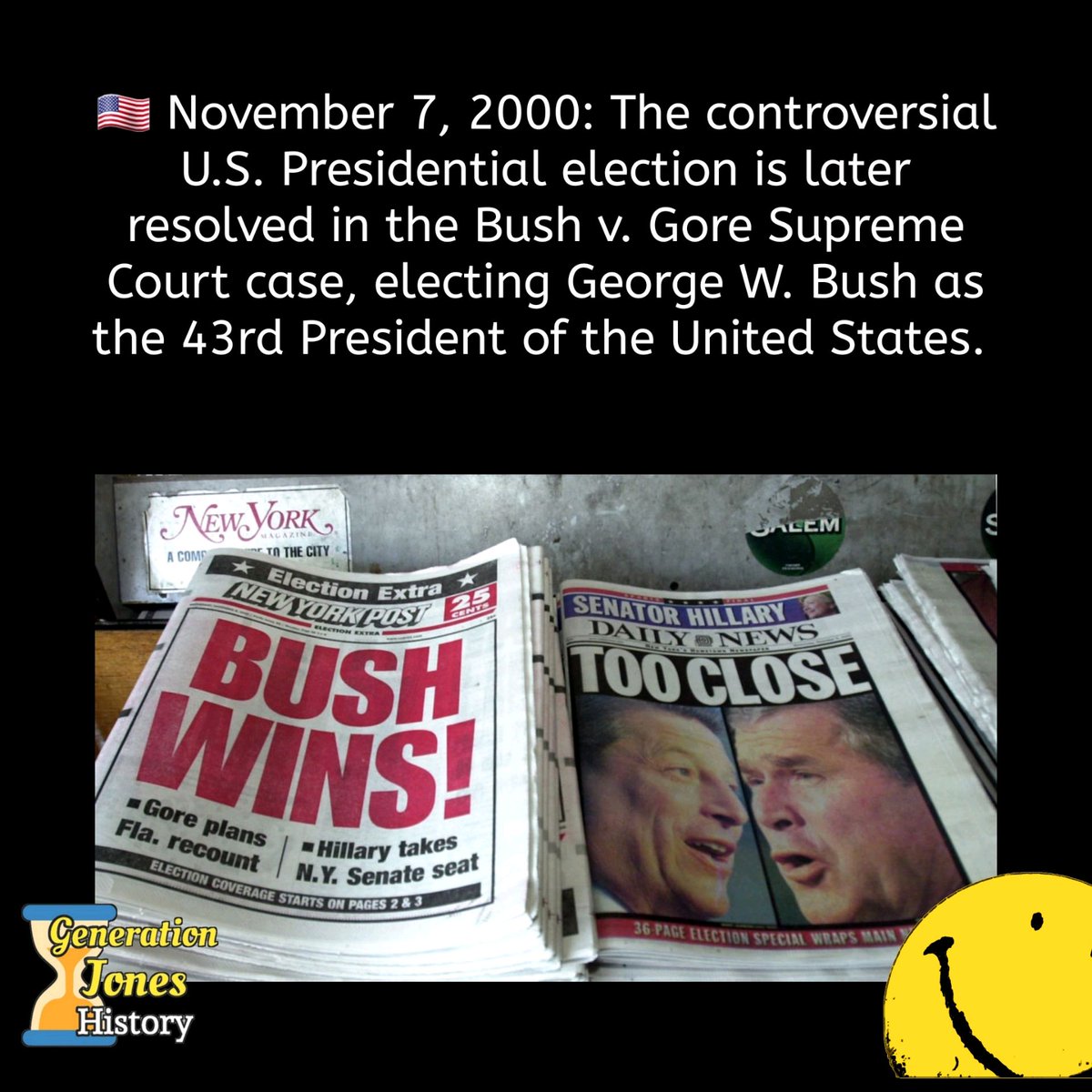
🇺🇲 November 7, 2000: The controversial US Presidential election is later resolved in the Bush v. Gore Supreme Court case, electing George W. Bush as POTUS.
#onthisday #todayinhistory #ushistory #2000s #politics #bushvgore #georgewbush #generationjones #generationx #babyboom
68

6 Nov 2024
To be fair, they didn't think BushVGore was legit either, nor TrumpVHillary. In fact most every time in my lifetime a republican won a presidential election some yahoo in a blue hat was claiming the result was illegitimate
4
120

5 Nov 2024
Normie remembers:
Lincoln, Adams, and George W. Bush: Six Disputed Presidential Elections in American History
Presidential elections can be high-stakes, but a few have gone down as especially controversial, sparking debates, court cases, and even changes to how America runs its elections. Here’s a look at six of the most fiercely contested elections in U.S. history, each one leaving a mark on the nation’s democracy 🇺🇸⚖️
1. The Election of 1800: Thomas Jefferson vs. John Adams
The election of 1800 was a turning point in American history, marking the first peaceful transfer of power between political parties . Federalist John Adams faced Democratic-Republican Thomas Jefferson, but a shocking tie between Jefferson and his running mate, Aaron Burr, led to the House of Representatives deciding the outcome. After 36 ballots 🗳️, Jefferson won, thanks to Alexander Hamilton’s influence. This crisis led to the 12th Amendment, which separated the voting for president and vice president 🏛️. #Election1800 #PeacefulTransition
2. The Election of 1824: John Quincy Adams vs. Andrew Jackson
The 1824 election was filled with drama, featuring four main candidates: Andrew Jackson, John Quincy Adams, William Crawford, and Henry Clay 🎩. Jackson won both the popular vote and the most electoral votes, but not enough for a victory. The House ultimately chose Adams after Speaker Henry Clay backed him, and Adams later appointed Clay as Secretary of State. Jackson’s supporters cried “corrupt bargain,” setting the stage for Jackson’s victory in 1828 🔥. #CorruptBargain #JacksonVsAdams
3. The Election of 1860: Abraham Lincoln’s Victory and Southern Secession
While not contested in the traditional sense, the election of 1860 was deeply divisive. Abraham Lincoln, running on an anti-slavery platform, won the presidency in a four-way race without carrying a single Southern state 🌾. His election triggered the secession of seven Southern states before his inauguration, setting the stage for the Civil War. Lincoln’s victory underscored the power of sectional divides over unity. #Lincoln1860 #DividedNation
4. The Election of 1876: Rutherford B. Hayes vs. Samuel J. Tilden
The 1876 election is one of the most disputed in U.S. history 📜. Democrat Samuel J. Tilden won the popular vote, but contested electoral votes in Florida, Louisiana, and South Carolina left the race unresolved. Congress formed an Electoral Commission that awarded the votes to Rutherford B. Hayes, who then agreed to withdraw federal troops from the South in a “Compromise of 1877” ✍️. This deal ended Reconstruction but left a legacy of division. #Election1876 #CompromiseOf1877
5. The Election of 1888: Benjamin Harrison vs. Grover Cleveland
In 1888, incumbent President Grover Cleveland won the popular vote but lost in the Electoral College to challenger Benjamin Harrison 🎩. Key swing states, especially New York, gave Harrison the edge, underscoring the disconnect between the popular vote and the Electoral College. Cleveland came back to defeat Harrison in 1892, becoming the only president to serve two nonconsecutive terms. #ElectoralCollege #ClevelandVsHarrison
6. The Election of 2000: George W. Bush vs. Al Gore
The 2000 election is one of the most memorable disputed elections 📅. Although Al Gore won the popular vote, the decision came down to a razor-thin margin in Florida. The recount process led to weeks of debate, with issues like “hanging chads” causing confusion. The Supreme Court ultimately halted the recount in Bush v. Gore, effectively awarding the presidency to George W. Bush 🗳️. This election highlighted vulnerabilities in the voting system and spurred nationwide election reforms. #BushVGore #Election2000
Conclusion
Each disputed election left a legacy, shaping political trust and pushing for reforms. They’re a testament to the resilience of democracy, reminding us of the importance of fair and transparent elections. #AmericanHistory #Democracy
4
88

5 Nov 2024
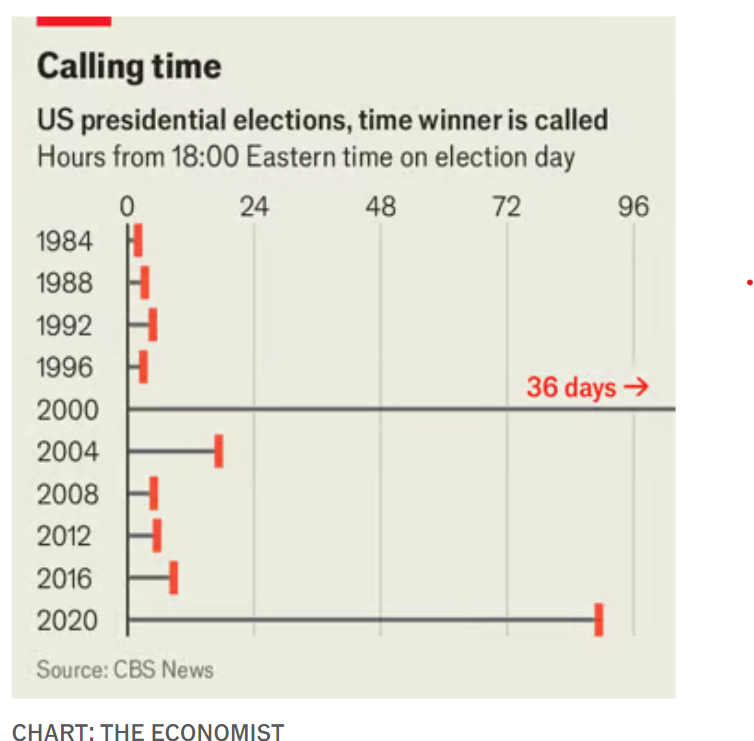
Except for 2020 (TrumpvBiden) and 2000 (BushvGore), all other US presidential elections since 1984 have been called within the first 24 hours. #America #harrisvstrump

2
217

31 Oct 2024
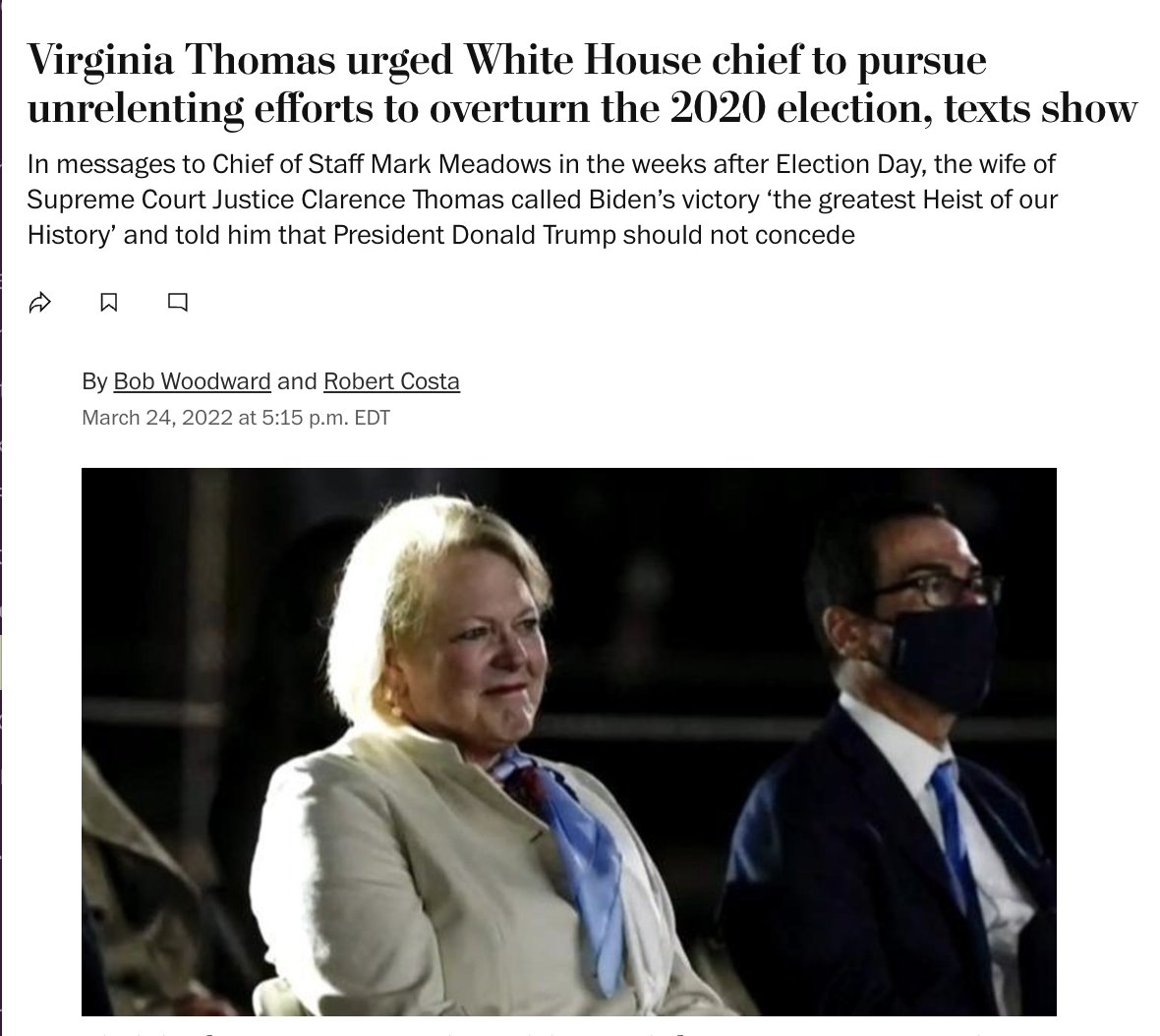
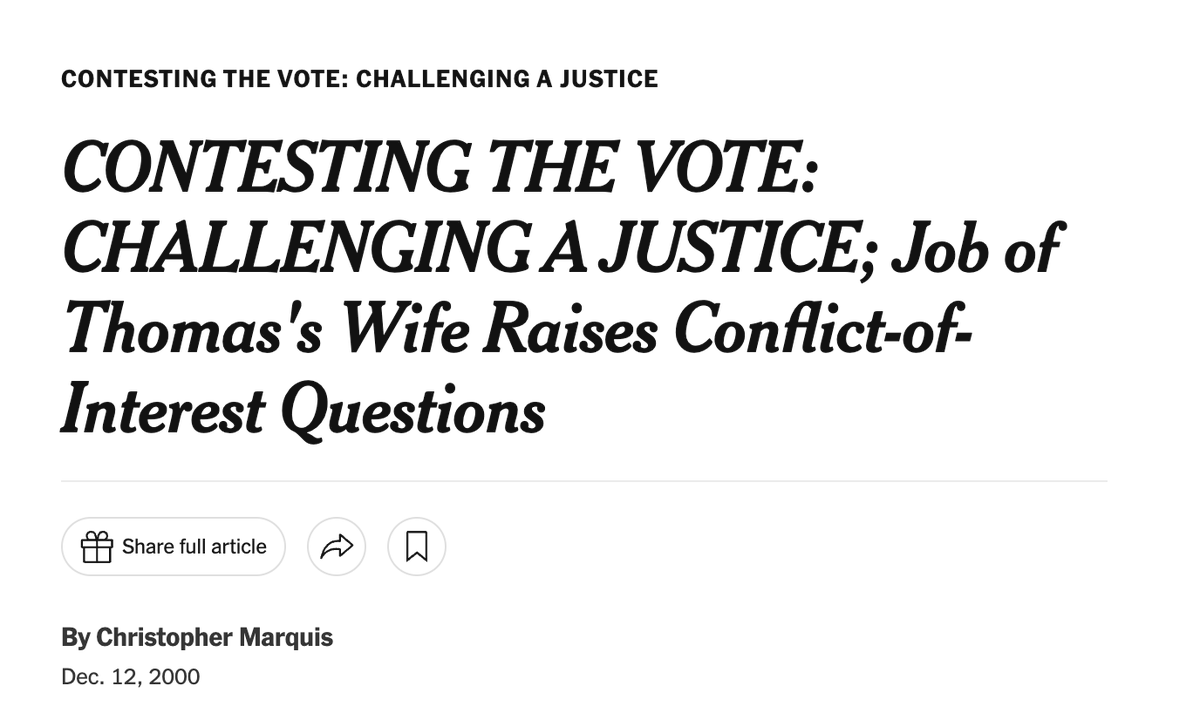
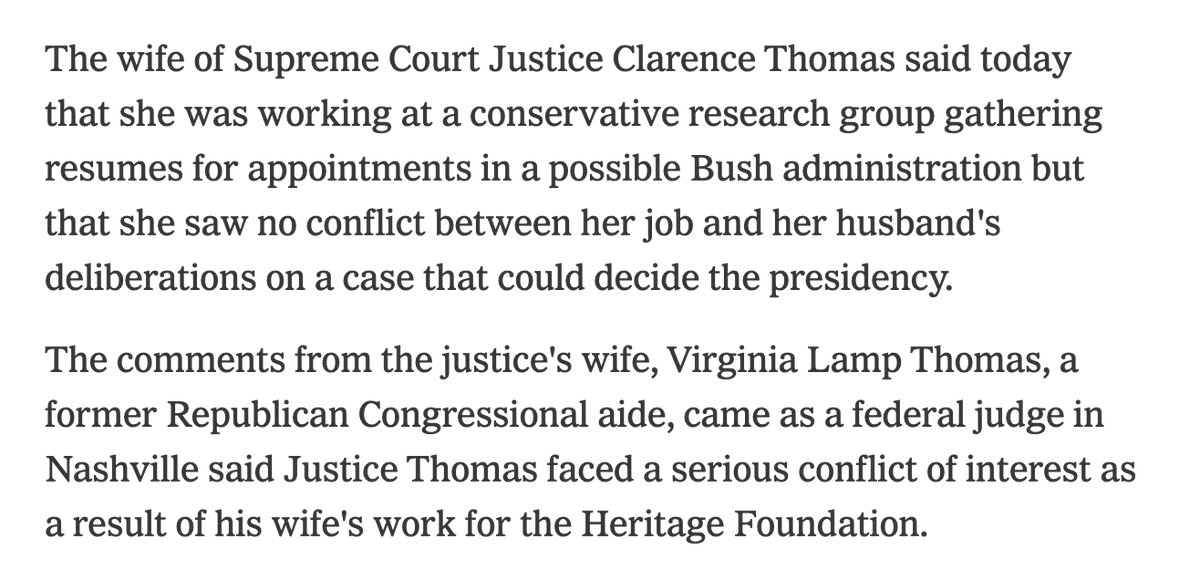
1⃣ The right-wing justices' conflicts of interest tainted the #BushvGore decision. And just like in 2000, Clarence Thomas' conflicts of interest are particularly damning. [2/7]
1
4
9
1,226
31 Oct 2024
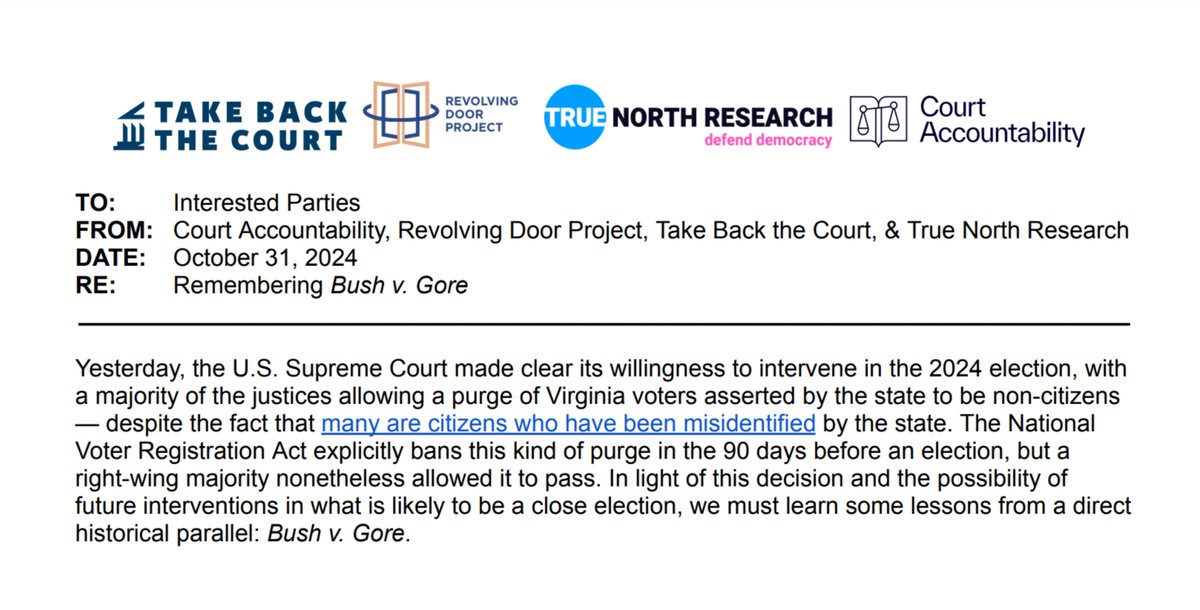
NEW: Just released a memo w/ @revolvingdoorDC, @itstruenorth, & Court Accountability highlighting some important lessons from a direct historical parallel to our current moment: #BushvGore (2000). [🧵 1/7]
takebackthecourt.today/remem…
1
8
12
3,687

31 Oct 2024
This SCOTUS decision to purge 1600 voters in Virginia feels like the Katherine Harris-led voter purge in Florida of Black voters in 2000
salon.com/2000/12/04/voter_f…
#SCOTUS #VoterPurge #Virginia #Yougnkin #BushvGore #Election2024 #VotingRights
30 Oct 2024

My take on the 6-3 decision by the Supreme Court that permits VA Gov Youngkin to bounce 1600 voters n/w/s federal law saying can't do it in 30 days pre election.
SCOTUS makes ruling on Virigina's Voting Purge that IMPACTS Everything! youtu.be/o185PZ1UJIQ?si=aBTg… via @YouTube
1
1
6
267