

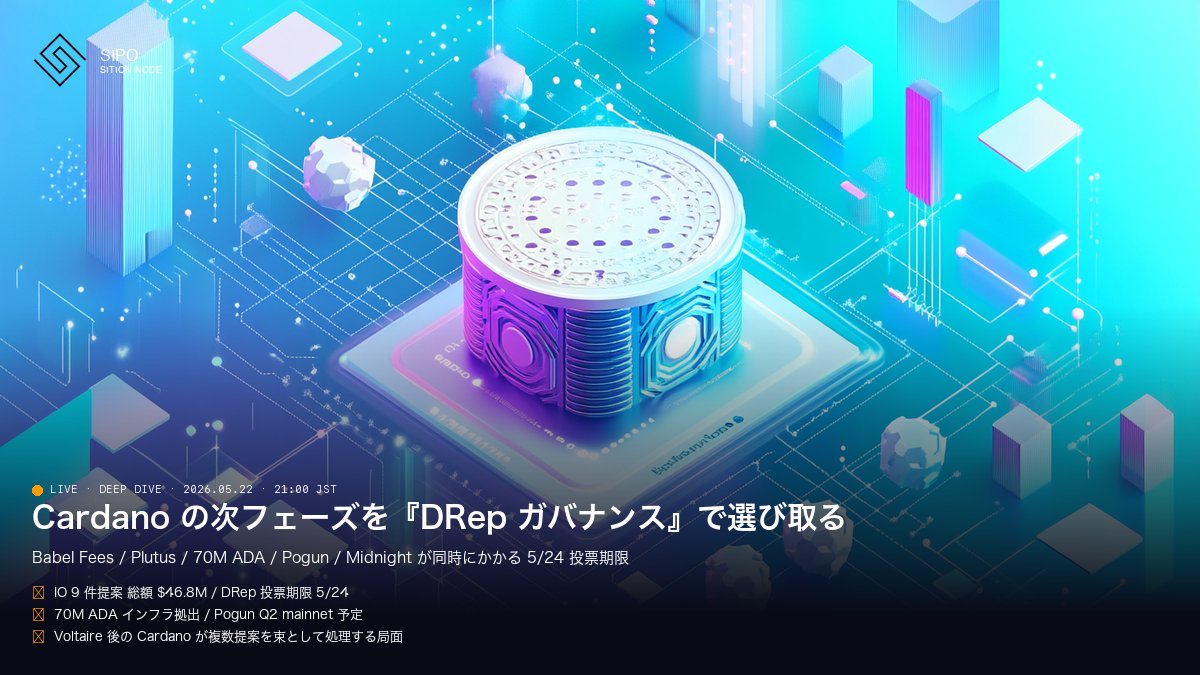
🔬 Deep Dive|Cardano の次フェーズを『DRep ガバナンス』で選び取る — Babel Fees / Plutus / 70M ADA / Pogun / Midnight が同時にかかる 5/24 投票期限
Cardano で今起きていることを「次のニュース」として一件ずつ追うと、輪郭がぼやけてしまいます。実際には、ユーザー体験(Babel Fees)、開発者ツール(Plutus 最適化)、ネットワーク基盤(70 million ADA インフラ拠出 / Consensus Initiative / Eternl)、ガバナンス(DRep 投票)、プライバシー(Midnight)、クロスチェーン接続(Pogun)の 6 つの軸が、5 月 24 日の DRep 投票期限に向けて並走しているところです。本 Deep Dive では、その並走を「価格材料」ではなく「Voltaire 後の Cardano が、分散した状態で意思決定できるか」というガバナンス側の視点から精読します。
■【1】Babel Fees — 手数料の入口摩擦を減らす
Babel Fees は、ADA 以外のネイティブトークンで取引手数料を支払える仕組みで、2025 年提案サイクルで導入された Nested Transactions(入れ子トランザクション)の上に構築されます。ステーブルコインや送金アプリを使うユーザーが、「ADA を別途用意する」という初期摩擦なしに Cardano を利用できる入口設計です。
X 上では「Babel Fees により月間 250 万件超の追加取引が見込める」というコミュニティ試算も流れていますが、本記事執筆時点で IO 公式の効果見積もりとしては確認できておらず、コミュニティ試算と区別して扱う必要があります。Cardano 全体の Vision 2030 は、月間約 80 万件から 2,700 万件超への拡張を Leios と合わせて目標として明示しています。
■【2】Plutus 最適化 — 開発者と運用への静かな改善層
Plutus(Cardano のスマートコントラクト実行環境)関連の最適化提案群は、IO 系発信ベースでは、スクリプト準備や実行効率の改善が継続的に進められているとされています。表に出にくい領域ですが、DApp 側の手数料と実行効率に直接効く層で、Aiken など Plutus 周辺ツールチェーンを使う builder の体験を底上げします(具体的な削減率は IO 公式 release note ベースで GO 前に再確認推奨)。
■【3】インフラ拠出ポートフォリオ — 70M ADA / Consensus Initiative / Eternl
Cardano Foundation、EMURGO、Input Output、Intersect、Midnight Foundation の 5 団体が連名で出していると報道されているインフラ拠出提案(報道ベースでは 70 million ADA 規模)は、ノード運用や継続的なメンテナンスを共同で支える設計を問うものです。同じタイミングで、Consensus(Cardano のコンセンサスレイヤー)に関する継続的な性能改善提案、そして Eternl ウォレット関連の提案も DRep の判断対象として並んでいるとされています(各提案 ID と最新ステータスは Intersect 上で再確認が必要)。これらは個別の機能追加ではなく、「Cardano というネットワークを誰がどう維持するか」というインフラ層の継続性を束ねた問いです。
■【4】DRep 投票 — Voltaire 後の意思決定が試される数日間
報道ベースでは投票期限は 5 月 24 日とされ、Input Output が公式に提示した 9 件のトレジャリー提案(総額 $46.8M、前年比ほぼ半額)について、報道ベースで約 1,000 名規模の DRep が可否を判断します。Cardano は 2026 年 3 月に Voltaire 期に正式移行したばかりで、創業エンティティ主導ではなく on-chain ガバナンスが「実際に複数提案を束として処理する」局面はまだ蓄積の途中です。
このタイミングに合わせて、Michael Smo 氏が Cardano アップグレード解説スペースを、Aggelos Kiayias 氏が IO 提案解説 X Space を開催しているとされ、提案内容を DRep が判断する材料の供給側も同期で動いています。観察軸は二つです。「どの提案が通るか」と、「DRep というレイヤーが機能するか(投票参加率・議論プロセスの追跡可能性)」。後者は今後の Cardano ガバナンスの基準値になります。
■【5】Midnight — Cardano 周辺の拡張領域
プライバシーレイヤー Midnight は、エコシステムパートナーと 3 週間単位で進めるパートナースプリントを継続しています。Sprint 1(Midnames)は完了済み、Sprint 2(1AM)が現在進行中です。X 上では「単一のプライベート Vault」構想への言及も見られますが、現時点で公式仕様書として確認できる範囲には到達していないため、本記事ではコミュニティ議論段階と位置付けます。
なお Midnight は Cardano のサイドチェーンとして独立稼働するネットワークで、ADA 価格や Cardano 本体の DRep 投票対象とは別軸で動いている点も併せて押さえておく必要があります(同日公開の SPO_DD_002 で Midnight 単体の精読を行っています)。
■【6】Pogun — Bitcoin DeFi と EUTXO の系統的近接性
Pogun は、IO 提案群に含まれる Bitcoin DeFi 基盤で、「non-margin credit market、yield infrastructure、trust-minimized BTC bridge を Cardano にもたらす end-to-end engine」として定義されています。BTC ホルダーが中央集権的なカストディに預けずに借入・利回りを得る設計で、Cardano の EUTXO(Extended UTxO)モデルが Bitcoin と同系統である点を活かし、決定論的実行と MEV(maximum extractable value)抑制を構造的に打ち出しています。IO 公式によれば、non-margin credit market(レンディング機能)は 2026 年第 2 四半期に mainnet で立ち上がる予定です。
■【統合読解】6 つのシグナルが同じ方向を向く理由
Babel Fees、Plutus 最適化、70M ADA インフラ拠出、DRep 投票プロセス、Midnight 拡張、Pogun — これらを別々のニュースとして読むと小さく見えますが、束ねると次の方向を指していると読めます。
【1】Cardano は「機能追加」ではなく、「ユーザー体験 / 開発者 / インフラ / ガバナンス / プライバシー / クロスチェーン接続」の 6 軸を同時に動かそうとしています。 【2】これらすべてが、財団主導の意思決定ではなく、DRep という分散レイヤーの可否判断を経由する設計になっています。 【3】したがって、5/24 の意味は「どの提案が通るか」だけではなく、「Voltaire 後の Cardano が、複数提案を束として、分散した状態で処理できるか」という運用能力そのもののテストです。
■【次の節目】
5/24 DRep 投票結果と参加率 snapshot / Pogun レンディング機能の Q2 一般公開 / Midnight Sprint 2(1AM)完走と Sprint 3 告知 / 70M ADA インフラ拠出提案の通過後の Intersect 運用設計 / Eternl 提案・Consensus Initiative 提案の最終ステータス
■【SIPO 観察視点】
SIPO は SPO DRep Midnight Network Ambassador の 3 役を兼ねる立場から、今回の局面を「Cardano が Voltaire 後初めて、複数の改善軸を束として DRep に問う局面」として記録しておきます。投票判断そのものについては、必要に応じて DRep voteContext を別途公開する場合があります。投票結果と参加率の確定後、ガバナンスプロセス側の精読を改めて行う想定です。
【確認限界】
(1) Babel Fees の月間 250 万件試算は X コミュニティ試算であり、IO 公式の効果見積もりとしては未確認。 (2) 「単一プライベート Vault」構想は X 言及はあるが、公式仕様書として未確認。 (3) Eternl 提案 ID、Consensus Initiative 提案 ID、5 団体連名 70M ADA インフラ拠出提案 ID、そして投票期限(本記事では 5/24 と記載)は、いずれも Intersect 上の最新表示で再確認が必要です。投票期限直前まで内容・ステータスが動く可能性があります。 (4) Plutus 最適化の具体的な削減率は、IO 公式 release note・Intersect Consensus team update いずれにも本記事執筆時点で確認できなかったため、本文では数値を提示していません。 (5) DRep 登録数(本記事では「報道ベースで約 1,000 名規模」)も、Intersect / 各種 explorer の最新表示で別途確認可能です。 (6) 本記事は情報整理を目的とした観察であり、投資助言ではありません。
一次ソース
IO treasury proposals: the 5-minute overview (Input Output 公式・$46.8M / 9 件 / Pogun Q2 mainnet launch 裏取り): iog.io/news/io-treasury-prop…
Consensus Team Update 2026-05-05 (Cardano Development Updates / Intersect 公式): updates.cardano.intersectmbo…
Recent Cardano Governance Actions (Intersect MBO 公式): intersectmbo.org/news/recent…
Building a 2026 Ecosystem Budget for Cardano (Intersect MBO 公式): intersectmbo.org/news/buildi…
Governance | Momentum Cardano (Input Output 公式): momentum.cardano.iog.io/gove…
Partner Sprints on Midnight (Midnight Dev Diaries 公式): docs.midnight.network/blog/p…
Input Output proposes scaled-back Cardano treasury plan ahead of Leios mainnet push (The Block 報道補強): theblock.co/post/398484/inpu…
Bitcoin DeFi pitched in $46 million proposal ask by Cardano team (CoinDesk 報道補強): coindesk.com/tech/2026/04/23…
Cardano foundations unite for 70 million ADA infrastructure bid (CFOtech UK 報道補強・正式提案 ID は要 Intersect 確認): cfotech.co.uk/story/cardano-…
Cardano's 2030 Roadmap: Nine Proposals, Half the Budget, One Community Vote (Coindoo 報道補強): coindoo.com/cardanos-2030-ro…
Babel Fees mechanism overview (NMKR Glossary・参考用語解説): nmkr.io/glossary/cardanos-ba…
🌐 sition.jp / 🪙 sipo.tokyo ——SITION Group · @SIPO_Tokyo
4
294

May 12
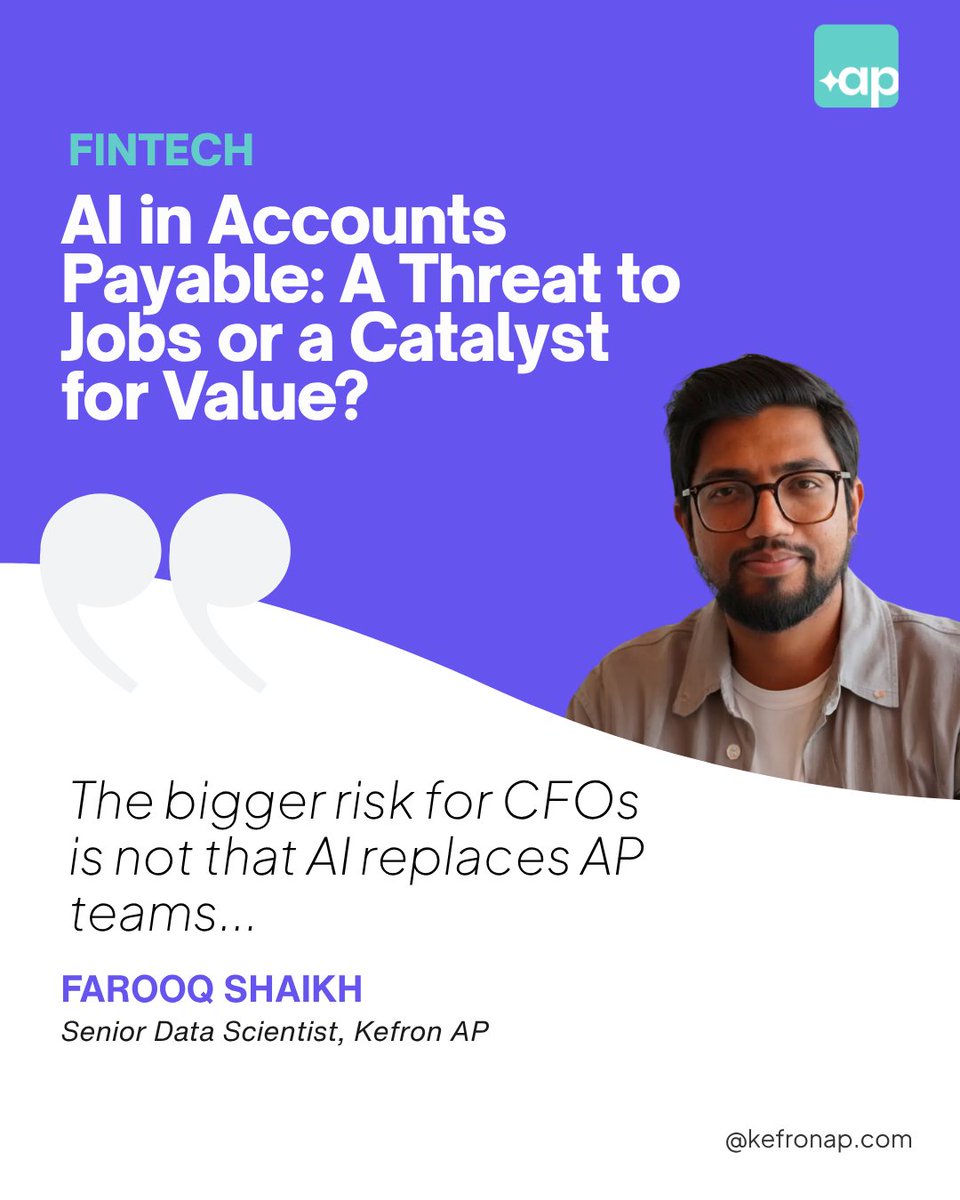
The question now facing finance leaders is straightforward: if AI can do the work, will it replace people? In a new guest article for CFOTech, Farooq Shaikh explores how the answer is more nuanced than many expect. Read more here: eu1.hubs.ly/H0vfKSx0
2
15

Apr 21
19 acquisitions. The biggest lesson: strategy and culture have to come before the financial case — not after.
Fortra CEO Matthew Reck in CFOtech UK 👇
hubs.la/Q04cTnJg0
1
6
68


13 Sep 2025
Ready to stop flying blind on AI spend?
DM me.
Because replacing spreadsheet theater with proper financial navigation isn't just smart—it's survival.
#AI #FinOps #ComputeEconomics #WCU #CFOTech #InfraSight
1
41

14 Aug 2025
Blockchain Meets Fortune 500! 🌐 As blockchain tech matures beyond hype, it’s reshaping CFO tech stacks for seamless cross-border money movement (PYMNTS). As an on-chain analyst, this signals real enterprise adoption ahead. How will your biz adapt? #Blockchain #FinTech #Crypto #Enterprise #CFOtech
1
2
15

27 Jun 2025
It’s hard to find balanced takes on what AI means for finance teams in the short term.
Over on LinkedIn, people are fully losing their minds.
My feed is filled with fantasies of CFOs firing their whole team after a heavy weekend of vibe coding.
Let’s be clear: AI is going to transform the CFO's office. But not in the ways you’re reading about. Not yet.
Like every tech wave before it, Amara’s Law will apply. We overestimate the short-term productivity impact and underestimate the long-term one.
AI is right on cue. And this time, the curve may well be steeper. But that doesn’t make today’s hype any more helpful.
You’re being told to fire half your team. Rebuild your stack from scratch. Learn to code like an engineer. For CFOs that is nonsense.
Very little AI tech for CFOs is truly enterprise-ready yet.
If the world’s best engineers - backed by billions in funding and full-stack AI teams - are still building, what makes you think you can crack it with two mugs of coffee and a 45-minute YouTube Replit tutorial?
The idea that a CFO or their finance team should be building proprietary AI software isn’t just unrealistic... today it’s borderline reckless. You’re not a product org. You’re not a startup. You’re the steward of your company’s finances. Your job is to protect the business’s assets and grow shareholder value.
To be clear, this advice is for established CFOs and senior finance leaders. If you’re early in your career, or you’re a current or aspiring CFOTech founder? You should absolutely be experimenting more aggressively. That’s a different playbook (and not one I should write.)
But if you’re already in the seat. Running a finance team, managing cost pressure, tariff chaos, audit reform, and a volatile boardroom... your job is not to vibe-code your way through it.
Now let’s talk about the “95% myth.”
There’s this idea floating around that AI can do 95% of a finance task in five minutes - board packs, forecast models, strategy decks, you name it.
But in finance, precision beats direction. Just because something looks 95% done doesn’t mean it is. Worse, it gives a false sense of confidence. You think you’re nearly there. You’re not.
The final 5% is where all the risk lives. All the value. All the judgment. That’s the bit that matters most.
CFOs aren’t paid for the first 95%. That’s the commodity layer. They’re paid for the last 5%, the sharp end of the decision. The edge.
And the best-paid CFOs, are paid seven or even eight-figures ones for the final 0.1%. The part that only experience and real-world judgment can deliver.
So if you shouldn’t be hacking your team to death with AI experiments, what should you be doing?
Here’s the practical AI playbook for CFOs today as I see it:
1. Reframe where AI can actually help. It can’t write your board paper. But it can help you tighten it. It won’t build your model. But it can sanity check it. It won’t find your narrative. But it can pressure test it.
2. Don’t trust the “95%” myth. People say AI gets you 95% of the way there. But that’s an illusion. Just because something looks 95% done doesn’t mean it is. And in finance, that last 5% - the nuance, the judgment, the risk - is everything. It’s not the final touch. It’s the whole game.
3. Let the builders build. Take the demos. Work with tech vendors who live and breathe finance problems. Your job isn’t to build an AI-powered P2P system from scratch. It’s to pick the best one on the market and implement it well. We are a generation of CFOs scarred by horrendous tech implementations. But AI will make implementation and customization infinitely easier than we've seen before.
4. Get your data organized. AI loves structured data. The more your data is clean, consistent, and well-structured, in a proper data warehouse layer, the more AI-ready you actually are. Think integrity, granularity, metadata. That's what will unlock what comes next.
5. Experiment in low-stakes environments. Play where failure doesn't hurt. In my case, I built custom AI bots to help my kids with homework, tailored to their curriculum, learning preference, instructed to guide to the answer not give them the answer, etc. That’s stretched my thinking and showed me the art of the possible, more than any finance workflow. It’s where I’ve learned the most. You want cheap feedback loops, fast iterations, low risk.
And for what it’s worth, here’s where I’ve seen AI be genuinely useful so far:
- Editing comms: emails, specs, board packs
- Sorting and prioritizing inboxes
- Stress-testing story outlines and presentations
- Surfacing directional insights from messy data
- Scoring candidates against hiring criteria
- Acting as a thinking partner when I need to challenge my own assumptions.
So no, don’t fire your FP&A team and vibe-code a workflow replacement. Experiment, yes. But pick simple workflows. Low stakes. Clear feedback loops.
Don’t eat the hyperbole. Keep one eye on AI, not both eyes and both hands. Your job is to run the business, not chase the unproven LinkedIn fever dreams.
Keep your hands on the wheel.
Stay curious. Stay skeptical. But most of all ... stay very f*cking crispy.
40
15
261
41,848

19 Jun 2025
Trends in finance are shifting. CFOs need to leverage technology, automation, and data-driven insights to stay competitive. Learn how to adapt. bit.ly/4k5BBpN
#CFOTech #BusinessGrowth #HelloGravity #FinanceInnovation
4
77

9 Jun 2025
The future of MENA SMEs depends on smarter CFO tools: bit.ly/4kUcu94
"SMEs are a major contributor to MENA’s economy, yet they remain significantly underserved by traditional financial institutions. This presents a clear opportunity for fintechs to tailor solutions that fill the infrastructure gap, offering lean, accessible tools that help SMEs grow within a supportive financial ecosystem."
An article by Adnan Murudi, Associate, and Simon Sharp, Partner at Global Ventures
#Fintech #SMEs #CFOtech #MENA #DigitalTransformation #Innovation #Growth
1
1
768
6 Apr 2025
Are there any apps development studios / incubators out there specializing in building AI powered CFOTech?
Hit my DMs if you are.
6
21
8,574
10 Mar 2025
Great post. Progress in OCR tech has been slow in my time, from what I’ve seen. It makes sense that pairing it with LLMs is the way to unlock a step change.
The biggest CFOtech / AI opportunities in the short term is in solving more back office type problems like these imo. (Even though there is much more noise around FP&A type products.)
Exciting times.
1
3
1,000

18 Sep 2024
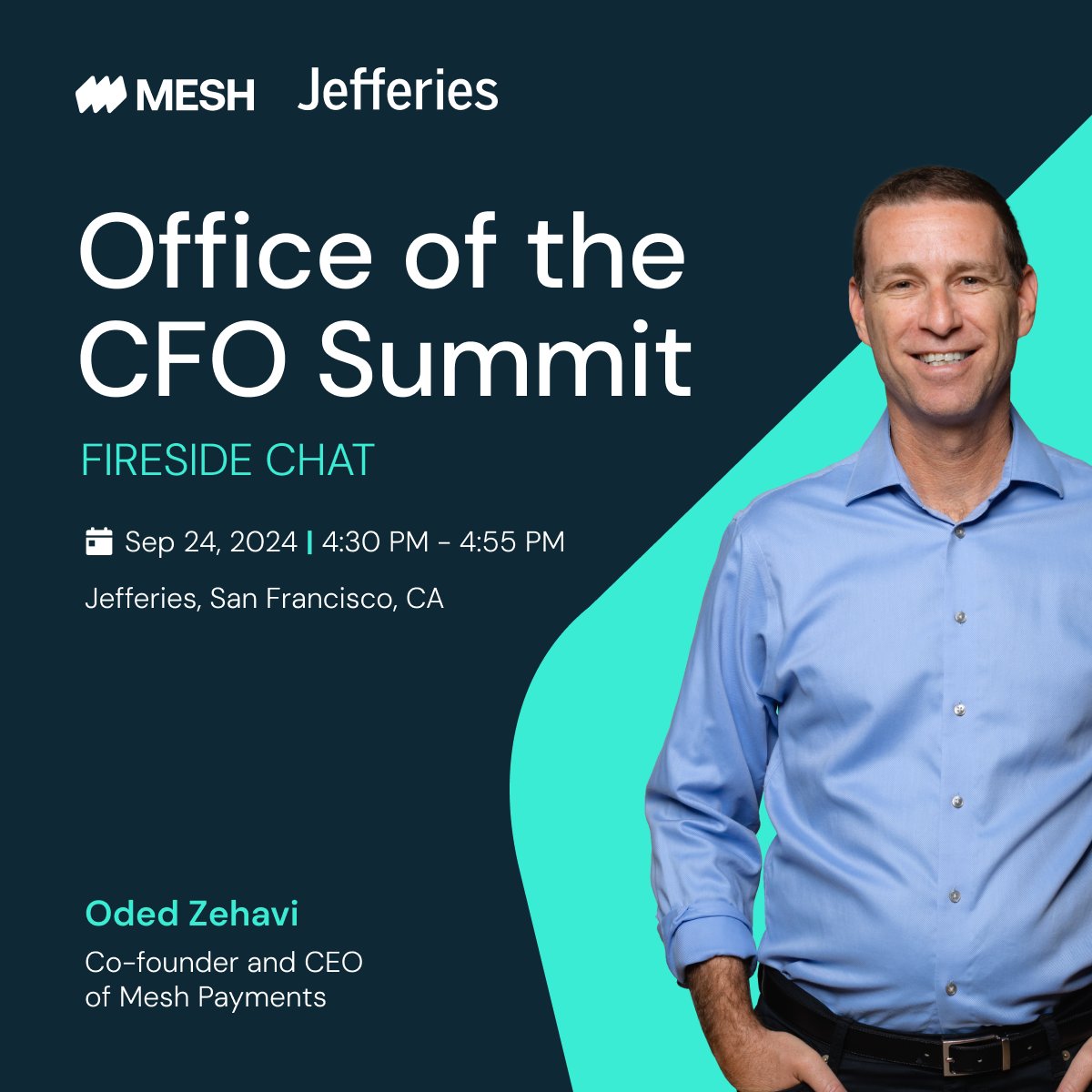
🗓 Mark your calendars! Mesh CEO @odedzehavi will participate in the @Jefferies Office of the CFO Summit in San Francisco on September 24th!
Oded will host a fireside chat about Mesh, showcasing how our global travel and expense management solutions revolutionize financial operations for businesses worldwide.
This is a fantastic opportunity to explore the future of finance and network with industry leaders. 🤝
Attending the summit? Don't miss this engaging session!
#Mesh #JefferiesCFOSummit #TravelandExpense #GlobalFinTech #CFOTech #OfficeoftheCFO
2
489

11 Sep 2024
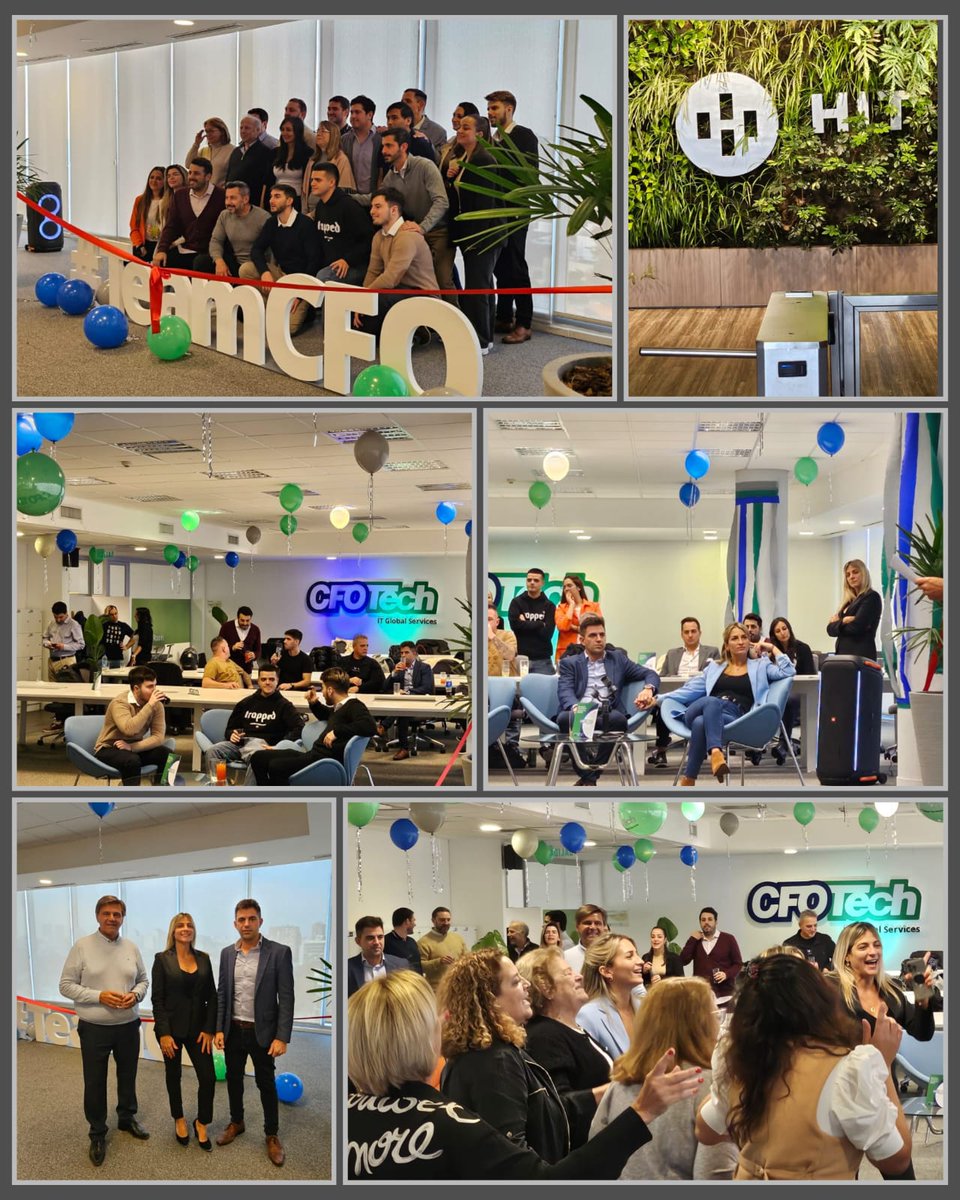
Echa un vistazo a este empleo en CFOTech IT Global Services: linkedin.com/jobs/view/40219…
✅Analista de Seguridad en entornos Mainframe JR
✅Argentina
1
1
3
857

25 Jul 2024
🚀 Dutch #SaaS star @Payt secures €55M to revolutionize accounts receivable!
🌟 13,000 users
🌍 Expanding across Europe
🤖 AI-powered AR automation
Ready to boost your cash flow? Payt is here!
bit.ly/3zXrhhd
#FinTech #AccountsReceivable #StartupFunding #CFOTech

2
45

10 Jun 2024
I'm thrilled to share that @Auditoria_AI has achieved remarkable 400% growth over the past year with our AI-Apps for the Office of the CFO. We have successfully captured significant market share in industries such as financial services, hi-tech, healthcare, and higher education.
For those looking to enhance their career with cutting-edge innovation in AI for the Office of the CFO, explore more about Auditoria.AI online. #GenAI #FinanceTransformation #CFOTech

2
4
269


16 May 2024
How Do CFO's Evaluate AI Tool Investment Priorities?
How should you pitch your AI Project to them?
#cfoinsights #cfotech #AI #OpenAI #GenerativeAI #ChatGPT #ThursdayVibes #CFO #innovationday #management #technology #BusinessProposal #Sales #consulting
linkedin.com/pulse/how-do-cf… …

3
3
116

How Do CFO's Evaluate AI Tool Investment Priorities?
How should you pitch your AI Project to them?
#cfoinsights #cfotech #AI #OpenAI #GenAI #ChatGPT #Claude #SORA #technology #CFO #Innovation #management #technology #BusinessGrowth #Sales #consulting
linkedin.com/pulse/how-do-cf…

2
81
29 Mar 2024
How Do CFO's Evaluate AI Tool Investment Priorities?
How should you pitch your AI Project to them?
#cfoinsights #cfotech #AI #OpenAI #GenerativeAI #ChatGPT #FridayVibes #CFO #innovationday #management #technology #BusinessProposal #Sales #consulting
linkedin.com/pulse/how-do-cf…
2
3
100