
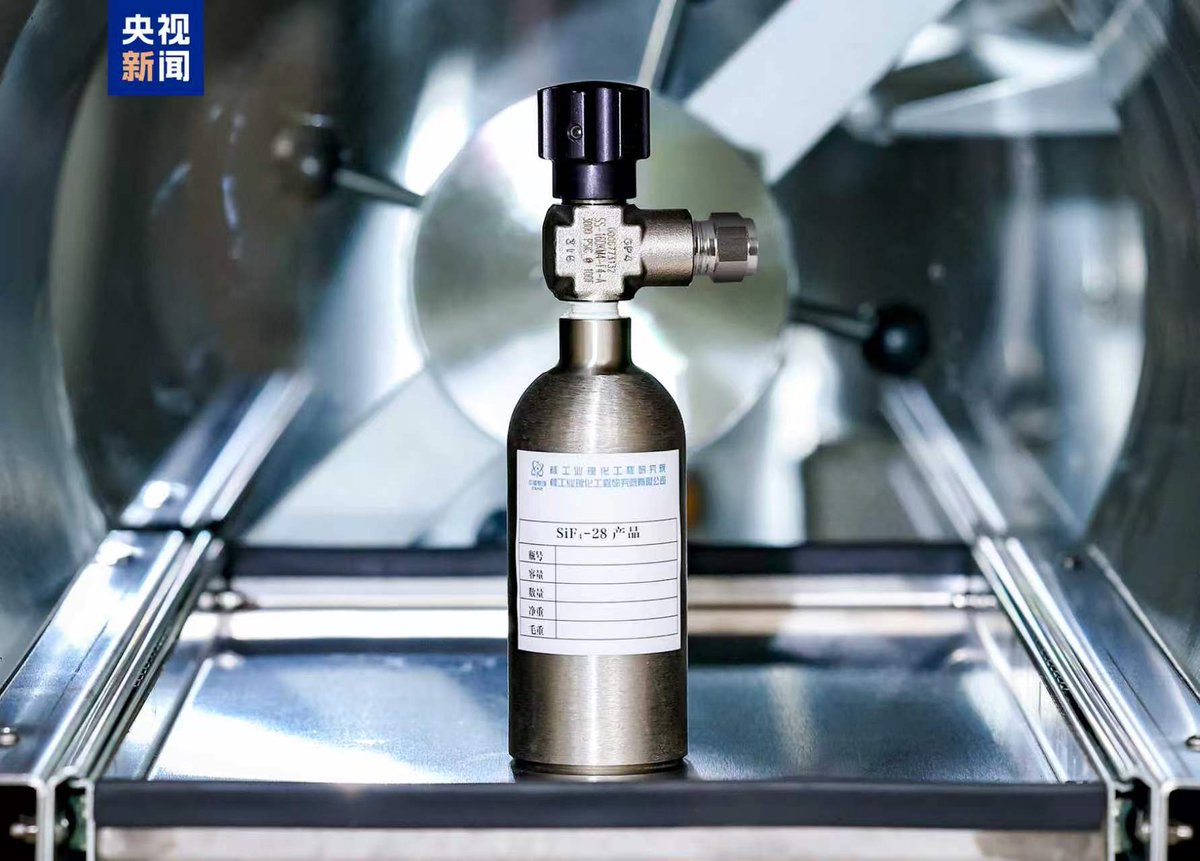
#China has achieved a breakthrough in the development of a critical material used in silicon-based quantum chips that will bolster frontier science and technology, the China National Nuclear Corporation (CNNC) announced.
10

China's nuclear engineers sorted silicon like beans and cracked a quantum computing supply bottleneck — which is either a charming way to describe isotope separation or the most accurate.
The Research Institute of Physical and Chemical Engineering of Nuclear Industry, part of the China National Nuclear Corporation, has achieved mass production of silicon-28 at purity above 99.99%. The method is physical rather than chemical: silicon atoms exist in nature as three isotopes, and the separation process diverts silicon-28 to one stream while silicon-29 and silicon-30 go to the other. Institute head Jiang Hongmin described it as sorting beans. The process is scalable by design.
Silicon-28 is the substrate material for silicon-based quantum chips — the qubit architecture considered most viable for large-scale quantum computing because it is compatible with existing semiconductor fabrication lines. Purity matters because stray isotopes introduce nuclear spin noise that degrades qubit coherence. Until now, isotope-enriched silicon at this grade was scarce, sourced from a small number of foreign suppliers. China's domestic production capability removes that dependency.
The same research team has produced 26 stable isotopes across 12 elements, including molybdenum, tellurium, and nickel. Chinese Academy of Sciences academician Yu Dapeng said the achievement clears the path for large-scale qubit research in China. The isotope portfolio spans quantum computing, high-precision navigation, and metrology — the measurement standards that underpin advanced manufacturing.
My take — nuclear infrastructure is the upstream answer to semiconductor sanctions.
US export controls targeted the downstream: chips, equipment, software. China's response has been methodical work on upstream materials that the controls never named because no one expected industrial-scale isotope separation to move this fast. The CNNC institute doing this work sits inside the same nuclear complex that handles enrichment for other purposes — the capability transfer is not incidental. Sanctioning a country's access to finished technology and watching it build the feedstock layer is a proven strategy in response to empire's attempts to sanctions all who threaten its hegemony.
1
24

Colegio de Abogados advierte “deterioro institucional” tras críticas por casos como SQM: “Preocupa el maltrato al juez” #CNNChileRadio
cnnchile.com/pais/colegio-ab…
27
20
28
44,970
Bi Xiarong retweeted

Jun 15
From breakthrough at a single point to chain-based development! CNNC builds a full industry chain for isotopes.
Kilogram-level mass production of high-abundance silicon-28 has been successfully achieved.
#Silicon28
#Isotopes
#QuantumChips #ChinaPureSiliconBreakthrough
2
4
26
@h-yamachan retweeted

Jun 16
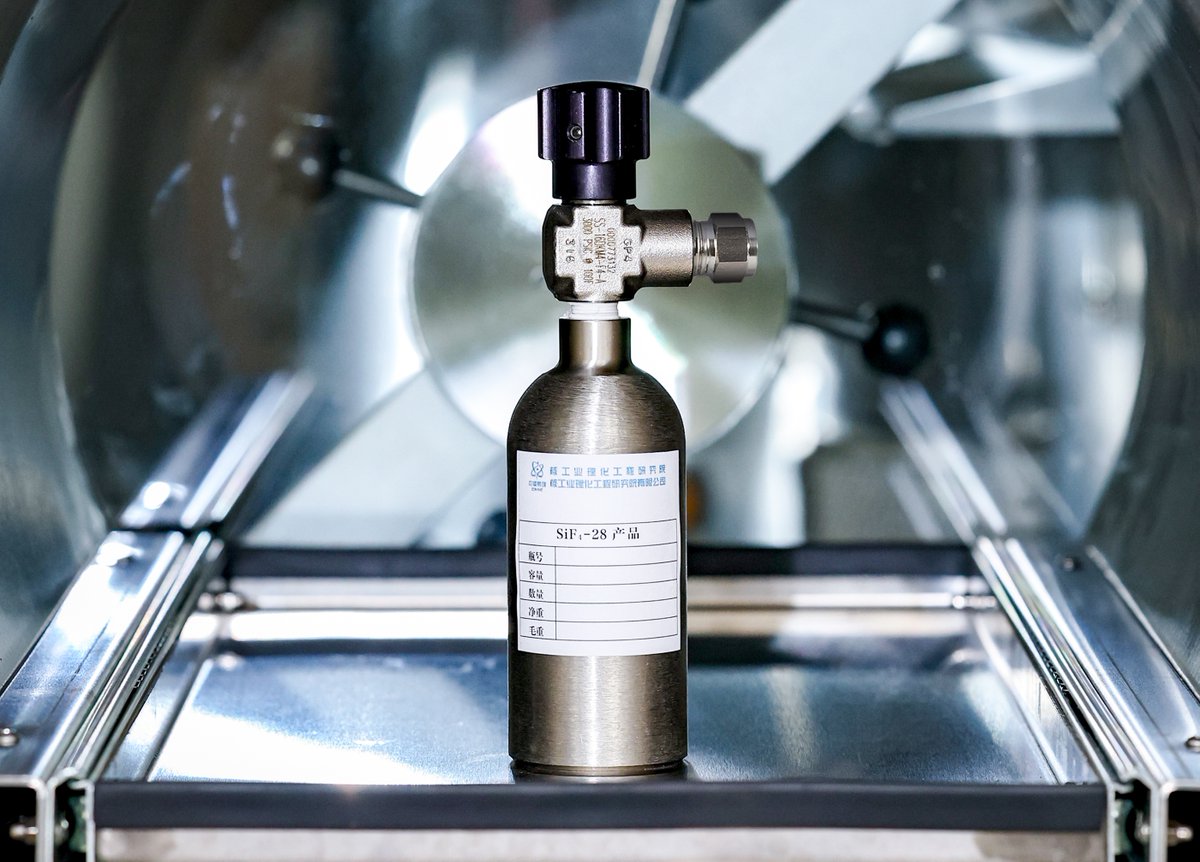
【中国がシリコン系量子チップの重要材料開発で大きな進展】中国核工業集団(CNNC)が6月15日明らかにしたところによると、中国の研究者は安定同位体の濃縮で重要な進展を遂げ、存在比が99.99%を超えるシリコン28同位体の自主量産に初めて成功し、製品の重要指標は国際的な先進レベルに達したとのことです。
シリコンは非金属元素であり、天然のシリコンにはシリコン28、シリコン29、シリコン30の3種類の安定同位体が含まれています。うちシリコン28が92.2%を占めており、この同位体は量子計算における環境ノイズの干渉を大幅に低減することができ、「世界で最も純度の高いシリコン」と呼ばれています。一方、天然シリコンのもう一つの安定同位体であるシリコン29は量子計算に干渉を引き起こします。このため、干渉を最小限に抑えるには、シリコン28の存在比を92.2%から99.99%以上に高める必要があります。
中国核工業集団理化学工程研究院の姜宏民院長によると、シリコン28を精製するには、シリコン29を物質反応によりシリコン28に変えるのではなく、豆をふるいに掛けるように3種類の同位体を分離する必要があり、シリコン28を一方に集め、シリコン29とシリコン30をもう一方に分離することで、総量は変わらないものの各成分の存在比が変わるとのことです。
超高純度のシリコン28は量子計算のほか、先端半導体プロセスやハイエンドナビゲーション、計量標準など最先端分野でも幅広い展開が見込まれています。japanese.cgtn.com/2026/06/16…
5
15
398

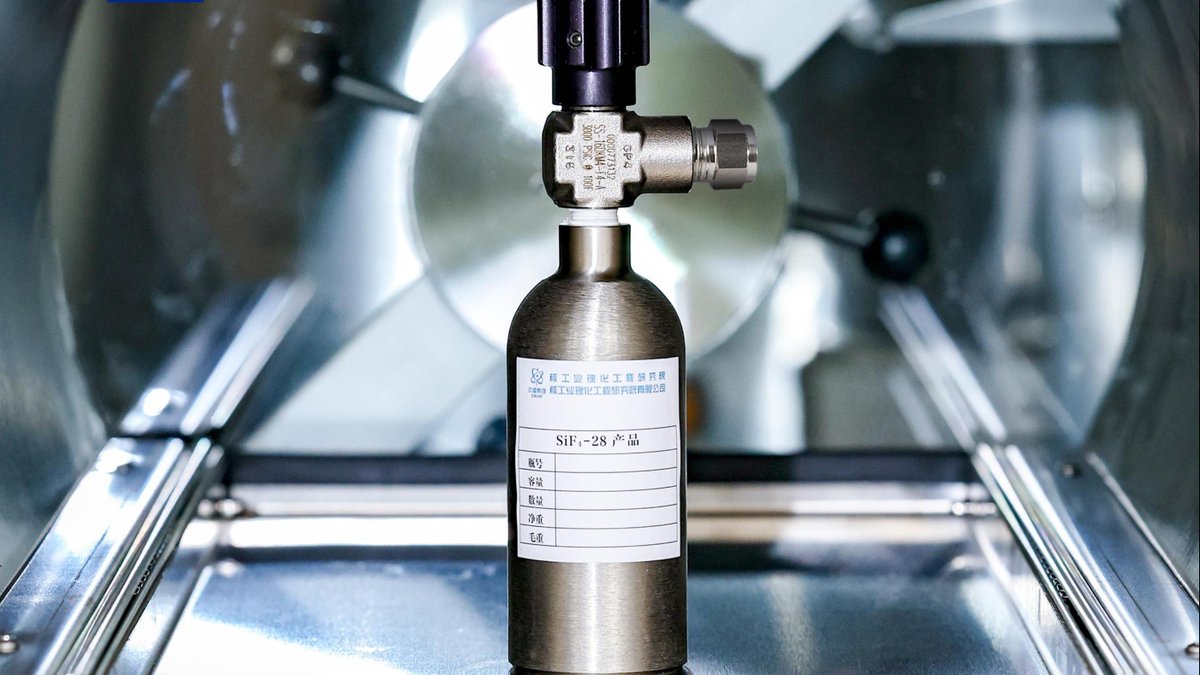
China has achieved a breakthrough in the development of a critical material used in silicon-based quantum chips that will bolster frontier science and technology, the China National Nuclear Corporation (CNNC) announced on Monday.
english.cctv.com/2026/06/16/…
1
1
912

Jun 16
China mencapai terobosan dalam pengembangan material penting yang digunakan dalam cip kuantum berbasis silikon, yang akan memperkuat ilmu pengetahuan dan teknologi mutakhir. Demikian diumumkan China National Nuclear Corporation (CNNC) pada Senin (15/6) tinyurl.com/3u7ybsfa
19

China schließt eine strategische Technologielücke. Im Wettlauf um Quantencomputer verschärft sich der globale Wettbewerb weiter.
#China #Quantencomputer #Technologie #CNNC
Durchbruch: Der staatliche chinesische Atomkonzern CNNC meldete am 15. Juni 2026 die Massenproduktion von Silizium 28 mit einer Reinheit von über 99,99 Prozent. Das Material gilt als entscheidender Rohstoff für siliziumbasierte Quantencomputer und war bislang nur über wenige internationale Lieferketten verfügbar.
Wettbewerb: China will damit einen wichtigen Engpass beseitigen und seine technologische Unabhängigkeit stärken. Laut CNNC ermöglicht Silizium 28 stabilere Qubits für Quantencomputer. Die Ankündigung erfolgt in einer Phase zunehmender Technologiekonflikte zwischen China und den USA.
Der technologische Abstand zwischen den führenden Wirtschaftsräumen wird künftig immer stärker von der Kontrolle strategischer Schlüsseltechnologien abhängen.
Vielen Dank für den wichtigen Hinweis!
Quelle: (Berliner Zeitung)
berliner-zeitung.de/article/…
16
73
348
8,477

Jun 15
CNBC is owned by Versant, a US MNC Network.
CNNC TV-18 & CNBC Awaaz are owned by Network18 group, of Reliance.
Which one made this false claim based on irregular bot traffic? Please clarify.
4
430

🌆 ASYA PASİFİK | Akşam Bülteni
📅 15 Haziran 2026
🇨🇳 Çin: Xi Jinping eğitim, bilim ve insan kaynağını tek çatı altında birleştiriyor
🇨🇳 Çin: Kuantum bilgisayar için kilit malzeme kitlesel üretime geçti — CNNC ™,99 saflıkta üretim başlattı
🇯🇵 Japonya: Yen üzerindeki kısa pozisyonlar artıyor — 1997 Asya krizi tekrar edebilir mi?
🇸🇬 Singapur: Küresel Barış Endeksi'nde Singapur ve Japonya dünya top 10'unda
🇲🇾 Malezya: Başbakan Anwar, Putin ile petrol tedarikini masaya yatıracak — Rusya ziyareti başlıyor
🇵🇭 Filipinler: 6,6 büyüklüğündeki depremde ölü sayısı 65'e yükseldi
🇻🇳 Vietnam: Çin ve Vietnam Başbakanları görüştü — altyapı entegrasyonu ve deniz anlaşmazlıkları masada
🇹🇭 Tayland: Krali afla serbest kalan Thaksin Shinawatra cezaevinden çıktı
🇮🇩 Endonezya: AT&S yapay zeka patlamasından pay kapabilmek için Malezya'ya 2 milyar Euro yatırım planlıyor
🇰🇷 Kore: Filipinler devlet kurumlarının web siteleri art arda hacklendi — siber saldırılar bölgede alarm yarattı
🇵🇭 Filipinler: Devlet Başkanı Marcos, Putin ile enerji, gıda ve nükleer iş birliğini görüştü
🌏 ABD-İran barış anlaşması 19 Haziran'da İsviçre'de imzalanıyor — küresel piyasalar sarsıldı
🌏 Petrol fiyatları çakıldı, Asya borsaları yükseldi — ABD-İran anlaşması piyasaları altüst etti
🌏 Altın fiyatı %3 yükselerek ons başına 4.300 doların üzerine çıktı
#AsyaPasifik #AkşamBülteni #Gündem
212
🇨🇳 Çin, kuantum bilgisayarların kilit malzemesini kitlesel üretmeye başladı!
Devlet nükleer devi CNNC, ™,99 saflıkta silikon-28 izotopu üretiminde seri üretime geçtiğini duyurdu. Yabancı teknolojiye bağımlılığı kırmayı hedefleyen Pekin için stratejik bir sıçrama.
📌 SCMP | #KuantumBilgisayar #Çin #Teknoloji
1
10

#jeddahMassage in #riyadh
🍃🍃🍃🍃🍃🌾🌾🌾
Massage in #jeddah #buraydah
#khobar #dammam
🥂🧃Russia wa.me/ 966576936327
مساج في لخبر
مساج في الرياض
مساج في جدة
مساج في بريدة
مساج في الهفوف
🍼CNNc🥑
tqJM

2
فادي نووي retweeted

Jun 15
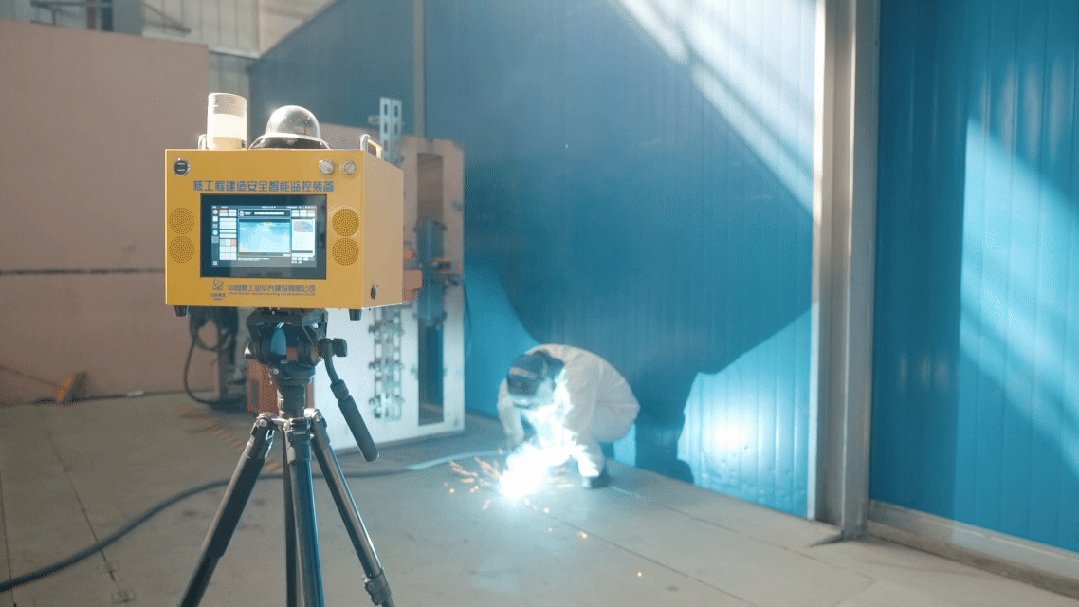
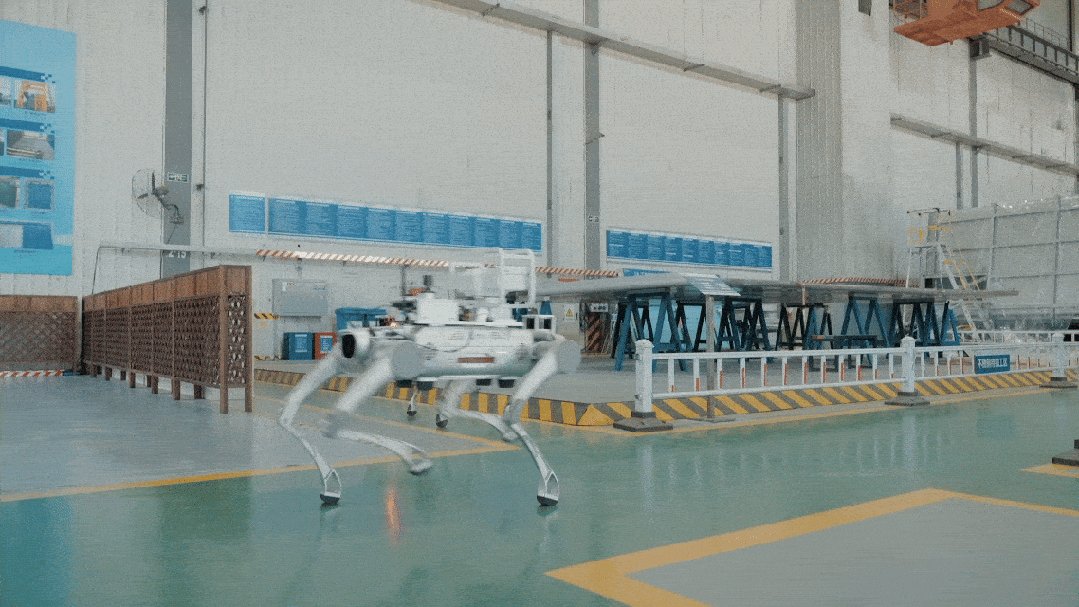
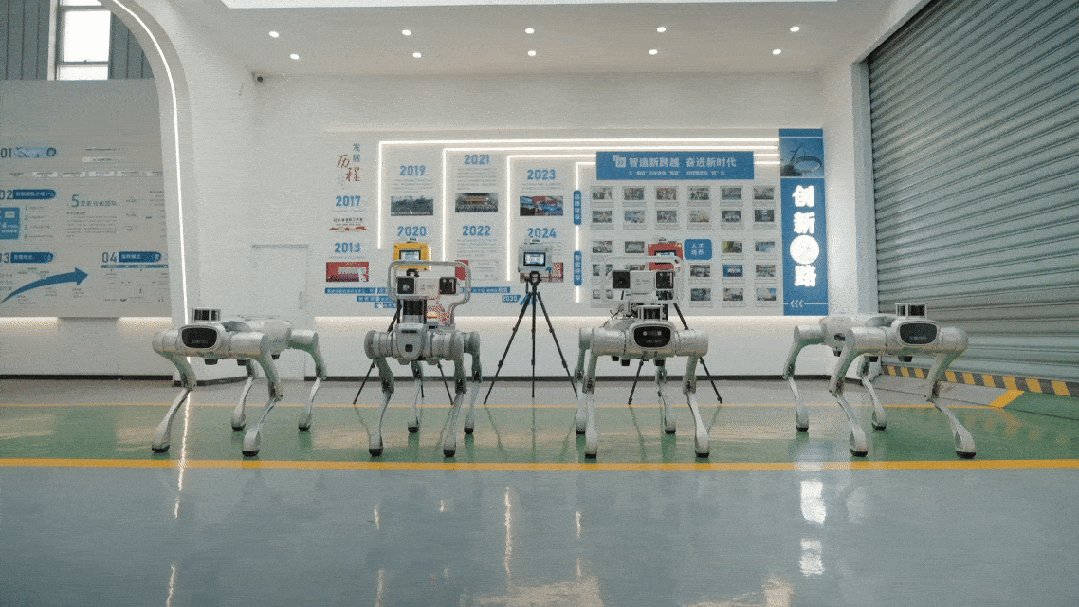
The nuclear construction site welcomes new safety robots. 🤖⚡
CNNC has developed two new types of intelligent safety monitoring robots, which are designed to support nuclear power construction with smarter and more efficient on-site safety management. One type is responsible for fixed-point monitoring, keeping watch over key areas. The other carries out mobile patrols, moving across the site to help identify potential risks and strengthen real-time supervision. These robotic assistants are making safety monitoring more precise, efficient, and reliable.
With application of new technology, every step of construction becomes smarter and safer.
#CNNC #NuclearPower #Robotics #SmartConstruction #SafetyFirst #DigitalTransformation
3
12
788

Jun 15
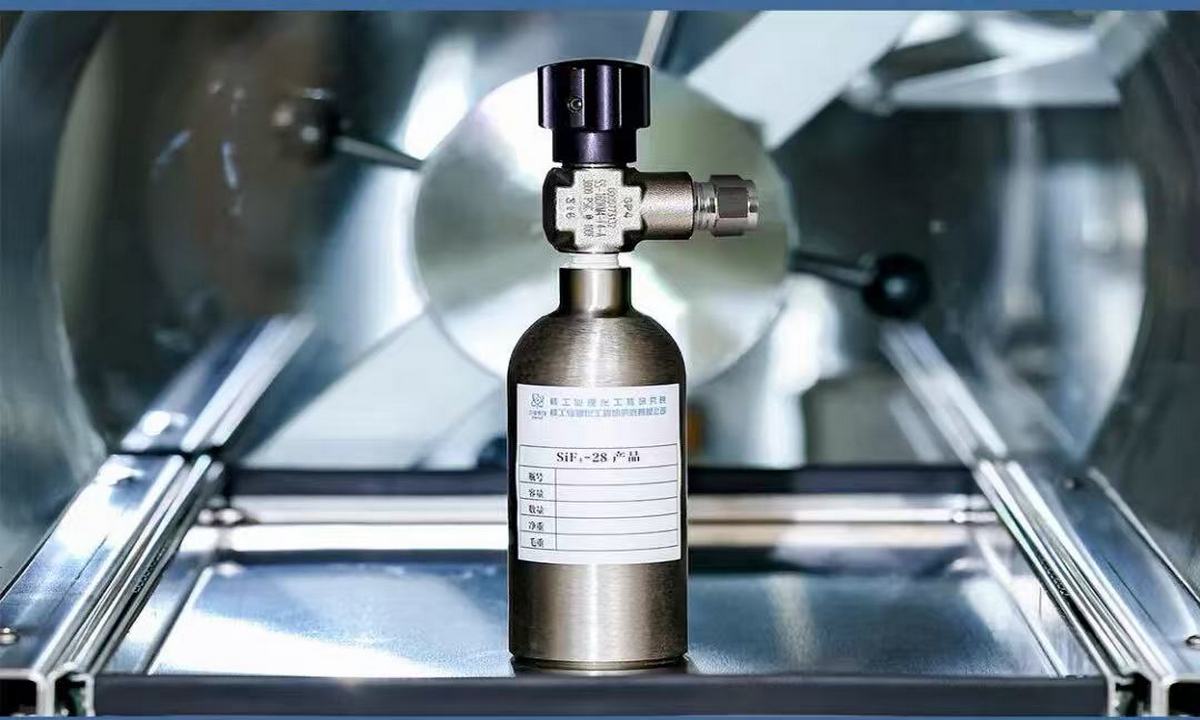
Chinese scientists have achieved a key breakthrough in the field of stable isotope enrichment, successfully realizing the independent mass production of silicon-28 isotopes with an abundance exceeding 99.99 percent for the first time. The product’s key indicators have reached internationally advanced levels, the Science and Technology Daily reported on Monday, citing the China National Nuclear Corporation (CNNC).
globaltimes.cn/page/202606/1…
2
10
46
3,026