
Don't shoot the messenger! Interesting perspective from the other side (creating chaos in Europe creates arbitrage opportunities for US):
Post-Ukraine Lessons
Military expert Andrey Ilnitsky on the confrontation between Russia and the West
kommersant.ru/doc/8634349?fr…
2/ For some time now, the armed confrontation in Ukraine has transcended the boundaries of a mere regional conflict, transforming into a field laboratory for new types of warfare and a proving ground for the global reorganization of the world order.
3/ The conflict on the territory of the former Ukrainian SSR offers an opportunity to draw some fundamental lessons from contemporary history.
▪️Lesson one: a new Thirty Years' War and a total "gray zone."
4/ "Hybrid war" is a common term and a standard description of the modern world order, yet it fails to fully capture the complexity of what is unfolding. The logic of war has permeated every sphere of life, turning the world into a perpetual "gray zone."
5/ The objectives pursued go far beyond traditional military confrontation: the aim is the destruction of the established world order, international law, and the system of nation-states enshrined in the 1648 Peace of Westphalia.
6/ The doctrine of induced chaos—a classic tactic of the Anglo-Saxon geopolitical school—has established itself as the primary instrument. Donald Trump, whether he is the cause or the symptom, governs according to the logic of a hedge fund manager:
7/ his goal is not to foster stability but to fuel volatility, from which he derives political and economic profit. Unlike the elite, ordinary people (including Americans) lack a "hedging portfolio" and bear the brunt of the consequences. ▪️Lesson number two: a clash on the territory of the former Soviet Union is a war between the West and Russia. Events in the post-Soviet space have always been, and remain, a collective war by the West against Russia—against the Russian world.
9/ For Russia, it is an existential issue.
Last March, CIA Director John Ratcliffe clearly stated that Washington would continue to support Ukraine and regards Russia as one of its primary strategic adversaries.
10/ Secondly, the war against Ukraine as a sovereign state is over. Ukraine—or rather, the former Ukrainian Soviet Socialist Republic—has completely lost its sovereignty and has become an expendable tool in the hands of the West.
11/ Thirdly, from mid-2025, the conflict entered a new phase: a direct clash between NATO and the collective West against Russia. The rear echelons of this proxy war are located in Europe and the United States:
12/ weapons production, financing, intelligence, and operational control are concentrated in these regions.
Europe is ramping up military production and "reconfiguring" Ukrainian forces according to NATO standards.
13/ A prime example is the FP-5 Flamingo cruise missile, which combines Ukrainian airframes with Danish fuel, German electronics, Czech engine components, and British integration.
14/ Last April, the ARES (Allied Reform and Expert Support) military advisory council was established, comprising senior US/NATO officers and generals, as well as former CIA Director David Petraeus. In effect, the Ukrainian armed forces are increasingly becoming a NATO/EU instrument.
15/ Under the European Common Security and Defence Policy (CSDP), the EU has the right to establish its own army and deploy its contingents within the territory of member states. According to estimates, the future EU army will consist of 1 million troops;
16/ of these, up to 800,000 will be the "combat slaves" that the Kiev regime has stated it is willing to provide.
▪️Lesson three: the territory of the former Ukrainian Soviet Socialist Republic serves as a testing ground for new-generation warfare.
Traditionally, Russia's wartime priorities are the destruction of military forces and the breaking of the enemy's will, rather than territorial occupation. The West, conversely, aims for regime change, territorial colonization, and resource control.
18/ The future of Western warfare has already been outlined: artificial intelligence (AI), warfare in megacities, and the struggle for cognitive dominance (NATO's sixth operational domain).
19/ The 2026 operation against Iran highlighted the deep integration of artificial intelligence into the planning and management of military operations.
While preparing an operation of this scale would have required months of work in the past,
20/ Now, only a few days of machine-led processing are required. While the operational quality of this work was mediocre, the trend itself is significant.
21/ These are the same technologies employed by the CIA, MI6, and the Ukrainian regime against Russia in planning and organizing the "Spider Web" sabotage and terrorism operation in June 2025.
22/ In response to the adversary's technological superiority, asymmetric strategies are becoming increasingly relevant. A prime example is Iran's "mosaic defense," based on decentralization, regional autonomy, and systemic resilience.
▪️Lesson four: events in Ukraine and Iran signal a transition toward a global civilizational war of the mind. The West, led by the United States, struggles to maintain hegemony by attempting to destroy the ontological and value-based foundations of Russia, China, and Iran.
To survive, Russia must rely not only on technological and economic power but, above all, on its own historical, cultural, and spiritual foundations.
In the United States, eschatological motivations and radical technological approaches are becoming increasingly evident.
The Palantir manifesto, published in April 2026, effectively announces a transition to a new type of AI-based deterrence and openly asserts the superiority of certain civilizations over others.
25/27
26/ The lessons of the post-Ukraine period are clear: the world has entered an era of war between civilizations and a new Thirty Years' War. For Russia, this is an existential clash, fought—among other arenas—on the level of mindset and values.
27/ Standing firm and achieving victory is possible only through a clear understanding of the threat's magnitude, internal cohesion, and a mental readiness to fight seriously until final victory. As the saying goes: "He who fights half-heartedly digs his own grave."

@Wilkmaster Hello, the unroll you asked for: threadreaderapp.com/thread/2… Talk to you soon. 🤖
3
188

⎐كُـود⎐كوبِون⎐خـِصم⎐
⎐نون⎐
⊵S3Q⊴
⎐ايهرب⎐ايهيرب اهرب
⊵GCA5893⊴
⎐نمشي⎐ AABN
⎐فــوما⎐
⊵EMF69⊴
⎐بلومنغديلز▬بلومينغديلز⎐
⊵SAR⊴
ستايلى⊴⊴
⎐ZQX⊴
درعــه⊴
⊴ AD4
___
cSdP


Enrico retweeted

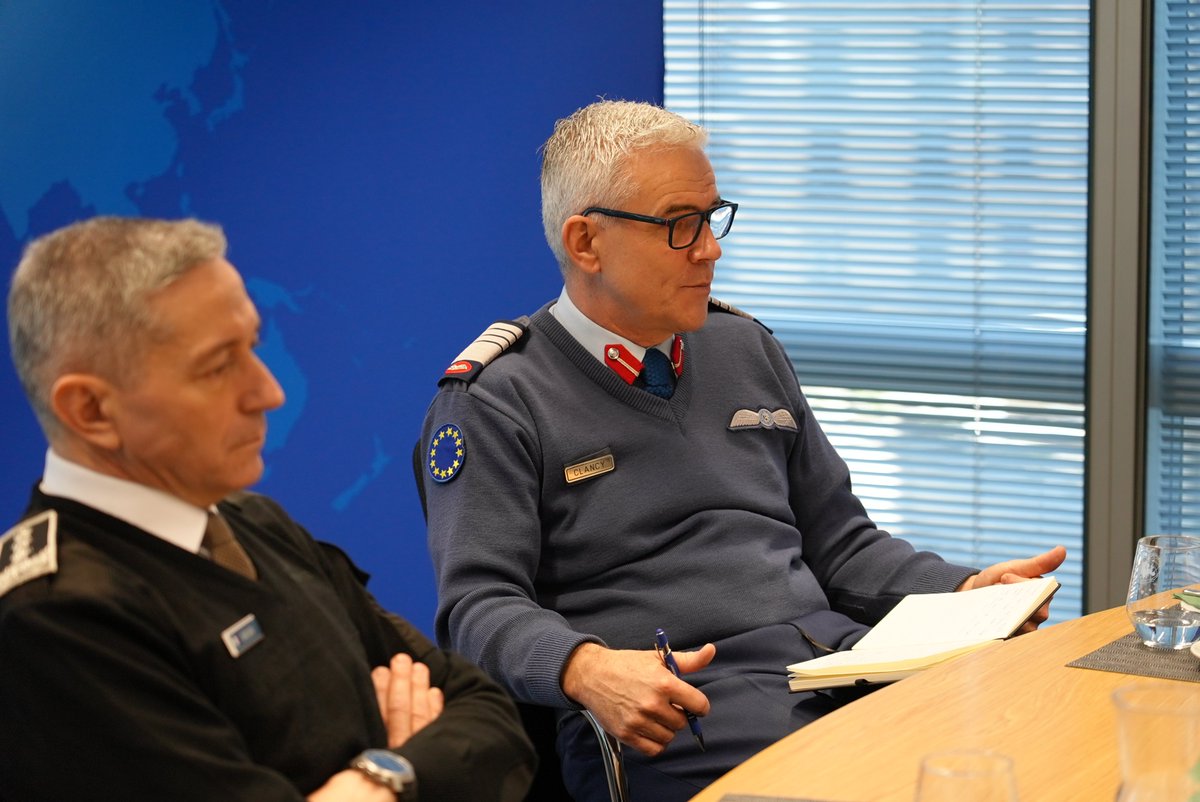
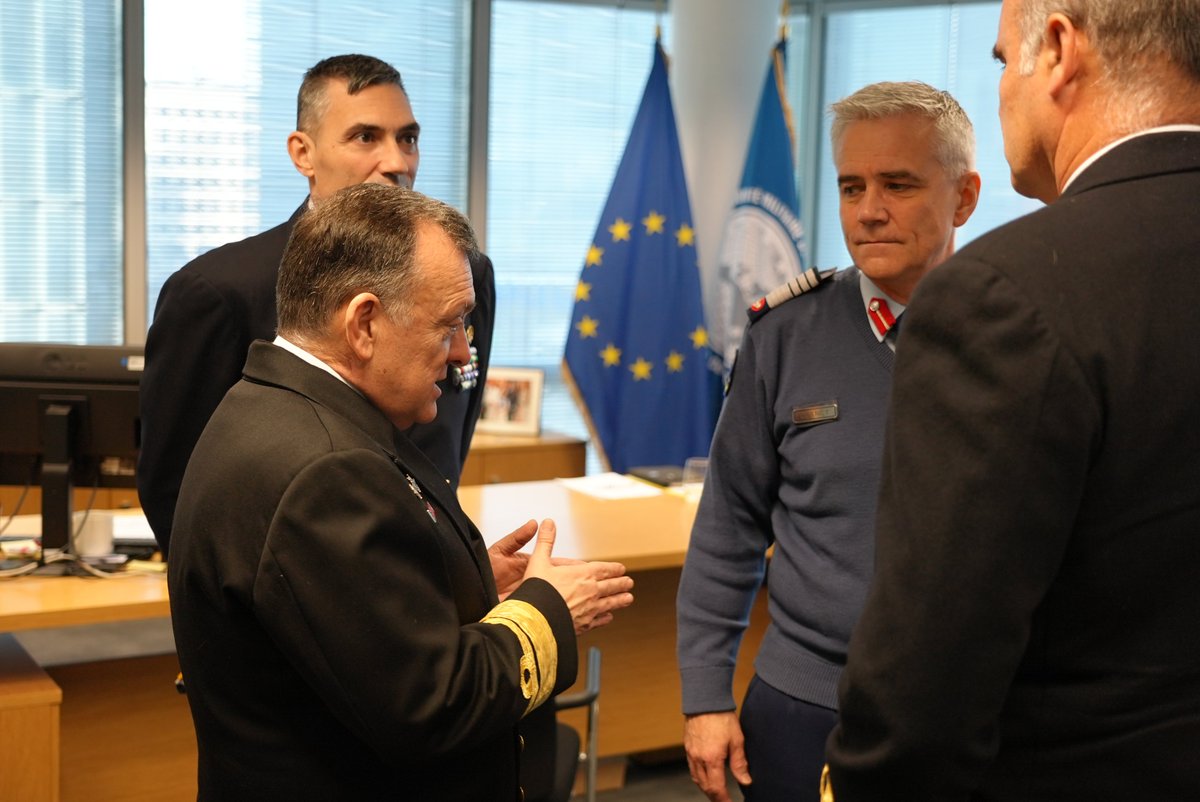
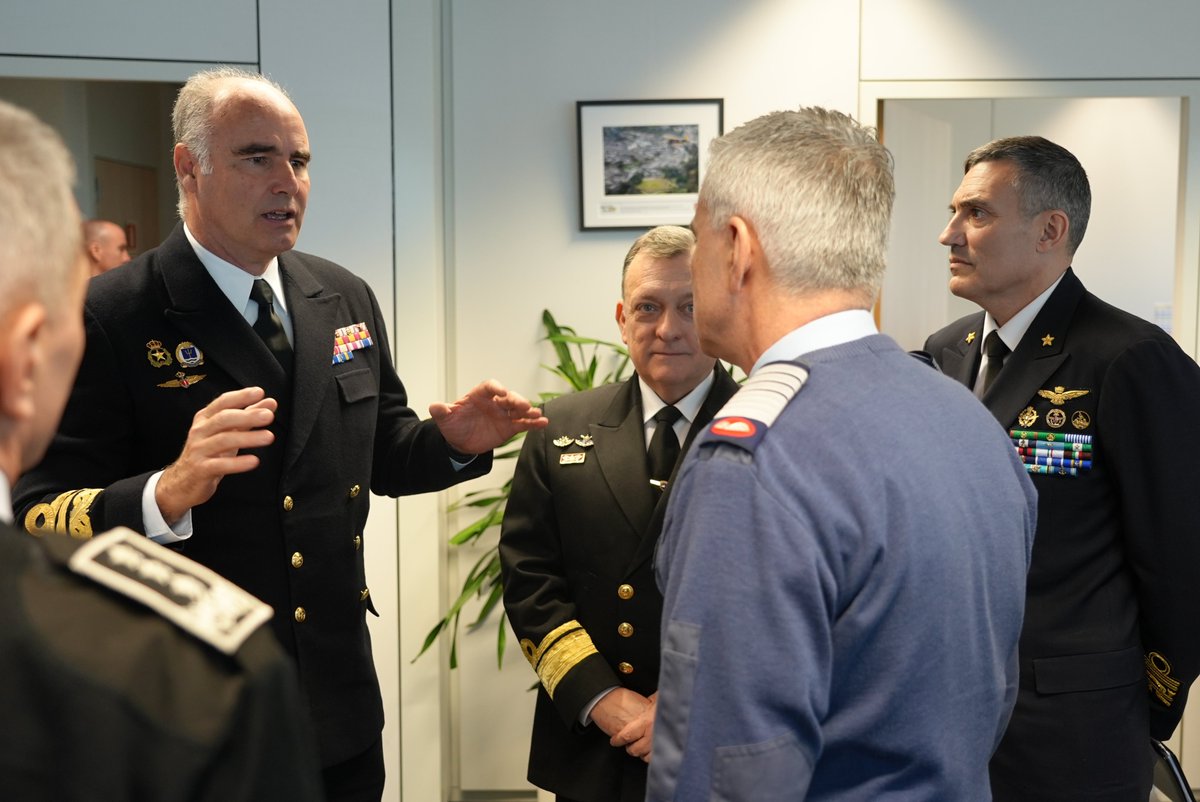
Mutual support, synchronicity of effort and Operational Effectiveness are hallmarks of the EU CSDP Maritime Operations @EUNAVFORASPIDES, @EUNAVFOR ATALANTA and @EUNAVFOR_MED Irini.
Today, vigilance and convergence of effort is more important than ever. This morning, the three operational commanders,The Deputy Chair and I met briefly to discuss developments in the region.
Before returning to location, the Operational Commanders will update the Political Security Committee. This way, the EU remains coordinated from operational-tactical level to the political-strategic level.
Strength through Unity. Credibility through Capability.
#EU #EUMC #PSC #ASPIDES #IRINI #ATALANTA #MIDDLEEAST #MEDITERRANEEN #EUNAVFOR
13
33
3,050

Jun 13
Wow, what a great question! I spent my 6 years as 1SG of an FSC for the FA. I was a dual status title 32 tech, so I was able to communicate every day with my readiness NCO, who was a rockstar. First and foremost, you get battalion staff traffic across your desk that a traditional M day soldier may not. Communication is key. Make sure the command team is read in on all the "goings on" that BN is cooking up. Personnel actions. You're likely the first to hear about promotions, flags, bars to re-enlistment, ect. Make sure you action these properly and ensure 1SG is cc'd or understands each situation. Next, you supervise the FTUS. Please make sure supply stays on top of their job and doesn't try to delegate the shit work out to the joes at drill. Time is limited. The more supply can handle in terms of inventories, procurement, ect during the month frees up that very limited precious training time on drills and AT. Training NCO you supervise - make sure they have oversight over all the TE&O's, but make sure they are QA/QC on this. The Platoon Sergeants still need to know how to evaluate training properly. And while the training NCO is vital on your 30/60/90/120, this should still be originating from the platoons in the training meetings. Don't let the TNCO get overtasked or burnt out doing their job and everyone else's too. Schools. I cannot emphasize enough how you save the day in terms of getting soldiers to PME courses, AND making sure the checklist is valid. Ensure this is a priority. There are WAY too many disenrollments. Stay on top of RFMSS, IPERMs, ATTRS, IPPS-A, and Medpros. 1SG if M day has 48 hours to try to do what you have 30 days to work. Try to be helpful. CSDP, CMDP (ESPECIALLY the drivers training program) you can learn and train the FTUS to stay on top of duty assignment memos, SOP updates, ensuring it mirrors BN and BDE, and you are also responsible for A/B services getting to the FMS/CSMS. Always keep a regular checkup on both supply and maintenance discipline checklists. And for God's sake make sure the dehumidifier in the vault is working 😂. These things are a really good launching point to keep on your radar to be successful.
2
1
44
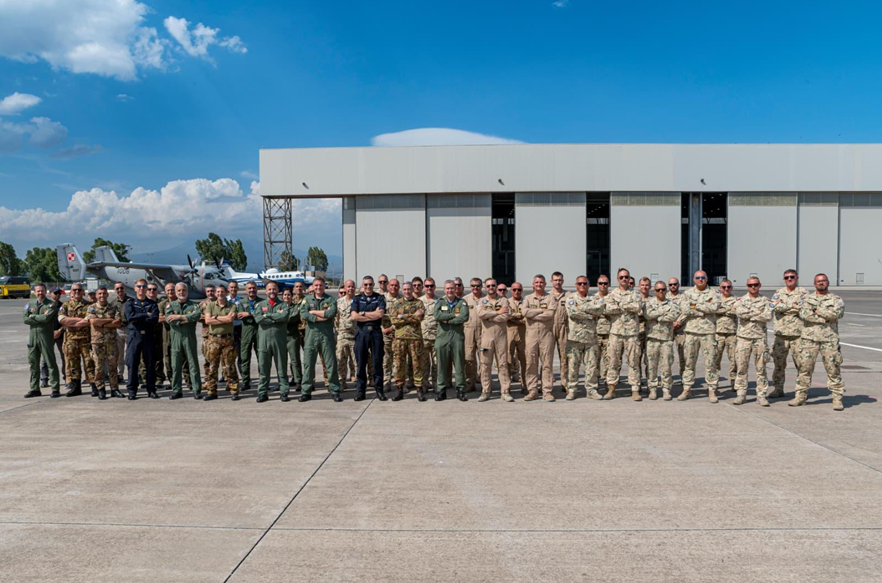
Deputy EUMC Lt Gen Enrico Barduani Visits #EUNAVFOR MED IRINI, Reinforcing EU’s Commitment to Mediterranean Security
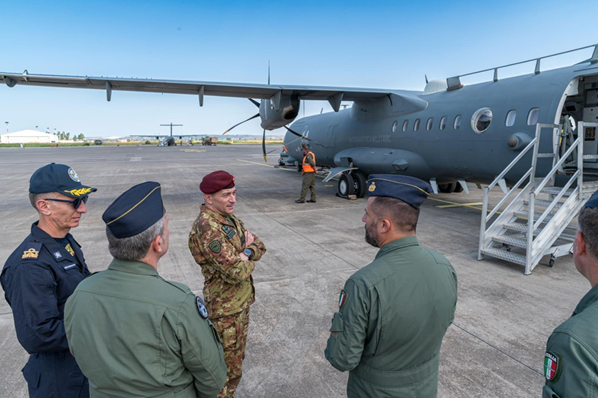
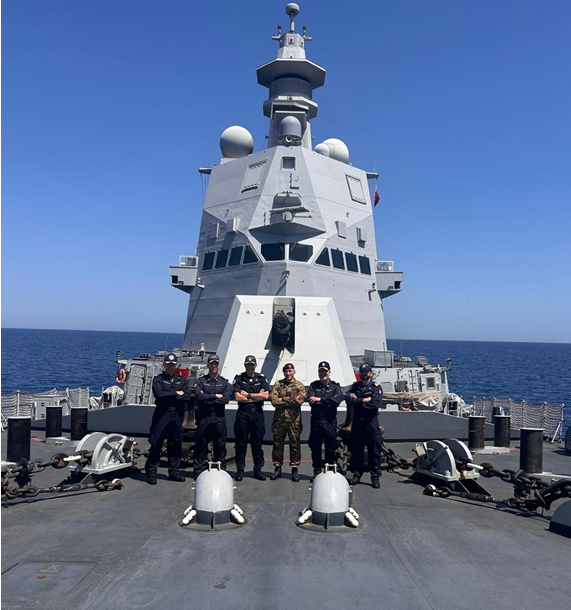
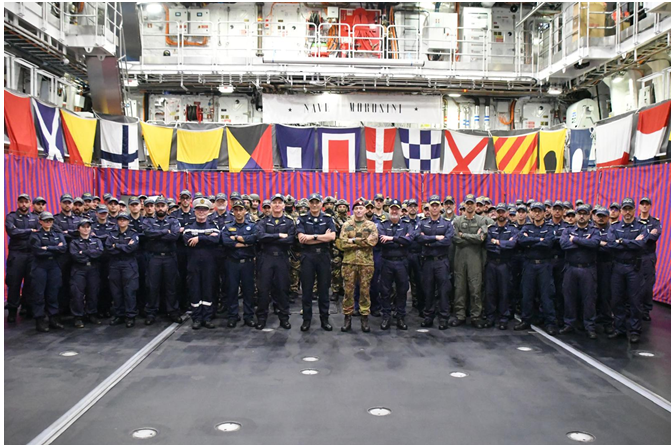
This week, Lieutenant General Enrico Barduani, Deputy Chair EU Military Committee (EUMC), visited Operation IRINI at Sigonella Air Base in Sicily and thereafter by helicopter transfer to flagship ITS MOROSINI. His visit highlights the enduring importance of this flagship Common Security and Defence Policy (CSDP) mission, now in its sixth year of operations.
Since its launch in 2020, EUNAVFOR MED IRINI has been a key pillar of EU defence, enforcing the UN arms embargo on Libya and countering illegal oil smuggling. Even as challenges evolve—including the growing threat of the Russian shadow fleet—IRINI remains steadfast, using aerial, naval, and satellite surveillance to monitor suspicious activity and uphold international law.
The mission’s expanded mandate, including Maritime Situational Awareness (MSA), ensures it stays ahead of emerging threats. By training Libyan coastal authorities and sharing intelligence with partners like FRONTEX, IRINI not only secures Libya’s stability but also protects EU interests in the Mediterranean.
Lt Gen Barduani’s visit reaffirms the EU’s long-term commitment to peace in the region. In an era of shifting geopolitical tensions, Operation IRINI stands as a testament to European resolve—proving that CSDP missions deliver real security impact.
Security through unity, Credibility through Capability
#EUDefence #CSDP #Libya #MediterraneanSecurity #Peacekeeping #EUNAVFOR #IRINI #Security #Military #nato #Kallas
4
12
524
EULEX Kosovo retweeted

Jun 10
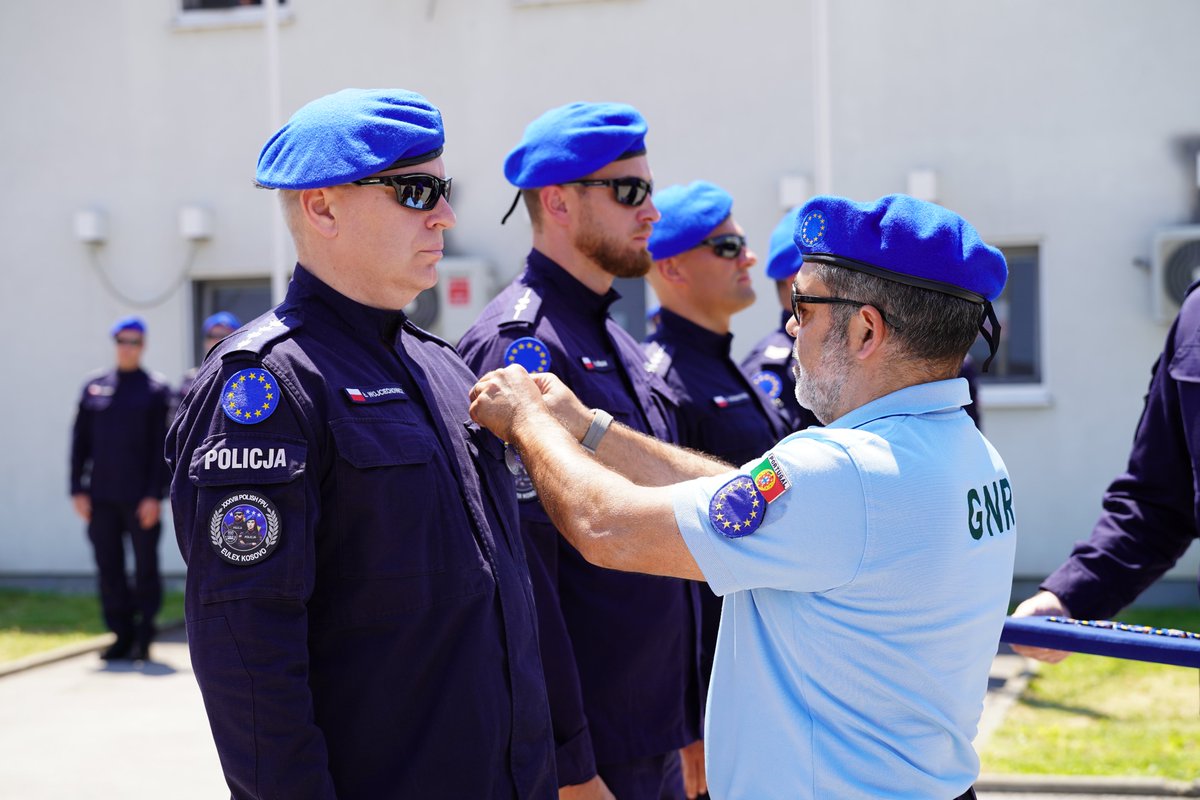
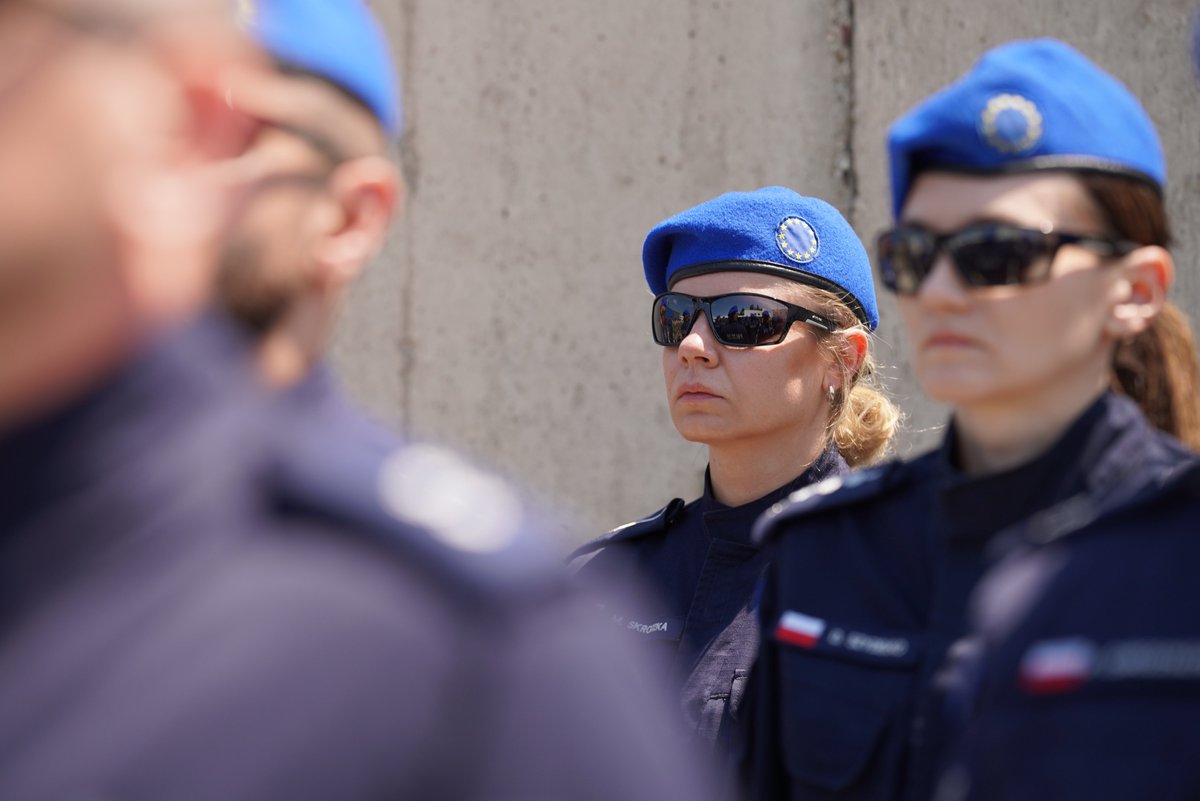
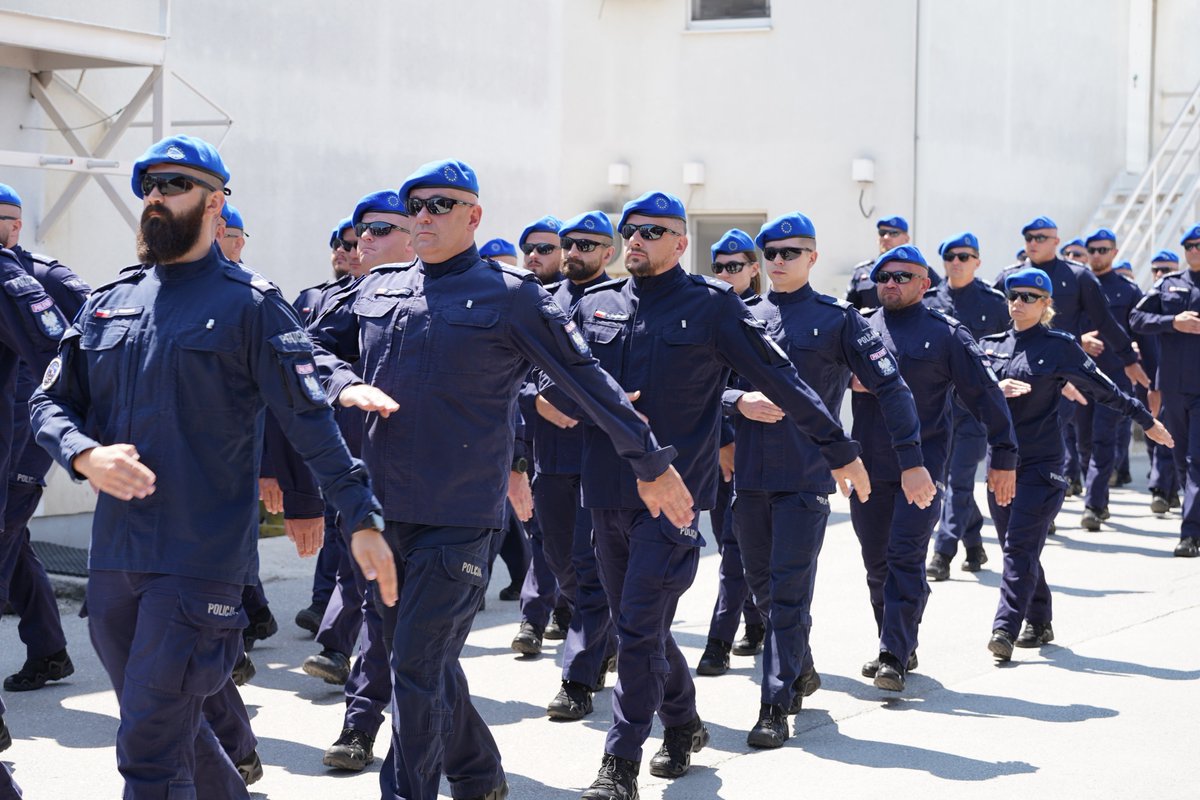
An honor to host the EU CSDP Service Medal ceremony for the EULEX Formed Police Unit: the FPU Officers' professionalism & operational readiness have been essential in promoting human rights, while supporting stability & rule of law as 🇽🇰 2nd security responder. Thks 🇵🇱 Poland!
Jun 10

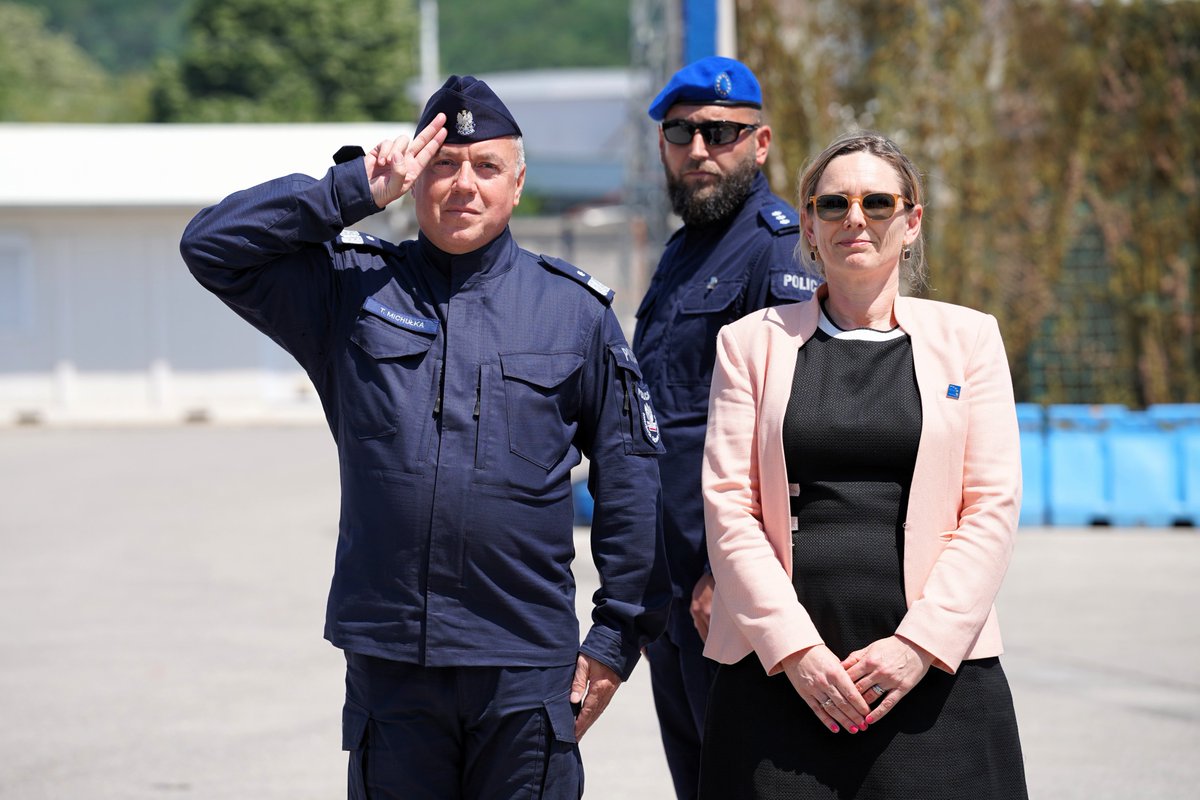
In recognition of their dedication, 89 🇵🇱 Police Officers from the XXXVIII Rotation of EULEX Formed Police Unit received the EU CSDP Service Medal at a ceremony hosted by @EulexDHoM Emily Rakhorst & attended by @PolskaPolicja Deputy Commander-in-Chief General Tomasz Michułka.
1
3
291

Jun 10
In recognition of their dedication, 89 🇵🇱 Police Officers from the XXXVIII Rotation of EULEX Formed Police Unit received the EU CSDP Service Medal at a ceremony hosted by @EulexDHoM Emily Rakhorst & attended by @PolskaPolicja Deputy Commander-in-Chief General Tomasz Michułka.
1
5
547

Jun 10
🔥Irish politicians have been moaning about having to withdraw from the IRINI mission, set up to monitor arms flows to Libya, because our UN mandate had lapsed. All down to the pesky Triple Lock they say. It simply must go.
But why the appetite to get involved in activities OUTSIDE of the UN remit? And what could these activities *be*?
🇪🇺 IRINI (EUNAVFOR MED Operation IRINI) is a Common Security and Defence Policy (CSDP) mission of the European Union, launched in 2020. It is commanded through EU structures and reports to the EU Political and Security Committee.
Its original mandate was to enforce the UN arms embargo on Libya, monitor illicit oil exports and combat human trafficking.
IRINI operates under successive UN Security Council resolutions. There is no NATO command involved.
But did Kaja Kallas let the cat out of the bag recently when she mentioned a planned expansion of this same EU mission to include boarding ships in international waters suspected of carrying Russian Oil.
Such operations have NO MANDATE from the UN Security Council.
👉 IS THIS THE REAL REASON THE IRISH GOVERNMENT WANTS TO REMOVE THE UN FROM THE TRIPLE LOCK?
Positioned as a ‘Peace Keeping’ exercise, Irish soft power is to be co-opted by the EU for military operations likely to be interpreted in Moskow as acts of war.
Have @ThomasByrneTD and @MichealMartinTD not being truthful about the push to dismantle the TRIPLE LOCK?
Jun 10

Ireland has a proud peacekeeping record and will always be a peaceful country 🇮🇪
But if the Triple Lock remains unchanged, Irish troops will continue to miss out on important overseas missions and valuable experience, while our European partners carry on that work.
The deployment of our Defence Forces will remain fully consistent with international law and our Constitution, while ensuring Ireland can continue to contribute to peacekeeping, security and stability in the world.
6
16
653

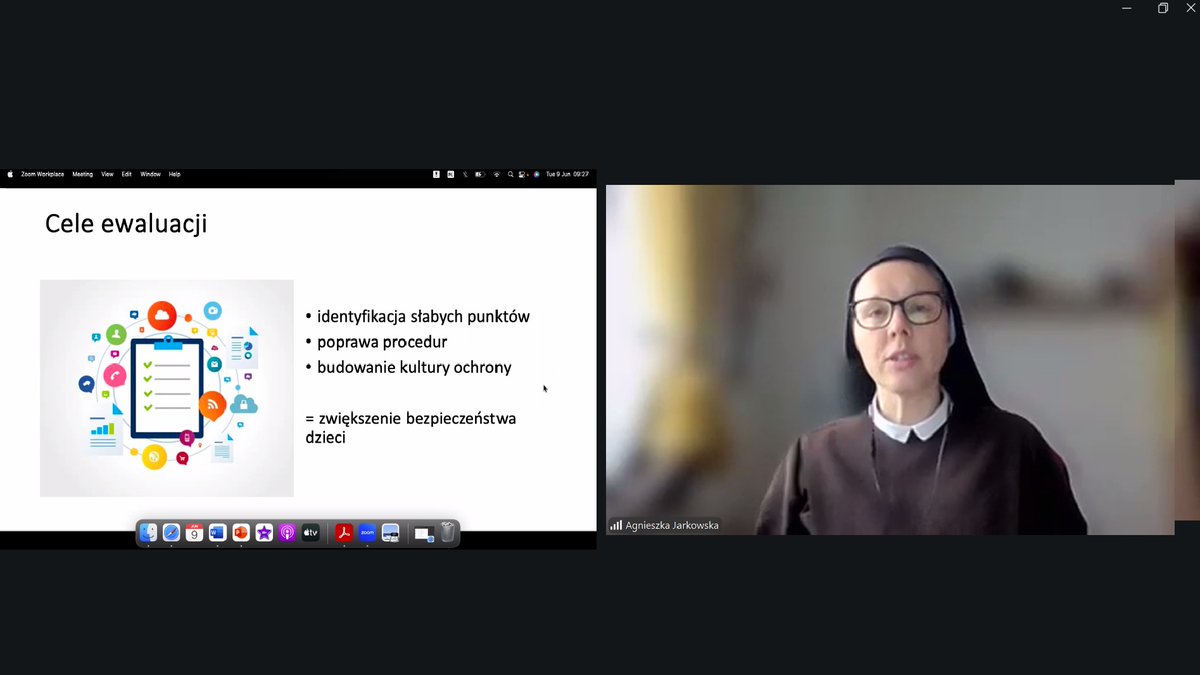
Dzisiaj kolejne szkolenie nt. ewaluacji standardów ochrony w placówkach MOW, POW i MOS (instytucje pozakościelne), które prowadzą s. Agnieszka Jarkowska SCdSC i s. Donata Bielak Csdp #szkoleniaCOD
1
3
80

Jun 8
🇪🇺🛡️🇷🇺
EU defence ministers met in Cyprus with maritime security, readiness, and the European Security Strategy on the table. The official readout highlights freedom of navigation, destabilizing activity at sea, critical maritime infrastructure, the Mediterranean, Russia’s shadow fleet, and CSDP naval operations.
#Europe #Russia #Cyprus #Mediterranean #NATO #Defense #Ministers
1
38

Today, 8 June, the HR/VP @kajakallas is chairing an informal meeting of EU Defence Ministers in Lefkosia, Cyprus, to discuss key priorities under the Common Security and Defence Policy (CSDP).
Watch HR/VP Kaja Kallas doorstep ahead of today’s meeting:
70
53
185
10,909

Jun 7
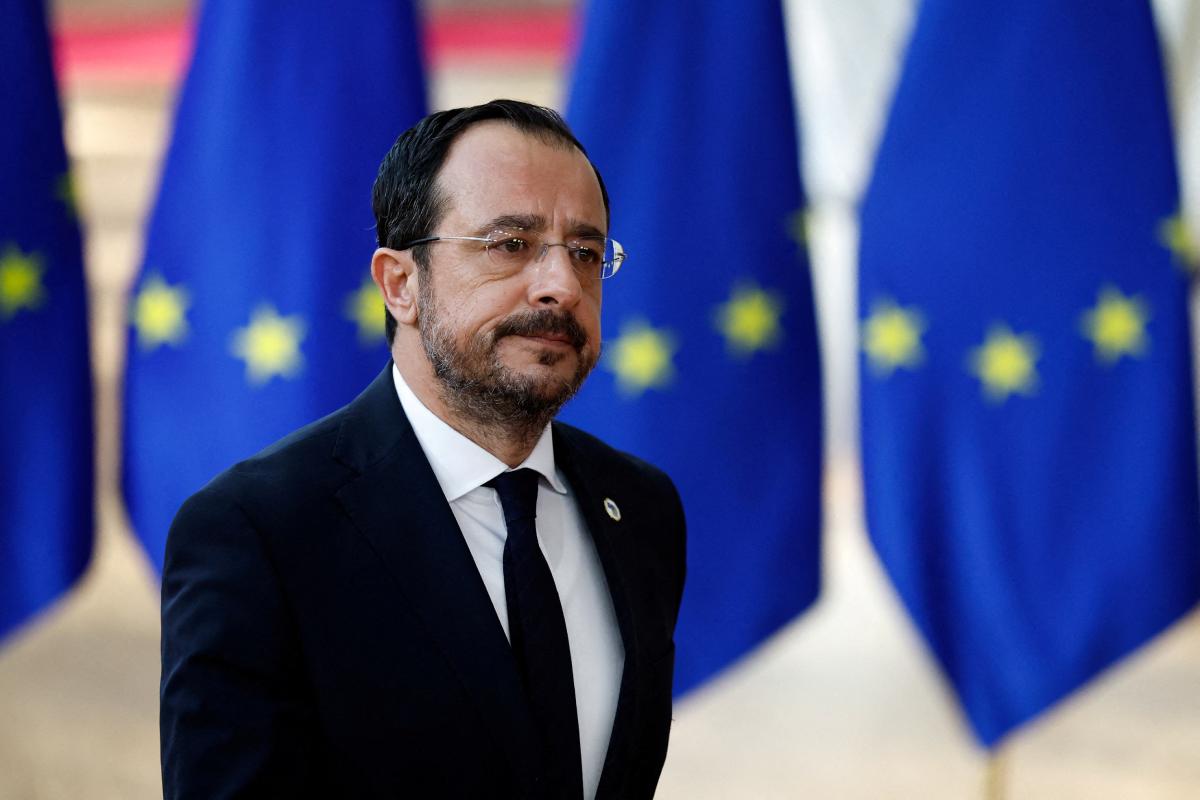
Cyprus is using its EU presidency week to push defense readiness, cyber coordination and migration security into one EU file, with CSDP talks in Nicosia.
↳Bosphorus News
bosphorusnews.com/article/cy…
1
2
149

Jun 7
Tweet 2/8
Same day Helen McEntee met the French defence minister. Quote from the release. We will constructively advance the security and defence agenda at EU level during the presidency. Military CSDP training mission. EU army operations with our troops under Brussels command. This only works if they kill the triple lock next month. The video shows the black screen. ONE DAY SIX RELEASES. JULY kill our vote. Triple lock removed. They pledge first then strip the Irish people of any say. Our children sent to foreign wars we have no vote on.
1
8
28
844

Jun 5
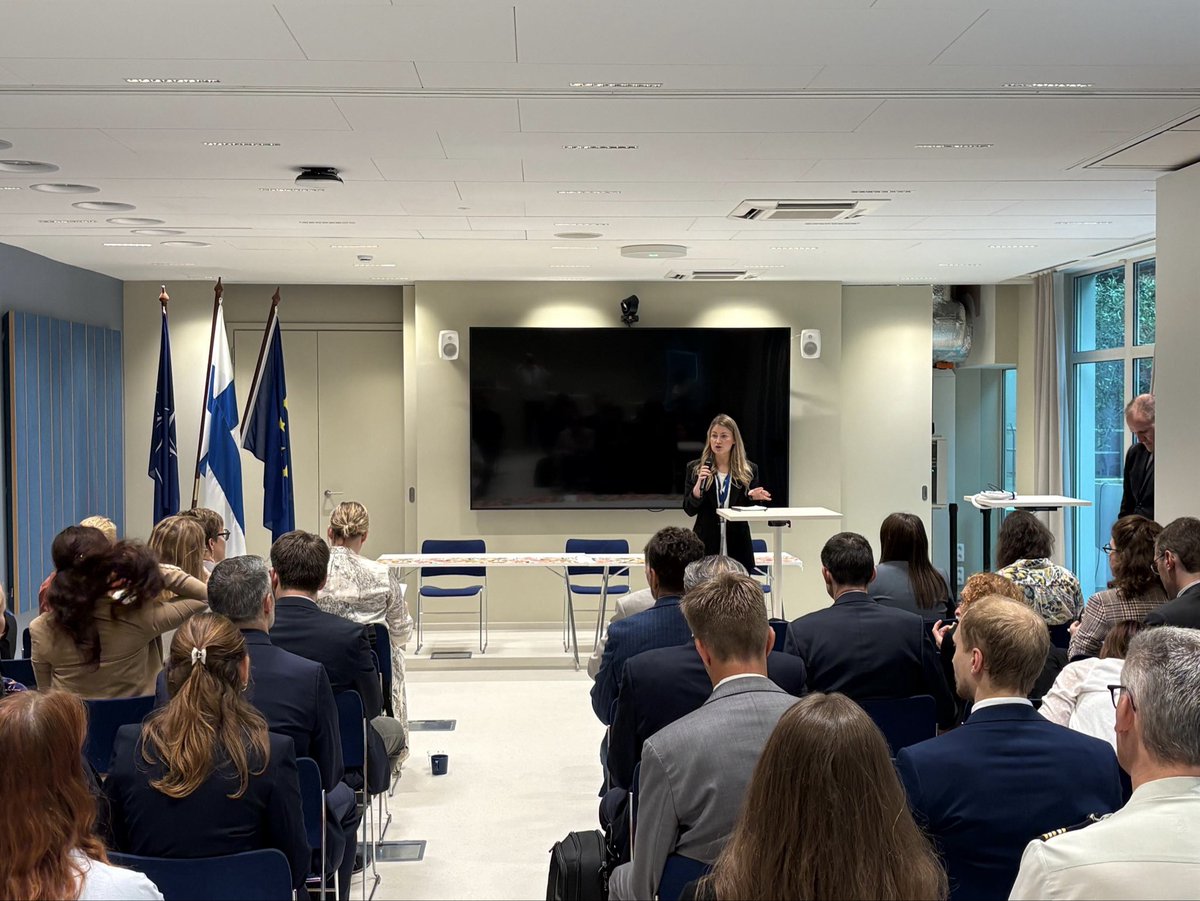
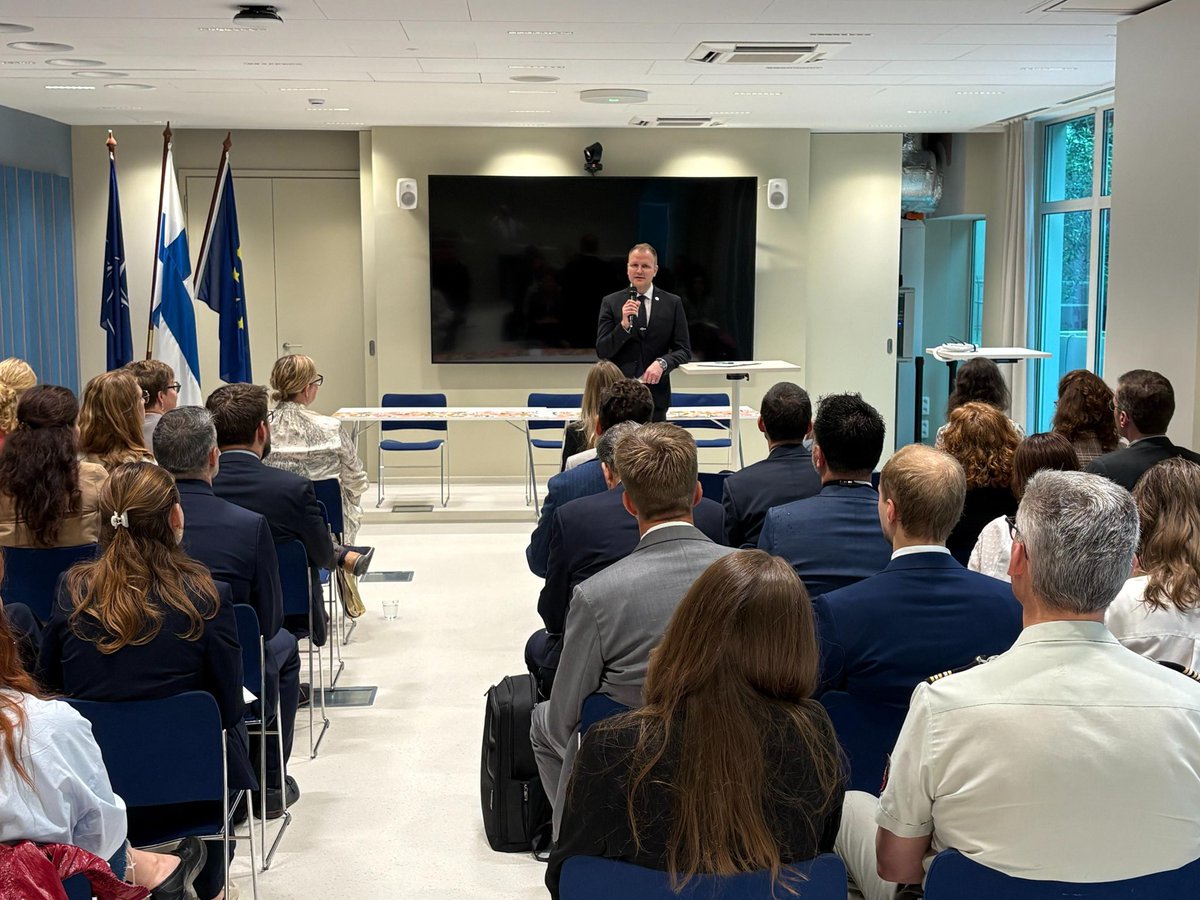
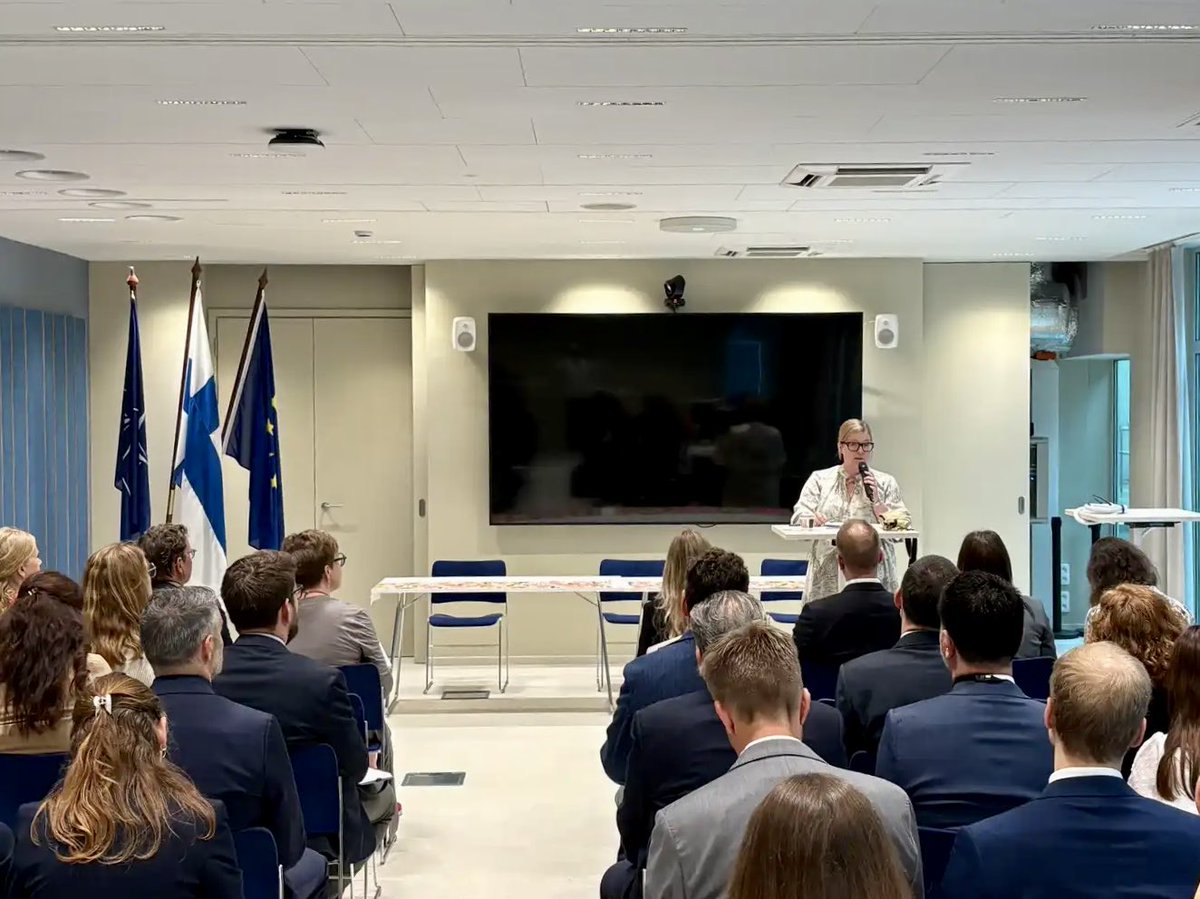
An informal discussion hosted by the PermRep explored lessons from the evaluation of EU civilian CSDP missions. The EEAS presented key findings and possible next steps, while participants from Member States and EU services reflected on military CSDP effectiveness. Thank you all!

2
1
230

Great opportunity for motivated young professionals!
EUMA is seeking enthusiastic candidates to join its Young Professional Experts Programme. If you are an EU national aged 18–32 and interested in contributing to CSDP missions, we encourage you to explore the available Young Expert positions and find the role that best matches your skills and interests. Apply by 7 July.
Young Professional Experts Programme 1-2026 Call for Contributions – European Union Monitoring Mission in Georgia (EUMM Georgia), European Union Mission in Armenia (EUM Armenia) | EEAS eeas.europa.eu/eeas/young-pr…
4
12
455

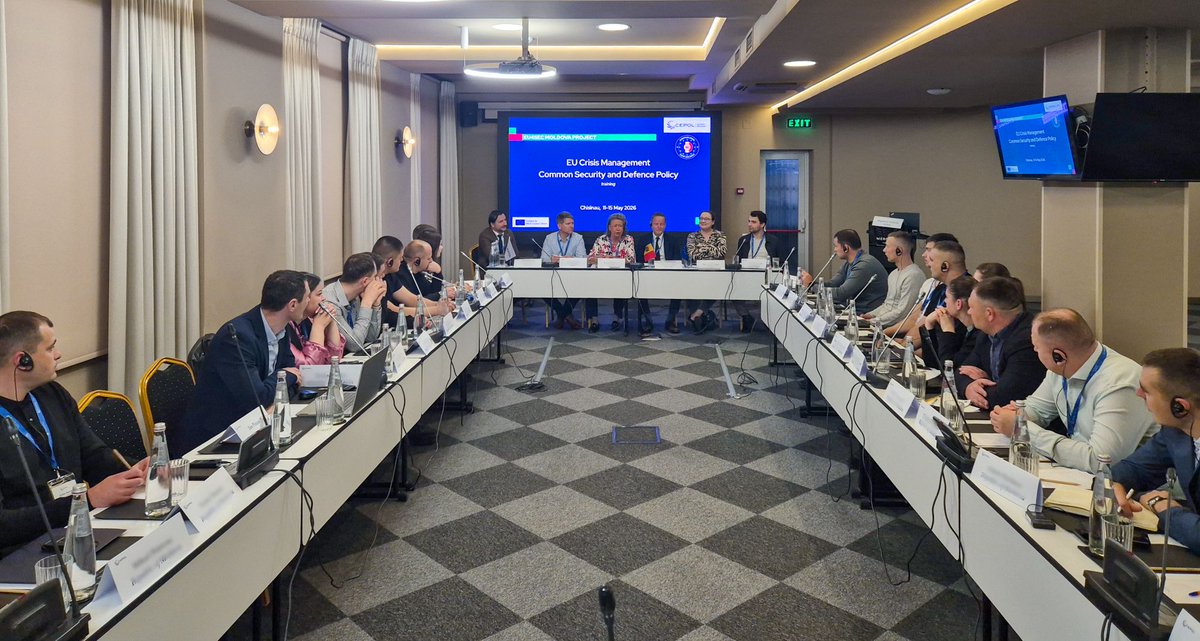
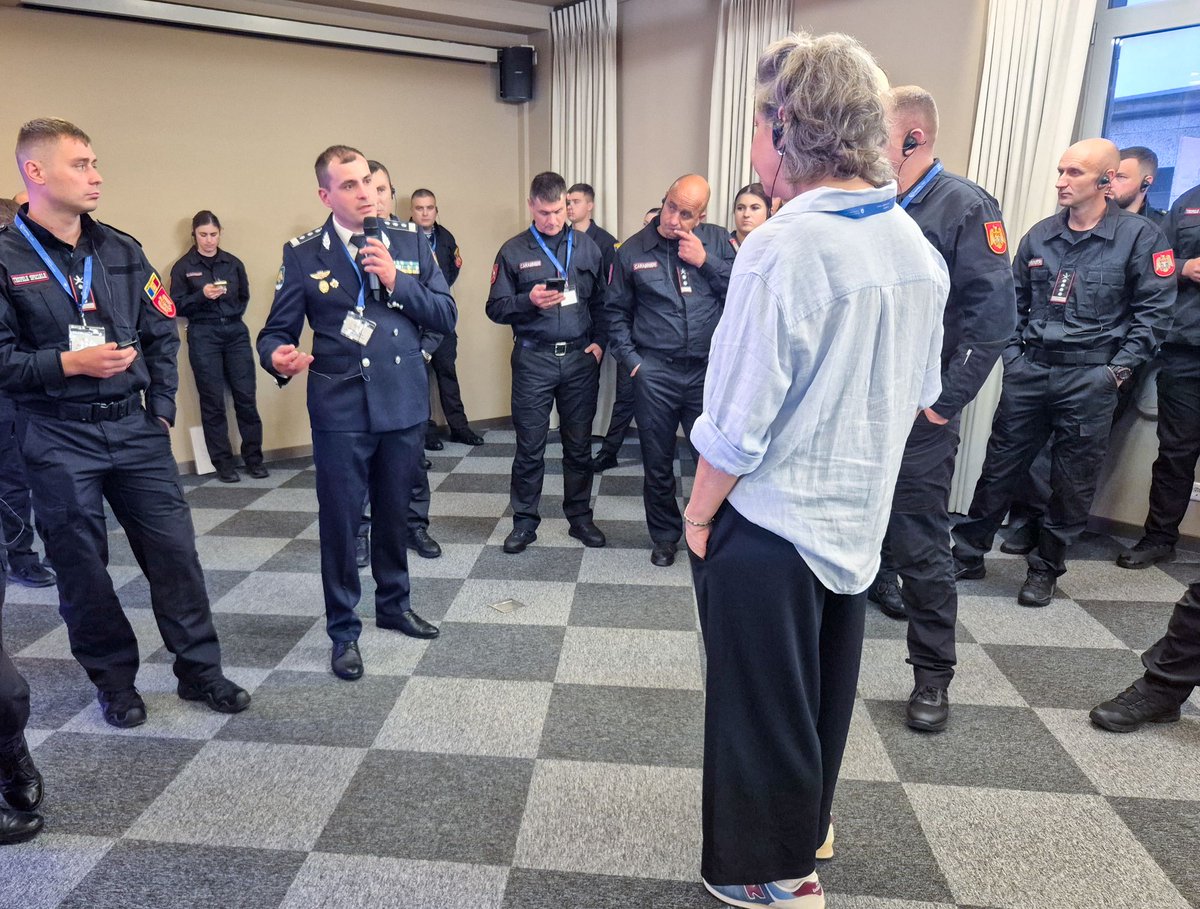
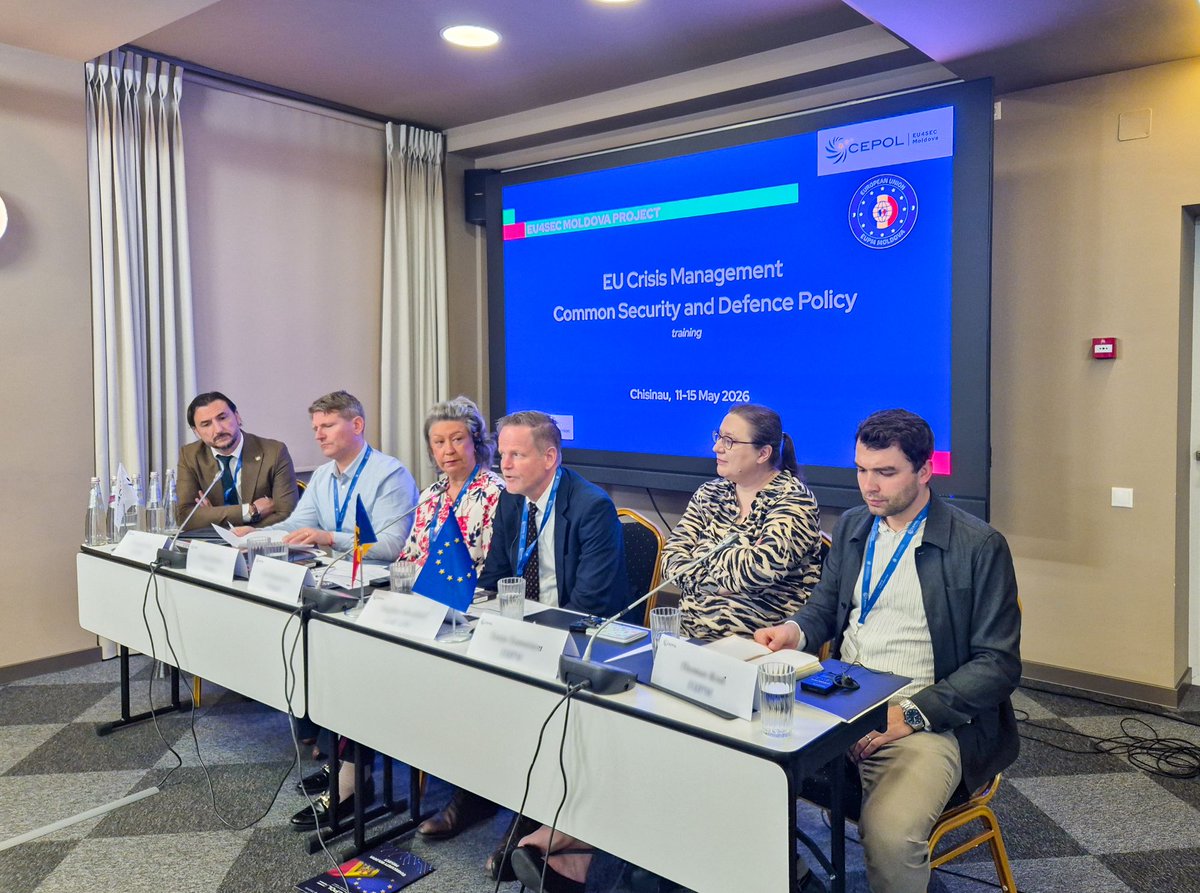
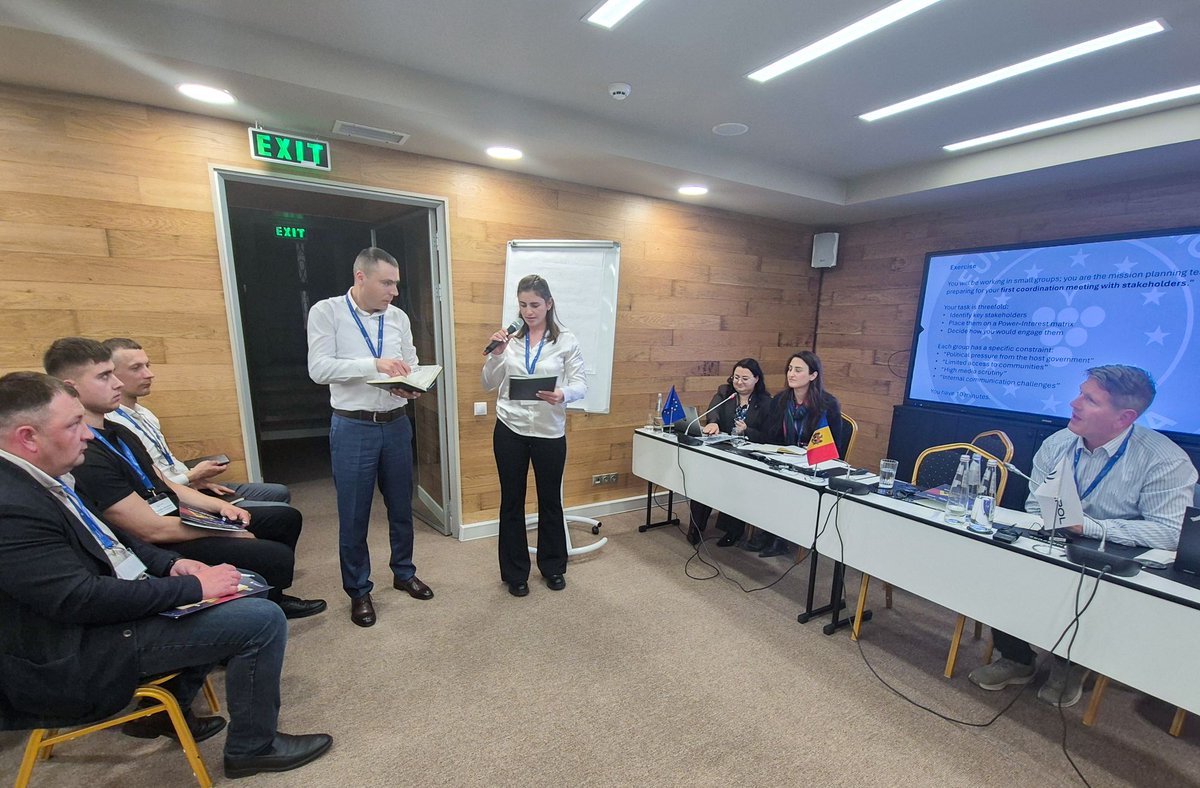
🔵 CEPOL supports Moldova’s engagement in EU civilian crisis management.
Law enforcement officials enhanced their understanding of #CSDP missions and EU civilian #crisismanagement through a #EU4SEC_MD training activity in Chișinău.
🔗 Read more: cepol.europa.eu/newsroom/new…
4
165

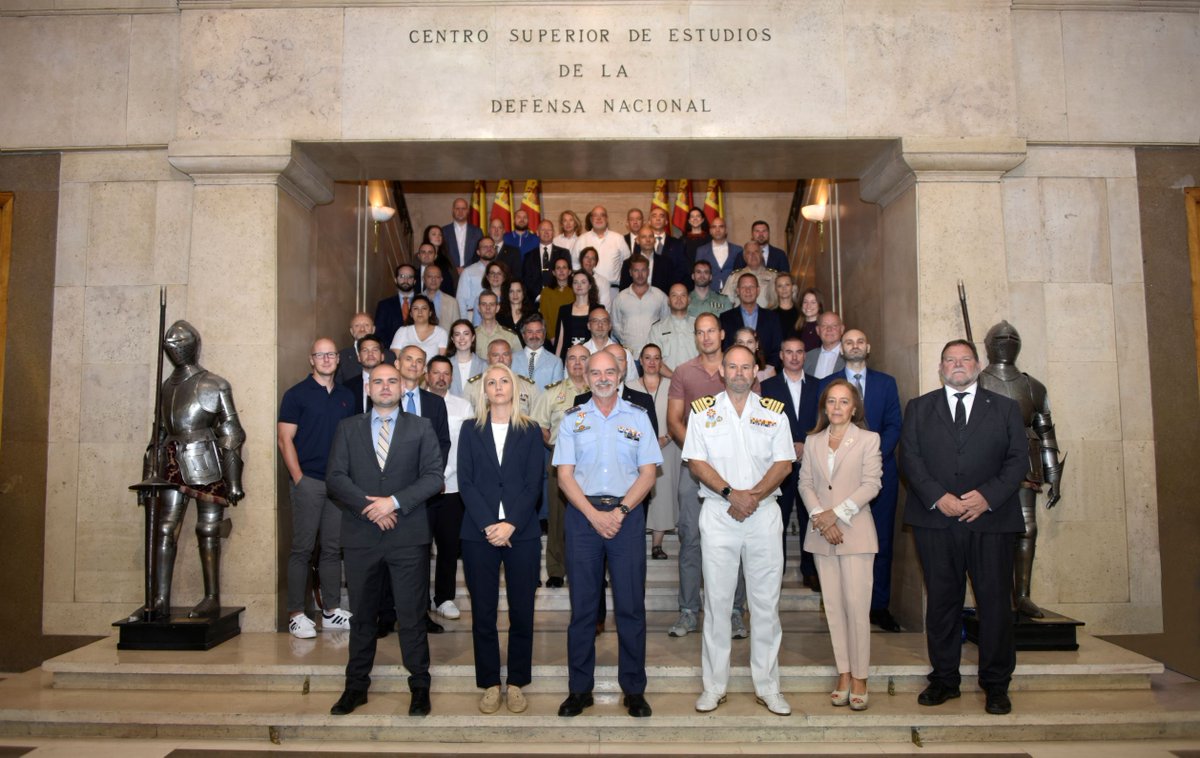
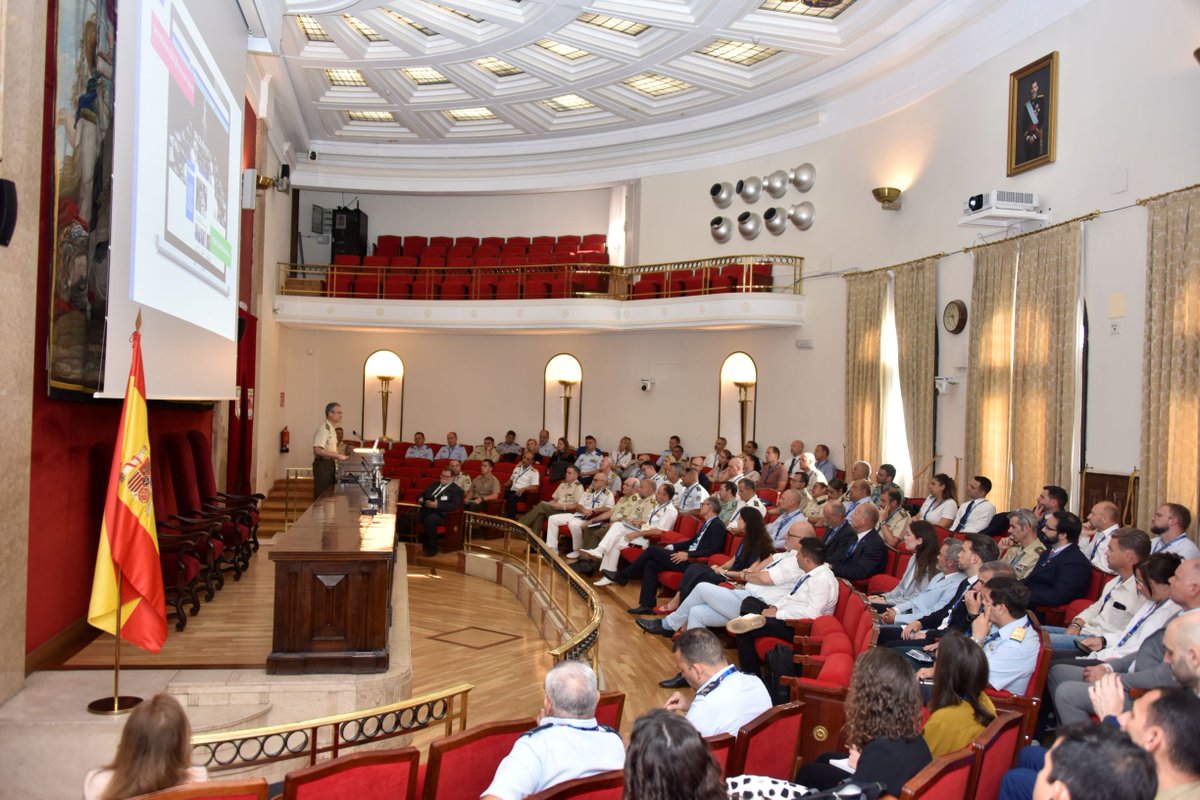
🇪🇺 El CESEDEN inaugura el Curso de Orientación sobre la Política Común de Seguridad y Defensa (CSDP OC), reuniendo a 55 participantes de instituciones y Estados miembros de la UE. #CESEDEN #UE #PCSD #DefensaEuropea
4
12
995