

Casey’s convenience store chain saw net income rise 65.5% year over year during its Q4 to reach $162.7M, while inside same-store sales rose 5.5% YoY during the same period: progressivegrocer.com/caseys…
#caseys #cstore
1
84
Take That Pizza Hut and Papa John’s: Why Little Caesars Is Winning the New Price-Value-Service Pizza War #Pizza #Takeout #FoodDelivery #PizzaPricing #Grocerant #Restaurant #CStore #Deli #PizzaHut grocerants.blogspot.com/2026…
32
Better-For-You Food Is No Longer a Niche: Who’s Winning and Who’s Losing in 2026 #Restaurants #Grocerant #Foodservice #CStore #Grocery #Coffee #Delivery #Takeout #Food #FoodMarketing grocerants.blogspot.com/2026…

8
Every foot of a convenience store has to earn its keep.
If a display isn’t selling, it may be blocking better shelf space for snacks, grocery, auto products, and impulse sales.
Better layout. Better sales. Better profit per square foot.
#cstore #convenientstore #gasstation #retailproblems #storemanagement
1
1
9
Popular c-store operator Buc-ee's is continuing its expansion efforts with the debut of its 1st travel center in Arizona on June 22: progressivegrocer.com/buc-ee…
#bucees #cstore #arizona
1
86

281 Cstore... At Palihan Hermosa Bataan, 🇵🇭
Happy BIRTHDAY TO.........
(WE ACCEPT PRE ORDERS AND PICK UP) might be posting those later...
Anyway, SEAfoods galore
So as C foods....
Thanking God I made it last year, and hoping so on....
Thank you so much 🙏
1
10


Jun 11
Private label can grow margins. But store-level MOQs, limited storage, and distribution issues can kill momentum fast.
GPOPlus helps make private label practical.
Learn more: gpoplus.com/retailers/
#PrivateLabel #ConvenienceRetail #RetailOperations #SupplyChain #CStore
30

Jun 11
How does this store owner save 40 hours a month?
Most stores lose dozens of management hours every month to invoice entry alone.
Take a photo, let every line item flow into the system automatically, and those hours go back to the work that actually moves the business: inventory, merchandising, shrink, and store standards.
#cstore #convenientstore #gasstation #retailproblems #storemanagement
1
12

Jun 11
.@meow tapped Seismic to power its stablecoin accounts and stablecoin payments.
A business banking platform chose to build core financial infrastructure on a privacy-first L1. Here's what that actually means
🧵
Meow is a business banking platform, checking, corporate cards, global payments, treasury, and invoicing all in one dashboard.
The whole thing is built around keeping costs low and passing savings back to businesses. Simple, no-frills infrastructure for companies that just need it to work.
---
Adding stablecoin accounts and payments to that stack means transaction data lives on-chain.
For a business banking platform, that's a real problem. Payroll, vendor payments, treasury balances, account activity,that's sensitive financial data sitting on a public ledger anyone can read.
---
@SeismicSys handles this at the protocol level.
Calldata is encrypted before it leaves the user's machine. The encryption uses ECDH key agreement between the user's private key and the network's TEE public key,the plaintext never touches the mempool.
---
On-chain storage is shielded at the opcode level.
Private variables write via CSTORE and read via CLOAD. Query a shielded slot through standard RPC and you get zero back, it looks like uninitialized storage to anyone watching.
---
The nodes run inside Intel TDX Trusted Execution Environments.
The host OS, the hypervisor, the node operator, none of them can read what's being processed. Encryption keys are generated inside the TEE at genesis and never leave it.
---
Meow needed stablecoin infrastructure that could handle real business financial data with real privacy requirements.
Building on Seismic means account balances and payment flows are private by default, enforced at the protocol level, not patched on top.
---
Seismic is backed by a16z with $17M raised, and fintech companies are already building core products on it.
The privacy layer for onchain finance is taking shape.
@xealistt @NoxxW3

3
51

Get an exclusive look at some of our Source University training center’s newest equipment displays and catch a glimpse of what you’re missing if you haven’t been yet in this #SourceLine blog post:
bit.ly/49JIgmf
#Source #SourceUniversity #GasStation #Cstore #Petroleum
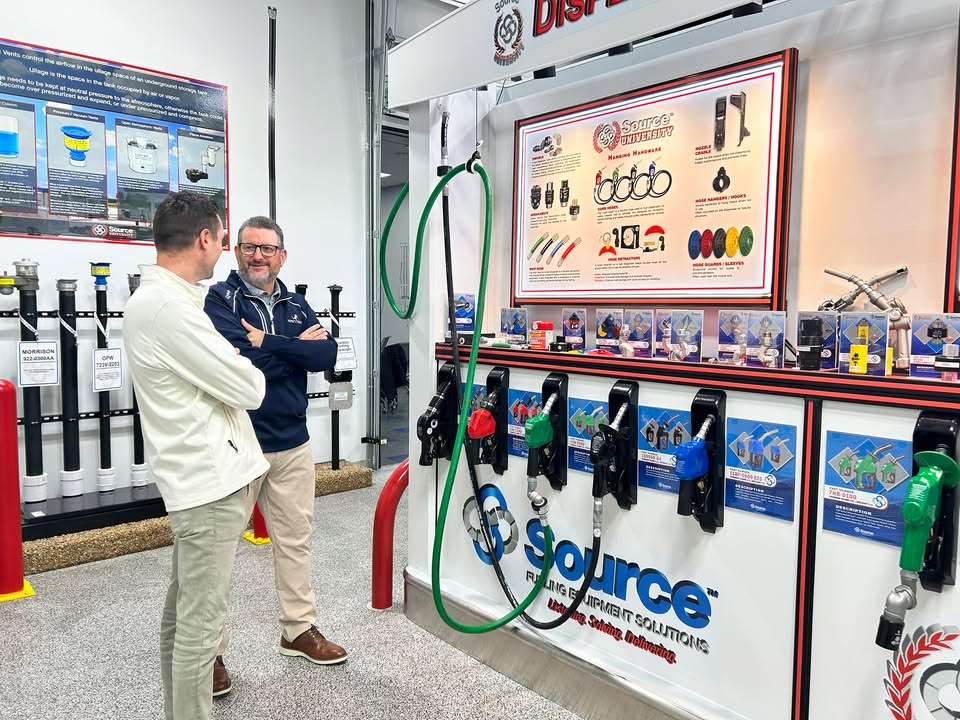
ALT Two people stand in front of a display of fuel dispenser nozzles at the Source University training center in Texas.
1
1
11

Jun 11
The Family Meal May No Longer Be the Restaurant Industry’s Growth Engine #FoodSales #Restaurants #Grocerant #CStore #Grocery #Foodservice #FoodserviceSolutions #GrocerantGuru #Pizza #Coffee grocerants.blogspot.com/2026…

10

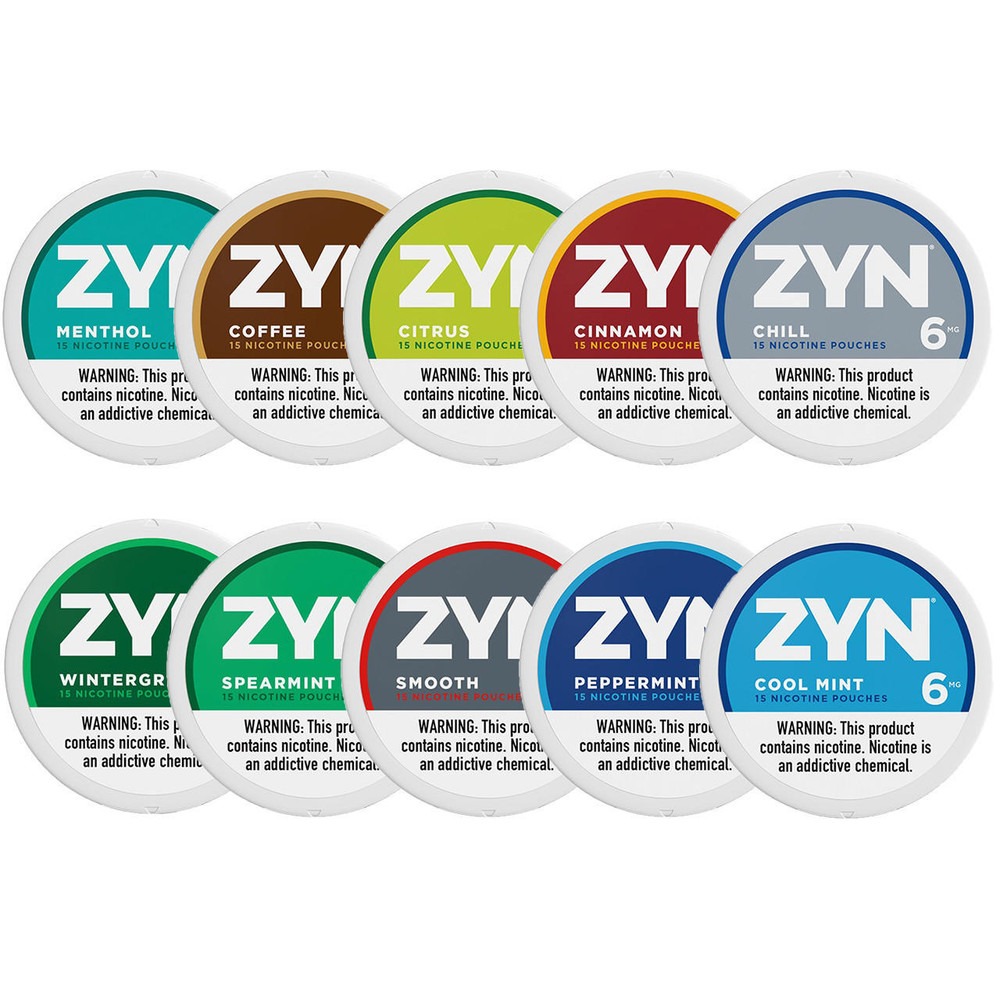
🟦 RESTOCK — ZYN at Potomac
10 flavors all in stock · 15/pack · 5-pack boxes
Reply ZYN or 855-777-7580 #PotomacDistro #ZYN #CStore #DMV
23
Jun 10
Petrosoft’s fuel management system turns tank levels into profit.
At 100,000 gallons a month, one penny in margin is $1,000.
That’s why smart operators don’t just watch street price, they watch inventory position before the next market move.
When costs are rising, keeping tanks near full can be the difference between capturing margin and watching it pass by.
#cstore #convenientstore #gasstation #retailproblems #storemanagement #cstore #convenientstore #gasstation #retailproblems #storemanagement #cstore #convenientstore #gasstation #retailproblems #storemanagement
1
14
Jun 10
No backroom space means every inventory decision matters.
$GPOX helps stores stay stocked without turning selling space into storage.
Learn more: gpoplus.com/retailers/
#CStore #InventoryManagement
1
61
brobert545 retweeted

Jun 9
I trust CStore sushi more than I trust him on any subject.
Jun 9

Hakeem Jeffries says “There has been no cheating in the California Elections”
What’s your response to him ??
1
86

