
May 17
Strengthening regional cooperation in the field of water resources remains essential to advancing sustainable development and building resilience across the Nile Basin. 🇪🇬🇷🇼
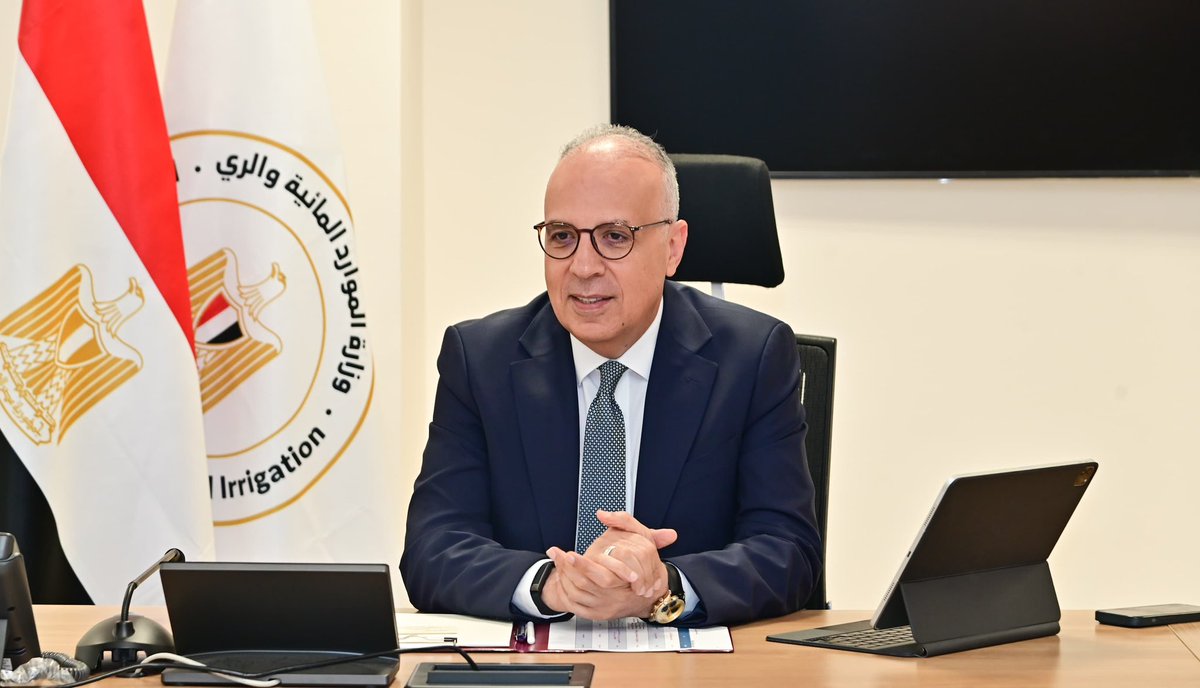
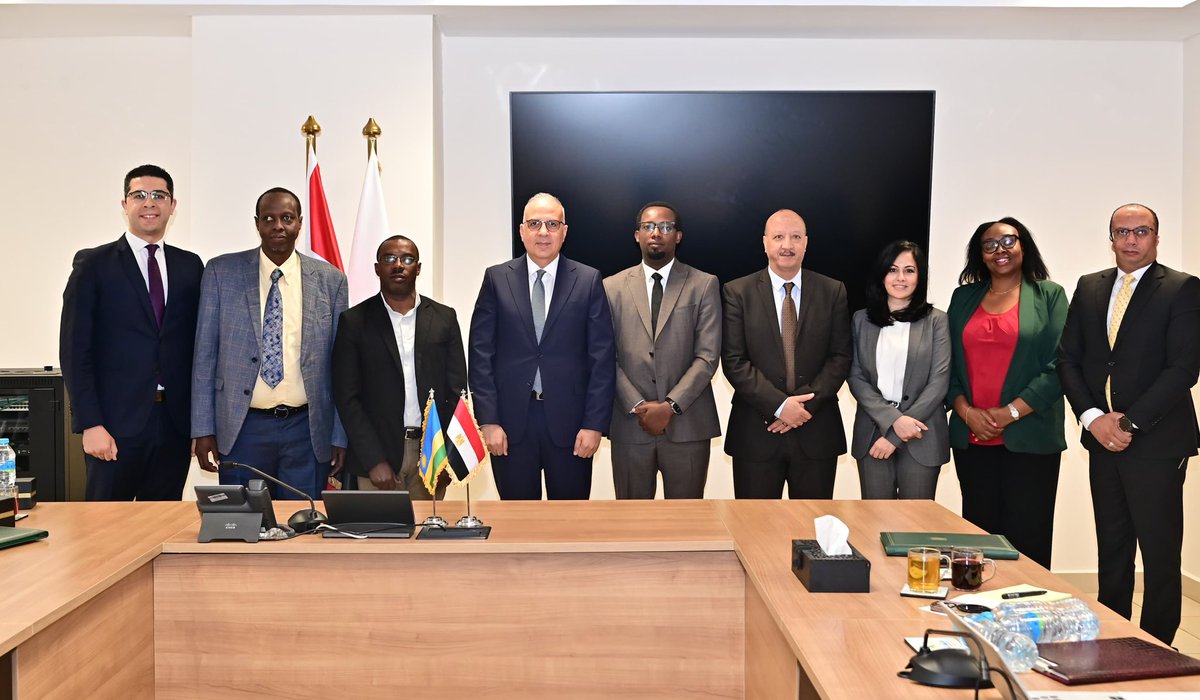
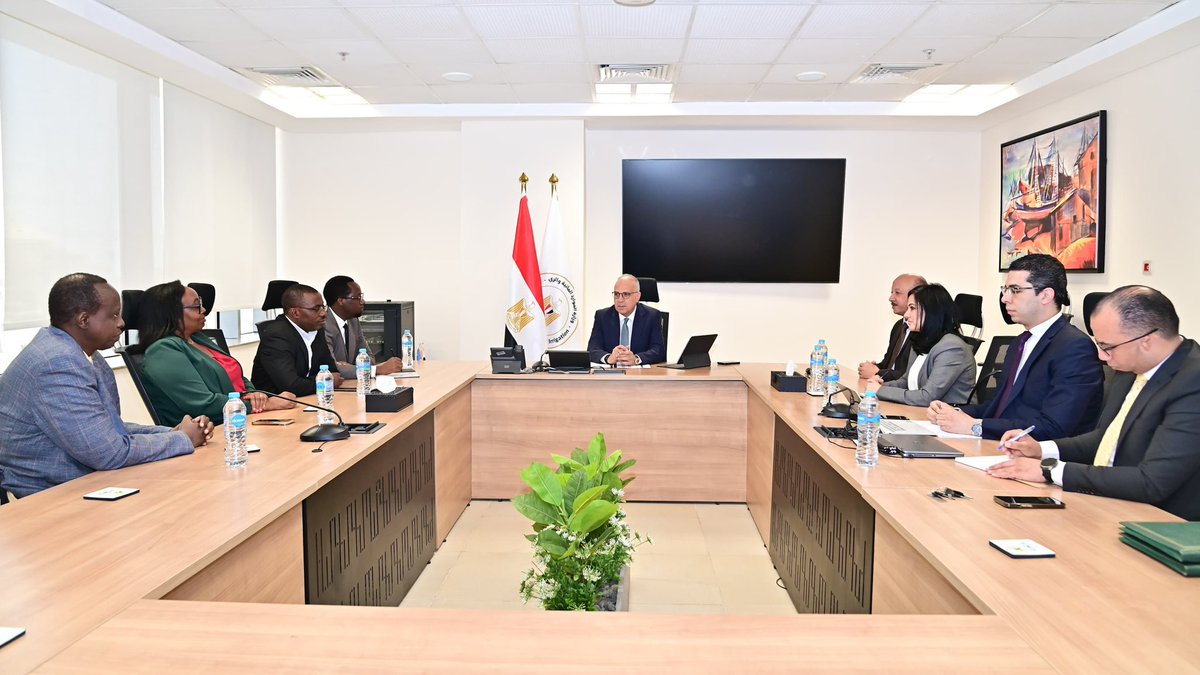
In this context, I was pleased to meet with the Rwandan delegation participating in the second meeting of the Egypt–Rwanda Joint Steering Committee, held in Cairo from 11–14 May 2026, to follow up on the implementation of the Memorandum of Understanding between our two countries in the field of water resources.
The meeting reflected our shared commitment to translating cooperation into tangible outcomes that support communities and promote long-term water security and sustainable development.
Our discussions focused on several priority areas, including:
▪️ Integrating flood protection works with rainwater harvesting dams using nature-based solutions to enhance long-term sustainability.
▪️ Establishing groundwater stations at four proposed sites and initiating the required geophysical studies.
▪️ Expanding capacity building and knowledge transfer through a training programme scheduled for June 2026, supporting both technical and institutional capacities.
▪️ Supporting development projects in the Equatorial Nile Basin countries through Egypt’s USD 100 million regional financing mechanism.
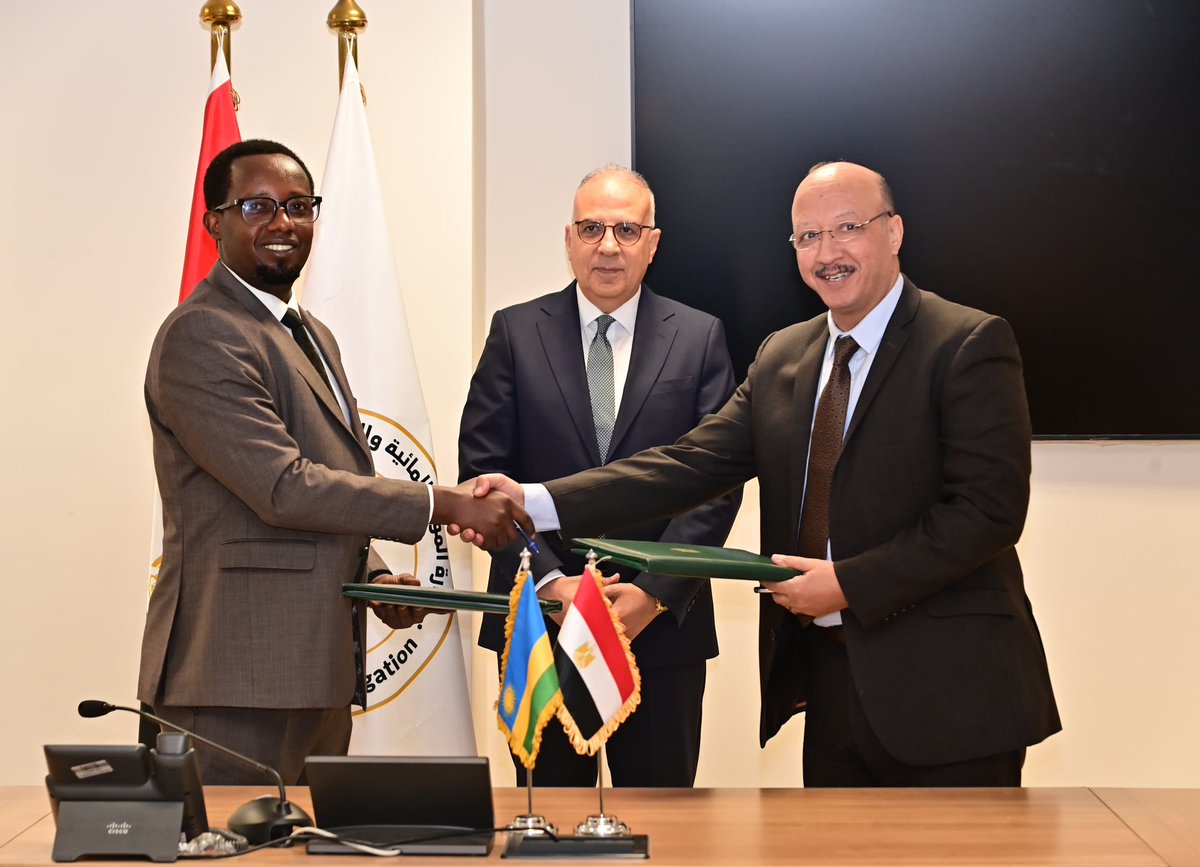
The meeting also witnessed the signing of the minutes of the Committee’s second session, reflecting the continued commitment of both sides to strengthening bilateral and regional cooperation in the water sector.
I also welcomed the opportunity to invite the Rwandan side to participate in Cairo Water Week 2026, scheduled to take place from 25–29 October 2026 under the theme:
“Water as a Catalyst for Peace, Shared Prosperity, and a Sustainable Planet.”
#Egypt #Rwanda #WaterResources #RegionalCooperation #CairoWaterWeek #SustainableDevelopment #MWRI
1
4
139

20 Dec 2025
I provided u with an Ethiopian source with a scientific reference, and I also added that the estimate comes from @mowe_ethiopia , and asked you to contact them to verify it, as well as the Ethiopian Minister @HItefa . & then u say that I am weak in confronting numbers and facts😌
1
6
578
20 Dec 2025
a total annual recharge estimated at about 40 BCM, a figure adopted by the Ethiopian Ministry of Water and Energy as the annual recharge rate of the usable groundwater reserves. You can verify this with @mowe_ethiopia or the Minister of Water and Energy @HItefa
1
1
3
479
20 Dec 2025
that Ethiopia’s annual groundwater recharge is about 40 BCM, with other estimates ranging from 36 to 47 BCM depending on the methodology and data sources. (Federal Democratic Republic of Ethiopia. Ministry of Water and Energy, and Ministry of Irrigation and Lowlands. (2023),
2
4
194
20 Dec 2025
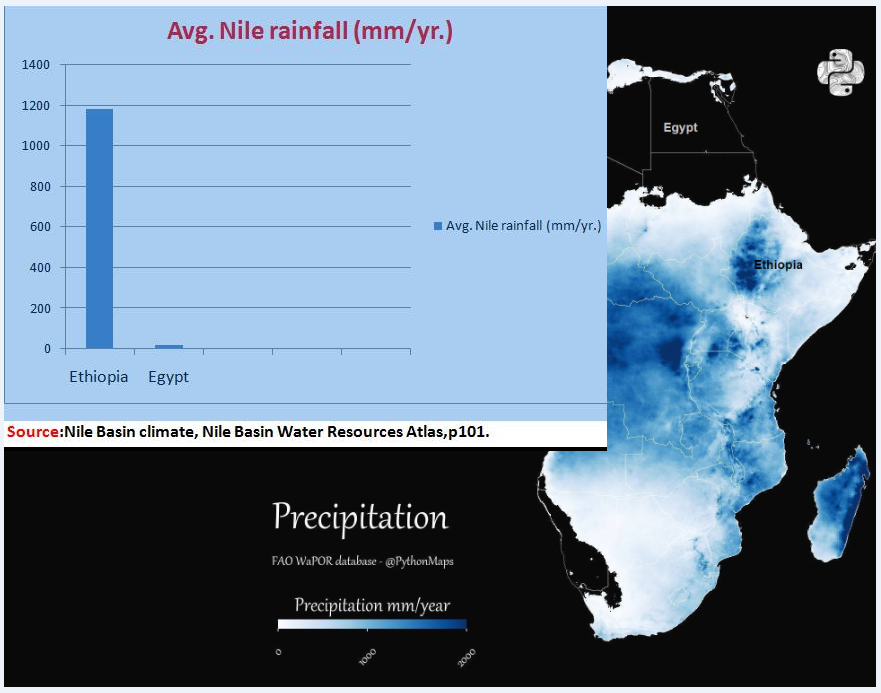
as it has dozens of dams & many alternatives, compared to Egypt, which suffers from a desert climate & limited renewable groundwater. Therefore, the solution lies in cooperation and reaching a legally binding agreement on the dam(#GERD)that ensures mutual benefit for all parties.
1
5
157

17 Nov 2025
اكتشفوا تأثير الفاو المبتكر في #أسبوع_القاهرة_للمياه_2025 وشاهدوا كيف نحول الندرة إلى استدامة.
شاهدوا الآن 📽️
@cairowaterweek @MwriEgypt @FAOADG_NENA
1
3
114

17 Nov 2025
Looking back at @FAO participation in #CairoWaterWeek2025!
Dive into FAO's innovative impact and see how we’re turning scarcity into sustainability.
@cairowaterweek @MwriEgypt @FAOADG_NENA
2
4
6
231

🎙️ Listen to Dr. Heba AlHariry, Land and Water Officer, FAO NENA, who joined ICARDA’s technical session on “Green Transitions for Sustainable Agriculture in MENA” at #CairoWaterWeek.
She highlights FAO’s advances through the Water Scarcity Platform, driving integrated management of water, energy, food, and ecosystems under climate stress, and calls for stronger partnerships to turn shared knowledge into real impact.
Learn more: icarda.org/media/news/icarda…
3
218

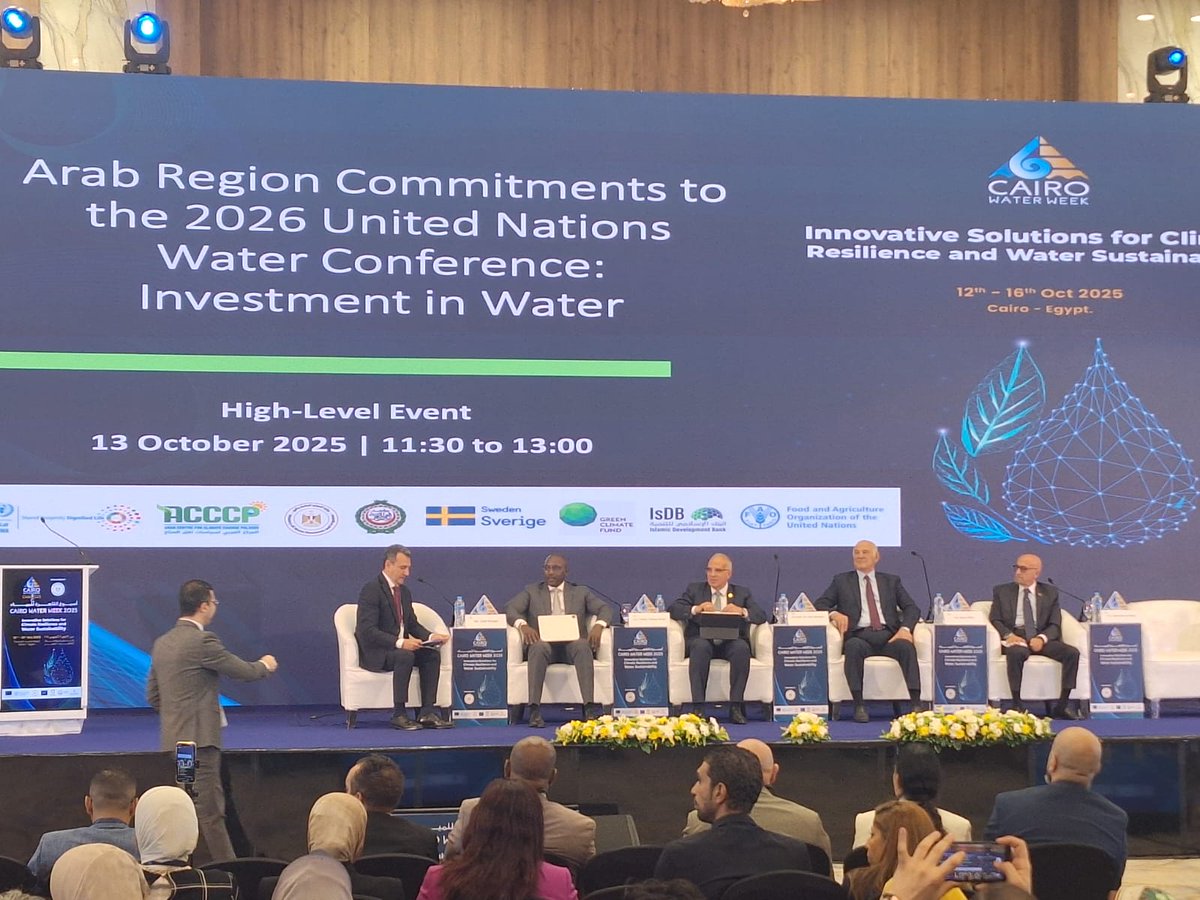
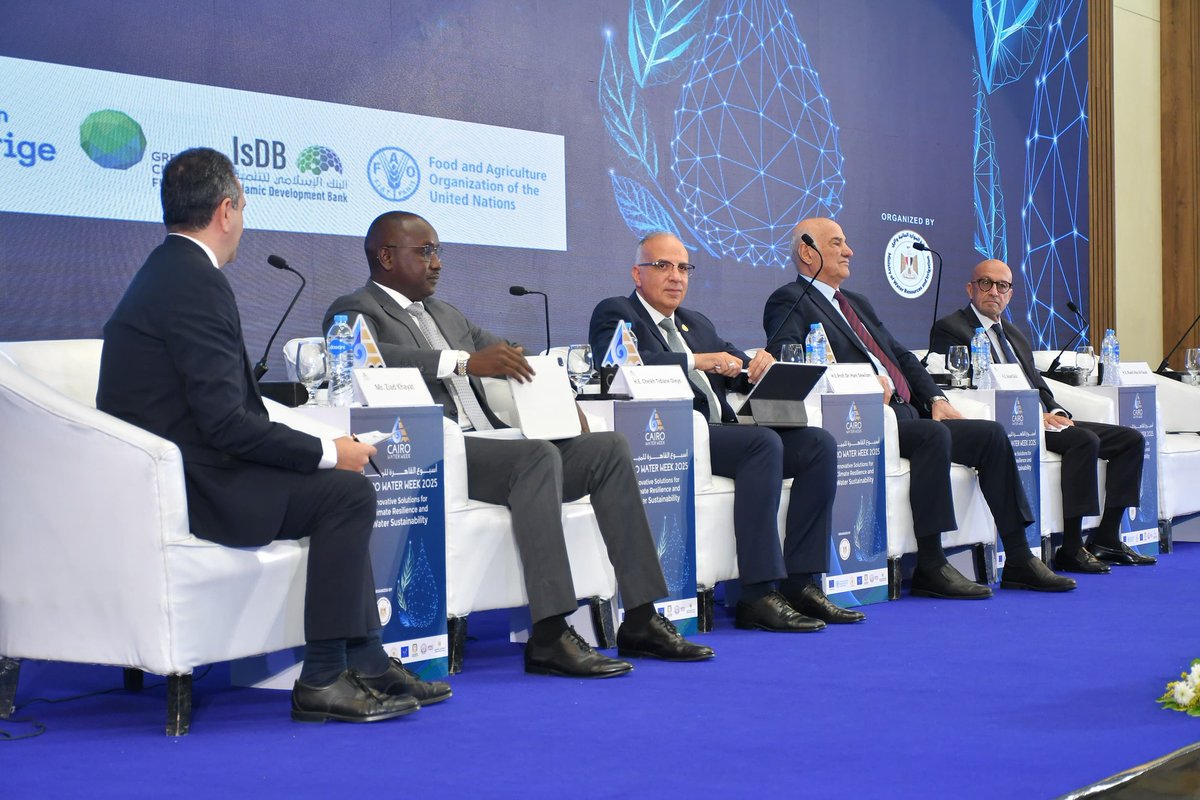
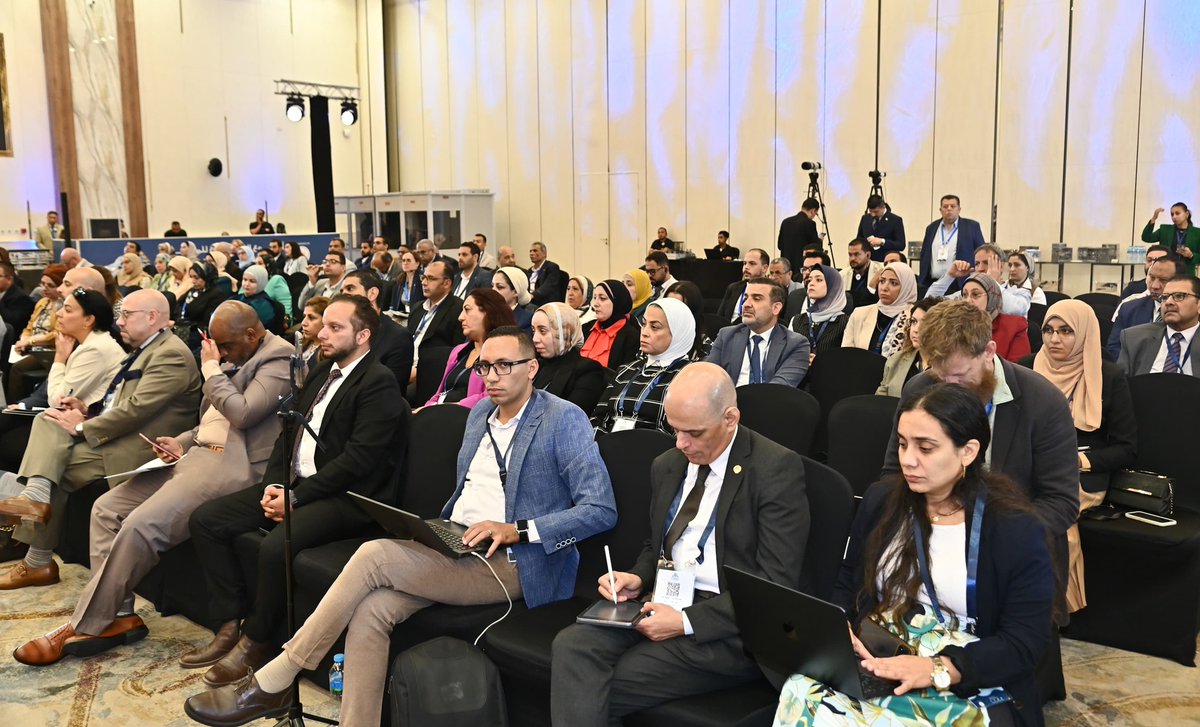
💧 Arab States mobilize to secure investments towards water security
During #CairoWaterWeek 2025, Arab countries reaffirmed their commitments ahead of the 2026 UN Water Conference, highlighting the urgent need for investment in water to tackle scarcity, climate impacts, and unsustainable consumption.
#ESCWA and partners showcased the Arab Initiative for Mobilizing Climate Finance for Water, emphasizing innovation, collaboration, and strategic financing to secure sustainable water management for future generations.
Read more:
🔗 bit.ly/CWW2025en
🔗 bit.ly/4nopk09
💧 الدول العربية تحشد جهودها لتأمين الاستثمارات اللازمة لتحقيق الأمن المائي
خلال أسبوع القاهرة للمياه 2025، جددت الدول العربية التزاماتها استعدادًا لمؤتمر الأمم المتحدة للمياه لعام 2026، مشددةً على الحاجة الملحة للاستثمار في المياه لمعالجة مشكلة ندرة المياه وتأثيرات المناخ والاستهلاك غير المستدام لها.
استعرضت #الإسكوا وشركاؤها المبادرة العربية لتعبئة التمويل المناخي للمياه، مشددةً على الابتكار والتعاون والتمويل الاستراتيجي لضمان إدارة مستدامة للمياه للأجيال المقبلة.
اقرأوا المزيد:
🔗 bit.ly/CWW2025ar
🔗 bit.ly/4optJ4F
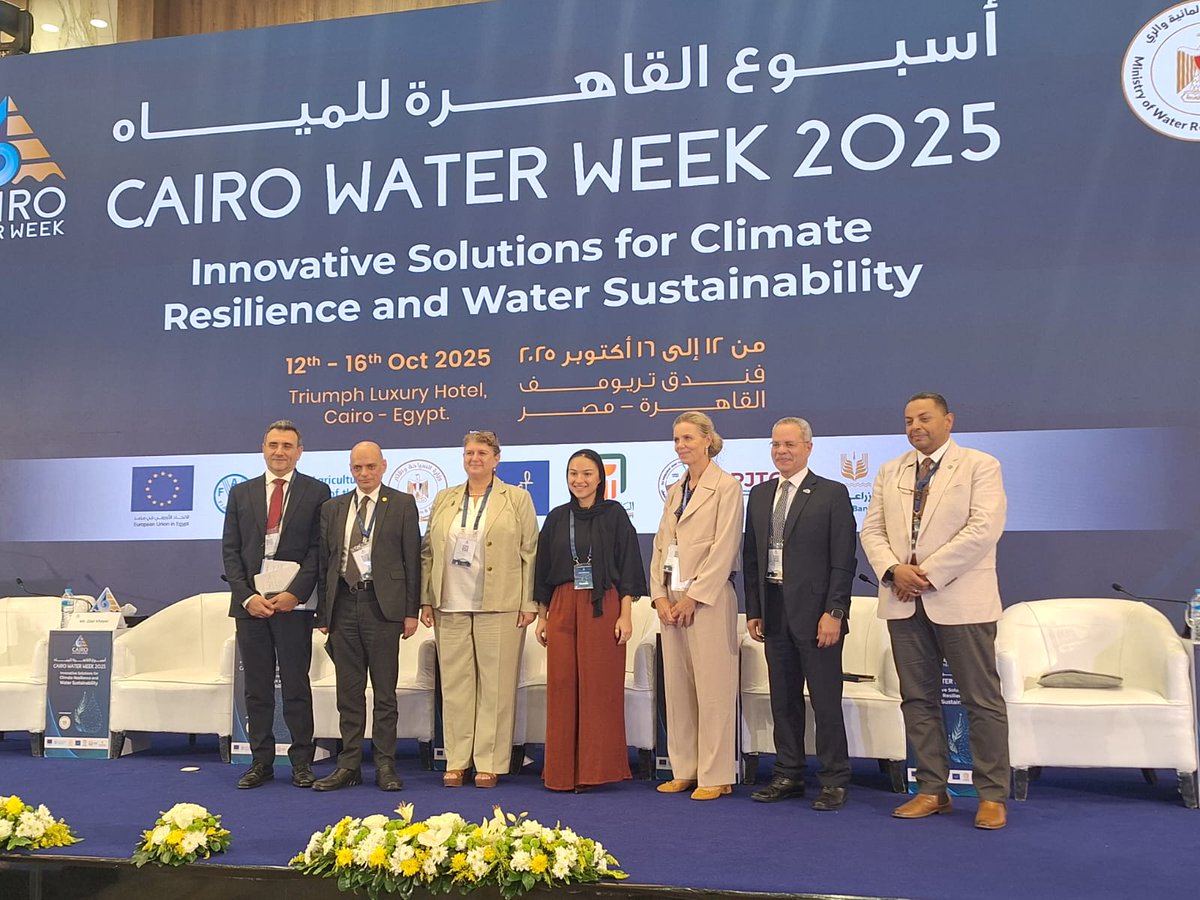
1
2
191

24 Oct 2025
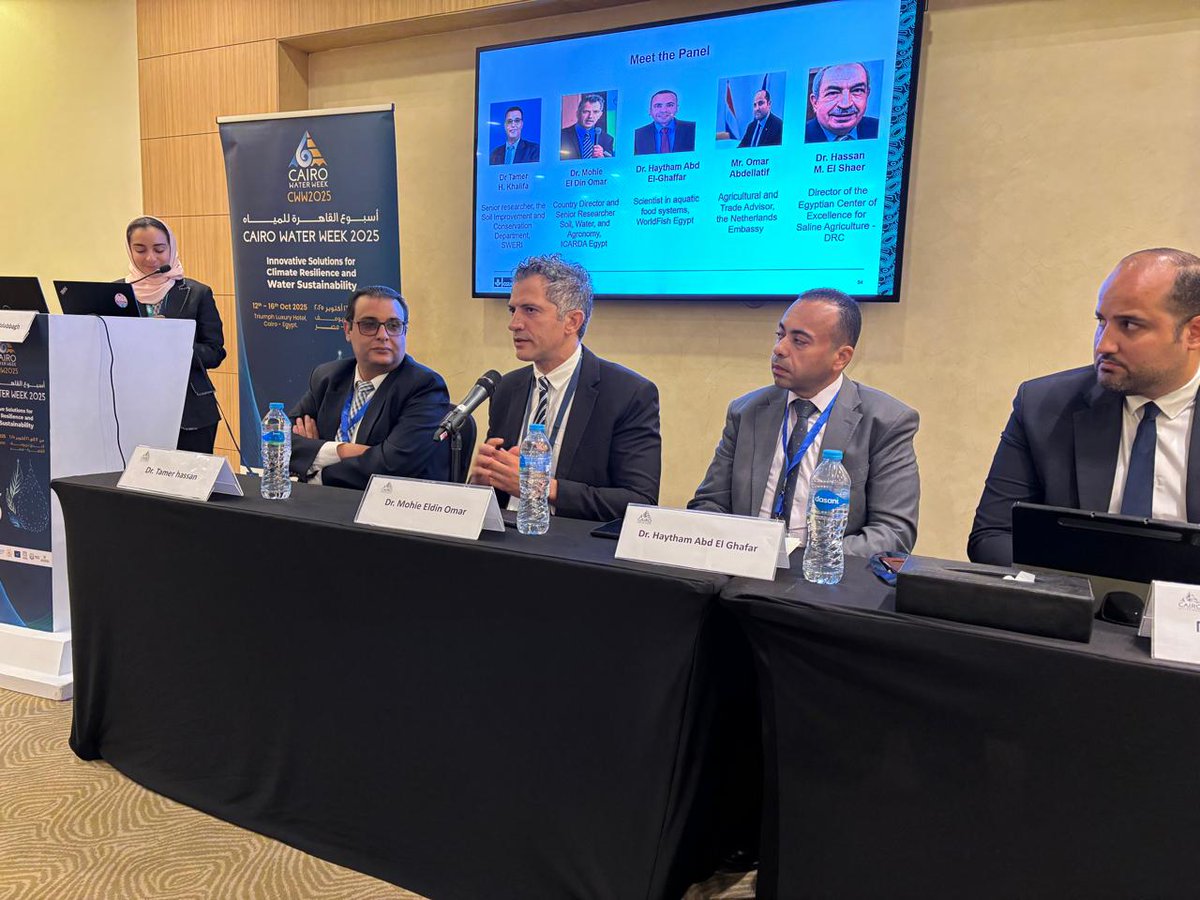
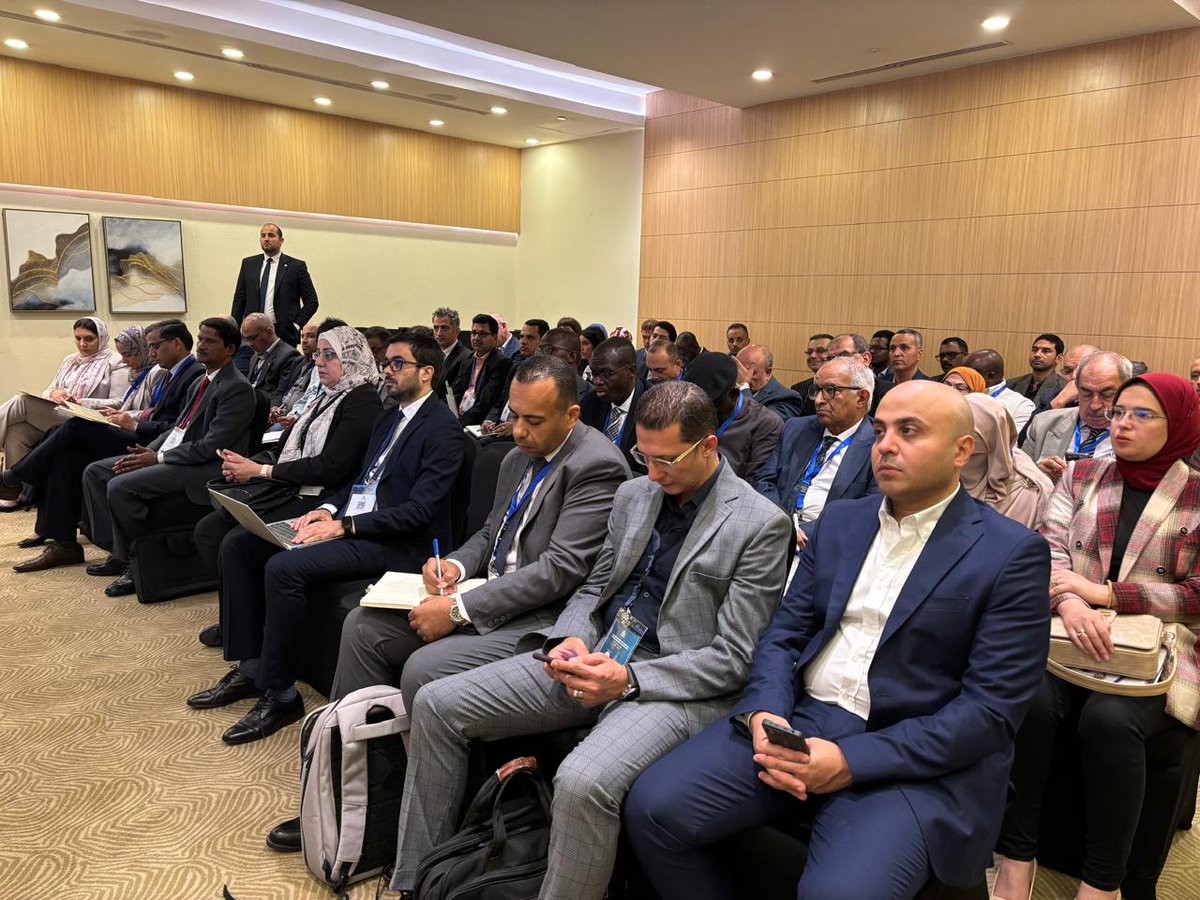
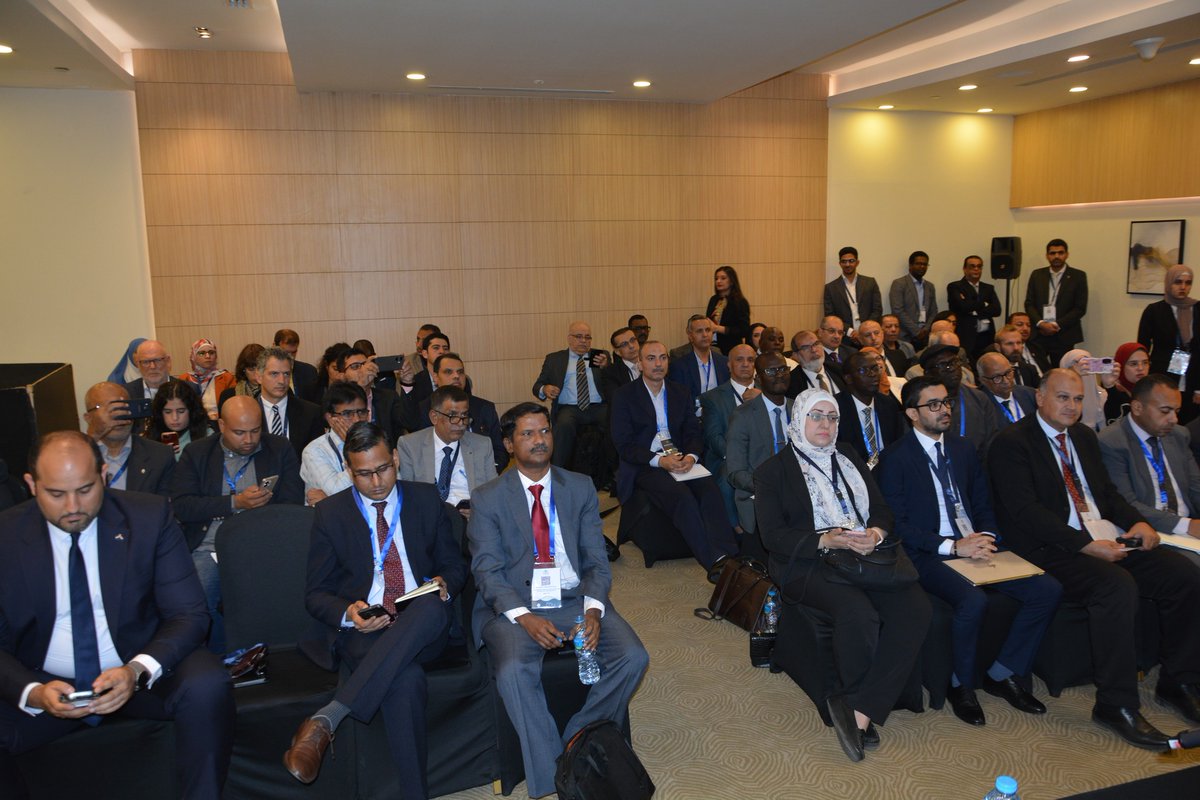
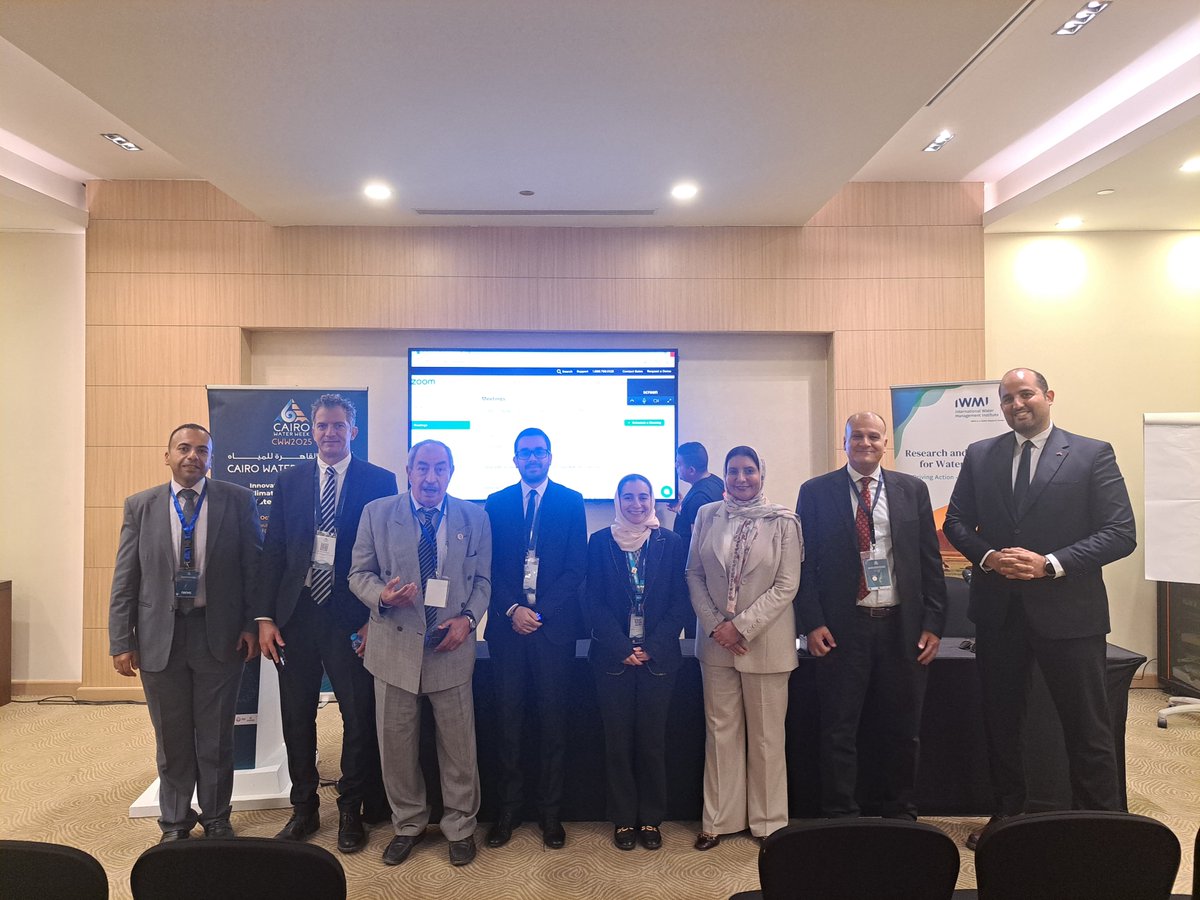
📣 WorldFish scientist, Haytham Abd El Ghaffar, presented impactful case studies during a high-level panel on ‘Water and Soil Salinity in Egypt: Institutional Frameworks and Market Systems for Mitigation and Adaptation’, at #CairoWaterWeek.
#AquaticFoods @IWMI_ @AOAD_AOAD1972
2
5
147

23 Oct 2025
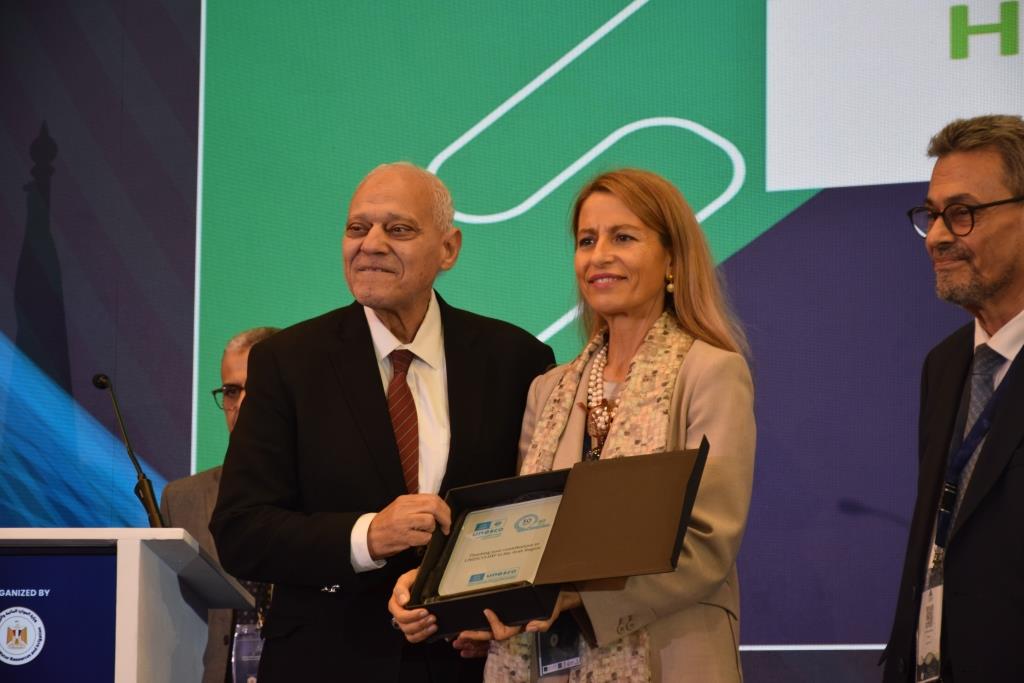
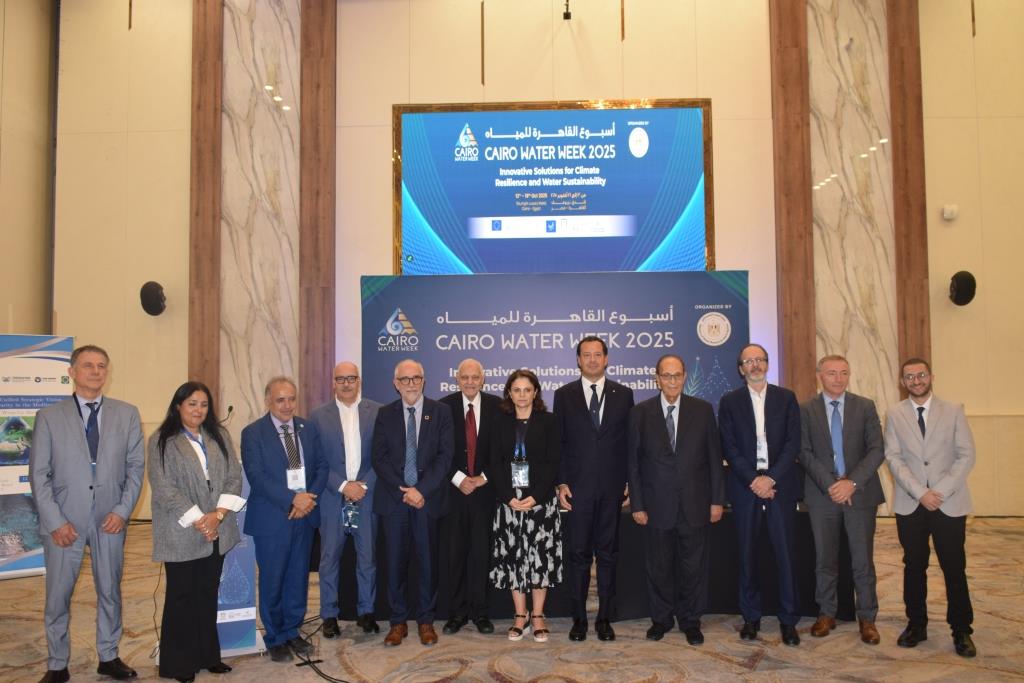
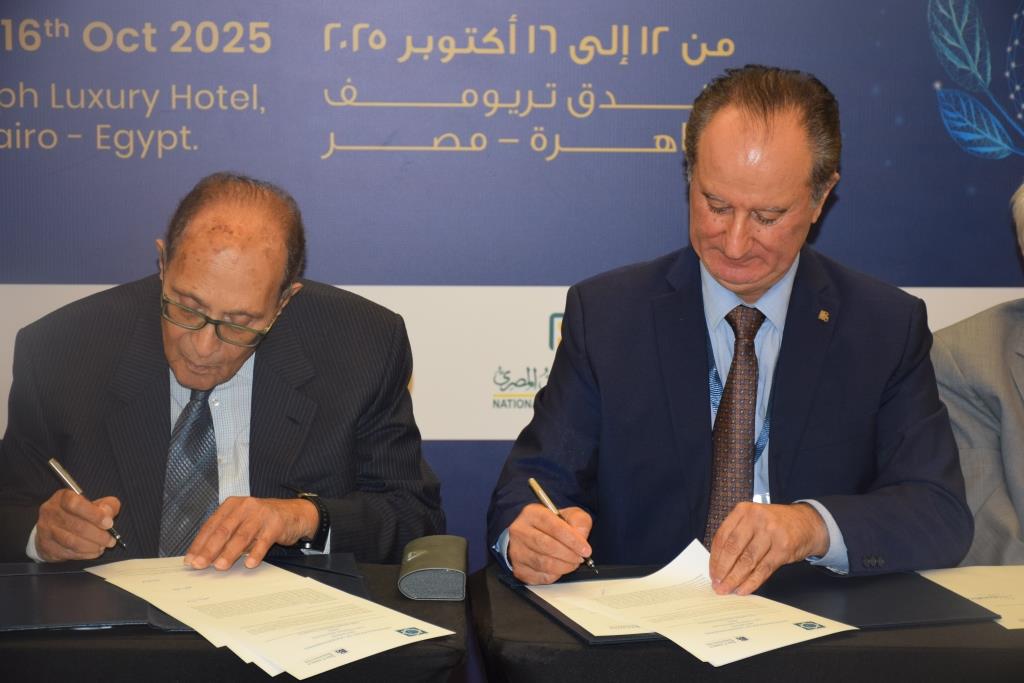
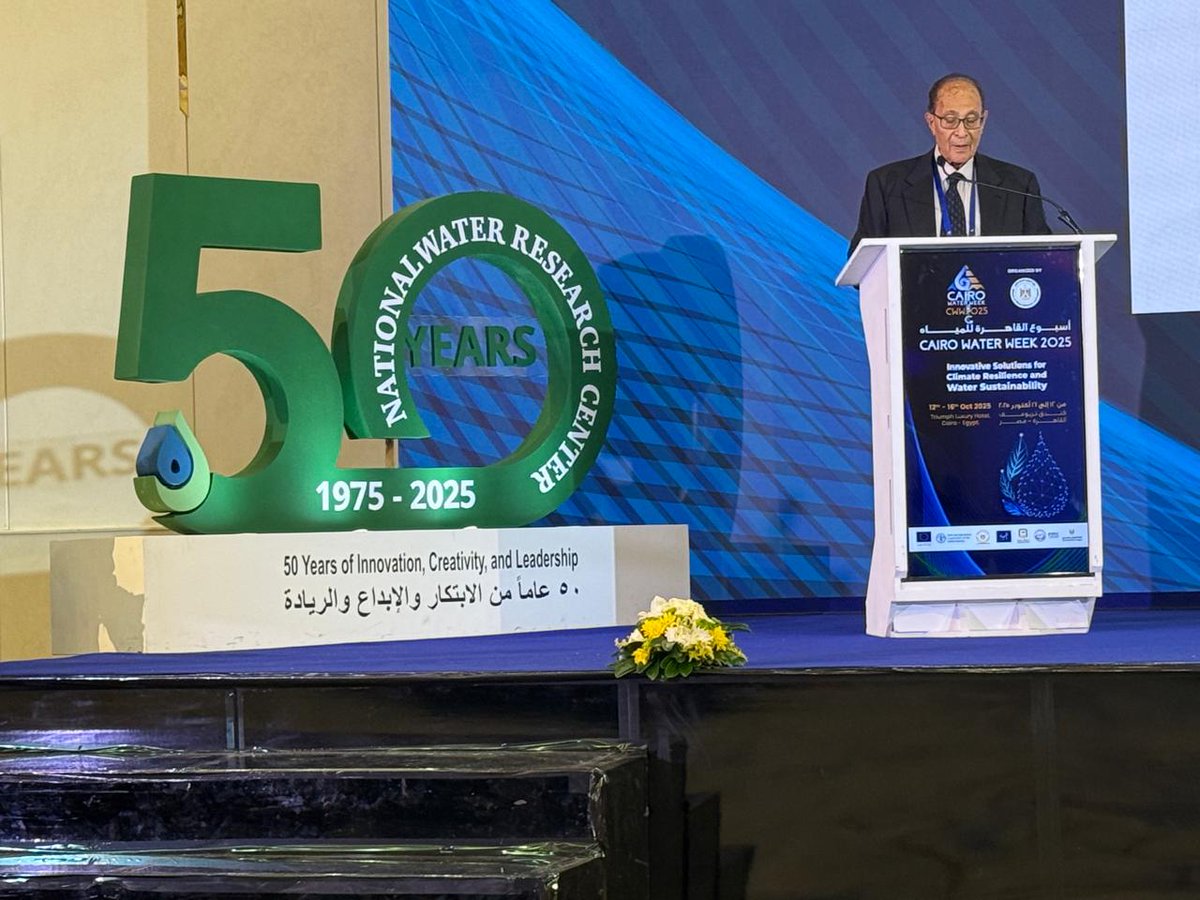
A resounding success @cairowaterweek!🌍 AWC co-led key sessions on water innovation,🤝signed MoUs with @CyprusInstitute & ACSAD, wrapped up the “One Water” Project with 🇮🇹 @CIHEAMBari, and celebrated 🎉 @UNESCOarabic-IHP’s 50th Anniversary!
#CWW2025 #WaterSecurity #Partnerships
1
2
147

17 Oct 2025
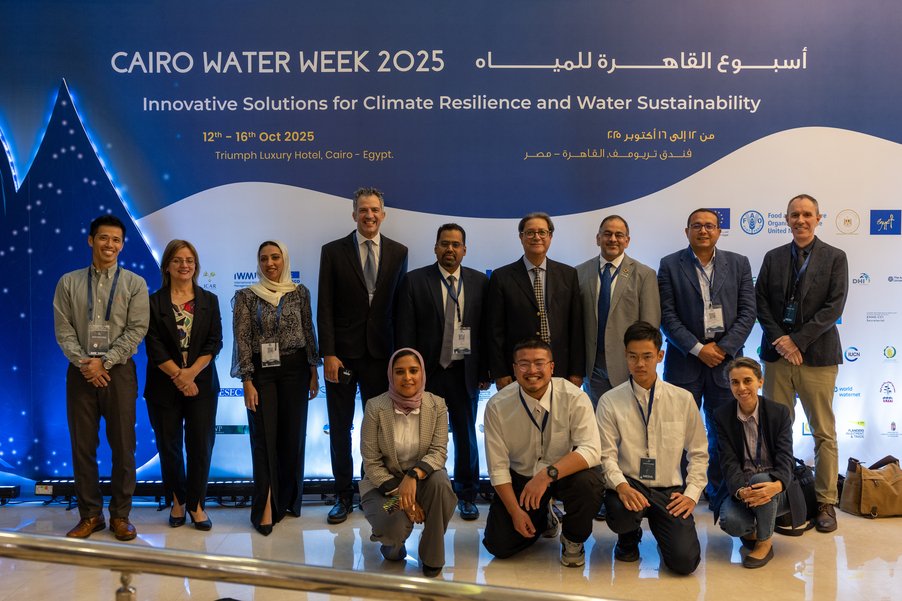
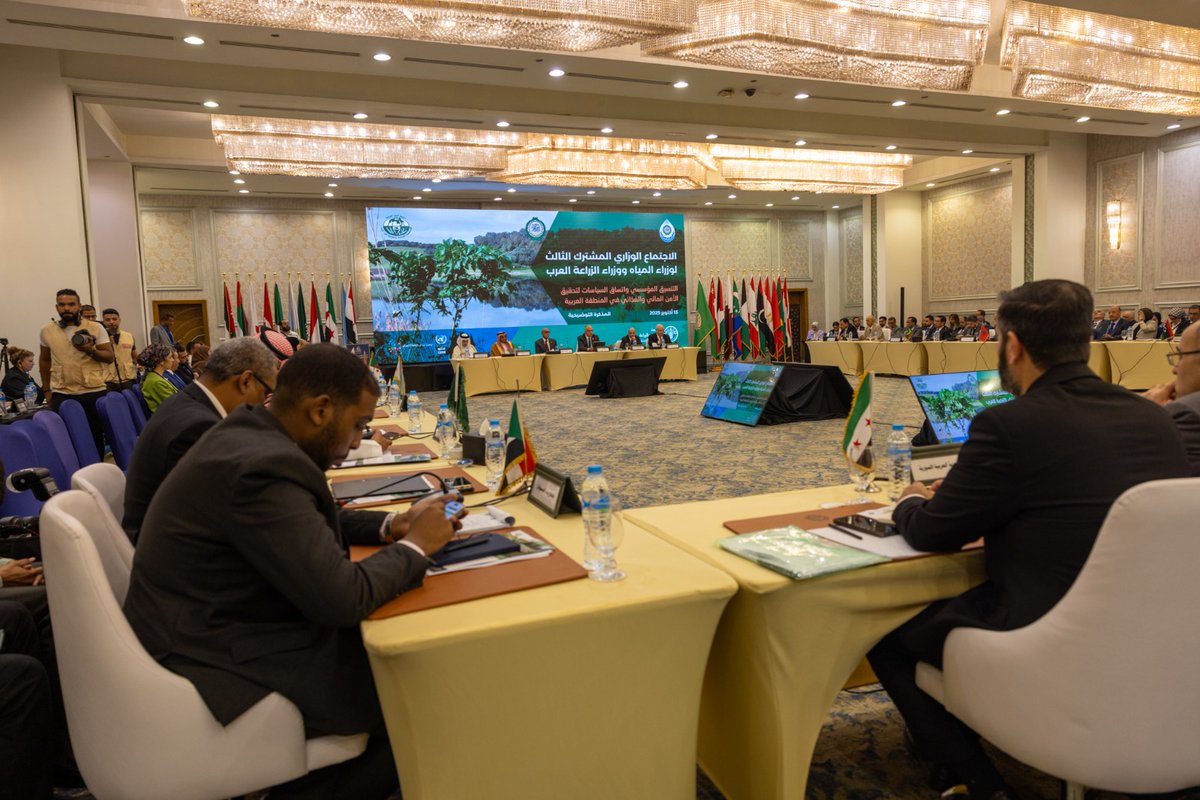
Back home for #CairoWaterWeek 2025!💧
A key platform to exchange ideas & shape solutions for climate resilience & water sustainability.
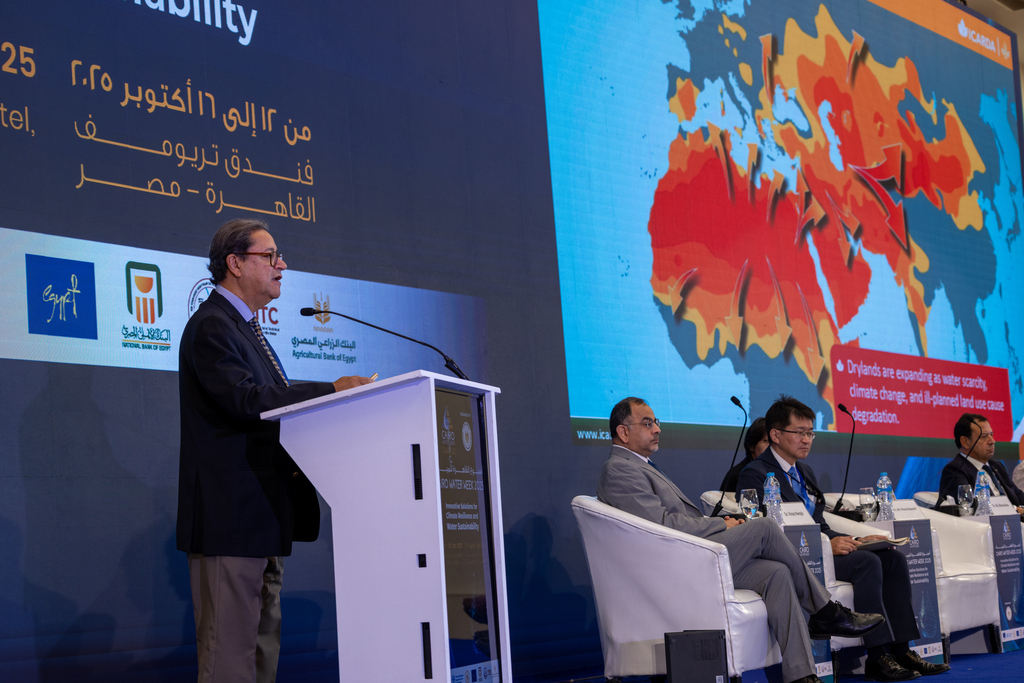
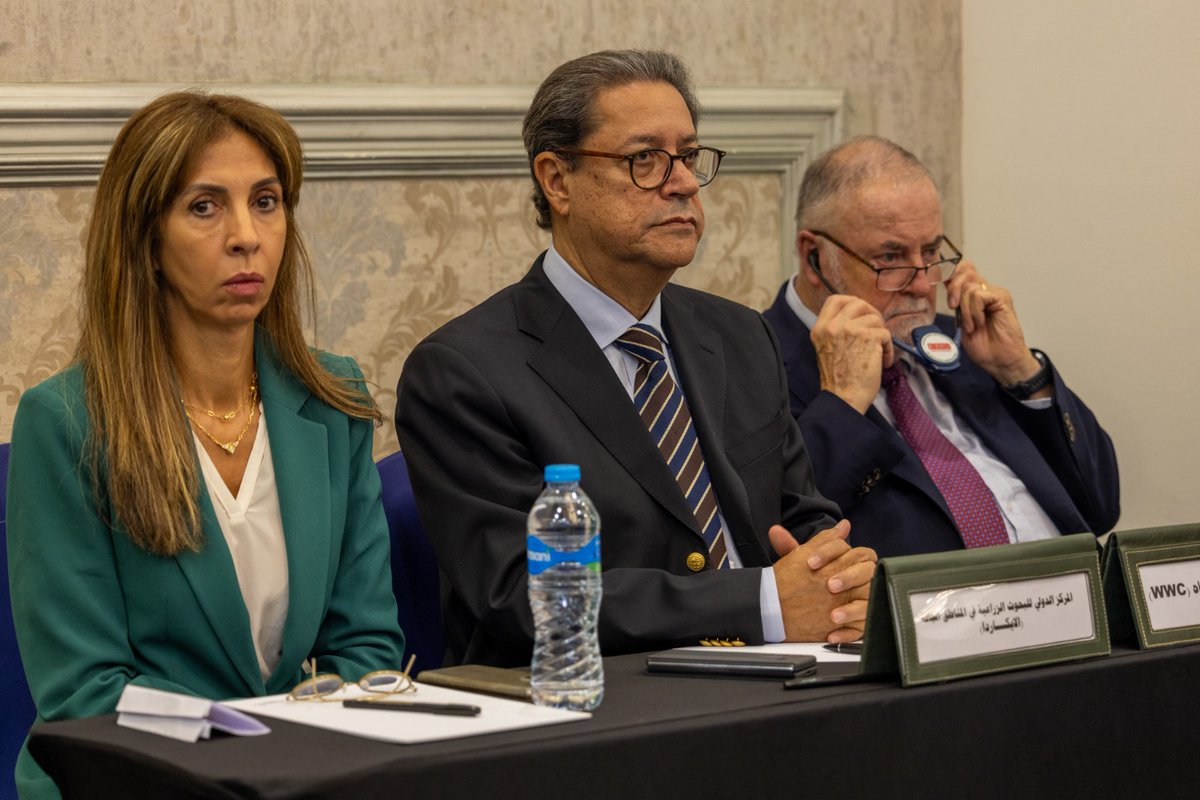
I joined the panel on Climate Change Vulnerability, Mitigation & Adaptation with @MWRIEgypt, sharing how AI is helping @ICARDA enhance dryland agriculture & smarter water management for a more resilient future.
👏 Grateful to reconnect with partners & proud of our scientists showcasing science based solutions for water efficiency & sustainable agriculture.
1
7
440

16 Oct 2025
The Nile : Science, Cooperation, and Shared Responsibility
#Egypt #Africa #Ethiopia #GERD #Nile #Sudan #CairoWaterWeek #مصر #نهر_النيل #اثيوبيا
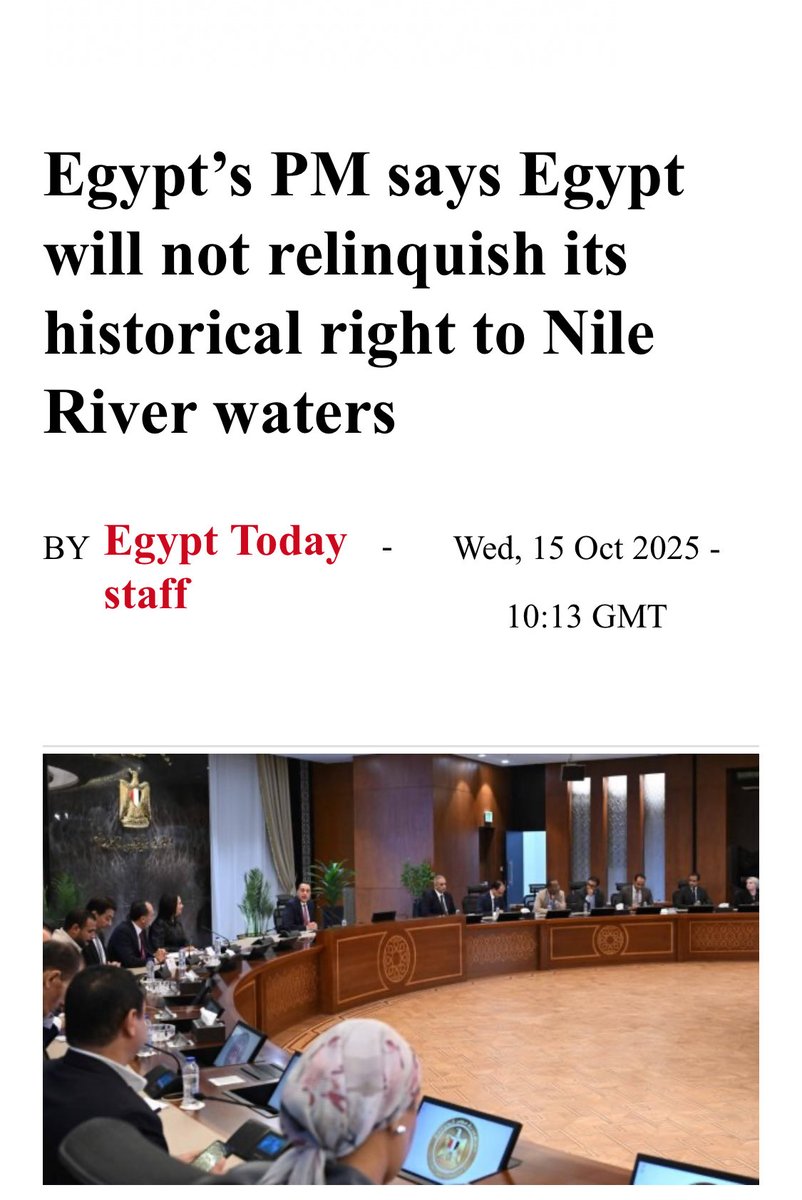
Egypt’s Prime Minister recently described the Nile as an “existential issue that cannot be compromised,” while also affirming that “water should not be a cause of conflict but rather the foundation for cooperation and life.”
These two ideas, though well-intentioned, reveal the very tension that has defined Nile Basin discourse for decades the conflict between fear based ownership and science based cooperation.
From an engineering and hydrological standpoint, the Nile is not a gift granted by any one nation. It is a shared ecosystem, replenished annually by rainfall that occurs predominantly in the Ethiopian highlands and the equatorial lake regions. Over 85% of the Nile’s flow originates outside Egypt’s borders a hydrological fact that should guide collaboration, not division.
The Grand Ethiopian Renaissance Dam (GERD) represents this modern understanding of the basin. Designed not to harm but to harmonize, it regulates extreme floods, enhances dry-season flows, and creates a platform for regional energy and food security. When managed cooperatively, GERD is not a threat it is a regional infrastructure for resilience.
It is time to move beyond outdated “water share” claims and toward a Nile Basin Partnership Framework rooted in data, equity, and sustainability. The Nile can either remain a symbol of fear, or it can become a model of African integration and technological cooperation.
True leadership today will be measured not by historical entitlement, but by the courage to modernize water diplomacy allowing science, not suspicion, to lead the way.
@Grand_GERD @GerdGicc45007 @mowe_ethiopia
1
3
5
1,247

16 Oct 2025
Egypt’s Prime Minister sends a powerful message at #CairoWaterWeek:
“The Nile is a matter of existence — not blackmail or political maneuvering." #Ethiopia #GERD
4
2
5
601

16 Oct 2025
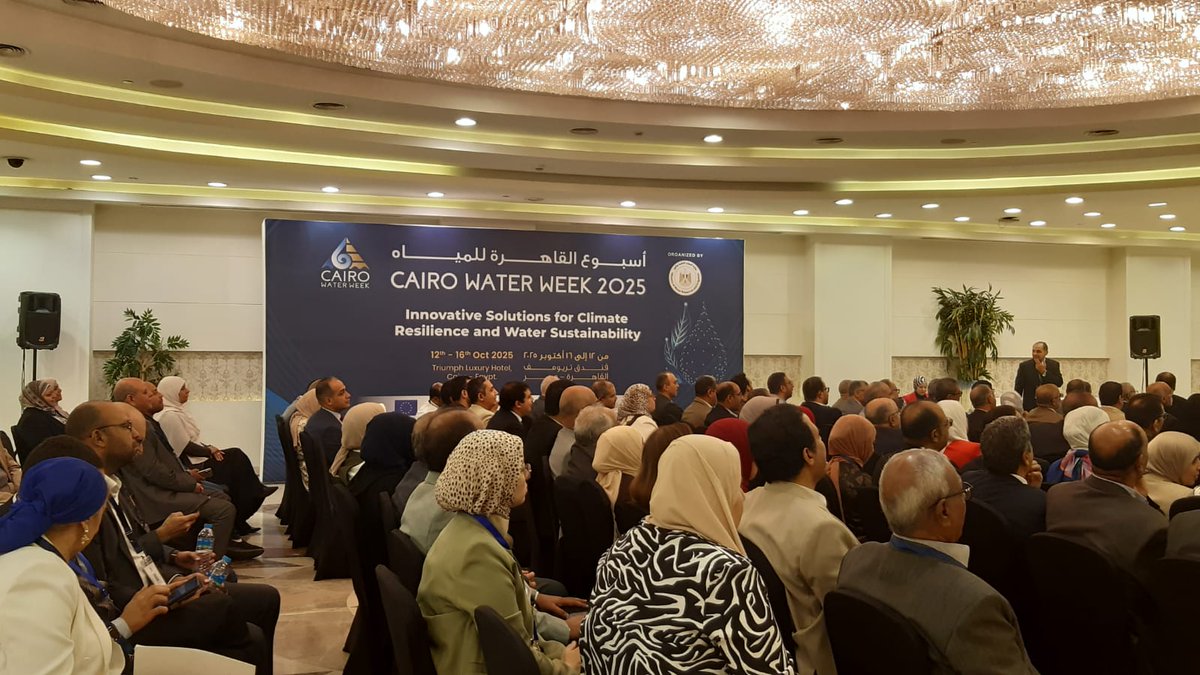
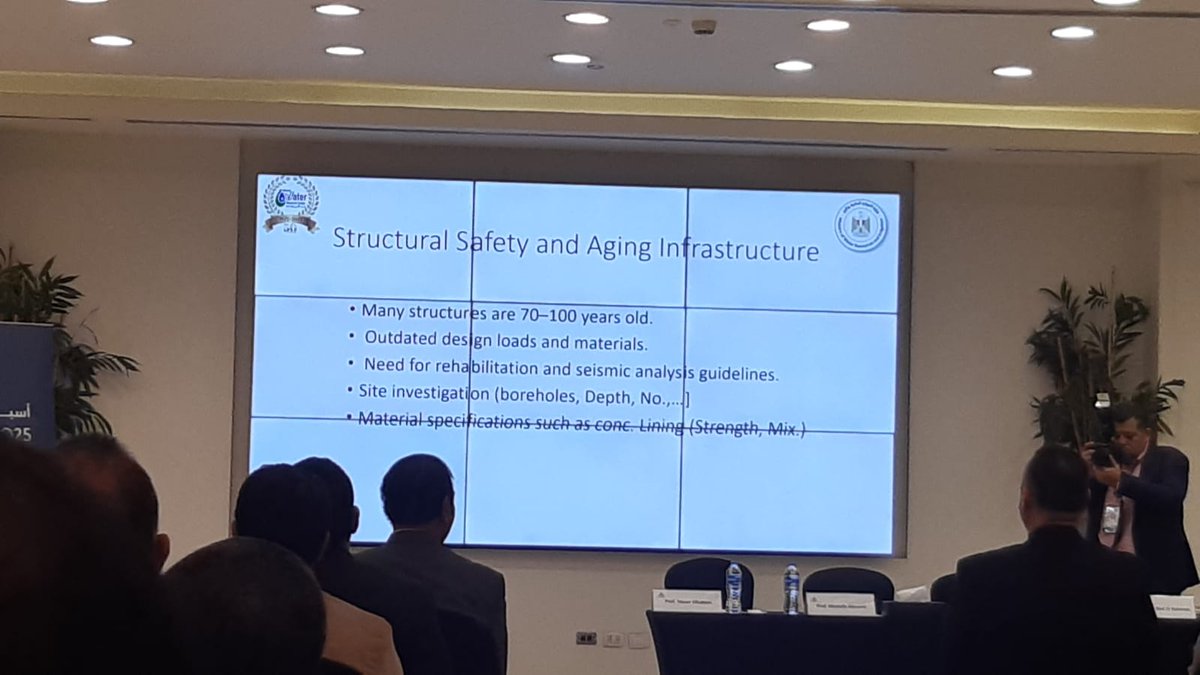
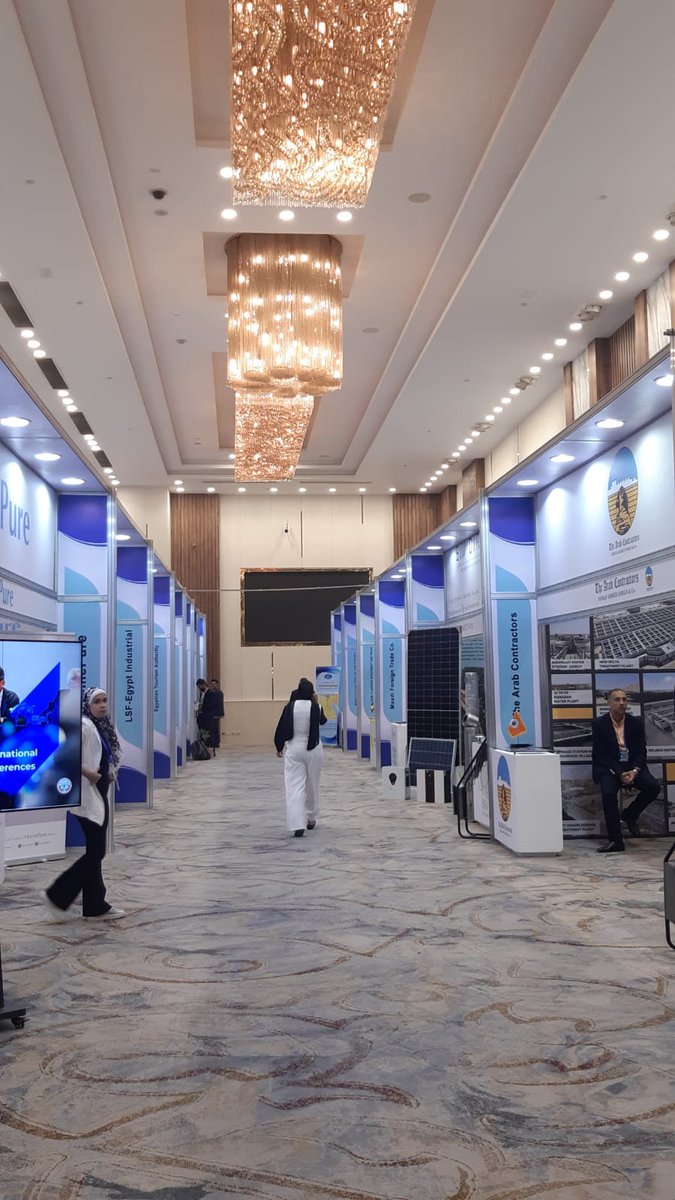
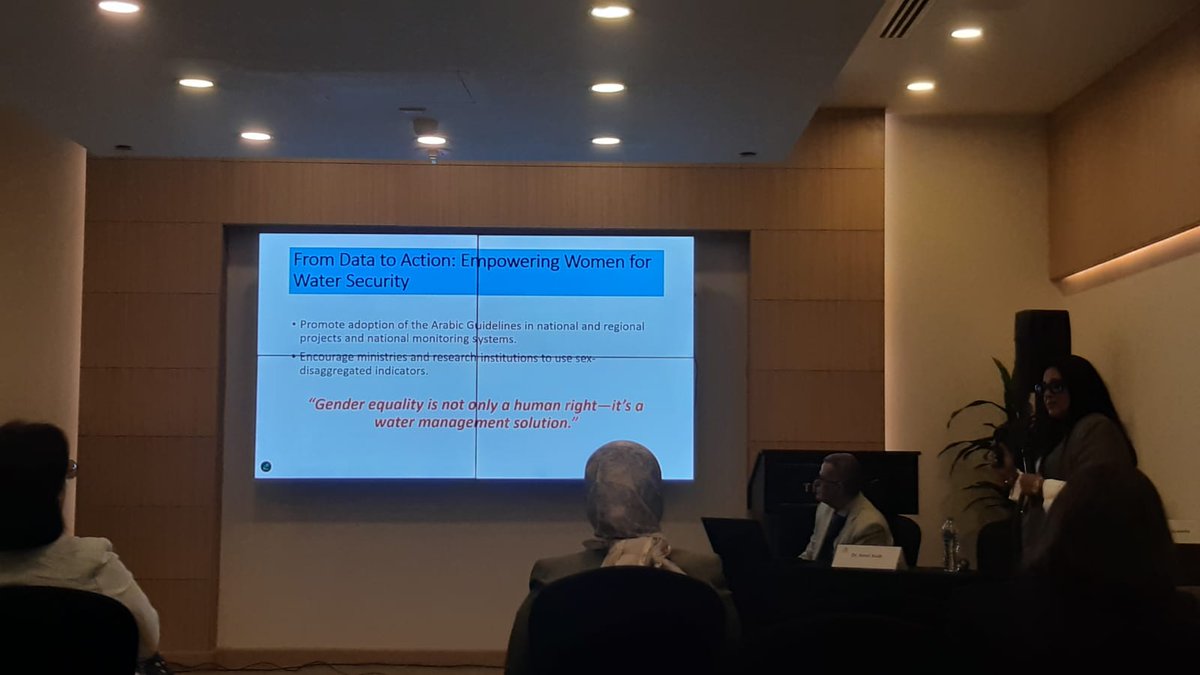
This week we attended the @cairowaterweek 2025, a very relevant event to exchange knowledge, discuss water challenges and learn from best practices & top experts. We had the opportunity to hear about #gendermainstreaming in @watermanagement and infrastructure #modernization. 💧
2
59
#Today at @cairowaterweek!
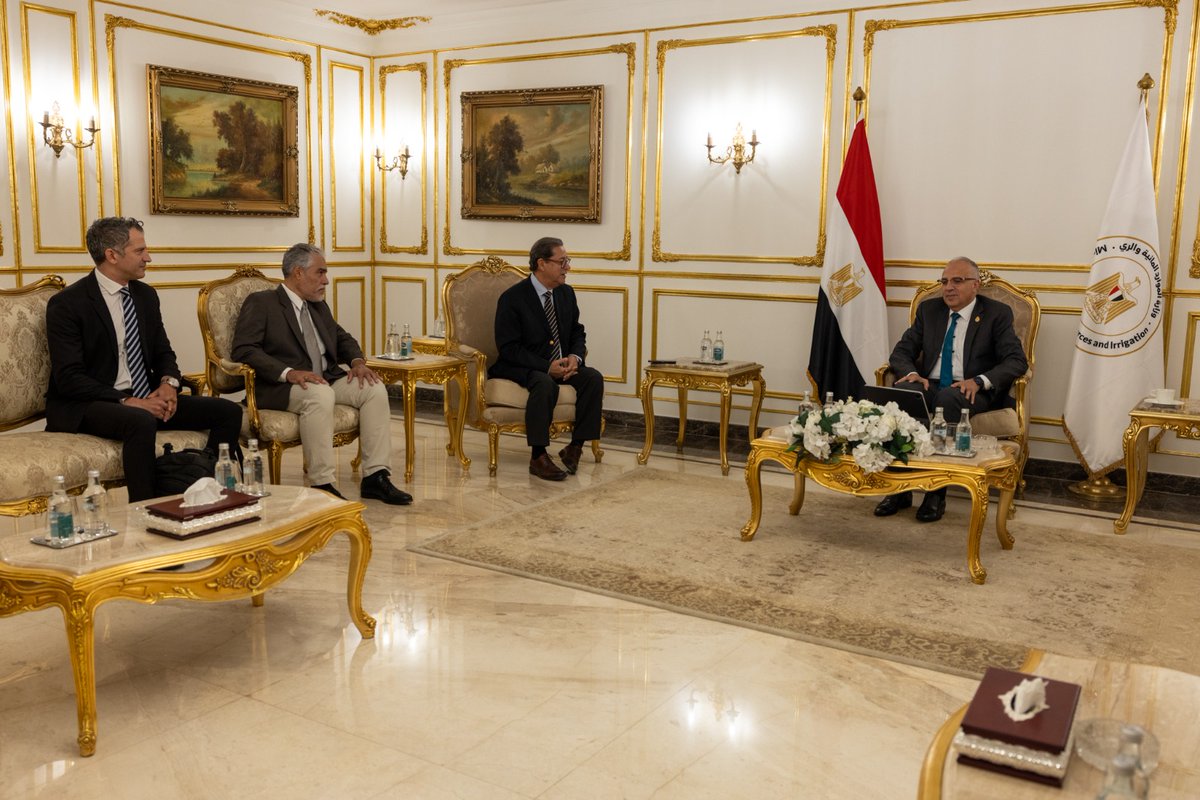
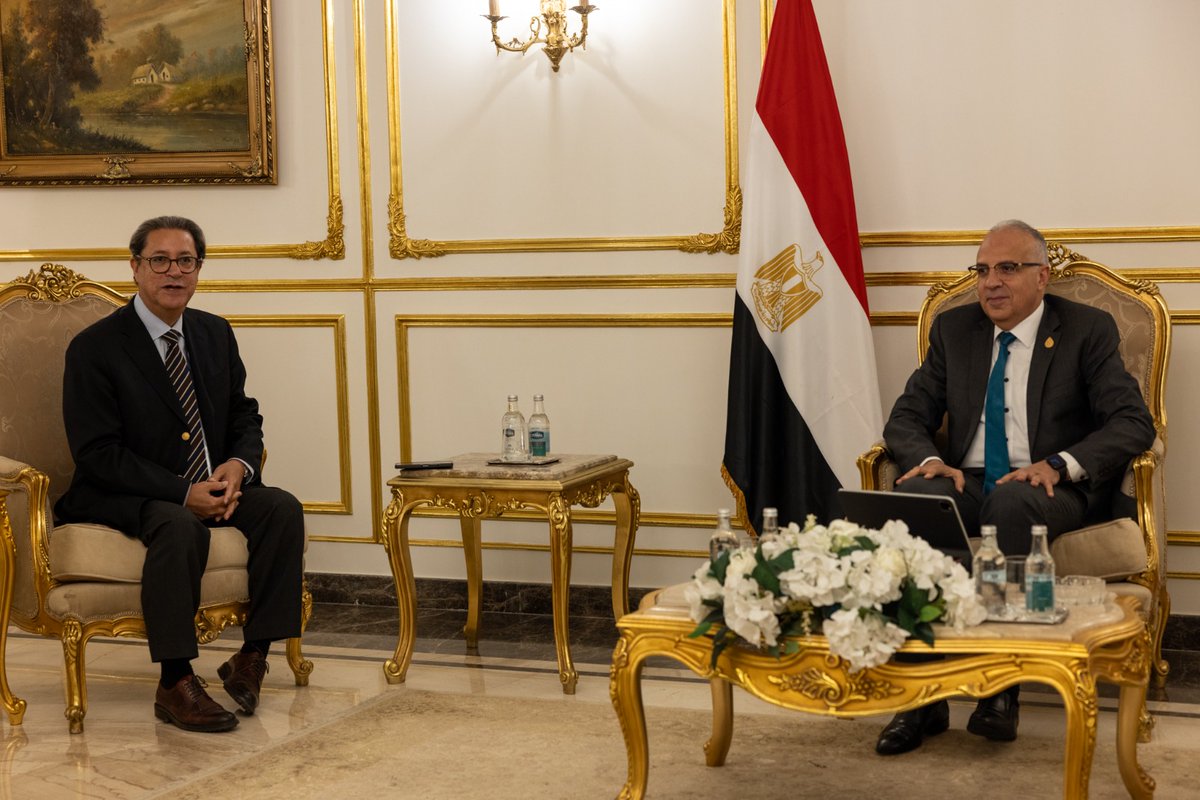
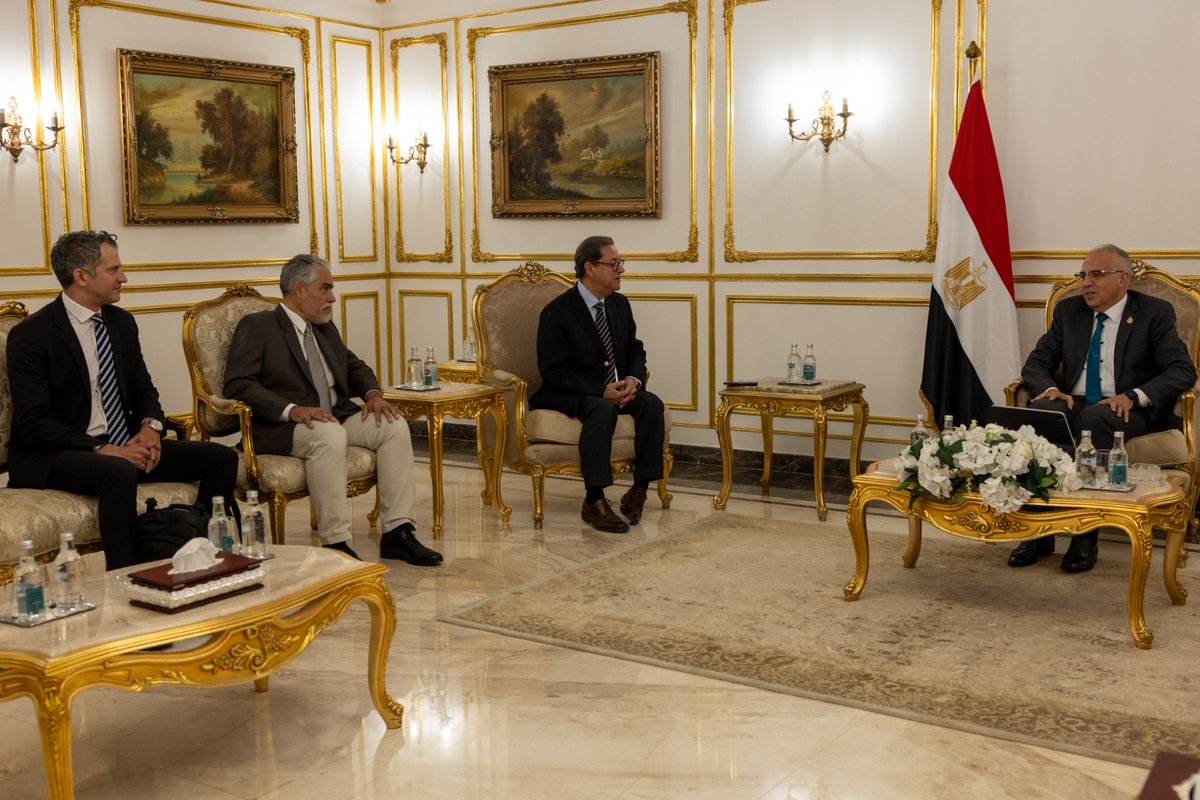
Productive meeting between ICARDA’s DG @alyabousabaa and H.E. @HaniSewilam , Egypt’s @MwriEgypt 🇪🇬
Discussions focused on ICARDA’s innovations in dryland agriculture, tackling water & soil salinity, and exploring new pathways to strengthen Egypt’s water and agriculture systems. 🌱
3
340
15 Oct 2025
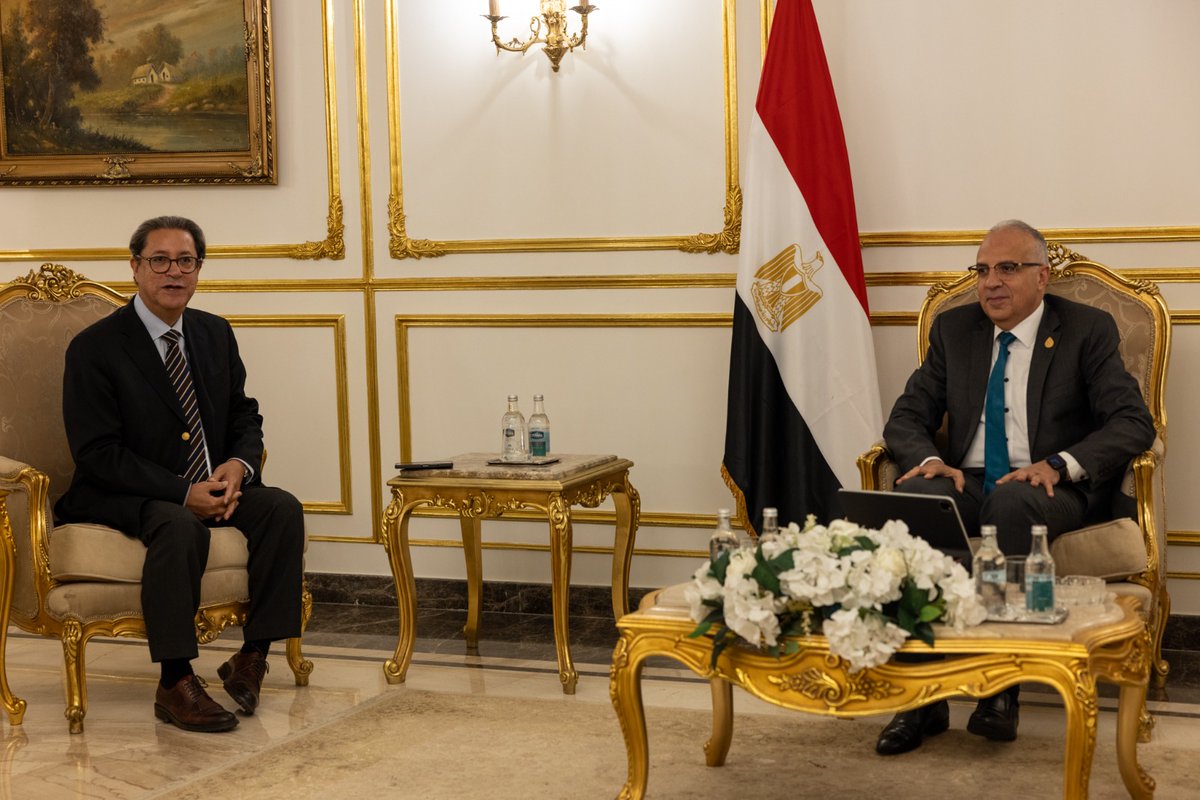
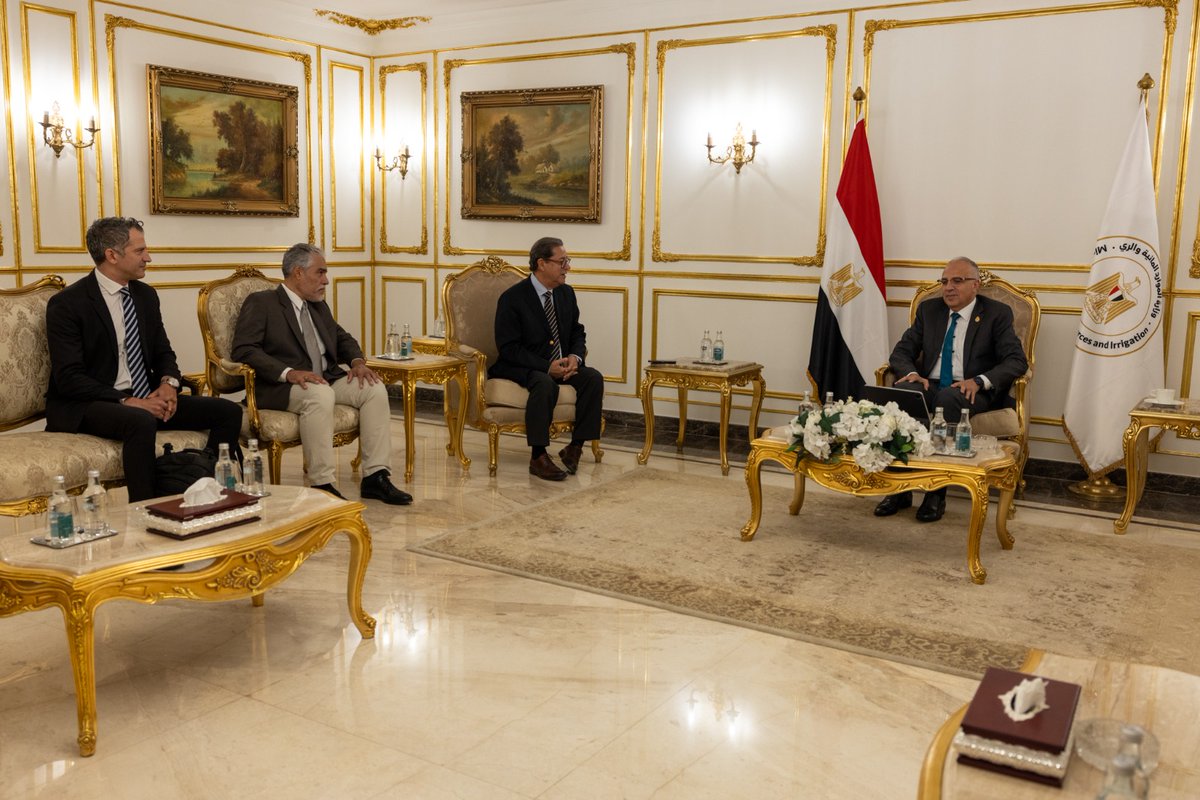
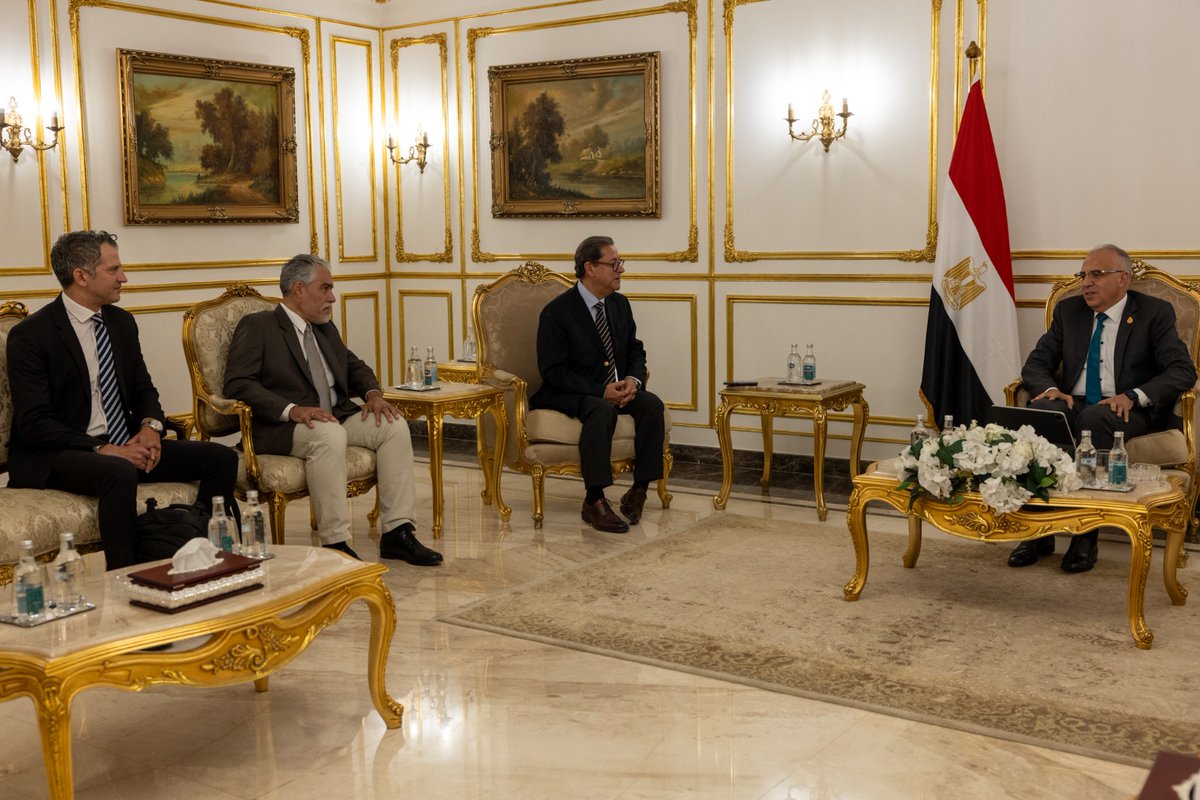
A productive meeting with H.E. @HaniSewilam, @MwriEgypt, on the sidelines of @cairowaterweek 2025.
We discussed pressing topics, including desalination for agriculture, solar-powered irrigation & other innovations to advance climate-smart solutions that support Egyptian farmers and strengthen Egypt's food and water resilience.
1
2
267