

Dat dere Celltech

QUESTION FOR ANTI-COMMUNISTS:
If Communism doesn't work, then how come the Soviet Union was a sports SUPERPOWER?
15

Jun 8
I transitioned already. No test or estrogen only dat dere celltech. I passed IFBB pro.
7
465

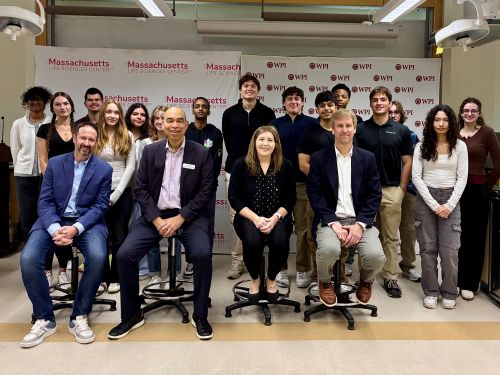
WPI's brand-new CellTech Institute just welcomed its first cohort — 15 students from across the country as part of the @NIIMBL eXperience program, a summer immersion into biomanufacturing and biopharma careers.
Only at WPI: robotics and automation, inside a biomanufacturing environment.
bit.ly/49CPOav
4
276
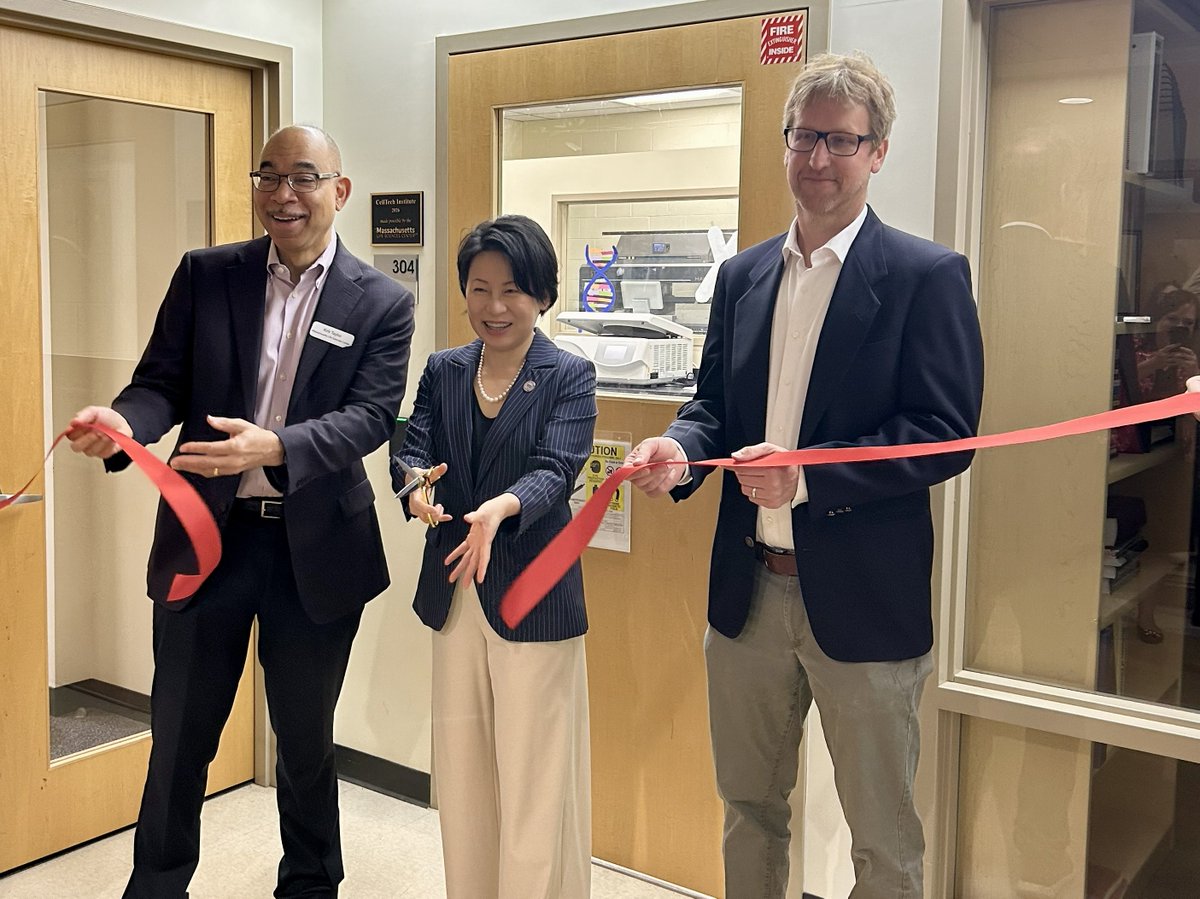
A $731,000 investment in the future of biotechnology.
WPI's newly launched CellTech Institute, supported by a grant from @MALifeSciences, gives students hands-on training with the advanced technologies reshaping pharmaceuticals, biomedical research, and biomanufacturing — right here in Worcester.
bit.ly/49CPOav
1
7
229


I think that's a lack of education issue we had back then though. His physique is close to elite built naturally, which is credibility, whereas we were presented with workouts from IFBB pros as teens like it was achievable if we just did their workouts and bought celltech.
2
2
46

Kaden Honeycutt - Friends of Jaclyn Foundation / CellTech Trailers (Toyota)
2022 Rackley Roofing 200 (Nashville Superspeedway) #NASCAR

4
34
250
6,589

Apr 15
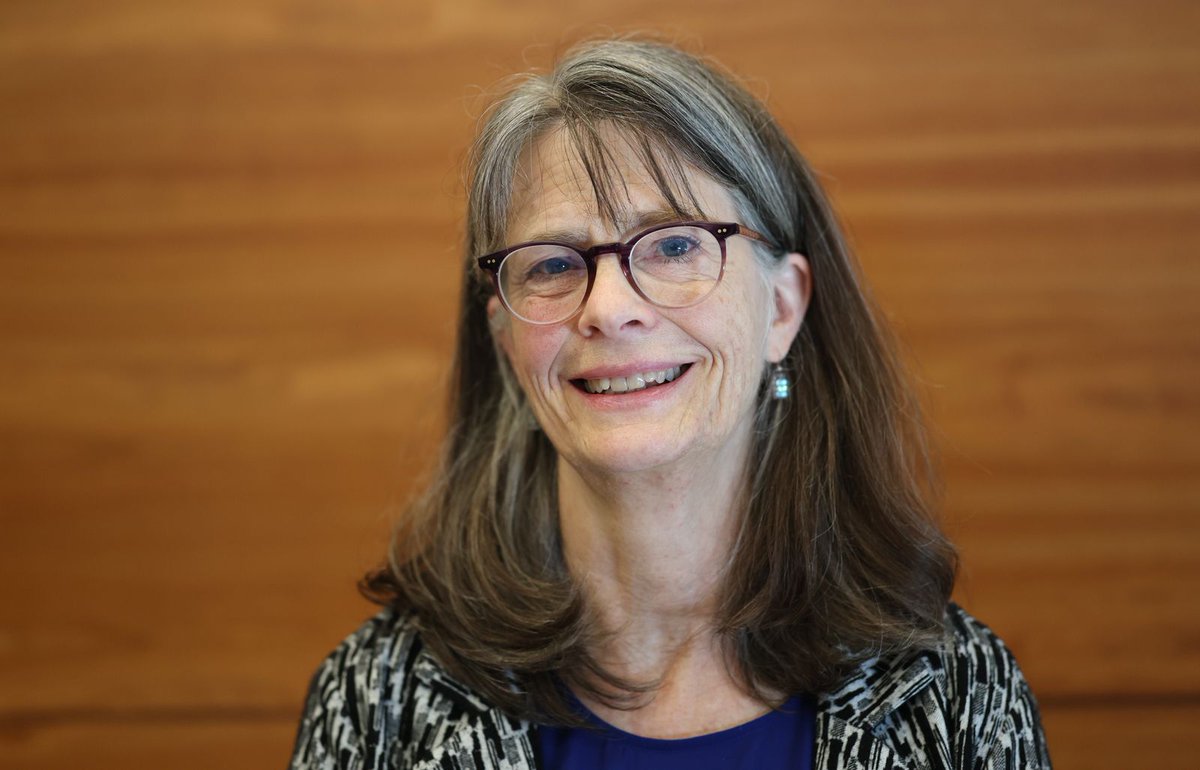
Only fourteen women have ever won the Nobel Prize in Physiology or Medicine. Dr. Mary Brunkow became the latest this past December and in her acceptance speech, she made clear what that milestone means.
"As a woman in science I especially want to acknowledge those role models who gave me the courage and incentive to persevere. My hope is that I in turn can be that role model for my own daughters, who are just now launching out into the world, as well as for other young women who are excited about science."
Dr. Brunkow was honored for groundbreaking discoveries concerning peripheral immune tolerance, which prevents our immune system from attacking the body's own tissues. She identified the gene that controls regulatory T cells -- a previously unknown class of immune cells that act as security guards to keep harmful immune responses in check.
The American scientist shared the prize with Fred Ramsdell, also from the United States, and Shimon Sakaguchi from Japan, who made complementary contributions to understanding peripheral immune tolerance. The discoveries have laid the foundation for a new field of research and spurred the development of treatments for autoimmune diseases and cancer.
As Olle Kämpe, chair of the Nobel Committee, explained, their research has "been decisive for our understanding of how the immune system functions and why we do not all develop serious autoimmune diseases."
Brunkow received her Ph.D. from Princeton University in 1991 in molecular biology and is currently a senior researcher at the Institute for Systems Biology in Seattle. Her Ph.D. adviser, former Princeton President Shirley M. Tilghman, described her as "incredibly bright" and "bold," noting that as a student, Brunkow was one of the first brave enough to tackle the mysterious H19 gene, which other scientists had dismissed as junk.
Brunkow and Ramsdell conducted their prize-winning research together at Celltech Chiroscience in 2001, when they identified a mutation in the FOXP3 gene in a mouse strain suffering from lethal autoimmunity. They explained why this specific type of mouse was particularly vulnerable to autoimmune diseases and showed that mutations in the human equivalent of this gene cause IPEX syndrome, a serious autoimmune disease. In 2003, Sakaguchi linked their findings to his earlier discovery of regulatory T cells from the 1990s, proving that the FOXP3 gene governs the development of these crucial immune regulators.
Brunkow described the regulatory T cells as "rare, but powerful, and they're critical for sort of dampening an immune response." She explained that these cells function as a braking system that prevents the body's immune system from tipping over into attacking itself. Their discoveries have led to potential treatments now in clinical trials for autoimmune diseases, cancer, and stem cell transplant complications.
This well-deserved recognition celebrates decades of groundbreaking work and shows the value of public investment in basic research that will benefit patients for generations to come.
© Women Stories
#drthehistories
3
16
51
4,580

Mar 28
If you can get celltech creatine, you will be invisible.
Mar 28

Creatine puts your body’s metabolism on autopilot.
1
2
202




Jan 14
unlike most nobel winners who are lifelong academics, brunkow did her prize winning work in a private startup. she was working at a small seattle area biotech called darwin molecular (later celltech) when she found the FOXP3 gene.
1
3
528


20 Dec 2025
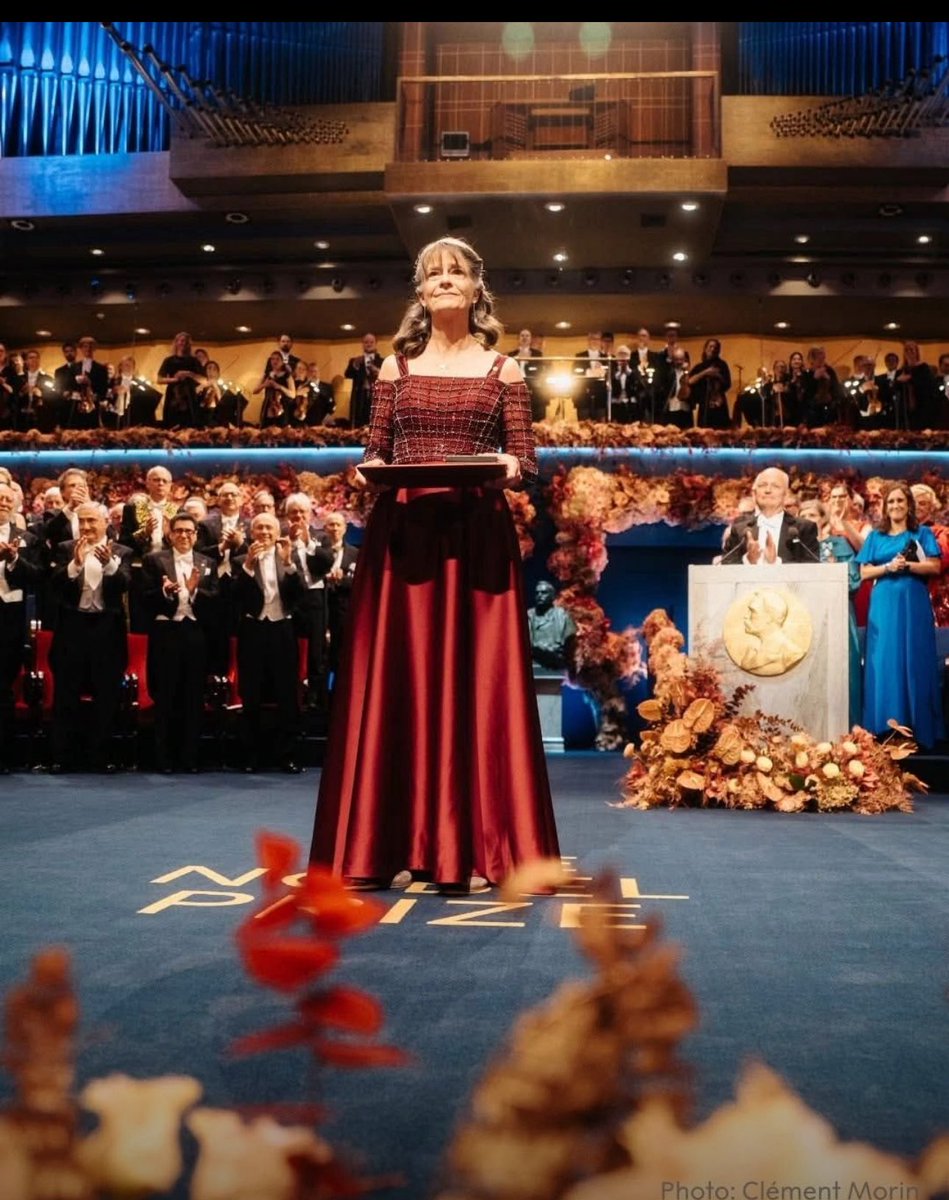
Физиологи ба анагаах ухааны салбарын 2025 оны Нобелийн шагнал хүртсэн доктор Мэри Бранкоу:
Өнгөрсөн лхагва гарагт Швед улсад болсон шагнал гардуулах ёслолын үеэр хэлсэн үгэндээ ийнхүү дурссан байна:
“Шинжлэх ухаанд ажиллаж буй эмэгтэйн хувьд надад урам зориг өгч, шантралгүй урагшлахад тусалсан үлгэр дуурайл болсон хүмүүсийг онцгойлон талархан дурдахыг хүсэж байна. Би өөрийн охиддоо одоо л амьдралын замдаа хөл тавьж буй тэдэнд мөн шинжлэх ухаанд дуртай бусад залуу эмэгтэйчүүдэд үлгэр дуурайл болж чадна гэж найдаж байна.”
Доктор Бранкоу нь дархлааны захын тэсвэршил (peripheral immune tolerance)-ийн талаарх суурь, хувьсгалт нээлтүүдийнхээ төлөө шагнуулсан юм. Энэ механизм нь дархлааны систем өөрийн биеийн эд эсийг довтлохоос сэргийлдэг. Тэрээр урьд нь мэдэгдээгүй байсан зохицуулагч T эсүүд (regulatory T cells)-ийг хянадаг генийг илрүүлсэн бөгөөд эдгээр эсүүд нь хэт хор хөнөөлтэй дархлааны хариу урвалыг “харуул хамгаалагч” шиг хянаж барьж байдаг.
Тэрээр энэхүү шагналыг АНУ-ын Фред Рамсделл, Японы Шимон Сакагачи нартай хамтран хүртсэн бөгөөд тэд бүгд дархлааны захын тэсвэршлийг ойлгоход харилцан бие биеэ нөхсөн чухал хувь нэмэр оруулсан юм. Эдгээр нээлтүүд нь судалгааны цоо шинэ салбарын суурийг тавьж, аутоиммун өвчин болон хавдрын эмчилгээний шинэ аргуудыг хөгжүүлэхэд түлхэц болсон.
Нобелийн хорооны дарга Олле Кэмпе хэлэхдээ, тэдний судалгаа нь
“дархлааны систем хэрхэн ажилладаг, мөн яагаад бид бүгд хүнд аутоиммун өвчнөөр өвчилдөггүй вэ гэдгийг ойлгоход шийдвэрлэх ач холбогдолтой”
хэмээн онцолжээ.
Доктор Бранкоу 1991 онд Принстоны их сургуулиас молекул биологийн докторын зэрэг хамгаалсан бөгөөд одоо АНУ-ын Сиэтл хот дахь Системийн биологийн хүрээлэнгийн ахлах судлаачаар ажиллаж байна. Түүний докторын ажлын удирдагч, Принстоны их сургуулийн ерөнхийлөгч асан Ширли М. Тилгман түүнийг “гайхалтай ухаалаг”, “зоригтой” хэмээн тодорхойлж, оюутан байхдаа нууцлаг H19 ген-ийг судлахаар зориглон орсон анхны хүмүүсийн нэг байсан гэж дурджээ.
Бранкоу болон Рамсделл нар 2001 онд Celltech Chiroscience компанид хамтран ажиллаж байхдаа аутоиммун өвчнөөр үхэлд хүрдэг хулганын нэг омогт FOXP3 гений мутаци байгааг илрүүлсэн. Тэд уг хулгана яагаад аутоиммун өвчинд онцгой эмзэг байдгийг тайлбарлаж, мөн хүний ижил төстэй генийн мутаци нь IPEX хам шинж хэмээх хүнд аутоиммун өвчин үүсгэдгийг тогтоосон юм. 2003 онд Сакагачи эдгээр ололтыг 1990-ээд онд өөрийн нээсэн зохицуулагч T эсүүдтэй холбон тайлбарлаж, FOXP3 ген нь эдгээр чухал дархлааны зохицуулагч эсүүдийн хөгжлийг удирддаг гэдгийг баталсан байна.
Физиологи ба анагаах ухааны салбарт Нобелийн шагнал хүртсэн 14 дэх эмэгтэй болсон Бранкоу зохицуулагч T эсүүдийг
“тоо цөөн ч асар хүчтэй, дархлааны хариу урвалыг намжаахад зайлшгүй хэрэгтэй”
гэж тодорхойлжээ. Түүний тайлбарласнаар, эдгээр эсүүд нь дархлааны системийг өөрийн биедээ дайрах аюултай байдалд орохоос сэргийлдэг тоормосны систем шиг үүрэг гүйцэтгэдэг.
Эдгээр нээлтүүдийн үр дүнд аутоиммун өвчин, хавдар, мөн үүдэл эс шилжүүлэн суулгахтай холбоотой хүндрэлүүдийн эмчилгээний шинэ аргууд одоо клиникийн туршилтын шатанд явагдаж байна.
4
17
19
613

13 Dec 2025
Congratulations to Dr. Mary Brunkow on receiving the 2025 Nobel Prize in Physiology or Medicine this week in Stockholm, Sweden! In her acceptance speech on Wednesday, Dr. Brunkow reflected: "As a woman in science I especially want to acknowledge those role models who gave me the courage and incentive to persevere. My hope is that I in turn can be that role model for my own daughters, who are just now launching out into the world, as well as for other young women who are excited about science."
Dr. Brunkow was honored for groundbreaking discoveries concerning peripheral immune tolerance, which prevents our immune system from attacking the body's own tissues. She identified the gene that controls regulatory T cells -- a previously unknown class of immune cells that act as security guards to keep harmful immune responses in check.
The American scientist shared the prize with Fred Ramsdell, also from the United States, and Shimon Sakaguchi from Japan, who made complementary contributions to understanding peripheral immune tolerance. The discoveries have laid the foundation for a new field of research and spurred the development of treatments for autoimmune diseases and cancer. As Olle Kämpe, chair of the Nobel Committee, explained, their research has "been decisive for our understanding of how the immune system functions and why we do not all develop serious autoimmune diseases."
Brunkow received her Ph.D. from Princeton University in 1991 in molecular biology and is currently a senior researcher at the Institute for Systems Biology in Seattle. Her Ph.D. adviser, former Princeton President Shirley M. Tilghman, described her as "incredibly bright" and "bold," noting that as a student, Brunkow was one of the first brave enough to tackle the mysterious H19 gene, which other scientists had dismissed as junk.
Brunkow and Ramsdell conducted their prize-winning research together at Celltech Chiroscience in 2001, when they identified a mutation in the FOXP3 gene in a mouse strain suffering from lethal autoimmunity. They explained why this specific type of mouse was particularly vulnerable to autoimmune diseases and showed that mutations in the human equivalent of this gene cause IPEX syndrome, a serious autoimmune disease. In 2003, Sakaguchi linked their findings to his earlier discovery of regulatory T cells from the 1990s, proving that the FOXP3 gene governs the development of these crucial immune regulators.
Brunkow, who is now the fourteenth woman to have won the Nobel Prize in Physiology or Medicine, described the regulatory T cells as "rare, but powerful, and they're critical for sort of dampening an immune response". She explained that these cells function as a braking system that prevents the body's immune system from tipping over into attacking itself. Their discoveries have led to potential treatments now in clinical trials for autoimmune diseases, cancer, and stem cell transplant complications.
This well-deserved recognition celebrates decades of groundbreaking work -- and shows the value of public investment in basic research -- that will benefit patients for generations to come! #FundScience
To read Dr. Brunkow's complete acceptance speech, visit nobelprize.org/.../medicine/…
To introduce kids to many of the trailblazing women scientists who have been awarded the Nobel Prize, we highly recommend "Born Curious: 20 Girls Who Grew Up To Be Awesome Scientists" for ages 6 to 10 (amightygirl.com/born-curious), "She Can STEM: 50 Trailblazing Women in Science" for ages 7 to 12 (amightygirl.com/she-can-stem), and "Headstrong: 52 Women Who Changed Science – And The World" for ages 13 and up (amightygirl.com/headstrong-5…)
For a picture book about the 2015 Nobel winner Tu Youyou, we recommend "Tu Youyou's Discovery: Finding a Cure for Malaria" for ages 5 and up at amightygirl.com/tu-youyou-s-…
For more books to introduce children and teens to inspiring female scientists from around the world, visit our blog post, "60 Children's Books to Inspire Science-Loving Mighty Girls" at amightygirl.com/blog?p=13914
If you'd like to encourage your children's interest in science, you can find many girl-empowering science toys and kits in our post, "Top Science Toys for Mighty Girls" at amightygirl.com/blog?p=10528

1
6
18
764

18 Nov 2025
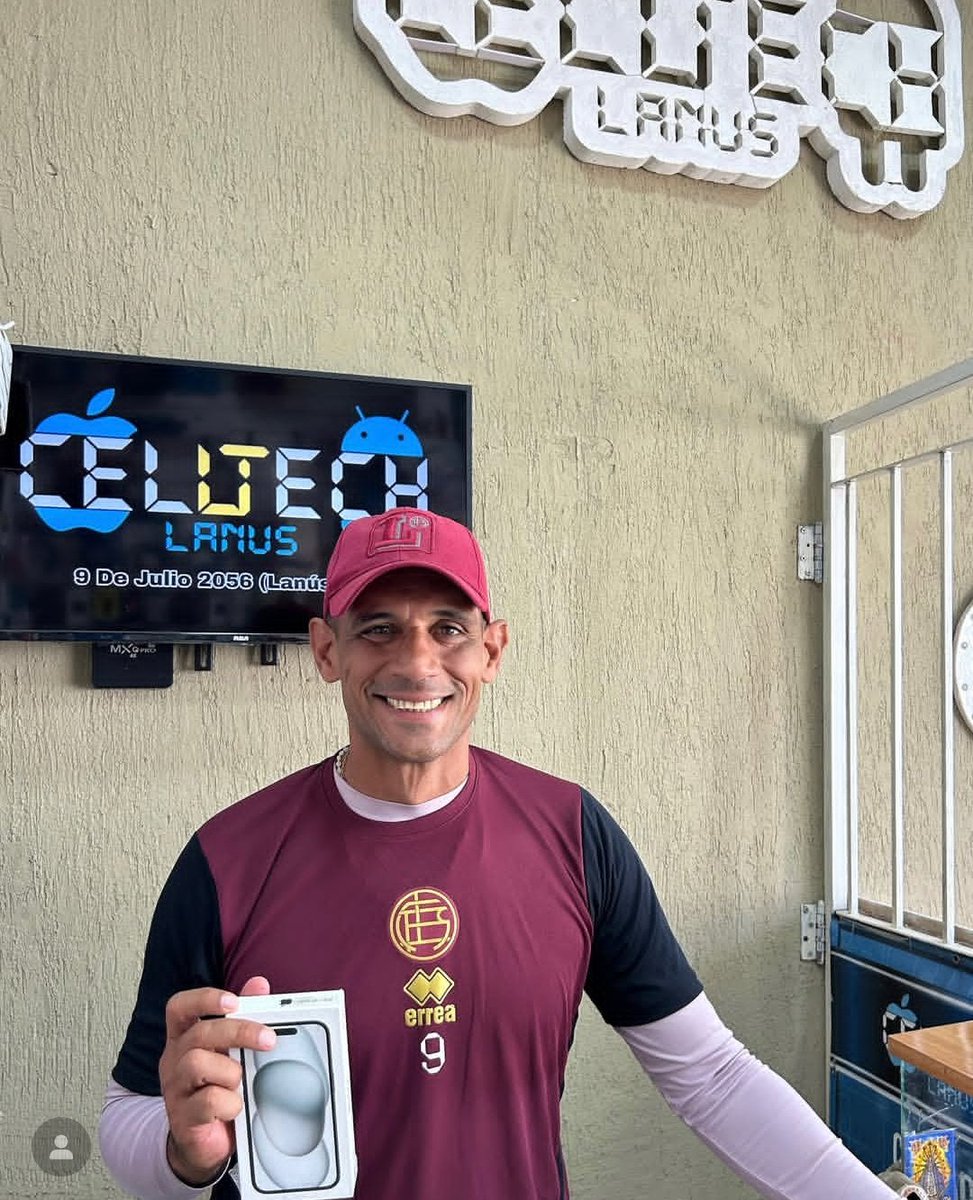
🇱🇻🇵🇾🤳🏻 ¡Que no te falte nada en Asunción!
🏆 Se viene un viaje increíble en busca de la Copa, es fundamental tener todo lo necesario para estar conectado durante el viaje.
📌En Celltech Lanús (9 de Julio 2056), todo lo que necesitas a un precio bien Granate 👌🏻
📲 1564202059

2
9
66
4,837

21 Oct 2025
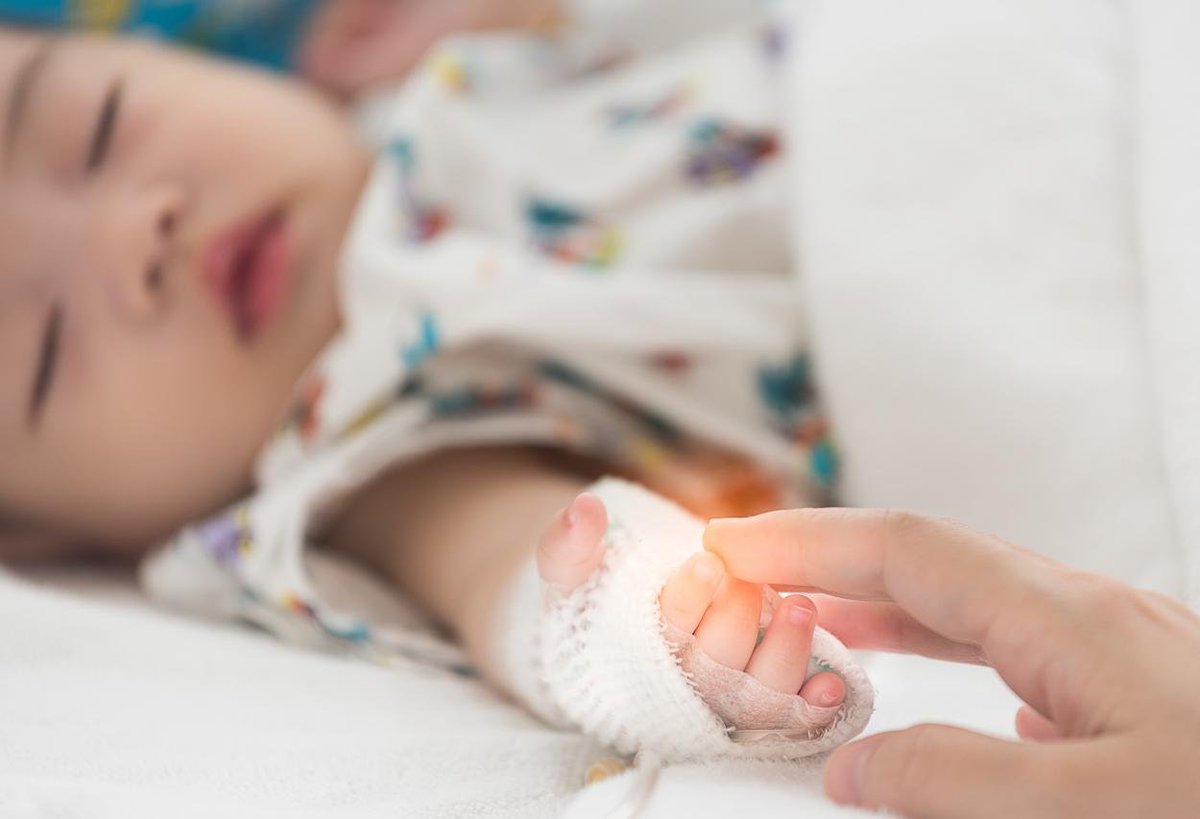
As it turned out, in both the mice and the children, their Treg cells had a defective FOXP3 gene.
Active only in Treg cells, FOXP3 acts like a master gene—the gene at the top of the command chain.
In 2001, Mary Brunkow, one of the 2025 Nobel laureates, then working at Immunex Corporation, pinpointed FOXP3 as the defect in the sick mice.
Soon after, Fred Ramsdell, the other laureate, working independently at Celltech, connected the gene to identical symptoms in children with IPEX.
1
2
5
546
16 Oct 2025
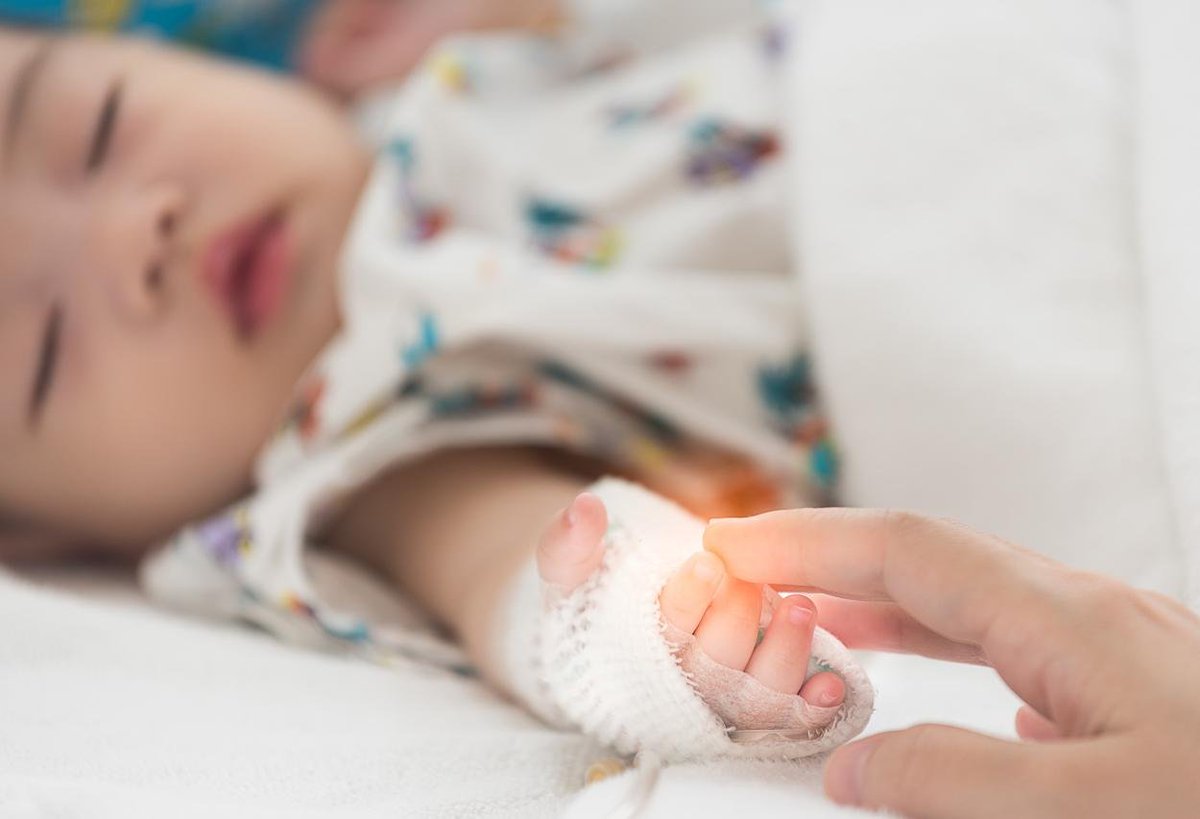
As it turned out, in both the mice and the children, their Treg cells had a defective FOXP3 gene. Active only in Treg cells, FOXP3 acts like a master gene—the gene at the top of the command chain.
In 2001, Mary Brunkow, one of the 2025 Nobel laureates, then working at Immunex Corporation, pinpointed FOXP3 as the defect in the sick mice. Soon after, Fred Ramsdell, the other laureate, working independently at Celltech, connected the gene to identical symptoms in children with IPEX.
1
3
15
740

8 Oct 2025
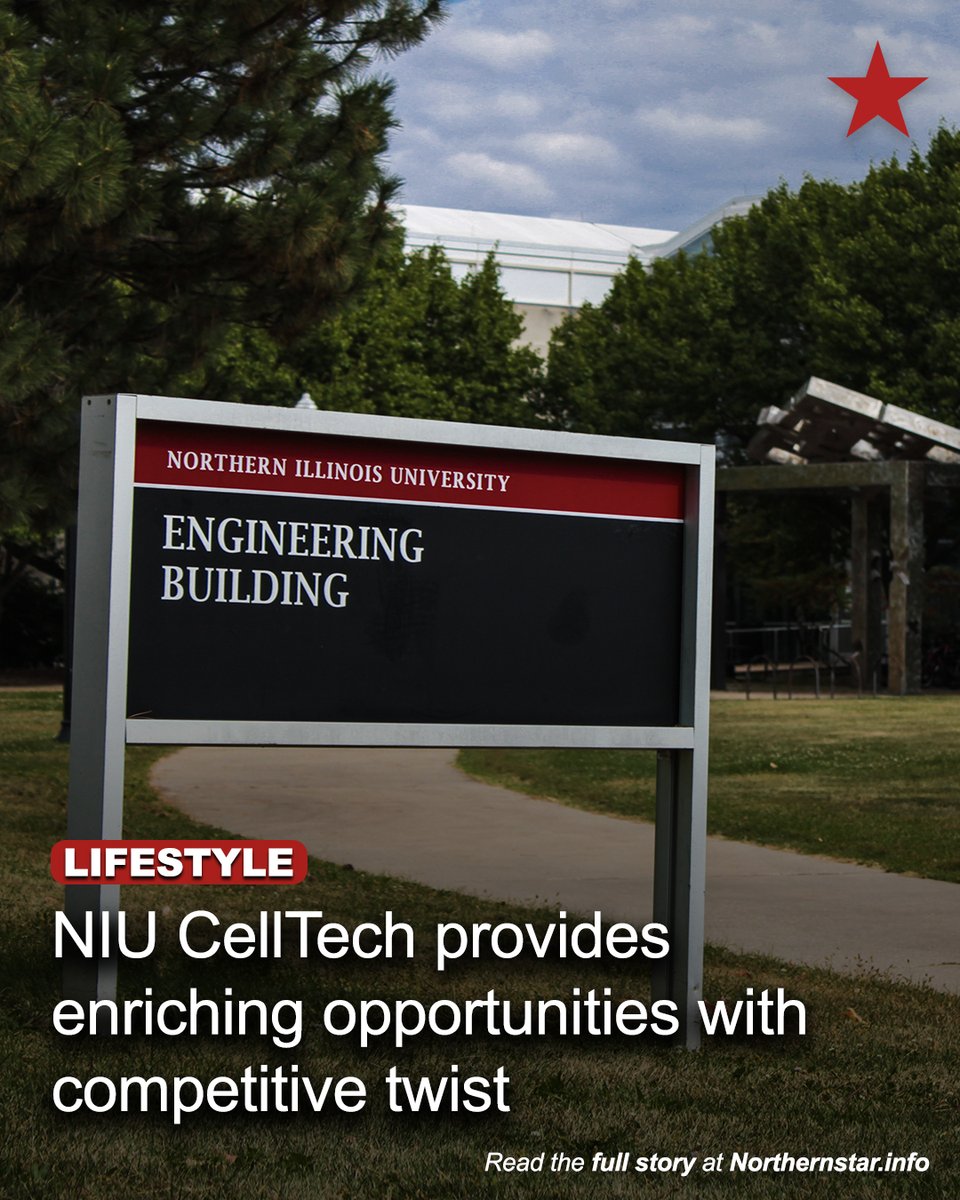
NIU CellTech is a new engineering club that has recently joined the Huskie roster. The club aims to build the engineering and design skills of members, especially upperclassmen, and to have their members take part in engineering design competitions.
northernstar.info/128567/lif…
2
148