
Jun 13
The ScaleBrookfield controls a global digital empire (Compass, Data4, Centersquare). Their target? A staggering 82 gigawatts (GW) of capacity by 2034. They aren't just building data centers; they are building massive industrial "AI gigafactories."
1
6
Jun 13
The Scale
Brookfield controls a global digital empire (Compass, Data4, Centersquare). Their target? A staggering 82 gigawatts (GW) of capacity by 2034. They aren't just building data centers; they are building massive industrial "AI gigafactories."
2
Jun 13
The Scale
Brookfield controls a global digital empire (Compass, Data4, Centersquare). Their target? A staggering 82 gigawatts (GW) of capacity by 2034. They aren't just building data centers; they are building massive industrial "AI gigafactories."
2

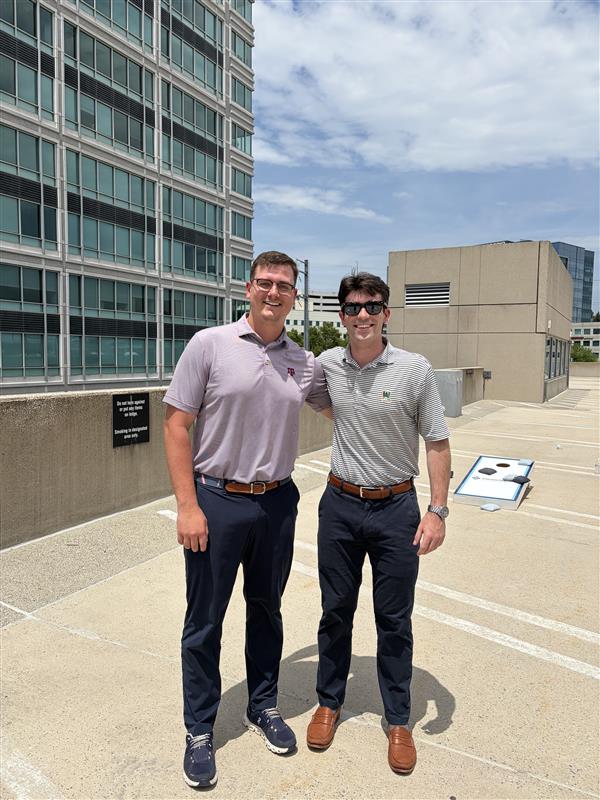
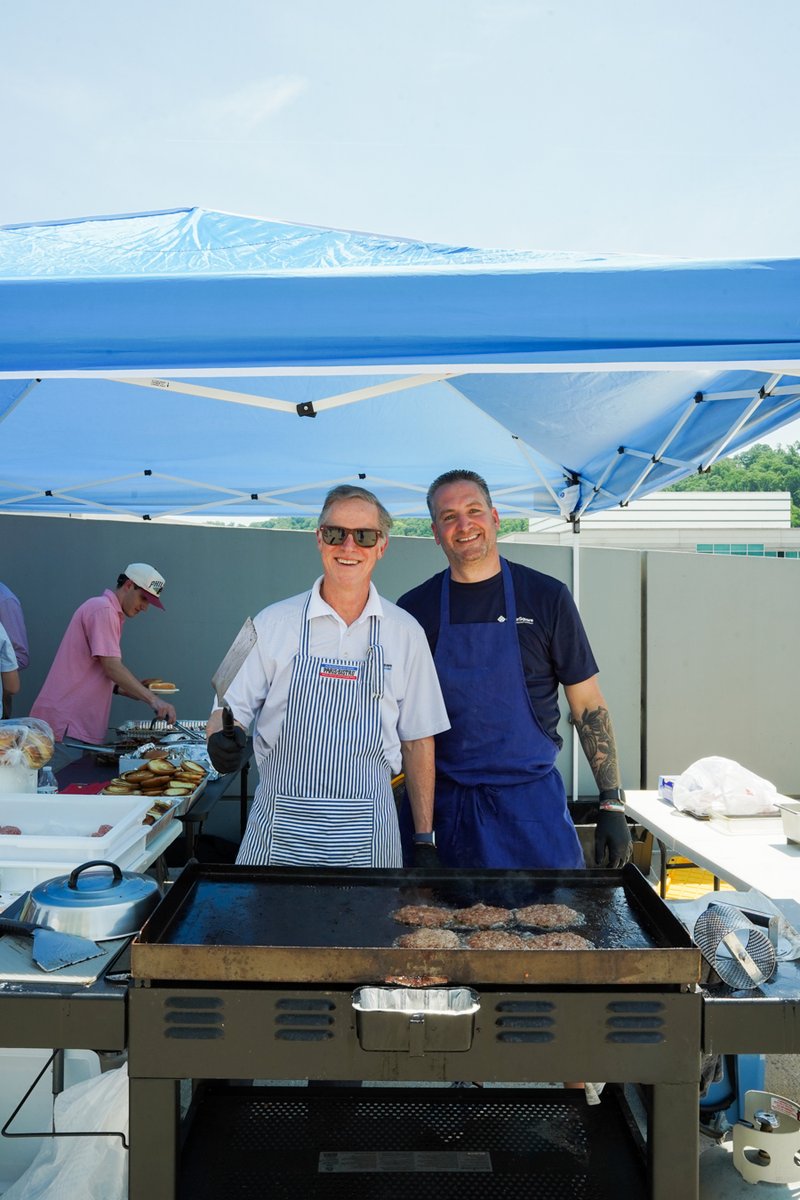
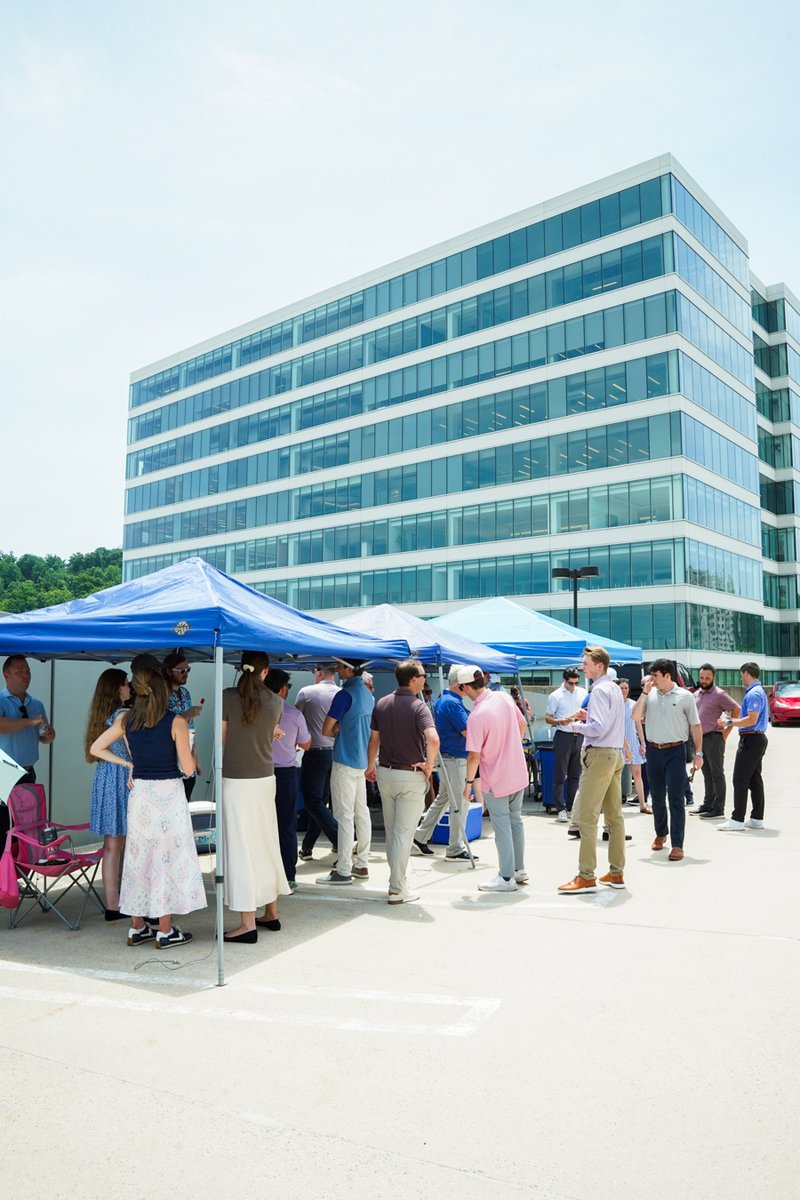
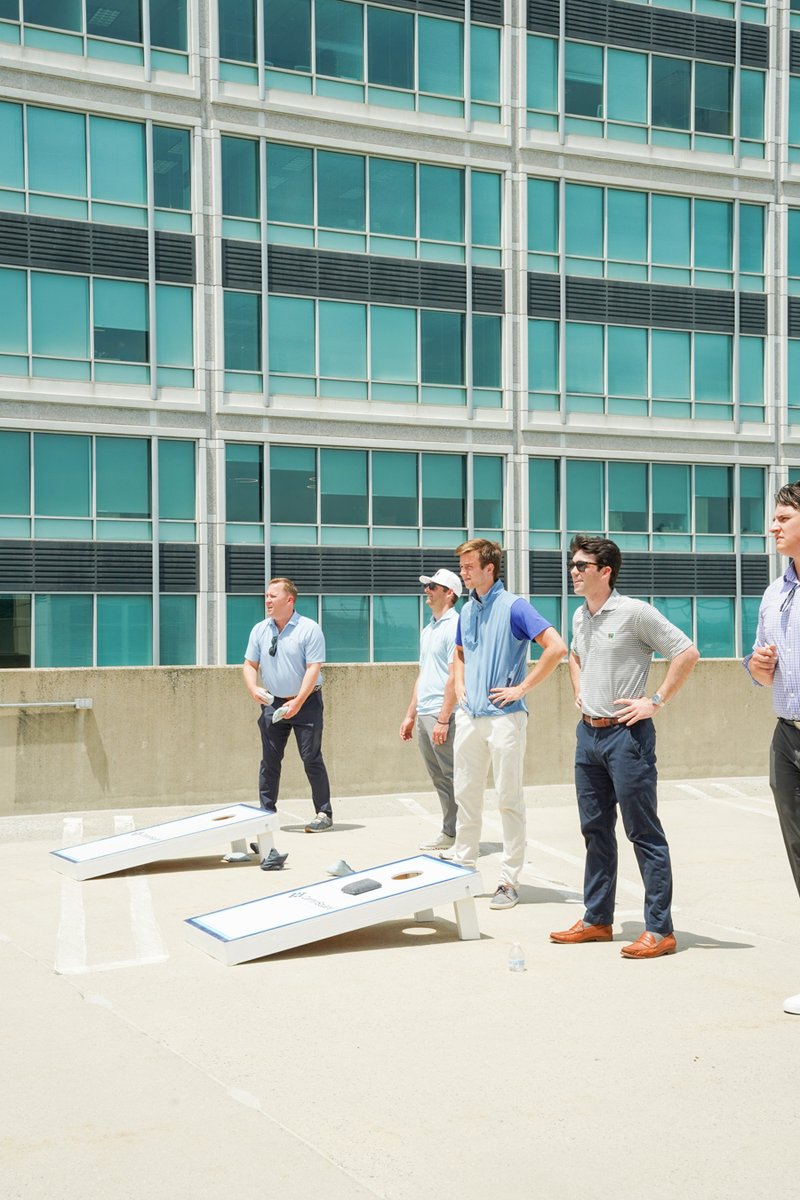
We kicked off summer the CenterSquare way-with our annual Summer BBQ!
It was a great afternoon of good food, friendly competition, and quality time with colleagues. Thank you to everyone who helped make the event a success.
#CenterSquare #SummerBBQ #CompanyCulture
12

According to CenterSquare Investment Management’s Uma Moriarity and Joachim H. Kehr, REITs are re-emerging as one of the most compelling opportunities in global markets, after several years of macro uncertainty. Read their insights in the latest issue of APREA’s Knowledge Brief.
1
6

Dreaming of brownstones & Lark Street vibes? 🏙️ Center Square in Albany is the place for culture, history, and a walkable lifestyle. It’s a Capital Region icon. DM 'SQUARE' for available gems! #AlbanyNY #RenatasHOMES #CenterSquare

18

Jun 5
Carneys “blind trust” is about to get fatter. Yes, Brookfield (Brookfield Asset Management and its affiliates, particularly Brookfield Infrastructure) is significantly invested in data center companies and infrastructure. 
They are one of the world’s largest data center operators and developers, with major platforms and stakes across multiple continents. Key examples include:
• Compass Datacenters (US/Canada-focused): Provides large-scale, sustainable data center campuses for hyperscalers and cloud providers. 
• Data4 (Europe): One of Europe’s largest data center platforms, with over 30 data centers. Brookfield acquired it and continues to expand it aggressively for AI-ready infrastructure (e.g., major commitments in France). 
• Other stakes and platforms: Ascenty (Latin America), DCI (Australia), Centersquare (US), Digital Connexion (India), and additional interests like Evoque. 
Scale and Focus
• Their data center platforms support >1.6 GW of contracted capacity and >3.5 GW of development potential. 
• Brookfield has launched a $100 billion AI Infrastructure Fund targeting the full value chain, including data centers, energy/power solutions (e.g., $5B partnership with Bloom Energy), land, and compute. They’re also launching related initiatives like Radiant (an NVIDIA Cloud Partner). 
• Recent activity includes large commitments in France (€20B ), Sweden ($10B), financing for companies like 5C and Crusoe, and ongoing development/sales of stabilized assets. 
This positions Brookfield as a major player in digital infrastructure, especially amid AI-driven demand for data centers and power. For the latest details, check Brookfield’s official site or recent investor reports, as their portfolio evolves with new deals.
2
50

Apr 24
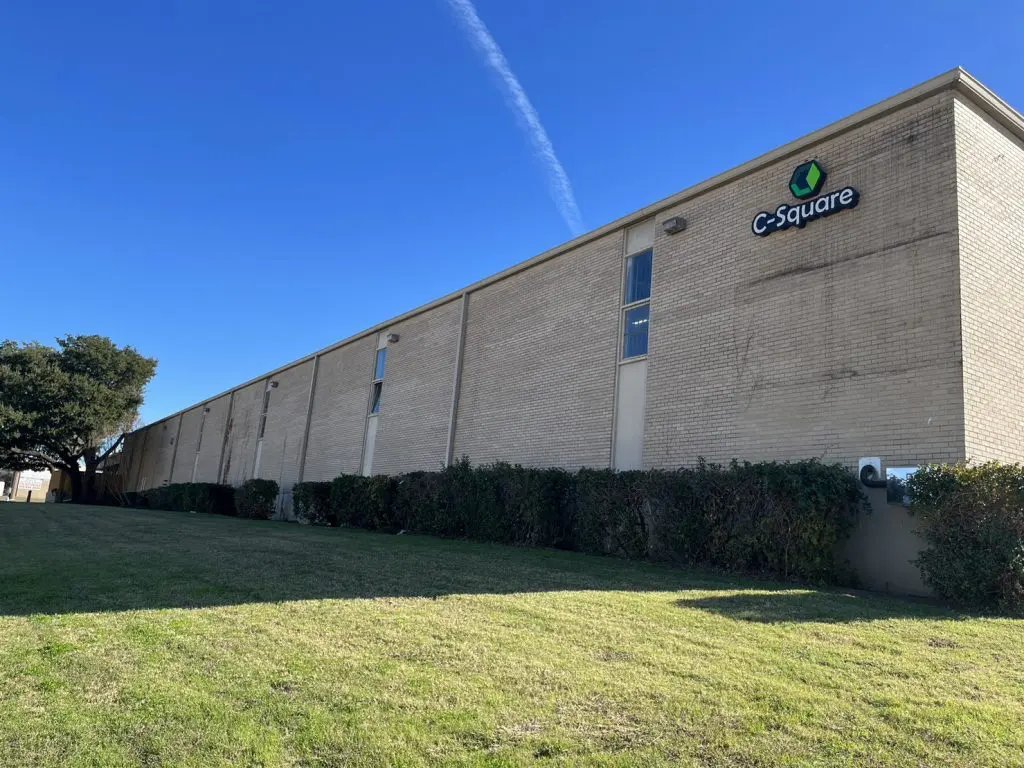
JUST IN: DATA CENTER OPERATOR CSQUARE HAS FILED CONFIDENTIALLY FOR A US IPO
The Dallas-based colocation provider, formerly known as Centersquare, is backed by Brookfield Infrastructure Partners and manages 80 data centers across 30 markets including New York, Los Angeles, and London.
Share count and price range have not yet been determined.
Csquare is joining a rush of AI infrastructure listings:
- Amazon-backed X-Energy raised ~$1B this week using nuclear reactors to power AI
- Blackstone $BX plans to raise ~$2B for a new data center acquisition vehicle
Per Bloomberg.
7
959

Mar 19
🚀 IPO Alert: Janus Living Set to Hit Top of Range at $840M
Janus Living Inc., the highly anticipated spinoff from Healthpeak Properties, is seeing massive investor appetite as it prepares to price its IPO.
💰 Increased Offering: Due to high demand, the base size of the IPO is being lifted by $100 million, bringing the total raise to approximately $840 million.
📈 Pricing Power: Shares are expected to price at $20.00, the absolute top of the marketed range.
🏢 Valuation: At this price point, the Denver-based REIT will debut with a market valuation of roughly $5.1 billion.
👥 Institutional Backing: Heavy hitters like CenterSquare, DWS Group, MFS, and PGIM have already indicated interest in $300M worth of shares.
📊 Market Dynamics: Why the buzz? Occupancy in senior housing is now surpassing pre-pandemic levels, driven by aging demographic trends and rent growth that is currently outstripping costs.
What this means for the sector: Janus Living joins a select group of major REIT IPOs (like SmartStop and Fermi) and signals a "sweet spot" for senior housing as demand continues to outpace new supply.
🔔 Ticker: JAN
🏛️ Exchange: NYSE
📅 Trading Starts: Friday, March 20
bloomberg.com/news/articles/…
1
1
4
848

Jan 21
SUPPORT REAL JOURNALISM - follow @CarleenJohn1970 from @thecentersquare.
While @seattletimes has lost its integrity with puff pieces on the powerful so it can receive gov't handouts to survive, CenterSquare is independent and asks officials tough questions.

3
3
15
636

27 Dec 2025
新しい法案である米オハイオ州下院法案629は、免許を持つ薬剤師の業務範囲を拡大し、軽度で自然に治る症状に対して薬剤を処方し、調剤することを許可することになる
【The centersquare 2025.12.26】
Pharmacists could soon prescribe medication to Ohioans thecentersquare.com/ohio/art…
3
2
7
1,482

22 Dec 2025
This discussion on Centersquare has low viewership but well with the listen and the share…
youtu.be/L-N027mJOx0?si=XJsG…

2
8
257

19 Nov 2025
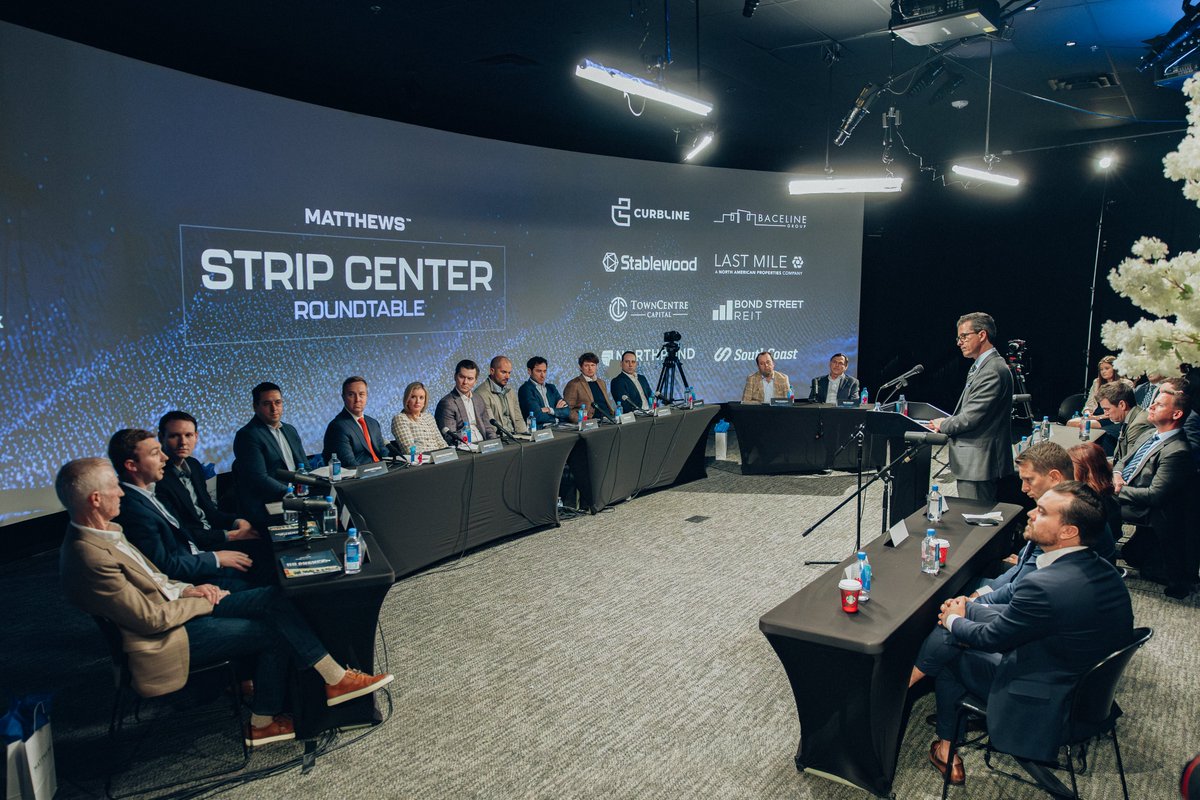
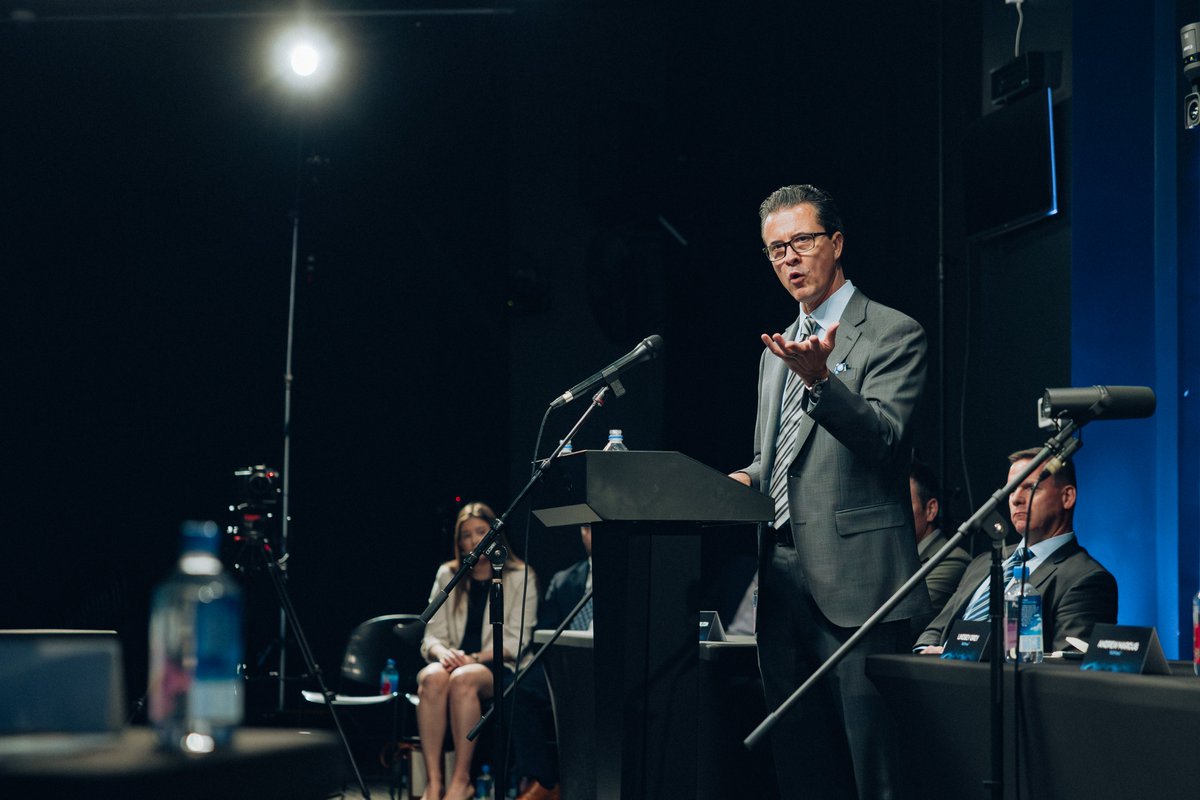
As interest in the strip center asset class continues to surge, a group of thirteen owners flew to Atlanta last week.
With over 1,000 unanchored strip centers owned among them, they sat down for a very candid conversation.
Curbline was there (the first publicly traded unanchored-strip REIT), as were Crow Holdings, CenterSquare, etc.
Given how much the unanchored strip center world has changed over the last several years, and who the groups were that participated, I believe this was among the most important discussions in the history of the space.
If you're involved in the unanchored strip center world in any way (whether a small or large institution, current owner, potential investor, broker, or tenant in the space), you are going to want to listen to the entire conversation.
We covered what capital raising looks like right now, what the biggest challenges are, how the investor type has changed, what markets people are focusing on, what the sector looks like in five years, etc.
HUGE congrats to Jeff Enck of Matthews Real Estate Investment Services for hosting such an incredible event.
Enjoy!
9
7
99
131,110

Brookfield acquires two Centersquare-occupied data centers in California from Menlo dlvr.it/TPKynV
1
116
13 Nov 2025
The CenterSquare (@TCSWashington) 5 minute video explains "Housing First."
It is easy to see how this huge bureaucratic policy has failed and why today we have 68% more homeless on Seattle streets then we had in 2025.
Housing First is expensive & cruel.
youtube.com/watch?v=DE27ilKn…
1
4
15
5,168

12 Nov 2025
What about you, @RealJimChanos, sharing your findings on projected vs. realized opex for your data center work from 2022 to today? How does $KKR $BX $BN continue to underwrite these large, sometimes $10bn EV buyouts and equity rounds in data centers, a sector they have significant experience in, with questionable go-forward opex visibility and potentially questionable go-forward opex sustainability?
$NVDA
-------------------
KKR
• Jan 17, 2025 (announced): Strategic partnership and minority equity investment in Gulf Data Hub (GDH), a Dubai-based data center operator; KKR and GDH committed to support >$5 billion of organic and inorganic expansion across the GCC; HQ country of target: United Arab Emirates (Dubai).
• Jul 30, 2025 (announced): First project under KKR–Energy Capital Partners $50bn digital infrastructure & power partnership — development of a hyperscale data center campus in Texas co-located with Calpine generation; HQ country of development: United States; transaction type: greenfield development equity (size for the campus not broken out separately).
• Jun 18, 2024 (announced): KKR-led consortium with Singtel invested S$1.75bn (~US$1.3bn) in ST Telemedia Global Data Centres (STT GDC) via redeemable preference shares with detachable warrants (if fully exercised, total proceeds up to S$2.99bn); HQ country of target: Singapore; transaction type: equity raise.
• Jul–Nov 2025 (reported/in negotiation): KKR and Singtel in advanced talks to acquire a controlling stake (>80%) in STT GDC for >S$5bn (~US$3.9bn); status: pending; HQ country of target: Singapore.
• Sep 18, 2023 (announced): 20% stake in Singtel's regional data center business (now branded Nxera) for S$1.1bn (~US$807m); HQ country of target: Singapore; transaction type: minority equity.
• Mar 25, 2022 (closed; announced Nov 15, 2021): Take-private of CyrusOne alongside Global Infrastructure Partners; enterprise value ~US$15bn; HQ country of target: United States (Dallas, TX); transaction type: buyout.
• May 27, 2020 (announced): Formation of Global Technical Realty (GTR), a Europe-focused build-to-suit and roll-up platform, with US$1bn KKR equity commitment (supporting >US$2.5bn development and investment pipeline); HQ country of platform: United Kingdom (London); transaction type: platform creation / growth equity.
BLACKSTONE
• Dec 23, 2024 (closed; announced Sep 4, 2024): Acquisition of AirTrunk (Asia-Pacific hyperscale operator) by Blackstone (with CPP Investments as minority partner); implied enterprise value >A$24bn (~US$16.1bn); HQ country of target: Australia (Sydney).
• Dec 7, 2023 (announced; closings staged in H1 2024): Joint venture with Digital Realty to develop four hyperscale campuses in Frankfurt, Paris, and Northern Virginia; total estimated development cost ~US$7bn; Blackstone to own 80% (initial capital contribution ~US$700m); HQ countries of projects: Germany, France, United States; transaction type: development JV equity.
• Jun 7, 2021 (announced; closed Q3 2021): Take-private of QTS Realty Trust by Blackstone Infrastructure Partners and BREIT; transaction value ~US$10bn (including assumed debt); HQ country of target: United States (Overland Park, Kansas); transaction type: buyout.
BROOKFIELD
• Oct 3, 2025 (announced): Centersquare (Brookfield-owned platform created by combining Evoque and Cyxtera) acquired a portfolio of 10 data centers in the US and Canada for ~US$1bn; HQ countries of acquired assets: United States & Canada; transaction type: asset portfolio buyout.
• Jan 16, 2024 (closed; APA signed Nov 1, 2023): Evoque Data Center Solutions (Brookfield portfolio company) acquired substantially all assets of Cyxtera (~US$775m), subsequently combined and rebranded with Evoque as "Centersquare"; HQ country of target: United States (Miami area); transaction type: distressed asset purchase / consolidation.
• Jun 20, 2023 (announced; completed 2023): Acquisition of Compass Datacenters alongside Ontario Teachers' Pension Plan; press reports indicated EV ~US$5.5bn (undisclosed officially); HQ country of target: United States (Dallas, TX); transaction type: buyout.
• Apr 11, 2023 (announced): Agreement to acquire Data4 (pan-European operator) from AXA IM Alts; reports indicated valuation close to €3.5bn including debt; HQ country of target: France (Paris); transaction type: buyout.
• Jul 14, 2021 (announced): 50/50 joint venture with Digital Realty to develop and operate data centers in India under the BAM Digital Realty brand; HQ country of platform: India; transaction type: development JV equity (value not disclosed).
• Apr 3, 2019 (closed; announced Sep 24, 2018): Brookfield acquired ~49% equity interest in Digital Realty's Ascenty platform (as part of DLR's US$1.8bn acquisition of Ascenty from Great Hill Partners); HQ country of target: Brazil (São Paulo); transaction type: co-control JV equity.
• Jan 3, 2019 (closed; announced Jun 21, 2018): Acquisition of AT&T's colocation data center business for US$1.1bn; assets formed Evoque Data Center Solutions (Brookfield-owned); HQ country of assets/platform: United States (Dallas, TX); transaction type: carve-out buyout.
• Jan 4, 2019 (closed): Acquisition of DCI Data Centers (Australia) by a Brookfield-led consortium; total consortium consideration ~US$272m (Brookfield's effective 29% interest ~US$78m); HQ country of target: Australia; transaction type: buyout.
Notes and clarifications
• Dates are announcement dates unless "closed" noted. Values reflect enterprise value or equity proceeds as disclosed or reported by reputable sources. Where only reported values exist, they are identified as such in the line item via "reports indicated."
• The list is focused on buyouts, carve-outs, controlling/minority equity stakes, and equity raises/JVs tied to data center platforms and assets. Excluded are pure debt financings and routine organic build announcements unless part of a JV equity commitment.
1
7
3,234

13 Oct 2025
North American AI HPC/DC:
Questions we ask ourselves?
🔹How are retail and wall street analysts pricing GW/price/ticker?
- How do you price near-term GW activation?
- BTC mining aside, are you assigning a multiple to the AI HPC/DC assets to determine over/under valuation?
- If the assets are coming online, how is wall street making risk-adjusted calculations on value?
🔹Is big money finally waking up?
- JPMorgan Launches $1.5 Trillion Plan to Support Industries Deemed Critical to U.S. Interests
- Blackstone to invest $25 billion in Pennsylvania data centers and natural gas plants
- OpenAI, Broadcom Forge Multibillion-Dollar Chip-Development Deal
- Mag10 deals across the board, 10-12 AI HPC/DC deals 2025 YTD provide insight into a framework for contract closures and MW/GW activation.
🔹Key Pockets of Interest?
$IREN & $CIFR -- two key leaders in the AI HPC/DC arena for crypto/hybrid pivots. The near-term activations is something the street realizes, and they've come around to the terms of "IRENing". The infra efficiency KPIs clearly favor $IREN -- giving them major flexibility in near and long-term optionality. If you pick one -- you pick $IREN, if you pick 2, you add $CIFR. Again -- maximizing profits, some prefer 1 investment, i prefer multiple based on near-term MW/GW activation and over/under valuation.
$BITF -- what was clearly an undervalued play -- late arrivers failed to take into account the opportunity of the high value of locality, infra requirements, and quality. The key in the acceleration of the stock price -- i believe is tied to the quality of energy, criteria for infra, and locality. If you only focused on MW/GW sizing -- i think that was the gap. Regional/regulatory dynamics are considered favorable to $BITF as well.
$HUT -- What stands out is the near-term YTD decision to go fully all-in by breaking out ABTC and going hybrid crypto/AI-hpc-dc -> this differentiates itself from $CLSK which is doing a CSP pilot and AI HPC/DC transition, along with their extended BTC business. Though execution history could potentially favor $CLSK and near-term MW/GW activation favors $CLSK. The street is now looking forward, where the undervaluation risk-adjusted opportunity -- the further you look out-- is starting to turn in $HUT's favor. $HUT also has a hybrid model which is something to watch for moving forward. Arguable $CLSK has also proven better PUE metrics, but debatably these two are H2H favorites.
$SLNH - Other tickers appear to have hit what wall street sees as their valuation targets -- which leaves only a few smaller players behind. One that is intriguing is $SLNH -- an undervalued hybrid pivot, but the risk-adjusted valuation keeps the share price low -- given their financial risk and financial instability -- along with their requirement to prove and execute out their business model -- this is one to watch for.
------------------------------
Please note that the following information is an assumptive/test scenario/forecast of what the competitive landscape could look like, and your feedback is helpful in the comments to provide color to the analysis or to point out any mistakes for the broader audience.
NFA - Not Financial Advice
DYOR - Do Your Own Research
AI Usage - Leveraged for data, sourcing, & summarization
------------------------------
## 1. Overview
North American AI HPC/DC sector dynamics in mid-October 2025 highlight accelerating hyperscaler commitments like OpenAI-Broadcom's 10 GW accelerator push and Bloom Energy's $5 billion fuel cell deployments, offset by persistent grid bottlenecks projecting 38 GW new loads by 2030 and vacancy at 1.6%, creating balanced growth prospects amid execution challenges.
------------------------------
## 2. Optimized Framework for AI HPC/DC Analysis
Enhanced for October 2025 patterns like fuel cell adoptions in 25% partnerships and liquid cooling in 73% new AI sites, framework maintains power security at 35% while adding profitability signals (15% weight) via PUE (target <1.2 for efficiency), revenue-cost per MW differentials (target >$10M/MW/year margins), bleeding into valuations for undervaluation flags; closures forecast at 5.7 months with 18% deferral risks from energy costs.
🔹 Power Security (35% weight): Stresses PPAs/on-site solutions like Bloom fuel cells (e.g., Brookfield $5B deal), cutting 20% delays; per Reuters (10/13/2025), Bloomberg (10/13/2025), countered by McKinsey 12% U.S. overuse by 2030.
🔹 Funding Structure (20% weight): Emphasizes debt/equity for 50% growth (e.g., OpenAI-Broadcom 10 GW), per WSJ (10/13/2025), SEC; balanced by Gartner $40B depreciation on 30% efficiency gains.
🔹 Execution and Time-to-Value (20% weight): Targets <12-month ramps, crypto pivots saving 40% (e.g., WULF expansions); per Statista (10/2025), JLL (09/2025), flagged for 10-20% IRR reductions from fees.
🔹 Technology Lock-In and Sustainability (10% weight): Includes GPU/cooling for 100 kW/rack (e.g., ABB-NVIDIA), renewables at 536 TWh; Deloitte (2025) notes 50-60% QoQ efficiency, offset by CBRE 1.9% vacancy.
🔹 Regulatory Clearance and Leadership Strength (10% weight): Factors incentives (e.g., Louisiana Meta) and pivots (e.g., GLXY Helios); Utility Dive (10/2025) on Texas mandates, countered by PJM 30 GW adds.
🔹 Profitability Signals (15% weight): Integrates PUE (AI avg 1.5-1.7, target 1.2), revenue per MW ($12.5M/year AI vs $4.2M traditional), cost per MW ($10-20M build, $0.10/kWh opex); high margins (>80% gross) boost valuations, per Deloitte (2025), CBRE H1 2025; low PUE/revenue-cost gaps flag undervaluation, balanced by 20% power inflation risks.
------------------------------
## 3. Key Entities in North American AI HPC/DC Landscape
Spanning 50 entities with ≥99% share per Statista/Gartner (10/2025), categorized by hyperscalers (70%), colocation (20%), niche (10%), crypto pivots (21% overlap), AI hardware; viability updated for partnerships like OpenAI-Broadcom, with MW 50 to 10 GW, 2025-2026 focus incorporating PUE/cost signals for profitability.
------------------------------
## 4. YTD 2025 Deals and Activations Summary
YTD to October 13, 2025, 14 deals closed at 15.528 GW and $8.61 billion annualized value, with activations like Bloom-Brookfield $5 billion fuel cells stressing sustainability in 65% Q4 announcements, yet 18% deferrals from grids amid 3:1 demand gap; profitability signals show AI revenue $12.5M/MW/year vs $10-20M build costs.
🔹 Key closures: CoreWeave-Meta (300 MW, Q3); Microsoft-Nebius (300 MW, Q3); OpenAI-Oracle-SoftBank (7 GW, Q4); Meta-Entergy (2 GW, 2026); TeraWulf-Fluidstack (360 MW, Q4); OpenAI-Broadcom (10 GW by 2029, Reuters 10/13/2025); Bloom-Brookfield ($5B, DCD 10/13/2025).
🔹 Growth metrics: Volume 600% YoY, 584.3% MW CAGR (code validated), $500M savings per pivot but 20% inflation; McKinsey (10/2025) to 123 GW by 2035, Gartner $1M/min downtime flag.
🔹 Activations online: 6.2 GW YTD (e.g., Centersquare 10 DCs, Baxtel 10/04/2025), 9 GW pipeline 75% preleased per JLL (10/2025); CBRE (09/2025) 43.4% growth but 1.9% vacancy counter.
🔹 Impacts: 12% pipeline boost but 38 GW strains, fuel cells/liquid cooling (73% new sites) cut 50-60% energy QoQ per Deloitte (2025); Statista (10/2025) $400B spend, offset by depreciation.
------------------------------
## 5. Stack Ranking for Near-Term Uncontracted GW/MW Activation
Top 12 ranked by viability ( 0.2 for tech integrations), Q4 2025-H2 2026 uncontracted focus for CSP/colocation/hybrid revenue; CIFR/IREN lead at 95/100 on deals, 2-5x upside vs 15% delays; GW/valuation via EV per GW (peer avg $9.5B/GW) now integrates profitability (PUE 1.5-1.7 avg, revenue $1.78-12.5M/MW/year minus $10-20M costs for >80% margins), flagging undervaluation if high margins/low PUE not priced.
🔹 CIFR (95/100, Crypto Pivot/Hybrid): 300-507 MW Barber Lake TX, Q4 2025; $3B Fluidstack; GW/Valuation Opportunity: EV $5.56B on 0.4 GW implies $13.9B/GW, overvalued but profitability (PUE ~1.5, $1.78M/MW/year revenue-cost >80% margins) justifies 20% premium, undervalued on execution.
🔹 IREN (94/100, Crypto Pivot/CSP): 1.4 GW Sweetwater TX, April 2026; NVDA speculation; GW/Valuation Opportunity: EV $13.19B on 1.4 GW implies $9.4B/GW, fair with 15% upside; profitability (renewables aid PUE <1.4, $12.5M/MW/year potential) signals undervaluation vs peers.
🔹 HUT (95/100, Crypto Pivot/Colocation): 1-1.5 GW TX/LA, Q4 2025 300 MW; savings; GW/Valuation Opportunity: EV $4.27B on 1.25 GW implies $3.4B/GW, deeply undervalued (64% below); profitability (PUE 1.5, $0.5-0.8M/MW/year HPC) boosts 2-3x re-rating potential.
🔹 WULF (90/100, Crypto Pivot/Hybrid): 300-400 MW Lake Mariner NY, Q1 2026 138 MW; Fluidstack; GW/Valuation Opportunity: EV $5.17B on 0.35 GW implies $14.8B/GW, overvalued offset by deal momentum; profitability (low-cost power PUE ~1.4, $1.78M/MW/year) limits 10% downside.
🔹 CORZ (88/100, Crypto Pivot/AI Hosting): 390-590 MW multi, Q1 2026; CoreWeave 250 MW; GW/Valuation Opportunity: EV $6.14B on 0.49 GW implies $12.5B/GW, moderately overvalued; profitability (PUE 1.5-1.6, hosting margins >80%) for 15% upside.
🔹 RIOT (87/100, Crypto Pivot/Hybrid): 600-1 GW Corsicana TX, Q1 2026; site; GW/Valuation Opportunity: EV $7.67B on 0.8 GW implies $9.6B/GW, fair with 20% pivot add; profitability (PUE ~1.5, BTC fallback $0.3-0.4M/MW/year) undervalued on shift.
🔹 GLXY (92/100, Crypto Pivot/Colocation): 800 MW Helios TX, Q4 2025; earnings; GW/Valuation Opportunity: EV $8.41B on 0.8 GW implies $10.5B/GW, slightly overvalued undervalued on narrative; profitability (PUE 1.5, $0.5-0.8M/MW/year) 25% re-rating.
🔹 BITF (85/100, Crypto Pivot/Hybrid): 300-1.3 GW Panther Creek PA, Q1 2026; acquisition; GW/Valuation Opportunity: EV $1.55B on 0.8 GW implies $1.9B/GW, highly undervalued (80% below); profitability (PUE ~1.4, U.S. pivots) strong buy despite risks.
🔹 CLSK (84/100, Crypto Pivot/Hybrid): 300-808 MW GA/TX, 2025 pivot; credit; GW/Valuation Opportunity: EV $4.16B on 0.55 GW implies $7.6B/GW, undervalued (20% below); profitability (clean energy PUE <1.4, $0.3-0.8M/MW/year) 30% upside.
🔹 MARA (82/100, Crypto Pivot/Diversification): 600 MW Granbury TX, Q1 2026; micro-DCs; GW/Valuation Opportunity: EV $9.50B on 0.6 GW implies $15.8B/GW, overvalued on BTC; profitability (PUE 1.5, micro margins) 15% downside unless diversified.
🔹 SLNH (80/100, Crypto Pivot/Hybrid): 83-166 MW Kati TX, Q2 2026; renewable; GW/Valuation Opportunity: EV $0.17B on 0.12 GW implies $1.4B/GW, extremely undervalued (85% below); profitability (renewable PUE <1.4, hosting) niche but scale risks.
🔹 BTDR (78/100, Crypto Pivot/Hybrid): 221 MW Massillon, Q4 2025 1.1 GW; hydro; GW/Valuation Opportunity: EV $3.92B on 0.66 GW implies $5.9B/GW, undervalued (38% below); profitability (hydro PUE ~1.3, colocation) 25% growth.
------------------------------
## 6. Competitive Analysis and Allocation Recommendations
Hyperscalers (70% share, 4.8/5 viability) excel in capex stability but face 20% overruns and PUE 1.1-1.4; crypto pivots (30%, 3.5/5) offer 40% faster timelines with margins >80% yet volatility; niche (30%, 3/5) innovate in fuel cells/PUE <1.2; recommend 70% anchors for IRR, 30% pivots for growth.
🔹 Anchors scale via OpenAI-Broadcom (Reuters 10/13/2025) but cost risks; pivots like GLXY (Helios) 22% premiums, offset volatility.
🔹 Niche underfund (Bloom $5B, DCD 10/13/2025) but sustain at 536 TWh; 99% share, 584.3% CAGRs validate.
🔹 Recommend 70% anchors (MSFT/GOOGL, 15% IRR), 20% pivots (CIFR/IREN, 2-5x), 10% niche (NBIS); Gartner (10/2025) depreciation counter.
------------------------------
## 7. Strategic Playbook and SWOT Insights
Deconstructing power/profitability (50% combined weight), validations link 80% closures to redundancies/low PUE; playbook prioritizes Q4 activations for 2-10x, balancing $400B spend/$12.5M/MW revenue positives with 38 GW strains/$10-20M costs negatives.
🔹 Strengths: Pivots speed 40% (WULF deals); capex drives 33% to 123 GW (McKinsey 10/2025).
🔹 Weaknesses: Delays defer 18% GW, 10-20% IRR hits (JLL 10/2025); 1.6% vacancy limits.
🔹 Opportunities: Fuel cells/liquid cooling cut 50-60% energy (Deloitte 2025); high margins undervalue like BITF.
🔹 Threats: $40B depreciation on 30% efficiency (Gartner 10/2025); mandates inflate 20% (Utility Dive 10/2025).
4
101

12 Oct 2025
WHY IS MAX TALKING ABOUT A POTENTIAL M&A for $CLSK?
Recent M&A Activities and Investments in Texas:
⬇️
Galaxy Digital Invests in AI Data Center (October 2025): Galaxy Digital secured a $460 million private investment to convert its former Bitcoin mining facility in Dickens County into an AI data center. The funding will support the expansion of the Helios campus, which is expected to reach an IT capacity of 133 megawatts by early 2026.
Texas Critical Data Centers (TCDC) Initiates Phase II (October 2025): The joint venture between New Era Energy & Digital and Sharon AI has begun phase two of planning for its AI campus in West Texas. Following a recent land acquisition, TCDC plans to scale the facility to over 1 gigawatt to meet the rising demand for AI and high-performance computing.
Vantage Data Centers Expands in San Antonio (October 2025): Vantage is expanding its presence on San Antonio’s Far West Side with the construction of a new 242,000-square-foot facility. Construction is underway.
Billion-Dollar Financing for Abilene Project (May 2025): JPMorgan Chase closed a $7.12 billion financing package for a 1.2-gigawatt data center project in Abilene. The project is a joint venture involving Blue Owl Capital, Crusoe, and Primary Digital Infrastructure, with Oracle as the primary customer.
Centersquare Acquires Digital Realty Facility (July 2024): Centersquare purchased a data center property from Digital Realty in Dallas for $205 million. Centersquare was already the primary tenant of the 370,000-square-foot facility.
Digital Realty Acquires Overseas Data Center (July 2024): Digital Realty, a Texas-based IT group, acquired a colocation data center in the UK for $200 million, highlighting the trend of Texas companies expanding into foreign markets.
1
14
1,846

Centersquare self-funds $1B for 10 more data centres, expanding high-density capacity to meet North America’s #AI power demand. 🏗️⚡
#AIInvestment #AINews #AI #ArtificialIntelligence
ow.ly/XVlS50X7Np9
1
7
638

5 Oct 2025
🌐 Centersquare, a Coppell-based data center giant, acquires 10 new facilities across the US & Canada for $1B, boosting its portfolio to 80! The move fuels AI & cloud demand, with Dallas at the heart of the boom.
dallasexpress.com/business-m…

1
2
552