
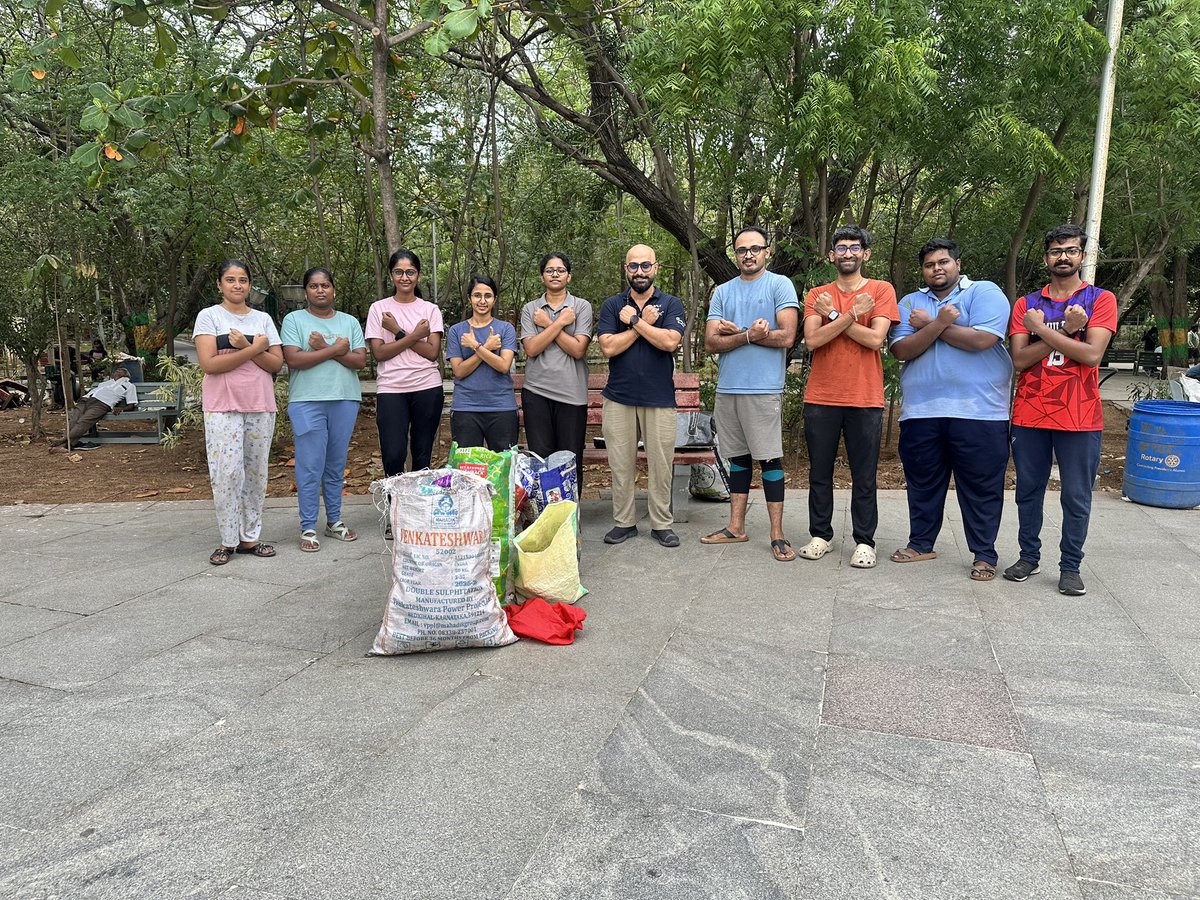
Different people. Different causes. One shared purpose. ♻️🌍
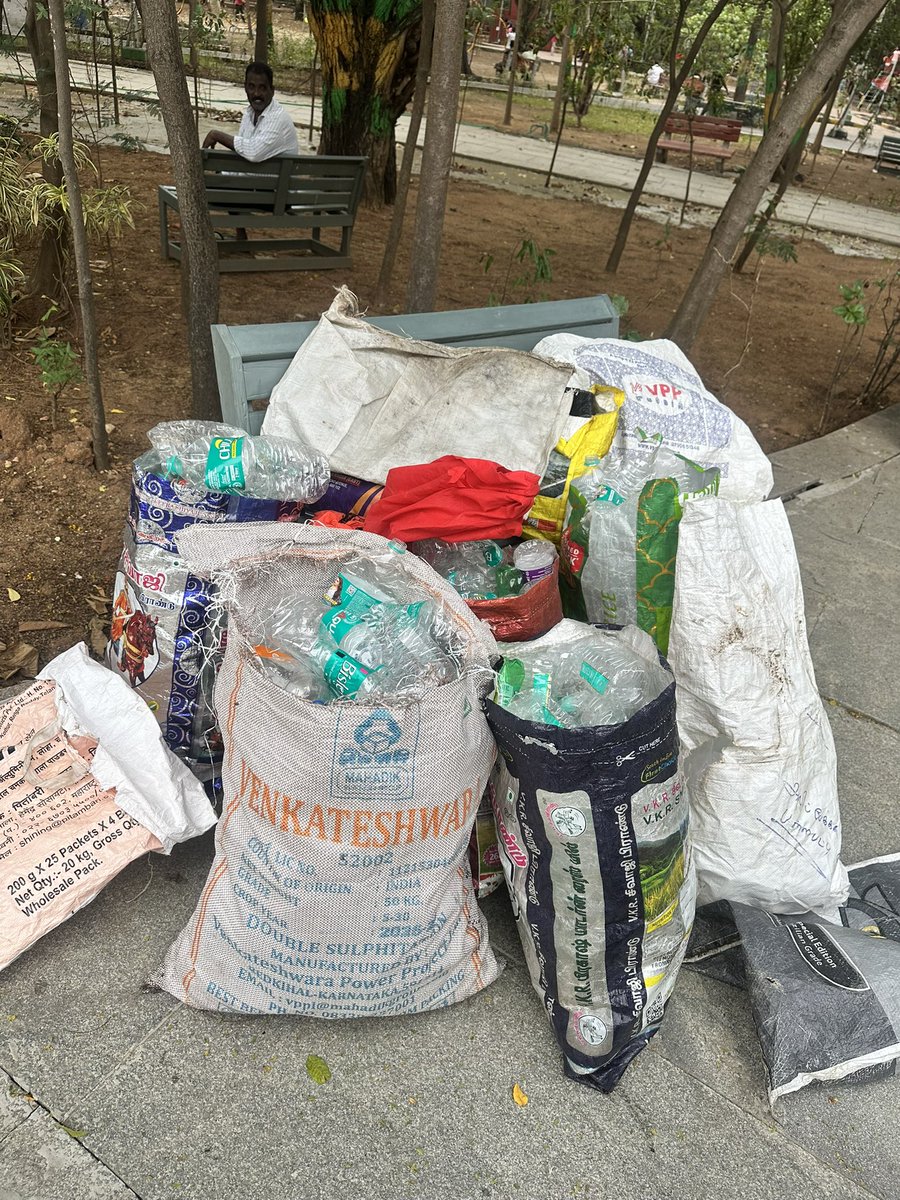
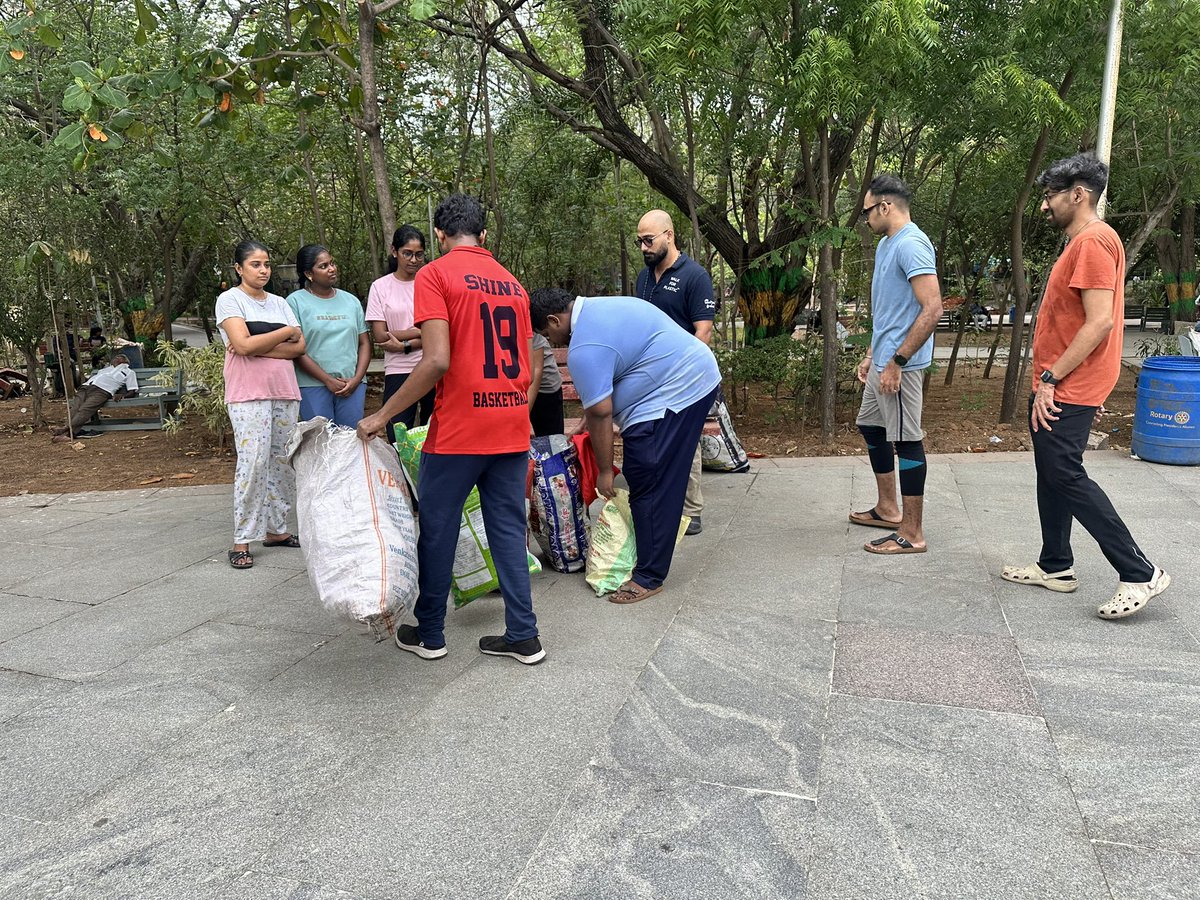
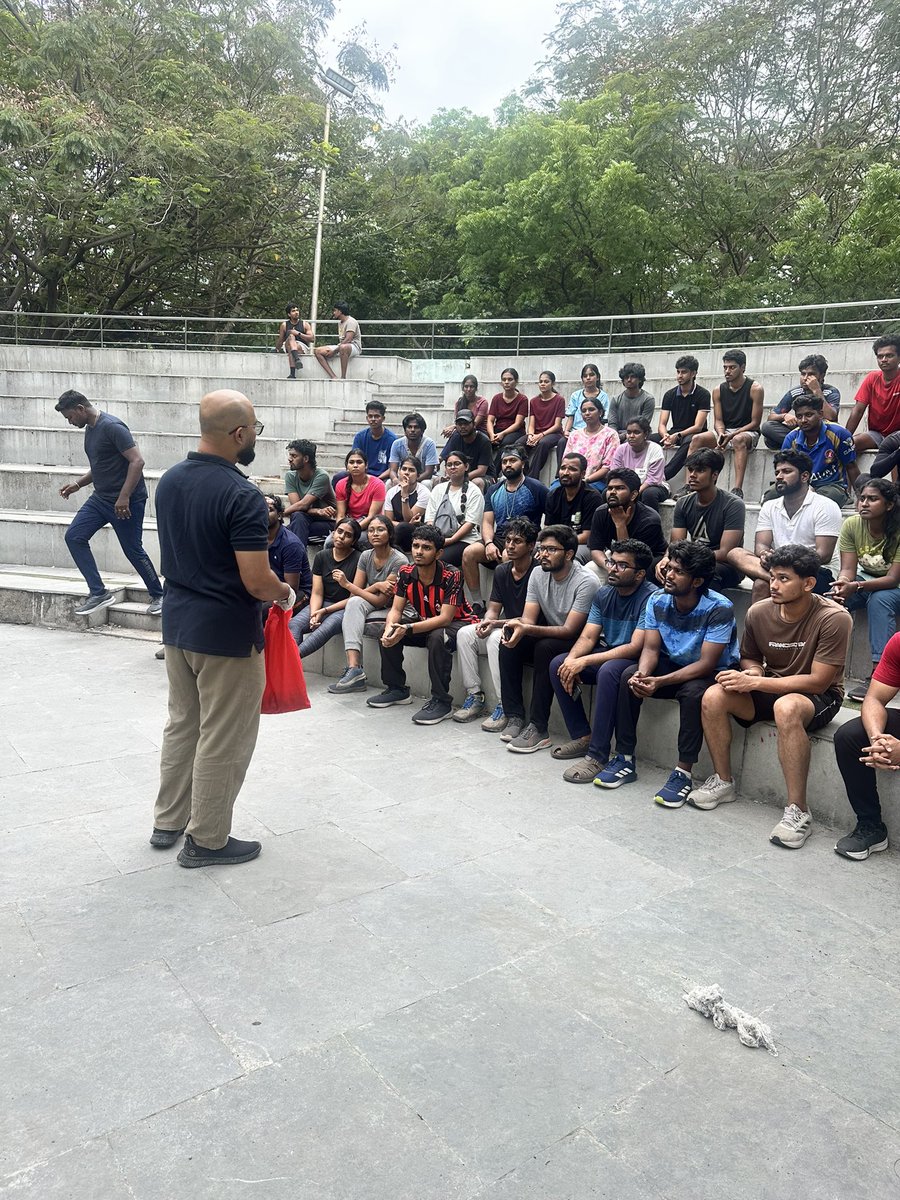
Today at @WalkForPlastic, I was reminded that meaningful change doesn't happen because of one person, it happens when communities come together.
Whether it's reducing plastic waste, keeping our neighbourhoods clean, or creating a more sustainable future, every step matters.
And when thousands of people take those steps together, that's when movements are born. 💚
@NammaKuppai
#WalkForPlastic #NammaKuppai #Sustainability #CommunityImpact #PlasticFreeFuture #CleanCities #TogetherForChange
1

#lesdroitsdupiétonlyon #quartierslibreslyon #vélorutionuniversellelyon2026#cleancitieslyon#cleancities
5
76

Jun 13
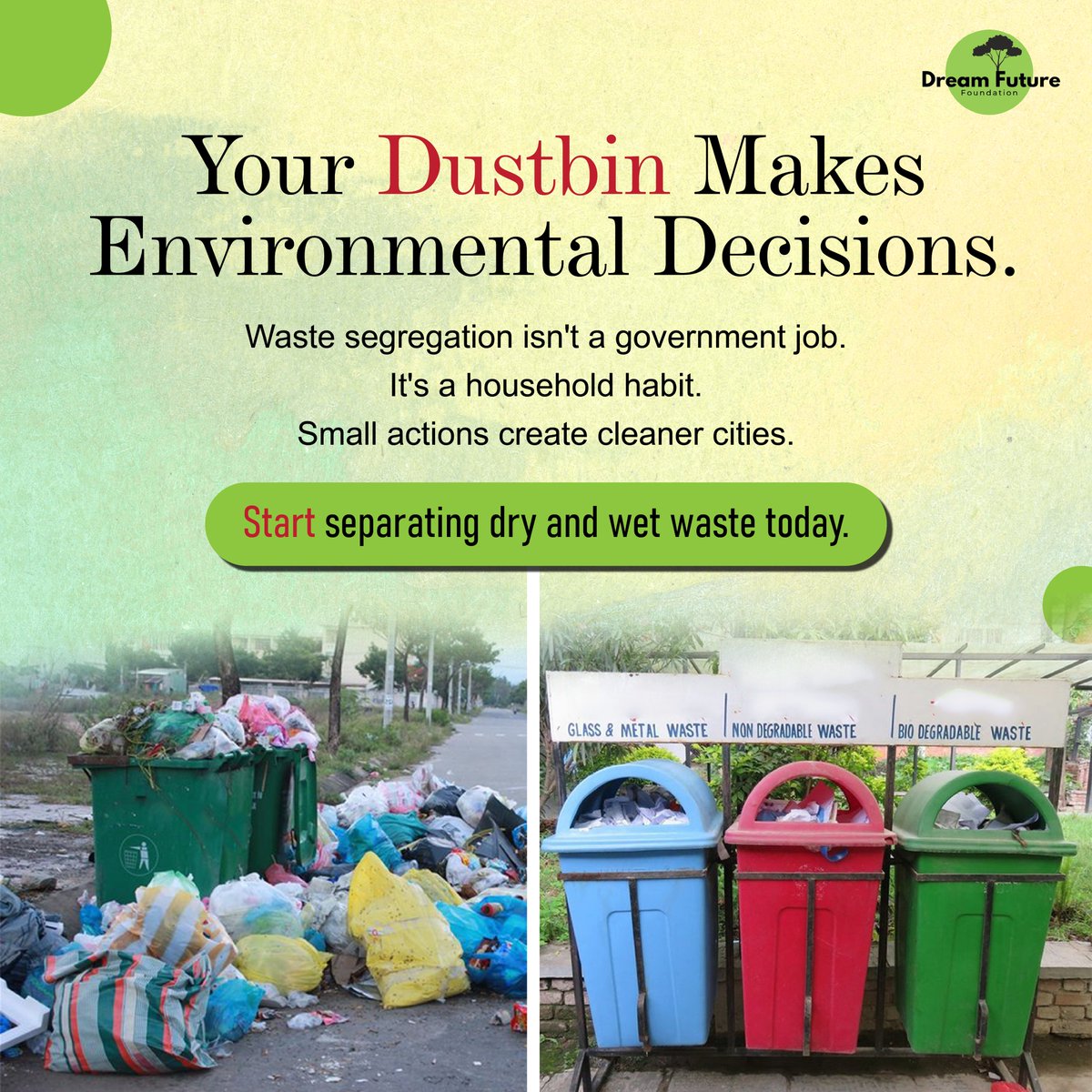
🗑️ Your dustbin makes environmental decisions.
Waste segregation isn't a government job alone—it's a household habit.
🌱 Separate wet and dry waste.
🌍 Create cleaner cities.
#DreamFutureFoundation #WasteSegregation #Sustainability #CleanCities
3

Call for Dutch-style zero emissions zone in London as toxic diesel van use hits all-time high
Campaigners are dema...
vanfleetworld.co.uk/call-for…
#News #CleanCities #ZeroEmissionZone
13

Jun 12
Call for Dutch-style zero emissions zone in London as toxic diesel van use hits all-time high
Campaigners are d...
evfleetworld.co.uk/call-for-…
#UKNews #CleanCities #Zeroemissionszones
23

Call for Dutch-style zero emissions zone in London as toxic diesel van use hits all-time high
Campaigners are demanding a Dutch-s...
fleetworld.co.uk/call-for-du…
#LatestNews #CleanCities
19

🇨🇳 चीन से सीखने की जरूरत ! 🌏✨
चीन के एक शहर में 41वीं मंजिल से शहर का नज़ारा देखने का अवसर मिला। सबसे विशेष बात यह देखने को मिली कि यहाँ सड़कों की नियमित रूप से पानी से धुलाई और सफाई की जाती है, जिससे धूल और प्रदूषण को नियंत्रित करने में काफी मदद मिलती है।
भारत के शहरों में भी प्रदूषण नियंत्रण के लिए ऐसे व्यावहारिक और प्रभावी उपायों पर गंभीरता से काम करने की आवश्यकता है।
#China #ChinaVisit #PollutionControl #CleanCities #SmartCities #UrbanDevelopment #AirPollution #Environment #India #RajendraSorkhi #AamAadmiParty #Haryana
1
9

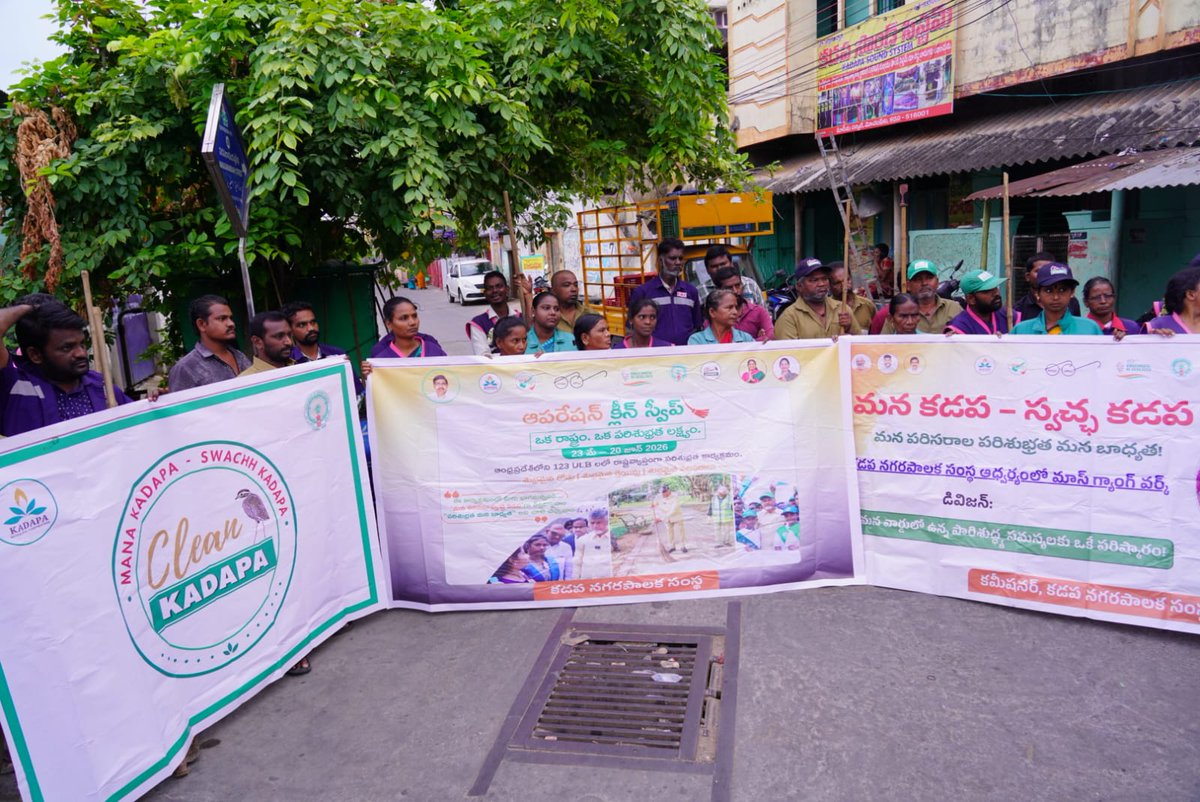
🧹 Operation Clean Sweep 🧹
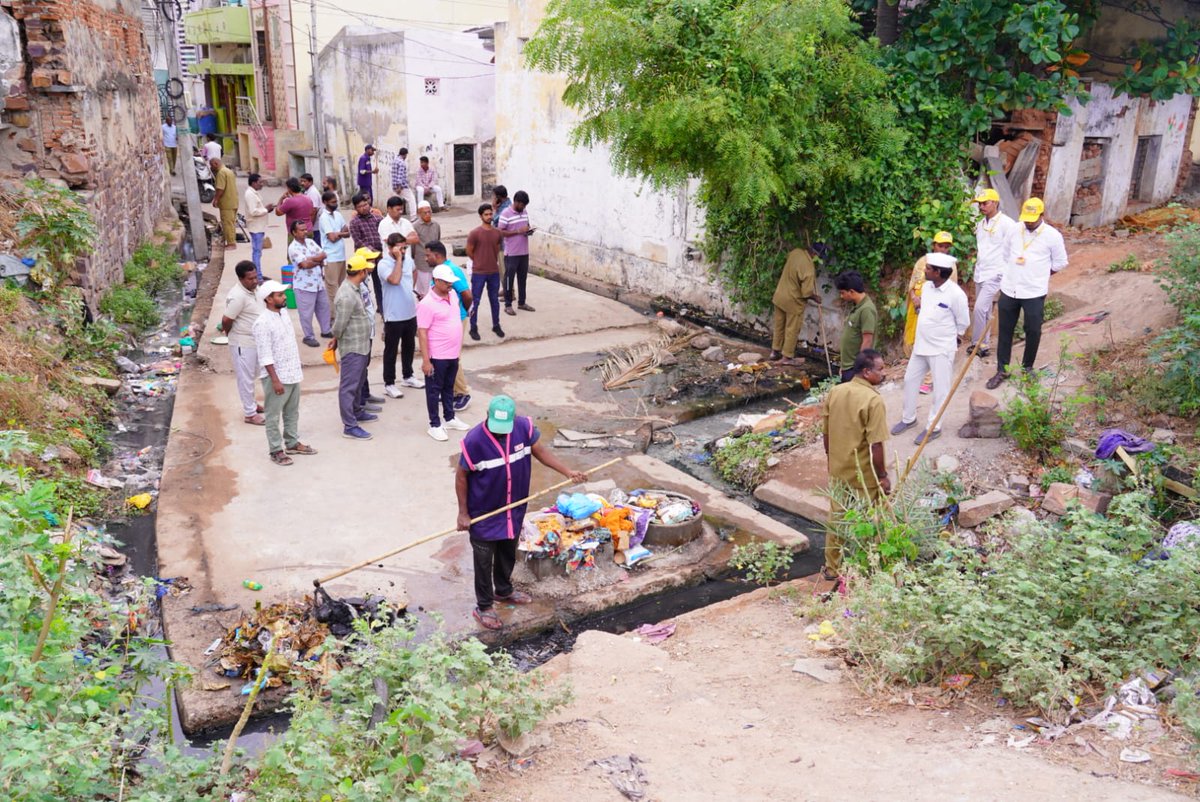
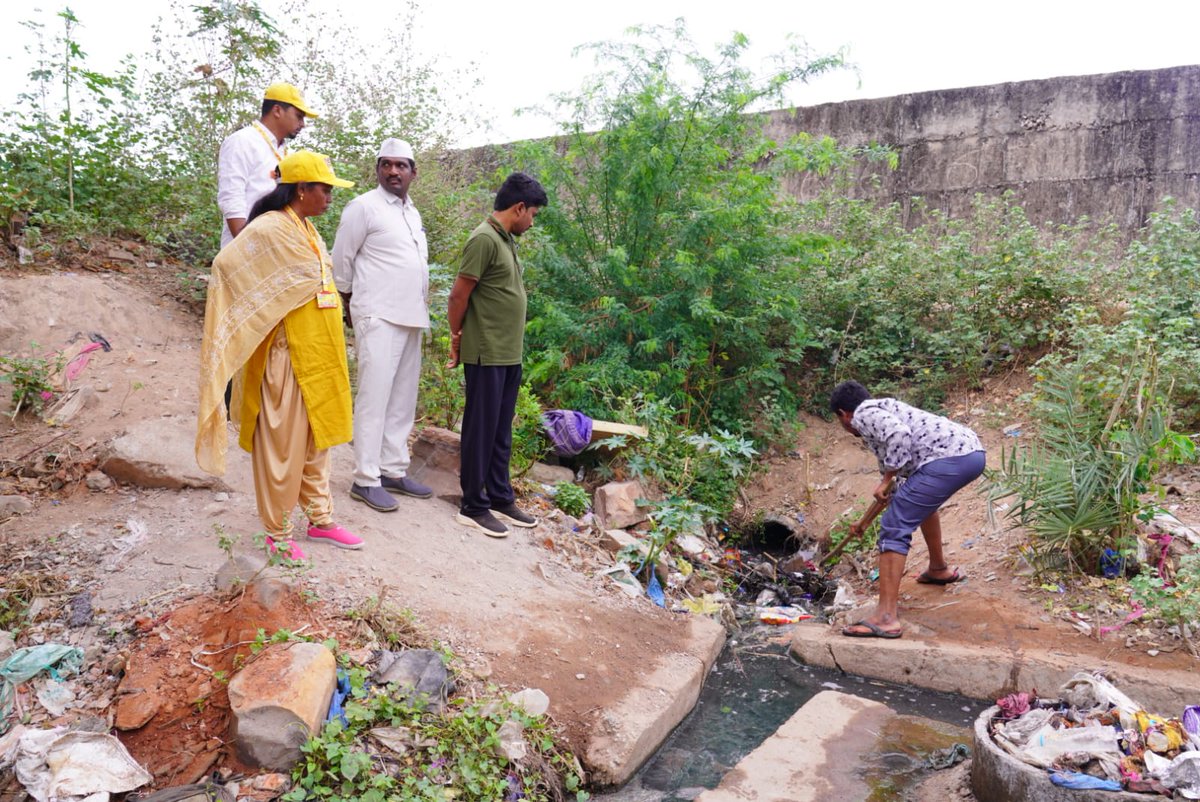
As part of the ongoing Operation Clean Sweep initiative, a special sanitation drive was conducted in the 39th Division of Kadapa Municipal Corporation to strengthen cleanliness and public health across the city.
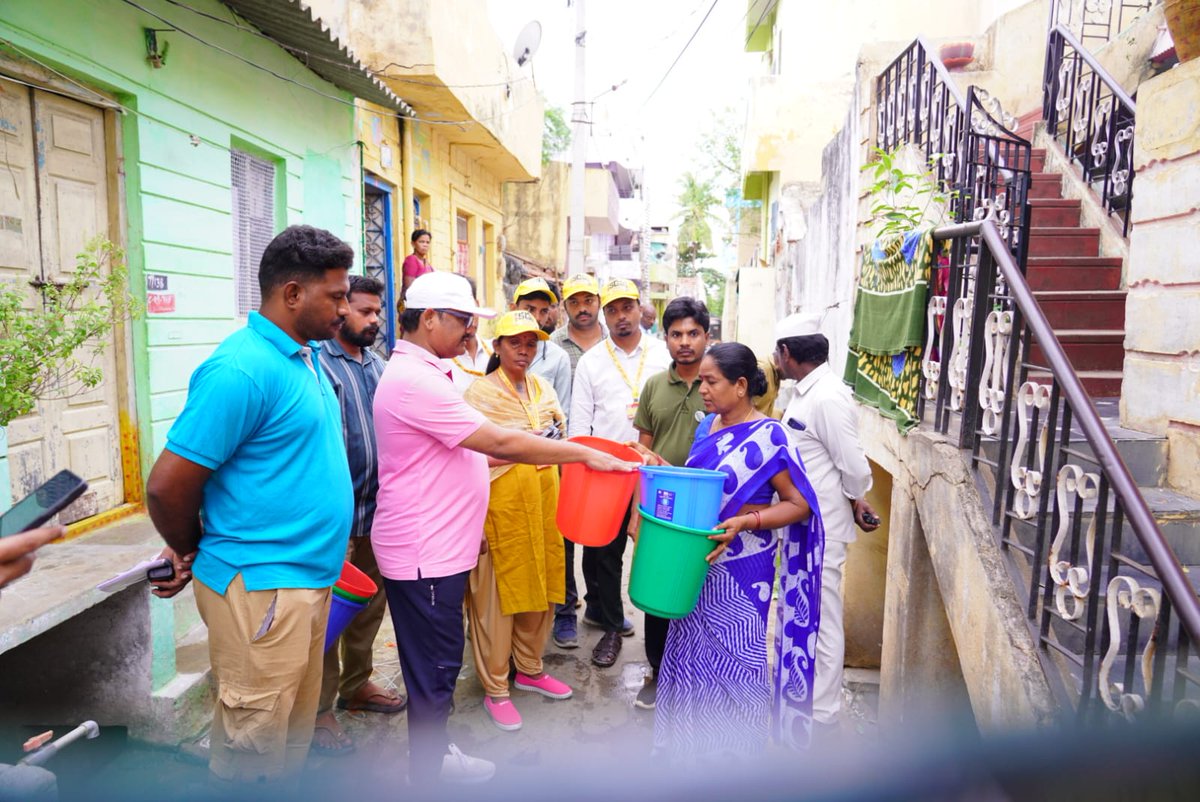
Activities such as street sweeping, garbage removal, drainage desilting, and other sanitation works were carried out as part of the drive. Additional Commissioner Sri Rakesh Chandra inspected the ongoing activities and directed officials and sanitation staff to ensure quality execution and timely completion of all works.
He emphasized the importance of maintaining a clean and healthy city and called for the continued implementation of sanitation drives across all divisions. He also created awareness among residents on the importance of source segregation for effective waste management and a cleaner environment.
Together, through collective action and community participation, we can build a cleaner, healthier, and more sustainable Andhra Pradesh.
@MoRD_GoI
@MoHUA_India
@ncbn
@PattabhiRamK1
@Dr_NarayanaP
@SwachhBharatGov
@swachhbharat
@PawanKalyan
@SwachSurvekshan
@mlkhattar
@RoopaMishra77
@sampathpommala
@MoHUA_India
#OperationCleanSweep #KadapaMunicipalCorporation #SwachhAndhra #CleanAndhraPradesh #WasteSegregation #SanitationDrive #CleanCities #Swachhata #PublicHealth #SustainableCommunities
1
2
43

Jun 9
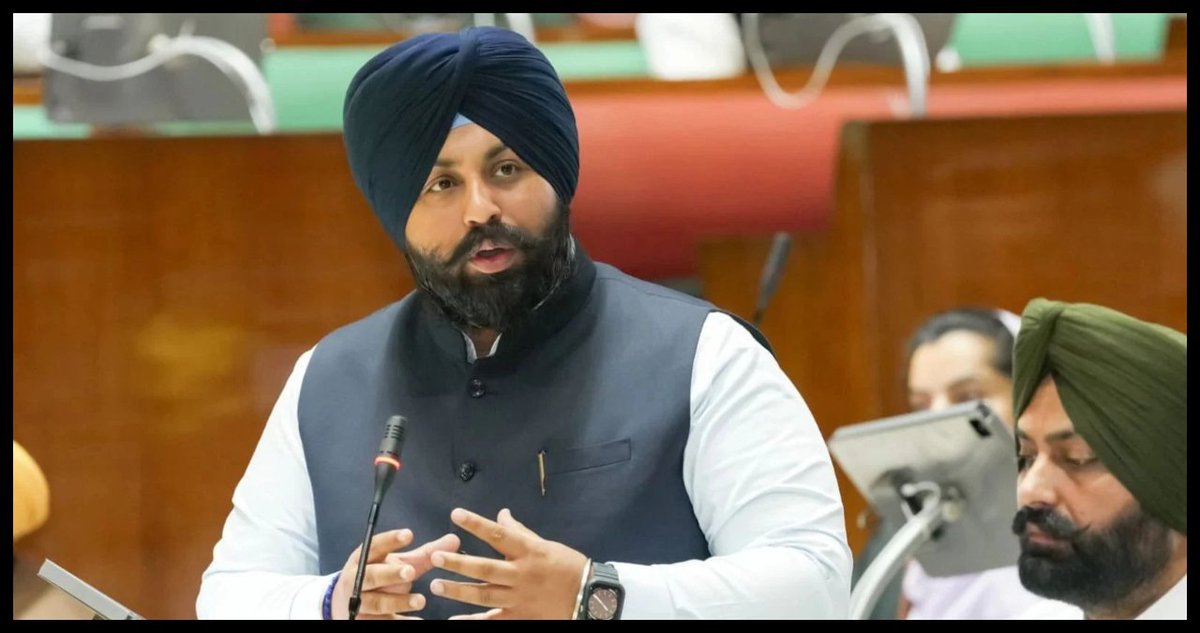
Punjab News: मिशन क्लीन पंजाब की शुरुआत, रोज सुबह मैदान में उतरेंगे नगर निकाय अधिकारी
#Khabrimedia
#PunjabNews
#BhagwantMann
#HarjotSinghBains
#MissioncleanPunjabProudPunjab #MissionCleanPunjab #CleanPunjab #PunjabGovernment #UrbanSanitation #SmartGovernance #AI #CleanCities #latestupdates
@harjotbains
@infokhabrimedia
khabrimedia.com/punjab-news-…
11

Jun 9
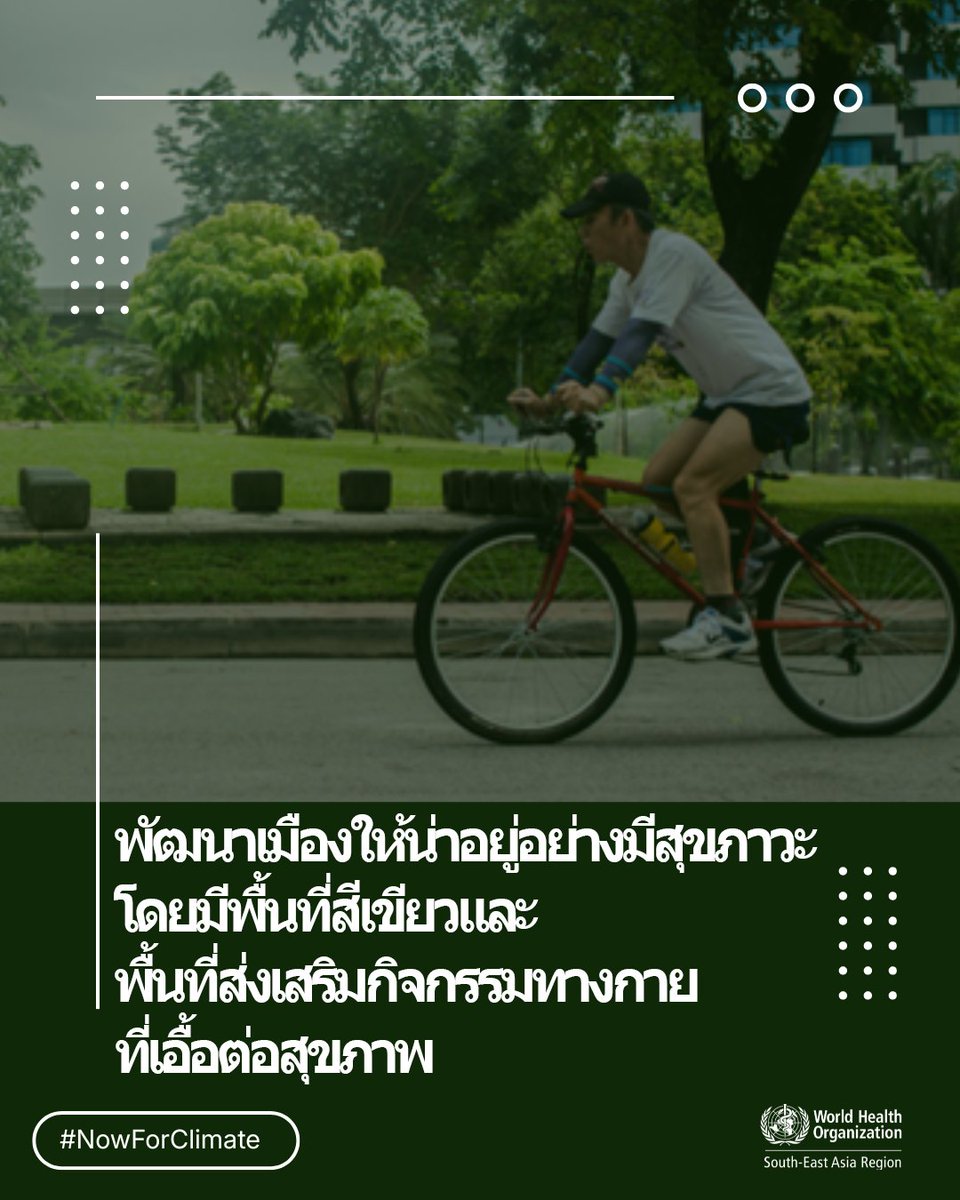
พัฒนาเมืองให้น่าอยู่อย่างมีสุขภาวะ โดยมีพื้นที่สีเขียวและพื้นที่ส่งเสริมกิจกรรมทางกายที่เอื้อต่อสุขภาพ
#nowforclimate #WorldEnvironmentDay #WED2026 #ProtectOurPlanet #AirQualityMatters #StopAirPollution #CleanCities #ReduceEmissions
1
178
Jun 9
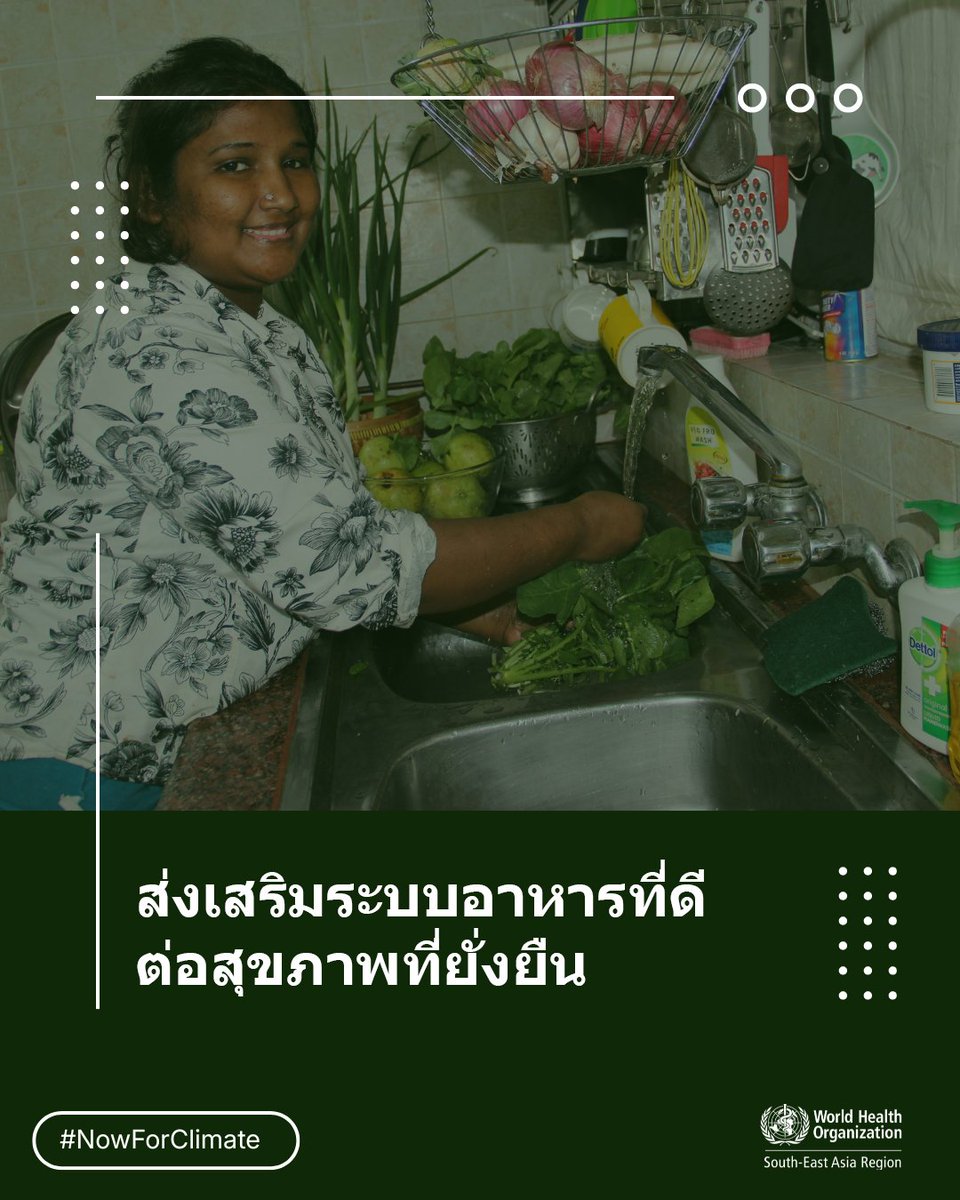
ส่งเสริมระบบอาหารที่ดีต่อสุขภาพยั่งยืน
#nowforclimate #WorldEnvironmentDay #WED2026 #ProtectOurPlanet #AirQualityMatters #StopAirPollution #CleanCities #ReduceEmissions
1
180

Jun 8
Harjot Bains Kickstarts “Mission Clean Punjab”; All Civic Officials On Ground Daily 7 To 8 AM yespunjab.com/?p=263438
#MissionCleanPunjab #HarjotSinghBains #CleanPunjab #PunjabGovernment #UrbanSanitation #SmartGovernance #AI #PunjabNews #BhagwantMann #CleanCities
@harjotbains
51

Jun 8
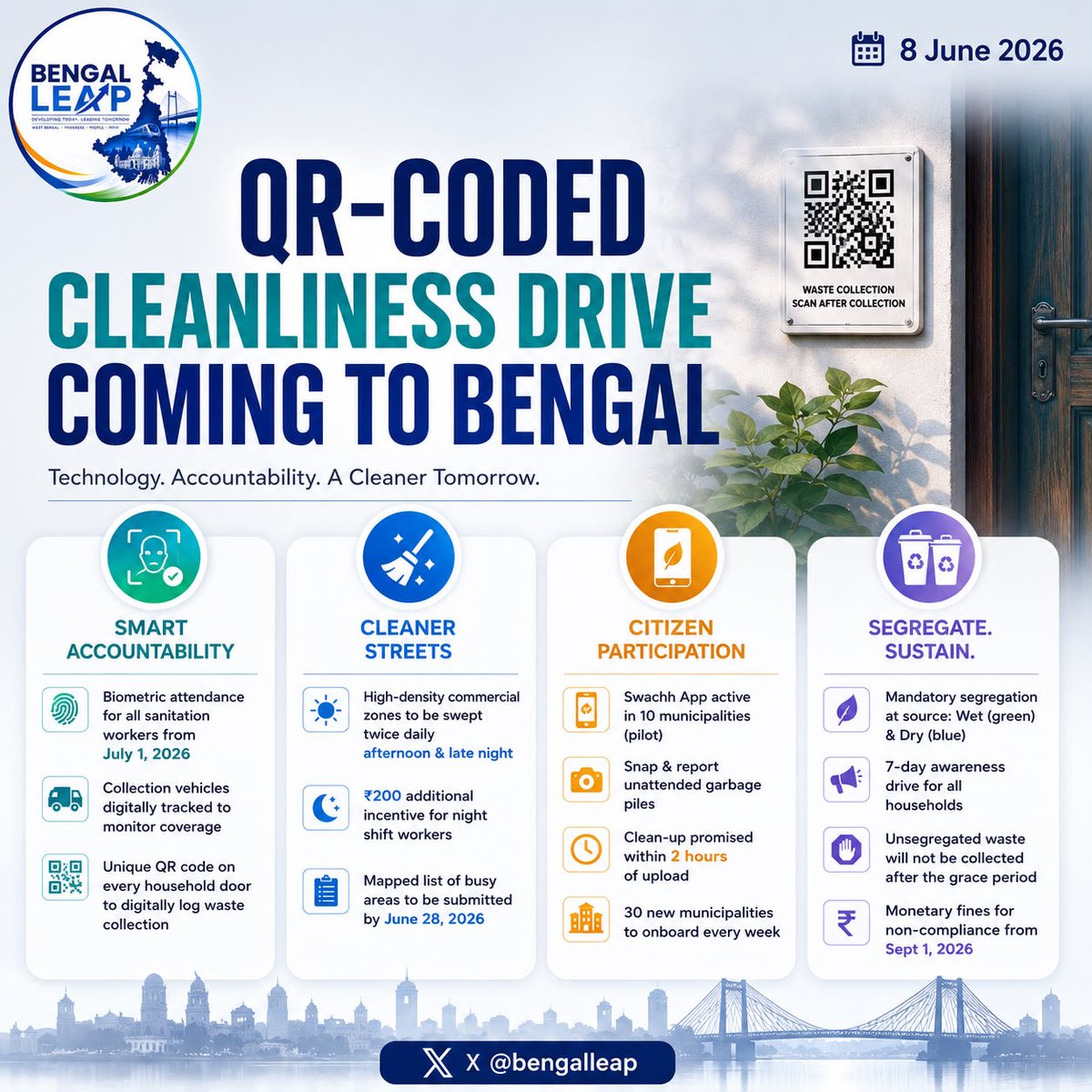
🚮 QR-CODED CLEANLINESS DRIVE COMING TO BENGAL
West Bengal is rolling out one of its most ambitious urban sanitation reforms yet.
🔹 From July 1, 2026, biometric attendance will become mandatory for Nirmal Bandhu & Nirmal Sathi sanitation workers.
🔹 Every garbage collection vehicle will be digitally tracked to monitor area-wise coverage.
🏠 The biggest change?
Within the next 2 months, a unique QR code will be installed on every household door.
When waste is collected, it will be digitally logged through the QR system—bringing real-time accountability and monitoring to doorstep waste collection.
♻️ Waste segregation at source will also become mandatory:
🟢 Wet Waste
🔵 Dry Waste
📢 A 7-day awareness campaign will be conducted before enforcement begins.
❌ Unsegregated waste will not be collected after the awareness period.
💰 Monetary penalties for non-compliance will start from September 1, 2026.
🧹 High-density commercial areas will now be cleaned twice daily, with sanitation workers receiving an additional ₹200 incentive for night shifts.
📱 The Swachh App is also expanding rapidly, allowing citizens to report unattended garbage and enabling authorities to target clean-up within 2 hours.
Source: Urban Development & Municipal Affairs Department
#BengalLeap #SwachhBengal #UrbanDevelopment #SmartGovernance #CleanCities #WestBengal
17
62
1,514

Jun 8
@CPCB_OFFICIAL It's truly upsetting to see plastic cups littering our streets after Chhabeels. 💔 This thoughtless disposal contributes to waste and harms our environment. Let's choose reusable options and keep our cities clean! 🌍♻️ #GoGreen #CleanCities #PlasticPollution
2
2
15
Jun 8
ส่งเสริมแนวปฏิบัติที่เป็นมิตรต่อสิ่งแวดล้อมที่ยั่งยืน
#nowforclimate #WorldEnvironmentDay #WED2026 #ProtectOurPlanet #AirQualityMatters #StopAirPollution #CleanCities #ReduceEmissions

172

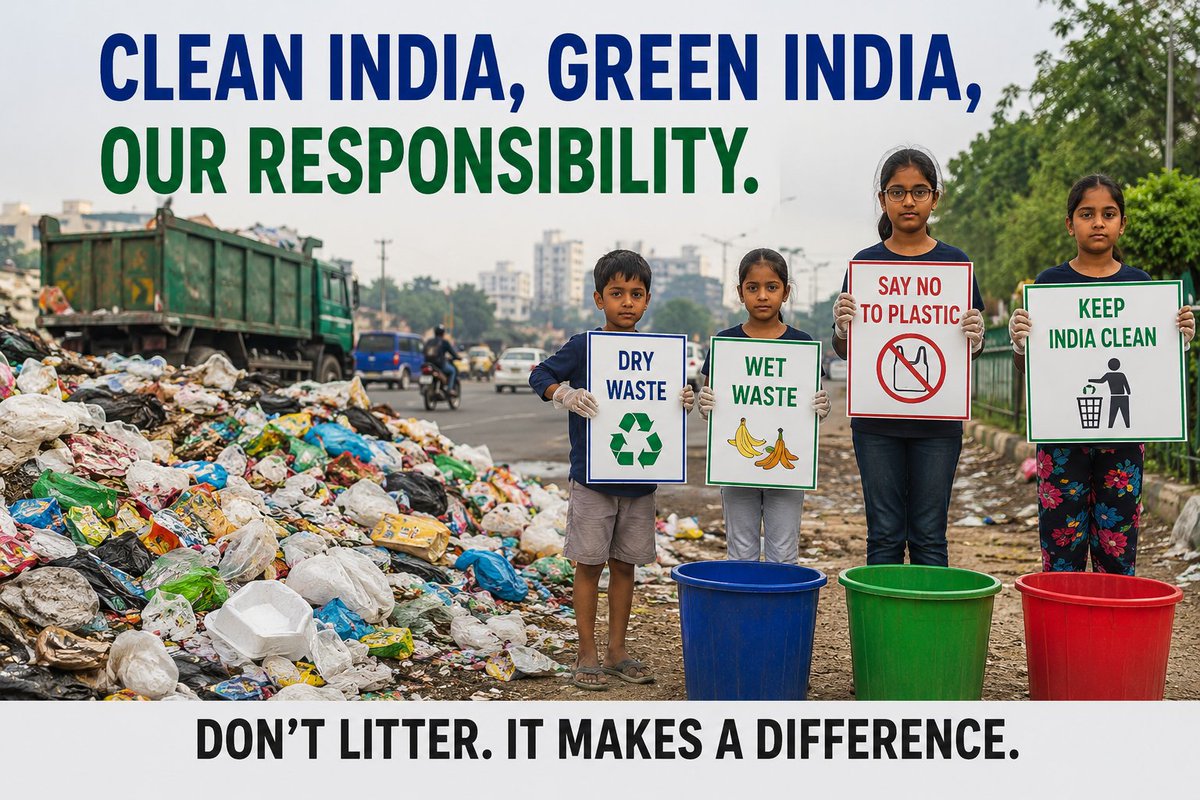
India's Next Big Challenge: Garbage Management and Civic Discipline
As a concerned citizen, I believe one of the most neglected yet critical issues facing India today is not merely the generation of waste, but the absence of a structured and visionary waste disposal ecosystem.
India generates approximately 1.7 lakh tonnes of municipal solid waste every day, translating to over 62 million tonnes annually. Yet a significant portion is either dumped in landfills, remains untreated, or finds its way into drains, rivers, lakes and open spaces.
Despite the #SwachhBharat Mission bringing visible improvements in sanitation and toilet coverage, the next phase must focus on scientific waste management and civic behavior.
The Bigger Concern: Declining Civic Sense
Perhaps the greatest danger is not garbage itself, but our growing indifference toward it.
Roads become dumping grounds.
Plastic waste clogs drains.
Segregation at source is ignored.
Public spaces are treated as nobody's responsibility.
The younger generation is growing up believing that someone else will clean up after them.
No developed country became clean solely because of municipal workers. They became clean because citizens accepted responsibility.
Countries We Can Learn From
Japan
Strict waste segregation.
Citizens carry their waste back home.
Civic responsibility taught from childhood.
Singapore
Heavy penalties for littering.
Technology-driven waste processing.
Germany
Advanced recycling ecosystem.
Strong producer responsibility.
India Needs a National Waste Revolution
1. Segregation at Source Must Become Mandatory
Every household should separate:
✓ Wet waste
✓ Dry waste
✓ Plastic waste
✓ Hazardous waste
2. Civic Education Must Start in Schools
Children should learn cleanliness, recycling and environmental responsibility as seriously as mathematics and science.
3. Strict Enforcement
Habitual littering, illegal dumping and plastic misuse should attract meaningful penalties.
4. Waste-to-Energy and Recycling Infrastructure
Every city should have modern processing plants instead of creating mountains of garbage.
5. Accountability of Municipal Bodies
Performance indicators for waste collection, recycling and cleanliness should be publicly monitored.
6. Corporate Responsibility
Manufacturers must take responsibility for plastic packaging and recyclable materials.
7. Citizen Participation
Cleanliness cannot be outsourced. Every citizen must become a stakeholder.
A Developed India Cannot Coexist with Mountains of Garbage
We dream of becoming a $10 trillion economy and a Viksit Bharat by 2047. But development is not measured only by GDP, airports and expressways.
A truly developed nation is one where:
Streets remain clean even without supervision.
Citizens do not litter.
Children value public spaces.
Waste is treated as a resource, not a burden.
Swachh Bharat 1.0 built toilets.
Swachh Bharat 2.0 must build civic consciousness.
Cleanliness is not the responsibility of the government alone.
It is a reflection of our culture, discipline and respect for future generations.
@PMOIndia @JPNadda @OfficeofJPNadda @AmitShah @AmitShahOffice
#SwachhBharat #GarbageManagement #WasteManagement #CleanIndia #ViksitBharat #CivicSense #PublicHealth #PlasticFreeIndia #Recycling #EnvironmentProtection #SustainableIndia #ZeroWaste #SolidWasteManagement #WasteToEnergy #CleanCities #CitizenResponsibility #SaveOurRivers #GreenIndia #India2047 #NationFirst #MunicipalReforms #UrbanDevelopment #BehavioralChange #EnvironmentalAwareness #YouthForIndia #CleanlinessIsCulture #ResponsibleCitizens #FutureGeneration #PolicyMatters #HealthyIndia
98
Jun 7
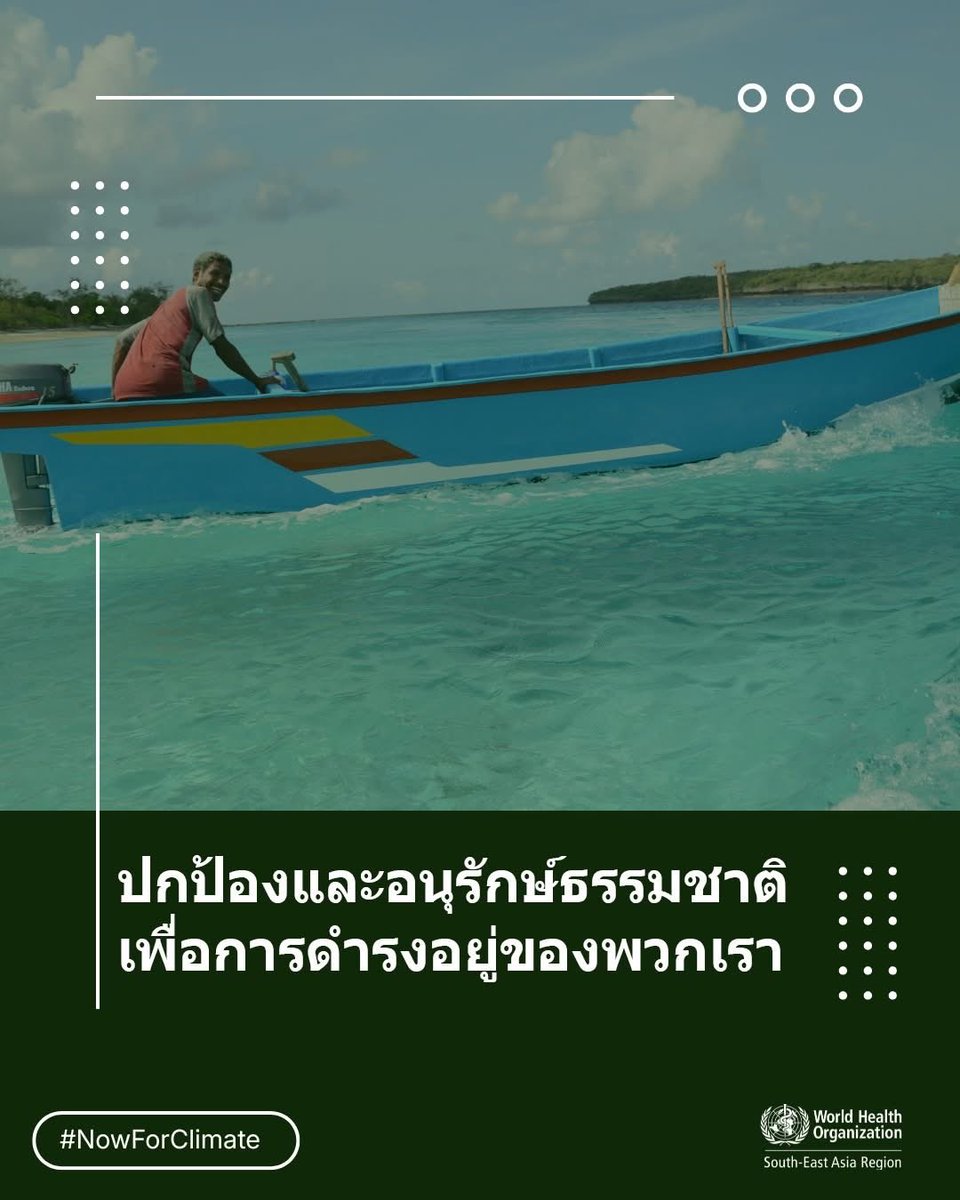
ปกป้องและอนุรักษ์ธรรมชาติเพื่อการดำรงอยู่ของพวกเรา
#nowforclimate #WorldEnvironmentDay #WED2026 #ProtectOurPlanet #AirQualityMatters #StopAirPollution #CleanCities #ReduceEmissions
2
254
Jun 7
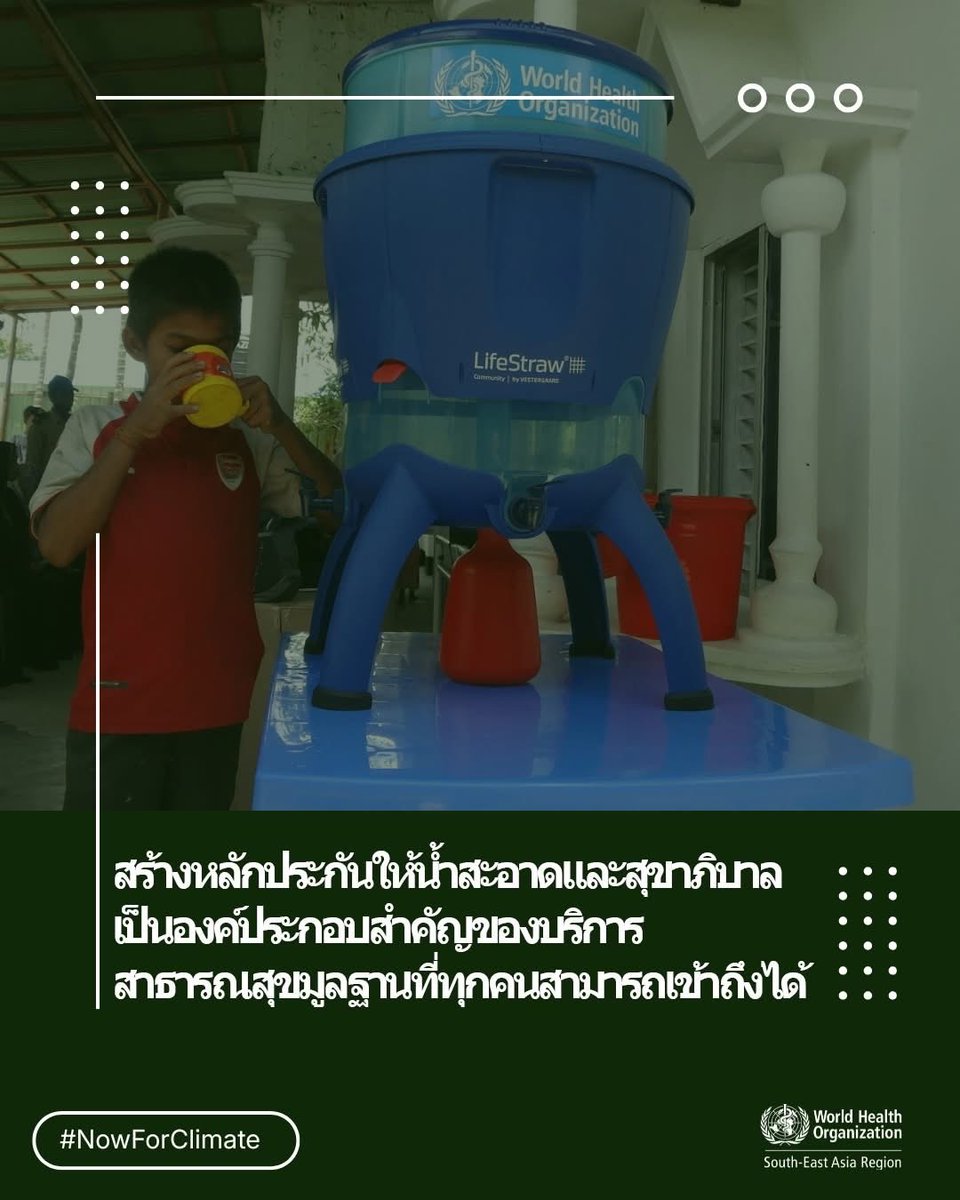
สร้างหลักประกันให้น้ำสะอาดและสุขาภิบาลเป็นองค์ประกอบสำคัญของบริการสาธารณสุขมูลฐานที่ทุกคนสามารถเข้าถึงได้
#nowforclimate #WorldEnvironmentDay #WED2026 #ProtectOurPlanet #AirQualityMatters #StopAirPollution #CleanCities #ReduceEmissions
1
2
255

Jun 4
Why two blockchains?
- BSV handles our micro-transactions (T2P Units) to reward daily waste collectors with near-zero fees.
- Solana hosts our primary funding token, Trash2Pay @CyreneAI to scale the infrastructure.
Two chains, one clean planet. 🤝
#ReFi #SolanaMobile #BSV #cleancities #sanitation #investors #Web3 #CryptoFutures
1
1
3
186

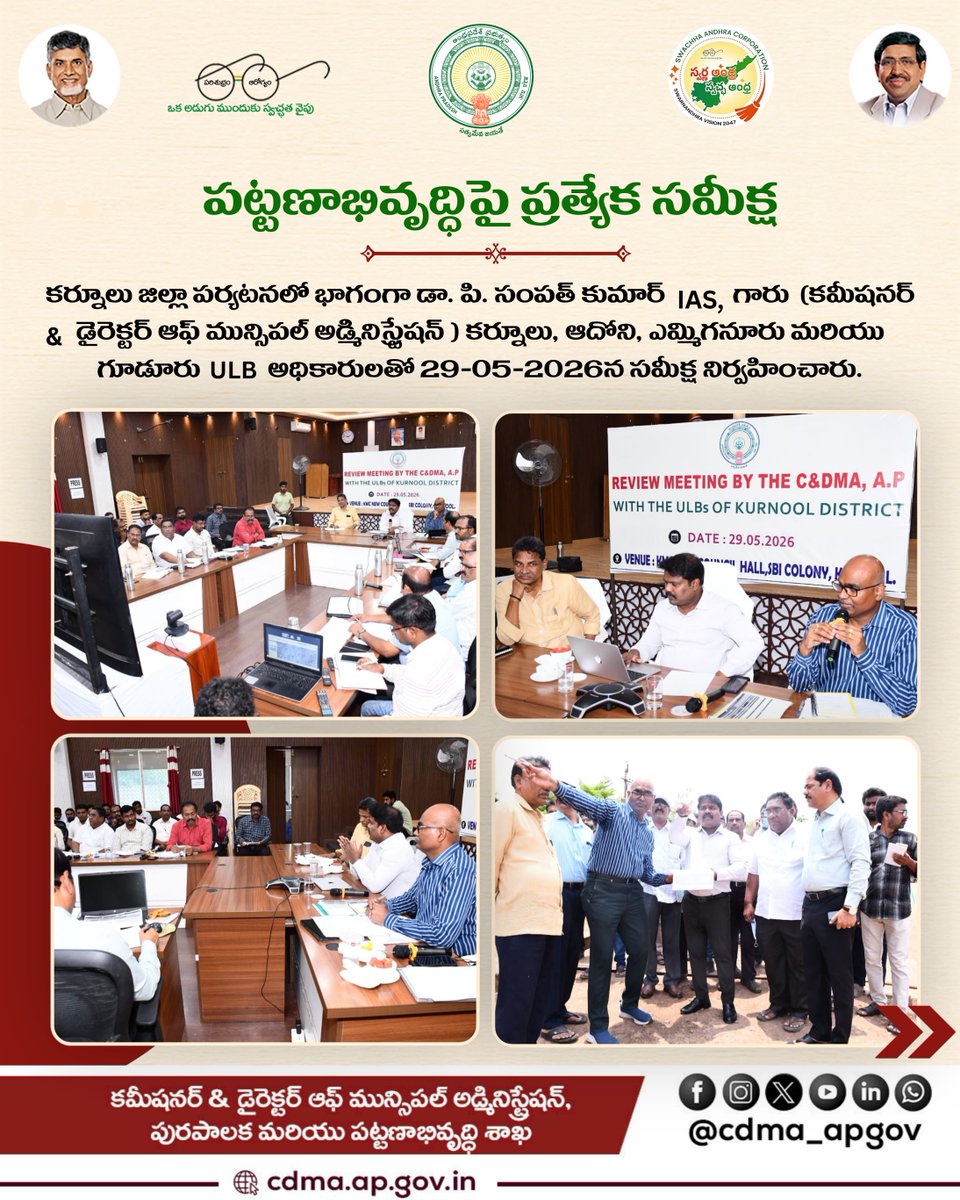
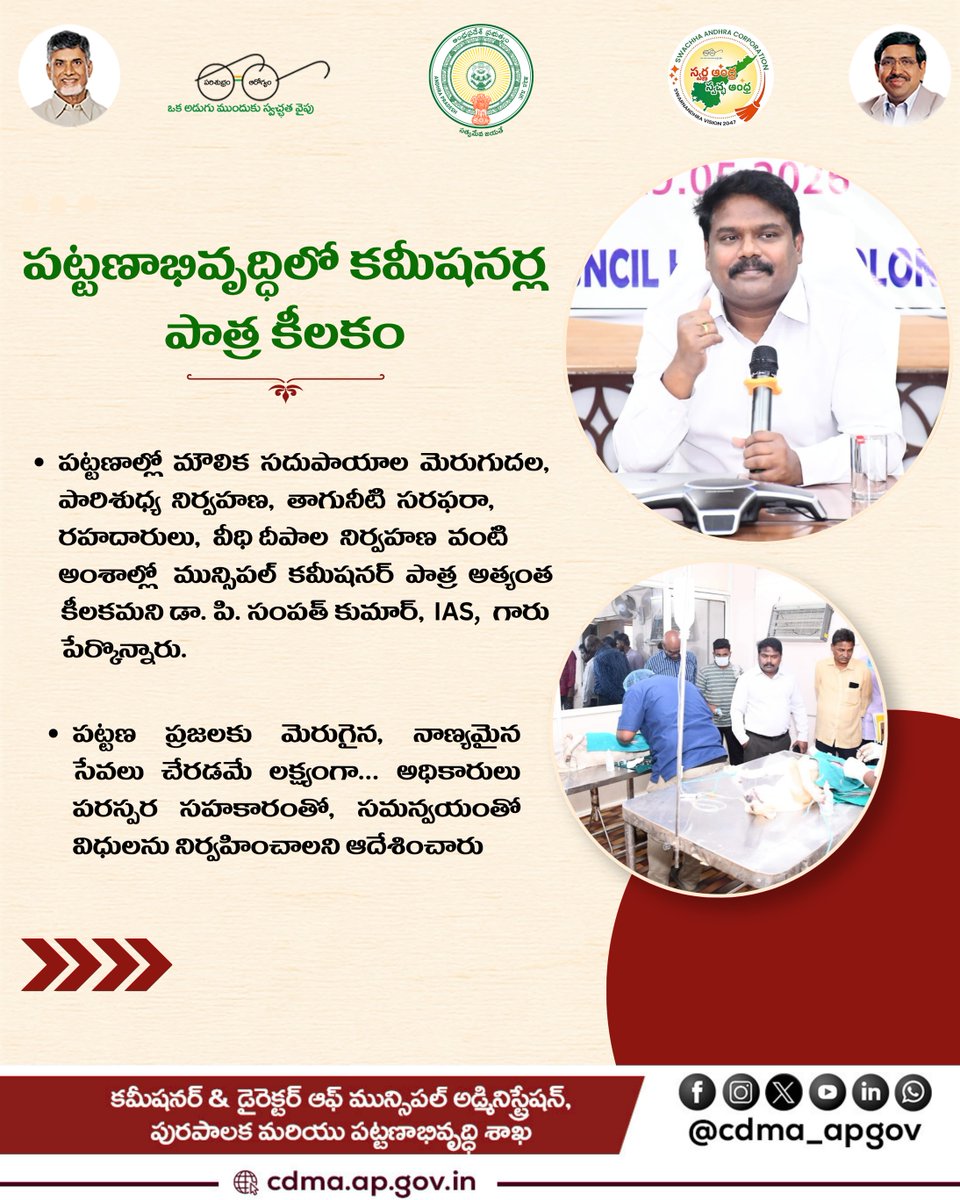
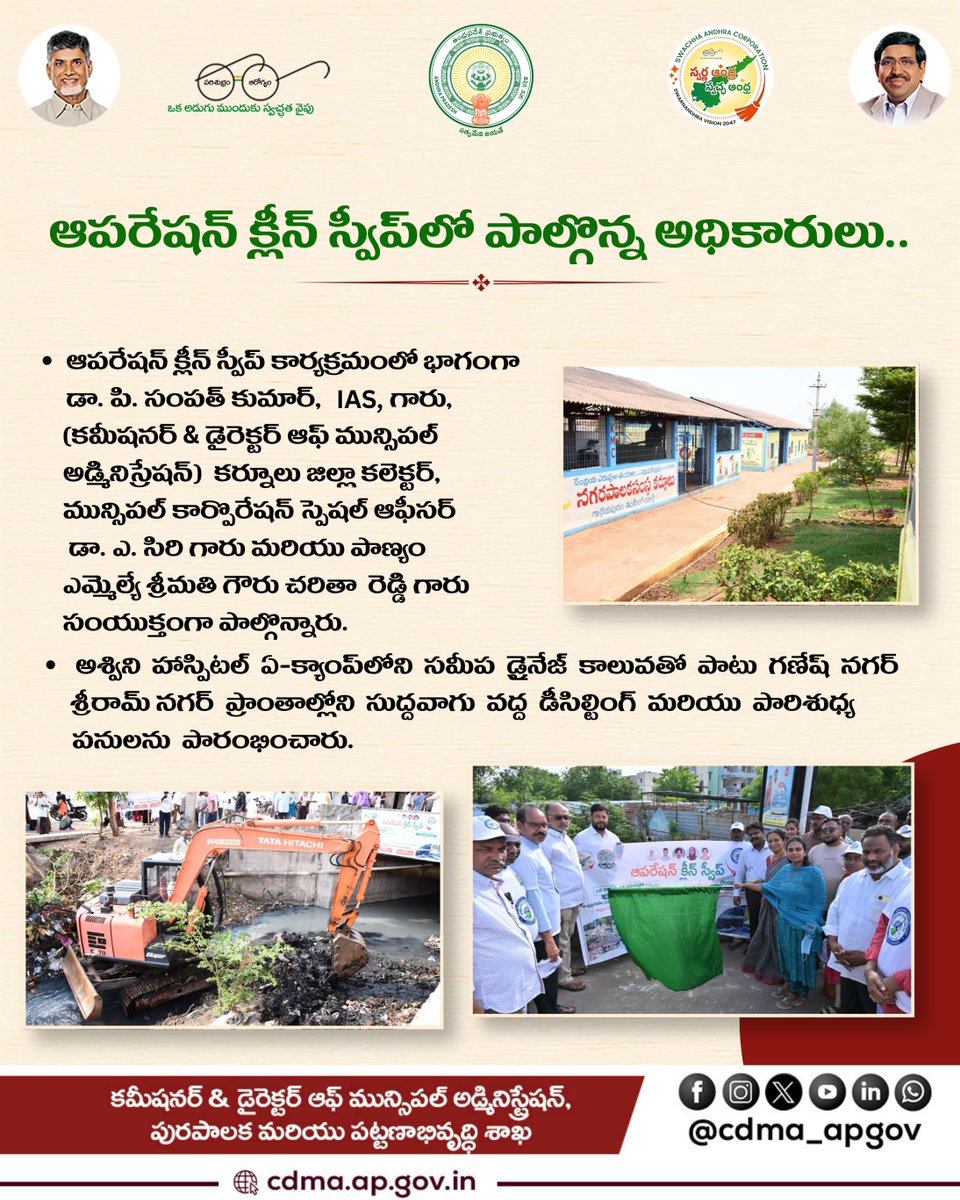
కమిషనర్ & డైరెక్టర్ ఆఫ్ మున్సిపల్ అడ్మినిస్ట్రేషన్ డా. పి. సంపత్ కుమార్, IAS గారు 29-05-2026న కర్నూలు జిల్లాలో పర్యటించి, కర్నూలు, ఆదోని, ఎమ్మిగనూరు మరియు గూడూరు పట్టణ స్థానిక సంస్థల (ULB) అధికారులతో కలిసి పట్టణాభివృద్ధిపై ప్రత్యేక సమీక్షా సమావేశాన్ని నిర్వహించారు. పట్టణాలలో మౌలిక సదుపాయాల మెరుగుదల, పారిశుధ్యం, తాగునీరు, రహదారులు మరియు వీధి దీపాల నిర్వహణలో మున్సిపల్ కమిషనర్ల పాత్ర అత్యంత కీలకమని, ప్రజలకు నాణ్యమైన సేవలు అందించడమే లక్ష్యంగా అధికారులు సమన్వయంతో పనిచేయాలని ఆయన ఆదేశించారు. అనంతరం, ఆయన కర్నూలు జిల్లా కలెక్టర్ డా. ఎ. సిరి గారు మరియు పాణ్యం ఎమ్మెల్యే శ్రీమతి గౌరు చరిత రెడ్డి గారితో కలిసి ప్రతిష్టాత్మక "ఆపరేషన్ క్లీన్ స్వీప్" కార్యక్రమంలో పాల్గొని, అశ్విని హాస్పిటల్ ఏ-క్యాంప్ సమీప డ్రైనేజ్ కాలువతో పాటు గణేష్ నగర్, శ్రీరామ్ నగర్ ప్రాంతాల్లోని సుద్దవాగు వద్ద పూడికతీత (డీసిల్టింగ్) మరియు పారిశుధ్య పనులను పురపాలక మరియు పట్టణాభివృద్ధి శాఖ ఆధ్వర్యంలో అధికారికంగా ప్రారంభించారు.
@ncbn @Dr_NarayanaP @APDeputyCMO @narendramodi @Vdhar2001 @mlkhattar @ssureshias @sampathpommala @SwachhBharatGov @SwachSurvekshan @SwachhaAndhra @MoHUA_India @CDMA_Municipal @OurKurnool @ddipr_knl
#OperationCleanSweep #Kurnool #UrbanDevelopment #APGovt #CDMA #SwachhaAndhra #PublicService #MunicipalAdministration #AndhraPradesh #SwachhBharat #CleanCities #SanitationDrive #DrainageCleaning #GoodGovernance #LeadershipInAction
1
2
72