
Jun 11
🎮🌍 𝘊𝘏𝘖𝘐𝘊𝘌 𝘢𝘵 𝘓𝘦𝘷𝘦𝘭 𝘜𝘱 𝘎𝘢𝘮𝘪𝘯𝘨 𝘍𝘦𝘴𝘵𝘪𝘷𝘢𝘭 2026!
On 23–24 𝘔𝘢𝘺 2026, CHOICE joined the Level Up Gaming Festival in Salzburg, Austria, where visitors had the opportunity to test 𝐇𝐨𝐭𝐬𝐩𝐨𝐭 𝐄𝐚𝐫𝐭𝐡 and explore climate-related challenges through gameplay.
Presented by our hashtag#ClimateChoice expert Jan Steinhauser (International Institute for Applied Systems Analysis (IIASA)), the interactive demo booth introduced festival-goers to a unique gaming experience that combines action gameplay, climate simulation, and decision-making elements.
The festival activities also included a Twitch livestream hosted by Raunigel, helping showcase 𝐇𝐨𝐭𝐬𝐩𝐨𝐭 𝐄𝐚𝐫𝐭𝐡 beyond the exhibition floor and reach additional online audiences.
By participating in events such as Level Up, 𝐂𝐇𝐎𝐈𝐂𝐄 continues to explore creative and participatory ways of making climate-related topics more accessible and engaging for wider audiences.
🔗 𝐑𝐞𝐚𝐝 𝐭𝐡𝐞 𝐟𝐮𝐥𝐥 𝐬𝐭𝐨𝐫𝐲: climatechoice.eu/2026/06/09/…
⚡𝐄𝐱𝐩𝐥𝐨𝐫𝐞 𝐭𝐡𝐞 𝐝𝐞𝐦𝐨 𝐯𝐞𝐫𝐬𝐢𝐨𝐧 𝐚𝐧𝐝 𝐞𝐱𝐩𝐞𝐫𝐢𝐞𝐧𝐜𝐞 𝐭𝐡𝐞 𝐠𝐚𝐦𝐞: store.steampowered.com/app/3…
hashtag#ClimateChoice hashtag#Choice4Climate hashtag#HotspotEarth hashtag#ClimateAction hashtag#ClimateMitigation hashtag#GamingForGood hashtag#SeriousGames hashtag#ClimateCommunication hashtag#Sustainability hashtag#HorizonEurope
18

May 23
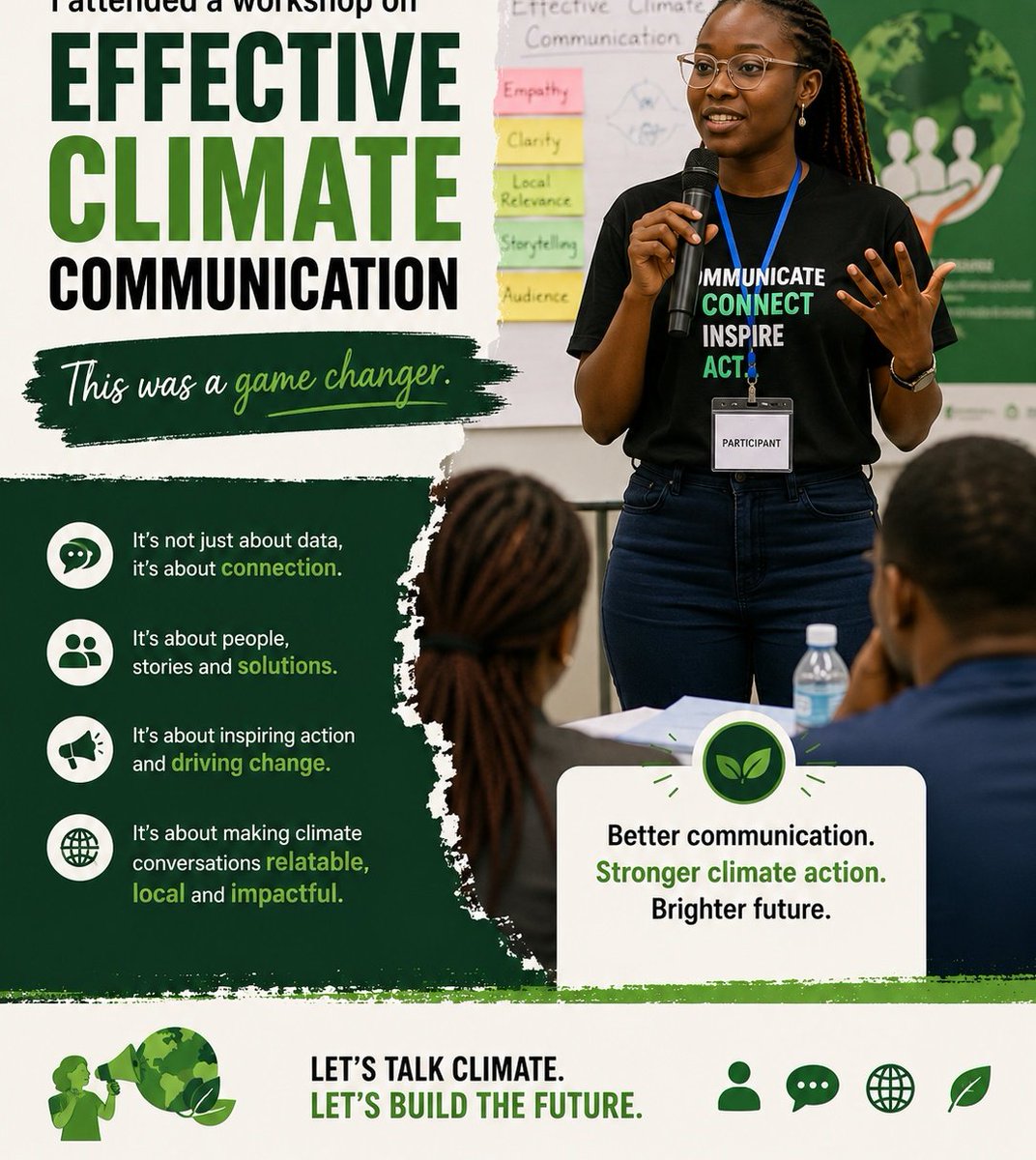
Climate communication must make ppl connect, care, and act. It means using simple language, relatable stories, and community-centered conversations.@climatenewsrom @OlumideIDOWU @samkebusiness @matpulsezw @CdeScientist
#ClimateCommunication #ClimateAction #Sustainability
1
2
6
172

Pleased to share that my latest article on AI-generated climate discourse is now online in Discourse & Society (SAGE).
doi.org/10.1177/0957...
#AppliedLinguistics #DiscourseAnalysis #AI #ClimateCommunication #CriticalDiscourseAnalysis #GenerativeAI #CorpusLinguistics
2
24

May 15
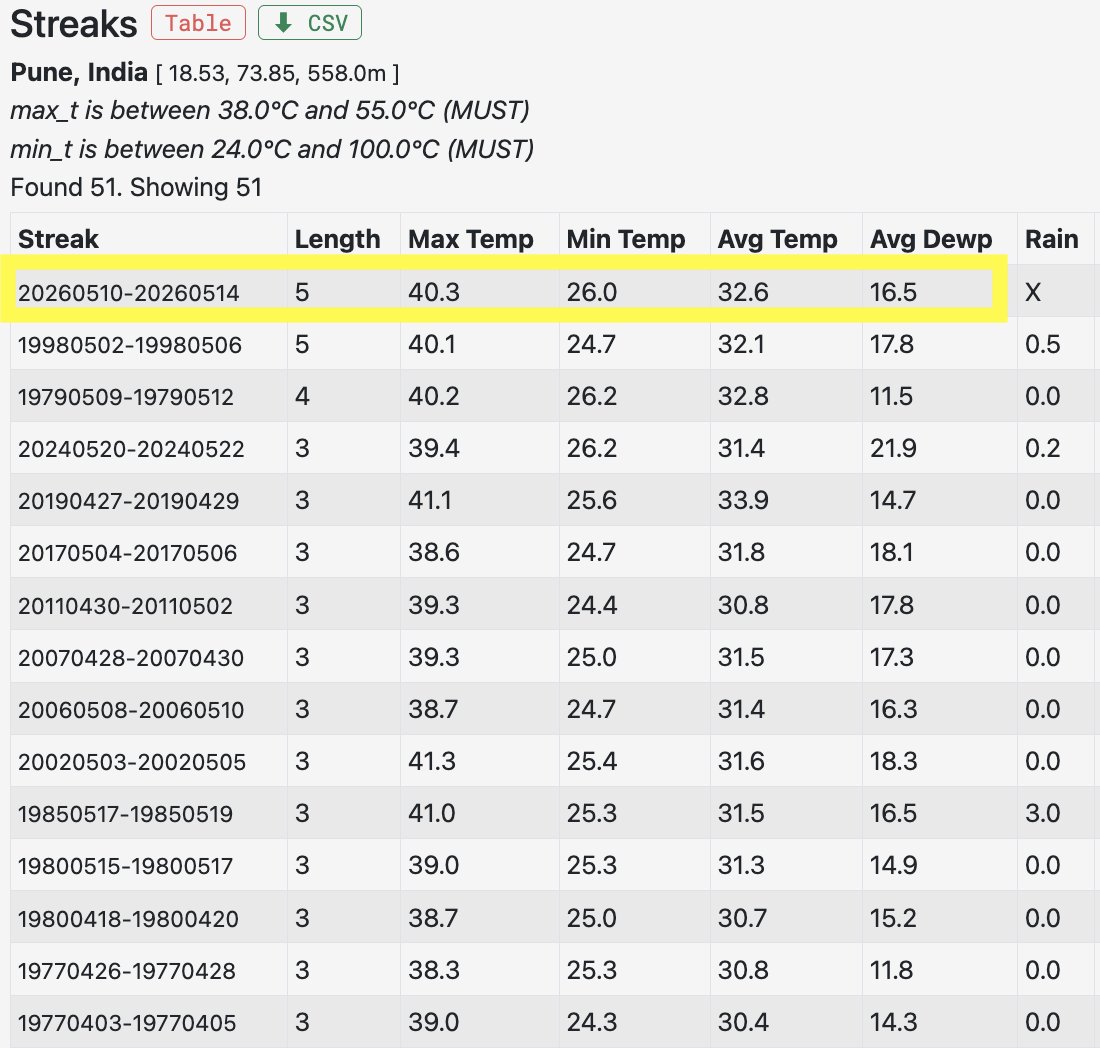
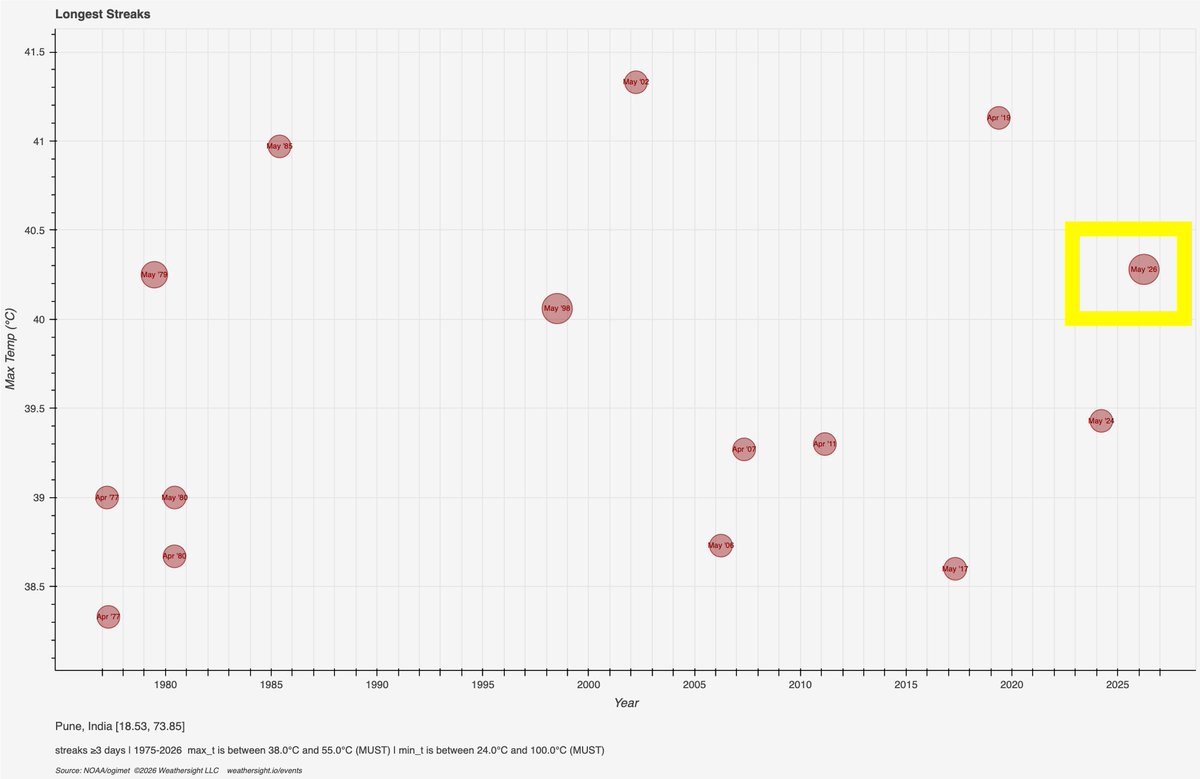
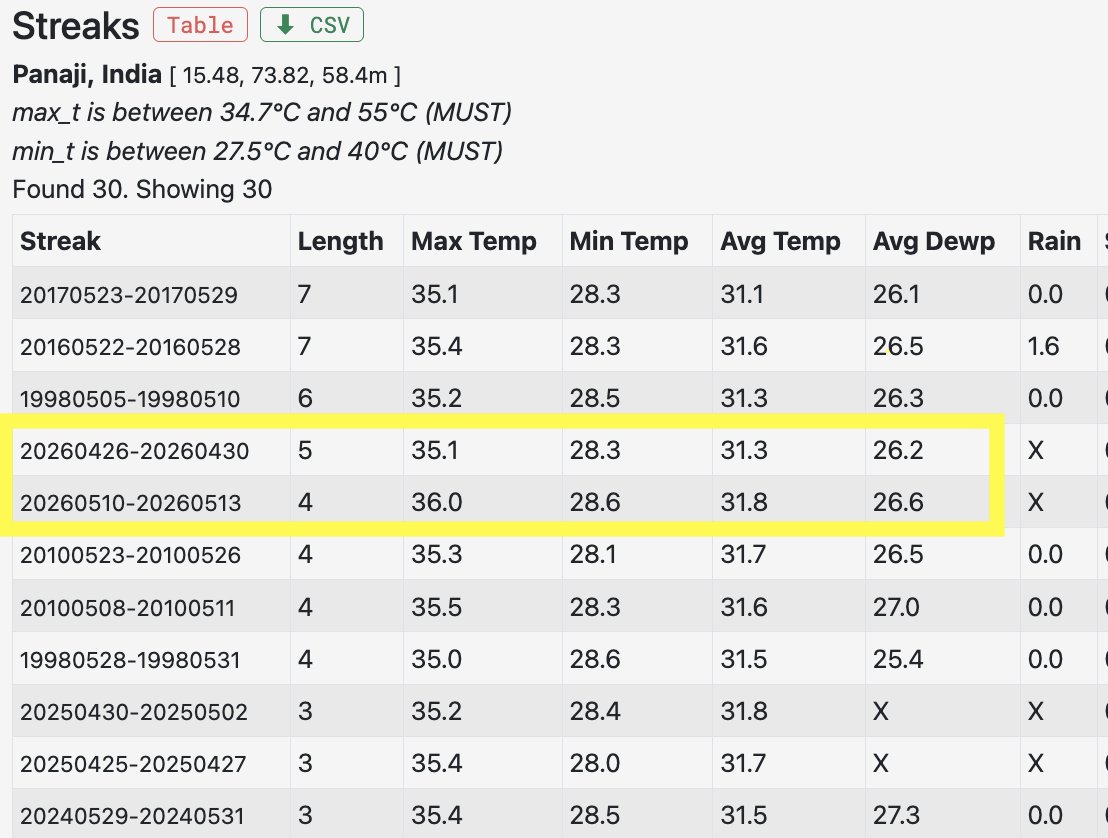
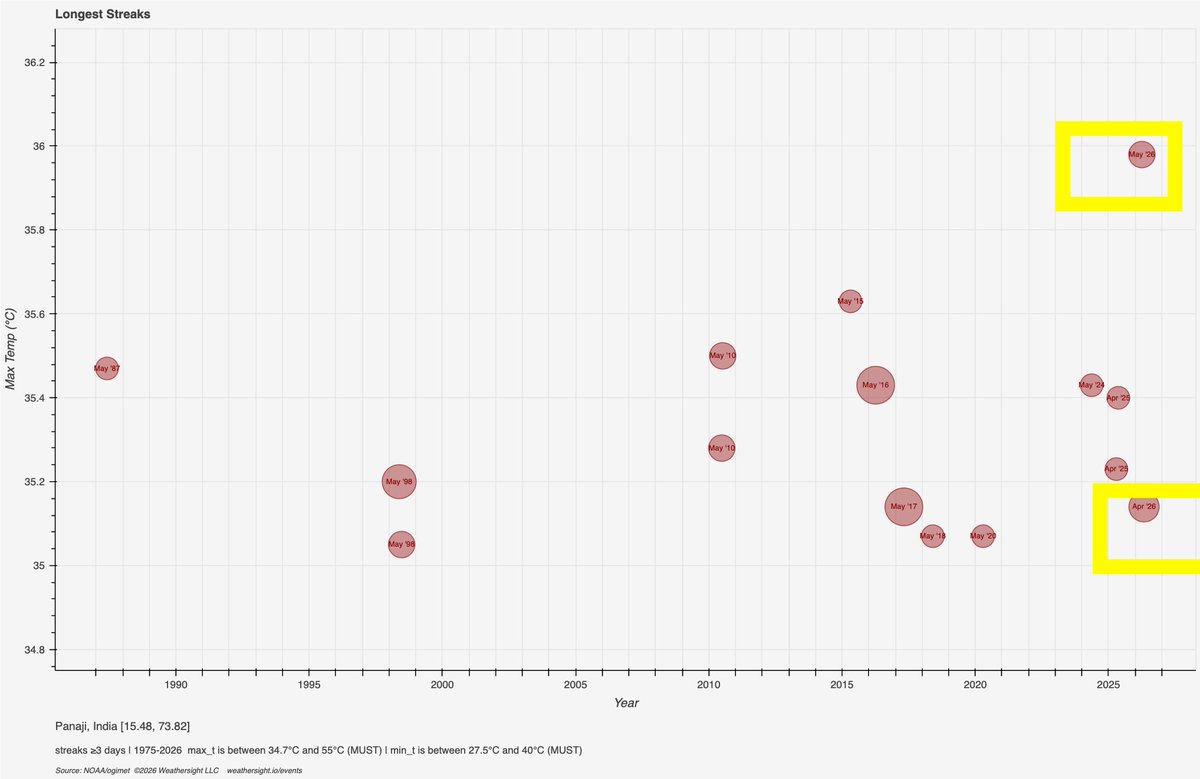
Most accounts of heatwaves in modern media is a whole lot of narrative with point examples of a single 'record breaking day'. I think with better tools at our disposal (we have had decent data for a while), we can at least attempt to communicate detail that builds understanding. #climatecommunication
May 15

Western India, May 2026. Many locations have endured a long heat-wave. High day temps (Tmax) occur in Mar/Oct as well but are accompanied by cooler nights. Heat in late April/May is unrelenting, hot days followed by muggy nights. Shown: Pune [Fig 1] and Panjim (Goa) [Fig 2] #pune #panjim #heatwave .🧵
1
3
173

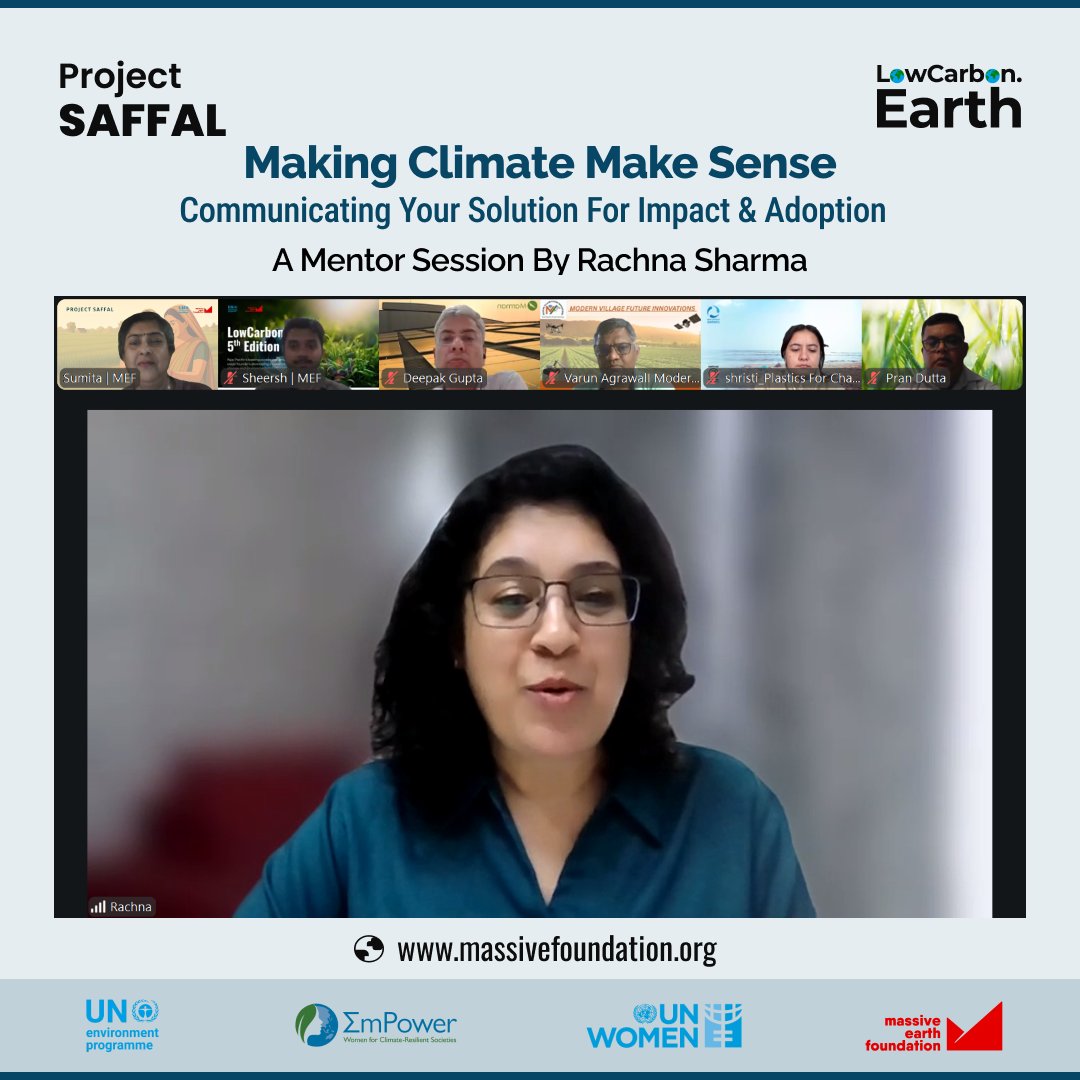
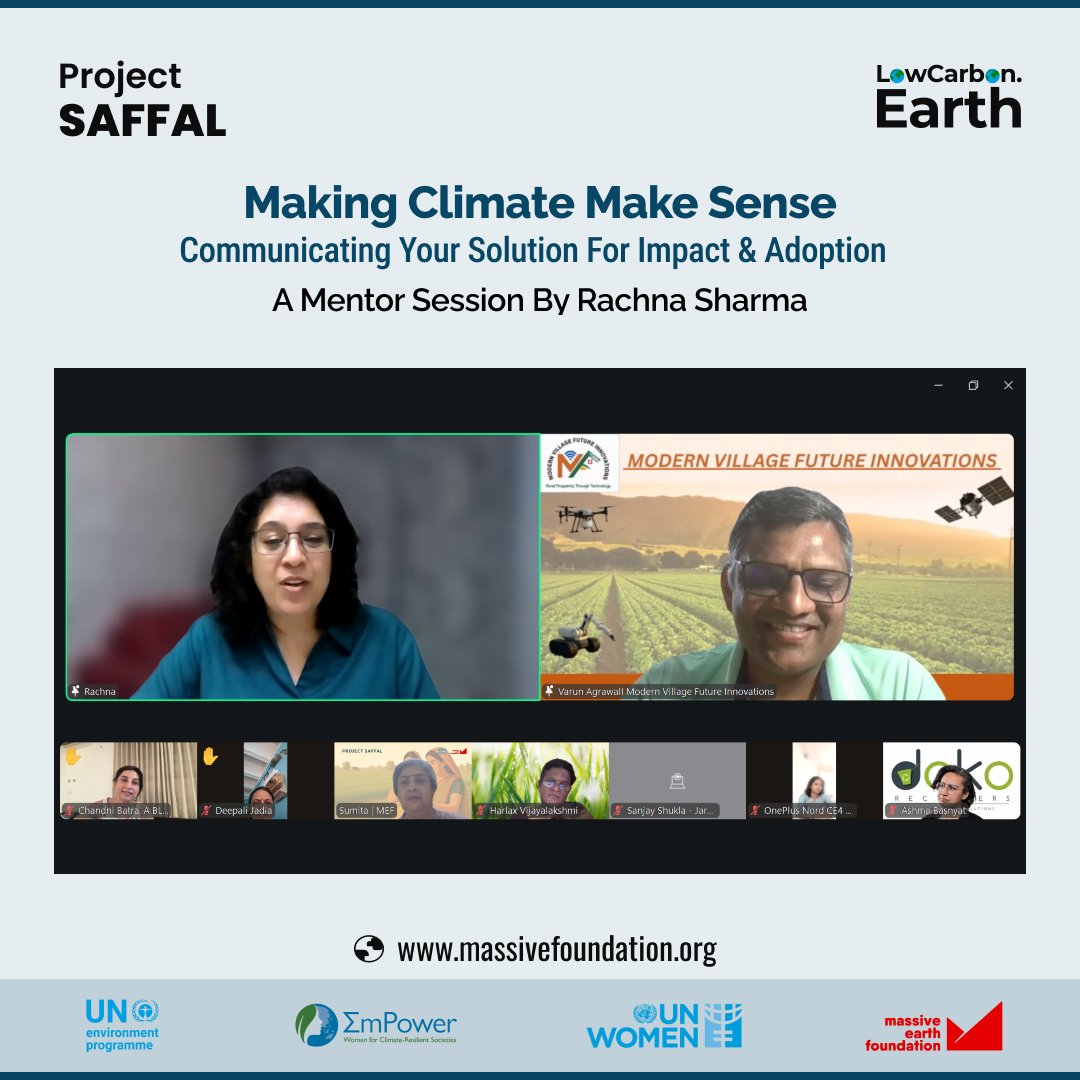
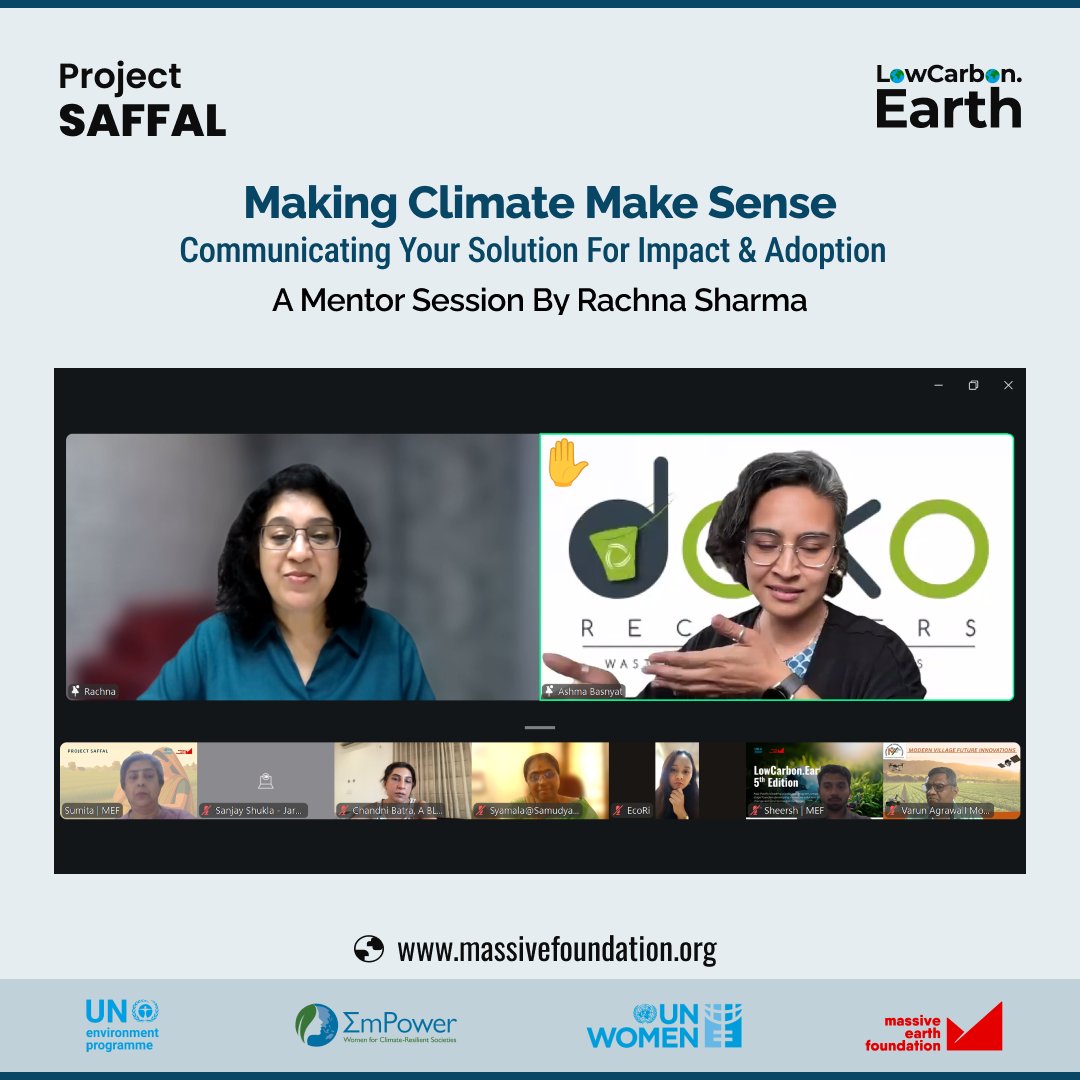
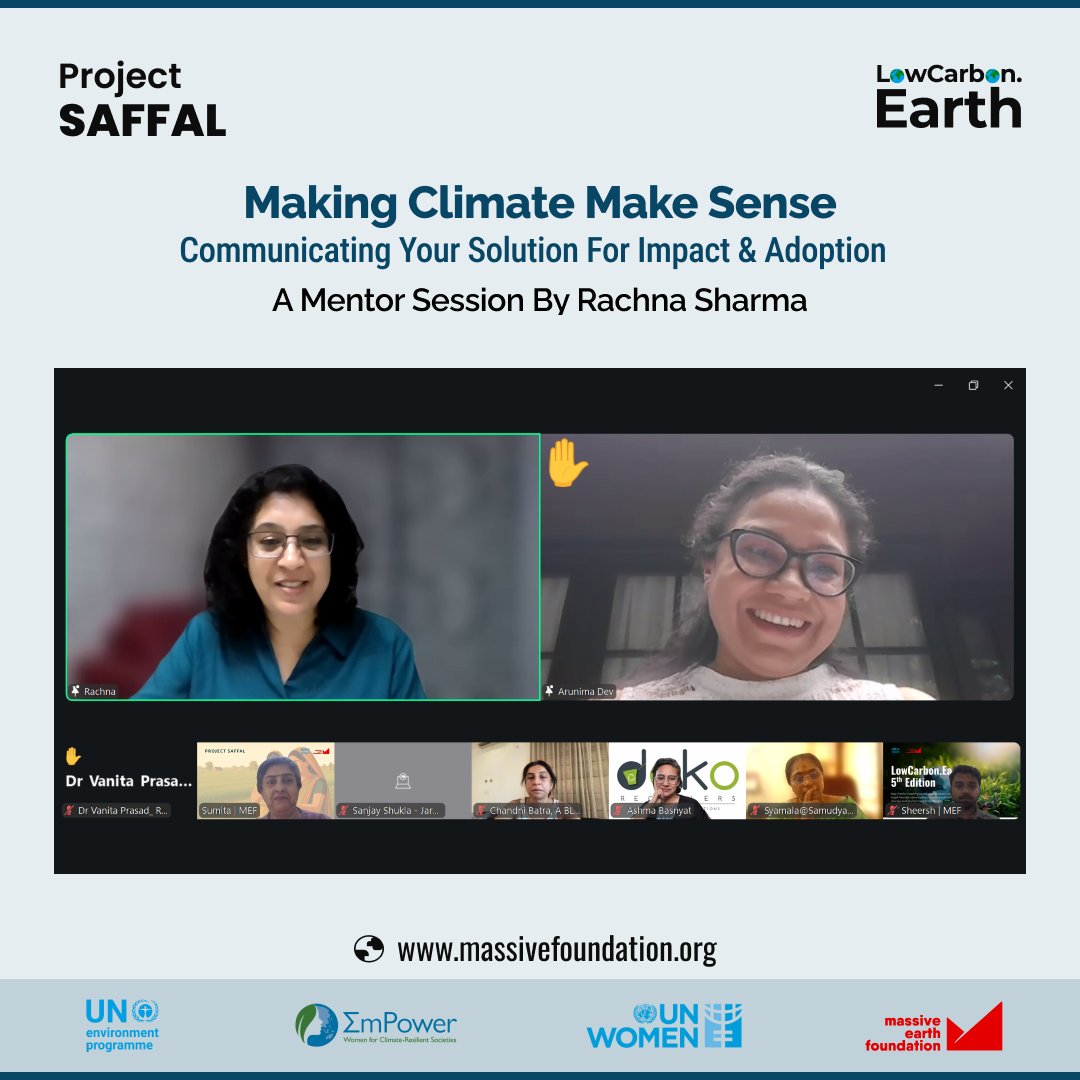
Climate solutions don’t scale if people don’t understand them.
Great session with Rachna Sharma, @theclimateready - on turning complex ideas into clear, credible narratives, building trust, avoiding greenwashing, tailoring messages for different audience.
#ClimateCommunication
ALT Mentor Session: Rachna Sharma @ Project SAFFAL
ALT Mentor Session: Rachna Sharma @ Project SAFFAL
ALT Mentor Session: Rachna Sharma @ Project SAFFAL
ALT Mentor Session: Rachna Sharma @ Project SAFFAL
2
18

May 4
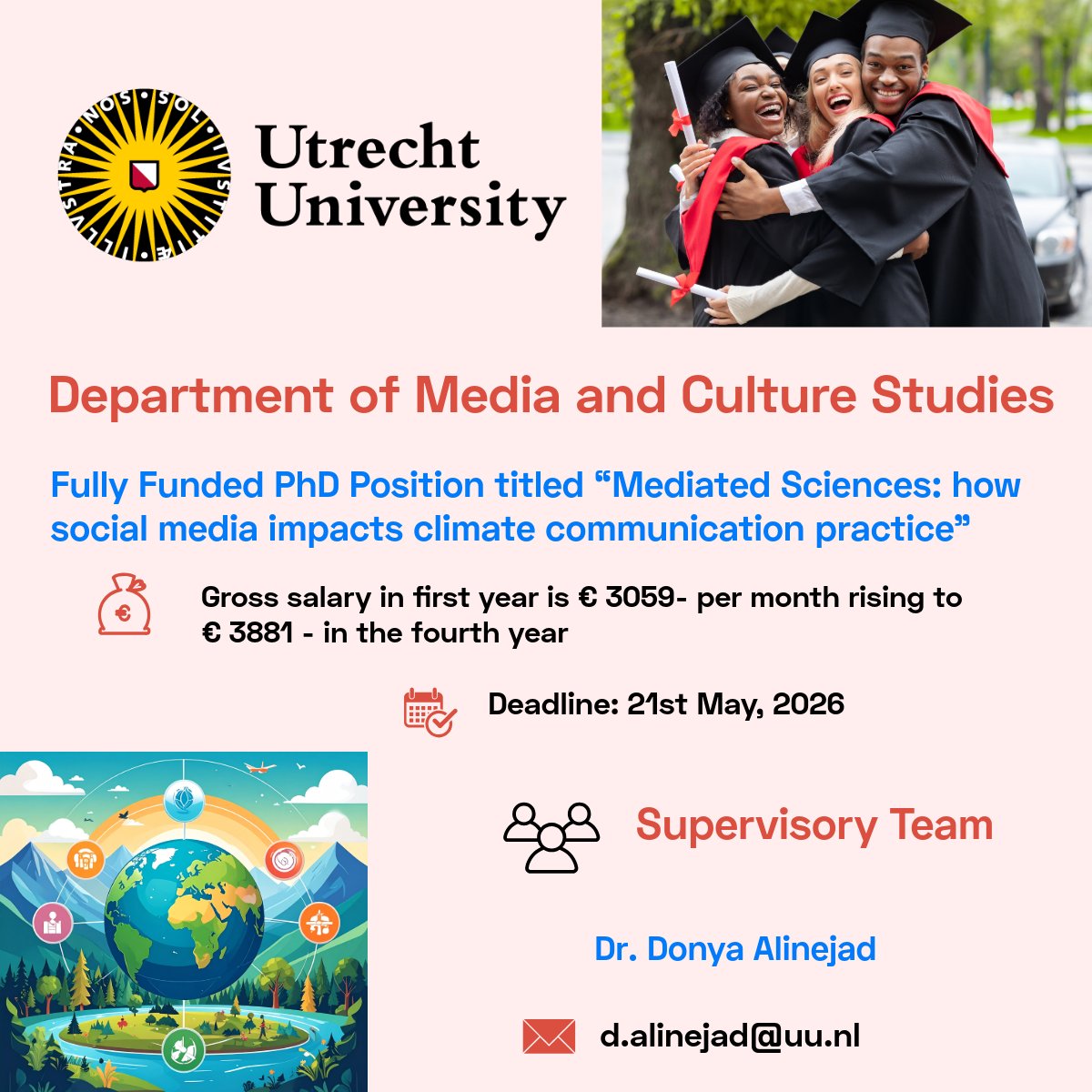
🎓 Fully Funded PhD in Mediated Sciences: Social Media & Climate Communication (Netherlands 🇳🇱)
💶 𝐆𝐫𝐨𝐬𝐬 𝐒𝐚𝐥𝐚𝐫𝐲 𝐢𝐧𝐝𝐢𝐜𝐚𝐭𝐢𝐨𝐧/𝐦𝐨𝐧𝐭𝐡: €𝟯𝟬𝟱𝟵- €𝟯𝟴𝟴𝟭
✅ Passionate about #MediaStudies #DigitalPlatforms #ClimateChange 📱🌱
✅ Highly recommend this interdisciplinary #fullyfunded #PhDPosition for up to 4️⃣years within the Department of Media and Culture Studies, Utrecht University - Faculty of Humanities, @UniUtrecht 🇳🇱
📌 This #phdproject focuses on “𝗠𝗲𝗱𝗶𝗮𝘁𝗲𝗱 𝗦𝗰𝗶𝗲𝗻𝗰𝗲𝘀: 𝗛𝗼𝘄 𝘀𝗼𝗰𝗶𝗮𝗹 𝗺𝗲𝗱𝗶𝗮 𝗶𝗺𝗽𝗮𝗰𝘁𝘀 𝗰𝗹𝗶𝗺𝗮𝘁𝗲 𝗰𝗼𝗺𝗺𝘂𝗻𝗶𝗰𝗮𝘁𝗶𝗼𝗻 𝗽𝗿𝗮𝗰𝘁𝗶𝗰𝗲”
You’ll work on:
🔷 Qualitative research on science communicators’ practices (interviews, ethnography)
🔷 Analysing platform influence (e.g., X, LinkedIn) on climate communication
🔷 Studying misinformation, disinformation & attention economies
🔷 Exploring how engagement metrics shape content and credibility
🔷 Contributing to interdisciplinary research on media, climate & society
🌍 Engage with real-world challenges at the intersection of digital platforms, science communication, and climate change
⏰ 𝗗𝗲𝗮𝗱𝗹𝗶𝗻𝗲: 𝟮𝟭𝘀𝘁 𝗠𝗮𝘆, 𝟮𝟬𝟮𝟲
✅ Work with Dr. @DonyaAlinejad , & leading researchers in media and cultural studies
👉 Full details & apply here:
🔗phdscanner.com/opportunities…
📩 Want more like this?
➕ Follow @PhDScanner and join WhatsApp for updates:
whatsapp.com/channel/0029Vb5…
🌐 Visit: phdscanner.com
#fullyfundedPhd #PhDposition #PhDVacancy #UtrechtUniversity #Netherlands #ClimateCommunication #MediaStudies #SocialMedia #Sustainability
♻️ Share with someone applying this cycle
@phdhardtalk
ALT https://www.phdscanner.com/opportunities/phd-vacancies-utrecht-university-netherlands-phd-mediated-sciences-how-social-media-impacts-climate-communication-practice-75059a89-8b1f-478c-af79-3e55df93c8f9
2
18
678

Through my on-site engagement with climate communities across several countries in both the Global North and Global South, one observation becomes difficult for me to ignore as a social science researcher and climate activist.
In virtually every setting, there is a shared language of “climate change,” “adaptation,” and “mitigation.” On the surface, it appears as though actors are aligned around a common problem and a common set of solutions. Yet, beneath this apparent convergence lies a far more complex reality.
What becomes evident through closer interaction is that actors are not, in fact, speaking from the same interpretive ground.
Within the same room, I’ve encountered fundamentally different ways of knowing and framing climate change:
scientists grounding their arguments in empirical evidence and probabilistic reasoning, policymakers navigating feasibility and negotiation, religious communities interpreting climate through spiritual and cosmological lenses, and civic actors mobilizing narratives of justice and human rights.
Through my own volunteering with climate organizations, I’ve also seen how investment logics and market forces shape how climate action is pursued.
All these are not simply different “perspectives” on the same issue; they are distinct interpretive systems, each with its own internal logic, authority structures, and criteria for what counts as truth.
And yet, despite these differences, these actors often converge discursively around the language of “climate action” and “climate solutions.” This convergence can create the impression of coherence, but it is, in many cases, a fragile alignment rather than a shared understanding.
What is being coordinated is not a unified meaning of climate change, but a set of overlapping, and sometimes incommensurable, interpretations that are temporarily brought into alignment for the purposes of action.
This is precisely where the problem emerges. If climate change is interpreted differently across these systems: scientifically, morally, politically, economically, and spiritually, then the pathway to “solutions” cannot be reduced to the advancement of scientific knowledge alone.
The challenge is not only scientific but deeply social. It concerns how meaning travels across systems and how coordination becomes possible in the absence of consensus.
It is in this sense that climate change must be understood not only as an environmental crisis, but as a problem of communication within plural social systems. What is at stake is not simply the dissemination of knowledge, but the conditions under which different systems, each with its own logic, can coordinate actions without collapsing their differences.
From my experiences across the Americas, Europe, Africa, Asia, and Australia, this is what I refer to as the Social Science of Climate Change.
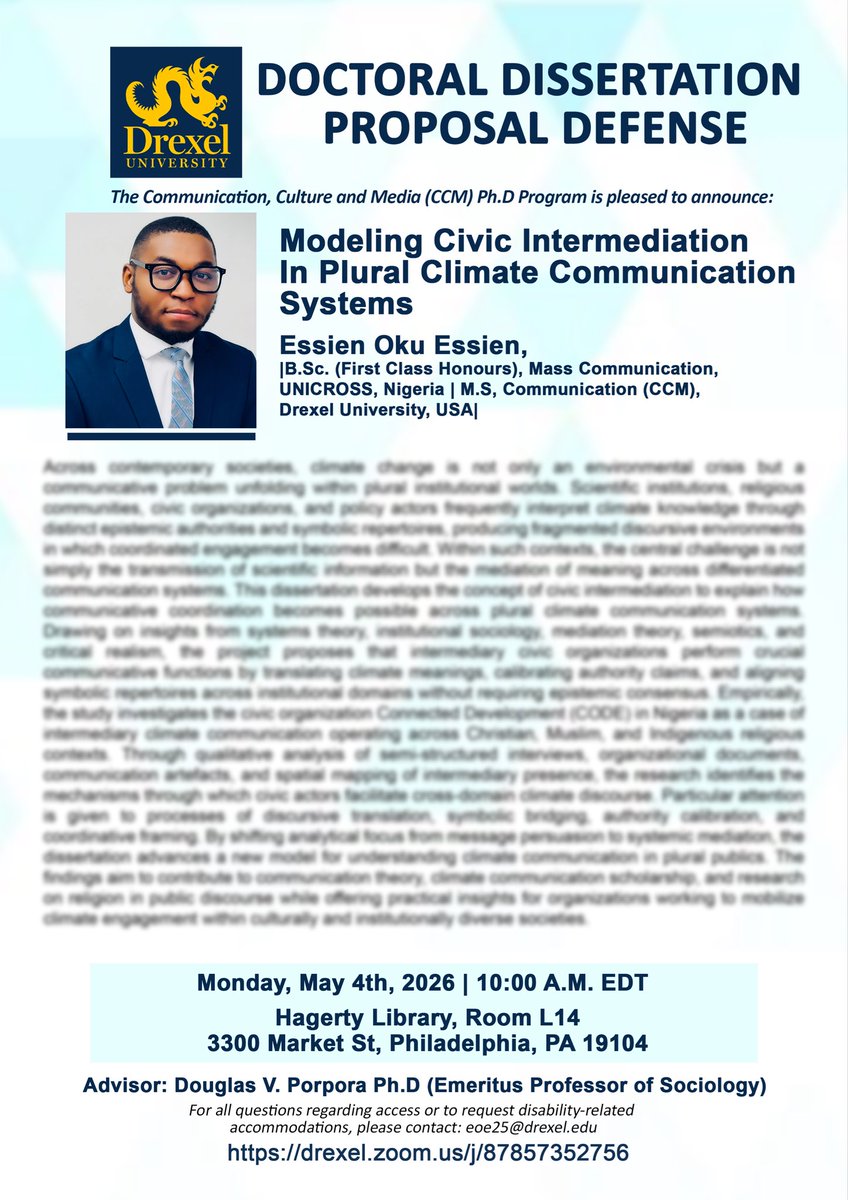
As I approach my dissertation proposal defense, I look forward to developing this conversation further.
#ClimateCommunication #PhDResearch
1
1
3
141

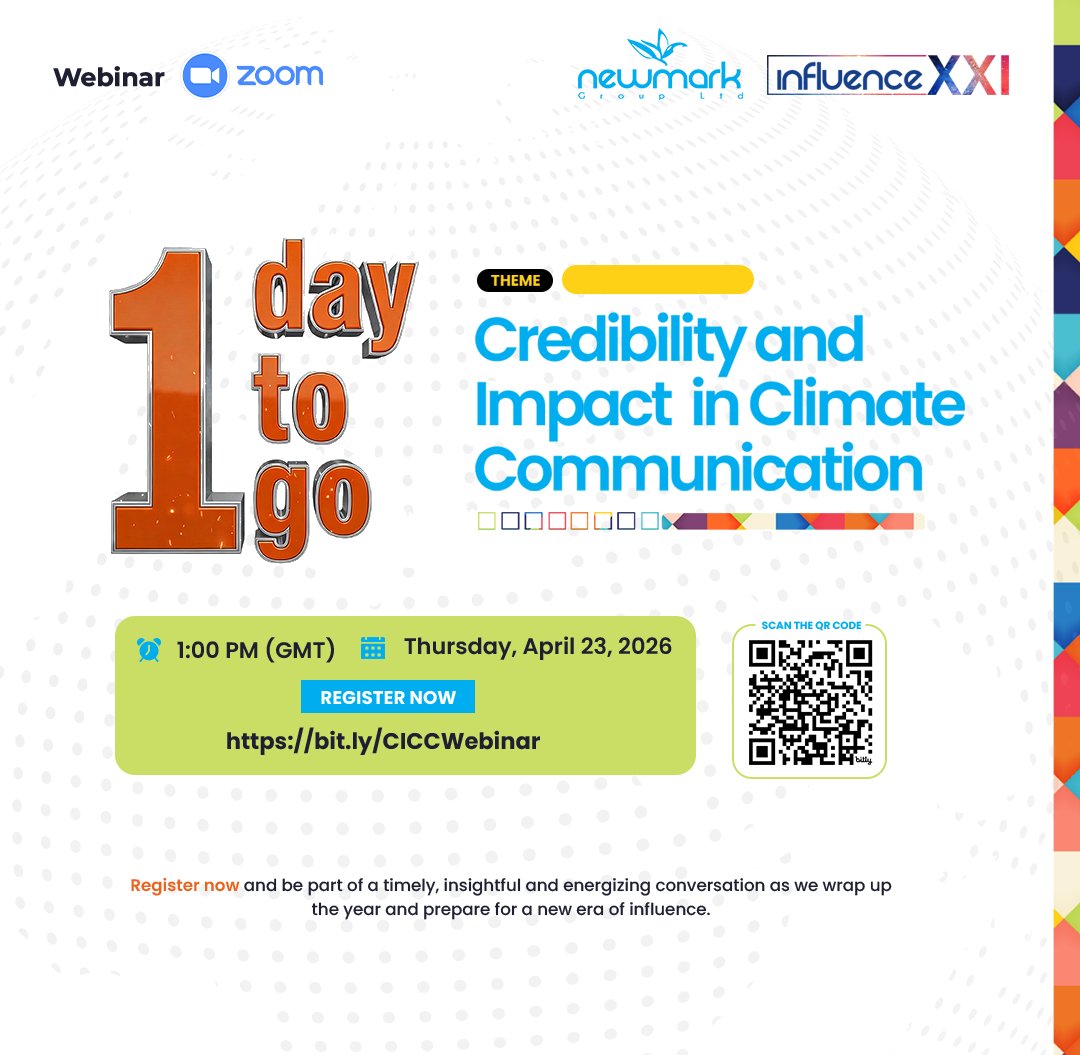
⏳ 1 day to go!
Join us tomorrow for Credibility & Impact in Climate Communication.
📅 Apr 23 | 🕐 1 PM GMT
🔗 us06web.zoom.us/webinar/regi…
#ClimateCommunication #ClimateAction
2
23

Feb 23
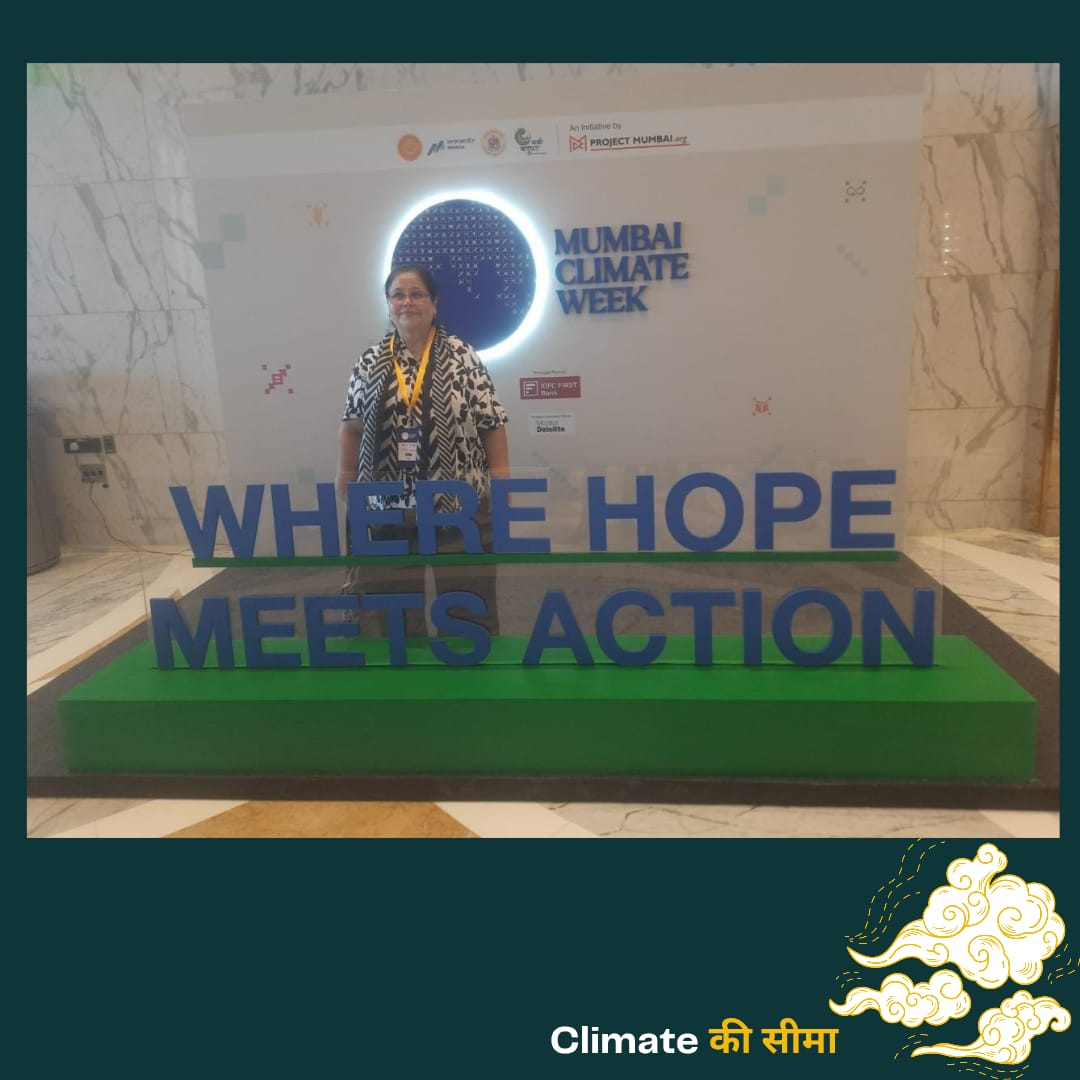
Plotting communication for better futures #MumbaiClimateWeek @projectmumbai1
#climatekiseema #climatecommunication #climatechange #sustainablefutures #climatereporting
2
16

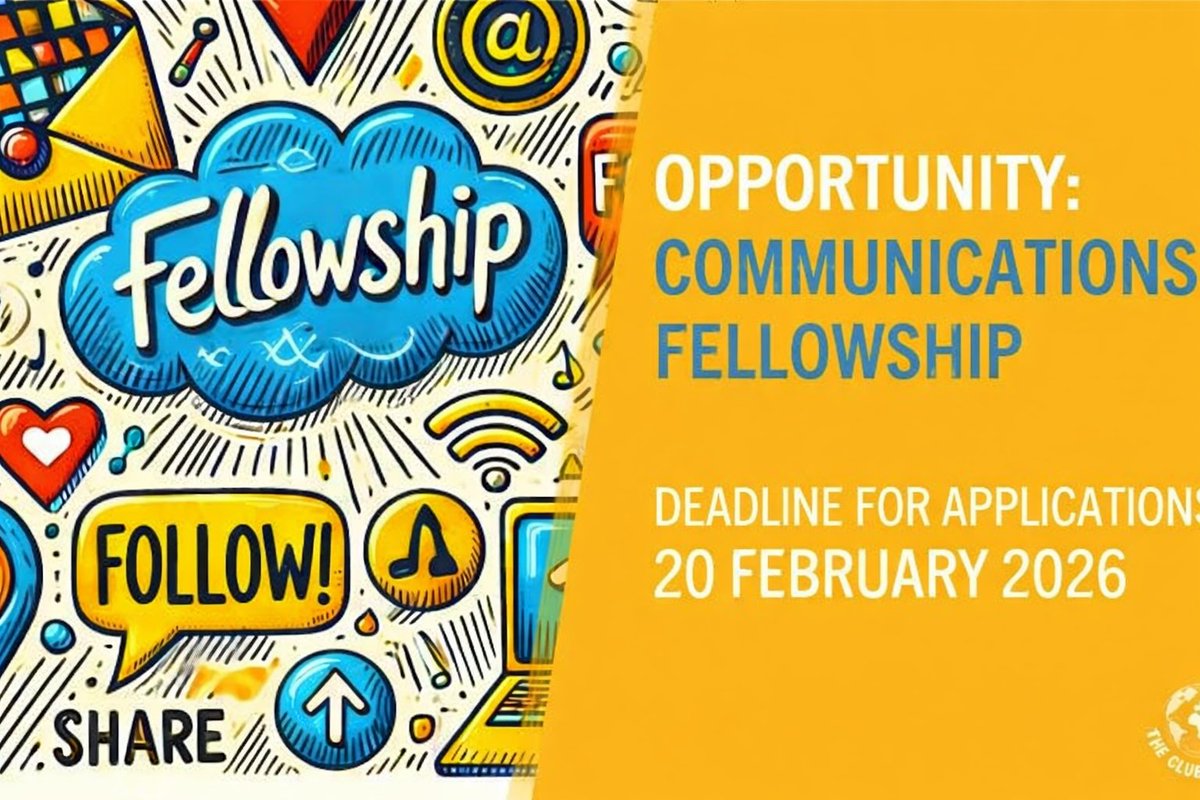
🌍 Club of Rome Communications Fellowship 2026: a 7-month paid remote fellowship for early-career communicators from Africa, LAC, Middle East & Asia-Pacific—apply by 20 Feb 2026 👉 wp.me/p23f03-cv0
#ClubOfRome #PaidFellowship #ClimateCommunication #RemoteFellowship
1
4
26
1,626
🌍 Club of Rome Communications Fellowship 2026: a 7-month paid remote fellowship for early-career communicators from Africa, LAC, Middle East & Asia-Pacific—apply by 20 Feb 2026 👉 wp.me/p23f03-cv0
#ClubOfRome #PaidFellowship #ClimateCommunication #RemoteFellowship

3
456
🌍 Club of Rome Communications Fellowship 2026: a 7-month paid remote fellowship for early-career communicators from Africa, LAC, Middle East & Asia-Pacific—apply by 20 Feb 2026 👉 wp.me/p23f03-cv0
#ClubOfRome #PaidFellowship #ClimateCommunication #RemoteFellowship
1
6
375

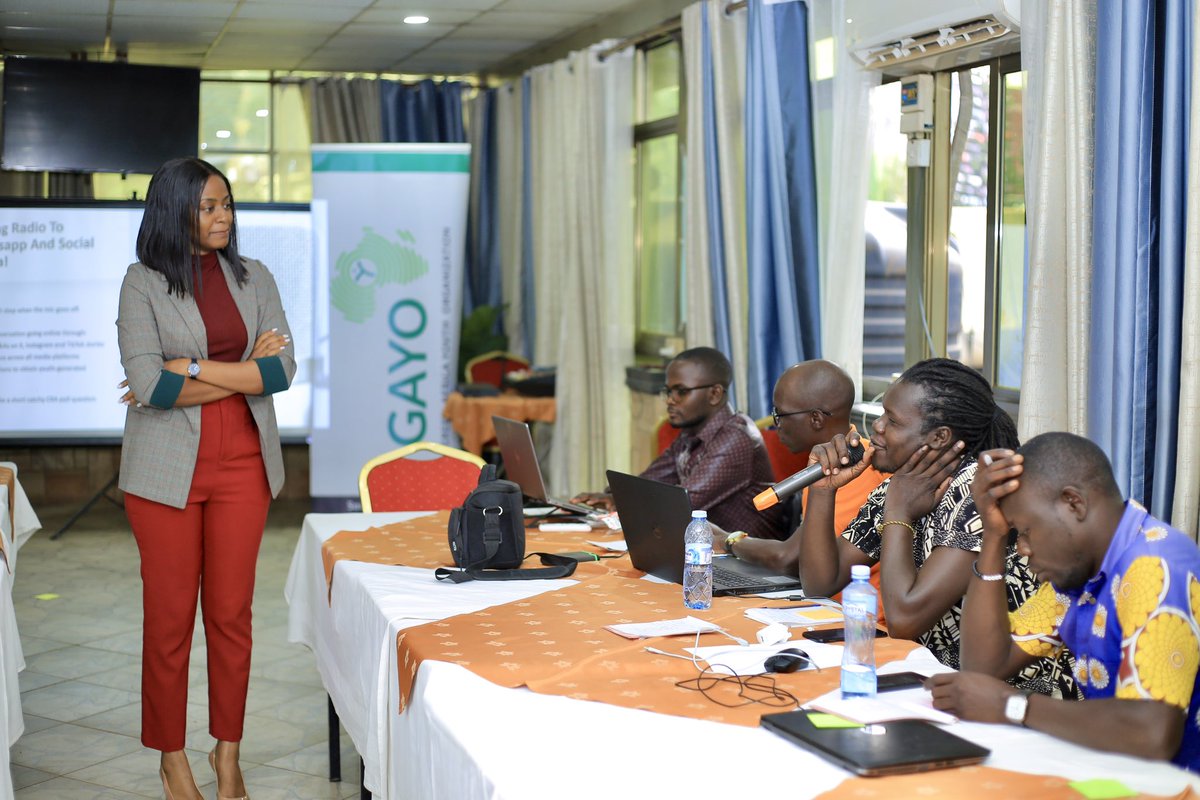
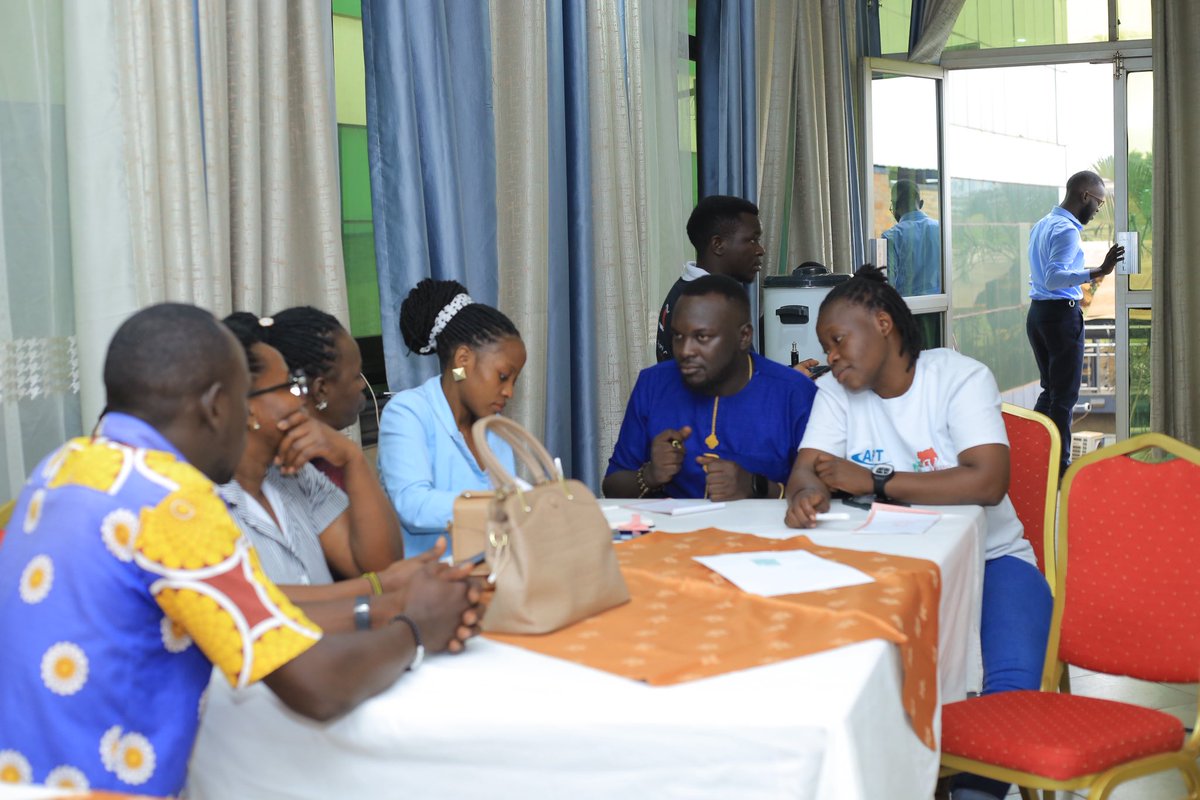
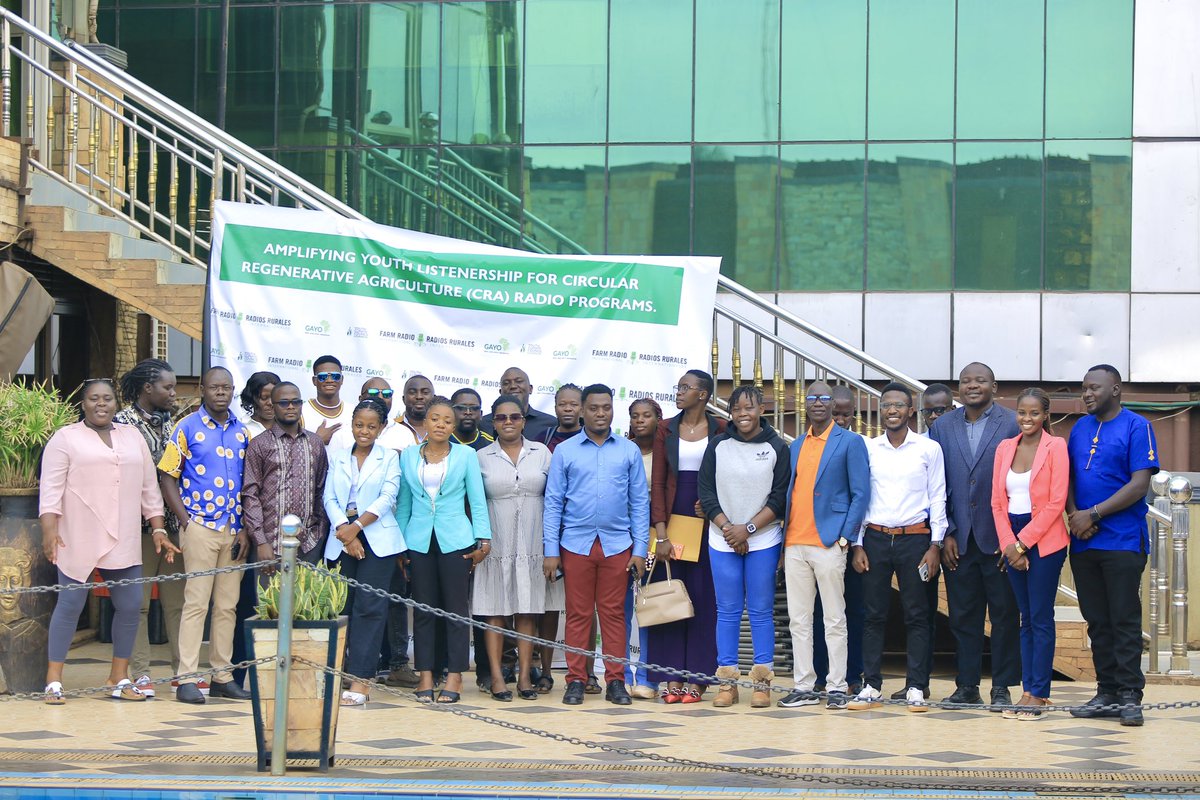
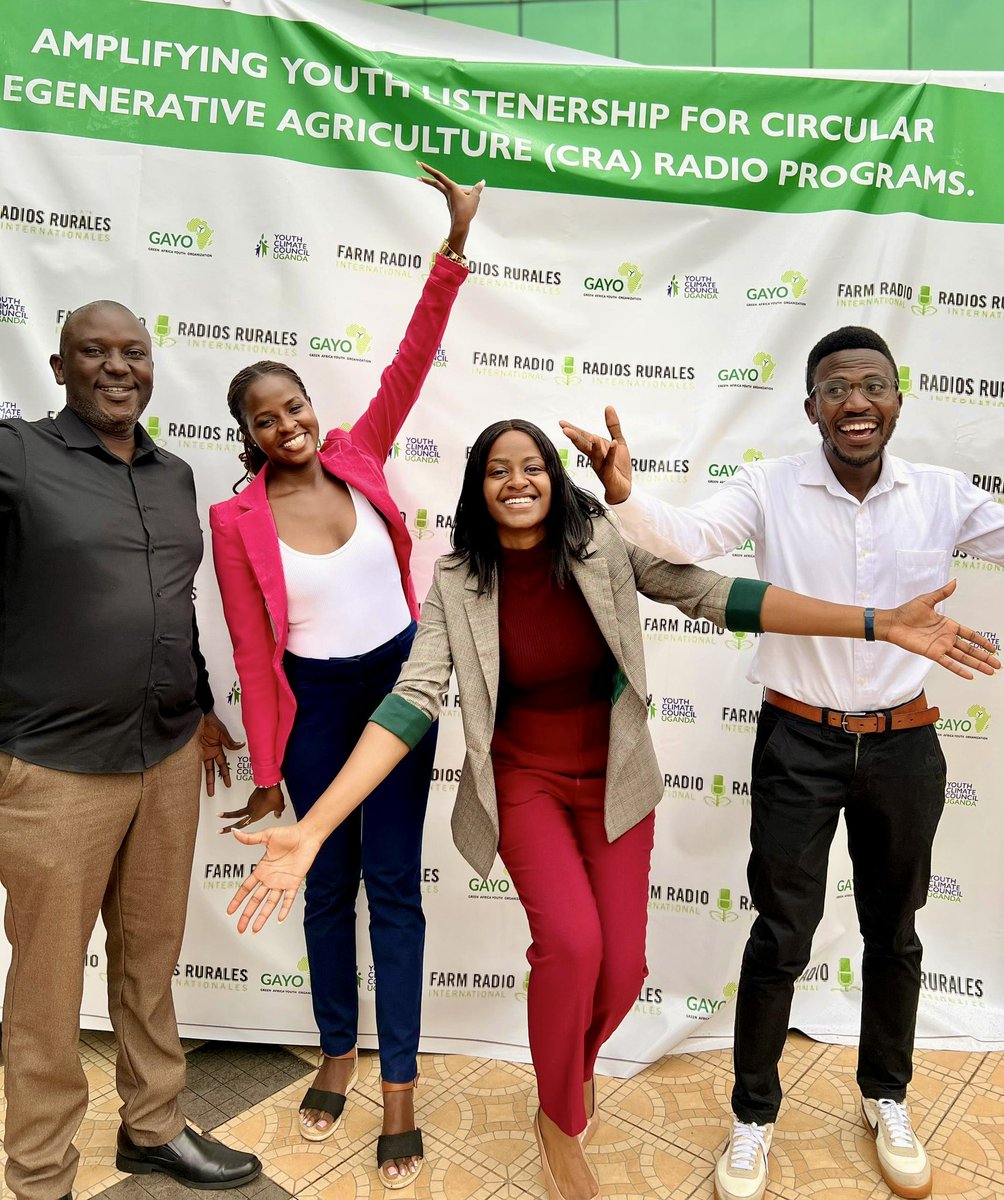
Thank you, @LindaEvelyn_N , for the powerful facilitation and insights.
Your contribution really strengthened the conversation on youth-centered, interactive radio and #CRA
#YouthEngagement #CRA #ClimateCommunication #RadioForDevelopment #Storytelling #MediaForChange

So grateful to @GayoUganda , @YCCUganda & @farmradio for trusting me with this space.
In a nutshell, we explored:
1️⃣ How to make Circular Regenerative Agricultural (CRA) radio shows more youth-friendly, fun and digital integration.
2️⃣ Building CRA youth-focused radio brands that last.
#ClimateCommunication
#YouthAndMedia
#CRA | #Broadcasters
2
6
227

So grateful to @GayoUganda , @YCCUganda & @farmradio for trusting me with this space.
In a nutshell, we explored:
1️⃣ How to make Circular Regenerative Agricultural (CRA) radio shows more youth-friendly, fun and digital integration.
2️⃣ Building CRA youth-focused radio brands that last.
#ClimateCommunication
#YouthAndMedia
#CRA | #Broadcasters
3
23
89
6,481

Jan 28
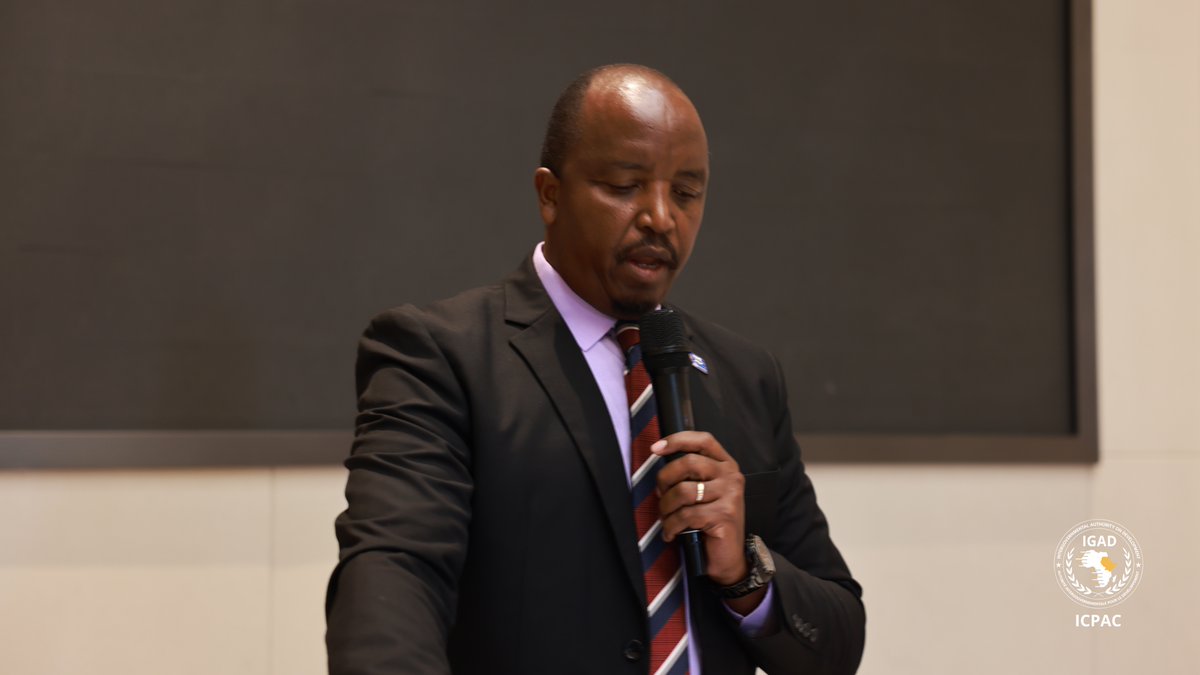
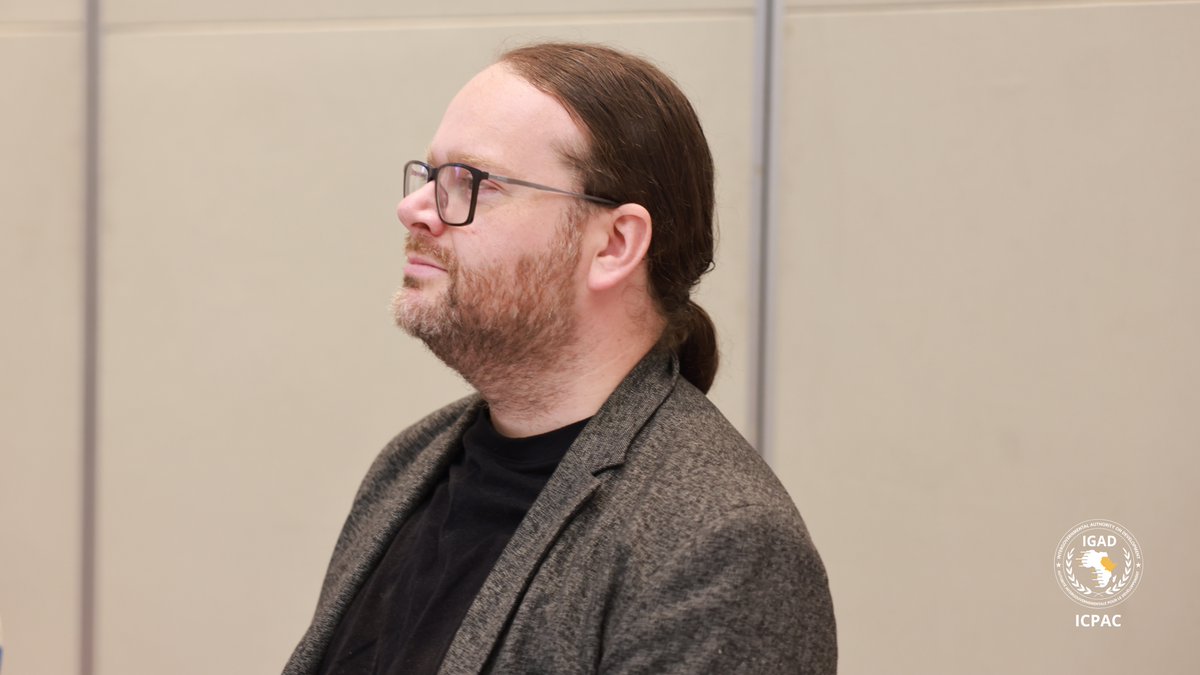
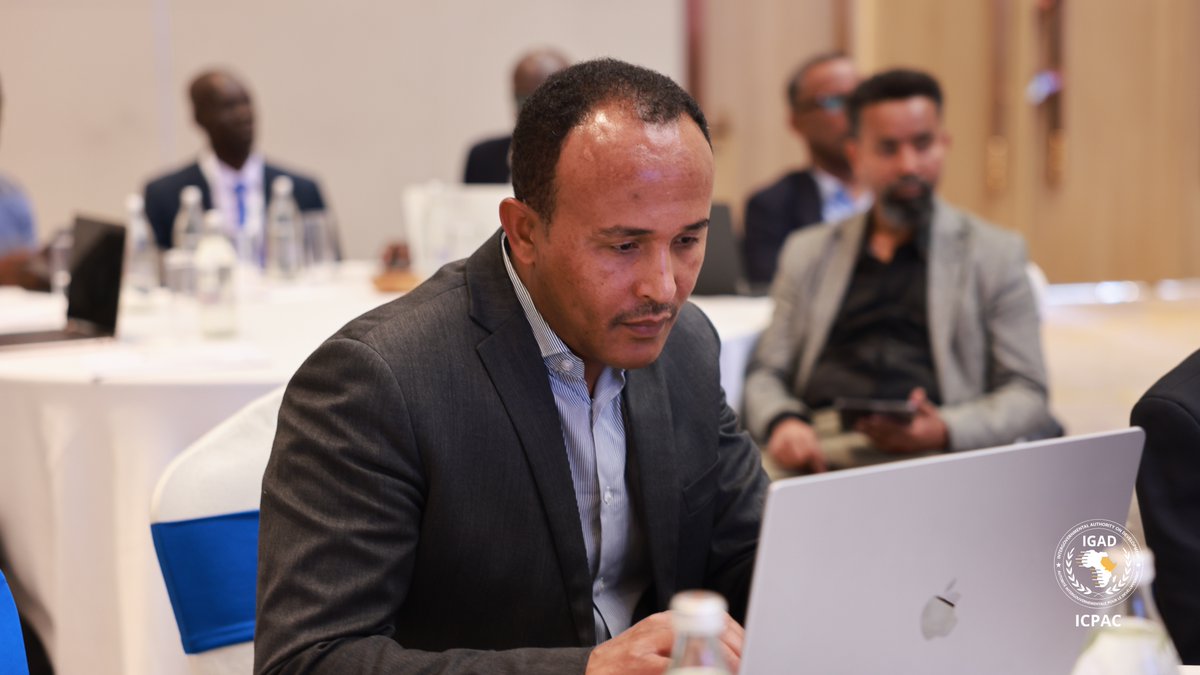
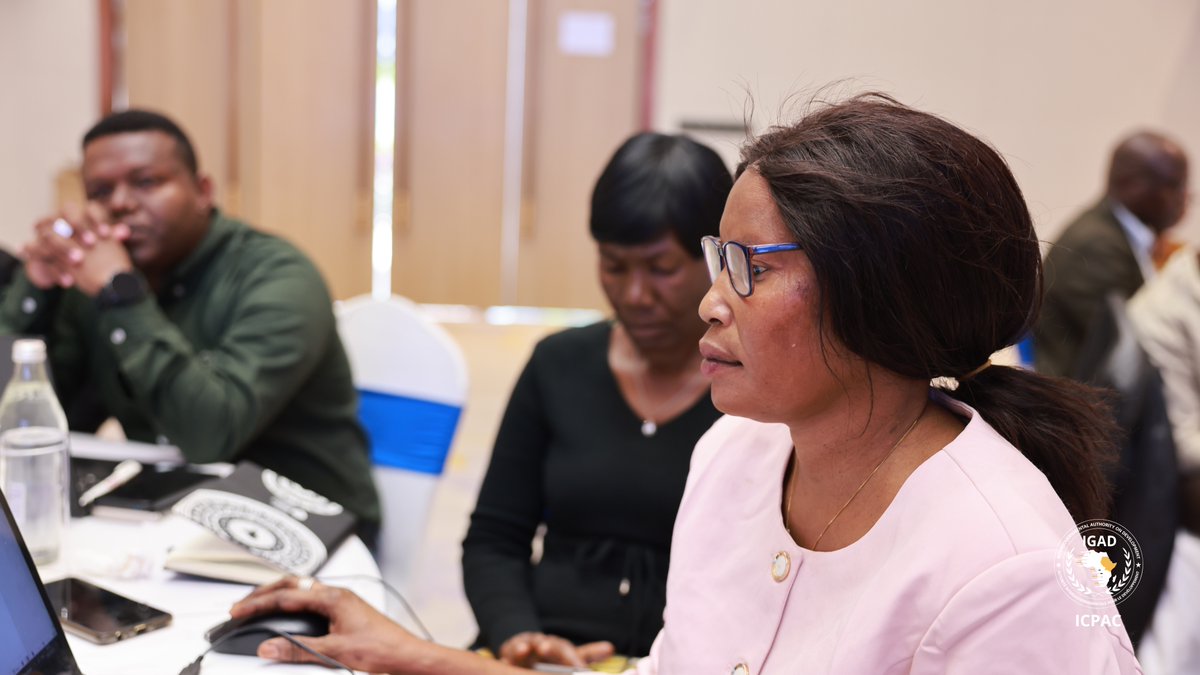
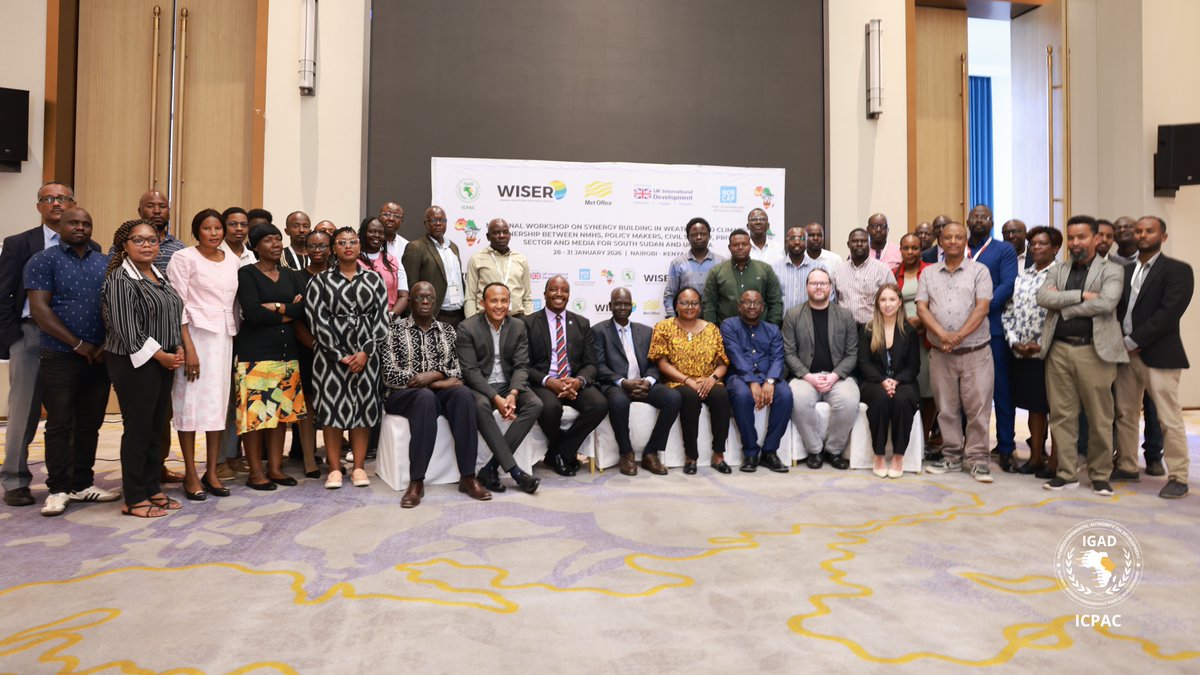
📣 The workshop is supported by the WISER Pan-African Seasonal Strengthening (WISER PASS) project which is implemented through strategic partnership between the UK Met Office and ICPAC.
👉🏾 Building on previous WISER initiatives, PASS enhances the quality, accessibility, and uptake of sub-seasonal to seasonal (S2S) climate services across the Greater Horn of Africa (GHA)🌍.
👉🏾 WISER PASS is funded by FCDO to promote co-production, equity, innovation, and actionable science to support informed decision-making and sustainable development.
#WISER #PASSEA #ClimateServices #climatecommunication #EarlyWarning
4
247
Jan 28
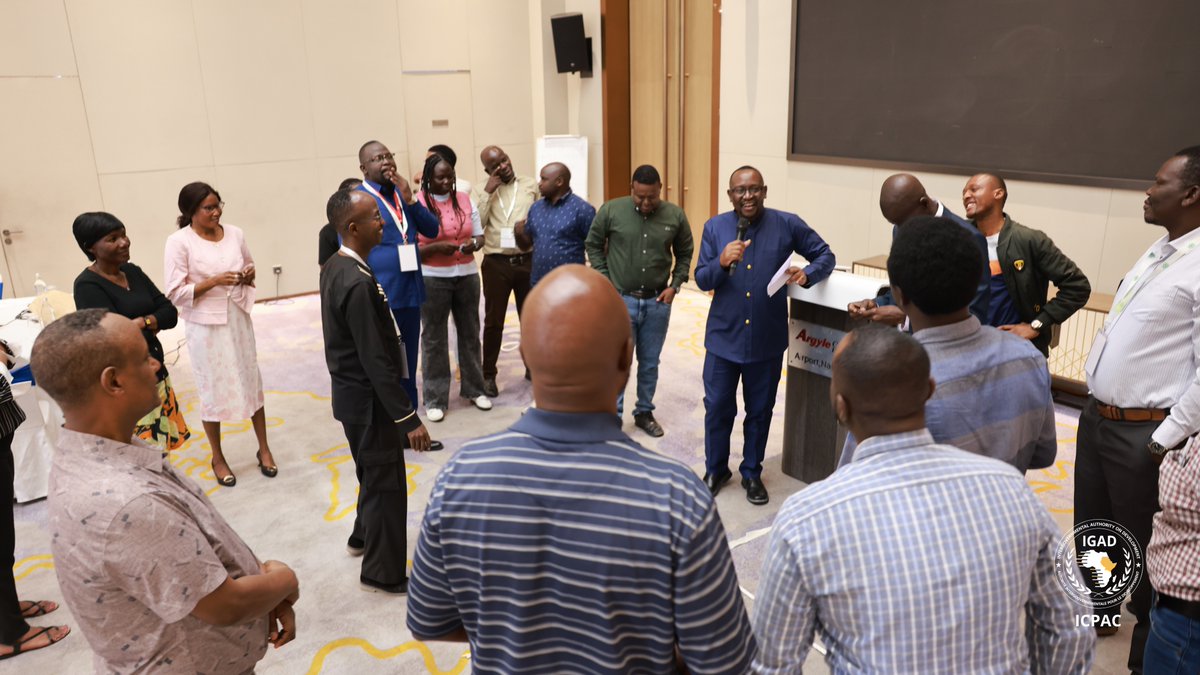
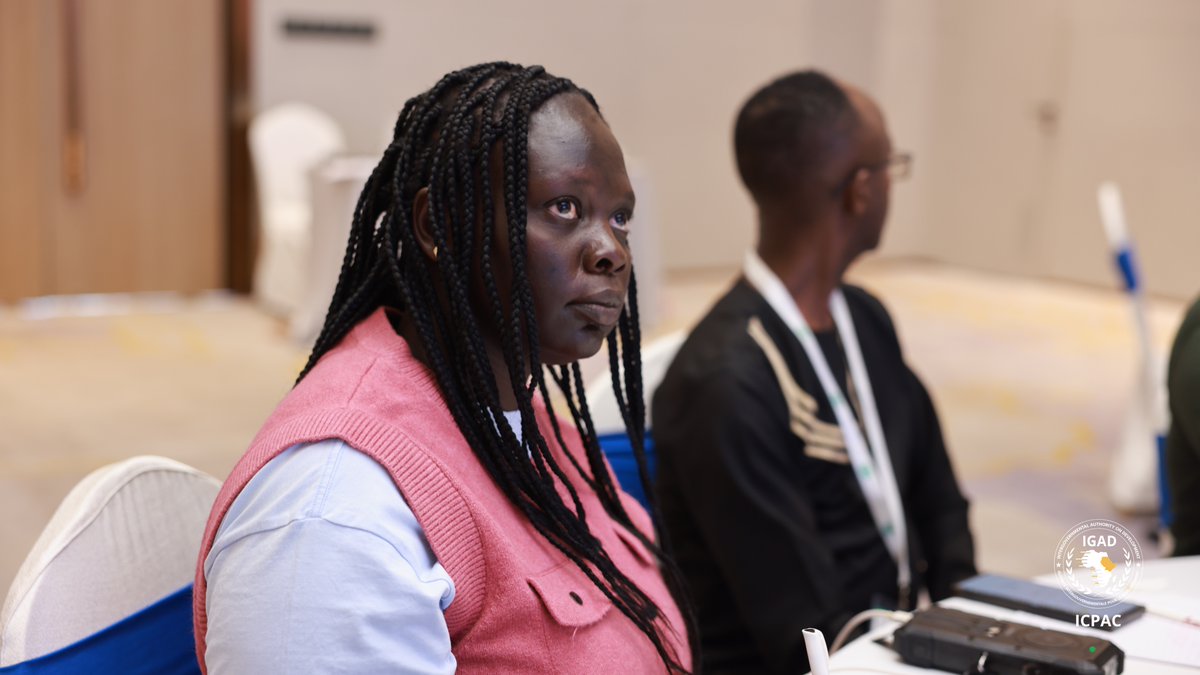
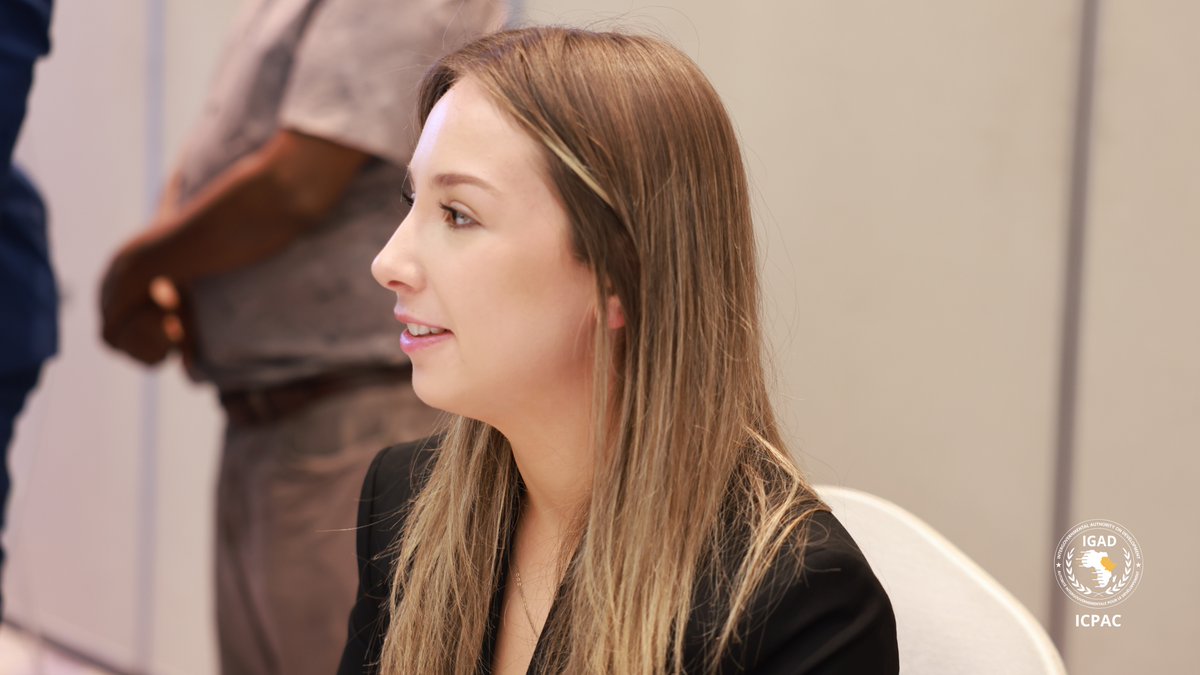
📣 The 3rd WISER PASS National Synergy-Building Workshop (WPNSBW) will take place from 28–31 January 2026 in Nairobi, Kenya.
👉🏾The workshop will provide hands-on training on ICPAC products and services while building national partnerships on weather and climate information services among NMHSs forcasters📡, 🎤 media, Save the Children, and key sectors including disaster risk management (DRM), agriculture🌾, health, water🌊, and energy🔋.
👉🏾Bringing together stakeholders from #SouthSudan and #Uganda, the workshop aims to enhance the communication, dissemination, uptake, and application of weather and climate information.
#WISER #PASSEA #ClimateServices #climatecommunication #EarlyWarning
2
6
15
656

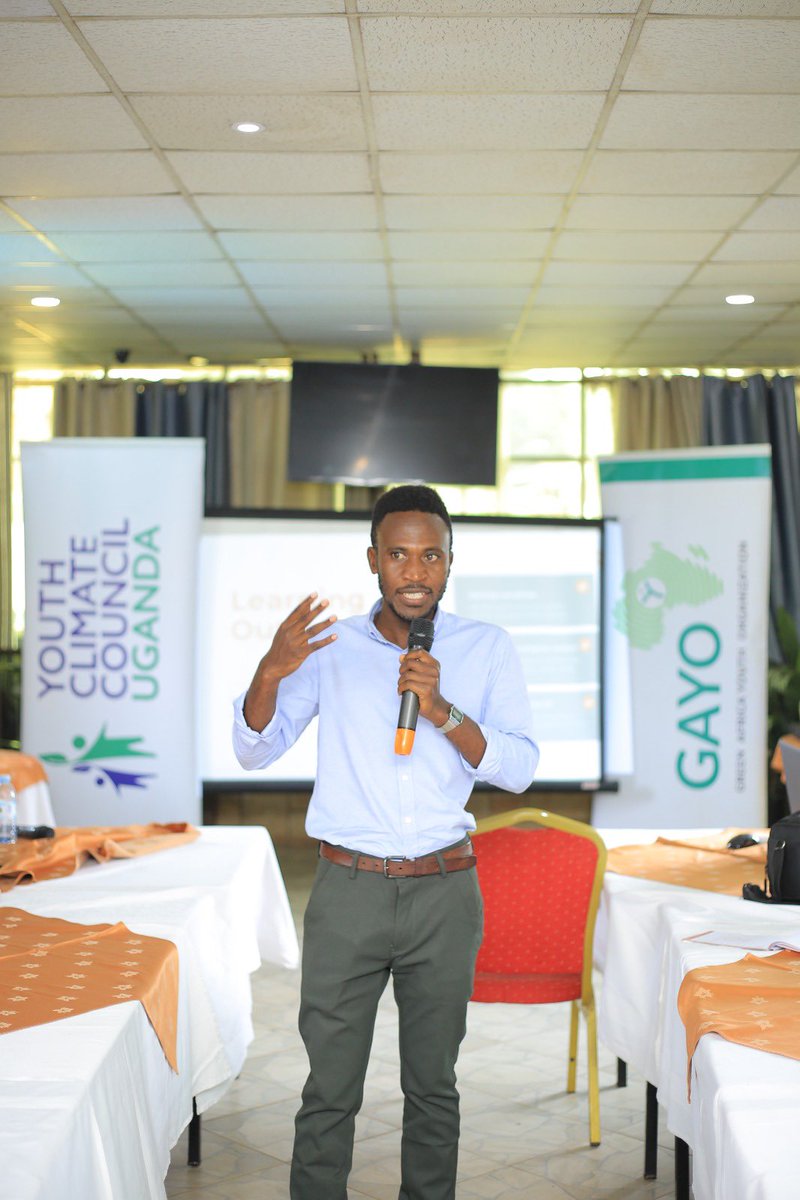
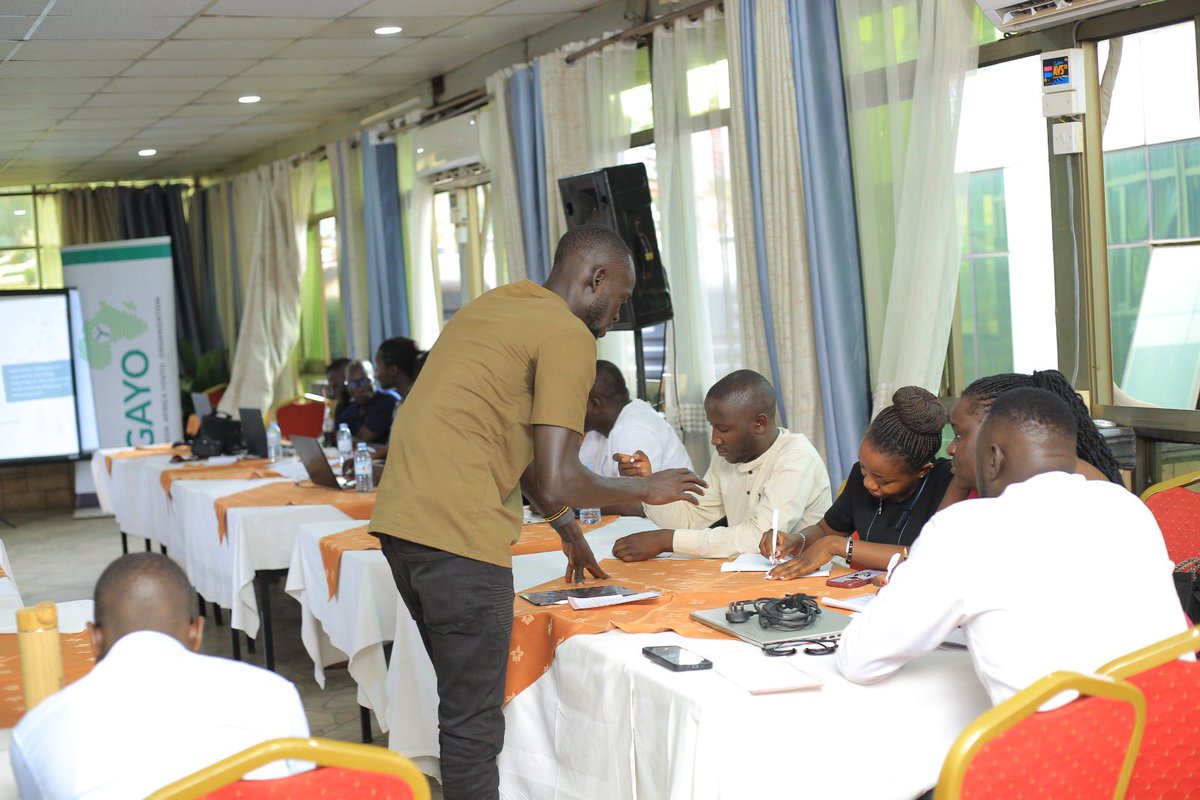
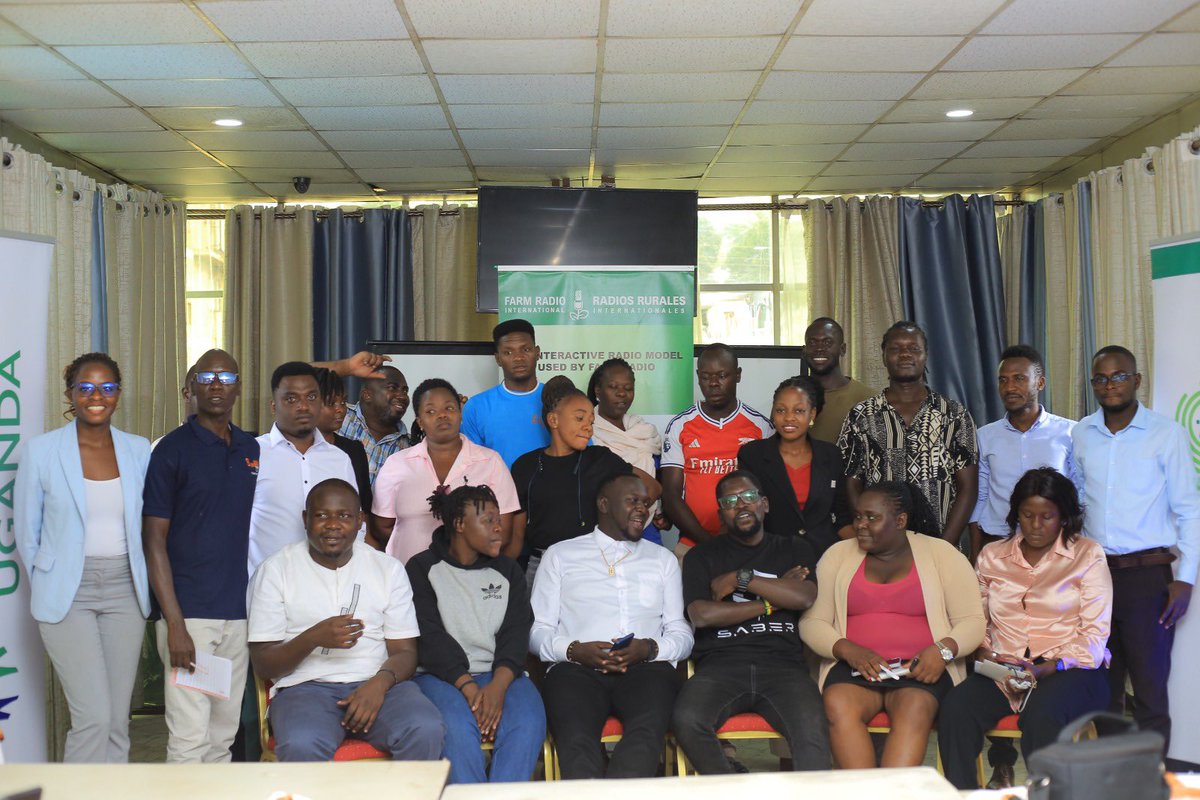
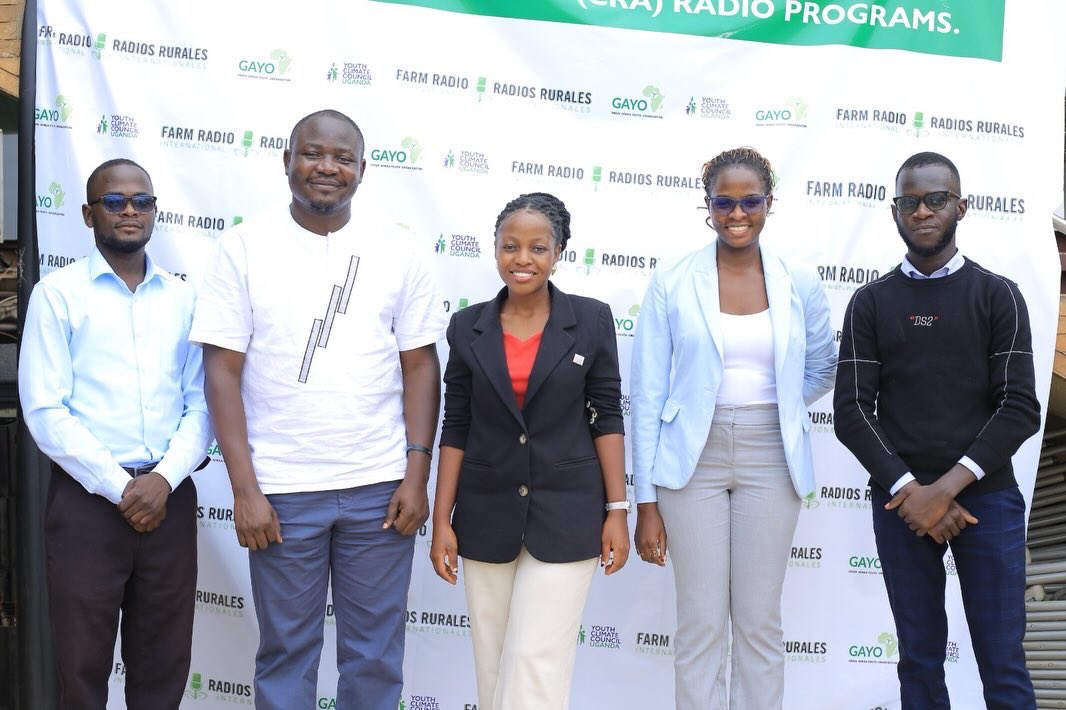
Day 1 of our training on Amplifying Youth Listenership for #CRA Radio Programs wrapped up strong!
#Broadcasters explored youth-centered storytelling, policy translation & interactive formats to make #CRA radio engaging for young audiences.
#YouthAndMedia #ClimateCommunication
1
6
21
343
🌍 Club of Rome Communications Fellowship 2026: a 7-month paid remote fellowship for early-career communicators from Africa, LAC, Middle East & Asia-Pacific—apply by 20 Feb 2026 👉 wp.me/p23f03-cv0
#ClubOfRome #PaidFellowship #ClimateCommunication #RemoteFellowship
2
335
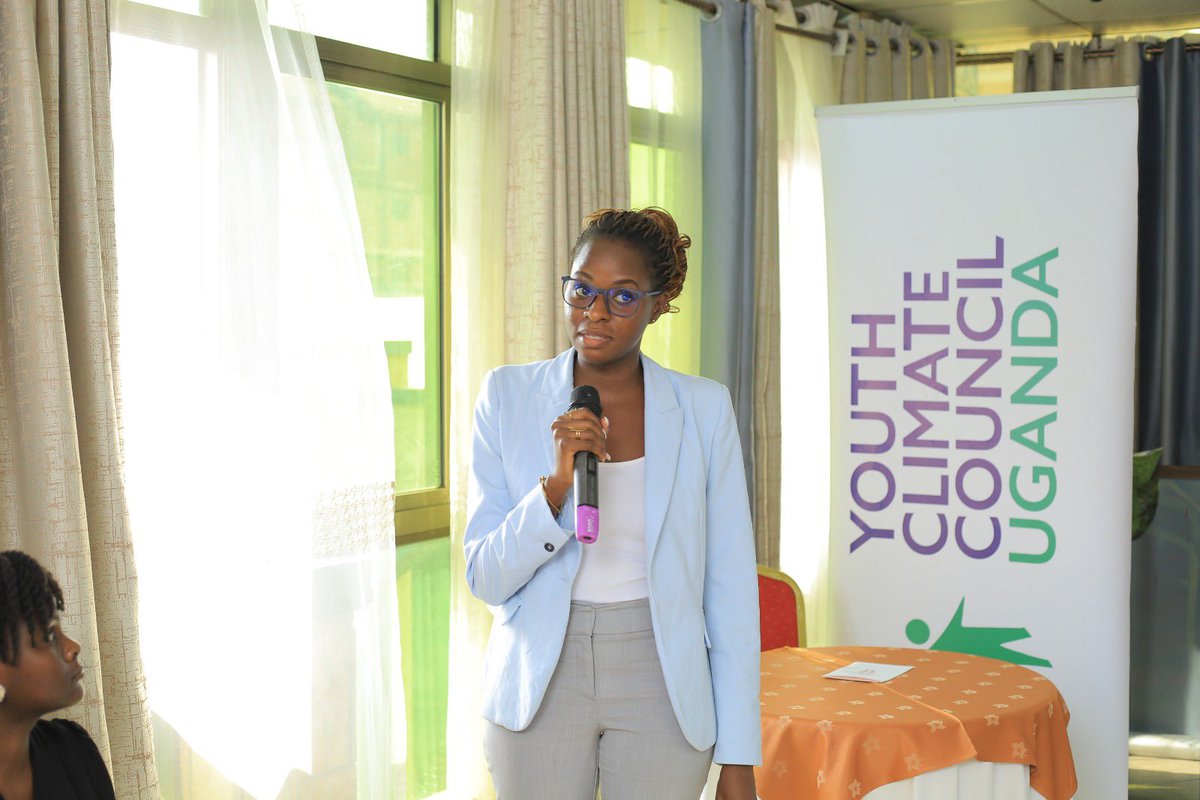
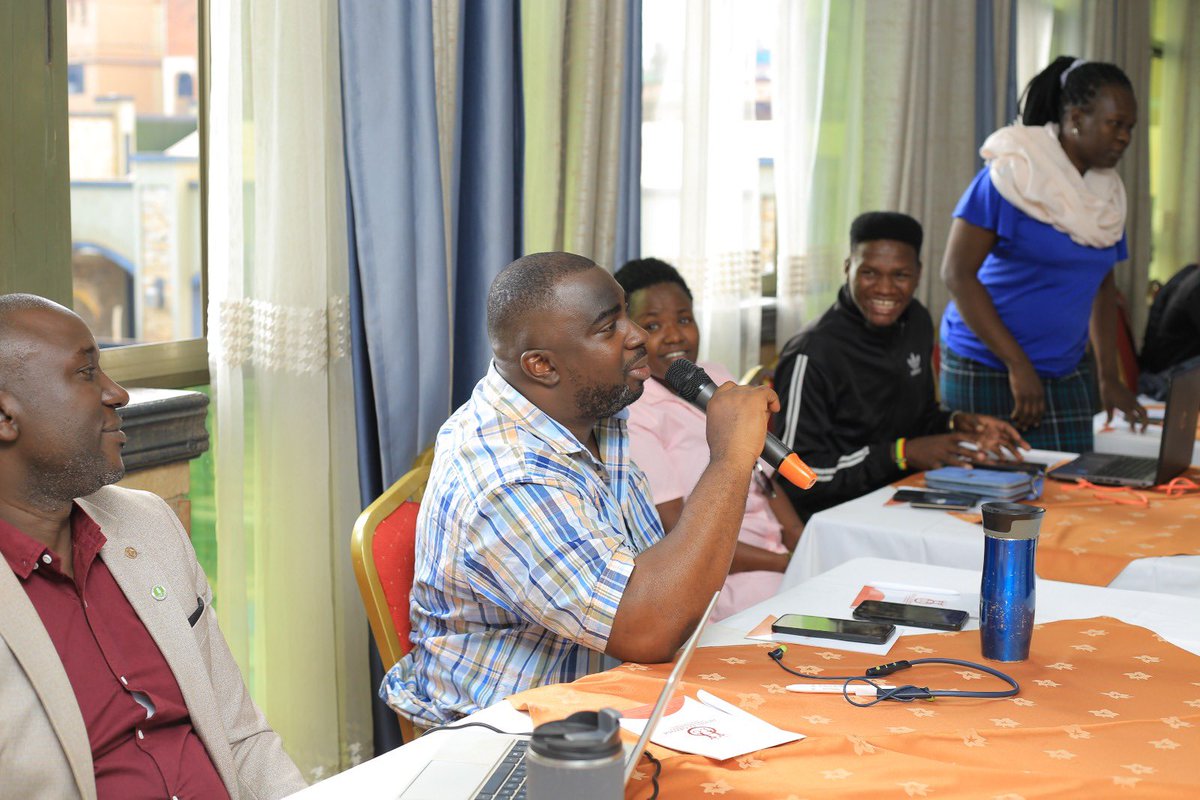
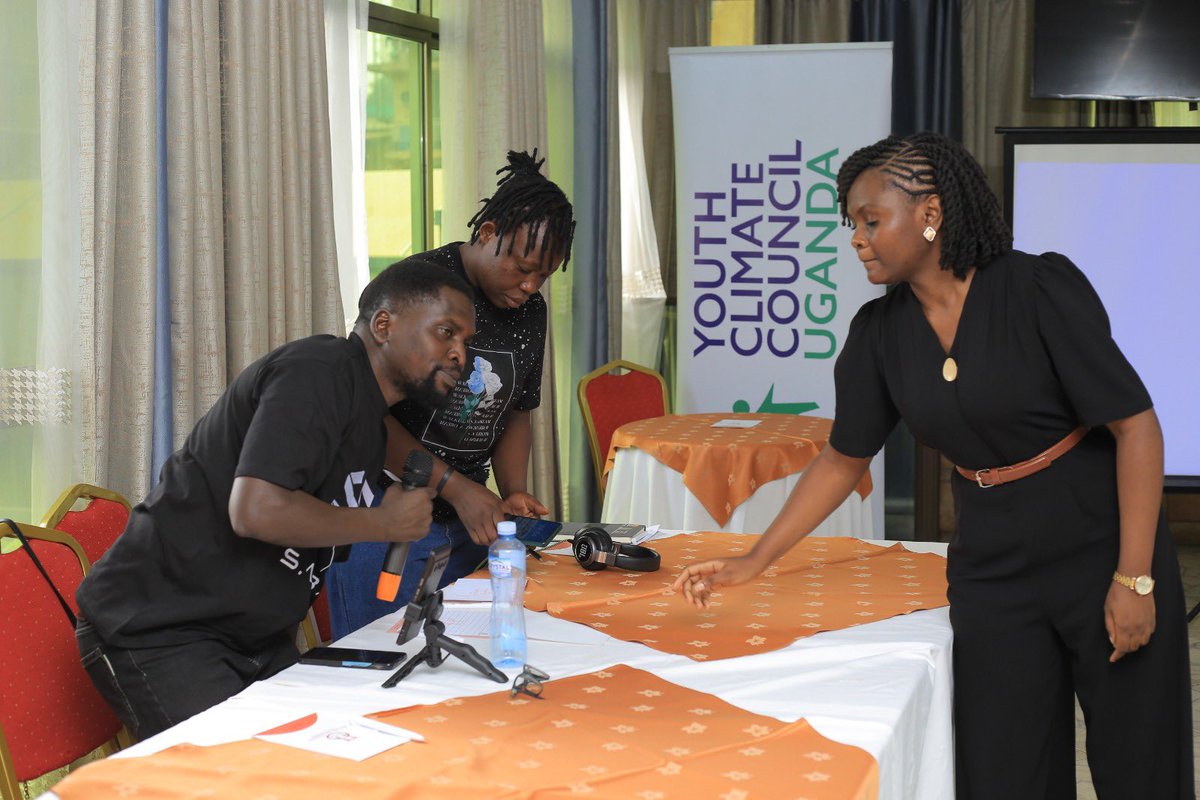
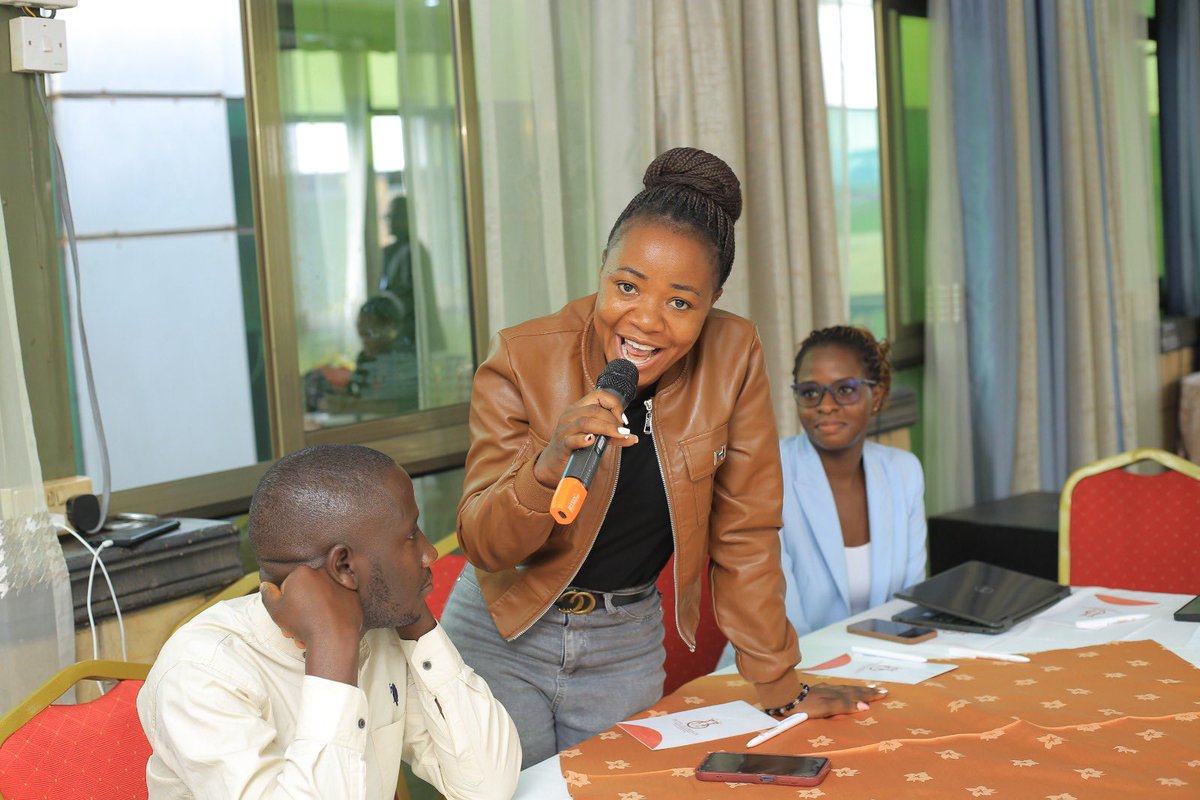
Training day officially started!
Radio broadcasters are coming together to learn how to package Circular Regenerative Agriculture in ways that connect with youth—through storytelling, interaction, and innovation.
#YouthListenership #CRA #ClimateCommunication
3
7
273
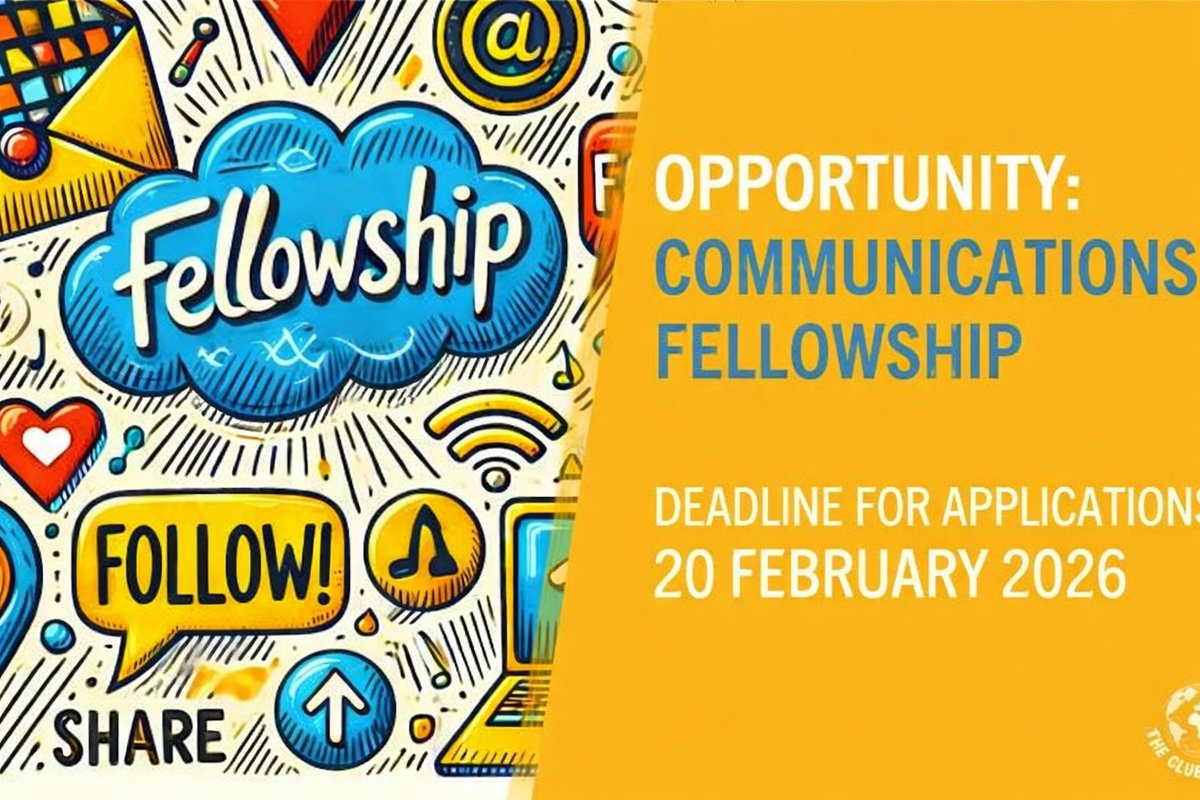
🌍 Club of Rome Communications Fellowship 2026: a 7-month paid remote fellowship for early-career communicators from Africa, LAC, Middle East & Asia-Pacific—apply by 20 Feb 2026 👉 wp.me/p23f03-cv0
#ClubOfRome #PaidFellowship #ClimateCommunication #RemoteFellowship
2
12
921