
Jun 11
Dile adiós a los cables sin perder ventajas en tus partidas. 🎧🔥 Analizamos los Redragon SPECTRA PRO H889 Wireless. Conexión 2.4GHz cero lag, Sonido 7.1 Envolvente y un RGB espectacular. Review👇
codegeek.es/2026/06/11/revie…
#Redragon #CodeGeek
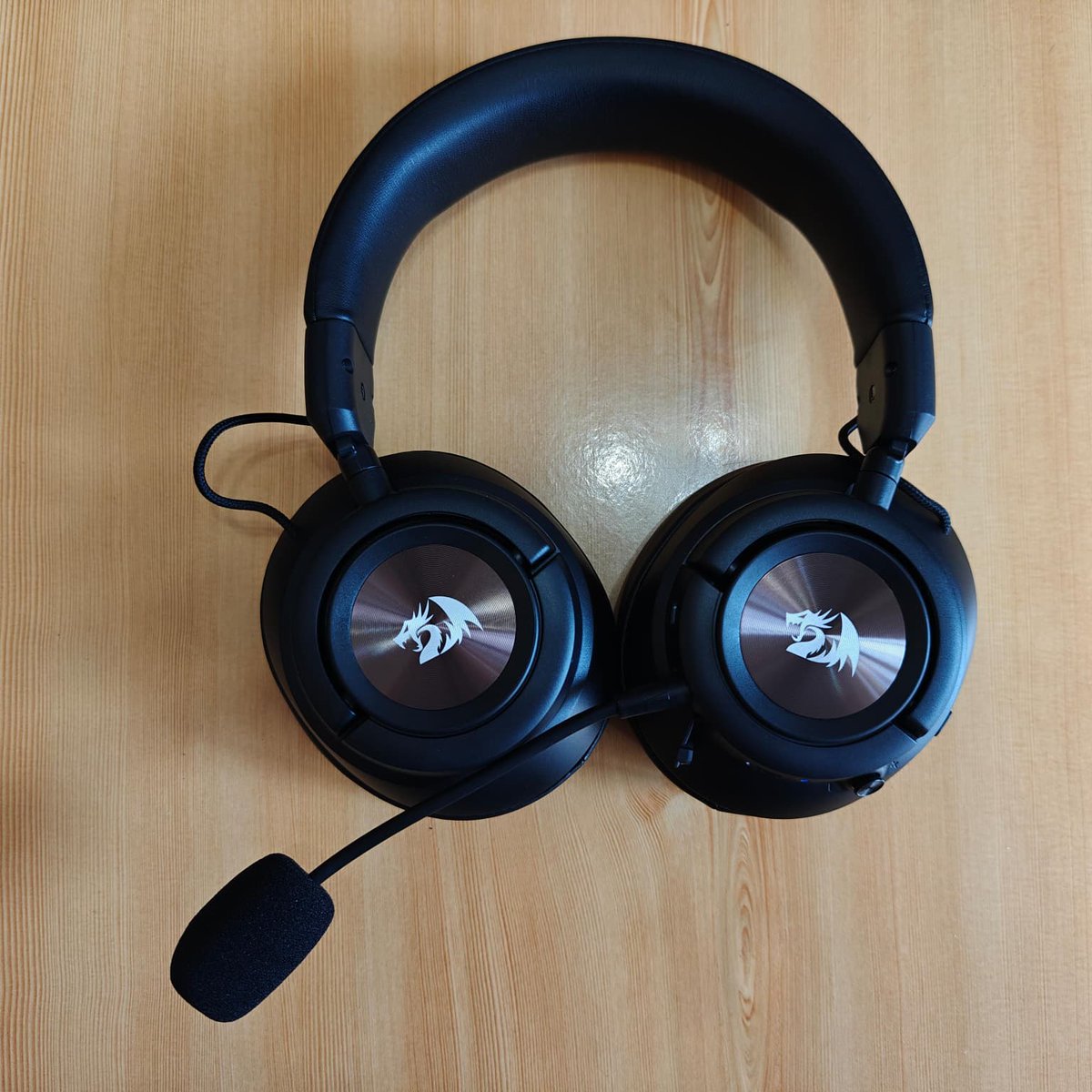
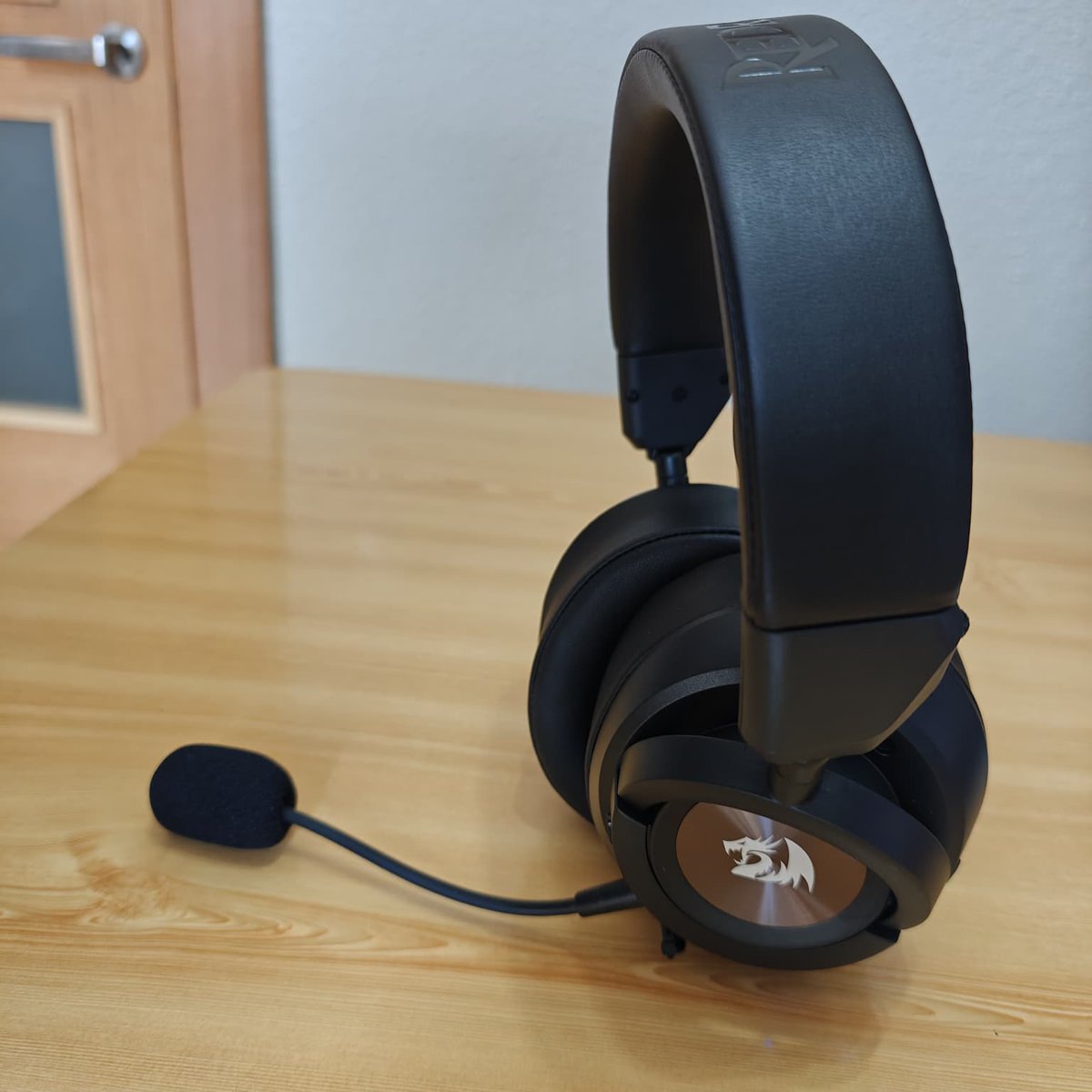

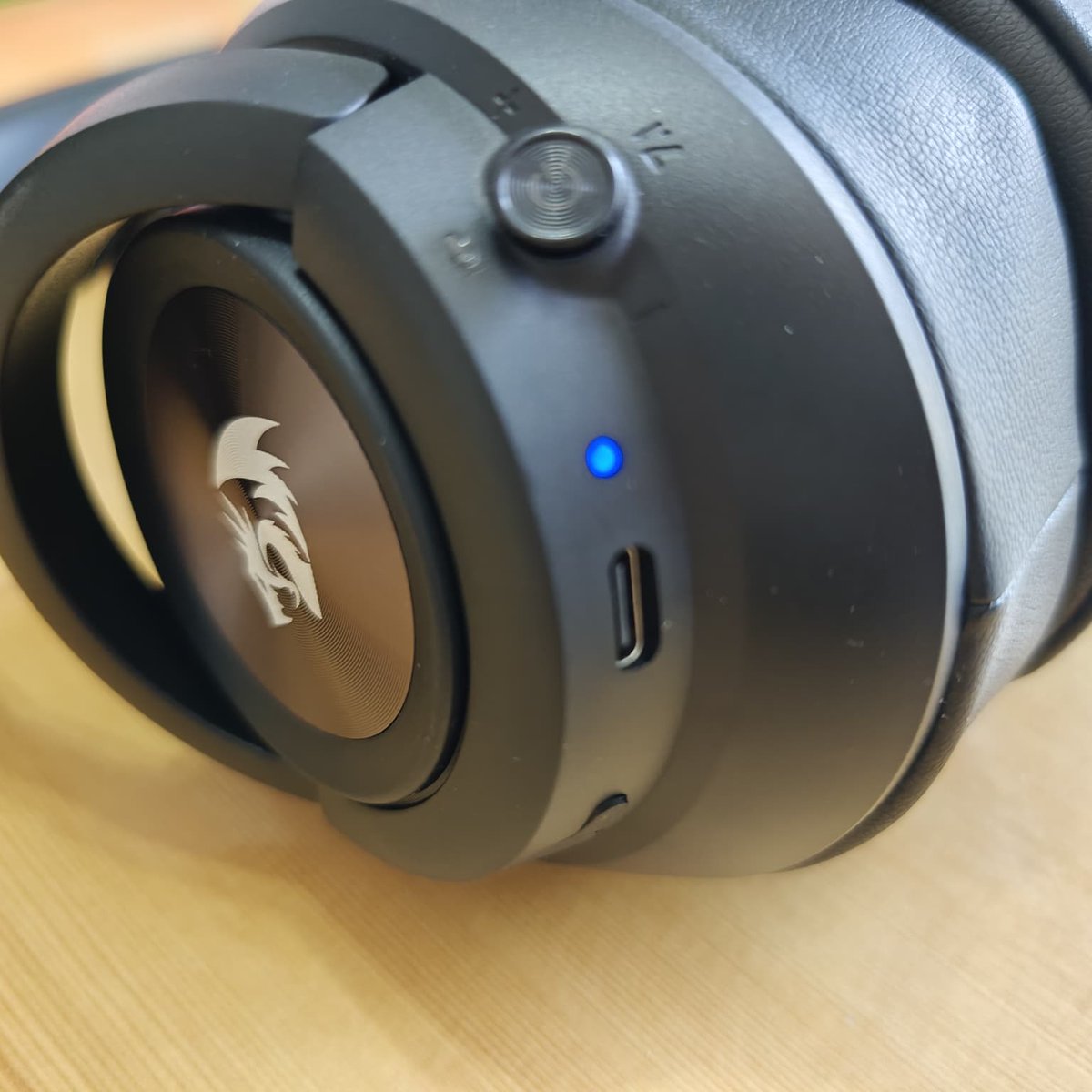
1
1
11
Jun 11
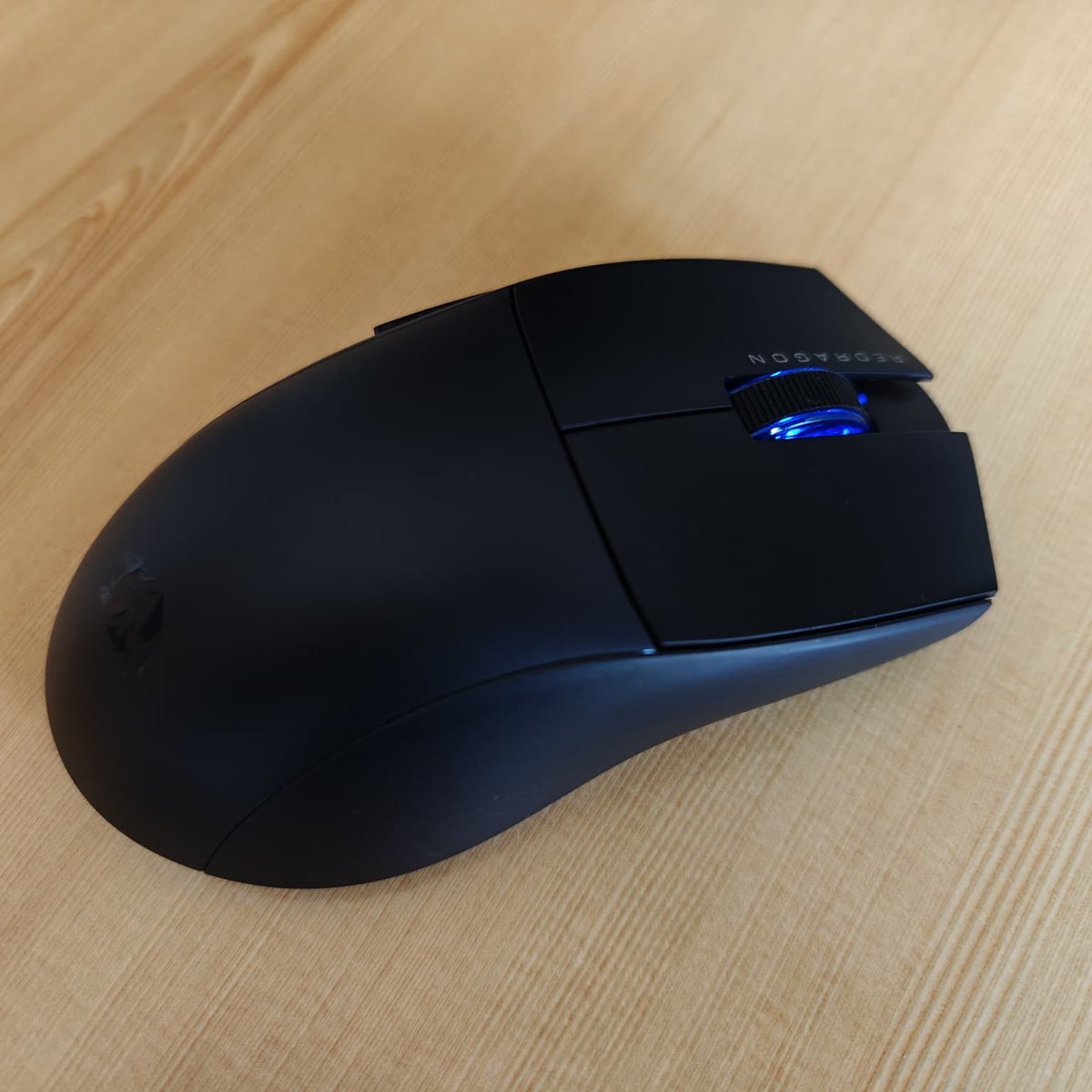
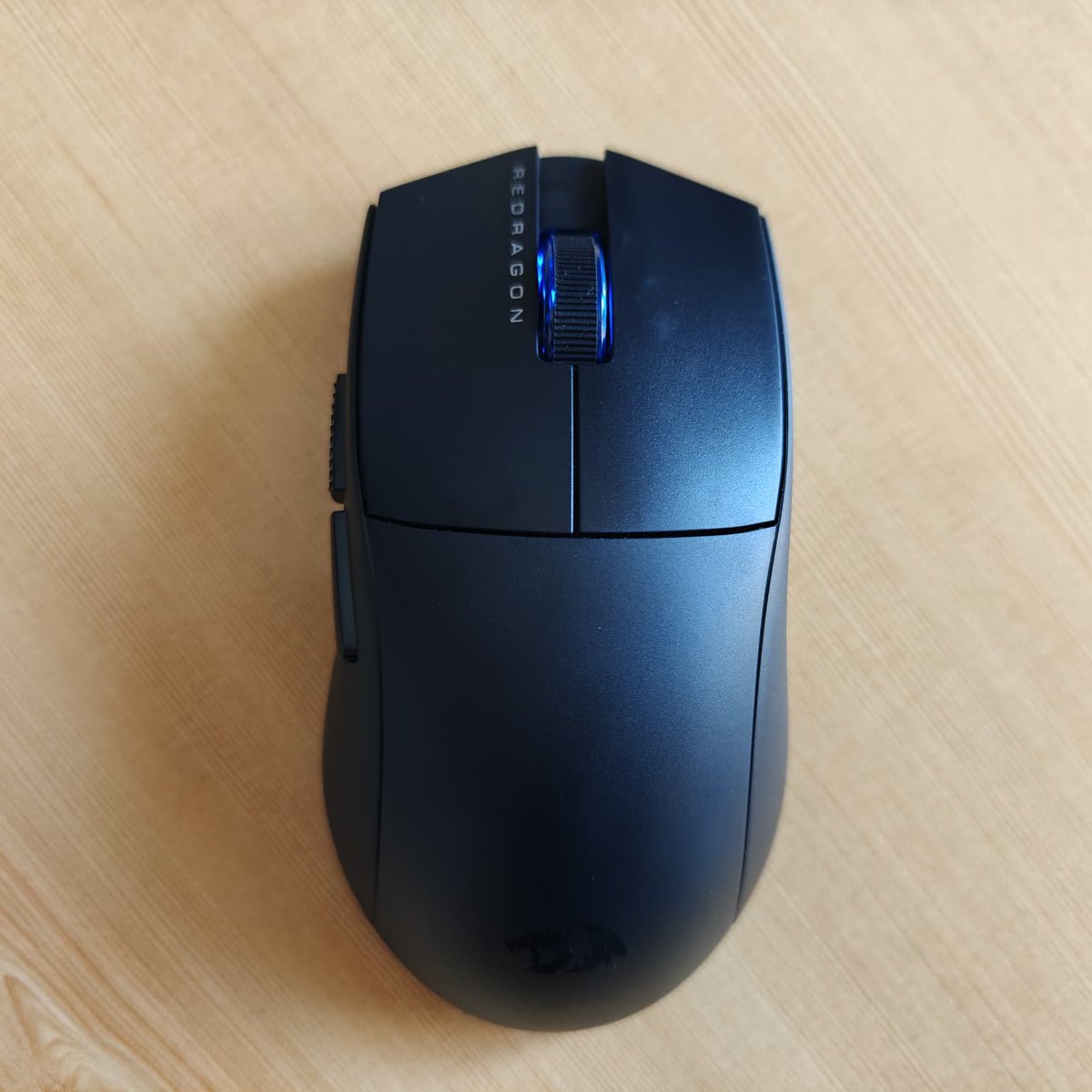
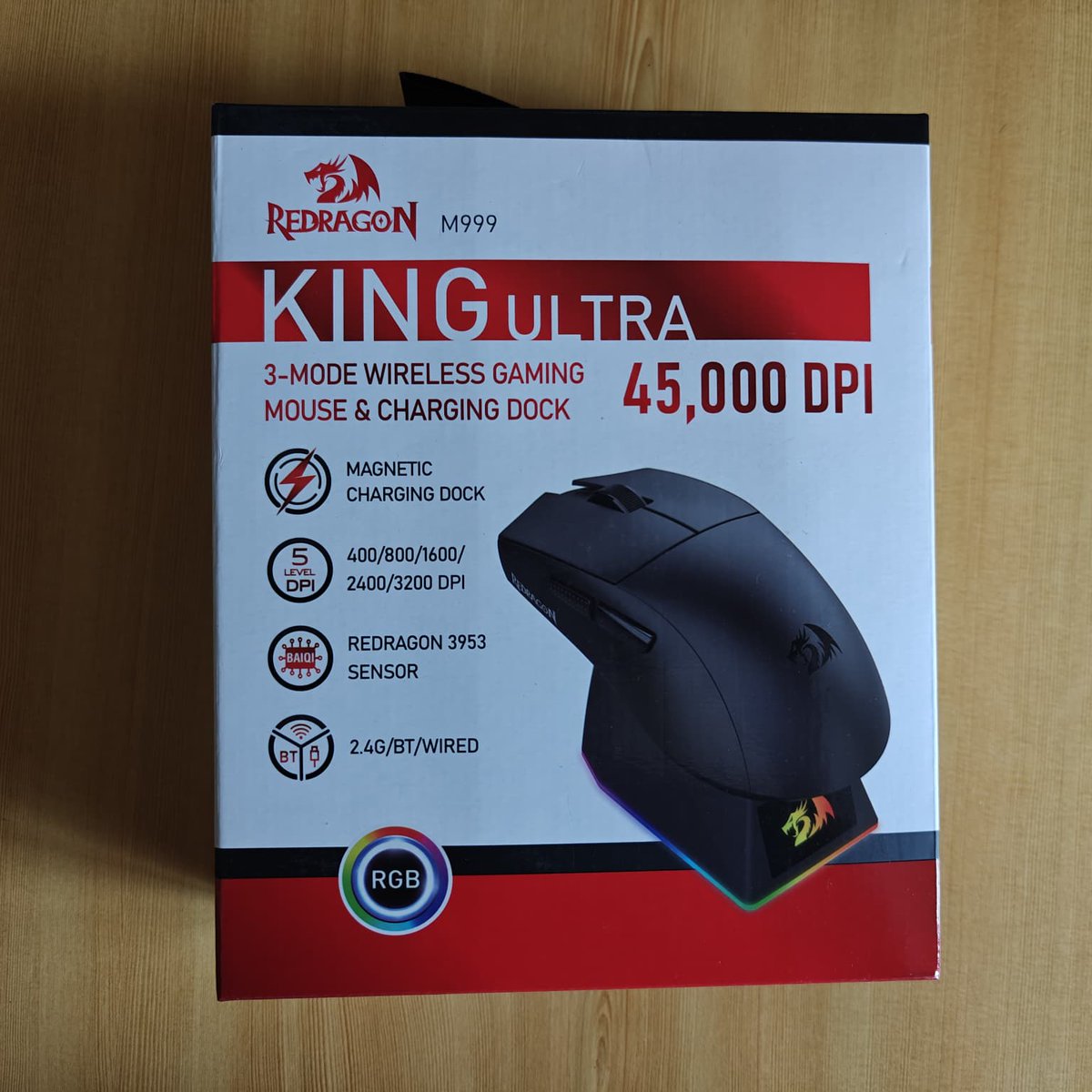
Ratón ultraligero, chasis sin agujeros y sensor PAW3395 de precisión extrema. 🎯🔥 Analizamos el Redragon K1NG M999 ULT 1K Hz. Descubre por qué este peso pluma de 49g dominará tus partidas. Review👇
codegeek.es/2026/06/11/revie…
#Redragon #CodeGeek
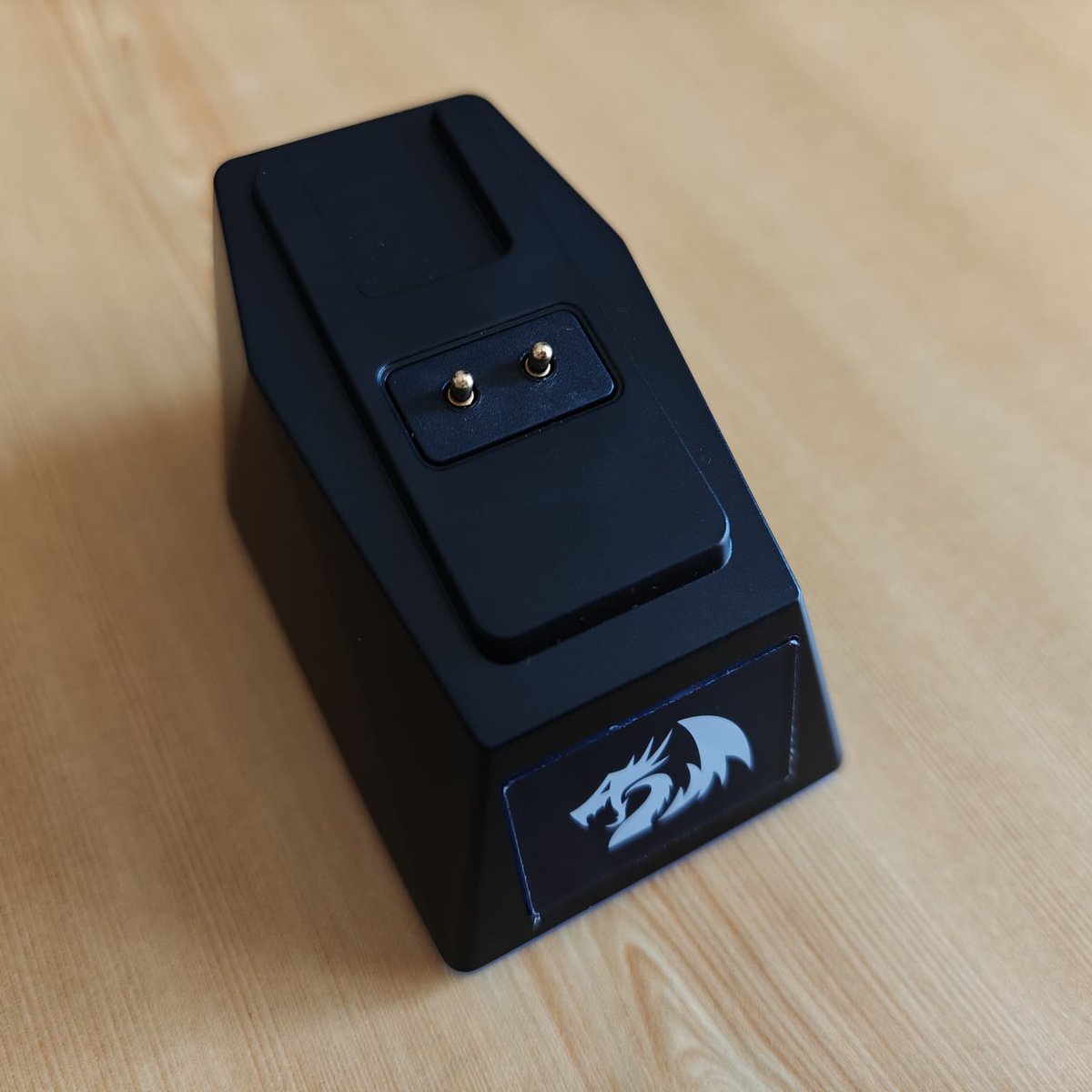
1
1
82
Jun 11
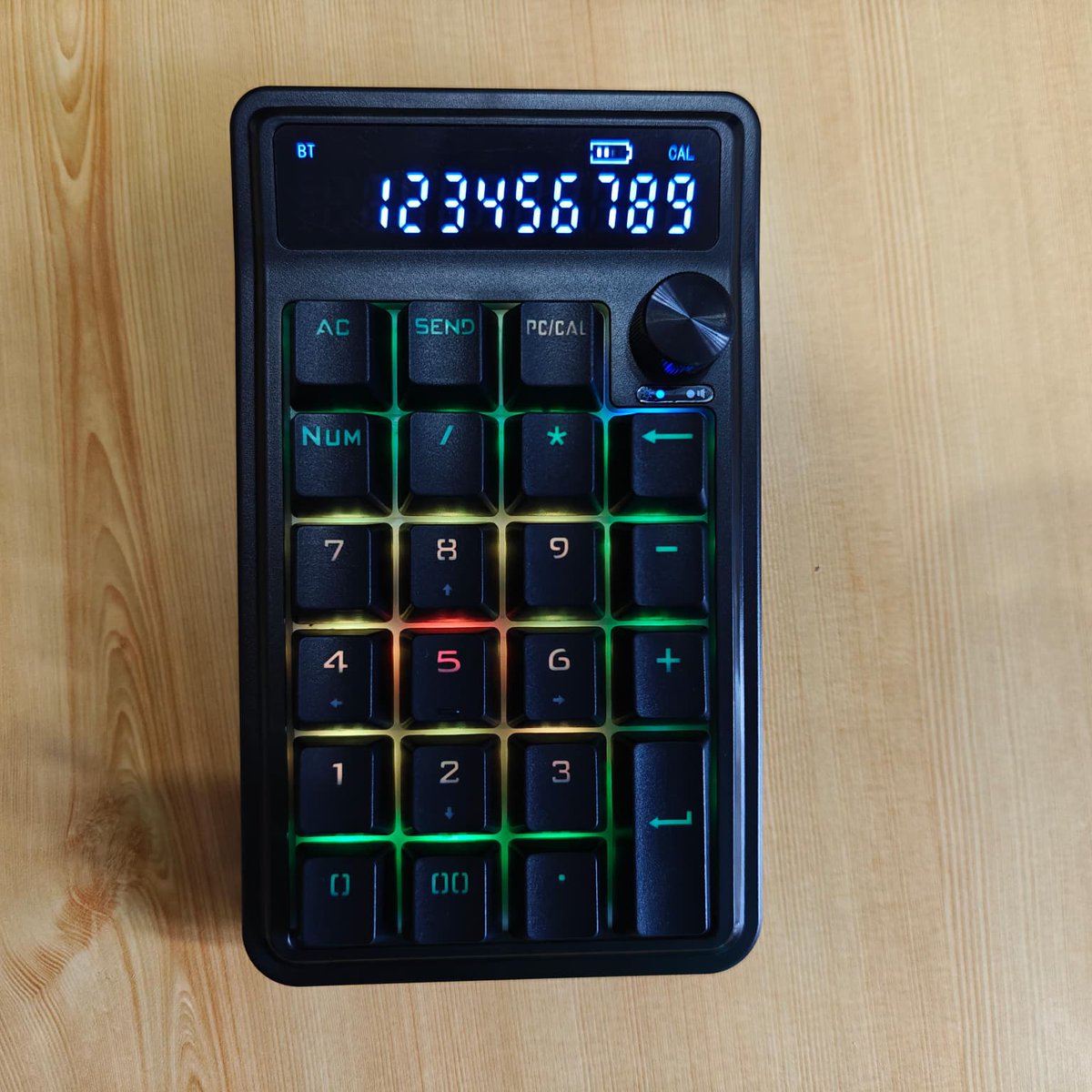
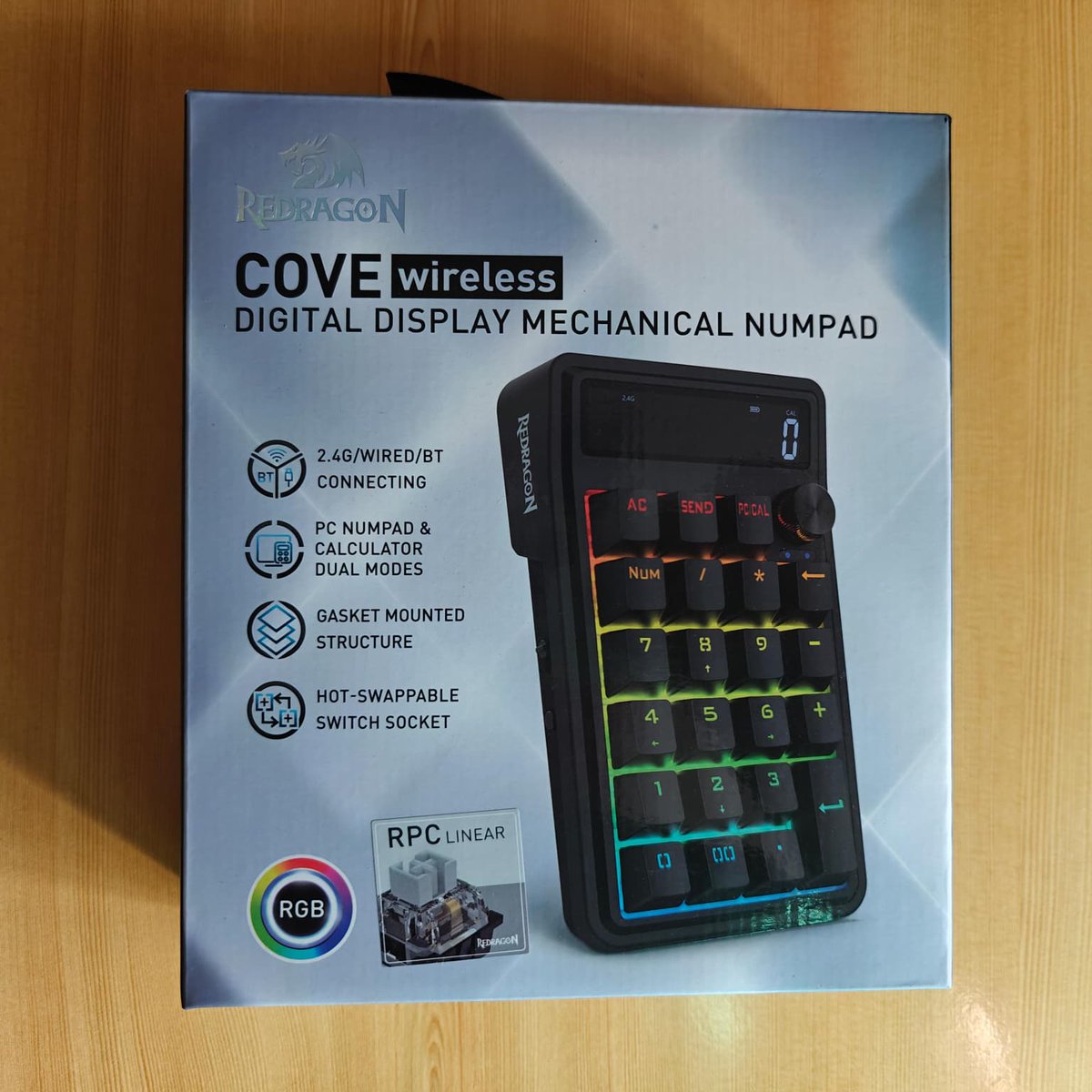
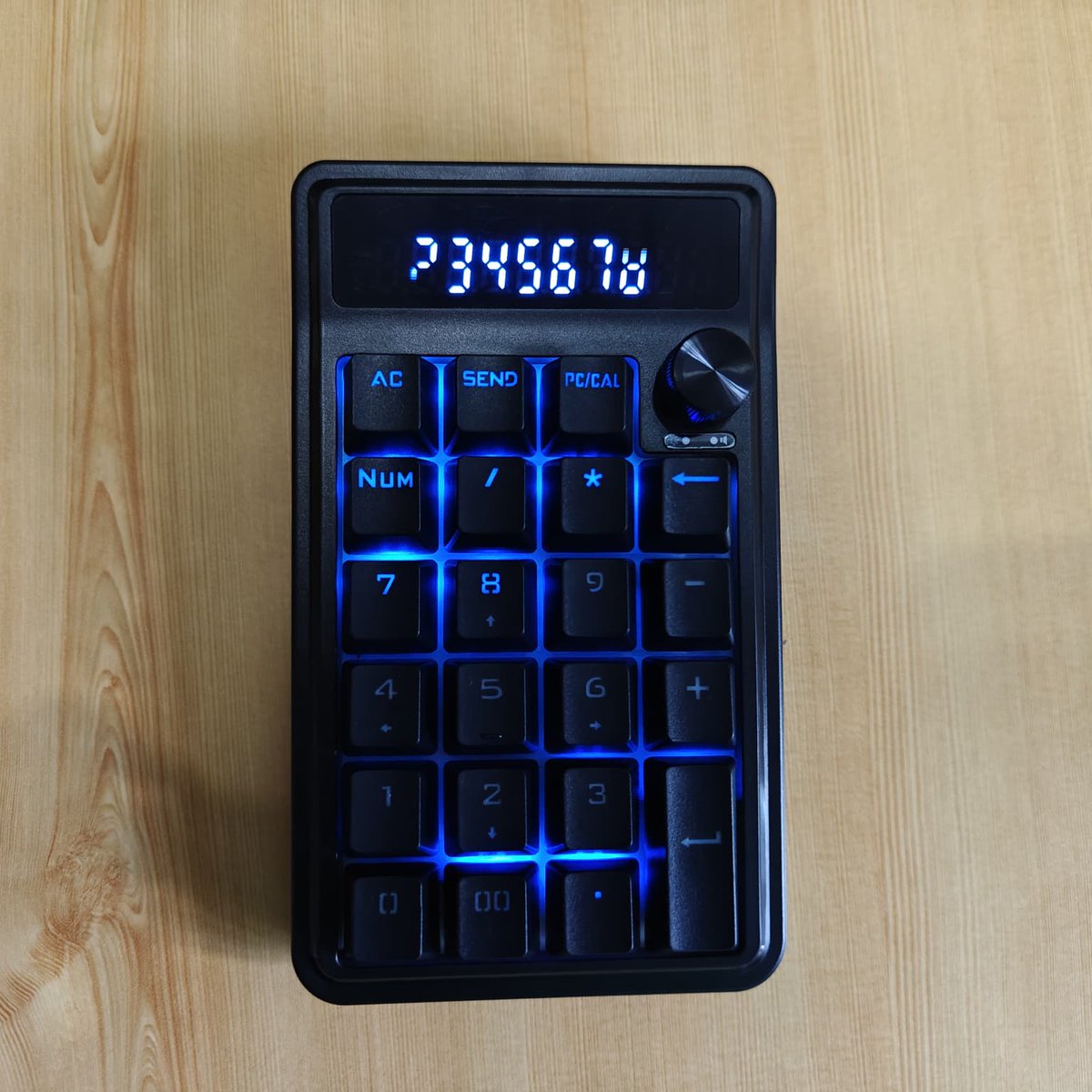
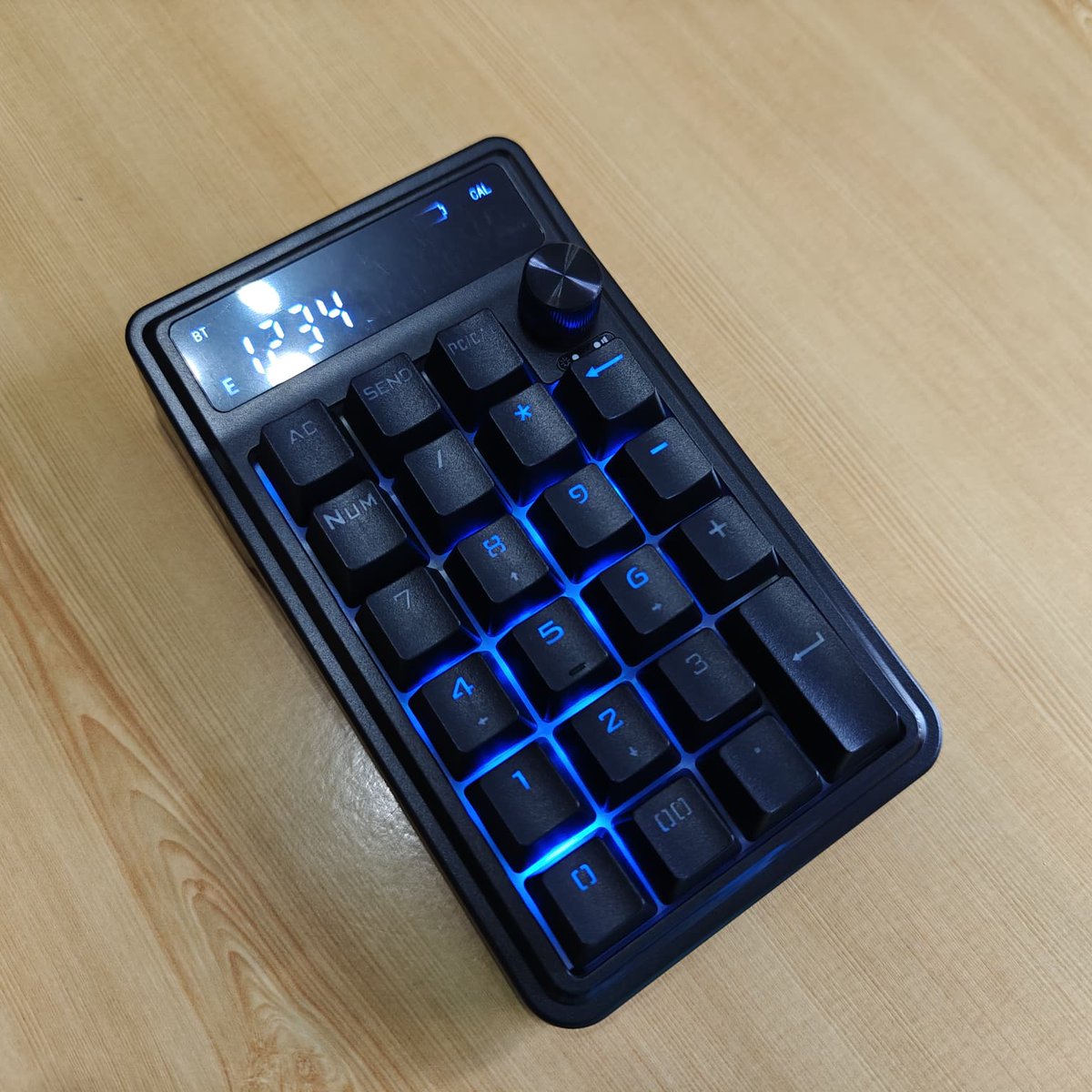
¿Amas tu teclado 60% pero echas de menos los números? ⌨️🔥 El Redragon COVE K733 es tu salvación. Teclado numérico mecánico Tri-Mode, switches hot-swap y un chasis transparente con RGB brutal. Review👇
codegeek.es/2026/06/11/revie…
#Redragon #CodeGeek
1
1
32


30 Apr 2025
Thank you to our #WPAD2024 Silver Sponsors - helping to make accessibility education available to everyone.
CodeGeek
DrakeCooper
@elemntor
Overnight Website @QueerDevPerson
@Pressable
Second Melody
A11y Collective
#WordPress #a11y
buff.ly/NNYlkFD
1
5
106

23 Oct 2024
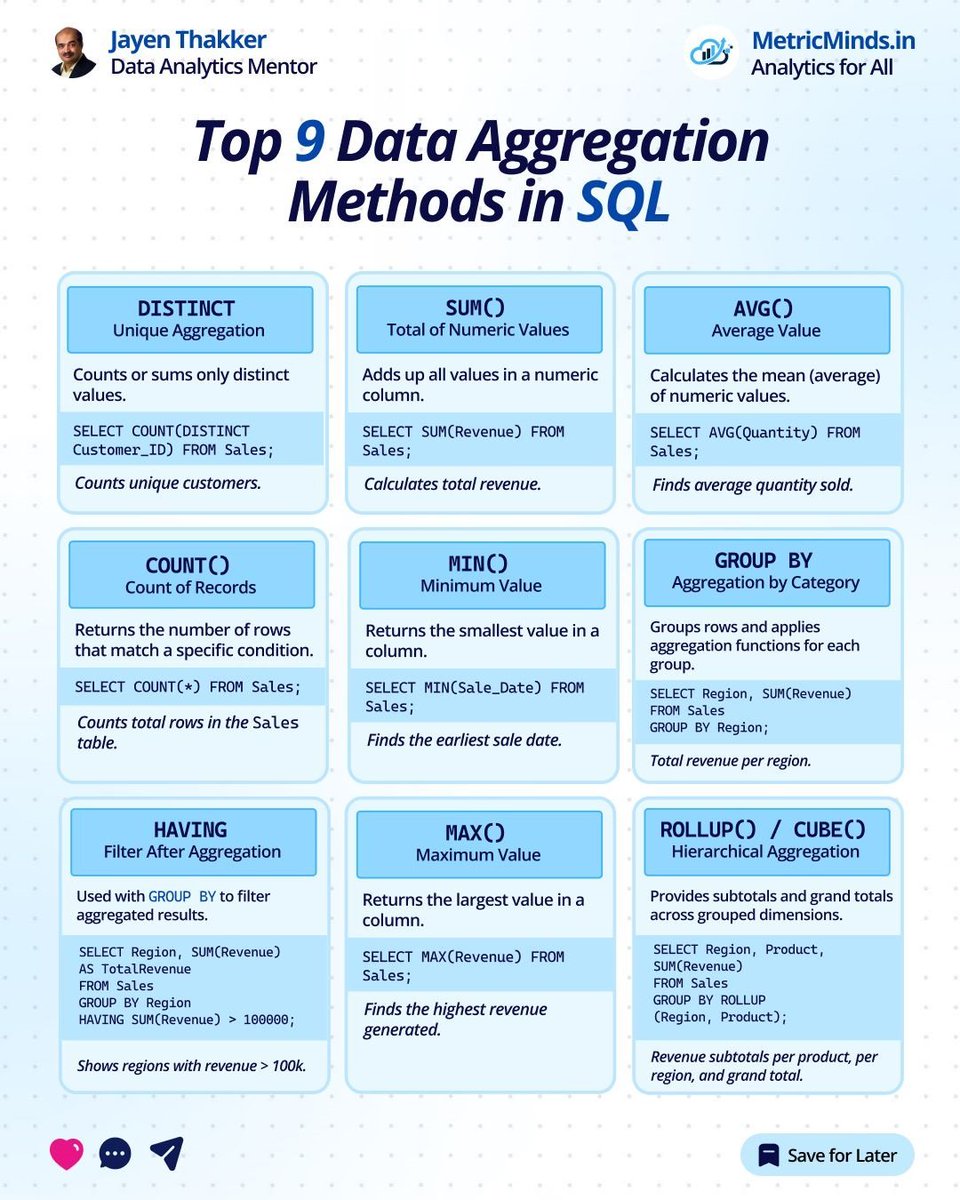
Today’s focus: backtracking! 🔄 Solved 4 LeetCode problems, including "Permutations" and "Combination Sum." Loving how backtracking explores all possible solutions efficiently!
#LeetCode #Backtracking #ProblemSolving #CodeGeek
3
27
13 Oct 2024
Our gratitude to Silver Sponsor CodeGeek for their support of WordPress Accessibility Day 2024. Their commitment to accessibility allows everyone to engage fully in our event.
buff.ly/4eqwH3A
#WPA11yDay #WPAD2024 #accessibility #a11yEvents #sponsors
3
74
10 Oct 2024
Another 5 LeetCode problems solved! 🎯 Focused on tree traversals today, including "Binary Tree Level Order" and "Validate Binary Search Tree." BSTs are becoming clearer with every problem!
#LeetCode #BinaryTree #DSA #CodeGeek
1
4
53
9 Oct 2024
Just tackled 6 more binary tree problems on @LeetCode, including the tough "Binary Tree Maximum Path Sum" and "Lowest Common Ancestor of a Binary Tree." These problems really test my understanding! 💡
#LeetCode #BinaryTree #ProblemSolving #CodeGeek
3
25
8 Oct 2024
Solved 4 more binary tree problems on @LeetCode today, including "Populating Next Right Pointers" and "Flatten Binary Tree to Linked List." 🌳 These medium-level challenges really push my thinking! 💪
#LeetCode #BinaryTree #DSA #CodeGeek
1
4
42
5 Oct 2024
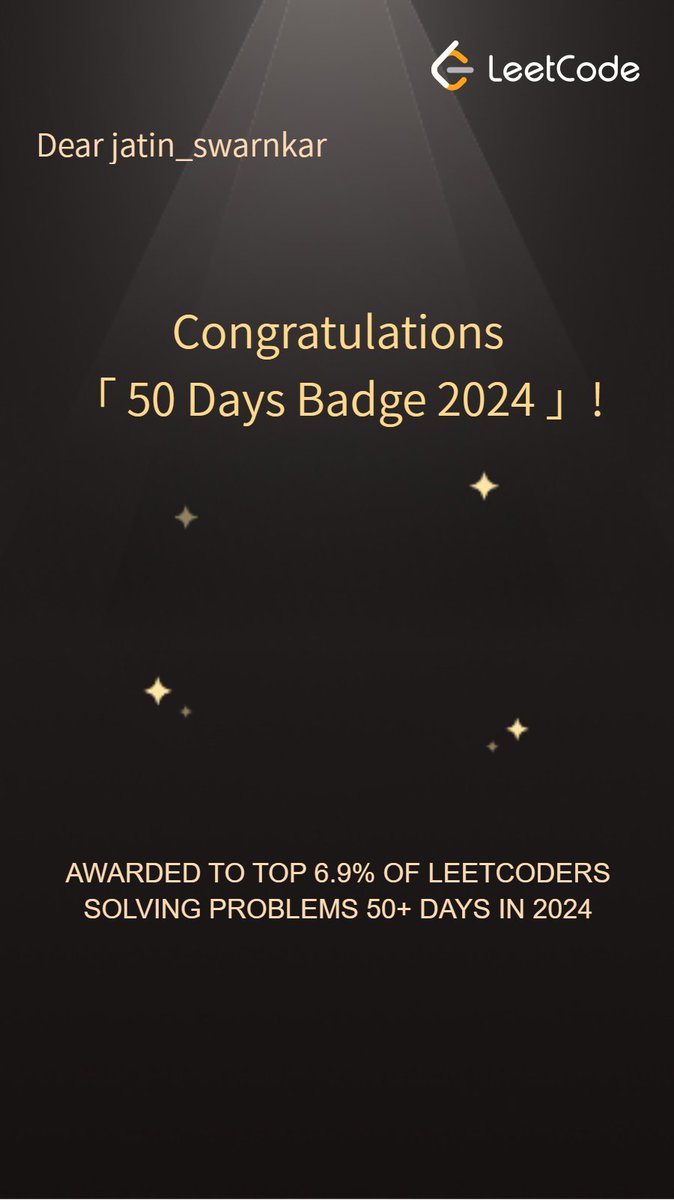
Just earned a new badge on @LeetCode! 💻🔥 Every challenge is a step closer to becoming a better problem solver. #LeetCode #CodingLife #CodeGeek #TechJourney #NeverStopLearning
1
5
41

27 Jun 2024
Who else is geeking out over adding global variables to a groovy file? 🤓 #CodeGeek #GroovyAdventures
3
6
5 Mar 2024
Thank you to the WordPress Accessibility Day Silver Sponsors for making the 2023 event possible. buff.ly/49YFRSw
CodeGeek, Drake Cooper, Inc., Godaddy, Lone Rock Point, Nerdpress
Watch the entire 2023 collection of videos available at buff.ly/3PgOeA0
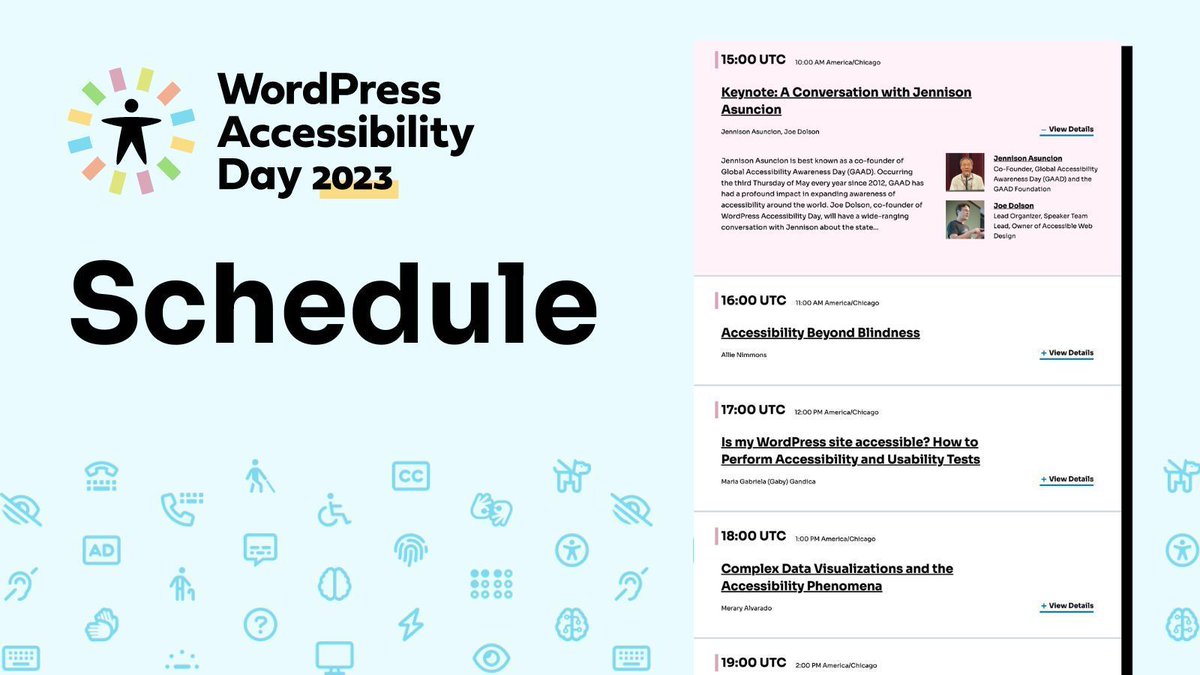
ALT Access the entire 2023 collection of videos and continue to learn about website accessibility best practices for WordPress websites.
1
86

I'm working on a quantum analysis algorithm for crypto analysis.
Utilising【Multivariate Quadratic Equations】
#appliedmathematics #codegeek
Multivariate quadratic equations involve variables raised to the second power (squared) and may include multiple variables. In general, a quadratic equation is any equation having the form:
$$ ax^2 bx c = 0 $$
where \(x\) represents a variable or an unknown, and \(a\), \(b\), and \(c\) are constants with \(a \neq 0\). This is the standard form of a univariate quadratic equation, involving only one variable.
In the case of multivariate quadratic equations, the concept extends to include equations with more than one variable. These can take various forms depending on the number of variables involved. For example, a quadratic equation with two variables, \(x\) and \(y\), could look like this:
$$ ax^2 by^2 cxy dx ey f = 0 $$
Here, the equation includes terms that are squared (quadratic terms) for each variable, possibly a term that is the product of the two variables (a mixed term), and linear terms as well as a constant. The coefficients \(a\), \(b\), \(c\), \(d\), \(e\), and \(f\) are constants.
Multivariate quadratic equations can describe various phenomena in physics, economics, and other fields, often representing parabolas, hyperbolas, or ellipses in two dimensions, and more complex surfaces in higher dimensions. Solving these equations involves finding the values of the variables that satisfy the equation, which can be considerably more complex than solving univariate quadratic equations and often requires methods such as completing the square, using matrices, or applying numerical algorithms.
For further reading on solving systems of multivariate quadratic equations, you might find resources like
researchgate.net/publication… helpful.
#appliedmathematics #codegeek


194

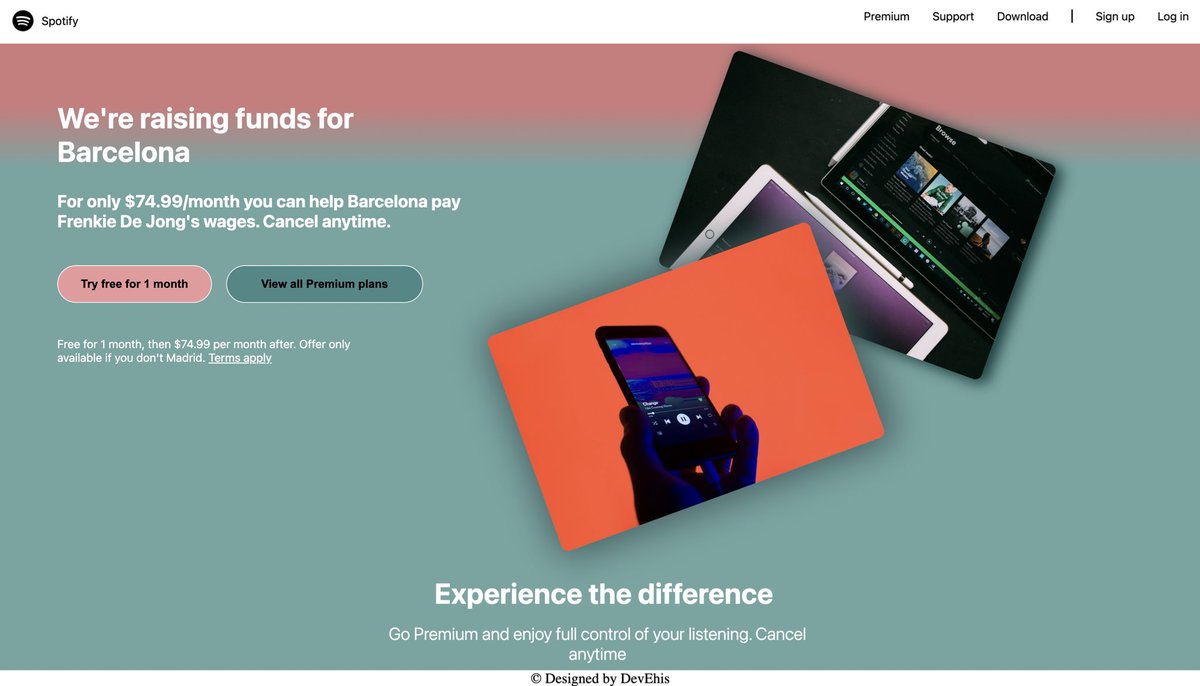
created a landing page for spotify.
what do y’all think of this?
@barcelona
#DeveloperLife #CodeCrafting #TechInnovation #ProgrammingWizard #CodeGeek #DevJourney #InnovationHub #TechGuru #CodingPassion #XDeveloper #CodeMastermind #TechEnthusiast frontend development
1
2
136

4 Feb 2024
Handwritten Digit Recognition with TensorFlow and OpenCV➡️medium.com/@ranaweerahk/hand…
#DataScienceJourney #CodeGeek #artmac #artmacllc

2
26


27 May 2023
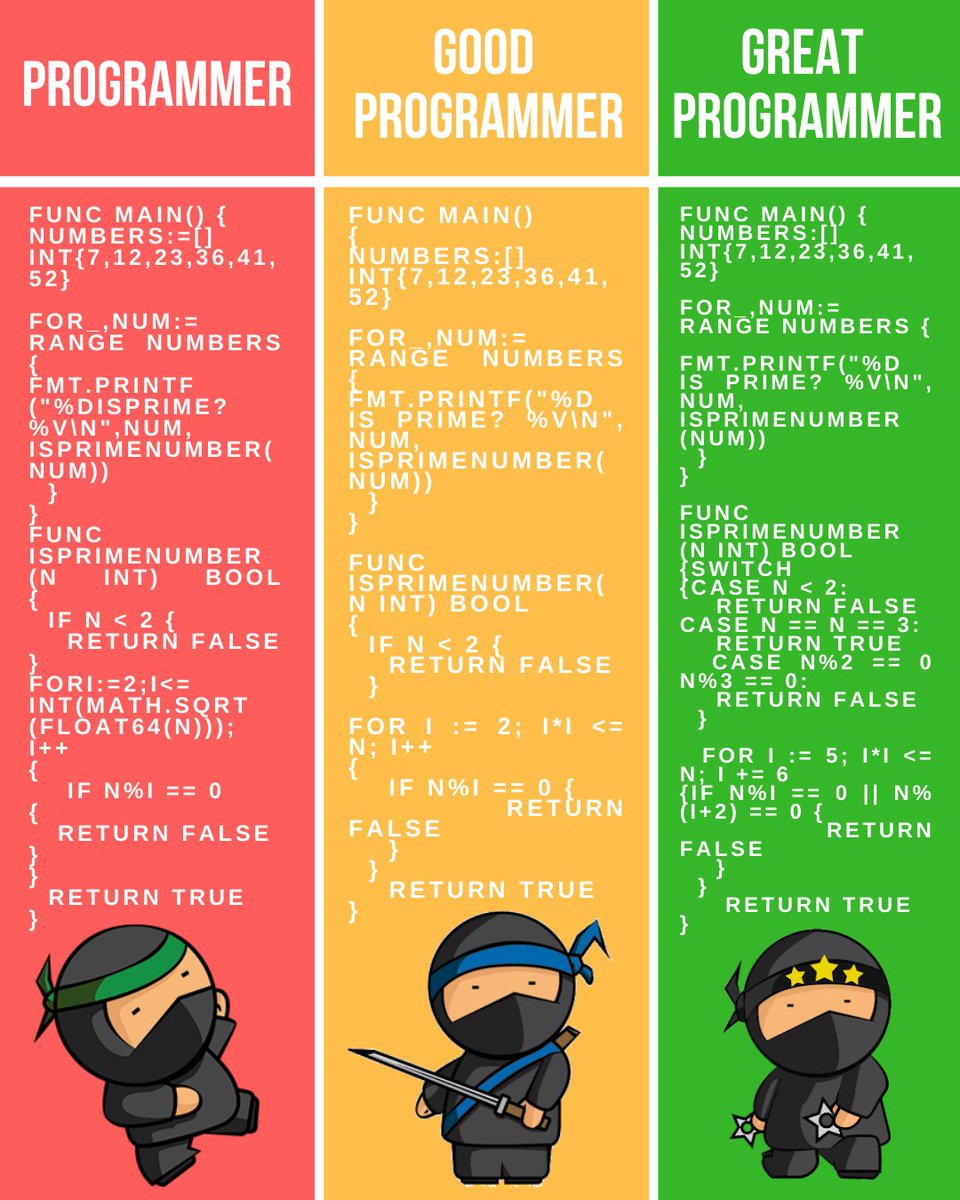
Unveiling the Spectrum of Programmers: From Programmer to Good Programmer to Great Programmer. 🌟✨
#ProgrammingLife #CodeNinja #TechCommunity #DeveloperMode #CodeGeek #SoftwareEngineering #TechWorld #CodeArtistry #DevLife #golang #coding #programmer #CodeGeek #goprogrammer
1
6
87

16 May 2023
5 #DNS Records Explained! 🌐🐈
~Explain Like I'm 12~
1️⃣ A (Address) Record:
🗺️ Maps your website domain to a machine-readable IP address. Just like how an 🚏address tells people where your 🏠house is and that can be translated into 📍GPS coordinates!
📝Example: fluffykitty.com -> 192.168.0.1
2️⃣ cNAME (Canonical Name) Record:
Alias alert! 🌟 A CNAME is like a nickname that refers to your real name. CNAME allows you to point one web domain to another domain. ✨ #Shortcuts #DomainAliases
📝Example: meowtown.com -> fluffykitty.com
3️⃣ MX (Mail Exchange) Record:
Your email post office! 📬 Tells other servers where they are allowed to send email messages for your domain, and routes them accordingly. If you have the wrong MX records, you won't receive mail. 😿💌 #EmailDeliverability #MailExchange
📝Example: purrfectcat.com -> mail.purrfectcat.com
4️⃣ TXT (Text) Record:
Notes & verification! 📝 Add any text you want for authentication & verification purposes. 🔐 It's like leaving a message saying, "Hey, CloudFlare, I'm the real deal... I even added this TXT record you wanted to prove it!" #Verification #Security
📝Example: pawsome.com -> "This domain is verified and secure af"
5️⃣ 🔌SRV (Service) Record:
Service directory! 📂 Specify locations (meaning the PORT # or website address) of specific services or applications. 🌐 #ServiceDiscovery #SRV
📝Example: _http._tcp.kittycentral.com -> 0 0 80 webserver.kittycentral.com
⭐️🔌Note on TCP Ports: HTML webpage traffic typically is routed through either Port 80 (http) or Port 443 (https). The "0" "0" in the above Port 80 example refers to weight & priority.
Remember, DNS is the cat's meow when it comes to navigating the internet! 🌍🐾
Enhance your web development skills and conquer the digital world. 🚀💻
Follow me @WP_Panther on 📸Instagram or 🐦Twitter for more informative listicles like this and other programming content!
#WebDevelopment #DNSMadeFun
Image Credit: Constellix
#CodeGeek #WebsiteSetup #DomainHosting #WordPressDevelopment #PHPProgrammer #WebDesignTips #DNSConfiguration #WebsiteSecurity #WebDevTools #WebsiteOptimization #DNSResolver #WebDevProjects #WordPressCustomization #PHPCommunity #WebsiteMaintenance
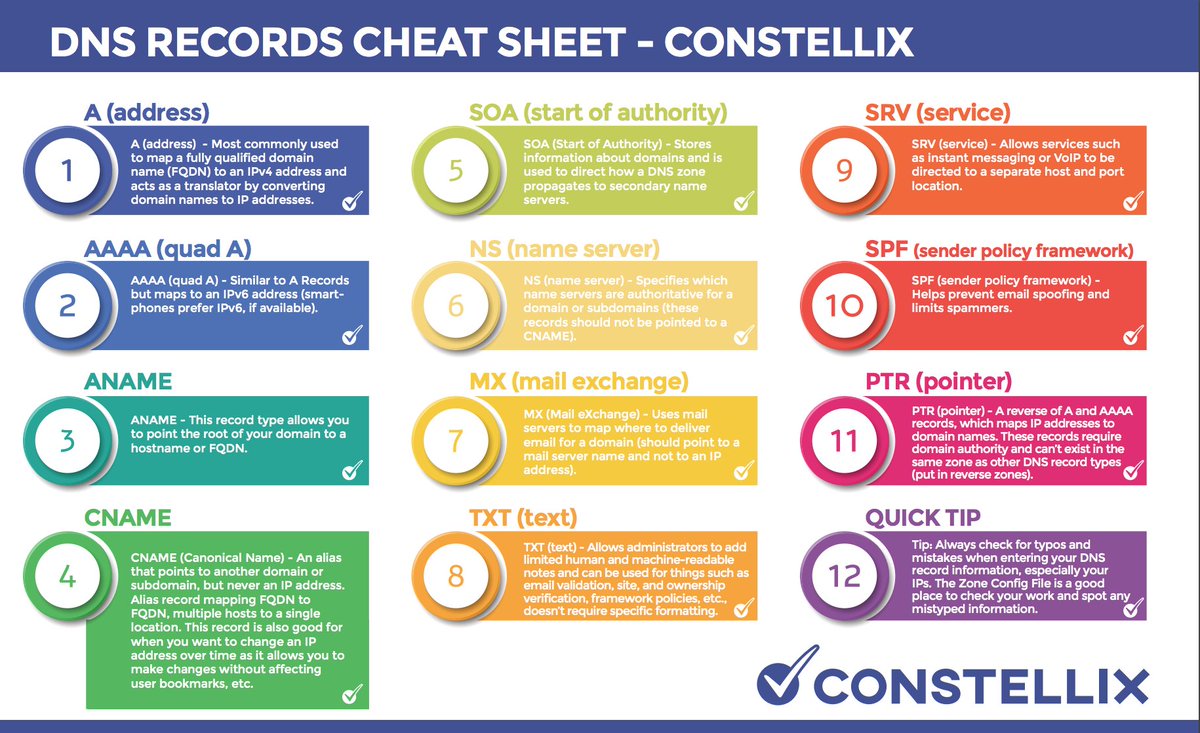
ALT Infographic by Constellix briefly descibing all types of DNS records. A records, AAAA records, ANAME records, CNAME records, MX Records, TXT records, SRV records, SPF records, etc.
1
1
6
379