
I built my own version of CodeSee
Reviewing code is genuinely painful (I know some of you still do that)
I wanted to see diffs at a high level, with the ability to dig deeper and actually understand the flow. VSCode's built-in view felt like reading a novel through a keyhole
So I built a CodeSee-like VS Code extension to fix that
Should I share this with you all? Drop a comment
1
1
27

You joined a new team last week.
The codebase is 200,000 lines of TypeScript. Your tech lead says "just read through it." You open the repo. You stare at 400 files. You close your laptop and go get coffee.
You have no idea where anything is. You have no idea how anything connects. You spend three days reading code that teaches you nothing about the system it builds.
Someone built a tool that analyzes your entire codebase with a multi-agent pipeline and turns it into an interactive knowledge graph you can click, search, zoom, and ask questions about.
It's called Understand-Anything. 33,455 stars on GitHub.
You point it at your project. It reads every file, every function, every class, every dependency. Then it hands you a visual dashboard. Every node is clickable. Every connection is labeled. You can pan across the whole system or zoom into one module. You can search for any concept and see exactly where it lives.
Here's what it does:
→ Multi-agent pipeline analyzes your entire codebase automatically. Files, functions, classes, dependencies.
→ Builds an interactive knowledge graph. Every node links to real code. Click any node for a plain-English summary.
→ Domain view maps your code to actual business logic. Not just file structure. Real processes and flows.
→ Search across the graph. Type any concept, function name, or domain term and find it instantly.
→ Ask questions directly. "Where does authentication happen?" "What calls this function?" Get answers with context.
→ Guided tours of the codebase. Follow the path from entry point to core logic.
→ Works as a Claude Code plugin. Also works with Codex, Cursor, GitHub Copilot, Gemini CLI, and more.
→ Live interactive demo in the browser. Pan, zoom, explore before you install anything.
→ Supports any codebase. Not just TypeScript. Any project your AI agent can read.
Here's the wildest part:
The goal isn't a graph that wows you with how complex your codebase is. It's a graph that quietly teaches you how every piece fits together.
That sentence is in the README. And it's the exact thing every code documentation tool gets wrong. They produce diagrams that look impressive in a presentation and teach you nothing on Monday morning when you're trying to fix a bug.
Understand-Anything builds graphs that teach.
Swimm charges $39/user/month for AI-powered code documentation. Sourcegraph starts at $19/user/month. CodeSee charged enterprise pricing before it shut down entirely in 2024. Mintlify starts at $150/month for team plans.
Every one of them puts your code on their servers. Every one of them charges you monthly to understand your own codebase.
Understand-Anything: $0. Any codebase. Any size. Your machine. Your files. Forever.
33,455 stars. 2,718 forks. Built in TypeScript. Active since early 2026.
MIT licensed. Self-hosted. Free forever.
100% Open Source.

15
42
328
27,644

Nobody tells you that the hardest part of working in microservices isn't building them
it's just knowing what connects to what
codesee maps your entire service architecture automatically services, datastores, third party deps, all of it
no more outdated diagrams... no more asking someone who "might know"
codesee.io/service-map-visib…
1
5
46
4,289

5 Nov 2025
Y’all should’ve seen how good CodeSee was at this in ‘21
4 Nov 2025

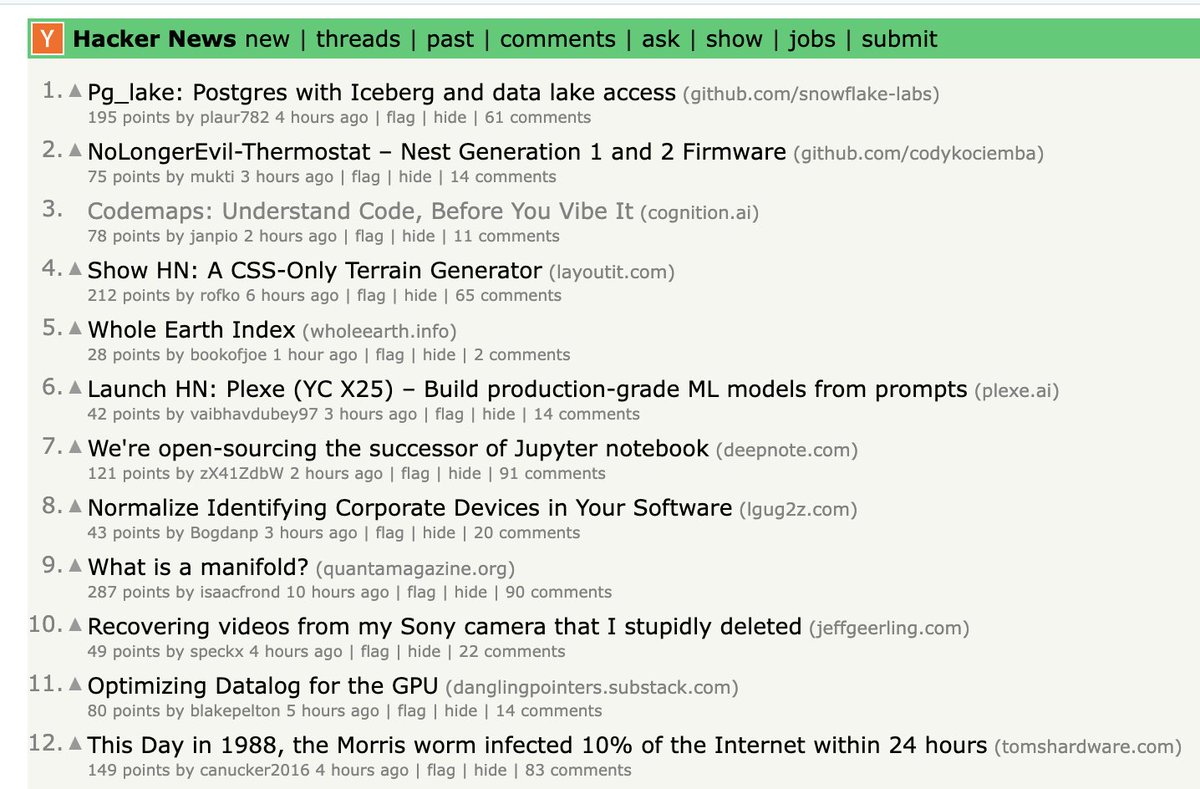
wow - codemaps is #3 on HN 👀
looks like this hit a nerve with engineers
1
2
693

2 Sep 2025
i’m working on a project to automatically generate documentation for a codebase and i’m about to open source this. what i have so far:
1. clones your repo, uses AST parsing and symbol reference resolution to extract all the functions, types, classes, variables etc in your codebase
2. builds a directed graph of your codebase and topologically sorts it in order of dependencies -> dependents (e.g., DB layer -> auth layer -> service layer -> UI).
3. traverses this graph, and uses an LLM to generate docs for each definition and file with key information on purpose, dependencies, and usage. since we generate summaries in topological order, the dependencies of a certain definition will already have been summarized, and fed as context to the summarization of their dependent definitions.
4. once the docs are generated, you can view them in a minimal React app I built for visualization. docs are rendered in markdown, and i added React Flow graphs to quickly navigate between dependencies.
here’s what i hope to work on in the upcoming weeks/months:
- incremental repo parsing using merkle tree / hash diffing
- support for more languages (currently works with TS / Python, but it should be relatively simple to add more)
- vector embedding generation from your docs so you can query them using natural language
- deepwiki style agent (using Claude Code SDK or similar) to create a high level overview of your project
- better graph visualization, something like CodeSee where you can see a “heatmap” of your change, what modules it affected and how everything in the repo works together
- open to more ideas and suggestions
comment “docs” if you’d be interested in using / contributing to this :), i’m gonna try to clean some stuff up and push it out in the next day or two, and i’ll send you a link
6
19
641

3 Mar 2025
Powerful Tools to Streamline Development
1️⃣ Swagger – API toolkit for design, docs, and testing
2️⃣ Raycast – AI-powered productivity & automation
3️⃣ CodeSee – Visual code exploration & tracking
4️⃣ EarlyAI – AI assistant for startups
5️⃣ Lovable – AI coding assistant
#web #code
1
3
140

20 Oct 2024
25 Best AI Tools for Coding:
1. GitHub Copilot
2. Tabnine
3. OpenAI Codex
4. DeepCode
5. Kite
6. IBM AI for Code
7. Amazon CodeWhisperer
8. Replit Ghostwriter
9. Codeium
10. CodeGeeX
11. AlphaCode (DeepMind)
12. Sourcery
13. CodeT5
14. IntelliCode (Visual Studio)
15. Snyk Code
16. Codota
17. Mintlify
18. Quillbot (for documentation)
19. Debuild
20. CodeGuru (Amazon)
21. Diffblue Cover
22. AI-Powered Code Review
23. CodeSee
24. Bugsnag
25. Metabob
I hope you found this helpful.
For more follow me @kaynat_kakar

2
3
759

26 Jul 2024
2024 has been a shitshow of layoffs...
1. Everybuddy: 100% of workforce
2. Wisense: 100% of workforce
3. CodeSee: 100% of workforce
4. Twig: 100% of workforce
5. Twitch: 35% of workforce
6. Roomba: 31% of workforce
7. Bumble: 30% of workforce
8. Farfetch: 25% of workforce
9. Away: 25% of workforce
10. Hasbro: 20% of workforce
11. LA Times: 20% of workforce
12. Wint Wealth: 20% of workforce
13. Finder: 17% of workforce
14. Spotify: 17% of workforce
15. Buzzfeed: 16% of workforce
16. Levi's: 15% of workforce
17. Xerox: 15% of workforce
18. Qualtrics: 14% of workforce
19. Wayfair: 13% of workforce
20. Duolingo: 10% of workforce
21. Rivian: 10% of workforce
22. Washington Post: 10% of workforce
23. Snap: 10% of workforce
24. eBay: 9% of workforce
25. Sony Interactive: 8% of workforce
26. Expedia: 8% of workforce
27. Business Insider: 8% of workforce
28. Instacart: 7% of workforce
29. Paypal: 7% of workforce
30. Okta: 7% of workforce
31. Charles Schwab: 6% of workforce
32. Docusign: 6% of workforce
33. Riskified: 6% of workforce
34. EA: 5% of workforce
35. Motional: 5% of workforce
36. Mozilla: 5% of workforce
37. Vacasa: 5% of workforce
38. CISCO: 5% of workforce
39. UPS: 2% of workforce
40. Nike: 2% of workforce
41. Blackrock: 3% of workforce
42. Paramount: 3% of workforce
43. Citigroup: 20,000 employees
44. ThyssenKrupp: 5,000 employees
45. Best Buy: 3,500 employees
46. Barry Callebaut: 2,500 employees
47. Outback Steakhouse: 1,000
48. Northrop Grumman: 1,000 employees
49. Pixar: 1,300 employees
50. Perrigo: 500 employees
51. Tesla: 10% of workforce
2
130

14 May 2024
The code understanding platform from @Codeseeio is now part of @GitKraken's DevEx platform, enhancing workflow automation, code health, and AI-powered code understanding. Congrats to CodeSee and GitKraken! gitkraken.com/blog/gitkraken…
1
3
362

14 May 2024
GitKraken, a Scottsdale, based #company which specializes in #developer tooling, it has acquired CodeSee, a San Francisco, based code health innovator.
1
6
8
278

14 May 2024
GitKraken, a Scottsdale, based #company which specializes in #developer tooling, it has acquired CodeSee, a San Francisco, based code health innovator.
2
6
8
218

14 May 2024
The good news doesn’t stop there! 🥳 @GitKraken’s acquisition of CodeSee will provide powerful code automation and code health capabilities directly into your workflow! ✨
Dive into all the details here 👉 bit.ly/3UJ4jBn
#GitKraken #CodeSee #Developers #DevTeams

1
7
9
1,583

2 May 2024
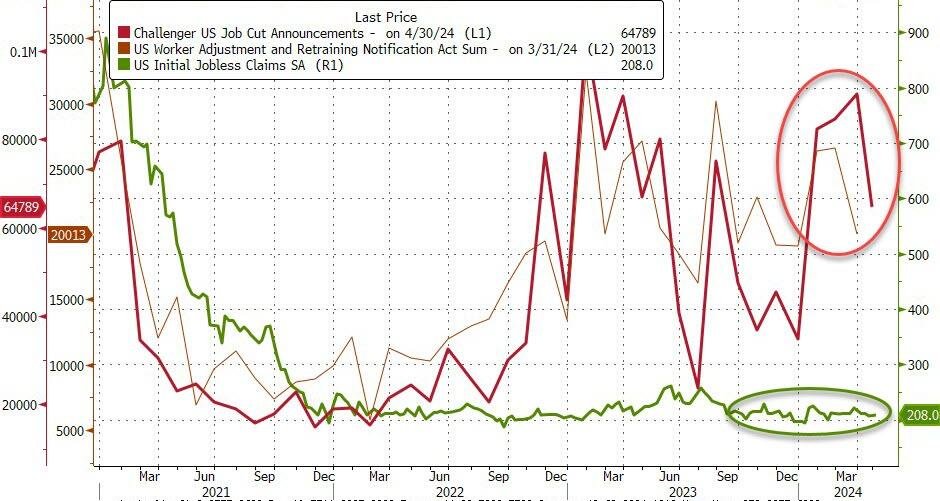
Something else to look at w/r/to "Bidenomics". The government is claiming that jobless data has been flat for Biden's entire term as POTUS. No, really. Here are some announced corporate layoffs and a chart showing government data vs other reliable sources. @tomcolicchio The only one that may be addressed is Outback Steakhouse (closings and re-openings):
1. Everybuddy: 100% of workforce
2. Wisense: 100% of workforce
3. CodeSee: 100% of workforce
4. Twig: 100% of workforce
5. Twitch: 35% of workforce
6. Roomba: 31% of workforce
7. Bumble: 30% of workforce
8. Farfetch: 25% of workforce
9. Away: 25% of workforce
10. Hasbro: 20% of workforce
11. LA Times: 20% of workforce
12. Wint Wealth: 20% of workforce
13. Finder: 17% of workforce
14. Spotify: 17% of workforce
15. Buzzfeed: 16% of workforce
16. Levi's: 15% of workforce
17. Xerox: 15% of workforce
18. Qualtrics: 14% of workforce
19. Wayfair: 13% of workforce
20. Duolingo: 10% of workforce
21. Rivian: 10% of workforce
22. Washington Post: 10% of workforce
23. Snap: 10% of workforce
24. eBay: 9% of workforce
25. Sony Interactive: 8% of workforce
26. Expedia: 8% of workforce
27. Business Insider: 8% of workforce
28. Instacart: 7% of workforce
29. Paypal: 7% of workforce
30. Okta: 7% of workforce
31. Charles Schwab: 6% of workforce
32. Docusign: 6% of workforce
33. Riskified: 6% of workforce
34. EA: 5% of workforce
35. Motional: 5% of workforce
36. Mozilla: 5% of workforce
37. Vacasa: 5% of workforce
38. CISCO: 5% of workforce
39. UPS: 2% of workforce
40. Nike: 2% of workforce
41. Blackrock: 3% of workforce
42. Paramount: 3% of workforce
43. Citigroup: 20,000 employees
44. ThyssenKrupp: 5,000 employees
45. Best Buy: 3,500 employees
46. Barry Callebaut: 2,500 employees
47. Outback Steakhouse: 1,000
48. Northrop Grumman: 1,000 employees
49. Pixar: 1,300 employees
50. Perrigo: 500 employees
51. Tesla: 10% of workforce
4
159

2 May 2024
The official numbers of our economy, frankly, are lying to you. That sounds alarmist, but that’s the only conclusion I can make. Let me give you an example:
The United States Bureau of Labor Statistics creates the official counts of new unemployment filings and job creation statistics.
We’ve already caught them in a huge number of shenanigans over the last two years, fudging the jobs numbers, such as claiming 1.5 million new jobs only to revise it six months later and say it was really only 10,000 jobs. Or counting all part-time jobs as full-time jobs. or counting one job opening on Indeed (posted to 20 cities to find the right candidate), as 20 separate available jobs.
But I think the most offensive to me right now is they are still claiming that unemployment insurance claims are at rock-bottom, and that most everyone in America is still employed.
Even leaving aside the prior years of errors, or the fact that almost universally since 2021, initial figures showing a great job market are quietly revised downward, just since January of this year we have seen 400,000 layoffs of public companies.
This doesn’t even count smaller companies with fewer than 100 employees, small companies that have failed completely, or companies that had to lay off in an emergency situation. These are just preplanned, announce layoffs of major companies.
Let me show you a list of some of the biggest. All of these are layoffs announced since January 1:
1. Everybuddy: 100% of workforce
2. Wisense: 100% of workforce
3. CodeSee: 100% of workforce
4. Twig: 100% of workforce
5. Twitch: 35% of workforce
6. Roomba: 31% of workforce
7. Bumble: 30% of workforce
8. Farfetch: 25% of workforce
9. Away: 25% of workforce
10. Hasbro: 20% of workforce
11. LA Times: 20% of workforce
12. Wint Wealth: 20% of workforce
13. Finder: 17% of workforce
14. Spotify: 17% of workforce
15. Buzzfeed: 16% of workforce
16. Levi's: 15% of workforce
17. Xerox: 15% of workforce
18. Qualtrics: 14% of workforce
19. Wayfair: 13% of workforce
20. Duolingo: 10% of workforce
21. Rivian: 10% of workforce
22. Washington Post: 10% of workforce
23. Snap: 10% of workforce
24. eBay: 9% of workforce
25. Sony Interactive: 8% of workforce
26. Expedia: 8% of workforce
27. Business Insider: 8% of workforce
28. Instacart: 7% of workforce
29. Paypal: 7% of workforce
30. Okta: 7% of workforce
31. Charles Schwab: 6% of workforce
32. Docusign: 6% of workforce
33. Riskified: 6% of workforce
34. EA: 5% of workforce
35. Motional: 5% of workforce
36. Mozilla: 5% of workforce
37. Vacasa: 5% of workforce
38. CISCO: 5% of workforce
39. UPS: 2% of workforce
40. Nike: 2% of workforce
41. Blackrock: 3% of workforce
42. Paramount: 3% of workforce
43. Citigroup: 20,000 employees
44. ThyssenKrupp: 5,000 employees
45. Best Buy: 3,500 employees
46. Barry Callebaut: 2,500 employees
47. Outback Steakhouse: 1,000
48. Northrop Grumman: 1,000 employees
49. Pixar: 1,300 employees
50. Perrigo: 500 employees
51. Tesla: 10% of workforce
Yet with these layoffs (and more every day), the government wants you to believe that no one has filed for unemployment. That no one has difficulty finding a replacement job. And that still only 3.9% of America is unemployed.
I know it’s an election year, and I’m not trying to be a conspiracy theorist, but I do believe that the data is intentionally erroneous to spin something that isn’t real. You’re being spoonfed a “happy story” ahead of an election that bears no resemblance to reality.
I’m not naïve enough to think this doesn’t happen all the time. But I am angry because it’s lulling many people to sleep, and as a result they are not preparing their families, their finances, and their investments for what’s about to hit.
19
28
119
11,872

18 Apr 2024
2024 layoffs from major companies
By % of workforce:
1. Everybuddy: 100%
2. Wisense: 100%
3. CodeSee: 100%
4. Twig: 100%
5. Twitch: 35%
6. Roomba: 31%
7. Bumble: 30%
8. Farfetch: 25%
9. Away: 25%
10. Hasbro: 20%
11. LA Times: 20%
12. Wint Wealth: 20%
Cont.
6
36
165
34,130

The economy is BOOMING! Jobless claims are at an ALL TIME low! Don’t believe your lying eyes!
2024 shutdowns and layoffs:
1. Everybuddy: 100% of workforce
2. Wisense: 100% of workforce
3. CodeSee: 100% of workforce
4. Twig: 100% of workforce
5. Twitch: 35% of workforce
6. Roomba: 31% of workforce
7. Bumble: 30% of workforce
8. Farfetch: 25% of workforce
9. Away: 25% of workforce
10. Hasbro: 20% of workforce
11. LA Times: 20% of workforce
12. Wint Wealth: 20% of workforce
13. Finder: 17% of workforce
14. Spotify: 17% of workforce
15. Buzzfeed: 16% of workforce
16. Levi's: 15% of workforce
17. Xerox: 15% of workforce
18. Qualtrics: 14% of workforce
19. Wayfair: 13% of workforce
20. Duolingo: 10% of workforce
21. Rivian: 10% of workforce
22. Washington Post: 10% of workforce
23. Snap: 10% of workforce
24. eBay: 9% of workforce
25. Sony Interactive: 8% of workforce
26. Expedia: 8% of workforce
27. Business Insider: 8% of workforce
28. Instacart: 7% of workforce
29. Paypal: 7% of workforce
30. Okta: 7% of workforce
31. Charles Schwab: 6% of workforce
32. Docusign: 6% of workforce
33. Riskified: 6% of workforce
34. EA: 5% of workforce
35. Motional: 5% of workforce
36. Mozilla: 5% of workforce
37. Vacasa: 5% of workforce
38. CISCO: 5% of workforce
39. UPS: 2% of workforce
40. Nike: 2% of workforce
41. Blackrock: 3% of workforce
42. Paramount: 3% of workforce
43. Citigroup: 20,000 employees
44. ThyssenKrupp: 5,000 employees
45. Best Buy: 3,500 employees
46. Barry Callebaut: 2,500 employees
47. Outback Steakhouse: 1,000
48. Northrop Grumman: 1,000 employees
49. Pixar: 1,300 employees
50. Perrigo: 500 employees
🤷
1
79

15 Mar 2024
In USA l’economia va così bene che…
Maurizio Blondet 14 Marzo 2024
Che Biden falsifica i dati, come nella vecchia URSS
Ricordiamo che nel mercato del lavoro mondiale reale USA, il 2024 è stato un anno di licenziamenti devastanti…
Everybuddy: 100% della forza lavoro
Wisense: 100% della forza lavoro
CodeSee: 100% della forza lavoro
Ramoscello: 100% della forza lavoro
Twitch: 35% della forza lavoro
Roomba: 31% della forza lavoro
Bumble: 30% della forza lavoro
Farfetch: 25% della forza lavoro
Fuori sede: 25% della forza lavoro
Hasbro: 20% della forza lavoro
LA Times: 20% della forza lavoro
Ricchezza invernale: 20% della forza lavoro
Finder: 17% della forza lavoro
Spotify: 17% della forza lavoro
Buzzfeed: 16% della forza lavoro
Levi’s: 15% della forza lavoro
Xerox: 15% della forza lavoro
Qualtrics: 14% della forza lavoro
Wayfair: 13% della forza lavoro
Duolingo: 10% della forza lavoro
Rivian: 10% della forza lavoro
Washington Post: 10% della forza lavoro
Snap: 10% della forza lavoro
eBay: 9% della forza lavoro
Sony Interactive: 8% della forza lavoro
Expedia: 8% della forza lavoro
Business Insider: 8% della forza lavoro
Instacart: 7% della forza lavoro
Paypal: 7% della forza lavoro
Okta: 7% della forza lavoro
Charles Schwab: 6% della forza lavoro
Docusign: 6% della forza lavoro
A rischio: 6% della forza lavoro
EA: 5% della forza lavoro
Motional: 5% della forza lavoro
Mozilla: 5% della forza lavoro
Vacasa: 5% della forza lavoro
CISCO: 5% della forza lavoro
UPS: 2% della forza lavoro
Nike: 2% della forza lavoro
Blackrock: 3% della forza lavoro
Principale: 3% della forza lavoro
Citigroup: 20.000 dipendenti
ThyssenKrupp: 5.000 dipendenti
Best Buy: 3.500 dipendenti
Barry Callebaut: 2.500 dipendenti
Steakhouse nell’entroterra: 1.000
Northrop Grumman: 1.000 dipendenti
Pixar: 1.300 dipendenti
Perrigo: 500 dipendenti
Ma secondo i dati forniti dal governo…
Il numero di richieste americane di sussidi di disoccupazione per la prima volta la scorsa settimana è sceso a 209.000 (rispetto ai 218.000 previsti) con il numero NSA crollato a 200.000…
Come è possibile, vi chiederete… beh, lasciate che vi mostriamo come… Lo Stato di New York sostiene che i suoi sussidi di disoccupazione sono crollati la scorsa settimana. New York ha rappresentato il 99,75% della variazione settimanale delle richieste iniziali in tutti gli Stati Uniti, come mostrato di seguito…
Continuing Claims è stato uno shitshow, con una massiccia revisione al ribasso di 112.000 persone nell’ultima settimana, da 1.906 milioni a 1.794 milioni. Questa è la quinta revisione settimanale al ribasso consecutiva delle richieste continuative…
Come promemoria, se dubiti dell’accuratezza dei dati dell’amministratore Biden, ecco cosa dicono i verbali più recenti del Federal Open Market Committee (organismo della Federal REserve)
“Sebbene le recenti tendenze prima dell’incontro fossero state notevolmente positive, i funzionari della Fed hanno ritenuto che alcuni dei recenti miglioramenti “riflettessero movimenti idiosincratici in alcune serie”.
Anche loro non se la bevono…
Ma il Progresso americano avanza travolgente su altre strade:
Il ballo dei Vampiri sui bambini
Il New York Magazine ha una nuova storia di copertina, scritta dalla scrittrice trans Andrea Long Chu:
“La difesa morale per lasciare che i ragazzi trans cambino il loro corpo”
Una straordinaria eloquenza a sostegno dell’idea che i bambini debbano avere un’assoluta capacità politica
“Dobbiamo essere pronti a difendere l’idea che, in linea di principio, tutti dovrebbero avere accesso alle cure mediche che cambiano sesso, indipendentemente dall’età, dall’identità di genere, dall’ambiente sociale o dalla storia psichiatrica.
L’anno scorso i repubblicani hanno presentato centinaia di progetti di legge che vietano l’assistenza sanitaria per i minori che affermi il genere, vogliono limitare la partecipazione dei bambini trans allo sport e costringerebbero le scuole a lasciare gli studenti ai loro genitori. (Stanno rivolgendo sempre più lo sguardo agli adulti.) Circa la metà di tutti i giovani transgender – circa 140.000 bambini e adolescenti – vivono ora in uno stato in cui i minori non hanno, o potrebbero presto non avere, alcun accesso legale alle cure per l’affermazione del genere. A chi dovrebbero rivolgersi? Il New York Times pubblica regolarmente articoli che mettono in risalto i pericoli della medicina di genere giovanile; l’autrice di Harry Potter sta proiettando con ansia su di loro le sue paure di violenza sessuale dall’altra parte del mare. Il pubblico crede sempre più che ciò che i ragazzi chiamano genere sia in realtà solo un disturbo : depressione, ansia, autismo, disfunzioni familiari, pressione dei coetanei o social media, ognuno dei quali – per non parlare dell’imbarazzo universale della pubertà stessa – sono spiegazioni migliori del perché un bambino potrebbe mettere in dubbio la propria identità.
L’abolizione completa delle norme sarebbe un “compito impossibile”, osserva tristemente Chu, ma ciò non preclude la loro “reimmaginazione collettiva” da parte di un’alleanza di vittime intersezionali che lavorano per un paradiso libero da “sistemi oppressivi”, che ovviamente includono famiglia.
Il nichilismo di questa “proposta” è anche il tema principale che l’antropologo francese Emmanuel Todd affronta nel suo libro “La sconfitta dell’Occidente”.
Questo accademico profetico ora prevede la sconfitta dell’Occidente (archiviato) – New York Times, 9 marzo 2024
La leadership americana sta fallendo: questo è l’argomento di un nuovo eccentrico libro che da gennaio è in cima alla classifica dei best-seller francesi. Si chiama “La Défaite de l’Occident” (“La sconfitta dell’Occidente”). Il suo autore, Emmanuel Todd, è un celebre storico e antropologo che nel 1976, in un libro intitolato “The Final Fall”, utilizzò le statistiche sulla mortalità infantile per predire che l’Unione Sovietica era destinata al collasso.
…
… Todd crede che alcuni dei nostri valori siano “profondamente negativi”. Presenta la prova che l’Occidente non apprezza la vita dei suoi giovani. La mortalità infantile, il parametro rivelatore che lo portò a predire il collasso sovietico mezzo secolo fa, è più alta nell’America di Biden (5,4 per mille) che nella Russia di Putin – e tre volte più alta che nel Giappone del Primo Ministro Fumio. Kishida.
Anche se il signor Tod non giudica le questioni sessuali, lo è invece su quelle intellettuali. L’incapacità di distinguere i fatti dai desideri lo stupisce ad ogni svolta della guerra in Ucraina. La speranza americana all’inizio della guerra che la Cina potesse cooperare in un regime di sanzioni contro la Russia, aiutando così gli Stati Uniti a perfezionare un’arma che un giorno sarebbe stata puntata contro la stessa Cina, è, per Todd, un “delirio”.
Todd aveva parlato dell’incapacità di distinguere i fatti dalla finzione, che è anche alla base del transgenderismo, durante un’intervista a Le Figaro. Dalla sua traduzione inglese:
D: Con il tempo non sei diventato un po’ reazionario?
Sono stata cresciuta da una nonna che mi ha detto che, sessualmente parlando, tutti i gusti fanno parte della natura, e io sono fedele ai miei antenati. Quindi, LGB, benvenuto. Per T la questione trans è un’altra cosa. Naturalmente le persone interessate devono essere tutelate. Ma la fissazione delle classi medie occidentali su questa questione ultra-minoritaria solleva una questione sociologica e storica. Stabilire come orizzonte sociale l’idea che un uomo possa davvero diventare donna e una donna un uomo è affermare qualcosa che è biologicamente impossibile, è negare la realtà del mondo, è affermare il falso.
La trans ideologia è quindi, a mio avviso, una delle bandiere di questo nichilismo che oggi definisce l’Occidente, questa spinta a distruggere non solo le cose e le persone ma la realtà. Ma, ancora una volta, qui non sono affatto sopraffatto dall’indignazione o dall’emozione. Questa ideologia esiste e devo integrarla in un modello storico. Nell’era del metaverso non posso dire se il mio attaccamento alla realtà mi renda un reazionario.
La negazione intenzionale della realtà, così come è attualmente praticata in Occidente, non è un fenomeno nuovo. È la base del neoconservatorismo da cui è passato al lato progressista […].

2
1
12
257

14 Mar 2024
2024 Layoffs so far
1. Everybuddy: 100% of workforce
2. Wisense: 100% of workforce
3. CodeSee: 100% of workforce
4. Twig: 100% of workforce
5. Twitch: 35% of workforce
6. Roomba: 31% of workforce
7. Bumble: 30% of workforce
8. Farfetch: 25% of workforce
9. Away: 25% of workforce
10. Hasbro: 20% of workforce
11. LA Times: 20% of workforce
12. Wint Wealth: 20% of workforce
13. Finder: 17% of workforce
14. Spotify: 17% of workforce
15. Buzzfeed: 16% of workforce
16. Levi's: 15% of workforce
17. Xerox: 15% of workforce
18. Qualtrics: 14% of workforce
19. Wayfair: 13% of workforce
20. Duolingo: 10% of workforce
21. Rivian: 10% of workforce
22. Washington Post: 10% of workforce
23. Snap: 10% of workforce
24. eBay: 9% of workforce
25. Sony Interactive: 8% of workforce
26. Expedia: 8% of workforce
27. Business Insider: 8% of workforce
28. Instacart: 7% of workforce
29. Paypal: 7% of workforce
30. Okta: 7% of workforce
31. Charles Schwab: 6% of workforce
32. Docusign: 6% of workforce
33. Riskified: 6% of workforce
34. EA: 5% of workforce
35. Motional: 5% of workforce
36. Mozilla: 5% of workforce
37. Vacasa: 5% of workforce
38. CISCO: 5% of workforce
39. UPS: 2% of workforce
40. Nike: 2% of workforce
41. Blackrock: 3% of workforce
42. Paramount: 3% of workforce
43. Citigroup: 20,000 employees
44. ThyssenKrupp: 5,000 employees
45. Best Buy: 3,500 employees
46. Barry Callebaut: 2,500 employees
47. Outback Steakhouse: 1,000
48. Northrop Grumman: 1,000 employees
49. Pixar: 1,300 employees
50. Perrigo: 500 employees
@zerohedge
2
1
1
240

10 Mar 2024
State of the Union: Layoffs so far this year:
1. Everybuddy: 100% of workforce
2. Wisense: 100% of workforce
3. CodeSee: 100% of workforce
4. Twig: 100% of workforce
5. Twitch: 35% of workforce
10
13
47
17,260

29 Feb 2024
Layoff's (so far) in 2024 (It's ONLY the end of February)!
1. Everybuddy: 100% of workforce
2. Wisense: 100% of workforce
3. CodeSee: 100% of workforce
4. Twig: 100% of workforce
5. Twitch: 35% of workforce
6. Roomba: 31% of workforce
7. Bumble: 30% of workforce
8. Farfetch: 25% of workforce
9. Away: 25% of workforce
10. Hasbro: 20% of workforce
11. LA Times: 20% of workforce
12. Wint Wealth: 20% of workforce
13. Finder: 17% of workforce
14. Spotify: 17% of workforce
15. Buzzfeed: 16% of workforce
16. Levi's: 15% of workforce
17. Xerox: 15% of workforce
18. Qualtrics: 14% of workforce
19. Wayfair: 13% of workforce
20. Duolingo: 10% of workforce
21. Rivian: 10% of workforce
22. Washington Post: 10% of workforce
23. Snap: 10% of workforce
24. eBay: 9% of workforce
25. Sony Interactive: 8% of workforce
26. Expedia: 8% of workforce
27. Business Insider: 8% of workforce
28. Instacart: 7% of workforce
29. Paypal: 7% of workforce
30. Okta: 7% of workforce
31. Charles Schwab: 6% of workforce
32. Docusign: 6% of workforce
33. Riskified: 6% of workforce
34. EA: 5% of workforce
35. Motional: 5% of workforce
36. Mozilla: 5% of workforce
37. Vacasa: 5% of workforce
38. CISCO: 5% of workforce
39. UPS: 2% of workforce
40. Nike: 2% of workforce
41. Blackrock: 3% of workforce
42. Paramount: 3% of workforce
43. Citigroup: 20,000 employees
44. ThyssenKrupp: 5,000 employees
45. Best Buy: 3,500 employees
46. Barry Callebaut: 2,500 employees
47. Outback Steakhouse: 1,000
48. Northrop Grumman: 1,000 employees
49. Pixar: 1,300 employees
50. Perrigo: 500 employees
zerohedge.com/personal-finan…
2
4
5
370