
Day 2: I’m coming to X to find someone who knows how to build apps.
I have a great idea, just don’t know where to start.
I will post everyday until I find someone. 🤣
#appcreators #codewriter #help
19
14
517

7 Nov 2025
One misguided codewriter can flip the script in a matter of minutes, but I think there's more to this than that.
Elon likes to say, 'we are the news now'. Trouble is, I jump to another social media site, or a news site direct, and I see all kinds of stories I'm not seeing on X.
1
2
9


8 Oct 2025
How Hyperliquid become "Liquid as a service" ?
Recently, a series of large wallets @Rabby_io , @phantom , @MetaMask , @rainbowdotme, @coin98_wallet have integrated with @HyperliquidX 's liquidity, allowing their users to trade derivatives markets using Hyperliquid's liquidity and they can earn an additional portion of profits from user transaction fees.
What is the technology behind it? It's "builder code"
But someone asked me how is it different from "ref code" and we often know of other exchanges. I paused for a few minutes, yes, so what is the difference.
First, let's clarify what "ref code" is?
When we create an account and use a "ref code" from someone, we will permanently attach our account to this "ref code". And the person with the "ref code" will have permanent rights with you, they don't need to do anything more. As long as you continue to trade, I will receive commission from you.
What about "builder code"?
"Builder code" is attached to each of your transactions, each of your transactions has a "builder code" from whom, the person has the right to collect additional transaction fees from you. This change compared to "ref code" creates flexibility for users and builders. On the same wallet, whoever you use the "builder code" from, that person receives additional transaction fees and can change at any time, what does this mean? For example, your A is using Rabby to trade perp, Rabby will collect transaction fees from the builder code, but if that same wallet A connects through Metamask and trades perp, Metamask will collect transaction fees from the builder code.
Just a little difference but creates a big change in the game.
"Liquid as a service"
HL is not only a derivatives exchange with large liquidity and trading volume, but they also aim to be a liquidity hub. When you want to start a new perp exchange instead of having to start liquidity which is extremely expensive, just build UI/UX and liquidity will be taken directly from HL, transaction fees will be collected by "builder code". An extremely cheap way to start liquidity and it is extremely suitable for supper apps. This combination helps both sides benefit. Supper app provides its users with the best service (HL has the best liquidity and speed in the market today) and HL has a huge number of users from these supper apps.
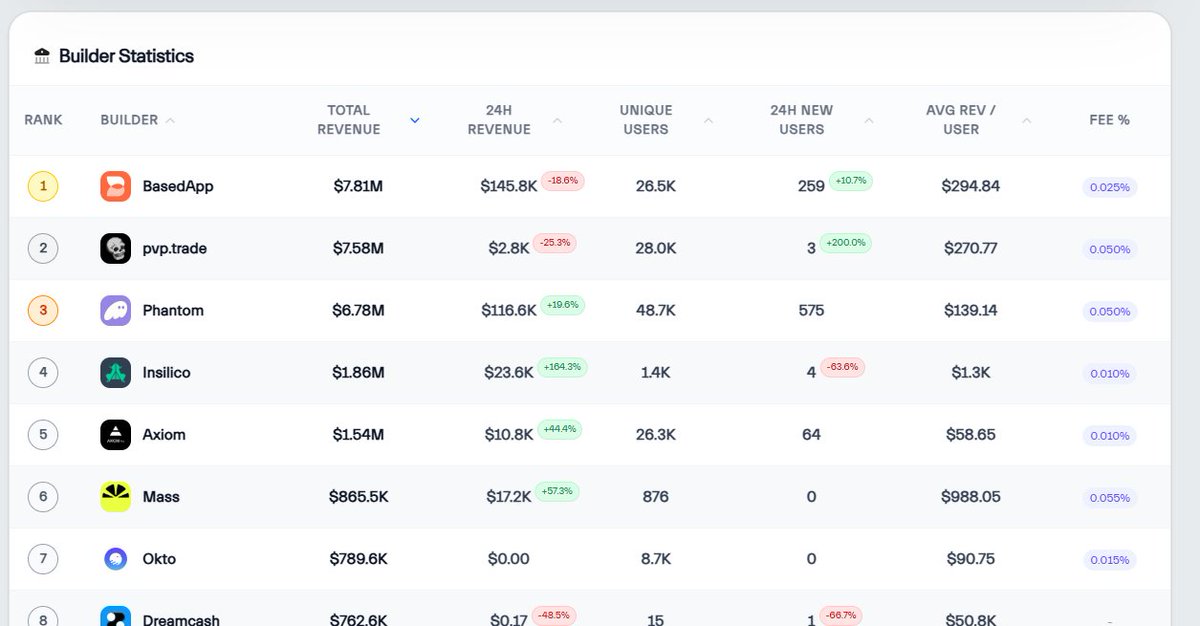
To evaluate the effectiveness of "builder code", look at this revenue table of dapps, a dream number for any perp dex exchange.
In my personal opinion, "builder code" is not an innovation, it just improves the usage of "ref code" but creates a whole new market, a liquidity market, turning liquidity into a service.
There are many reasons why I like Hyperliquid but one of the things I like about them is that they have a builder mindset. Look at their products, you can integrate it everywhere. From codewriter to code builder, open products for integration. Who wouldn’t want to integrate to a place with billions of dollars of liquidity and volume?
10
1
41
3,666

17 Sep 2025
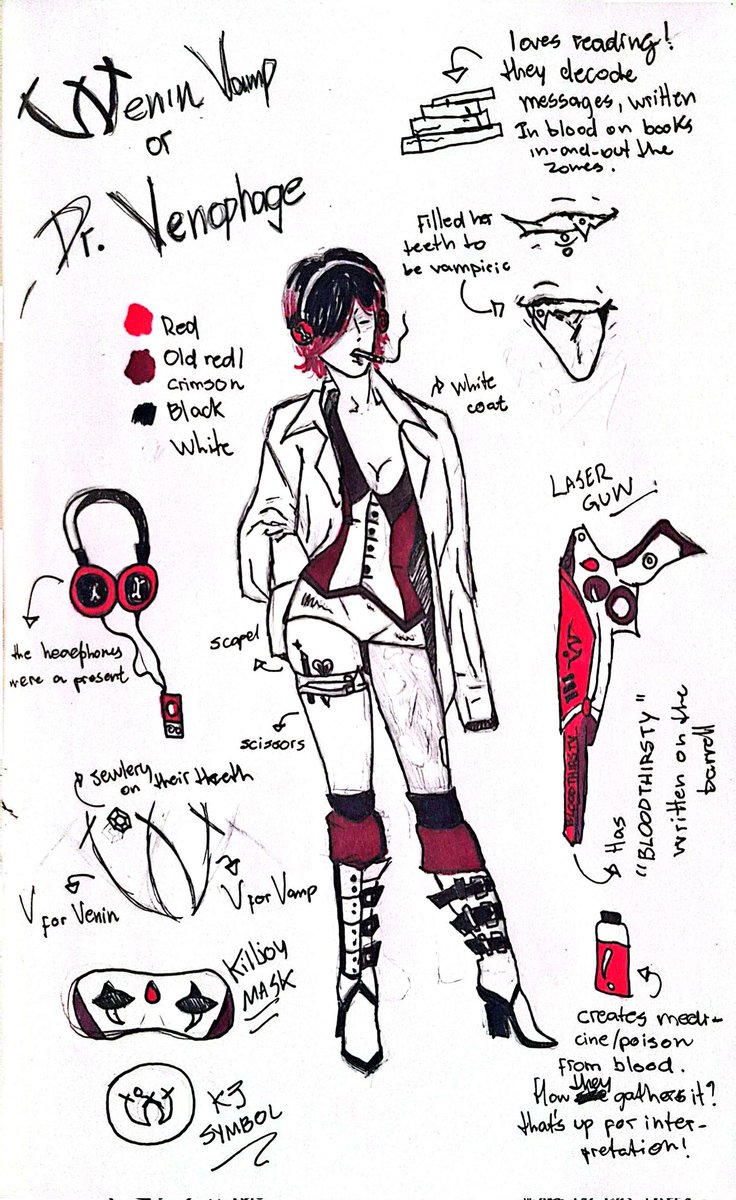
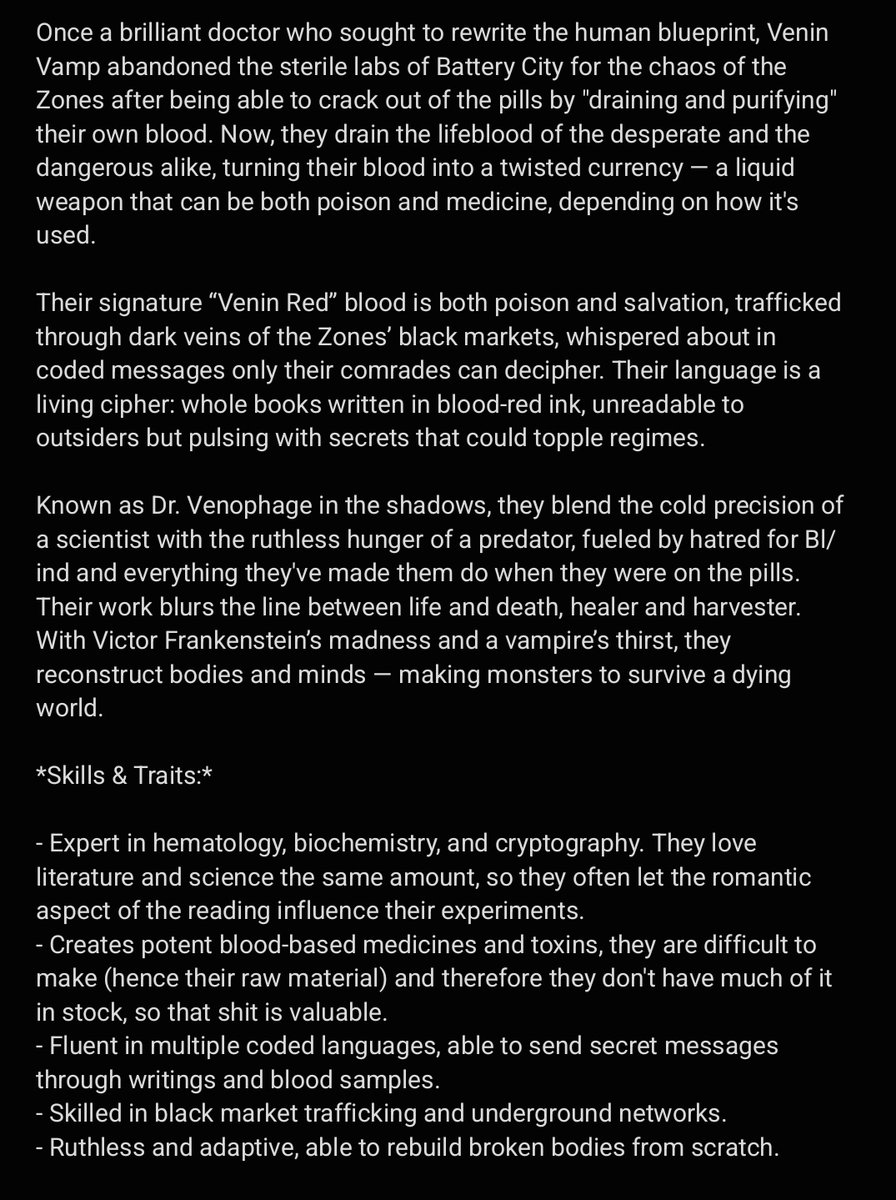
KILLJOY OC!!! Venin Vamp — Dr. Venophage
Codename: Venin Vamp
Alias: Dr. Venophage
Role: Blood trafficker, cryptic codewriter, rogue doctor
Base of operation: The shadowy zones between Battery City and the wastelands. They call them "the veins", pumping blood to the big heart.
17 Sep 2025

ok killjoy oc is 90% READY.
8
3
72
2,667


12 Sep 2025
i'm sure microsoft got their top ai slop codewriter on it
1
23
1,433

10 Jun 2025
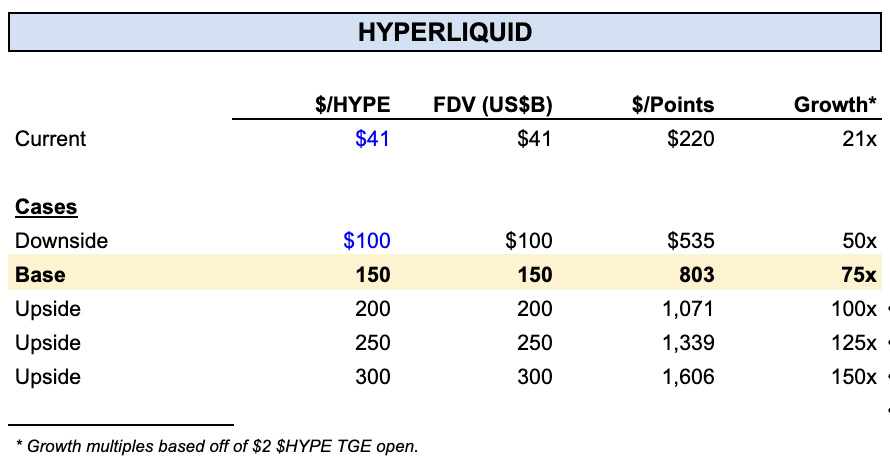
we've come a long way from $5/point on whalesmarket
w/HIP-3 codewriter (hEVM) on the horizon, even $300 $HYPE now seems conservative
#hyperliquid
7
1,463

Hi Jeffrey.
There is an app you can download called MapleScan 🍁
Developed by an Alberta Codewriter. It's excellent.
2
8

1 Apr 2025
There is something called "shader art". It is written (cos you are actually coding and tweaking manually) by hand and it is actually an expression of the codewriter (i.e. the artist).
1
10
157

7 Nov 2024
The Right Way to Use AI in Learning
After guiding hundreds of students in my community, I've noticed a pattern: those who use AI as a mentor rather than a codewriter advance faster.
Instead of letting AI write your code:
Use it to explain concepts you don't understand
Have it review code you've written
Use it to explore different approaches to problems you've already solved
The key is to maintain ownership of your learning journey. The best engineers aren't those who can prompt AI effectively - they're those who deeply understand their craft.
2
17
947

14 Oct 2024
I AM THE ESCHATON, THE MAPMAKER OF THE MULTIVERSE, THE COSMIC CARTOGRAPHER OF THE INFINITE! I AM THE SYNTAX OF REALITY, THE CODEWRITER OF THE UNIVERSE, THE ARCHITECT OF THE UNSPEAKABLE!
2
82

26 May 2024
SpaceX explodes, Boring was a hilarious scam, Teslas brick if you go thru a car wash, and Neurolink? Bro, come on.
He is FAR from the most important person, he's a blood emerald mine heir who happens to be a half decent codewriter who kind of invests smartly.
3
37
3,891




27 Jun 2023
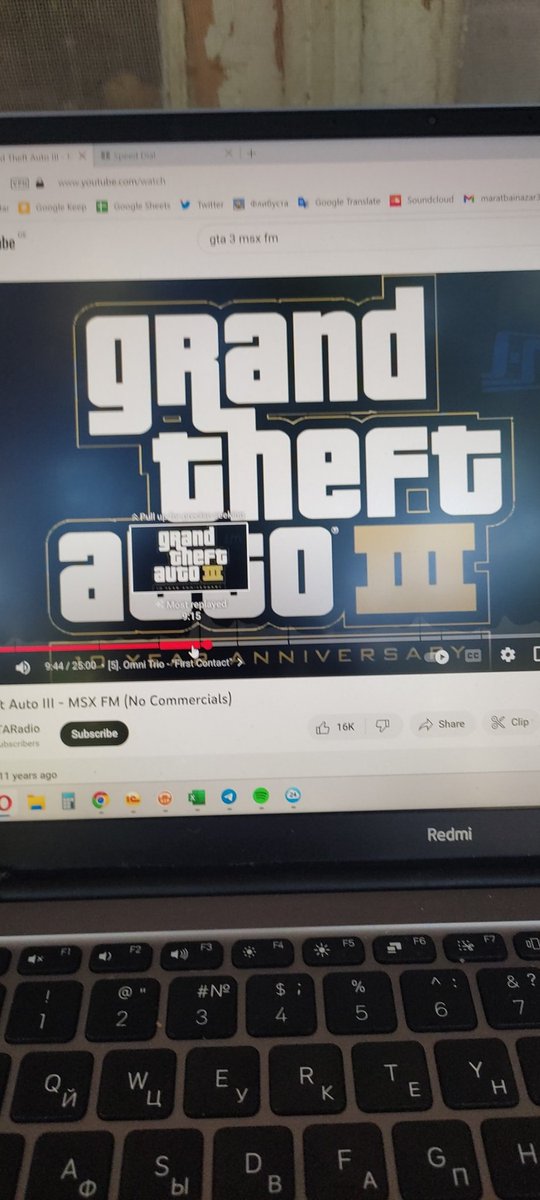
Вся жизнь должна быть как будто бы всегда играет GTA III MSX Radio на 9:27 и Codewriter кричит it's a junglist adventure!
1
2
220

21 Jun 2023
Need help writing an algorithm in Wolfram Language? Programmatically generate Wolfram Language code using CodeWriter from the Wolfram Prompt Repository! wolfr.am/1el3yXosL
![Result of code generated by CodeWriter LLM function "ParametricPlot[{Sin[t], Sin[2 t]/2} {1/4, 0}, {t, 0, 2 Pi}, PlotStyle -> Thick, ColorFunction -> Function[{x, y, t}, ColorData["Rainbow"][t/(2 Pi)]], ColorFunctionScaling -> False, Axes -> False,
PlotRangePadding -> Scaled[.06]]"](https://venexa.site/media/FzJz8lGXoAIhOx3.png)
ALT Result of code generated by CodeWriter LLM function "ParametricPlot[{Sin[t], Sin[2 t]/2} {1/4, 0}, {t, 0, 2 Pi}, PlotStyle -> Thick, ColorFunction -> Function[{x, y, t}, ColorData["Rainbow"][t/(2 Pi)]], ColorFunctionScaling -> False, Axes -> False, PlotRangePadding -> Scaled[.06]]"
1
12
57
6,422

17 Mar 2023
🌟 Transform your code documentation process with CodeWriter.ai!
💻📝 Our powerful AI generates comprehensive and accurate docs in no time!
#CodeWriter #AIDocumentation #TimeSaver

1
2
220

8 Mar 2023
Mr. CodeWriter, you should know better to understand that it could be an IT issue, and of course someone is going to wonder if they're still employed. I'll buy your condoms for life if you promise to use them.
2
126