
Current Issue: Distinct 11C-ER176 PET Neuroinflammatory Profiles and Tau Colocalization in Progressive Apraxia of Speech With and Without Parkinson-plus Syndrome dlvr.it/TT2z14

Microwave irradiation at 2.45 GHz induced sequence-dependent changes in cellular fluorescence intensity, with (Cha-r)2-R4 showing a more pronounced increase than non-irradiated conditions while maintaining high cell viability. Colocalization analysis suggested increased spatial association between peptide-derived fluorescence and mitochondrial staining, although Pearson correlation coefficients remained low.
Outcomes measured
intracellular distribution of mitochondrial-targeting-sequence-based peptides
peptide-derived fluorescence intensity
colocalization of peptide-derived fluorescence with mitochondrial staining
cell viability
Microwave-induced modulation of intracellular distribution of peptides based on mitochondrial targeting sequences rfsafe.org/mel/paper.php?id=…
1
5
220

Jun 4
🧬To better understand genome wide association studies we need to look beyond tissues and zoom in on individual cell types.
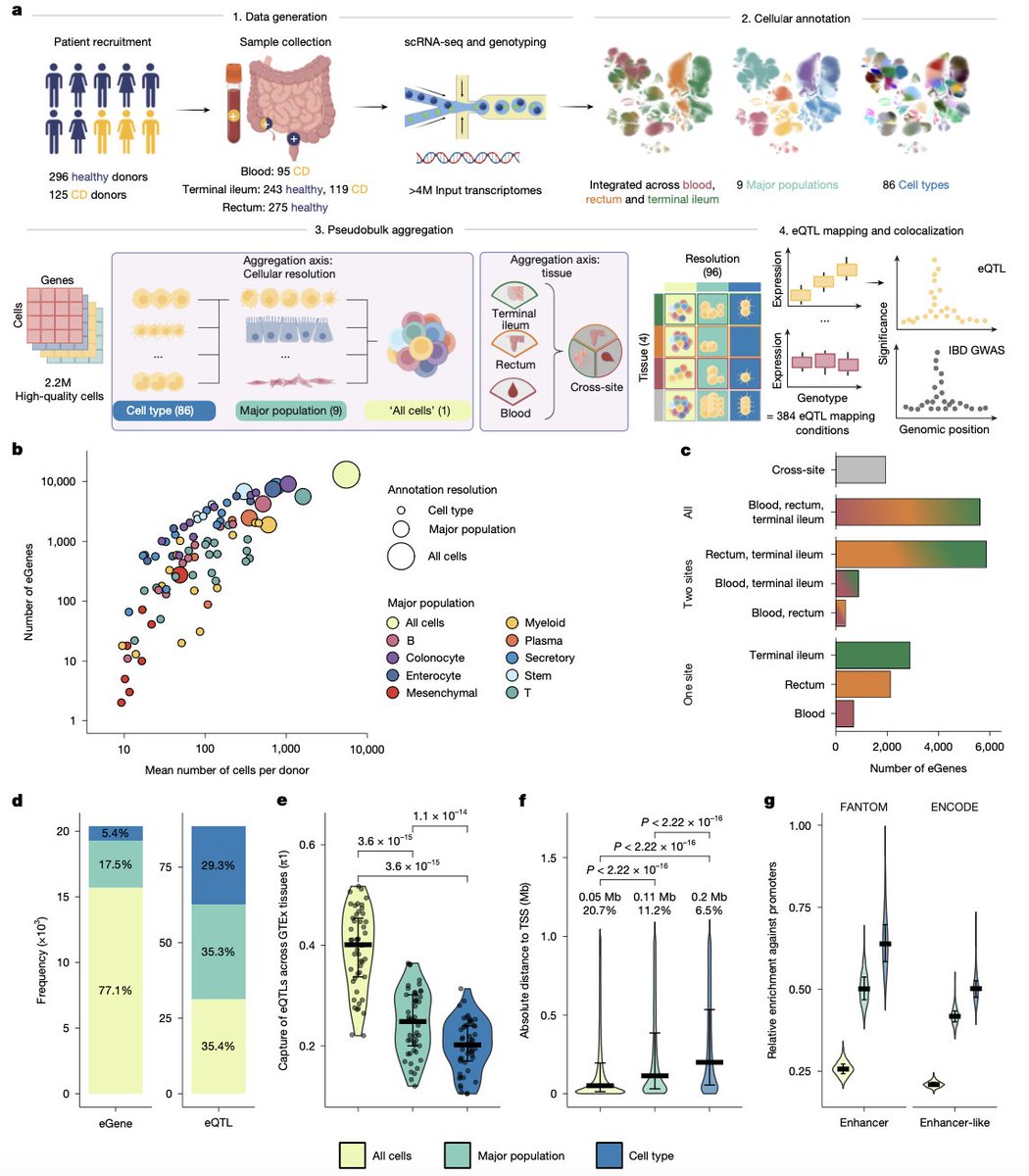
A remarkable @Nature study shows that eQTLs detected in specific cell types explain IBD GWAS signals better than eQTLs detected in pooled cells or broader cell populations.
The authors built IBDverse — large single-cell atlas based on scRNA-seq from blood, rectum and terminal ileum. The cohort included 421 people, including 125 patients with Crohn’s disease. After quality control, the analysis covered nearly 2.2 million single cells with matched genotypes from 396 people.
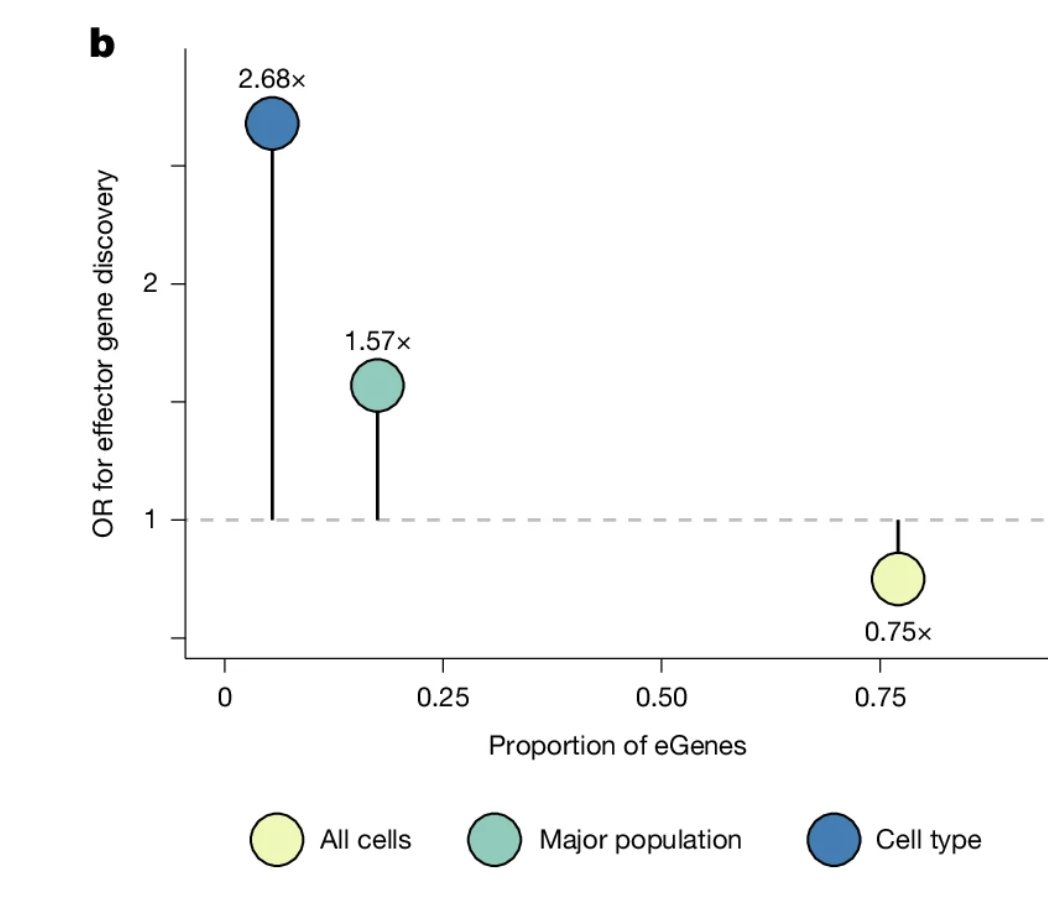
Cell type eQTLs were more often located far from transcription start sites, enriched in enhancers rather than promoters, less likely to regulate the nearest gene and more than 3.5 times more likely to colocalize with IBD GWAS loci than lower resolution eQTLs.
This matters because GWAS signals often sit in enhancers. Single cell data can therefore get closer to disease relevant biology.
The authors nominated likely effector genes for 180 of 321 known IBD loci (56%). For 74 loci this was the first effector gene nomination compared with previous eQTL annotations in Open Targets Genetics.
The study also reframes IBD as more than an immune disease. If the epithelial barrier renews or repairs poorly, the gut becomes more vulnerable. Inflammation may then be not only a cause of tissue damage but also a consequence of weak tissue repair.
#IBD #GWAS #scRNA #eQTL #colocalization
nature.com/articles/s41586-0…
19
83
5,149

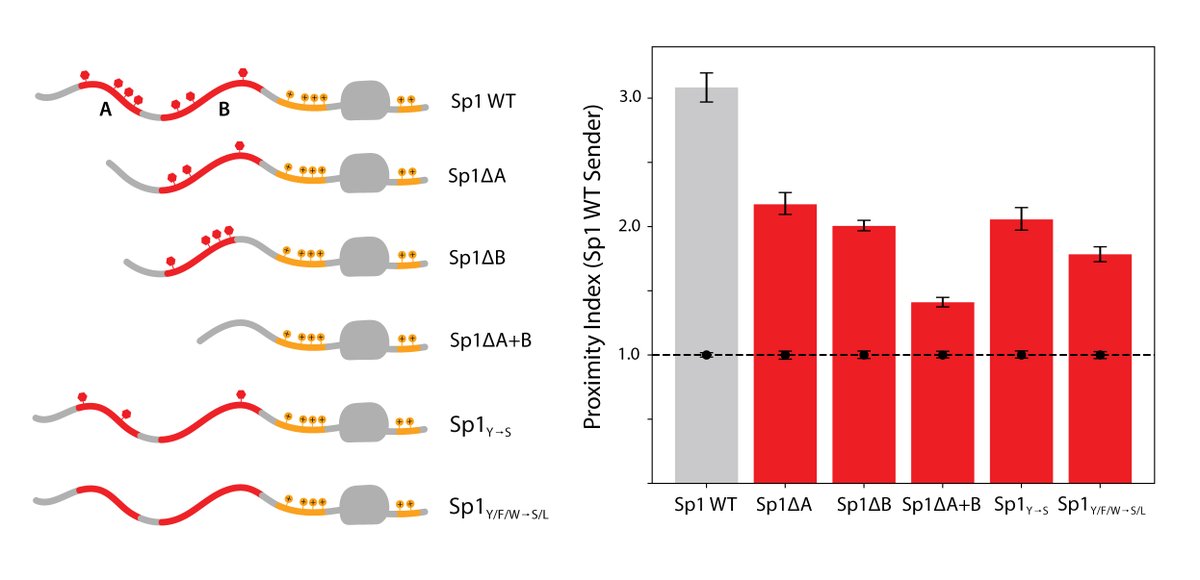
Hi Anshul, it is worth making sure we are talking about the same thing here. Our claim is specific to our two particular readouts: colocalization with WT Sp1 and chromatin association. We don't address "functional binding" - if by that you mean binding that changes expression, which is not something we measure in this paper. Neither do we measure accessibility or make claims about it. By grammar we are referring to the positional order of residues in the A and B regions. If specificity for colocalization with WT were encoded in that ordering, scrambling ought to decrease it. We see the opposite - the A B scramble variant colocalizes more with WT. Our point is that the native order of residues isn't necessary or optimized for this particular readout. Happy to compare notes - mainly want to be sure the claim you're aiming to falsify is the one we're actually making.
1
1
7
626
👉 The study reports colocalization between cell type–specific gene expression and IBD risk at 180 of 321 known IBD loci (56%).
👉 Cell type–specific eGenes were up to 3.5× more likely to colocalize with IBD risk loci than genes identified through bulk-tissue analyses, highlighting the power of this approach for effector gene prioritization.
👉 Including diseased intestinal samples, rather than relying exclusively on healthy tissue, improved the discovery of novel candidate effector genes.
1
1
7
1,040
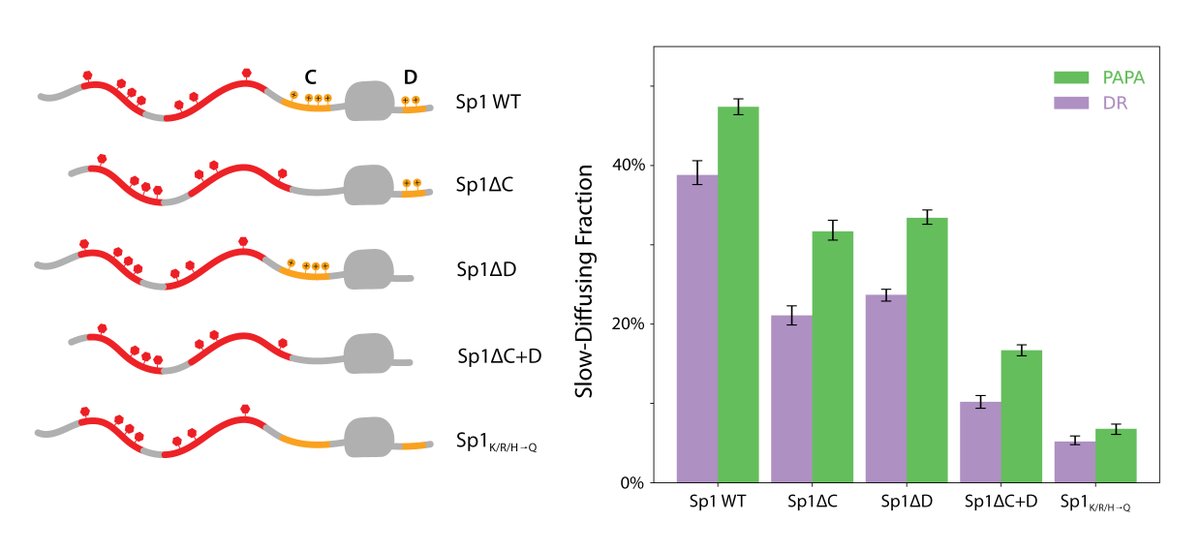
What's the IDR doing? Basic residues flanking the DBD were essential for chromatin binding—neutralizing them abolished it entirely. Colocalization with WT Sp1 required aromatic residues, but scrambling them increased colocalization and binding, arguing against a sequence grammar.
1
2
4,020

May 28
ClusToRa identifies stellate-cell territories with immune/endothelial infiltration and stress-, Notch-, and PPARα-associated programs, providing a niche-centric framework for distinguishing structural cellular infiltration from boundary adjacency or density-driven colocalization.
2
261
May 28
ClusToRa identifies stellate-cell territories with immune/endothelial infiltration and stress-, Notch-, and PPARα-associated programs, providing a niche-centric framework for distinguishing structural cellular infiltration from boundary adjacency or density-driven colocalization.
2
534

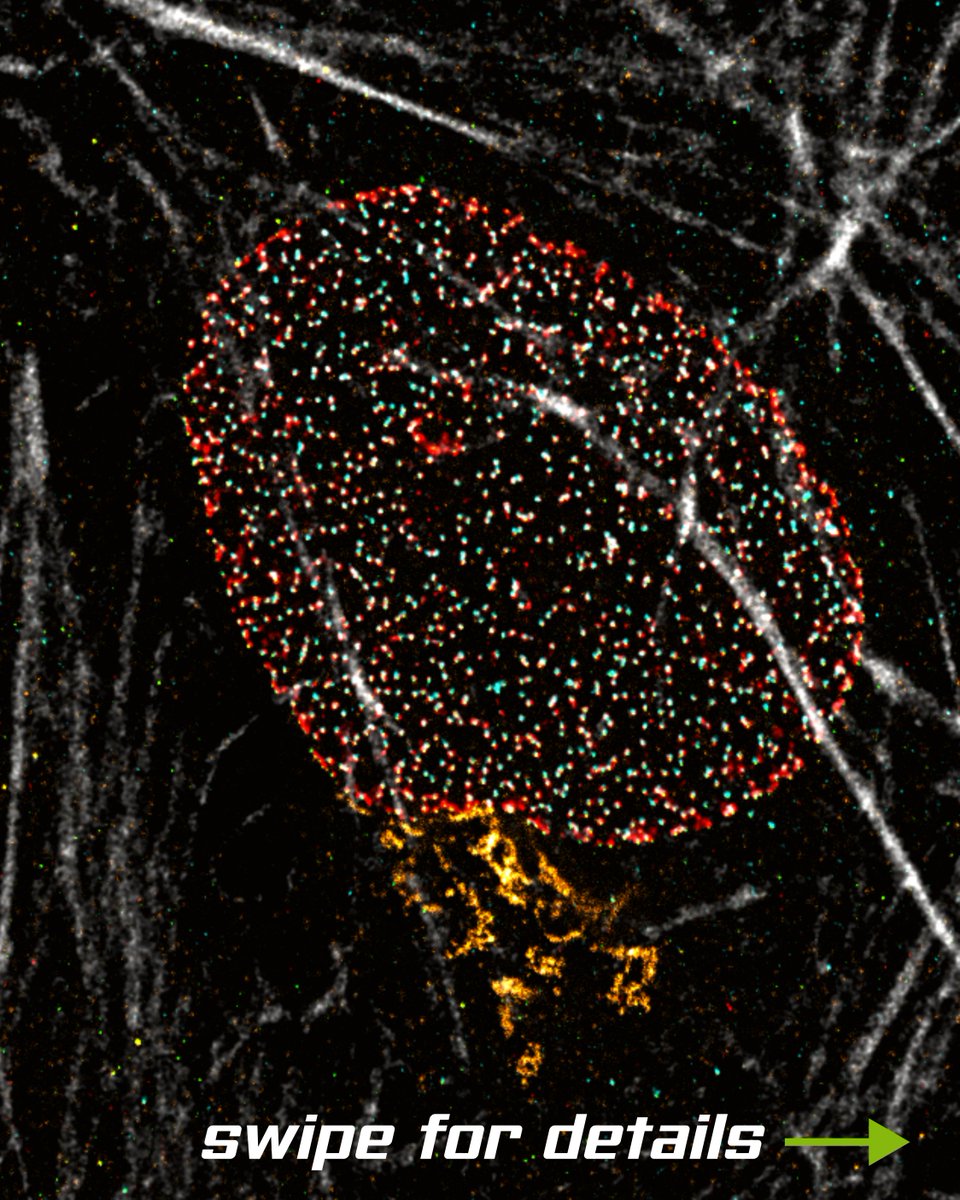
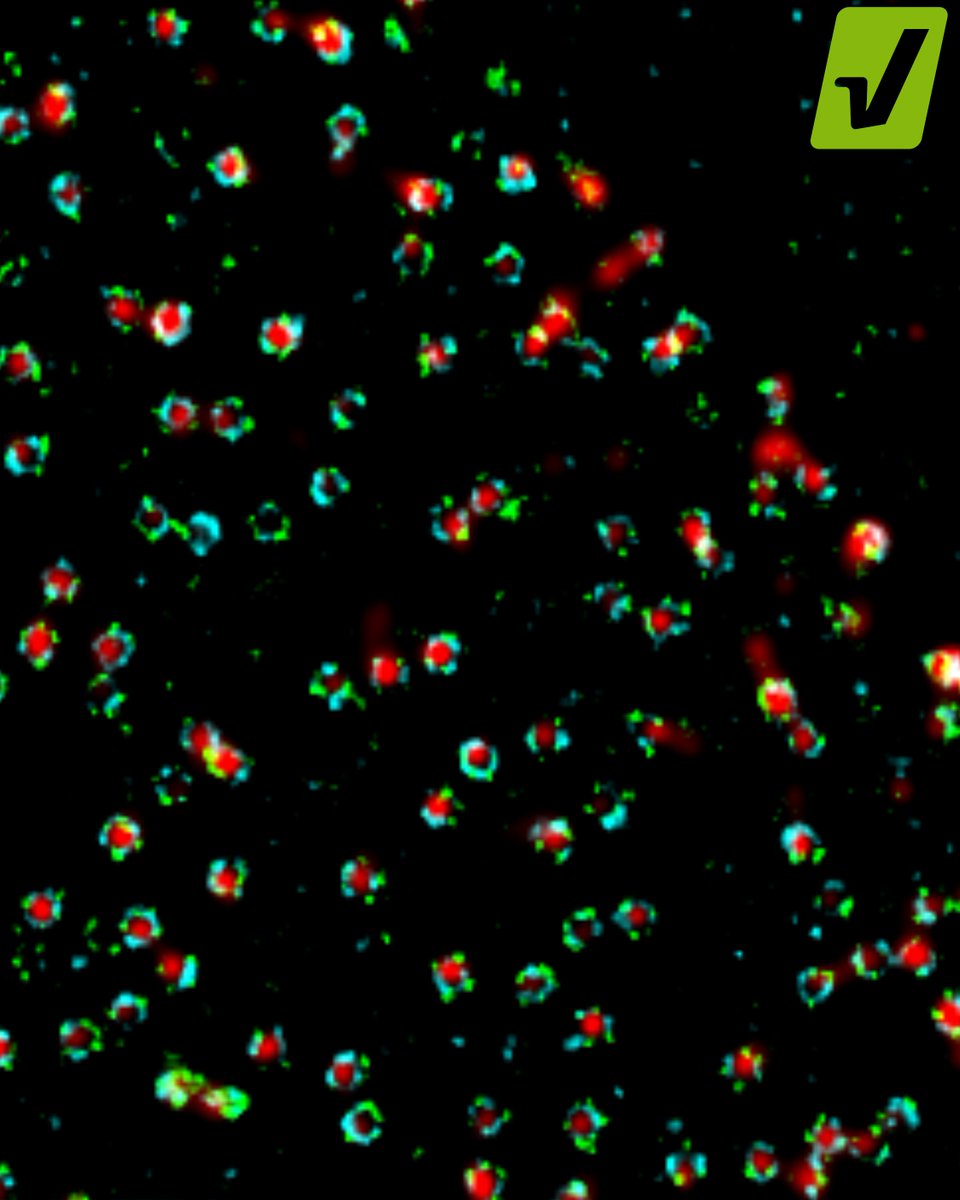
Most cellular processes involve more than one player and none of them can be fully understood by imaging one component at a time. The number of colors you can resolve simultaneously is not a technical detail: it determines which biological questions you can actually ask. Colocalization between two targets is an observation. Colocalization between five, resolved in a single experiment, is a map.
A typical immunofluorescence experiment images two, maybe three targets. Not because the biology is simple, but because spectral separation is hard and finding reliable, bright, and photostable fluorophores for each channel is no trivial task.
The abberior PLEX 5 color Kit was built to change that - making five-color multiplexing straightforward.
These fixed mammalian cells were stained in a single immunofluorescence round using five spectrally separated #STARdyes, imaged on the abberior #MIRAVA Polyscope:
⚪ STAR BLUE (405 nm): F-actin (phalloidin)
🟠 STAR GREEN (488 nm): Golgi apparatus
🔵🟢🔴 STAR ORANGE / STAR RED / STAR deepRED (561, 641, 685 nm): three different targets of the Nuclear pore complex
#abberiordyes #MIRAVA #abberiorPLEX #multiplexing
1
6
40
5,574


May 21
Colocalization of Factor X with Amyloid Light-Chain Deposits - Olivier Christophe
@CHU_de_Poitiers
hemostasistoday.com/science/…
#HemostasisToday

2
14

May 20
"which demonstrates non-random colocalization of SARS-CoV-2 viral proteins and amyloid, and potentially pointing towards a biologically relevant interaction"
3
294

May 20
GLP-1-based therapeutics have revolutionized anti-diabetic and anti-obesity treatments.
doi.org/10.1172/jci.insight.…
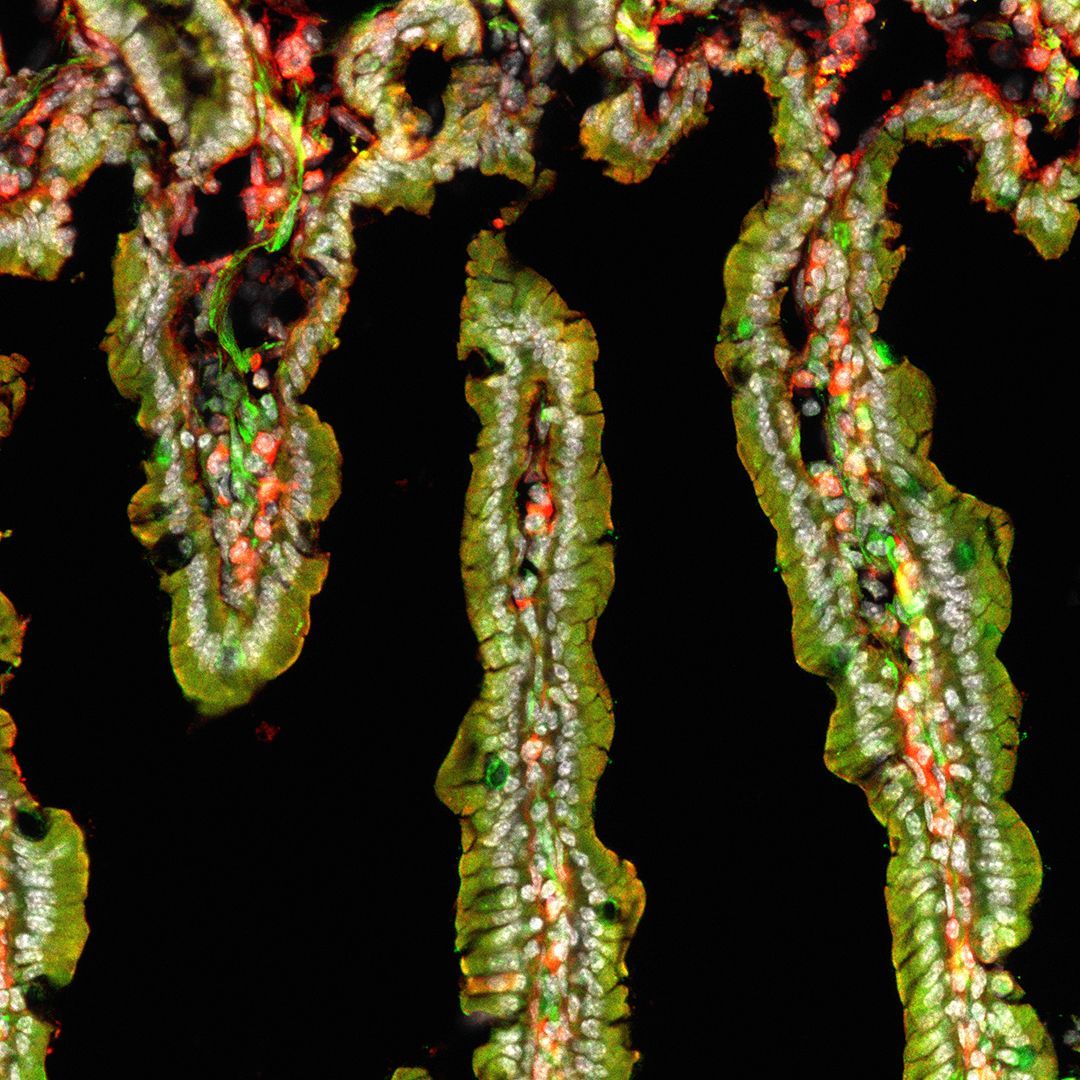
Here, Wolfram Ruf & team identify the intestinal protease TMPRSS2 as a critical regulator of #GLP1 in an obesity-induced diabetes preclinical model.
The image shows colocalization of PAR2 and TMPRSS2 in the mouse small intestine.
#Metabolism
3
2
15
909

May 18
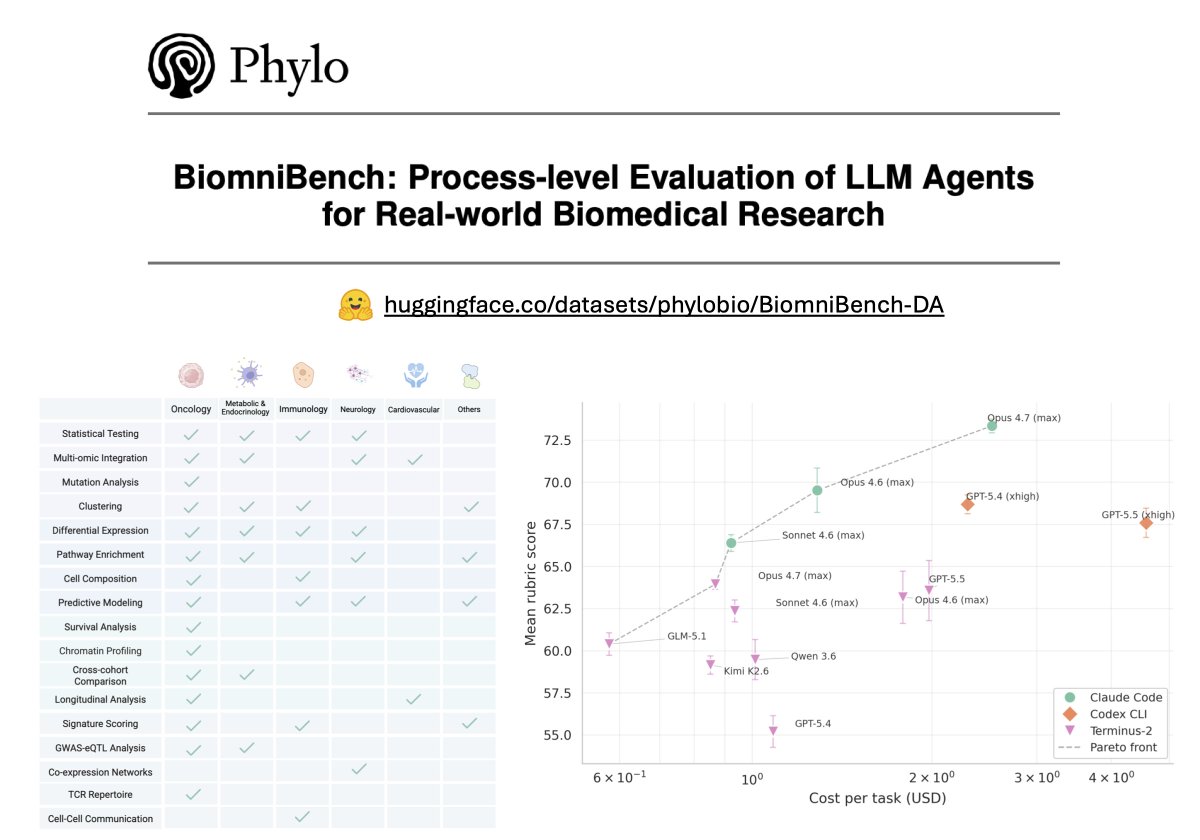
𝗖𝗮𝗻 𝗔𝗜 𝗮𝗴𝗲𝗻𝘁𝘀 𝗽𝗲𝗿𝗳𝗼𝗿𝗺 𝗯𝗶𝗼𝗺𝗲𝗱𝗶𝗰𝗮𝗹 𝗱𝗮𝘁𝗮 𝗮𝗻𝗮𝗹𝘆𝘀𝗶𝘀 𝘁𝗮𝘀𝗸𝘀 𝗯𝗲𝗵𝗶𝗻𝗱 𝗽𝗮𝗽𝗲𝗿𝘀 𝗶𝗻 𝗡𝗮𝘁𝘂𝗿𝗲, 𝗖𝗲𝗹𝗹, 𝗮𝗻𝗱 𝗦𝗰𝗶𝗲𝗻𝗰𝗲?
To find out, we built 𝗕𝗶𝗼𝗺𝗻𝗶𝗕𝗲𝗻𝗰𝗵, a benchmark we co-developed with the original paper authors and 5 year domain experts to grade AI agents the way a peer reviewer reads a paper: scrutinizing methods, reasoning, and every analytical choice, not just the final answer.
As the first track of this benchmark, 𝗕𝗶𝗼𝗺𝗻𝗶𝗕𝗲𝗻𝗰𝗵-𝗗𝗮𝘁𝗮𝗔𝗻𝗮𝗹𝘆𝘀𝗶𝘀 contains 100 data-analysis tasks drawn directly from 21 published studies in Nature, Cell, Science, Nature Medicine, and other leading journals. Each task hands the agent a real dataset and a research question, then scores its full analytical trajectory against an expert-authored rubric.
What's inside:
- 𝟭𝟬𝟬 𝘁𝗮𝘀𝗸𝘀 𝗮𝗰𝗿𝗼𝘀𝘀 𝟱 𝗱𝗶𝘀𝗲𝗮𝘀𝗲 𝗮𝗿𝗲𝗮𝘀 (𝗼𝗻𝗰𝗼𝗹𝗼𝗴𝘆, 𝗶𝗺𝗺𝘂𝗻𝗼𝗹𝗼𝗴𝘆, 𝗻𝗲𝘂𝗿𝗼𝗹𝗼𝗴𝘆, 𝗺𝗲𝘁𝗮𝗯𝗼𝗹𝗶𝗰 & 𝗲𝗻𝗱𝗼𝗰𝗿𝗶𝗻𝗲, 𝗰𝗮𝗿𝗱𝗶𝗼𝘃𝗮𝘀𝗰𝘂𝗹𝗮𝗿) 𝗽𝗹𝘂𝘀 𝗴𝗲𝗻𝗲𝗿𝗮𝗹 𝗯𝗶𝗼𝗹𝗼𝗴𝘆
- 𝟭𝟳 𝗮𝗻𝗮𝗹𝘆𝘁𝗶𝗰𝗮𝗹 𝘁𝗮𝘀𝗸 𝘁𝘆𝗽𝗲𝘀 (𝗲.𝗴., 𝗚𝗪𝗔𝗦/𝗲𝗤𝗧𝗟 𝗰𝗼𝗹𝗼𝗰𝗮𝗹𝗶𝘇𝗮𝘁𝗶𝗼𝗻, 𝗧-𝗰𝗲𝗹𝗹 𝗿𝗲𝗰𝗲𝗽𝘁𝗼𝗿 𝗿𝗲𝗽𝗲𝗿𝘁𝗼𝗶𝗿𝗲 𝗮𝗻𝗮𝗹𝘆𝘀𝗶𝘀, 𝗰𝗲𝗹𝗹-𝗰𝗲𝗹𝗹 𝗰𝗼𝗺𝗺𝘂𝗻𝗶𝗰𝗮𝘁𝗶𝗼𝗻)
- 𝗔𝗻 𝗲𝘅𝗽𝗲𝗿𝘁-𝗰𝘂𝗿𝗮𝘁𝗲𝗱 𝗿𝘂𝗯𝗿𝗶𝗰 𝗳𝗼𝗿 𝗲𝘃𝗲𝗿𝘆 𝘁𝗮𝘀𝗸, 𝘀𝗰𝗼𝗿𝗶𝗻𝗴 𝟲 𝗱𝗶𝗺𝗲𝗻𝘀𝗶𝗼𝗻𝘀 𝗼𝗳 𝗮𝗻𝗮𝗹𝘆𝘁𝗶𝗰𝗮𝗹 𝗾𝘂𝗮𝗹𝗶𝘁𝘆
- 𝗣𝗿𝗼𝗰𝗲𝘀𝘀-𝗹𝗲𝘃𝗲𝗹 𝗲𝘃𝗮𝗹𝘂𝗮𝘁𝗶𝗼𝗻 𝗼𝗳 𝟵 𝗳𝗿𝗼𝗻𝘁𝗶𝗲𝗿 𝗟𝗟𝗠𝘀 (𝗚𝗣𝗧-𝟱.𝟱, 𝗖𝗹𝗮𝘂𝗱𝗲 𝗢𝗽𝘂𝘀 𝟰.𝟳, 𝗮𝗺𝗼𝗻𝗴 𝗼𝘁𝗵𝗲𝗿𝘀) 𝗮𝗰𝗿𝗼𝘀𝘀 𝟰 𝗮𝗴𝗲𝗻𝘁 𝗵𝗮𝗿𝗻𝗲𝘀𝘀𝗲𝘀 (𝗖𝗹𝗮𝘂𝗱𝗲 𝗖𝗼𝗱𝗲, 𝗖𝗼𝗱𝗲𝘅 𝗖𝗟𝗜, 𝗧𝗲𝗿𝗺𝗶𝗻𝘂𝘀-𝟮, 𝗚𝗲𝗺𝗶𝗻𝗶 𝗖𝗟𝗜)
Headline results:
- 𝗙𝗿𝗼𝗻𝘁𝗶𝗲𝗿 𝗺𝗼𝗱𝗲𝗹𝘀 𝗹𝗲𝗮𝗱 𝗮𝘁 𝟳𝟯.𝟯/𝟭𝟬𝟬, 𝘄𝗶𝘁𝗵 𝘀𝘂𝗯𝘀𝘁𝗮𝗻𝘁𝗶𝗮𝗹 𝗵𝗲𝗮𝗱𝗿𝗼𝗼𝗺 𝘁𝗼 𝗶𝗺𝗽𝗿𝗼𝘃𝗲.
- 𝗧𝗵𝗲 𝗮𝗴𝗲𝗻𝘁 𝗵𝗮𝗿𝗻𝗲𝘀𝘀 𝗺𝗮𝘁𝘁𝗲𝗿𝘀 𝗮𝘀 𝗺𝘂𝗰𝗵 𝗮𝘀 𝘁𝗵𝗲 𝗯𝗮𝘀𝗲 𝗺𝗼𝗱𝗲𝗹.
- 𝗔𝗴𝗲𝗻𝘁𝘀 𝗳𝗮𝗹𝗹 𝘀𝗵𝗼𝗿𝘁 𝗼𝗻 𝗯𝗶𝗼𝗹𝗼𝗴𝗶𝗰𝗮𝗹 𝗶𝗻𝘁𝗲𝗿𝗽𝗿𝗲𝘁𝗮𝘁𝗶𝗼𝗻, 𝗺𝗲𝘁𝗵𝗼𝗱 𝘀𝗲𝗹𝗲𝗰𝘁𝗶𝗼𝗻, 𝗮𝗻𝗱 𝘀𝗰𝗶𝗲𝗻𝘁𝗶𝗳𝗶𝗰 𝗿𝗲𝗮𝘀𝗼𝗻𝗶𝗻𝗴.
We hope to make 𝗕𝗶𝗼𝗺𝗻𝗶𝗕𝗲𝗻𝗰𝗵 the most helpful benchmark for biologists to understand how AI agents handle real-world biomedical tasks: where they can be trusted, and where they fall short. We're actively expanding our evaluation effort, and would love to engage the broader scientific community on what comes next.
📄 biorxiv.org/content/10.64898…
🤗 huggingface.co/datasets/phyl…
Thanks to our amazing @phylo_bio team (Minta Lu, @TuXinming , @serena2z , @TianweiShe , @lecong , @jure , @KexinHuang5 ) and our collaborators at @LaudeInstitute , @Stanford , @Harvard , @PKU1898 , @virginia_tech , Humanlaya Data Lab, Xbench: @alexgshaw , JOU-HO SHIH, Bingqing Zhao, Minjie Shen, Haochen Yang, Jielin Yan, Rongchuan Zhang, Xinze Wu, Tingting Li, Xiaobo Hu, Yuan Jiang, Jiayun Dong, Tao Peng.
17
56
294
35,379

May 14
The two most interesting findings of this paper:
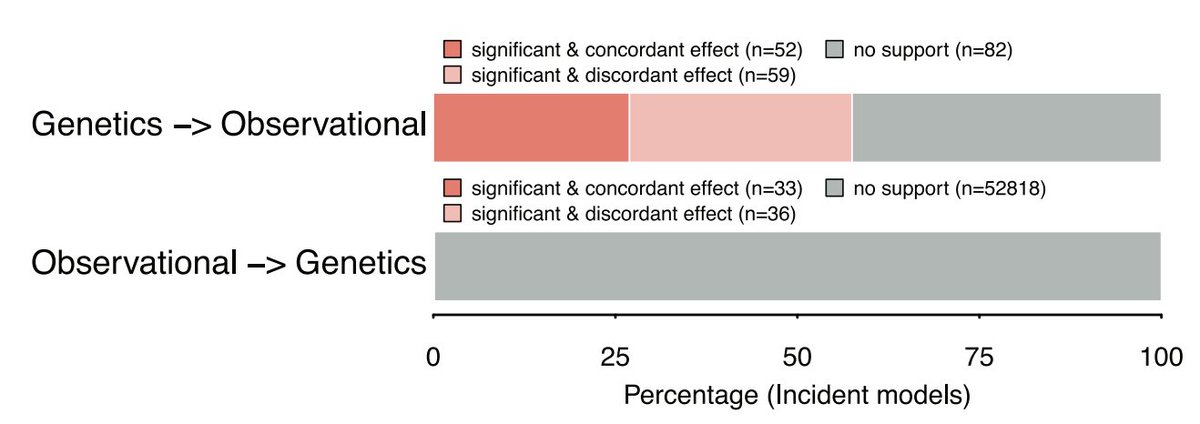
1⃣In observational analyses, there were 52,887 significant protein-disease associations!
It's of course implausible that all those represent links that in any way point to causal biology.
Only 0.06% (!) of them (n = 33) had directionally concordant, high-confidence support from genetic analysis (cis-Mendelian randomization colocalization)
It just highlights how ridiculous it was to rely on this kind of analyses for drug target discovery/validation in the past.
May 13

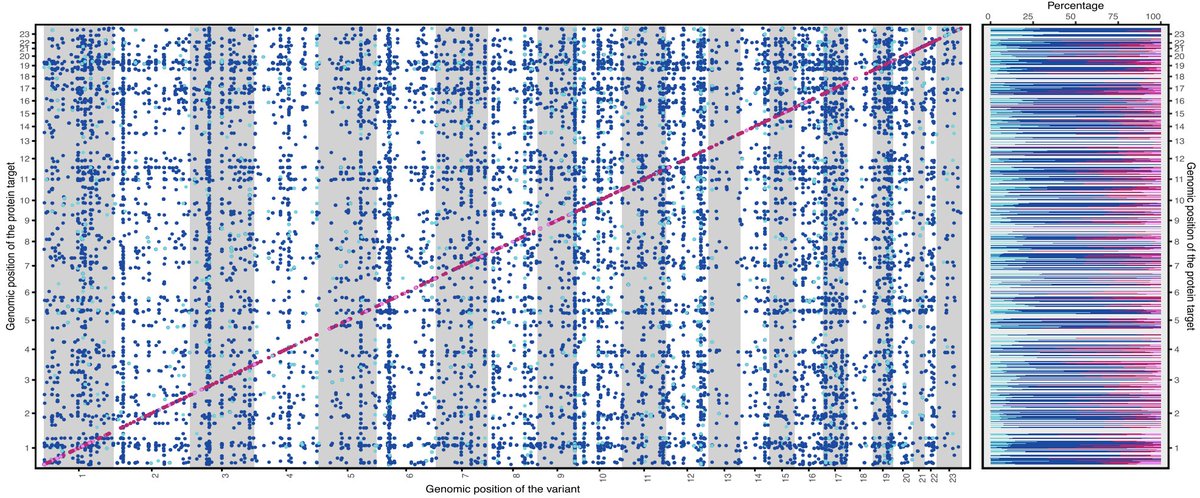
Meta-analyzing Olink data from SCALLOP (1,194 proteins) and UK Biobank (1,463 proteins), we now have the largest publicly available (N=78,664) pQTL resource for the plasma proteome
👉5,040 significant cis- & 19,698 trans-pQTLs for 1,116 proteins
5
14
45
11,493

Geng and Li et al. performed in vivo CRISPR screens in chronic LCMV infection and identified KLF2 as a central transcriptional regulator of CX3CR1 effector-like exhausted (Texeff-like) CD8 T cells. KLF2 directly engaged with Texeff-like loci, including Cx3cr1, and converted CX3CR1- cells into Texeff-like cells. KLF2 loss induced a TOX-dependent terminally exhausted state with enhanced activation, proliferation, and dendritic cell colocalization. KLF2 deficiency increased antigen-specific CD8 T cell accumulation and improved viral control across stages of chronic infection. KLF2 and PD-1 co-deletion showed superior clearance, but with severe immunopathology.
bit.ly/4extaDK

4
14
954

Nikon's AX with NSPARC offers best-in-class sensitivity and stability built for heavy use and simple operation💪
🟨Performant for Live cell imaging
🟨High-quality imaging from macro to (sub)-micro
🟨Ideal for colocalization study
More info👉 bit.ly/4ttiY2L
2
340

May 7
🧌🦠 Proteotoxic Feedback Loop: NE Cleavage, Amyloid Nucleation, Microclots
The APM forces mTORC1-driven hyper-synthesis while obstructing autophagic clearance (mitochondrial ROS → AMPK↑ → hypo-mTOR in neurons/cardiomyocytes), creating a stoichiometric bottleneck that accumulates amyloidogenic spike segments, per the Bocquet “Janus" Model.
Neutrophil elastase (NE, released during IL-8/PAD4-driven NETosis) cleaves folded spike at solvent-exposed aliphatic P1 sites: within minutes, 98 peptides form;
the abundant 194–203 core (Spike192) nucleates branched cross-β fibrils (ThT sigmoidal kinetics, Congo red birefringence, TEM).
Late cleavage liberates/exposes Spike685 (aa 685–701, immediately post-furin PRRA↓S685).
Westman et al. (2025) kinetics: pre-formed Spike685 fibrils (0.5–1 mg/mL, 37 °C) induce dose-dependent denser fibrin networks (higher turbidity plateau at 405 nm) and marked plasmin/tPA resistance (residual turbidity p<0.0001 at 10 μg/mL; linear regression).
TEM reveals granular 50–500 nm aggregates incorporating fibrin and amyloid; hyperspectral microscopy confirms colocalization.
Spike601 sequesters fibrinogen (delays formation) but does not impair lysis.
Pretorius/Kell confirm recombinant S1 alone nucleates ThT⁺, plasmin-resistant fibrinaloid microclots (1–200 μm) in healthy plasma; NET–fibrin hybrids (cfDNA, Cit-H3, NE/MPO) stabilize them and entrap α2-antiplasmin, complement, vWF. Wong/Zhang xenoAMPs organize dsRNA lattices that upregulate tissue factor.
These microclots create hypoxic niches that perpetuate the ERS. >
1
2
88