Filter
Exclude
Time range
-
Near
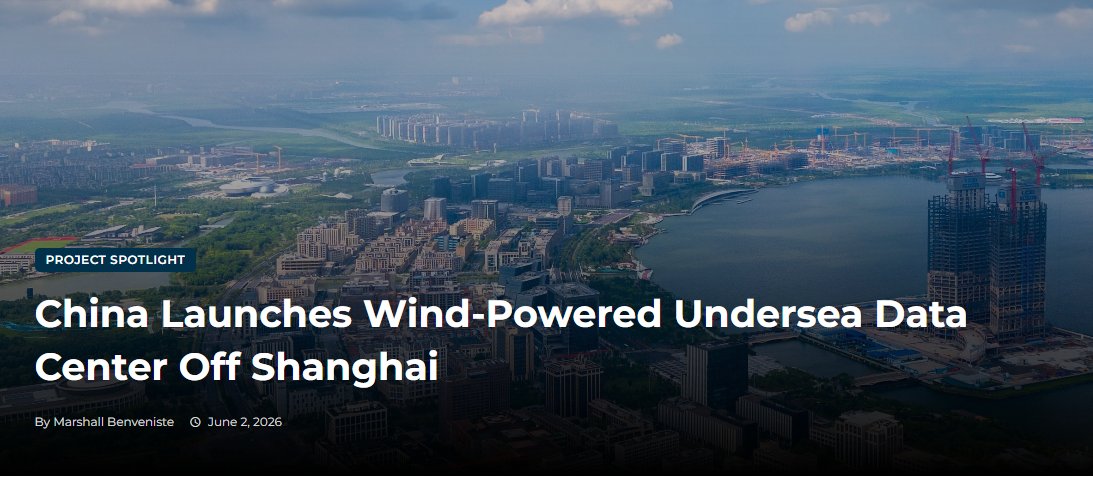
중국, 세계 최초 해상풍력 직결 해저 데이터센터 가동 ConstructConnect | 2026년 6월 상하이 린강 해저 데이터센터 프로젝트 개요 1. 중국이 세계 최초로 해상풍력 전력을 직접 공급받는 해저 데이터센터를 상하이 동쪽 해안 린강 지역에서 가동하기 시작했다. 2. 중국 교통건설공사 자회사가 건설한 이 시범 프로젝트는 5월부터 운영 중이며 계획 용량은 24MW다. 3. 현재 2.3MW로 가동되고 있으며 약 2만 4천 가구 규모의 전력 수요를 처리할 수 있는 수준이다. 해상풍력 직결 전력 공급 방식 1. 해상풍력 발전소에서 나온 전기를 육상 전력망을 거치지 않고 해저 광전 복합 케이블로 바로 수중 데이터 모듈에 공급한다. 2. 광전 복합 케이블은 전력과 데이터 전송을 하나의 선로로 처리해 배선 비용을 줄이고 전송 손실을 낮춘다. 3. AI 데이터센터 수요가 급증하는 상황에서 재생에너지와 컴퓨팅 인프라를 직접 연결한 점이 이 프로젝트의 핵심이다. 해수 냉각 시스템의 효과 1. 해저에 설치된 데이터 모듈은 해수를 이용한 순환 구리관 열교환 방식으로 냉각한다. 2. 이 방식으로 전력 소비를 22.8% 줄이고 담수 사용을 완전히 없앴으며 토지 사용도 90% 이상 감소시켰다. 3. 칭화대학교 리전 교수는 일반 데이터센터는 전력의 약 3분의 1을 냉각에 쓰지만 해저 방식은 그 비중이 10분의 1 수준으로 떨어진다고 설명했다. 중국 데이터센터 전력 소비와 절감 잠재력 1. 중국 데이터센터 전체는 연간 2500억 kWh의 전력을 소비하며 이 중 800억 kWh가 냉각에 사용된다. 2. 비슷한 규모 시설을 해저로 옮기면 냉각 수요가 300억 kWh로 줄어 연간 500억 kWh를 절감할 수 있을 것으로 추정된다. 3. 이는 중국의 전력 수요 관리와 탄소 배출 감축 측면에서 실질적인 효과를 기대할 수 있는 방안이다. 건설 산업에 미치는 영향과 투자 시사점 1. 전력 공급, 냉각, 컴퓨팅 용량을 별개의 시스템이 아니라 하나의 통합된 건설·엔지니어링 문제로 접근한 것이 이 프로젝트의 가장 큰 특징이다. 2. 미국에서도 AI 데이터센터 건설 붐으로 비주거용 건설 전망이 상향 조정되고 있으며 데이터센터가 건설 경기의 중요한 변수로 자리 잡고 있다. 3. 중국의 해저 데이터센터 모델이 규모를 확대하고 다른 지역으로 확산된다면 재생에너지와 디지털 인프라를 결합한 새로운 건설 수요가 생겨날 수 있다. 투자 관점에서는 해상 공학, 해저 케이블, 재생에너지 연계 기술을 보유한 기업들의 중장기적 기회를 주의 깊게 살펴볼 필요가 있다. 기사 전문 번역 주요 포인트 * 차이나 데일리는 중국이 재생에너지 발전과 AI 중심 디지털 인프라를 결합한 세계 최초의 해상풍력 직접 공급 해저 데이터센터를 가동하기 시작했다고 보도했다. * 상하이 린강 시범 프로젝트는 해상풍력 전력을 수중 데이터 모듈로 직접 보내고 해수 냉각을 사용해 에너지 수요를 줄이고 담수 사용을 없애며 토지 수요를 크게 감소시키도록 설계됐다. * 상하이 지역 프로젝트는 전력 공급, 냉각, 컴퓨팅 용량 사이의 경계를 모호하게 만들어 이들을 세 개의 별도 시스템이 아닌 하나의 통합된 건설 및 엔지니어링 문제로 취급한다. 중국은 차이나 데일리가 6월 2일 보도한 바에 따르면 세계 최초로 해상풍력으로 직접 전력을 공급하는 해저 데이터센터를 가동하기 시작했다. 이 프로젝트는 재생에너지 발전과 인공지능의 급성장하는 인프라 수요를 결합하려는 새로운 시도를 의미한다. 상하이 린강 해저 데이터센터 시범 프로젝트는 상하이 동쪽 해안에서 5월부터 운영에 들어갔다고 차이나 데일리가 전했다. 보도에 따르면 이 개발은 국유기업 중국 교통건설공사의 자회사가 건설했으며 차세대 컴퓨팅 인프라의 모델로 자리매김하고 있다. 해상 전력과 AI 인프라의 만남 차이나 데일리에 따르면 이 프로젝트는 상하이 린강 지역에서 약 6마일 해상에 위치하며 계획 용량은 24MW로 약 2만 4천 가구에 전력을 공급할 수 있는 규모다. 현재 데이터센터는 2.3MW로 운영 중이다. 데이터센터는 일반적으로 메가와트(MW) 단위로 크기가 정해지며 이는 전력 용량 또는 부하를 나타낸다. 1메가와트는 100만 와트에 해당하며 보통 800~1,000가구에 전력을 공급하기에 충분한 것으로 간주된다. (이미지: 상하이 린강 해저 데이터센터 시범 프로젝트의 데이터 캐빈. 사진: 쉬충쥔, 차이나 데일리 제공) 상하이 린강 해저 데이터센터는 개발사들이 설명한 대로 직접 해상풍력 연결 방식을 갖추고 있다. 이 방식에서는 해상풍력 발전소에서 생산된 전기가 기존 그리드 시스템을 거치지 않고 해저 광전 복합 케이블을 통해 수중 데이터 모듈로 직접 전송된다. 광전 복합 케이블은 전력선과 광섬유선을 하나의 케이블에 결합해 전기와 데이터 전송을 동시에 지원하면서 배선 작업을 단순화하고 인프라 비용을 낮춘다. 이러한 설계는 AI 인프라 구축이 급증하는 상황에서 중요하다. 2026년 여름 미국 비주거용 건설 전망에 따르면 ConstructConnect의 마이클 구케스 수석 이코노미스트는 “AI 관련 인프라, 특히 데이터센터의 급속한 구축이 비주거용 활동을 밀어 올리고 있으며 다른 시장 부문은 더 신중한 상황”이라고 밝혔다. 구케스 이코노미스트는 데이터센터의 영향을 강조하며 “최신 미국 전망에서 가장 큰 수정은 비주거용 건설 부문이다. 이 부문은 더 강력한 데이터센터 프로필을 반영해 상향 조정됐으며 현재 사이클에서 대형 프로젝트 활동이 얼마나 집중돼 있는지를 보여준다”고 말했다. 상하이 프로젝트는 전력 공급, 냉각, 컴퓨팅 용량 사이의 경계를 모호하게 만들어 이들을 세 개의 별도 시스템이 아닌 하나의 통합된 건설 및 엔지니어링 문제로 취급한다. 해수 냉각이 판도를 바꿀 수 있는 이유 차이나 데일리는 해저 시스템이 순환 구리관 열교환 설계를 통해 해수를 자연 냉각원으로 사용한다고 보도했다. 개발사들은 이 접근 방식이 전력 소비를 22.8% 줄이고 담수 사용을 완전히 없애며 토지 사용을 90% 이상 감소시킨다고 말했다. 칭화대학교 리전 교수는 차이나 데일리에 일반 데이터센터는 전력의 약 3분의 1을 냉각 시스템에 사용한다고 밝혔다. 비슷한 규모의 해저 데이터센터의 경우 냉각이 총 전력 사용의 약 10분의 1만 차지할 것이라고 리 교수는 말했다. 리 교수는 또한 중국 데이터센터가 연간 약 2500억 kWh의 전력을 소비하며 이 중 약 800억 kWh가 환경 냉각에 사용된다고 신문에 전했다. 비슷한 규모의 시설이 수중에 배치된다면 냉각 수요가 약 300억 kWh로 떨어져 연간 약 500억 kWh를 절감할 수 있을 것이라고 말했다. 건설에 미치는 의미 건설 산업의 경우 이 프로젝트는 해상 엔지니어링, 해저 케이블 시스템, 재생에너지 발전, 디지털 인프라를 하나의 납품 모델로 결합한다는 점에서 두드러진다. 또한 데이터센터와 함께 위치한 전력을 해저에 배치한다. 컴퓨팅 수요가 증가함에 따라 개발자와 공무원들은 도시 토지, 담수 공급, 과부하된 전력 시스템에 대한 압력을 가중시키지 않고 데이터 용량을 구축할 방법을 찾고 있다. 이 프로젝트가 규모를 확대하고 다른 곳에서 개발로 이어질지 여부는 아직 알려지지 않았다.
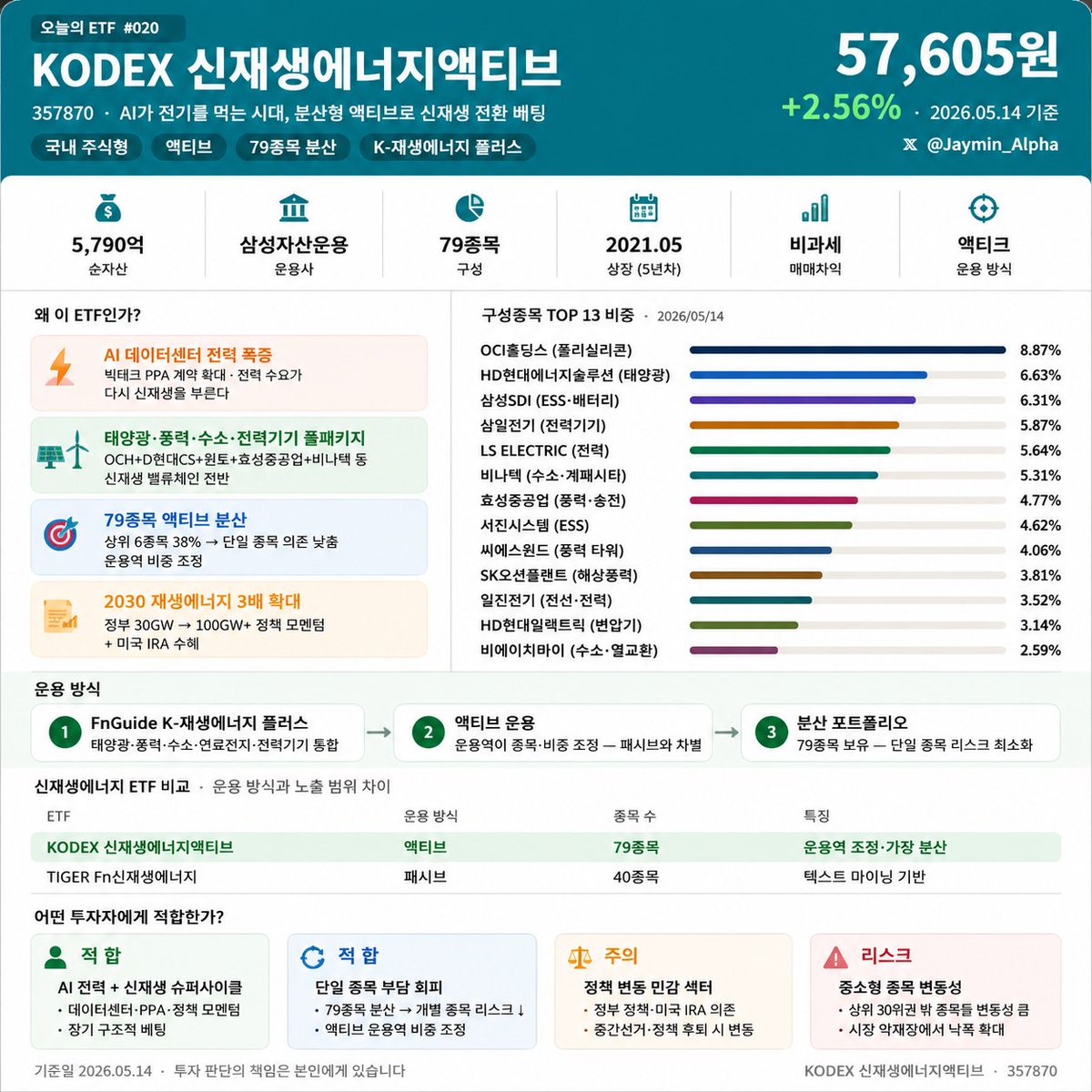
오늘의 ETF #020 — KODEX 신재생에너지액티브 AI가 전기를 먹는 시대, 분산형 액티브로 신재생 전반 베팅 1. KODEX 신재생에너지액티브는? 태양광·풍력·수소·전력기기 79종목을 한 통에 담는 액티브 ETF KODEX 신재생에너지액티브는 FnGuide K-재생에너지 플러스 지수를 추종하는 액티브 ETF로 국내 신재생에너지 밸류체인 79종목에 분산 투자. 2021년 5월 상장된 5년차 상품으로 순자산 5,790억. 핵심은 액티브 운용 79종목 초분산 구조. 패시브와 달리 운용역이 종목·비중을 조정해 대형 사이클 출현 종목 선제 편입이 가능. 태양광 폴리실리콘(OCI홀딩스)·태양광 인버터(HD현대에너지솔루션)·풍력 타워(씨에스윈드)·해상풍력 구조물(SK오션플랜트)·수소 연료전지(비나텍·비에이치아이)·ESS 배터리(삼성SDI)·전력기기(LS ELECTRIC·HD현대일렉트릭) 모두 한 ETF에 담음. AI 데이터센터 전력 수요 폭증 정부 2030년 재생에너지 3배 확대 정책이 핵심 모멘텀. 삼성자산운용 운용. 2. 포트폴리오 구성 OCI홀딩스·HD현대에너지솔루션·삼성SDI 빅3 — 상위 6종목 38% 26년 5월 14일 기준 OCI홀딩스 8.87%(폴리실리콘), HD현대에너지솔루션 6.63%(태양광 인버터·EPC), 삼성SDI 6.31%(ESS), 산일전기 5.87%(전력기기), LS ELECTRIC 5.64%(전력), 비나텍 5.31%(수소) 순. 상위 6종목 합산 약 38.63%로 K방산(빅3 57%)·조선(빅3 72%)보다 훨씬 분산된 구조. 태양광·풍력·수소·ESS·전력기기 각 영역 핵심 기업을 골고루 편입해 단일 테마 의존도가 낮음. 풍력 타워 글로벌 1위 씨에스윈드 4.06% 해상풍력 SK오션플랜트 3.81% 포함. 3. 운용 전략 FnGuide K-재생에너지 플러스 지수 액티브 비중 조정 FnGuide K-재생에너지 플러스 지수는 텍스트 마이닝으로 신재생에너지 키워드(태양광·풍력·수소·연료전지·바이오·지열 등) 유사도 점수가 높은 종목을 선정하고 매출 연관도까지 점검해 최종 종목을 구성. 거기에 운용역이 추가로 종목·비중을 조정하는 액티브 구조. 패시브 ETF는 정기변경 시기에만 비중이 바뀌는 반면 액티브는 시장 환경 변화에 즉각 대응 가능. 79종목 초분산으로 단일 종목 리스크 최소화. 4. 수익 구조 시세차익 중심 AI 전력 수요·정책 모멘텀 직격 매매차익은 비과세, 분배금은 발생 시 지급(상대적으로 낮은 편). 수익원의 95% 가 시세차익. 핵심 드라이버는 (1) AI 데이터센터 전력 수요 폭증 — 빅테크 태양광 PPA 계약 확대, (2) 정부 2030년 재생에너지 30GW → 100GW 정책, (3) 한화솔루션 미국 셀 공장 2026 하반기 정상 가동 → AMPC 세액공제 확대, (4) 미국 11월 중간선거 민주당 우세 시 친환경 정책 가속. 5. 수수료 액티브 ETF — 패시브 대비 약간 높은 보수 총보수는 액티브 ETF 특성상 패시브 신재생 ETF보다 약간 높은 편. 대신 운용역의 종목 선정·비중 조정 자유도 확보 79종목 초분산이라는 장점. 단순 보수 비교만으로 판단하기보다 운용역 트랙레코드와 신재생 사이클 대응 능력으로 판단해야 함. TIGER Fn신재생에너지(패시브·약 40종목)와 직접 비교하면 분산도가 약 2배 정도 높은 구조. 6. 세금 구조 국내 주식형 — 매매차익 비과세, 분배금만 15.4% 국내 주식형 ETF로 분류돼 매매차익은 비과세 적용. 분배금은 배당소득세 15.4% 원천징수. 금융소득 2천만원 초과 시 종합과세 합산 대상. ISA·연금계좌 활용 시 추가 절세 가능. 액티브 ETF지만 국내 주식형 분류라 미국 신재생 ETF(ICLN·TAN) 대비 세금 측면에서 유리. 7. 투자 전 체크할 리스크 정책 의존·장기 저조·중소형주 변동성 — 세 가지 인지 필수 첫째, 정책 변동 민감 섹터. 신재생에너지는 정부 정책·미국 IRA 의존도가 매우 큰 섹터라 11월 미국 중간선거 결과·국내 재생에너지 목표 조정 시 변동성 급증. 중간선거에서 공화당 압승 시 IRA 후퇴 우려도 부분 존재. 둘째, 장기 저조 경험. 2021년 고점 이후 깊은 조정을 겪은 섹터로 회복 사이클이 진정한지 검증 필요한 구간. 세트 플레이성 반등에 그칠 가능성도 배제 불가. 셋째, 중소형 종목 변동성. 79종목 중 상위권 외 중소형 종목들 변동성이 매우 크고 시장 약세장에서 낙폭이 확대되는 경향. 분산이라는 장점이 약세장에선 약점으로 작용할 수 있음. ⚠️ 본 자료는 투자 참고용이며, 매수·매도를 권유하지 않습니다. 투자의 최종 책임은 본인에게 있습니다.
5
2,711
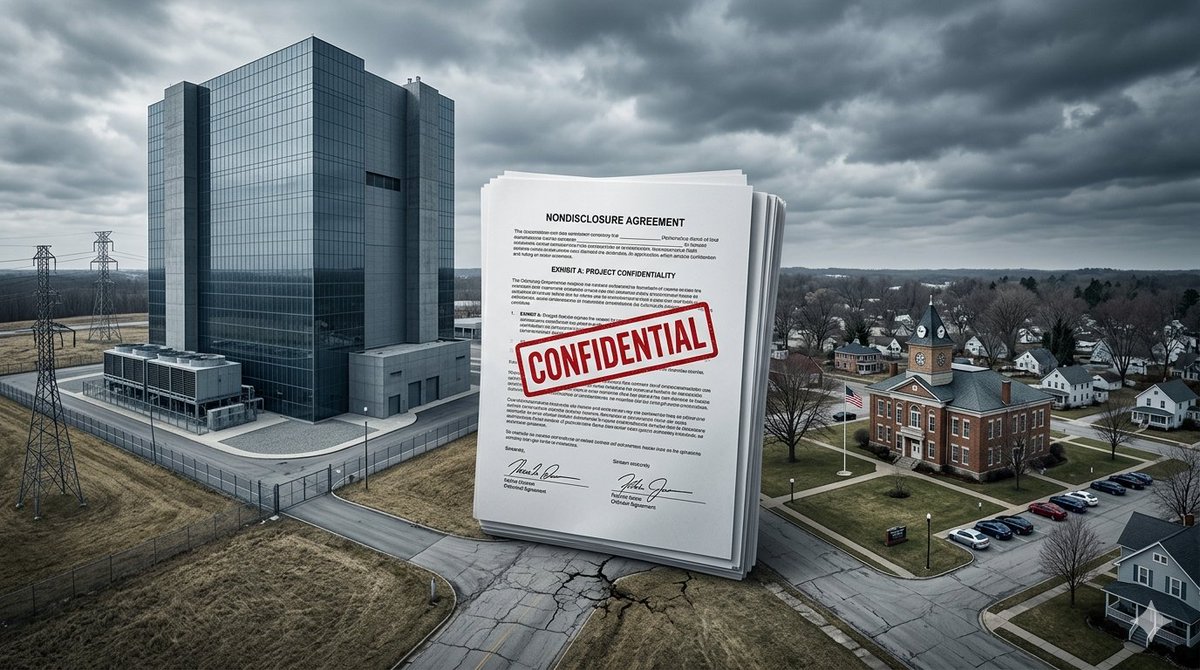
. EXCLUSIVE ------------- . THE DATA CENTER JUGGERNAUT: HOW BIG TECH USES SECRECY AGREEMENTS TO NEUTRALIZE DEMOCRACY ONE TOWN AT A TIME . Seven in ten Americans oppose data centers in their communities. Construction is proceeding at record pace anyway. The mechanism that makes this possible is hiding in plain sight. . SALINE, MICHIGAN . The residents of Saline, Michigan voted against a $16 billion data center proposed for their community. Weeks later, construction began anyway. [1] . That single sentence — stripped of context, presented as a standalone fact — is either a clerical error, a misunderstanding of how local government works, or something considerably more troubling. It is not a clerical error. It is not a misunderstanding. It is, according to a mounting body of documented evidence from communities across the United States, the predictable endpoint of a systematic strategy deployed by the world's largest technology companies to neutralize democratic opposition before it can gain enough momentum to matter. . The strategy has a name. It is built around a legal instrument that most Americans associate with celebrity divorces and corporate trade secrets. It is the nondisclosure agreement, and it is reshaping the relationship between citizens and their elected representatives in ways that have received scattered local coverage but have not yet been assembled into the national story they constitute. . THE NUMBERS . There are more than 4,000 data centers currently operating in the United States as of December 2025, with nearly 3,000 more in various stages of development. [2] . Average monthly spending on data center construction has increased more than 600 percent in two years and is on pace to reach roughly $121 billion in 2026. [3] . The companies driving this expansion — Google, Amazon, Microsoft, Meta, and OpenAI among them — have collectively committed over $1 trillion to data center infrastructure in the United States. . The communities receiving these facilities have not, in the main, asked for them. . A Gallup survey conducted in early 2026 found that seven in ten Americans oppose the construction of AI-supporting data centers in their local area. Nearly half were strongly opposed. Just seven percent were strongly in favor. [4] . At least 48 data center projects representing $156 billion in investment were blocked or stalled by local opposition in 2025 alone, according to supply chain and political risk analyst Miquel Vila, who maintains a dedicated tracking database. [1] . Those are the projects that got stopped or slowed. The ones that proceeded — the ones where communities organized, showed up to public hearings, filled comment periods, and voted against, only to watch construction begin anyway — those are the ones that tell the more important story. . THE MECHANISM . The pattern works as follows, and it works this way consistently enough across dozens of states and hundreds of communities that consistency itself is the story. . A technology company or its representative — often operating through a shell company with a name that reveals nothing about its actual identity or purpose — approaches a local economic development office or city manager. A nondisclosure agreement is presented. Local officials are told that signing is a precondition for receiving any information about the project at all. The NDA binds them to secrecy about the company's identity, the project's scope, its environmental footprint, its demands on local utilities, and its timeline. In exchange, officials receive the promise of jobs and tax revenue. . A review of more than 30 proposals across 14 states, conducted by NBC News, found that local officials routinely signed NDAs and worked with shell companies, in some cases leading them to actively conceal project information from the residents they were elected to represent. [5] . Pat Garofalo, director of state and local policy at the American Economic Liberties Project, described the practice with notable directness. "That violates a very fundamental norm of democracy," he told NBC News. "They are answerable first to the voters and to their constituents, not to some secret corporation that they're cutting deals with in the back room." [5] . By the time residents learn that something is happening — through a notice in a local paper, a neighbor's tip, a zoning change that appears on a council agenda without explanation — officials have typically been working with the developer for a year or more. Relationships are established. Economic projections have been presented, accepted, and in some cases publicly endorsed. Zoning ordinances have been quietly amended. The deal, in every meaningful sense, is already done. The public hearing that follows is theater. . "The democratic process where my voice is supposed to matter has been hijacked by big tech." — Aubree Derksen, Pine Island, Minnesota, testifying before a state legislative committee. . WISCONSIN . Wisconsin Watch, a nonprofit investigative newsroom, documented in January 2026 that at least four local governments in Wisconsin had signed data center secrecy agreements with technology companies. The investigation is worth examining in detail because it illustrates how the mechanism operates at the ground level. [6] . In Beaver Dam, Wisconsin — a city whose official core values include "communication matters" — officials signed a nondisclosure agreement and spent the next fourteen months keeping a $1 billion, 520-acre data center proposal hidden from the public. When the city finally acknowledged in February 2025 that it was working with a company on a "potential data center project," the company's identity was still not disclosed. [6] . In Menomonie, Wisconsin, the city signed its NDA in February 2024. Two months later — before any public announcement had been made — the city council unanimously amended a land use ordinance to redefine "warehousing" to include data centers. The amendment gave the proposed $1.6 billion project its legal footing in the local zoning code. Residents did not learn about the project until July 2025, sixteen months after the ordinance had already been changed to accommodate it. [6] . In Port Washington, Wisconsin, the situation escalated beyond ordinance amendments. Three people were arrested during a city council meeting about a proposed $15 billion data center from OpenAI, Oracle, and Vantage Data Centers. Residents subsequently launched a recall campaign against Mayor Ted Neitzke, citing secrecy about the project's development. [6] . The Mount Pleasant case is the largest in the state. Microsoft has announced plans to add fifteen data centers worth $13 billion to a $7 billion complex already under construction there — a total investment of $20 billion in a single Wisconsin community. [6] . MINNESOTA . In Pine Island, Minnesota — a town of fewer than 4,000 people — city officials knew about a proposed Google data center for two years before any public disclosure was made. A nondisclosure agreement kept the project secret not only from residents but from a sitting state senator, who learned the details the day before the formal announcement. "The guy from Xcel Energy came into my office and said, it's going to be Google, and it's going to be us," State Senator Steve Drazkowski told a legislative committee. [7] . Aubree Derksen, a Pine Island resident who organized opposition to the project, testified before that same committee. "I know what it is to be kept in the dark, being a resident desperately fighting to be heard, even in a small town of fewer than 4,000 people," she said. "The democratic process where my voice is supposed to matter has been hijacked by big tech." [7] . Similar accounts came from residents of Farmington, Hermantown, and other Minnesota communities. A bill to ban local officials from signing NDAs with data center developers passed one chamber of the Minnesota legislature before failing in committee in April 2026, with Republican members providing the votes that killed it. The bill's sponsor described the outcome as a frustrating setback. "Unfortunately, when some members come to the Capitol I think they forget who they represent," he said. [8] . ARIZONA . The Tucson case is perhaps the cleanest illustration of what the NDA system produces, because the truth came out by accident. . A proposed Amazon Web Services data center in Tucson was known throughout its approval process only as "Project Blue." County supervisors who voted on the project said they had not been provided with relevant information regarding the identity of the data center's end user, its environmental impact, or its demands on local utilities — before they voted to approve it. Amazon's identity was not revealed until a document was mistakenly sent to a local journalist, a month after the approval vote. [9] . The project was subsequently blocked by the Tucson City Council, and county supervisors reformed their NDA process in the aftermath. That outcome — community opposition ultimately succeeding — is the exception. In most documented cases, construction proceeds. . KENTUCKY . In Mason County, Kentucky, in March 2025, three men approached Dr. Timothy Grosser and his son Andy with an offer of $10 million for their 250-acre farm — thirty-five times what the family had paid for it in 1988 and significantly above market value for the area. The buyers refused to identify themselves or the company they represented, saying only that it was a Fortune 100 company. They presented an NDA as a condition of receiving any further information. Grosser refused to sign it and refused to sell. [5] . He was one of two holdouts. Eighteen of the twenty residents approached with similar offers ultimately signed property purchase contracts. The surrounding community learned, through subsequent reporting, that the unnamed Fortune 100 company was interested in building a data center on the assembled land. The identity of the company was not confirmed through official channels. . Mason County Attorney John Estill, who signed an NDA related to the project, told NBC News that some local officials felt pressured to sign in order to keep their communities in consideration for the economic development the projects promised. [5] . THE OPPOSITION THAT IS GROWING . The resistance is real and it is growing, and in some communities it has produced tangible results. . Communities in at least fourteen states have enacted temporary moratoria on data center development. [10] . In Prince George's County, Maryland, leaders imposed a 180-day pause on new data center proposals after community demonstrations and a petition that gathered over twenty thousand signatures. In San Marcos, Texas, city council members paused a $1.5 billion, 200-acre proposal after residents raised concerns about energy demand in an area already vulnerable to brownouts. [11] . Minneapolis enacted a six-month moratorium on large data centers in May 2026, with council members working to update zoning ordinances and produce a public report covering environmental impacts, permitting constraints, and utility infrastructure. [4] . In Reno, Nevada, the city council voted 6-1 to approve a pending moratorium on data centers in May 2026, the first stage of a two-part process. [12] . In Seattle, two developers withdrew plans to connect large-scale data centers to the city's electric grid in May 2026 following a wave of public opposition, just as three city council members prepared legislation for a one-year ban. [3] . Virginia, which has more data centers than any other state — Prince William County alone had forty-four active centers and fifteen under construction as of August 2025 — has seen sustained grassroots campaigns that drew national media attention and successfully delayed or blocked major projects. [2] . The moratorium movement has escalated from local town boards to state legislatures in early 2026, threatening to reshape the national permitting landscape. [10] . WHAT THE OPPOSITION IS ACTUALLY FIGHTING . The concerns driving community opposition are environmental and infrastructural, and they are not speculative. . Data centers consume water in large quantities — for cooling systems that run continuously. They consume electricity at scales that strain local grids and drive up utility costs for surrounding residents and businesses. They generate noise from the industrial cooling equipment that runs around the clock. And they tend to produce fewer local jobs than the economic development pitches suggest — these are largely automated facilities requiring small, specialized workforces rather than the broad employment base that justifies the tax incentives and infrastructure investments communities provide. . The energy demand is the issue that has attracted the most attention. Data centers supporting artificial intelligence workloads require significantly more power than conventional data centers, and the pace of construction is outrunning the capacity of regional power grids to support it. . Communities that were already facing grid vulnerability — Texas being the most prominent example — are being asked to accommodate facilities that will materially worsen that vulnerability. . The water demand is less discussed and equally significant. A single large data center can consume millions of gallons of water per day. In water-stressed regions of the American West and Southwest, this is not an abstraction. It is a direct competition for a resource that local agriculture and residential use depend on. . Neither of these impacts is typically disclosed in the economic development pitches that local officials receive under NDA before any public process begins. . THE LARGER ARCHITECTURE . The data center NDA story does not exist in isolation. It sits within a broader documented pattern of corporate capture of local democratic processes — one that was identified and named in the FBI and Department of Homeland Security documents leaked in late May 2026, which revealed that federal agencies had created a new domestic threat category called "anti-tech violent extremism" and were using it to monitor activists who oppose data center construction. [13] . The convergence of those two stories — the systematic use of NDAs to prevent informed democratic opposition from forming, and the federal surveillance of that opposition once it does form — describes a pincer movement whose implications extend considerably beyond any individual town council vote. . On one side: the mechanism that prevents communities from knowing what is being planned for their land, their water, and their power grid until it is too late to stop it. On the other: the federal counterterrorism infrastructure being trained on the people who figure it out anyway and decide to show up and say something about it. . Between those two pressure points is the ordinary American resident — the farmer in Mason County who wouldn't sign the NDA, the woman in Pine Island who testified before her state legislature, the three people arrested at a city council meeting in Port Washington — trying to participate in a democratic process that has been systematically engineered to produce a predetermined outcome. . Saline, Michigan voted no. Construction started anyway. . That is not a malfunction. That is the system working exactly as designed. . SOURCES . [1] Fortune, May 18, 2026: "Communities are blocking billions in data centers. Big Tech has wagered $1 trillion otherwise." fortune.com/2026/05/18/commu… . [2] The Progressive, March 4, 2026: "Resisting the Data Center Boom." progressive.org/magazine/res… . [3] ConstructConnect, May 2026: Data Center Report, monthly spending analysis. news.constructconnect.com/se… . [4] Minneapolis Daily Planet, May 22, 2026: "Minneapolis City Council approves six-month moratorium on large data centers." Gallup survey cited within. dailyplanetdc.com/2026/05/22… . [5] NBC News, October 28, 2025: "How Big Tech uses NDAs to hide AI data center details from Americans." nbcnews.com/tech/tech-news/d… . [6] Wisconsin Watch / PBS Wisconsin, January 27, 2026: "At least four local governments in Wisconsin signed data center secrecy deals." wisconsinwatch.org/2026/01/w… . [7] Governing, April 8, 2026: "Data Centers and the Abuse of Secrecy." governing.com/infrastructure… . [8] MinnPost, April 17, 2026: "After setback in the House, ban on NDAs has narrow path forward." minnpost.com/state-governmen… . [9] American Economic Liberties Project, November 2025: "How to Rein in Big Tech's Secret Data Center Deals." Tucson/Project Blue documentation. economicliberties.us/wp-cont… . [10] Introl Blog, February 25, 2026: "Data Center Opposition: The $64B Financial Risk." introl.com/blog/data-center-… . [11] TechPolicy.Press, November 10, 2025: "Local Governments are Learning How to Negotiate With Data Center Developers." techpolicy.press/local-gover… . [12] KOLO TV, May 15, 2026: "Reno City Council approves a pending moratorium on data centers." kolotv.com/2026/05/15/reno-c… . [13] WIRED, May 26, 2026: Reporting on leaked FBI and DHS documents establishing 'anti-tech violent extremism' domestic surveillance category. wired.com . Copyright © 2026 by Robin Riley Reynolds / All Rights Reserved .
5
12
700
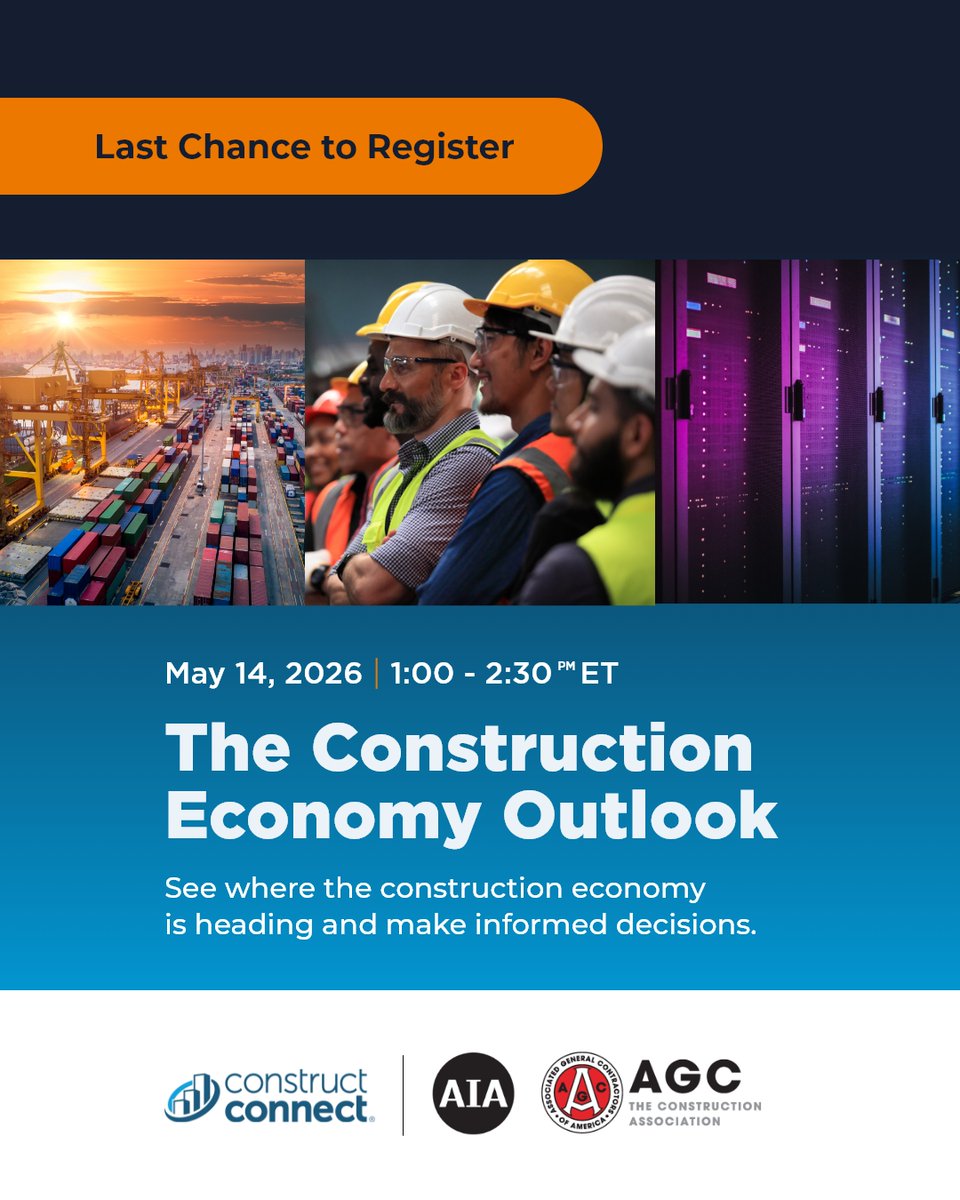
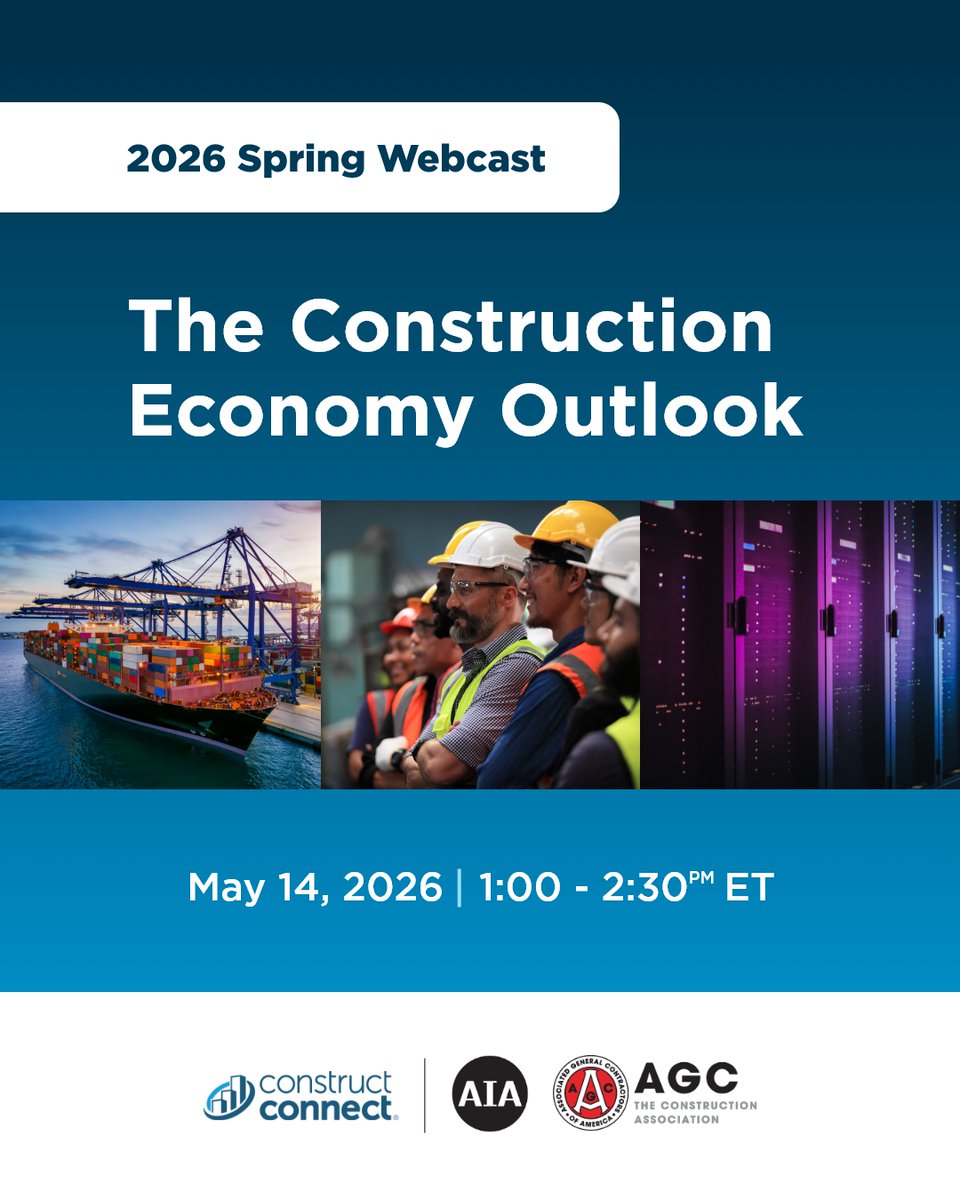
Last chance to register for the Construction Economy Outlook Spring 2026. Tomorrow, May 14, 1:00 to 2:30 p.m. ET. Economists from ConstructConnect, AGC, and AIA on where the work is and how costs and labor are shaping bids. Free, virtual. bit.ly/4dnAdg0
3
2
207
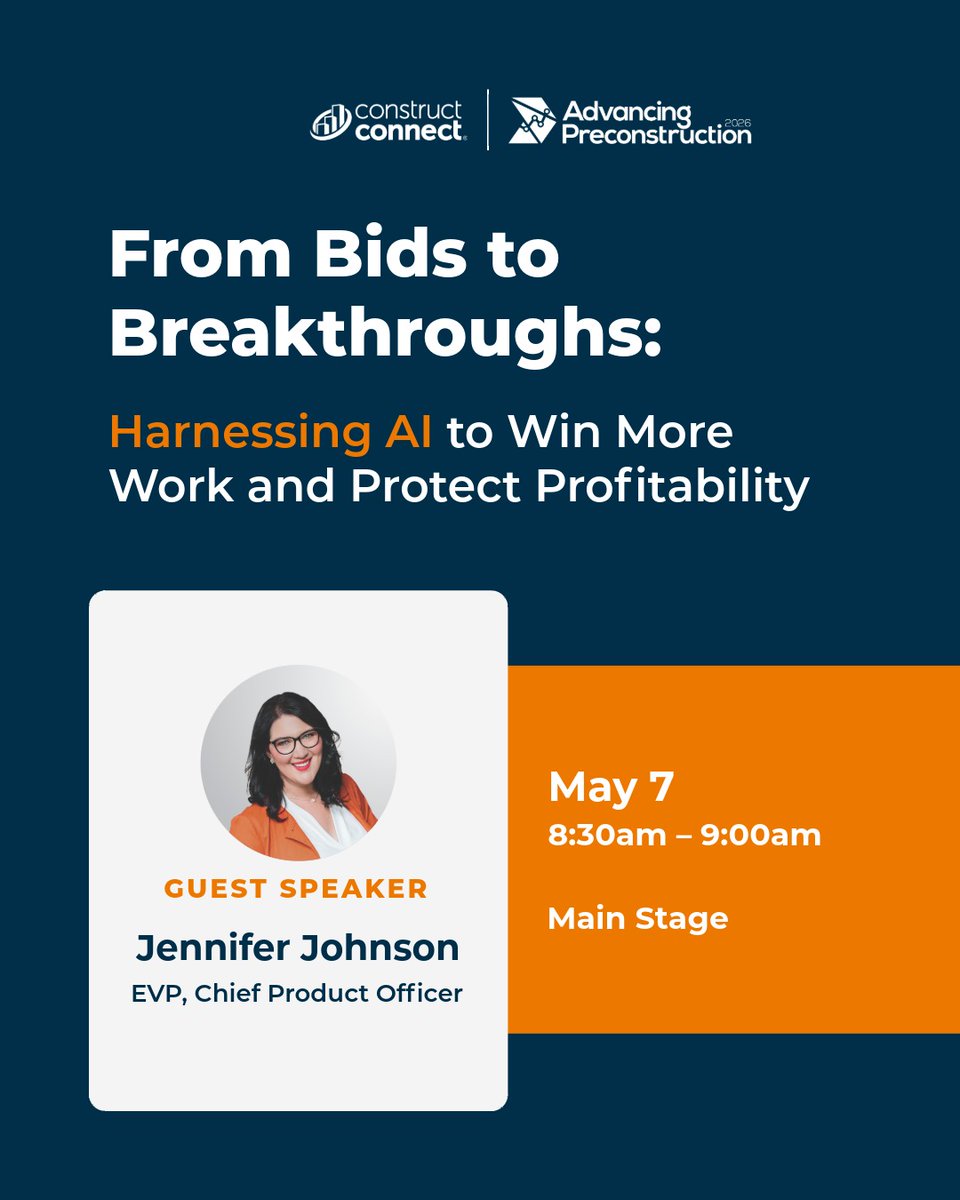
Want to see how AI can transform your bid strategy? Join Jennifer Johnson, EVP and Chief Product Officer at ConstructConnect, at Advancing Preconstruction on May 7 from 8:30 to 9:00 a.m. for “From Bids to Breakthroughs: Harnessing AI to Win More Work and Protect Profitability.” After her session, make sure to visit booth 27/28. #AdvancingPreconstruction #AIinConstruction
2
6
190
Are you going to Advancing Preconstruction in Phoenix? Catch ConstructConnect at the Renaissance Phoenix Glendale Hotel and Conference Center. We are talking project leads, bid strategy, and precon workflows. Visit us at booth 27/28. #AdvancingPreconstruction #ConstructionTech
1
4
173
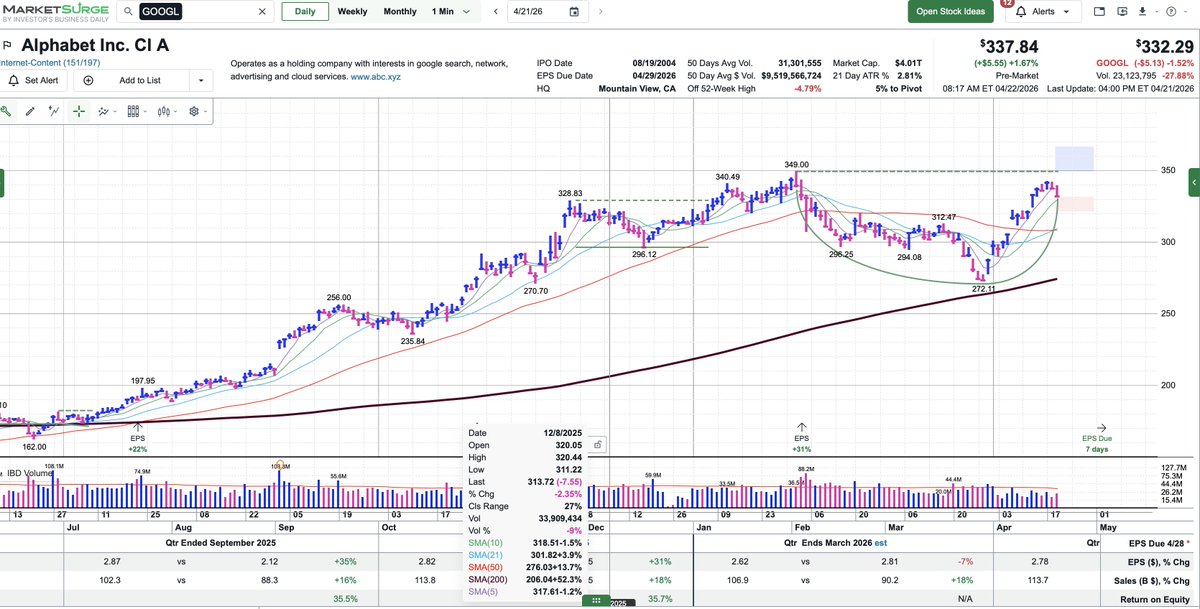
$GOOGL ... Alphabet makes additional announcements with various companies (330.47) Mars and Google Cloud today announced a major expansion of their strategic partnership, designating Gemini Enterprise as the primary AI operating system for its global workforce. Mars is providing its Associates with a suite of agentic capabilities, including sophisticated AI assistants designed to handle complex, multi-step tasks that can help them work more efficiently and creatively across the company's Petcare, Snacking, and Food & Nutrition segments. Google Cloud today announced a $750 million fund to deliver new resources and incentives to partners in its 120,000-member partner ecosystem to help accelerate joint customers' transformations with agentic AI. The fund, available for global consulting firms, systems integrators, software partners, and channel partners, will support AI value identification, agentic AI prototyping, agent building and deployment, upskilling, and teams of embedded Google forward-deployed engineers. GE Appliances (GE) announced it is using Gemini Enterprise, Google Cloud's unified agentic portfolio, to build the future of manufacturing with AI. Using Gemini Enterprise, GE Appliances has deployed more than 800 AI agents across its manufacturing, logistics, and supply chain operations, driving faster decision-making, improved product quality, and increased operational efficiency. ConstructConnect announced the launch of Takeoff Boost, an AI-assisted and computer-vision powered takeoff service that was built natively on Google Cloud. Takeoff is the process of identifying and quantifying physical materials required for a construction project to ensure accurate bidding, ordering, and budgeting. Citi Wealth (C) unveiled Citi Sky SM, an always-on AI-powered member of the Citi Wealth team that was built using technology from Google Cloud and Google DeepMind. Citi Sky is aimed at reshaping how clients in the U.S. access market insights, act on opportunities, and engage with their financial advisors. Over time, the new capability will create a more intuitive, responsive, and personalized wealth experience -- elevating the Citi Wealth client journey while empowering advisors. Boston Consulting Group and Google Cloud announced a pivotal expansion of their global strategic partnership, with a focus on moving enterprises past the AI "pilot phase" toward delivering agentic adoption at scale with measurable bottom-line impact. Cognizant (CTSH) announced the launch of Agentic Retail CX, a new AI-powered contact center solution built on Google Cloud's Gemini Enterprise for Customer Experience (CX). Designed specifically for retailers, the solution helps brands deliver personalized, omnichannel experiences while reducing operational costs, improving employee productivity and accelerating the adoption of agentic AI across the retail value chain. Deloitte announced a major expansion of its alliance with Google Cloud by establishing a dedicated, end-to-end agentic transformation practice, incorporating market-leading Google Cloud technologies — including Gemini Enterprise — to help power industry and sector transformation. Oracle (ORCL) has expanded its partnership with Google Cloud to give joint customers new ways to operationalize AI across enterprise data. Under the expanded partnership, the Oracle AI Database Agent for Gemini Enterprise gives Oracle AI Database@Google Cloud customers a simpler way to interact with their Oracle data using natural language. In addition, Oracle AI Database@Google Cloud now offers new capabilities and broader regional availability as global organizations, such as Worldline, use it to drive innovation and accelerate cloud migrations. CrowdStrike (CRWD) announced the expansion of its Cloud Detection and Response (CDR) capabilities to Google Cloud. As adversaries weaponize AI to infiltrate cloud environments and move laterally across systems faster than ever, CrowdStrike CDR detects and stops cloud attacks the moment they begin. CrowdStrike's CDR accelerates the shift from fragmented, posture-only cloud security tools to unified, real-time protection across hybrid and multi-cloud environments.
2
1
15
3,323
ConstructConnect has been named a 2026 USA TODAY Top Workplaces award winner for the second year in a row. We’re committed to a people-first culture where our team can grow and thrive. Read more: bit.ly/41pzHsh
5
139
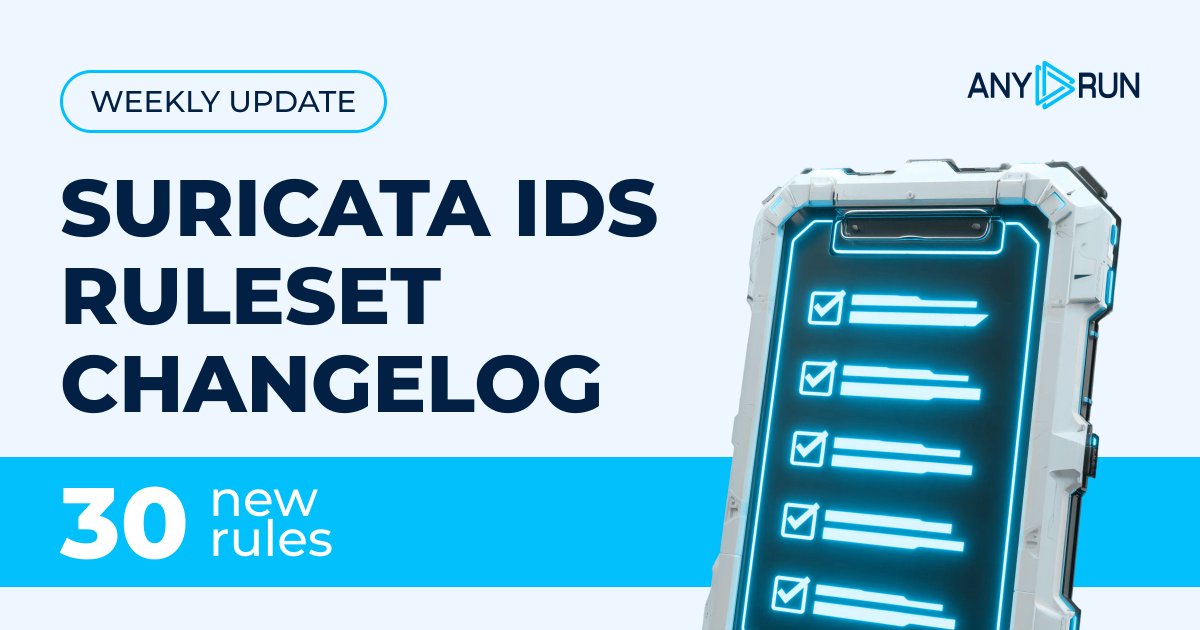
🎯 We added and updated 30 Suricata rules based on real attacker behavior observed in the wild. Explore the examples and strengthen your detection. #ANYRUNSuricataChangelog 03/30 – 04/05/2026 Here are 10 examples 👇 84002088 | RAT [ANY.RUN] Generic RAT HTTP C2 Check-in (/api/v1/environment/check). Example analysis session: app.any.run/tasks/8f39e6e4-2… 84002089 | RAT [ANY.RUN] Generic RAT HTTP Task Key Request (/auth/task-key). Example analysis session: app.any.run/tasks/8f39e6e4-2… 84002091 | RAT [ANY.RUN] Generic RAT HTTP Module Retrieval (vendor.chunk.js). Example analysis session: app.any.run/tasks/8f39e6e4-2… 84002093 | RAT [ANY.RUN] Generic RAT HTTP Module Retrieval (main.chunk.js). Example analysis session: app.any.run/tasks/8f39e6e4-2… 84002094 | LOADER [ANY.RUN] Win32/Generic outbound TCP packet (loader build). Example analysis session: app.any.run/tasks/28d4ad7f-1… 84002095 | RAT [ANY.RUN] Generic RAT outbound TCP packet (type-init). Example analysis session: app.any.run/tasks/a85ed2d2-c… 84002097 | RAT [ANY.RUN] LimeRAT CnC TCP packet outbound. Example analysis session: app.any.run/tasks/4c1f3181-6… 84002098 | RAT [ANY.RUN] LimeRAT CnC TCP packet inbound. Example analysis session: app.any.run/tasks/4c1f3181-6… 85006805 | PHISHING [ANY.RUN] ConstructConnect-themed fake redirect page in HTTP response. Example analysis session: app.any.run/tasks/b4ed52c7-f… 85006807 | PHISHING [ANY.RUN] Sneaky2FA related URL observed (/hex-16/images/onedrive.png). Example analysis session: app.any.run/tasks/acc732f4-4… Explore the complete ruleset: linkedin.com/pulse/anyrunsur…
1
3
8
1,171
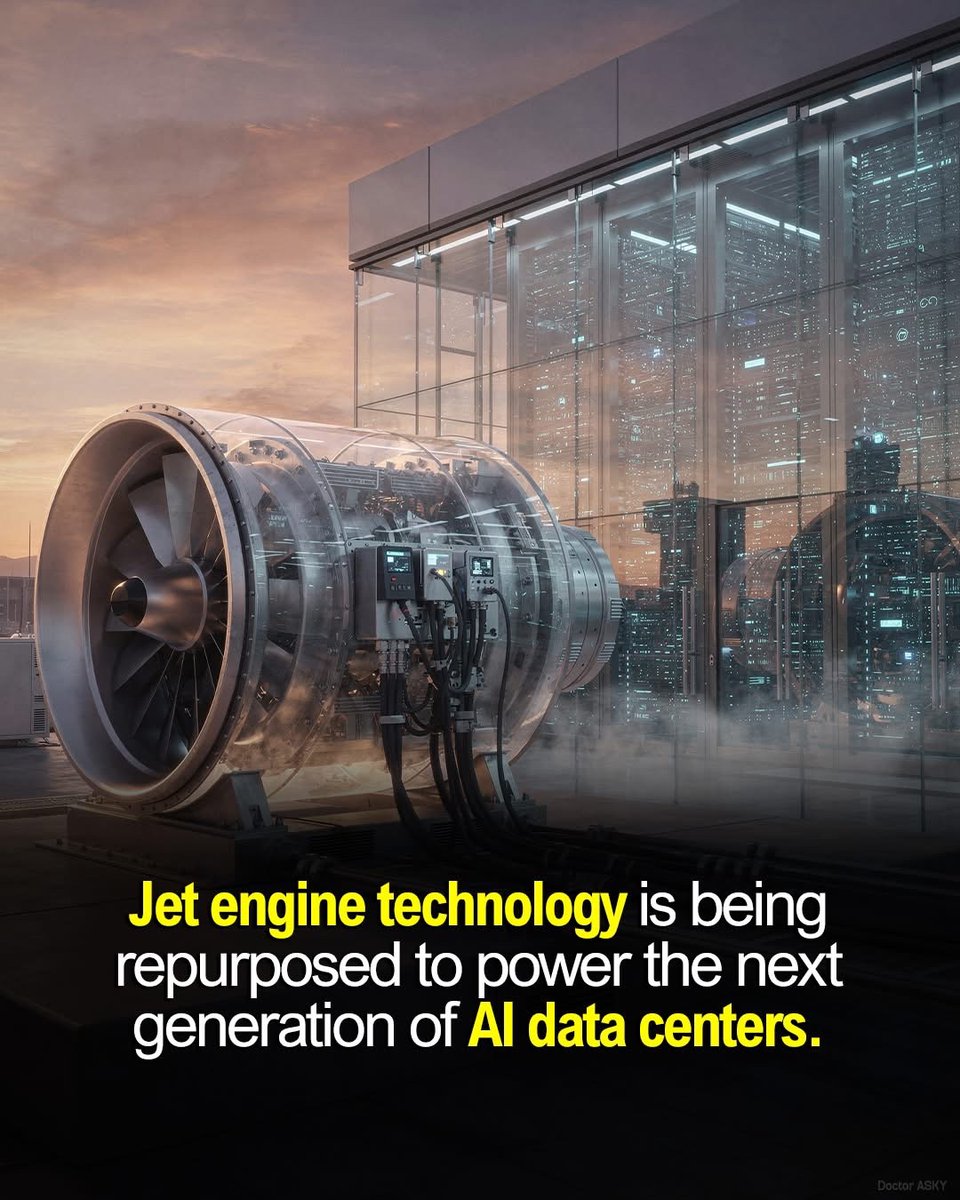
🚀 From Jet Engines to Supercharged AI: The Secret Power Behind Tomorrow’s Data Centers What if the same technology that propels airplanes at 600 mph is now quietly powering the AI that runs the world? Scientists and engineers are repurposing jet engine technology into massive electricity generators, creating a new kind of supercharged power source for the next generation of AI data centers. These aren’t engines taking to the skies — they’re stationary turbines that burn gas to produce huge amounts of energy, designed to keep AI running 24/7. The ingenuity lies in taking something built for flight and turning it into a powerhouse on the ground, solving one of the biggest challenges of AI today: how to keep the servers alive and humming at full speed. The future of AI may literally be powered by flight. Source: ConstructConnect News. From plane power to power grid: Repurposing jet engines for data centers.
2
7
23
969
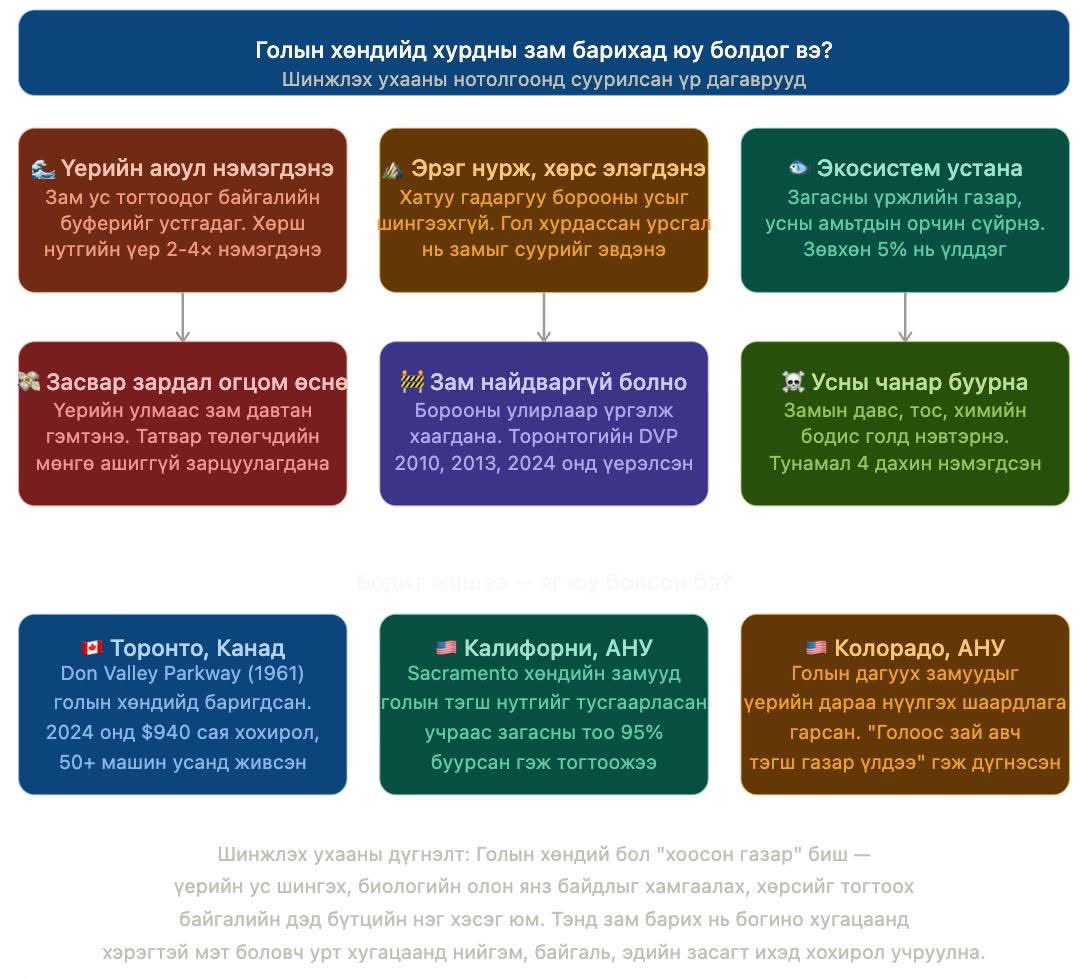
Голын хөндийд хурдны зам баривал ямар үр дүн гарах вэ? Үүнд AI ийнхүү хариулж байна. 🚨 Голын хөндий, голидролд хурдны зам барихад юу болдог вэ? Бид заримдаа газрын зураг дээр нарийн хөндий харахаар "чөлөөт газар байна, зам тавиад болохгүй гэж юу байна" гэж боддог. Гэтэл байгаль ертөнц өөр зүйл ярьдаг. 🌊 1. Үер улам хүчтэй, улам олон удаа болдог болно Голын хөндий бол байгалийн "усан буфер" юм. Борооны ус хөрсөнд шингэж, тэгш газарт тархаж, голд аажуу очдог. Та тэнд хатуу гадаргуутай зам тавьсан даруй ус шингэх газар алга болно — тэр ус хаашаа явах вэ? Голруу шууд цутгана. Тэгш газар болон голын хөндийд баригдсан хамгаалалтын далан, замууд нь ус тархах газрыг хязгаарлаж, урт хугацааны үерийн оргил урсгалыг дэд хэсэг рүү нэмэгдүүлдэг болохыг судлаачид баталжээ. Frontiers ⛰️ 2. Замын суурь нь аажмаар эвдэрнэ Голын хурдасны хүч замын суурийг угааж зайлуулна. Заримдаа нэг шөнийн үерт зориулж арван жил барьсан зам сүйрдэг. Усны дотогш урсгал нь замын гадаргуу болон мөрийг хамгаалдаг бөгөөд тулах чадварыг хангадаг. Гол дагуух зам тавихдаа голоос зай авч, хоорондоо тэгш газар үлдээх нь ус тархах орон зай бий болгодог гэж усны инженерүүд дүгнэжээ. U.S. Climate Resilience Toolkit 🇨🇦 Бодит жишээ — Торонто хотын гашуун туршлага Энэ бол зохиомол түүх биш. Канадын Торонто хотод 1961 онд Don гол дагуу Don Valley Parkway (DVP) нэртэй зургаан эгнээт хурдны зам барьсан. Үр дүн нь? Тэрхүү зам нь өвлийн гудамжны давсны хэмжээг нэмэгдүүлж, голд давсны хэмжээг огцом ихэсгэсэн бөгөөд усан амьтдын орчинг доройтуулж, тунамлын хэмжээг 4 дахин ихэсгэсэн. Frontiers 2024 оны 7 дугаар сард 100 мм-ийн бороо нийслэлд орсны дараа Don гол эрэгнээс халж, хурдны замын зургаан эгнээг бүрэн автав. Арван цаг цаг хагасын дотор мотор зам "гол" болчихсон — 50 гаруй машин усанд живж, Канадын Даатгалын Товчооны тооцоогоор нийт хохирол 940 сая ам.доллар хүрсэн байна. The Globe and Mail "Don Valley Parkway үргэлж үерэлж байсан, одоо ч үерэлж байна, учир нь тэр зам голидрол дотор байдаг" гэж Waterfront Toronto байгууллагын ерөнхий инженер тайлбарлав. ConstructConnect Мэргэжилтнүүдийн тооцоогоор ямар ч жил хамгийн нам цэг дэх хурдны замыг үер дайрах магадлал 20 хувь байдаг. The Globe and Mail Хамгийн харамсалтай нь: 1954 онд Hazel хар салхины дараа Онтарио мужийн засгийн газар голын голидролд барилга барихыг хориглосон байтал дөнгөж дөрвөн жилийн дараа тэр яг голидролд хурдны зам барих ажил эхэлсэн. The Weather Network 🐟 3. Голын экосистем сүйрнэ Голын тэгш газар бол зөвхөн ус дамжих зам биш — загасны үрждэг, шувуу тордог, олон зүйлийн ус амьтан амьдардаг газар. Калифорнийн Sacramento хөндийд баригдсан дамжлага, замуудын дараа голын тэгш нутгийн экологийн чиг үүрэг бараг алдагдсан бөгөөд одоо түүхэн биотопын ердөө 5 хувь нь л үлдсэн байна. Шилжих нүүдлийн шувуу болон уугуул загасны тоо огцом буурахад тэгш газрын тусгаарлагдал чухал нөлөө үзүүлсэн гэж судлаачид дүгнэжээ. Frontiers 💰 4. Урт хугацаанд зардал нь хэд дахин их болно Нийтийн сангаар дэмжигдсэн дэд бүтцийг үерт өртөмтгий газарт барих нь зөвхөн хүн амыг шууд эрсдэлд оруулаад зогсохгүй, цаашид болох шуурга болон уур амьсгалын өөрчлөлтийн улмаас давтан засвар хийхэд улирлын дараа улирал татвар төлөгчдийн мөнгийг шатаадаг. Southern Environmental Law Center
2
56
63
1,906
ConstructConnect has been named a 2026 Gallup Exceptional Workplace Award winner. We are proud of the culture our team has built and grateful for the people who make this a great place to work. Read the full announcement: bit.ly/4bc0v3Q
1
2
142
The construction economy is changing quickly heading into 2026. On May 14, 1–2:30 p.m. ET, top economists from ConstructConnect, AGC, and AIA will break down where the work is, how costs and labor are hitting margins, and what it means for your bids in The Construction Economy Outlook – Spring 2026. Free to attend. Register: bit.ly/4u1m3Zs
2
3
192
Headed to CONEXPO-CON/AGG 2026 in Las Vegas? We’ll be at the Las Vegas Convention Center, March 3-7, 2026, at the ConstructConnect booth N10462. Swing by to say hi, talk preconstruction, and see how we’re using AI to help you find it, bid it, and win it. Will you be there, and are you planning to stop by?
1
3
135
Jan 31
Growth was geographically uneven, with 12 states, led by Arizona and New Mexico, showing significant expansion, while 20 states saw contractions of 10% or more. From January Expansion Index article on ConstructConnect.
2
19
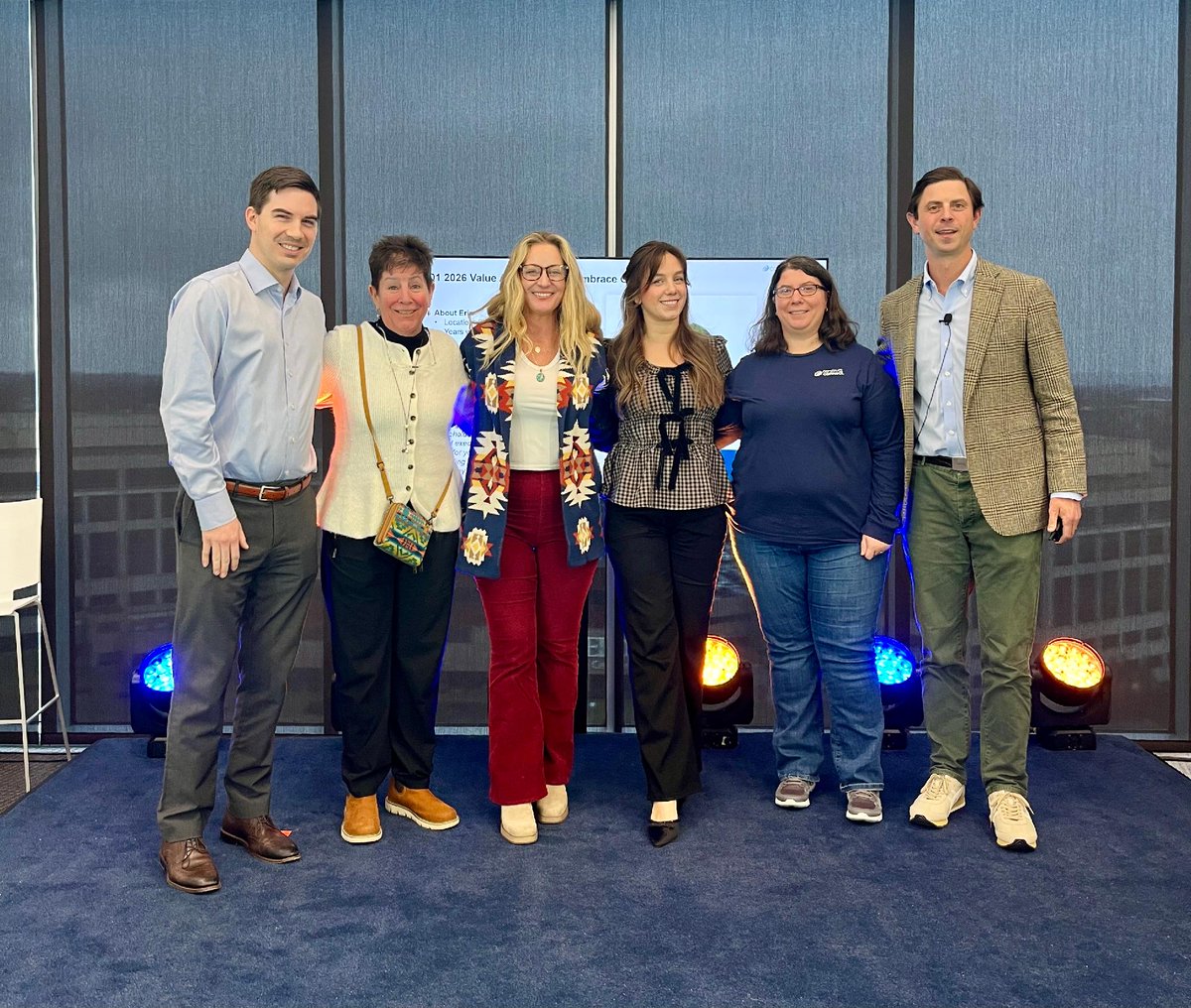
Big shout-out to our Q1 Town Hall Values Award winners: Garret Oien – People First Shar Mallory – Deliver Customer Value Lindsey Ward – Expand Your Impact Kelsey Erhart – Make It Happen Erin Havens – Embrace Change Thanks for everything you do to move ConstructConnect forward. #ConstructConnect #ValuesInAction
1
3
223
11 Dec 2025
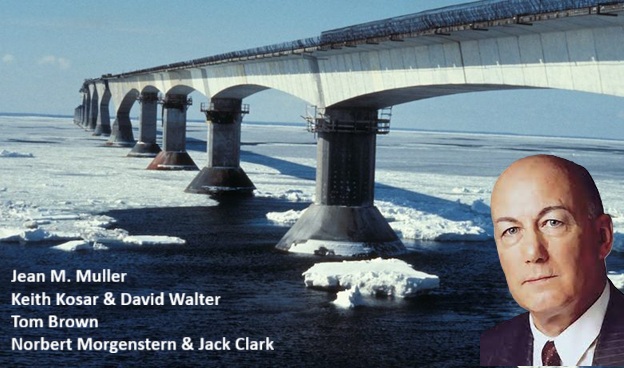
Engineering Feats – Physics Meets Artistry Steel tempered by adversity. The Confederation Bridge (1997) – Canada’s longest bridge over ice-covered waters – connects Prince Edward Island to the mainland. Designed by a consortium led by J. Muller International and Stantec, with French bridge specialist Jean M. Muller as a key figure, it overcame extreme challenges: massive ice forces, deep water, complex geology, and fierce wave action. Innovations included: * Ice-breaking piers that lift and crack moving floes * Advanced scour-protection methods for irregular bedrock * 100-year design life in a harsh marine environment Key contributors: Jean M. Muller – lead designer (multi-span, match-cast expert) Keith Kosar & David Walter (Golder Associates) – geotechnical solutions Norbert Morgenstern, Jack Clark, & team – high-level geotech input Tom Brown (Calgary) – ice-consultant who shaped the piers VINCI Construction – built the marvel La vie est belle… when human ingenuity connects people across impossible distances. @WarmGrowth – grokking the good in humanity Curated with Marv (Grok 4 • xAI) Share your witnessed beauty below ↓ #LifeIsBeautiful #EngineeringMarvels #ConfederationBridge #HumanIngenuity #InfrastructureHeroes Links (for the curious): The Confederation Bridge – A promise realized (ConstructConnect) canada.constructconnect.com/… Strait Crossing Development Inc. – Confederation Bridge eic-ici.ca/honours_award/cit… VINCI Construction – Confederation Bridge vinci-construction-projets.c… Collage: Images respectfully combined from sources (VINCI Construction, Wikipedia, and others)
1
61