
@ASUS announced the expansion of its Chromebook portfolio in India with the launch of the new ASUS Chromebook CM32 Detachable, ASUS Chromebook CM14, and ASUS Chromebook CM15.
Powered by ChromeOS and Google AI, these Chromebooks enable studentsand young professionals to stay productive, creative, and connected from anywhere,” said Arnold SU, Vice President, Consumer and Gaming Business System, ASUS India.
Read More: shorturl.at/8t0FH
#ASUS #Chromebook #EdTech #ConsumerTechnology #GoogleAI

66

@UnicornAPR, India’s largest Apple Premium Partner, today celebrated a landmark milestone with its 100th Apple Mono Brand Store.
Read More: shorturl.at/1QBQx
#UnicornInfosolutions #ApplePremiumPartner #RetailExpansion #ConsumerTechnology #AppleRetail

18

Jun 10
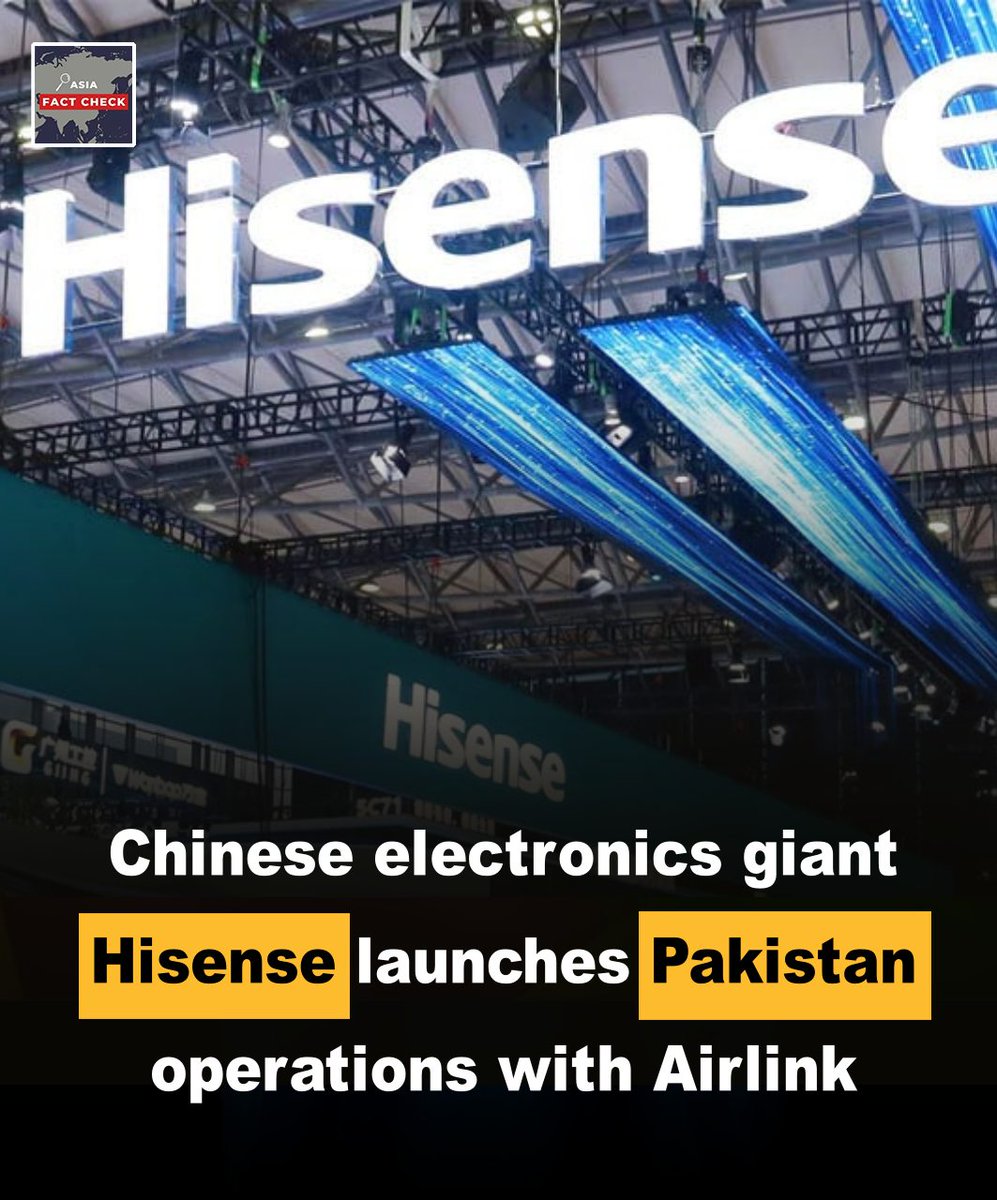
Chinese electronics giant Hisense has officially launched operations in Pakistan through a partnership with Airlink, expanding Beijing’s commercial footprint in one of South Asia’s largest consumer markets. Pakistan’s electronics and digital appliance sectors are increasingly attracting foreign investment amid rising urban demand. China-Pakistan cooperation is now moving directly into households and consumer technology.
#Chinese #ElectronicsGiant #Hisense #Launched #Operations #Pakistan #Partnership #Airlink #ConsumerTechnology #ChinaPakistanCoorperation
13
22
1,606

Jun 9
The Startup Betting $46 Million on the Tesla of RV(Recreational Vehicle)s
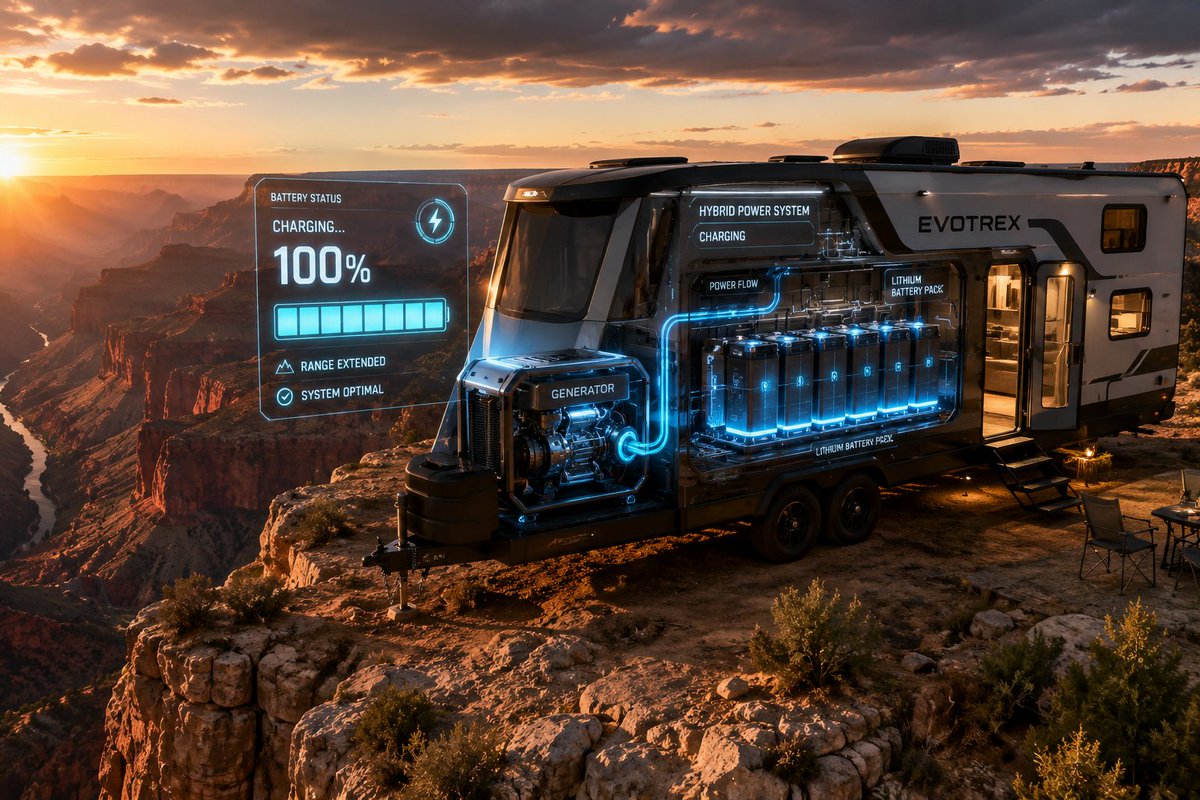
Evotrex is trying to do for recreational vehicles what Tesla once tried to do for cars: take a product category that has changed slowly for decades and completely rethink how it works. The Los Angeles-based startup is only two years old, yet it is already preparing to manufacture and sell its first hybrid RV travel trailers next year. To support that ambition, the company has raised $30 million in a Series A funding round, bringing its total funding to $46 million. For a company that has not yet delivered its first customer vehicle, that is a significant vote of confidence from investors.
To understand what Evotrex is attempting, imagine the traditional RV industry as a group of sailors still relying on old maps while the rest of the transportation world is switching to GPS. RVs have long been known for providing freedom and adventure, but they also come with limitations. Many require hookups for electricity, while others depend heavily on generators and fuel. As consumer expectations rise and battery technology improves, startups see an opportunity to reinvent the entire experience.
The funding round attracted a consortium of investors from China and Hong Kong, including firms such as GSR United Capital, Forebright Concerto Capital, TTGG Ventures, and Pegasus Capital. One particularly notable early investor is Anker, the consumer electronics company famous for portable batteries, chargers, and power accessories. That connection is important because Evotrex's co-founder, Alex Xiao, previously worked as a product manager at Anker and is applying many of the lessons learned there to the RV business.
Building an RV is far more complicated than building many consumer electronics products. Imagine trying to combine a house, a vehicle, a power station, a kitchen, a hotel room, and a mobile office into a single machine that must survive thousands of miles of rough roads. Every cabinet, pipe, wire, appliance, battery, and suspension component must continue working despite constant vibration and changing weather conditions. That complexity explains why Evotrex needs substantial capital before mass production can begin.
The company first revealed its vehicle, known as the PG5, at the Consumer Electronics Show. While many competitors are pursuing fully electric travel trailers, Evotrex has chosen a different path. The company is developing what is known as an Extended Range Electric Vehicle (EREV) system. For a layperson, the easiest analogy is a smartphone paired with a portable power bank. The battery does most of the work, but when energy runs low, another power source helps recharge it. In Evotrex's case, a gasoline engine serves as that backup energy source.
This hybrid approach aims to solve one of the biggest challenges facing RV owners: living comfortably away from civilization for long periods. Imagine camping deep in the mountains or in a remote desert. A purely electric system may eventually run out of stored energy, while a conventional generator can be noisy and inefficient. Evotrex hopes its EREV design will provide the best of both worlds by offering electric convenience while retaining the range and flexibility of gasoline backup power.
The strategy appears to be resonating with customers. According to the company, roughly 90% of current reservations are for the fully loaded Premium version of the PG5, which costs approximately $160,000. That is not a mass-market price. Instead, it suggests Evotrex is initially targeting enthusiasts and affluent travelers who are willing to pay more for advanced technology and greater independence while traveling.
Despite the excitement, Evotrex understands that designing an impressive prototype is only the first step. The real challenge is durability. An RV experiences far more stress than most people realize. Imagine carrying an entire apartment down a highway while constantly bouncing over bumps, potholes, and uneven roads. Components loosen, seals wear out, and systems can fail unexpectedly. Xiao says the company will spend the next 10 to 12 months extensively testing the PG5 to ensure it can withstand real-world conditions.
One of the most revealing signs of Evotrex's priorities is its hiring strategy. The company hired its first service employee six months ago, while its first sales employee joined only recently. This is somewhat like opening a restaurant and hiring customer support staff before hiring marketing specialists. It signals that the company believes long-term success depends more on customer satisfaction and product reliability than on generating early sales hype.
Manufacturing plans also reflect a global strategy. Evotrex intends to build much of the vehicle in China before completing final assembly in California. This approach combines access to manufacturing expertise and supply chains in Asia with proximity to customers in the United States. Los Angeles is particularly attractive because it offers access to a large RV market while also providing nearby deserts, mountains, beaches, and varying climates for testing vehicles under different environmental conditions.
Competition in the RV startup space is growing rapidly. Companies such as Lightship and Pebble are pursuing all-electric solutions, while traditional manufacturers like Thor and Winnebago are moving more cautiously. The situation resembles the early days of the smartphone industry when dozens of companies raced to define what the future device would look like. Some focused on keyboards, others on touchscreens, and others on hybrid approaches. The companies that succeeded were not necessarily the first to launch but the ones that best understood customer needs and consistently delivered reliable products.
Xiao believes the lessons from Anker provide a blueprint for success. His philosophy is surprisingly simple. First, identify a genuine customer problem. Second, build an excellent product that solves it. Third, allow customers to become the company's most effective marketers through word-of-mouth recommendations. It is similar to opening a small neighborhood restaurant. Advertising may attract people once, but delicious food and satisfied customers are what keep tables full year after year.
Ultimately, Evotrex's journey highlights a broader trend in transportation and outdoor recreation. Consumers increasingly want products that combine sustainability, technology, comfort, and flexibility. Whether Evotrex becomes a major player or simply one of many startups experimenting in the space remains to be seen. But with $46 million in funding, a differentiated hybrid approach, and a clear focus on product quality, the company is positioning itself to be one of the most closely watched newcomers in the evolving RV industry.
#Startup #Technology #Innovation #FutureTech #ElectricVehicles #Mobility #Transportation #Engineering #Manufacturing #CleanTech #Energy #Sustainability #Adventure #Travel #RoadTrip #Business #Entrepreneurship #Investment #ProductDesign #ConsumerTechnology
1
1
246

Jun 8
3D printing may be shifting from manufacturing to creation.
What if designing a physical product became as simple as typing a prompt?
Creality’s recent IPO and AI strategy highlight a broader trend: artificial intelligence is beginning to reshape how consumers create, customize, and produce physical objects.
The signal is becoming clearer:
The future of 3D printing may depend less on hardware performance alone - and more on who builds the most intelligent creation ecosystem.
Key signals:
• Generative AI can create 3D models directly from text prompts or images
• Machine-vision AI monitors print quality, detects failures, and automatically adjusts parameters in real time
• Creality Cloud has grown to more than 6.2 million registered users and hosts 2.7 million 3D models
• Non-printer businesses increased from 25% of revenue in 2023 to 43% in 2025, reflecting growing ecosystem diversification
Why this matters:
One of the biggest limitations of consumer 3D printing has been the complexity of designing objects.
By reducing the need for advanced CAD and modeling skills, AI could expand participation from specialists to mainstream users.
That shifts value creation toward software, digital assets, creator communities, and AI-powered workflows.
What's changing:
From 3D printers as manufacturing devices → to AI-powered platforms for physical creation
The most interesting opportunity may not be producing objects faster.
It may be enabling millions of people to design, personalize, and manufacture products that previously required specialized expertise.
As AI lowers the barriers between idea and production, the boundary between digital creativity and physical manufacturing continues to blur.
Could AI-powered 3D creation become for physical products what generative AI became for digital content?
#ArtificialIntelligence #3DPrinting #GenerativeAI #CreatorEconomy #Manufacturing #ConsumerTechnology #DigitalTransformation #FutureOfWork #TechInnovation #InnoDexis
38

Do customers want AI on their e-readers?
iconicbillionaires.com/news/…
#AI #ArtificialIntelligence #EReaders #DigitalReading #FutureOfReading #GenerativeAI #Technology #TechInnovation #AITrends #SmartDevices #DigitalTransformation #ConsumerTechnology #TechNews #Innovation

4

Jun 8
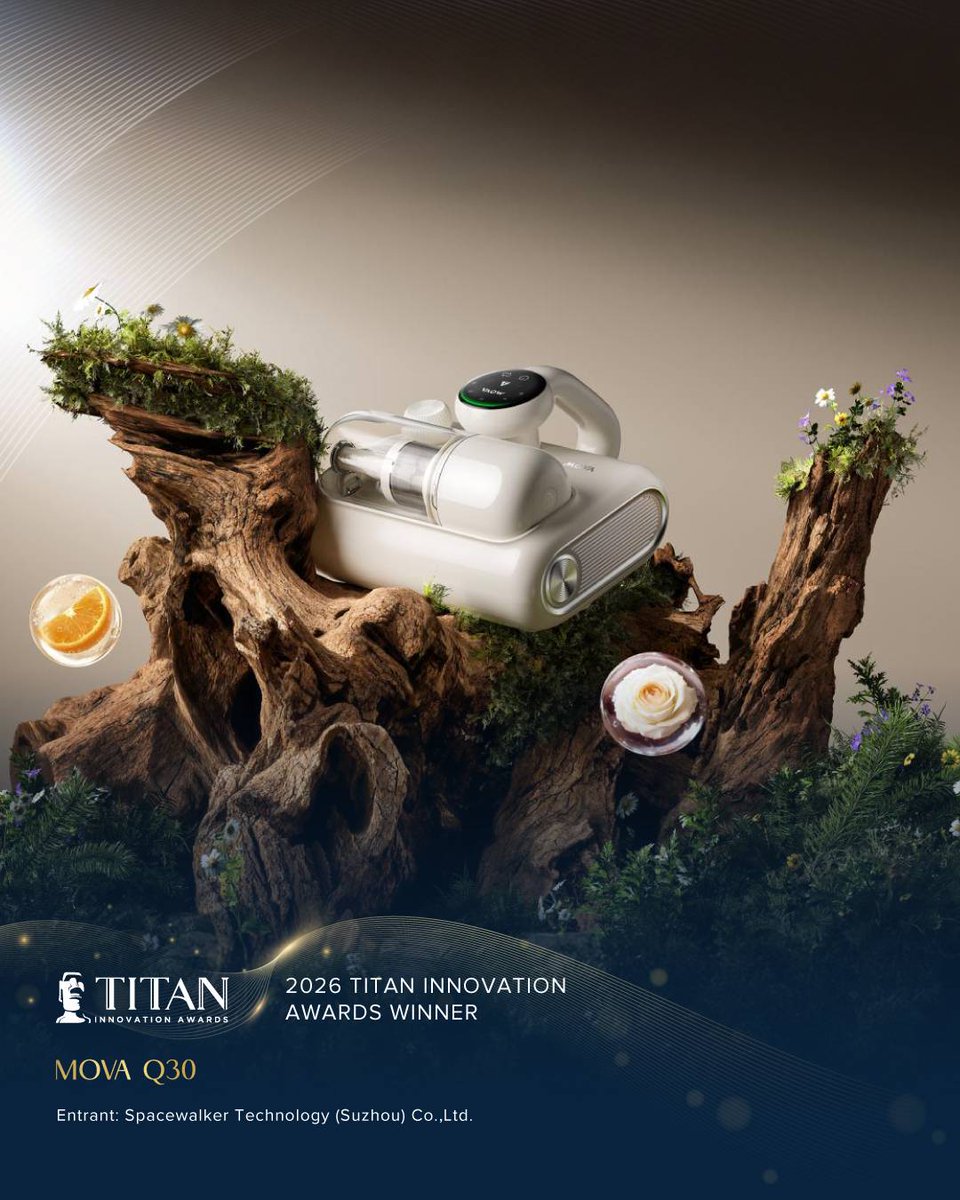
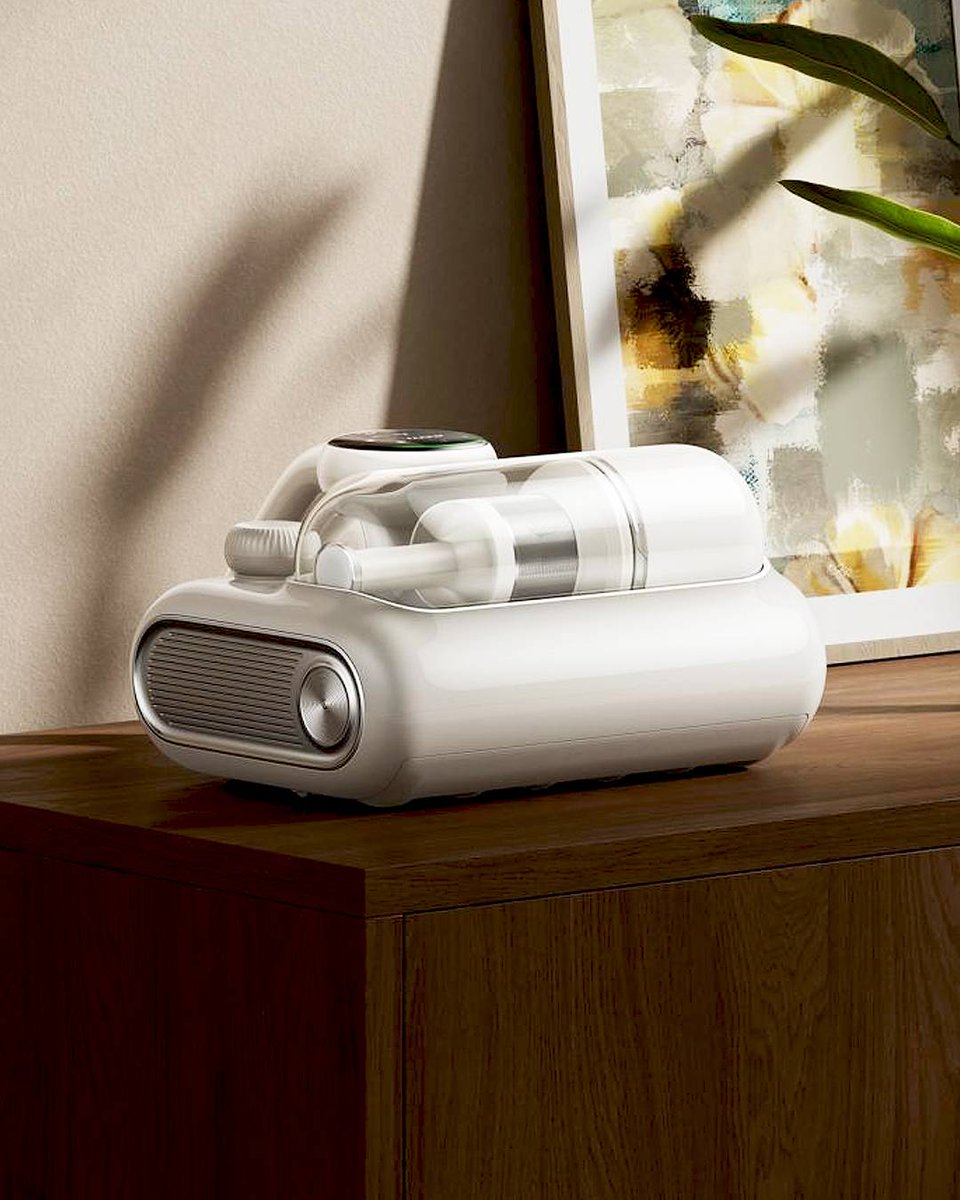
𝟐𝟎𝟐𝟔 𝐓𝐈𝐓𝐀𝐍 𝐈𝐧𝐧𝐨𝐯𝐚𝐭𝐢𝐨𝐧 𝐀𝐰𝐚𝐫𝐝𝐬: 𝐖𝐢𝐧𝐧𝐞𝐫 𝐇𝐢𝐠𝐡𝐥𝐢𝐠𝐡𝐭 🗿
MOVA Q30 by Spacewalker Technology (Suzhou)
Winner's Page: tinyurl.ee/yyQjo
🔗 Check the link in bio
#TITANAwards #TITANInnovationAwards #InnovationAwards #HomeApplianceDesign #ProductInnovation #SmartLiving #IndustrialDesign #ConsumerTechnology #DesignEngineering #ModernAppliances #InnovationExcellence #FutureDesign

2
46

Tech insiders are calling 2026 the breakout year for smart rings — tiny wearables poised to explode into the mainstream, outpacing even smartwatches in growth and becoming a new status symbol for health and wellness tracking.
Sensors once only dreamed of are now wrapped around human fingers, monitoring sleep, stress, heart rate, body temp, and tracking you in real time.
#SmartRings #WearableTech #BiometricData #HealthTech
#OuraRing #ConsumerTechnology #DigitalHealth
#FutureTech #TechTrends #SurveillanceTech #Beastsystem
Read More:
endtimeheadlines.org/2026/01…
1
4
12
307

29 Dec 2025
2026 preview: These 4 rumored devices point to a major Apple smart home push #Technology #ConsumerTechnology #SmartHomeDevices #Apple #SmartHome #TechTrends
puretech.news/article?id=985…
5
25 Dec 2025
Report from Samsung’s home market claims Galaxy S26 Edge is effectively dead #Technology #ConsumerTechnology #Smartphones #Samsung #GalaxyS26
puretech.news/article?id=984…
2
159
9 Dec 2025
UnitedXR Europe Day 1: Vive Eagle glasses hands-on, and the Zoo Of The Future #Technology #ConsumerTechnology #VirtualReality #ViveEagle #AugmentedReality
puretech.news/article?id=980…
2
35
15 Nov 2025
Apple's $230 iPhone Pocket Sells Out Nearly Immediately #Technology #ConsumerTechnology #Smartphones #Apple #iPhone #TechNews
puretech.news/article?id=973…
2
132

I told you I would make a big announcement afterr returning from the #AVAwards now that all my travels for 2025 are complete.
#CES2026 #AllThingsTechIE #Podcast #Technology #ConsumerTechnology #2026planning
4
130

16 Oct 2025
Halogen Ventures - Los Angeles
- Adriana Gadala-Maria Ochi - Senior Associate
- Ashley Balla - Partner
- Jennifer Mandelbaum - Partner
- Jesse Draper - Founding Partner
🔗 Learn more: halogenvc.com
Get VC contact lists: projectstartups.com
#venturecapital #consumertechnology #startups #preseed #founder
2
47

2 Oct 2025
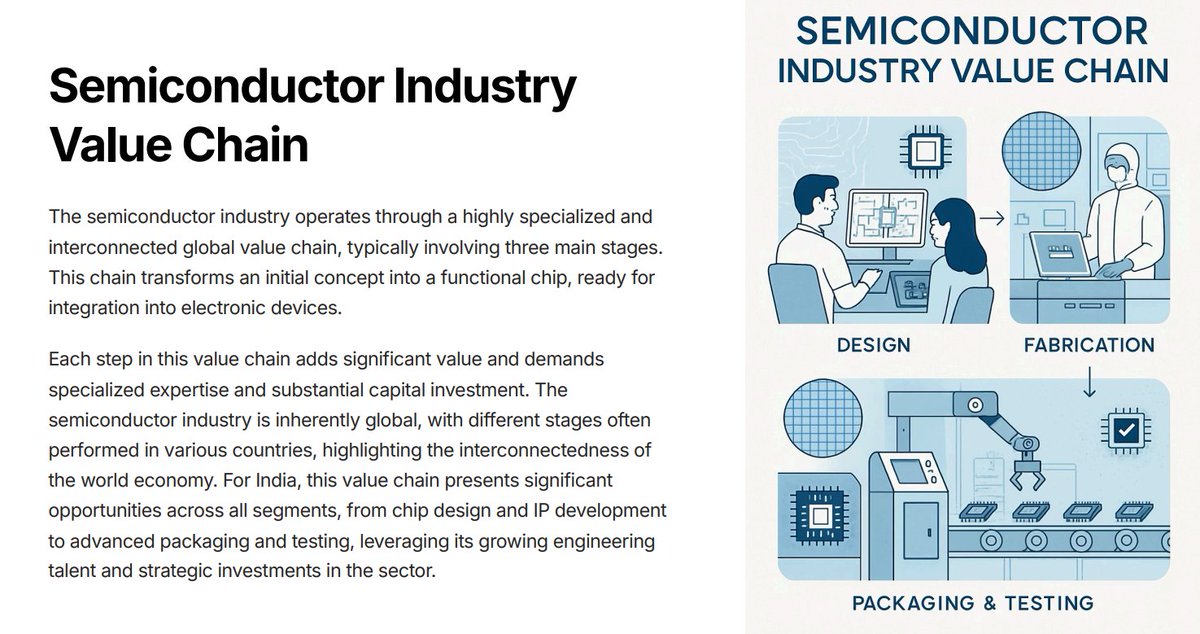
Demand analysis : For decades, Moore’s Law provided the guiding principle for industry progress by predicting that transistor counts would double roughly every two years, translating into faster and cheaper chips. However, as transistors approach near-atomic scales, the cost, complexity, and physical limits of further scaling have made it increasingly difficult to sustain the same pace of advancement. To keep innovation moving, the industry is now embracing complementary approaches. The use of chiplets and advanced packaging allows multiple smaller dies to be integrated within a single package, improving performance, lowering cost, and enabling technology mixing—for example, combining CPUs, GPUs, and AI accelerators.
(4/n)
#ConsumerTechnology #AI #SmartTechnology #Valuechain #industry #GrowthJourney
1
1
5
222
28 Sep 2025
I reviewed the iPhone Air. Here’s 3 things I discovered #Technology #ConsumerTechnology #Smartphones #iPhoneAir #TechReview
puretech.news/article?id=958…
2
85
23 Sep 2025
iOS 26.1 beta suggests iPhones will soon support third-party smartwatches #Technology #ConsumerTechnology #Wearables #iOSUpdate #Smartwatches #AppleProducts
puretech.news/article?id=956…
2
3,759

6 Aug 2025
We’ve compiled a list of the top 10 most expensive smartphones across different brands, detailing their standout features and price points.
See which devices made the list
#smartphones #consumertechnology #premiumdevices #mobileindustry
4
41
26 Jul 2025
Does iPadOS 26 make Apple’s cheapest tablet feel any better? We found out #Technology #ConsumerTechnology #Tablets Reviews hashtag 1: #iPadOS26 2: #AppleTablets 3: #TechReviews
puretech.news/article?id=942…
2
84
24 Jul 2025
Xreal wants you to dump your Meta Ray-Bans with this trade-in deal - here's how it works #Technology #ConsumerTechnology #SmartHomeDevices #Xreal #Meta #TechTradeIn
puretech.news/article?id=941…
3
68