
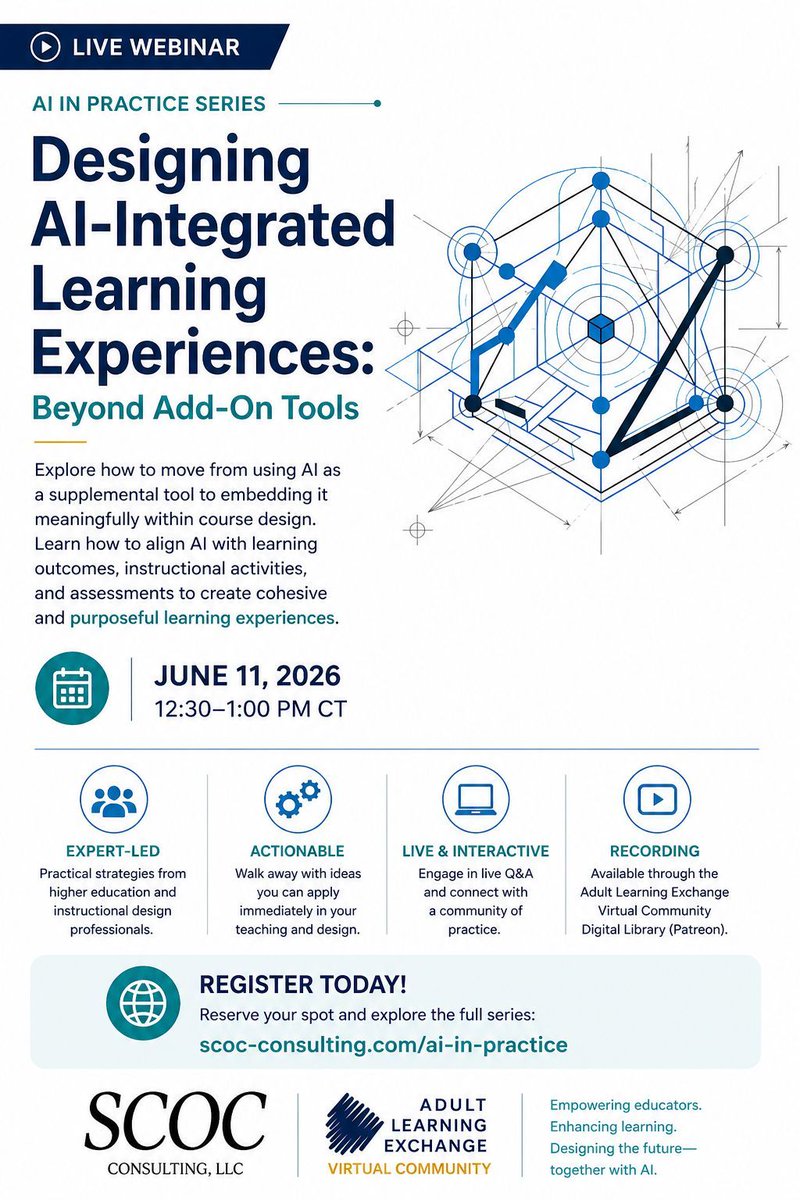
Designing with AI requires more than tools—it requires intention.
Join educators and learning professionals ready to move from using AI to designing with AI.
scoc-consulting.com/ai-in-pr…
#AIinPractice #CourseDesign #OnlineLearning #FacultyDevelopment #EdTechTools #AIandLearning
2

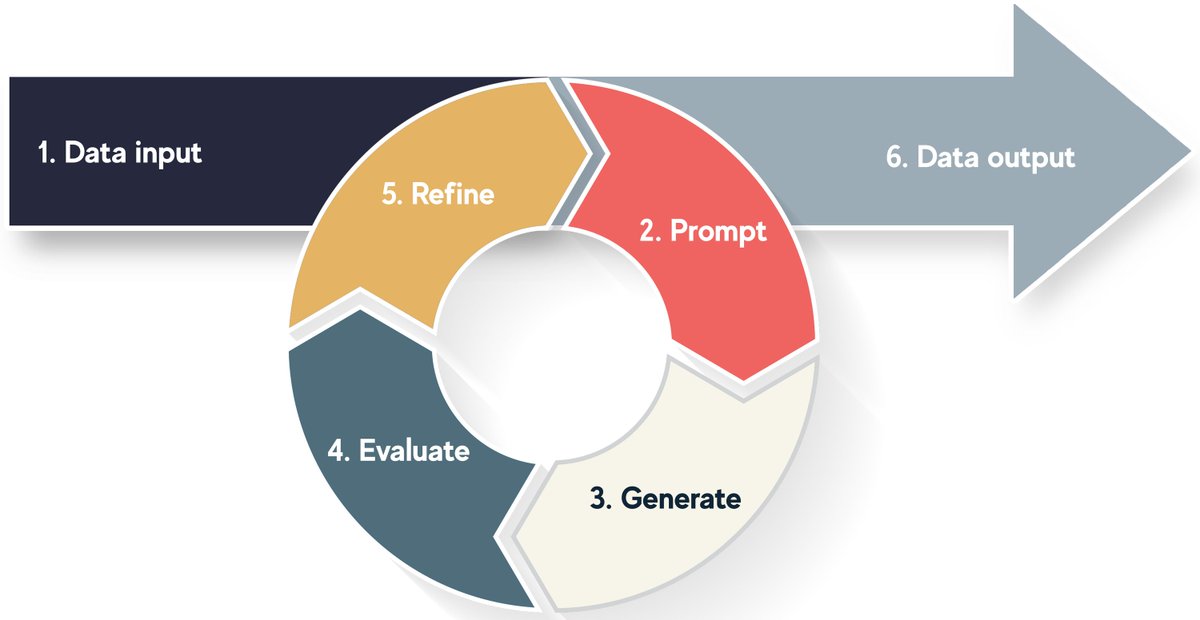
Gen-AI: A Transformative Partner in Collaborative Course Development
onlineinnovationsjournal.com…
#GenerativeAI #CourseDesign #HigherEdInnovation

Feb 19
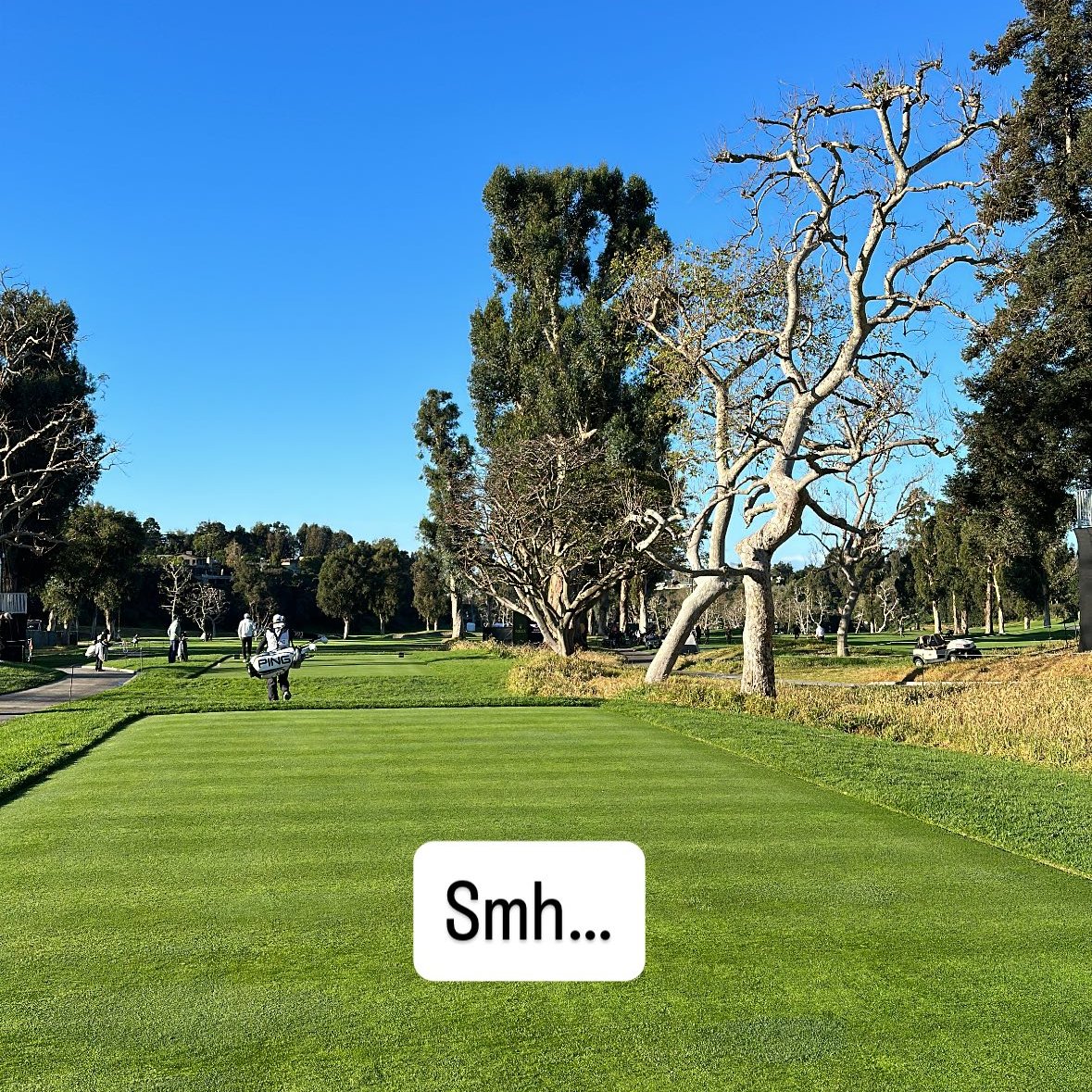
Looking forward to the day when we can plant trees that big.
#discgolf #discgolfcourse #discgolfcoursedesign #coursedesign #houckdesign #houckdesigndiscgolf #johnhouck #johnhouckdesign #stayonyourownfairway

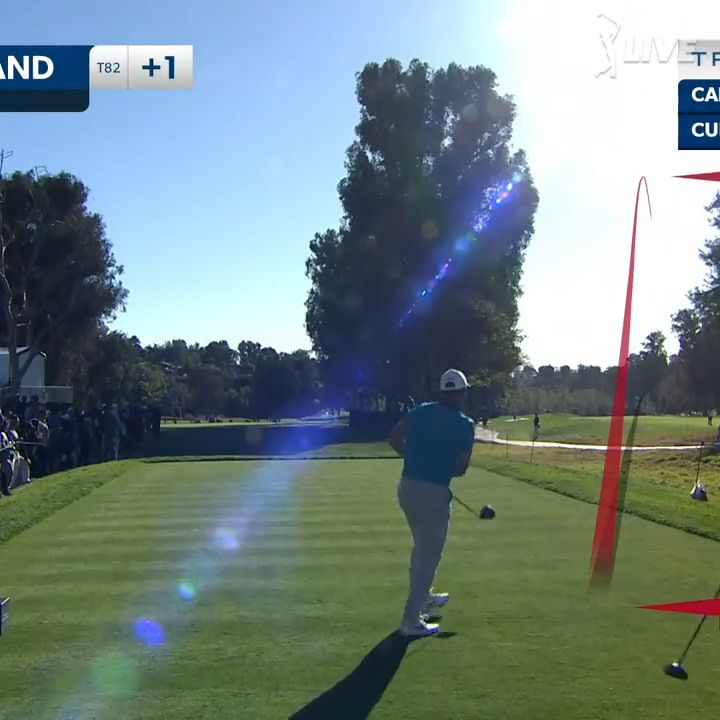
The Viktor Hovland line on No. 15 at Riviera is no more.
He shared his feelings about it on his Instagram story. 🤣
2
87


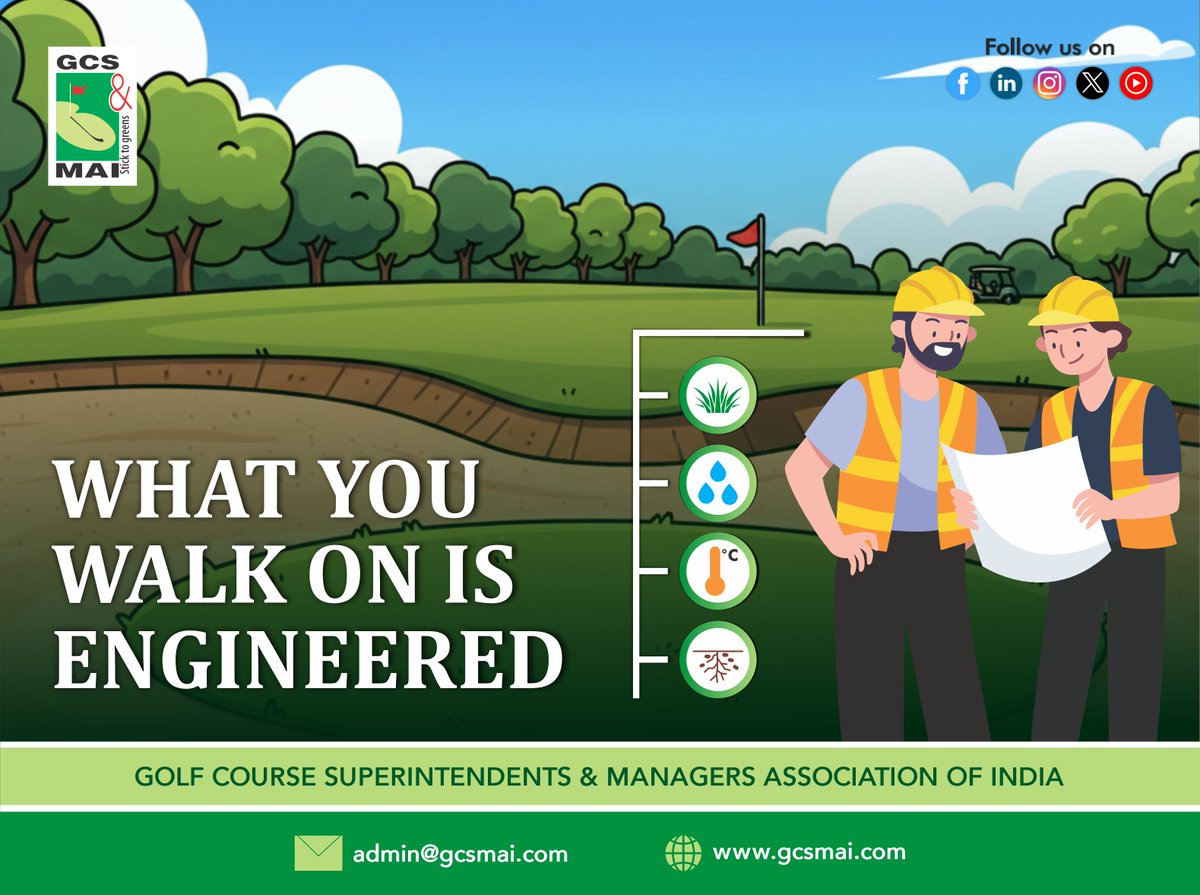
The turf under your feet is engineered — grass, rootzone, drainage and soil working together. 🌱⛳
That’s golf course science.
#GCSMAI #TurfScience #GolfGreens #GolfEducation #CourseDesign #GolfIndustry
4
31

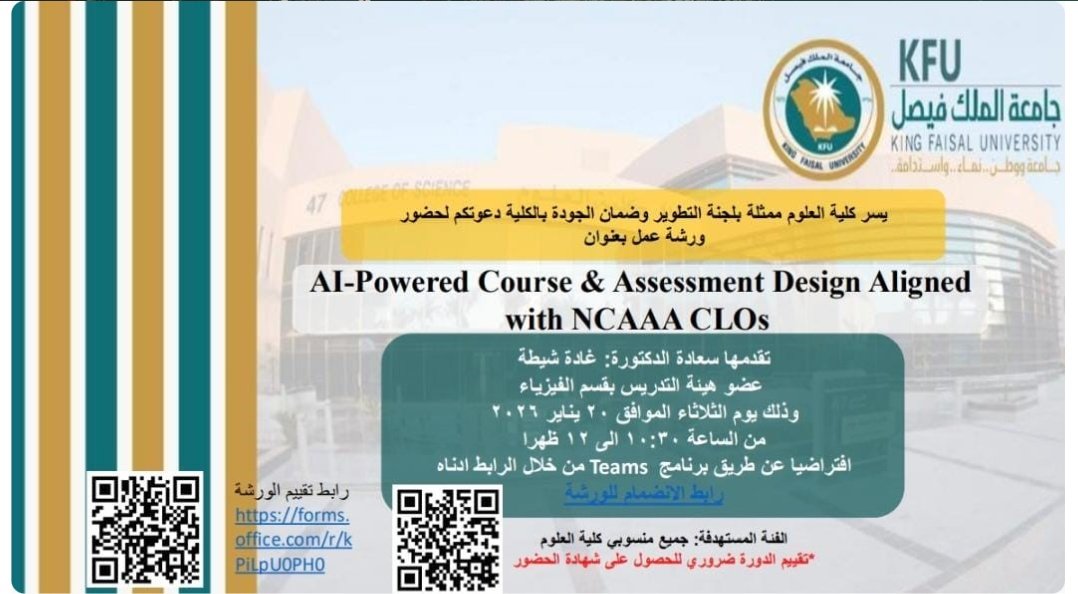
Honored to contribute to the “AI-Powered Course & Assessment Design Aligned with NCAAA CLOs” workshop at @KFU
Grateful for spaces where AI supports national standards in education.✨✨✨
#AIinEducation #KFU #NCAAA #HigherEd #CourseDesign
4
235

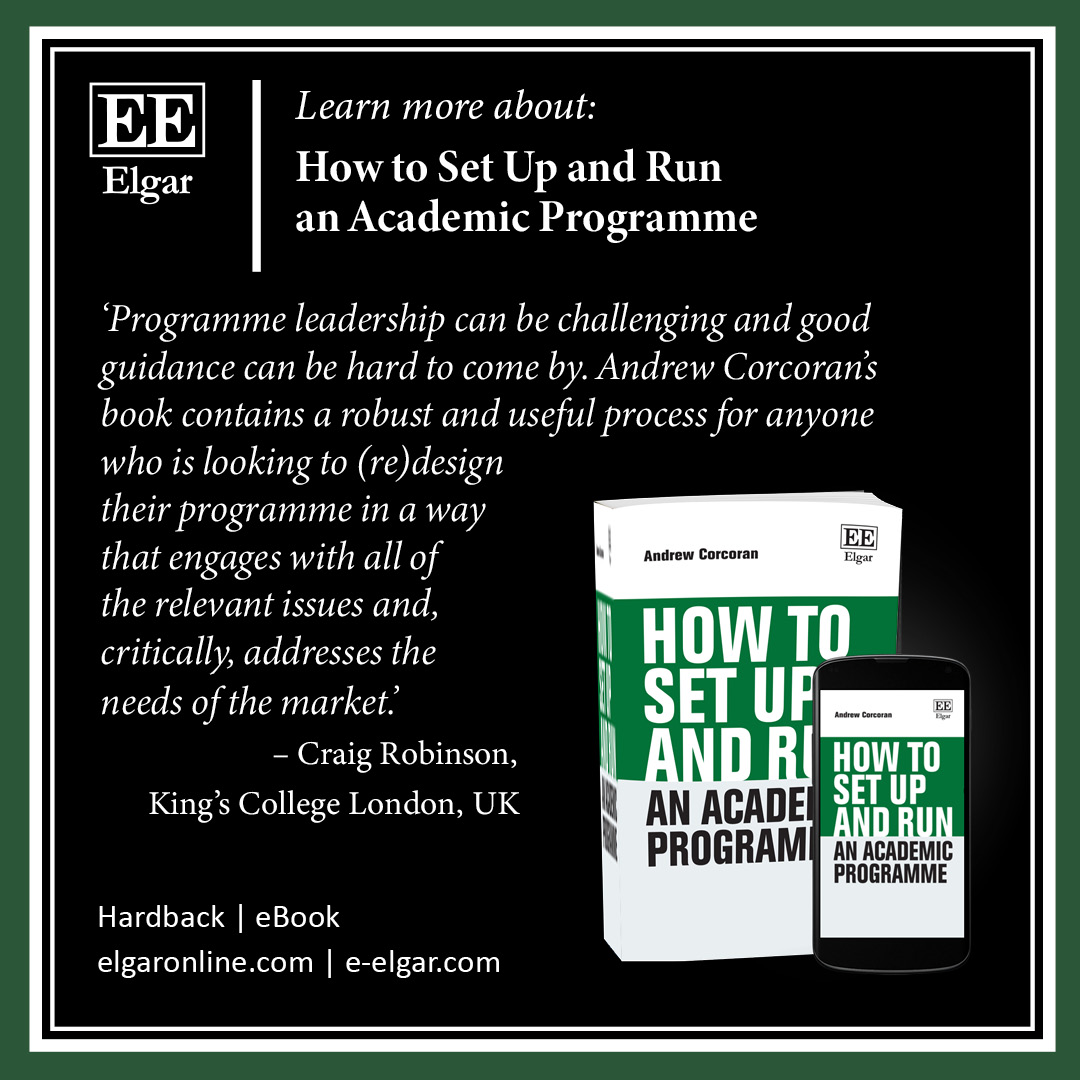
📢NEW
How to Set Up and Run an Academic Programme
Andrew Corcoran @NottmUniBschool @UniofNottingham
More info tinyurl.com/y4tk23fk
Read a sample doi.org/10.4337/978103536703…
#HigherEducation #CourseDesign #Teaching #Learning #Academia
3
3
141

📢NEW
How to Set Up and Run an Academic Programme
Andrew Corcoran @NottmUniBschool @UniofNottingham
More info tinyurl.com/y4tk23fk
Read a sample doi.org/10.4337/978103536703…
#HigherEducation #CourseDesign #Teaching #Learning #Academia
1
2
81

30 Oct 2025
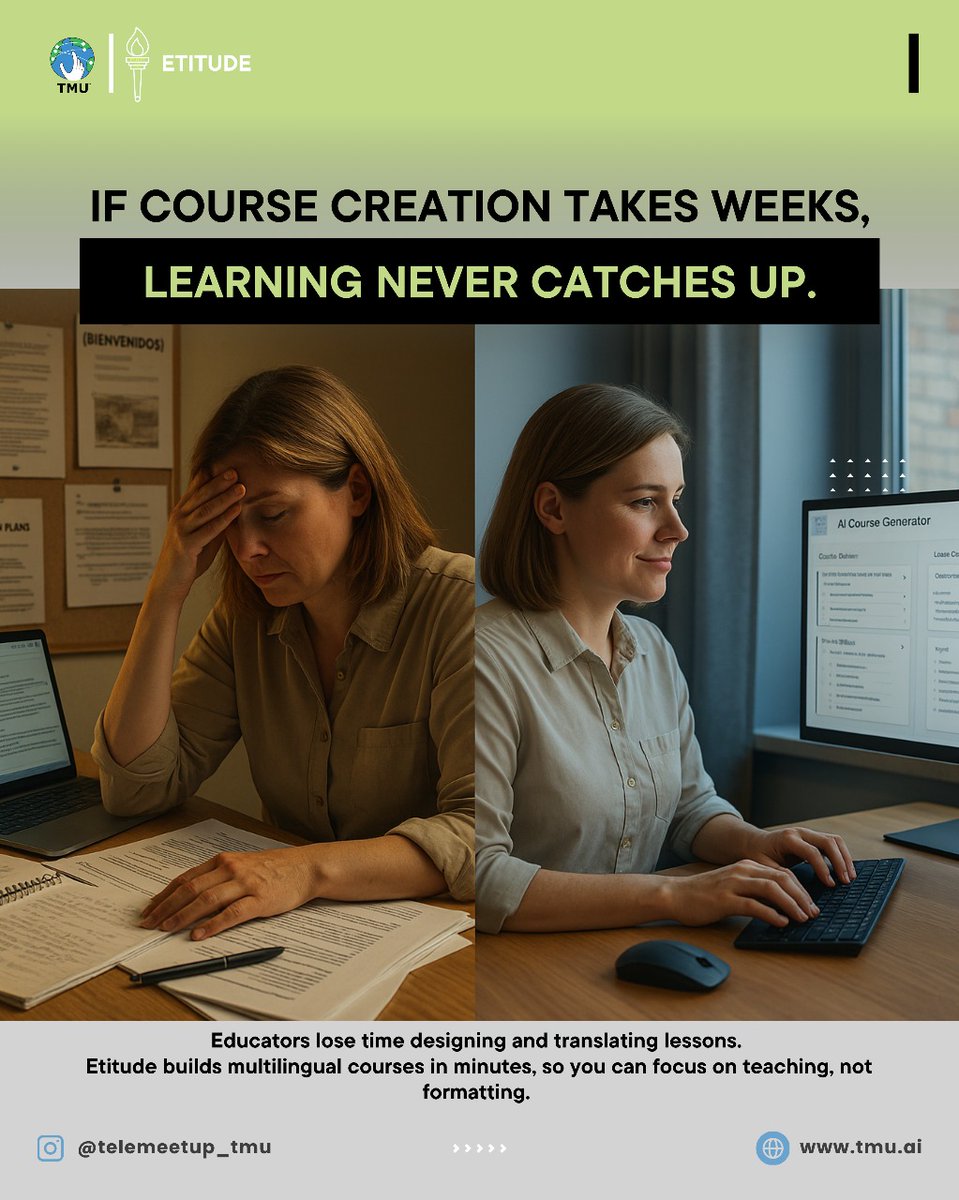
If learning is slow, progress stalls.
Educators spend weeks building courses that should take days, and translating content is another separate problem entirely.
For your information, course design is a bottleneck, multilingual course rollouts are expensive and slow, prototyping and testing take too long.
But with Etitude (youtu.be/Ry3JPn3x12s), you can:
1. Generate multilingual course outlines & lesson drafts in minutes.
2. Export shareable modules for classroom or self-study.
3. Pair with TeleMeetUp for live instructor critiques and SWISTWIT (See what I see, Touch what I touch) demonstration.
If you truly desire faster capacity building, more inclusive learning, & scalable upskilling, then this is for you.
So to speed course creation and reach more learners faster, contact us now → etitude.com/
#edtech #aiineducation #digitallearning #coursedesign #multilingualeducation #inclusivelearning #capacitybuilding #upskilling #learninginnovation #educationtechnology #aiforlearning #smarteducation #futureoflearning #teachertools #contentcreationai #elearningsolutions #educationrevolution #edtechafrica #telemeetup #etitudeai
1
59

20 Oct 2025
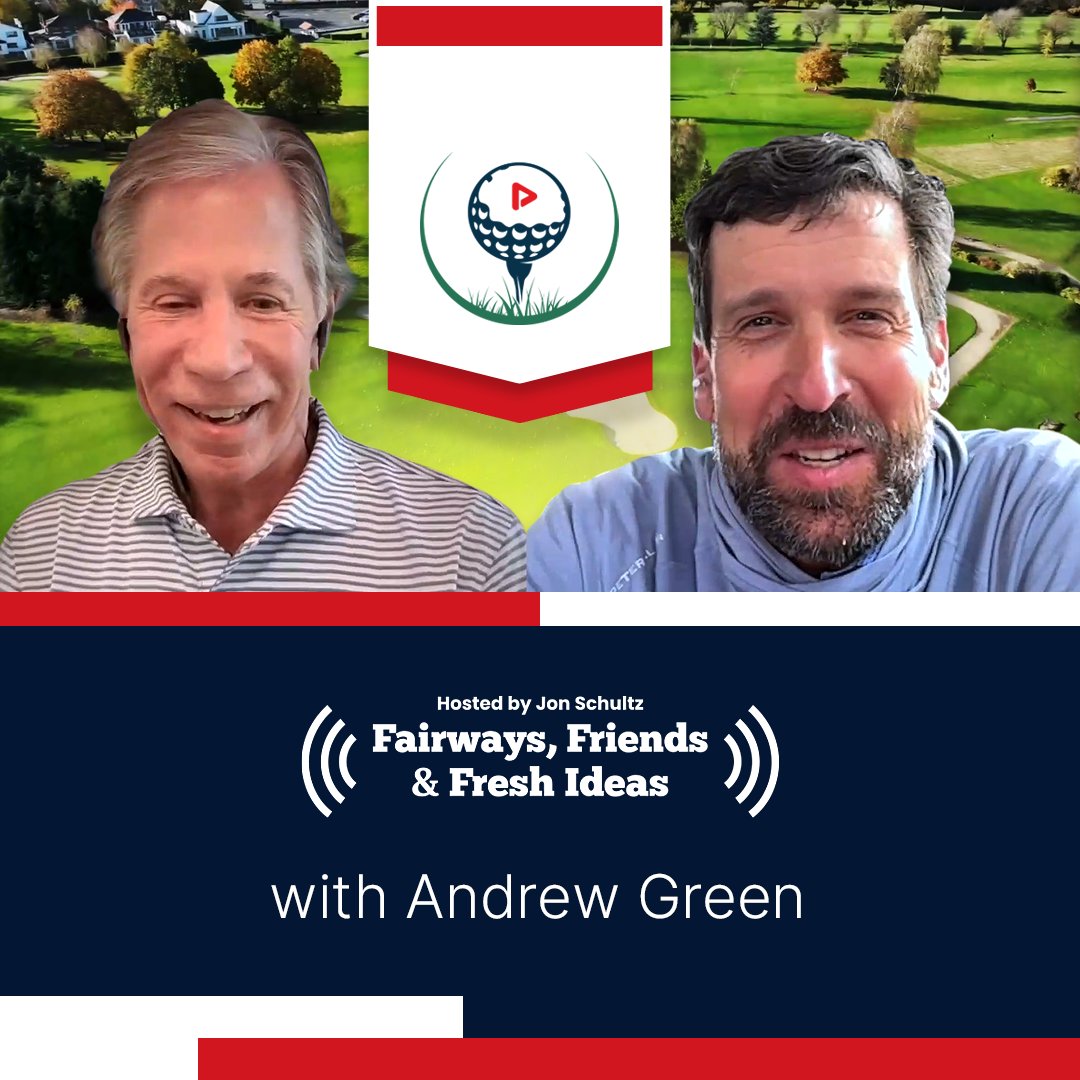
Design Week kicked off this morning on the @GolfChannel, hosted by @Garywilliams1Up featuring a special segment with our good friend, partner, and celebrated course architect, Andrew Green.
For those whose curiosity is sparked by this morning's broadcast, check out our in-depth interview with Andrew exploring the technical artistry behind his celebrated restorations and how ezLocator's data-driven technology informs some of his strategic decisions.
youtube.com/watch?v=yY2aV70f…
#DesignWeek #GolfChannel #AndrewGreenInterview #GolfArchitecture #CourseDesign #GolfTech
3
143

6 Oct 2025
Customer Journey Mappers, are your static PDFs holding back your course materials?
Static documents often fail to capture your audience's attention and diminish engagement. How can you truly showcase your expertise when your materials are simply gathering dust in digital files?
Transform your course content with TNC FlipBook! Our WordPress plugin allows you to turn those static PDFs into dynamic, interactive flipbooks that captivate and engage your clients. Elevate your professionalism and make every lesson memorable!
Discover the difference today: tncflipbook.com
#CustomerExperience #DigitalEngagement #CourseDesign
2
15

2 Oct 2025
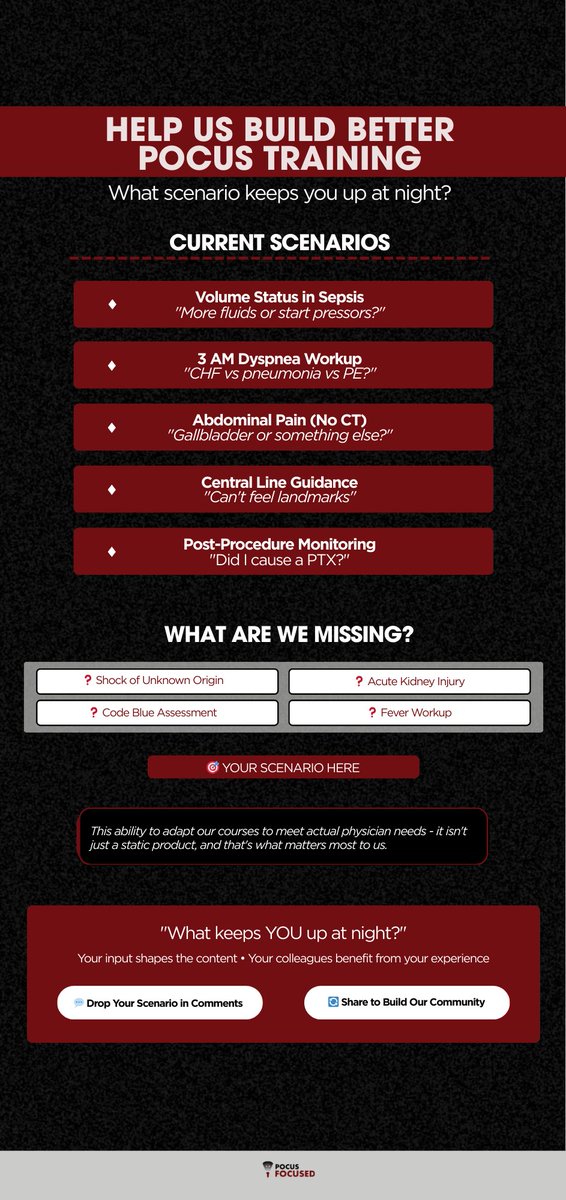
Community input time: What POCUS scenario keeps you up at night?
We're finalizing the clinical cases for our hospitalist course, and I want to make sure we're addressing the situations that actually matter to practicing physicians.
So far, based on conversations with hospitalists nationwide, the top scenarios are:
🔹 Volume status in sepsis (when CVP isn't available)
🔹 Dyspnea workup at 3 AM (CHF vs pneumonia vs PE)
🔹 Abdominal pain when CT is hours away
🔹 Central line guidance in unstable patients
🔹 Pneumothorax evaluation post-procedure
But I know I'm missing some. Every hospital has that one scenario that comes up repeatedly.
The one where you think "if I just had a quick ultrasound look..." Drop your scenario in the comments. Seriously.
If it's something we haven't covered, we'll build it into the curriculum. This course needs to serve real clinicians facing real problems.
This ability to adapt our courses to meet the actual needs of physicians and providers - it isn't just a static product, and that's what matters most to us.
Your input shapes the content. Your colleagues benefit from your experience.
Share this post so more hospitalists can join the conversation - together we're building something that actually serves our community.
What POCUS application would make your night shifts easier?
#POCUS #HospitalMedicine #MedEd #CommunityInput #CourseDesign
@RJonesSonoEM @mount_md @NephroP
@KalagaraHari @siddharth_dugar
Cristin Mount, MD, MACP, FCCM
2
8
19
2,244
25 Sep 2025
"What's different about your Hospitalist POCUS course?"
Fair question. Here's the honest answer:
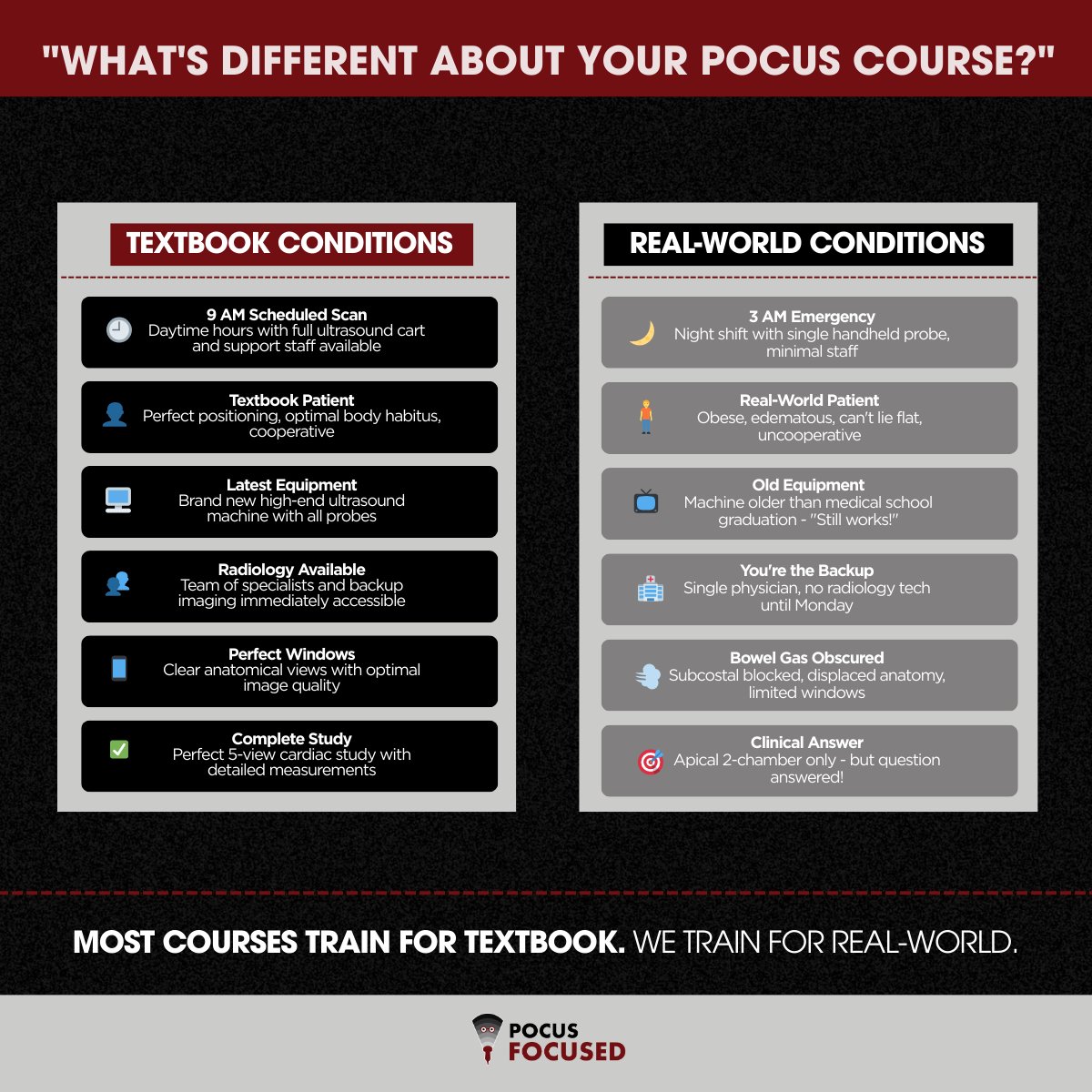
Most POCUS courses teach in perfect conditions:
✓ Latest equipment
✓ Ideal patients
✓ Academic setting
✓ Radiology backup available
Our POCUS Focused course teaches for reality:
→ Equipment that's "good enough"
→ Difficult patients (obese, edematous, uncooperative)
→ Community hospital constraints
→ You ARE the backup
See for yourself here: pocusfocused.com/specialties
Real example: This past weekend, I needed cardiac POCUS but couldn't get good windows. Subcostal obscured by bowel gas, displaced diaphragm moved cardiac windows, air-filled bowel blocked IVC views. All I could get was apical 2-chamber... but I COULD answer key questions: LV functioning? Yes. Hyperdynamic? Yes. Pericardial effusion? No.
It wasn't perfect 5-view cardiac POCUS, but it was exactly what I needed for bedside decision-making during resuscitation.
We're building scenarios like:
- 3 AM with one functioning ultrasound probe
- Patient who can't lie flat - Machine older than your medical school graduation
- No radiology tech until Monday
Why? Because that's where POCUS makes the biggest difference.
When conditions are perfect, you have other options. When they're not, you need skills that actually work.
As an Internal Medicine/Critical Care physician who completed Emergency Ultrasound fellowship, I realized EM and ICU POCUS approaches are different than what hospitalists need. That's why we created a hospitalist-specific course focused on inpatient medical practice - bread and butter scenarios that work even with less-than-ideal windows.
Real-world preparedness. Not classroom perfection.
Let’s have that conversation. What "real world" challenges do you face that courses don't usually address?
#POCUS #MedEd #RealWorld #CourseDesign #HospitalMedicine
@RJonesSonoEM @mount_md @NephroP
@KalagaraHari @siddharth_dugar
Cristin Mount, MD, MACP, FCCM
1
7
33
5,093

5 Sep 2025
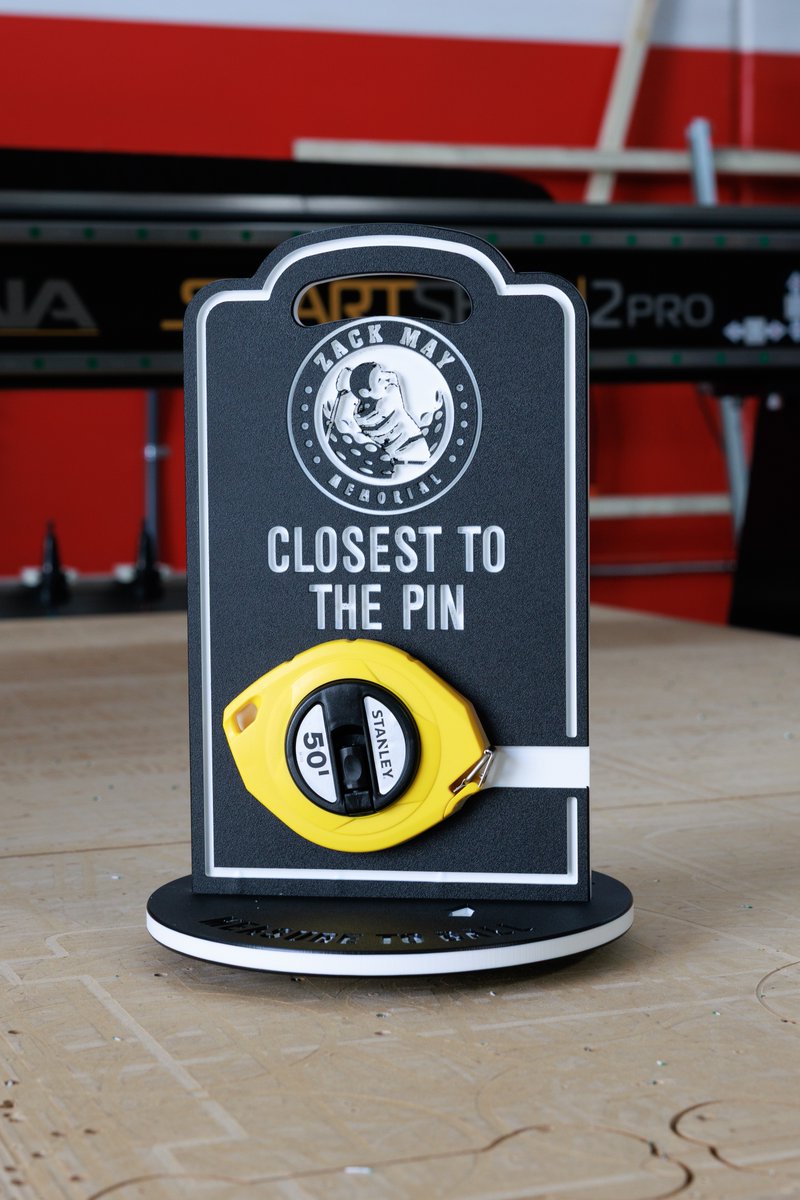
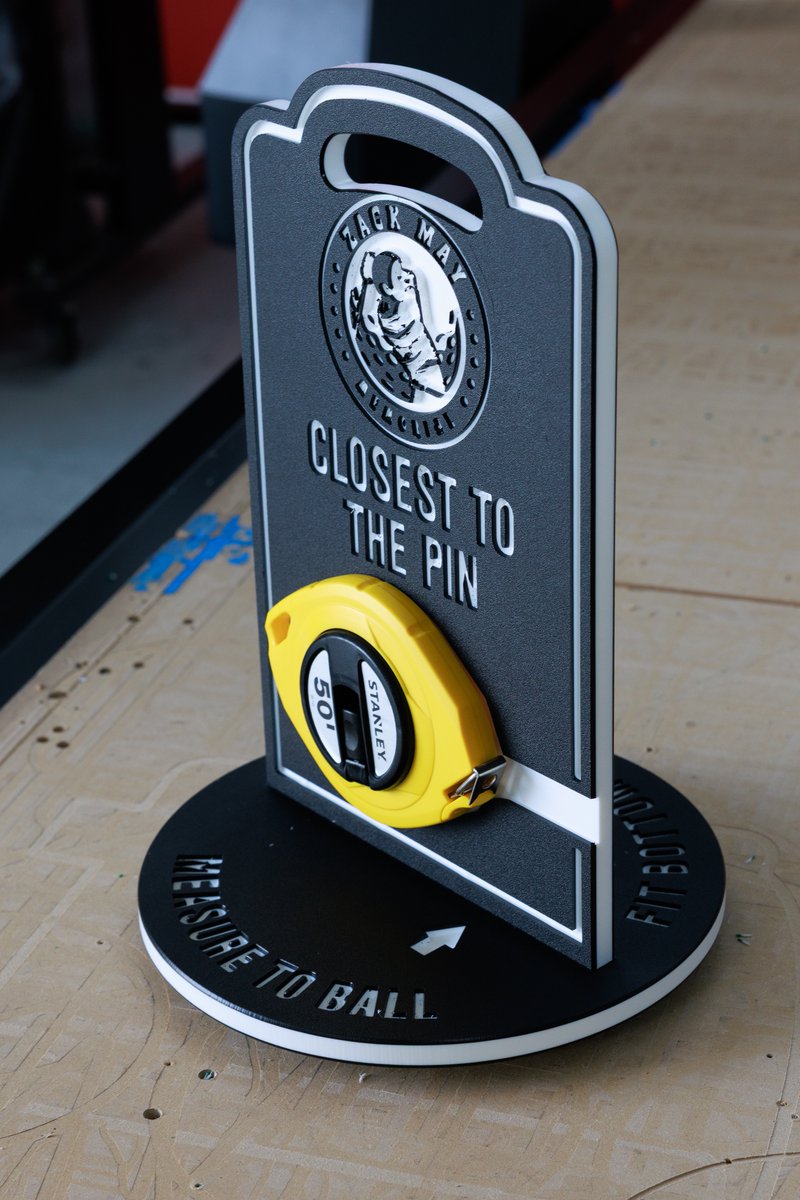
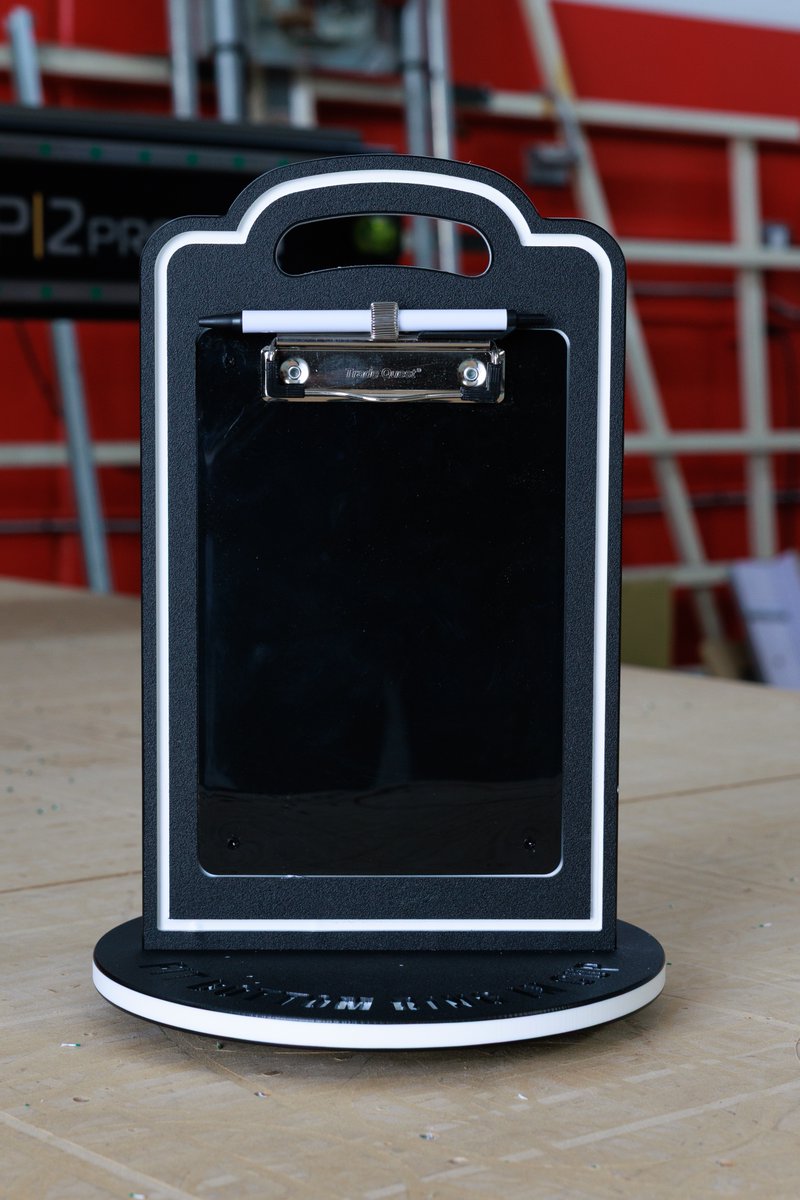
Precision meets purpose. 🎯
This custom Closest to the Pin marker was built from the ground up—complete with logo engraving, integrated measuring tape, and a clipboard for scoring.
That’s what custom manufacturing looks like when form and function work together.
#Golf #CustomManufacturing #CourseDesign
2
201

4 Sep 2025
Balancing Interactivity and Simplicity in eLearning Design
lmsportals.com/post/balancin…
#eLearningDesign #CourseDesign #Instructionaldesign

1
1
1
31

29 Aug 2025
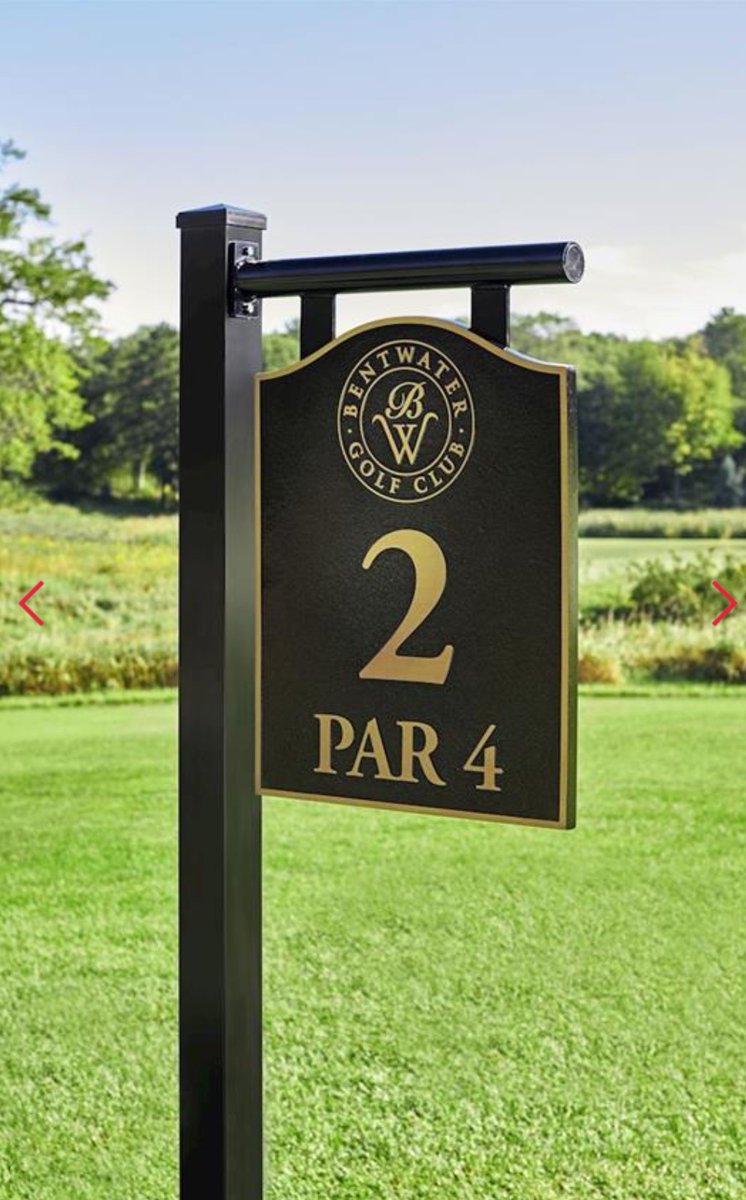
🏌️♀️ Elevate Your Course Branding
Make a lasting impression with the FusionCast Tee Sign — the #1 choice for premier golf courses worldwide.
✔️ Custom-designed to match your course’s unique style
✔️ Durable construction built to withstand any climate
✔️ Perfect for enhancing branding and player experience
Set your course apart with signage that blends elegance and endurance.
Explore more at paraide.com
#ParAide #GolfCourseBranding #GolfSignage #FusionCast #GolfCourseAccessories #CourseDesign
2
310

25 Aug 2025
If you’re building a brand, launching a course, or just need designs that speak clearly and confidently I’d love to help you bring it to life. Let’s create something that connects. 💡✨
#GraphicDesign #BrandDesign #CourseDesign #ContentCreation #FreelanceDesigner
1
1
4
54

Missed the live Course Design Showdown? Don’t flip your wig!
You can still catch all the righteous Canvas moves, groovy design tips, and far-out fun in the recording, now available for your viewing pleasure in our video library.hubs.la/Q03CCyqj0 #canvaslms #coursedesign
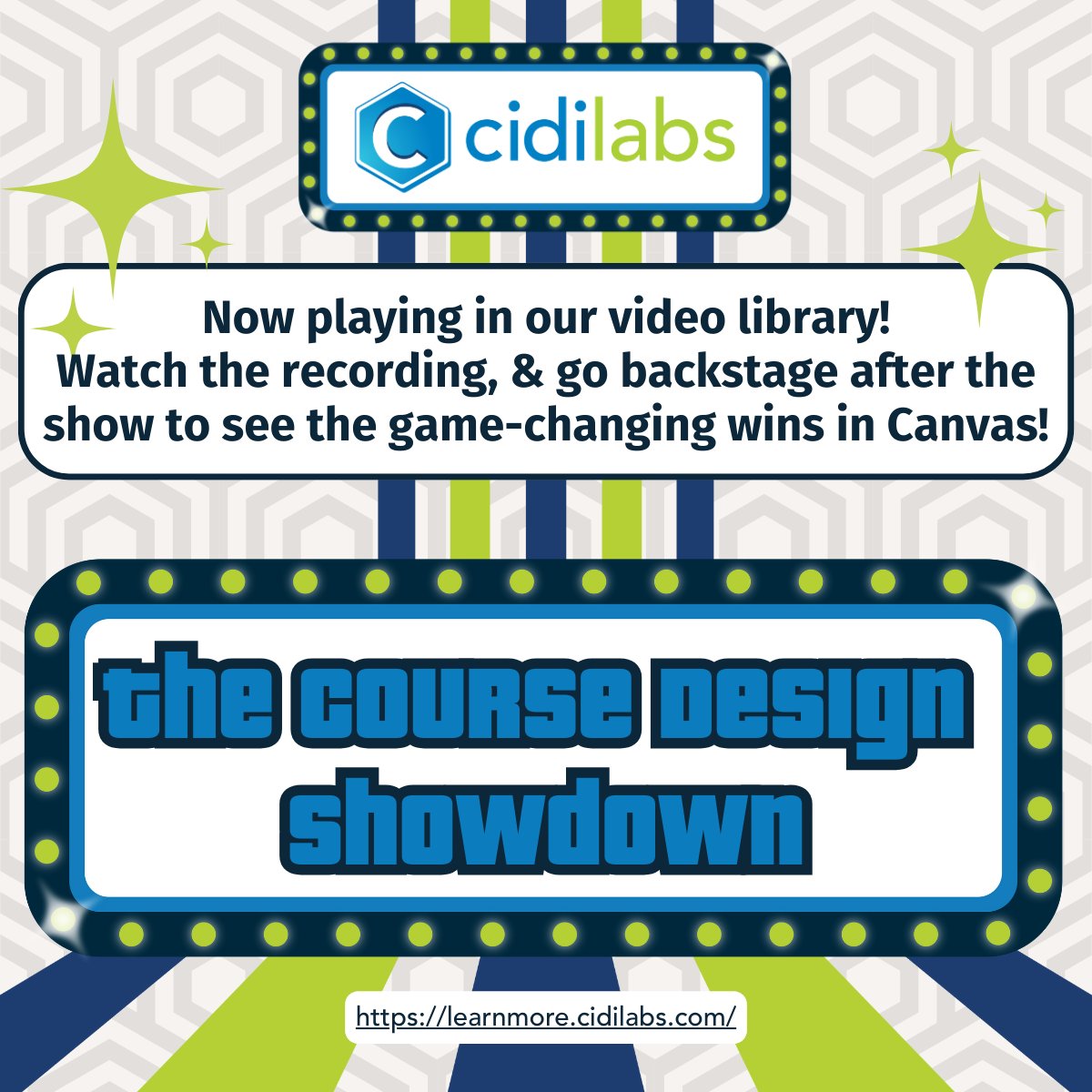
ALT 70s themed image from Cidi Labs. Now playing in our video library! Watch the recording, & go backstage after the show to see the game-changing wins in Canvas! https://learnmore.cidilabs.com/
3
50

12 Aug 2025
Want to help your students sharpen their critical thinking? Discover four practical ways to boost these skills – from data analysis training to smart course design. timeshighereducation.com/cam… #CriticalThinking #EducationTips #CourseDesign #HigherEd
3
1,014
11 Aug 2025
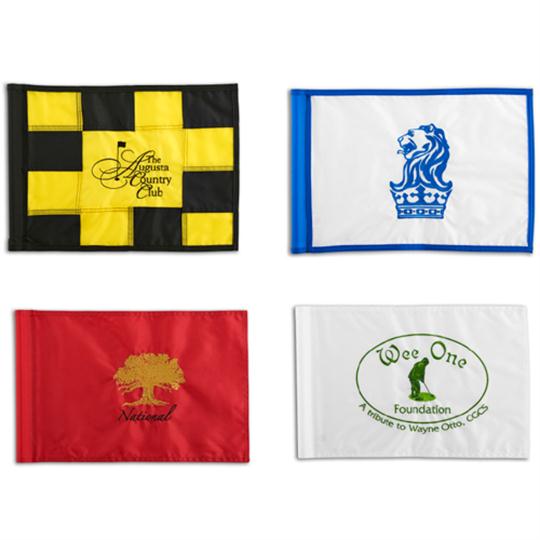
Nothing makes a course look more polished than a custom flag flying high! 📷
Perfect for signature events or everyday play
Choose from premium embroidered, screen-printed, or applique flags
Elevate your course’s look and brand with custom flags
Check it out now at paraide.com!
#GolfCourse #CustomFlags #CourseDesign #GolfBranding #ParAide
2
2
343