
Frost a challenge shaping Australian wheat production... Read more: smartcitiestech.io/2026/06/f…
@CSIRO #Agriculture #WheatFarming #ClimateChange #FoodSecurity #AgTech #CropScience #AustralianAgriculture
4

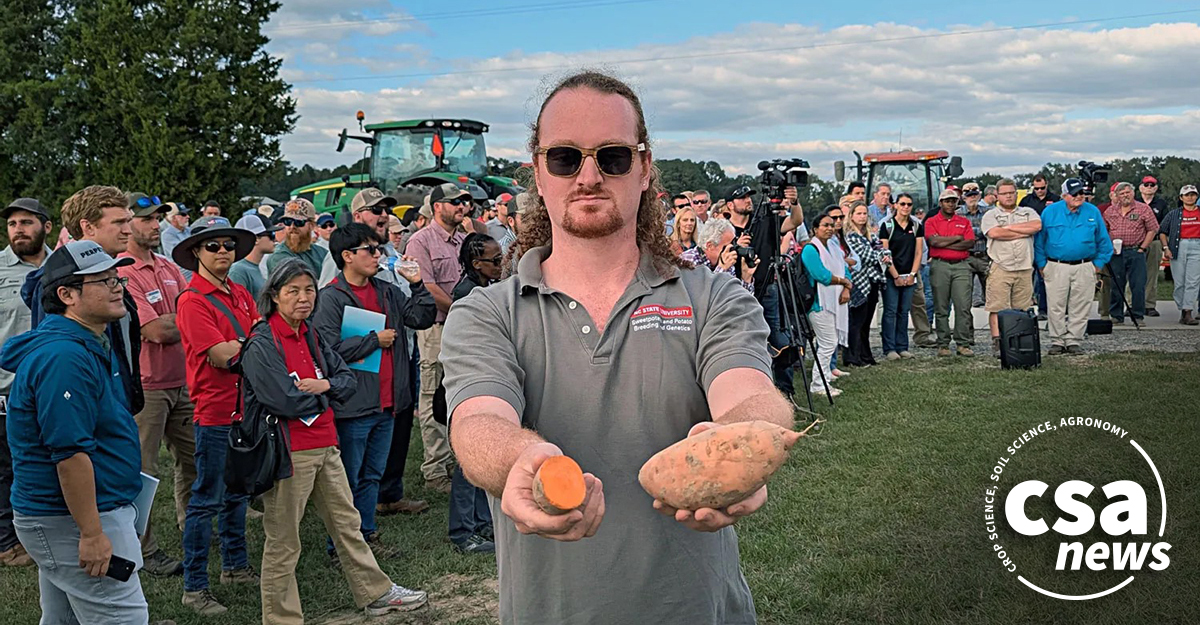
How do sweetpotatos defeat Fusarium wilt? 🍠
@NCStateHort @NCStateCALS researchers mapped a major genetic locus on Chromosome 10 accounting for 33.8% of this disease resistance variance, paving the way for faster marker-assisted breeding: ow.ly/KhKH50Z83PK
#CropScience
104

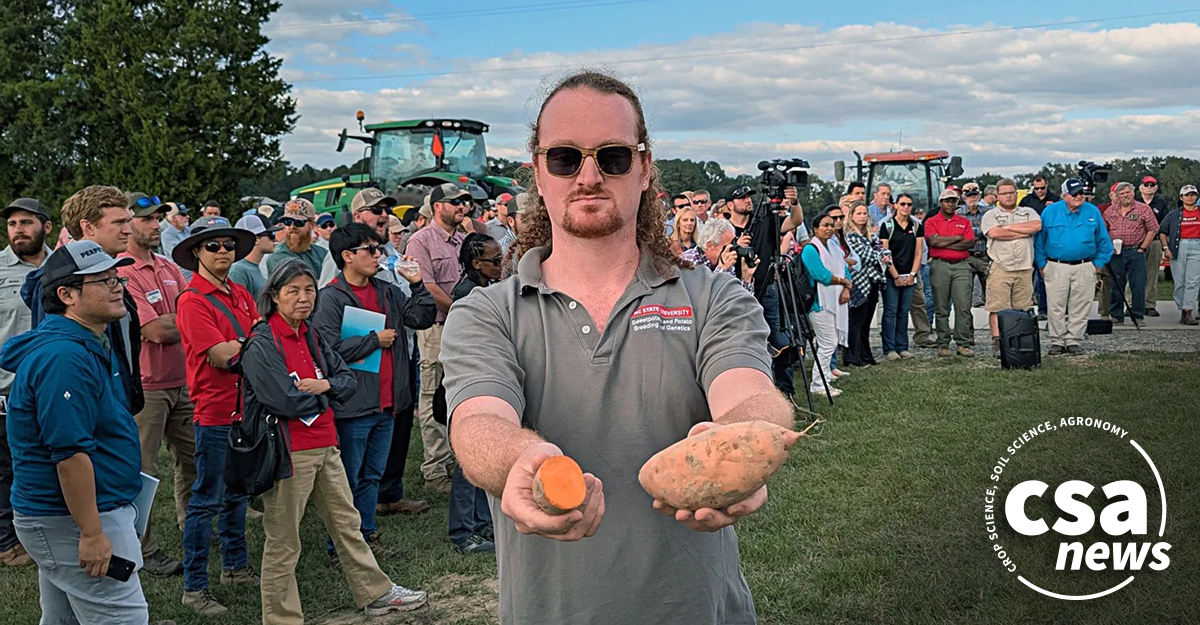
How do sweetpotatos defeat Fusarium wilt? 🍠
@NCStateHort @NCStateCALS researchers mapped a major genetic locus on Chromosome 10 accounting for 33.8% of this disease resistance variance, paving the way for faster marker-assisted breeding: ow.ly/puhi50Z7ari
#CropScience
1
3
265

Crop innovation may be shifting from adding new traits to recovering lost ones.
Researchers from the Chinese Academy of Sciences, the Center for Excellence in Molecular Plant Sciences, Sichuan Agricultural University, and Shanghai Normal University have identified and restored a rare high-protein gene from teosinte, the wild ancestor of modern maize.
The findings suggest that some of agriculture's most valuable future innovations may already exist within the genetic diversity lost during domestication.
Key signals:
• Researchers recovered the rare THP3-T gene from teosinte, maize's wild ancestor
• Seed protein content increased from 8.5% to 12–13%
• Whole-plant protein levels increased from 7% to over 9%
• Grain yield was maintained, with additional gains observed when combined with THP9-T
Why this matters:
For decades, crop breeding has primarily focused on maximizing yield, often at the expense of nutritional quality.
This discovery demonstrates a potential pathway to improve protein content while maintaining productivity, helping reduce dependence on imported
livestock feed proteins and strengthening long-term food security.
What's changing:
From breeding primarily for yield → to breeding for both yield and nutritional value
Many beneficial traits were lost as crops were optimized for large-scale agriculture.
Advances in genetics are now enabling researchers to recover and reintroduce those traits, turning wild crop relatives into valuable sources of future agricultural innovation.
Could rediscovering lost genes in ancestral crop species become one of the most important strategies for improving global food security?
#Agriculture #FoodSecurity #CropScience #PlantGenetics #Biotechnology #SustainableAgriculture #AgTech #Genomics #FutureOfFood #InnoDexis
25

Jun 14
Bayer CropScience Ltd Mar 2026
At its core, Bayer CropScience operates a classic razor-and-blade model, where the razor is premium, proprietary biotechnology and the blade is a chemical portfolio designed to protect it. The business divides its spoils across three primary buckets: Crop Protection (excluding Roundup), which commands 66% of the FY25 revenue mix; Corn Seeds, contributing 17%; and a miscellaneous collection of exports, traded seeds, and digital farming initiatives making up the remaining 17%.
Read full article on Eduinvesting
186

Jun 14
🌾🚀 India's Next Multibagger Theme? Agriculture & Food!
🔥 5–10 Year Watchlist:
🌱 PI Industries (PIIND)
🌾 Coromandel International (COROMANDEL)
🚜 UPL Ltd (UPL)
🐄 Godrej Agrovet (GODREJAGRO)
🌽 Kaveri Seed (KAVERI)
🧪 Bayer CropScience (BAYERCROP)
🌿 Chambal Fertilisers (CHAMBLFERT)
🍃 Rallis India (RALLIS)
🐟 Avanti Feeds (AVANTIFEED)
🥛 Hatsun Agro Products (HATSUN)
💬 Kaunsa Agri Stock aapki Long-Term Watchlist mein hai? 👇
#AgricultureStocks 🌾 #Multibagger 🚀 #StockMarketIndia 📈 #FinanceWithMohan
⚠️ Educational Purpose Only | Not a Buy/Sell Recommendation.
2
1
33
2,485

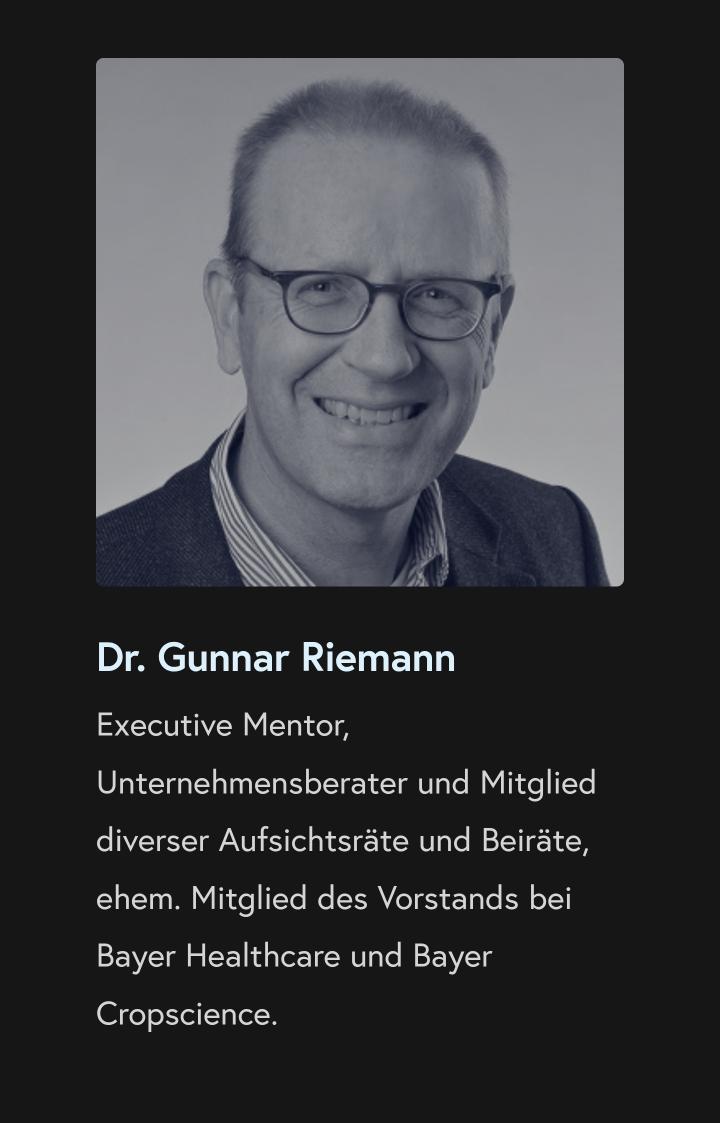
Dr. Gunnar Riemann
Executive Mentor, Unternehmensberater und Mitglied diverser Aufsichtsräte und Beiräte, ehem. Mitglied des Vorstands bei #Bayer Healthcare und Bayer Cropscience
1
9

Jun 12
1️⃣9️⃣ Bayer CropScience India — Strong position in several patented agrochemical segments.
2️⃣0️⃣ Supreme Industries — India's largest plastic piping solutions company.
💰 The biggest wealth creators are often not the fastest growers.
They're the companies with:
✅ Pricing Power
12

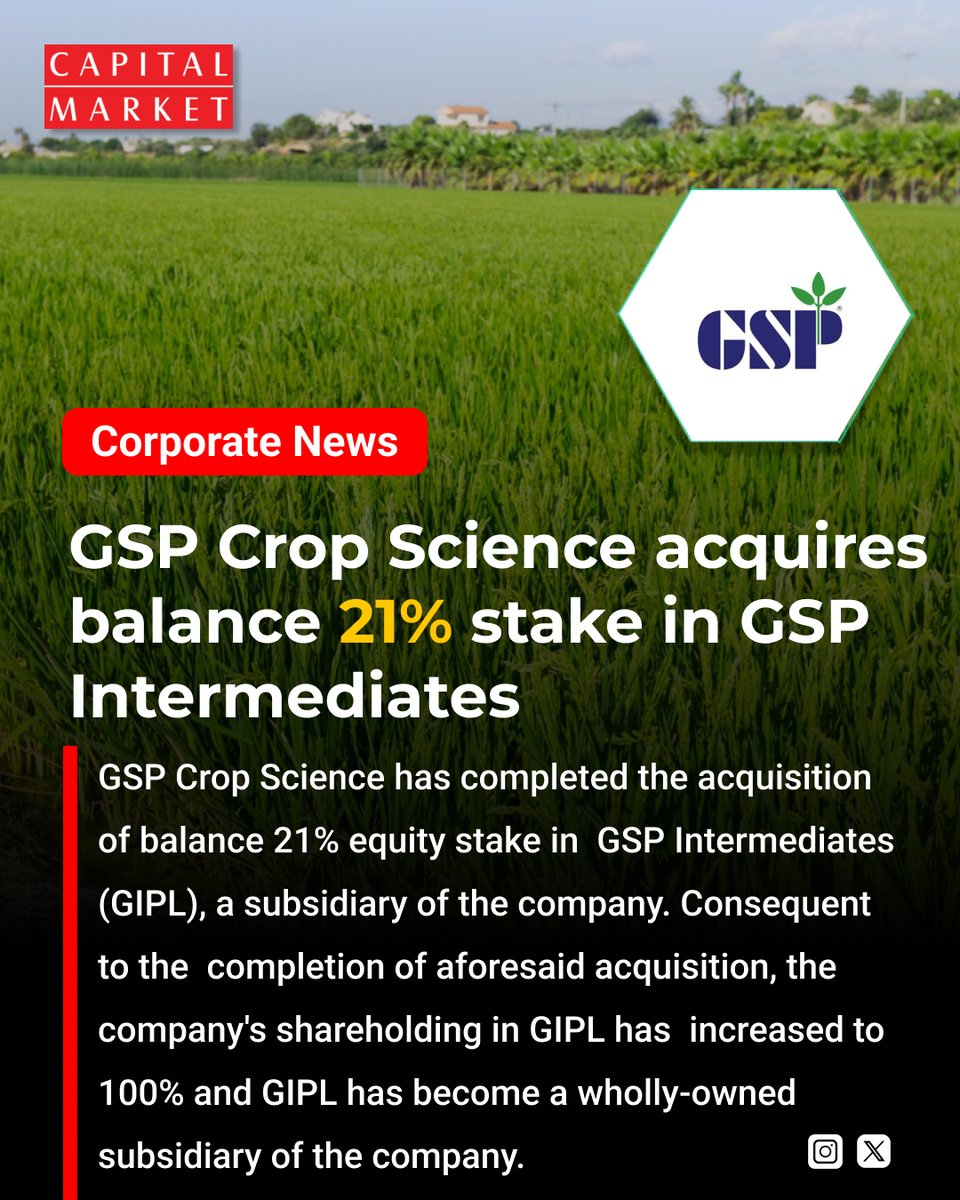
GSP Crop Science Takes Full Control, Acquires Remaining 21% Stake in GSP Intermediates
capitalmarket.com
#GSPCropScience #GSPIntermediates #Acquisition #StakePurchase #CorporateAction #BusinessNews #AgroChemicals #CropScience #ChemicalIndustry #GrowthStrategy
1
56

Jun 12
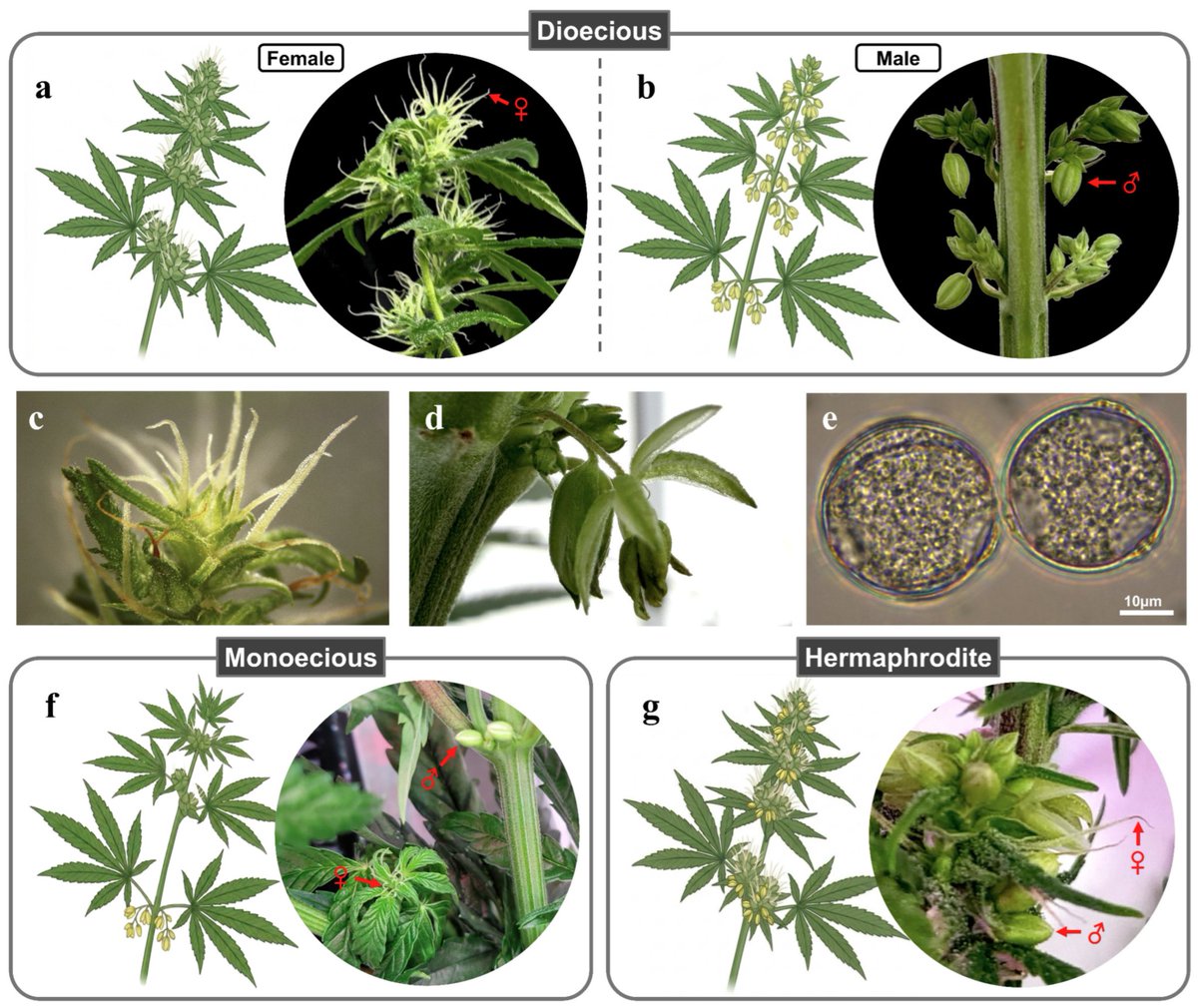
🌿 One stressed plant can compromise an entire cannabis crop.
This review explores how genetics, hormones, and environmental stress drive hermaphroditism in Cannabis sativa 🧬⚠️
🔗Read the full text here: brnw.ch/21x3hKm
📌#Cannabis #PlantBreeding #CropScience
1
4
141

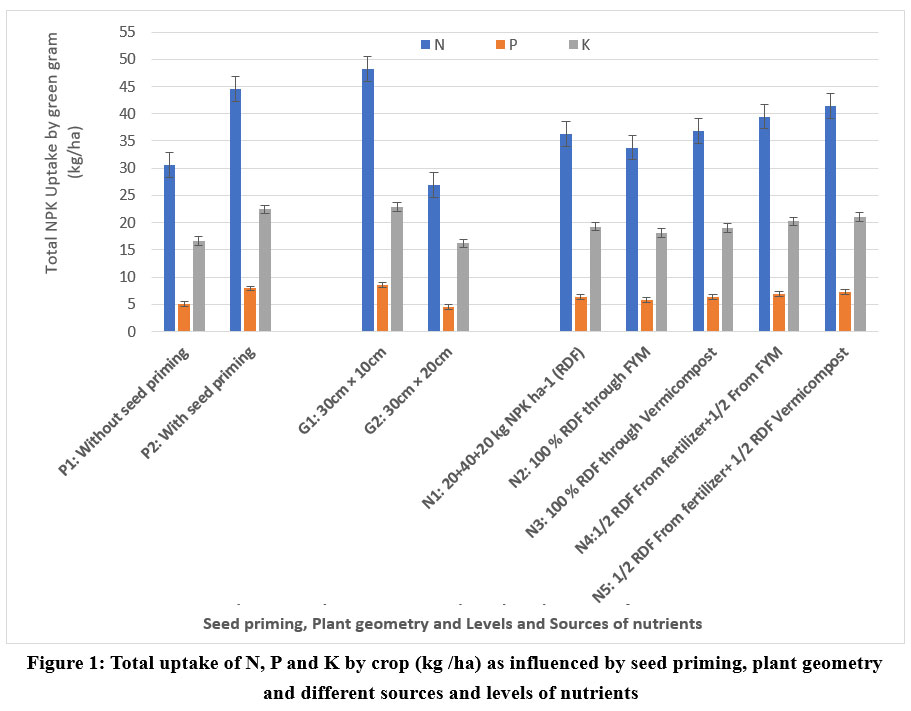
Can simple agronomic practices significantly boost green gram yields?
Discover the full study here: dx.doi.org/10.12944/CARJ.12.…
#GreenGram #PulseResearch #SustainableAgriculture #IntegratedNutrientManagement #CropScience #AgriculturalResearch #Agriculture @BundelkhandJ
3

Jun 12
🚨 INDIAN STOCK MARKET MONOPOLIES 🇮🇳
These companies don't just compete — they dominate.
1️⃣ Coal India — Supplies ~80% of India's coal demand.
2️⃣ Hindustan Zinc — Controls ~75–80% of primary zinc production.
3️⃣ MCX — Handles ~95% of commodity derivatives trading.
4️⃣ IRCTC — Monopoly in Indian Railways online ticketing & catering.
5️⃣ IEX — Dominates India's electricity spot market.
6️⃣ Pidilite Industries — Fevicol commands ~70% of branded adhesives market.
7️⃣ HAL — India's largest defence aircraft manufacturer.
8️⃣ CDSL — One of only 2 depositories; leader in demat accounts.
9️⃣ ITC — Controls ~75% of the legal cigarette market.
🔟 Nestlé India — Maggi dominates the instant noodles market.
1️⃣1️⃣ Praj Industries — Market leader in ethanol plant technology.
1️⃣2️⃣ Schaeffler India — Strong dominance in specialized industrial bearings.
1️⃣3️⃣ Solar Industries — India's largest manufacturer of industrial explosives.
1️⃣4️⃣ Poly Medicure — Leading player in medical consumables exports.
1️⃣5️⃣ Gujarat Gas — Dominant city gas distributor in several regions.
1️⃣6️⃣ CAMS — Largest registrar & transfer agent for mutual funds.
1️⃣7️⃣ IRFC — Primary financing arm of Indian Railways.
1️⃣8️⃣ NESCO — Owns one of Mumbai's most strategic exhibition & convention centers.
1️⃣9️⃣ Bayer CropScience India — Strong position in several patented agrochemical segments.
2️⃣0️⃣ Supreme Industries — India's largest plastic piping solutions company.
💰 The biggest wealth creators are often not the fastest growers.
They're the companies with:
✅ Pricing Power
✅ High Entry Barriers
✅ Dominant Market Share
✅ Near-Monopoly Economics
Which listed Indian company deserves to be on this list? 👇
3
10
56
5,387

Jun 11
💀 DARK SIDE OF SHARE MARKET 💀
₹1 Lakh Invested at IPO time in ~
1. Info Farm Equipment ~ ₹59500
2. Laxmi Dental ~ ₹51000
3. Capital Infra Trust ~ ₹72000
4. Hexawave Tech ~ ₹73000
5. Oswal Pumps ~ ₹63000
6. Ellenbarrie Gases ~ ₹66000
7. Arisinfra Solution ~ ₹51000
8. Global Civil Projects ~ ₹56000
9. Indogulf cropscience ~ ₹53000
10. Indiqube Spaces ~ ₹64000
11. Brigade Hotel ~ ₹69000
12. Laxmi India Finance ~ ₹65000
13. M&B Engg. MBEL ~ ₹70000
#NIFTY #Stocks #BANKNIFTY #StockMarketIndia #OptionsTrading
#StocksToWatch #StockslnFocus #sensex #optionbuying #optiontrading #giftynifty
2
324

Jun 11
💀 DARK SIDE OF SHARE MARKET 💀
₹1 Lakh Invested at IPO time in ~
1. Info Farm Equipment ~ ₹59500
2. Laxmi Dental ~ ₹51000
3. Capital Infra Trust ~ ₹72000
4. Hexawave Tech ~ ₹73000
5. Oswal Pumps ~ ₹63000
6. Ellenbarrie Gases ~ ₹66000
7. Arisinfra Solution ~ ₹51000
8. Global Civil Projects ~ ₹56000
9. Indogulf cropscience ~ ₹53000
10. Indiqube Spaces ~ ₹64000
11. Brigade Hotel ~ ₹69000
12. Laxmi India Finance ~ ₹65000
13. M&B Engg. MBEL ~ ₹70000
1
8
4,125

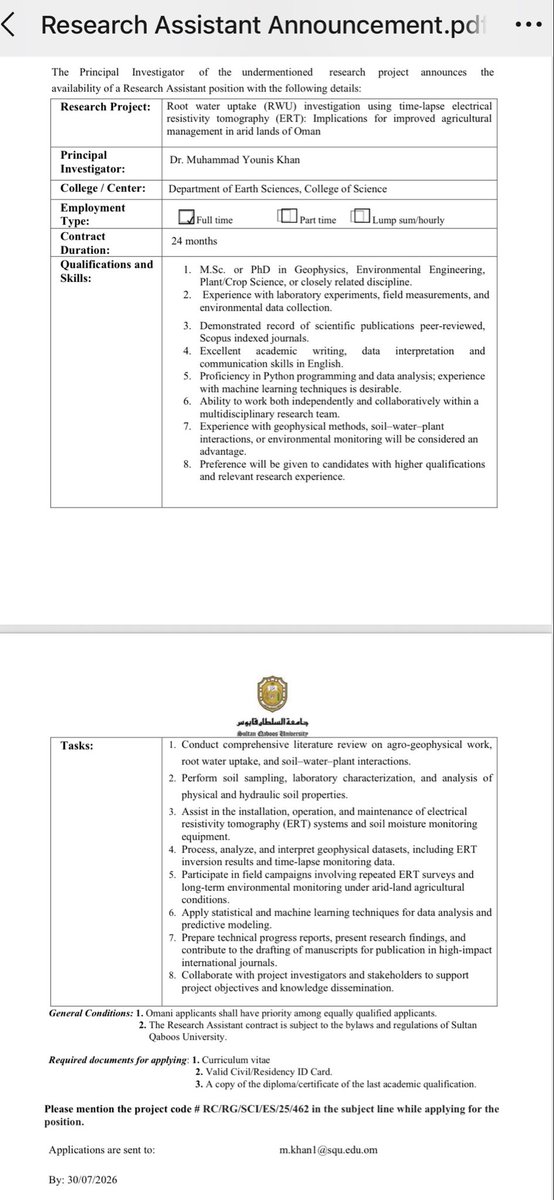
Research Assistant Position (Agro-Geophysics)
#geophysics #ERT #cropscience #agronomy #soil #moisture #rootwateruptake #monitoring
23
@montanastate seeks a Postdoc Researcher for dryland and irrigated cropping systems research 🌱 Apply now: ow.ly/SLyq50Z7gqI #PostdocResearcher #MontanaStateUniversity #CropScience #SustainableAgriculture #DrylandFarming #IrrigatedCrops

2
2
280

Jun 9
For anyone looking to build a foundation in root biology, this review offers a clear overview of the field and points to promising directions for future research. (10/10)
🔗 doi.org/q9w8
#PlantScience #AoBpapers #Roots #CropScience #Agriculture #RootBiology
54
Jun 9
🌿Join us to learn about the newly published “An introduction to the fundamentals of root systems research in cultivated plants” in @annbot by Dylan Jones and co-authors. 🧵 (1/10)
👉 doi.org/q9w8
#PlantScience #AoBpapers #Roots #CropScience #Agriculture #RootBiology
ALT An introduction to the fundamentals of root systems research in cultivated plants
1
6
15
687

Gerson Drescher, #SoilFertility prof in #CropScience, teaches & works w/ growers to help maximize yield & improve sustainability; @ArkAgResearch video: #SoilScience
AG | FOOD | LIFE
facebook.com/reel/1756455875…
@ASA_CSSA_SSSA
@SoilAssociation
@theGSBI
@soil_institute
42

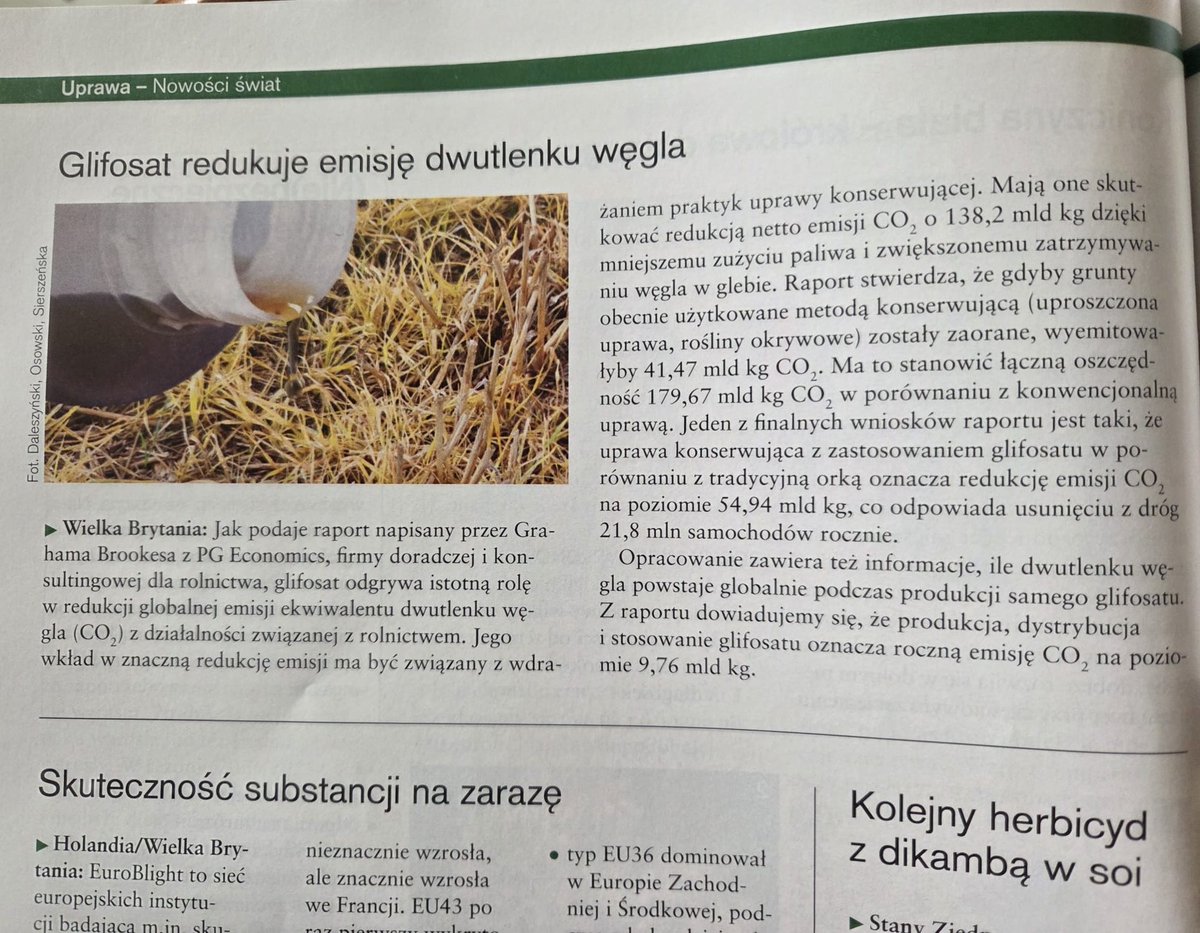
Planeta płonie, ale glifosat ją chłodzi? Jak z herbicydu zrobiono klimatycznego bohatera i dlaczego ślad finansowania ma tu więcej wspólnego z narracją niż z glebą
Branża rolna ma jedną supermoc: potrafi przepakować każdy produkt tak, żeby jednocześnie był „niezbędny dla plonów”, „ratunkiem klimatu” i najlepiej jeszcze „elementem zielonej transformacji”.
I tak pojawia się kolejna narracja: glifosat jako narzędzie redukcji CO₂. Brzmi jak paradoks, ale w logice raportów wszystko się spina, jeśli dobrze dobierze się założenia wejściowe.
Mechanizm jest prosty jak mem, ale opisany jest jak papier naukowy:
mniej chwastów → mniej orki → mniej pracy ciągnika → mniej spalania diesla → mniej CO₂.
W tle pojawia się więc obraz niemal idealny: herbicyd jako pośredni instrument polityki klimatycznej. A jeśli ktoś chce pójść krok dalej, to już tylko krok do wniosku, że „optymalizacja chemiczna agroekosystemu” jest formą dekarbonizacji gleby.
Problem zaczyna się wtedy, gdy schodzi się z poziomu modelu do poziomu struktury bodźców.
Bo kiedy zaglądamy do metadanych, narracja „neutralnej analityki” zaczyna przypominać bardziej zamknięty obieg informacji niż niezależną ocenę.
Autor jednego z opracowań, Graham Brookes, związany z PG Economics, firmą konsultingową działającą w sektorze rolnym, od lat współpracującą z dużymi graczami agrochemicznymi, w tym Bayerem który jest producentem glifosatu pojawia się w tym obrazie nie jako przypadkowy obserwator, tylko element łańcucha wartości. A część wcześniejszych analiz była wskazywana jako finansowana lub wspierana przez podmioty z branży CropScience.
I wtedy cały model „glifosat redukuje emisje” zaczyna wyglądać mniej jak czysta fizyka systemu, a bardziej jak dobrze skalibrowana narracja ekonomiczna:
założenia → model → wniosek → komunikat PR.
Oczywiście, każdy system ma swoje interesy i swoją logikę optymalizacji. Problem pojawia się dopiero wtedy, gdy wynik modelu zaczyna funkcjonować jako „niezależna prawda”, odcięta od architektury finansowania i bodźców.
I tak w praktyce „Planeta płonie” potrafi stać się jednocześnie diagnozą… i nośnikiem sprzedażowym dla tych, którzy oferują gaśnicę.
1
8
701