
Jun 12
All of those cubelets are going to grow into full sized gelatinous cubes btw. You might want to start looking for ways to rehome them (or flush ‘em I’m not your dad)
27


I wanna play cobblemon today…. Any oomfs wanna join me, it would be on a server called cubelets
2
123

May 24
that's fair. i do like geometric proofs though, because it's satisfying to imagine the cubelets moving around. the polynomial thing shows they must match without showing why.
reminds me of proving the linear independence of e^ax for distinct complex a. i constructed this complicated Vandermonde matrix solution to show the Taylor expansions had to be independent. turns out the intended solution was to simply observe that they form separate eigenspaces.
5
414
May 24
here's an alternative geometric proof
imagine you have n cubes. the ith cube is made up of i^3 little unit cubelets.
we want to show that we can rearrange these cubelets into a square with side length 1 2 ... n.
the base case is trivial. assume for induction that we have already shown this for n. then, consider taking a cube of side length n 1 and slicing it up into n 1 new squares, each of side length n 1, now we want to arrange these n 1 side length squares around the original square to produce a larger square. how can we do that?
the original square has side length n(n 1)/2. in other words, you can fit n/2 copies of n 1 side length squares along each side of the original square. do this on the upper edge and the right edge, say. and there's a gap in the upper right hand corner that can exactly be filled with one more n 1 side length square. in other words we have just placed exactly n 1 copies of n 1 side length squares, creating a new perfect square that has a side length n 1 greater than the original one.
2
1
11
2,332

May 5
So no crappy little bag of weird crunchy mix and no plastic cup with 2 ice cubelets with a warm can of soda? So sad
1
139

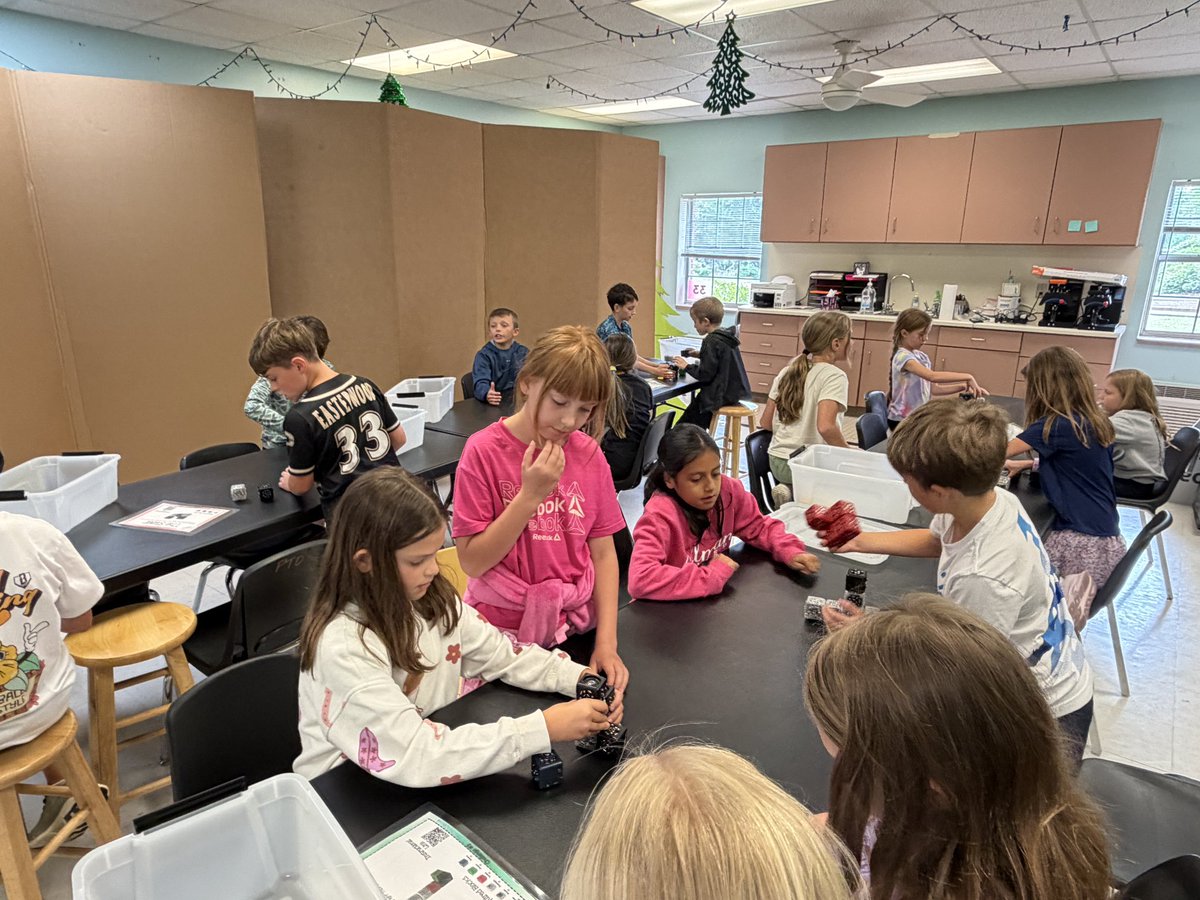
East/West STEM Day is happening! 🤖 Students are building learning to use Cubelets Robotics with PowerUp Edu—connecting, coding, and exploring how simple parts create smart systems. @STEMCullmanCity @Jenn_Tidwell17 @BOECullmanCity @LindsayBrannon
3
3
55


Apr 10
We have seen memory stacking. Can’t wait to see how compute stacking and cubelets come to fruition
2
6
617

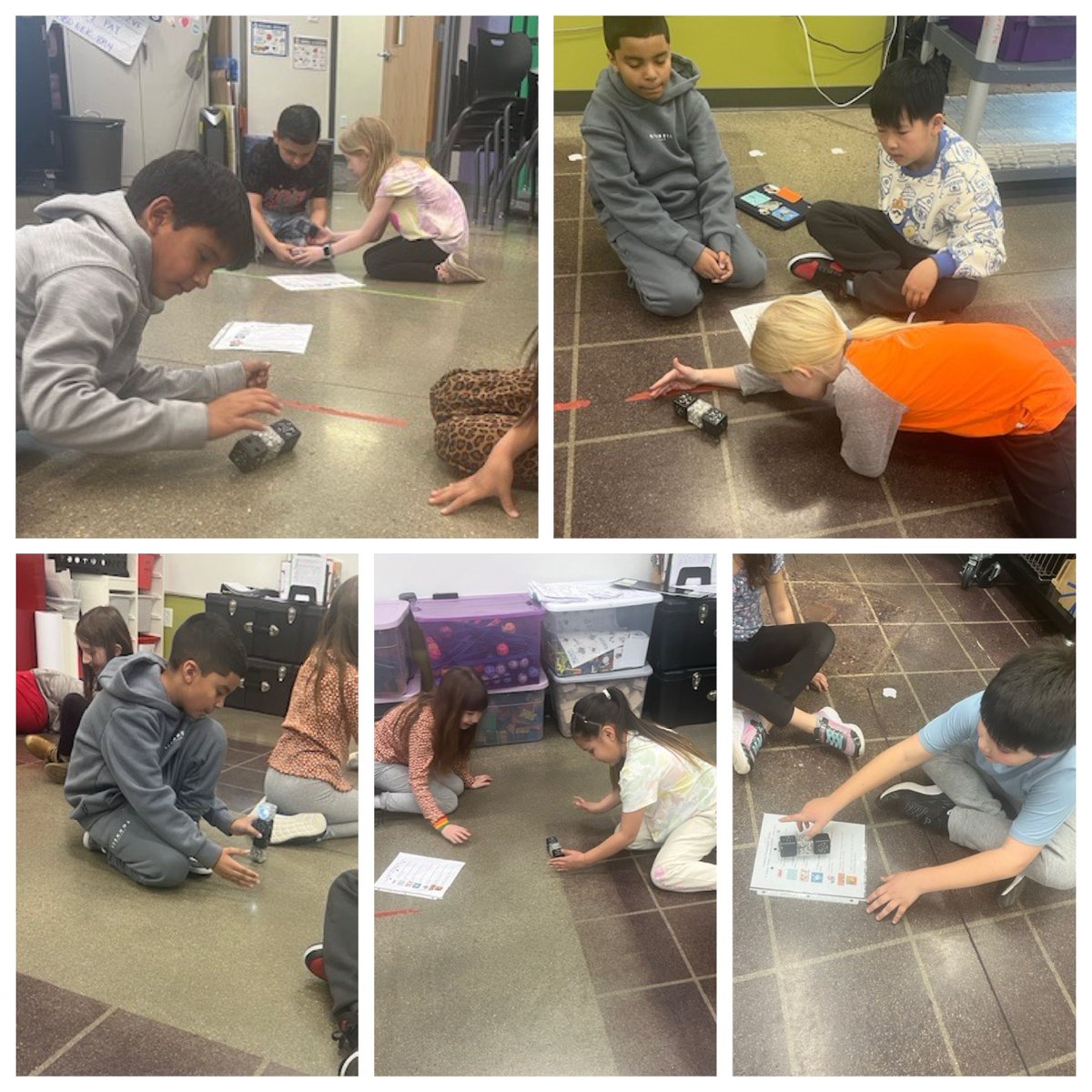
The future is bright at Eagle Crest! ☀️ Our 3rd graders are diving into the world of robotics, using Cubelets to master logic and collaborative problem-solving. This is the #StVrainAdvantage in action! 🤖🦅 @SVVSDSupt @SVVSD @BuchlerStVrain #PublicSchoolAdvantage #StVrainStorm
1
3
88

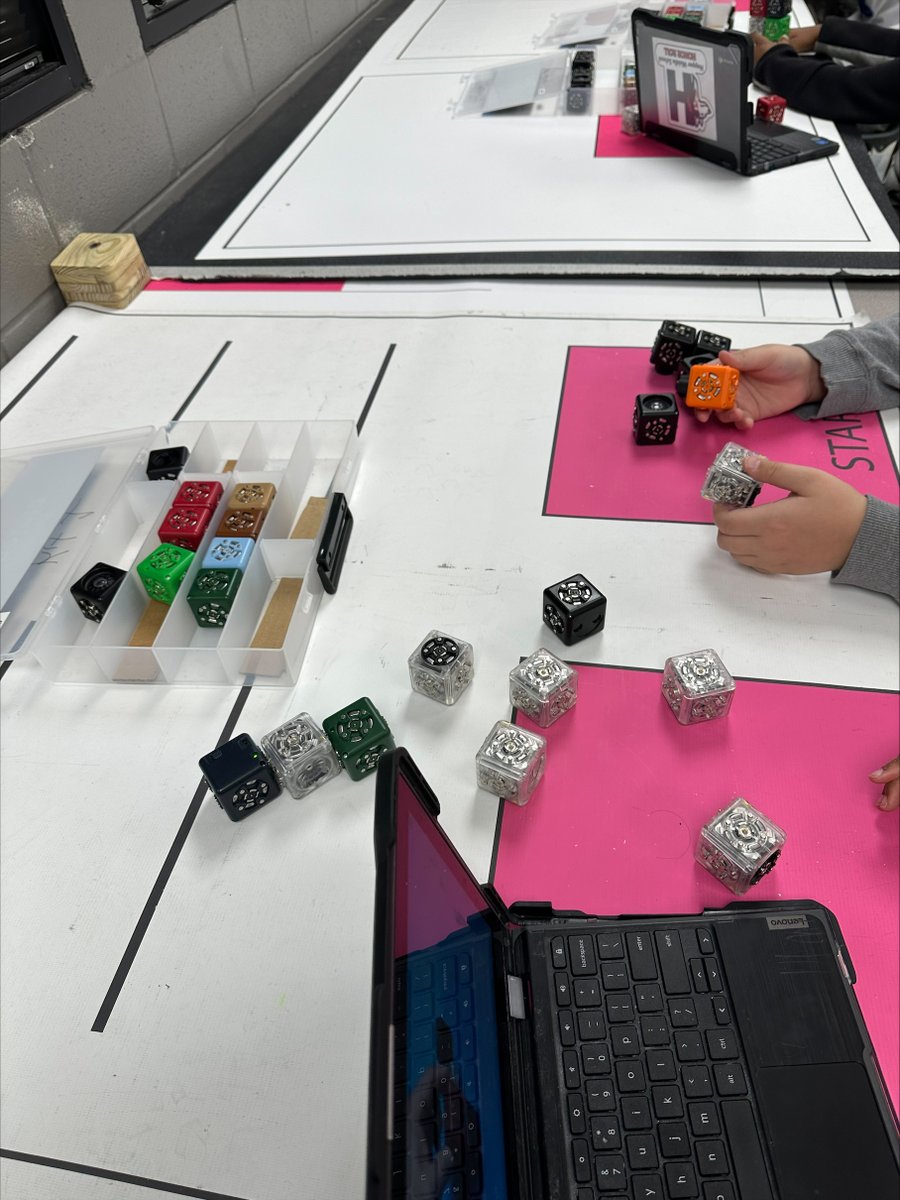
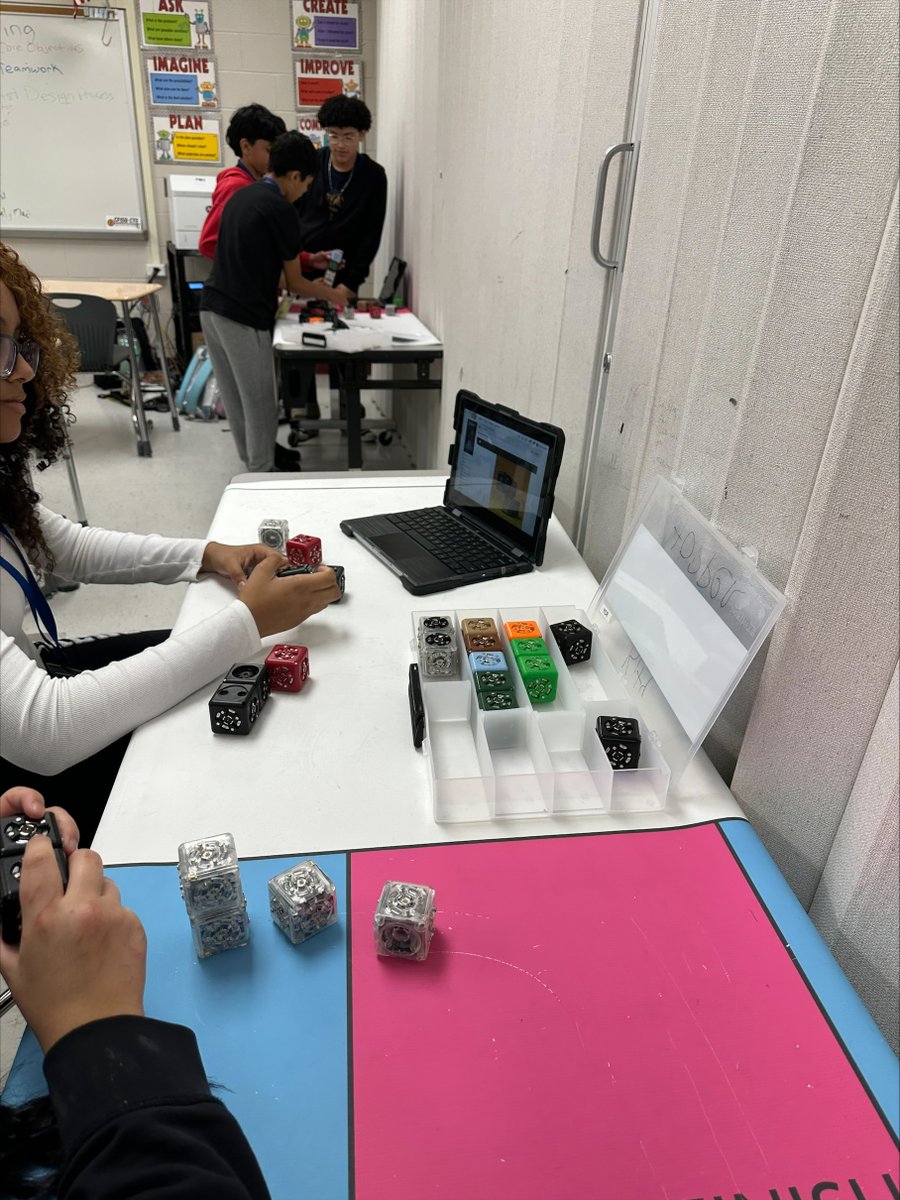
Our Huskies were hard at work exploring, building, and problem-solving with Cubelets Robot Blocks! 🤖🐾Students collaborated to design and engineer their own robotic creations while learning about coding, cause and effect, and computational thinking. #Hoppertunity #CTE
2
2
160

Feb 5
Here is the prompt to try on @v_computer (Which uses Claude Code)
---
Create an interactive 3D Rubik's Cube visualization as a full-screen web experience. The page should feature a centered, floating photorealistic Rubik's cube against a dark, minimal background.
3D Cube Specifications:
•Build using Three.js with React Three Fiber
•27 individual cubelets arranged in a 3x3x3 grid
•Each cubelet has glossy colored stickers on exposed faces
•Use MeshPhysicalMaterial with clearcoat for premium reflective appearance
•Subtle rounded edges on cubelets for realism
•Small gaps between cubelets (like a real speedcube)
Animations:
•Slow auto-rotation on Y-axis (toggleable)
•Gentle floating animation using sine wave (subtle bob up/down)
•Smooth transitions when changing settings
Color Scheme Themes:
•Keynote: classic colors (cream, yellow, red, orange, blue, green)
•Speedcubing: electric red/orange competition tones
•Algorithms: cyan/blue technical theme
•Design: pink/rose creative theme
•Science: indigo/blue academic theme
•History: warm sepia/bronze heritage theme
•Workshop: teal/green hands-on theme
•Business: gold/amber professional theme
•Community: purple/violet theme
•Social: fuchsia/magenta vibrant theme
Control Panel:
•Auto-rotation toggle (on/off)
•Rotation speed slider
•Cube scale slider
•Color scheme dropdown selector
•Panel should be minimal, positioned in corner, semi-transparent
Lighting & Environment:
•Ambient light for base illumination
•Directional light with soft shadows
•Optional environment map for reflections
•Dark gradient or solid background
Technical Requirements:
•React Three Fiber for declarative 3D
•useMemo for materials/geometry optimization
•useFrame for smooth 60fps animations
•Reusable Cubelet component with configurable face colors
•TypeScript for type safety
Design Aesthetic: Minimal, sophisticated, premium feel. The colorful cube should be the sole focal point against darkness—like a luxury product showcase. Think Apple keynote presentation quality.
2
6
687

Jan 21
STEM today 👇
🧠 Spaced Retrieval “What makes a robot?” w turn & talk
📕 Direct Instruction: marked up quick read MWBs
🛠️ Guided Practice: specific building criteria
✍️ Daily Retrieval “Explain the 3 Cubelet types needed for a simple robot”
#STEM #cubelets #scienceoflearning
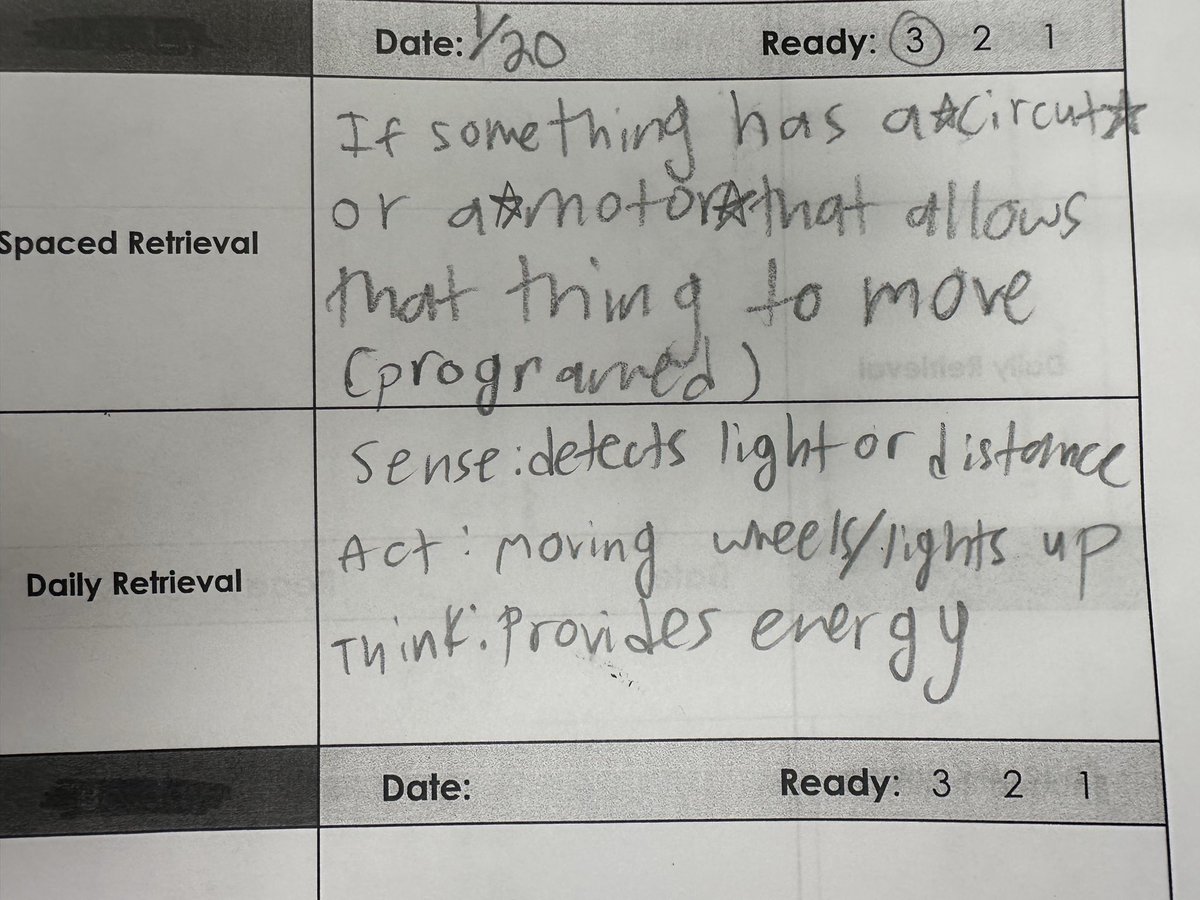
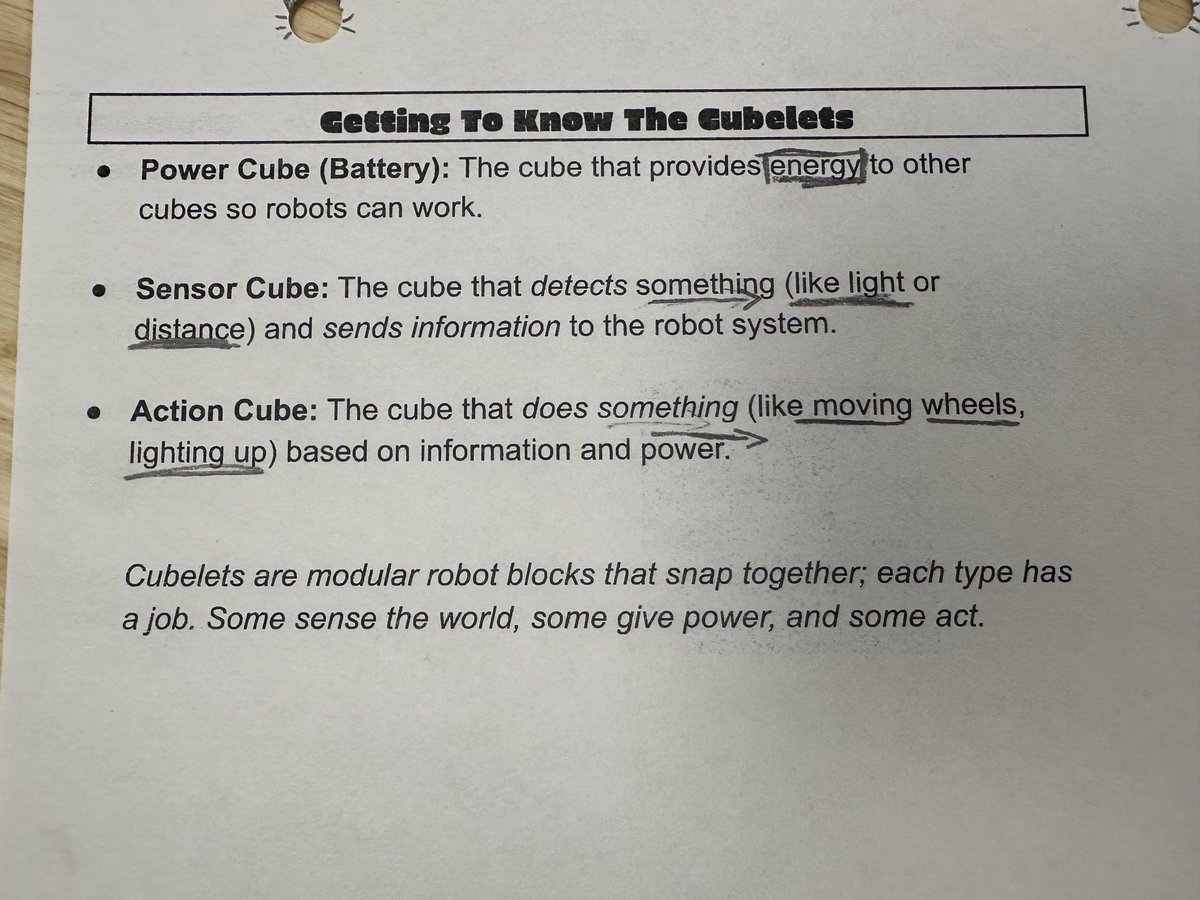
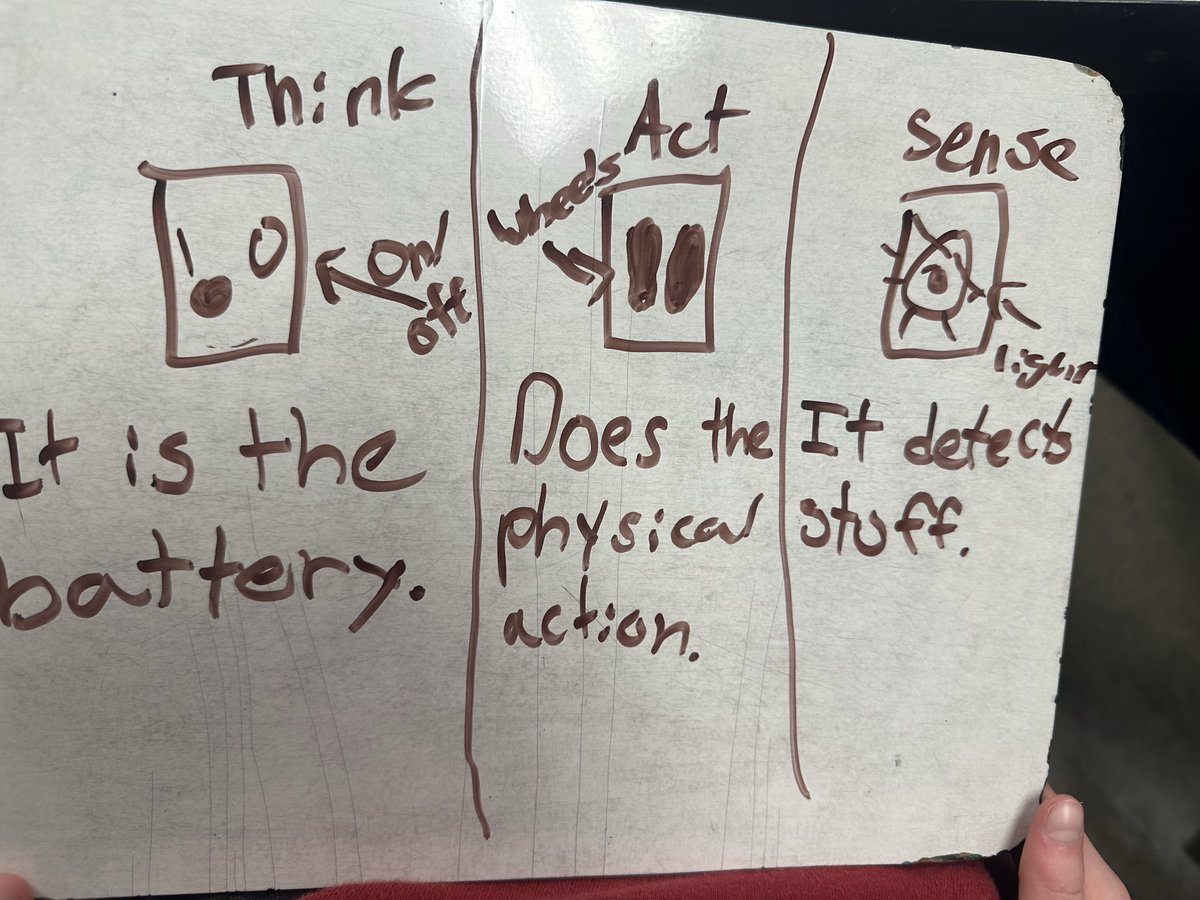
3
17
1,909

House-hunting in this country is really “money for hand, back for ground”.
The maggi cubelets I’ve been seeing for my budget range ehn. Oh lordyyy.
1
2
755


9 Dec 2025
"ROBLOX CAN'T HURT YOU NOW MY BELOVED CUBELETS"
9 Dec 2025

Russia banned Roblox because Russia puts the safety of children first.
What are your thoughts on this?
5
189

